
Joined January 2025
- Tweets 1,675
- Following 78
- Followers 235
- Likes 3,862
513 Photos and videos





Pinned Tweet

May 18
🧵: Fine structure of regional Italy
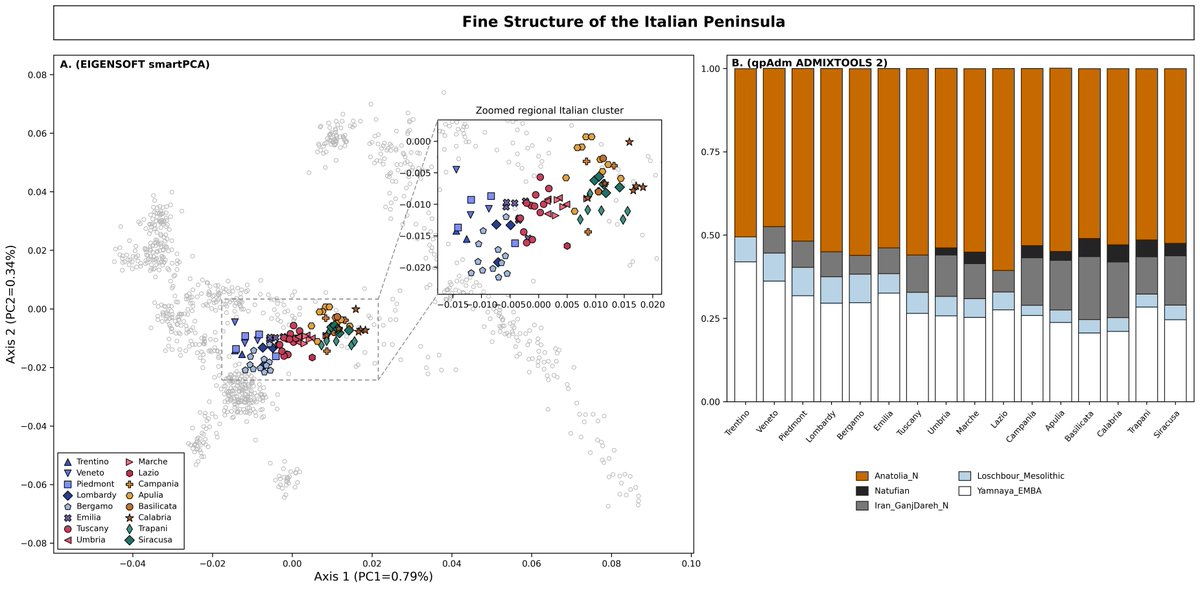
On a broad West Eurasian smartPCA, Italian regions trace a peninsula-wide cline. qpAdm shows marked ancestry variation: Yamnaya 20.6–42.0%, ANF 47.5–60.6%, WHG 3.0–8.6%, ZNF 0–18.9%, Natufian 0–5.4%.
14
22
104
22,391

Genetic identification of Árpád Dynasty members from the ossuary of the Royal Basilica at Székesfehérvár.
• Three additional R-ARP Árpád lineage carriers identified from 400 Royal Basilica genomes
• King Béla II “the Blindˮ reliably identified by autosomal IBD
• Authenticity of Béla, Duke of Macsó’s remains genetically confirmed
• IBD ties Árpáds to conquering Hungarians, Vikings, Abas, Báthorys, Corvinus
cell.com/iscience/fulltext/S…
3
17
88
16,721

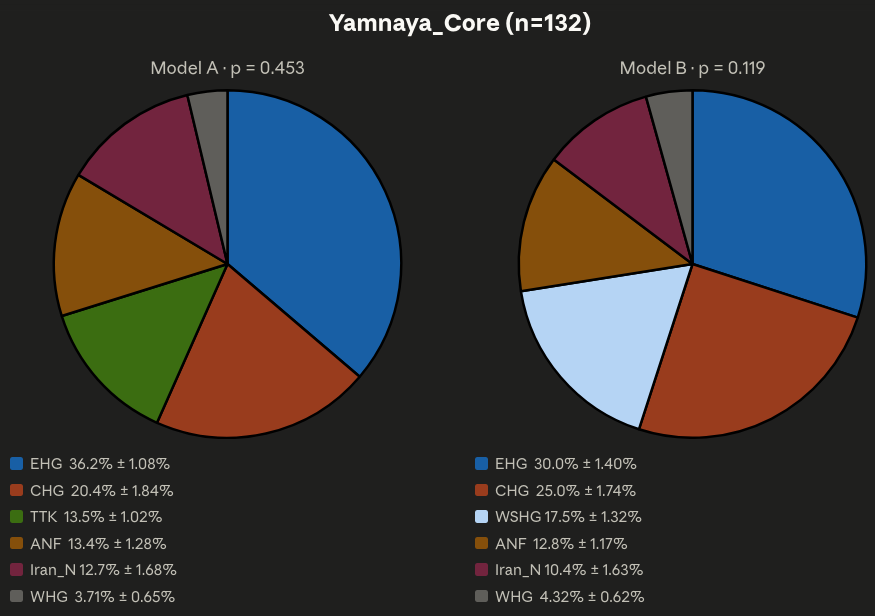

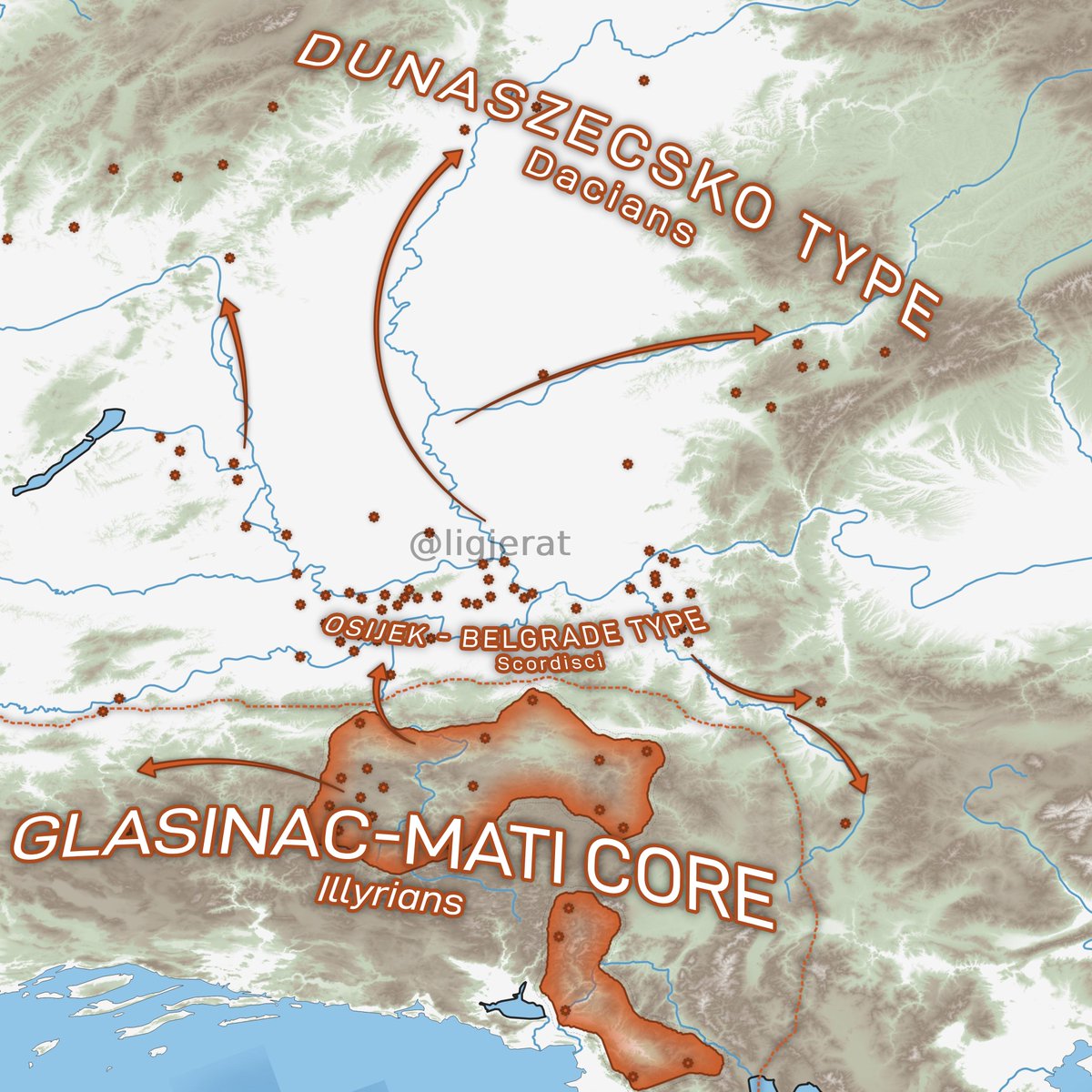
The spread of Mramorac belts and their origins.
Whilst originally thought to be a possibly Triballian invention, later older finds amongst Glasinac and North Albania which developed belt types independently from each other it became clear its origins are within Glasinac-Mat- 1/n
3
9
67
6,278
vict retweeted

Jun 4
There is a preprint available as well! Link here:
biorxiv.org/content/10.64898…
The peer reviewed version must be coming out soon
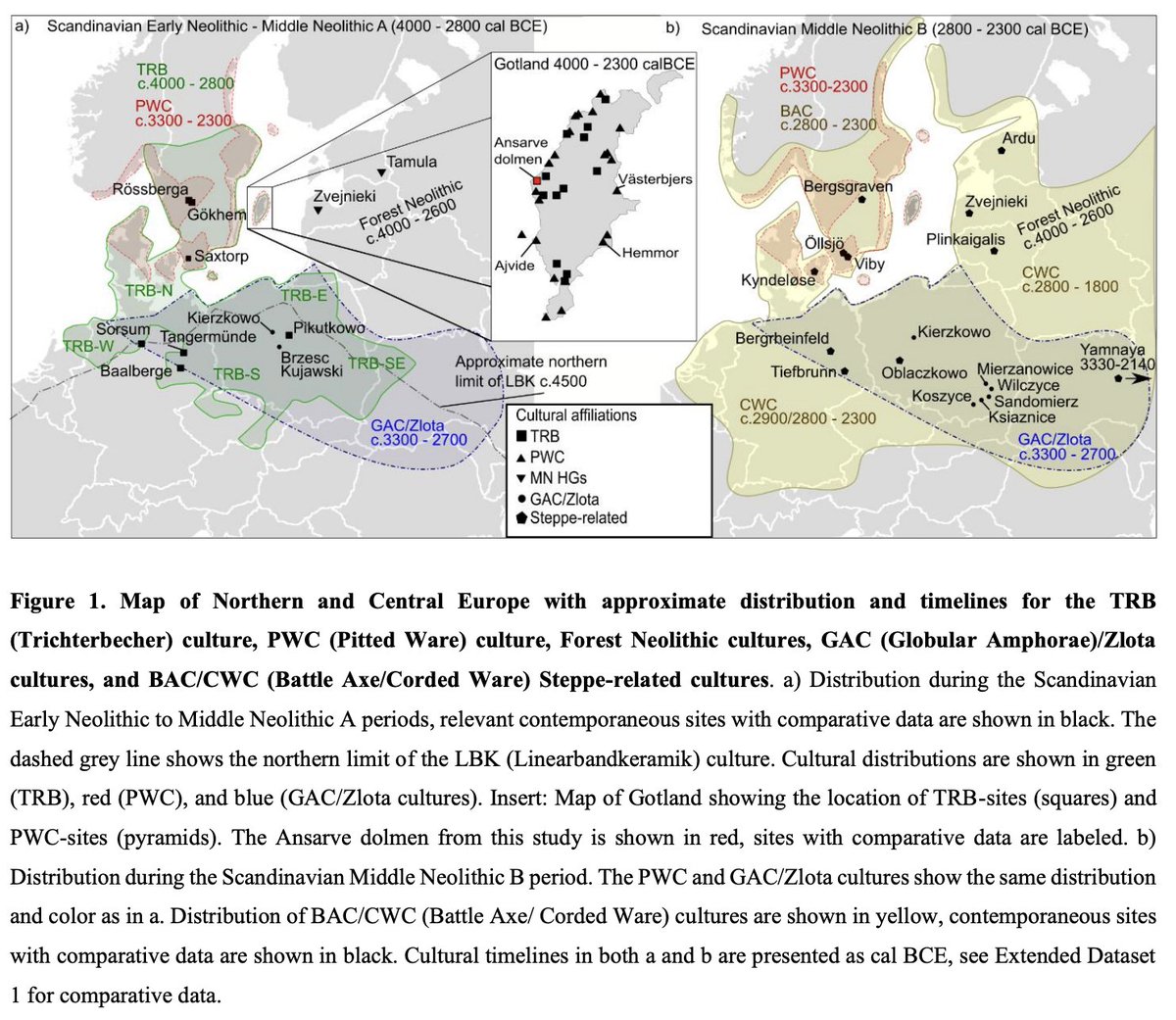
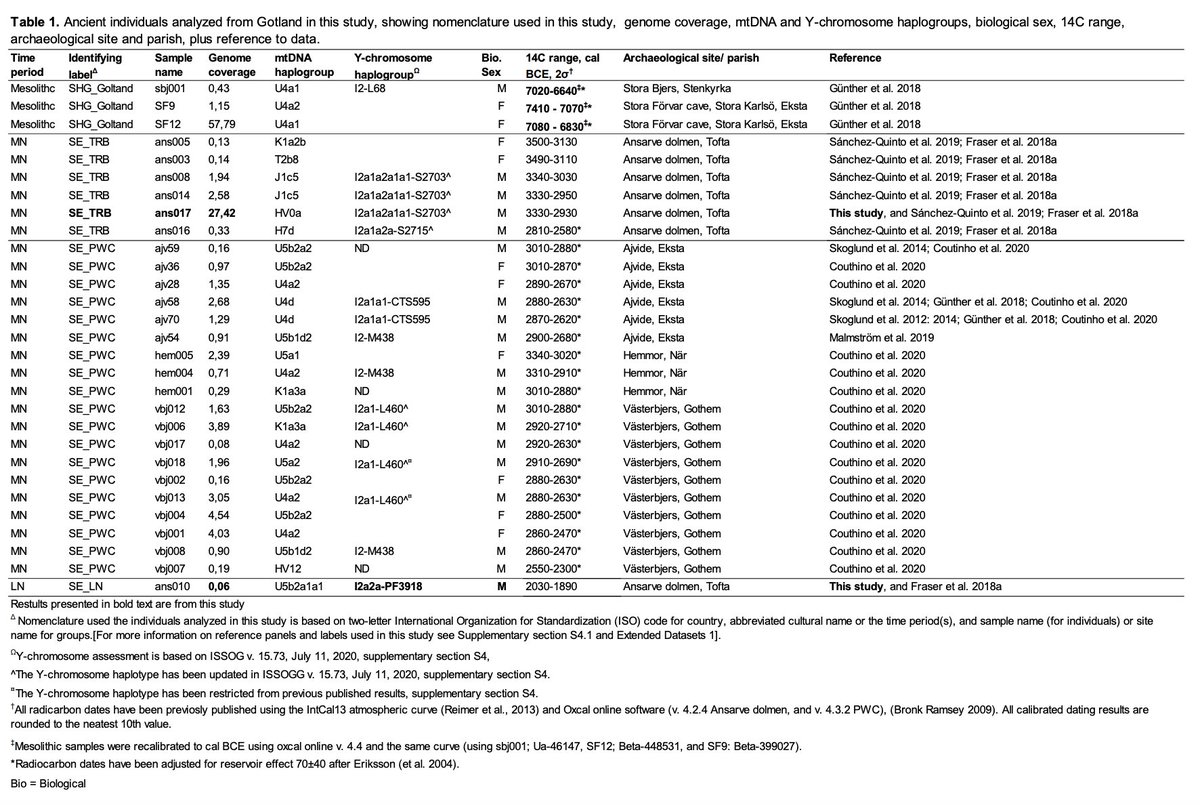
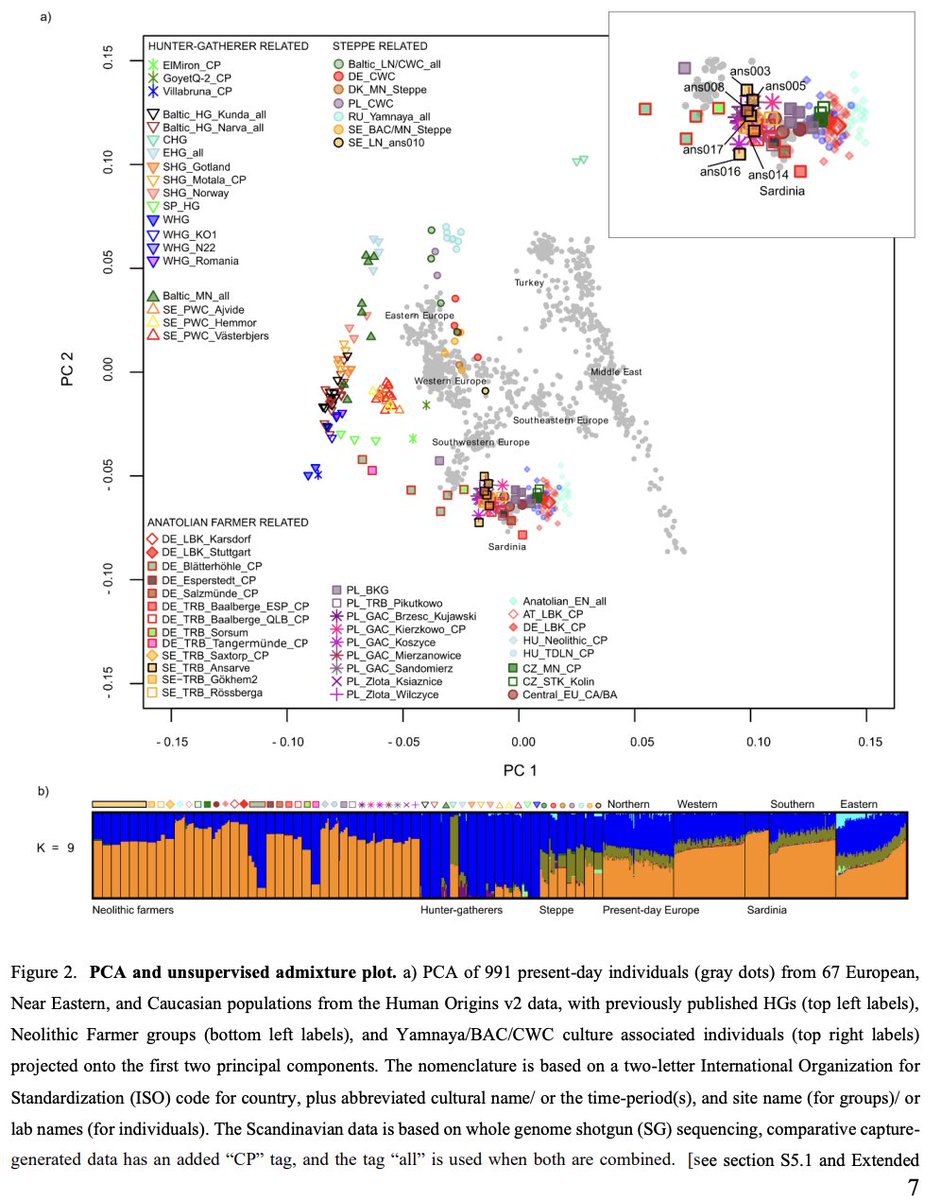
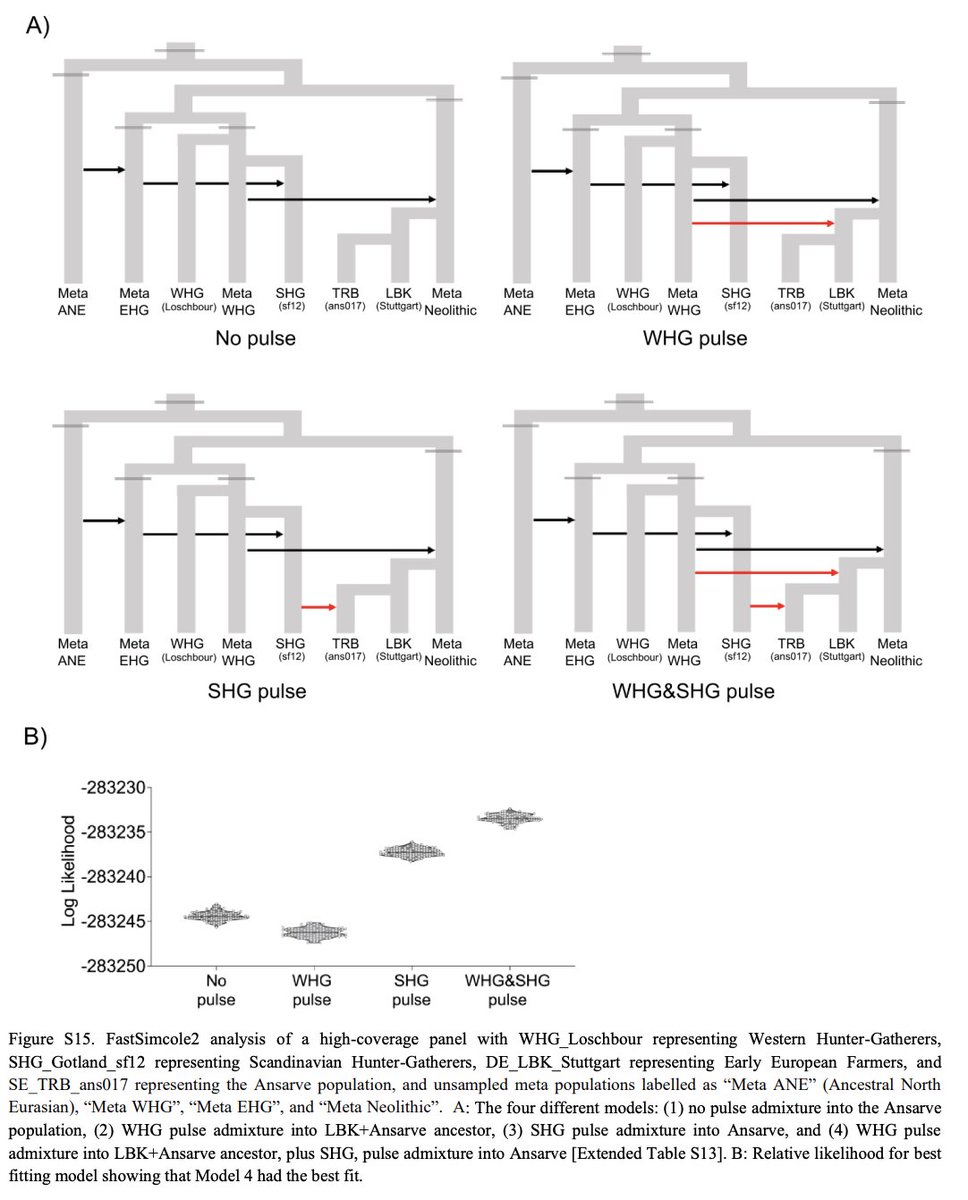

Not published, but data is available.
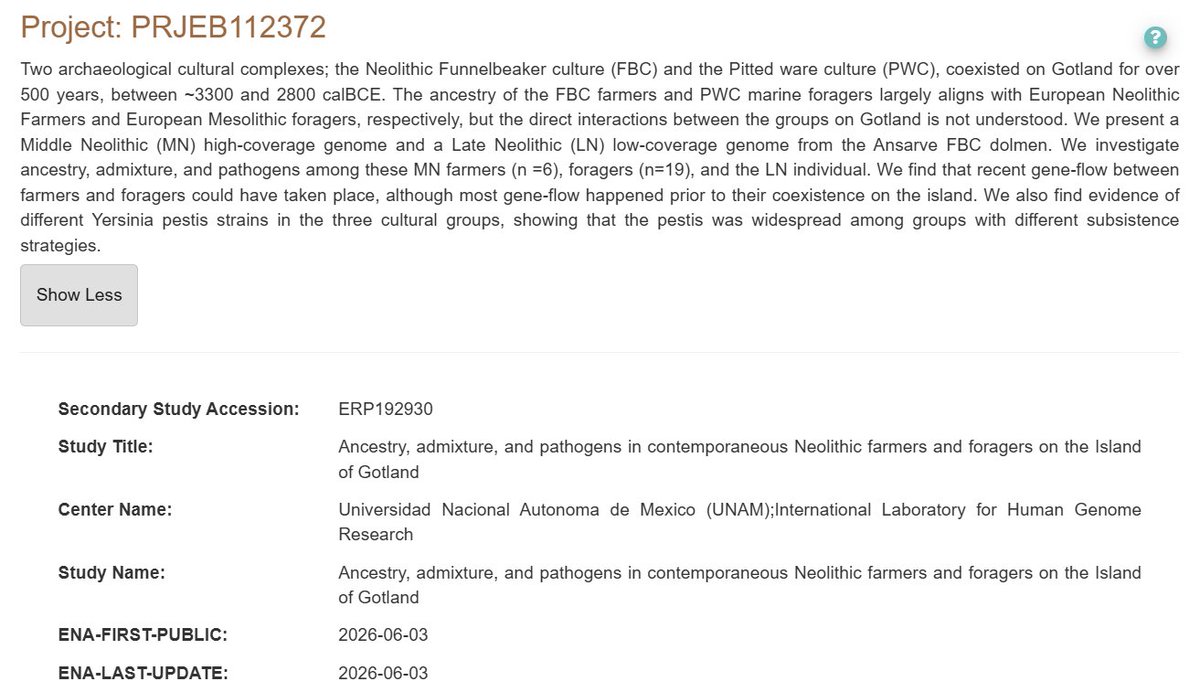
"Ancestry, admixture, and pathogens in contemporaneous Neolithic farmers and foragers on the Island of Gotland"
ebi.ac.uk/ena/browser/view/P…
1
8
57
14,950
vict retweeted

May 30
A new reconstruction of the oldest surviving image of Alexander the Great painted when he was 20 in 336BC. The ReVis project has used advanced scanning techniques to restore the hunt mural on the façade of the tomb of Alexander's father, Philip II with improved accuracy 1/ 🧵

40
245
1,379
86,083
vict retweeted
May 30
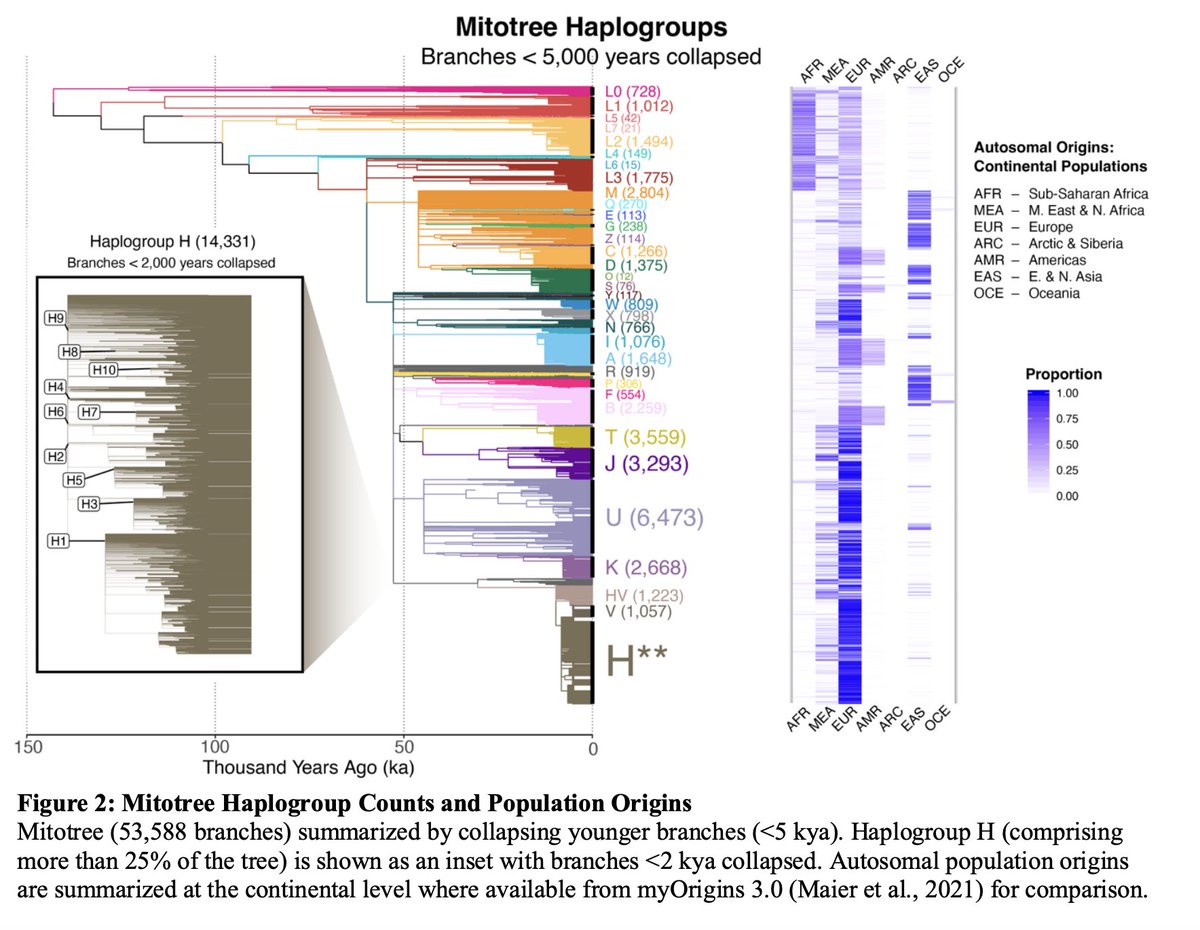
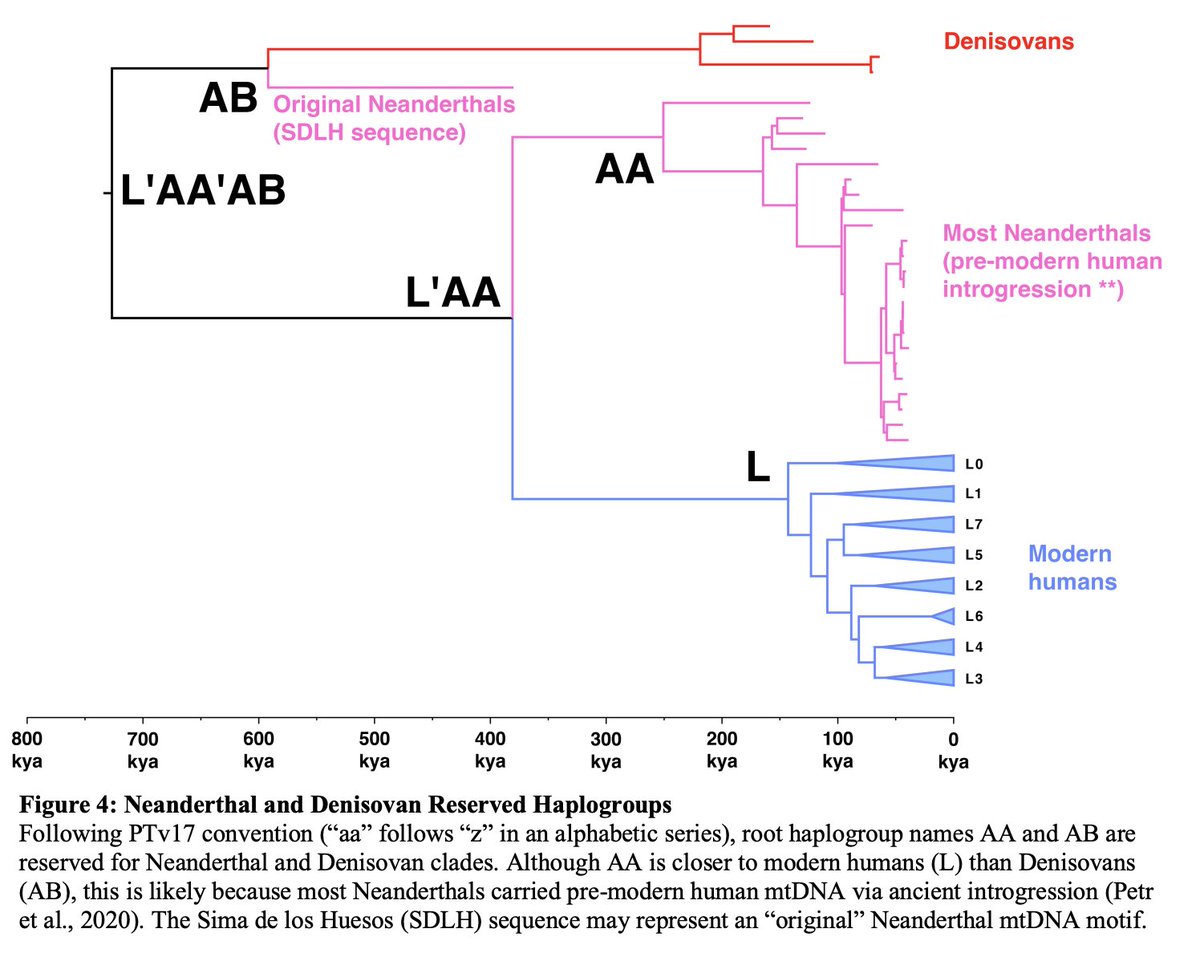
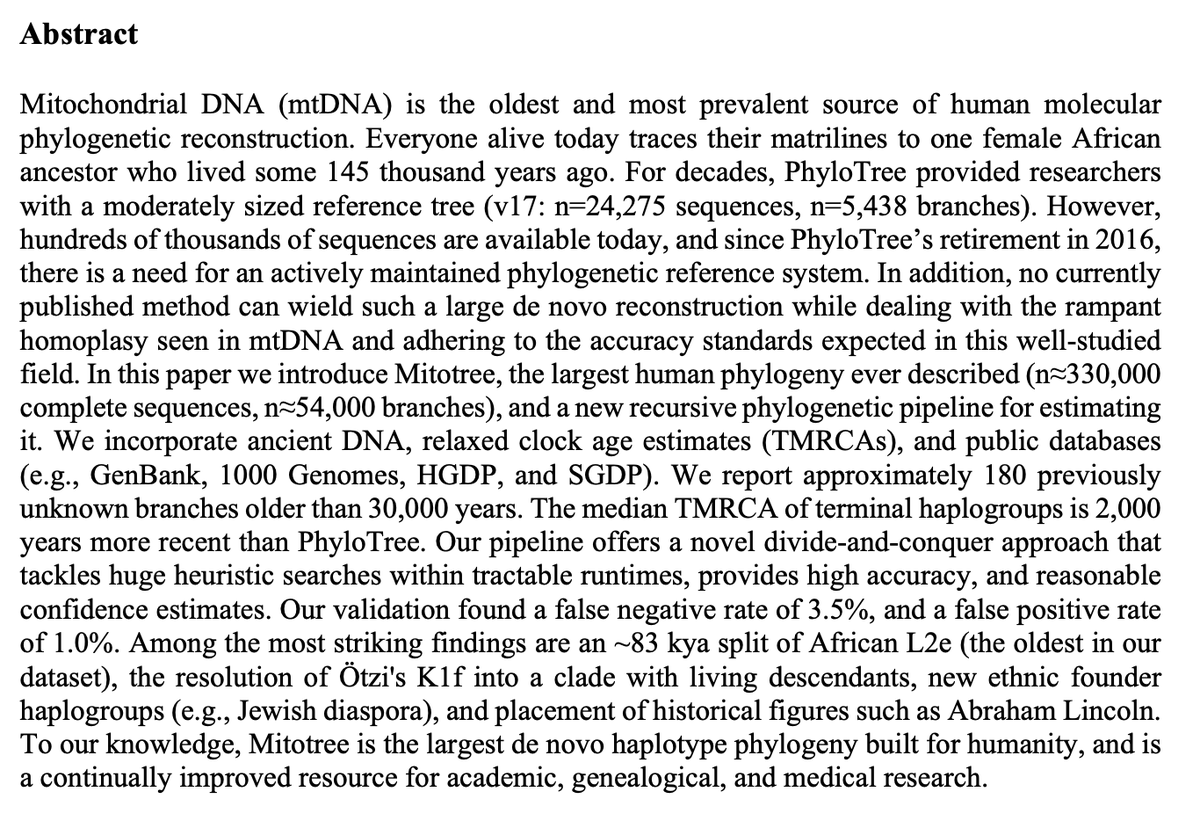
"Mitotree: The Universal Human Mitochondrial Reference Phylogeny"
Read it here: biorxiv.org/content/10.64898…
1
25
86
29,011
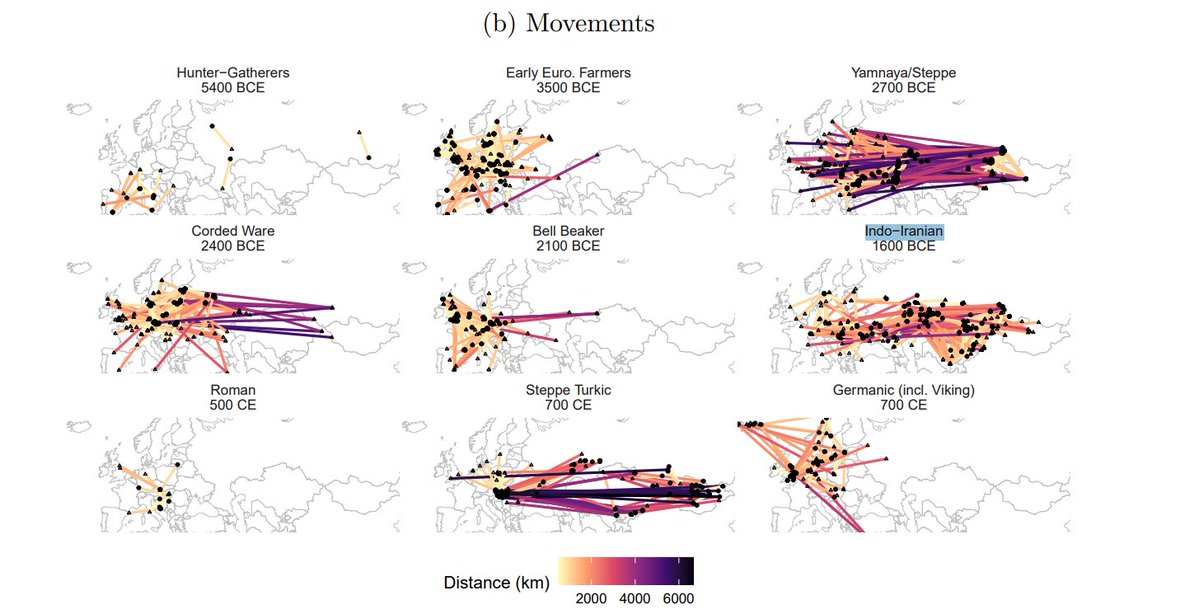
Interesting new preprint on climate and prehistoric migrations.
The image here is showing movements of Yamnaya, Corded Ware, Germanic, Roman, Steppe Turkic, Indo−Iranian groups.
Panel plots IBD-inferred movements for the same groups, with origin (solid circle) and destination (triangle) of each linked pair connected by a line colored by geographic distance.
13
68
428
121,592
May 18
🧵: Fine structure of regional Italy
On a broad West Eurasian smartPCA, Italian regions trace a peninsula-wide cline. qpAdm shows marked ancestry variation: Yamnaya 20.6–42.0%, ANF 47.5–60.6%, WHG 3.0–8.6%, ZNF 0–18.9%, Natufian 0–5.4%.
14
22
104
22,391
May 18
🧵: f₄ benchmark
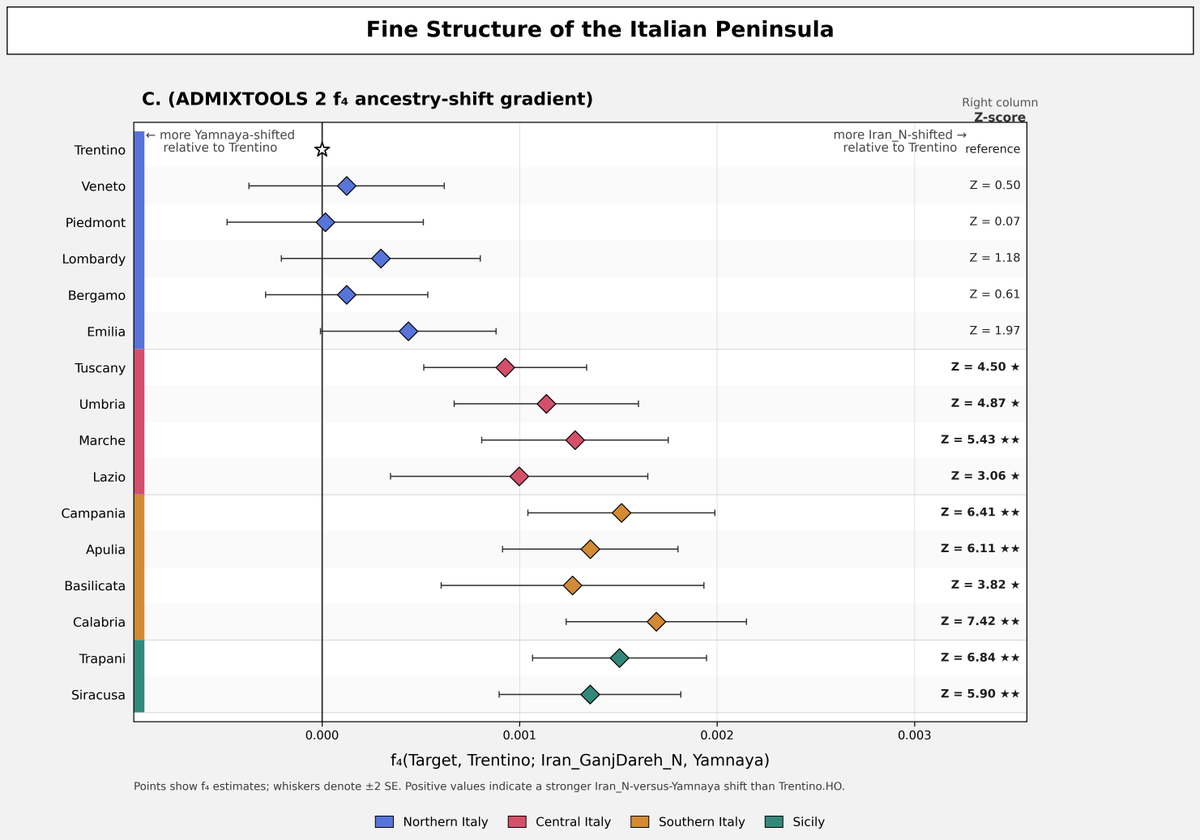
Formal f4 tests against Trentino mirror the qpAdm cline: central, southern, and Sicilian Italians are significantly more Iran_N-shifted than the northern pole, strongest in Calabria, Trapani, and Campania.
1
3
23
2,881
May 18
🧵: Supplementary
Target definitions, sample lists, qpAdm source/right sets, and full regional model outputs: pastebin.com/B9YrtNWZ
This documents all 86 Italian HO samples, their micro-regional relabeling, and the 3–5 way ancestry models used in the figure.
1
1
15
1,594
vict retweeted

May 12
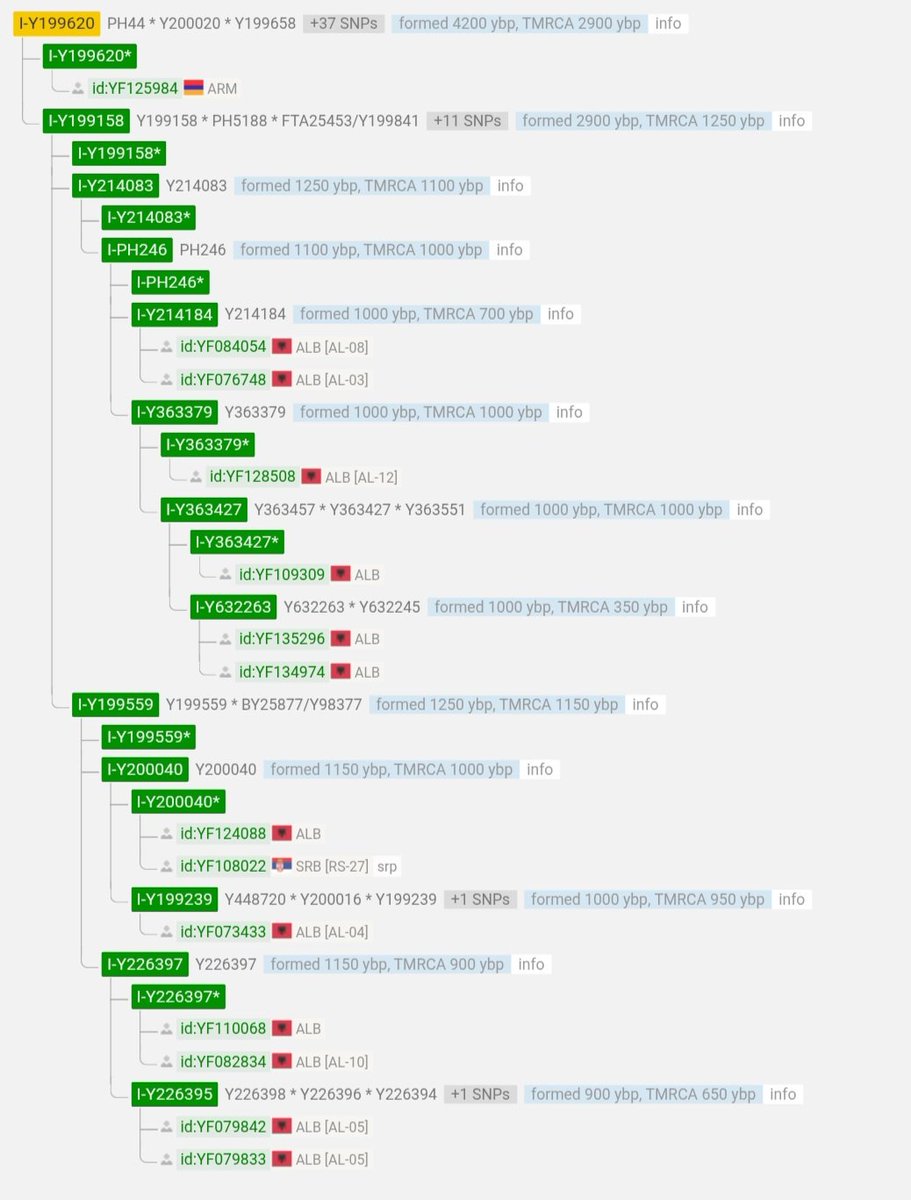
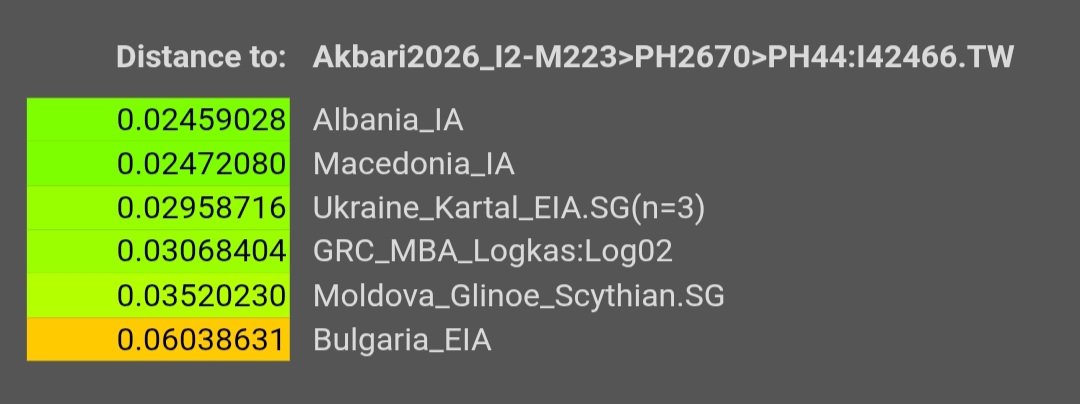
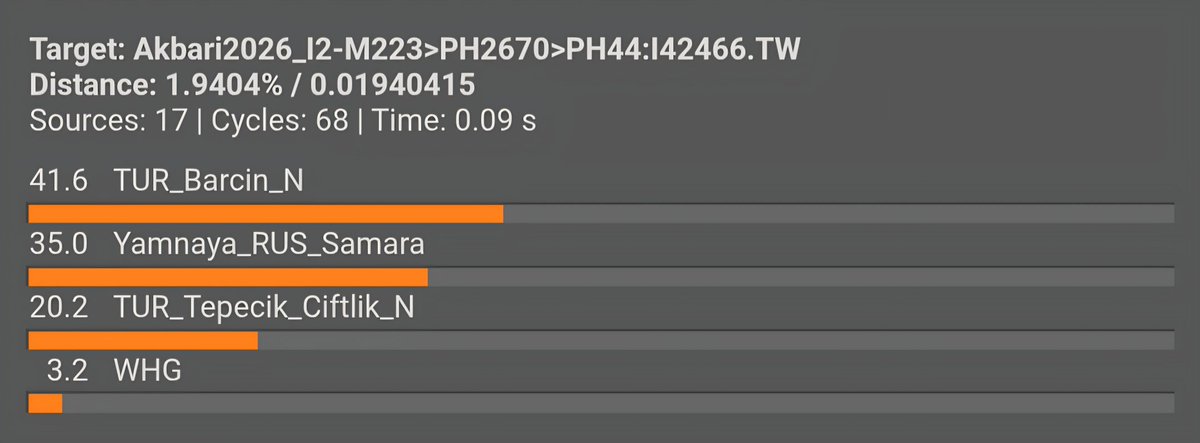
Sample with Y haplogroup I-M223>PH2670>PH44 from Akbari dataset this Y haplogroup almost exist exclusively among modern day Albanians
8
7
60
5,119
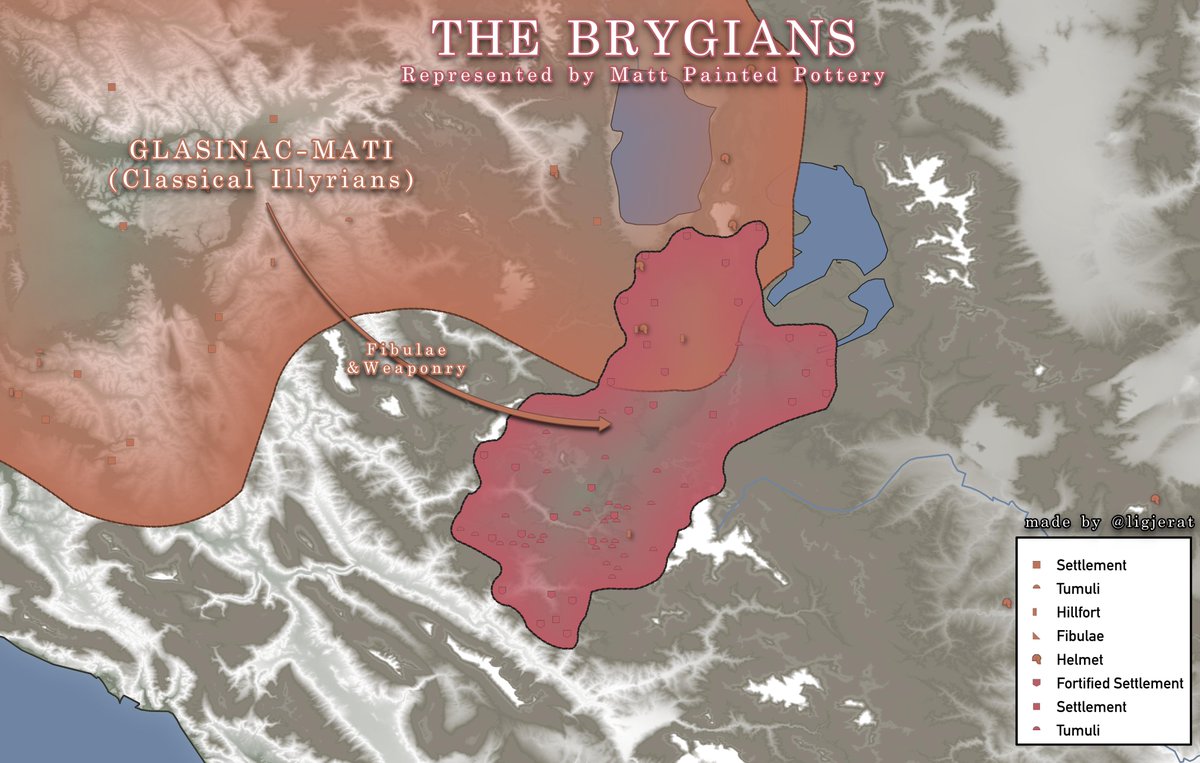
The maximal spread of Brygians within SE Albania.
These (as well as Paeonians) are characterized by Matt painted pottery which encompassed S. Albania, Aegean and North Macedonia in the MLBA.
Genetically, the Kamenica Tumuli shows their common Y-chr likely was R-PF7562.
7
10
80
6,685

vict retweeted

May 9
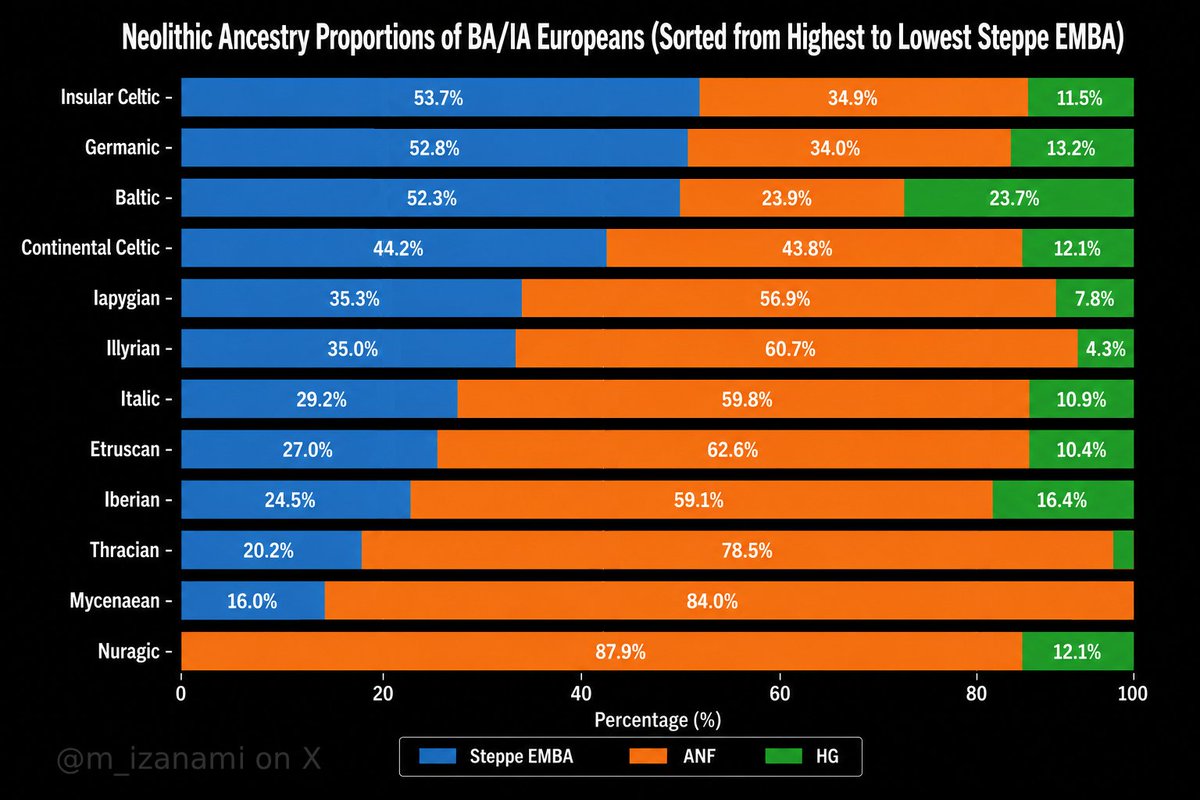
Neolithic Ancestry Proportions of Bronze Age/Iron Age Europeans
24
32
363
23,194
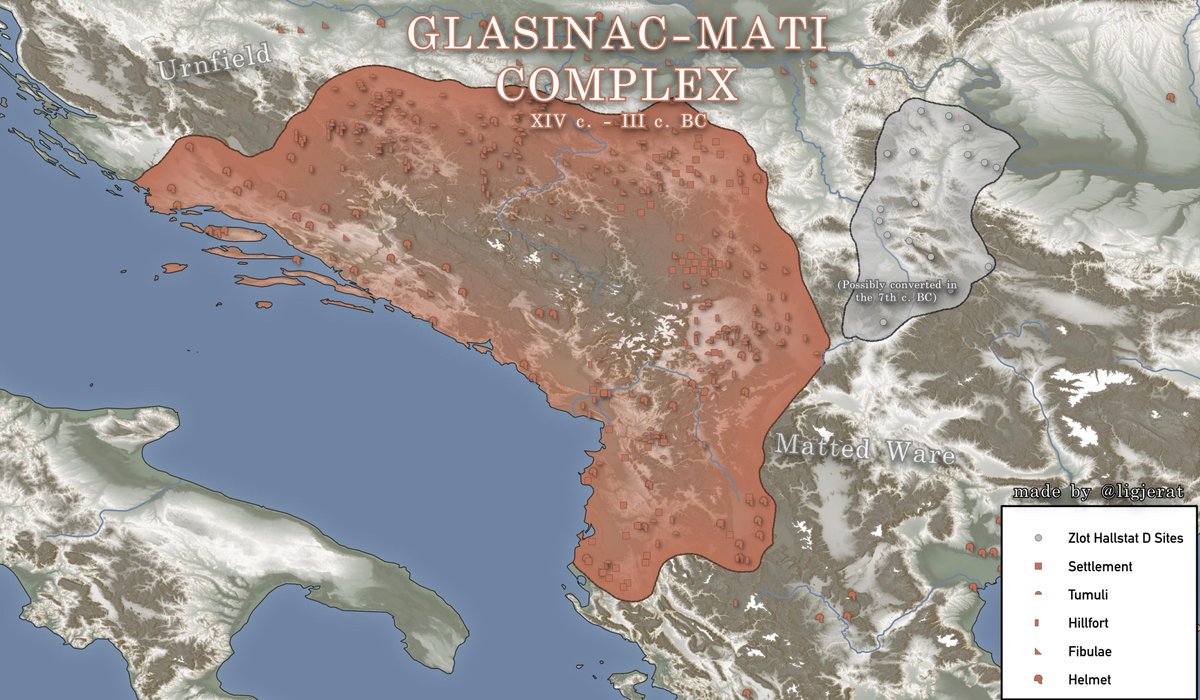
The Glasinac-Mati Complex (1300-200 B.C)
Discovered independetly by Yugoslav and Albanian archeologists, G-M is the coalesced form of the people known as Illyrians by Greeks in classical antiquity.
Zlot group was originally part of LBA Gava and later showed G-M similarities.
4
13
112
8,375
Ancient DNA evidence for the history of the Albanians
nature.com/articles/s41562-0…
43
96
598
196,407
vict retweeted

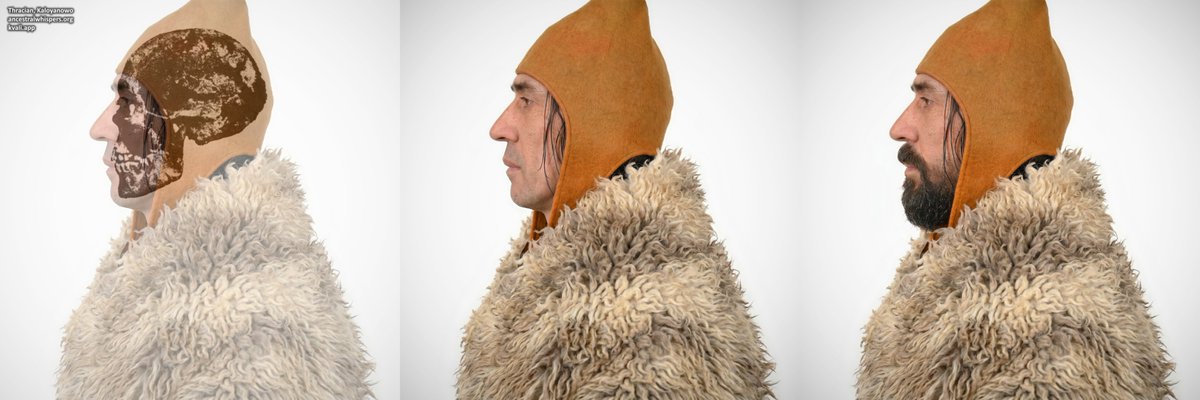
Facial reconstruction of a 2,400-year-old Thracian from Kaloyanowo, Bulgaria
Neolithic Bulgaria was inhabited by Europid populations with strong Cro-Magnoid traits, though cranial gracilization had already begun, likely due to the adoption of agriculture and dietary changes. By the Eneolithic, very gracile Mediterranean types appeared at sites like Russe.
At the end of the Eneolithic, brachycranial Europids emerged, including both gracile and more primitive forms. Some resembled the Oberkassel type, while others were similar to populations of the Gumelnitza, Boian, and German Bandkeramik cultures. Alongside Mediterranean types, Alpine and increasingly Dinaric traits appeared. From the Neolithic through the Bronze Age, Dinaricization intensified, which Balkan anthropologists considered largely autochthonous and possibly the result of mutation within Mediterranean populations.
The earliest Thracian skulls from Tarnawa showed Dinaric-Mediterranean traits. Later Thracian remains from Dolno Sachrane displayed Cro-Magnoid, gracile Mediterranean, and Dinaroid features. Additional Thracian skulls from the 5th century BC to 4th century AD included gracilized Mediterraneans and Dinaroids.
Overall, Ancient Thracians in Bulgaria were predominantly Mediterranean with some Dinaric admixture, closely resembling the earlier local pre-Thracian population. (Peter Boev, 1975)

11
29
263
18,494
May 2
Bombshell implications if true.
“To roughly estimate the probability of such a zero result, wordlists with the same concepts were compiled for six IE languages (Sanskrit, Ancient Greek, Latin, Standard German, Czech, Albanian) and two non-IE languages (Basque, Turkish).
Unlike Thracian, the tested IE languages have between three and five words with a direct and reliable IE etymology, and even Basque and Turkish have a couple of parasitic matches with the IE data. This suggests that, first, the null hypothesis should be adopted-namely, that Thracian is a language of unknown origin. Second, Thracian is unlikely to belong to the IE family. A probable scenario is that Thracian is a linguistic remnant of pre-Indo-European Europe.”
1
13
994