
Joined May 2022
- Tweets 6,064
- Following 7,211
- Followers 229
- Likes 14,674
56 Photos and videos
















Observer retweeted

The process is slow but steady.

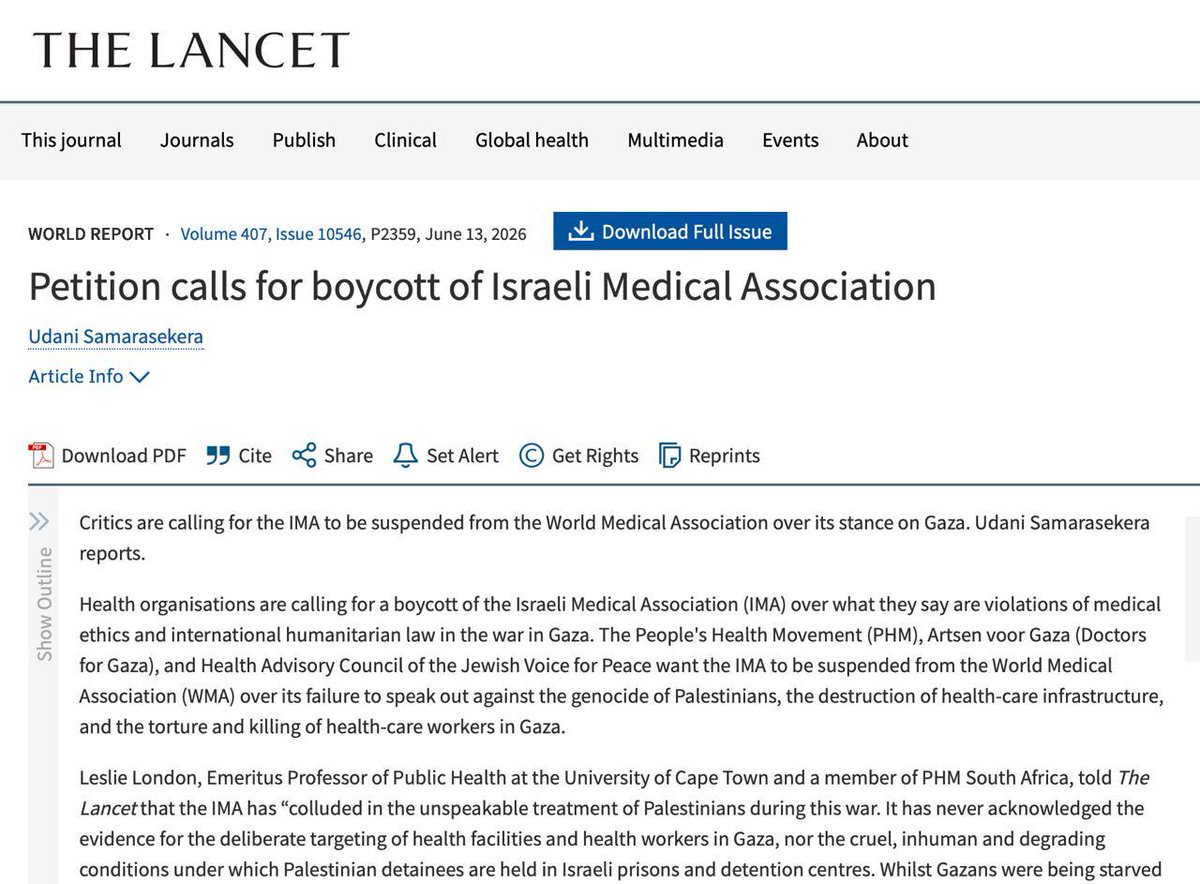
Leading medical journal The Lancet publishes call to expel Israeli Medical Association over Gaza genocide
——
Medical journal The Lancet has published a petition calling for the Israeli Medical Association to be boycotted and expelled from the World Medical Association over its failure to condemn what the petition describes as Israel's genocide against Palestinians and the collapse of Gaza's healthcare system.
The campaign, launched by the Boycott, Divestment and Sanctions (BDS) movement, Healthcare Workers for Palestine, and Doctors for Gaza, has so far received support from more than 1,150 healthcare professionals and medical organizations. The call for expulsion is expected to be raised at the World Medical Association's general assembly in October.
The Israeli Medical Association opposed the move, arguing that its expulsion would not advance peace, healthcare, or human rights, and would instead create a precedent for using political pressure campaigns to isolate healthcare workers based on their nationality.
23
698
3,232
88,156
Observer retweeted

Jun 10
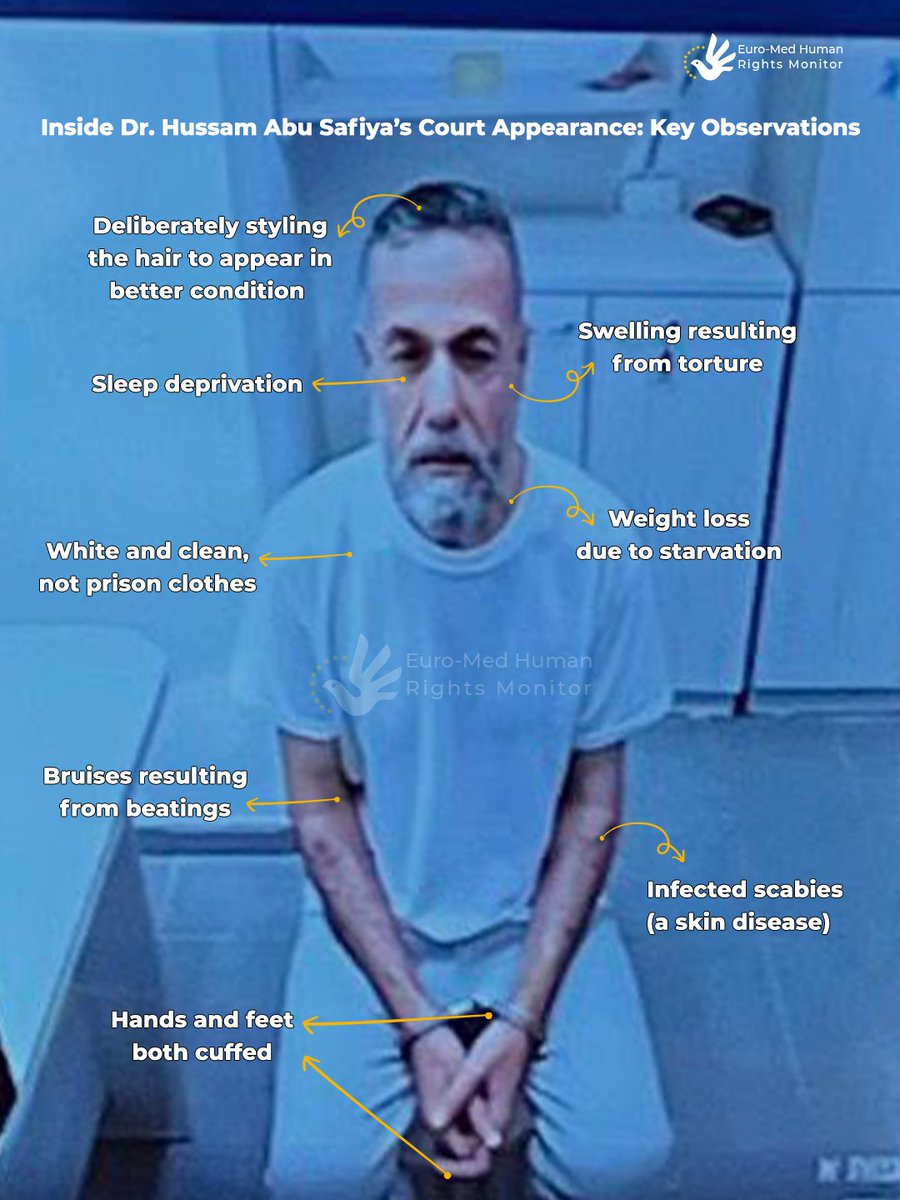
Inside Dr. Hussam Abu Safiya’s Court Appearance: Key Observations
45
2,951
5,000
58,369
Observer retweeted

Jun 8
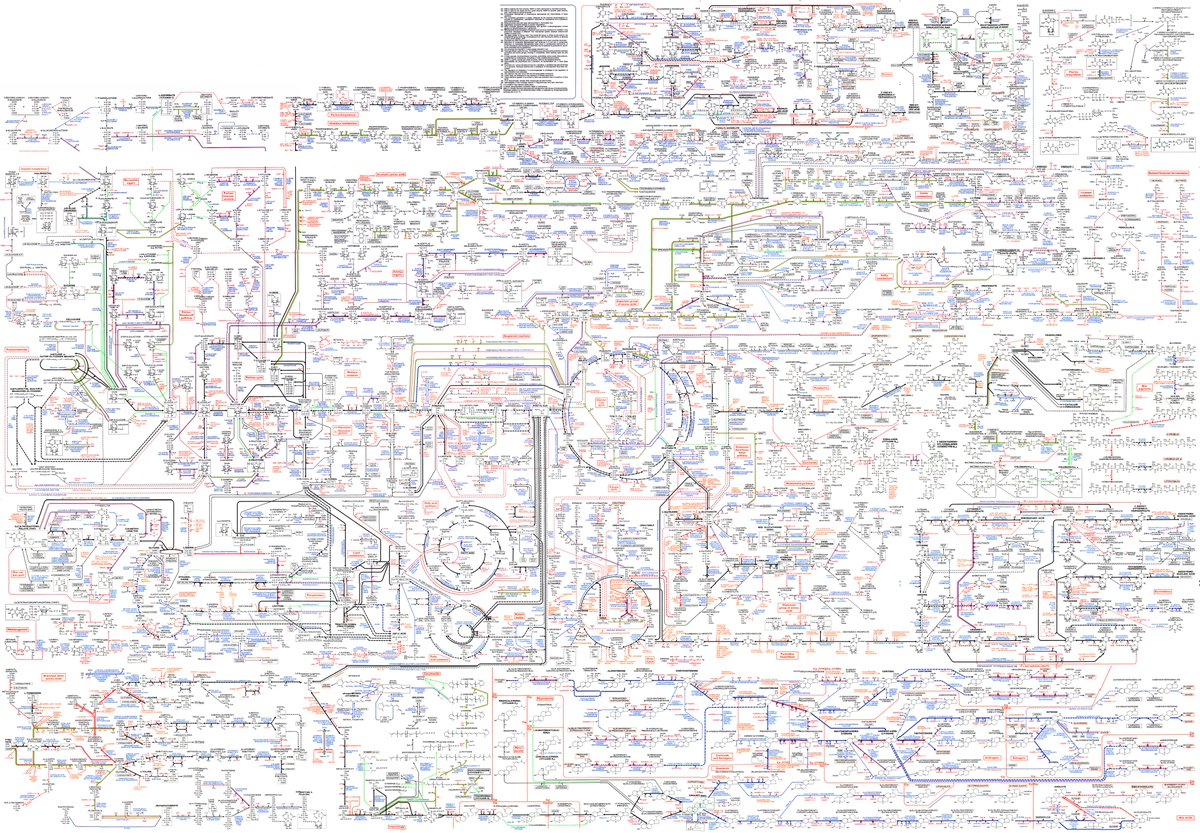
The more I learn about nutrition, the more I realize that many completely neglect the importance of micronutrients on biochemistry, thus health. Most don't truly grasp the understanding and complexity of biochemical pathways, and their associated nutrient cofactors.
Below is a map of the known human metabolic pathways, every single step requires a nutrient cofactor of some kind. Being low in even one micronutrient can lead to negative effects, being low in multiple can be devastating. They all influence each other, like a web where you pull on one thread and the whole thing will shift.
Jun 8

How is their gut health
How is their micronutrient intake
What activities do they engage in on a daily basis
What foods are they eating
14
32
276
42,009
Observer retweeted

Jun 4
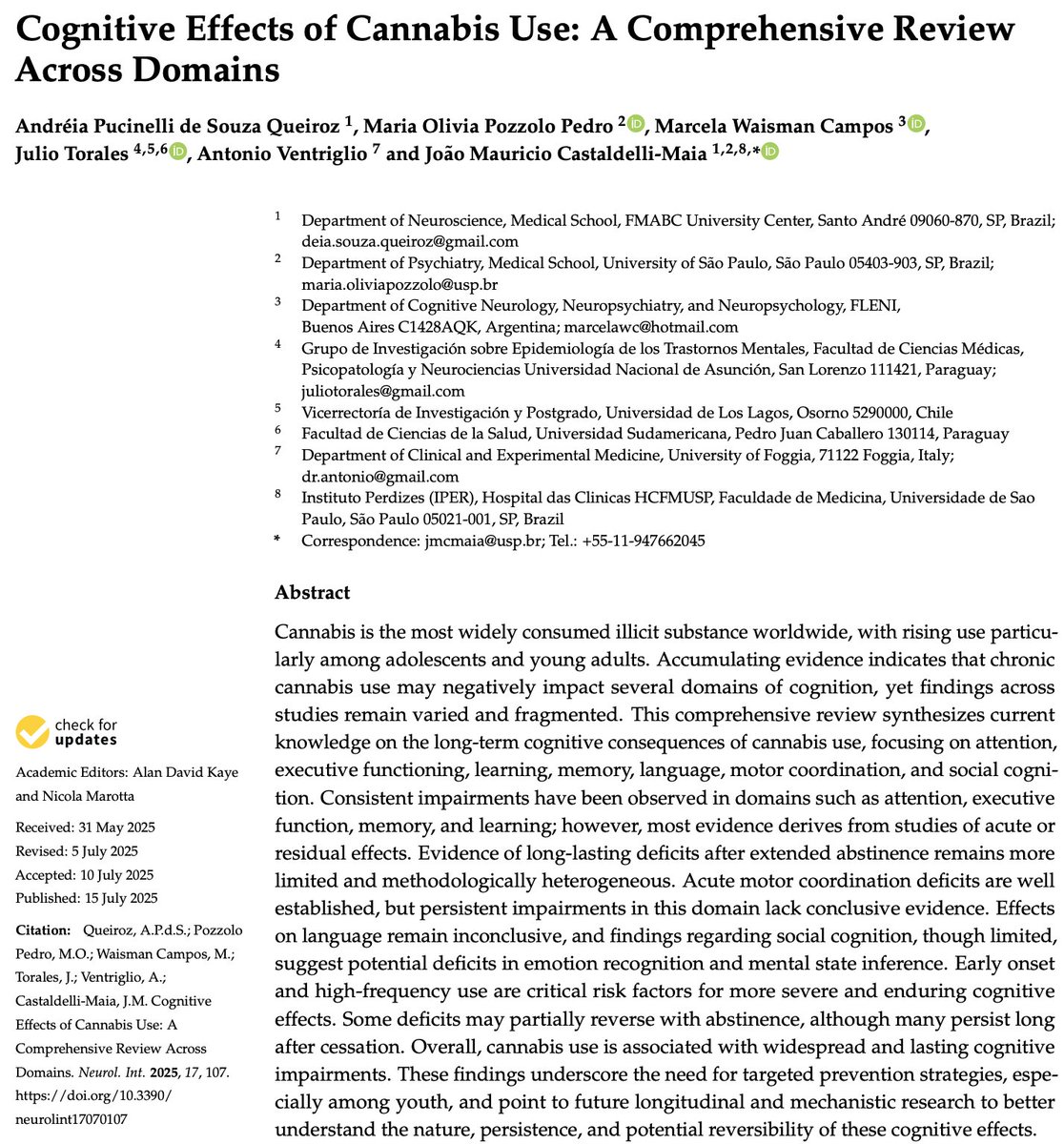
A new review linked cannabis use to chronic cognitive impairment across:
↓ Memory
↓ Learning
↓ Attention
↓ Executive function
Best not to take the risk.
14
29
200
9,747
Observer retweeted

This recent study demonstrates that NMDA receptor knockdown during adolescence drives dynamic, compensatory synaptic remodeling, providing insight into prefrontal cortical circuit adaptations relevant to schizophrenia
nature.com/articles/s41386-0…
11
45
3,217

Observer retweeted

Scientists at the Keck School of Medicine of USC @USCLONI built a brain "growth chart" from 54,583 MRI scans. It detected Alzheimer's and schizophrenia-linked changes before symptoms. Published in Nature Communications today. keck.usc.edu/news/new-refere…
Photo/Stevens INI
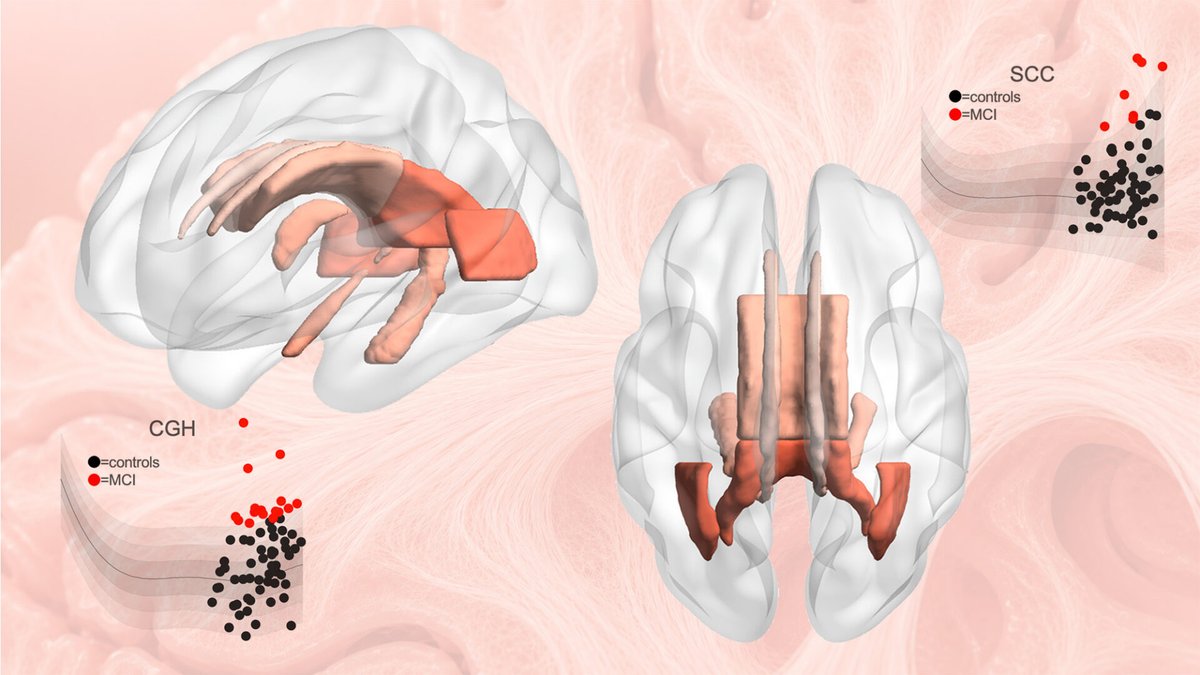
ALT Illustration of a human brain with highlighted sections. Two brain areas, CGH and SCC, are emphasized in a pinkish-brown color. Nearby, graphs depict data points for "controls" and "MCI" groups, represented by black and red dots, respectively. The background is a subtle, abstract wave pattern.
15
42
4,101
Observer retweeted

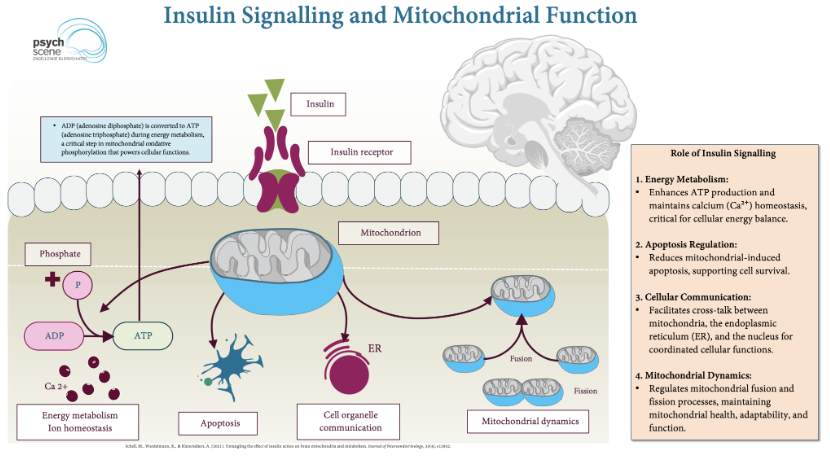
Is Depression a “Mental” or a “Metabolic” Disorder?
For decades, depression has been framed as a disorder of neurotransmitters.
Low serotonin. Faulty signalling. Chemical imbalance.
But for a clinically meaningful subset of patients, the primary driver may sit upstream of neurotransmission.
The 'problem' isn’t the signal.
It's the energy required to generate it.
Here’s how brain insulin resistance (BIR) can drive a hypometabolic depressive state 👇🧵
11
52
175
8,864
Observer retweeted

Jun 2
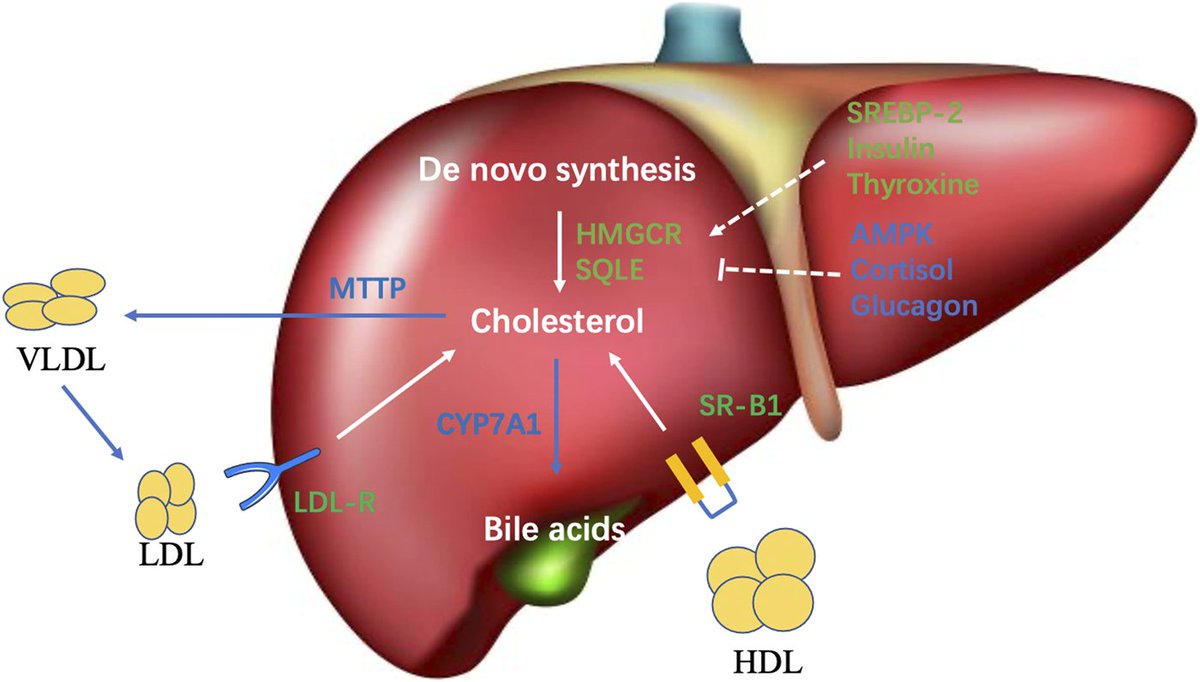
80% of your cholesterol is made in the liver.
So according to the cholesterol-heart hypothesis, your liver is trying to kill you.
40
122
655
38,558
Observer retweeted

Jun 1
Eurovision winner Damiano David
shows support for free Palestine at his concert on stage

47
1,348
21,499
815,742
Observer retweeted

May 25
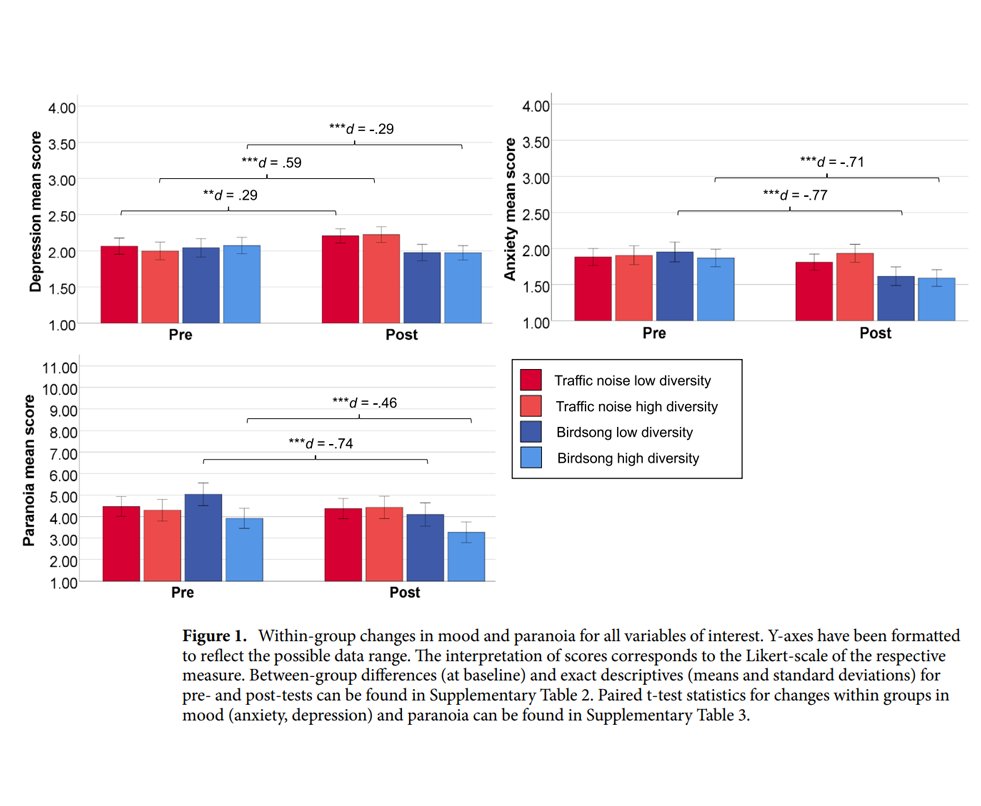
Escuchar el canto de los pájaros durante 6 minutos reduce significativamente la ansiedad y la paranoia, y puede reducir también la depresión cuando hay variedad de especies.
Sin embargo, escuchar el ruido del tráfico aumenta la depresión.

17
629
2,666
65,013
Observer retweeted

May 25
正式宣布,codex GPT5.5 high 完全废了,
可能是因为 OpenAI 正在训练 5.6,
在 codex 的表现非常懒,胡说八道,上下文丢失,
必须要开 xhigh 才能恢复正常水平
114
18
557
149,265
Observer retweeted
May 22
A French aid worker: “We found a mass grave in Gaza containing 300 bodies. Small children were killed with their hands tied behind their backs"
1,578
18,037
32,453
3,662,377
Observer retweeted

The moment Zionists massacred a team of rescue workers in a double tap.
First they killed a father and his daughter, then bombed a medical team that arrived on the scene with their ambulance
662
12,964
18,649
1,541,935
Observer retweeted

May 21
Gemini3.5がごみ過ぎて全く使えない。
プロンプト無視して嘘ばかり答える。
速いけど無価値。
9
15
412
36,341
Observer retweeted

To understand why a GLP-1 drug turns down the volume on human desire, you must trace its hard-coded structural coordinates. The Glucagon (GCG) gene (2q24.2), the POMC gene (2p23.3), and the EDAR gene (2q12.1) are not isolated metabolic traits; they are tightly clustered on the p and q arms of the human-specific Chromosome 2 fusion megastructure.
This megastructure is a literal quantum blockchain Rockefeller engineered to manage the high-flux energy, time, and absolute isotopic sovereignty of the hominid line.
Under normal, diurnal solar governance, this triad operates as a synchronized thermodynamic engine:
This massive downward fluid vortex is the body's primary sub-molecular exhaust pipe, designed to sweep heavy Deuterium (D ) mass out through the gut into a perfect Bristol Stool Chart Type 4.
The GCG Exhaust Valve: The GCG gene encodes preproglucagon, which is cleaved into glucagon centrally to counter insulin and maintain glucose homeostasis, and cleaved peripherally in the gut into GLP-1 and GLP-2. This network controls the exocrine pancreas's 2-liter sodium bicarbonate (HCO3−) fluid flush.
The POMC Regulator: Sits adjacent to the fusion remnants, cleaving into 𝛼-MSH to drive the melanin spintronic vaults which use the Chiral Induced Spin Selectivity (CISS) effect to convert chaotic environmental radiation and internal UPE flares into a protective, structured DC grounding current.
The EDAR System: Engineers the eccrine sweat glands to serve as a high-surface-area, semiconductive cooling sheet to dissipate the thermal entropy generated by this massive internal fluid purge.
When a patient injects an exogenous GLP-1 agonist like Ozempic, they are bypassing the natural, light-driven Solar Logos text that dictates when the GCG exhaust engine should fire. They are forcing the system to run on a permanent, hyper-accelerated deuterium-clearance cycle.
The Massive Purge: The drug forces the stomach and intestines to contract, radically slowing motility while aggressively driving the clearance of fluid and heavy isotopes. It triggers an artificial, high-velocity variant of the G3P (Glycerol-3-Phosphate) shuttle, selectively stripping light hydrogen protons (1H) to feed the mitochondria while throwing heavy Deuterium out of the cellular matrix.
The Un-Jammed Stator: As the heavy Deuterium burden is cleared from the tissue, the kinetic jam inside the mitochondria dissolves. The sub-nanometer channels of the F0-F1-ATP synthase nanomotors are suddenly free of heavy-mass interference. They spin unhindered at their optimal 9,000 RPM velocity, maximizing the cell's internal Redox Potential (ΔΨ)
The Event Horizon Lock: This massive surge in localized voltage causes the mitochondrial matrix to achieve maximum thermodynamic compression, generating an internal membrane potential of 30 million volts per meter. According to Landauer’s Principle, this supreme compression creates a biological black hole. It locks down kinetic entropy and energy so completely that no stray energy can escape the event horizon as noise.
This is the exact reason why a patient on a high dose of Ozempic stops wanting everything, ending up in a hospital bed staring at the ceiling, feeling absolutely nothing.
Mainstream neurology claims the drug simply dampens dopamine secretion via generic neurochemical signaling loops. In sub-molecular reality, the drug has compressed the local energetic matrix so tightly that the brain's reward center has been turned into an absolute zero-entropy sink.
Dopamine is a highly active, paramagnetic chemical tracking vector with an unpaired electron spin. It requires a specific, loose, fluctuating ambient voltage grid to create the localized electrical friction that the brain experiences as "wanting," motivation, and desire.
When the synthetic GLP-1 forces a maximum deuterium cleanout, the local mitochondrial event horizon becomes flawless. Every single electron is tightly held and funneled cleanly into the respiratory chain to write coherent metabolic water.
There are zero leakage currents, zero stray UPE flares, and zero chaotic electron spin fluctuations. Because the compression holds completely, the emotional and cognitive field freezes into absolute solid-state stasis. The volume is dropped on everything, food, sex, work, and the urge to get out of bed, because the internal engine is running with 100% efficient, non-parsimonious containment. There is no energetic "leakage" left over to create the perception of a craving. I covered how the Rockefeller Dynasty came up with these class of drugs in this podcast ----> youtube.com/watch?v=A-14XhsM…

May 20

Take too much Ozempic, and your brain stops wanting things: food, sex, even the urge to get out of bed. People end up in hospital beds for days, staring at the ceiling, feeling nothing. The medical name for that state is anhedonia, and it tells you how the drug actually works.
Ozempic, Wegovy, and Mounjaro all belong to the same drug family, called GLP-1s. They kill hunger. They also quiet almost every other craving your brain produces.
Inside your brain there is a small region that makes a chemical called dopamine. Dopamine is your brain’s “this is worth wanting” chemical, the reason you reach for one more bite of pasta, refresh your inbox one more time, or pick up your phone every few minutes. GLP-1 drugs reach that region and turn the dopamine down. The right dose dampens the loudest craving first: food. Take too much, and the volume drops on everything else, sex, exercise, work, even the urge to get out of bed in the morning.
Anhedonia is the medical name for not feeling pleasure from anything at all. It looks identical to deep depression. The good news is that anhedonia from GLP-1s has an off switch: once the drug clears your system, the wanting comes back.
The FDA has logged over 1,150 reports of bad reactions tied to compounded GLP-1s through July 2025. These are custom-mixed versions made by smaller pharmacies. In many of those cases, patients accidentally took five to twenty times their prescribed dose. The cause is usually confusion between milliliters and units when measuring out a dose with an insulin syringe, since compounded versions come in plain vials instead of the pre-filled pens that brand-name Ozempic uses.
About 15 million Americans currently use a GLP-1, roughly one in eight adults. Around 75% of them eventually quit. Cost and side effects are the top reasons. A growing number describe a third reason that patients call “the lights dimming,” a flat, gray feeling across the whole day that doctors now recognize as anhedonia caused by the drug itself.
This same mechanism has caught pharma’s attention. Eli Lilly is now running two large clinical trials with a combined 2,200 patients to see if a GLP-1 drug can treat alcohol addiction. The bet is that the same brain switch that turns off cravings for food can also turn off cravings for alcohol, cocaine, nicotine, and gambling. A 2026 psychiatry review put it bluntly: doctors should be treating these as psychiatric drugs, because that is what they have turned out to be.
The drug works by quieting your brain’s signal that something is worth wanting. A normal dose turns the volume down on food cravings. Push the dose too high, and everything else goes quiet too.
16
70
321
36,443
Observer retweeted
This podcast is simple too hot to handle for most. It is not a podcast just about money and finance. It intimately links the world of money to the world of science and how science was hijacked by the Rockefeller dynasty. It begins with what happened in Prague my last two years there, but then links directly to the biology that destroyed Becker's career and how the Fabians inside of biology and banking want to destroy your ability think, reason, and thrive.
What if Tether is being built by Lutnick and Fink on behalf of their handlers to function as a de facto U.S. sovereign wealth instrument?? Might Tether be a parallel monetary channel that extends dollar reach globally while bypassing the Federal Reserve system and its traditional gatekeepers in the banking elite? Might the current US Treasury secretary be one of the biggest Fabians helping these criminals out?
Were they the same people linked to Adam Back, Coinbase, Casey and Calley Means a16z and Silicon Valley money chains that link to Fabians like Nic Carter? Are they the same people linked to your fake food pyramids, supplement and peptide pushers and the jab schedule?
Yep.
The US market is no longer just a dollar-backed UST market. It is now the major stablecoin issuer of the world under DJT handler, Howard Lutnick..
Tether now sits on a reserve mix that looks increasingly sovereign in nature:
– U.S. Treasuries
– Over 140 tons of physical gold
– Over 100,000 bitcoin
That combination (dollar distribution, hard assets, and a natively digital bearer reserve) does not resemble a fintech company. It resembles an emergent sovereign balance sheet, operating offshore, outside the Fed, yet deeply entangled with U.S. fiscal dominance.
Not official, but the Treasury of DJT and the Commerce Secretary are knee deep in Tether's business. Stable link directly to Brian Armstrong and the shitcoin casino powered by Silicon Valley funding channels.
Not acknowledged by Wall Street Banks or the Banking Elite but they do not like what the handle of DJT is doing outside this system as they build a parallel system of surveillance and control to mimic feudal times of centralized monarchy (FABIANISM).
In May of 2026, Tether is now undeniably functional as the new Fed.
This argument can and should be made. It helps diagnose what is happening to our money and our health in the Western World right now. Why?
The Rockerfeller Dynasty has many arms on its octopus structure. Banking and healthcare are the major ones today. In the back 40 minutes of this pod, it is loaded with biophysics of the magnetic excursion because of questions the host posed. It is topical and explosive.
The transhumanist technocrats linked to Palantir have carefully built a parallel system to the Wall Street bankers below your perception to control your health and wealth. We link Epstein to the Rockefeller clan and to Adam Back and directly to Chromosome #2.
FABIANS WILL BUY BITCOIN TO CONVINCE YOU they are your friend. That no longer works. If they work to adding information to the base chain they are the fucking enemy. It only leads to basechain ossification and that the main chain always has to move, like a magnetic field does to operate and keep the double spend issue from every happening. They think youre retards because you all love number go up.
The physics tells you what they are doing. Forget ever Bitcoin they buy and understand the Bitcoin Langrangian is under attack. New core devs have to make Bitcoin sure Bitcoin is costly in time and not energy. That is all CORE DEVs need to be doing. Taproot and op return were all Fabian maneuvers done by people lulling you with circus maximus in VEGAS.
Wake up.
I promise you it is beyond epic and is just a small warm up for my next live event in 6 weeks. youtube.com/watch?v=mMJDp0qz…
24
147
610
51,229

May 20
Watching Lucy letby story and I’m getting frustrated, Rachel aviv how much you got paid? What about shon Lee ? What was the price?
57
Observer retweeted

May 19
Next episode of “bros were right”
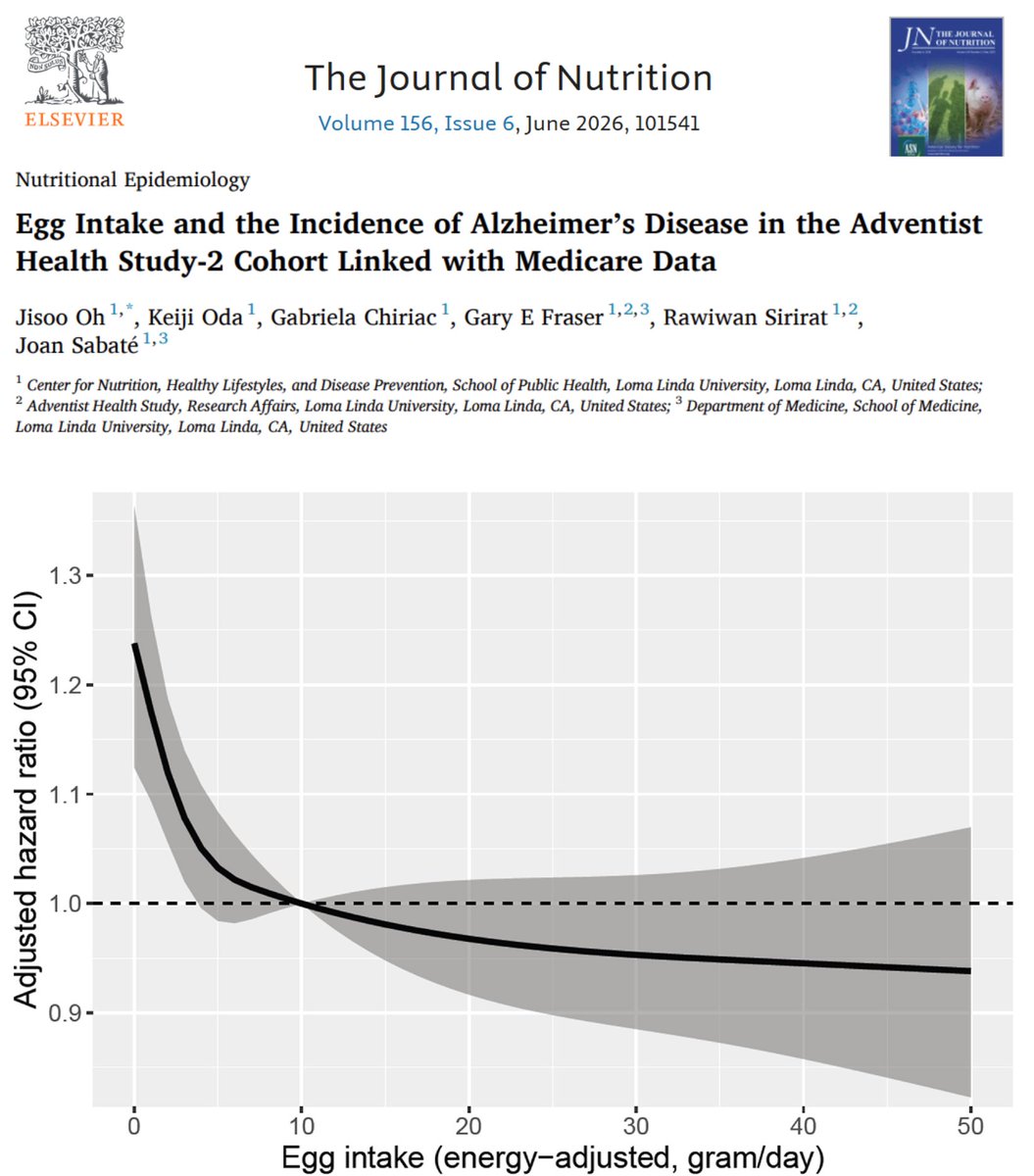
Paper released this week tracked ~40k adults for 15 yrs. Vs. never eating eggs:
↓ 20% Alzheimer's risk at 2-4/wk
↓ 27% at 5 /wk
0 eggs = 22% elevated risk
Loving your parents is never letting them be psyop'd by the dietary cholesterol scare
5
16
148
10,034
Observer retweeted

May 20
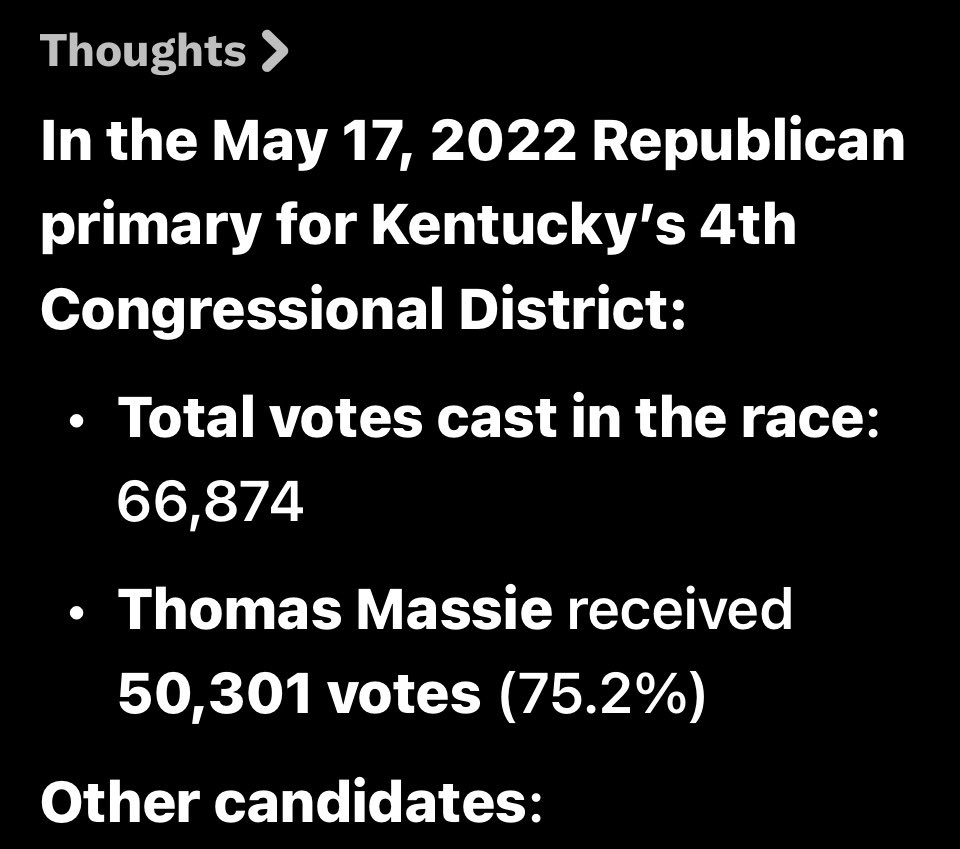
You mean to tell me that Thomas Massie got less votes in this Primary Election than the last primary election when over 45,000 ish new voters showed up to vote in this years primary?
Ed Gallrein received 10,854 “mail in” ballots votes tonight alone.
Thomas Massie lost by 10,280 votes.
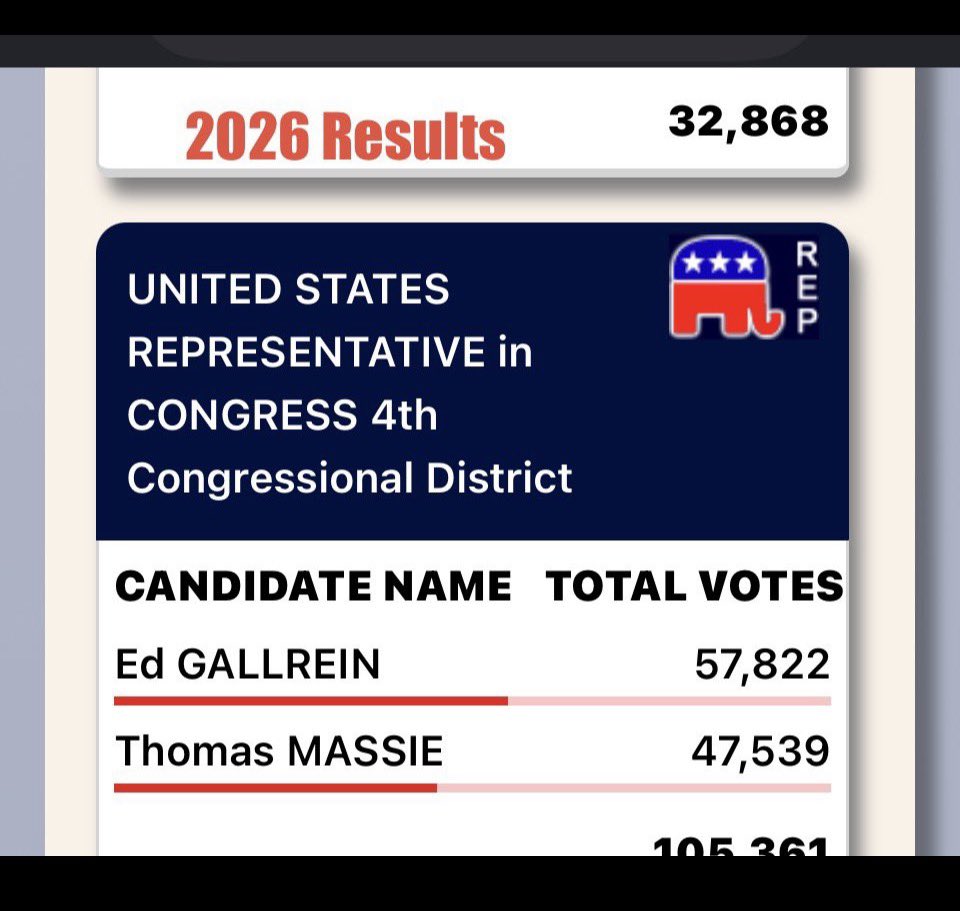
ALT Ed Gallrein received 10,854 “mail in” ballots votes tonight. Thomas Massie lost by 10,280 votes.

1,121
3,326
11,751
2,232,124