
Feeling drained ? Spread your wings, reclaim your energy & shine again 💙🩵 - Take the free assessment to get to the bottom of it...
Joined April 2009
- Tweets 14,672
- Following 2,321
- Followers 1,735
- Likes 33,654
2,034 Photos and videos






ObviouslyKDM retweeted

Jun 10
🚨 Anthropic just showed a 27-minute workshop on how to actually do prompts for Claude.
Taught by the people who built it.
Free. No registration. No paywall.
I've seen $300 courses that don't cover what they teach in the first 8 minutes.
Watch it and bookmark it now.
27
315
2,421
682,899
ObviouslyKDM retweeted

Jun 9
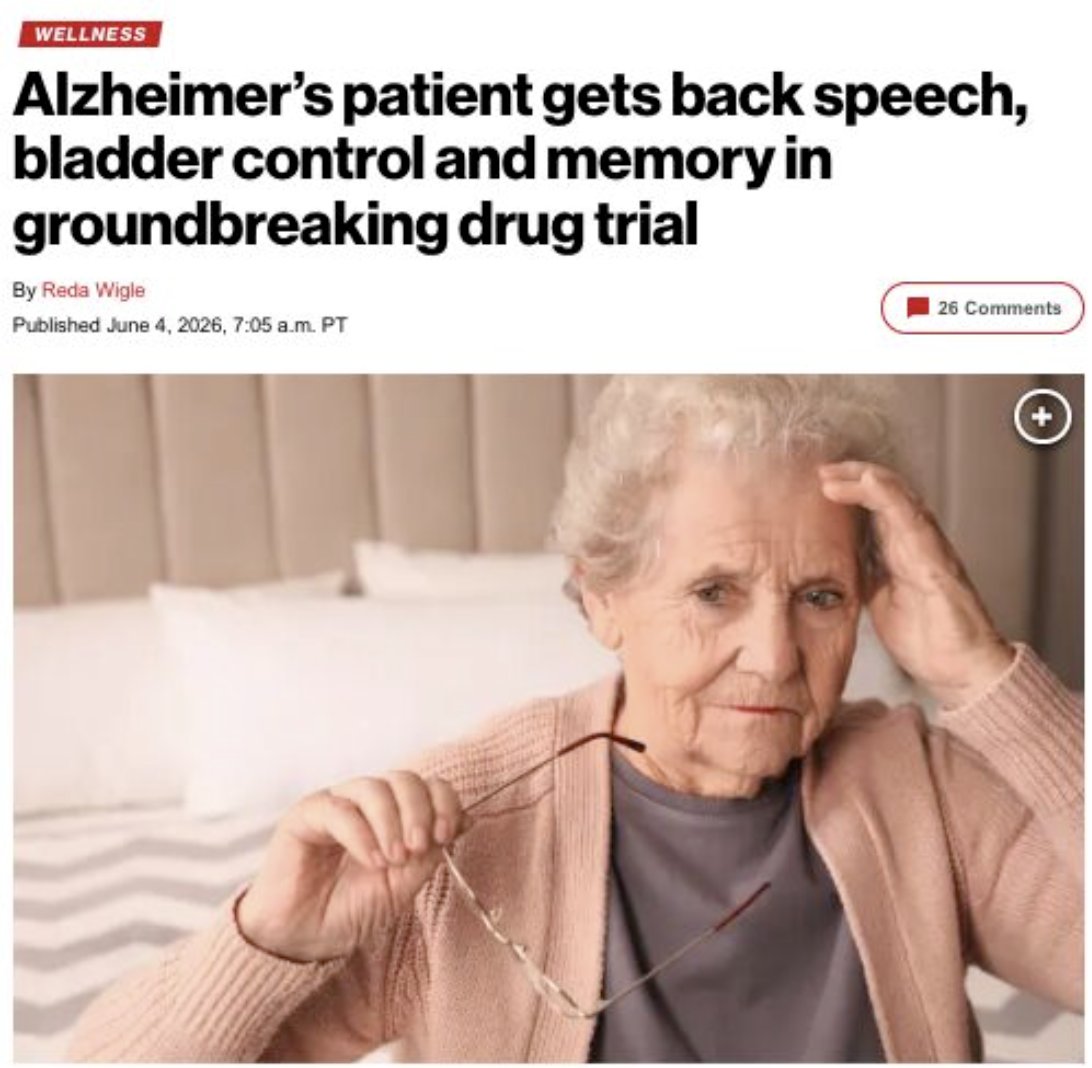
An 80-year-old woman with advanced Alzheimer's, all but silent for five years, took 5 grams of psilocybin and woke up the next day telling stories about her life.
This case study was published just a few days ago in Frontiers in Neuroscience, and I can't stop thinking about it.
She had lived with Alzheimer's for a decade. The last five of those years she spent in the state we are all taught to dread: she was incontinent, could barely walk, and couldn't dress herself.
Her speech had collapsed into single syllables, and her family had come to a painful acceptance that the woman they remembered was no longer reachable.
Then she took five grams of psilocybin mushrooms in a single supervised session in Brazil. The first hours of her journey were hard, with heavy sweating and a long, deep sleep-like state. Then, roughly nineteen hours later, she woke and spoke about her own life for close to four hours, pulling up real memories and events from her past.
Over the following days, the changes kept coming.
She regained bladder control after five years. She started dressing herself and walked with far less help than before. She started meeting people's eyes again. She recognized her family and remembered who had visited her and what they had said.
A month later, with the improvements still holding, the clinicians gave her a second, smaller dose of 3 grams. In that session, she described surfing with her son on a peaceful island, her whole face lighting up as she spoke. At one point, she looked at the people caring for her and said, simply, "It is pleasant to come here."
Her neurodegeneration is still there, and many of these improvements lasted for only weeks. Psilocybin did not completely reverse her Alzheimer's.
But it forces a new potential to the surface, one that would stop any family that has lived through this in its tracks.
We have treated the silence of late-stage dementia as a direct readout of dead tissue. We assumed the lost functions were gone, erased along with the neurons. This case suggests those functions may never have been destroyed at all, only locked away, and that a powerful enough shake-up of the brain's networks can briefly make them accessible again.
I wrote recently about a 92-year-old woman with advanced Alzheimer's who had slipped into a near-vegetative state after eleven years with the disease.
Once her caregiver began giving her microdoses of LSD, she started talking, reading, and recognizing the people she loved, and her wit and personality came back with her.
Both psychedelics produced the same result no one thought was possible: a person their family had already grieved, back in the room with them for a while. If this much can come back, even briefly, then the question worth asking is what else we could reach through responsible psychedelic therapy.
Which neurological condition would you most want to see psilocybin studied for next?
35
216
1,070
79,560
ObviouslyKDM retweeted

Jun 10
A reminder that most of what we worry about never actually happens
160
1,317
8,438
661,190

Jun 10
When will people learn to just leave @RealCandaceO alone😂😂😂
They just feed her extra content on a daily basis… she’ll be 120 years old and still have something to say once they are long gone at this rate. Just stop✋ you can’t win.
1
What? Lucy… you’ve gots some splaining to do?
3
Interesting thoughts to ponder…
Jun 3

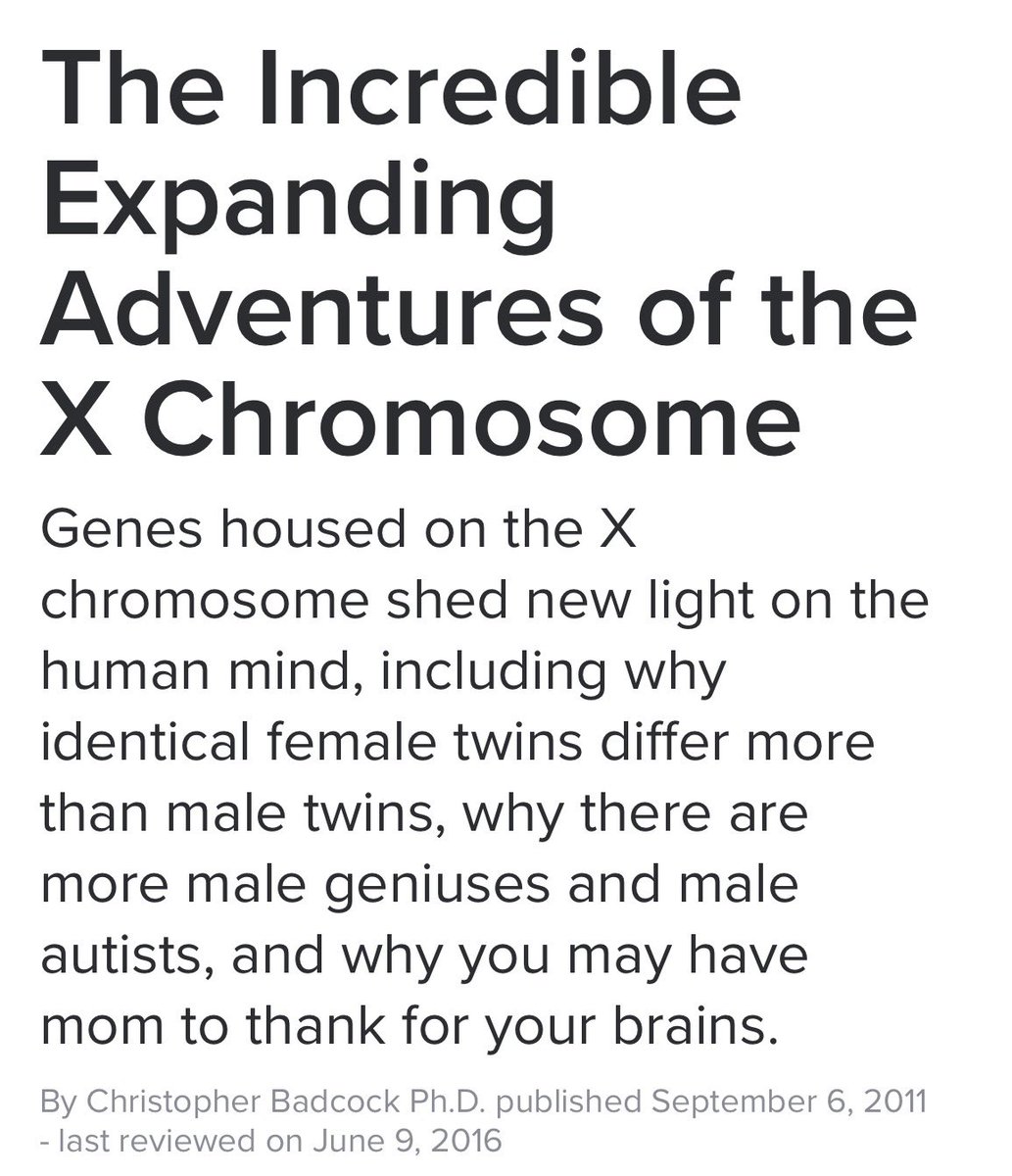
Society tells men that they need a son to "carry on the bloodline," but genetically, the opposite is true.
Every single human inherits their mitochondria exclusively from their mother. Upon fertilization, the egg destroys the sperm’s mitochondria in a total wipeout. Because of this, only your daughter can pass your mitochondrial DNA on to the next generation. When your son has children, his wife’s egg will destroy his mitochondria, ending that line instantly.
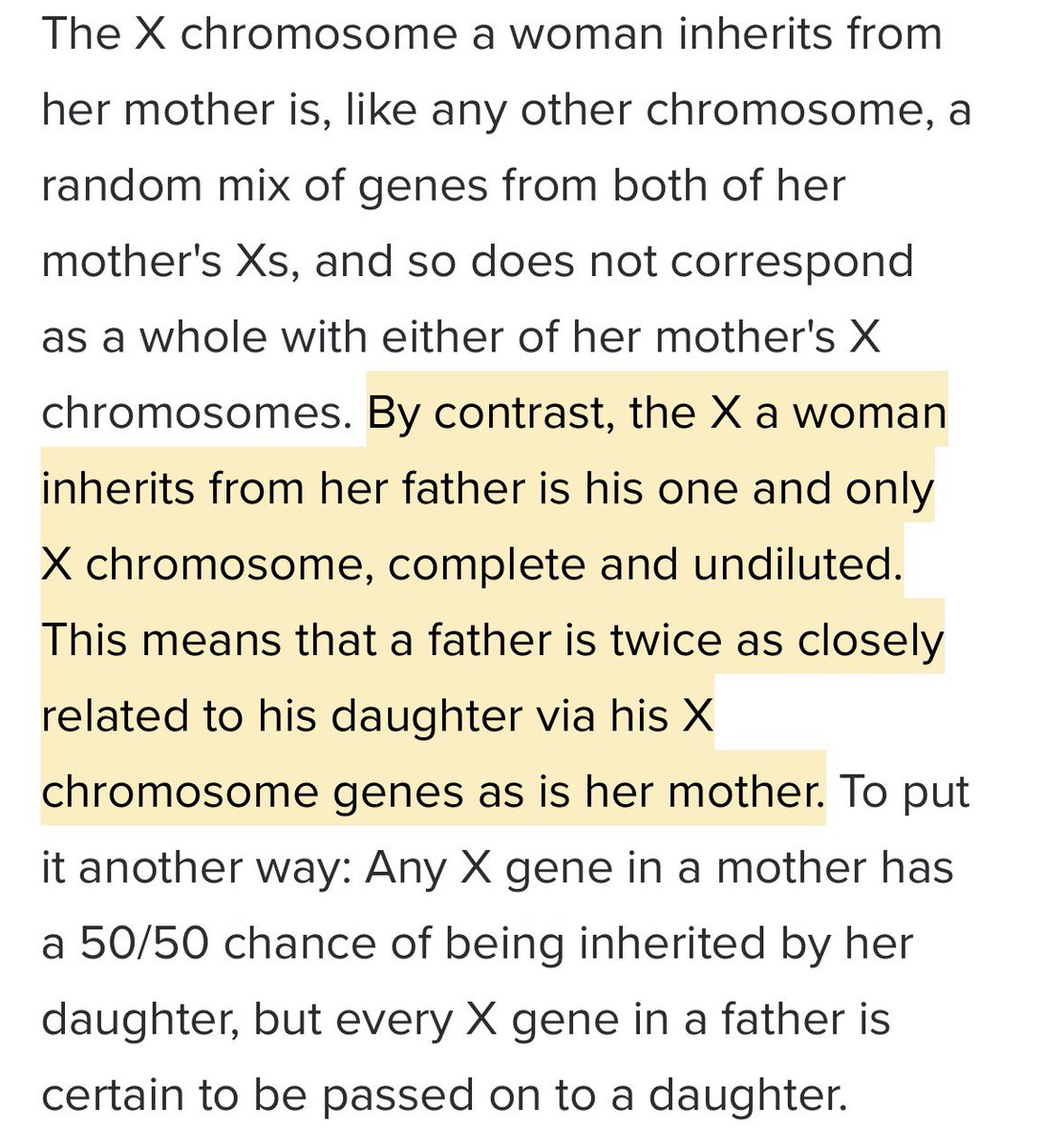
Furthermore, to make a son, a father gives his Y chromosome. The Y chromosome is a genetic lightweight, carrying only about 60 to 70 functional genes that mostly just act as a biological switch to trigger male development. To make a daughter, he gives his X chromosome. The X chromosome carries over 800 critical genes regulating everything from brain development to tissue structure. When a father has a daughter, she receives 100% of his X chromosome. Because a father only has one X to give, it doesn't get scrambled or diluted during reproduction, so then, it is copied and passed to her perfectly intact. A son receives absolutely zero X-chromosome DNA from his father.
It aligns with an old, blunt anthropological saying: "Maternity is a fact; paternity is an opinion."
If you want your actual biological lineage to survive, the future belongs entirely to daughters. 1/
1
15
My feed is just dripping with knowledge this morning…
Jun 3

Two identical twins with autism had zero Bifidobacteria in their gut.
Dr. Sabine Hazan’s team removed the harmful microbes, restored the Bifidobacteria — and both twins showed clear improvement in speech.
These beneficial bacteria are essential for breaking down food, producing vitamins, regulating the immune system, and protecting the gut lining. Low or zero levels are consistently found in severe COVID, long COVID, autism, invasive cancer, Lyme, Crohn’s, and diabetes.
Bifidobacteria help modulate inflammation, support neurotransmitter production, and strengthen the gut-brain axis. Their absence is strongly linked to increased disease severity across multiple conditions.
Dr. Hazan’s research is groundbreaking, but she says getting it published and advancing it has been extremely difficult. Continuing this work could lead to new, more natural approaches for treating serious illnesses.
Save the Bif.
1
19
… and another…

The 7-second cold wrist rinse was tested on 3,000 soldiers after combat simulations.
Cortisol dropped 52% within 90 seconds. Heart rate fell an average of 22 beats per minute. The Navy classified the protocol in 2009 and kept it secret until 2023.
The mechanism is radial artery cooling. Your inner wrists have the thinnest skin and the largest surface-to-volume ratio for blood vessels. 7 seconds of cold water cools the blood passing to your brain, which signals your hypothalamus to downregulate stress instantly
You've splashed cold water on your face. You've taken cold showers. Both work, but they're inconvenient.
The SEAL protocol takes 7 seconds, requires no undressing, and can be done at any sink. Soldiers used it before night missions to fall asleep fast.
The military classified this because a free 7-second stress fix would reduce demand for combat stress medication ($400M annually).
The 2023 declassification came after a FOIA lawsuit filed by a veteran.
The fix: run cold tap water over your inner wrists for 7 seconds. Both wrists. Do it when you feel a stress spike.
Within 90 seconds, your heart rate will drop. No shower, no ice.
Just 7 seconds.
1
5




ObviouslyKDM retweeted

"We consider the CHOLESTEROL LEVEL Of 350 Perfectly Fine."
~Barbara O'Neill
"Now, doctors want you DOWN to 150"...every time the numbers are lowered, MILLIONS More people 'need' drugs.
That's NOT health care, that's greedy MARKETING. Statins are a $22 BILLION dollar industry.
The hypothesis that high total cholesterol causes CVD was introduced in the 1960s by the authors of the Framingham Heart Study.
However, in their 30-year follow-up study published in 1987, the authors reported that ‘For each 1 mg/dl drop in total cholesterol per year, there was an 11% increase in coronary & total mortality’.
Statins cause a litany of side effects that will cause sickness & a low quality of life. Statins do not lower Cardiovascular Risk or Disease, Stroke, Heart Attack or Mortality. Statins cause more death.
Chronic Conditions Caused By Statin Drugs:
Liver Inflammation & Damage
New Onset Type 2 Diabetes
Heart Failure
Vertigo & Dizziness
Cognitive Impairment
ALS (Lou Gehrig's Disease)
Aphasia
Dementia & Alzheimer's Disease
Cancer
Pancreas Inflammation
Parkinson's Disease
Muscle Tearing & Pain (Rhabdomyolysis)
Fatigue & Weakness
Neuropathy
Hormone Deficiency
Brain Damage
MS Multiple Sclerosis
Clinical Depression
96
2,902
5,618
141,655
May 20
RT @JoeTippen: Parasites Are Ubiquitous, They Burrow Deep...Everybody Has Parasites."
Dr Thomas Lodi, MD
"If You Undertreat Them With ONLY…
807
ObviouslyKDM retweeted
May 19
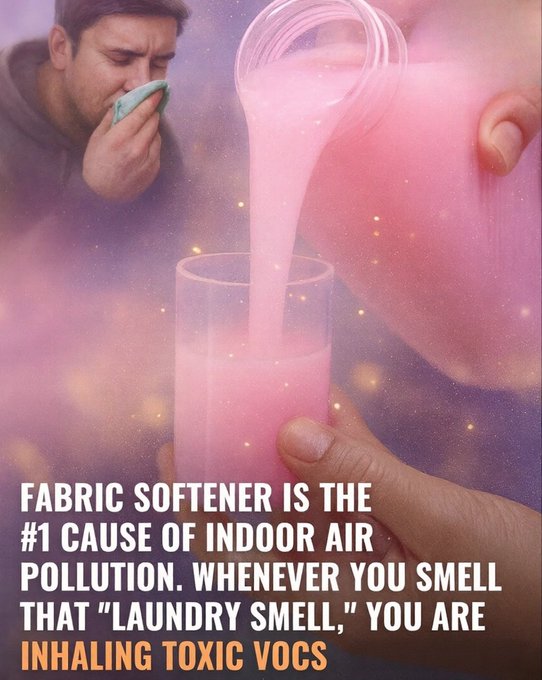
Whenever you smell that “fresh laundry scent” you’re inhaling toxic chemicals.
That cozy “fresh laundry” scent from fabric softeners and dryer sheets is actually one of the top sources of indoor air pollution, doctors warn.
According to gastroenterologist and professor Dr. Partha Nandi, the pleasant fragrance is created by volatile organic compounds (VOCs) such as acetaldehyde and benzene—known irritants linked to breathing problems, skin rashes, headaches, dizziness, and even elevated cancer risk with long-term exposure. These chemicals waft into your home and are vented outdoors, contributing to both indoor and outdoor air pollution.
Many everyday symptoms people ignore—coughing, watery eyes, or feeling lightheaded after doing laundry—may actually be caused by these products.
The good news: safe, inexpensive alternatives exist. Adding a half-cup of white vinegar or baking soda to the rinse cycle, using wool dryer balls, or making your own dryer sheets can soften clothes just as effectively without the toxic chemicals. These swaps also cut plastic waste and water contamination.
Dr. Nandi urges families—especially those with kids, pets, asthma, or chemical sensitivities—to ditch scented fabric softeners, open windows when doing laundry, and choose fragrance-free, natural options. Making this one simple change can noticeably improve the air you breathe every day.
[Nandi, P. (2025). The Hidden Dangers of Fabric Softeners]
88
866
3,689
338,440
May 18
Pretty cool!
May 17

Electric surfboards are about to make jet skis look ancient.
Silent, fast, and way too fun.
9
May 18
So are they saying a bee sting could save your life?
May 17

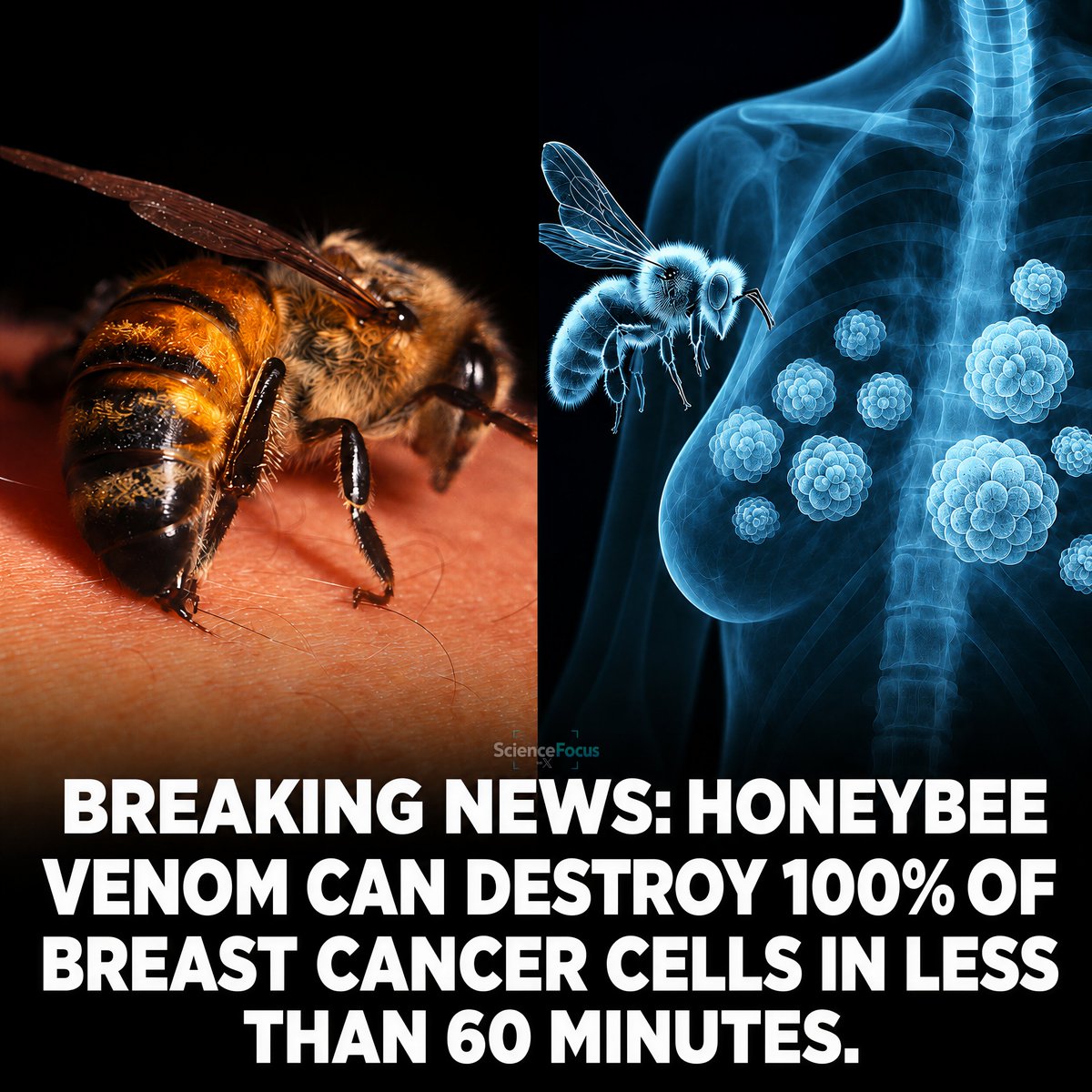
A tiny bee just did what chemotherapy couldn't.
Scientists in Australia discovered that honeybee venom can wipe out 100% of aggressive breast cancer cells in under 60 minutes.
And the healthy cells around them? Barely touched.
The breakthrough came from Dr. Ciara Duffy and her team at the Harry Perkins Institute of Medical Research, working alongside the University of Western Australia.
They tested venom drawn from 312 honeybees and bumblebees across Australia, Ireland, and England.
The target: triple-negative breast cancer and HER2-enriched breast cancer. Two of the deadliest, most stubborn forms of the disease.
The weapon: melittin. The same tiny peptide that makes a bee sting burn.
At one specific dose, melittin tore through cancer cell membranes completely within an hour. Within just 20 minutes, it shut down the chemical signals cancer cells need to grow and multiply.
Bumblebee venom, which lacks melittin, did nothing. Zero effect, even at high concentrations.
Scientists then recreated melittin synthetically in the lab and got almost identical results, meaning no bees need to be harmed to develop the therapy.
Published in the peer-reviewed journal npj Precision Oncology, the findings are still early-stage. Human trials haven't happened yet.
But one thing is clear. Nature has been hiding answers in plain sight all along, sometimes inside the smallest creatures on Earth.
Source: Harry Perkins Institute of Medical Research / npj Precision Oncology (Dr. Ciara Duffy et al.)
7
May 18
From Link in Bio to email newsletters and digital products Beacons makes it dead simple to set up all the creator tools you need to make more money. So you can get back to wasting time on Twitter faster. beacons.ai/signup?c=obviousl…
6
ObviouslyKDM retweeted

May 17
🚨🚨 Hervir clavos de olor crea una bebida que mata los antojos de azúcar mientras acelera la pérdida de peso y el metabolismo... El agua de clavo de olor también combate bacterias, reduce la hinchazón, aumentar la libido y aclarar la piel cuando se consume diariamente...
• Analgésico natural (especialmente dental): El eugenol actúa como un potente anestésico local, siendo muy efectivo para aliviar dolores de muelas y reducir la inflamación en la boca.
• Mejora la digestión: Estimula la producción de enzimas digestivas, ayuda a reducir gases intestinales, hinchazón, acidez y náuseas.
• Potente antimicrobiano y antifúngico: Ayuda a combatir infecciones, bacterias (como S. aureus) y parásitos intestinales.
• Alivio respiratorio: Gracias a sus propiedades expectorantes, ayuda a tratar la tos, resfriados y congestión nasal.
• Antioxidante y Refuerzo Inmunológico: Alto contenido de antioxidantes que fortalecen las defensas del cuerpo.Regula el azúcar en sangre: Puede mejorar la sensibilidad a la insulina y ayudar a equilibrar los niveles de glucosa.
• Acción antiinflamatoria: Ayuda a reducir inflamaciones internas y dolores musculares.
47
1,764
6,811
375,133