
EU Horizon 2020 project exploring the feasibility and impacts of ocean-based negative emission technologies (NETs) through a transdisciplinary research approach
Joined July 2020
- Tweets 128
- Following 135
- Followers 300
- Likes 292
13 Photos and videos

OceanNETs retweeted

24 Apr 2024
And Tommi Bergman presented on the @OceanNETs_EU project, focusing on Earth system modelling of ocean alkalinity enhancement and direct CO2 removal from seawater. Explore his groundbreaking research here: meetingorganizer.copernicus.…
2
3
159

🔍#ProjectSpotlight
Can carbon dioxide be removed from the atmosphere❓
Can the impact of #GHG emissions be reduced❓
Our #EU funded #H2020Climate project @OceanNETs_EU is the answer👇
🔗cinea.ec.europa.eu/featured-…
#ClimateChange #EUGreenDeal
5
13
834
OceanNETs retweeted

10 Nov 2022
#ScienceDay
Today we celebrate @UN World Science Day for Peace and Development - Science is a human right. Ocean science is not a task of a single institute or nation, but a global task.
@OSCM_ @jpioceans @miningimpact @OceanNETs_EU @AWI_Media @AOschlies
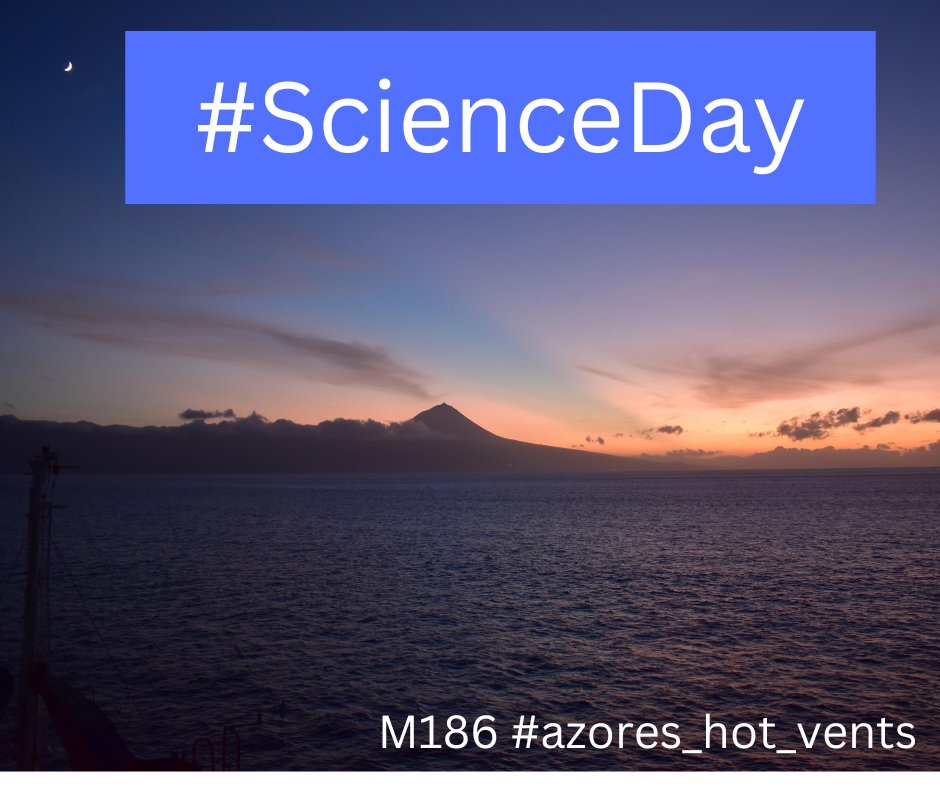
ALT On the picture you can see the volcano Pico on the island of the same name (Azores) from the DF deck of the Meteor.
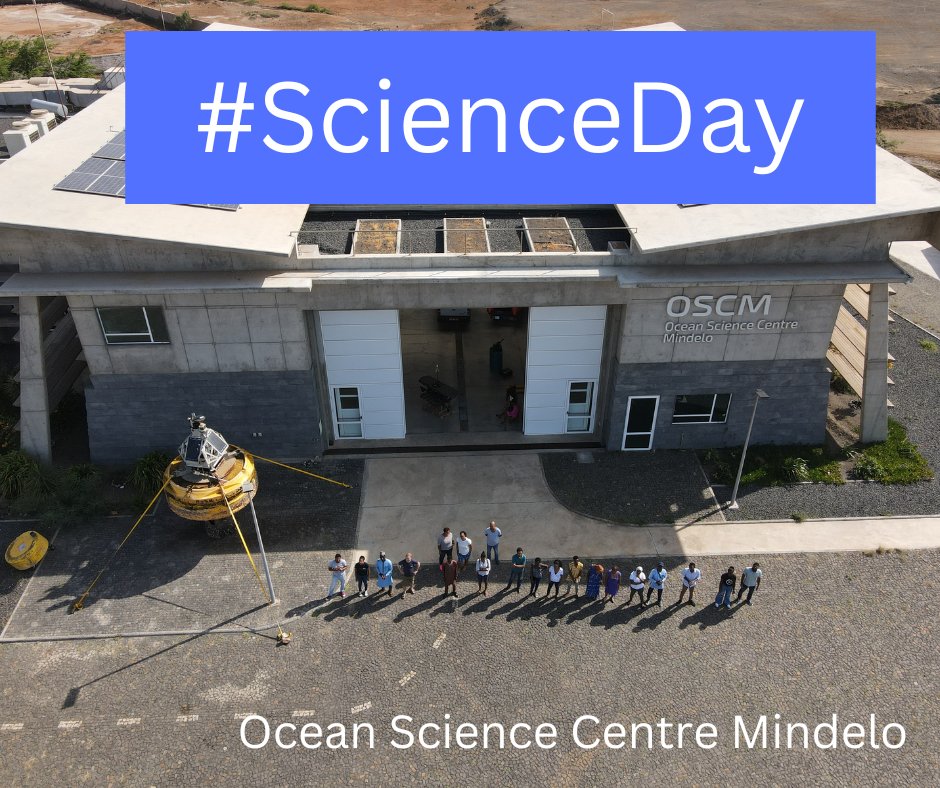
ALT Ocean Science Centre Mindelo, Cabo Verde
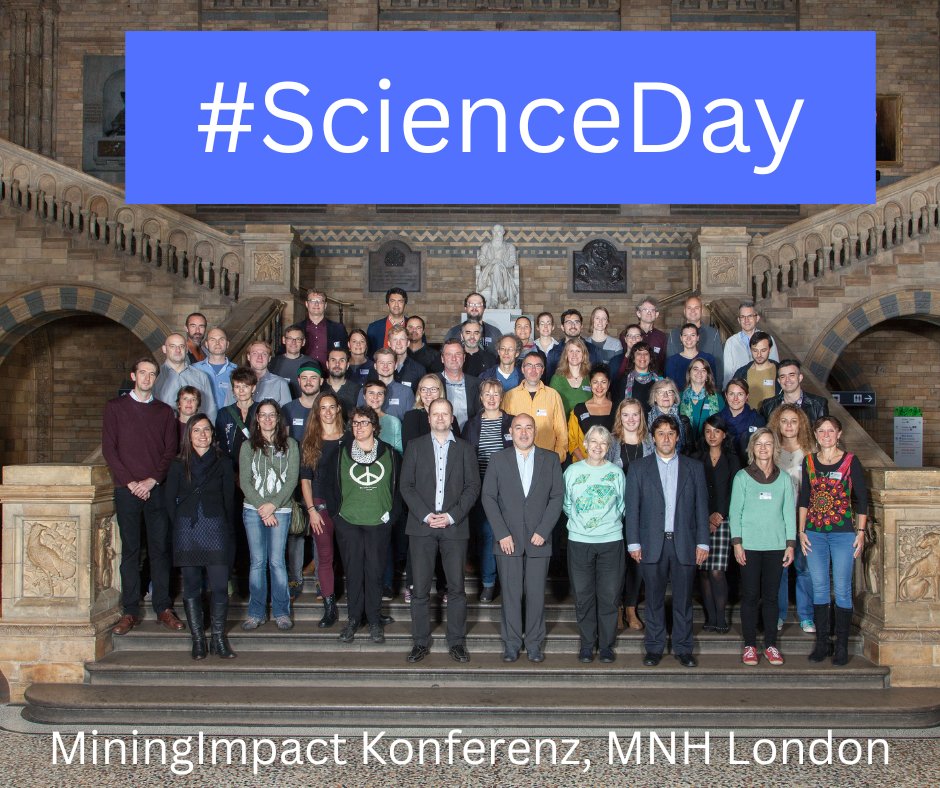
ALT Group photo of a MiningImpact Conference in London
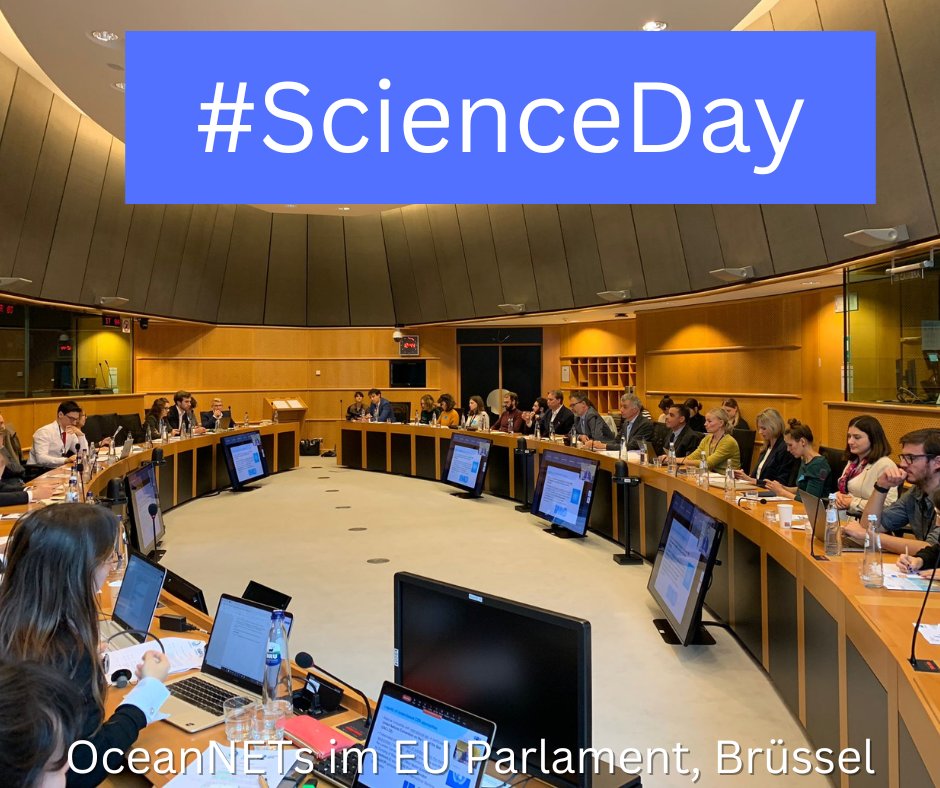
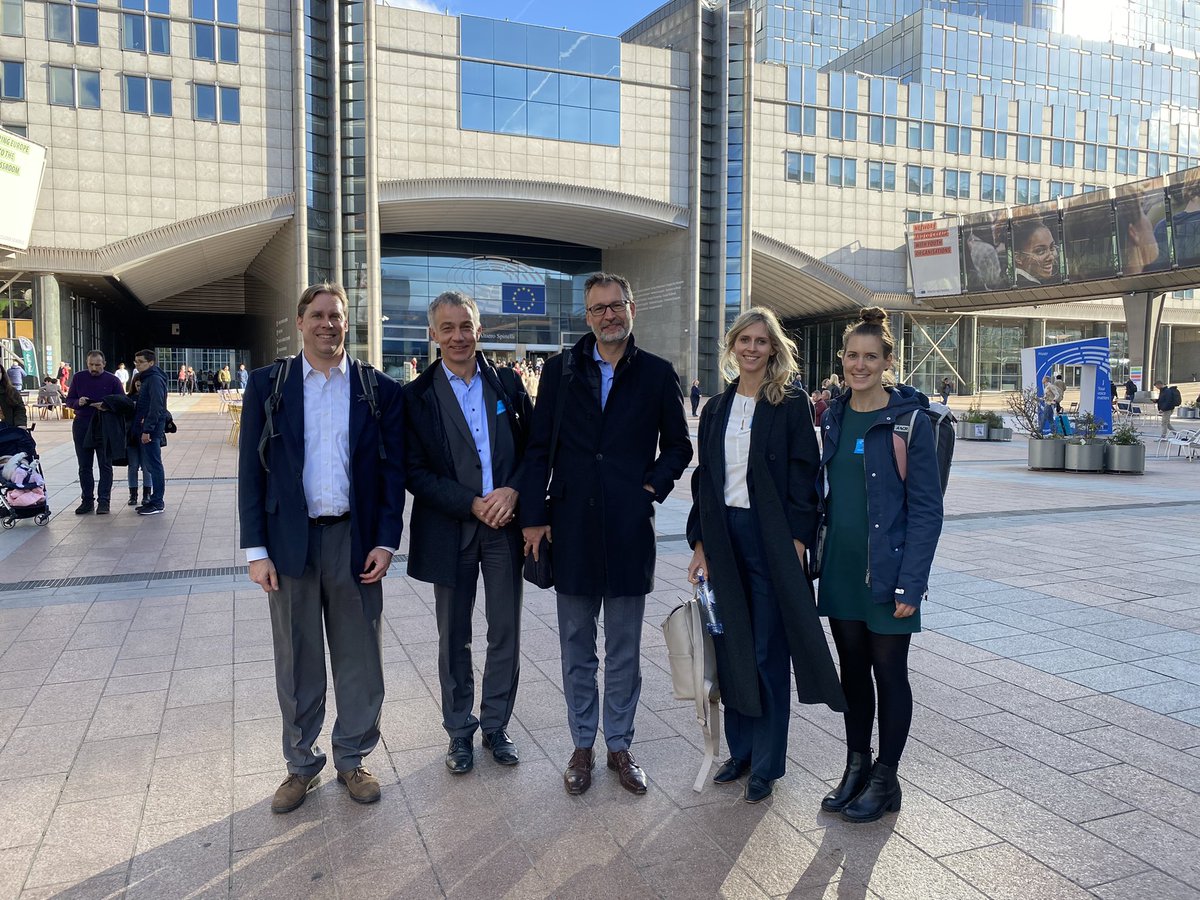
ALT OceanNETs at a scientific hearing in the EU parlament in Brüssel
4
14
OceanNETs retweeted

27 Oct 2022
Job announcement Ocean Alkalinity Enhancement:
Research Associate (Postdoc) in the working group Aquatic Geochemistry with focus on Ocean Alkalinity Enhancement as a Carbon Dioxide Removal technology
uni-hamburg.de/stellenangebo…
Use reactors, produce stable, sustainable alkalinity
1
6
6

25 Oct 2022
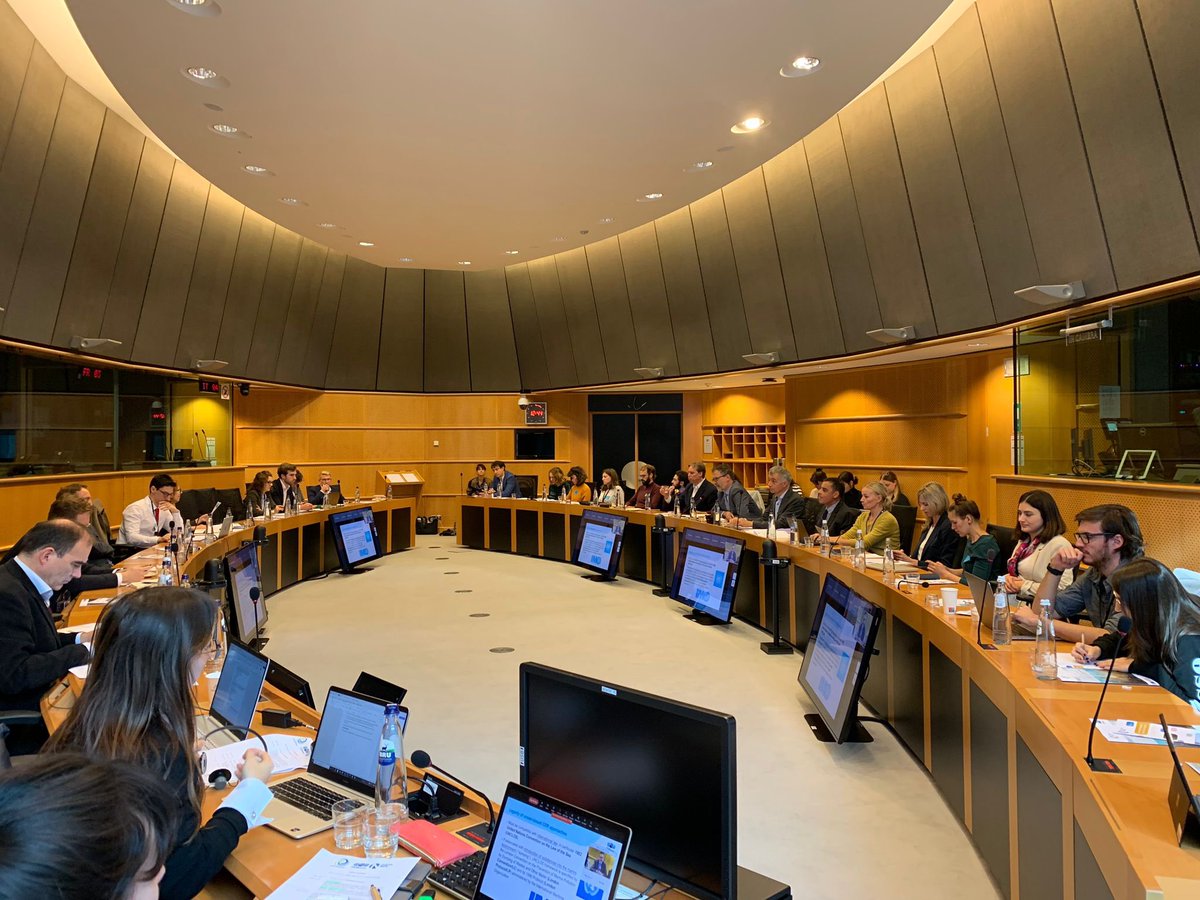
Very successful @CDRmare and @OceanNETs_EU event on ocean-based CDR with 120 participants online and at the #EUparliament
4
25

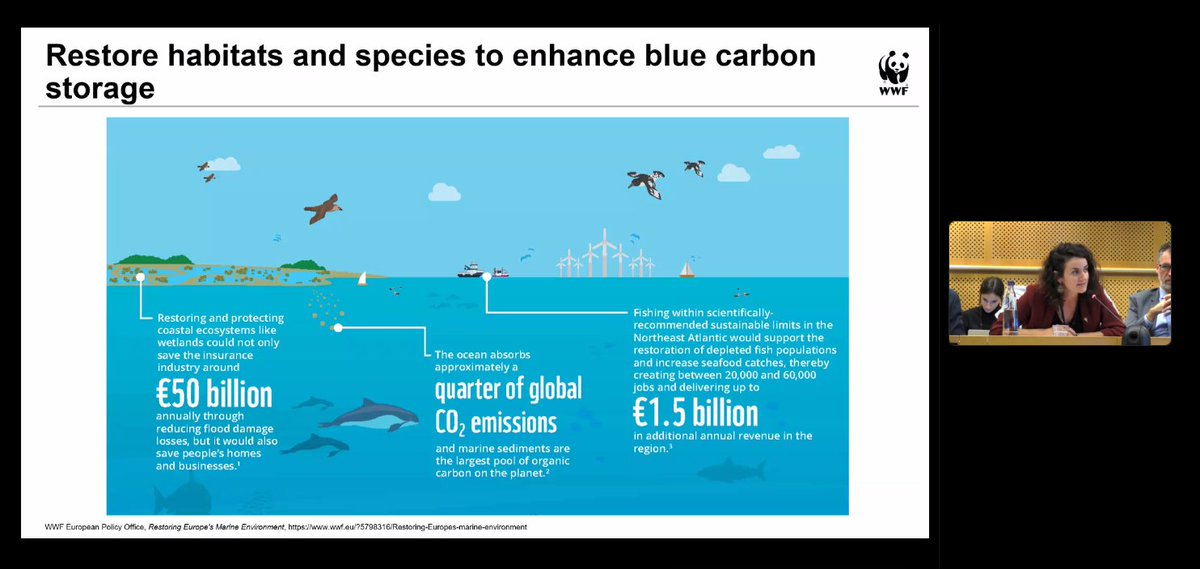
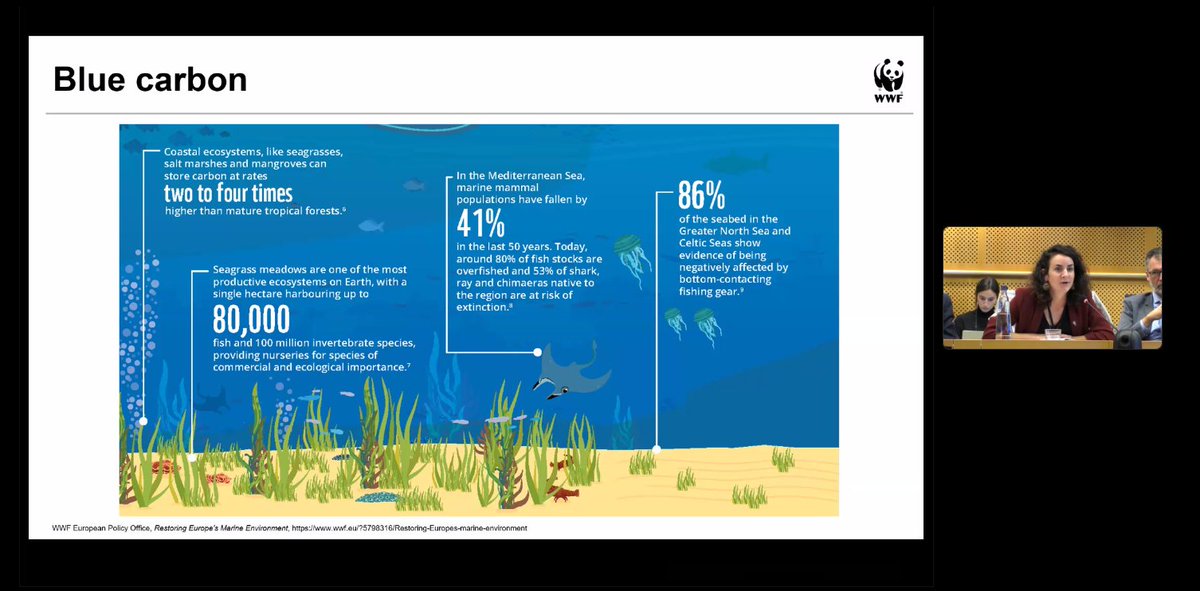
Our ocean is the largest carbon sink on 🌍 so restoring habitats and boosting wildlife are essential parts of tackling the climate crisis, explains @AntoniaLeroy at @EPIntergroup_SD @OceanNETs_EU @CDRmare event
#OceanAction = #ClimateAction🌊
Learn more: wwf.eu/?5798316/Restoring-Eu…
5
10
17
OceanNETs retweeted
25 Oct 2022
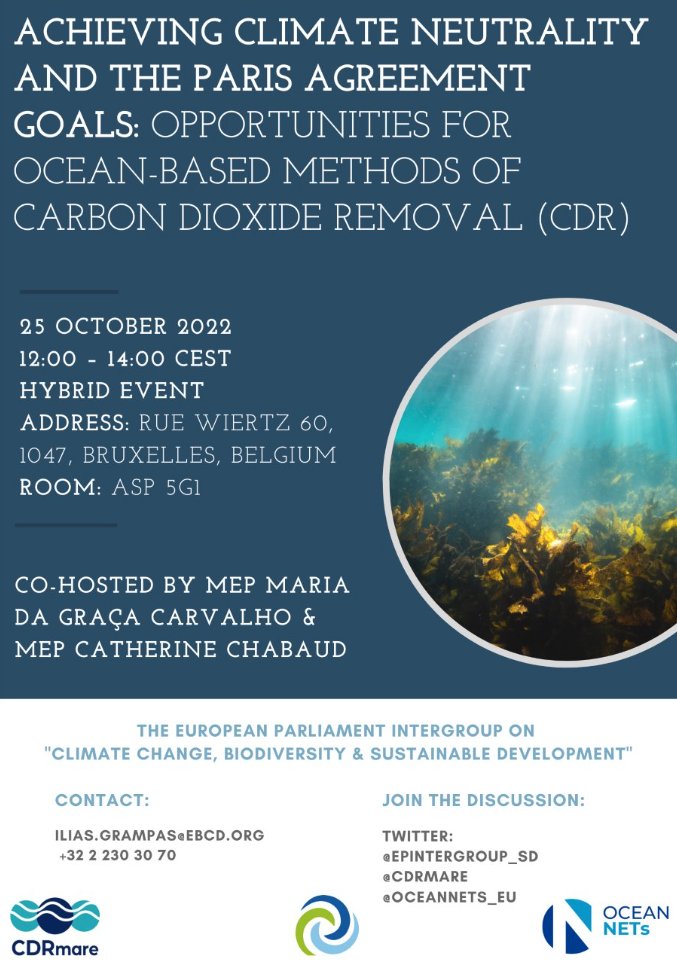
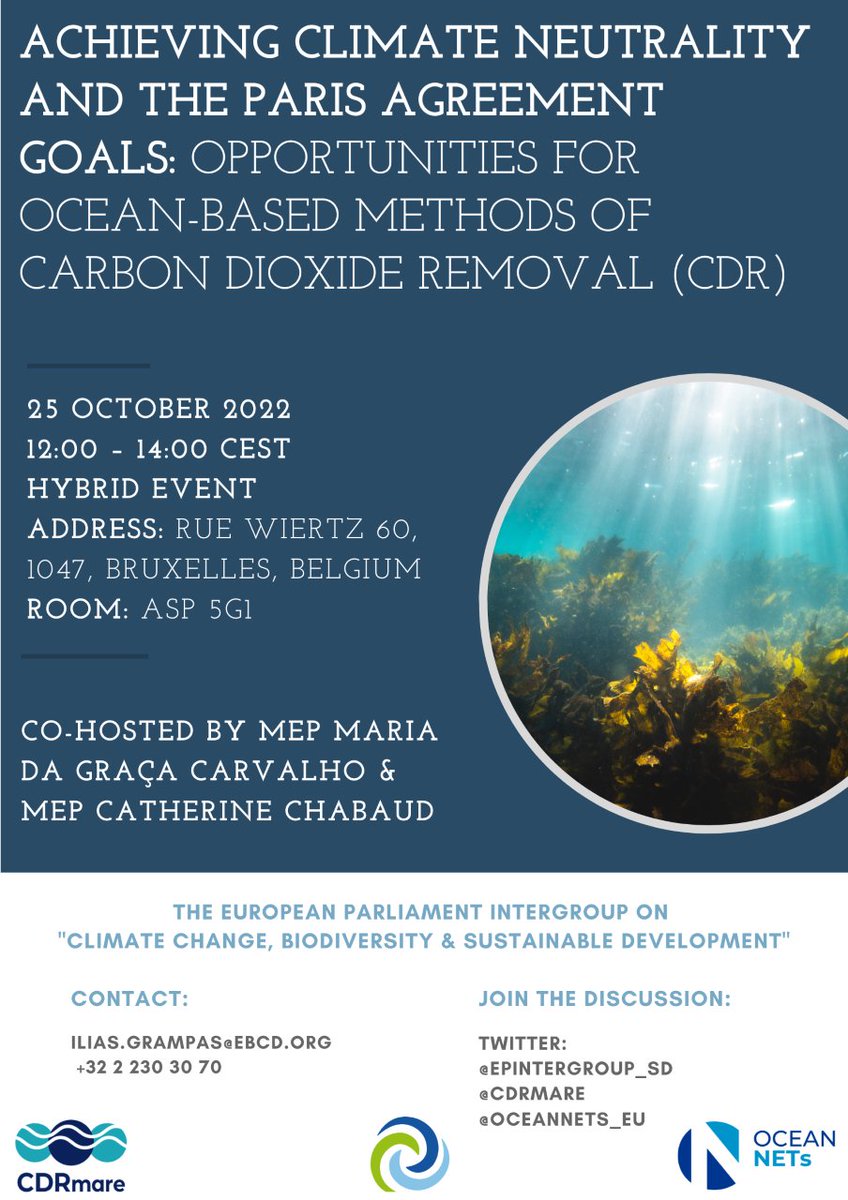
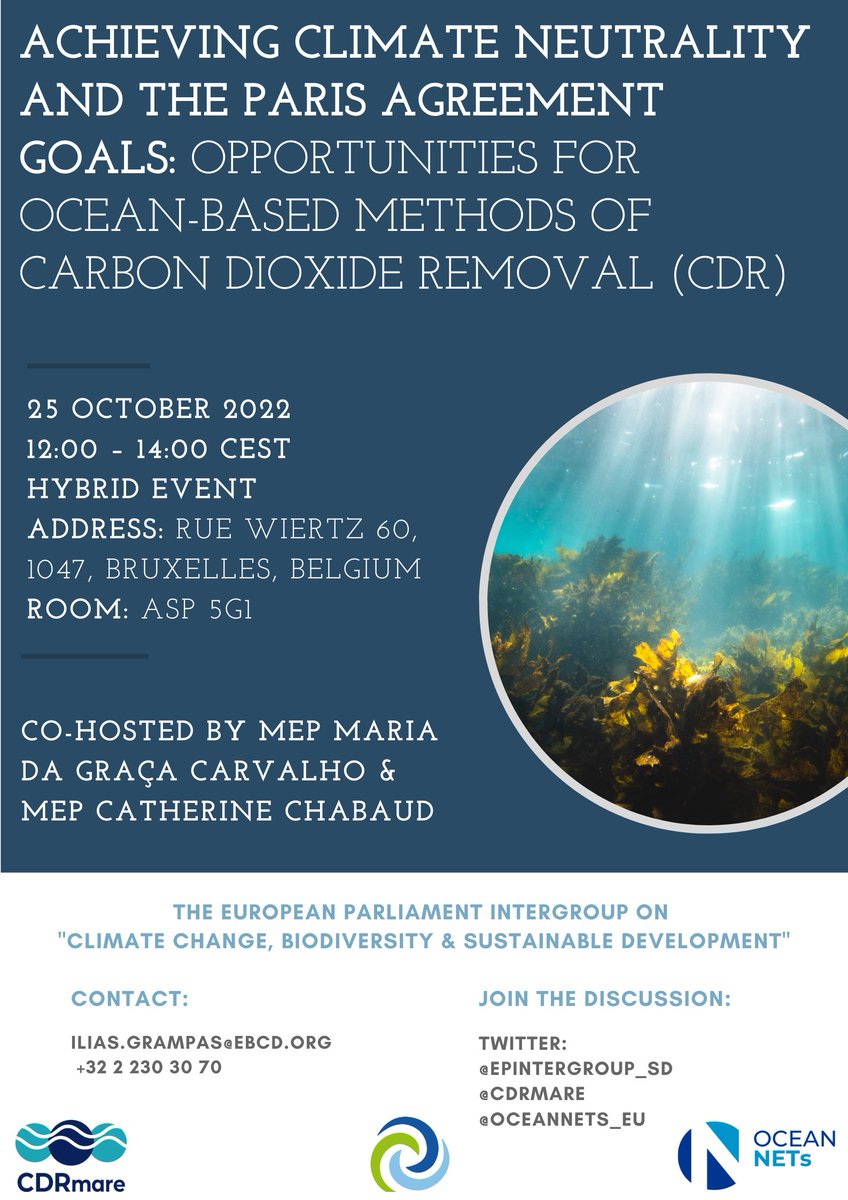
Achieving climate neutrality and the #ParisAgreement goals: Opportunities for ocean-based methods of carbon dioxide removal #CDR - a hybrid event by @CDRmare and @OceanNETs_EU today at 12 CEST at @Europarl_EN and online. Further details and policy brief at geomar.de/en/news/article/wi…
8
15
OceanNETs retweeted

19 Oct 2022
Join us in deepening our research on sustainable marine development and marine CDR @thefutureocean
@SeaStoreBaltic @CDRmare @OceanNETs_EU @Euro_Sea
(and see below examples on what we've been doing so far)
19 Oct 2022

#applynow #PhDposition 👉 we're looking for a doctoral researcher to work on the @CDRmare project assessing sustainable marine development, in particular in the context of ocean-based negative emissions technologies! @wilmwilmsen #CDRmare #marineCDR ifw-kiel.de/institute/career…
1
3
3
19 Oct 2022
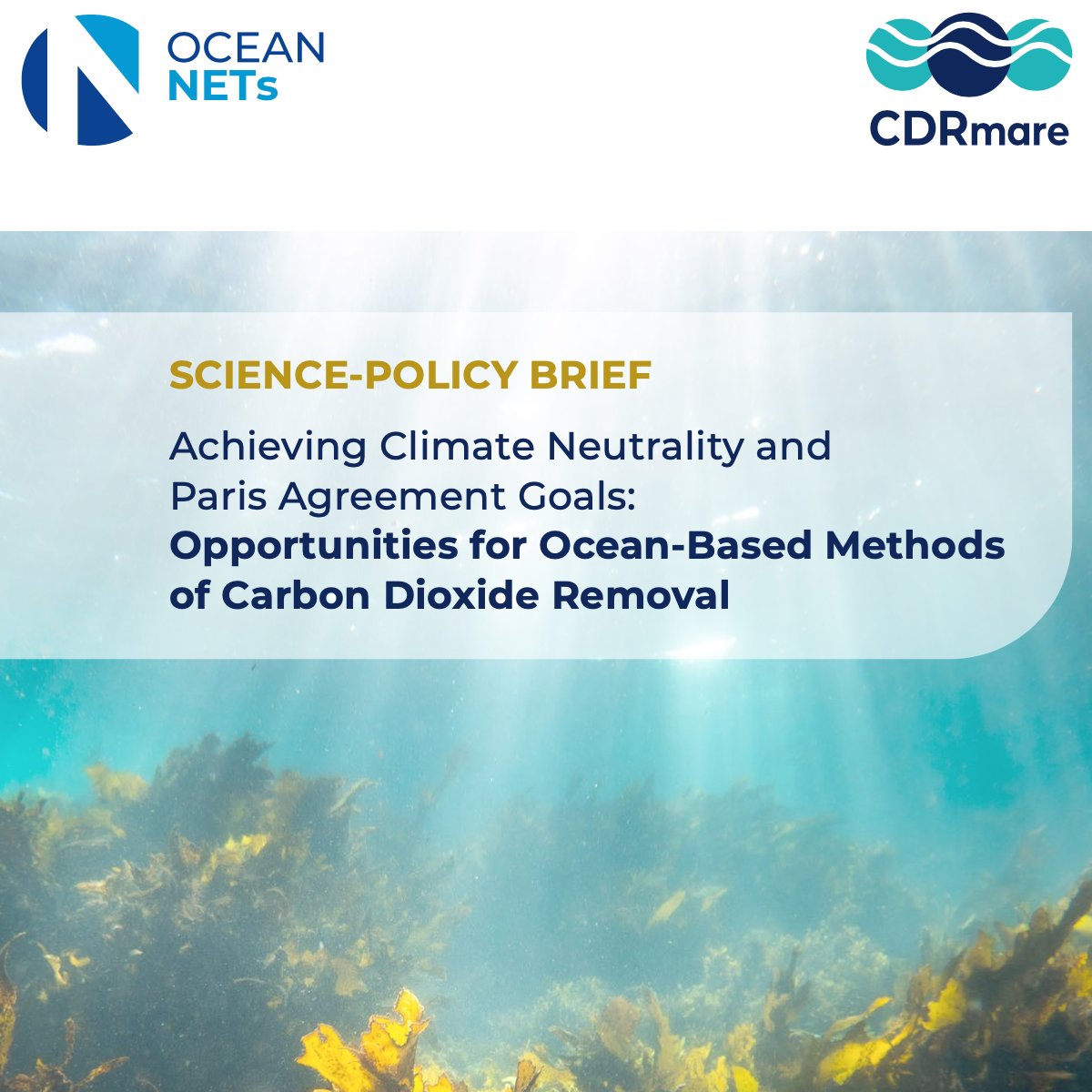
How can the ocean help achieve climate neutrality?
@CDRmare and @OceanNETs_EU new Science-Policy Brief explores:
🌎Why #oceanCDR is worth investigating
⚖️ What legal/governance issues need to be considered
💹 Cost and challenges of #carbonaccounting
➡️oceanrep.geomar.de/id/eprint…
1
13
23
19 Oct 2022
Our Science-Policy Brief is the basis for next week's hybrid event co-hosted by @mgracacarvalho and @CathChabaud, organized by @EBCD_bxl, @CDRmare and @OceanNETs_EU
Link to register ⬇️
bit.ly/3SZgSGt
(registration for physical attendance will close on 20 OCT, 17 CEST)
5
6
OceanNETs retweeted

17 Oct 2022
Delighted to co-host this @EBCD_bxl conference together with @CathChabaud
😀💻 Hybrid Event
(registrations for physical attendance will close on 20 OCT at 17:00 CEST)
Link to register 👇
bit.ly/3SZgSGt
@CDRmare @OceanNETs_EU
@EPPGroup @psdparleuropeu
2
4
16 Sep 2022
Save the date and join us virtually on 25 October from 12:00-14:00 CEST. #OceanNETs and @CDRmare will lead the discussion on how ocean-based solutions can contribute to #NetZero
7 Sep 2022

To achieve #climate neutrality & the Paris Agreement goals, it is key to examine opportunities for #ocean-based methods of CO2 removal. 🌊
As @CathChabaud & @mgracacarvalho plan on addressing implications & ways ahead in our ⏭️ event, make sure to join us: bit.ly/3RrDqPm
9
12
9 Sep 2022
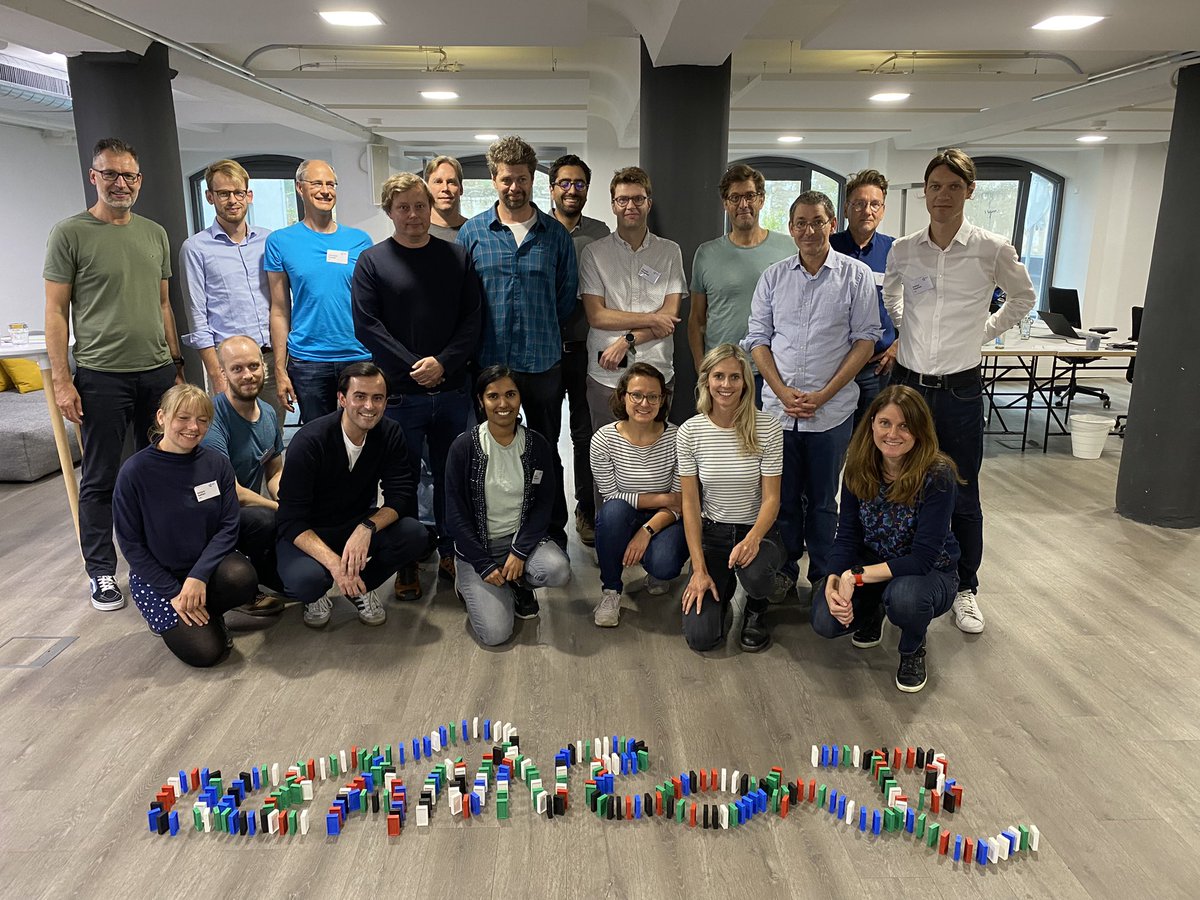
After two years of virtual collaboration, the #OceanNETs consortium was finally able to meet & get to know each other in person.
Our 2nd annual project meeting gave us the chance to discuss the project‘s progress and learn about the newest developments in the field of #oceanCDR
1
3
14
OceanNETs retweeted

6 Sep 2022
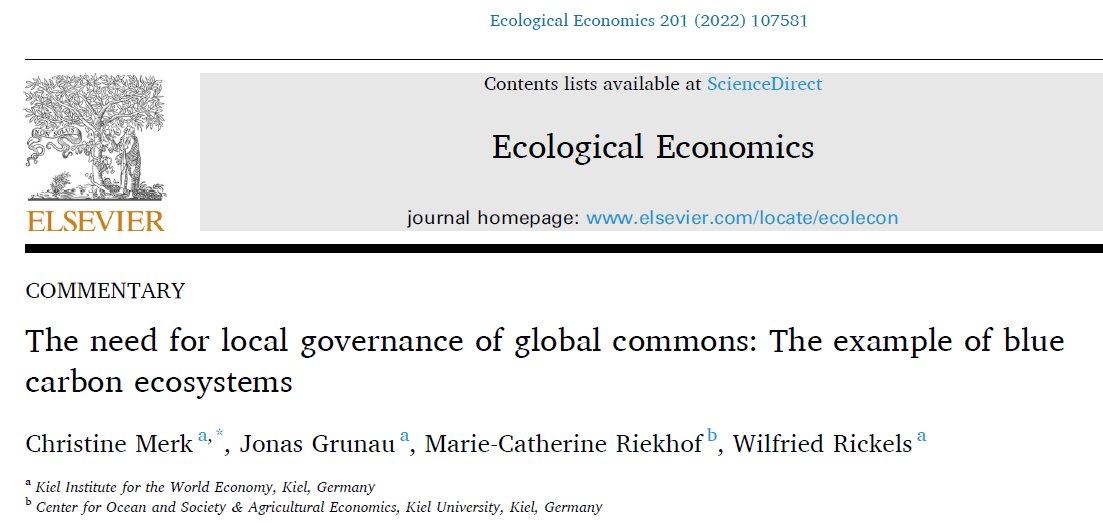
Ever wondered what the local/regional/int'l services, disservices & pressures for #bluecarbon ecosystems are?!
Then @wilmwilmsen, @jgrunau3, Marie Riekhof @kieluni & I have something for you!
For now, free copy at
authors.elsevier.com/a/1fc6a…
@OceanNETs_EU @SeaStoreBaltic @CDRmare
5
16
OceanNETs retweeted

15 Jul 2022
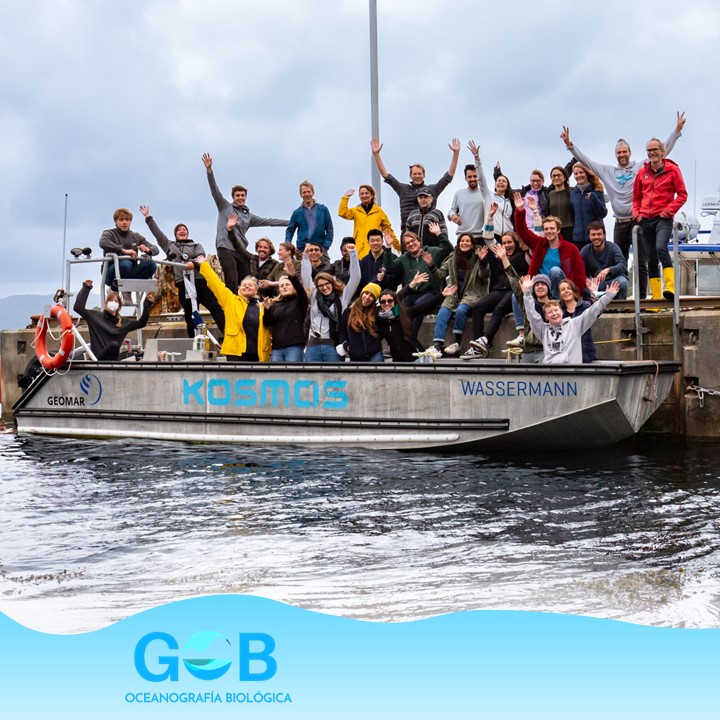
𝗧𝗵𝗲 𝗢𝗰𝗲𝗮𝗻 𝗔𝗹𝗸𝗮𝗹𝗶𝗻𝗶𝘇𝗮𝘁𝗶𝗼𝗻 𝗘𝘅𝗽𝗲𝗿𝗶𝗺𝗲𝗻𝘁 𝗰𝗼𝗺𝗲𝘀 𝘁𝗼 𝗮𝗻 𝗲𝗻𝗱!
After two months and a half of intense work our researchers come back from the amazing experience this experiment has been, which is part of the European Project @OceanNETs_EU
1
10
OceanNETs retweeted

15 Jul 2022
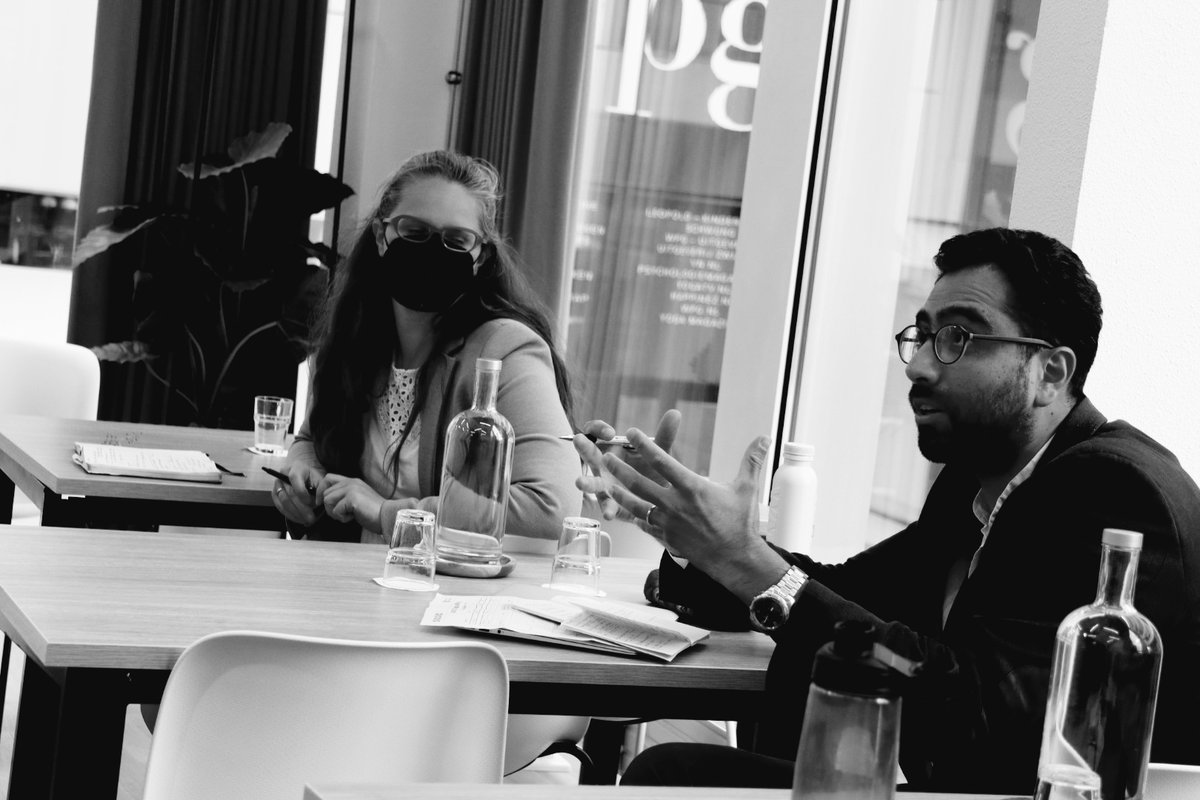
What a great space for discussion @SASE_Meeting presenting on our experience of @InSIS working on @OceanNETs_EU.
See you in Rio @Adi_Mica thank you for organising
👇🏽
14 Jul 2022

Exploring open-ended scenario-making and collaborative methodologies on future technologies about removal of CO2 from the atmosphere through ocean alkalinization.
@josemaria_mx at TH 10_02 panel of “Possible Worlds” mini-conf. @SASE_Meeting
See you in Rio!
@Anesis @GaryHerrigel
2
7
OceanNETs retweeted

1 Jul 2022
How can observations help to plan and verify marine Carbon Dioxide Removal (#mCDR)?
@TOSOceanography currently invites articles for the Oceanography supplement 👇
I’m co-editing topic 1 #oceanCDR with @TosteTanhua.
🏁Extended deadline for expression of interest: July 15!
15 Jun 2022

Please consider contributing a two-pager on your research to the next @TOSOceanography supplement on Ocean Observing. Details here: tos.org/ocean-observing-supp…. Deadline is approaching!!
1
10
17
OceanNETs retweeted
30 Jun 2022
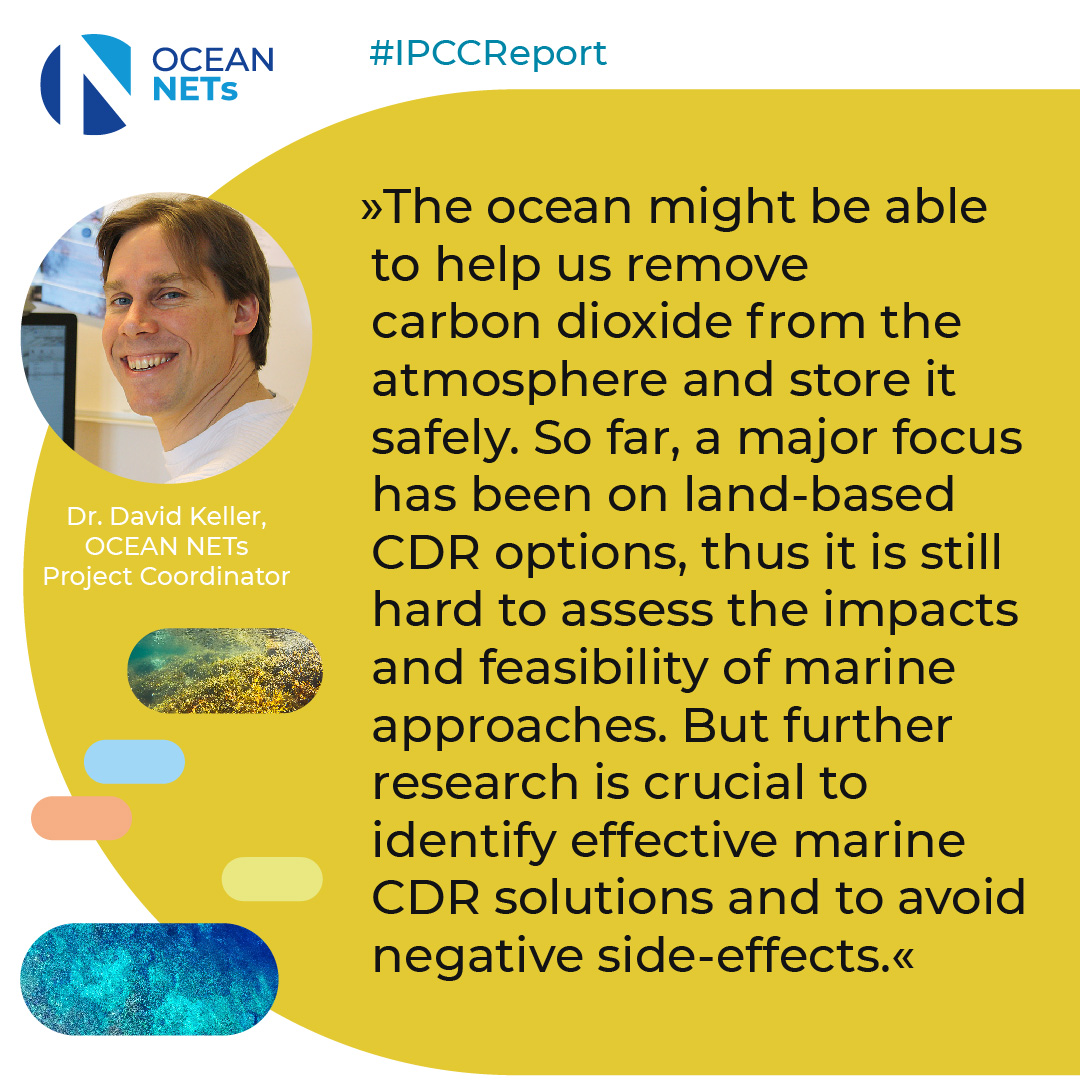
David Keller #GEOMAR: The UN Ocean Conference #UNOC2022 comes at a critical time as the world seeks to address many problems. I aim to contribute to the discussion on science-based innovative solutions for climate change and to ensure that all actions are anchored in the #SDGs.
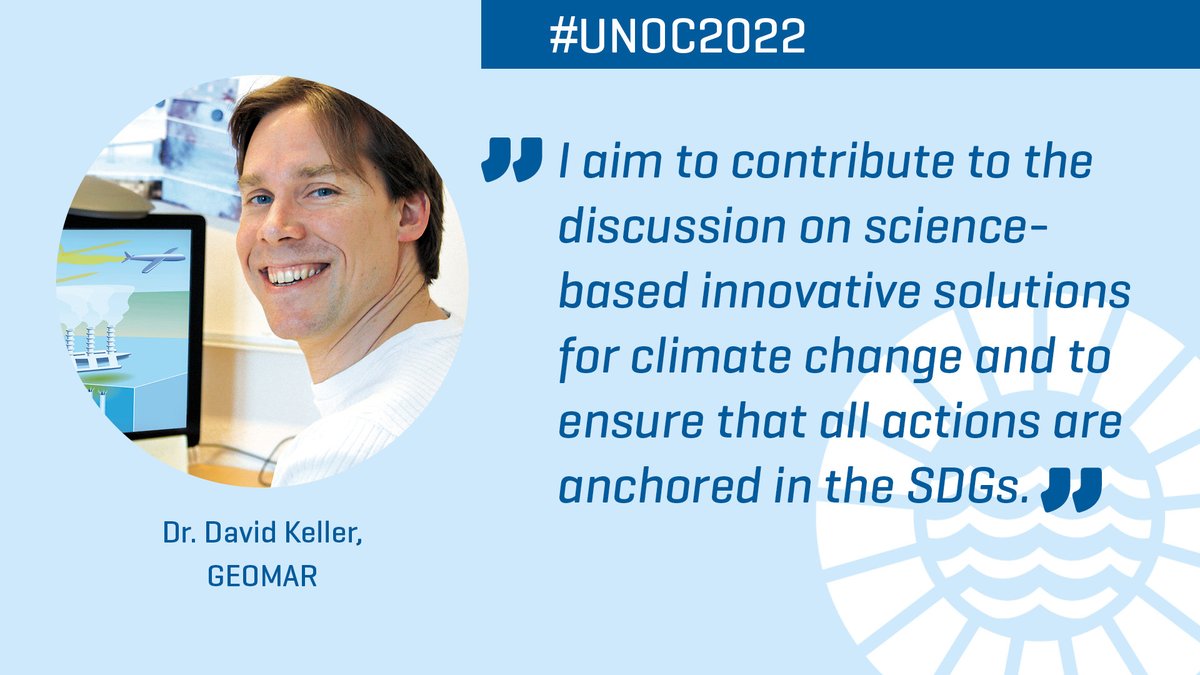
ALT Statement David Keller.
2
10
29 Jun 2022
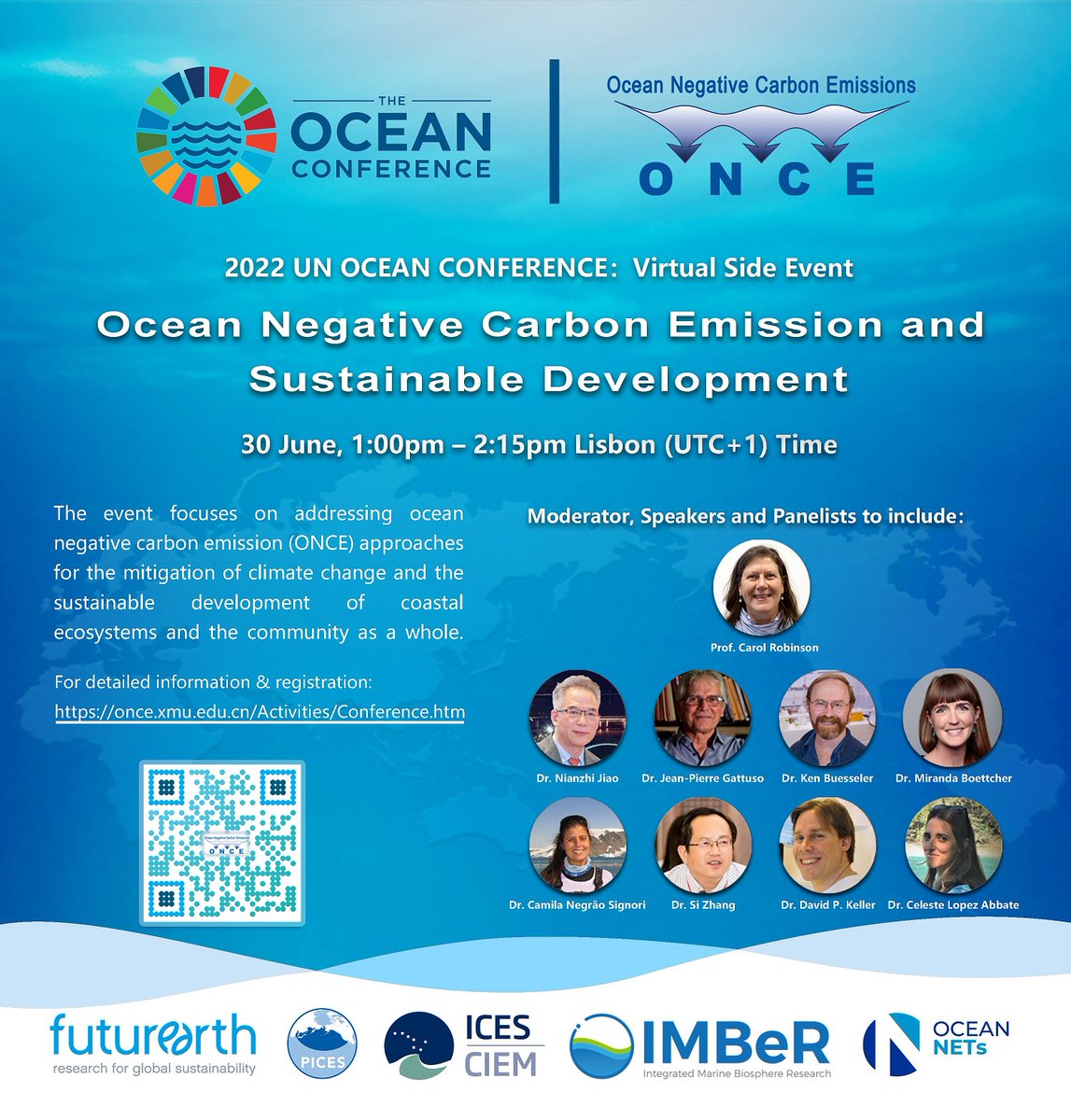
OceanNETs coordinator David Keller will be one of the speakers at tomorrow's #UNOC2022 side event on Ocean Negative Carbon Emissions. Register now!
29 Jun 2022

🌊 We are at #UNOceanConference2022 this week!
There's still time to register for tomorrow's side event on Ocean Negative Carbon Emissions #ONCE & Sustainable Development
📆 Thursday, 30 June at 14:00-15:15 CEST
➡️ Sign up: once.xmu.edu.cn/Activities/C…
5
13
28 Jun 2022
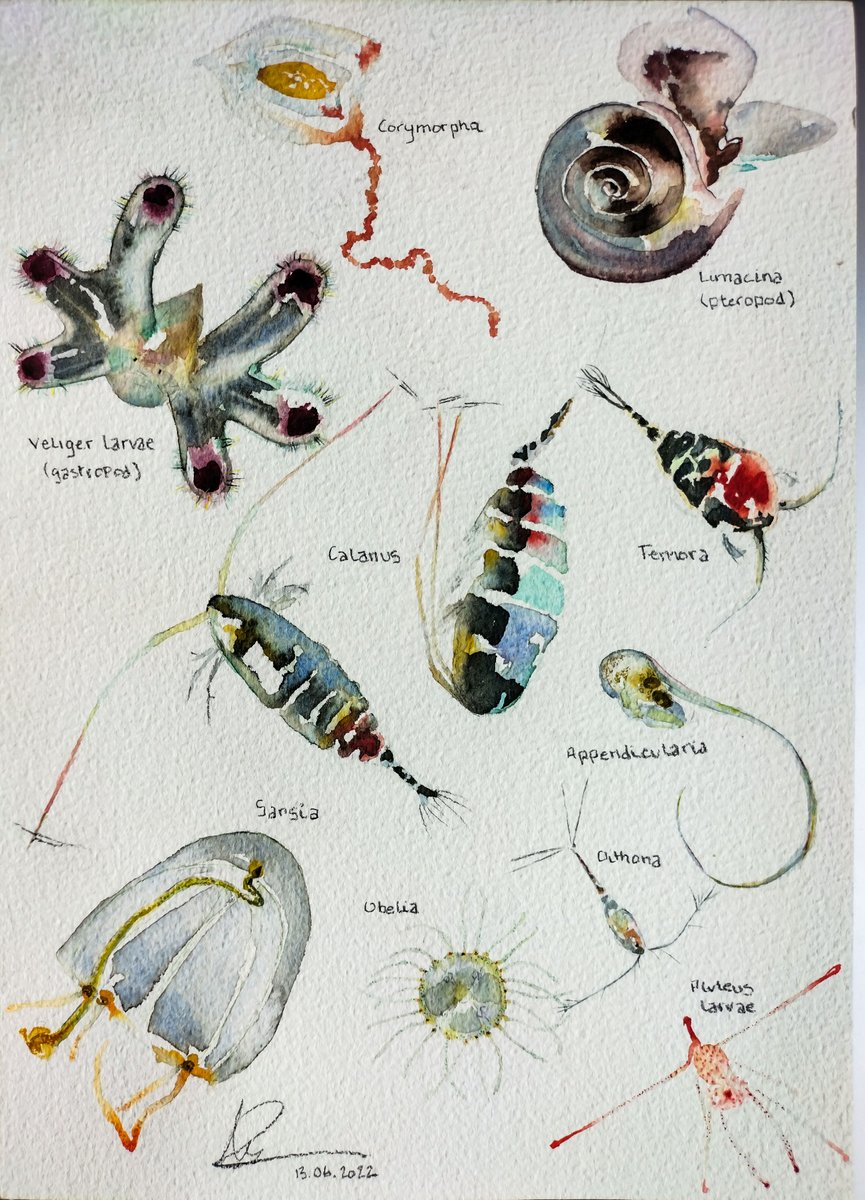
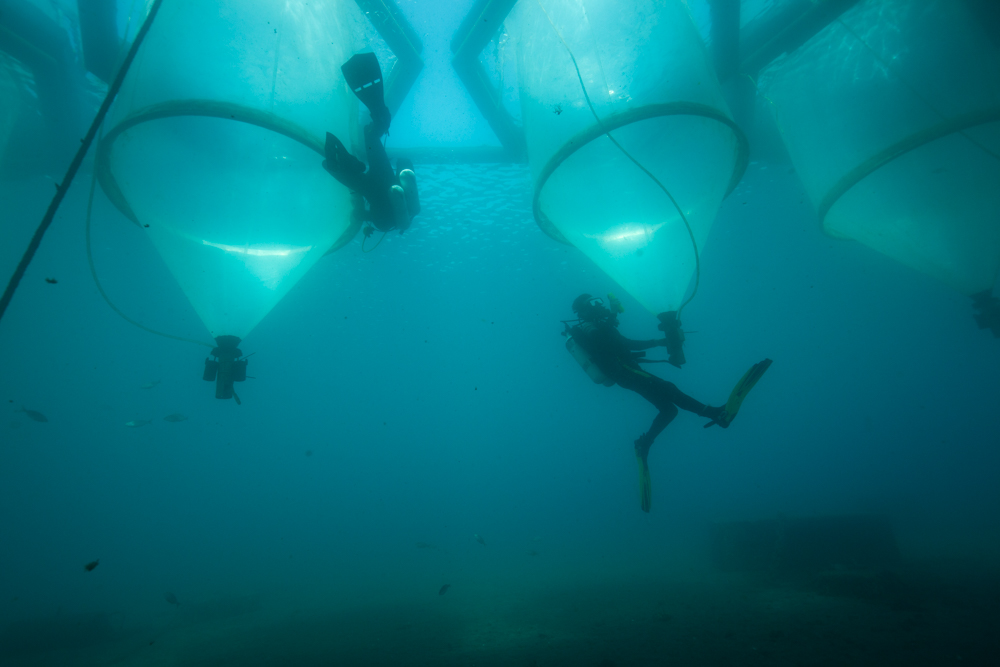
OceanNETs PhD student Nicolás Smith Sánchez taking a closer look at the zooplankton community in the #KOSMOS Ocean Alkalinity Enhancement (#OAE) experiment in Bergen, Norway.
Read the blog post here: oceanblogs.org/oceannets/202…
1
10