@HeartsoundsU Coordinator, PSW, Writer, @WegandaReview Advisory Editors, @LEADERSHIPMAG_1956, @muwado @umunkozi @MakCEDAT @KEELEUNIVERSITY. RT isn't endorsement
Joined September 2014
- Tweets 18,429
- Following 4,585
- Followers 1,397
- Likes 13,325
368 Photos and videos

Pinned Tweet

May 28
2
1
38
Odoki Jimmy Acellam retweeted

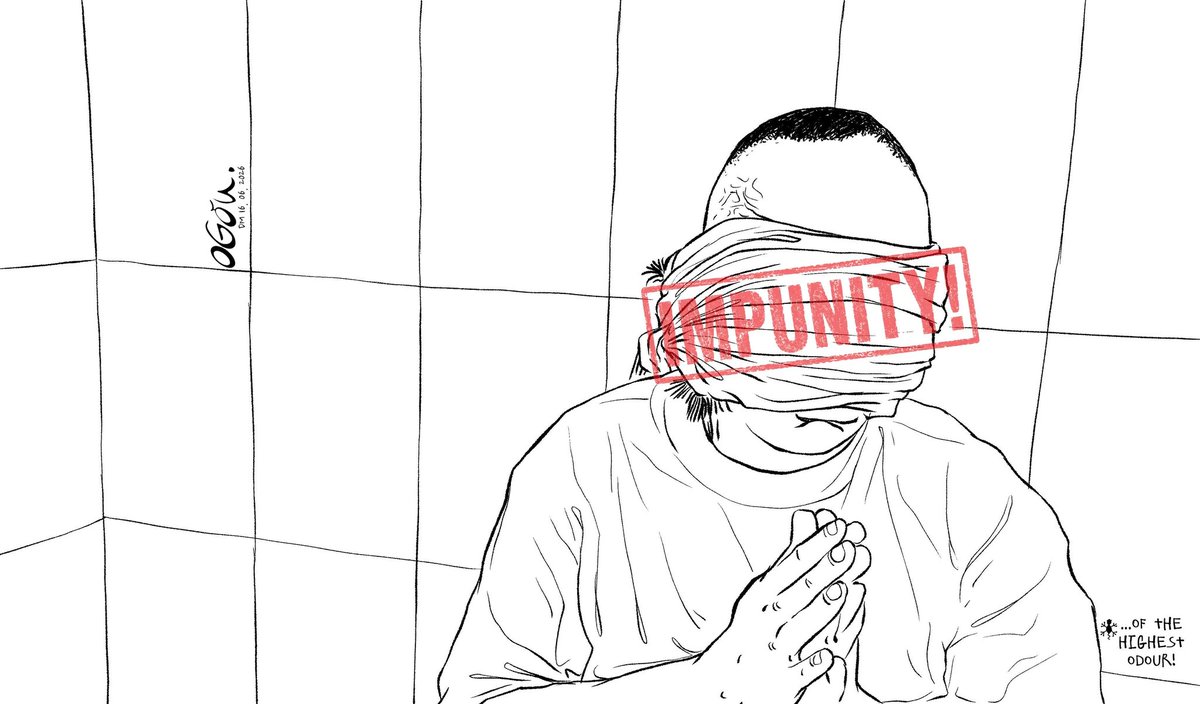
I'll say one more time: Muhoozi Kainerugaba as president, will be a weaker opponent for serious opposition. Ironical that the man so proudly snitches on himself.
Just like AAA, he, too, is a proud exhibitionist. While AAA prided in accumulation, MK looves exhibiting power
47
189
1,095
39,715

Odoki Jimmy Acellam retweeted

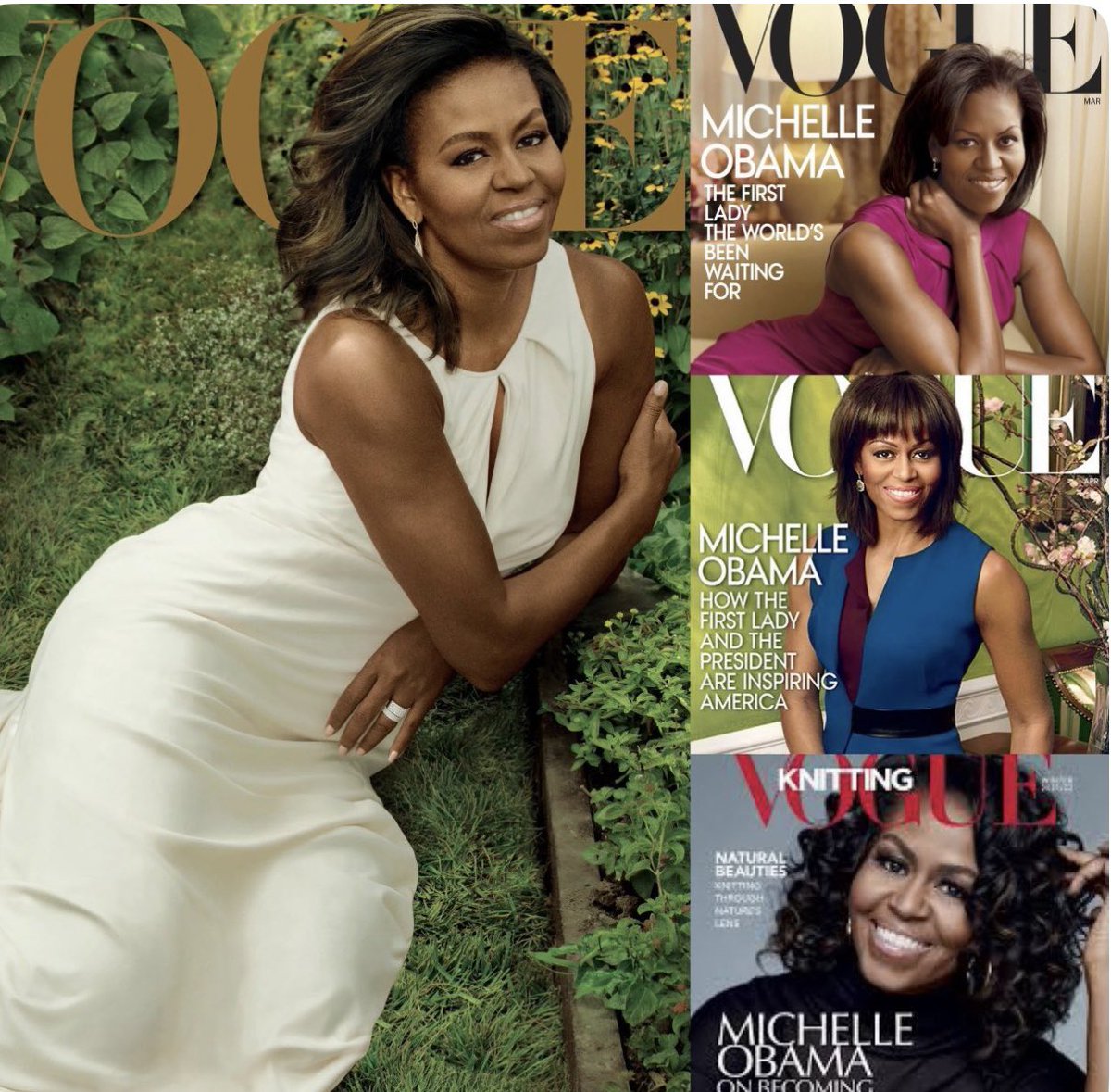
Michelle Obama on the covers of Vogue.
She was everything a First Lady should be.
I stand with Michelle Obama!
Who is with me? ✋
3,218
3,791
18,916
634,524
Odoki Jimmy Acellam retweeted
On World Menstrual Hygiene Day, Kwal announced a new Feminine Leave Policy, one paid day off per month for employees experiencing health challenges related to menstruation, perimenopause, and menopause. The policy grants 12 days of paid leave annually, separate from sick or annual leave, with no doctor's note required. Read more: zurl.co/KQi36
2
3
8
1,151
Odoki Jimmy Acellam retweeted
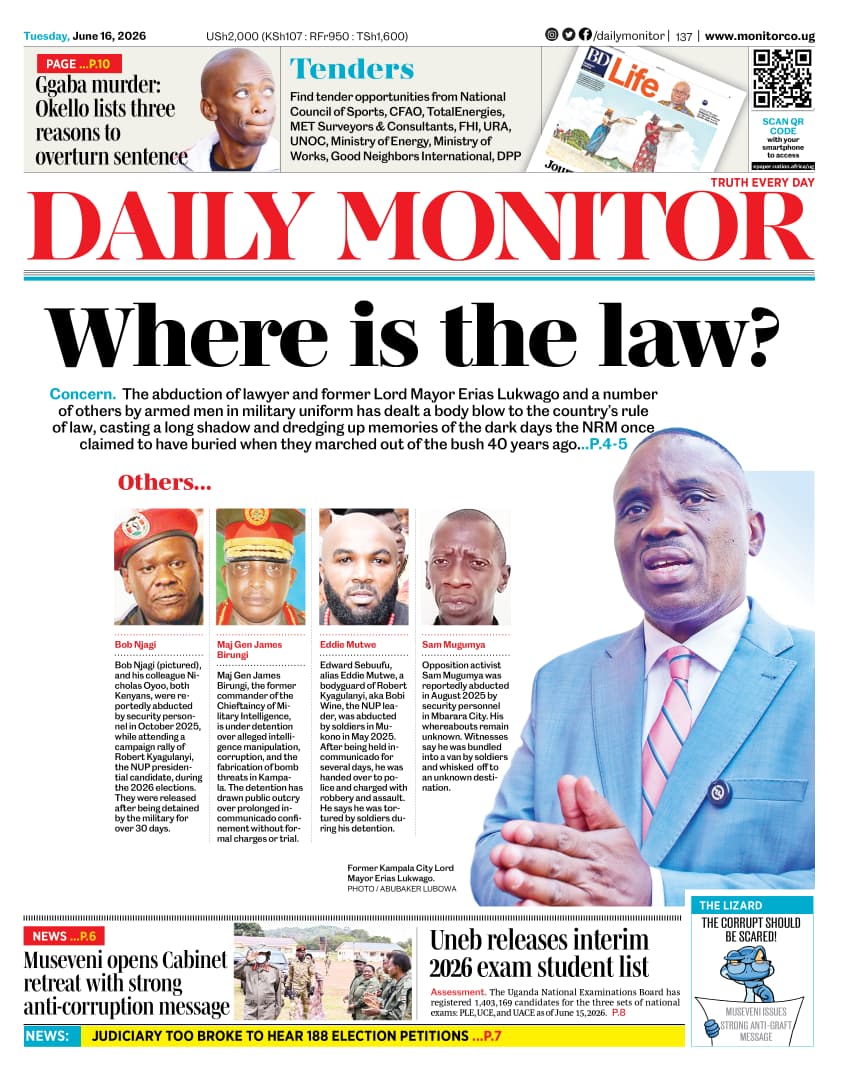
🗞️A very simpe question...Where's the law?
Also inside today's Daily Monitor:
◉Museveni opens Cabinet retreat with strong anti-corruption tone
◉Judiciary too broke to hear 118 poll petitions
■That and much more in your Tuesday copy that's also on e-paper at: bit.ly/3JMGP8q
37
179
441
12,628
Odoki Jimmy Acellam retweeted

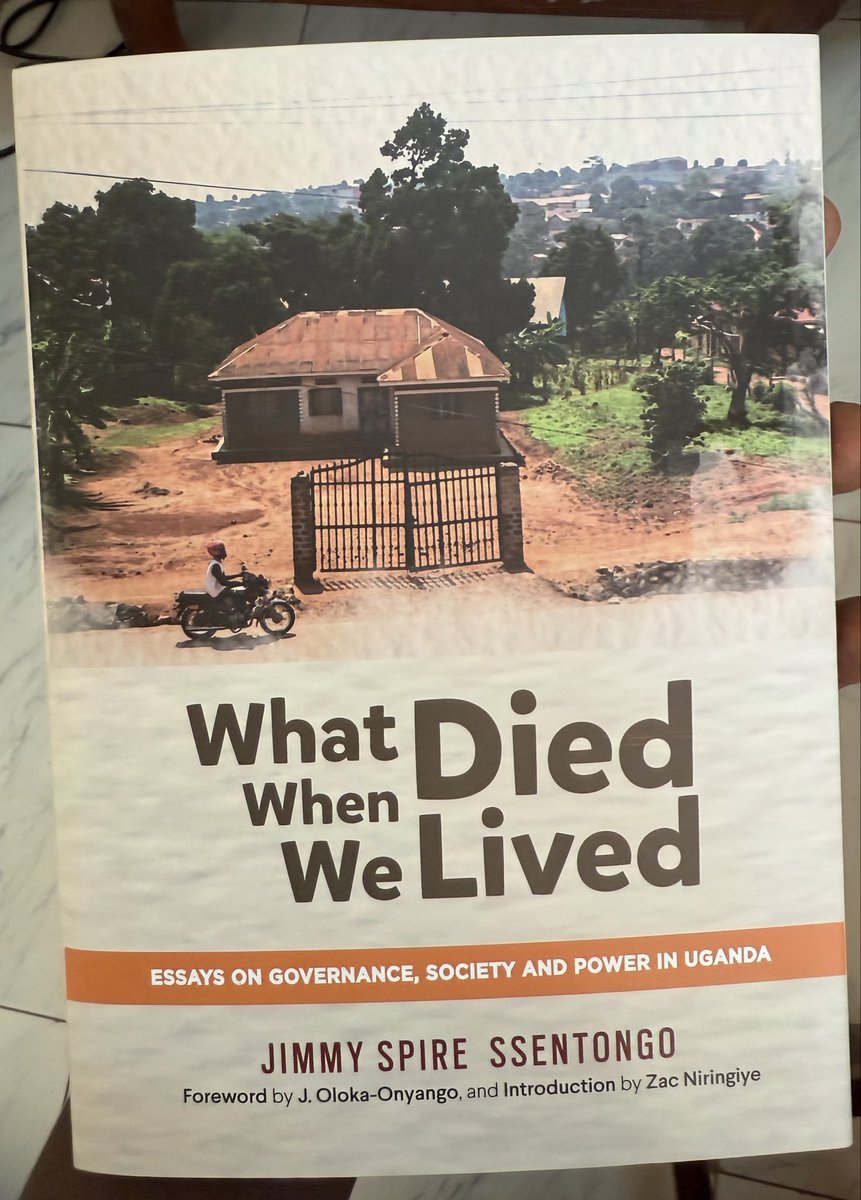
A country where an innocent sickly prominent lawyer is kidnapped, and someone tweets that he is torturing him, and the tweet is liked by thousands of cheering people!
153
377
1,718
24,852
Odoki Jimmy Acellam retweeted

Jun 15
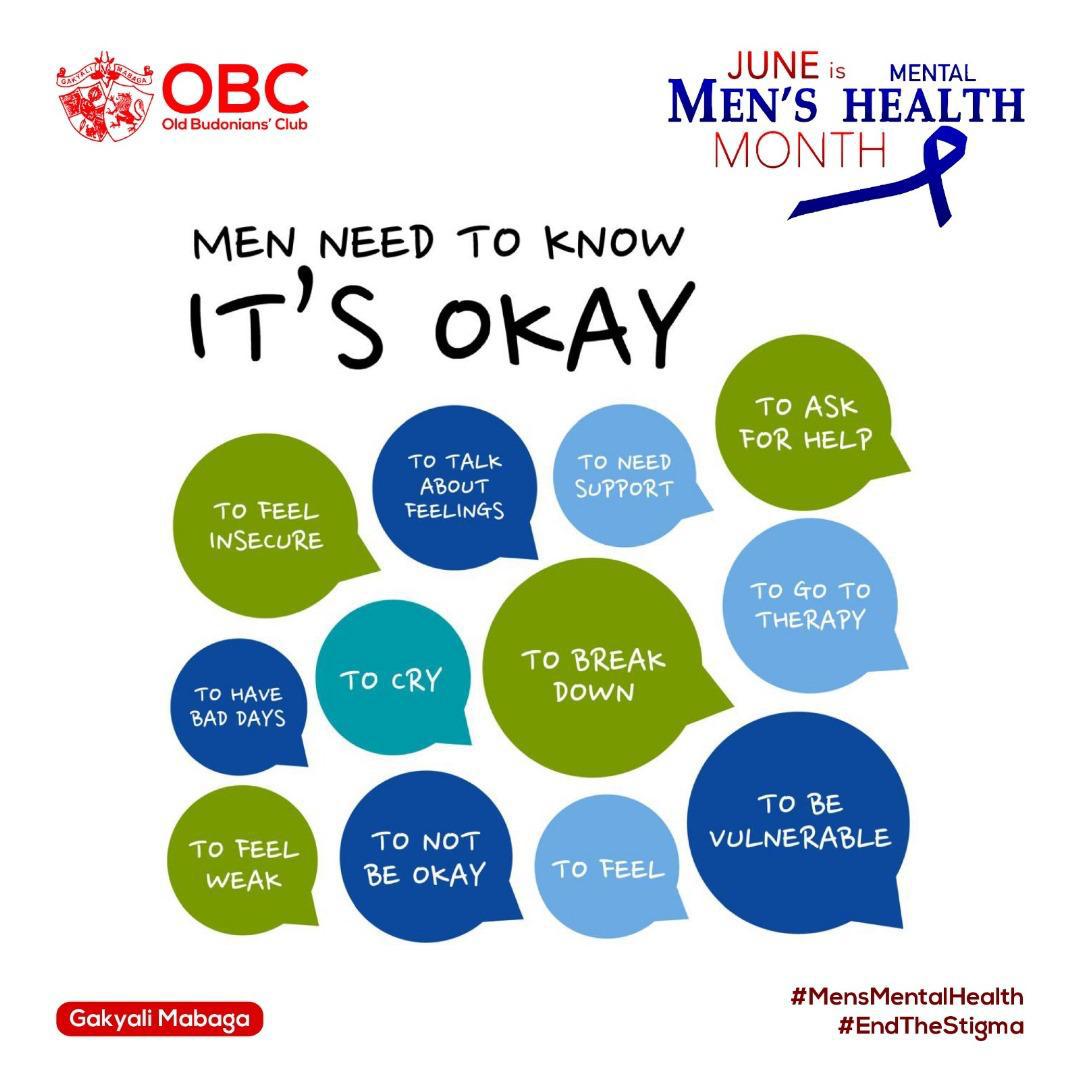
Over the next two weeks, we’ll share quick reflections to encourage healthy conversations and mutual support. Take a moment today to check in on yourself and those around you.
#EndTheStigma #MensMentalHealth
5
14
215
Odoki Jimmy Acellam retweeted

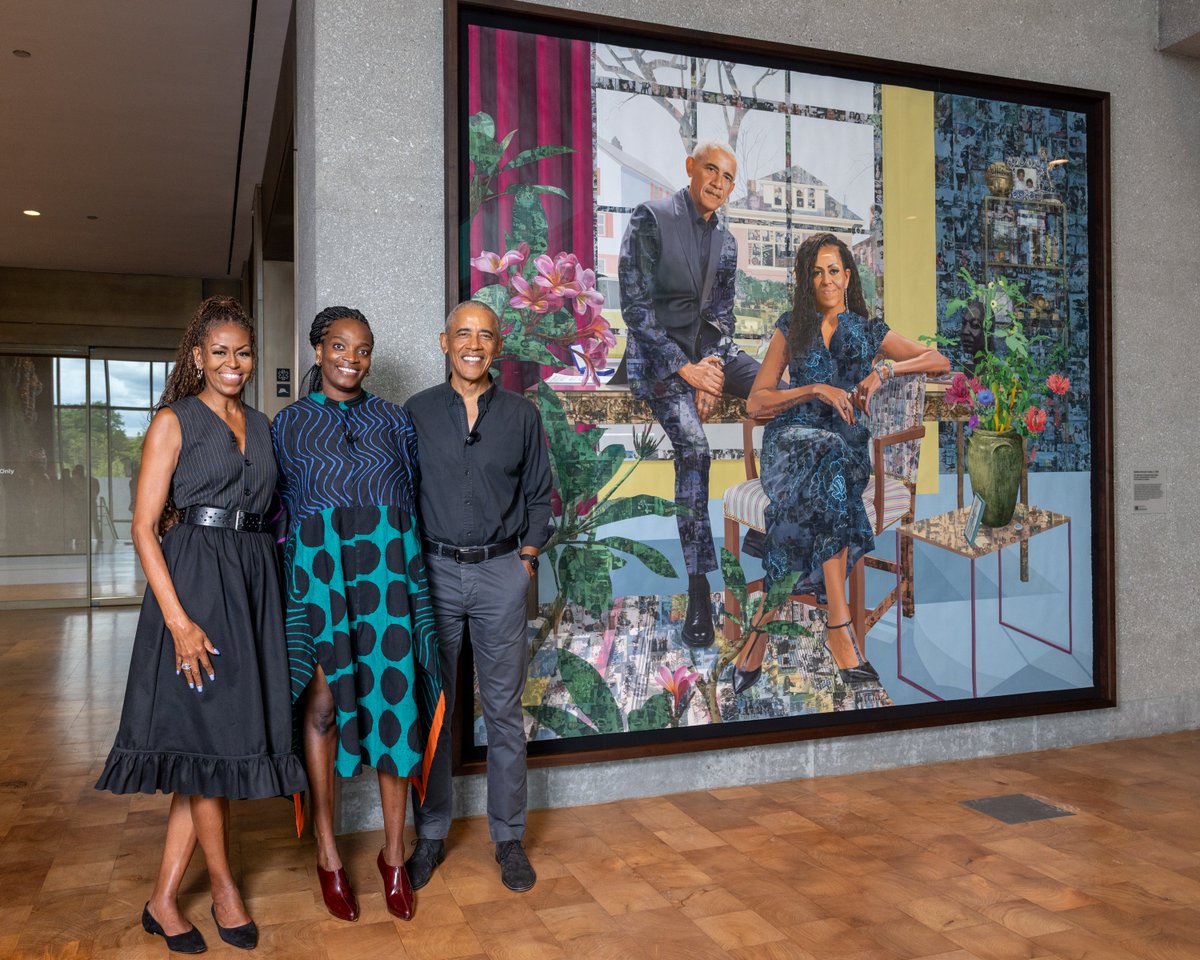
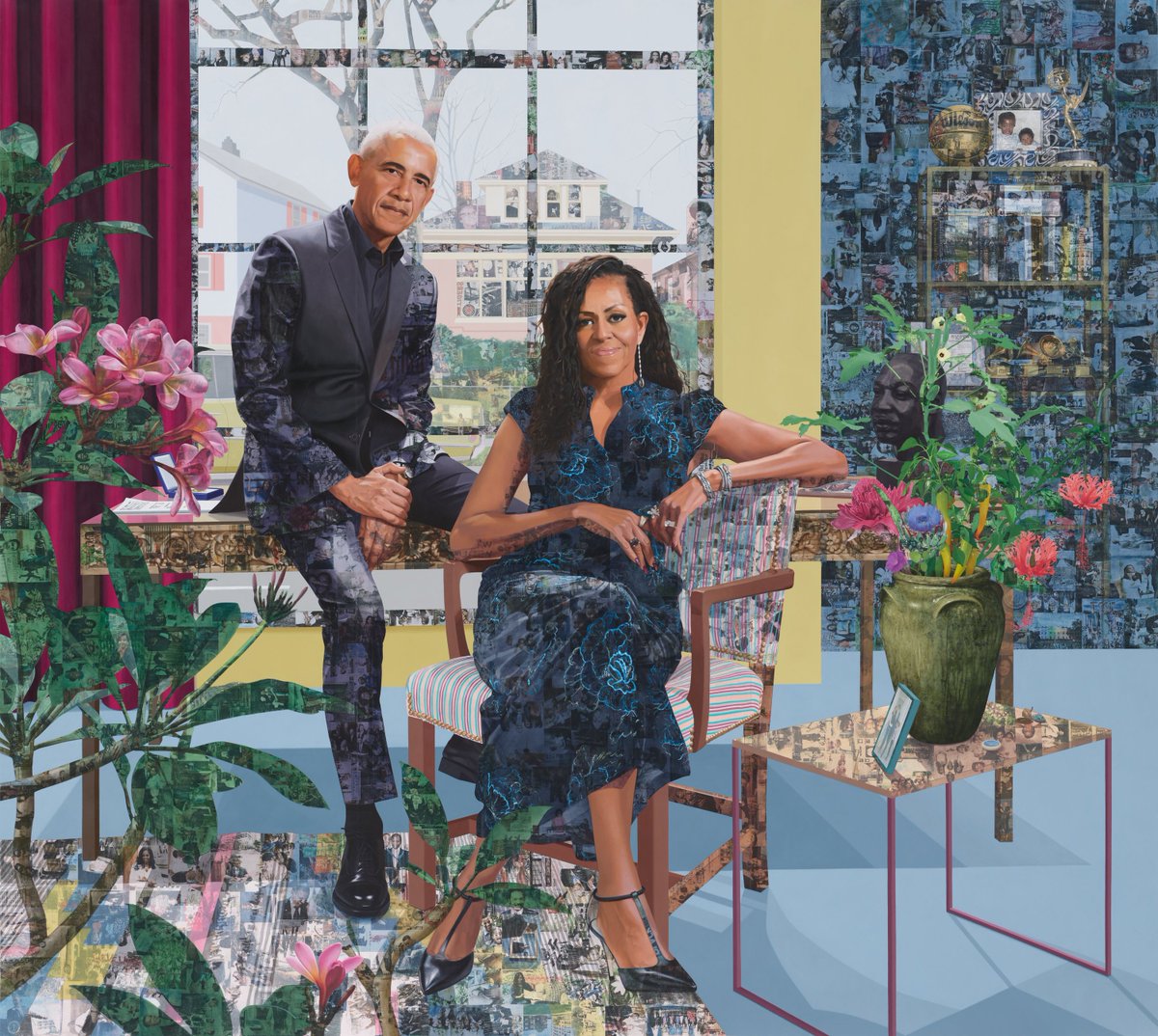
Barack and I were so honored to have @AkunyiliCrosby create our portrait for the Obama Presidential Center. Her artistic brilliance shines through — and the way she infused such life and joy into the piece is truly extraordinary. We love it, and we think everyone who visits the Center will too!
2,784
9,495
49,591
1,376,722
Odoki Jimmy Acellam retweeted

It was great joining Njideka Akunyili Crosby — a gifted Nigerian-born, Los Angeles-based artist — to unveil our first portrait together. This piece reflects so many chapters of Michelle and my story, and we’re thrilled that it will be on display in the Hope and Change lobby at the Obama Presidential Center starting this Juneteenth.
5,374
17,574
174,721
9,975,379
Odoki Jimmy Acellam retweeted

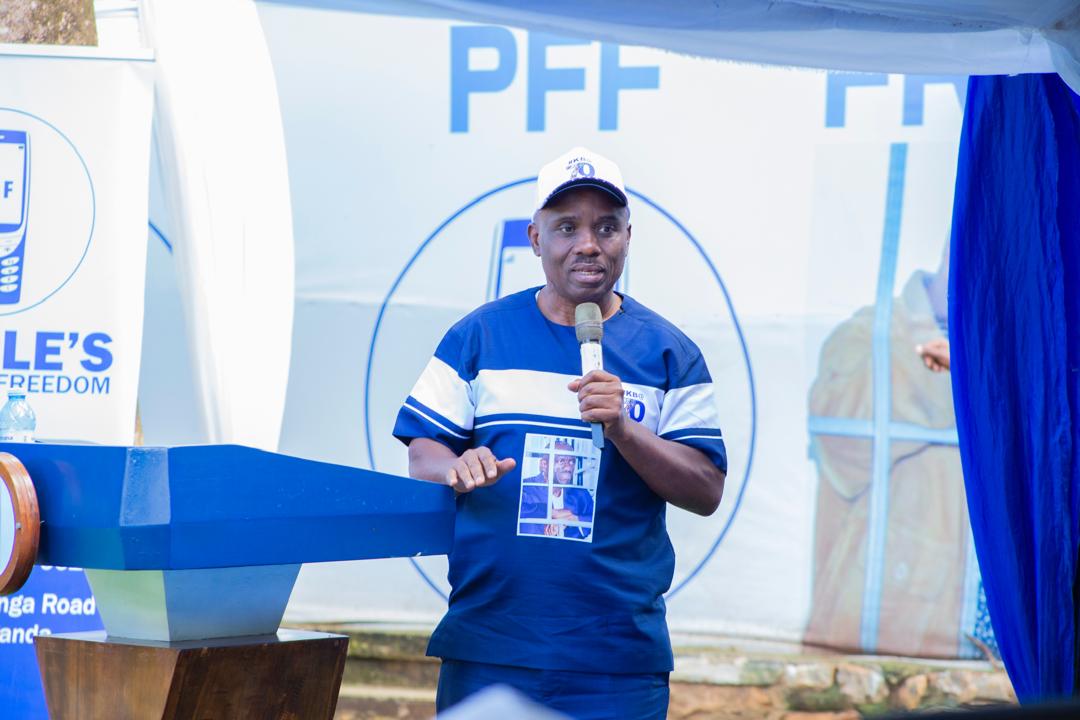
The cowardly regime has once again deployed military and police blockades to surround the residence of our National Chairman, Counsel Erias Lukwago!
Chairman Lukwago was scheduled to speak to the nation this morning on Sanyuka TV and was prepared to legally serve court processes to Mr. Museveni’s son and Chief of Defence Forces (CDF), Muhoozi Kainerugaba.
Instead of respecting the rule of law, the regime has chosen military might to shield themselves from legal accountability and choke the voices of democratic change. This is the height of state-sponsored lawlessness!
We want to send a clear message to the dictator and his tools of oppression: INTIMIDATION CANNOT AND WILL NOT DETER OUR RESOLVE! You can blockade a house, but you cannot blockade the burning desire of millions of Ugandans fighting for freedom and democratic change.
We demand the immediate and unconditional withdrawal of these forces from Chairman Lukwago’s home.
#FreeKizzaBesigye
#FreeHajjiObeid
#FreeSamMugumya
#FreeSamuelMakokha
#FreedomForAll
21
72
227
18,329
Odoki Jimmy Acellam retweeted

Jun 15
Former Kampala Mayor Lukwago arrested at home
Veteran opposition figure Dr Kizza Besigye’s lawyer, Elias Lukwago, was seized from his home in an early morning operation after security operatives reportedly gained entry by scaling into his premises. | Details👇🏽
monitor.co.ug/uganda/news/na…
54
104
614
30,179
Jun 15
1
68
Odoki Jimmy Acellam retweeted

Jun 14
From the outside, David appeared to have everything. Raised in an informal settlement in Nairobi, he lost both parents at the age of 16. Despite the odds, he earned two international scholarships, graduated with a Master’s degree with Distinction from Newcastle University and later completed a PhD in South Korea. He published 13 peer-reviewed papers and built a successful career as a development scientist in Scotland. zurl.co/7JaP4
5
21
3,620
Odoki Jimmy Acellam retweeted

Jun 14
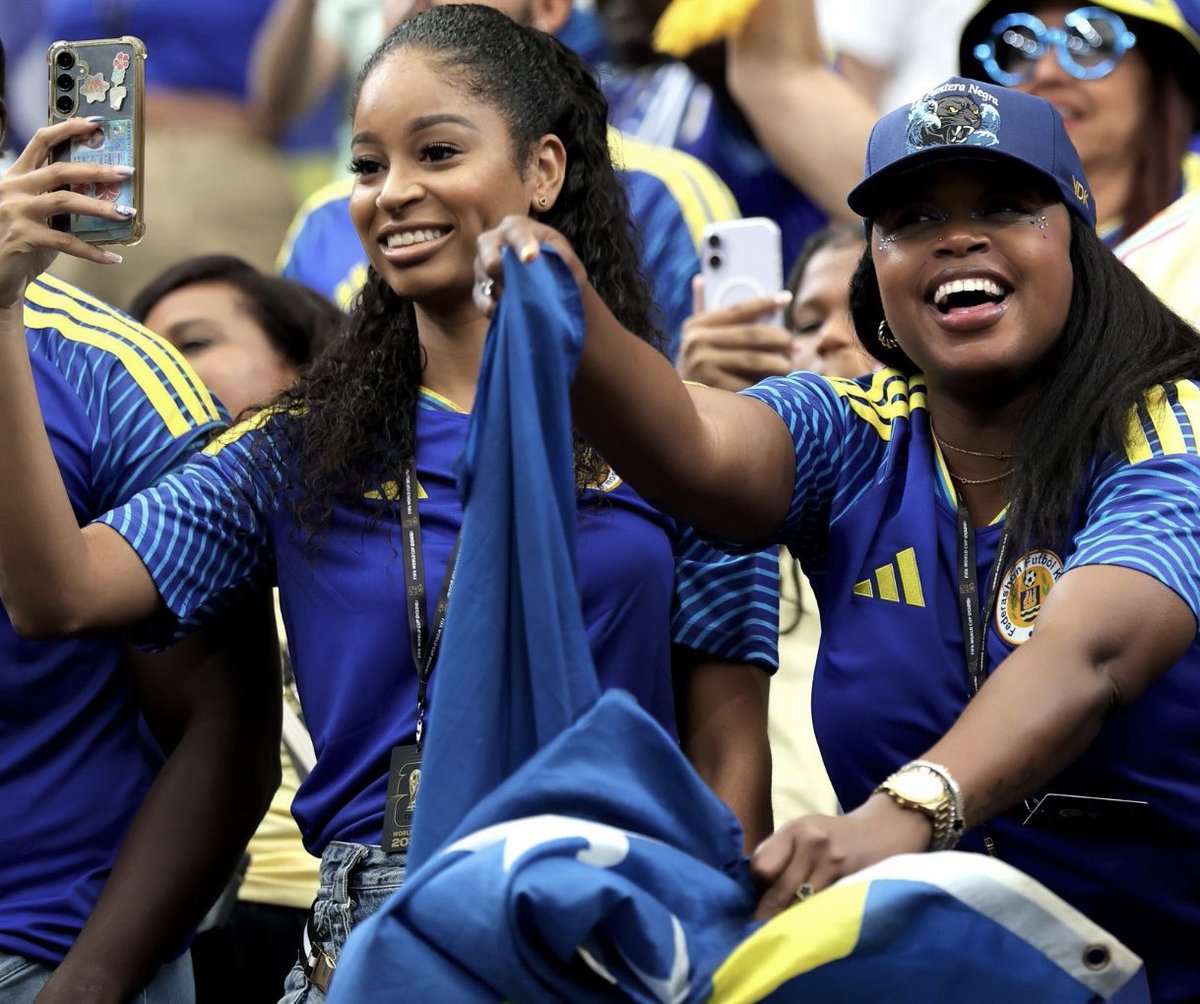
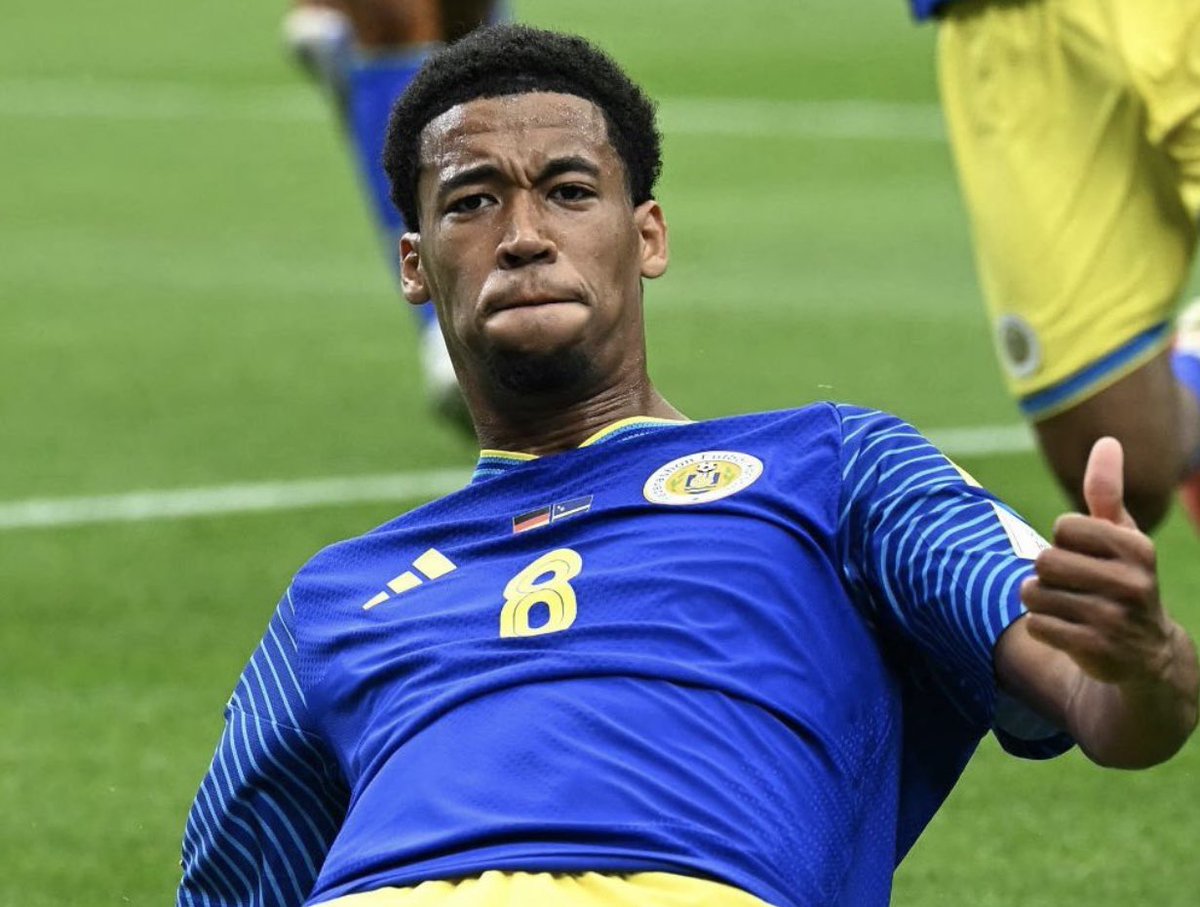
Curaçao, currently playing Germany in Houston, Texas, in the 2026 World Cup, is the smallest nation (by both population and land area) ever to qualify for the tournament.
With a population of around 156,000–185,000 and a land area of just 444 km² (171 square miles), they surpass previous records held by Iceland (2018). The next smallest nation at the 2026 tournament is Cape Verde.
This is Curaçao’s first World Cup appearance.
Around 85% of Curaçaoans are of African descent, primarily descendants of enslaved Africans brought there by the Dutch West India Company from the mid-17th century onwards (mainly from West Central Africa, the Bight of Benin, and Ghana). Many intermingled over time with European, indigenous, and other ancestries.
Colonialists and slavers were easily the most consequential architects of most modern states — often unintentionally through greed-driven exploitation rather than grand design. The transatlantic slave trade and European colonialism reshaped demographics, economies, languages, and borders across entire continents.
They didn’t set out to build or change nations. They were greedy, interested primarily in making a buck — sugar, salt, trade, and profit. History is full of such unintended consequences on a massive scale.
9
36
141
19,200
Odoki Jimmy Acellam retweeted

Jun 14
Gen MK , kindly get SFC to inform the country the whereabouts of comrade Sam Mugumya or take him to court.
SFC reportedly abducted him in broad daylight over six months ago and has since been held incommunicado. His old mum is greatly troubled and stressed.
14
83
340
13,262
Jun 13
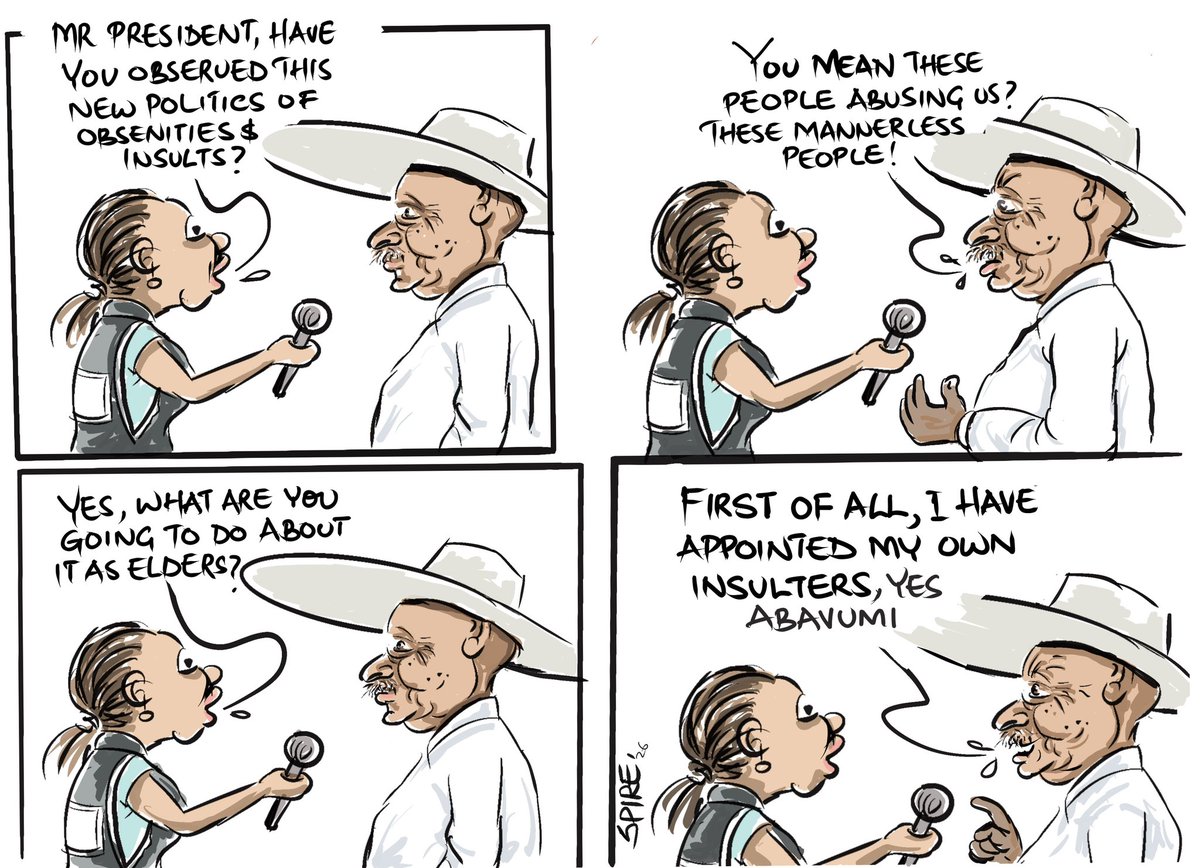
This is an expensive venture in the guise of piety and penitence theeastafrican.co.ke/tea/opi…
@
10
Odoki Jimmy Acellam retweeted
Jun 11
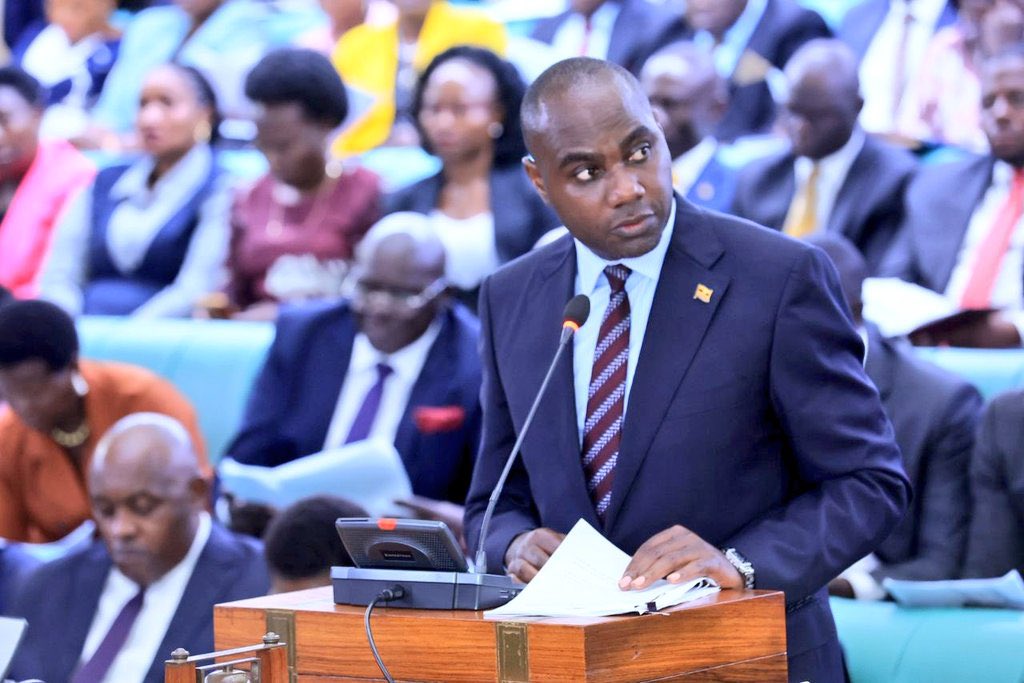
From a shattered economy in 1986 to today’s Shs84.3 trillion Budget, President @KagutaMuseveni has now worked with nine Finance ministers and overseen 40 national budgets. @henrymusasizi1 now inherits from @MatiaK5 the Treasury amid growing fiscal pressure.
bit.ly/4xn2Djm
#UGBudget2026
#MonitorUpdates
8
18
302
19,280