
Moonglade Park: A historical natural wonder so breathtaking it’s hard to believe it could be witnessed even on this beautiful green earth!
Joined February 2012
- Tweets 37,665
- Following 1,188
- Followers 61,399
- Likes 61,256
2,509 Photos and videos






Of The Trees retweeted

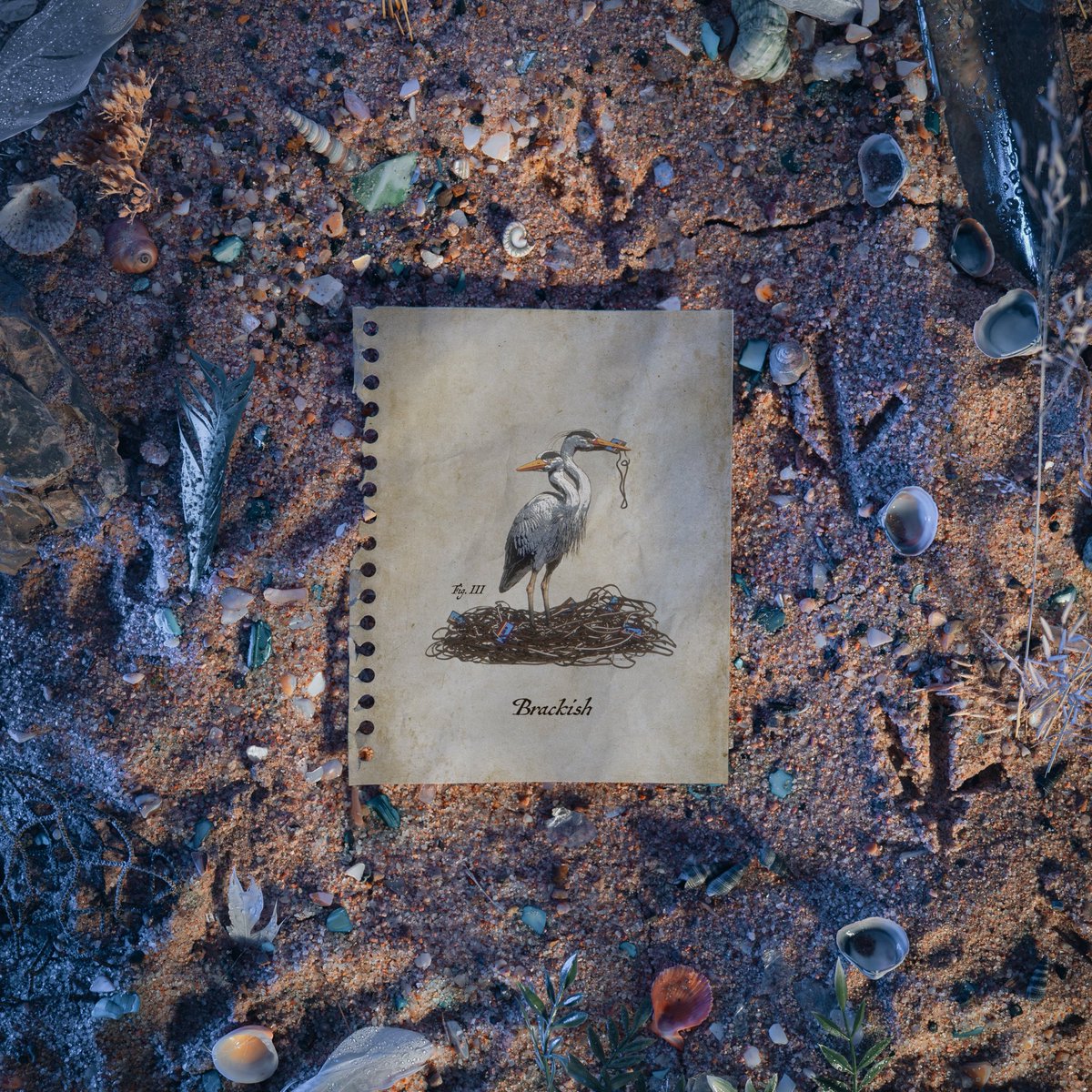
Of The Trees & Tape B - “Brackish” out now.
@OfTheTrees & @Tapebbeats come together on their debut collab, uniting Of The Trees lush, immersive, rooted-in nature sound design with Tape B's nostalgic, high impact dubstep sensibilities.
Available now on Memory Palace✨🐚
1
8
33
2,405

Jun 4
OF THE TREES X TAPE B - “BRACKISH”
OUT NOW on Memory Palace 🪶
[ FIELD STUDIES ]
ENTRY 003
5
19
173
4,859
Jun 3
Yo Tape Trees, show ‘em how it’s done (tonight at midnight) 📼🌲 #Brackish @Tapebbeats



7
19
150
7,737
May 21
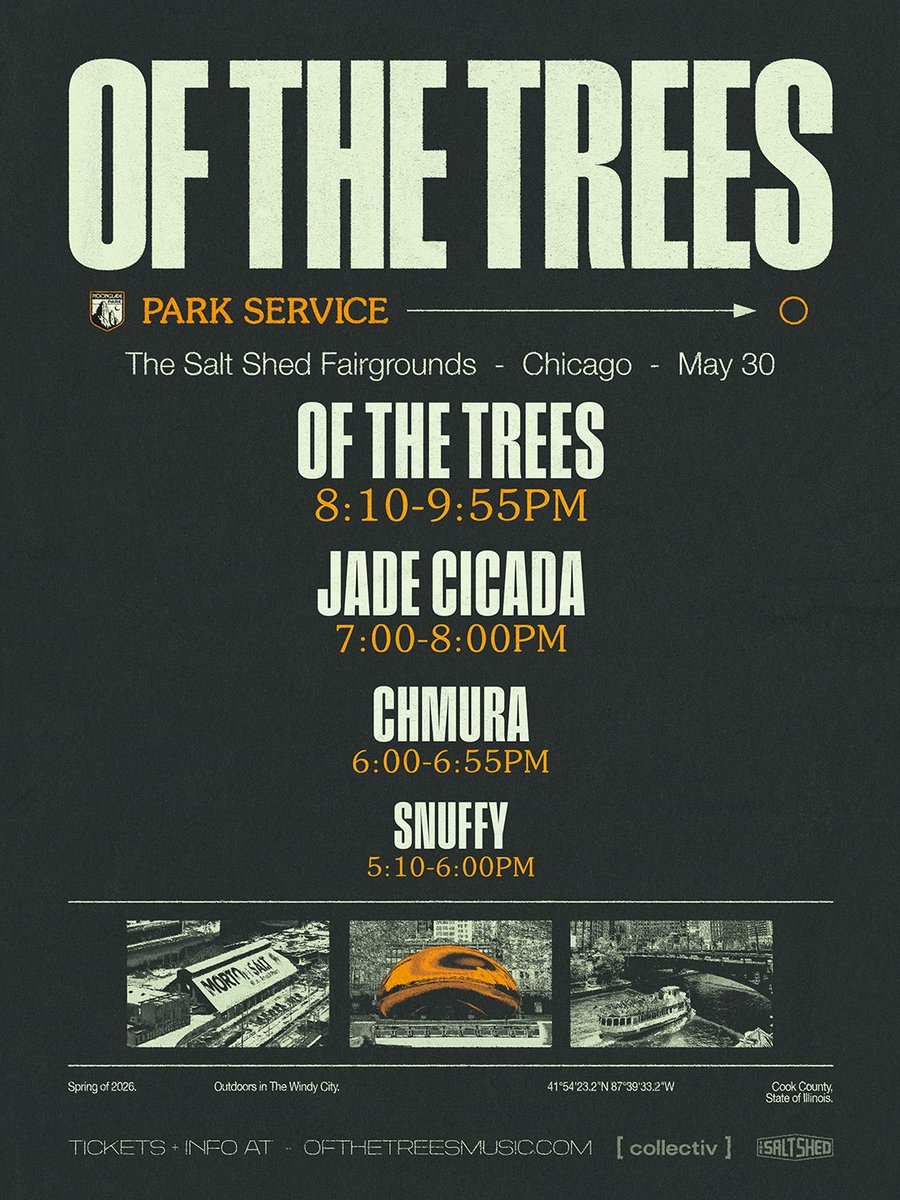
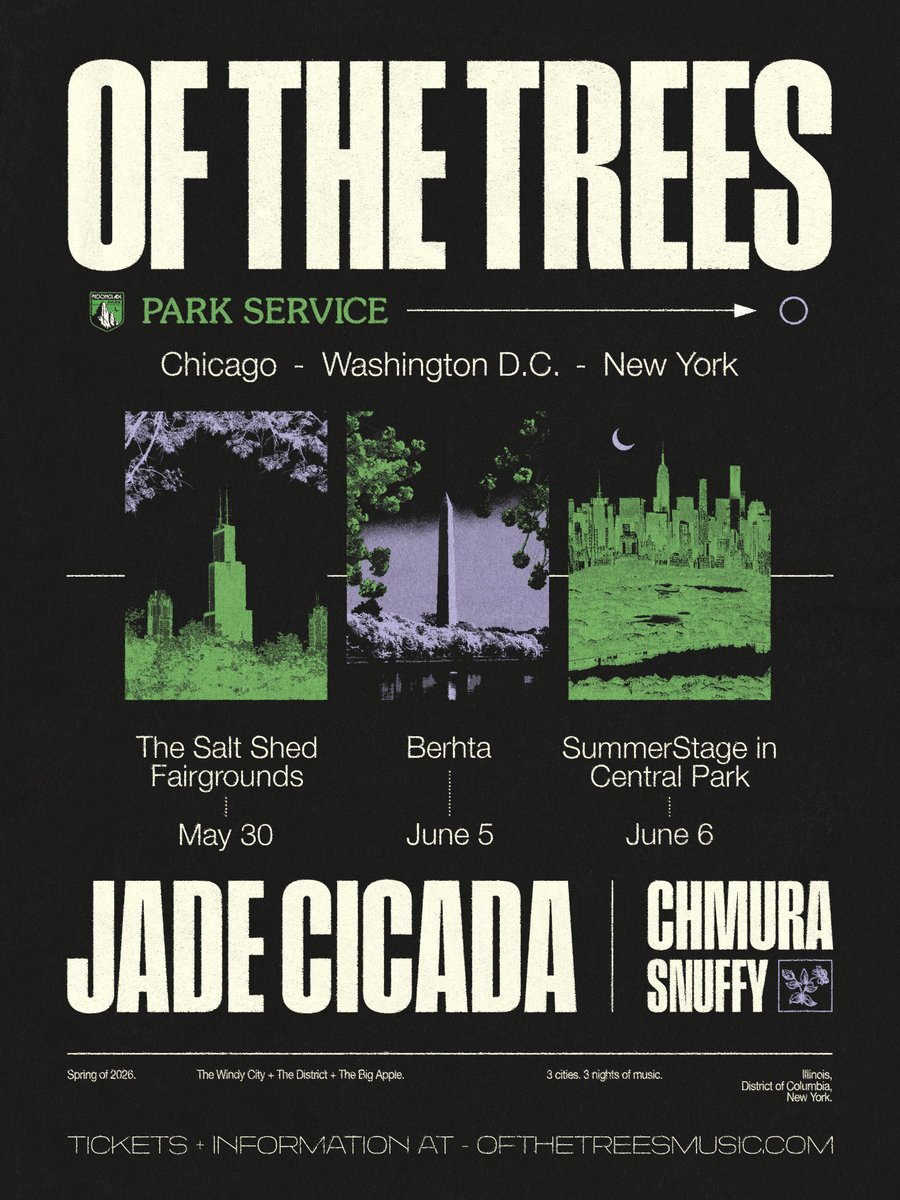
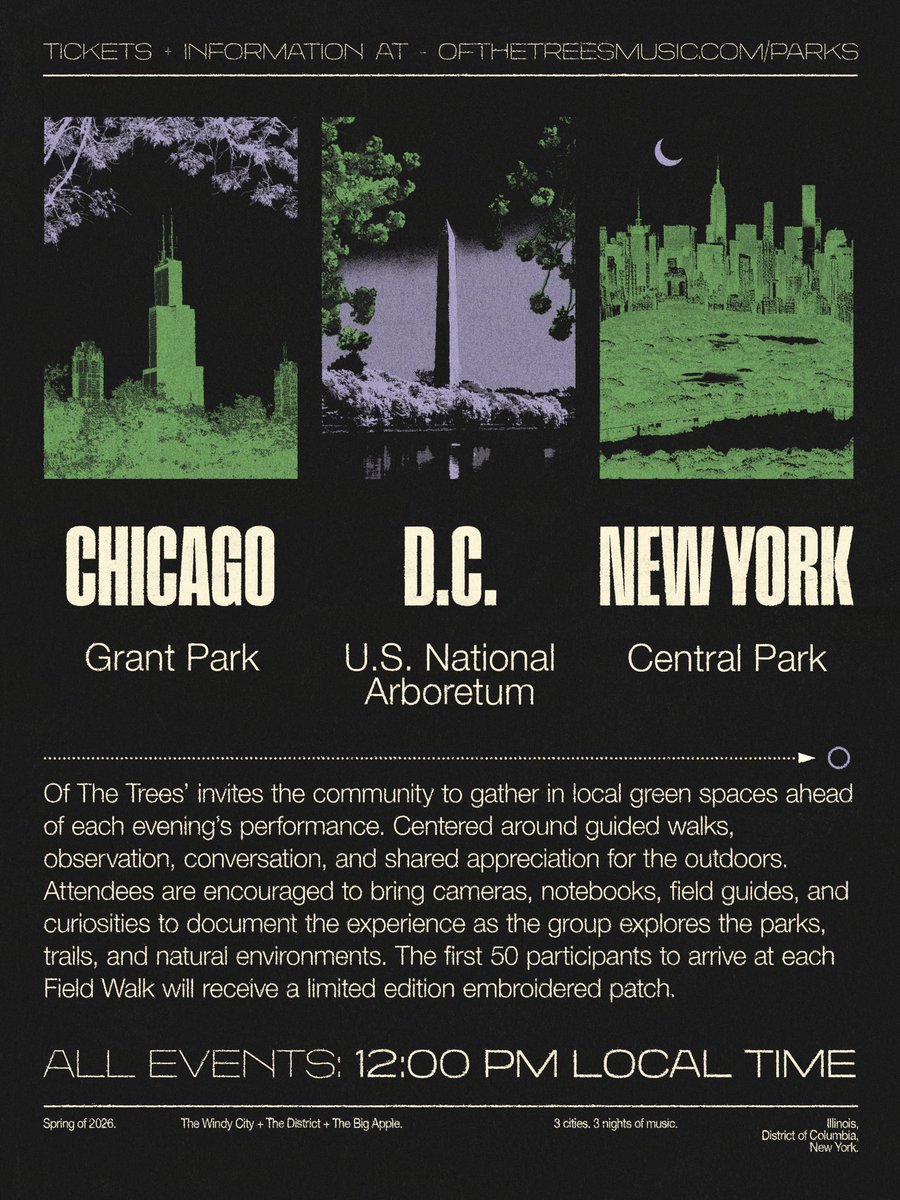
9 days unit the debut of Park Service Chicago! 🌲
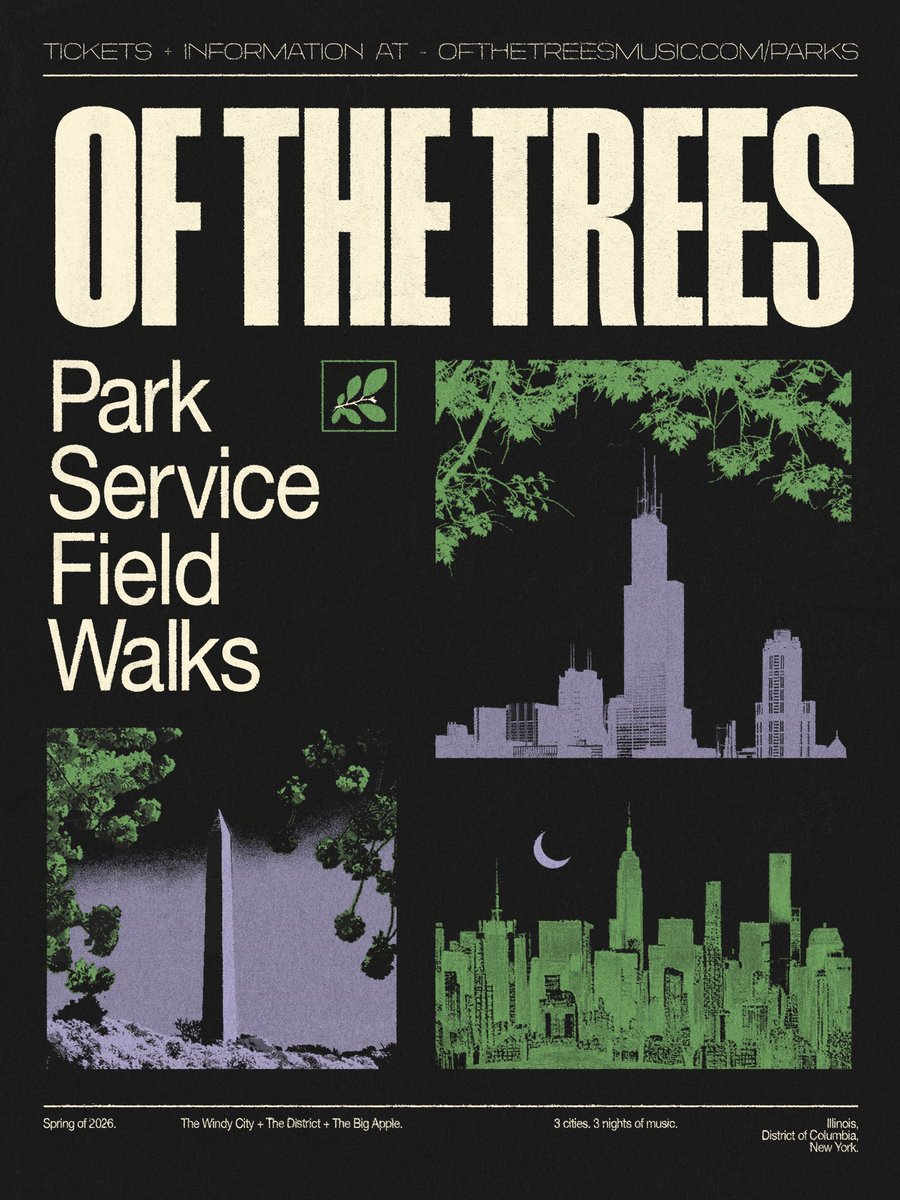
To couple with our new show and production, we’re introducing ‘Park Service Field Walks’ - Free community gatherings created to encourage exploration, observation, & connection with the natural spaces surrounding each city
(1/3)
6
11
75
7,534
May 21
(2/3)
before the show that evening.
Bring cameras, notebooks, field guides, and curiosities.
The first 50 participants at each walk will receive a limited-edition embroidered patch.
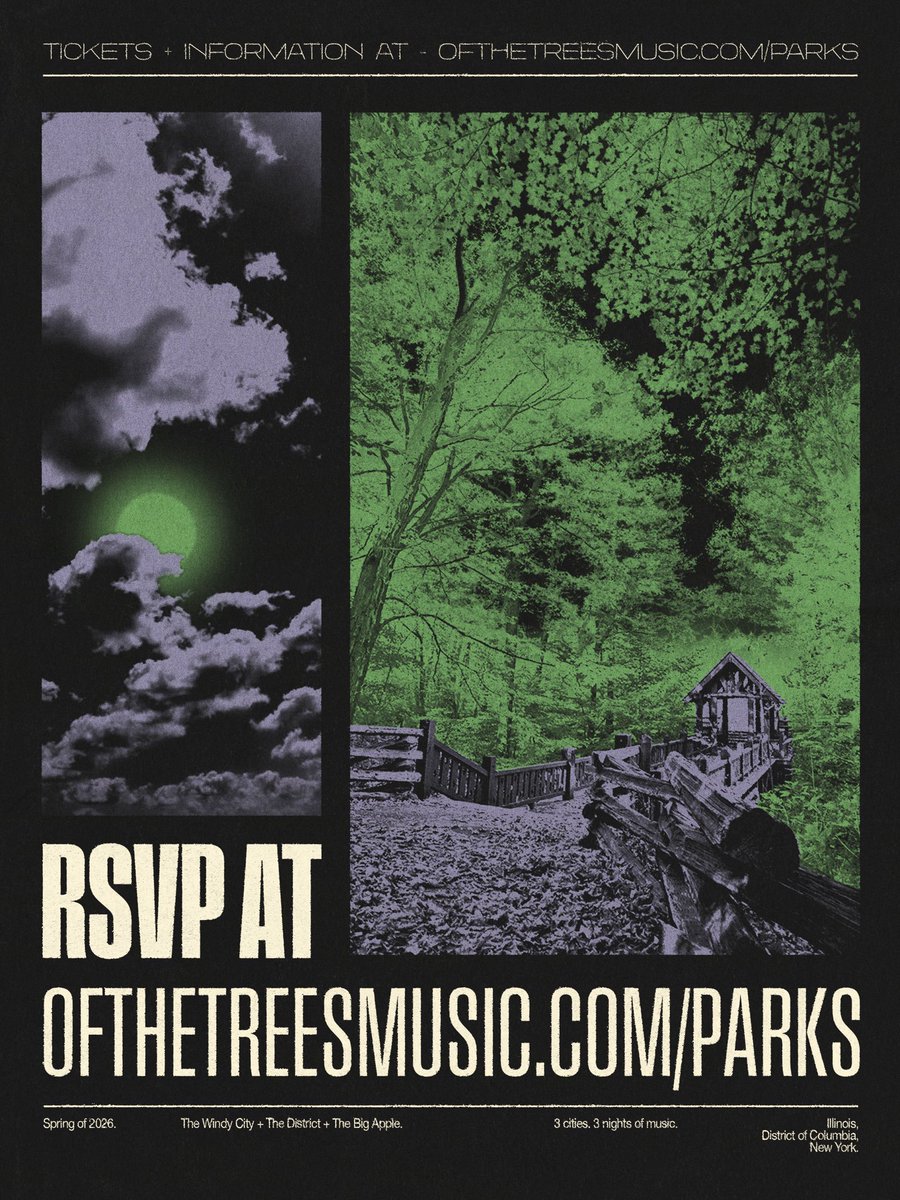
RSVP for exact locations, updates, and additional information.
10
845
May 7
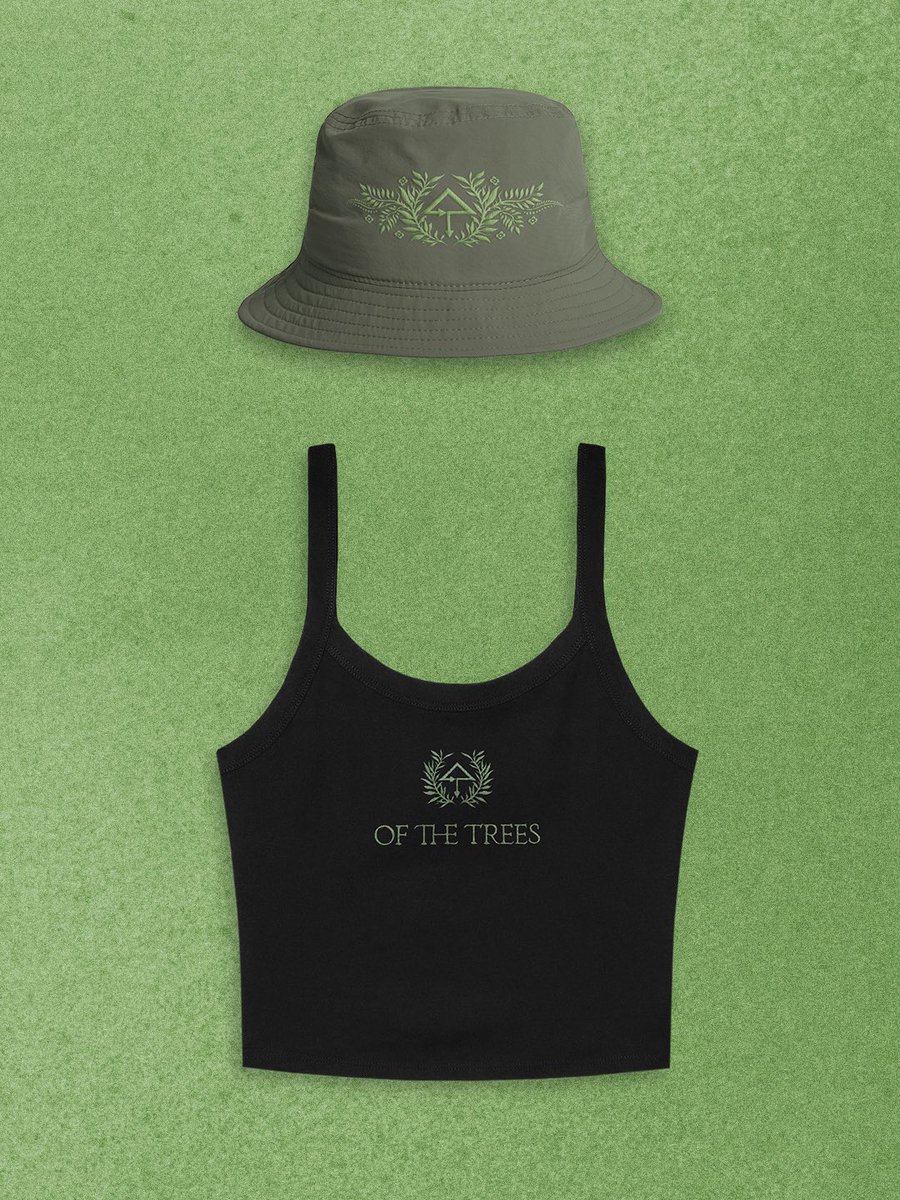
2026 Spring Capsule Collection online now.
This collection will never be sold online or restocked after the sale closes.
PRE ORDER CLOSES 05/14 @ 10pm MST
ofthetrees.store/


3
5
38
5,393
May 5
2026 Capsule Collection
Thursday at 10am PT / 11am MT
(Early access available at 9am PT / 10am MT)
• Featuring 15 items that have never been available online; a blend of highly requested pieces from tour new items and limited color vinyl re-pressings.
(1/2)
4
3
54
5,009
May 5
• Select pieces will be offered in limited quantities, while others will be available for pre-order.
To access the presale before the public, sign up via the 🔗 below:
laylo.com/ofthetrees/2026cap…
This collection will never be sold online or restocked after the sale closes.
(2/2)
3
8
1,357
Of The Trees retweeted

Apr 30
Proudly presenting the full Camp Alderwild 2026 lineup for the Town Park stage! See you all August 28th and 29th in Telluride 🏕️ 🏔️
Announcements for day parties, afterparties, and activities/workshops coming soon!
Limited tickets available:
campalderwild.com/

2
7
22
1,911
Of The Trees retweeted
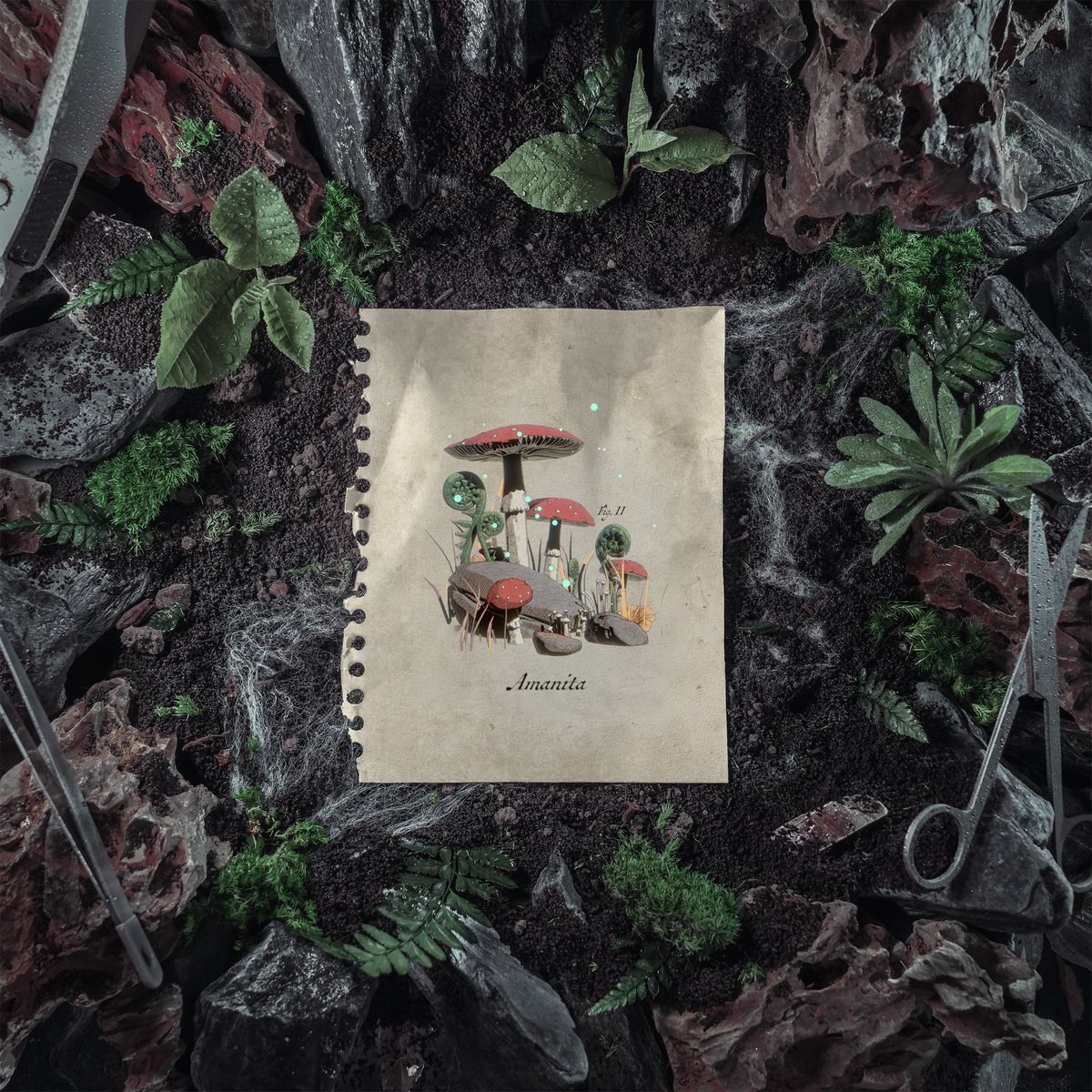
Of The Trees - “Amanita” out now.
The second single from @OfTheTrees highly anticipated forthcoming “Field Studies" EP. A deep dive into dubstep sensibilities and dark, textured sound design - this long sought after ID lands at last.
Available now ✨🍄 stem.ffm.to/amanita
9
49
2,484
Apr 24
“Amanita” out now on Memory Palace 🍄
[ FIELD STUDIES ]
ENTRY 002
In alignment with Earth Day and Arbor Day, all royalties generated from Amanita will be donated to environmental non-profits.
stem.ffm.to/amanita
7
35
1,331
Apr 22
Happy Earth Day 🌎 The earth gives us everything, and this is a small way to give something back;
I’ve got a new song dropping this Friday on Arbor Day. I’ll be donating 100% of profits from the track to environmental causes.
(1/3)
3
9
64
2,025
Apr 22
We may not be able to change the world overnight, but we can certainly push meaningful impact within the electronic music space - using this platform and the music itself as a vehicle for change. 🌲
(3/3)
1
27
1,114
Apr 22
So far, we’ve raised over $45,000 for environmental efforts - and are currently working on something exciting behind the scenes to direct future donations to consistently have an even more immediate effect on the natural world around us.
(2/3)
1
16
329
Of The Trees retweeted

Apr 15
Your brain recognizes the shape of a tree in 50 milliseconds, way before you're consciously aware of what you're seeing. And within seconds, your stress levels start to drop, not because of fresh air but because of the shape itself.
Trees are what mathematicians call a fractal. The trunk splits into branches, those split into smaller branches, those into twigs. Same pattern, every scale. You see this design in coastlines, rivers, clouds, even the blood vessels in your own lungs.
A physicist at the University of Oregon named Richard Taylor has been measuring this for years. He hooks people up to brain-wave monitors, shows them different images, and tracks what happens. Trees win. When people look at the kind of fractals you find in branches and bark, stress drops by up to 60%. A Swedish researcher named Caroline Hagerhall found the same thing: fractal images trigger alpha waves in your brain, the wave pattern your brain produces when you're calm but still awake.
The swaying matters because your brain runs two attention systems. One is involuntary, stuff grabbing your focus whether you want it to or not. The other is directed, the one you actively control when you concentrate or resist checking your phone. Directed attention is a limited resource. It drains. City life burns through it fast: every notification, every ad, every car you dodge crossing the street. Tree branches moving in wind hold your involuntary attention just enough to be interesting, kind of like watching a campfire, but not so much that your directed system has to engage. One system stays gently occupied while the other recharges. Psychologists call this "soft fascination."
People at the University of Michigan tested this in 2008. They had volunteers walk for about an hour through either a tree-filled park or through downtown streets, then retake memory and attention tests. The park walkers improved their scores by 20%. Downtown walkers showed zero improvement. Walking on a treadmill didn't help either, so the benefit came from the trees, not the exercise. In 2015, researchers at Stanford went further. They scanned people's brains before and after 90-minute walks. Nature walkers showed less activity in the brain region that controls rumination, when your mind gets stuck replaying the same negative thoughts in a loop. City walkers showed no change in that region at all.
The dose is small. A 2019 Michigan study measured cortisol (the hormone your body pumps out when you're stressed) from saliva samples. Just 20 to 30 minutes in any place that felt natural, a backyard, a park, anything with some green, dropped cortisol 21% per hour beyond its normal daily decline.
You don't even need to go outside. Roger Ulrich published a study in the journal Science back in 1984, tracking 46 surgery patients across nine years of hospital records. Patients whose bed had a window facing trees recovered almost a full day faster than patients facing a brick wall (7.96 days vs 8.70), needed less pain medication, and got 3.5 times fewer negative notes from nurses. Stress-related illness costs the US over $300 billion a year. A window with a tree outside it costs close to nothing.
Apr 14

you should pay more attention to trees and how they sway in the wind, trust me
35
694
3,098
124,880