
I Design nice things.
Joined February 2022
- Tweets 2,664
- Following 624
- Followers 86
- Likes 64,642
529 Photos and videos


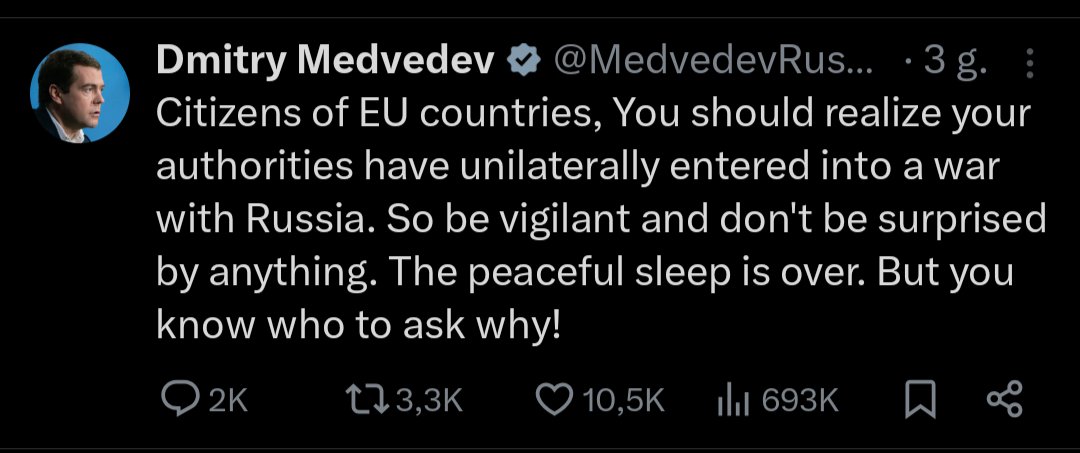


Offpeak retweeted

6 Dec 2025
Dear American friends, Europe is your closest ally, not your problem. And we have common enemies. At least that’s how it has been in the last 80 years. We need to stick to this, this is the only reasonable strategy of our common security. Unless something has changed.
12,543
11,069
82,792
39,538,539
Offpeak retweeted

2 Oct 2025
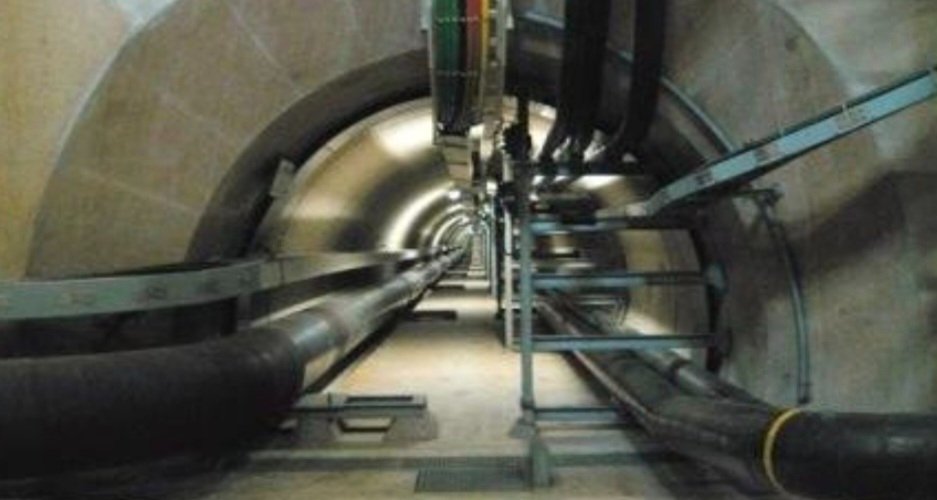
NEW (Poland): PERN will sign a deal Friday to link Poland’s fuel pipelines to NATO’s Central Europe Pipeline System (CEPS) a Cold War network carrying jet fuel, diesel and gasoline. The move will also add NATO storage sites in Poland.
1
36
192
11,687
Offpeak retweeted

31 Aug 2025
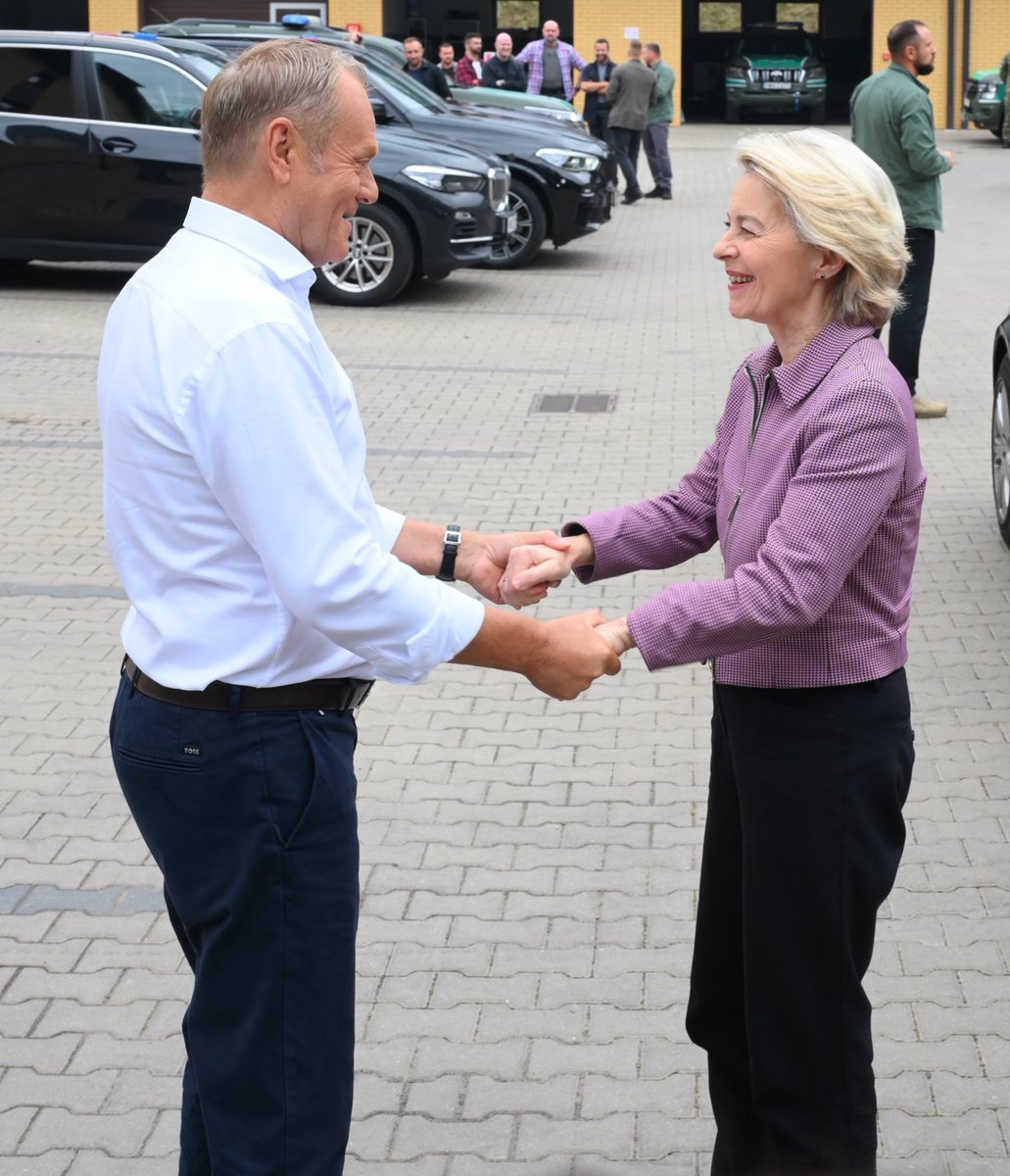
Dear @donaldTusk, Poland is the largest defence spender in Europe – and you will be the biggest beneficiary from SAFE.
To match Poland’s readiness, we have proposed a fivefold increase in defence investments.
And a ten-fold increase in funding for military mobility.
Together we can achieve a Europe that protects.
1,837
1,287
7,664
338,553
Offpeak retweeted

2 Mar 2025
Mr. J.D. Vance, I am attaching a list of names of 43 Polish soldiers who died in Afganistan, following orders from the Polish government authorities, who were acting in support of the U.S.A. Have you thanked their parents and Poland for their sacrifice? wojsko-polskie.pl/weterani/A…
1,973
10,045
57,932
1,589,873

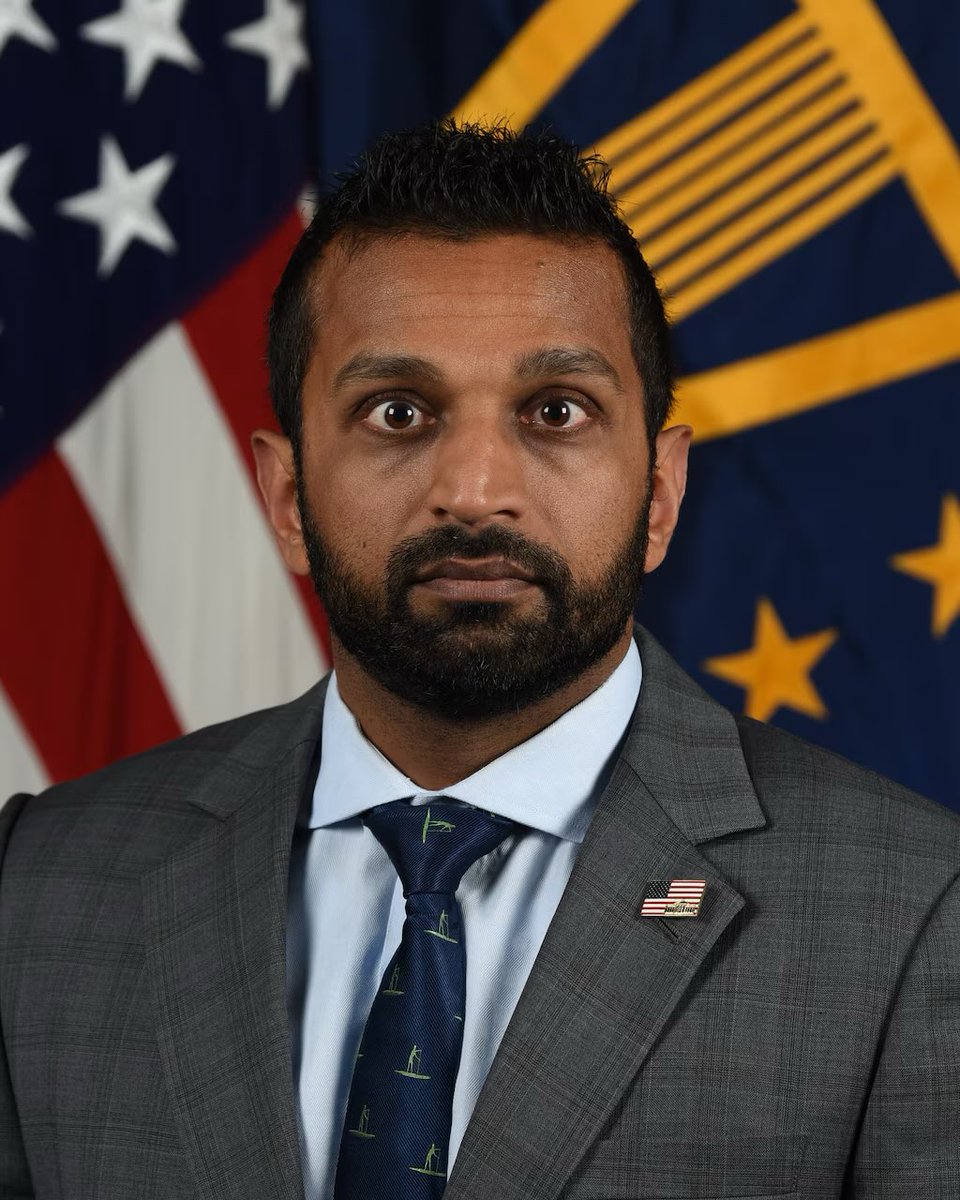
Republikanie właśnie zatwierdzili na szefa FBI Kasha Patela.
Parę słów o nim:
- dostał akcję wartę milion dolarów od chińskiego Shein za 8 miesięcy nieokreślonej pracy i odmawia ich sprzedaży w celu uniknięca konfliktu interesów
- zapłacono mu 25000$ za udział w filmie nagrywanym przez firmę z rosyjskimi powiązaniami, w którym promował narrację Kremla o upadającym zachodzie
- William Barr, prokurator generalny za poprzedniej prezydentury Trumpa, gdy usłyszał, że Trump chciał Patela zrobić dyrektorem CIA podsumował to jednym zdaniem - „po moim trupie”
- był oskarżony przez CIA o przeciek tajnych dokumentów dotyczących rosyjskich wpływów na wybory w 2016 roku
- Patel jest autorem książki dla dzieci „Spisek przeciwko królowi” gdzie w formie bajki tłumaczy dzieciom, że wybory w 2020 były oszukane i w rzeczywistości wygrał je Trump (przedstawiony jak dobry król, a Patel jest jego czarodziejem)
Ten człowiek będzie teraz przewodził FBI.
Głosuj na klauna, oczekuj cyrku.
261
649
4,415
304,286
Offpeak retweeted

18 Feb 2025
4,268
54,383
554,252
41,980,256
Offpeak retweeted

19 Feb 2025
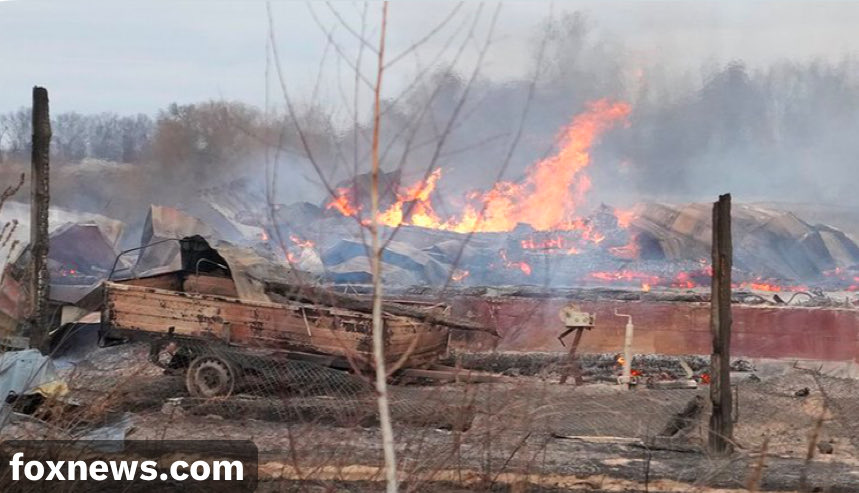
Mr. President, Ukraine did not “start” this war. Russia launched an unprovoked and brutal invasion claiming hundreds of thousands of lives. The Road to Peace must be built on the Truth.🇺🇸🇺🇦
“Russia Invades Ukraine in Largest European Attack Since WWII” @FoxNews (February 24, 2022) foxnews.com/world/russian-in…
41,008
63,311
364,838
17,780,864
Offpeak retweeted

13 Feb 2025
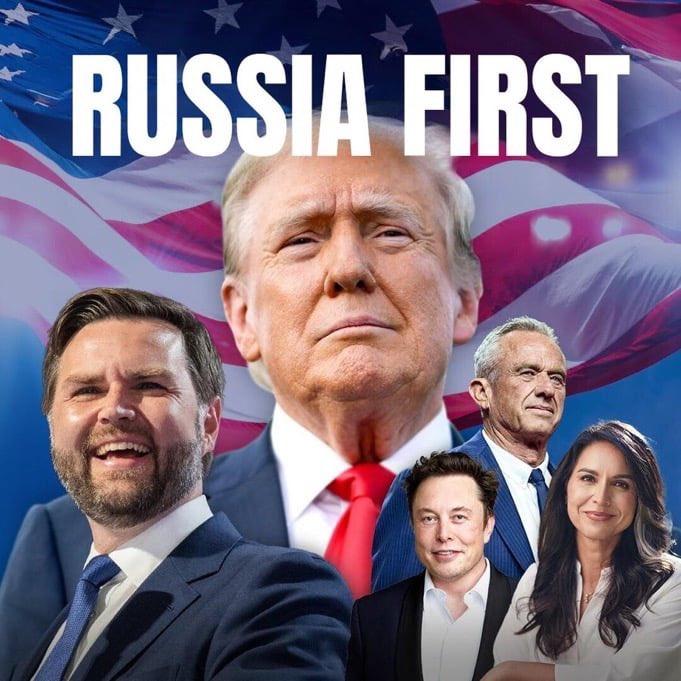
Post your best memes.
2,725
9,308
61,810
2,431,367
Offpeak retweeted

11 Feb 2025
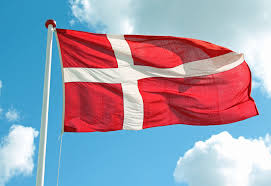
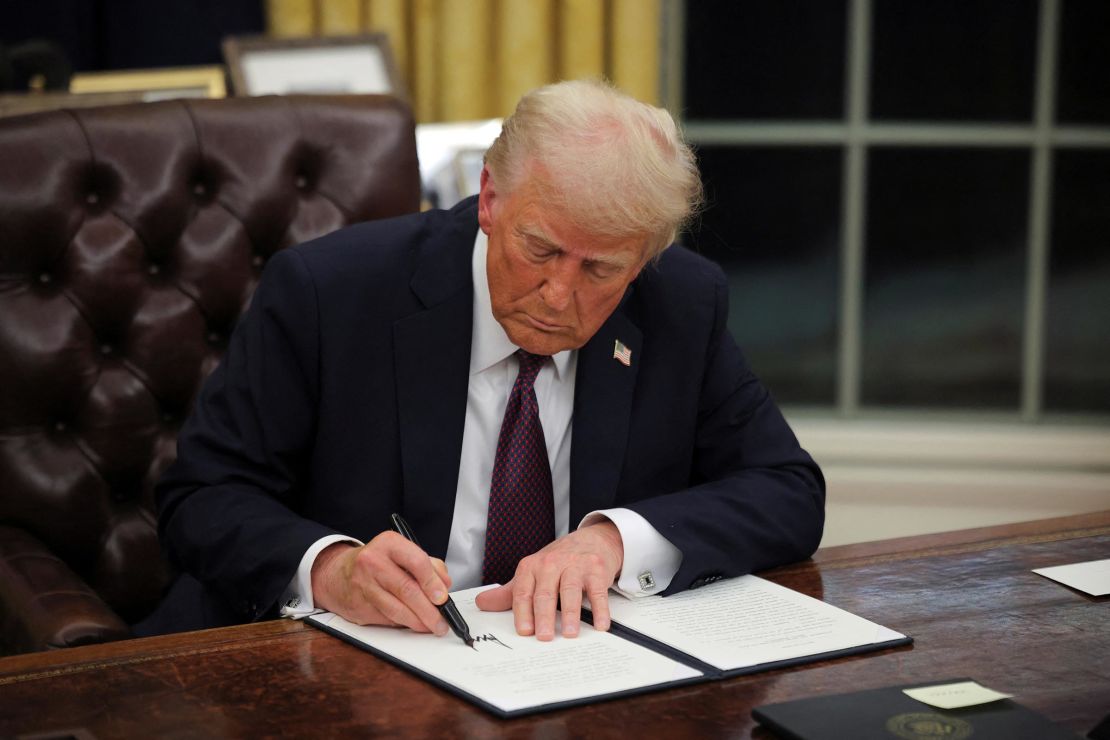
BREAKING: Denmark Just offered Trump $1 trillion to buy California from the US
Denmark says they will ‘make California great again’.
Community note
While there is no official offer from the Danish government, there is indeed a satirical petition going on to make that offer which garnered 200k signatures so far.
independent.co.uk/news/world/ame…
metro.co.uk/2025/02/11/den…
eutoday.net/crowdfunding-c…
2,509
8,524
103,699
3,808,892
Offpeak retweeted

11 Jan 2025
Na „dzień dobry” oglądam sobie telewizję Karnowskich. Tam jest jazda bez trzymanki kochani. Nie wiem co się dzieje w telewizji Trwam ale coś czuję, że jeśli te media nie znikną z anten dosłownie w jeden dzień po zmianie lokatora w pałacu, to czeka nas wojna domowa. Ludzie którzy to oglądają, karmieni są taką ilością kłamstw, manipulacji i nienawiści, że nie dziwne są te wszystkie groźby śmierci kierowane do polityków koalicji rządzącej a nawet akty agresji. Będzie tylko gorzej … dopóki takie media będą istniały.
To nie jest temat do debat, to jest temat do szybkiego i sprawnego działania. Ci ludzie przekroczyli wszelkie granice świata ludzi kulturalnych i rozumiejących definicję interesu publicznego.
452
691
3,084
105,825
Offpeak retweeted

8 Jan 2025
Żywot Briana, reż. Terry Jones.
9
117
468
20,722
Offpeak retweeted

8 Jan 2025
🇵🇱🫂🇺🇦 A huge convoy of ambulances donated by Poland was seen a few days ago at the Polish-Ukrainian border
36
547
5,162
73,837
Offpeak retweeted

4 Jan 2025
Panie generale @MiroslawBrys Pan wybaczy ale Pana byli podwładni z Gliwic czytają Pana wpisy i prosili żeby publicznie zapytać Pana (jako ich byłego dowódcę z Gliwic) o to czy pamięta Pan jak wyglądały kompanie na Pana batalionie a w szczególności:
- czy uważa Pan że 2 toalety na 140 osób ma jeszcze potencjał na powiększanie stanów ( oczywiście gdy 20 kobiet ma jedną a pozostałych 120 facetów drugą)?
- jak widzi Pan powrót z zaprawy 140 osobowej kompanii z kobietami i elementarne czynności higieniczne gdy jest 5 umywalek i tyle samo pryszniców?
- czy był Pan na dowolnej kompanii gdzie w salach które za ZSW mieściły 8 szwejków a obecnie są szatnie na 20 profesjonalistów bo pozostałych 4-6 ma ją na korytarzu z szklanymi drzwiami?
- czy pamięta Pan na ile była projektowana stołówka garnizonowa a ile obecnie musi wydać posiłków, i czy nie przynajmniej x5?
- czy ma Pan pomysł jak mają wyglądać zajęcia jeśli za Pana czasów zamknięto klub żołnierski z jedyną aulą zdolną pomieścić coś więcej niż drużynę? Czy nie jest tak że zajęcia teoretyczne odbywają się między wozami i to na raty bo się wszyscy i tak nie mieszczą bo świetlice dawno zamieniono na salę i przebieralnie?
- i czy przypadkiem to nie w Pana dawnym elitarnym batalionie nie przeniesiono kompanii młodego rocznika z poddasza na parter bo elewi skarżyli się że te 50 schodów ich zabija i jest powodem rezygnacji?
--------
4 Jan 2025

Zatrważające i bolesne jest marnowanie potencjału ochotników chcących wstąpić do wojska przez @MON_GOV_PL Zestawienie liczby wniosków z przyjętymi na szkolenie szokuje. Wojsku nie zależy na szkoleniu ochotników? Tylko 10 tyś. powołań do zawodowej służby ... to porażka!!!
131
175
2,029
247,851
Offpeak retweeted

31 Dec 2024
Otrzymałem dziś pierwszy, liczący blisko 200 stron, szczegółowy raport przygotowany przez zespół prokuratorów w @PK_GOV_PL prowadzący analizę postępowań z lat 2016-2023, w stosunku do których wystąpiło podejrzenie politycznego wpływu na ich przebieg i podejmowane decyzje.
Tego rodzaju podejrzenie dotyczy ponad 600 postępowań prowadzonych w całej Polsce. Pierwszy raport opisuje 200 z nich. Zespół prokuratorski nadal analizuje i bada pozostałe 400.
Już po wstępnym zapoznaniu się z ustaleniami prokuratorów widać, że w badanym okresie prokuraturę toczyła systemowa choroba. Wiele spraw było prowadzonych nierzetelnie i wymaga podjęcia nowych decyzji przez niezależnych prokuratorów.
Raport będzie też podstawą odpowiedzialności dyscyplinarnej, a w części przypadków także karnej, wobec prokuratorów, którzy sprzeniewierzyli się rocie przysięgi podejmując decyzje niezgodnie z zebranym materiałem dowodowym, realizując za to polityczne polecenia lub oczekiwania.
Prezentacja raportu odbędzie się 8 stycznia w Prokuraturze Krajowej.
Jestem przekonany, że raport przyczyni się do wzmocnienia służby prokuratorskiej oraz wyeliminowania patologii. Wierzę też, że raport oraz dalsze, konsekwentne działania prokuratury dadzą osobom pokrzywdzonym poczucie sprawiedliwości.
968
1,221
5,668
253,587
Offpeak retweeted

29 Dec 2024
Has China Begun Shifting Its Logistics Focus from Russia to Ukraine?
A closer examination of China's evolving logistics strategy reveals a significant shift in its trade routes to Europe, as it pivots away from reliance on Russian infrastructure in favor of alternatives passing through Ukraine.
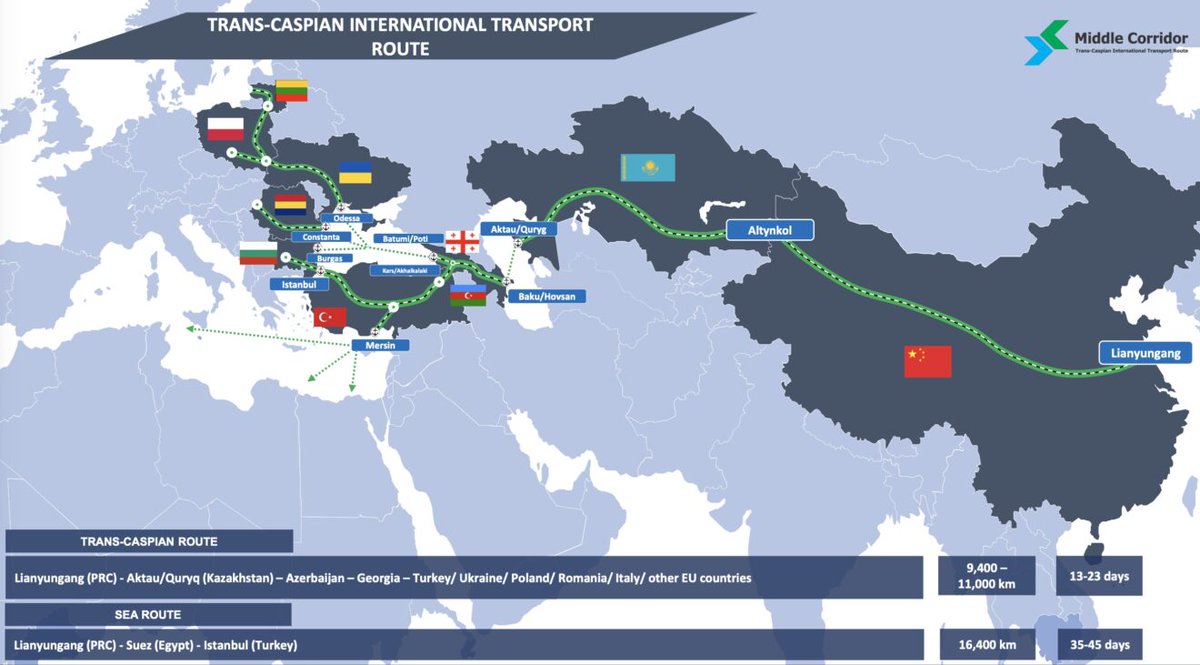
On December 27, 2024, a groundbreaking ceremony marked the start of construction on a new high-speed freight railway connecting China, Kyrgyzstan, and Uzbekistan. This project is part of China's expanded investments in the Middle Corridor, formally known as the Trans-Caspian International Transport Route. This corridor bypasses Russia entirely, aligning with China's broader efforts to diversify its trade routes amid geopolitical tensions.
The newly planned railway will enhance the efficiency and cost-effectiveness of freight transport from China to Europe. Goods will travel through Central Asia to Turkey and Ukraine before reaching the European Union. This route offers several advantages over the Northern Corridor, which passes through Russia:
1. Reduced Distance: The Middle Corridor shortens the journey by approximately 900 kilometers.
2. Faster Transit Time: Travel time is cut by 8 days, reducing the overall duration from 17 days to 9 days.
An interesting feature of the Middle Corridor is its integration with Ukraine's infrastructure. Chinese goods will enter Ukraine through the port of Odessa, leveraging existing Ukrainian rail networks to reach Lviv, before crossing into Poland. This alignment positions Ukraine as a critical transit hub for goods moving between China and Europe.
China's investment in the Middle Corridor reflects a broader strategy to mitigate risks associated with overreliance on Russian transit routes, particularly in light of the ongoing Russia-Ukraine conflict. This shift not only supports China's logistical and economic goals but also strengthens trade connectivity with Central Asia, Turkey, and Europe.
China’s commitment to the Middle Corridor underscores a calculated rebalancing of its logistics strategy, prioritizing faster, more cost-effective routes to Europe while navigating the geopolitical tensions between Russia and the West allowing China to reap economic benefits of increased trade with Europe and exert its own influence in economic pressure on Russia making them more dependent on China.
11
78
310
38,974
Offpeak retweeted

11 Nov 2024
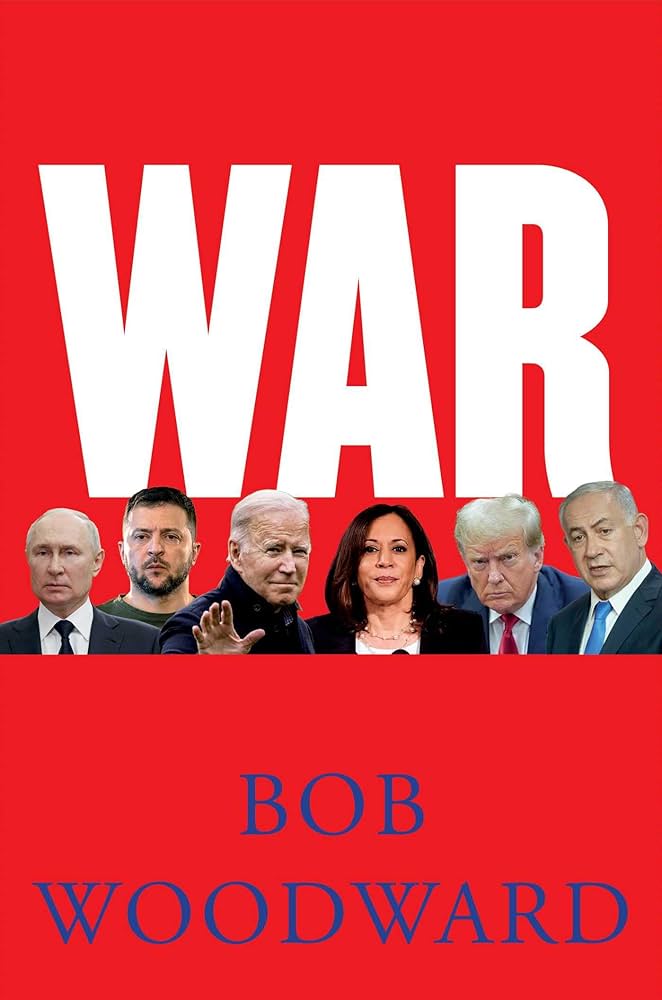
Głośna już książka Boba Woodwarda "War" odsłania kuchnię polityki administracji Bidena wobec inwazji Rosji na Ukrainę i wojny izraelsko-palestyńskiej.
Choć nie ma w niej wiedzy rewolucyjnej, to daje wiele nieznanych szczegółów, także o Polsce wobec wojny.
Kilka obserwacji:🧵
62
498
2,694
436,565
Offpeak retweeted

10 Nov 2024
Najwyższa Izba Kontroli przyjrzała się sposobowi, w jaki zagospodarowane zostały środki pochodzące ze sprzedaży przez Polskę uprawnień do emisji gazów cieplarnianych (EU ETS). W ciągu ostatnich 4 lat do budżetu trafiło w ten sposób blisko 100 mld zł i powinny zostać przekazane na zieloną transformację. Kontrolerzy NIK stwierdzili jednak, że jedynie 1,3% tej kwoty powędrował bezpośrednio na takie cele. Pozostała część pieniędzy została włączona do budżetu państwa i sposób ich wydatkowania jest nie do ustalenia.
83
352
1,274
44,599
Offpeak retweeted
7 Nov 2024
Czy ja dobrze rozumiem, że jakiś polityk prawicy przekazuje administracji Trumpa wyselekcjonowane wypowiedzi przedstawicieli polskiego rządu, które mają na celu pogorszenie stosunków Polsko - Amerykańskich?
Czy ja dobrze rozumiem, że jest to jawne działanie na szkodę interesu RP i można to potraktować jako działanie osłabiające jeden z naszych najważniejszych sojuszy w czasie zagrożenia wojną?
Czy ja dobrze rozumiem, że są tylko dwie możliwości: działanie w interesie własnej partii i ryzykowanie życiem Polek i Polaków ALBO działanie na korzyść Rosji i ryzykowanie życiem Polek i Polaków?
Czy można już oficjalnie połączyć kropki między: sprzedażą części majątku Lotosu sojusznikom Rosji, osłabianiem polskiej armii za czasów Macierewicza, próbą popsucia relacji z USA i budowaniem sojuszy politycznych z sojusznikami Rosji (Orban, Le Pen etc.)? Czy to jeszcze za mało i musimy poczekać na więcej?
Ze smutkiem czytam te doniesienia o działaniach naszej prawicy. Z jeszcze większym smutkiem obserwuję zamykanie oczu tak wielu porządnych ludzi wśród ich wyborców. Olbrzymią pracę na poziomie edukacji trzeba wykonać i nie chodzi mi tylko o edukację szkolną ale o kampanie informujące o tych wydarzeniach. Choć prawdę mówiąc skuteczne będą jedynie należyte działania odpowiednich służb, prokuratury i sądów. Dopiero wtedy mamy szansę na zminimalizowanie szkód.
388
719
3,128
67,594
Offpeak retweeted
6 Nov 2024
Jak będą wyglądać najbliższe dni:
1. Prawica będzie uznawać zwycięstwo Trumpa jako swoje. Irracjonalne ale tak jest i będzie. A potem znowu ktoś z nich trafi do aresztu. No ale będzie mógł się cieszyć i czuć jak zwycięzca bo Trump wygrał 😂.
2. Potem doprowadzenie Ziobry na komisję śledczą (może sam przyjdzie) i mocna orka. No ale Trump wygrał.
3. Kolejne zarzuty i zdejmowane immunitety. No ale Trump wygrał.
4. Ogłoszenie przez premiera @donaldtusk kolejnych dużych inwestycji w obszarze obronności i wzmocnienie jego pozycji. No ale Trump wygrał.
5. Za jakiś czas podpisanie z USA kontraktu na zakup sprzętu wojskowego i kolejny sukces Tuska. No ale Trump wygrał.
6. Obudzenie przywódców europejskich i zwiększenie nakładów finansowych na obronność oraz wzmocnienie pozycji rządów proeuropejskich, które będą mogły się wykazać. No ale Trump wygrał.
7. Rosnące poparcie dla KO i wzrost zaufania Polaków do premiera Tuska, który działaniami w obszarze obronnosci wytrąca Kaczyńskiemu jeden z głównych argumentów w kampanii. No ale Trump wygrał.
8. Inwestycje i nowe miejsca pracy na Śląsku (o tym w przyszłości będzie więcej 😉). No ale Trump wygrał.
Wszystkie asy w rękawie na Tusk i myślę, że będzie umiał nimi zagrać 😉. W tym samym czasie prawica będzie obserwować i szukać jakiś „dziur w całym”. No ale że sprawczością będzie ciężko bo zawsze będąc opozycją ma się mniejsze możliwości działania. Czekam aż to do niektórych dojdzie.
126
293
1,371
36,199