Sr. Fellow Atlantic Council (NR), analyst, consultant, speaker. Ex Ambassador to Canada, France, designate to Belgium/EU. Tweets are personal, RTs#endorsement.
Joined May 2012
- Tweets 39,521
- Following 5,366
- Followers 43,165
- Likes 12,354
848 Photos and videos


16h
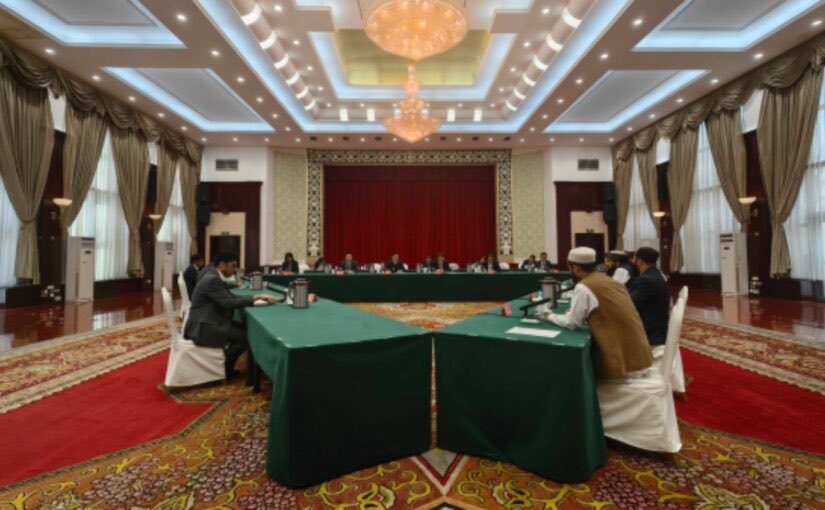
The file isn’t fully shut, and the road ahead is still mined with obstacles, but the quiet / back-channel diplomacy of recent weeks has been nothing short of extraordinary.
As this @FT piece points out, several countries, especially Qatar (also Pakistan, Turkey, Saudi Arabia, Egypt, UAE…) deserve special recognition for handling a complex and multifaceted diplomatic conundrum teetering between a disastrous war and a sliver of hope for a better outcome.
Years of real‑time mediation, crisis management, and hands‑on diplomacy across multiple fronts have allowed a small group of states and institutions to stay focused, communicative, imaginative, and consistently productive.
Leadership and intent matter. Double standards, bias and deception always carry a price. Every crisis contains its own solution and its own off‑ramp. The challenge is recognizing it before the cost becomes unbearable or the tables inevitably turn.
Those who work in these fields understand the stakes. They know the weight of timing, the calculus of alternatives and best/worst‑case scenarios, the lessons of history we often ignore, and the immense human and economic costs that separates war from peace and prosperity.
Jun 15

How the US-Iran deal came together ft.trib.al/VknAQsi
1
1
482
Jun 16
Afghanistan and its Vicinity at a Glimpse
Edited by Omar SAMAD for “World Affairs 21c” on Substack
A fast, structured look at Afghanistan and its neighborhood, key decisions, shifts, and near‑term trajectories.
1. About UNAMA’s Mandate Extension
The UN Security Council unanimously renewed UNAMA for another year under Resolution 2822 (2026). Key mandate areas to watch:
• Strategic Review by March 2027 evaluation of priorities, efficiency, and operational constraints.
• Doha Process: Ongoing debate over the depth and conditions of UN‑led political engagement.
• Women’s & Human Rights: Strong language urging reversal of restrictions on women’s education, work, and UN access.
• Other topics: Humanitarian Access, Aid delivery, counterterrorism concerns, and regional friction.
Notables:
• The U.S. and some member states again called for a UN Special Envoy to coordinate the efforts.
• Preambular text reiterates the need to restore Afghanistan’s financial system and enable use of central bank assets for the Afghan people.
• A key wording shift from “de facto authorities” to “relevant authorities” in UN terminology signals no implied or imminent legitimacy, while allowing pragmatic engagement within the defined framework.
Regional actors are expected to follow their own bilateral policy priorities.
Taliban’s Dual Reactions:
While one wing may view the mandate extension as positive, seek humanitarian access, and technical engagement, another wing frames the mandate as external interference and “political pressure.” This wing prefers less engagement and more control over international operations.
This dichotomy will shape how Kabul engages the UN and others in the coming year.
Meanwhile, current Afghan rulers signal interest in SCO membership, per media reports.
2. U.S.–Iran Preliminary Framework (June 15)
A 14‑point draft aims to stabilize a volatile region:
• 60‑day ceasefire extension
• Reopening the Strait of Hormuz (incl. de‑mining)
• Lifting the U.S. naval blockade
• Phased release of $24B in frozen assets
• Pause in regional hostilities, including Lebanon
Outlook
Short‑term de‑escalation and improved oil flows are likely. Long‑term nuclear constraints, sanctions relief, and verification remain uncertain amid mistrust, Israeli objections, and internal politics. Signing is targeted for June 19 in Switzerland.
Germany, Italy, France, and the UK signal readiness to lift sanctions.
3. Pakistan: A 2026 Reality Check
Despite persistent efforts to mediate in the Gulf/Mideast conflict, areas to watch:
• Governance: Hybrid civil‑military system with COAS dominant over a fragile PML‑N/PPP coalition. Polarization and selective accountability persist.
• Security: TTP and BLA activity resurges in KP and Balochistan; cross‑border tensions with Afghanistan.
• Society: Inequality, rights concerns, and political fragmentation strain cohesion.
• Economy: IMF‑supported stabilization with 3.6–4.1% growth, easing inflation, and rising reserves. Debt servicing consumes 43% of the federal budget; structural weaknesses remain.
Afghanistan–Pakistan dynamic:
Cross‑border region militancy remains the core friction point. A sustainable path forward requires third‑party‑mediated diplomacy, potentially via China or OIC partners, focused on verifiable Taliban action against anti‑Pakistan groups, improved border management, accountability for civilian harm, and incremental economic cooperation.
India–Pakistan:
Relations remain tense but stable under the post‑2025 ceasefire. Military posturing continues, alongside disputes over the Indus Waters Treaty and periodic unrest in Pakistan‑administered Kashmir.
4. Regional Diplomacy in Kabul
Senior officials and experts from Uzbekistan, Turkmenistan, Tajikistan, Kazakhstan, Kyrgyzstan, and Azerbaijan are expected in Kabul this week for an MFA Strategic Studies Center conference. N/1
1
12
631
Jun 16
2/
Agenda: regional cooperation, trade corridors, transit, and investment, reflecting Central Asia’s cautious but growing engagement with Kabul.
5. Humanitarian Realities
WFP Country Director John Aylieff warns: “Donors have walked away from Afghanistan… the impact is really on the women and children.”
OCHA reports 3.7 million Afghan children face acute malnutrition in 2026. Funding gaps, access restrictions, and donor fatigue are driving a worsening crisis.
The forced return of more than 5 million refugees from Iran and Pakistan since 2023 has made matters worse as the country grapples with shortages of livelihoods and jobs.
6. TAPI Pipeline Progress
Construction on the Afghan segment of the TAPI gas pipeline continues, with officials confirming 84 km installed. The pipeline is now traversing Herat province, site of recent disturbances that resulted after in arrests and injuries.
In a nutshell:
The above select items from a 24-hour news cycle reflect a complex and evolving scenario, with multiple perspectives and interests at play. The UN role and stakeholder engagement (or lack thereof) will determine part of the outcome for the 42 million Afghan population coping, adapting with and surviving from natural, governance and man-made challenges./
substack.com/@worldaffairs1/…
1
9
254
Jun 15
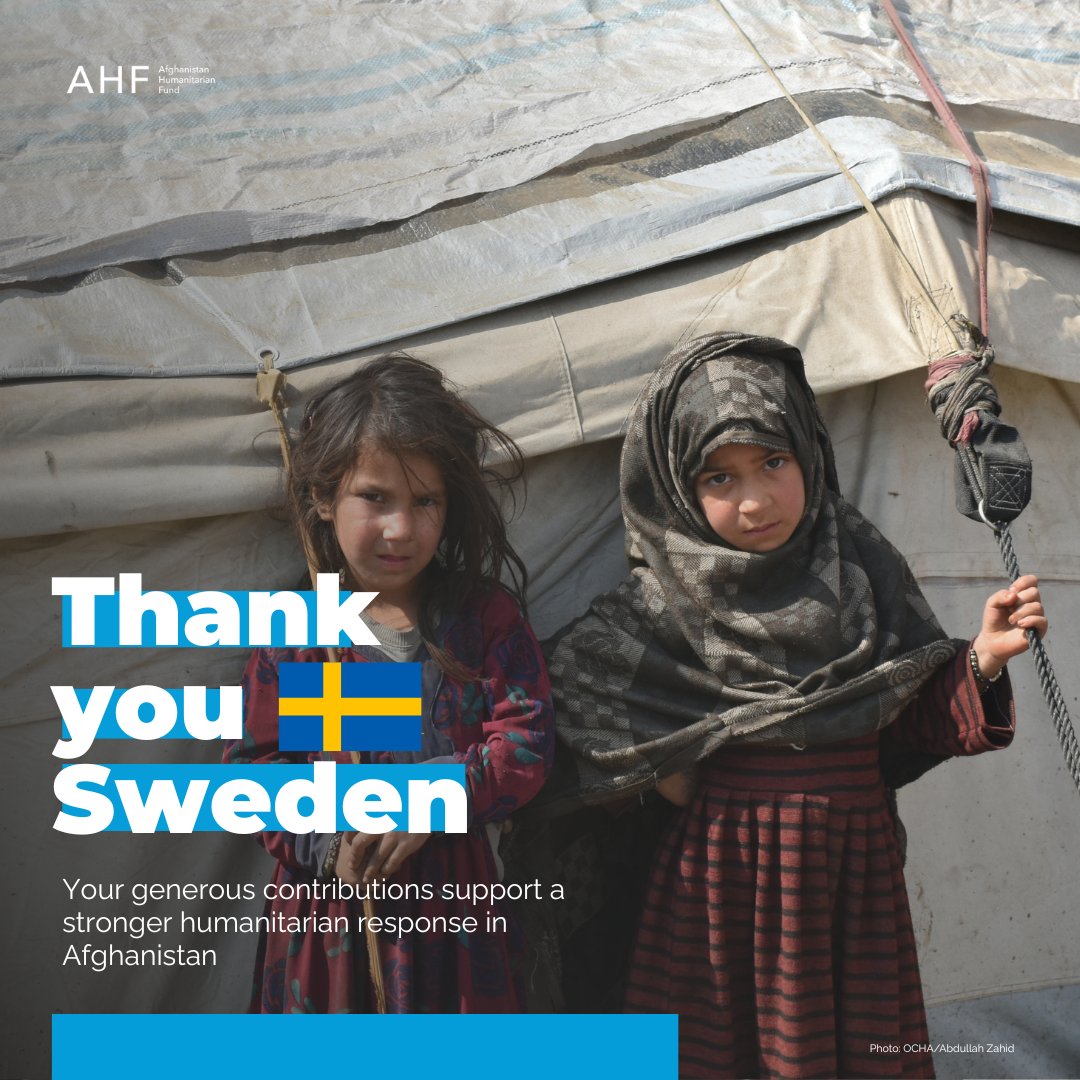
Appreciating Sweden 🇸🇪 and its people’s generosity.
Jun 14

#OCHAthanks #Sweden for its generous contribution of SEK 28 million (US$2.99 million) to the #AfghanistanHumanitarianFund.
Your support enables frontline partners to respond rapidly to sudden-onset emergencies across #Afghanistan.
Together, we #InvestInHumanity.
1
331
Jun 15
Respect Japanese fans 🇯🇵
Jun 15

After Japan battled the Netherlands to a 2-2 draw, the Japanese fans stayed behind and cleaned up every single piece of trash from their section at Dallas Stadium after the game.
You LOVE to see it 🇯🇵
2
222
Jun 11
This @FT piece is telling.
Looking at the latest Afghan carnage by PAK airstrikes that killed more than 13 civilians yesterday, we are reminded of @kajakallas controversial and diplomatically questionable statement at a press conference in Islamabad on June 1, where she acknowledged Pakistan’s right to self‑defense, but warned against airstrikes and asked for de‑escalation.
What keeps happening is NOT self-defense as airstrikes on Afghan civilians (and even cities) continue with impunity & de-escalation is a mere slogan.
Perhaps @EUCouncil @eu_eeas @EUSec_Defence @eucommission would look into the details / history of the tensions between AFG & PAK (or any conflict) to better evaluate the situation with less bias.
Jun 11
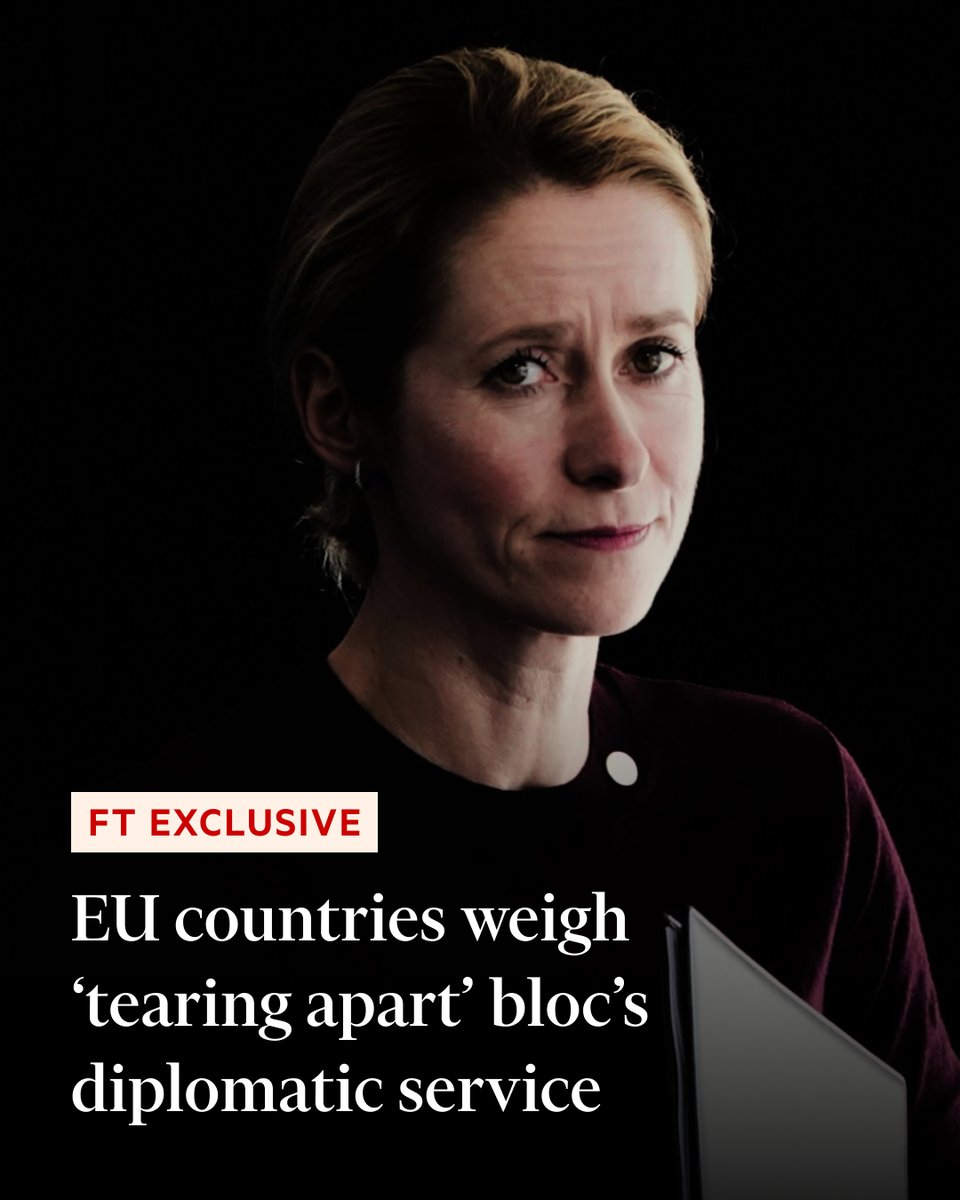
FT Exclusive: France, Germany and other European nations are discussing proposals for a radical overhaul of the EU’s 15-year-old diplomatic service, including stripping powers from the bloc’s chief diplomat. ft.trib.al/Hskd8cT
3
7
26
3,563
Omar Samad retweeted

Jun 11
UNAMA documented 13 civilian deaths and 10 injuries, mainly children and women, from airstrikes carried out in Khost, Kunar, and Paktika provinces in eastern #Afghanistan on the night of 9-10 June.
47
263
401
46,982
Jun 10
A case and legal process long in the making.
Jun 10

Justice served. nytimes.com/2026/06/09/nyreg… via @NYTimes
467
Jun 10
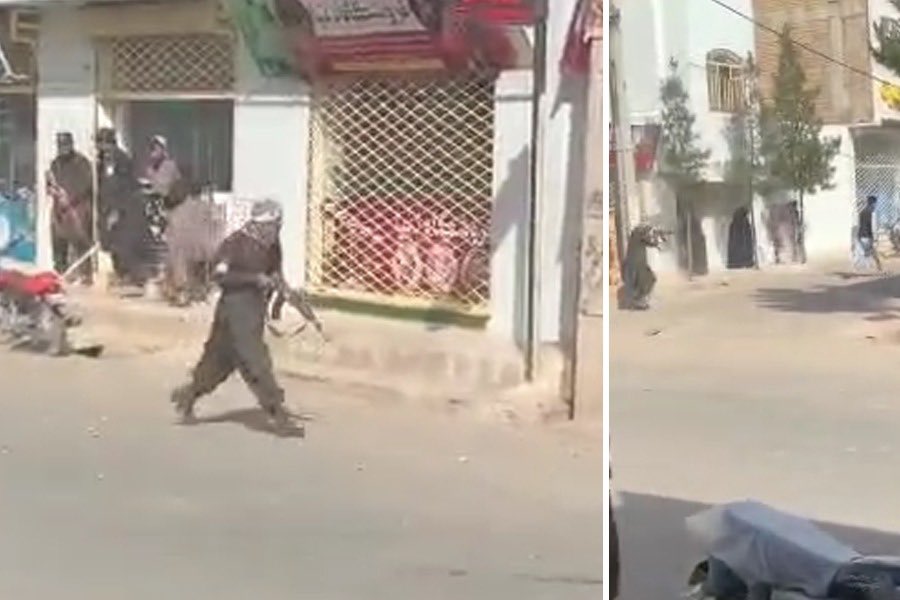
Cutting through the noise and sticking to verifiable (non AI-generated visuals/voices) facts: in a Herat neighborhood & surrounding areas this week, eyewitnesses report women accused of not following stricter-than-usual garment rules being detained by the de facto regime’s “morality police,” and protests being harshly suppressed. A serious faux pas that resonates far and deep within a conservative society that is no longer in the 1990s.
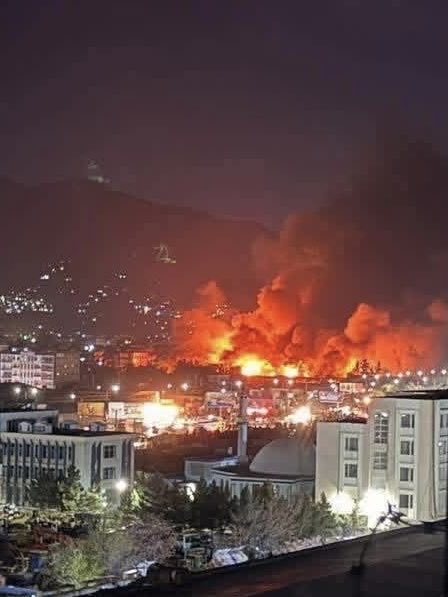
Across the border, Pakistan launched fresh air and artillery strikes, reportedly killing a Punjabi Talib commander and family members near Kunar (still unconfirmed) and at least 13 civilians, including women and children, near Spera, Khost overnight. These are not isolated incidents; they are part of a widening pattern of coercion & instability. Retaliation can be expected.
The timing is grimly ironic. The strikes came less than 24 hours after the second round of an Afghan–Pakistani Track 1.5 dialogue in Istanbul on June 8–9, described by non-gov organizers as taking place in a “constructive and cordial atmosphere.”
The Macro View
All this unfolds as Pakistan’s leadership scrambles to position itself as a broker capable of averting a renewed confrontation between Iran and the U.S.–Israel axis. The stakes are enormous: Iran’s future, regional stability, and global economic health all hang in the balance.
Meanwhile, unrest is flaring in Pakistan-administered Jammu and Kashmir; Pakistani military personnel are going missing; and volatility in Baluchistan (now a growing hub for IS-KP) is rising. China is watching closely, aligning CT narratives with other watchers, as seen in recent UNSC dynamics. At the same time, thousands of Afghans continue to be are expelled from Pakistan and Iran every day, returning to an isolated, sanctioned, and impoverished homeland. Trade and transit have slowed to a crawl between South and Central Asian nations, with thousands of trucks stranded along the porous tribal belt.
At the UN this week, member states and selectively invited participants offered sharply divergent accounts (and priorities ) of Afghanistan’s realities and challenges faced by men, women & girls wanting higher levels of education. CT threat perceptions also differed at the strategic level. There was no consensus on a path forward, only a faint acknowledgment that the Doha process remains the least contentious avenue for addressing select issues. UNAMA’s mandate is expected to be approved for a few months but the mandate may be revised to accommodate polarized positions. Meanwhile, Afghanistan lacks credentials to vote, and the Sanctions Committee will need to accommodate a mix of partial and impartial narratives to maintain the blacklist.
No doubt that events inside Afghanistan, along its periphery, and beyond the wider region remain interlaced. Every policy shift, every violation of rights or sovereignty, every indiscriminate airstrike feed into a broader, increasingly fragile geopolitical ecosystem.
None of these developments stand alone, and none can be contained in isolation. The way forward can only be sustained by the key stakeholders—Afghan and others talking to each other and using old/new tactics.
Some believe that change is inevitable, while others hope that a catalyst or silver bullet (no pun intended) of sorts untangles the Afghan Gordian knot to the benefit of its people.
4
13
974
Jun 7
On @WISENUTS, a Los Angeles–based podcast, I joined (my longest interview to date) a wide-ranging conversation recorded on May 23, 2026.
We explored perspectives that challenge mainstream narratives, not only on Afghanistan past and present but also on broader global issues that emerged throughout our discussion.
Topics include:
- Contemporary geopolitics and U.S. foreign policy
- Current conflicts, including the Strait of Hormuz crisis
- The legacy of 9/11 and the War on Terror
- Politics and religion
- The impact of technology and AI
- Diplomacy in times of war and peace
- International law
- Lessons on corruption, nation-building, democracy, and governance
Watch the full episode on YouTube:
youtube.com/watch?v=tA9tsqyg…
Or listen on Spotify:
open.spotify.com/episode/4KN…

1
4
7
1,299
Jun 4
Another realistic analysis beyond the “Cold War” mentality displayed by some shallow-thinking commentators who look at all matters within an East-West or narrow interest prism.

AISRS analyses the recent Afghanistan–Russia agreement and argues that it should be understood through the lens of strategic autonomy rather than alignment. As the international system becomes increasingly multipolar, states are diversifying partnerships to advance their national interests while avoiding dependence on any single bloc.
aisrs.org/121/strategic-auto…
3
12
1,740
Jun 3
It looks like @aishabbwahab is first leading this race and headed to run in November’s ballot. Tabrik. Congratulations!
Wahab is the first Afghan-American woman elected to public office in the U.S. She’s a progressive Democrat from Hayward/Fremont area, known for work on housing, civil rights and issues of concern for the majority of her constituents.

Early returns showed Sen. Aisha Wahab leading with 36.18% of the vote eastbaytimes.com/2026/06/02/…
2
3
16
1,791
Jun 3
Latest: per ABC News, Aisha Wahab, an Afghan-American politician, has taken the lead in the early results of the race to succeed Eric Swalwell for the U.S. House of Representatives seat for California’s 14th Congressional District. All primary elections votes have not been counted yet.
Wahab, has been serving as a member of the California State Senate since December 2022.
3
603
Omar Samad retweeted

Jun 2
#افغانستان از معدود کشورهای منطقه است که بهمدت بیش از یک قرن، دارای روابط صمیمانه و دوستانه با کشورهای اروپایی @EU_Commission بوده و همواره با نهادهای اروپایی تعامل مثبت و سازنده داشته است.
ضمن قدردانی از همکاری وسیع بخصوص از کمکهای بشردوستانه و حمایت کشورها و مجامع اروپایی از مردم افغانستان، قابل ذکر میدانم که وضعیت جاری و مشکلات امنیتی #پاکستان، نتیجه پالیسیهای آن کشور در حمایت از افراطگرایی و استفاده از آن به عنوان ابزار سیاست خارجی برای تحقق اهداف خصمانه علیه افغانستان طی چهار دهه اخیر است.
امیدوارم که خانم کایا کالاس@kajakallas، نماینده محترم اروپا در امور خارجی و امنیتی و معاون محترم کمیسیون اروپا، بر مبنای واقعیتهای عینی و با توجه به این که افغانستان و مردم آن قربانی تروریزم ایجادشده از جانب پاکستان است، عوامل اصلی و ریشههای بحران جاری در منطقه را، که باعث تلفات وسیع انسانی و ویرانی تاسیسات عامه در افغانستان شده است، مدنظر قرار دهد.
مردم افغانستان با قدردانی از همکاریهای دوامدار کشورها و نهادهای اروپایی، آرزو دارند روابط دوستانه با اروپا بیشتر از پیش تحکیم و گسترش یابد.
168
128
691
197,420
Jun 2
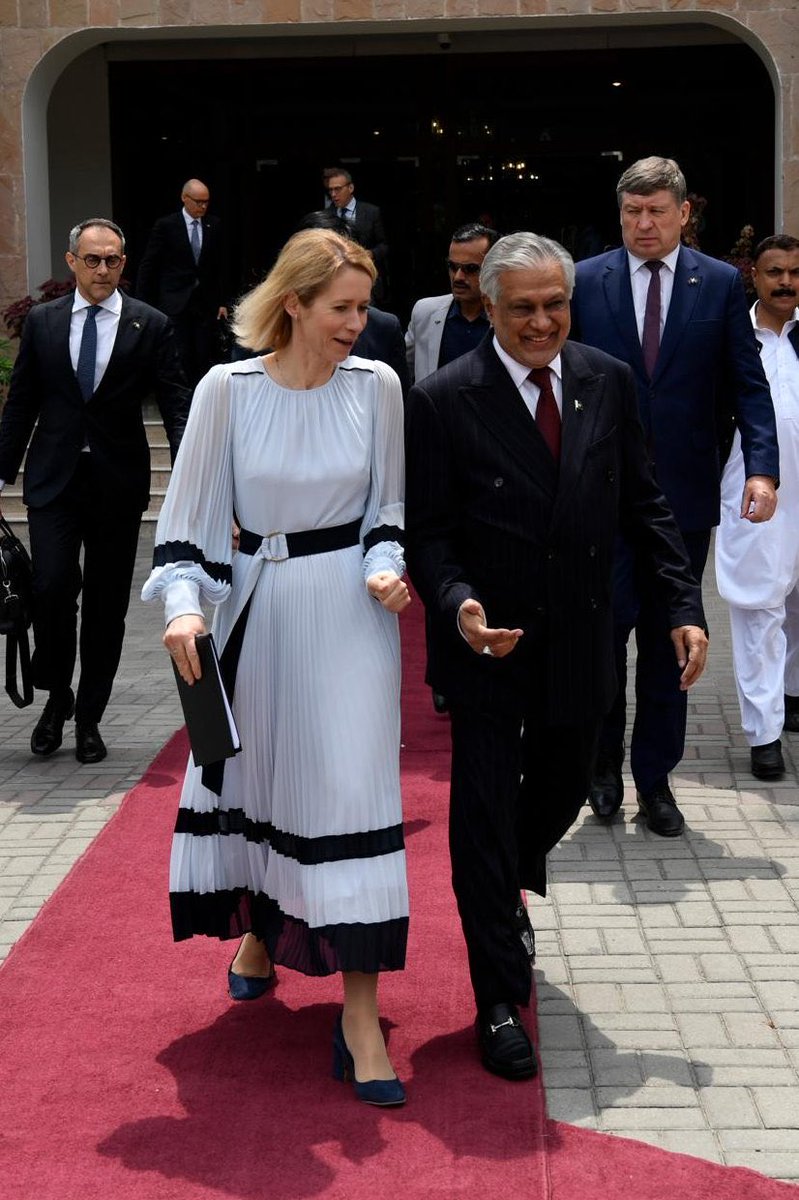
It was a busy Afghanistan-bashing & finger-pointing day in Islamabad today during a high-level EU delegation visit to Pakistan. Bilateral issues aside, @kajakallas, the High Representative of the European Union for Foreign Affairs and Security Policy said that “Pakistan is a major regional power and an important partner for the EU.”
At a press conference with Deputy PM and Foreign Minister Mohammad Ishaq Dar, she added: “here, in the region, Pakistan has been locked in a conflict with Afghanistan. The fighting in recent weeks has had grave humanitarian consequences and also risks fuelling further instability and radicalization, and this is why we have constantly called on both sides to exercise restraint and de-escalation. Pakistan has the right to defend itself and its people in line with the international law, but dialog, not air strikes, are the best-off ramp in this situation.”
Earlier EU statements (February 2026) had focused more on calls for de-escalation without the explicit “right to defend” phrasing in the same way.
Apparently, for the EU, the killing of more than 200 innocent hospital drug rehab patients is a a self-defense right now.
The finger pointing continued when Spec. Rep. Amb. Muhammad Sadiq met separately with (ex German diplomat) @GERonSouthAsia Managing Director for Asia-Pacific in the EU External Action Service, accompanied by @GBertrand_UE, EU Special Representative for Afghanistan, to discuss the region’s political and security landscape. Again, focus was on terrorism and related threats, including “those posed by terrorist groups such as TTP and BLA operating from Afghan territory.”
Same accusatory language was used to describe on social media another meeting with his Chinese counterpart Amb. @stuartyueh Xiaoyong. They apparently held “productive talks on regional security, including threats from TTP and ETIM operating from Afghan soil.”
Thus far, aside from Kallas, neither EU diplomats nor China’s envoy have made any direct comments regarding the finger-pointing and allegations that have previously been refuted by Kabul. Interestingly, China mediated talks between the two neighboring countries in April, and may do so again.
Kallas, an Estonian politician/exPM is also Vice-President of the European Commission under von der Leyen.
12
16
51
5,385
Jun 1
Merci pour partager. D’abord il faut dire que ça n’a rien à faire avec la politique ou un groupe au pouvoir dans le pays. Même situation pendant les années et étapes de guerre, invasion et résistance (1978-2021).
Oui, partiellement une démonstration impressionnante d’ingéniosité logistique et de savoir-faire technique. Mais ça pourrait aussi être lié à des réseaux de contrebande qui visent à éviter les taxes. Est-ce légal ? Est-ce sûr ? Pouvons-nous faire mieux ?
Disons qu’un pays qui peine à faire face aux sanctions internationales et à de hauts niveaux de pauvreté trouvera de nouvelles façons d’acquérir de nouveaux moyens de subsistance.
N’oublions pas que la majorité des Afghans s’endorment le ventre vide chaque nuit. Pourquoi en est-il ainsi après que des trillions de dollars ont été alloués pendant les vingt années de “guerre contre le terrorisme” et de construction nationale / nation building? C’est un sujet important pour une autre fois.
May 31

Voici comment les Taliban en Afghanistan importent des véhicules depuis le Japon : ils les démontent presque entièrement, découpent la carrosserie et parviennent à faire entrer jusqu’à 12 véhicules dans un seul conteneur de 40 pieds. Une fois arrivés à destination, ils les réassemblent de manière artisanale avec des moyens limités. Une démonstration impressionnante d’ingéniosité logistique et de savoir-faire technique. Bravo aux artisans afghans !
2
3
4
788
May 30
Not quite IMHO. Many predictions over the past year by “experts” and “impartial” commentators turned out to be fanciful and wishful thinking.
As far as the much anticipated diaspora-based “revolution” v.2, which hasn’t happened yet is concerned, I’d put on my eastern hat (turban in some cases) occasionally to have a better reading of cultural and psychological trends over there, and dare say that ongoing post-revolutionary survival and upheaval strategies have experienced dramatic phases over the past 47 yrs.
Generally, per various academic studies and realtime cases we’ve experienced, post-revolution, “four typical phases usually unfold:
1. Instability/Transition: Immediately after the old regime falls, there’s a power vacuum with competing factions vying for control, economic disruption, and social chaos as the country struggles to establish basic governance.
2. Consolidation: A new regime emerges and works to centralize power, often establishing authoritarian control to suppress opposition and impose its vision, as competing groups are eliminated or co-opted.
3. Reconstruction: The new government builds new institutions, rewrites laws, promotes new values, and attempts to establish a new social and political order that reflects the revolution’s ideals.
4. Counter-revolution or Civil War: If the new regime fails to unite the country or address underlying divisions, violent backlash from loyalists of the old regime or internal conflict between competing factions can erupt, potentially fracturing the nation.
Historically, revolutions rarely lead immediately to stable democracy...”
This means Iran is not categorically (yet) in any of those stages at this juncture. Bumpy (or turbulent/erratic) continuity (sorry for lacking creativity this morning) could be another option.
I hope this helps your avid readers/listeners confused by the unpredictability and fluidity of events and developments in a land and setting far away and beyond our deeper comprehension.
May 30

Negotiations may pause, but not end, the 47-year U.S.-Iran conflict. A zero-trust, zero-sum confrontation where neither side can afford a deal the other might accept. Trump needs a resolution; Iran is committed to its revolution. My @TheAtlantic essay. theatlantic.com/internationa…
1
5
492
May 30
Afghanistan’s New Geopolitical Fault Lines or Just Déjà Vu?
By Omar SAMAD
and Ghaus JANBAZ
May 29, 2026
Tensions between Afghanistan–Pakistan are often described as cyclical clashes or internal militant violence that, while tragic, appear contained within a new yet tense and fragile equilibrium. Recent publications on this topic, including reporting in The New York Times, emphasize the persistence and human toll of these confrontations but largely frame them as part of a prolonged local or tribal conflict. However, such an interpretation underestimates the extent to which the current phase reflects a deeper structural shift with serious policy implications within an increasingly volatile global order.
The latest major escalation earlier this year, which claimed hundreds of lives, coincides with deteriorating economic ties, disruptions in trade and transit corridors, and growing uncertainty around regional connectivity initiatives once seen as the foundation for South and Central Asian economic integration.
More importantly, the conflict is unfolding against the backdrop of a subtle but significant geopolitical realignment. Russia is cautiously expanding engagement with the Taliban, signaling a pragmatic adjustment of its regional policy, while the United States–preoccupied with rising tensions in the Gulf–has adopted a more distant, observational stance. These shifts are reshaping strategic calculations in both Kabul and Islamabad, narrowing the space for cooperation.
This article argues that the bilateral crisis cannot be understood or addressed in isolation or within a narrow prism, but must be situated within a broader regional and great power context that risks turning Afghanistan once again into a contested geo-political arena. Or is it merely as part of practical hedging in an increasingly multipolar world?
The Afghanistan-Pakistan Dilemma
2
9
39
41,999
May 30
3/
China: Beijing is shifting from observer to active mediator. It is interested in:
Afghanistan’s resources (estimated at $1–3 trillion)
Preventing threats from ETIM (East Turkistan Islamic Movement)
Expanding the Belt and Road Initiative (BRI) and CPEC via Pakistan.
Beijing negotiates with the Taliban as the "Afghan Interim Government" without formal recognition, focusing on economic integration while maintaining security cooperation through joint border patrols and infrastructure investment. China’s mediation efforts have tacitly secured a shaky ceasefire between the two neighbors. Adding importance to the process, there are unconfirmed reports of another round of talks to be held in Urumqi soon, but no side has acknowledged yet.
Iran: Pursues pragmatic engagement with the Taliban despite past hostility, cooperating on:
Border security and narcotics
water resources
trade
Yet Iran faces its own constraints such as ongoing tensions in the Gulf, limited fiscal capacity, and competing domestic priorities. Iran's strategy balances conditional engagement with the Taliban while preserving leverage through border access, trade, and water sharing arrangements. Iran may opt for full recognition of the Emirate when the opportunity presents itself.
Central Asia: Uzbekistan, Kazakhstan, and Turkmenistan pursue multi-vector policies and develop transport corridors (including the Trans-Afghan railway and TAPI pipeline), while remaining concerned about terrorism and drug trafficking. Each country maintains its own engagement pathway with Kabul.
India: Maintains cautious engagement through humanitarian and economic assistance, avoiding direct security involvement. India's concerns include Pakistan-based terrorism, the safety of its diaspora, and geopolitical rivalries. India's path forward involves supporting an Afghan-led reconciliation process, and providing development assistance with partial engagement of the Taliban directly.
Turkey and Gulf States: Turkey, Qatar and Saudi Arabia Act as mediators and investors, maintaining contacts with Kabul without formal recognition. Qatar hosts a Taliban political office and continues to facilitate dialogue. The UAE focuses on trade, investment, and humanitarian assistance.
United States and the West: Act in a fragmented manner. The U.S., preoccupied with Gulf tensions and Iran, has adopted a distant, observational stance while maintaining sanctions on the Taliban and cutting all humanitarian assistance to the country. European partners are similarly divided, some advocating for conditional engagement on humanitarian grounds, others insisting on human and gender rights prerequisites for normalization. President Trump's motivations appear driven by “detainee diplomacy”, the prospects for a nostalgic deal over the use of Bagram air base–linked at some level to Pakistani prodding and transactionalism–and avoiding new military entanglements while prioritizing great power competition with China and Russia.
United Nations: Effectively limited to humanitarian coordination, lacking instruments of enforcement or influence. With China now leading the Afghan file as the new penholder at the Security Council (while the U.S. continues to head the 1988 Sanctions Committee), consensus is weak but has the potential to improve if the P5 member states agree on a pragmatic approach while holding Kabul/Kandahar accountable. Only 31% of Afghanistan's humanitarian appeal (to provide basic food assistance to more than 90% living under the poverty line is funded, and accountability mechanisms remain absent.
Risks and Prospects
N/3
2
6
599
May 30
4/
Geopolitical fragmentation, great power competition, and weakened international institutions create conditions in which Afghanistan may once again become an arena of rivalry.
Local clashes could escalate into regional proxy conflicts.
Some decisions by the Taliban Emirate regarding education, work and lack of a national consultative process have further dampened the country’s chances to be fully reintegrated into the international order. Internal reforms fall on the Taliban to unite the various communities and protect Afghan interests.
Meanwhile, Washington and other key capitals, busy with other priorities and interests, must recalibrate their stance and coordinate with each other and other donors on a unified approach that balances rights concerns with pragmatic engagement.
Stakeholders mentioned above must be brought into a coordinated architecture, leveraging China's UN leadership to convene dialogue. Tensions between Pakistan and Afghanistan would need to de-escalate and give earnest talks a chance to improve relations that hurt both sides. Without a concerted multilateral effort that addresses both the immediate ceasefire and underlying geopolitical drivers, Afghanistan will remain caught between competing spheres of influence, replenishing the very conditions that have fueled conflict for decades.
→ Omar SAMAD is a former Afghan Ambassador to France and Canada, Government spokesperson and Senior Advisor. He is a facilitator and convener of dialogue processes, and CEO of Silkroad Consulting. He has think-tank experience as a Senior Fellow-NR (Atlantic Council, USIP and New America). His writings are published in Springer’s series “The Great Power Competition” Vol. 4 (Lessons Learned in Afghanistan: America’s Longest War) and Vol. 6 (The Rise of China). His next academic contribution will address India-Afghanistan relations.
→ Ghaus JANBAZ is a political analyst and media contributor specializing in Eastern European affairs, with an online column on current Afghanistan developments. He was a former Afghan diplomat who served in Moscow, and is a researcher at the Tarzi Research Center.
References:
On Substack original
open.substack.com/pub/worlda…
6
250