Joined October 2010
- Tweets 16,713
- Following 860
- Followers 2,412
- Likes 472
1,243 Photos and videos
Pinned Tweet

31 Aug 2016
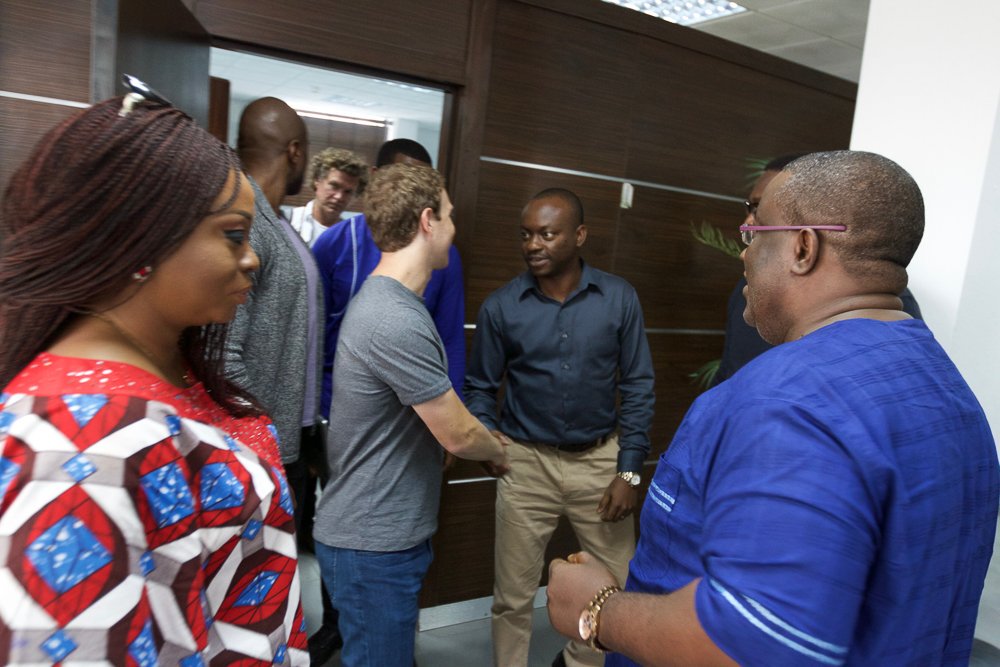
That moment when you're introduced to Mark Zuckerberg & you wonder what job titles mean to a Billionaire. @Omojuwa
18
80

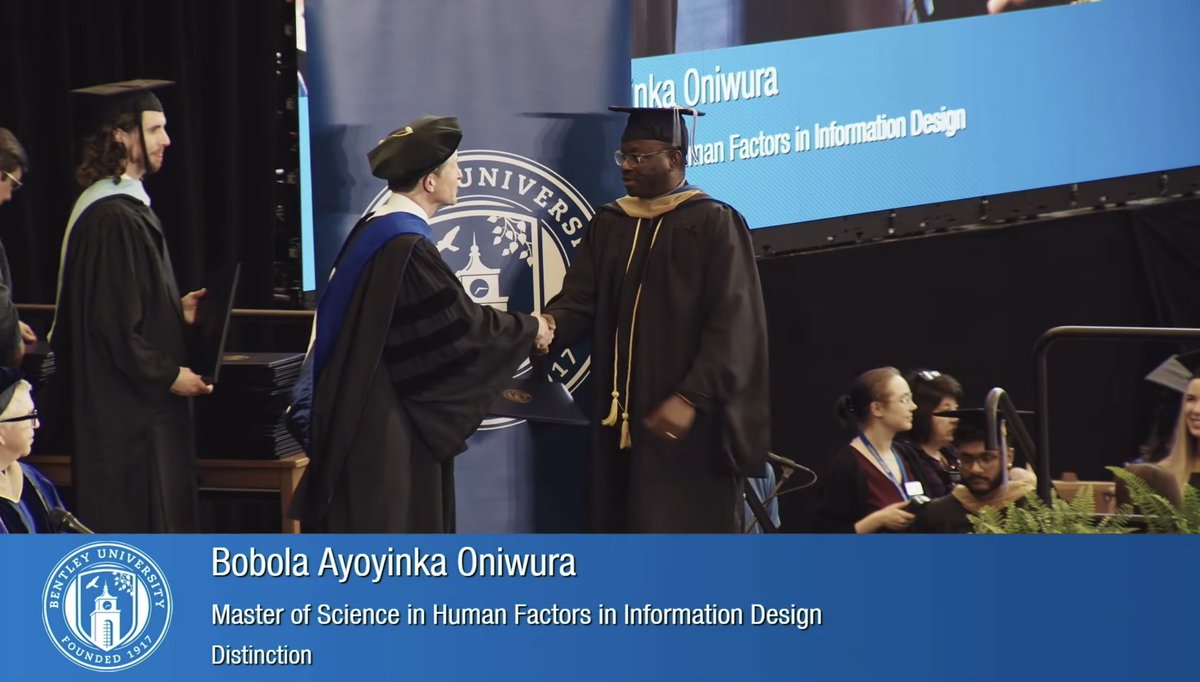
#OutNow: My conversation with @bradjmoody on the Colorist Society Podcast.
From certification to real-world readiness.
From technique to taste.
From tools to decisions.
Listen here: open.spotify.com/episode/7Gg…
1
21
Apr 15
𝗔𝗱𝗼𝗯𝗲’𝘀 𝗡𝗲𝘄 𝗖𝗼𝗹𝗼𝗿 𝗠𝗼𝗱𝗲 𝗶𝗻 𝗣𝗿𝗲𝗺𝗶𝗲𝗿𝗲 𝗜𝘀 𝗡𝗼𝘁 𝗮 𝗙𝗲𝗮𝘁𝘂𝗿𝗲. 𝗜𝘁 𝗶𝘀 𝗮 𝗥𝗲𝘀𝗲𝘁 - lnkd.in/gWV6pG2G
#Adobe #ColorMode #ColorGrading #ExperienceDesign #PremierePro
75
Mar 30
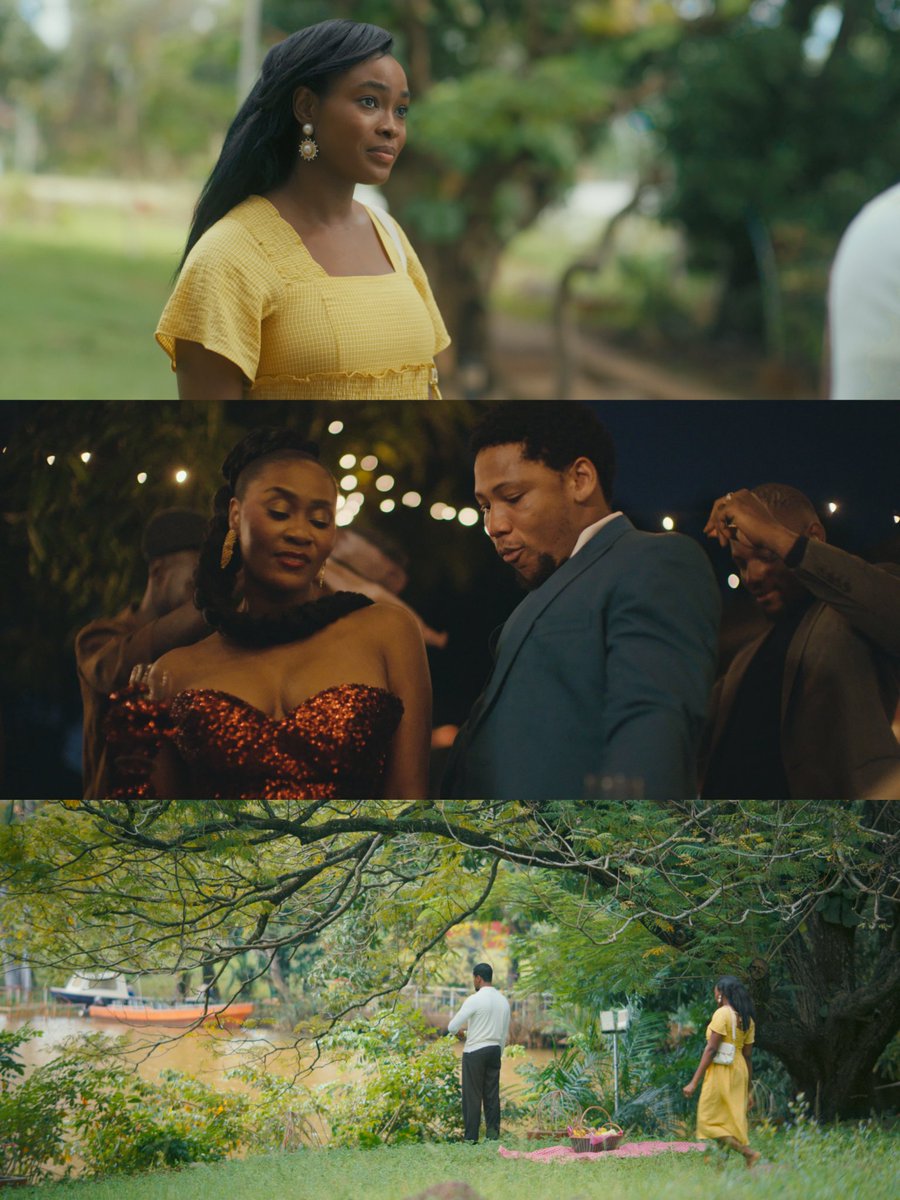
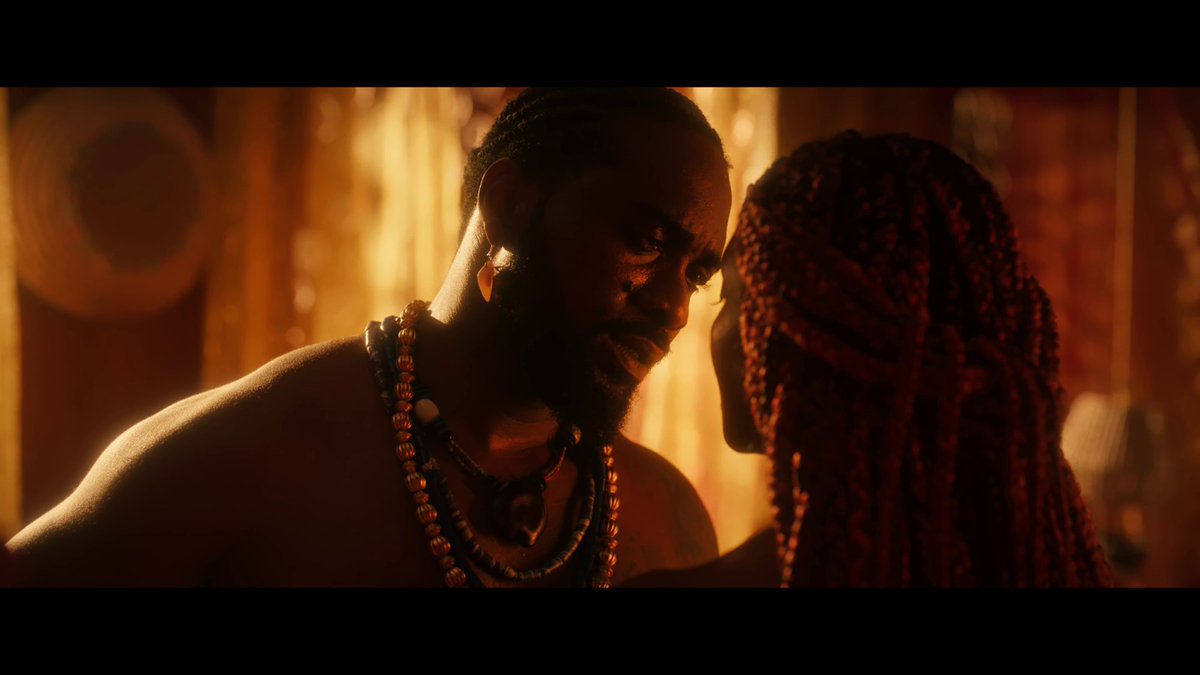
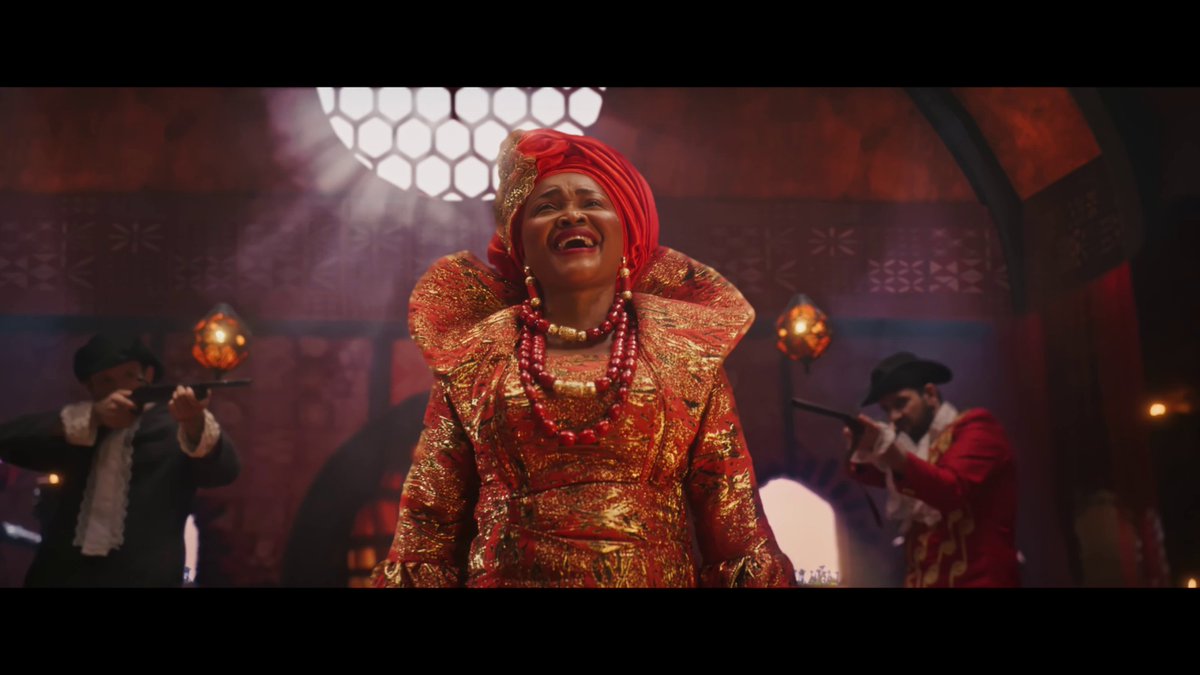
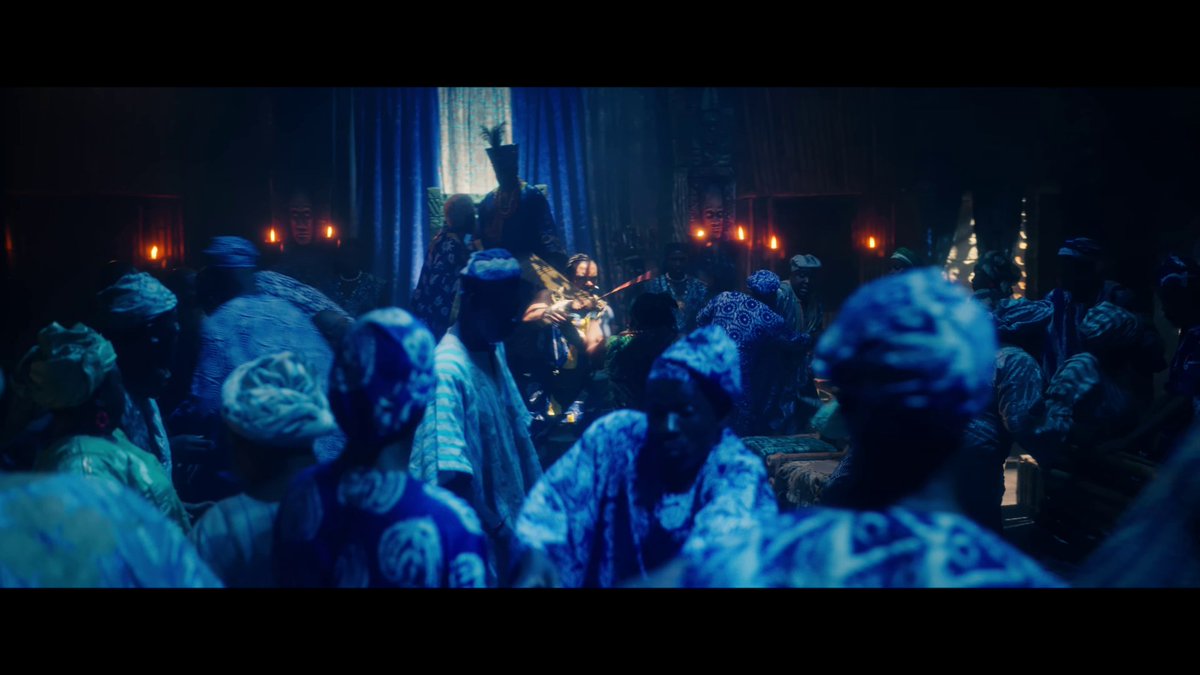
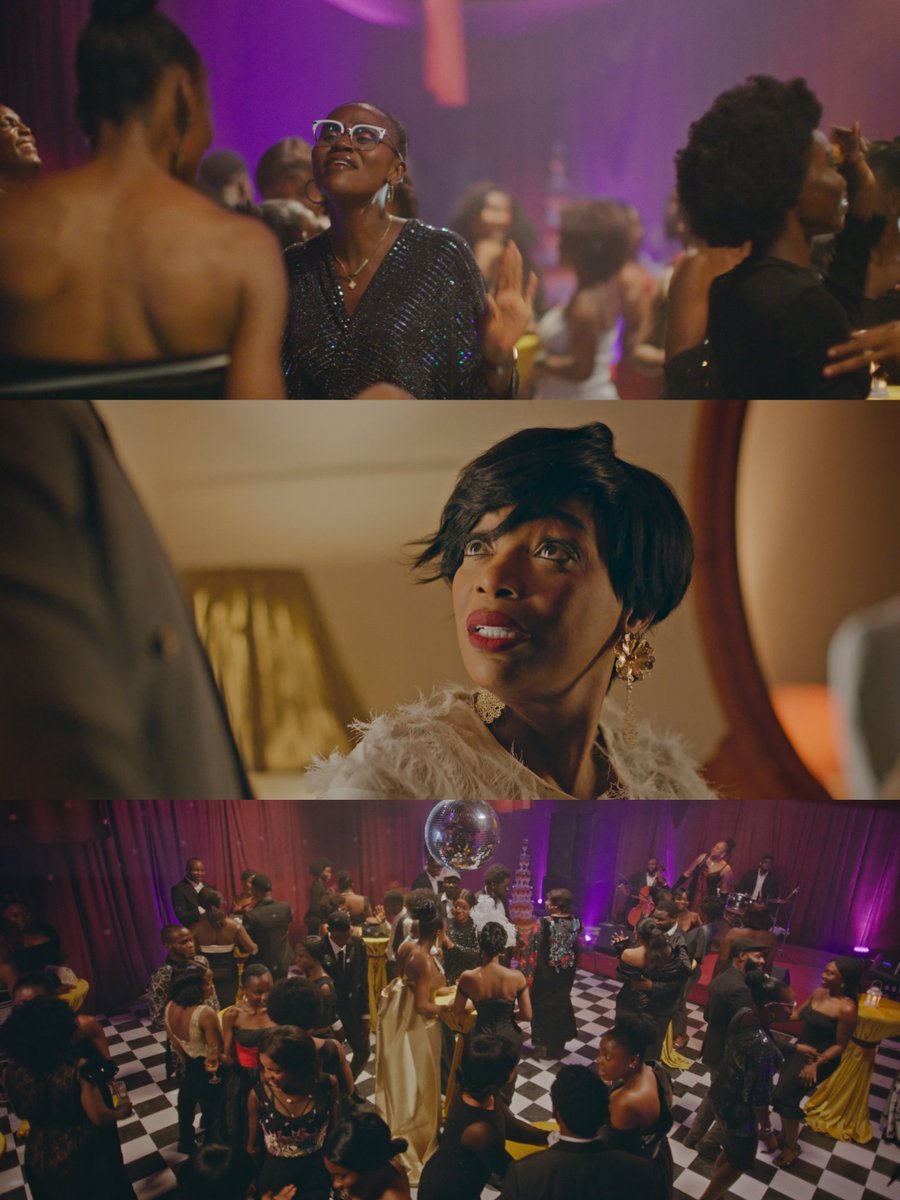
A few stills from "Aba Blues"
Written and Directed by @jackenneth_opukeme
Cinematography by the acclaimed cinematographer @barnyee while the film was edited by the incomparable @signor_martini
Colorgrading this unique story was an experience. #InCinemas
1
1
150
Mar 22
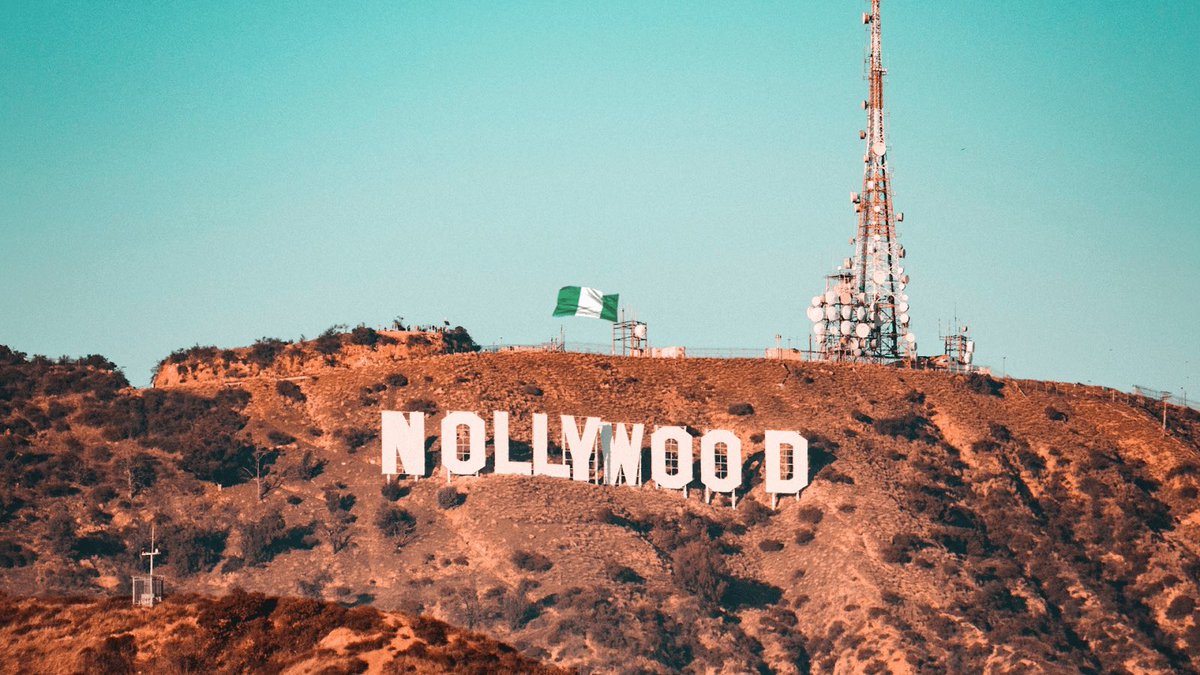
A recurring problem in conversations about Nollywood is how confidently people speak on things they clearly have no understanding of. No data. No context. No real insight. Just beer parlour arguments reframed as critical analysis, optimized for engagement rather than truth.
Mar 22

The Nigerian Nollywood industry has really fallen off. We’re already in the third quarter of the year, and there hasn’t been a single film people are genuinely anticipating with high expectations. Yet we still claim to be one of the biggest film industries in the world.
Look at Hollywood for instance. There’s always a lineup of movies people are eagerly waiting for each year. There’s structure, build-up, and quality control.
Nollywood, on the other hand, is being watered down. Too many YouTube-style productions, movies shot in one apartment with barely three characters, rushed storylines, and releases every other day.
It’s all starting to feel like quantity over quality, with that same recycled “Odogwu Paranranra” energy. Skit makers are suddenly turning into actors overnight, and it’s dragging the standard down.
Old Nollywood made movies that lasted in our memories long after we finished watching them, with lessons learned from them.
Then there’s the issue of mismanagement. The same culture of embezzlement and misappropriation of funds is part of why platforms like Netflix pulled back. How do you receive, say, a $1 million budget and end up with a $100,000-looking production? And then turn around to complain that the industry isn’t getting enough support like the music industry.
Until the people at the top of Nollywood decide to get serious and restore some discipline and standards, the industry will keep circling in mediocrity.
1
74
Bobola Onigold™ CSI retweeted

Mar 19
What will you do when the past you left behind comes knocking.
Watch the Official Trailer for Aba Blues now.
Coming to Cinemas Nationwide March 20th
Starring
@angel.anosike
@iamjidekene
@princenelsonenwerem
@iamtonitones
@bimboakintola
@euchariaanunobi
@chuksjoseph__
@patienceozokwo
@marthaehinome
@thedavidezekiel
@toluwanigeorge
@charlesokafor
@odunomoadekola
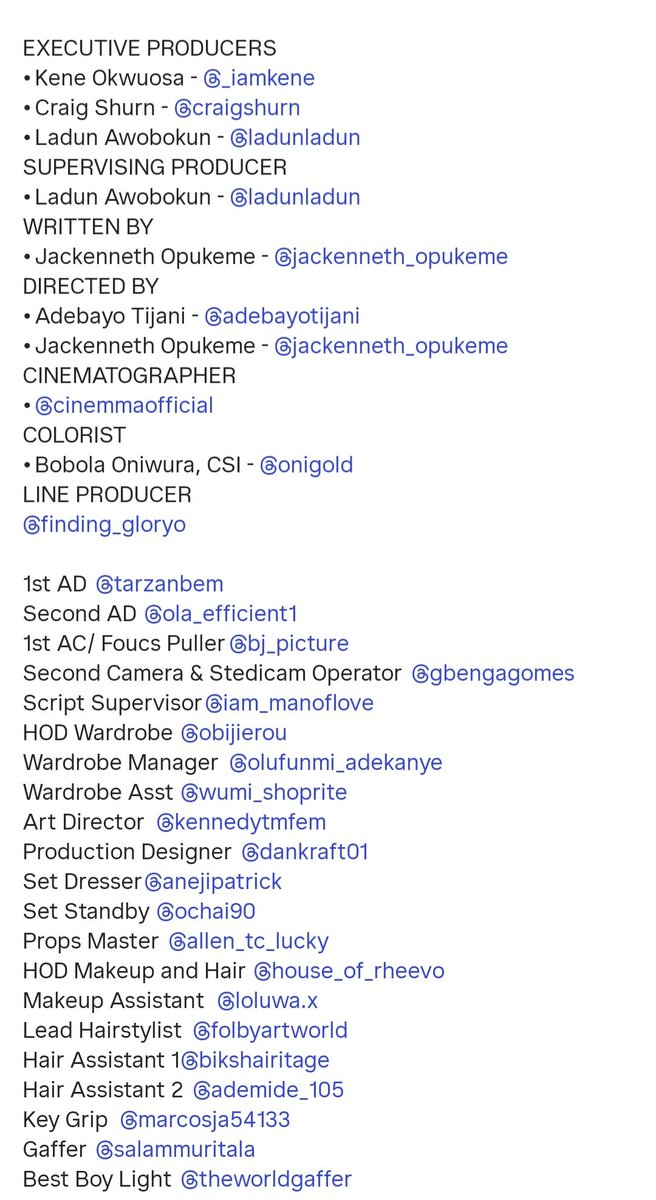
Executive Producers:
@_iamkene
@ladunladun
@nazonuzo
@zvlv
@damola555
@craigshurn
Producer @barbara.babarinsa
Director @jackenneth_opukeme
Cinematography @barnyee
Lighting Designer @matolight
Production Design @okoi_daniel147
Production manager @anu_alabii
Costume Designer @bygedesign
Make up & Hair @beautiflybyudu
Steadicam Op @daanong_dwain
Sound Recordist @adamsmagicfinger
1st AD @iamabrahamson
2nd AD @ajoku_official
Cast chaperone @just_ur_average_nifemi
DIT @callmekretor
1st AC Cam A @gbengaeyes
1st AC Cam B @gallantajay
Culture Consultant - @IgboHistoFacts
Set Designer @kennedymfem
Edited by @signor_martini
Original music & Sound Design @tyanx
Colorist @onigold
Music @savyhenry_
A @filmone_studios and @inkblotpresents production
Distributed by @filmoneng
4
5
441
Mar 18
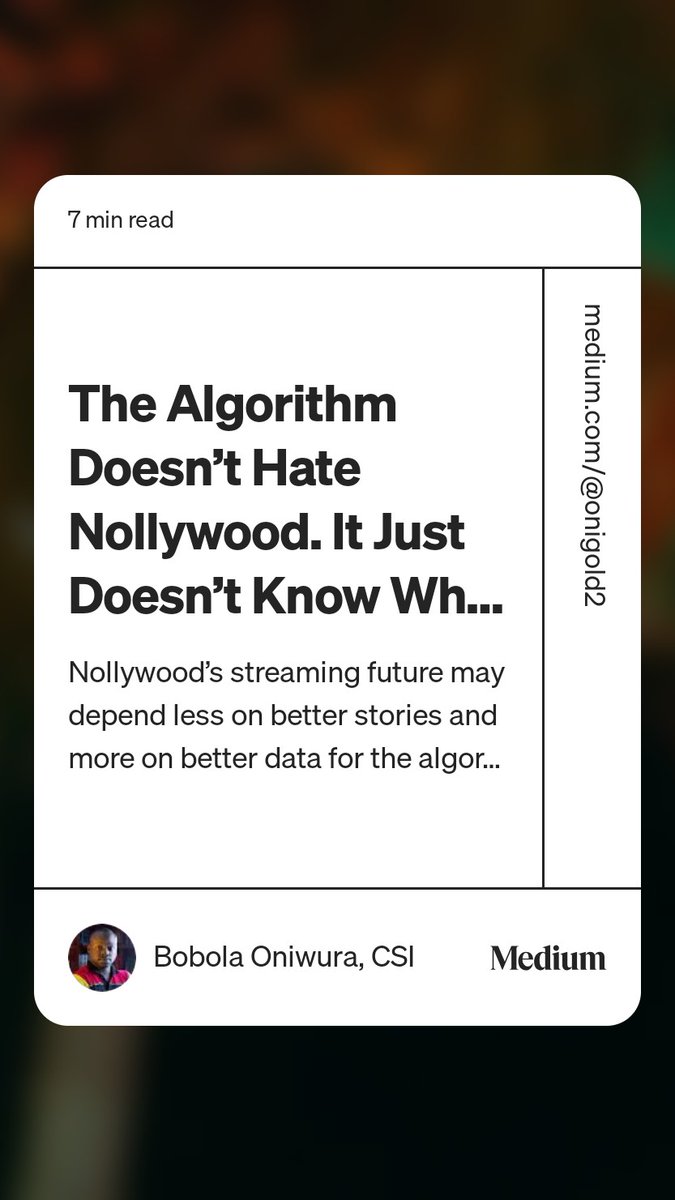
Read “The Algorithm Doesn’t Hate Nollywood. It Just Doesn’t Know What To Do With It“ by Bobola Oniwura, CSI on Medium: medium.com/@onigold2/the-alg…
#Nollywood #Streaming #Algorithm #ExperienceDesign #AI
57
Bobola Onigold™ CSI retweeted
20 Nov 2023
“An Inside Job: The Death of OpenAI”
… opening in theaters fall 2025.
This has all the trappings of a well executed destruction of #OpenAI by an external force (X) but for Satya's 4D masterclass move #MSFT would have lost all.
Can't wait for the behind-the-scene details.

1
1
1
134
Jan 15
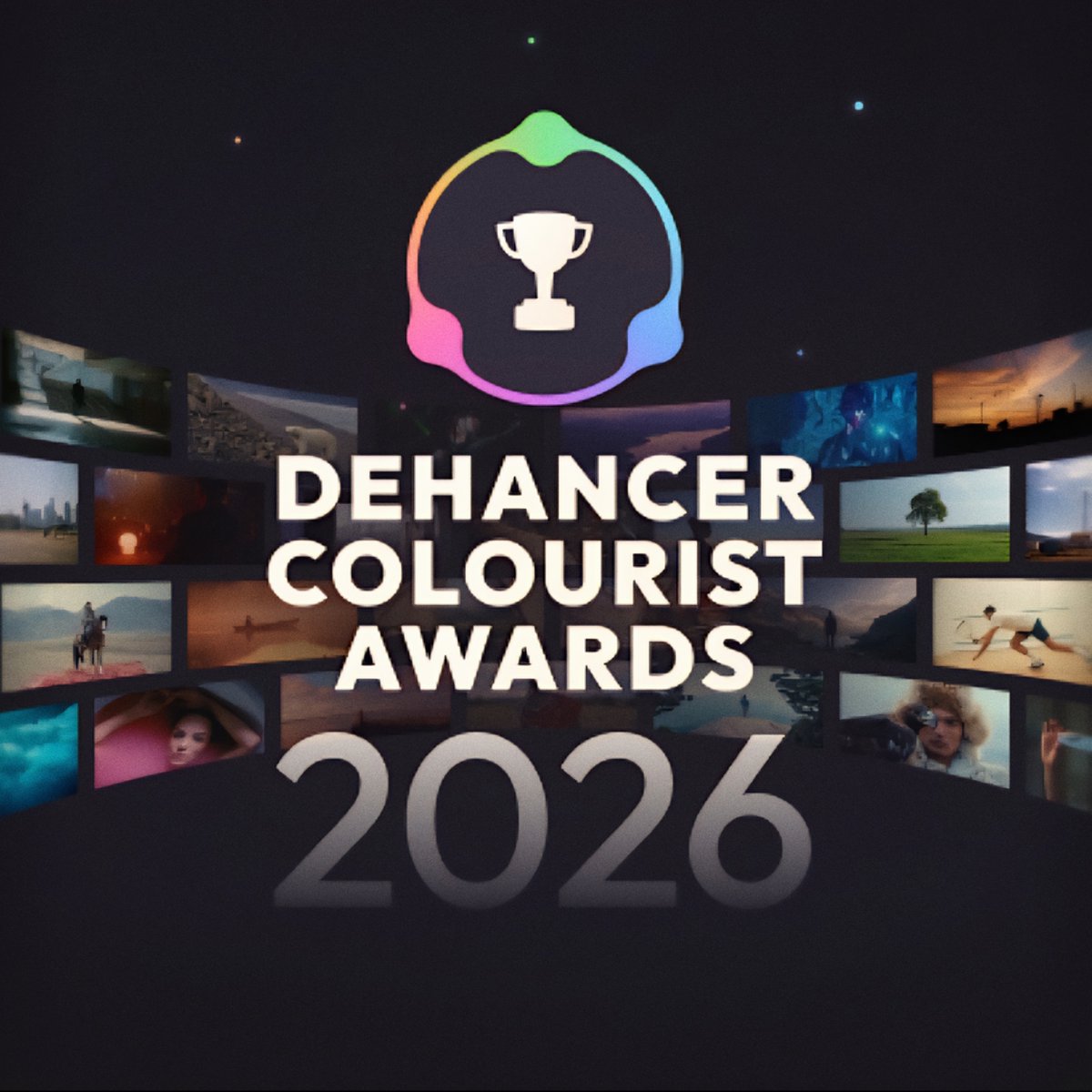
🎬 𝗛𝗼𝗻𝗼𝗿𝗲𝗱 𝘁𝗼 𝗦𝗲𝗿𝘃𝗲 𝗼𝗻 𝘁𝗵𝗲 𝗗𝗲𝗵𝗮𝗻𝗰𝗲𝗿 𝗖𝗼𝗹𝗼𝘂𝗿𝗶𝘀𝘁 𝗔𝘄𝗮𝗿𝗱𝘀 𝟮𝟬𝟮𝟲 𝗝𝘂𝗿𝘆
I am deeply honored to return as a Jury Member for the 2026 Dehancer Colourist Awards.
dehancer.com/awards/2026/jur…
1
1
53
Jan 15
This year, I look forward to engaging with work that demonstrates clarity of intent, consistency under pressure, and restraint as much as boldness. The kind of grading that supports storytelling quietly, confidently, and with purpose.
dehancer.com/awards/2026/jur…
1
28
Jan 15
I am grateful to Dehancer for the continued trust and for being in the company of a thoughtful, global panel committed to honoring the depth of this craft.
dehancer.com/awards/2026/jur…
#DehancerColouristAwards #ColoristSociety #Colorist
34
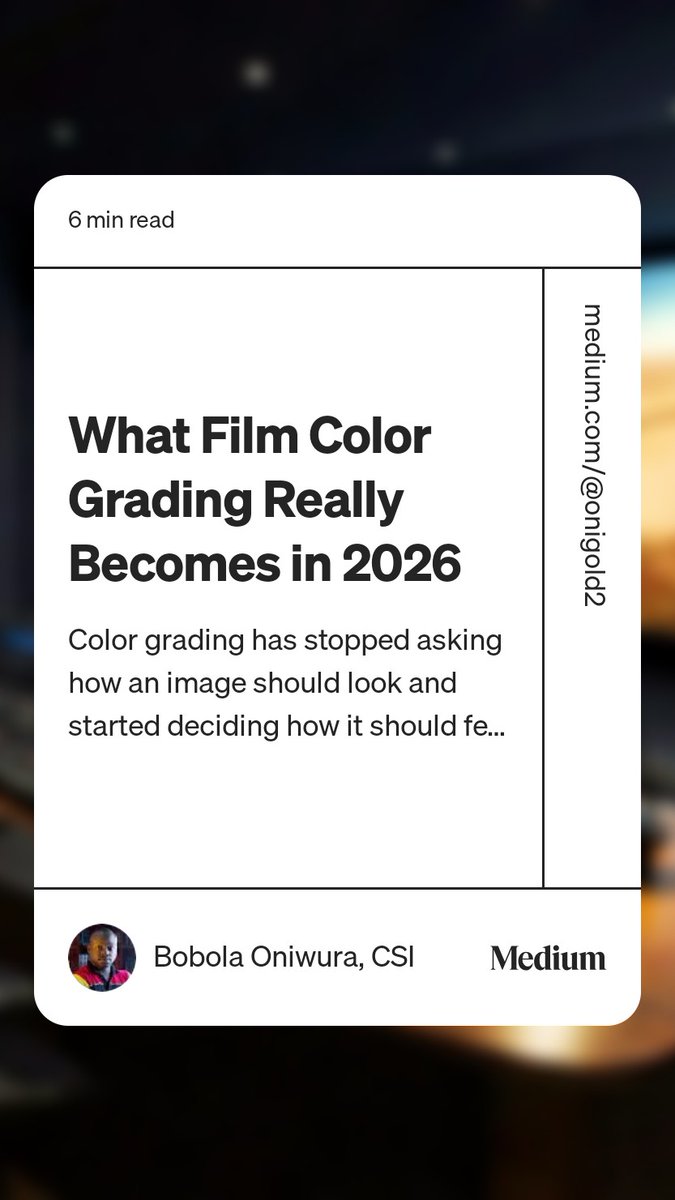
Read my latest article “What Film Color Grading Really Becomes in 2026“ on Medium: medium.com/@onigold2/the-chr…
29
31 Dec 2025
Brilliant as ever. Read, Learn, Reflect

This year is a little late, but it came. My yearly roundup: Prospects for Nollywood in 2026: A Year in Review and a Look Ahead medium.com/p/prospects-for-n…
21
30 Dec 2025
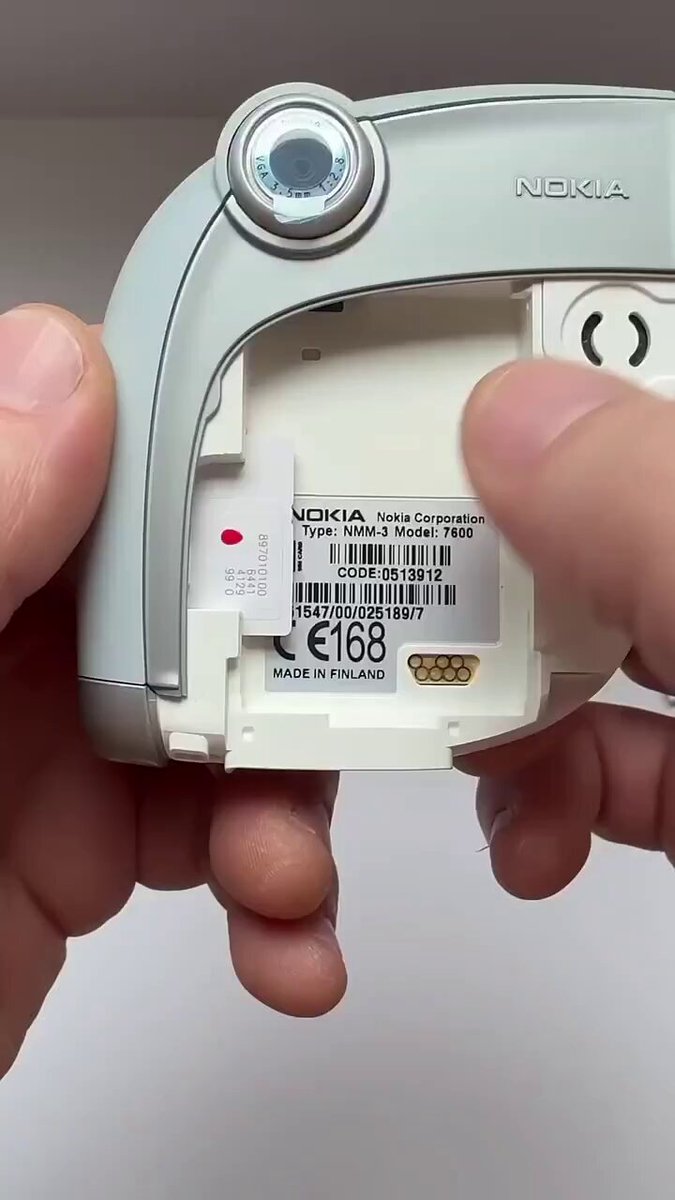
Phones used to survive wars.
Now they survive one drop.
Progress? 🤔
Raise your hand in comment if you used one of these legends? 📱🔥
You are the real OG or GOAT
12
20 Nov 2025
𝗡𝗮𝗻𝗼 𝗕𝗮𝗻𝗮𝗻𝗮 𝗣𝗿𝗼: 𝗧𝗵𝗲 𝗦𝗵𝗶𝗳𝘁 𝗳𝗿𝗼𝗺 𝗘𝘅𝗲𝗰𝘂𝘁𝗶𝗼𝗻 𝘁𝗼 𝗩𝗶𝘀𝘂𝗮𝗹 𝗥𝗲𝗮𝘀𝗼𝗻𝗶𝗻g
As someone who began in architecture, grew through UX design, and sharpened my eye in video post-production, today’s release of Nano Banana Pro strikes me as profound.
1
157
20 Nov 2025
Transparency becomes part of the creative workflow, not an afterthought. I see this as an ethical infrastructure for the next generation of visual tools. It forms the foundations we need if AI-driven creativity is to remain trustworthy, fair, and responsible at scale.
1
21
20 Nov 2025
Nano Banana Pro does not replace the creator. It expands the surface area of what we can imagine. It allows students, researchers, and professionals to move faster without losing intention.
Design tools are evolving from command-based executors to context-aware partners.
48