
The MRC IEU OpenGWAS project gwas.mrcieu.ac.uk/
Joined August 2020
- Tweets 23
- Following 3
- Followers 156
- Likes 18
Photos and videos

We built the OpenGWAS resource to be a free and open platform to support work on GWAS summary data. Much of it is based on extensive feedback on @mrbase2 from both internal and external colleagues. Paper here: bit.ly/2DRbHGT, key points below:
1
16
19
OpenGWAS retweeted

22 Mar 2022
12 month training fellowship with opportunities to develop research software engineering and/or drug discovery expertise working with @OpenGwas and @epigraphdb at @mrc_ieu bristol.ac.uk/integrative-ep…
1
2
OpenGWAS retweeted
6 Aug 2021
We are recruiting two new posts to join the @OpenGwas team (@mrc_ieu): a research software engineer and a research data officer. bristol.ac.uk/jobs/find/deta… and bristol.ac.uk/jobs/find/deta…
11
18
We GWAS'd the metabolites released by @uk_biobank x.com/uk_biobank/status/1373… and deposited the summary data in Open GWAS gwas.mrcieu.ac.uk/. The summary data can be assessed via R (mrcieu.github.io/ieugwasr/) or python (github.com/mrcieu/ieugwaspy)
22 Mar 2021

#UKBiobank today releases the first tranche of data from a study by @NgaleHealth looking into metabolomic biomarkers in blood samples of 120,000 UK Biobank participants. This will enable research into the likelihood of experiencing some chronic diseases - bit.ly/311Vya2
4
25
53
Also available via @mrbase2 and mrcieu.github.io/TwoSampleMR…
Thank you @uk_biobank, @NgaleHealth , @MCarol_Borges, @elswob and @tomrgaunt
3
6
OpenGWAS retweeted

24 Feb 2021
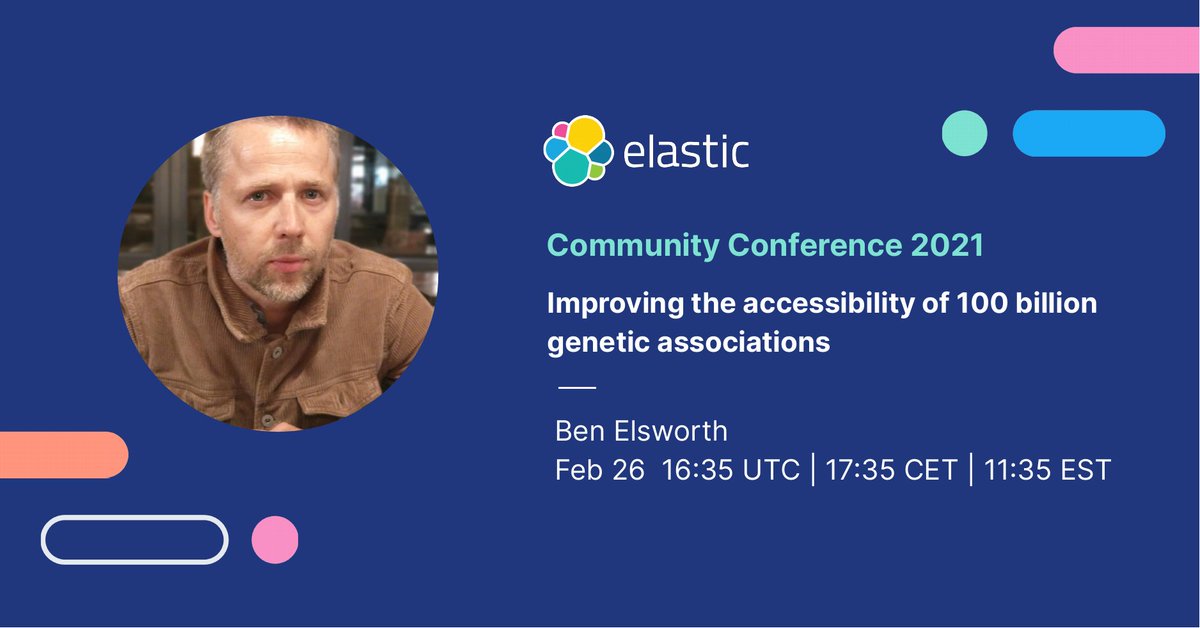
Join me at #ElasticCC where I'll be talking about how we use Elasticsearch for @OpenGwas. This is @Elastic’s free technical event from the community, for the community — happening from Feb 26 - 27 ela.st/community-conference
10
18

The OpenGWAS database, your one-stop-shop for complete #GWAS summary datasets & metadata for the scientific community. Open source, open access, & free for all!
Find out more about this phenomenal resource at:
biorxiv.org/content/10.1101/…
@mrc_ieu @BristolBRC
7
21
We built the OpenGWAS resource to be a free and open platform to support work on GWAS summary data. Much of it is based on extensive feedback on @mrbase2 from both internal and external colleagues. Paper here: bit.ly/2DRbHGT, key points below:
1
16
19
QC process - we align the non-effect allele to the human genome reference sequence; and annotate the positions with dbSNP identifiers. Example QC report: gwas.mrcieu.ac.uk/datasets/u…
2
3
3
Continued data harvesting - for new GWAS results that are published, upload them to the EBI GWAS catalog and we will pull them in from there. For unpublished results, or large batches, we have pipelines to do that. Get in touch here: github.com/mrcieu/opengwas-r…
1
3
3
Huge thanks to @The_MRC, @OracleCloud and @wellcometrust for funding much of this, and team (@explodecomputer @tomrgaunt @elswob @matt_s_lyon @prime2 @assetweb @JonJHallett and others) for making a hopefully useful community resource
3
5