
プラごみ問題を市民によるバイオテクノロジーで解決することを目指すNPO法人です。 東京を拠点に、社会人による社会人のためのバイオ実験を実施するほか、バイオの知識の認知向上を図る多様な企画を予定しています。 DIY bio. Degrade plastic
Joined April 2013
- Tweets 500
- Following 46
- Followers 68
- Likes 20
127 Photos and videos

13 Nov 2025
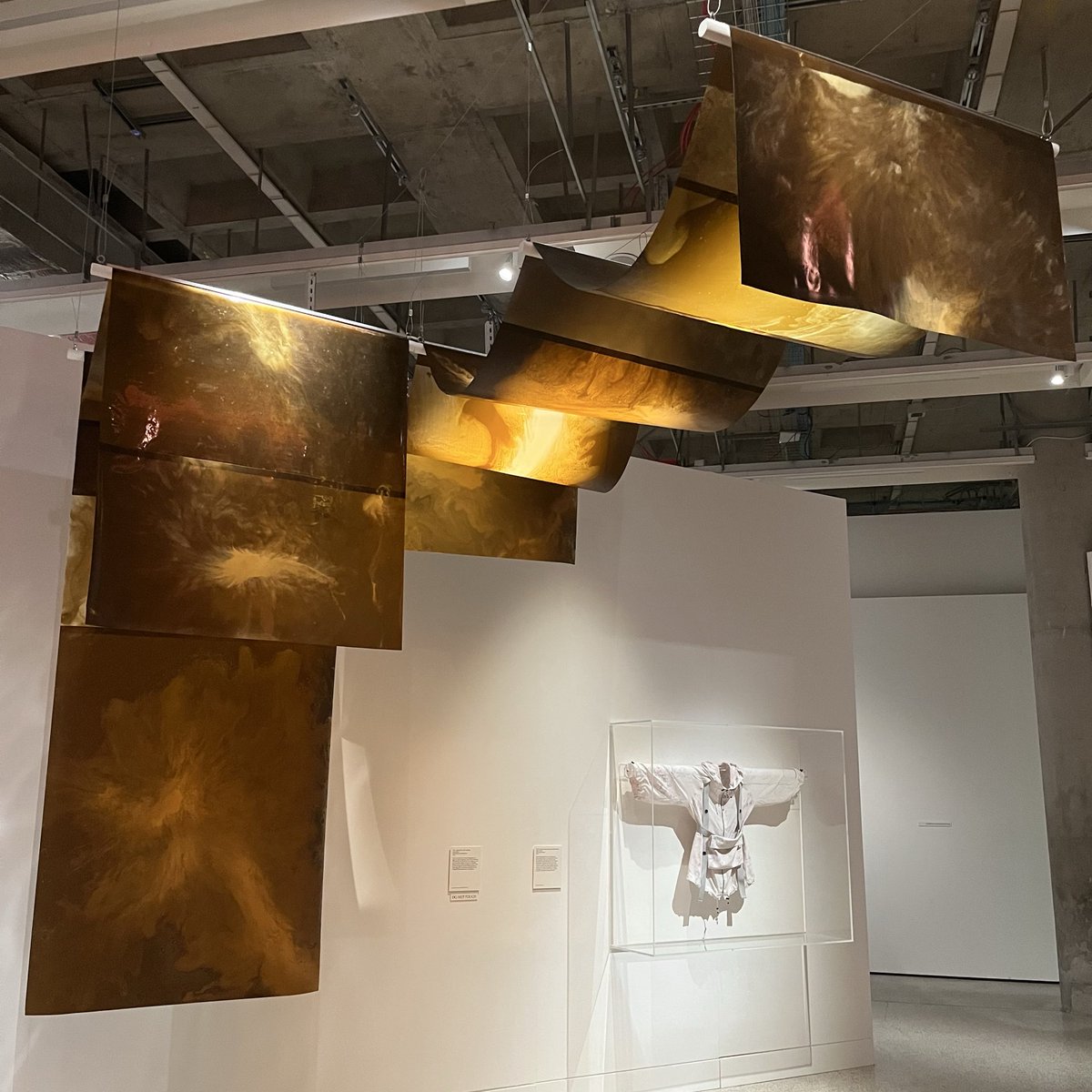
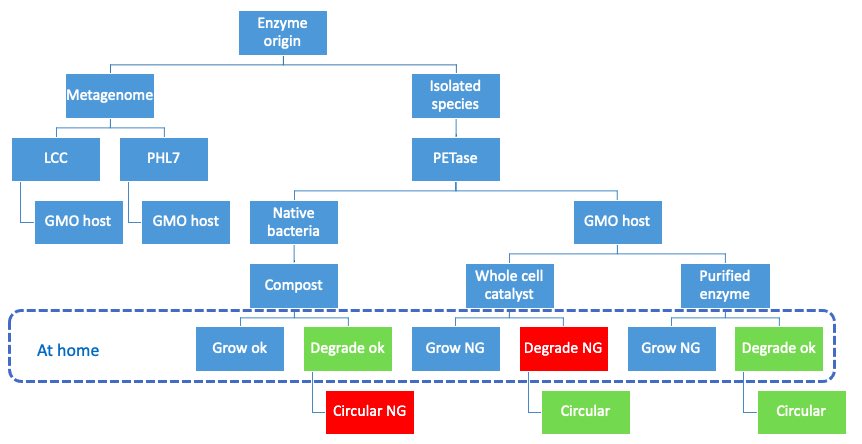
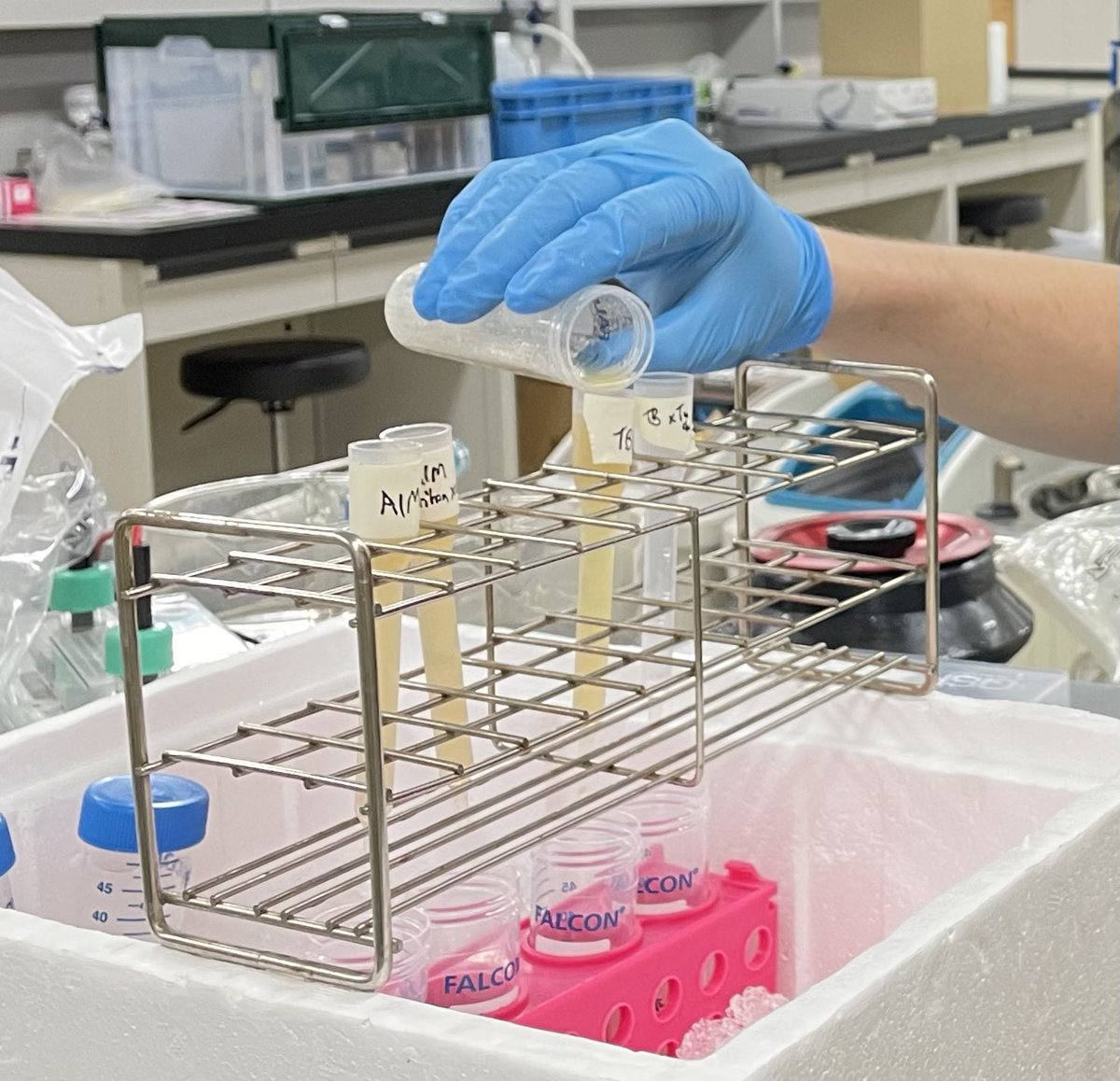
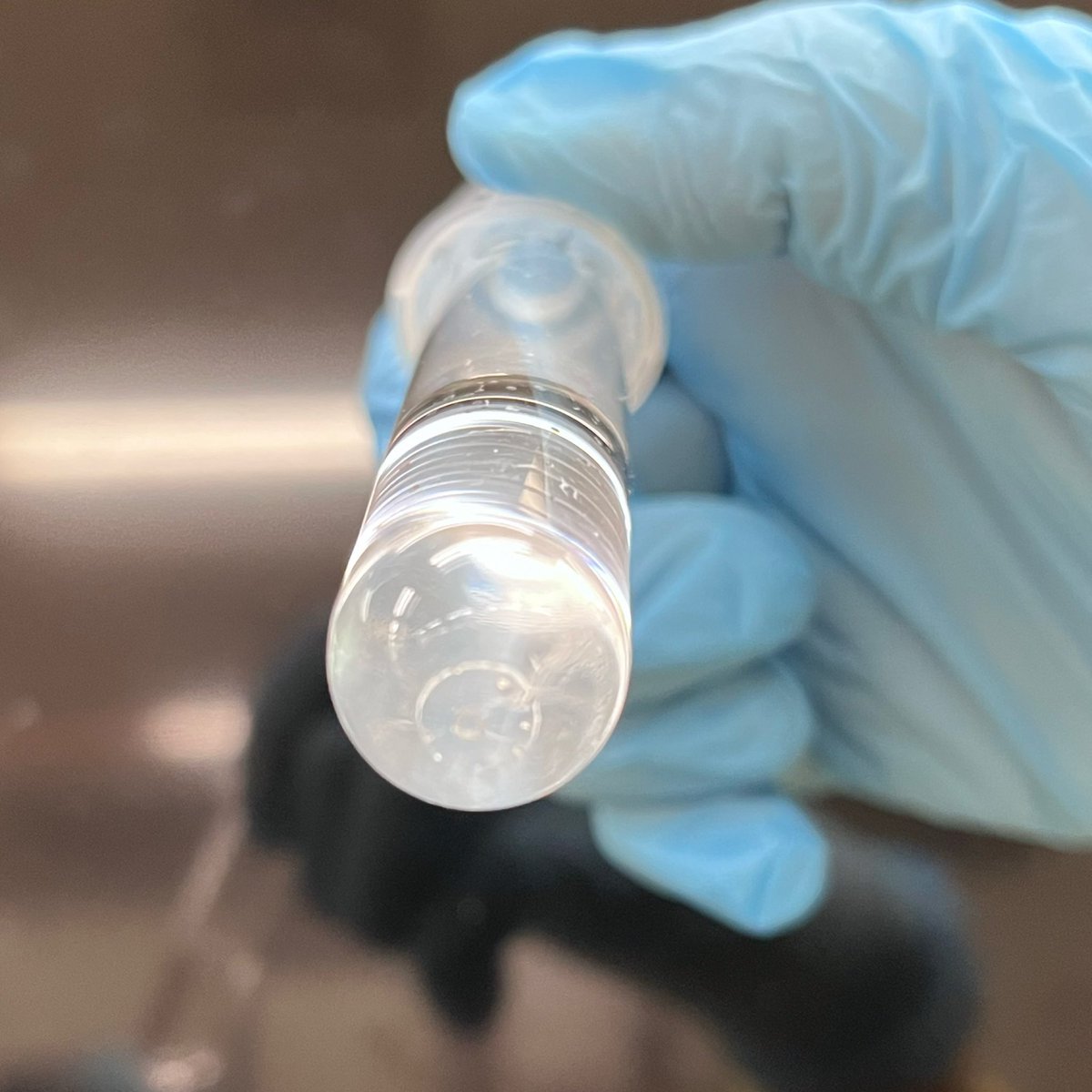
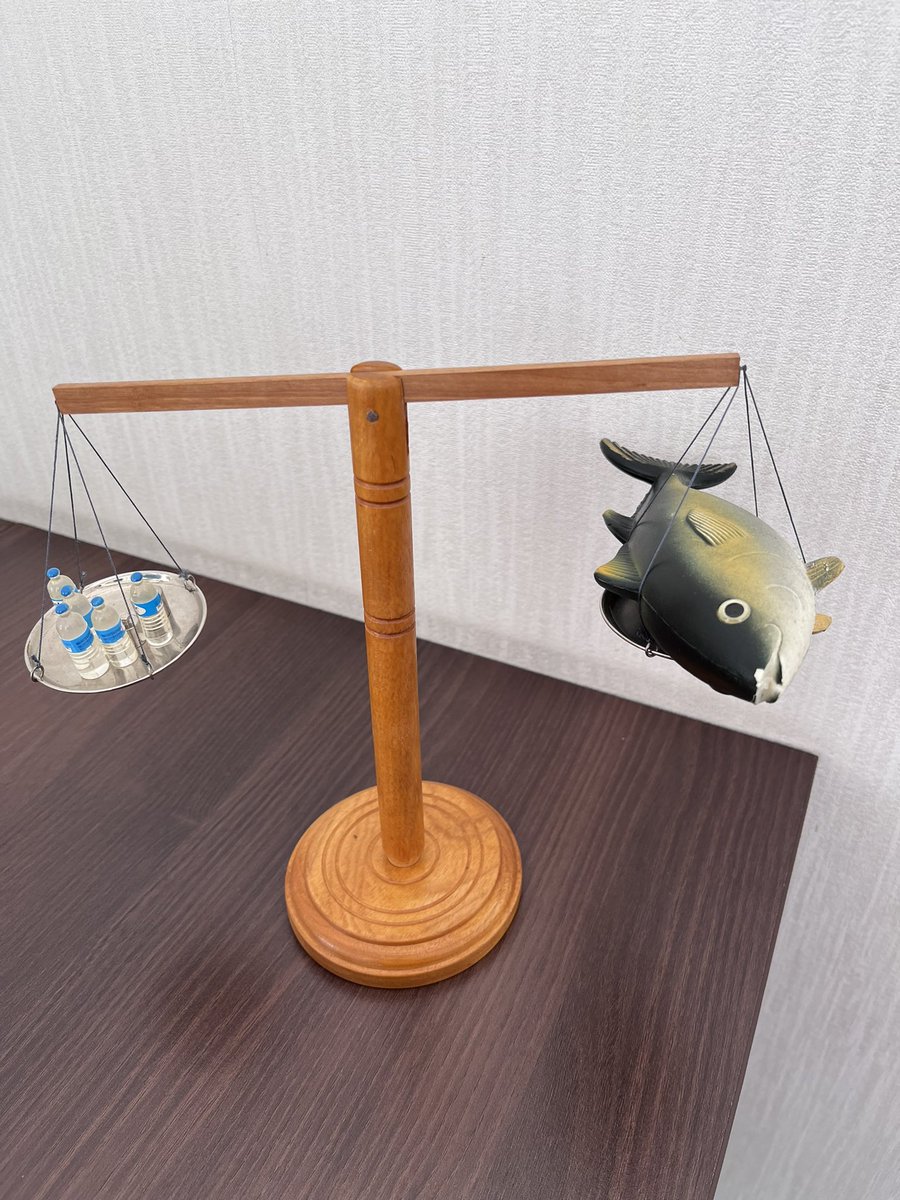
It takes centuries for plastics to decompose by Nature; millenniums to form mineral pigments. Pigment formation turns out to highly dependable on pH.
How does it relate to PETase? Read full blog at openpetase.org/pH
#biodesign
72
6 Sep 2025
We are assembling a team to compete in a Protein Engineering Tournament. Do you #pythonprogramming ? Come join us as code breaker. Details in openpetase.org/tournament
#proteinmodelling
2
95
7 Jun 2025
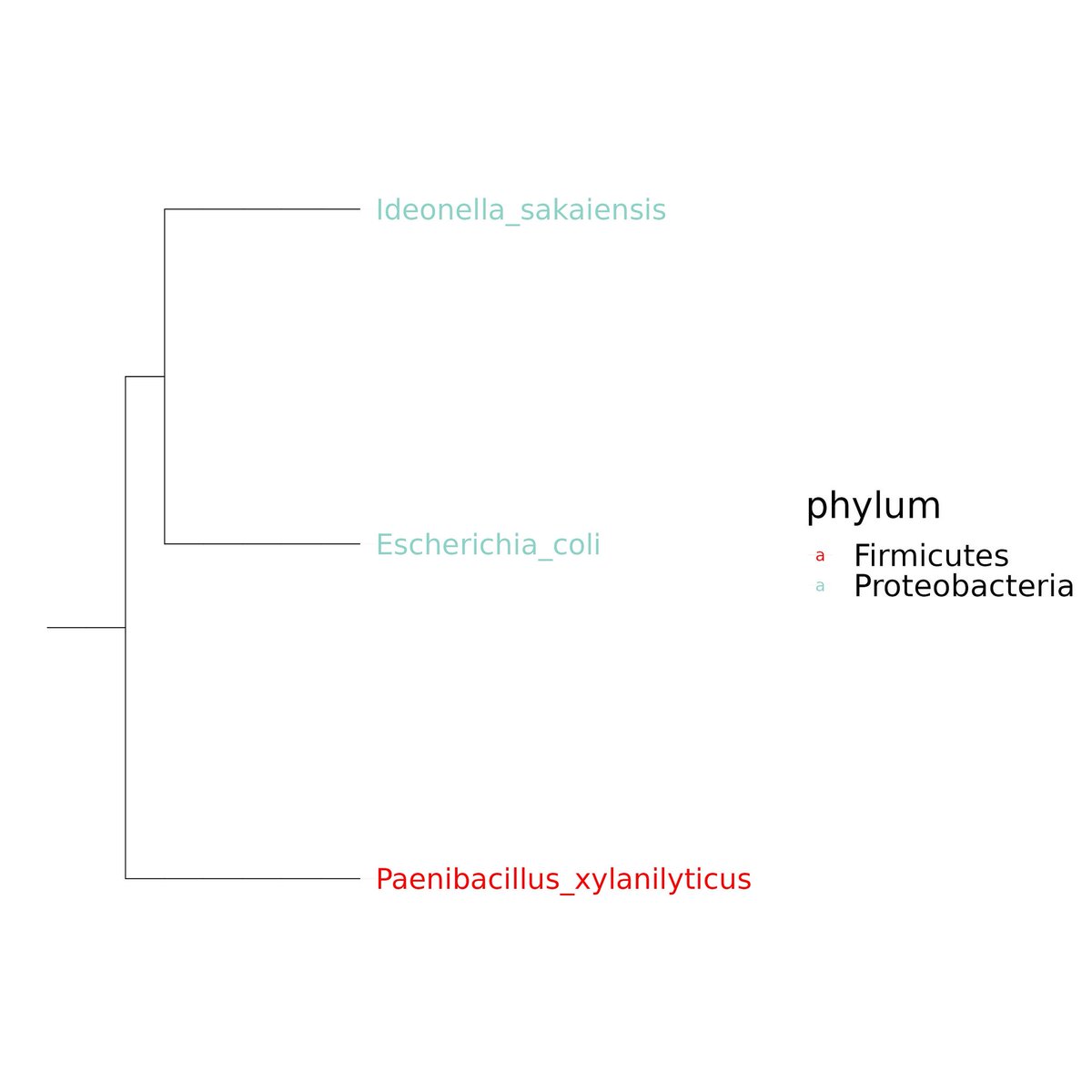
bacteria that we’ll look closer during Jun 13th workshop dnaseq.eventbrite.com/ belongs to Firmicutes phylum, known to adapt to gut microbiota. I.sakaiensis & E.coli which we’ve been dealing with, belong to Proteobacteria phylum. #dnasequencing #synbio #plasticpollution #biology
1
54
26 May 2025
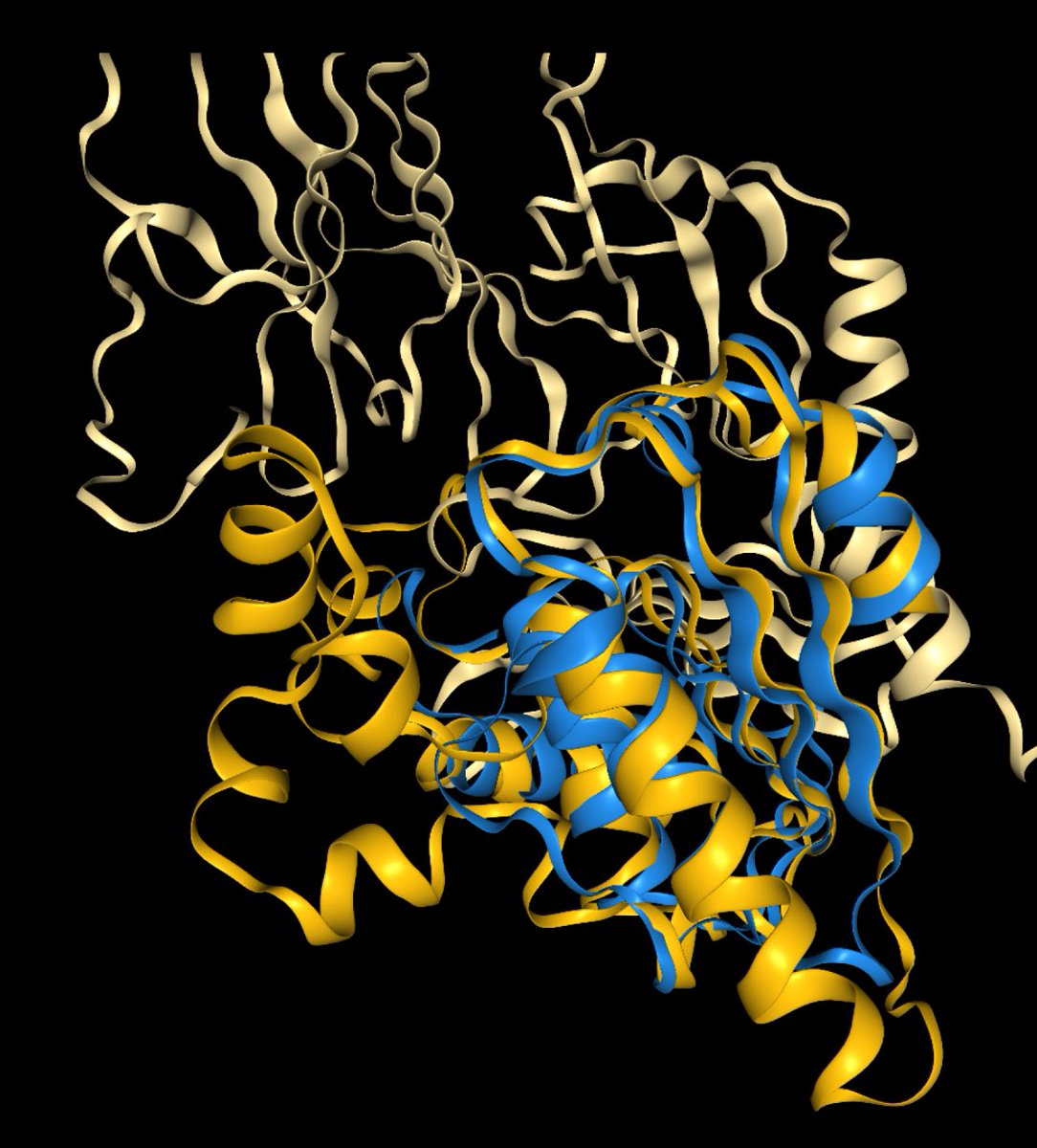
We identified a prospective bacteria from recent DNA barcoding workshop (openpetase.org/barcode). Its genome suggests a protein (yellow) that might shape like PETase (blue). #dnasequencing #synbio #onlineworkshop #plasticpollution #biology
2
82
18 May 2025
Sequel to Barcoding workshop: we’ve got promising DNA sequence results! Seems to suggest a likely new strain of bacteria that degrades polystyrene plastic. Come join us on Jun 13, book your seat at dnaseq.eventbrite.com/
#dnasequencing #synbio #onlineworkshop #plasticpollution
2
83
26 Apr 2025
After months of planning, we successfully hold the very first workshop at London. Aim to identify DNA of bacteria that potentially digests polystyrene plastic. Write up here openpetase.org/barcode #biohacking #plasticfree #syntheticbiology #microbiology #citizenscience
1
2
135
9 Mar 2025
Today is UK COVID Day of Reflection. While we mourn for past victims of Covid, may we also reflect on future of science communication. Essay at openpetase.org/covid #coviddayofreflection
1
63
8 Mar 2025
Join us to barcode DNA of bacteria inside waxworm that eats plastics. London Apr 11-12. Details at dnabarcode.eventbrite.co.uk/
#pcr #plasticpollution #engineeringbio #experiment
1
80
22 Nov 2024
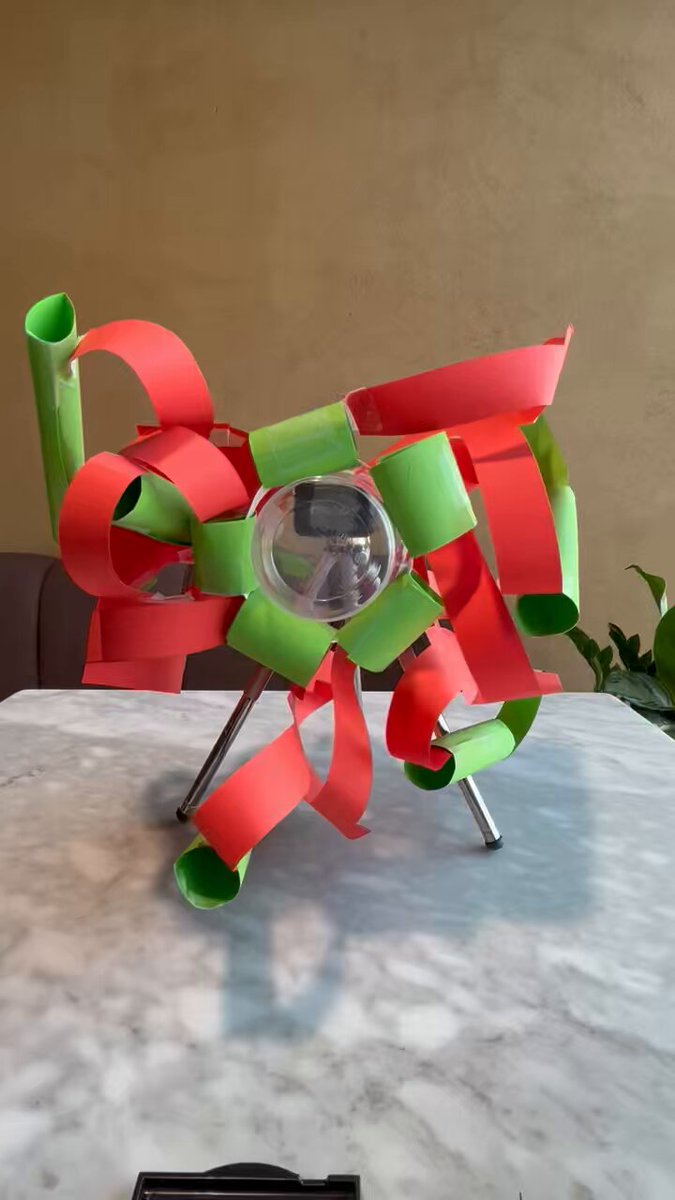
Ahead of festive season, we will together construct a paper model of a protein called Tif6, which looks like a wreath. #canarywharf #nobelprize #synbio
1
1
62
21 Aug 2024
Last call, book discussion on #plastic eaters, next week Aug 28th at #canarywharf Details at mutant59.eventbrite.co.uk
#biology
51
10 Aug 2024
The fictional plastic-eater is a mutant of B.prodigiosus. It is quite a different bacteria from real-life I.sakaiensis in terms of family tree. Come join us to discuss this and more at next event mutant59.eventbrite.co.uk
#bookclub #plasticpollution #London
49
21 Jul 2024
“Mutant 59:The plastic-eaters”, published in the 70s depicts a fictional bacterium that devoured plastic products. 40yr on, an actual bacterium was discovered at a dump site. If you’re in #London come join me for book discussion. Details: mutant59.eventbrite.co.uk
#PlasticFreeJuly
37
6 May 2024
I visited HELLO BRAIN exhibition at Francis Crick Institute. It reminded me about neurological impairment in Niemann-Pick type C, thus inspired my write-up. openpetase.org/brain
75
19 Mar 2024
I visited Fleming Lab museum to pay my tribute to a giant. Here is my write up: openpetase.org/fleming
#penicillin
1
2
102
27 Jan 2024
Here is my recount of Festival of Genomics which I intended few days ago openpetase.org/festival
#FOG2024
90