
2,316 Photos and videos






Pinned Tweet

Here is your #ROS and open source robotics news for the week of June 8th, 2026:
🚀ROS Meetup @AutomateShow
🚀ROSCon Global 2026 talk schedule released
🚀New ROSCon Italy this November in Bologna
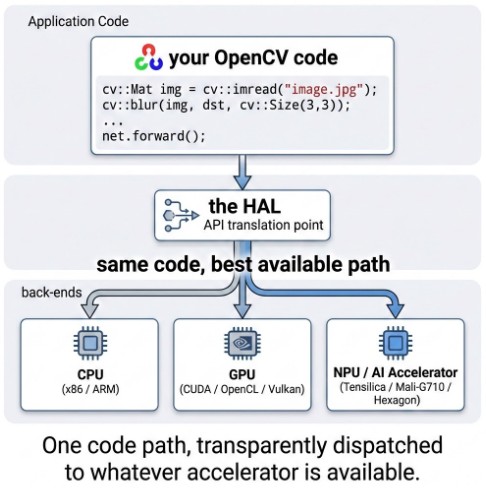
🚀@opencvlive 5 drops: better, faster, more AI
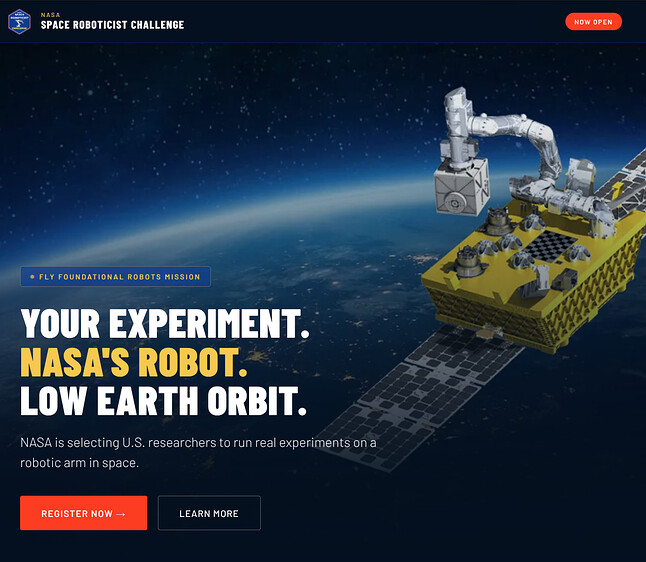
🚀@NASA Space Robotics Challenge
⬇️⬇️
1
10
25
2,103
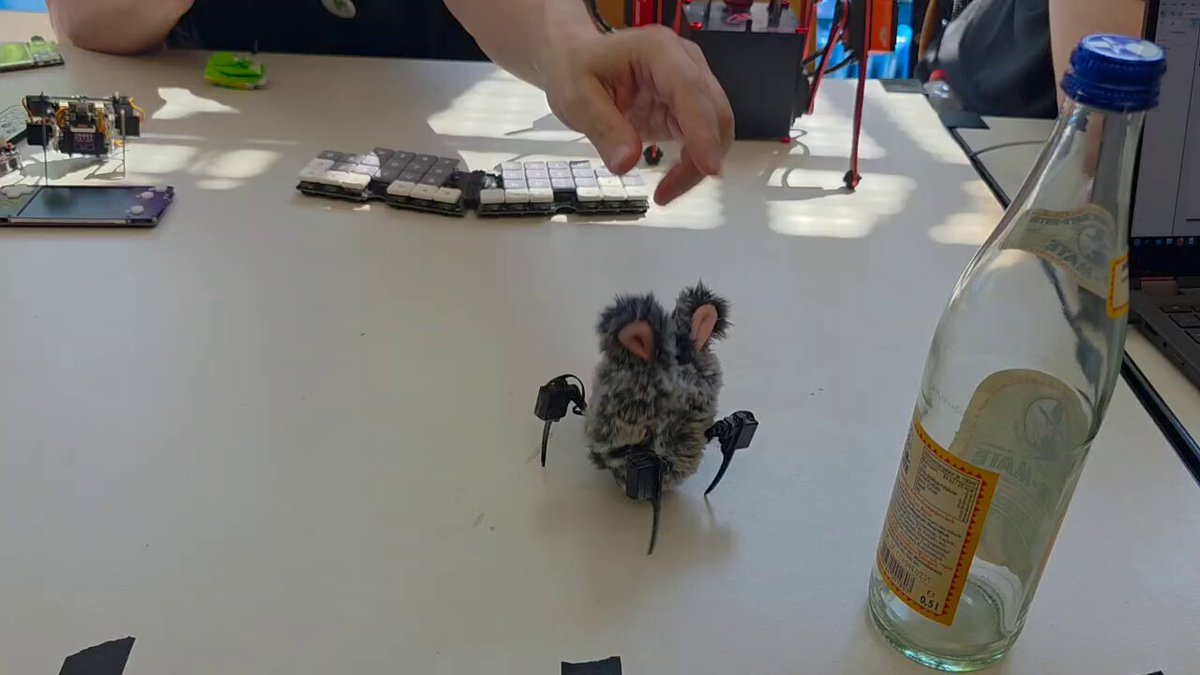
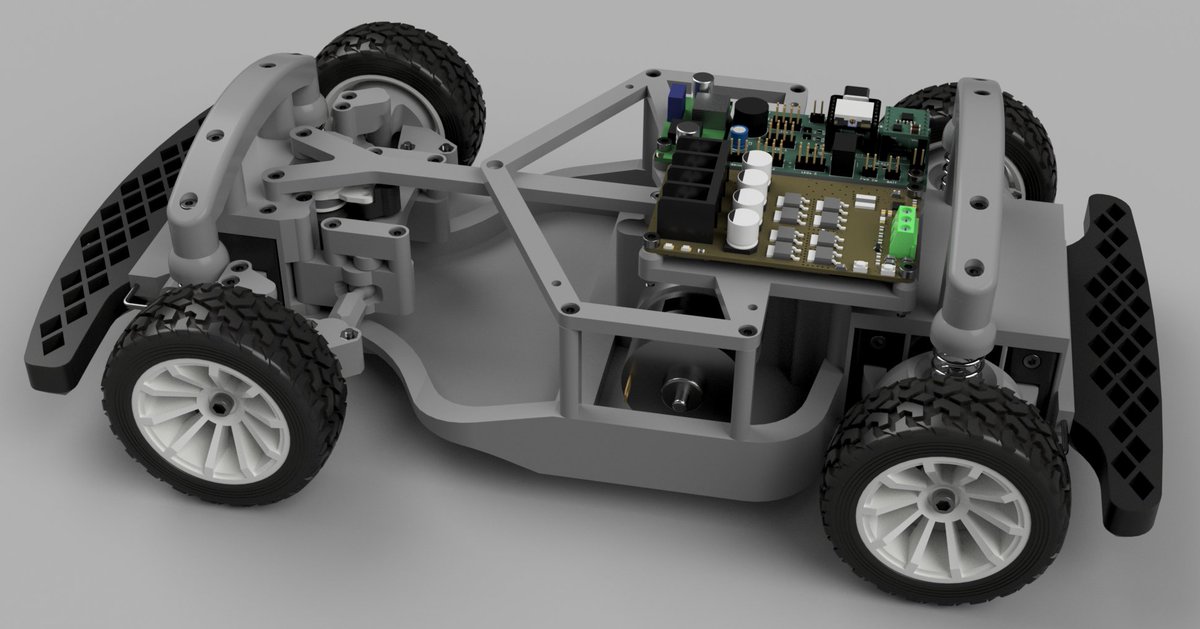
🚀NeoRacer V2 is open hardware
🚀New African Robotics Summit for 2026
🚀@NIST releases new humanoid benchmark
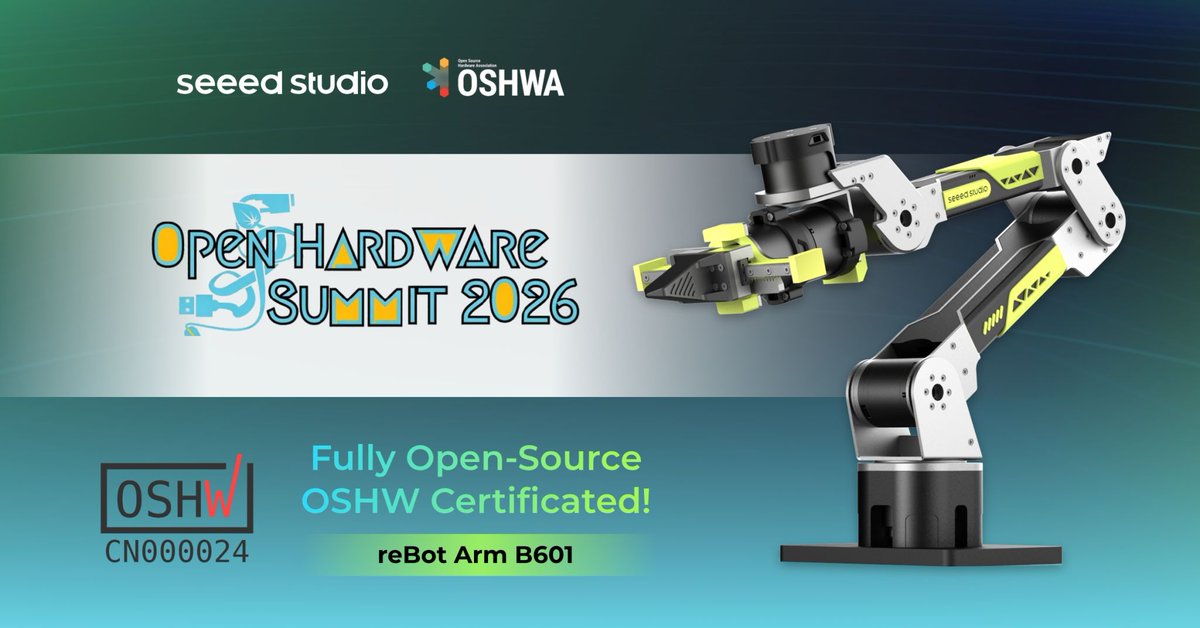
🚀OSHWA Open Hardware Summit Recap
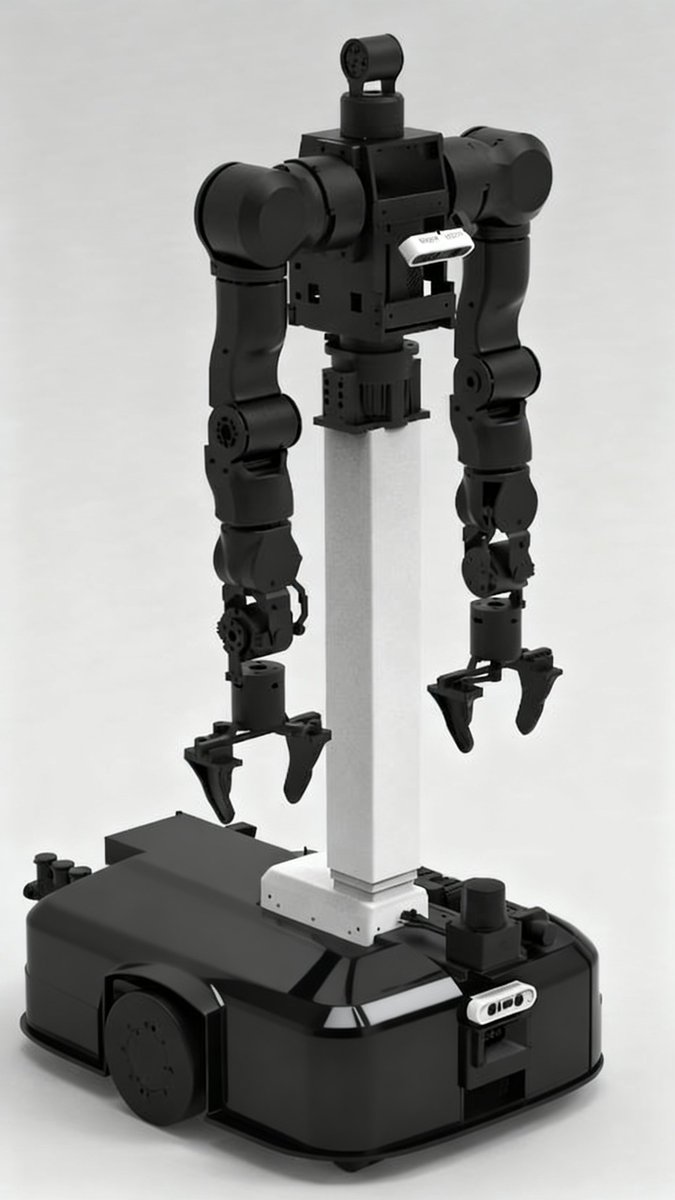
🚀@HelloRobot is ready for people's homes
🚀2026 Robotics Summit and Expo Recap
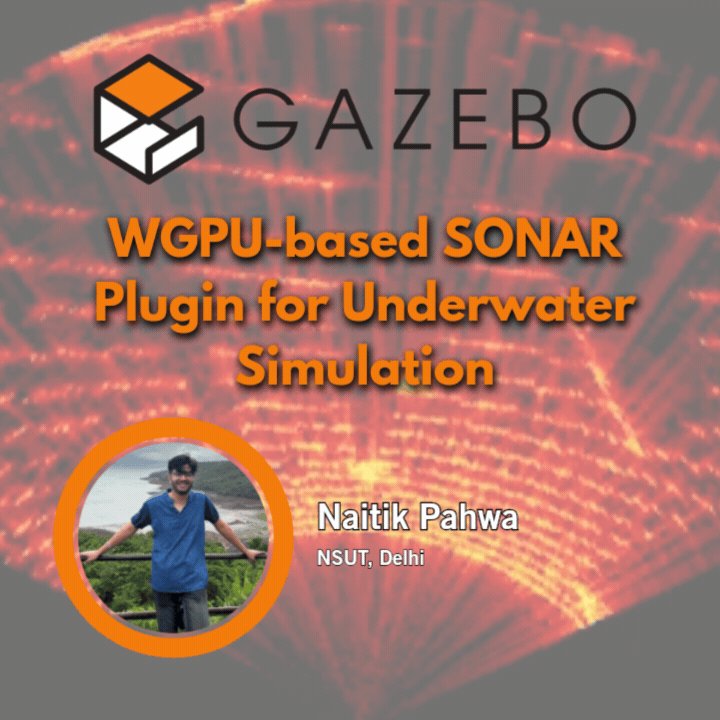
🚀Gazebo's gets a new rolling release
⬇️⬇️

1
5
14
636
🚀 New @FANUCAmerica ROS 2 drivers
🚀 A 2D LIDAR scan merging utility
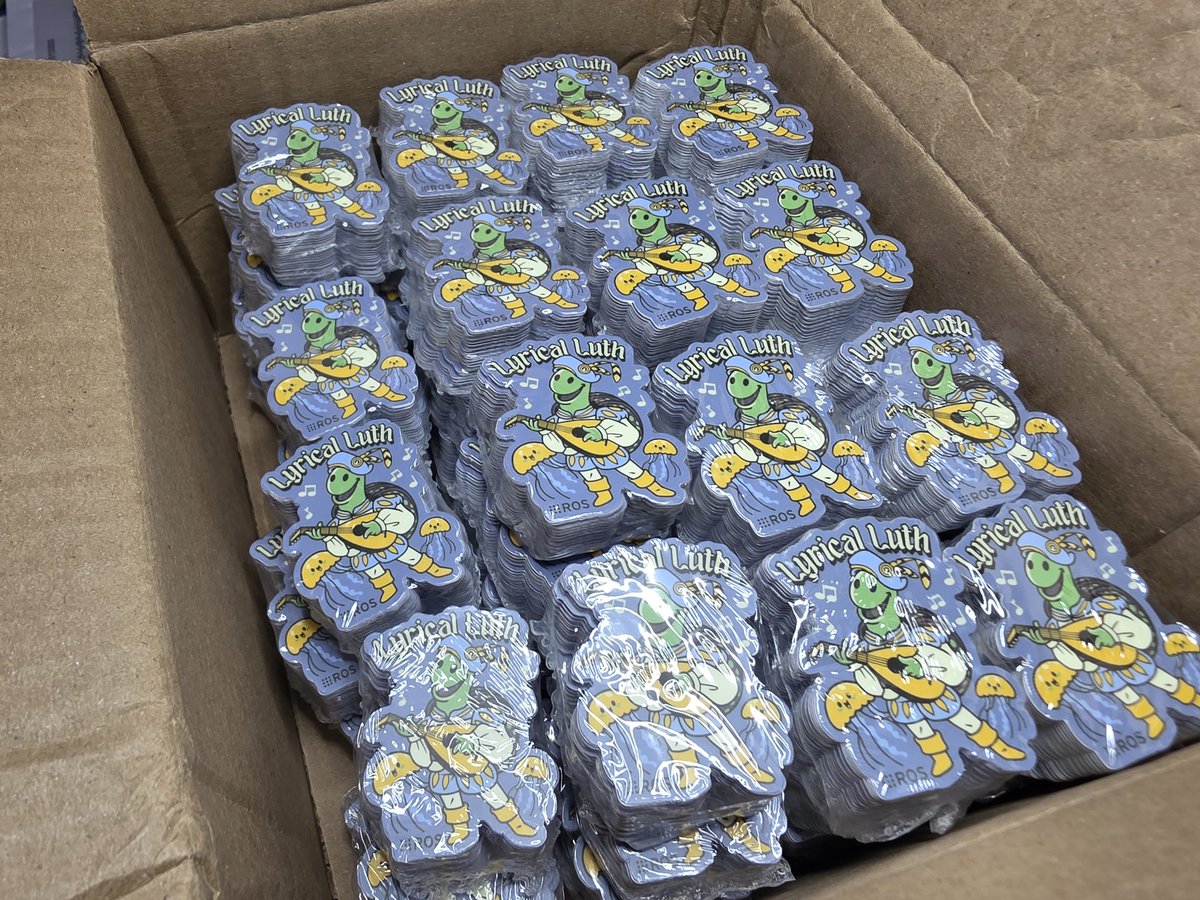
🚀 Updates for ROS 2 Lyrical Luth
🚀 Better Launch 1.6.0 released
🚀 New features for the @LeggedRobot quadruped
🚀 A whole lot more!
discourse.openrobotics.org/t…
2
6
836
Here is your #ROS and open source robotics news for the week of June 8th, 2026:
🚀ROS Meetup @AutomateShow
🚀ROSCon Global 2026 talk schedule released
🚀New ROSCon Italy this November in Bologna
🚀@opencvlive 5 drops: better, faster, more AI
🚀@NASA Space Robotics Challenge
⬇️⬇️
1
10
25
2,103

Another post @kamathsblog! In this blog, he published a detailed walkthrough on adding autonomous navigation to the @huggingface LeKiwi robot using Nav2 and ROS 2, visualized entirely through Foxglove. LeKiwi is an open-source holonomic platform, and this post covers the full stack from sensor prerequisites to sending navigation goals on a live map.
The implementation includes LiDAR angular filtering with laser_filters to remove a pan-tilt camera obstruction, SLAM-based mapping with slam_toolbox in async mode, and a choice between two localization methods: slam_toolbox's built-in pose graph localization or AMCL with a particle filter. For navigation, Aditya went with an MPPI controller configured for an omnidirectional base and a SMAC 2D planner. He also wrote a small twist_switch_node to toggle cleanly between teleop and Nav2 velocity commands via a controller button — a neat practical touch.
It's a good reference if you're setting up Nav2 on a non-differential drive platform.
Blog post: hubs.li/Q04lcrkk0
2
5
1,184

#ROSConJP2026 のスポンサー様一覧を更新しました。
たくさんのサポートをありがとうございます!
roscon.ros.org/jp/2026/#spon…
#rosjp #rosconjp #roscon #ros

8
15
3,802
Open Robotics retweeted

May 29
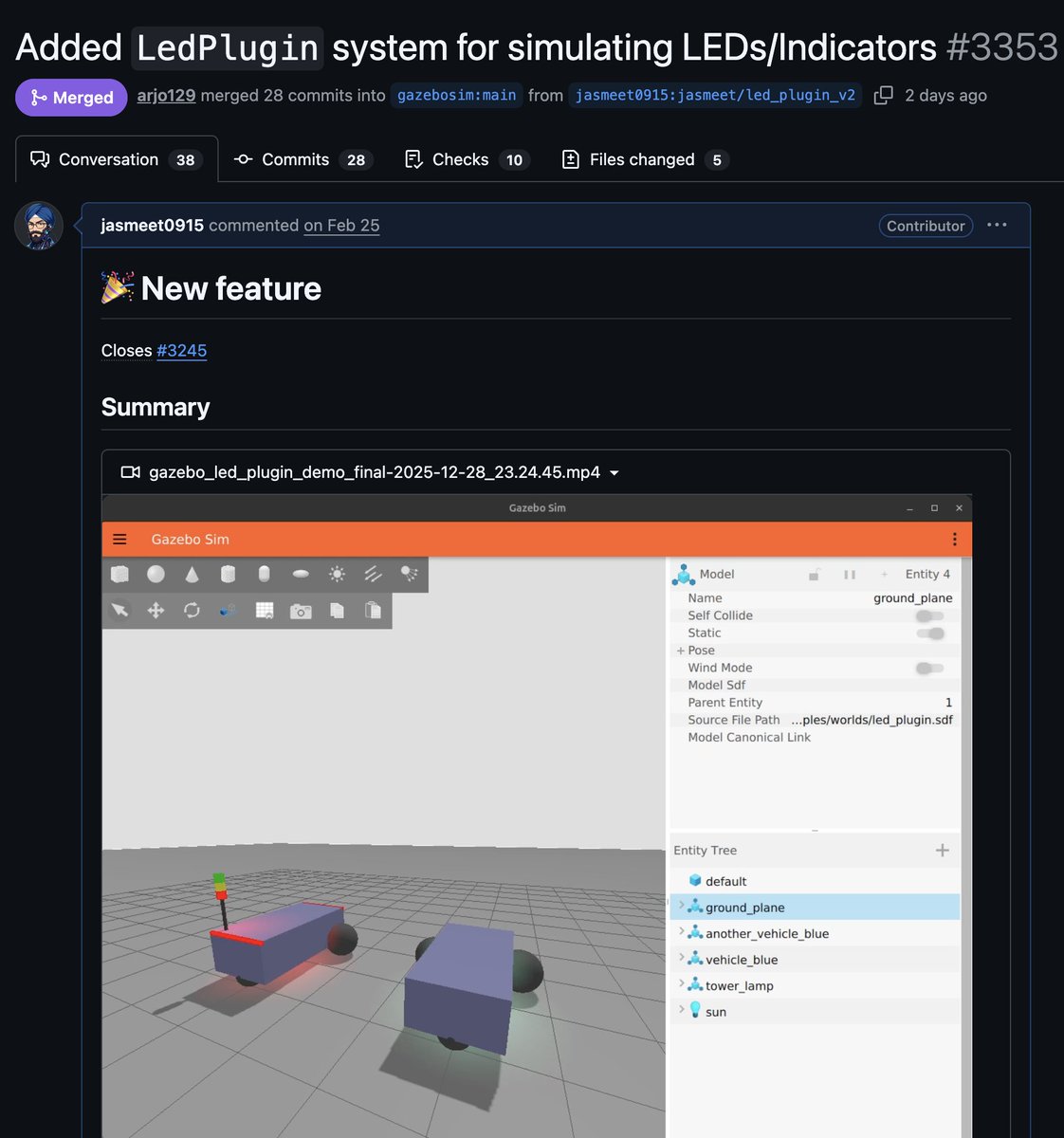
LED Plugin has been merged upstream in @GazeboSim!🎉
This plugin makes it possible to simulate configurable LED systems in Gazebo. Do give it a try.
1
3
6
753
/
📢 #ROSConJP2026 プログラム公開!
\
2件の基調講演・20件の講演・1件のパネルトークからなる、#ROSConJP2026 のプログラムを公開しました。
ROS三昧の2日間になりそうです!
roscon.ros.org/jp/2026/#prog…
#rosjp #rosconjp #roscon #ros
15
24
8,358
The @GazeboSim team is happy to announce a new rolling release code-named Gazebo Rotary.
Gazebo Rotary is built nightly from the bleeding edge of our repos and it is intended to be used a tool for core developers.
⚠️Rotary is not intended for production applications.
⬇️⬇️⬇️
1
3
13
1,611
To learn more about the new Rotary release and its intended usage please visit Open Robotics Discourse.
discourse.openrobotics.org/t…
2
667
Well, would you look at that!
fanucamerica.com/products/so…
3
23
1,849
Open Robotics retweeted
Jun 9
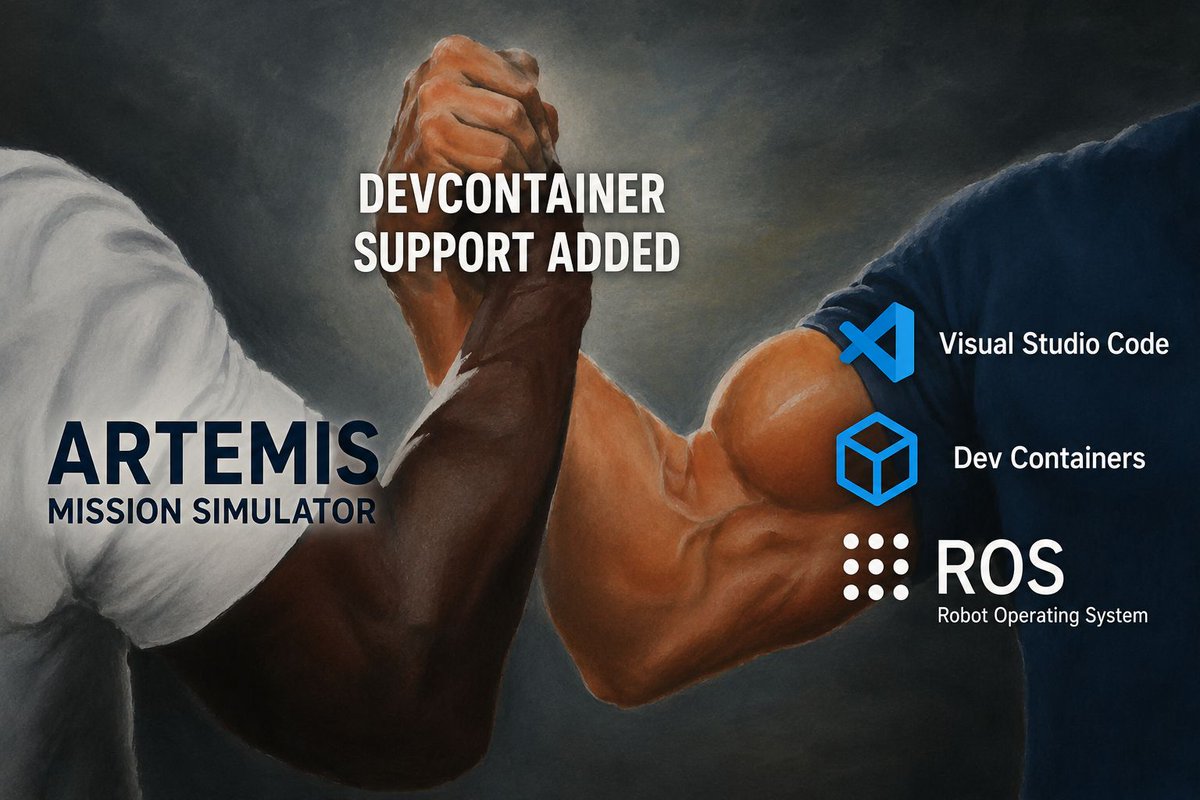
Just shipped @rosorg based devcontainer support for the Artemis Mission Simulator 🌕!
Check it out:
Merged PR: github.com/jasmeet0915/artem…
Repo: github.com/jasmeet0915/artem…
The project now supports 2 development workflows:
1️⃣ One-click setup with VSCode's devcontainers.
2️⃣ Manually build and run the docker dev container using the helper scripts.
3
8
894
Open Robotics retweeted

Jun 10
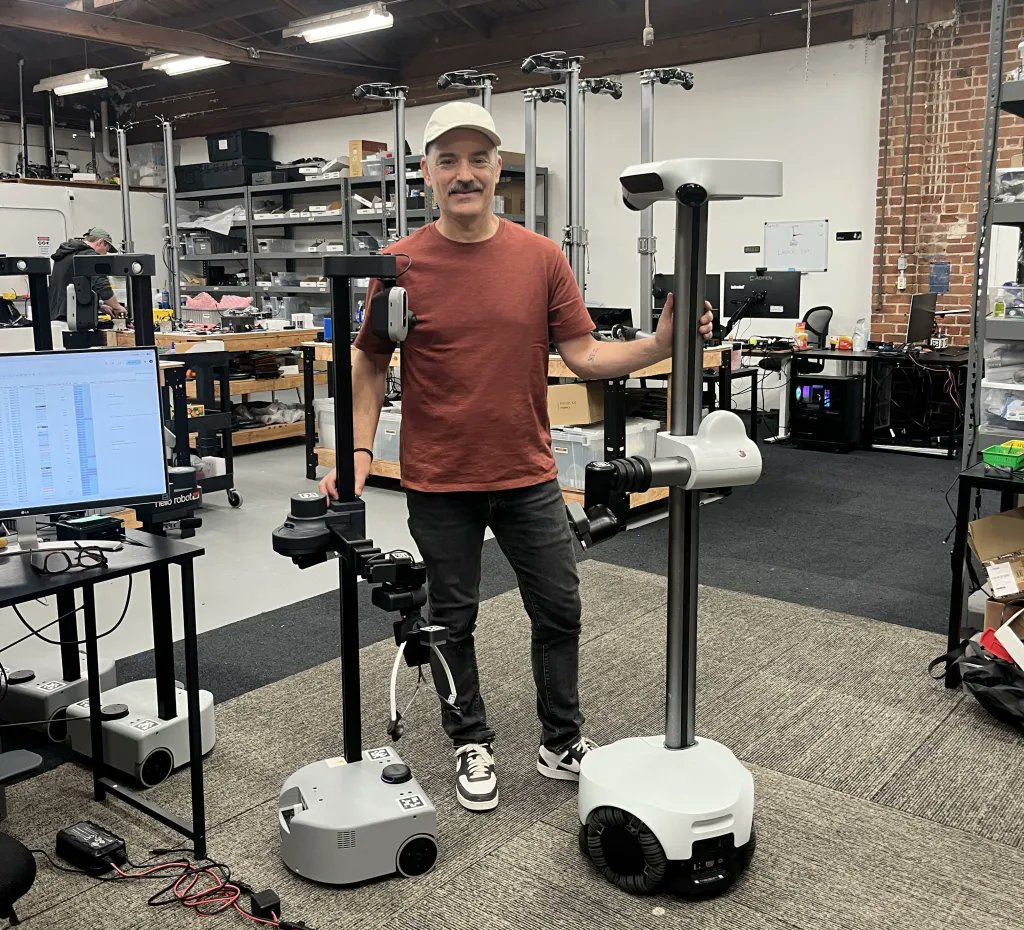
A big thank you to @TechCrunch for featuring Hello Robot and our mission to bring practical robotics into real homes. We're proud to be building technology that helps people maintain independence, dignity, and agency in their daily lives.
🔗techcrunch.com/2026/06/04/is…
1
2
20
2,165
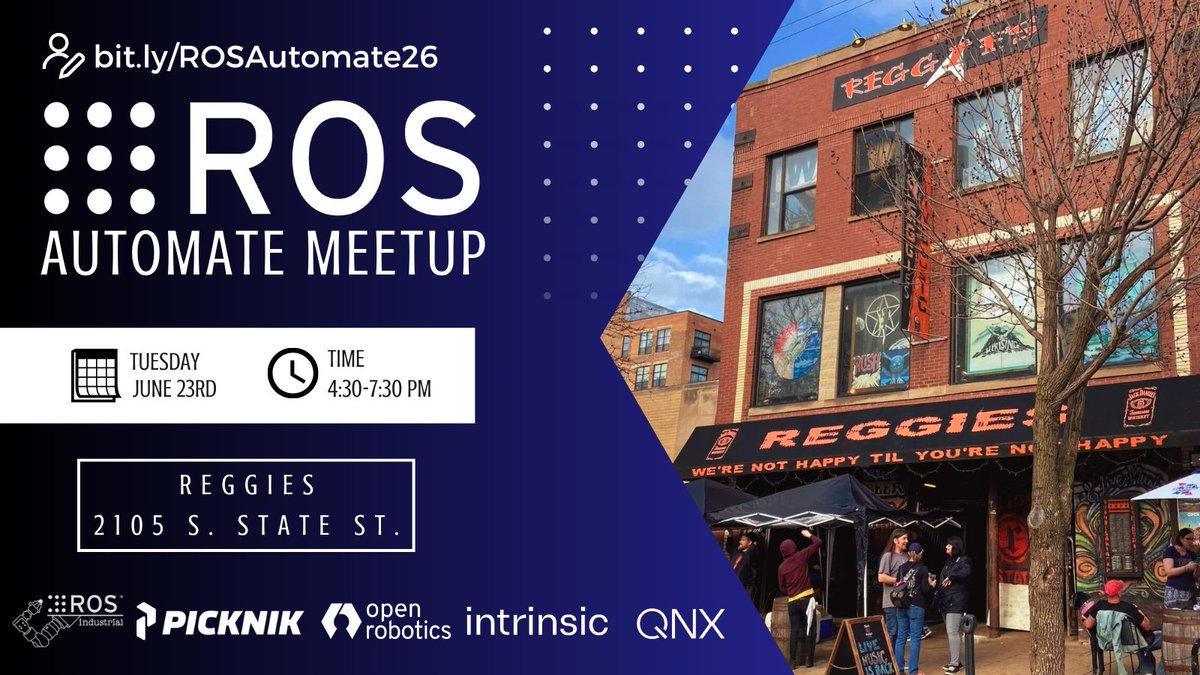
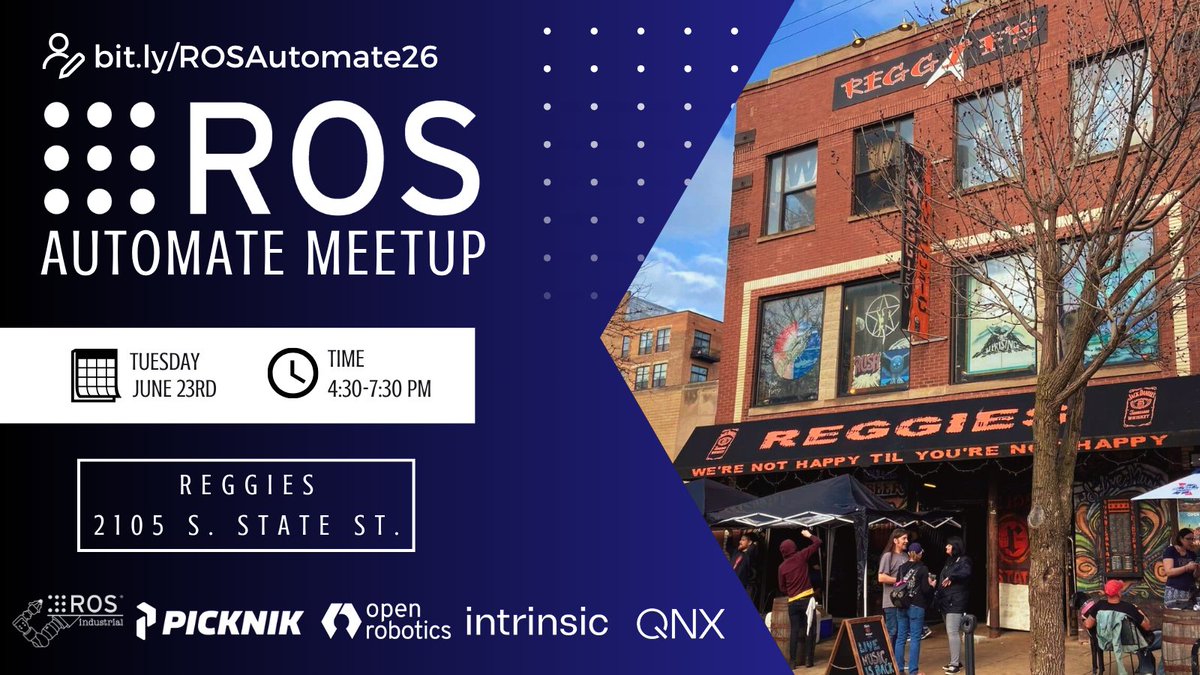
Are you heading to @AutomateShow in Chicago?
Want to learn more about how #ROS is being used in manufacturing?
Join us and our colleagues at @QNX_News @PickNikRobotics @IntrinsicAI and @ROSIndustrial for annual ROS meetup at Automate on June 23rd!
⬇️⬇️⬇️
1
1
6
1,113
Open Robotics retweeted

Jun 10
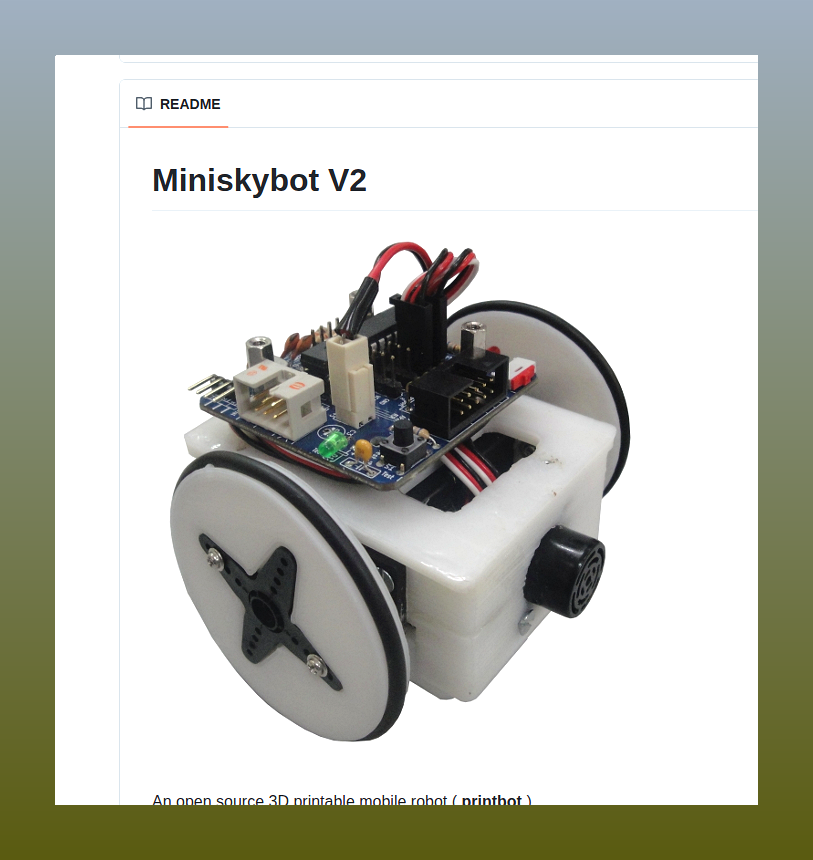
Compact open source 3D printable mobile robot
github.com/Obijuan/Miniskybo…
1
4
33
3,226
Open Robotics retweeted

Jun 10
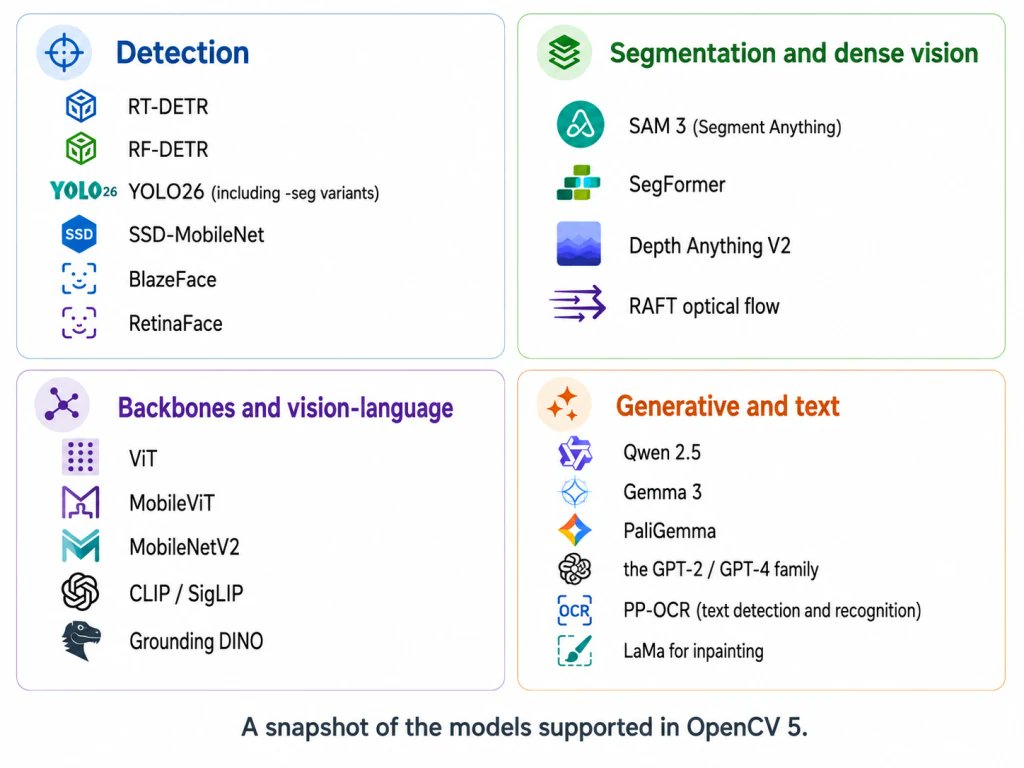
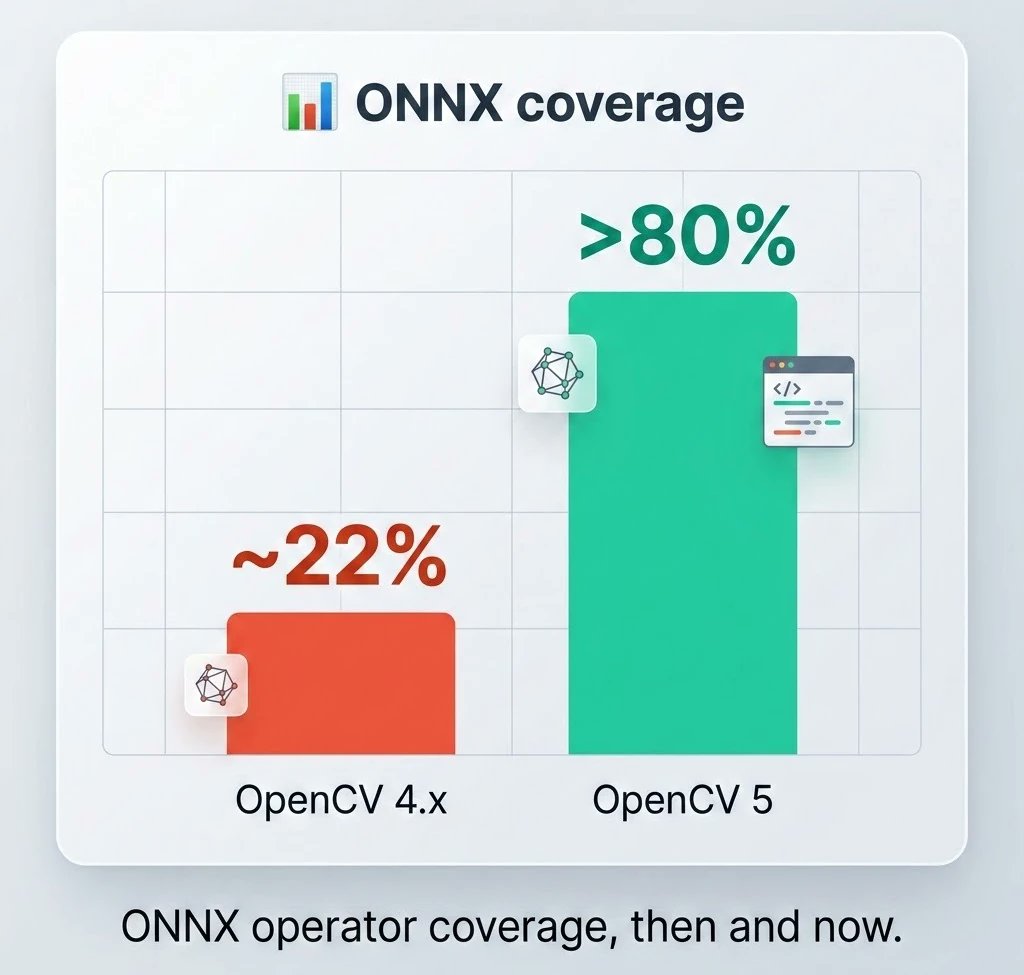
OpenCV 5 open-source computer vision library released
cnx-software.com/2026/06/10/…
The main change is the implementation of a new DNN engine with better ONNX coverage to enable a wider range of AI models for detection and segmentation, as well as vision language (VLM) and generative text (LLM) models. It runs on the CPU only for now, but GPU and non-CPU HAL support are being worked on.
Other changes include Core changes for new data types and performance optimization, improved 3D vision support, and revamped documentation.
1
14
94
4,360
Open Robotics retweeted

Jun 10
We at b»robotized just love Gaussian Splats! That is why we were super thrilled when we read that someone made a plugin for displaying splats in Rviz. So we had to try it right away!
Video: Our #AID4SME project in Isaac Sim & Rviz, both showing the GS of the lab
3
3
15
1,734


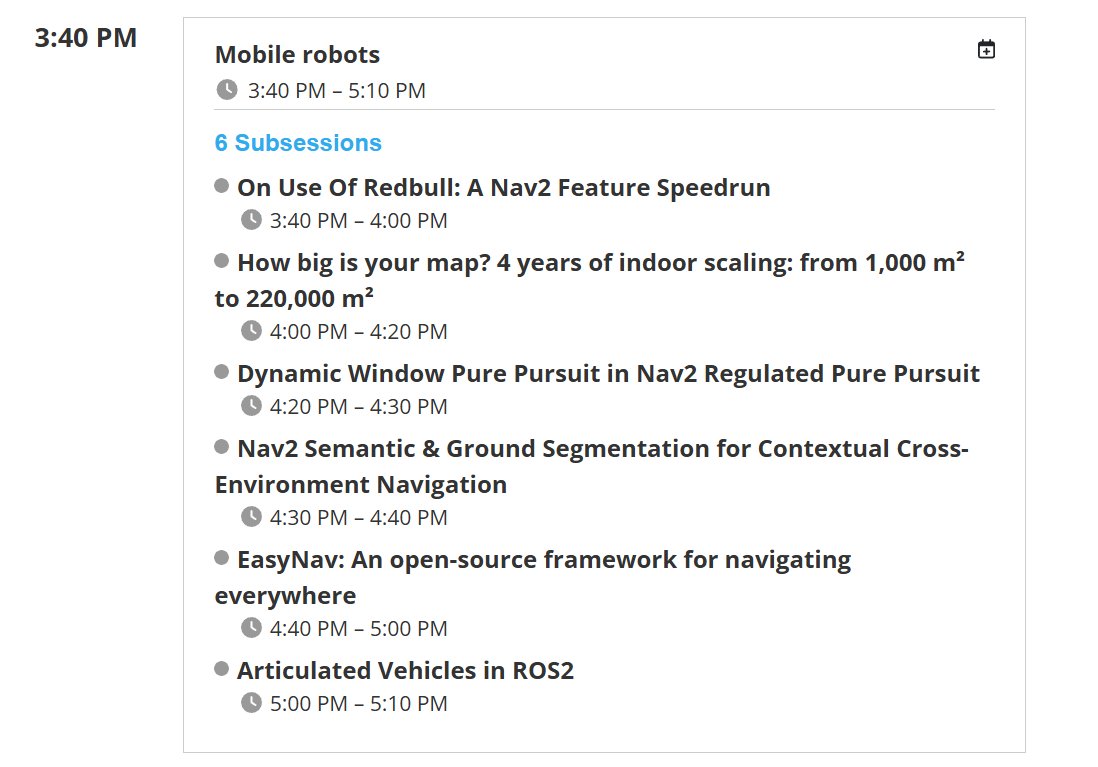
ROSCon Globalに2件採択されました🙌🙌(採択率24%!)
- Dynamic Window Pure Pursuit in Nav2 Regulated Pure Pursuit
DWPP含むNav2 RPP controllerの各手法の特徴を説明します
- ros2log new CLI and rcl_logging_implementation for Lyrical Luth
ROS Japan dev会議で藤田さんと取り組んだ内容です
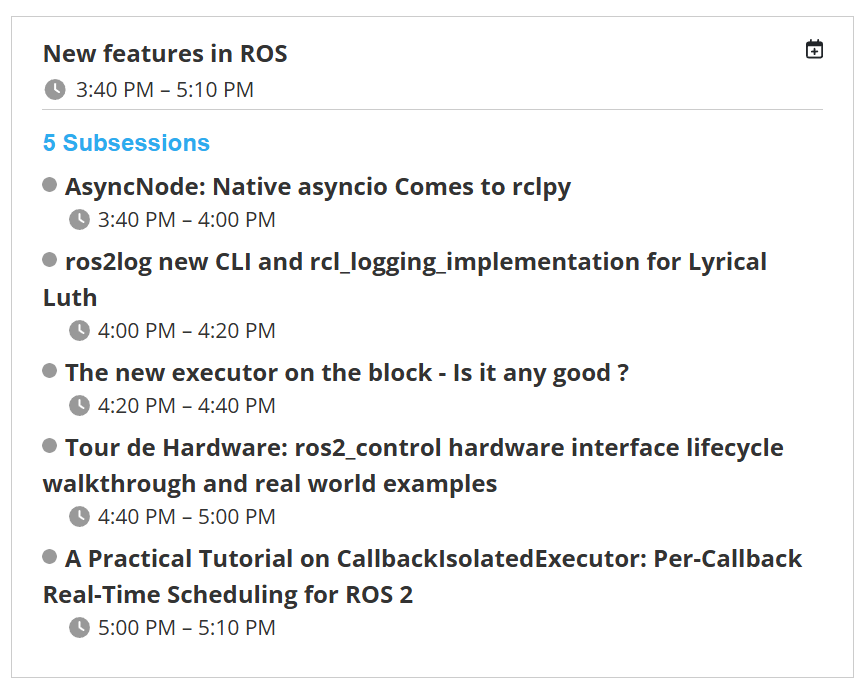

🎉 The full speaker schedule for ROSCon Global 2026 has been released!
Join us this September in Toronto to discover the latest innovations in open source robotics and #ROS.
We have'll 10 amazing workshops, 3 lightning talk sessions, 10 BoF sessions, demos, and 52 talks.
⬇️⬇️
3
6
30
4,581
Open Robotics retweeted

Jun 10
🤖 ✨ Following up on my earlier post on my 'Home Robot' with reactive obstacle avoidance navigation nearly a month ago, I am super excited to share my next technical milestone: proactive voice vision navigation assistant, integrated and all running on-device.
Goal: Autonomous home assistant 🤖 (say Alexa on wheels 😉)
Capabilities:
- Completely vision based (the only sensor is an RGB-D camera). Maps the whole area and stores landmarks used for navigation.
- Hands-free conversation: wake-word activation, then continuous follow-up dialogue with short-term memory; auto-sleep on silence. Voice-commanded autonomous navigation to landmarks.
- Multimodal scene understanding: "what do you see?" answered by an on-device VLM from the camera feed
- Real-time object detection via YOLOv8n
Tech Stack / Tools (100% on-device):
Master controller: @NVIDIAAI Jetson Orin Nano Super
Chassis: Waveshare wave rover 4WD
Audio: ReSpeaker XVF-3000 mic array (AEC/beamforming), Piper TTS
Speech: openWakeWord whisper.cpp (CUDA / GPU accelerated)
Language/Vision: @GoogleAI Gemma 4 E2B multimodal via llama.cpp (GPU accelerated)
Perception: YOLOv8n on TensorRT (GPU accelerated)
Autonomy: @OpenRoboticsOrg ROS2 Humble, Nav2 (Planner: Smac Hybrid, Controller: RPP), RTAB-MAP VSLAM (EKF fused RTAB-MAP's visual odometry with dead-reckoning odometry)
Peak memory: ~6.7GB / 8GB with the full stack live
Key engineering takeaways:
- NVIDIA developer forums are great, they helped me solve a lot of issues really fast.
- It took me a while to figure out the right VLSAM approach for my vision based sensor. The learnings here have been immense RTAB-Map for RGB-D camera, SLAM Toolbox for LiDAR based nav, CuVSLAM for Stereo camera
- On constrained edge hardware, the system-level bottleneck is memory and GPU contention, not model quality. Right-sizing the models (2B over 4B, small over medium STT) was what made concurrent operation stable.
- A tiered runtime: a lightweight always-on tier an on-demand navigation tier, was essential to verify everything fit in 8GB.
- The bulk of the engineering effort was robustness: surviving audio glitches, boot-time race conditions, and resource pressure, not adding capabilities.
Here's 🥂 to my technical PoC: a robot that sees, hears, reasons, and moves, with nothing leaving the device.

1
2
37
6,028