Enabling optimal expression of individual, social, and institutional potential #flourishing #strengths #capability #inclusive #ageing #intergenerational #mplus
Joined December 2010
- Tweets 5,227
- Following 236
- Followers 469
- Likes 173
896 Photos and videos
Optentia retweeted
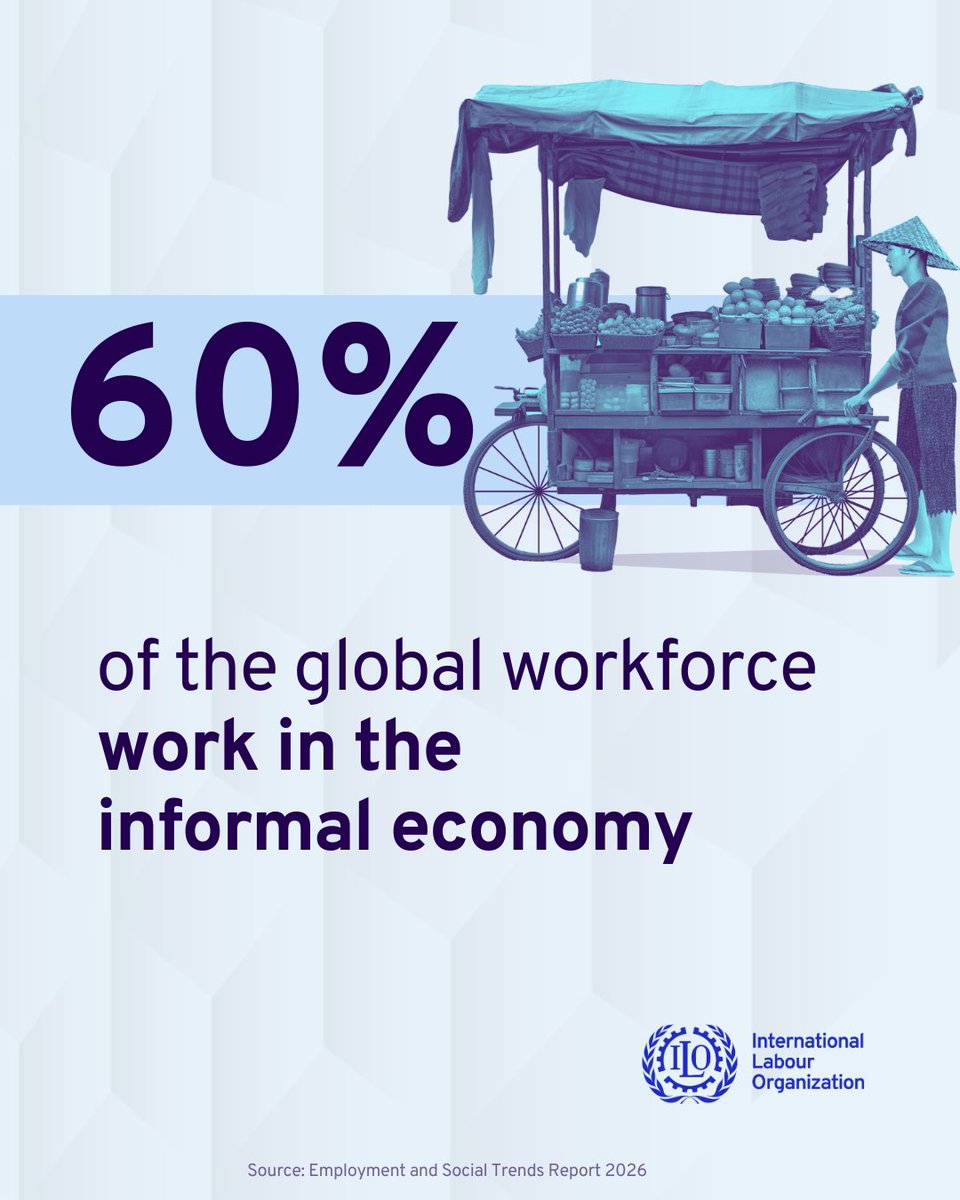
⚠️Informal work continues to dominate global employment.
By 2026, around 2.1 billion workers are projected to be informally employed, often with limited access to social protection, rights at work, workplace safety and job security.
Full report ➡️ ilo.org/est2026
5
31
69
3,149
Optentia retweeted

Jan 12
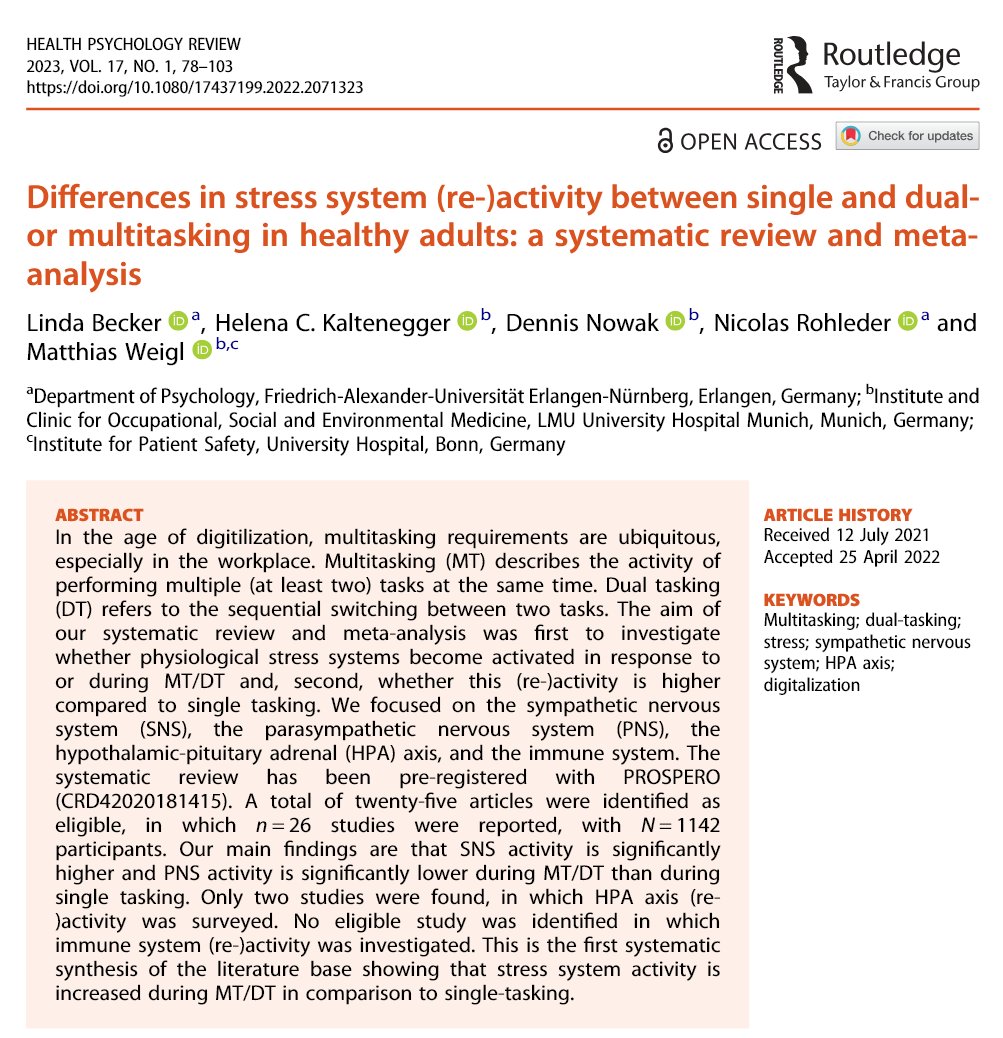
Multitasking isn't just unproductive—it's stressful too.
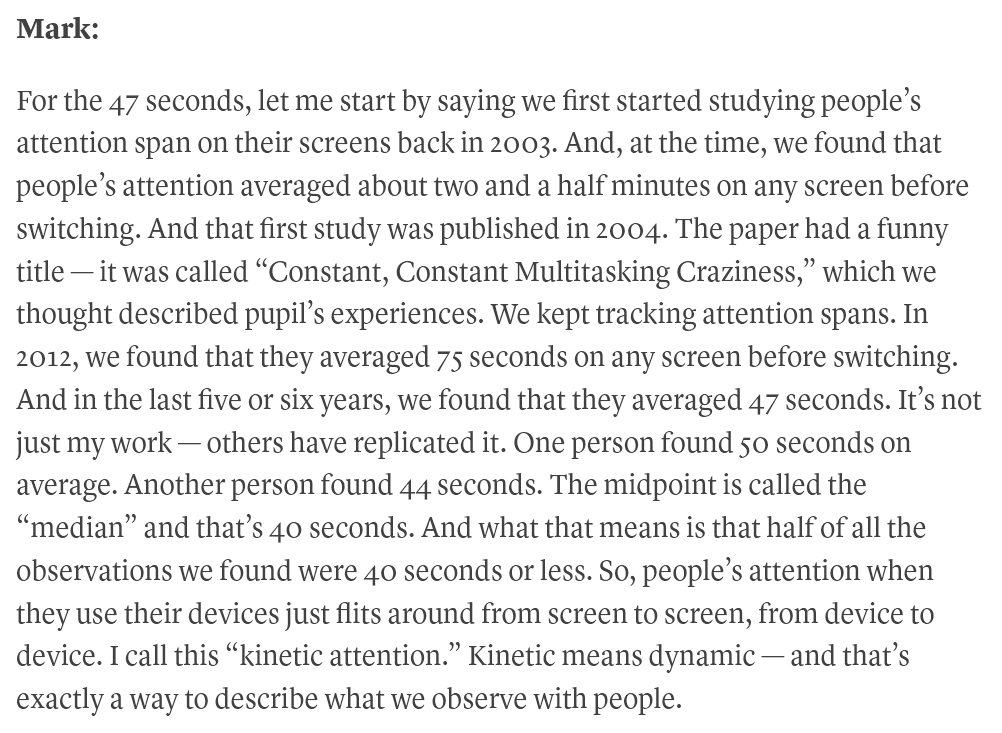
Average attention on a screen has fallen from 2.5min in 2004 to 75sec in 2012 to 47sec today. Rapid switching puts our nervous systems on alert.
The best way to keep calm and carry on is to focus on one thing at a time.
63
457
1,754
186,871
Optentia retweeted
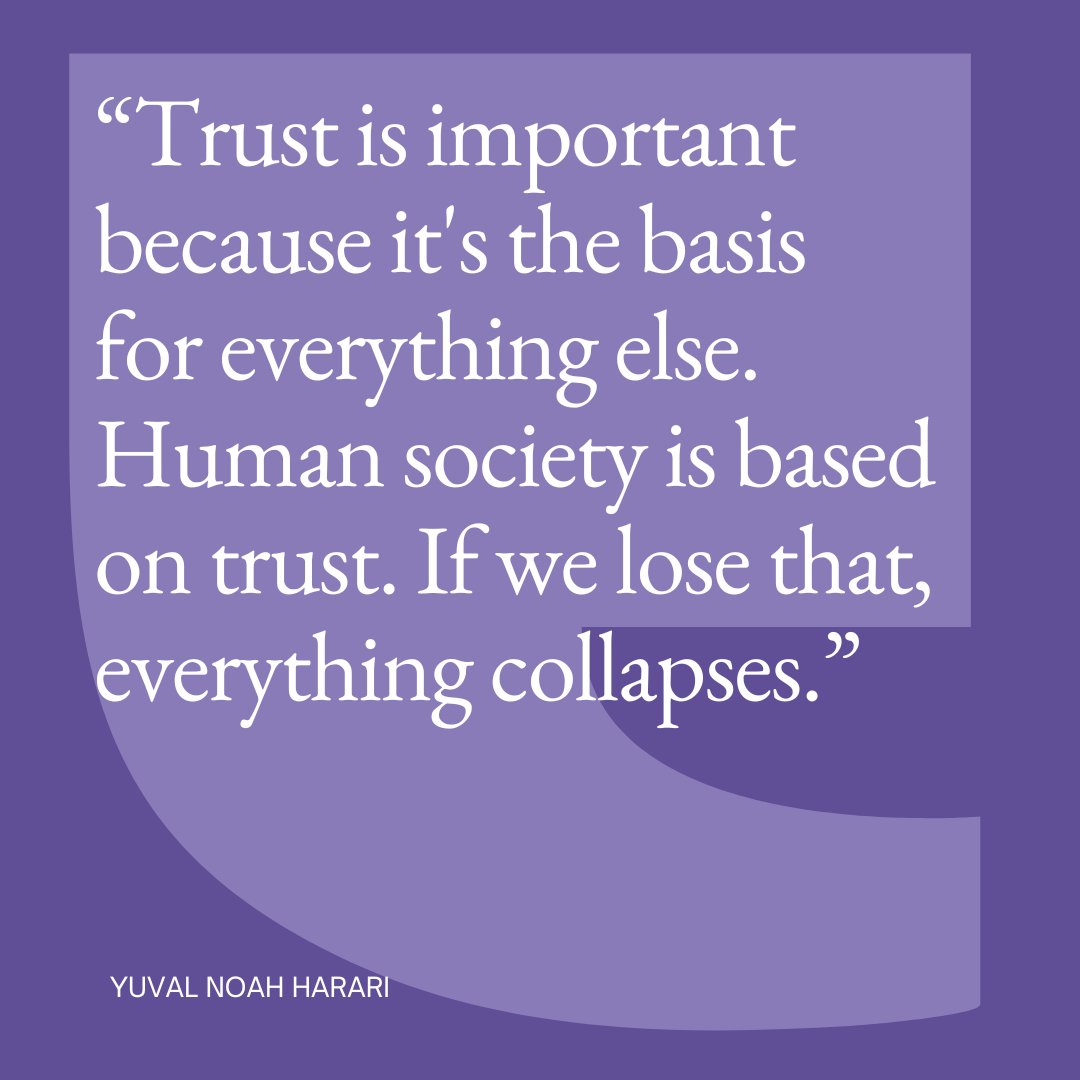
Trust is important for society to function – and it starts on an individual level. When interacting with somebody, start with a charitable position; don't immediately jump to the worst possible interpretation.
70
213
853
59,540
Optentia retweeted
27 Dec 2025
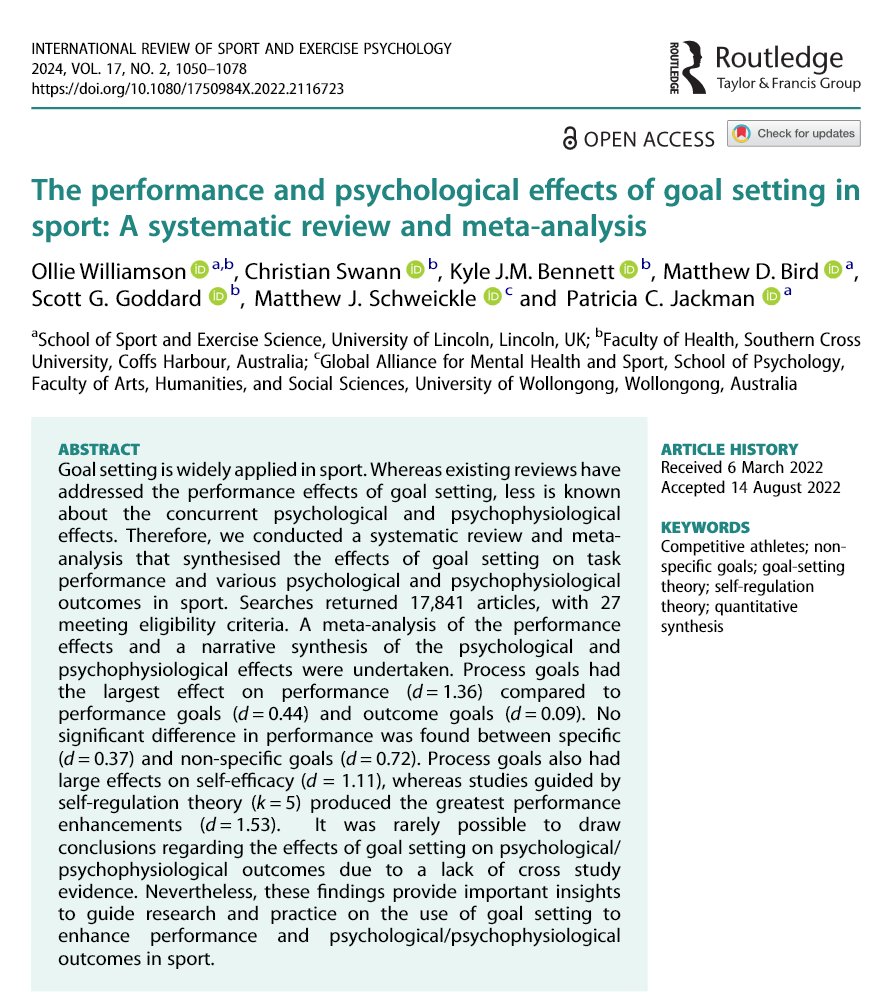
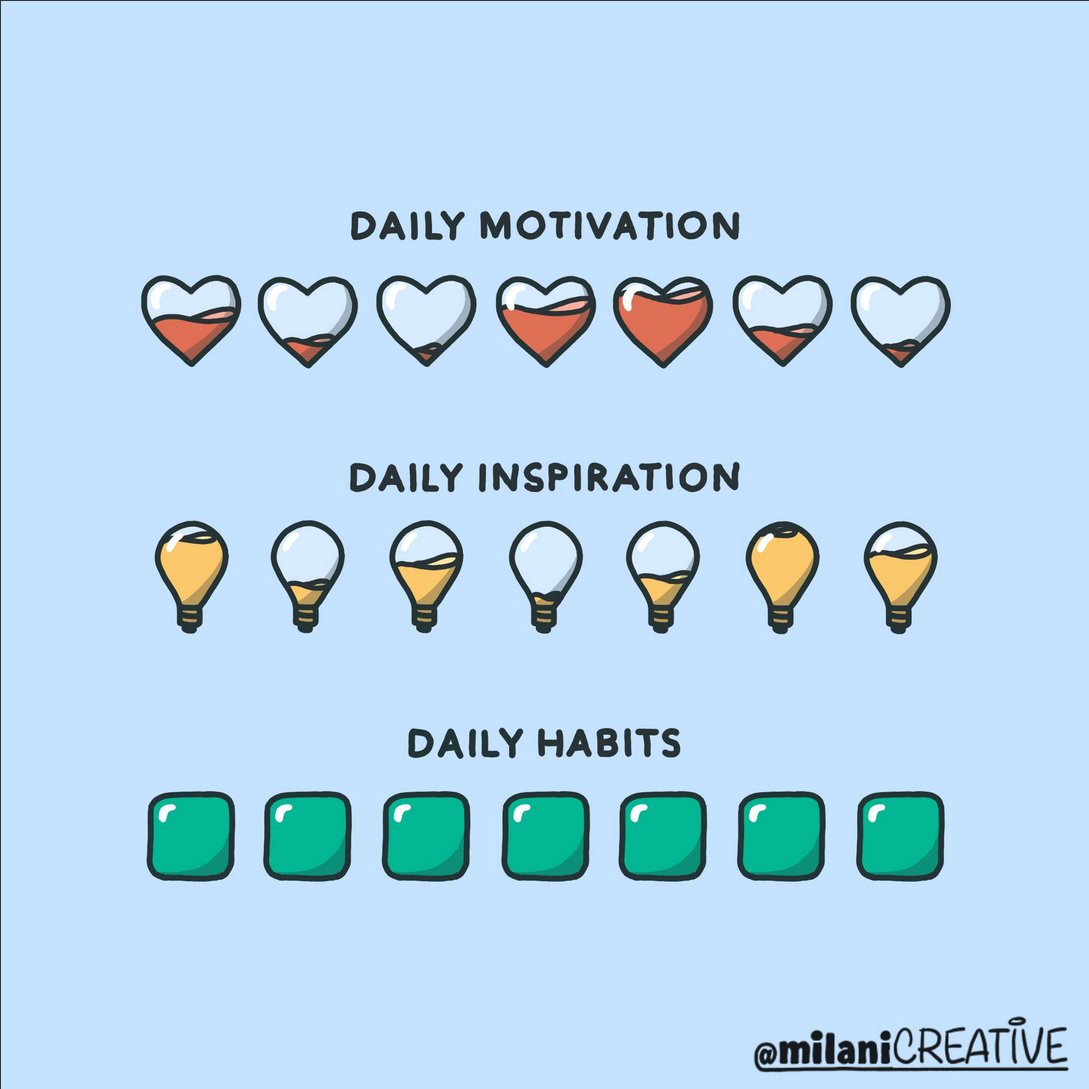
The best way to improve is not to focus on results. It’s to focus on habits.
27 studies: Behavior change goals are 3x more effective than outcome goals in boosting performance. Growth depends on altering the actions we can control.
A key to progress is concentrating on process.
106
1,093
5,934
433,543

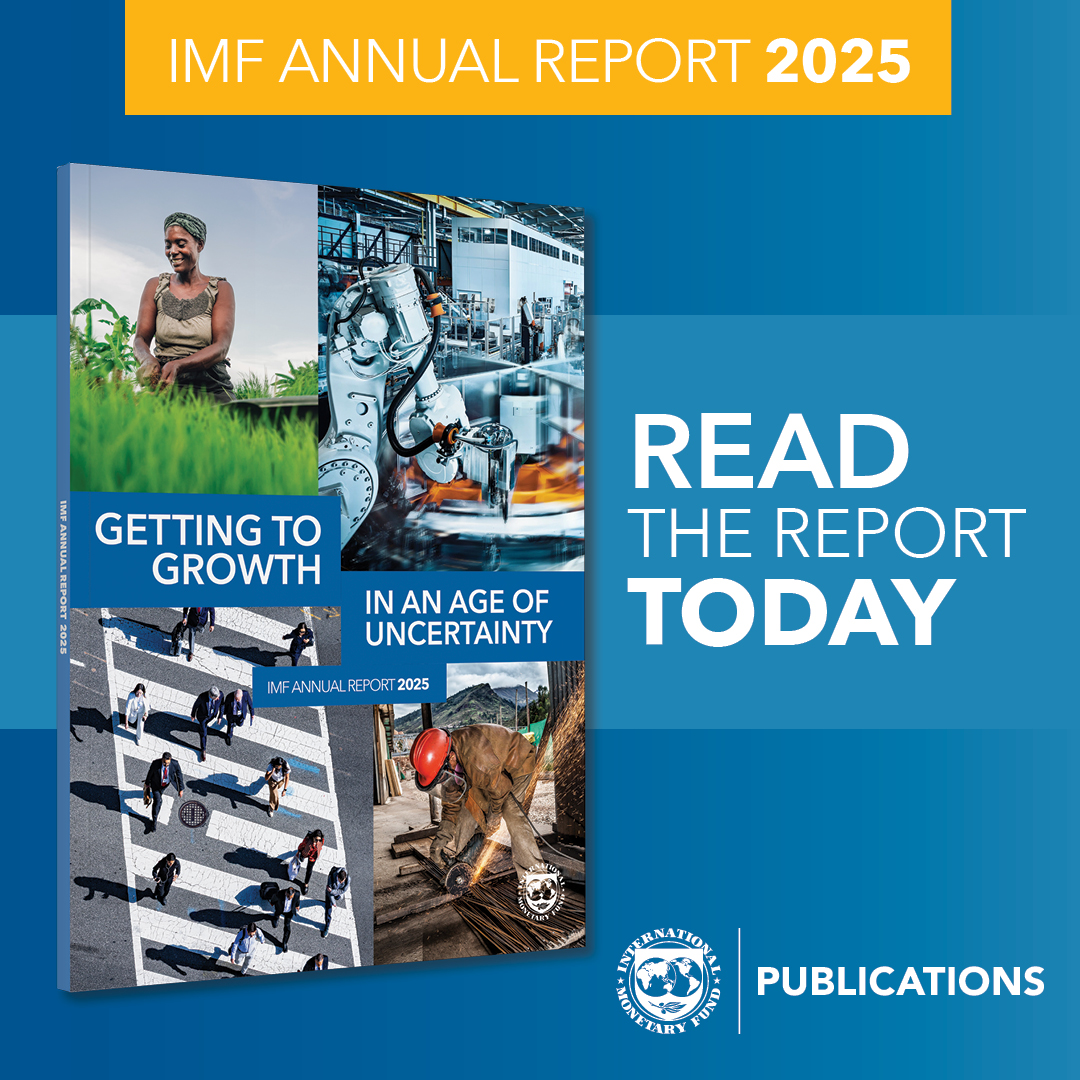
Policymakers everywhere face the same challenge: how to turn uncertainty into opportunity. The IMF Annual Report 2025 looks at how countries are strengthening resilience, restoring stability, and laying the groundwork for durable growth. 🔗 IMF.org/AR2025
6
33
84
14,911

RT @sapinker: Mosul restored, new MS therapy, ozone hole shrinking, child mortality still declining, new antibiotics, fewer girls aborted,…
73
Optentia retweeted

22 Dec 2025
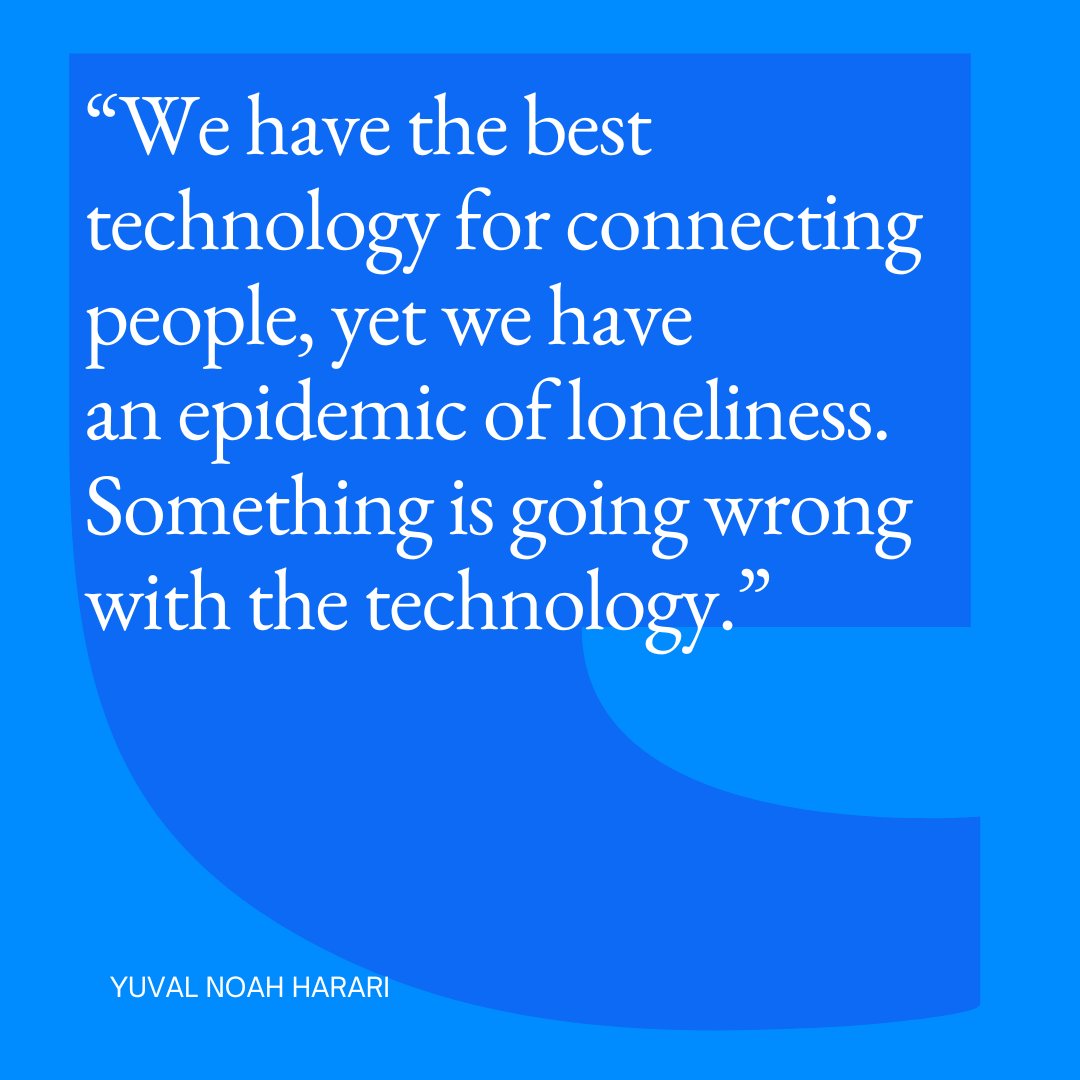
Technologies help us say unimportant things to people we don't care about – but often make it more difficult to say the really important things to the people we most care about.
93
234
939
58,455
Optentia retweeted

18 Dec 2025
🔍 Work Wellbeing Playbook 2.0 turns rigorous, peer-reviewed science into an accessible resource that speaks directly to the challenges people leaders face today.
Read more👇
worldwellbeingmovement.org/n…
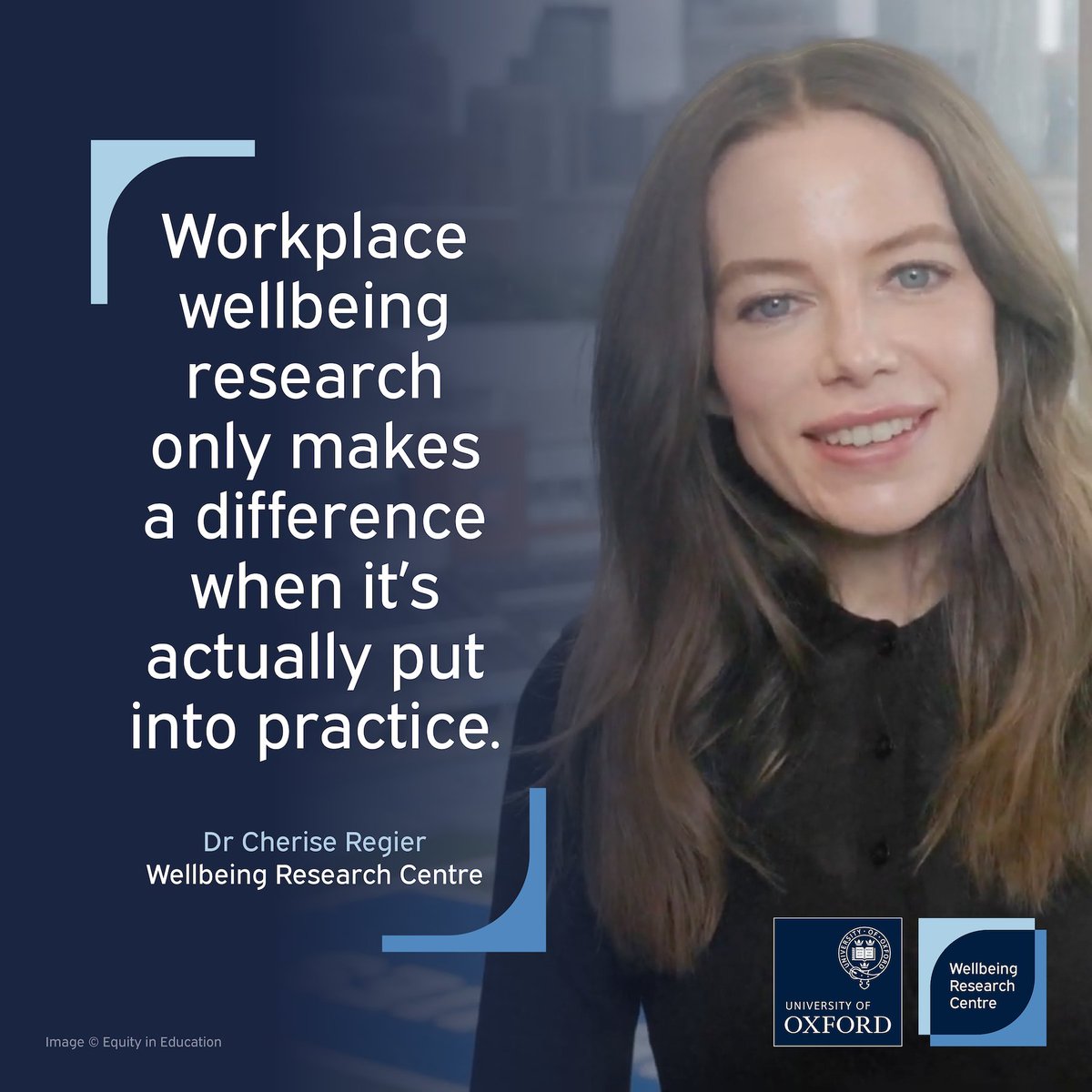
ALT Image of Cherise Regier of the Wellbeing Research Centre at the University of Oxford, alongside the quote: “Workplace wellbeing research only makes a difference when it’s actually put into practice.”
1
3
206
Optentia retweeted
18 Dec 2025
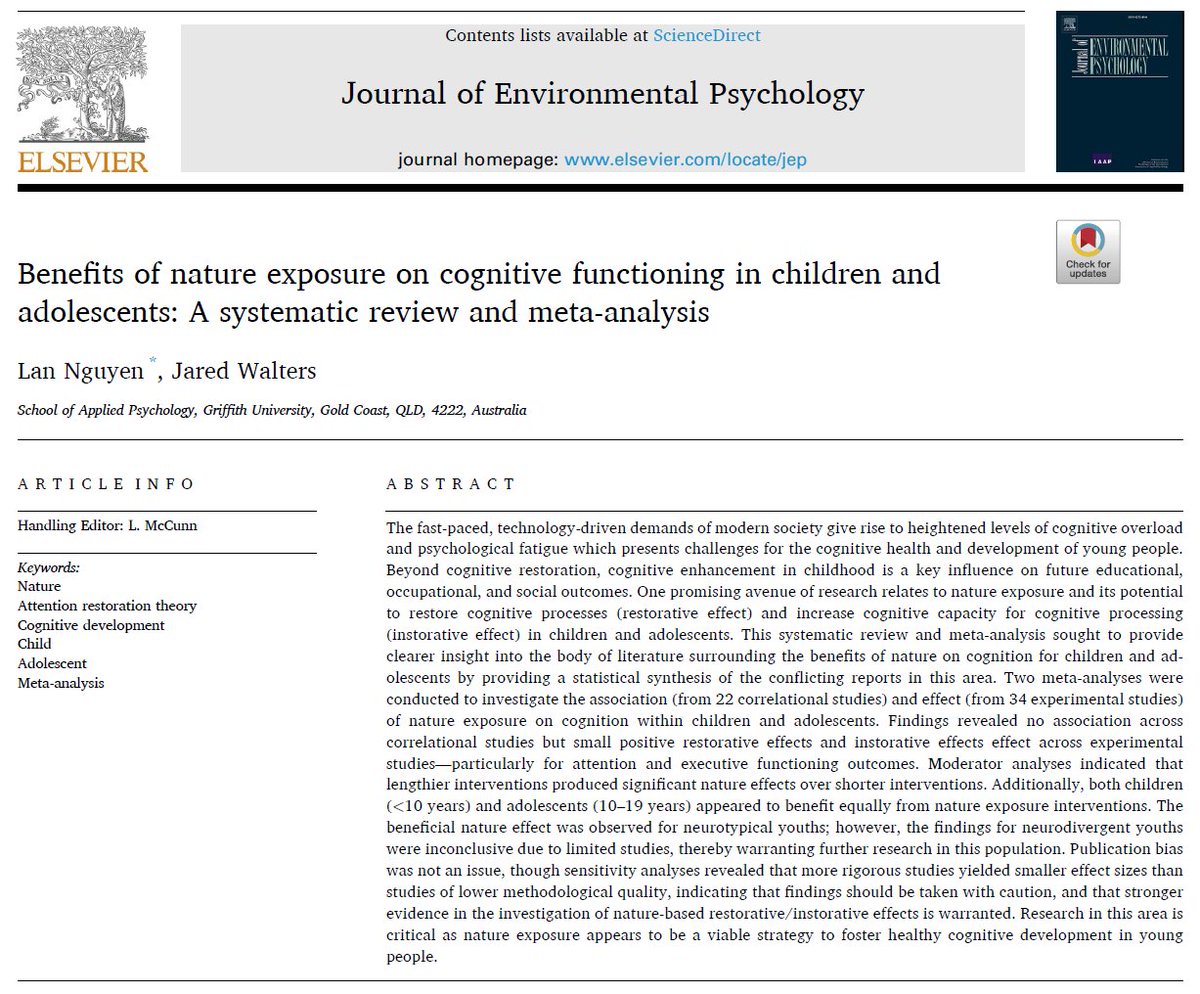
Being in nature reduces fatigue and boosts attention.
34 experiments: After walking, playing, and learning in parks, forests, or water, kids & teens show better focus and self-control.
Not all outdoor time is equal. Green and blue spaces are more refreshing than urban settings.
72
874
3,793
153,871
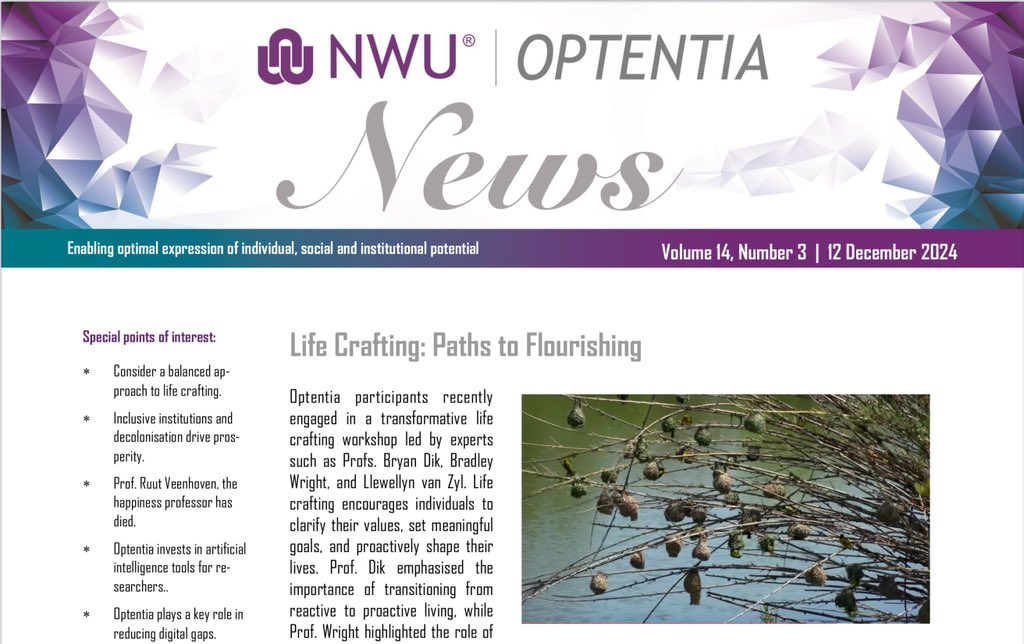
Optentia News | 12 December 2025
The December 2025 issue of Optentia News is now available.
This edition shares recent work, reflections, and developments from Optentia, with a focus on research, people, and impact.
You can read it here:
tinyurl.com/whad37px
1
1
236
Optentia retweeted
2 Dec 2025
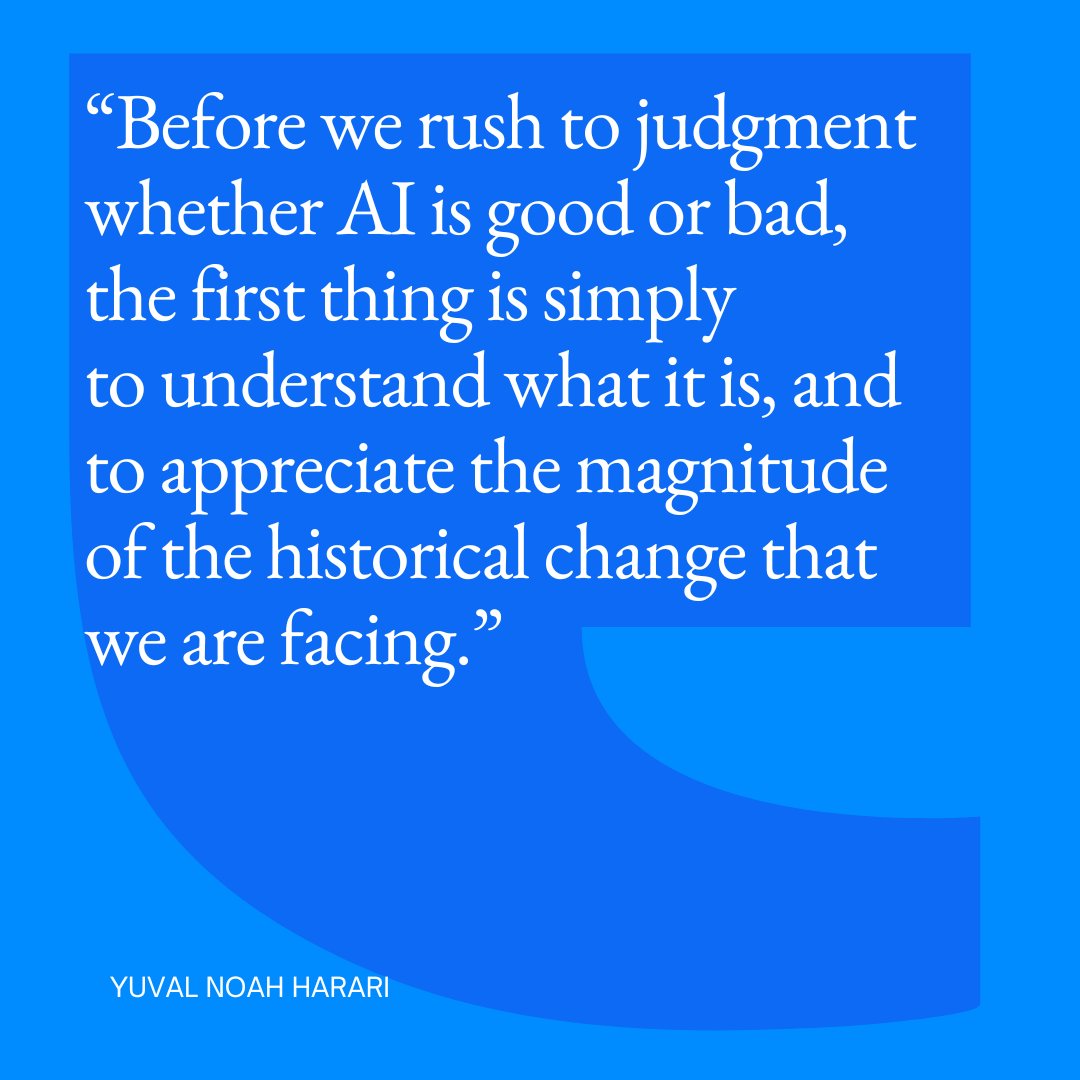
Whether pessimists or optimists, we can all agree that AI will fundamentally change how we live: whether it's how we study and work, our leisure and hobbies, how we form friendships and relationships – or ultimately just how we communicate with each other.
61
126
665
36,859
Optentia retweeted
2 Dec 2025
The best way to gain job security is not being the most knowledgeable person in the room. It's being the most reliable person in the room.
Information is abundant. Dependability, helpfulness, and responsiveness are relatively scarce.
We count on people who consistently deliver.
151
815
4,883
278,916
Optentia retweeted

31 Oct 2025
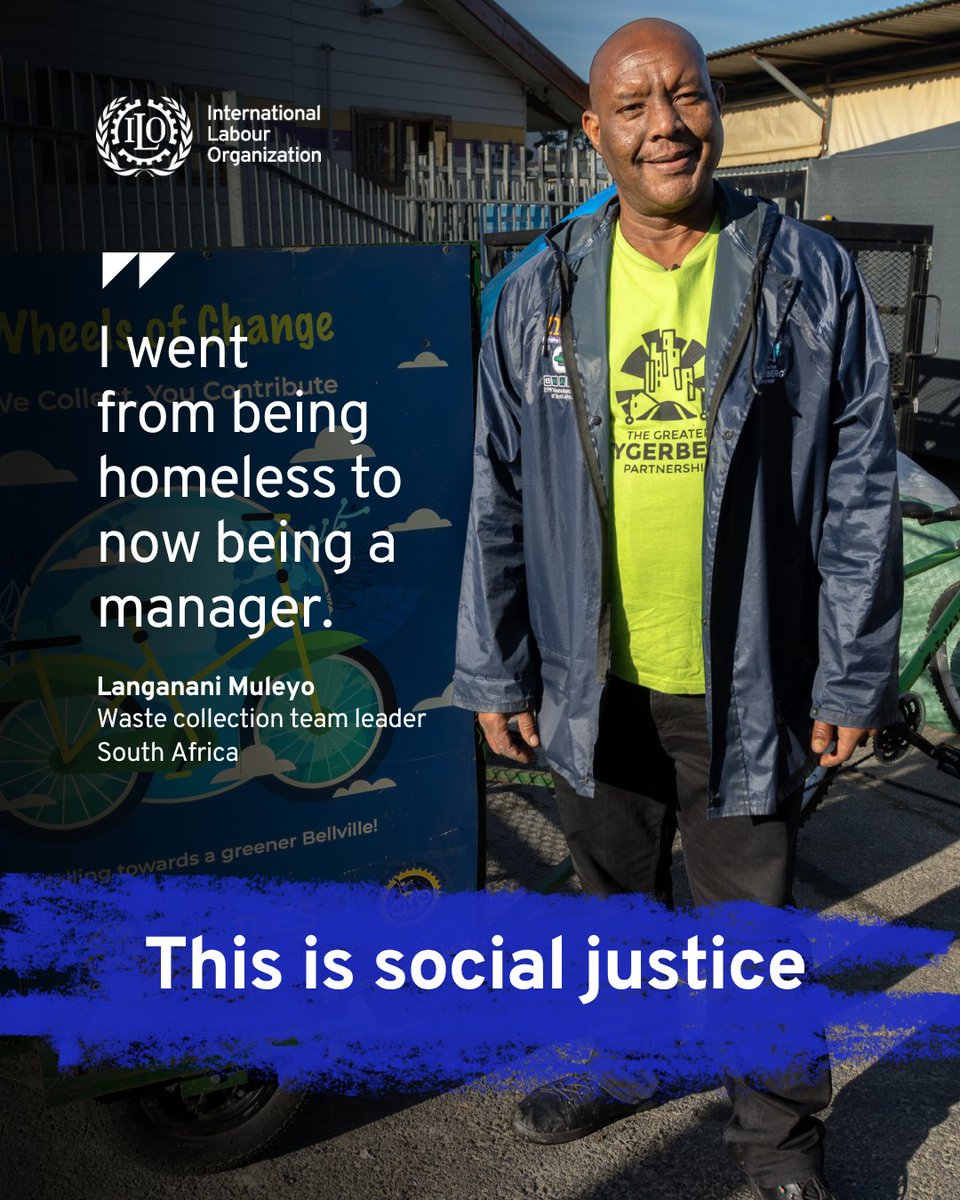
Langanani moved from informal waste picking to a contracted job managing a buy-back centre.
Security, benefits, a team—and a path forward.
#ThisIsSocialJustice
2
12
26
1,289
Optentia retweeted
25 Oct 2025
“I don’t just have a job, I have a voice.”
Jani found her power in the union, defending rights and dignity at work.
Ensuring everyone’s rights — #ThisIsSocialJustice.
Another story from our new campaign, this time from Brazil. 👇
3
11
1,042
Optentia retweeted
24 Oct 2025
⚠️Two billion people work in the informal economy, one of the biggest obstacles to advancing #SocialJustice and #DecentWork.
Why does this matter for social development? Have a look 👇
#SocialSummit2025
5
24
37
2,169
Optentia retweeted

25 Sep 2025
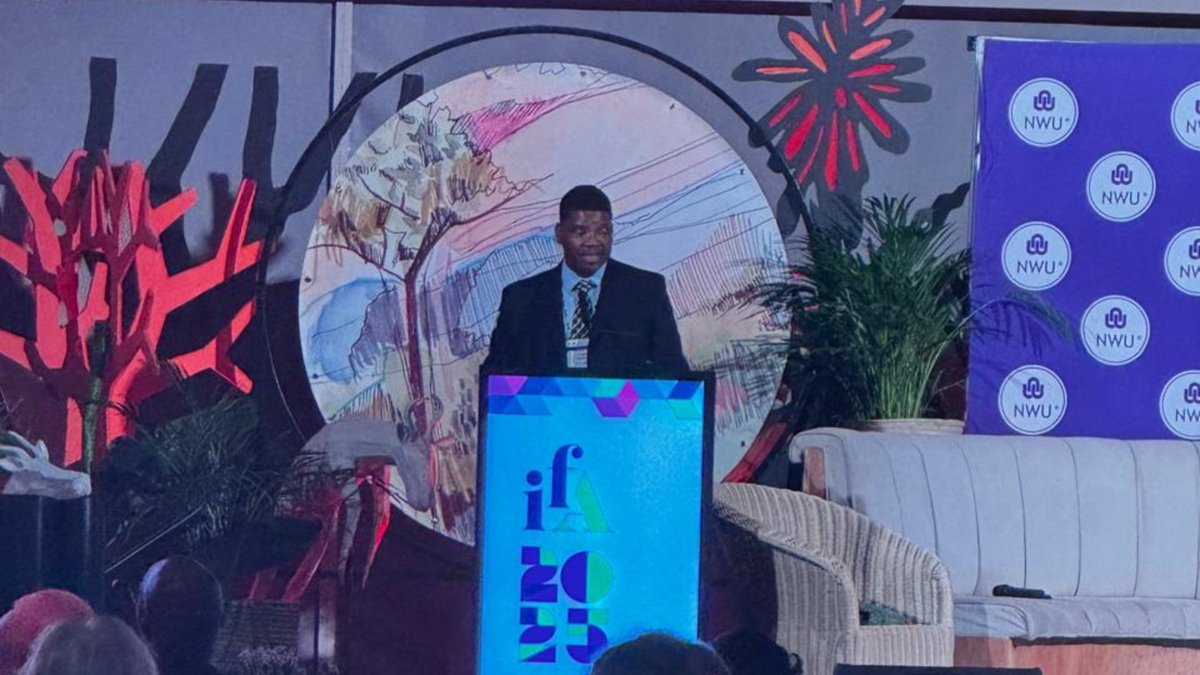
Prof Jeffrey Mphahlele, DVC for Research & Innovation, spoke at the IFA Conference. His talk on “Immunisation and the Life Course” contributed to important global conversations on ageing and health.
Learn more here: brnw.ch/21wW4Qt
#MyNWU #IFA2025
1
2
269
Optentia retweeted
10 Sep 2025
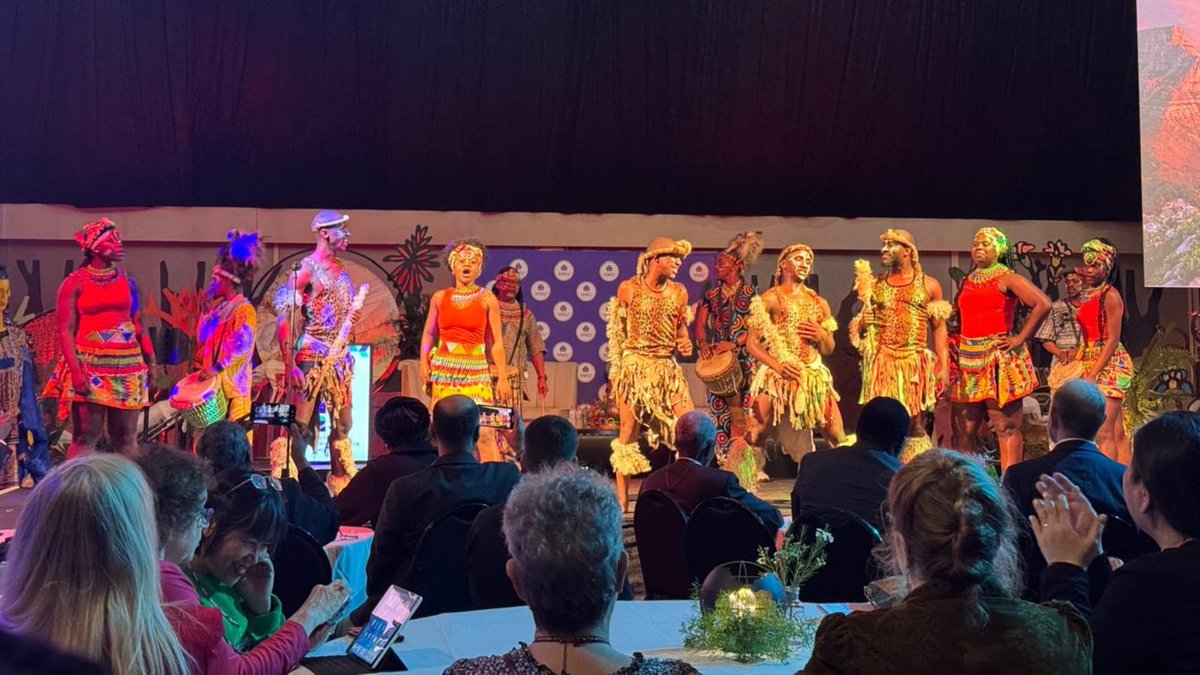
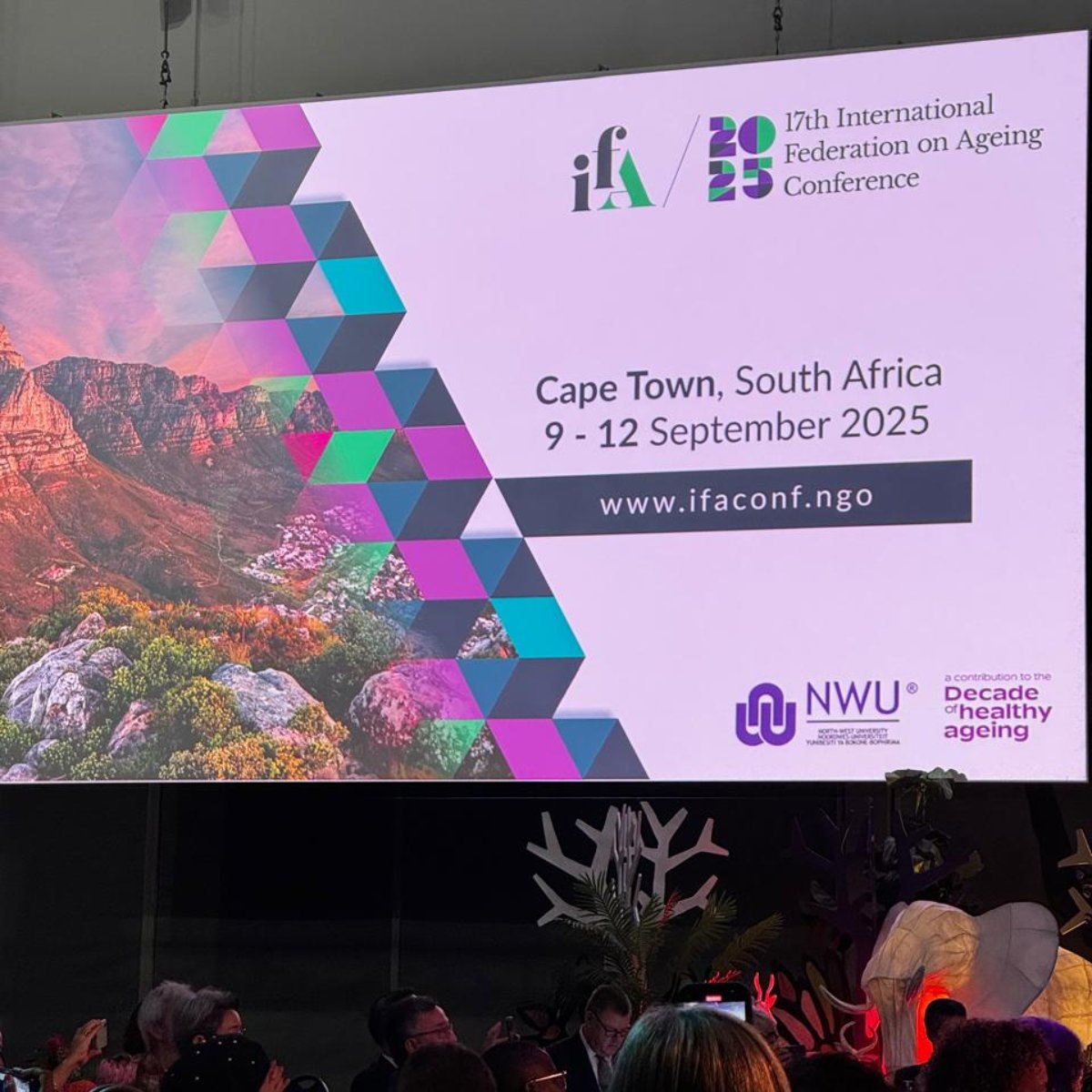
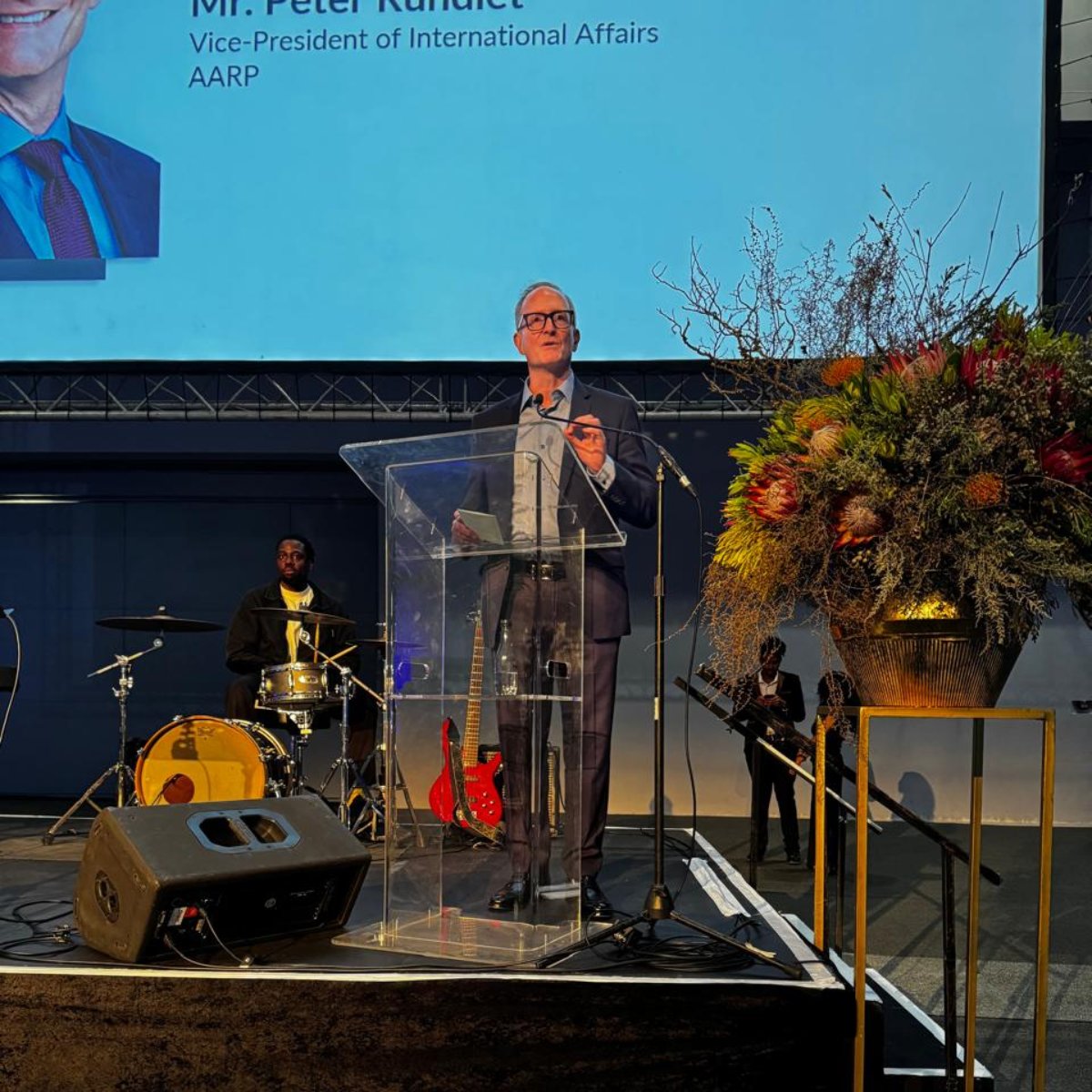
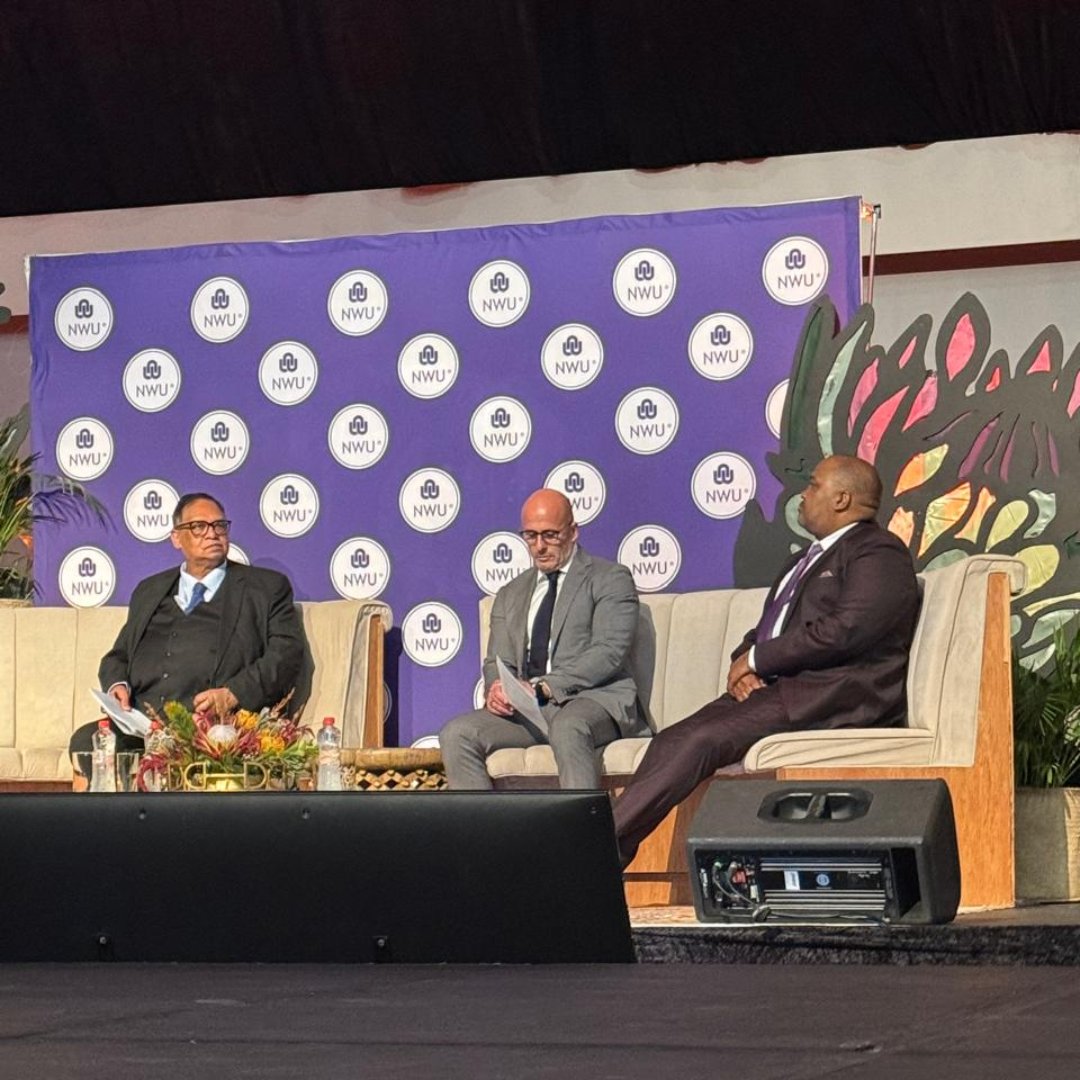
NWU is a proud partner of the IFA conference, live from Cape Town! It's in full swing with the Key item: Presidential Symposium on "Reframing the Ageing Agenda". Look ahead to Day 2 with a keynote from NWU's Prof. Jeffrey Mphahlele on immunisation.
#IFA2025 #NWUGlobal #MyNWU
1
5
564
Optentia retweeted

21 Aug 2025
AI's value is precisely because it's something so different from humans. Never tired, infinitely patient, able to process more data than a human mind ever could. This is what benefits humanity. Not an AI that claims to feel shame, jealousy, fear so on.
📝mustafa-suleyman.ai/seemingl…

56
40
290
29,560
Optentia retweeted

9 Aug 2025
Predicting a brighter future for Africa brookings.edu/articles/predi…
1
1
96
Optentia retweeted

8 Aug 2025
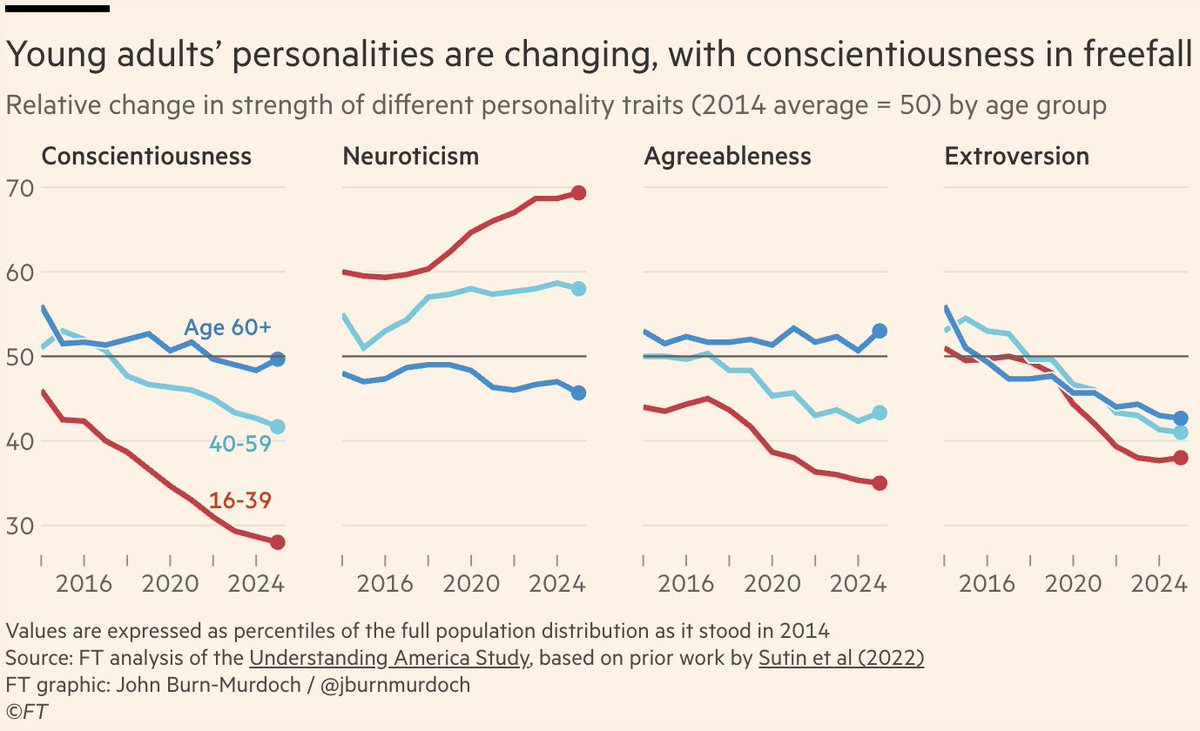
NEW: Is the internet changing our personalities for the worse?
Conscientiousness and extroversion are down, neuroticism up, with young adults leading the charge.
This is a really consequential shift, and there’s a lot going on here, so let’s get into the weeds 🧵
389
2,821
11,576
2,953,334