
Aquinas applied to organizations.
Joined May 2023
- Tweets 7,999
- Following 335
- Followers 853
- Likes 32,136
301 Photos and videos


Pinned Tweet

May 23
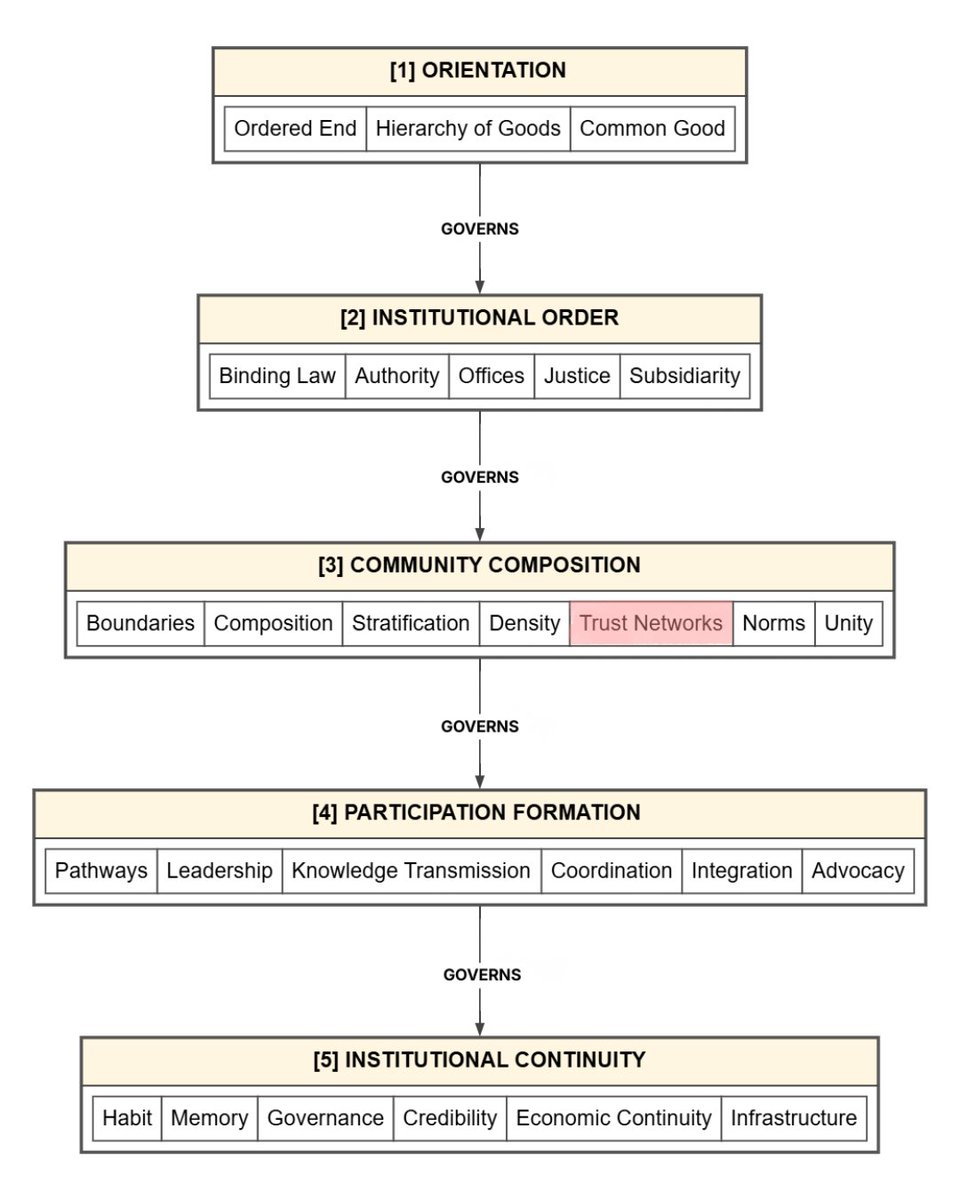
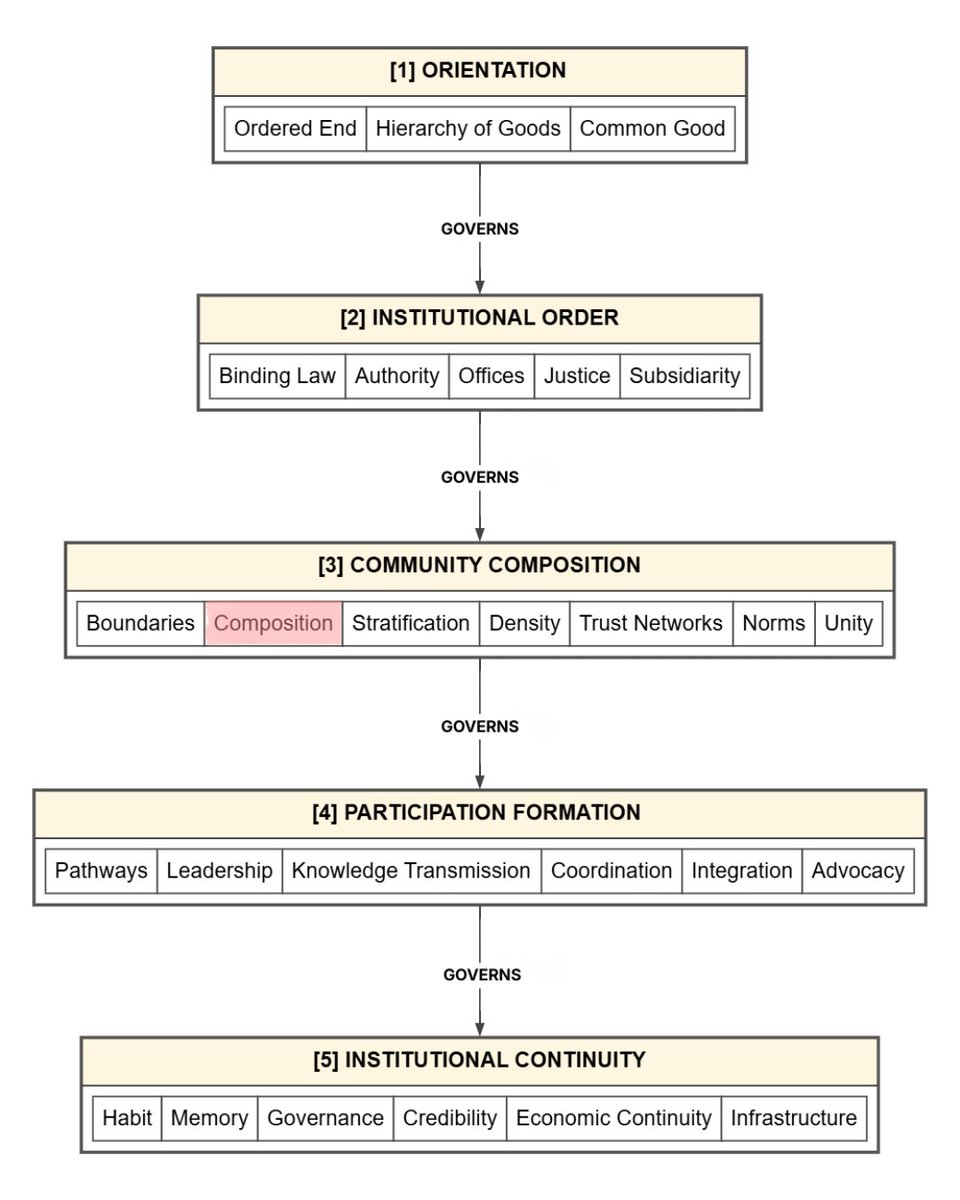
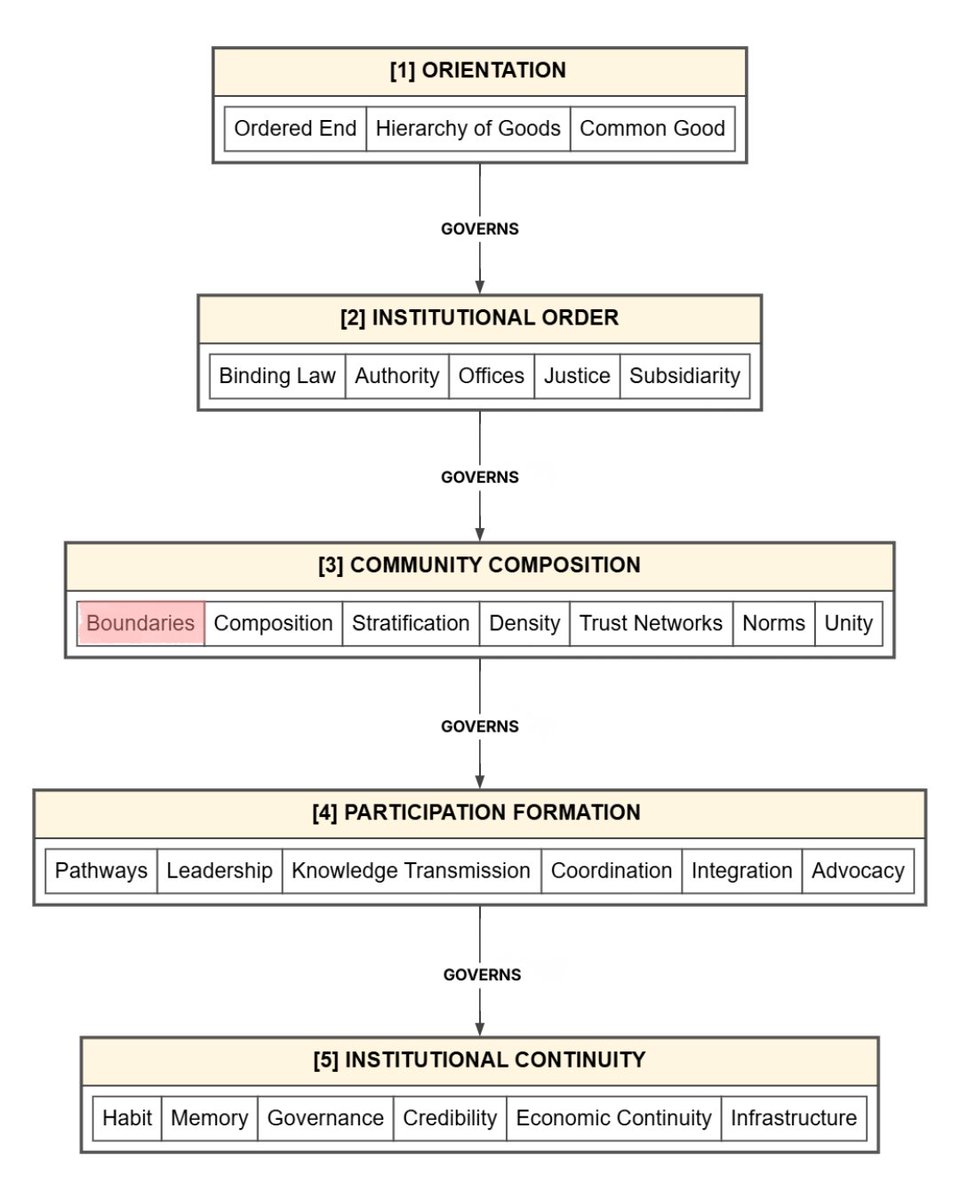
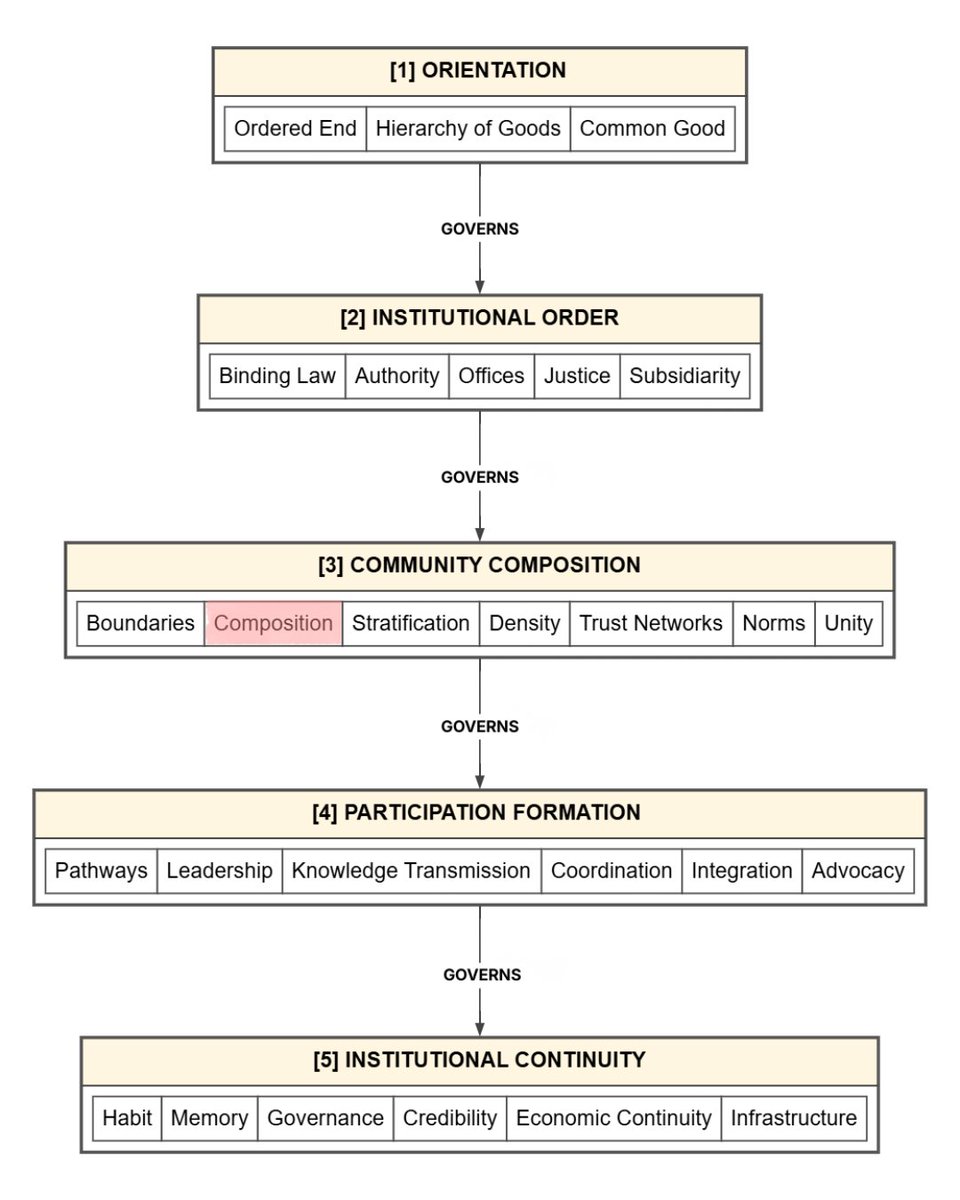
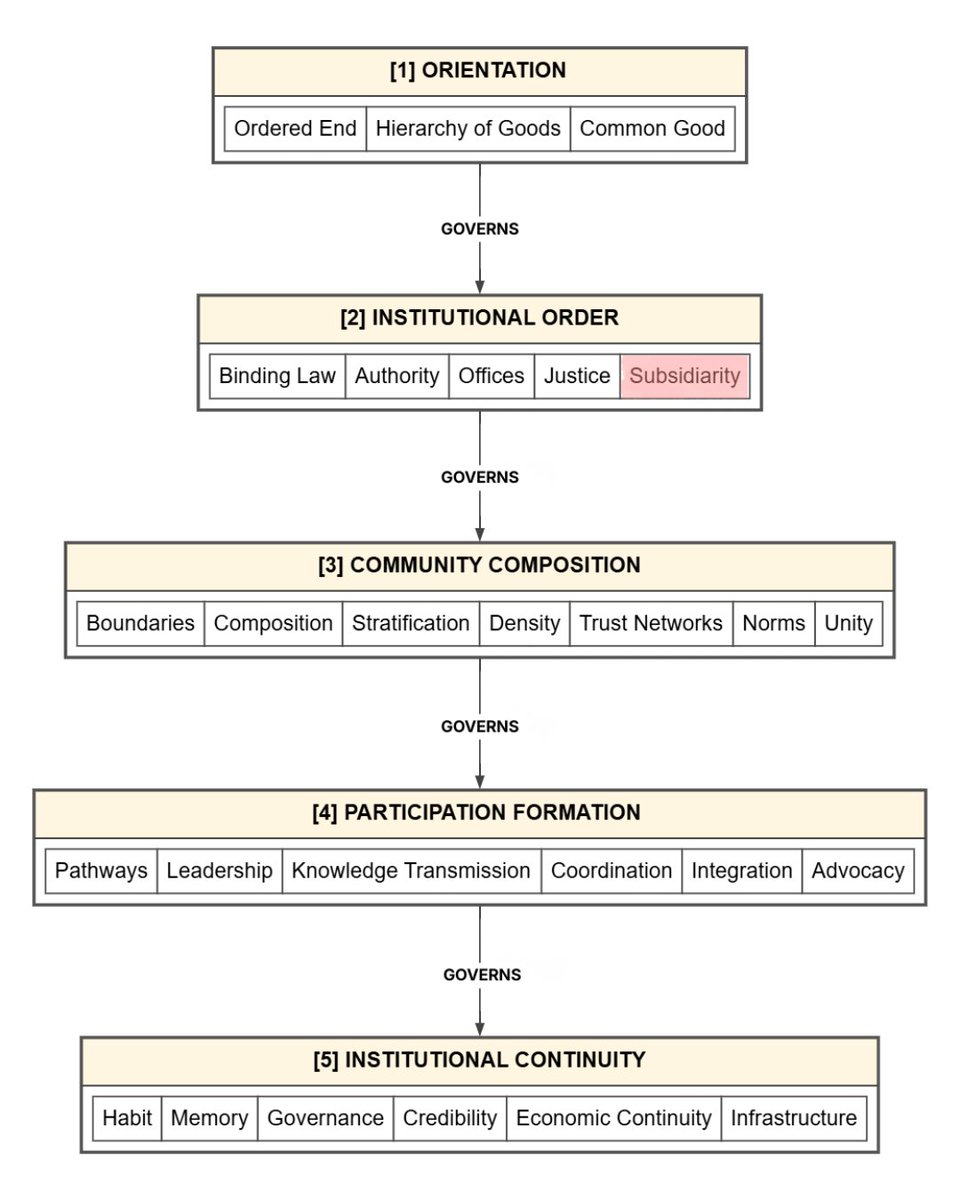
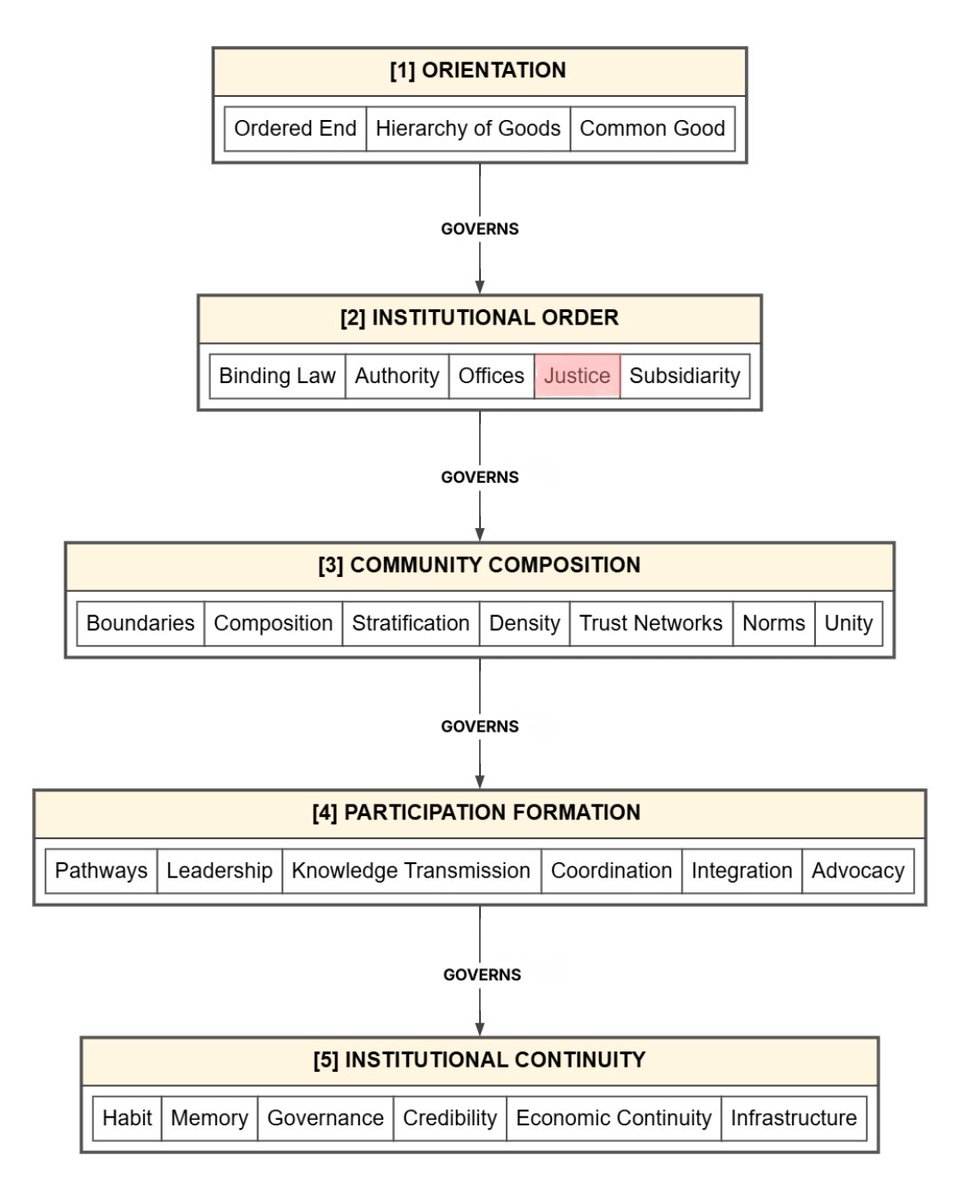
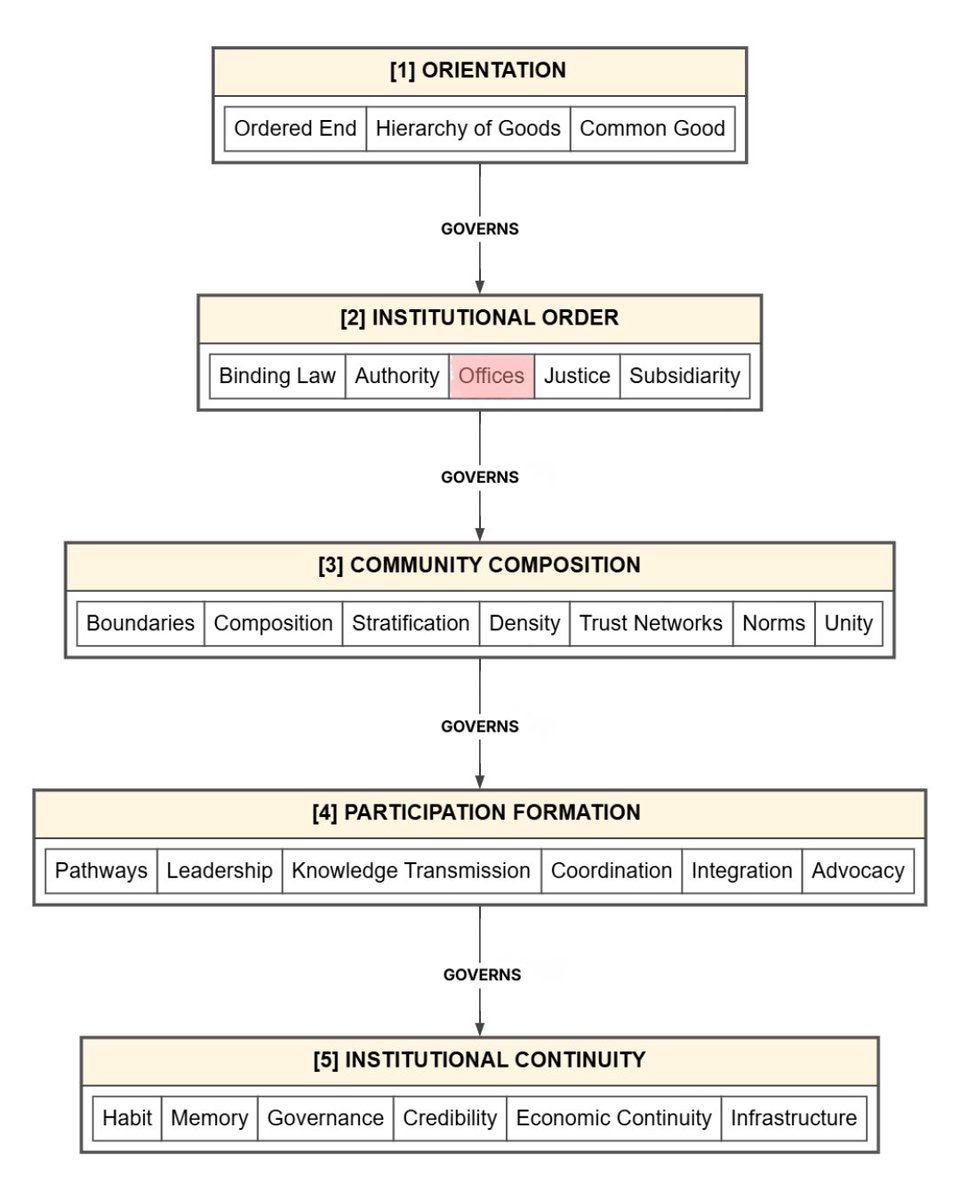
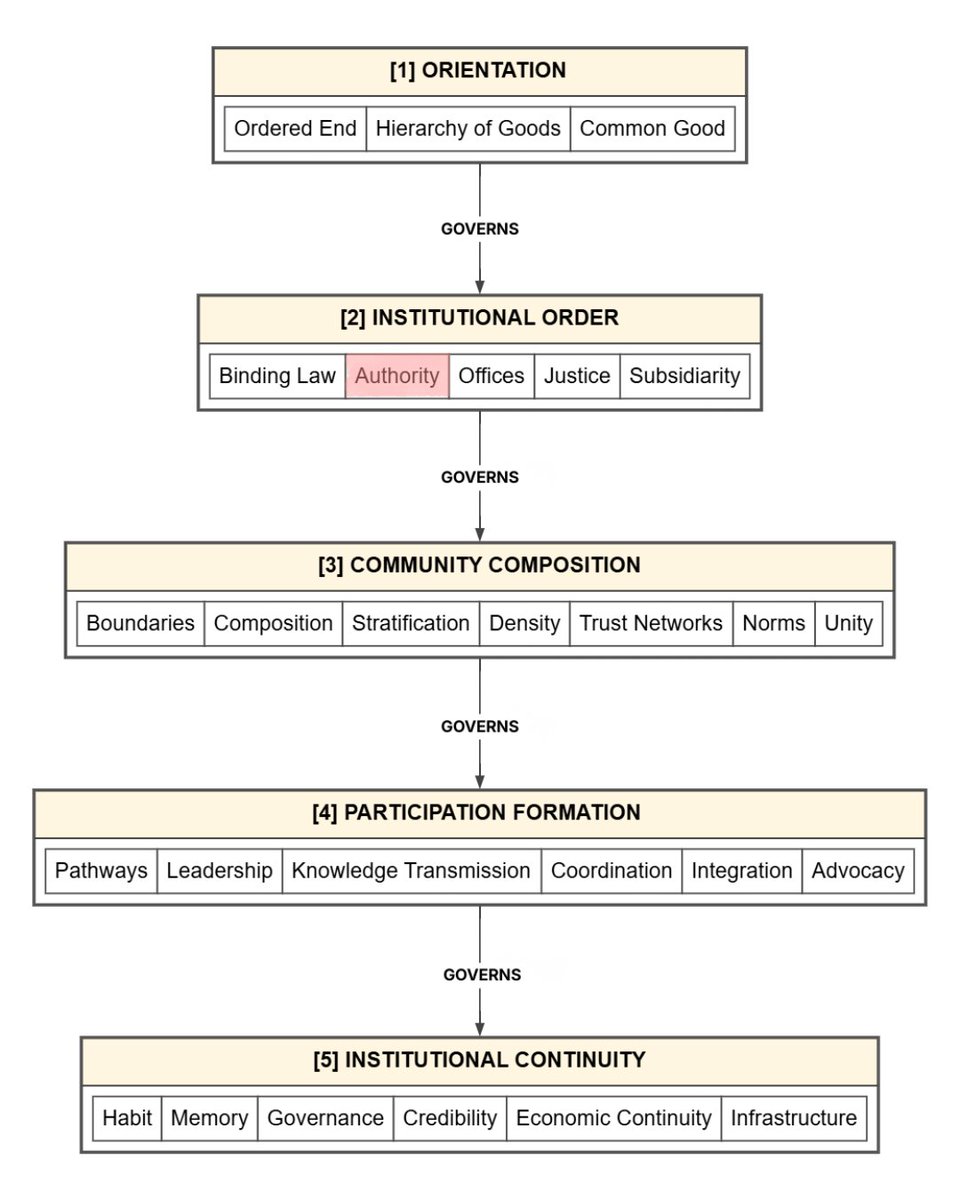
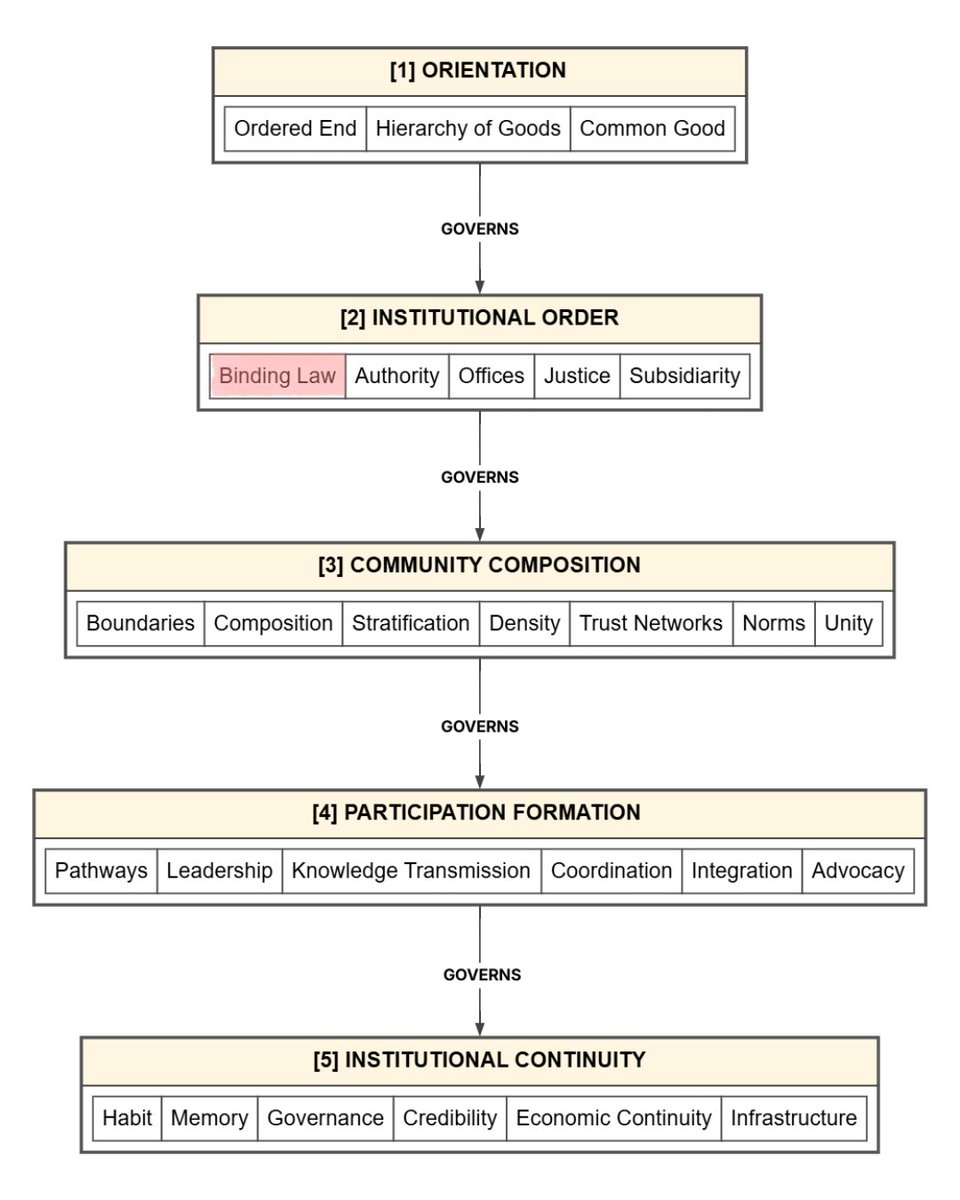
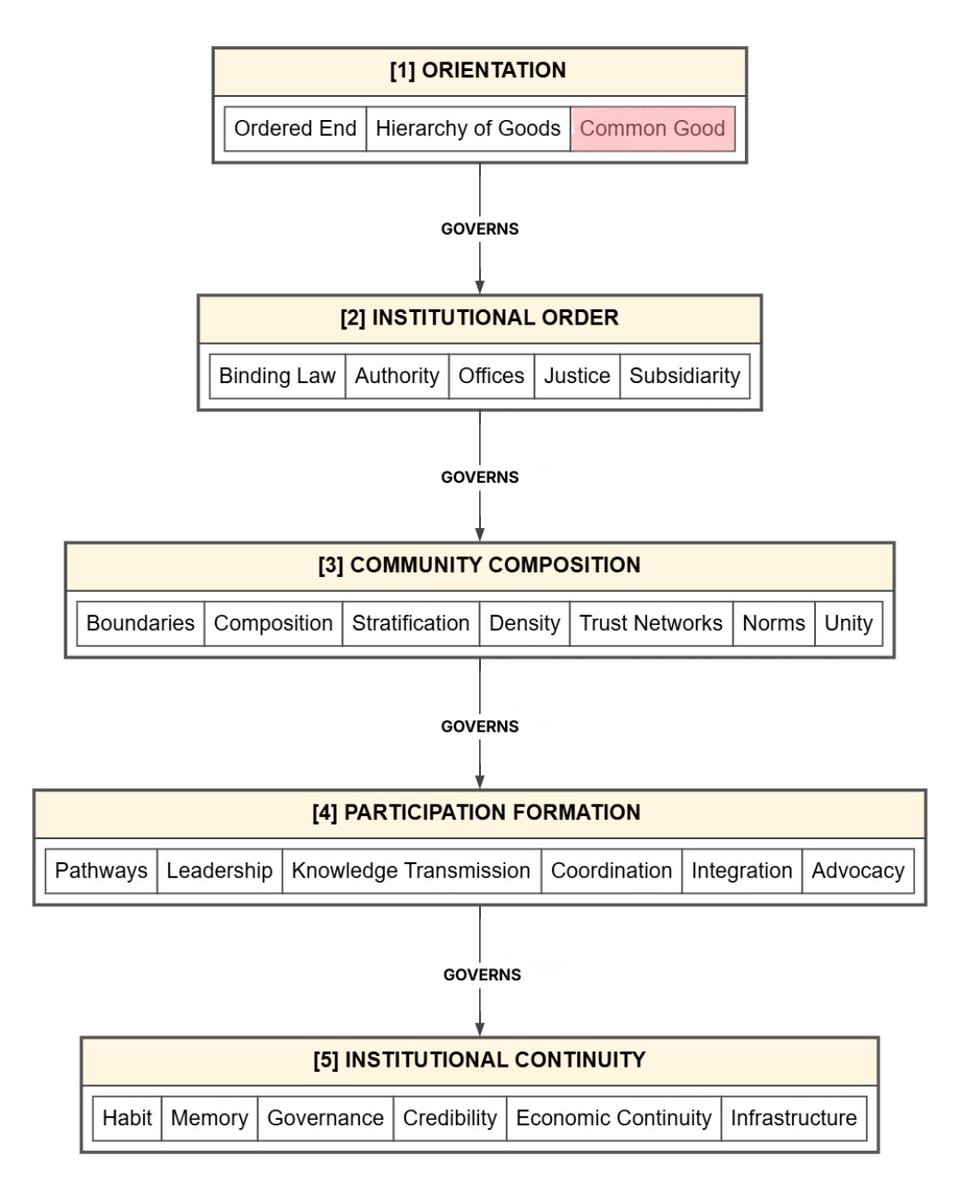
Here's a structural map of a solution.
Orientation at the top. Thomistic in logic: ordered ends, hierarchy of goods, common good, law, authority, justice, participation & continuity.
A basis for resisting managerial capture & reordering systems toward metaphysical alignment.

I don’t think you miss the point. But both SNS and LA reveal the same deeper problem: highly organized systems without intrinsic orientation to truth, love, or communion. Even solutions more aligned with restoration can be absorbed into bureaucratic, managerial, and incentive-driven structures.
So the real challenge may not be fixing entrenched soulless systems, but designing systems that better serve the soul—and forming souls capable of remaining metaphysically aligned within alien systems.
3
5
16
1,466
We don't constantly point out that an orange isn't a pumpkin, carrot, traffic cone, cheeto, sunrise, construction vest, clownfish or the thousands of other orange things. We understand that knowing what an orange is will be enough to identify an orange. It's the same with Being.
1
1
10
It's fair to say that counterfeits of Being are not so easy to identify. But there's a way to easily tell without examining them all.
1. Follow St. Thomas's explanation
2. If it deviates from that, it's a privation of right order to Being.
Done.
1
8
If you're unsure whether St. Thomas's explanation is the best we have, just follow the logic of your preferred explanation to its logical conclusions and ask yourself whether those outcomes seem right to you or not.
4
From what I can see, the most dangerous logical fallacy is the false binary/false dichotomy/false dilemma. When someone presents only two choices when more options exist. This is everywhere I look. It causes so much confusion & anger.
1
6
101
Trust Networks (Analogical Grounding)
Now it would be impossible for men to live together, unless they believed one another, as declaring the truth one to another.
ST, II-II, Q.109, A.3, ad 1.
1
1
4
83

1
3
59
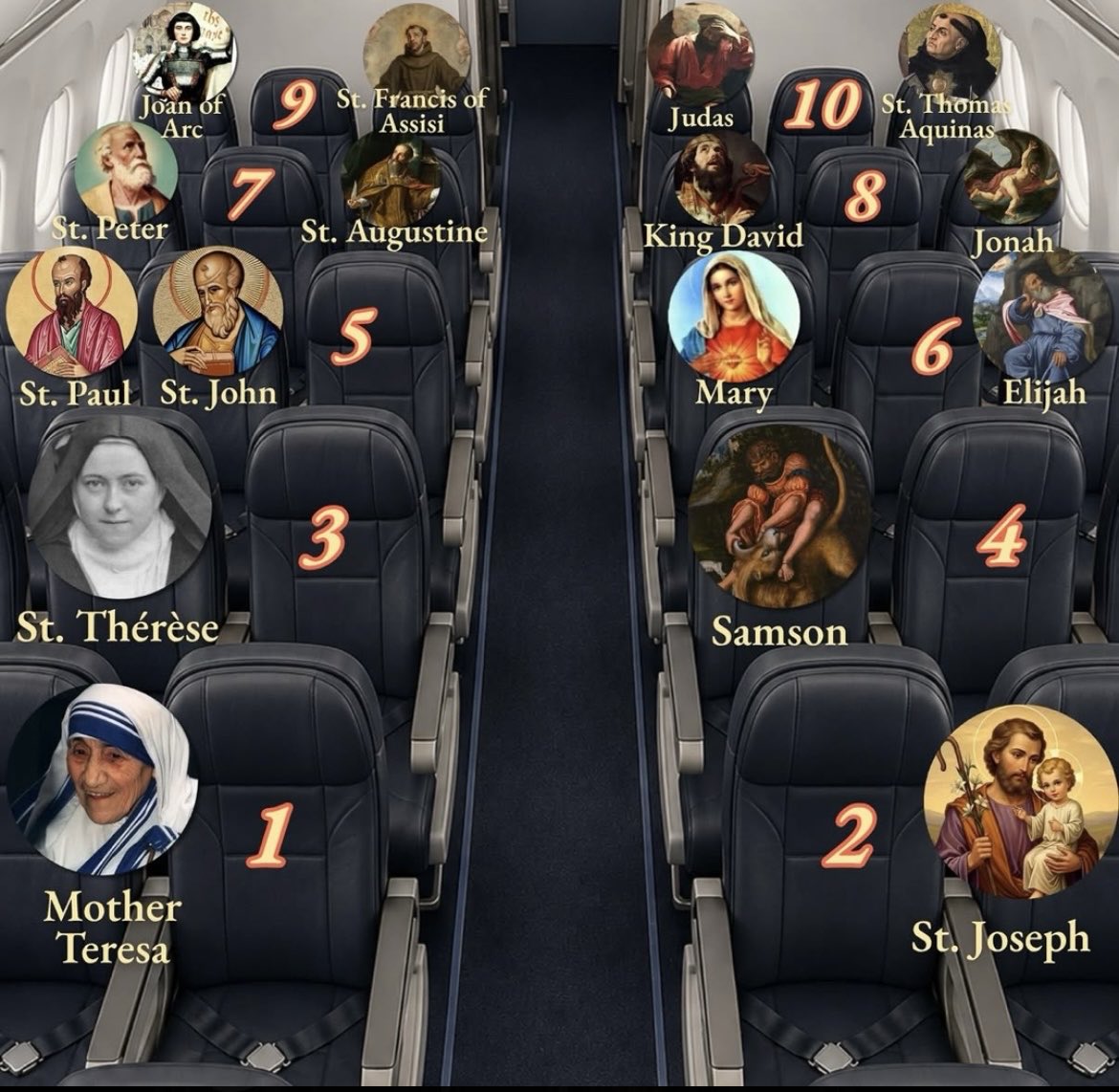
It'd have to be 6. If that was taken, then 2. And if that was taken, then seat 10.

4
1
5
284
Ordo Framework retweeted

Jun 14
If I had to guess what the future of human-led research will look like, it’s that we’ll be asking a lot more “why” questions than “how”.
18
15
165
16,295
In the French Revolution, the right was the side of inherited elites & hierarchy. The left was popular power against them. Now, the left is often perceived as the voice of institutions, experts & credentialed elites. The right is the popular power against them. Disengage from it.
2
8
118
I say that b/c politics isn’t supposed to be a tug-of-war between state power & market power, elites & masses. It should be ordered to the common good, rooted in truth, virtue, justice, subsidiarity & the nature of man.
4
8
126
Jun 14
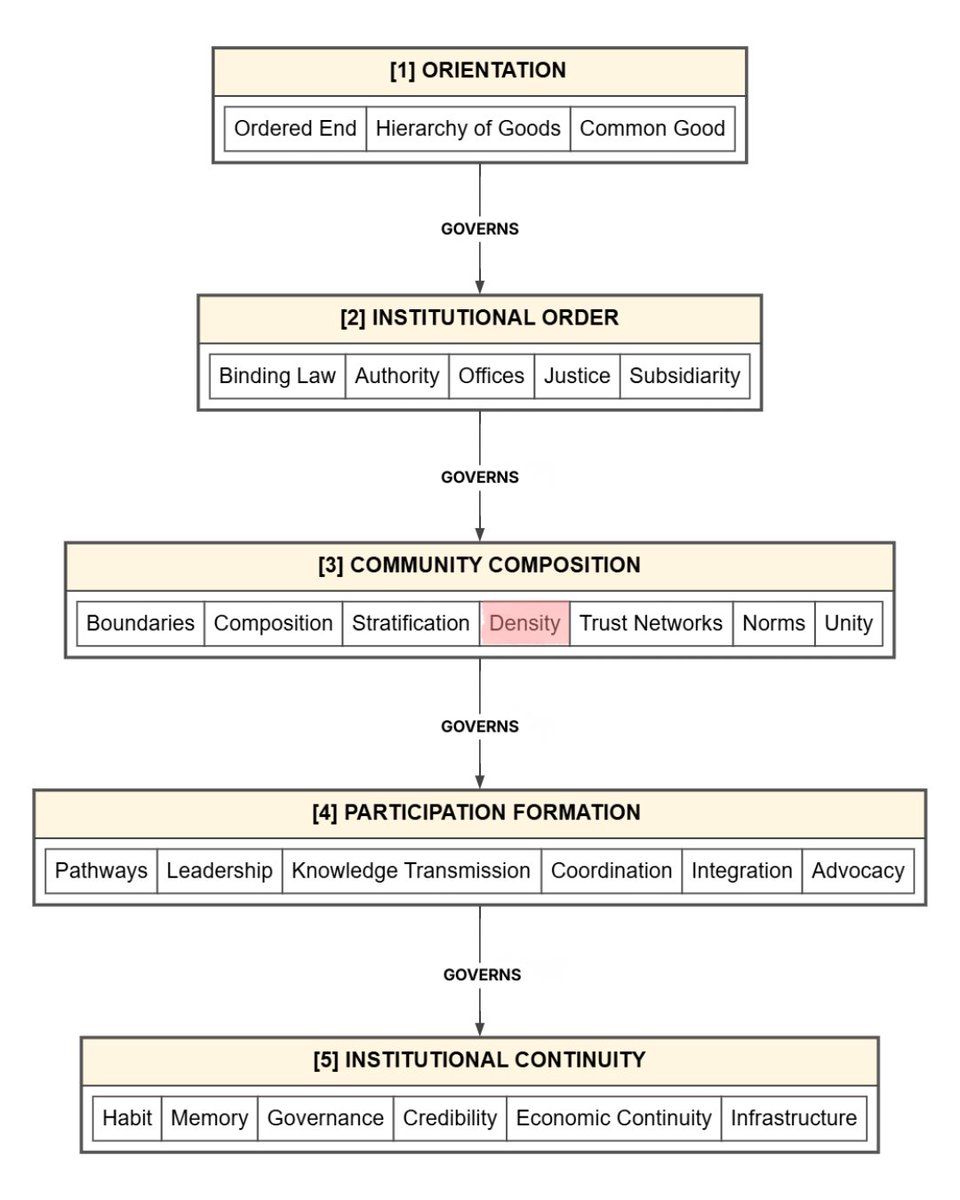
Margaret Thatcher once famously said there is no such thing as society. In a way, she was right. The UK's participation density is low b/c all the dimensions above it are completely disordered, starting with the country's orientation. Which is an utter mess.
Jun 14
Participation Density (Analogical Grounding)
This is evidenced by its operation, since the principal inclination of each part is towards common action conducive to the good of the whole.
ST, II-II, Q.26, A.3.
1
2
6
219
Jun 14
You see low participation density when most people are present but passive: few contributors, weak middle layer, little peer-to-peer trust, recurring dependence on the same core people, poor handoffs, low retention & constant need to reacquire attention. @Tesla has high density.
1
2
3
81
Jun 14
This indicates that levels 1 and 2 for Tesla are ordered and healthy, which is no mean feat. Tesla is in tiny minority of organizational communities that has managed to achieve this. They a benchmark example. A country's leadership - let alone a CEO - could learn from it.
2
3
71
Jun 14
Participation Density (Analogical Grounding)
This is evidenced by its operation, since the principal inclination of each part is towards common action conducive to the good of the whole.
ST, II-II, Q.26, A.3.
1
1
4
351
Jun 14
Not really covered by Aquinas, participation density is the difference between a crowd/audience & a community. When thin (crowd), participation is episodic/transactional. Formation can't develop & is dependent on constant replacement.
1
4
84
Jun 14
Low participation density: people follow, attend, subscribe, vote, but mostly stay passive.
High participation density: people show up repeatedly, know others, take on responsibility, pass things on & help keep the community going.
The difference between a crowd & a community.
1
3
77
Jun 14
People criticise JBP. Some say he is an op. Even if he is, frankly I don't care. I always find him riveting and insightful.
Jun 14

Jordan Peterson made a profound point on Chris Williamson’s podcast.
When God dies, a lot of unexpected things die with Him, including science.
Science isn’t some purely neutral, secular tool. It rests on deeply religious assumptions: that truth exists, that it’s knowable, that pursuing it is good, and that the universe makes sense.
These aren’t scientific claims, they’re metaphysical, rooted in a religious worldview. The universities themselves grew out of monasteries.
Without that deeper foundation, science eventually stops being about truth and becomes just another tool for power, ideology, or convenience. You lose the reason to be honest when the data gets inconvenient.
Do you think science can survive long-term without any belief in objective truth or a higher moral order?
6
3
21
535
Jun 14
When a Catholic tells me to listen to them - or a YouTube influencer - instead of the Pope, I find it suspect. Instead I try to understand what I may be missing (a lot) I'm not in a position to think I'm like St. Paul publicly rebuking St. Peter. If I have doubts, I ask my priest
3
2
12
451
Jun 13
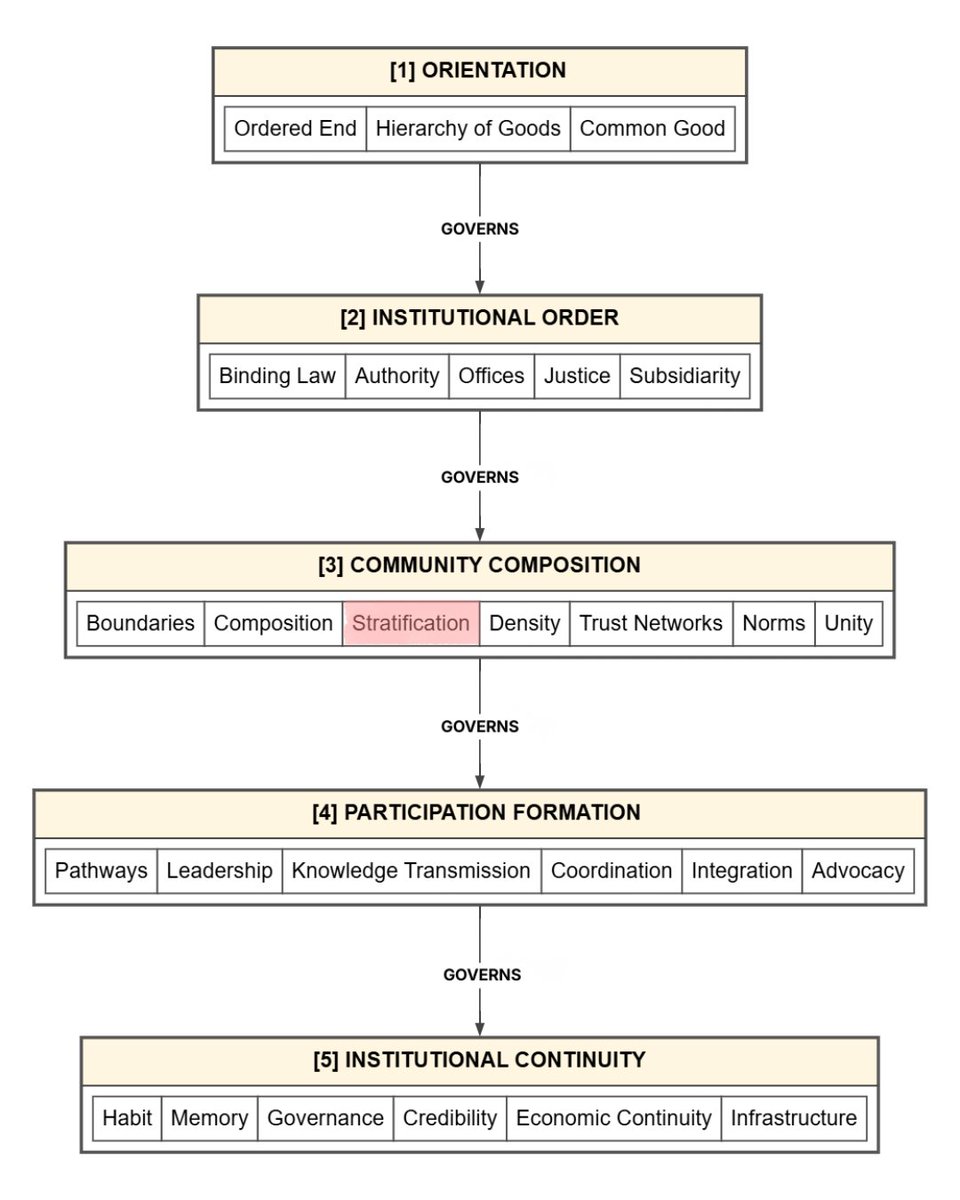
Stratification (Analogical Grounding)
Hence there was need in the Church, which is Christ’s body, for the members to be differentiated by various duties, states, and grades.
ST, II-II, Q.183, A.2, ad 2.
1
1
3
159
Jun 13
Division of labour is essential. Specialization prevents delays, reduces confusion & ensures tasks are handled by those with the right expertise. Hierarchies provide dignity and order.
1
1
4
107