Happily married & Trying to Live not by Lies in Denver, Colorado. Picture of the lake and boathouse, City Park 9/2014
Joined August 2021
- Tweets 22,824
- Following 1,724
- Followers 3,644
- Likes 208,312
1,563 Photos and videos




Pinned Tweet

Jun 12
‼️ Major City of Denver Budget Governance Changes Proposed
Two proposed ordinances will make significant changes to Denver’s budgeting process and response to lower than expected revenues. As is often the case, they’re a mixed bag, with pros and cons. I discuss each of the key changes in turn.
1. Should Denver move to a two-year budget planning and budget cycle?
Yes to planning, No to biennial budgets that bind or require amendments.
2-year planning. Having plans for staff, programs, projects makes good sense. I imagine most departments are doing this already.
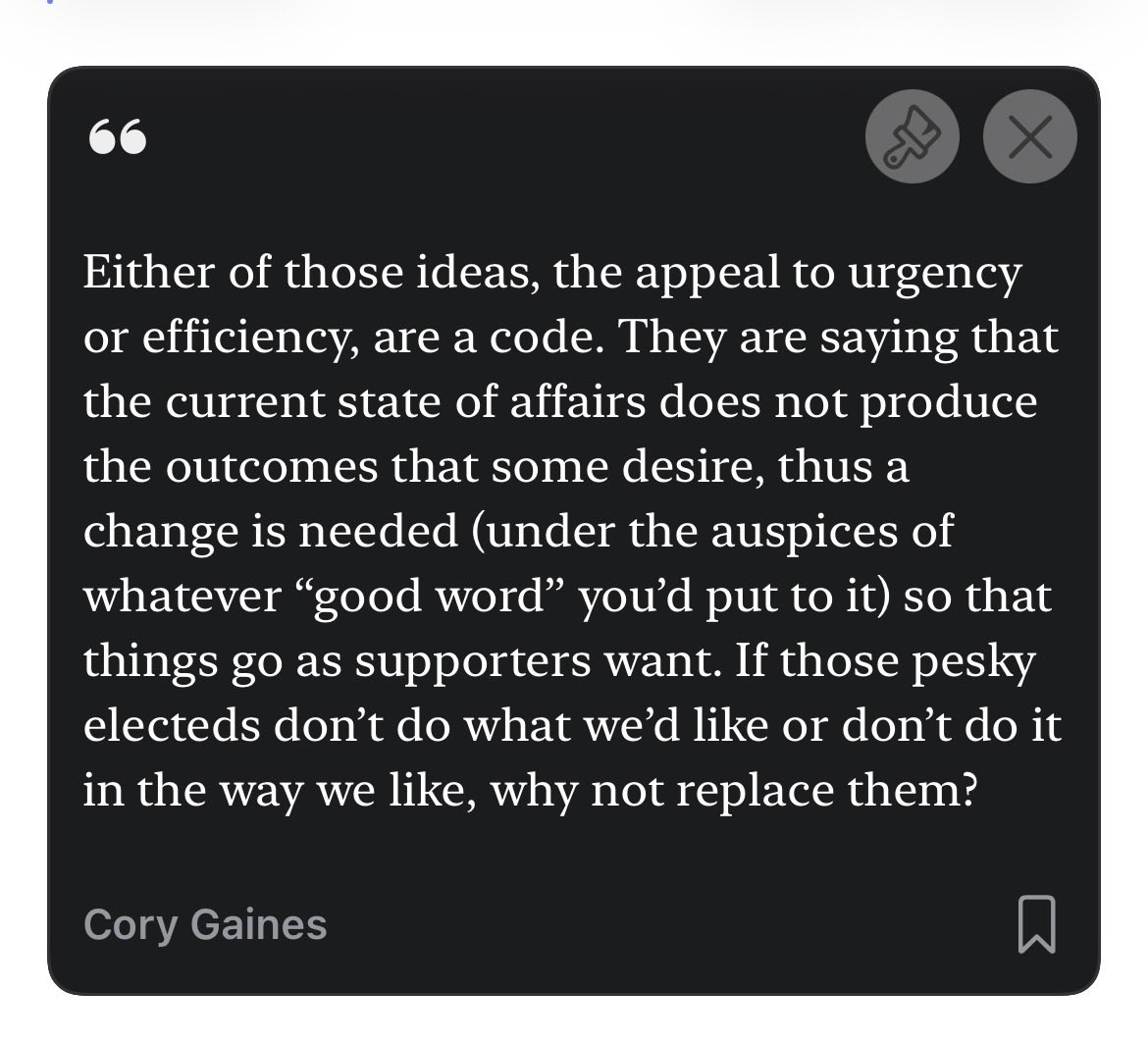
But! Committing funds in advance, locking in budgets, does not serve us well fiscally nor allow sufficient flexibility year to year. Imagine a new Mayor or Council being elected but having to amend a budget approved by your predecessor to implement the agenda Denver voters elected you for.
Further, one of the main justifications of a 2-year budget offered in the presentation materials is to ease budget stress for City partners and nonprofits. This is literally prioritizing the fiscal comfort of “partners/NGOs” more than voters, prudent fiscal management, changing needs, etc.
If you take City money, your project lives or dies on the City’s budget and the will of the people as determined by our elected representatives.
Which leads us to the next, very significant proposed change:
2. Should the Mayor no longer have the ability to reallocate budgeted funds from one project to another within a Department? (Budget allotment discretion)
No.
Like it or not, Denver’s Charter is a “strong Mayor” setup. This includes setting the budget for Council amendment and approval and the ability to make adjustments in December after the budget hearing process. (DRMC § 7.1.8 Budget allotment and work programs).
The draft ordinance removes this entire section from the code.
3. Should the Mayor be required to alert Council when revenues are 2% lower than projected? And if 5% or more require Council to act and cut the budget?
Yes. Yes. Yes.
Council recently passed an ordinance requiring quarterly revenue and expenditure updates. (Yay! I wish it’d been monthly!) the proposed ordinance adds a notification requirement as soon as Finance realizes revenues are 2% lower than projected.
Good amendment. I’m a fan. Since we’re not keeping our books on paper anymore, nor waiting for a stagecoach to deliver tax in coin to the bank, Council should have near real time access to the state of the City’s finances.
4. Should resident engagement on budget priorities be a required budget process element?
Yes, but the effectiveness depends on structure and implementation. If this is a step toward citywide “participatory budgeting” like Denver’s “The People’s Budget” project I’m a hard no.
I’m all for real public hearings, soliciting meaningful feedback, etc. Too often, these are so poorly designed that the feedback is meaningless. For example, everyone likes amenities in theory, but prioritize differently when tradeoffs and costs are disclosed. The other common error is insincerely soliciting feedback.
A minister in a focus group I moderated put it this way (I’m paraphrasing):
“”The City says it wants me to have a seat at the table. I think I’m going to have influence, help them design the if, when, where and what we should eat. Time and again, the City wants me to sit down at the table, eat the meal they made, and expect me to feel good that they let me choose what dressing I wanted on the side salad.””
With respect to the City’s entire budget, our voices are heard at the ballot box. A Budget public hearing can be valuable for specific budget matters, as is engaging with our elected representatives—Mayor AND Council. Representative feedback with honest tradeoffs is valuable. Processes that can be flooded by special interests and activists are not.
2
2
12
735
GenXJen retweeted

Anyone that has followed the Title IX investigation knows this is about policy. Jeffco all of a sudden saying it has to do with mascots and managers is laughable! Jeffco got busted assigning mixed sexes on an overnight trip. The parents sued and it triggered an investigation. OCR said Jeffco is violating Title IX allowing boys in girls sports. Jeffco is defending genders 'identified as", OCR is basing on biological sex.
That's the story. The spin in this article is ridiculous!
4
20
226
GenXJen retweeted

Restoring a healthy sense of American identity for Americans and leading them to feel justly proud of who we are in our 250th is one of the most important projects we could be doing right now. It's not just the younger generations either, even if it is them especially.

My generation has ZERO understanding of our American identity, because it was drummed into our heads that the builders before us are oppressive colonizers so the entire thing apparently must be torn down.
24
134
627
13,073
13h
Good to know.

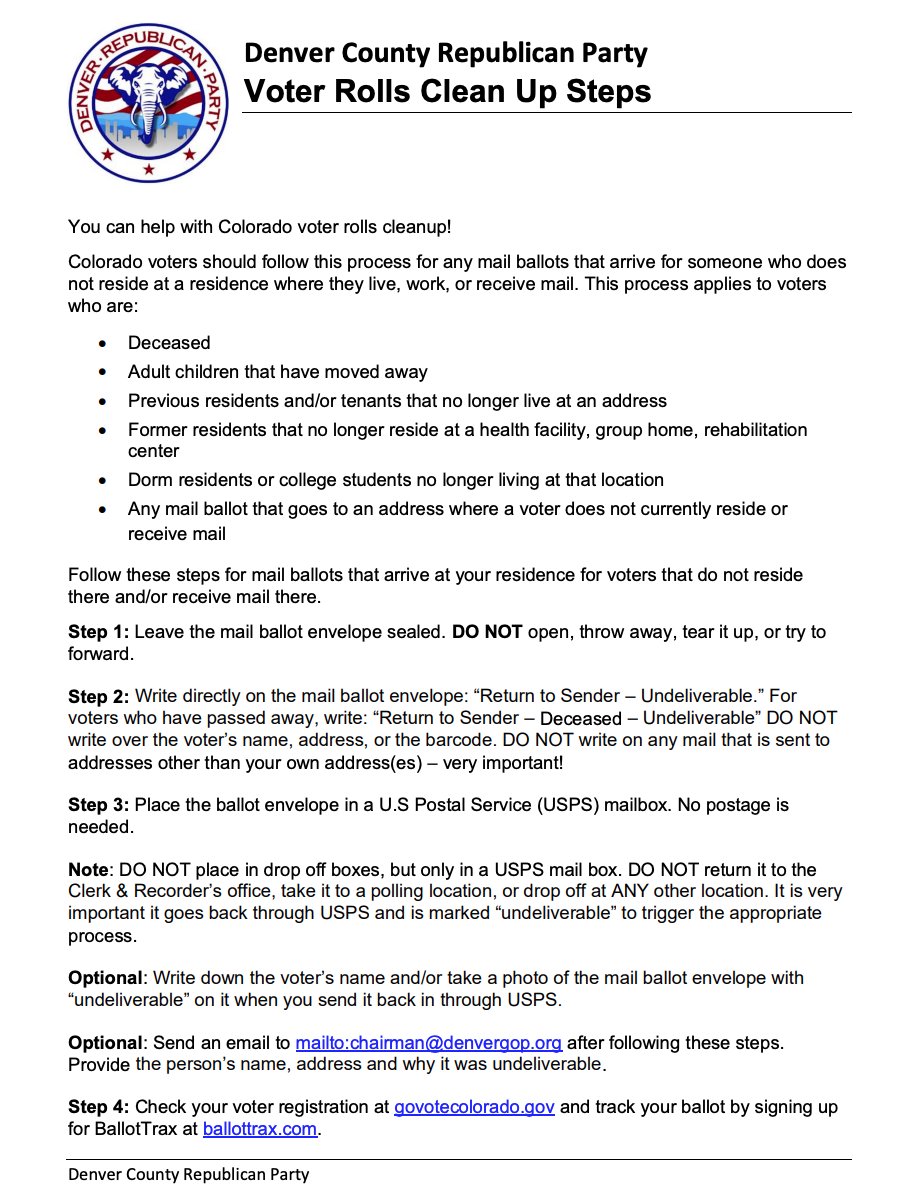
Many Denver households are reporting they’re receiving multiple mail ballots addressed to people who no longer live there. You can help clean up Denver’s voter rolls by following our official Voter Rolls Clean Up Steps. Full guide more voter resources:denvergop.org/voter-info
2
194
13h
👇

The mindset that rules everything today is framed by moral inversion. It underlies everything. The sickness is spiritual (a degradation of spirituality & the mind’s access to moral truth), & that’s also where the remedy lies.
1
84
GenXJen retweeted

So far in 2026: We’ve had TEAM USA win Gold in hockey. We’ve had astronauts circling the moon. We’ve got the World Cup here. We have UFC at the White House. Everyone is getting skinny. We’re curing pancreatic cancer. It’s America’s 250th.
AND YOU’RE BLACKPILLING?


93
777
7,577
198,807
Jun 12
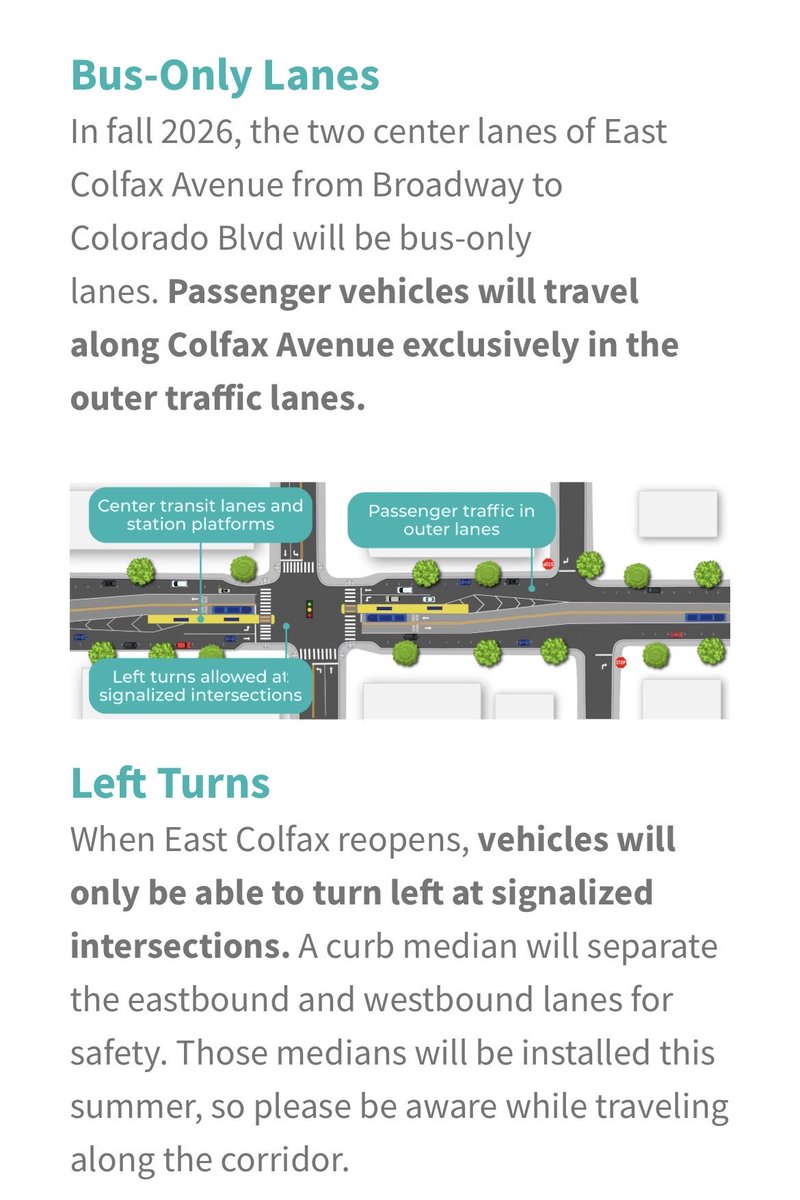
Colfax BRT is slated to open this fall from Broadway to Colorado.
The finishing touch on this scar down the street will be construction of a cement curb down the middle of Colfax preventing left turns and crossing from north to south.
This physical blockade was new to me. I knew left turns would be restricted, but not that all crossings would be as well.
This really constrains how people can traverse the neighborhood, segregating north and south.
Honestly, I fucking hate BRT. I hate what’s been done to my neighborhood, and I urge anyone where this is proposed to object.
To save a few bus travelers minutes, tens of thousands of residents will have a harder time getting around their neighborhood by car, bike, scooter or wheelchair because they’re building a curb down the road.
11
11
44
2,177
16h
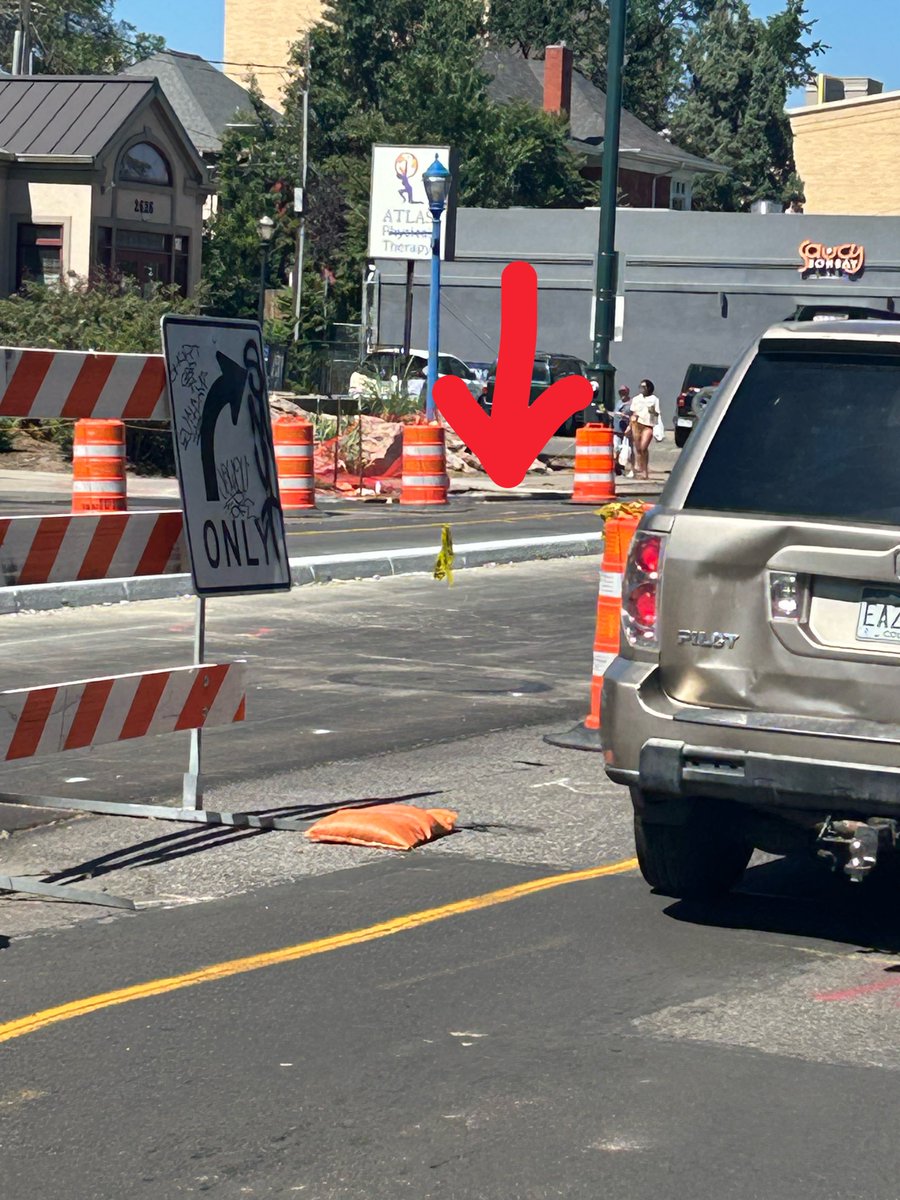
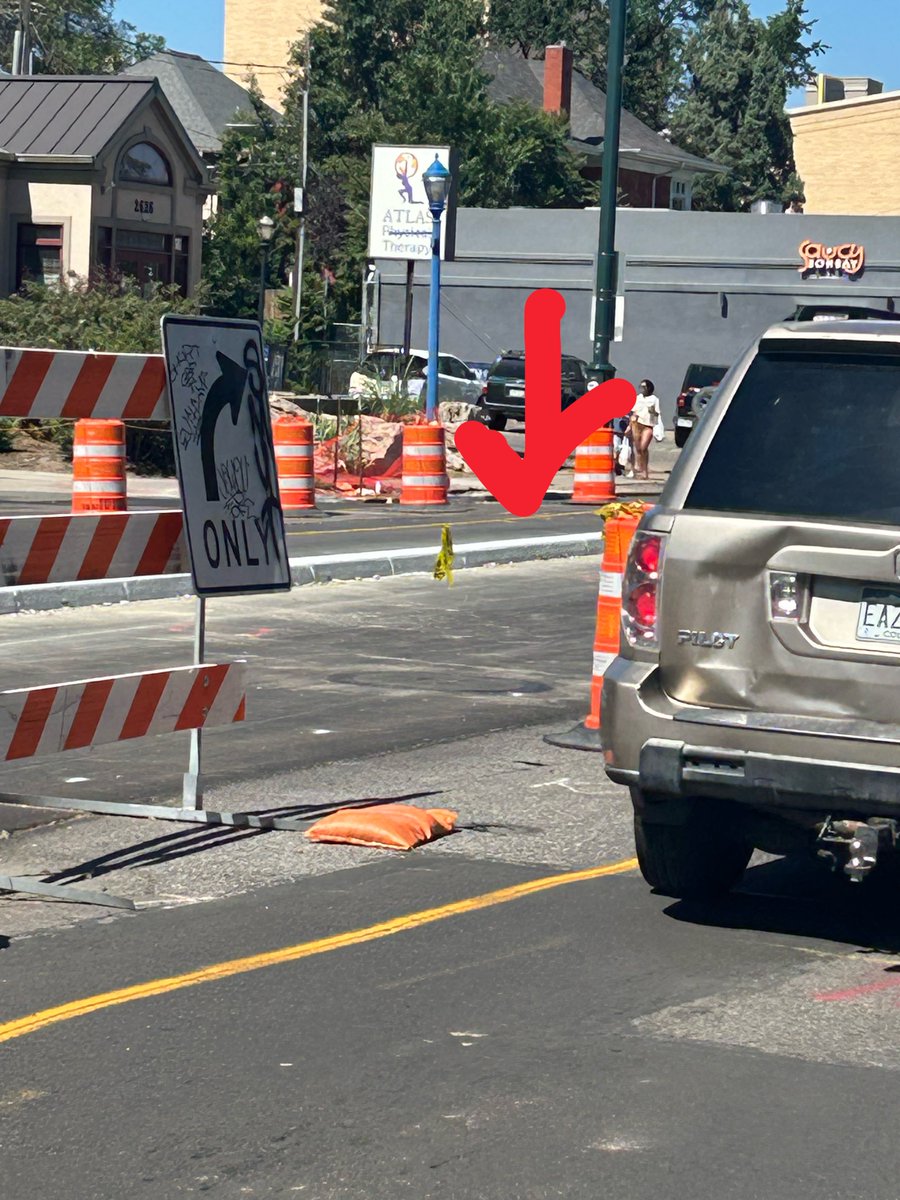
You can see the new dividing curb here, forming a barrier for left turns and N/S crossings.
1
2
106
16h
You can see the curb that will segregate Eastbound and Westbound Colfax here, preventing left turns and N/S crossing except at signalized intersections.
Jun 12

Colfax BRT is slated to open this fall from Broadway to Colorado.
The finishing touch on this scar down the street will be construction of a cement curb down the middle of Colfax preventing left turns and crossing from north to south.
This physical blockade was new to me. I knew left turns would be restricted, but not that all crossings would be as well.
This really constrains how people can traverse the neighborhood, segregating north and south.
Honestly, I fucking hate BRT. I hate what’s been done to my neighborhood, and I urge anyone where this is proposed to object.
To save a few bus travelers minutes, tens of thousands of residents will have a harder time getting around their neighborhood by car, bike, scooter or wheelchair because they’re building a curb down the road.
4
3
14
501
GenXJen retweeted

Jun 12
Huh… maybe this is why we shouldn’t let people out on BOND! 😤😡
Jun 12

A Denver man who was set to hear his conviction on more than a handful of child sex crime-related charges is on the run, and Denver police is asking for your help to find him.
denver7.com/news/local-news/…
11
51
265
9,285
GenXJen retweeted

These things are not connected. I’m sorry if you were told otherwise.
36
135
4,758
50,333

250 years of experience has shown most Americans that allowing the free flow of capital, encouraging free enterprise, and valuing wealth is indeed the best way to lift all Americans out of poverty.
Government “investment” is the opposite. It owns nothing but what it takes from us.
1
2
9
116
GenXJen retweeted

Jun 13
The moment they start to rip up Colorado the final stake in Denver’s coffin will be complete. I hate they have done to my city…
1
1
4
188
GenXJen retweeted

Who cares about the pedophiles!
@MDoughertyCO said he will fight ICE and POTUS if he’s AG of Colorado.
That’s what’s important. 🤡
#copolitics
Jun 12

Dougherty’s office released this guy in 2020. He went on to rape a 13 year old girl. But let’s trust Dougherty and his process and competence on child predators 🙄.
cbsnews.com/colorado/news/ma…

9
35
92
1,811
GenXJen retweeted

Jun 13
There are never any consequences for lying to get taxpayer funding. Pot money was to go to construction/maintenance of schools. Now it goes to everything but. And it happens again, again and again.
1
2
5
123
GenXJen retweeted
I'm not even a fan of Elon Musk, but it's pretty astonishing to me that essentially nobody on the Left can see the plain and simple truth that he crossed the four-comma line by building things many, many, many people benefit from, including lots of jobs and some incredible stuff.
174
431
5,880
59,953
GenXJen retweeted

If you don't live in the area - take the survey and say you use the roads for commuting - it's a choice.
Jun 12
In their quest to make East Denver impossible to traverse efficiently, the City is exploring converting 13th and 14th from one-way to two-way streets.
I would have supported this pre-Colfax BRT. Sadly, we need 13th and 14th to remain 3 lanes and one-way in order to handle the volume displaced by Colfax.
Do you live in the area? Take CHUN’s survey and weigh in.
tinyurl.com/CHUN-survey
1
1
92
Jun 12
In their quest to make East Denver impossible to traverse efficiently, the City is exploring converting 13th and 14th from one-way to two-way streets.
I would have supported this pre-Colfax BRT. Sadly, we need 13th and 14th to remain 3 lanes and one-way in order to handle the volume displaced by Colfax.
Do you live in the area? Take CHUN’s survey and weigh in.
tinyurl.com/CHUN-survey
4
5
20
1,043
GenXJen retweeted

Jun 12
'Progressive Education' has progressively purged the Western Mind of its history & literature. But lost in the distractions of rising illiteracy rates and falling test scores and calls for more 'education reform!', is the reality that without the natural defenses those lessons provided, we've become less able to identify, let alone confront, the ongoing insurrection that the enemies of the Greco/Roman-Judeo/Christian West have been executing against us all.
blogodidact.blogspot.com/202…

1
6
18
1,008

GenXJen retweeted

Jun 12
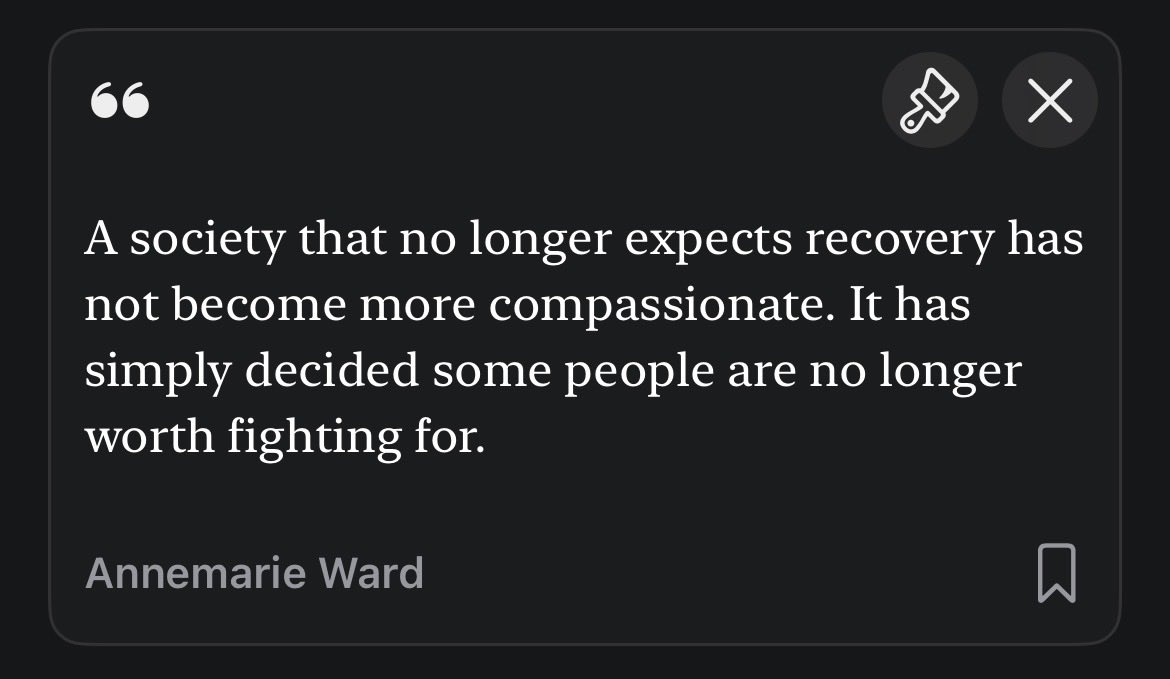
I don't feel proud of rebuilding my life in sobriety and recovery, I feel humility. I should've died several times in my addiction, but God had other plans. Today and everyday, I lower my head and say: "There but for the grace of God go I."
44
22
436
4,968