
Making elite-level sports science simple and scalable. Portable athlete testing & monitoring device that measures 200 exercises including jumps and VBT 💪🏼
Joined May 2018
- Tweets 2,018
- Following 1,025
- Followers 3,744
- Likes 2,449
577 Photos and videos





Pinned Tweet

25 Oct 2023
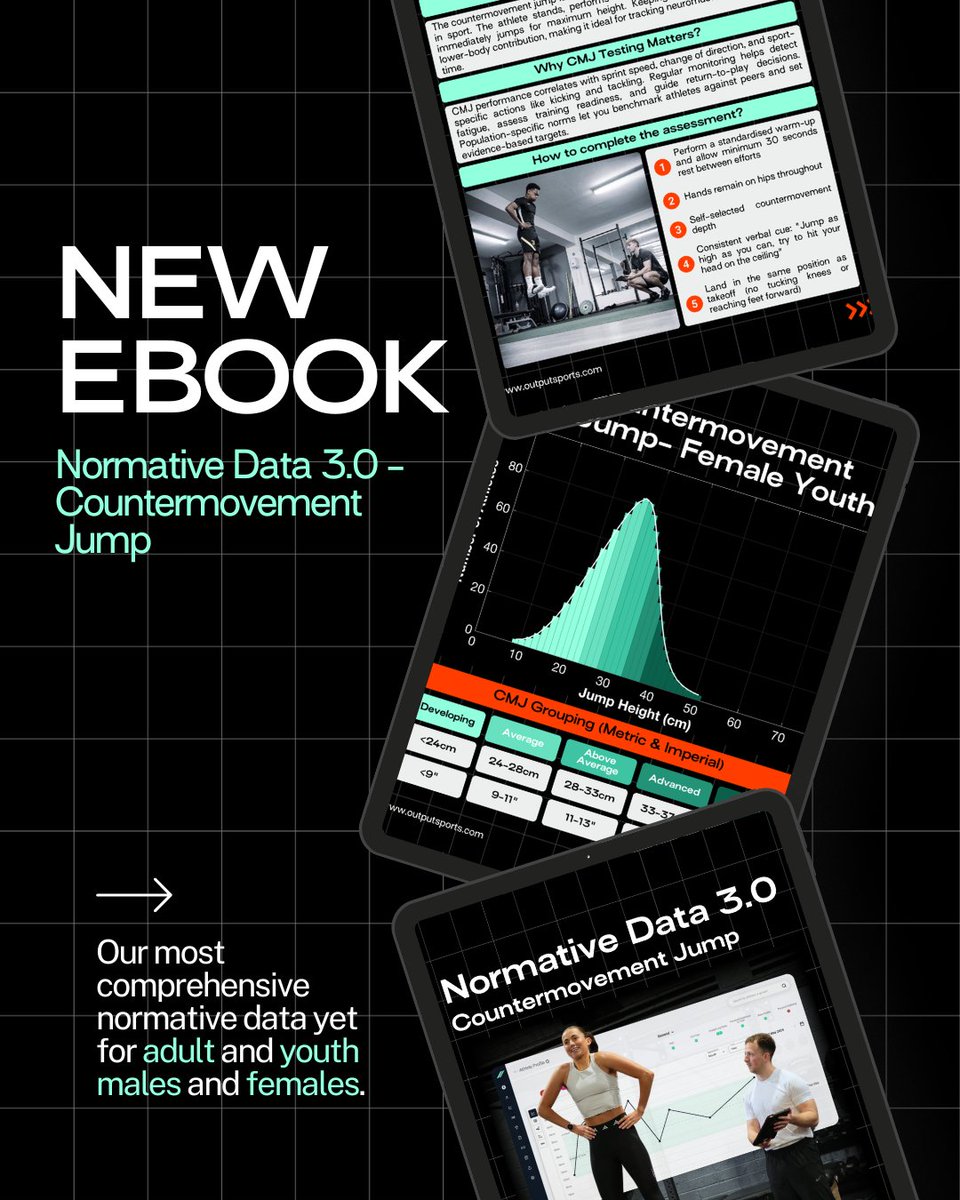
Want some FREE eBooks and Guides? 📚🔥
Check out our resources on normative data, medball training, LTAD, driving athlete intent, sports physio & rehab, VBT, athletic testing and more! ⬇️
2
2
7
6,012
Jun 12
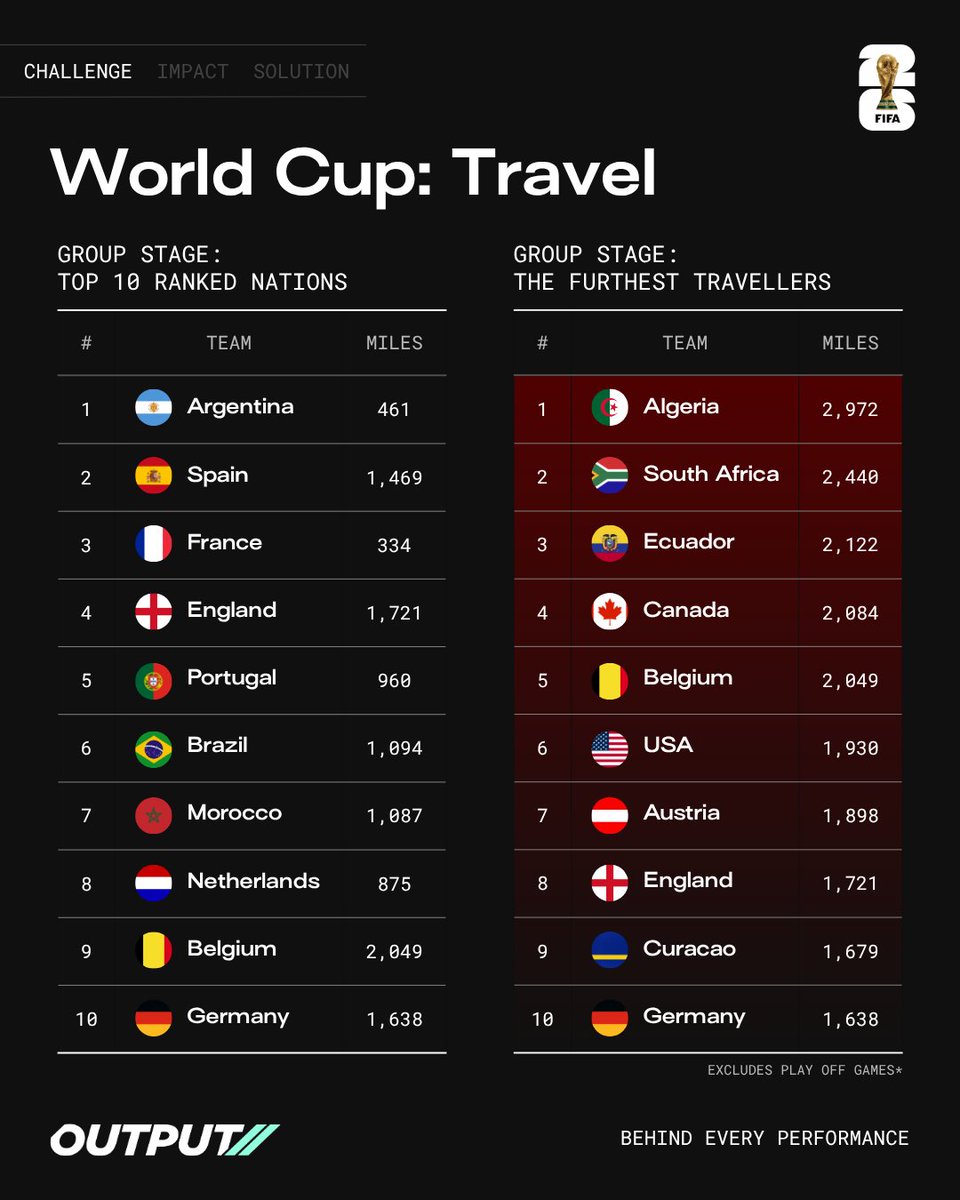
The travel problem nobody is talking about at this World Cup ✈️
The 2026 World Cup is not only a football challenge. It is a travel challenge, with squads moving between countries, cities, time zones and training environments across North America.
England open in Dallas, then travel northeast to Boston, then New York. Three games. Progressive eastward travel.
Germany open in Houston, move to Toronto, then finish in New York. The same pattern. Eastward across every game.
France play their entire group stage in the northeast. No intra-group time zone risk, but any knockout fixture on the west coast puts them facing the largest possible eastward shift at the worst possible moment.
Other teams face similar eastward jumps, and the science suggests direction matters.
In an analysis of more than 11,000 NBA games, eastward jet lag was associated with a 6% drop in win percentage, a negative points differential and reduced rebounding effort, with the effect growing as the magnitude of eastward travel increased (Leota et al., 2022).
For backroom staff, that makes travel part of readiness management. Testing cannot depend on one facility, one gym or one perfect setup.
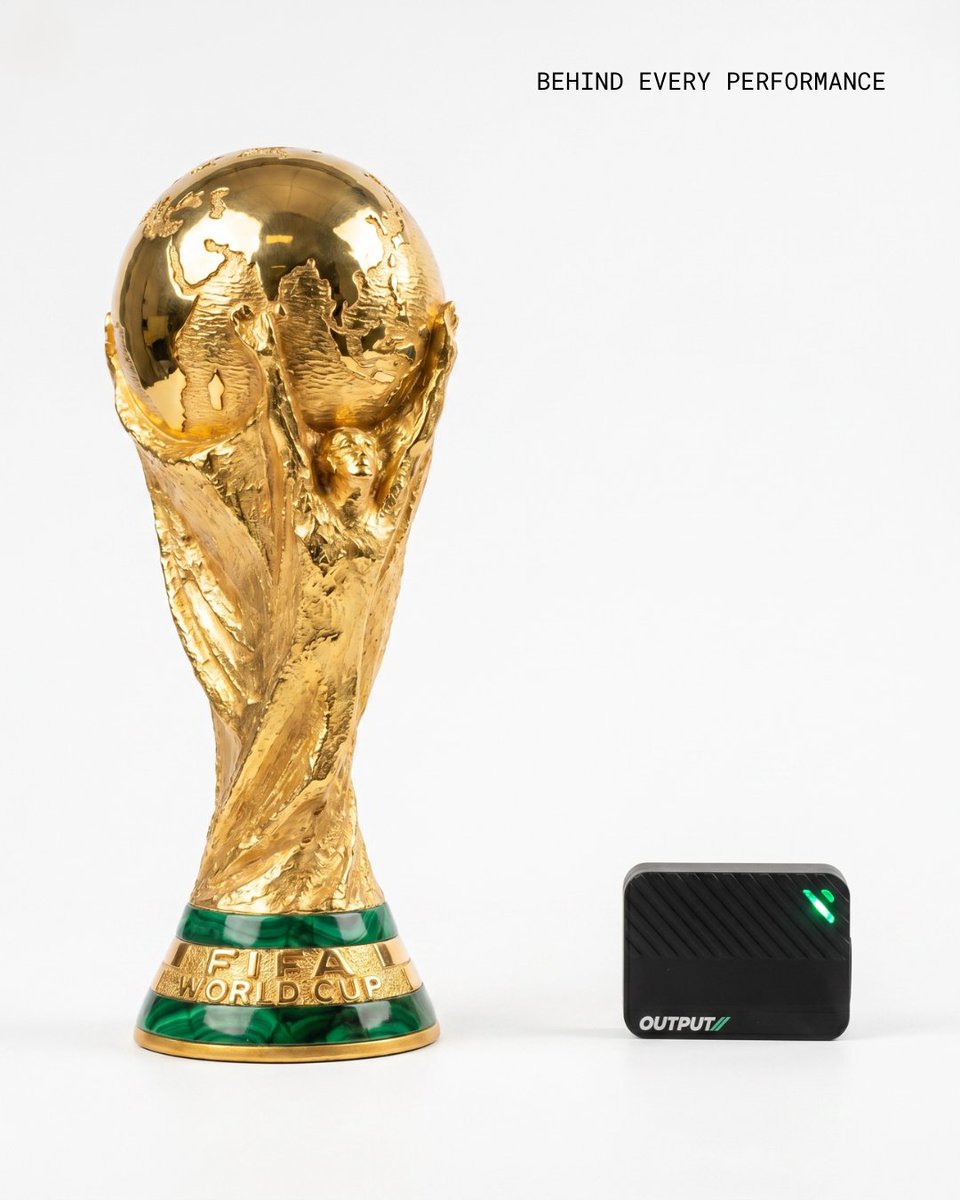
That is where Output comes in. One 21 gram sensor gives teams a portable way to test, drive intent and check readiness wherever the squad is training.
✅ Follow for more insights behind every performance.


190
Jun 11
The best never guess.
Behind every performance is the data that makes the difference.
87
OUTPUT// retweeted

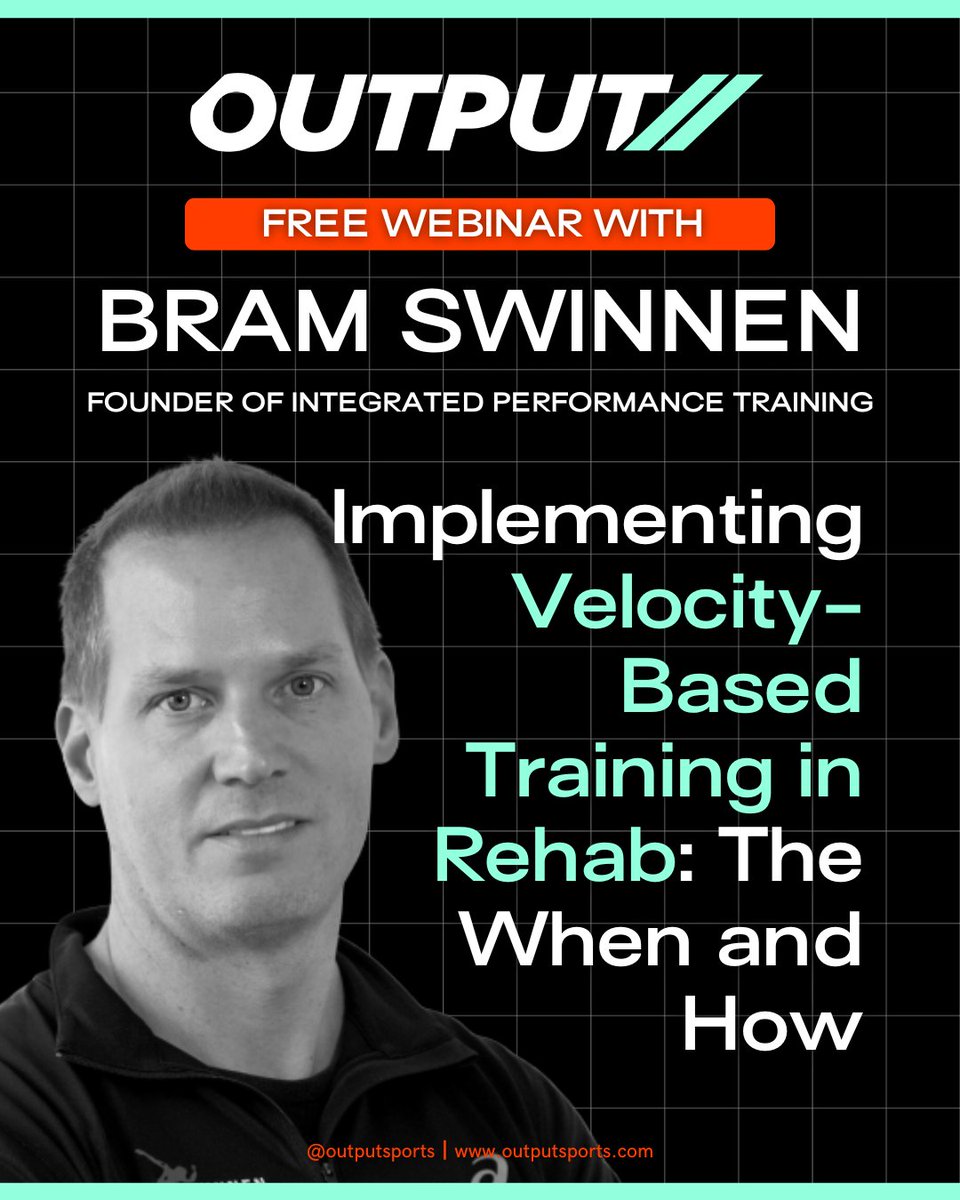
Hosting a webinar with @OutputSports called
“Strength without slowing down”
I’m going to talk about developing strength alongside endurance.
Real data from my own case study, and how you can apply this to your coaching practice (or your own training).
1
1
2
1,134
OUTPUT// retweeted

May 15
Living in the UK, and looking for in person CPD events?
This could be something to help
Www.collaboratesports.com/36…
#strengthandconditioning #highperformance
@OutputSports @VALDPerformance @1080motion

3
1
1,634


OUTPUT// retweeted

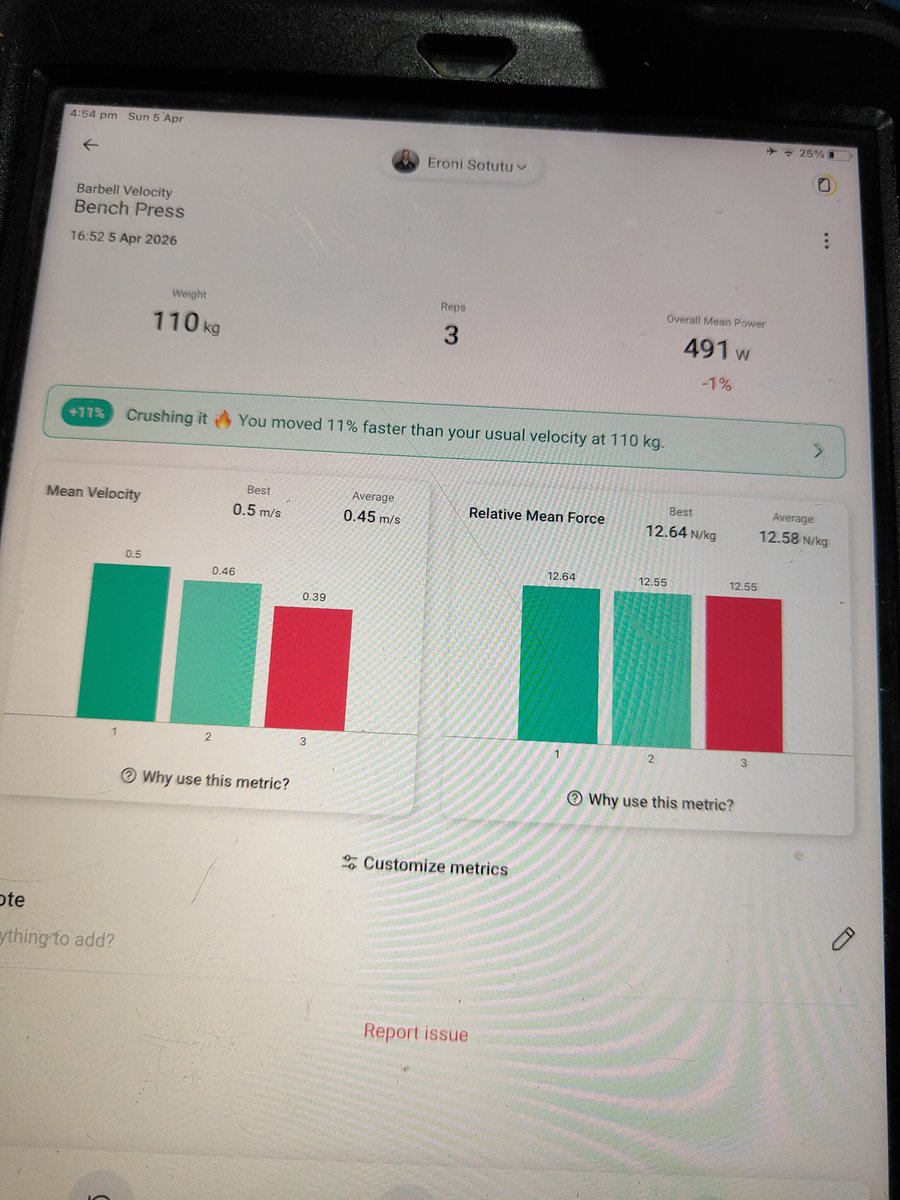
With @OutputSports, I can now quantify lifting performance at a range of submaximal weights. Loving the feedback they provide if I'm at, below or above my velocity norms at a certain load.
2
16
1,453
OUTPUT// retweeted

Mar 24
Fantastic to see Output Sports, our 2023 winner of Best New Sports Business, thriving! 👏
Their continued innovation and impact in the sports industry is truly inspiring.
Now It's your turn! Enter the Irish Sport Industry Awards by visiting tinyurl.com/2rd8x7fp
#ISIAS26
Mar 20

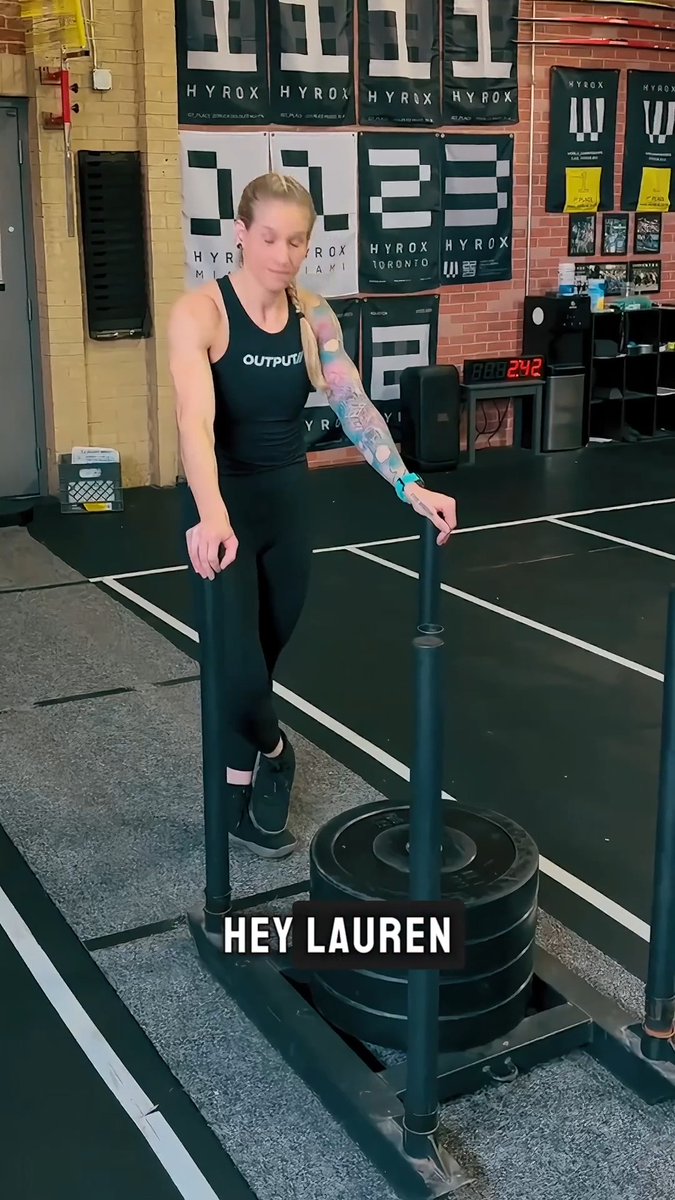
How important is strength for HYROX athletes?
It raises your ceiling. Stronger athletes find the sleds, ergs, and wall balls cost less energy per rep. But there is a law of diminishing returns.
Coach Lauren breaks it down.
1
508
Mar 30
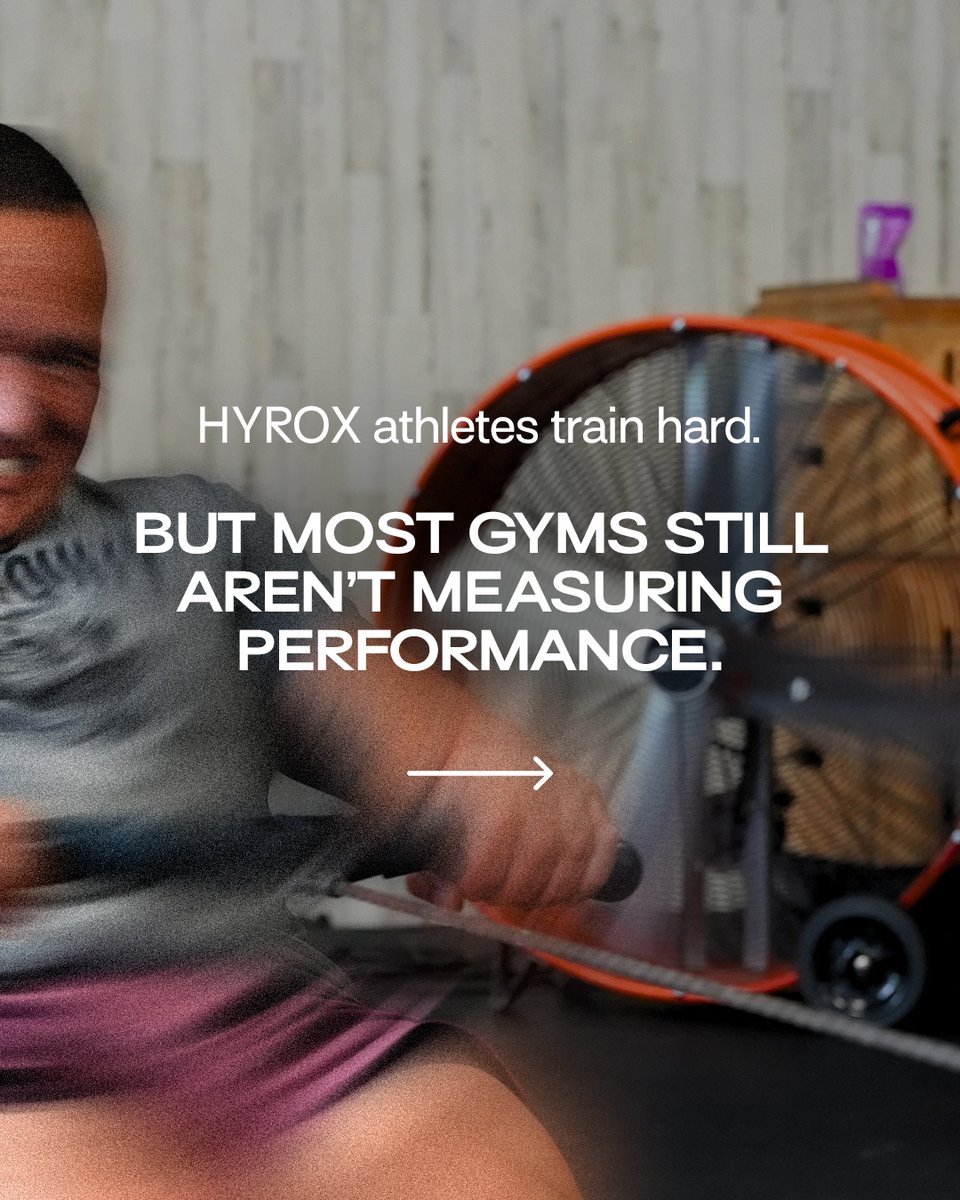
Great HYROX coaches know how to build hard work. The best ones also know exactly where to direct it.
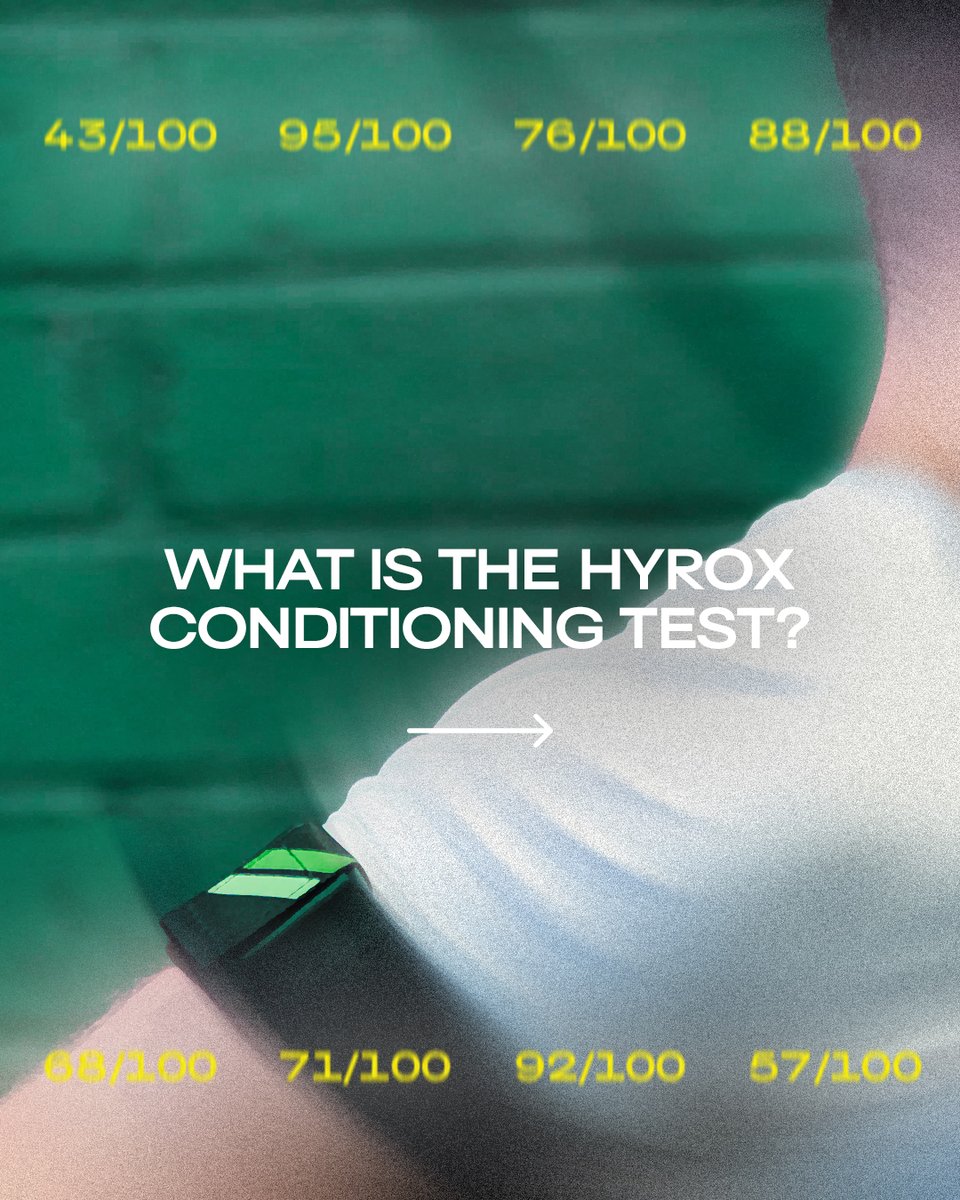
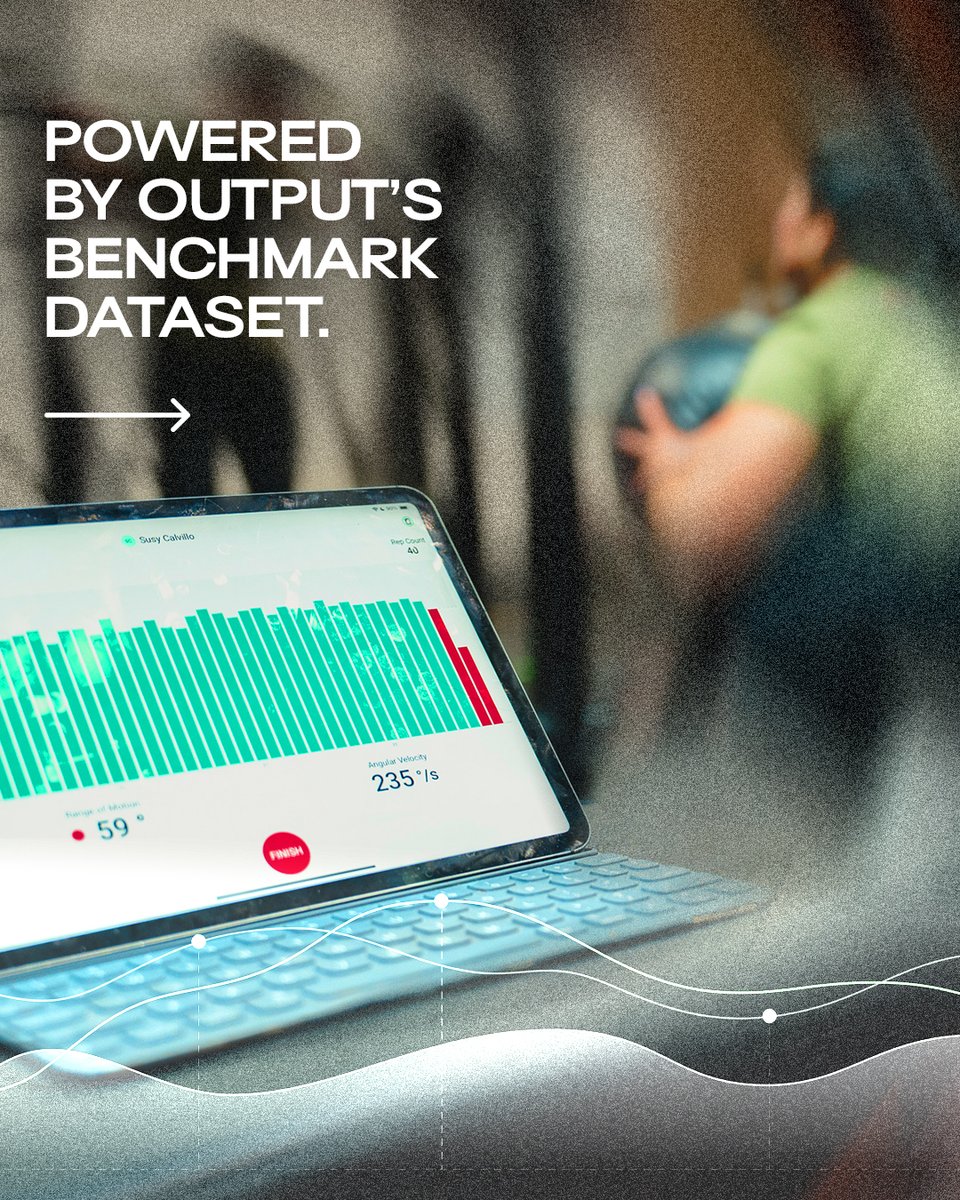
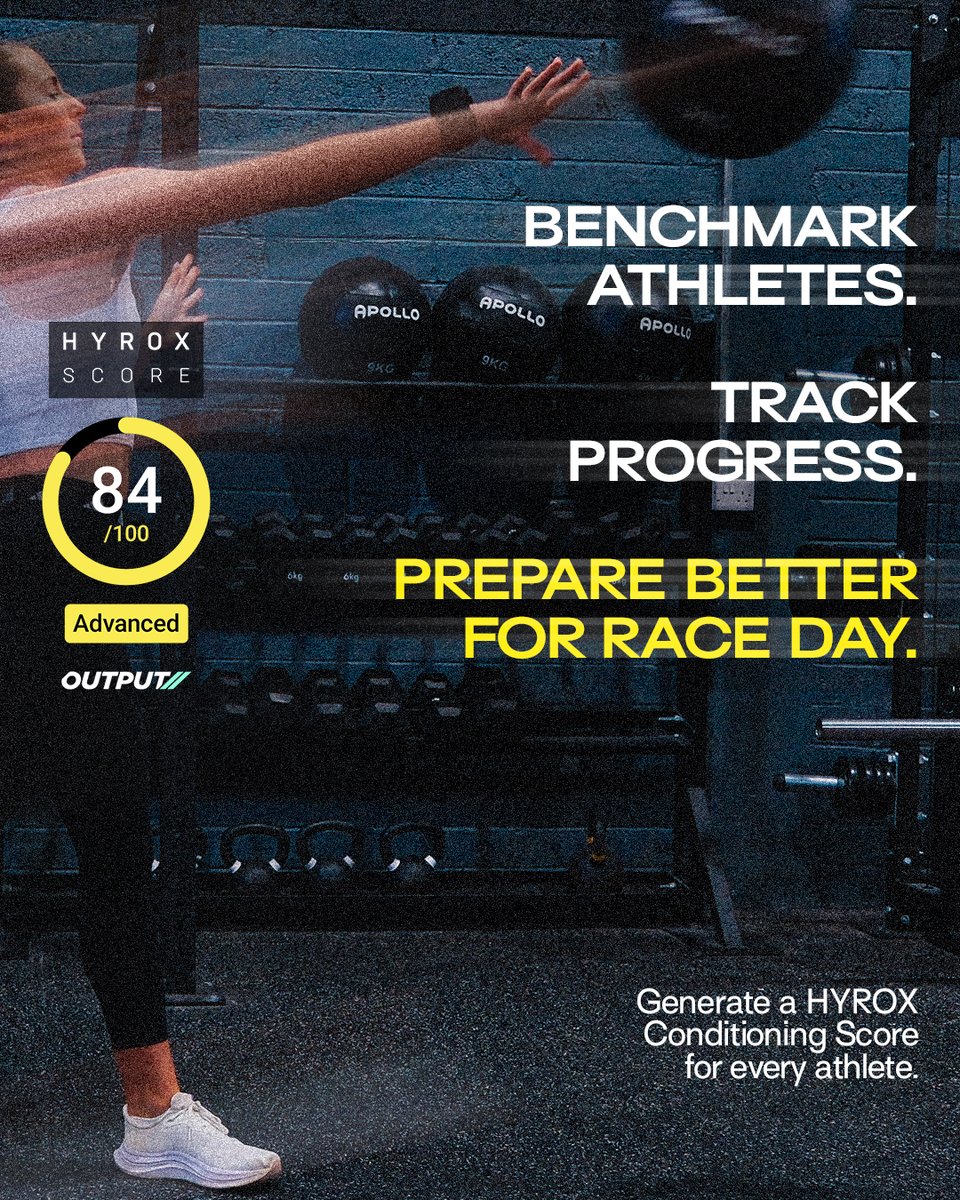
The HYROX Conditioning Test benchmarks the physical qualities that drive race performance. One score. Every athlete. Total clarity on where the programme needs to go.
236
Mar 26
HYROX training is evolving.
Today we’re introducing the HYROX Conditioning Test.
Developed in partnership with HYROX365 × Output, it brings a new way for gyms to benchmark the physical qualities that drive HYROX race performance. Powered by Output’s benchmark dataset, the test generates a HYROX Conditioning Score, giving coaches a clear way to measure athletes and track progress over time.
The same performance benchmarking frameworks used by elite sports teams, now available to HYROX gyms.
A clearer way to measure performance.
A smarter way to prepare for race day.
206
Mar 20
How important is strength for HYROX athletes?
It raises your ceiling. Stronger athletes find the sleds, ergs, and wall balls cost less energy per rep. But there is a law of diminishing returns.
Coach Lauren breaks it down.
1
846
OUTPUT// retweeted

Mar 16
I was delighted to be on stage this morning with Andy Quinn @BCFootball, Adam Byrne @OutputSports, Roisin Lee @bostongaa and Cathal Conlon @NERevolution for a great discussion about Ireland's new Sports Diplomacy Strategy launched by Minister @HMcEntee in Fenway Park today.


4
11
837
Mar 18
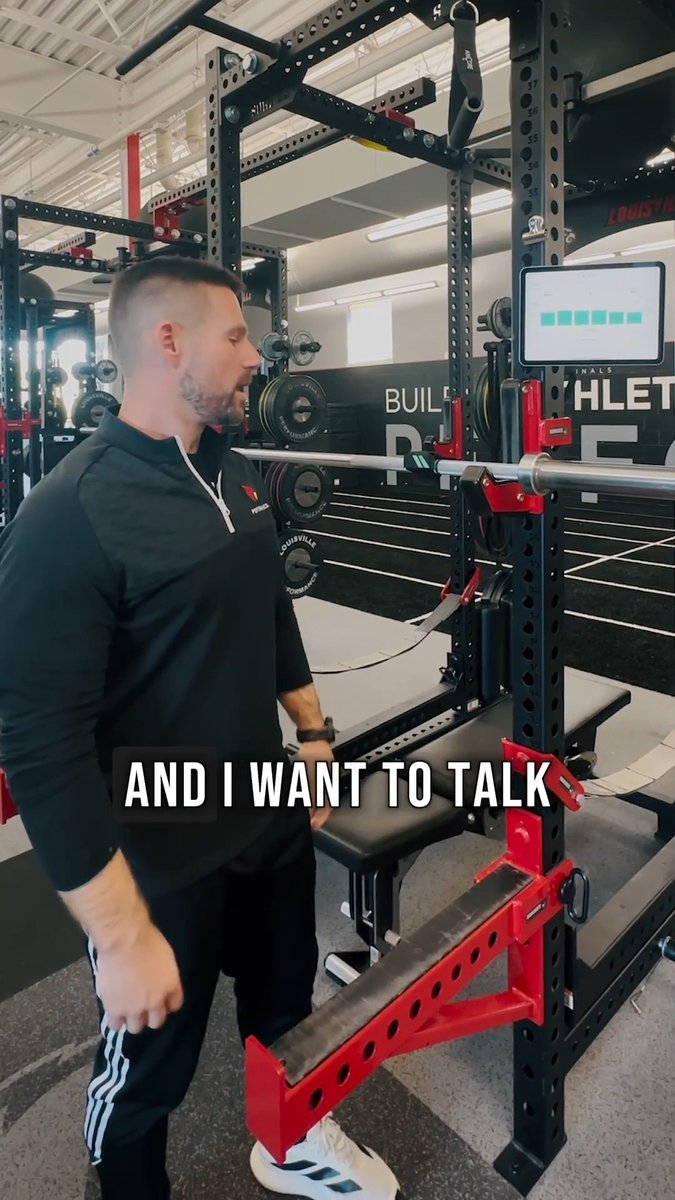
University strength programmes operate under real constraints: large rosters, tight schedules, and the constant pressure of keeping athletes available and performing.
Through its partnership with UofL Health, Louisville Sports Performance has implemented Output to introduce greater objectivity into the environment.
Velocity-based training gives coaches daily insight into neuromuscular readiness. Training loads are driven by what athletes can actually produce, not by what was planned on paper. That’s autoregulation working at scale.
When the data guides the decision, coaches spend less time guessing and more time coaching.
Output is trusted across university sport for exactly this reason.
@UofLPerformance @GoCards
1
337
Mar 16
Where should a HYROX athlete actually start with their training?
Most athletes jump straight into a programme without asking the right question first: where am I actually losing time in the race?
Coach Lauren breaks it down.
331
Mar 12
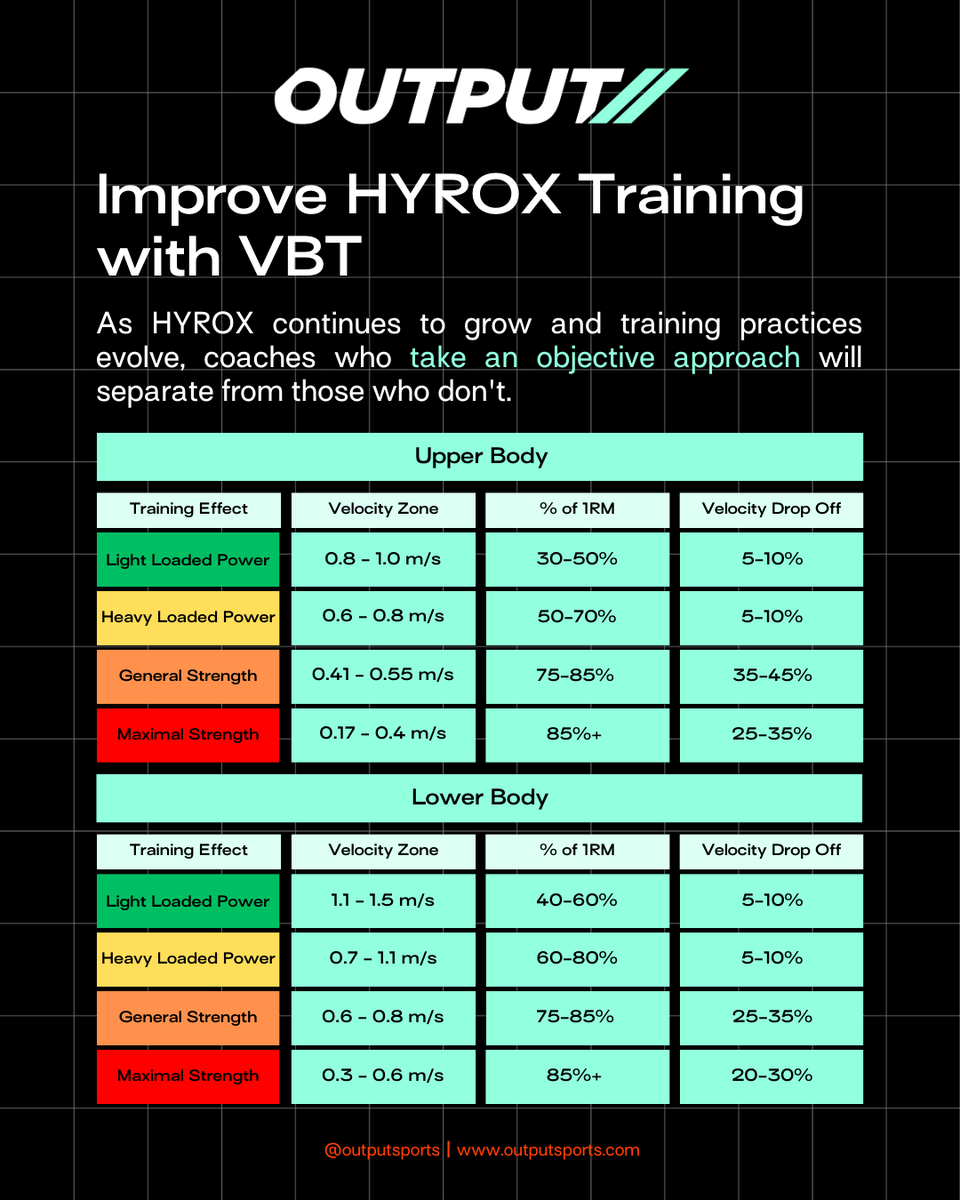
HYROX training and coaching is evolving. Coaches who use objective data are already ahead.
VBT (Velocity based training) ensures you build strength that transfers:
- Reduces metabolic cost per rep
- Keeps training in sport-specific zones
- Manages fatigue to prevent overreach
You don't need a 200kg squat for HYROX. You need durable strength that holds through 100 wall balls, sled pushes, and sandbag lunges.
Train smarter. Race better.

1
1
1
442
OUTPUT// retweeted

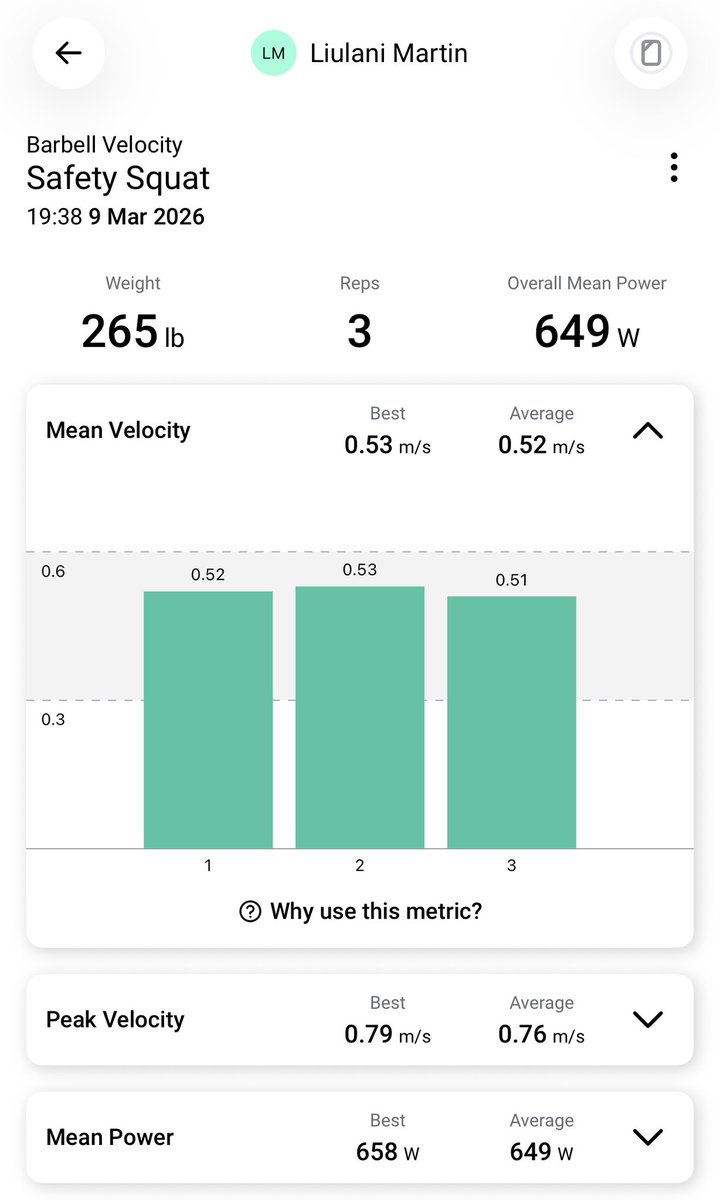
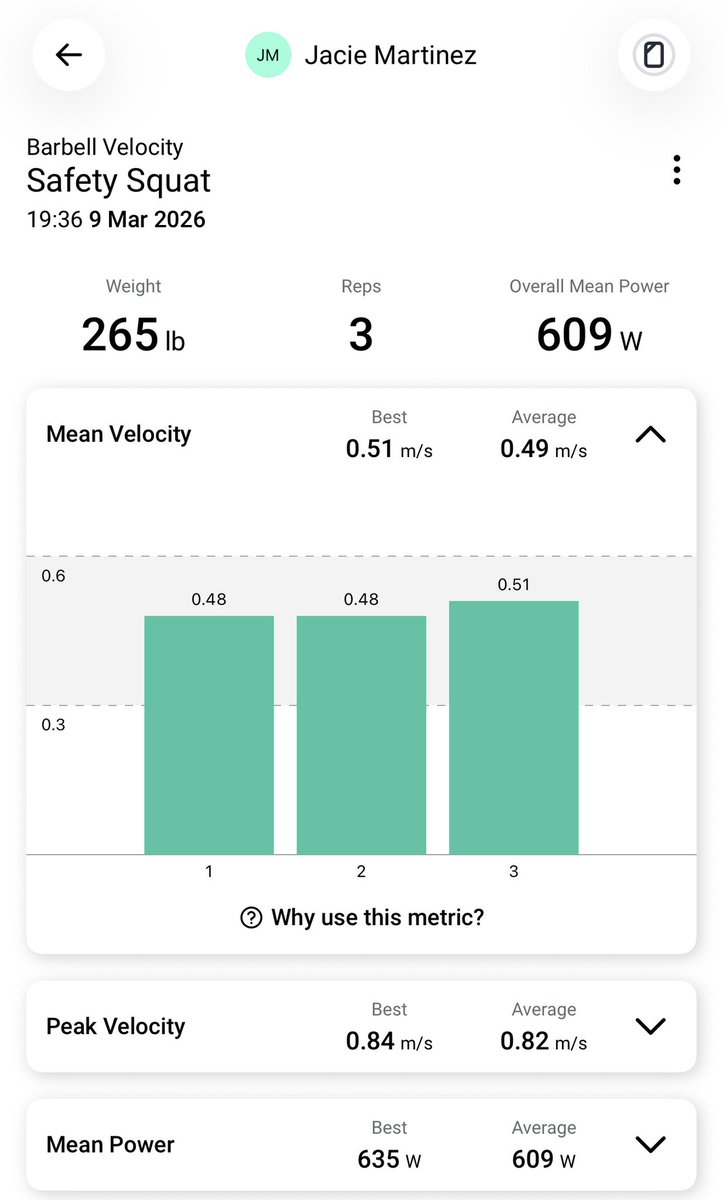
@liulanimartin & @JaicieMartinez getting some “Heavy” Triples in the weight room before heading into the regular season on the Diamond for Kapaʻa High School’s Softball Program.
All reps ~0.5 m/s using @OutputSports
🤙🏽🤙🏽
1
1
1
293
Mar 10
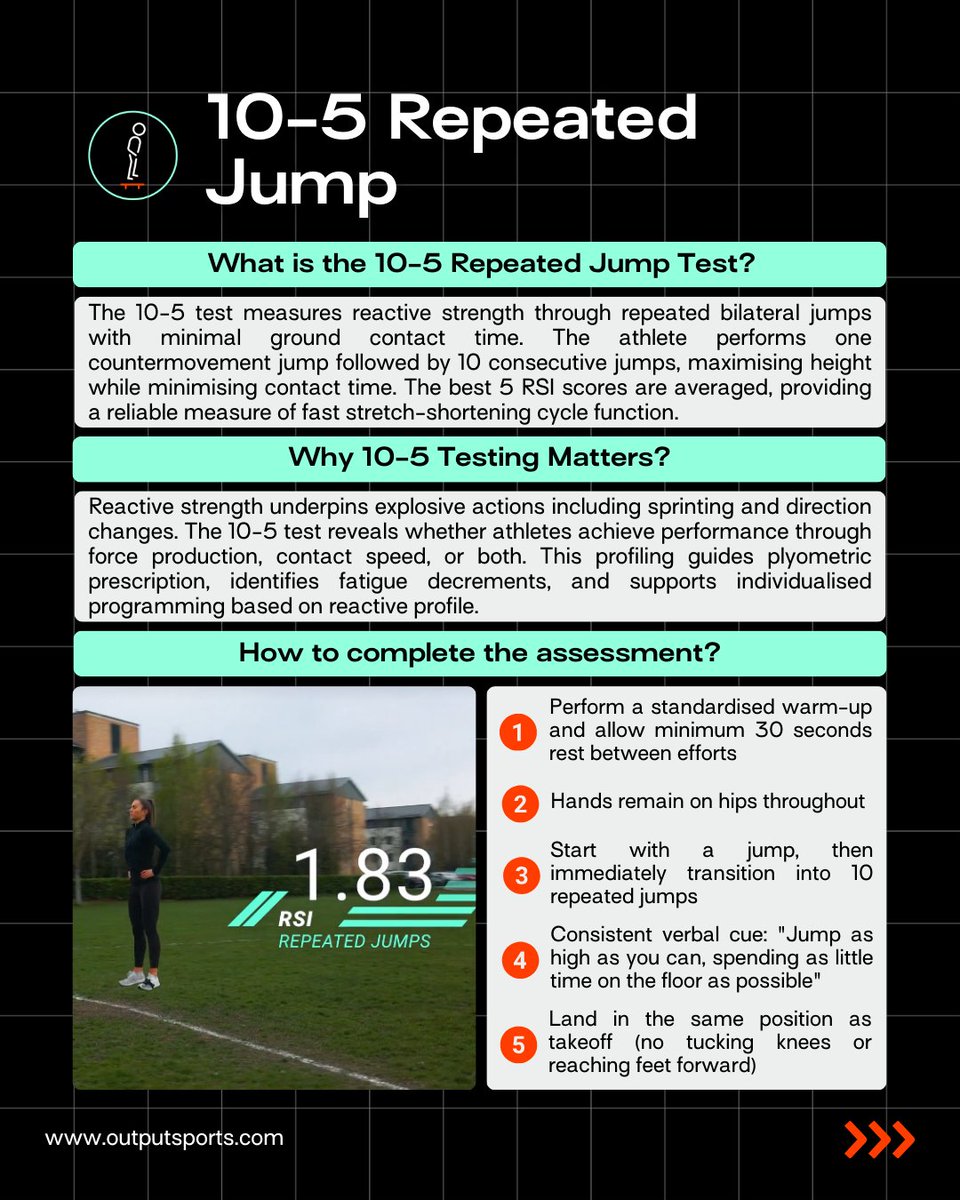
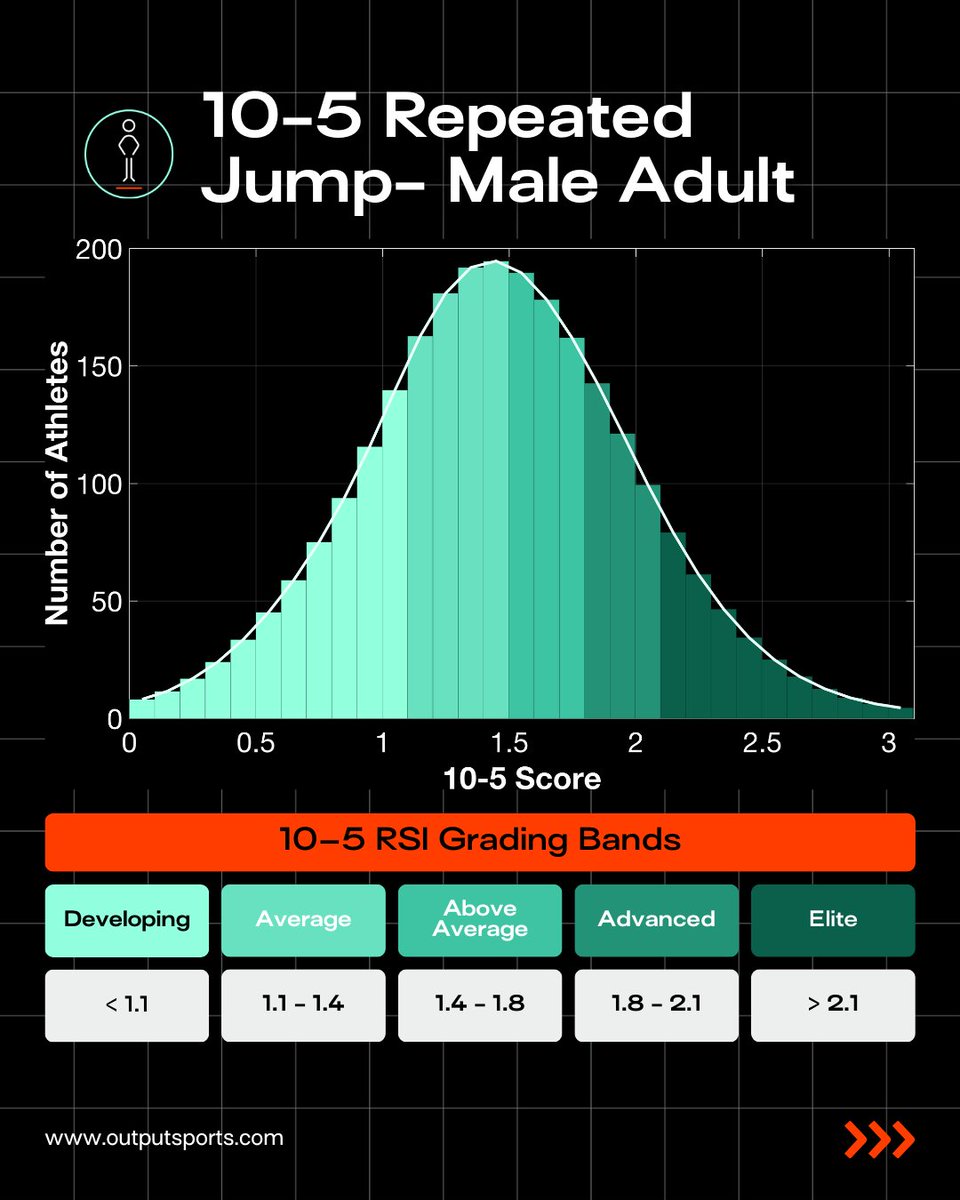
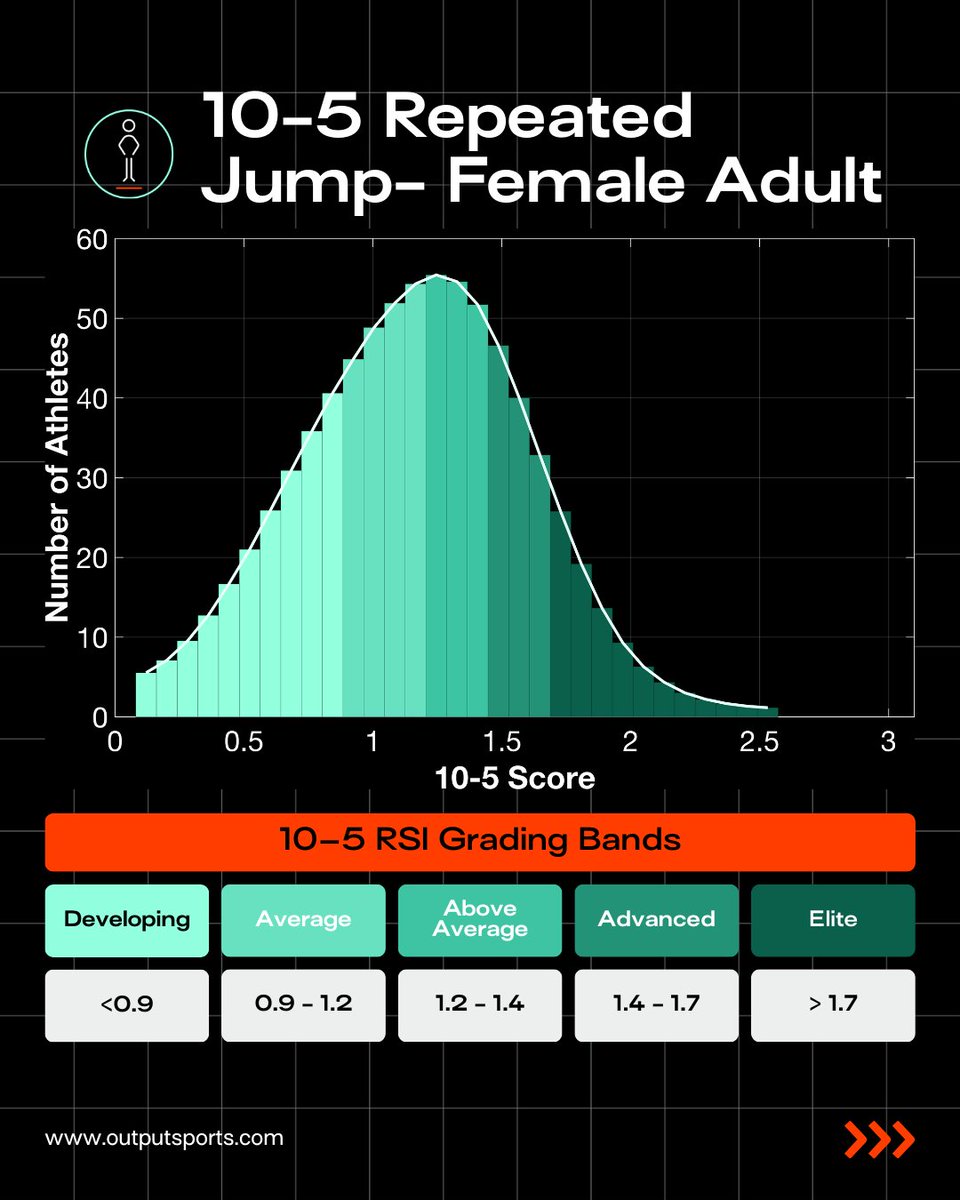
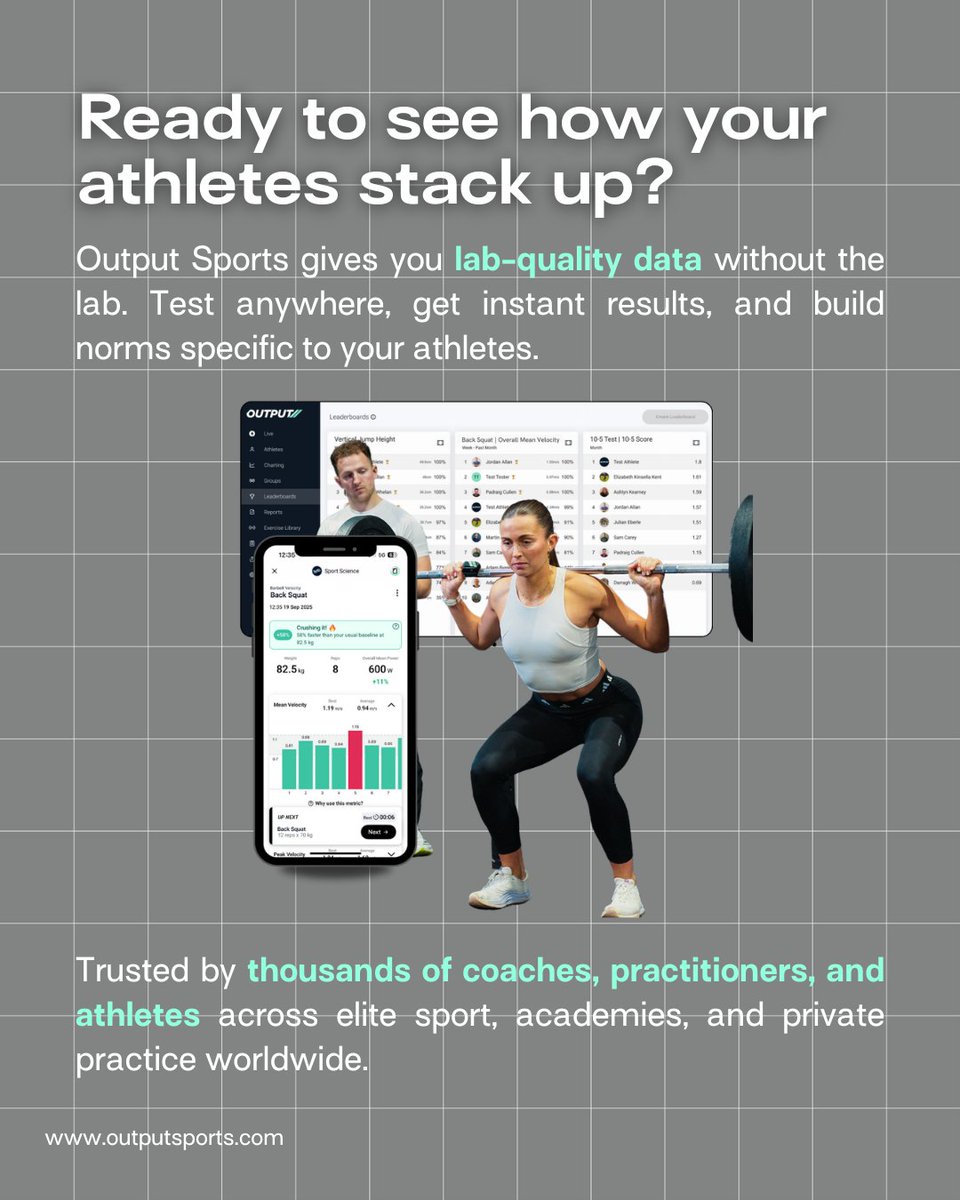
One of our most popular tests, but what is it, why should you use it, and what does good look like?
1
2
4
1,671
OUTPUT// retweeted

Vball Travel season using @OutputSports to meet her where she is. Baseball/ soccer in-season on blocks & civilian students pulling from the floor to cont to load proper movement patterns. 1st class down and more to come. @rackcoach as my asst coach #AllinAllRaider @RaiderSport
4
10
1,268
OUTPUT// retweeted

Feb 25
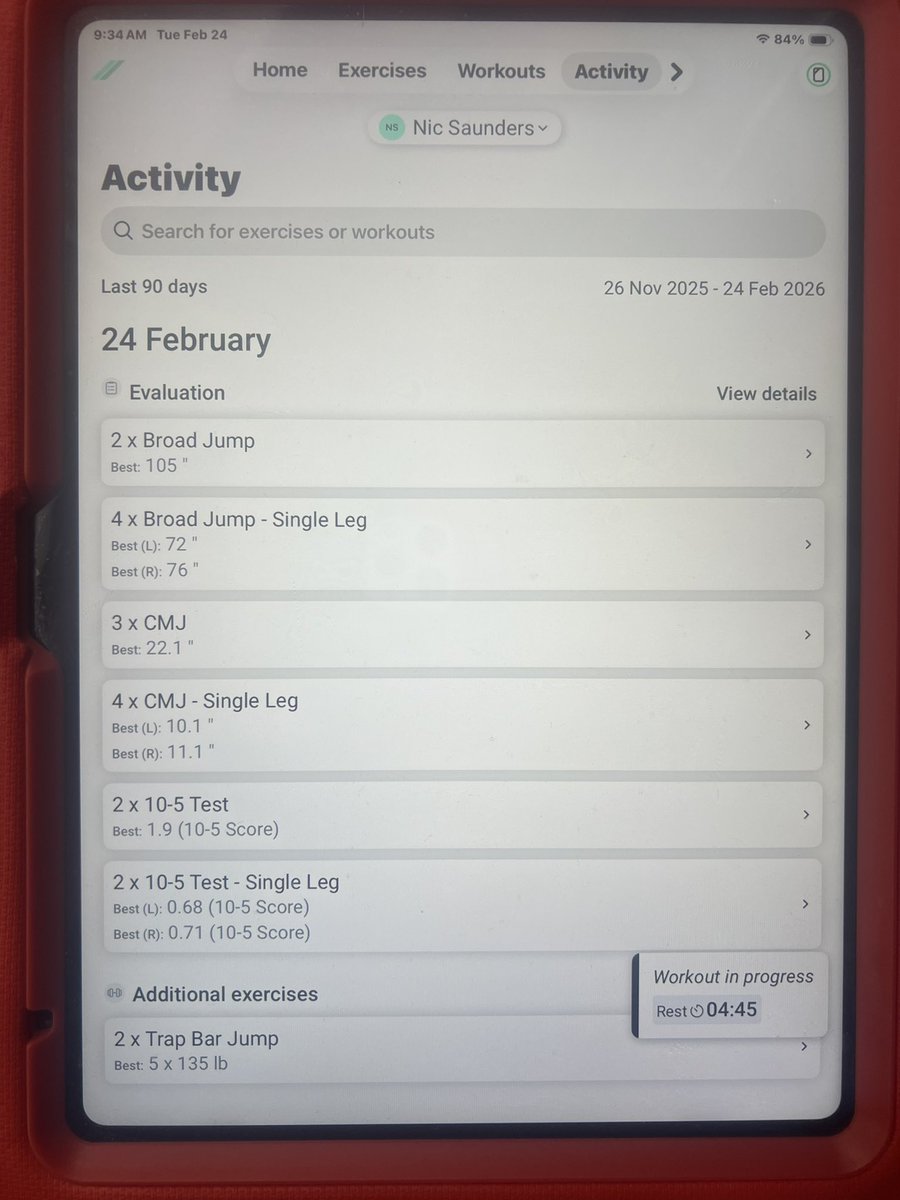
Output measured. Day One EVAL. Gather data, video and biomechanics, speed and strength.
@SHREDmillSpeed
@OutputSports
Now we set goals and get to work training. #TBKathletics
1
1
231
OUTPUT// retweeted

Unbelievable! Surely the fastest IOS developer in the world @OutputSports 🐐
Feb 11

BORI, THAT IS INSANE!!! 🤯🔥
Bori Akinola (UCD AC) has smashed the Irish senior 60m record clocking 6.54 at the Belgrade Indoor Meeting in Serbia 🤩
Akinola finished second at the World Indoor Tour Gold meet and took 0.03 off Israel Olatunde's 2023 national record (6.57) in the process.
Result ➡️ tinyurl.com/5tzhs9md
*Record subject to ratification
#IrishAthletics

1
8
1,798