
prof, pro vp, U. Glasgow. @RoyalSocEd @acad_euro. Personal views only. co-Chair @SAHA_voice; Trustee @N_T_S; board eassh.eu; board scga.scot
Joined July 2014
- Tweets 8,293
- Following 1,526
- Followers 3,268
- Likes 16,816
788 Photos and videos








Pinned Tweet

Mar 28
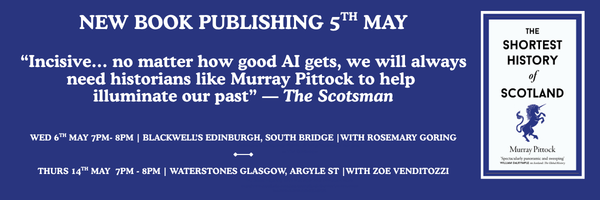
Just in print-available in the shops soon for £14.99, launch events in Edinburgh and Glasgow to come, first podcast recording with Jackie Bird for @N_T_S on 7 April @WhiteHouseHstry @EmpirePodUK @HistoryHit @BBCInOurTime @ScotGovInter @SAHA_voice @ScottishSfu @IASSL_ScotLit


1
6
22
2,009
3h
There is indeed. However in the C18 Caribbean you were probably dead either way within a 7-year timeframe. It was intended that Jacobites transported there would be expendable.

There is a difference between chattel slavery and indentured servitude.
Moreover, the 1746 act was superseded by Use of Highland Dress Act 1782, which effectively repealed the 1746 act. This is a period of 36 years.
1
107
MP retweeted

There is a difference between chattel slavery and indentured servitude.
Moreover, the 1746 act was superseded by Use of Highland Dress Act 1782, which effectively repealed the 1746 act. This is a period of 36 years.

In 1746 the British gov banned the wearing of kilts and tartan to suppress our culture
1st offence - 6months in jail
2nd offence - 7 years of slavery
The fact we can wear our family tartan in our land & across the world is something we take great pride in
🏴 ALBA GU BRÀTH 🏴
3
1
4
1,196
Jun 12
Give up growth and you get disaster nationalism. In this way the populist left feeds the populist right. @danielsusskind Growth is the book to buy here.
Jun 11

Painfully dishonest degrowth piece. Here's a teardown.
1. The headline promises maths that isn't there.
"We've done the maths" but the piece contains no calculation. Just two borrowed statistics and a policy wishlist.
2. The 92% figure isn't a measurement, it's a definition.
"Excess" emissions means anything above an equal per-person share of the carbon budget going back to 1850. Define the rules that way and the North is guilty by construction. Pick a different baseline year or allocation rule and the number changes completely. It's a moral framework dressed up as arithmetic.
3. "Growth has become decoupled from shared prosperity" is the opposite of the global record.
Extreme poverty fell from roughly 38% of humanity in 1990 to under 9% before the pandemic, almost entirely through growth in China, India and East Asia. Not redistribution. Not aid. Growth. The claim is only half-true for median wages in some rich countries, and they quietly universalise it.
4. The headline contradicts the article's own sixth paragraph.
Headline: growth is doomed. Paragraph six: low-income countries still need growth. So growth works precisely where the poor actually live. That's not a doomed strategy, that's the most successful anti-poverty mechanism in history with a footnote.
5. The decoupling double standard.
This school insists GDP can never decouple from emissions (so growth must end), while claiming GDP has fully decoupled from wellbeing (so growth is pointless). Decoupling is impossible in one direction and total in the other, depending on which suits the argument. In reality 30-plus countries have cut emissions, including imported ones, while growing.
6. "Poverty is manufactured" is backwards.
Poverty is the default condition of our species for all of history. Wealth is what had to be manufactured. Inequality is policy-shaped, fine, but treating destitution as something governments created implies it vanishes once they stop, which no historical evidence supports.
7. "Endless expansion on a finite planet" conflates money with stuff.
GDP measures value, not tonnes. A therapy session, a software licence and a barrel of oil all count. Physical limits constrain material throughput, not value-added, and the two have been diverging for decades.
The two claims that hold up: the top 10% producing nearly half of emissions (solid Chancel/Piketty data) and the debt-servicing figure. Everything structural around them is rhetoric wearing a lab coat.
theguardian.com/commentisfre…
134
Jun 12
Good business for someone

Keir Starmer has announced that AI tutors will be rolled out to 450,000 children on free school meals to close the attainment gap.
Speaking at London Tech Week, the PM also announced the government's new AI jobseeking tool.
96
Jun 9
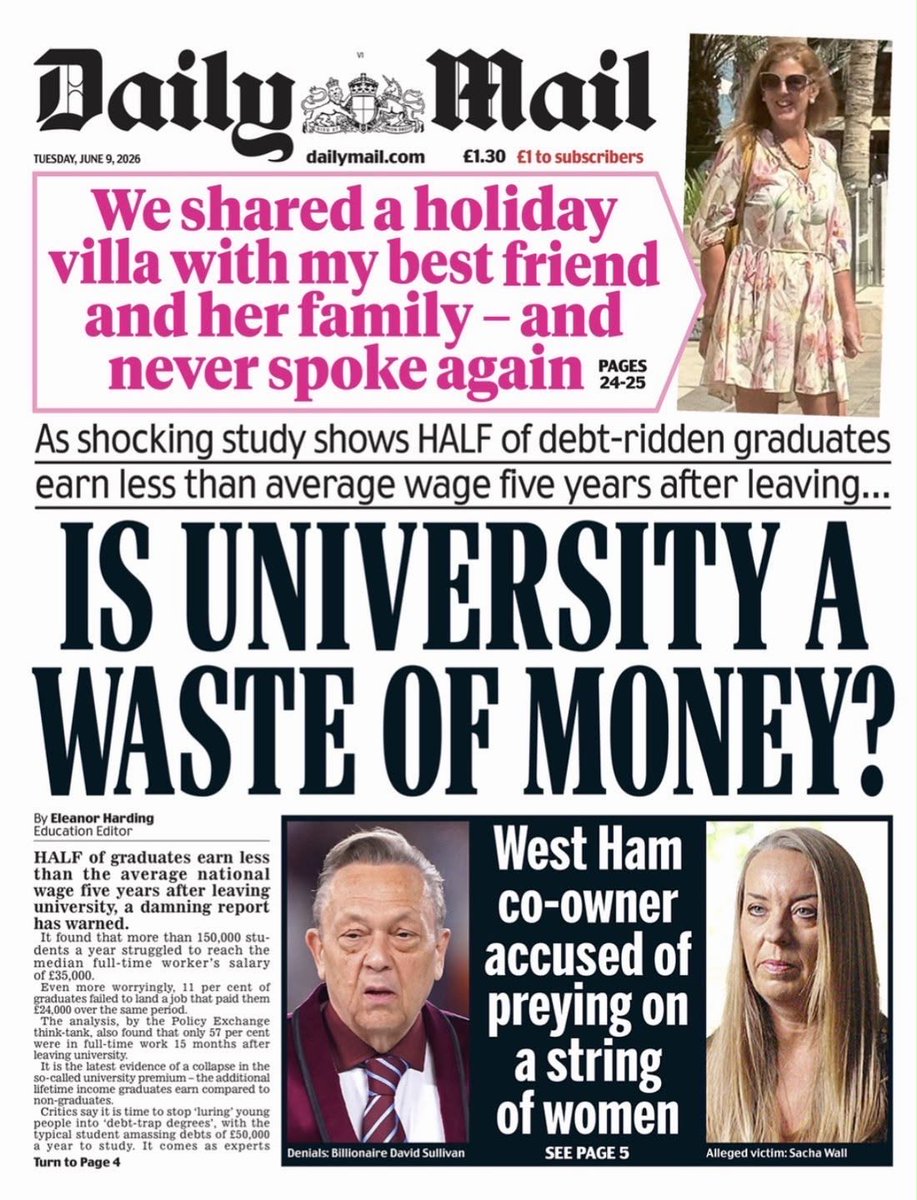
Wow ! The Shadow Secretary of State knows which degrees are ‘dead-end’. Sure this critically important information & the underpinning data can be shared with all relevant agencies & UUK & save everyone time & money. This is exciting information !
Jun 9

We need to stop pushing young people into courses that leave them with huge debts, minimal face time & no job prospects at the end. It’s not fair & demoralising for graduates. Our New Deal for Young People would fix this by capping dead end degrees & investing in apprenticeships.
1
4
267
Jun 8
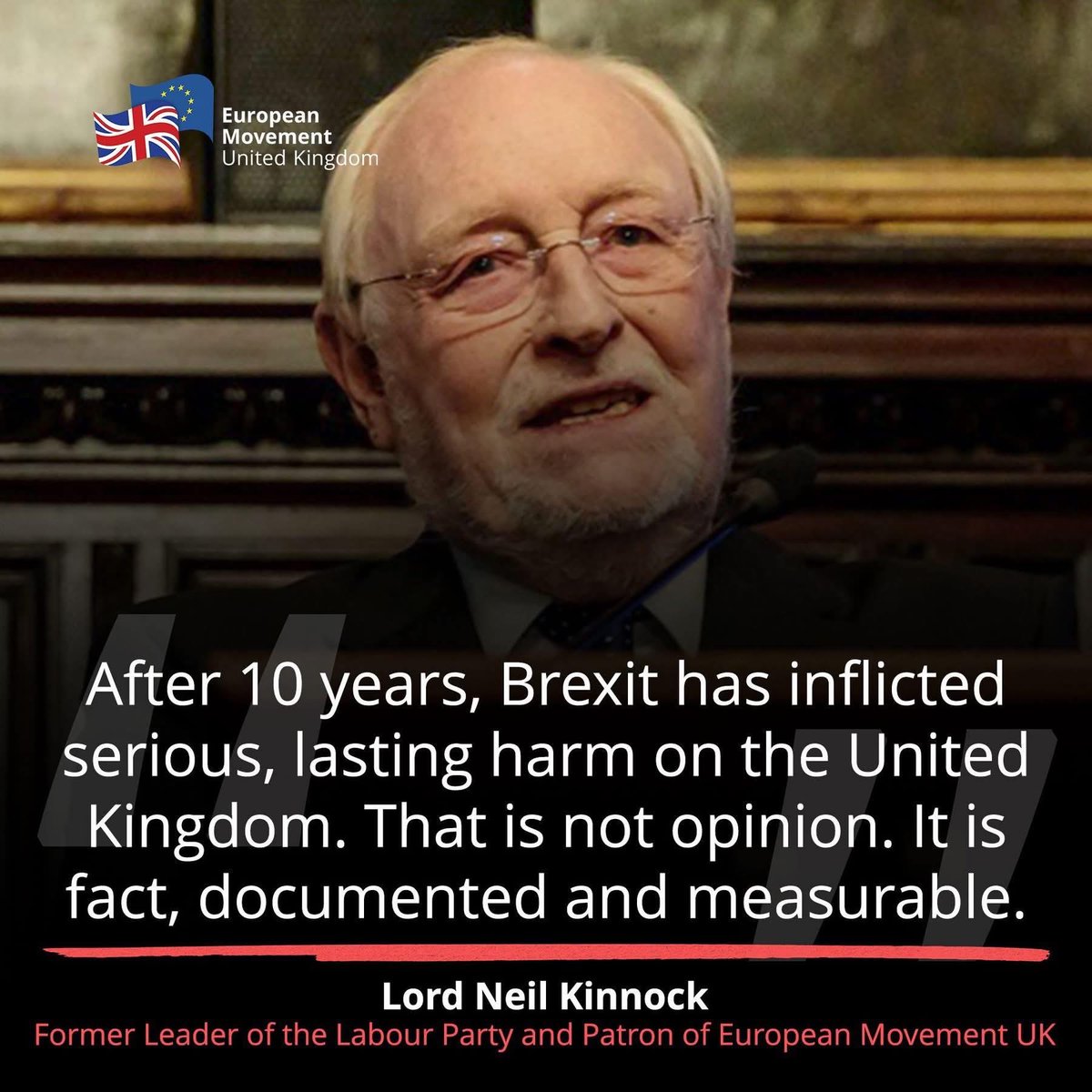
Quite. Still being contested in the media. The ONLY way Brexit could partially work was Jacob Rees-Mogg’s way. For a public sector heavy highly regulated Euro economy to decide it was different from all the rest but would be just the same outside was what happened instead.

155
Jun 8
CEPR figures suggest 86% of economists think Brexit permanently stunted the economy. @MerrynSW is a tough economic thinker, but not here. No-one else wants out, but that still tells us nothing apparently.

Majority want to remain outside the EU. Makes sense.
152
Jun 8
Great to see colleague and fellow co-founder of Infinite Muse @UofGMiM @MackayPAG quoted here. Fantastic to launch this for start of World Cup- Infinite Muse' s[un]box system shortlisted for 4 design awards.
Virtual reality experience opens at Hampden glasgowtimes.co.uk/news/scot…
4
150
Jun 8
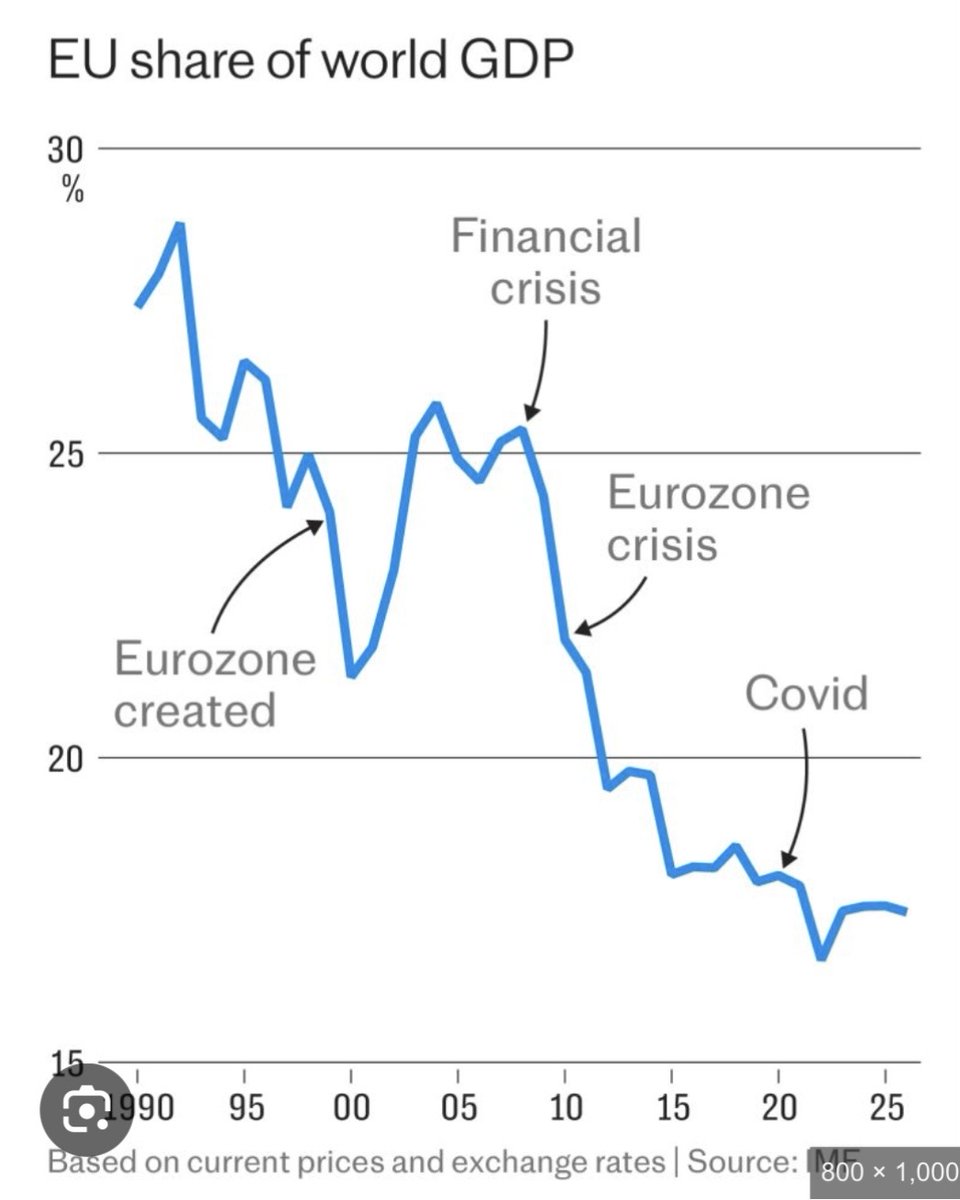
And the U.K. share has halved, which is a worse outcome. It’s purely pragmatic to note that a slightly more entrepreneurial country (the UK) would be at an advantage in the single market- why Mrs Thatcher wanted it- as Ireland is now.

1
1
163
MP retweeted

The guest speaker at the European Movement of Scotland AGM was Scottish Historian Murray Pittock @P14Murray who was critical of @scotgov decision to defund its office in Brussels #EuropaHouse & the failure to fund #Horizon mobility in contrast to the Welsh government
1
9
18
961
Jun 7
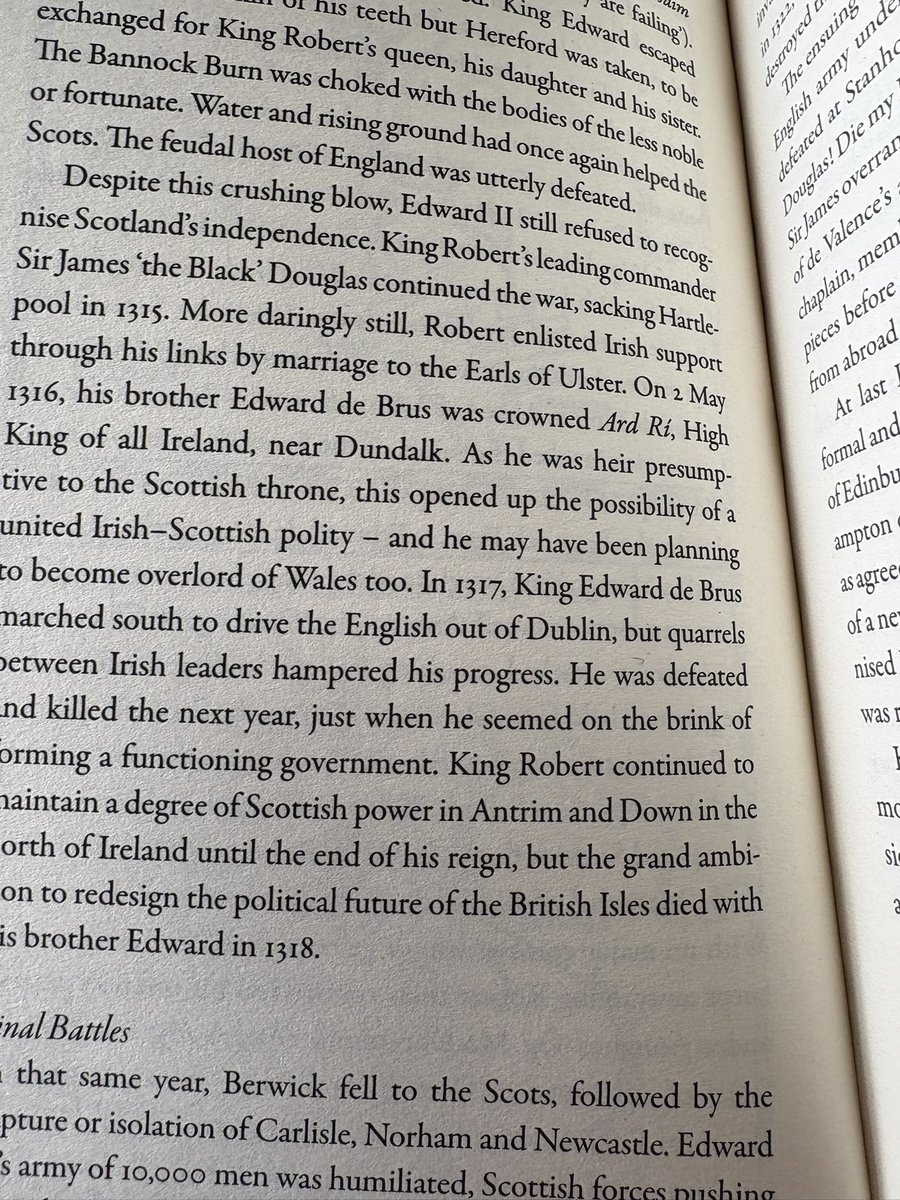
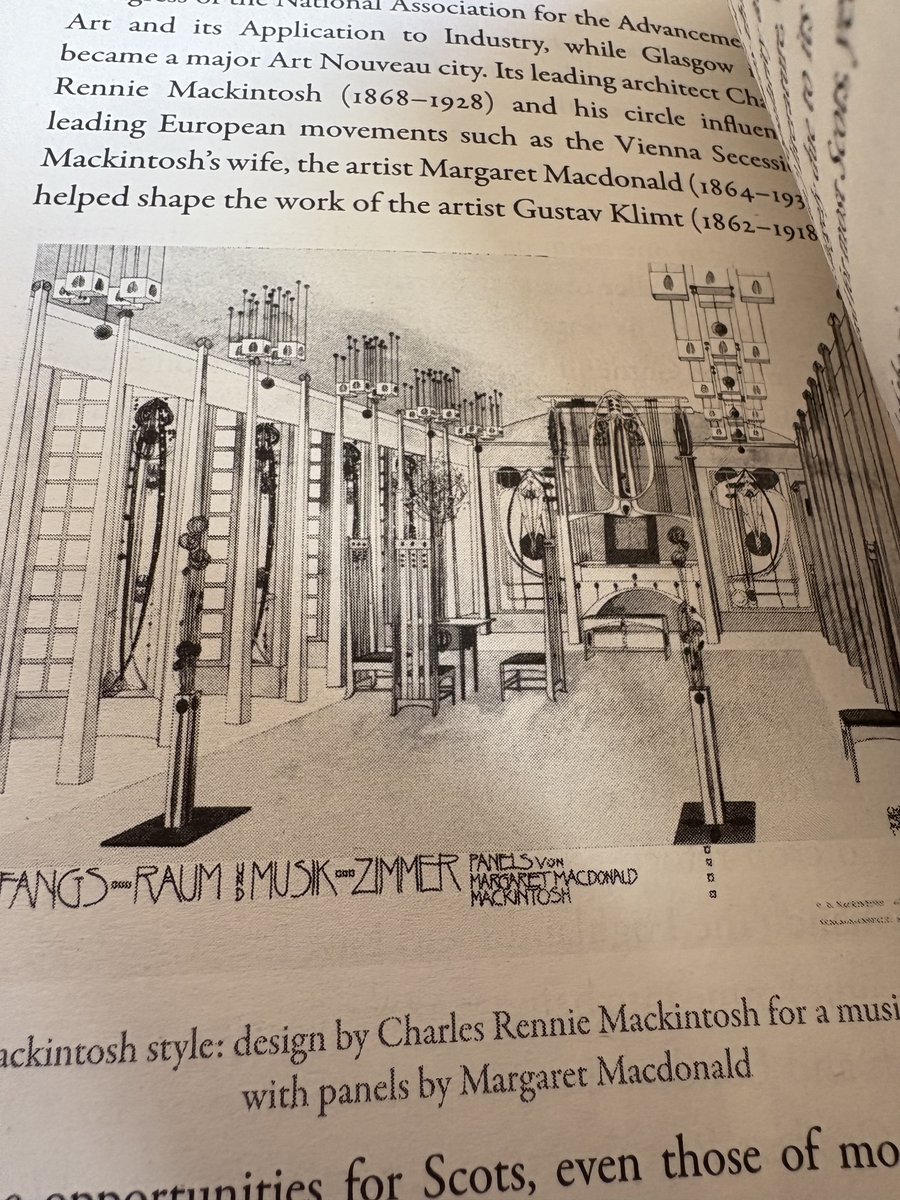
From The Shortest History of Scotland- Robert I the Bruce- who died this date in 1329-and Ireland
1
6
9
370
Jun 3
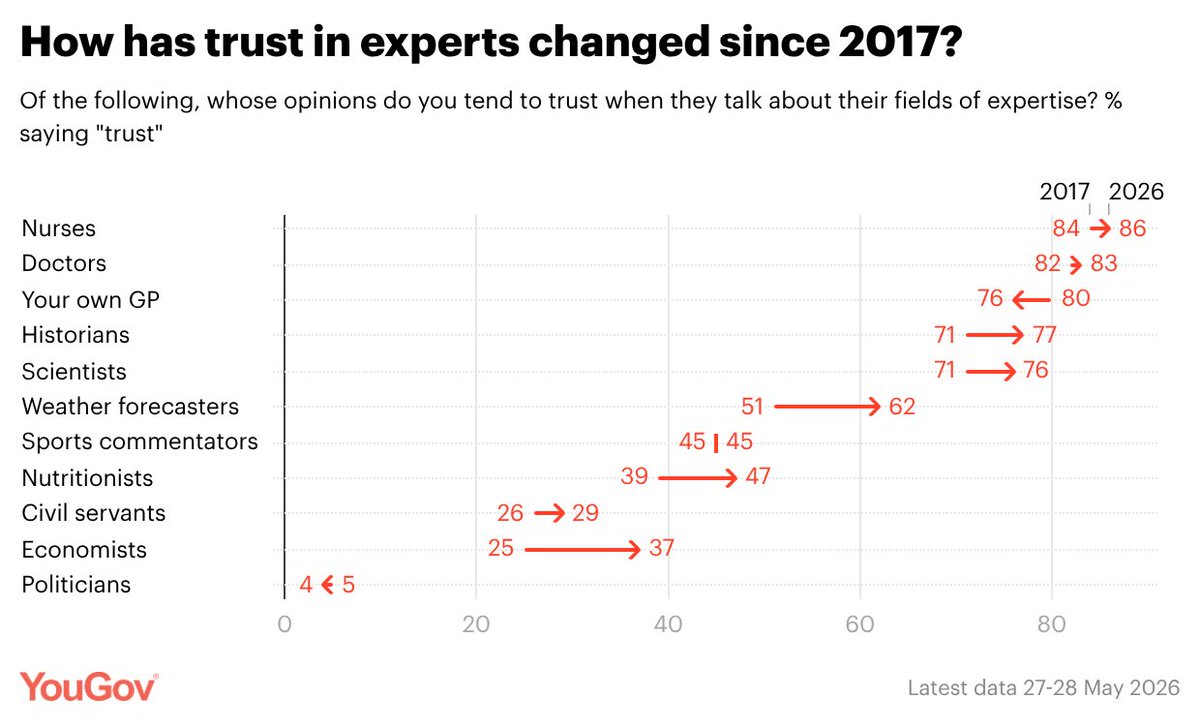
V. encouraging figures for historians ! There is an appetite for history which shows in the vast podcast numbers for @HistoryHit & @EmpirePodUK but which is often ignored by broadcast & print media or turned into celebs & scripts. Thanks to all who bought The Shortest History !

10 years on, have the British public still had enough of experts?
% who trust each expert in their area of expertise
Nurses: 86% ( 2 from 2017)
Doctors: 83% ( 1)
Historians: 77% ( 6)
Your own GP: 76% (-4)
Scientists: 76% ( 5)
Weather forecasters: 62% ( 11)
Nutritionists: 47% ( 8)
Sports commentators: 45% (=)
Economists: 37% ( 12)
Civil servants: 29% ( 3)
Politicians: 4% (-1)
3
2
344
Jun 2
A wonderful piece of old Europe. Debs have to apply for a place…

A timeless tradition performed in perfect synchronicity, the first waltz at the Vienna Opera Ball is a magical moment.
(Swarovski Vienna Opera Ball 2025)
242
Jun 2
Happy birthday @Dr_Dimitra_Fimi ! An excellent engagement topic !

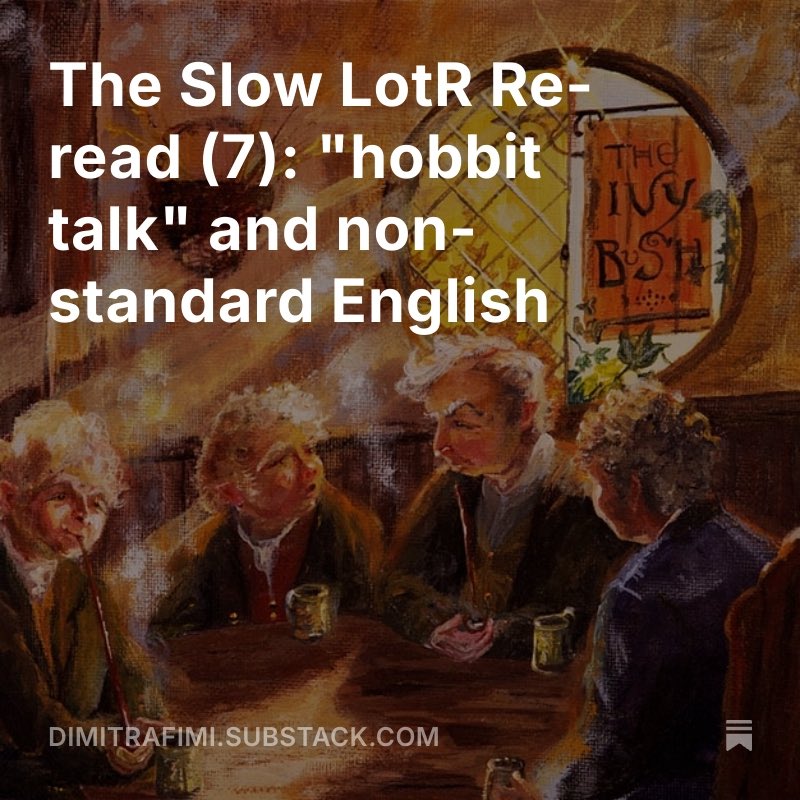
It’s my birthday today, so, in true hobbit fashion, here’s my present to my readers: a new piece on “hobbit talk”, dialects, non-standard English, and “rustic” vs. “gentlehobbits”!
dimitrafimi.substack.com/p/t…
Cover art by the amazing @Miriam_Ellis_
2
232
Jun 2
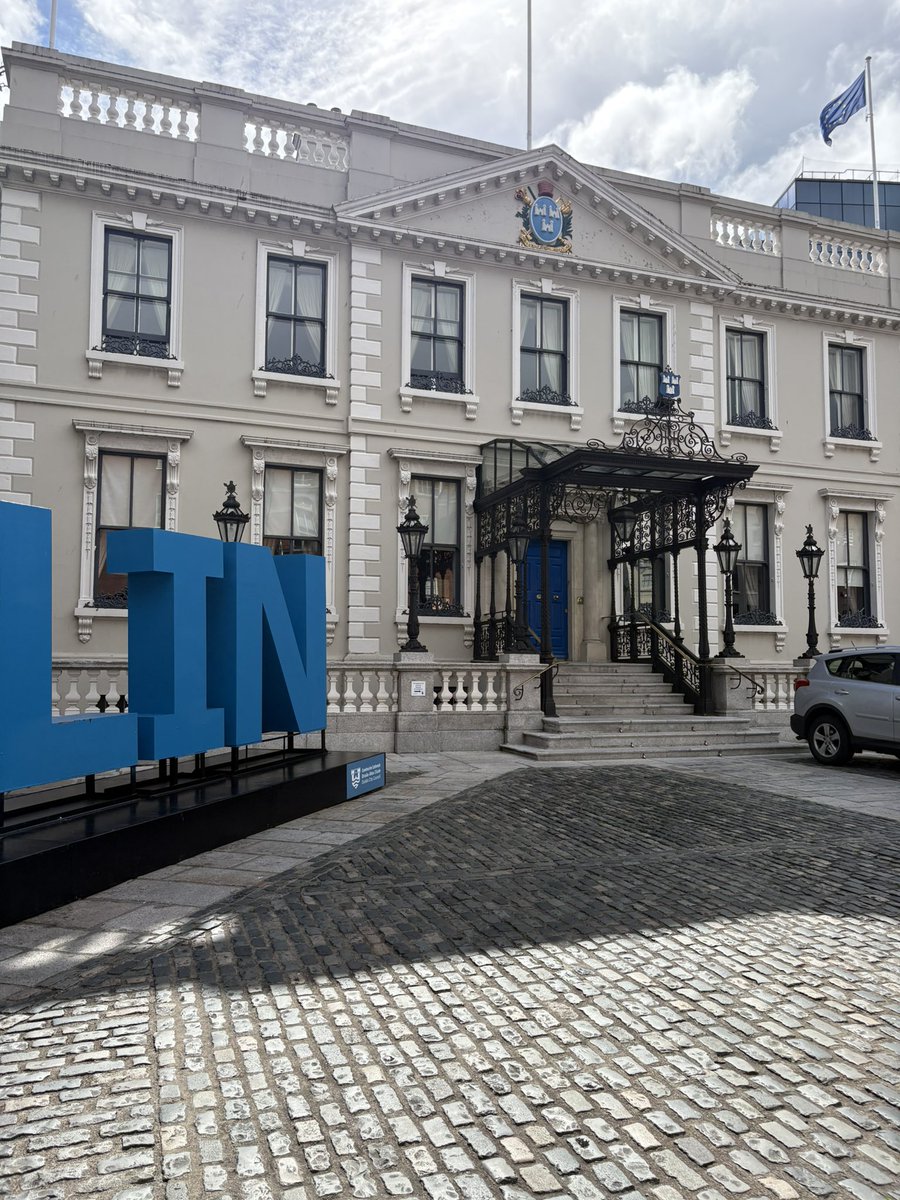
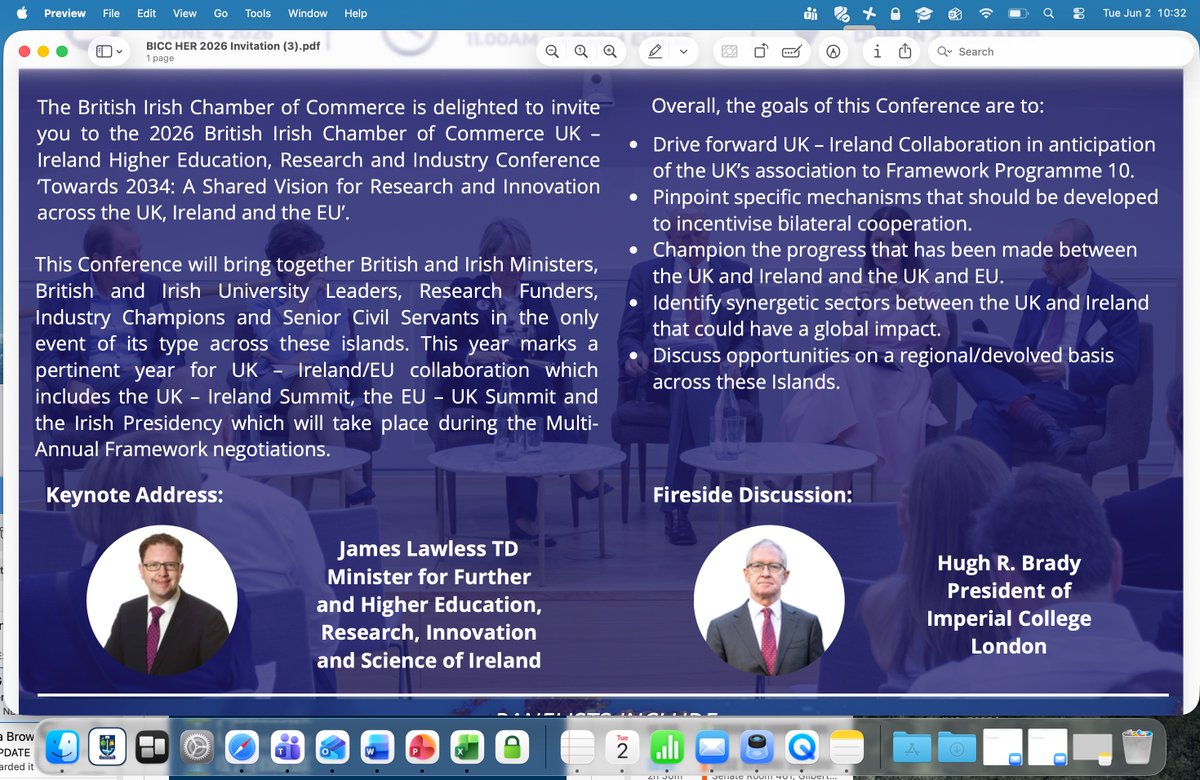
Looking forward to the @BrIreCham HE conference on Thursday on the eve of Ireland's Presidency as FP10 @HorizonEU crystallizes. The interests of Arts, Humanities and Social Sciences will be critical in the years ahead @EASSH_
1
2
142
MP retweeted

May 31
Scots academic on university in the modern era. Pittock sees the humanities as key to a functioning society. A foundation in critical thinking, rational debate, and create a strong intellectual hinterland which makes for well-informed citizens. heraldscotland.com/news/2615…
2
8
230
May 28
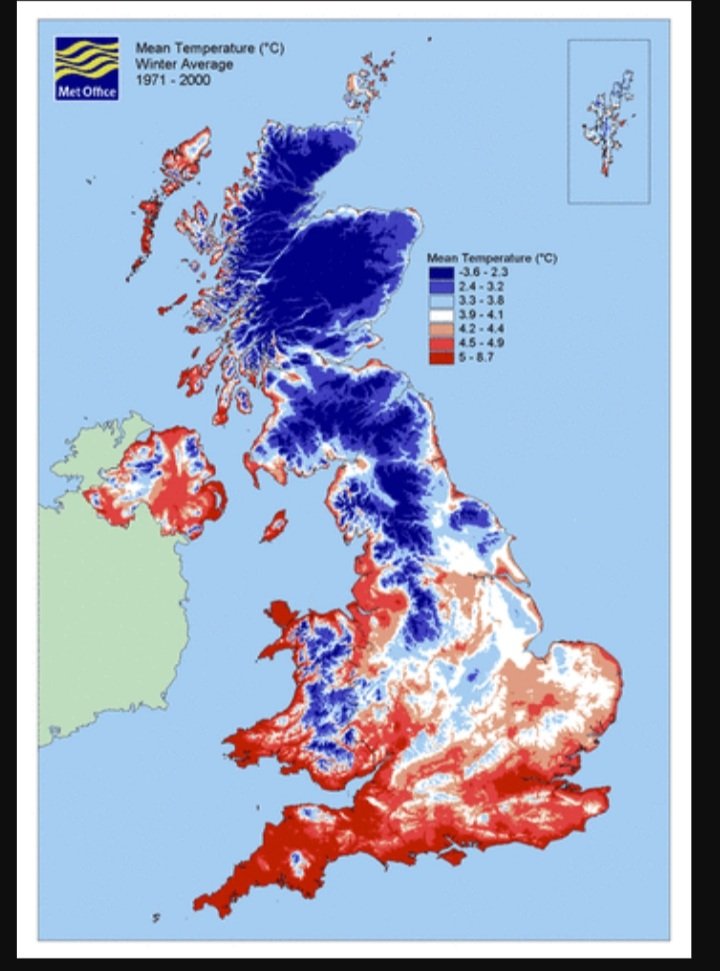
US states, German or French weather forecasts, all understand that temperatures vary significantly within the same polity. UK reporting endlessly normalises one part of the state- the warmest part- in its headlines.

1
2
6
498
May 27
Looking forward to an in-depth discussion on the current implications of AI policy and practice at King's, Cambridge at the end of this week with @ReEnlight @LeslieSiskin & old friends.
3
5
359
May 27
Excellent essay- if a little bit to the Atlanticist side (no surprise there). Far more sophisticated than anything current government has to offer.

5
1,252
May 25
The EES was agreed by the UK. It was indeed not originally intended for the UK, because who would have guessed the UK would not only leave the EU but go beyond CH and Norway arrangements. I dislike it intensely, but I also know whose fault it is.
May 25

EU entry-exit system.
The EES was never intended to contend with the British.
Most of the “third-country nationals” crossing Schengen frontiers are from the UK.
We add too much pressure in too many inadequate border locations.
Europe must pause and reflect
independent.co.uk/travel/new…
1
5
685