Protecting life, promoting family, and preserving freedom in PA for 35 years. Go to our website to support our work. ⬇️
Joined December 2013
- Tweets 5,804
- Following 1,239
- Followers 1,997
- Likes 2,299
1,755 Photos and videos
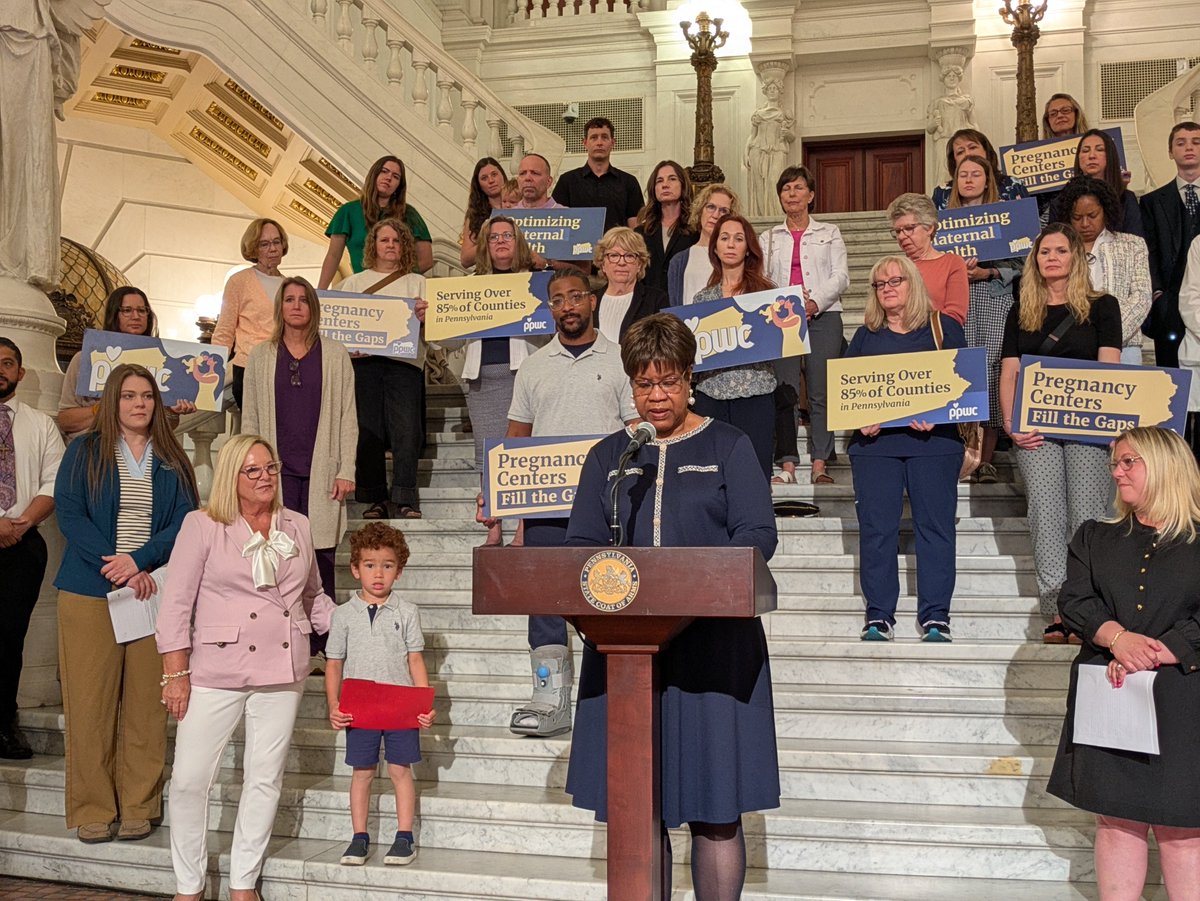
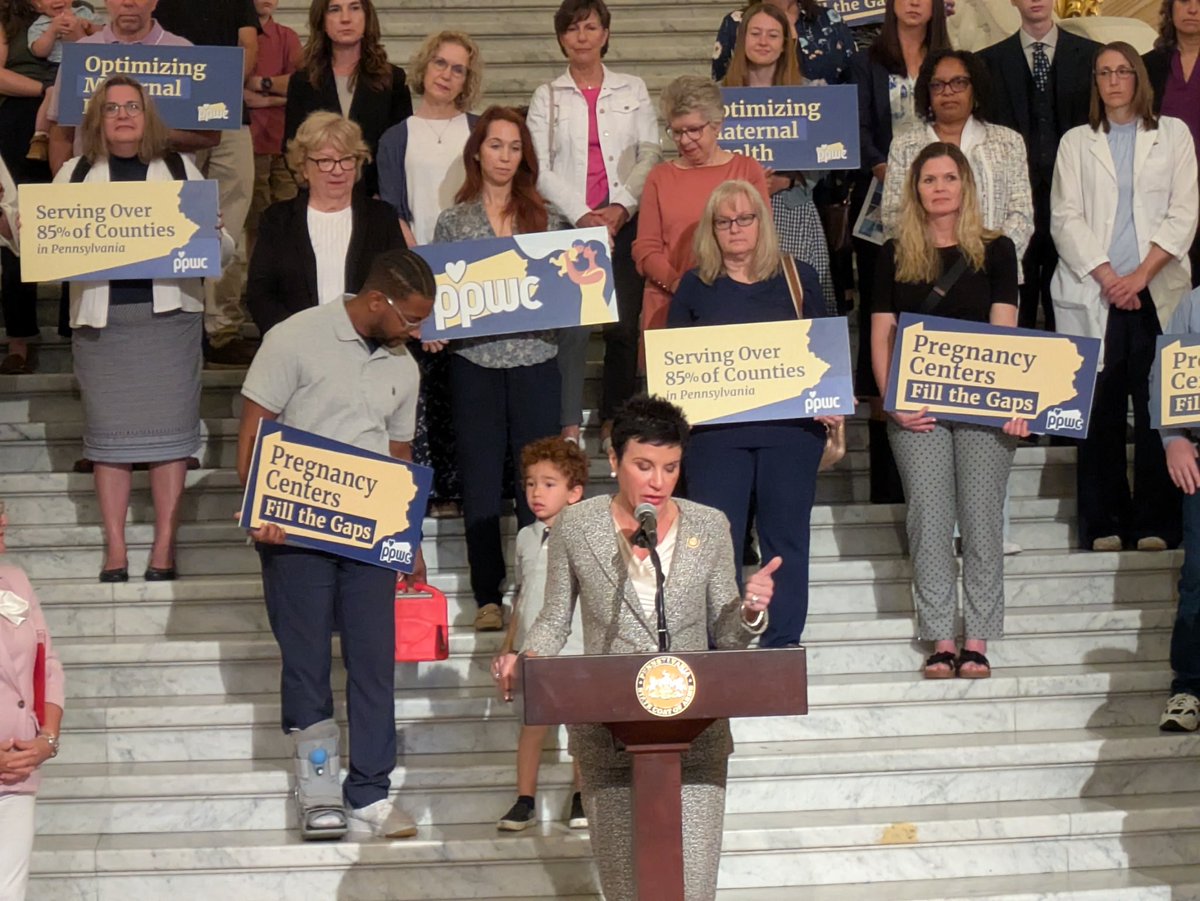
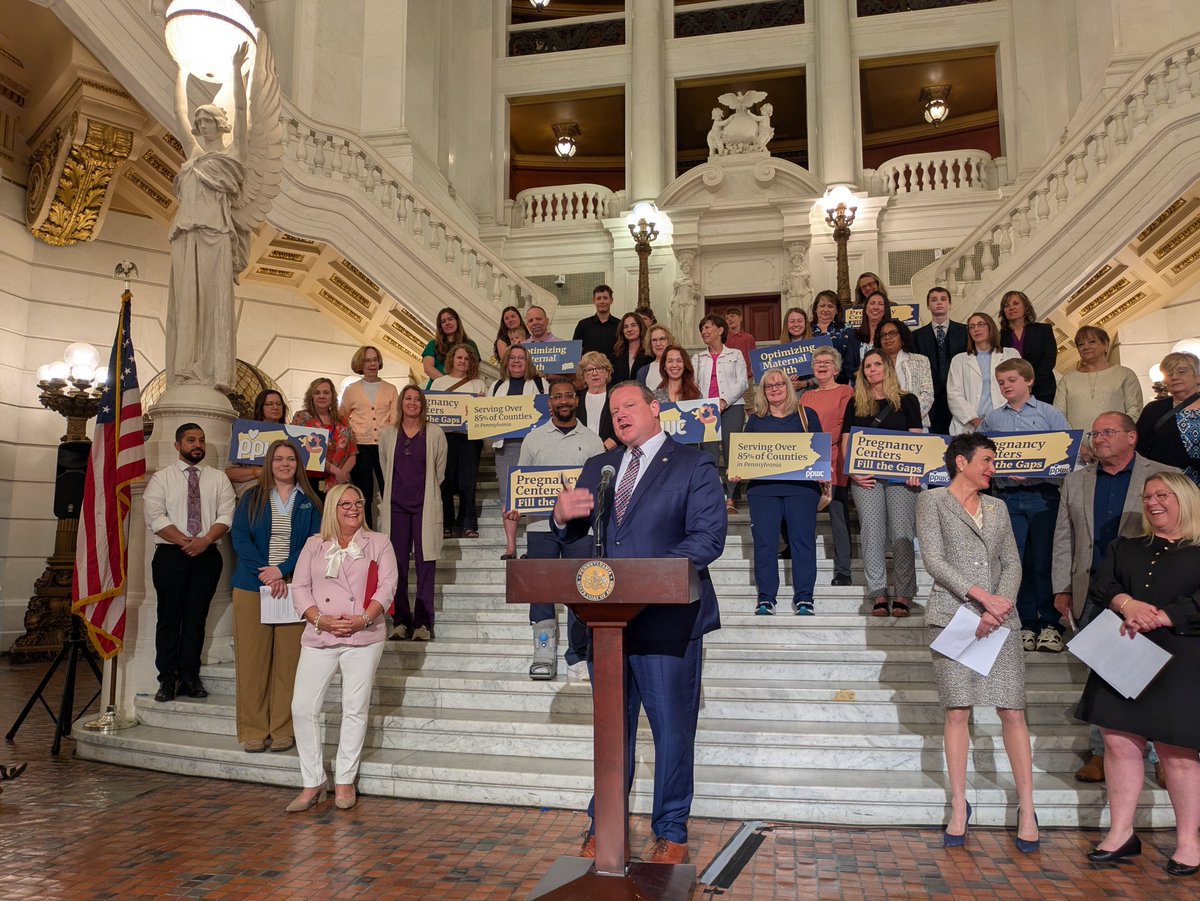




Where is mama?! ⬇️

2
42
Pennsylvania Family Council retweeted

Jun 12
This debate has never been about whether we care about couples facing infertility.
We do.
The question is whether embryonic human beings deserve protection too.
They do.

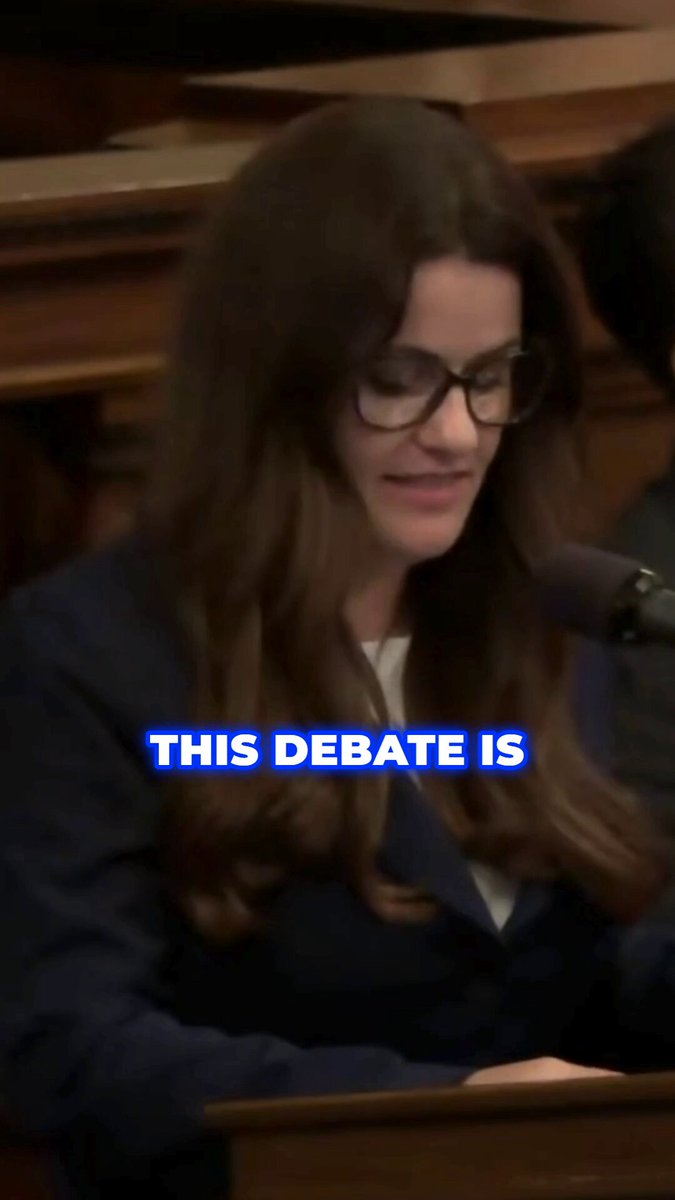
"This debate is not about whether we care about couples struggling with infertility. We do. We know that the deep desire to have a child and to build a family is basic human nature. House Bill 836 would dramatically restrict the ability of future legislators to enact common sense protection in an industry where profound ethical questions continue to emerge." (Rep. Charity Grimm Krupa (R - 51)
We're grateful to Rep. Grimm Krupa for her comments on the IVF "Wild West" bill this week, despite its passage through the House.
House Bill 836 seeks to prevent lawmakers from establishing reasonable safety standards and accountability measures for the multi-billion-dollar fertility industry. If successful, concerns surrounding embryo destruction, eugenic screening practices, scientific experimentation, and other ethical issues would be shielded from future oversight.
Please join us in praying that this bill does not advance any farther through the PA Senate. Visit pafamily.org to stay informed.
6
22
451
Surrogacy harms women and children. ⬇️
Jun 12

These gay men think that because their son conceived in surrogacy had a separate egg donor and surrogate that he has no biological mother.
They’re wrong.
Not only does he have a biological mother; he needs her.
But surrogacy places the desires and convenience of adults over those of the children created.
It turns those children into products.
The woman’s body, a womb for hire.
Surrogacy harms women and children.
Ban it.
1
58
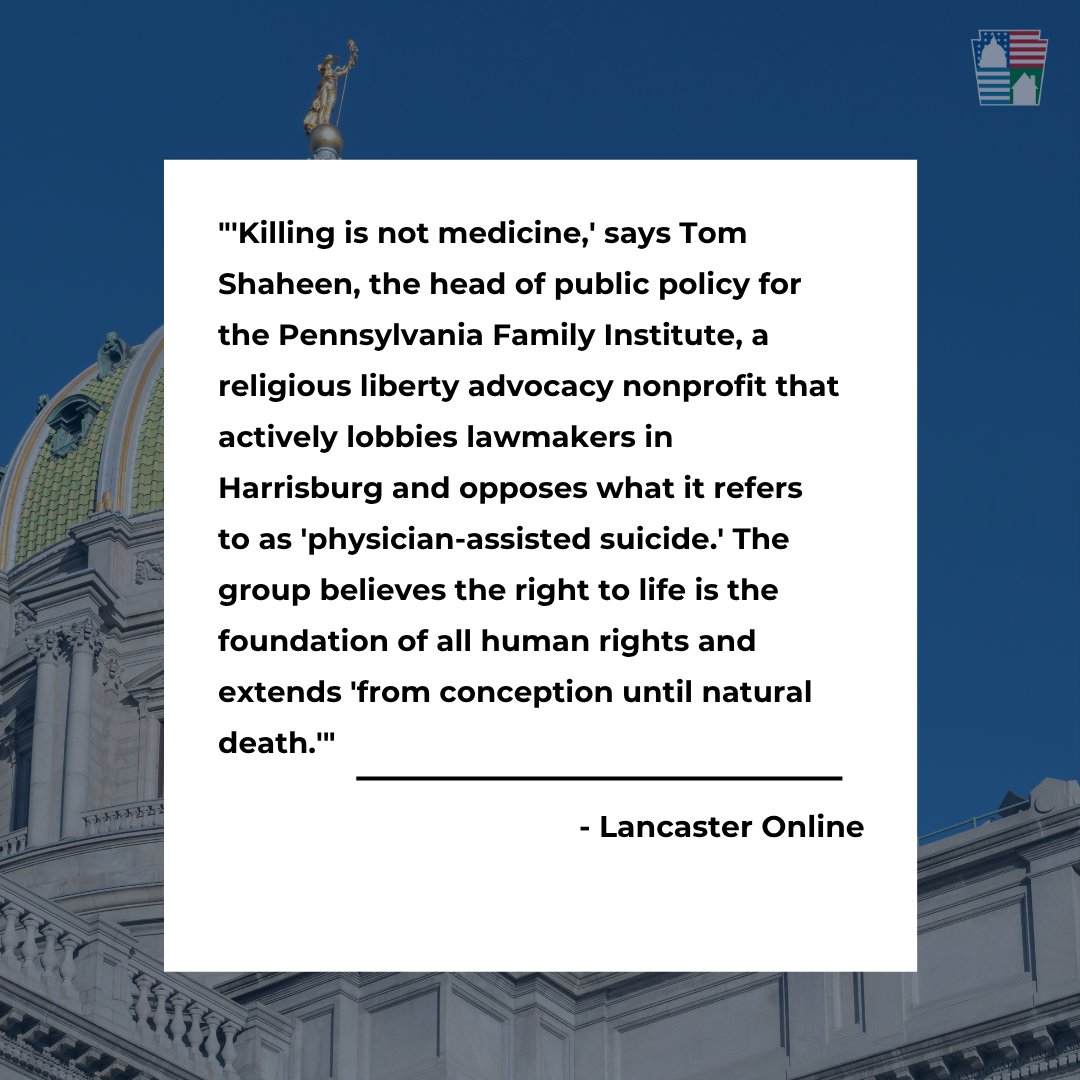
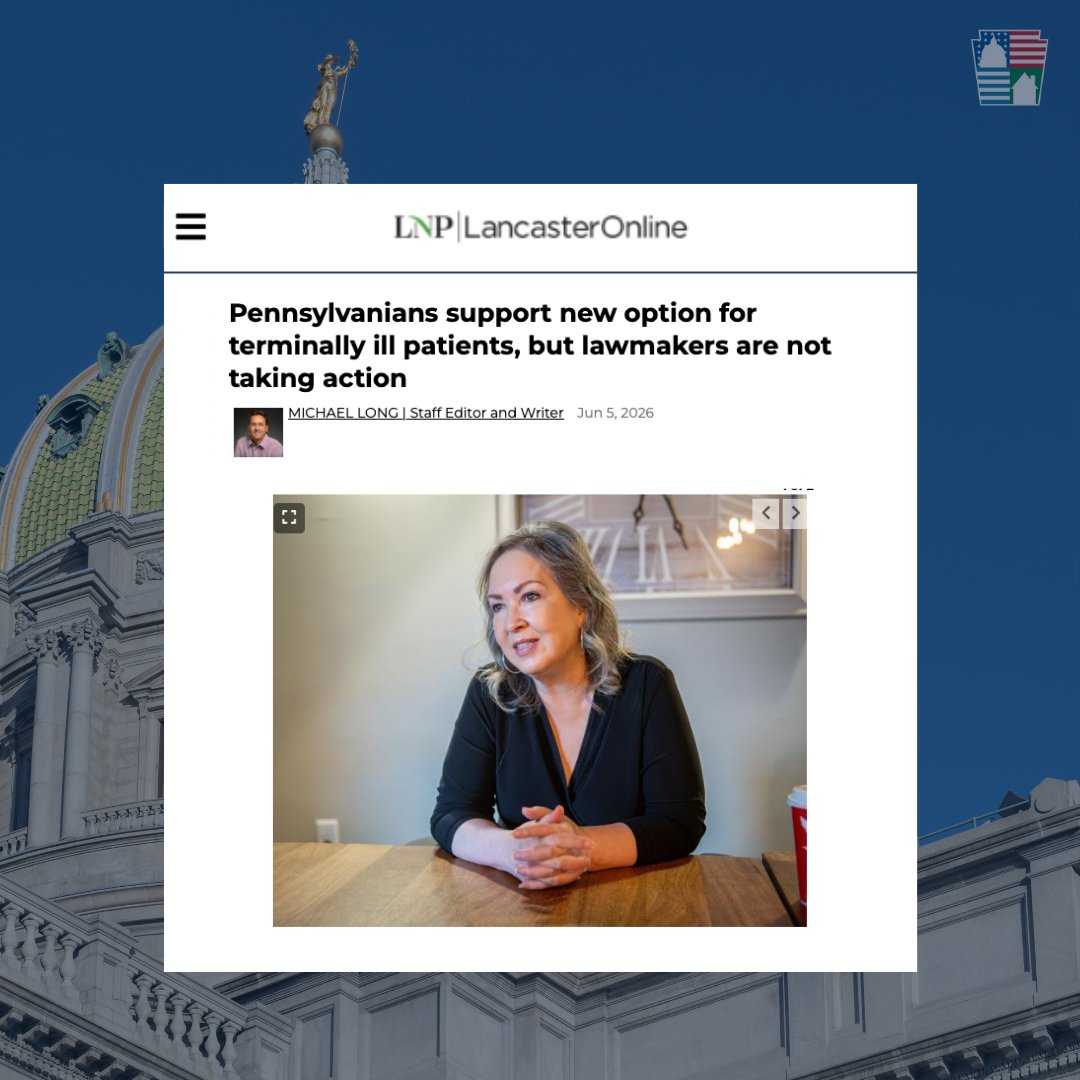
(1/5) "Killing is not medicine."
Our own Tom Shaheen sat down with LNP to explain why physician-assisted suicide is not real healthcare. Every person possesses inherent dignity and worth, regardless of age, illness, or disability. Physician-assisted suicide undermines the principle that healthcare should heal, comfort, and care, not intentionally end life. Rather than offering death as a solution to suffering, Pennsylvania should invest in compassionate alternatives such as high-quality palliative care, pain management, mental health support, and hospice services that affirm the value of every human life.
Visit pafamily.org/assistedsuicide for more information.
1
2
5
101
Pennsylvania Family Council retweeted

Jun 12
Let's stop putting adult desires over children's rights: ⬇️
"If male and female are no longer essential for marriage, family, and parentage, they no longer exist in any practical way in law, society, and culture. This is precisely what happens when a man can simply displace a child’s natural mother because the adults desire it. This is precisely what Obergefell did. It didn’t just redefine marriage and parentage. It pretended to redefine nature." 👇
thefederalist.com/2026/06/12…
3
3
13
377
Protecting children is a winning cause: Gallup has data showing Democrat support for gender transitions plummeted 11% in one year. This is in addition to support for same-sex marriage declining among Republicans.
washingtonstand.com/article/…
2
6
119
Well done! -- "We want to be a place where Christians can trust to invest their time and their treasure as we serve vulnerable children." christianpost.com/news/betha…
1
79
👏👏👏
Jun 10

Incredible pro-life win from HHS on embryo adoption 🙌
“Embryo adoption should ‘serve the needs of a child already in existence, offering that child the opportunity for life within a stable and loving family,’ the funding notice says.”
“Heritage Foundation family policy expert Emma Waters praised the revision for ‘reframing embryo adoption not as a treatment for infertility, but as an act of charity toward a child already in existence who is in need of a loving home.’
‘The uncomfortable truth is that our loose approach to IVF has left millions of human embryos in indefinite storage, many of whom are destined to be discarded,’ she told The Daily Signal.”
“Waters said the NOFO gets the response to the frozen embryo crisis right by ‘requiring best-interest-of-the-child assessments and the same adoption-level standards we expect anywhere else, including home studies, background checks, reference checks, and post-placement supervision by a qualified caseworker.’”
dailysignal.com/2026/06/10/t…
1
3
275
"This debate is not about whether we care about couples struggling with infertility. We do. We know that the deep desire to have a child and to build a family is basic human nature. House Bill 836 would dramatically restrict the ability of future legislators to enact common sense protection in an industry where profound ethical questions continue to emerge." (Rep. Charity Grimm Krupa (R - 51)
We're grateful to Rep. Grimm Krupa for her comments on the IVF "Wild West" bill this week, despite its passage through the House.
House Bill 836 seeks to prevent lawmakers from establishing reasonable safety standards and accountability measures for the multi-billion-dollar fertility industry. If successful, concerns surrounding embryo destruction, eugenic screening practices, scientific experimentation, and other ethical issues would be shielded from future oversight.
Please join us in praying that this bill does not advance any farther through the PA Senate. Visit pafamily.org to stay informed.
1
6
14
4,349
Last year in Pennsylvania, a sex offender was able to raise a child via surrogacy in our Commonwealth: liveaction.org/news/bill-bar…
PA must protect children!

New bill could bar sex offenders from surrogacy by closing loopholes liveaction.org/news/bill-bar…
1
3
191
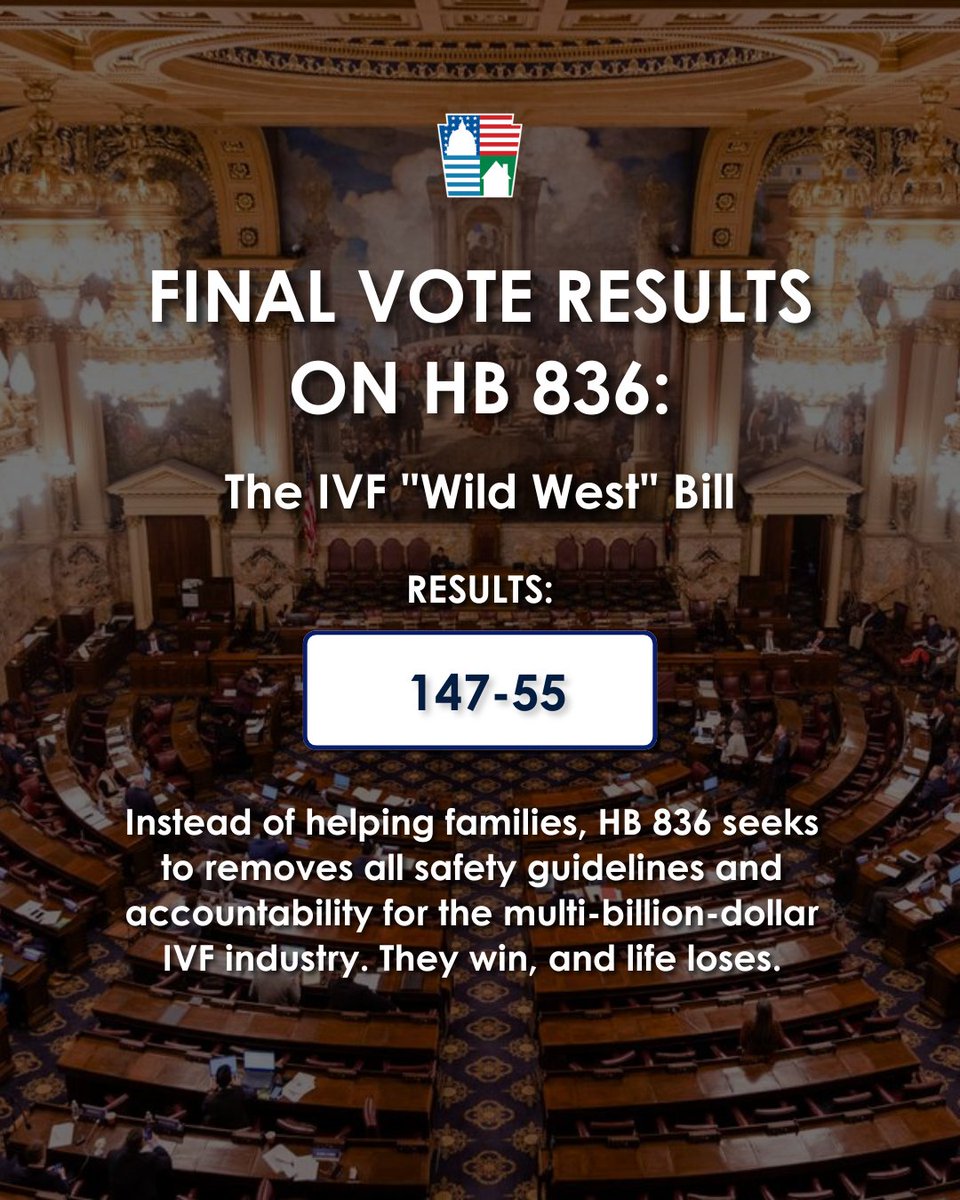
PA Family is sad to share that HB 836, the IVF "Wild West" bill has passed the House by a vote of 147-55.
Instead of helping families, HB 836 seeks to removes all safety guidelines and accountability for the multi-billion-dollar IVF industry. They win, and life loses.
House Bill 836 seeks to prohibit the Commonwealth from “interfering” with assisted reproductive technology (ART) like in vitro fertilization (IVF). Without a law to replace it, this would make it impossible for legislators to place important safety standards and guardrails in place. If successful, concerns around eugenics, large numbers of embryos created & destroyed, and scientific experimentation would be prohibited from being regulated.
While the desire to help families is good, we must do it in a way that helps and not hurts. HB 836 won’t help families or the well-being of children – instead, it will benefit the $35 billion dollar industry behind IVF.
VIsit pafamily.org to learn more about this issue and stay informed. Join us in praying that this bill dies in the PA Senate.
82
🚨 Pennsylvania lawmakers are voting on HB 836, a bill that would give the fertility industry unprecedented protections while limiting future oversight and accountability.
HB 836 isn't just about access to IVF. HB 836 would make it much harder for lawmakers to establish commonsense safeguards surrounding assisted reproductive technology, including concerns about embryo destruction, genetic selection, eugenic screening, and other emerging reproductive technologies.
Families navigating infertility deserve support, transparency, and protection, but this bill would give a billion-dollar industry the ability to operate without guardrails and less accountability.
Should an industry involved in creating human life have less oversight than many other industries in Pennsylvania?
Contact your state legislators today and urge them to vote NO on HB 836.
1
7
14
7,659
Pennsylvania Family Council retweeted

Jun 9
“Wedlock or not” is just a recipe for more social decay.
Virtually every major social problem, from high school dropout rates to teen suicide, child poverty, criminality, and mental, emotional, and behavioral problems, is disproportionately represented among fatherless children.
Sorry, but the message can’t simply be “have babies.”
It must be “get married and have babies.”
The good news? Marriage is good not only for children, but for men and women too.
17
10
280
16,529
Pennsylvania Family Council retweeted

Jun 7
Yes, married moms are happiest too. For most men & women, living a family first life is the best path to a meaningful & happy life.
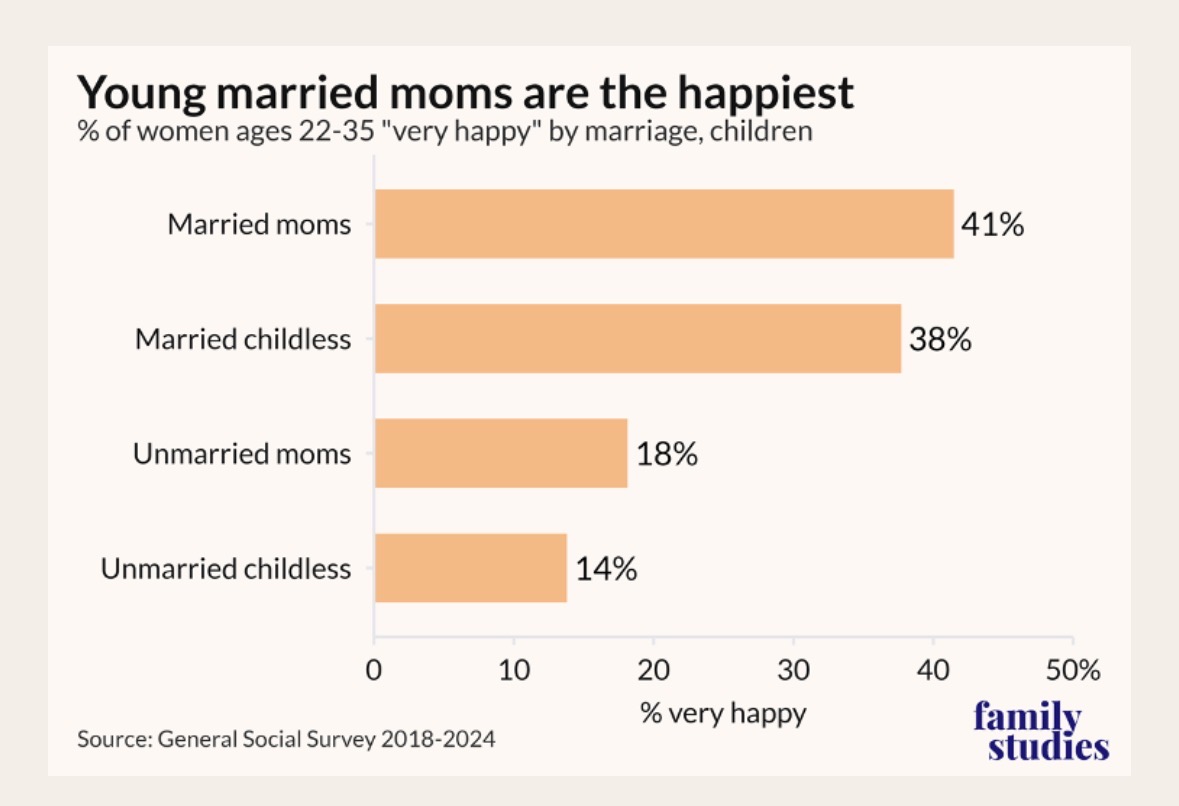

What about young married moms?
7
40
254
32,811
This is worth reading! ⬇️
Jun 7

5 important reminders for Christians during 'pride month' 👇
1. God loves sinners.
2. We were all completely lost before Jesus saved us.
3. We reach out to LGBT-identified individuals with humility and the love of Christ, while holding to God’s good design for sexuality and marriage.
4. We should be aware that ‘pride’ events take place year-round and the ideology has permeated our culture.
5. God’s loving heart is our model for responding to LGBT-identified people and ‘pride’ activism.
dailycitizen.focusonthefamil…
1
1
78
Pennsylvania Family Council retweeted
Jun 6
I’m often asked: When we overturn gay marriage, is interracial marriage next?
Nope. Here’s why.
Interracial marriage and same-sex marriage are not the same.
In Loving v. Virginia, the Supreme Court struck down racist marriage bans, reinforcing the basis of husband-wife marriage, not redefining it. The Court removed an illicit barrier that had nothing to do with the meaning or purpose of procreative marriage.
Obergefell v. Hodges did something very different. It created a new “fundamental right” to a same-sex marriage license, something absent from the Constitution’s text, history, and tradition. Because it departed from our legal tradition rather than conforming to it, Obergefell remains open to challenge.
But the differences are not just legal. The outcomes for children are opposite as well.
In an interracial marriage, children remain connected to both of the adults to whom they have a natural right. They are raised by the mother and father responsible for their existence and identity. Nothing about interracial marriage requires a child to lose a parent.
Same-sex marriage does.
Children raised by same-sex couples are necessarily separated from at least one biological parent. They are denied a relationship with half, and sometimes all, of their genetic heritage. They lose either a mother or a father.
Reversing Obergefell would have no impact on Loving. Interracial marriage remains legally secure because Loving upheld the historic understanding of marriage while removing a racist barrier.
Restoring the man-woman meaning of marriage protects what matters most to children: their mother and father.

72
87
489
21,890
Pennsylvania Family Council retweeted

Jun 3
This is how House Democrats silence women who play sports - and the state constituents who want to protect Title IX, women safety and opportunities.
🚨 Pennsylvania House Democrat leadership has now re-referred Senate Bill 9, the Save Women's Sports Act, FOUR TIMES.
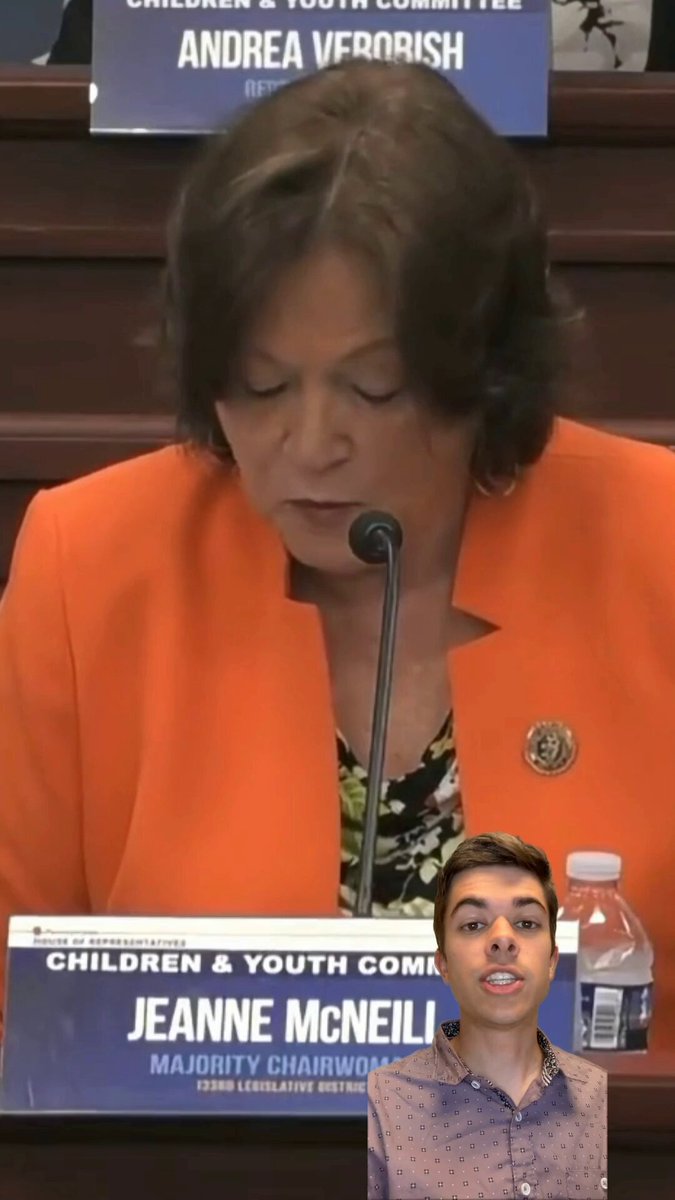
Today, Representative Kate Klunk attempted to bring SB 9 up for a vote in the Children & Youth Committee. Chair McNeil shut it down with the support of House Democrats. Later in the meeting, SB 9 was brought up again, only to be re-referred once more.
If this sounds familiar, it's because it is. This marks the fourth time Democrat leadership has kicked the can down the road instead of allowing a vote on the Save Women's Sports Act.
It has now been one year since Senate Bill 9 passed the Pennsylvania Senate and was sent to the Pennsylvania House, where it remains stalled.
Women and girls deserve fairness, safety, and privacy in sports. Yet Democrat House leadership continues to use procedural maneuvers to avoid a vote on legislation that polling consistently shows is widely supported by 80% of Americans.
We're grateful for Representative Kate Klunk and her tireless efforts to bring SB 9 forward. Pennsylvania women and girls deserve a fair playing field.
📢 Stay informed and continue contacting your legislators at pafamily.org.
1
6
16
535
Pennsylvania Family Council retweeted

Jun 6
You cannot stand effectively against this linguistic manipulation by the state unless you stand against the cultural and moral trends that started it -- same-sex marriage and surrogacy:
"A memo accompanying the bill claims the change is necessary because it brings state law into line with generally accepted standards for how family courts handle surrogacy cases and ones with same-sex parents, including couples with two moms.
Adoption lawyers said Wednesday that use of the terms “mother” and “father” in family law is outdated given the growth in same sex couple adoptions and surrogacy contracts.
“You have adoptive parents who are of the same gender in New York. There are two male parents, two female parents,” said adoption lawyer Leslie Silver-Hoffman."
@Katy_Faust
nypost.com/2026/06/03/us-new…
9
24
816