Public Impact Analytics Science Lab at @Harvard 📈 Advancing and applying analytics for solving societal problems with public impact | Director @Soroush_Saghaf
Joined April 2022
- Tweets 484
- Following 230
- Followers 312
- Likes 566
67 Photos and videos
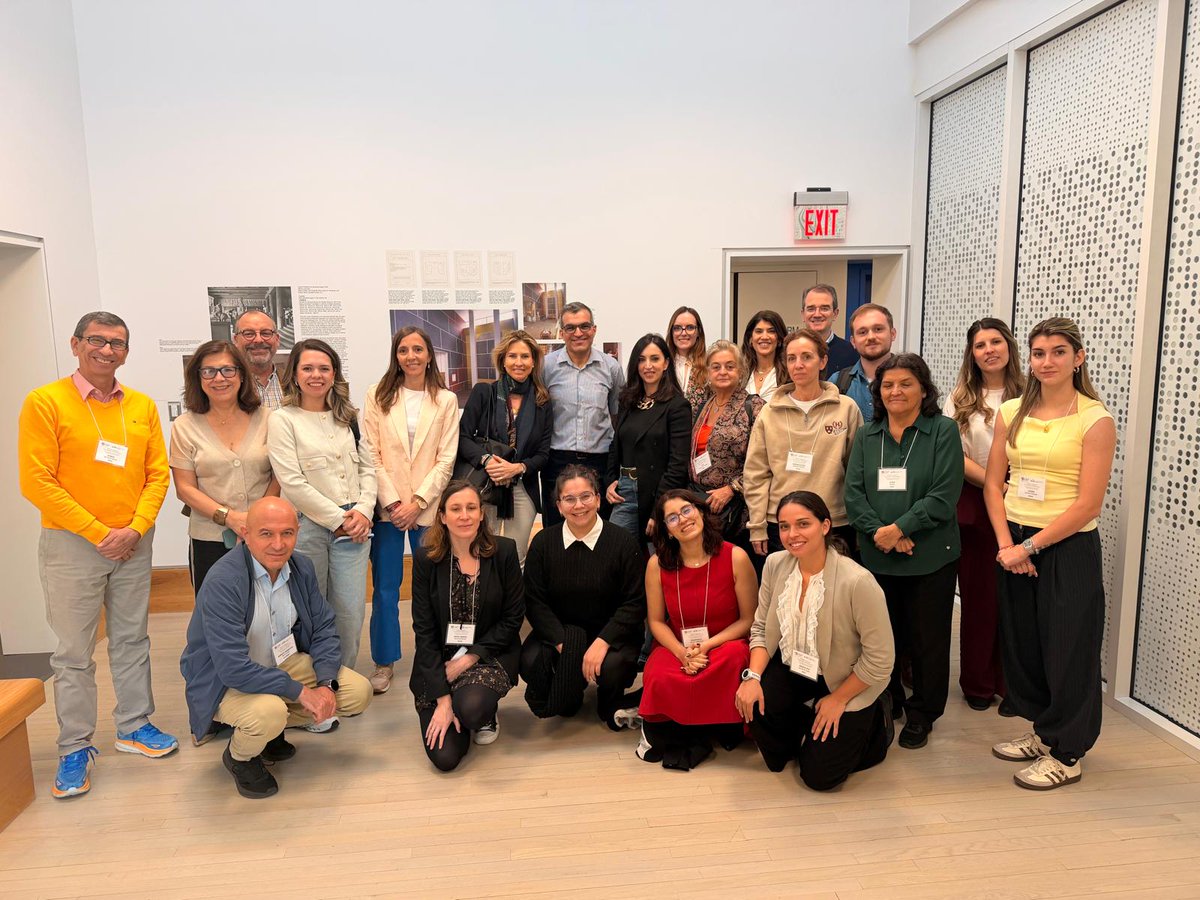
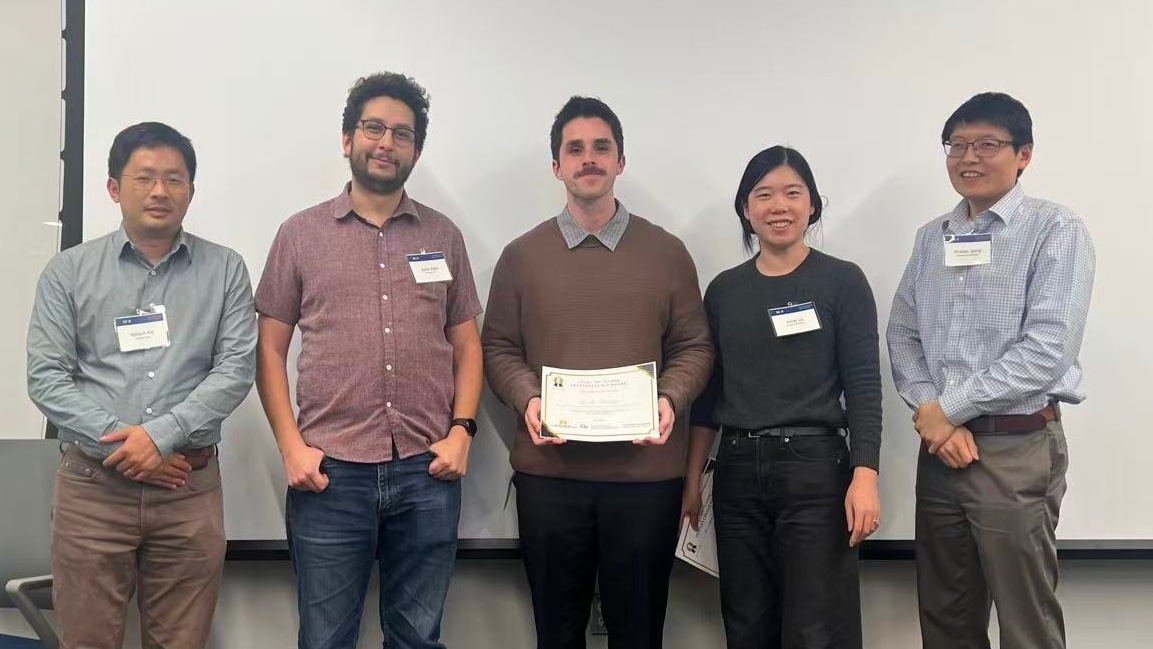
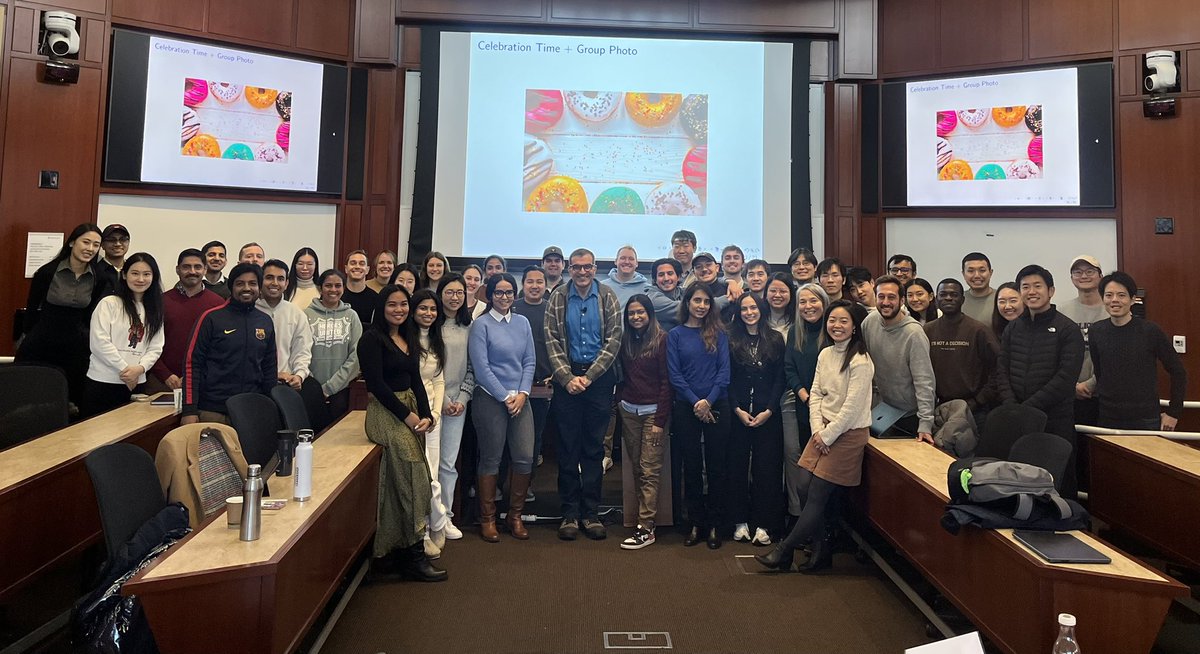
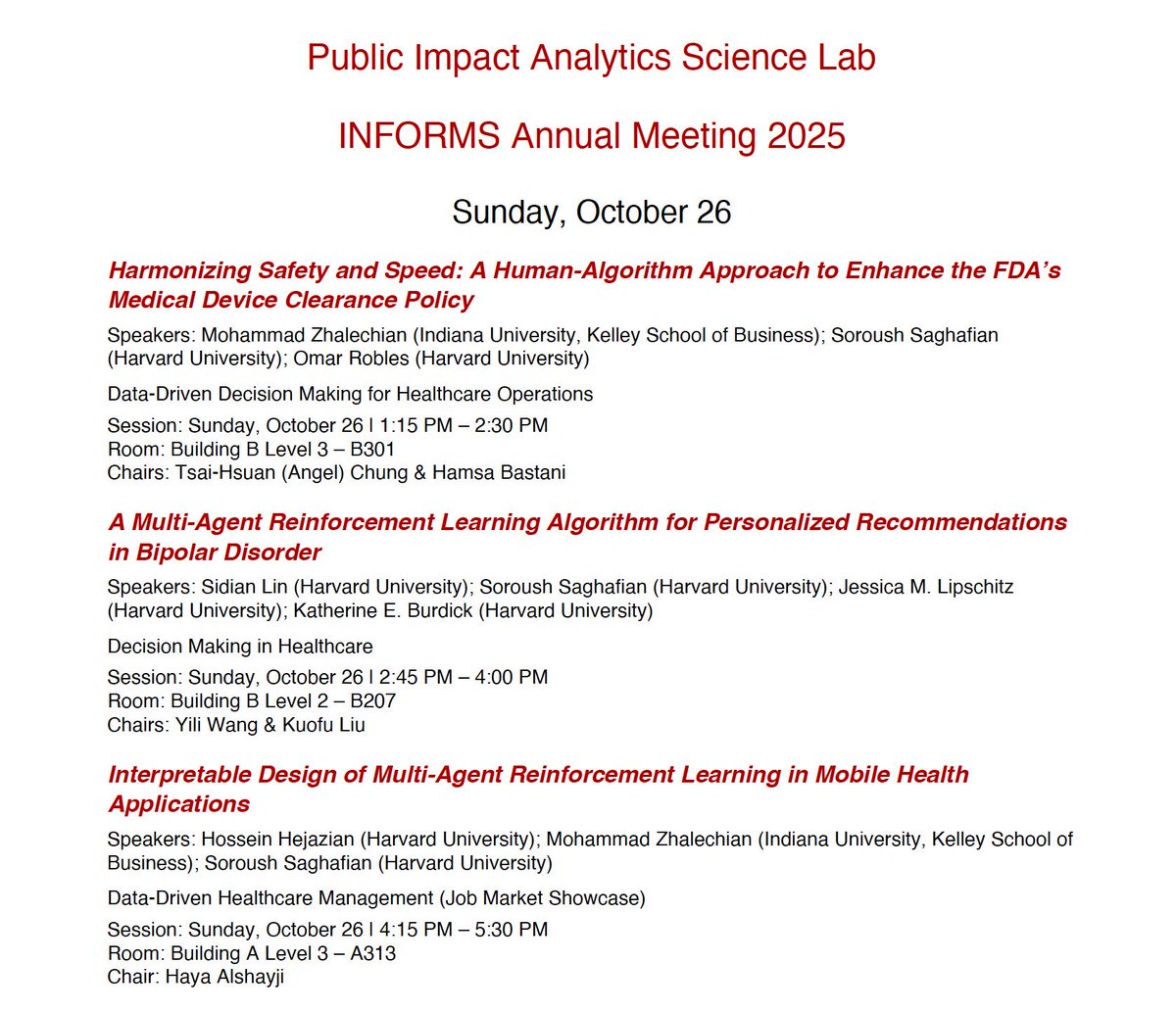

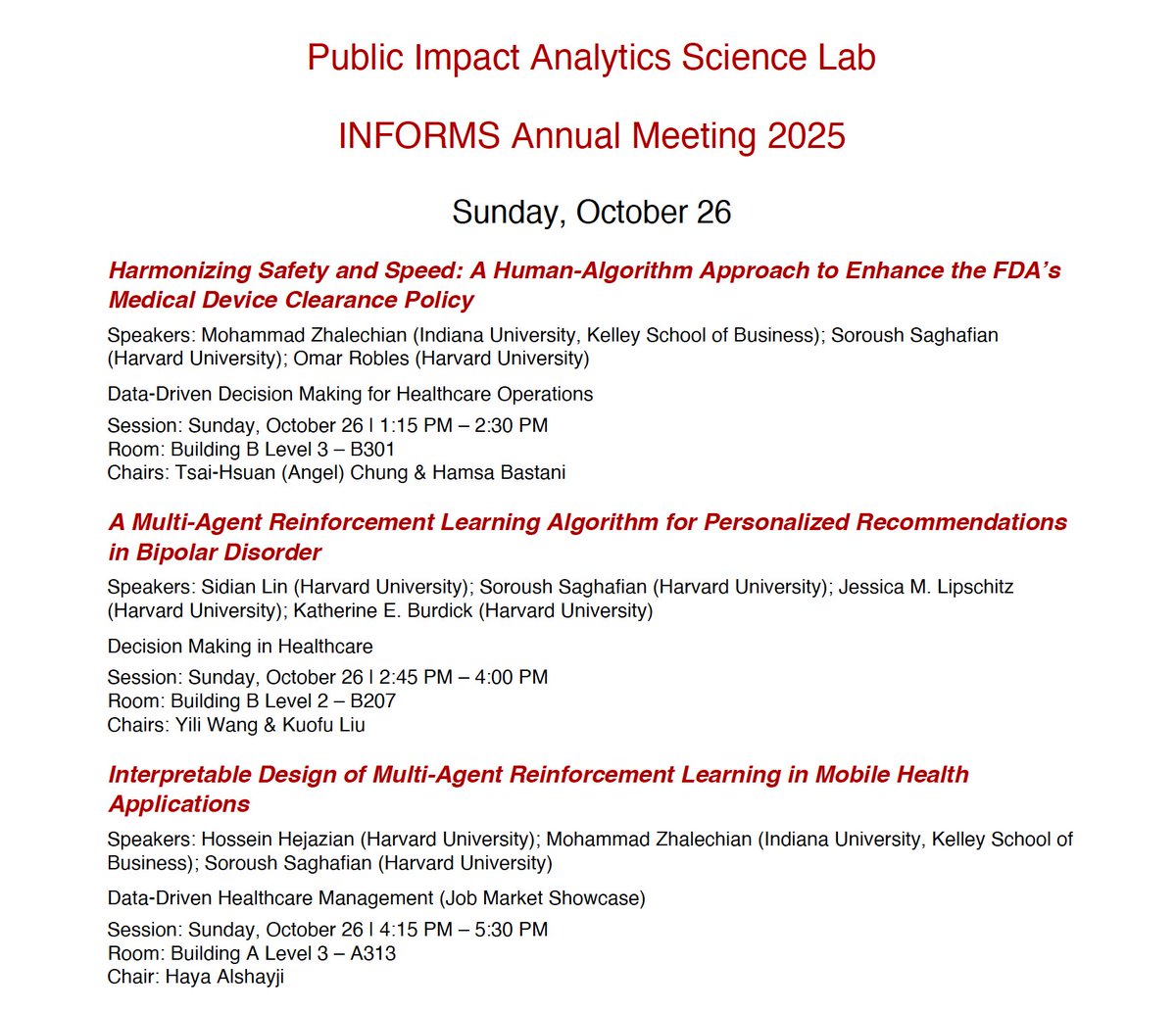
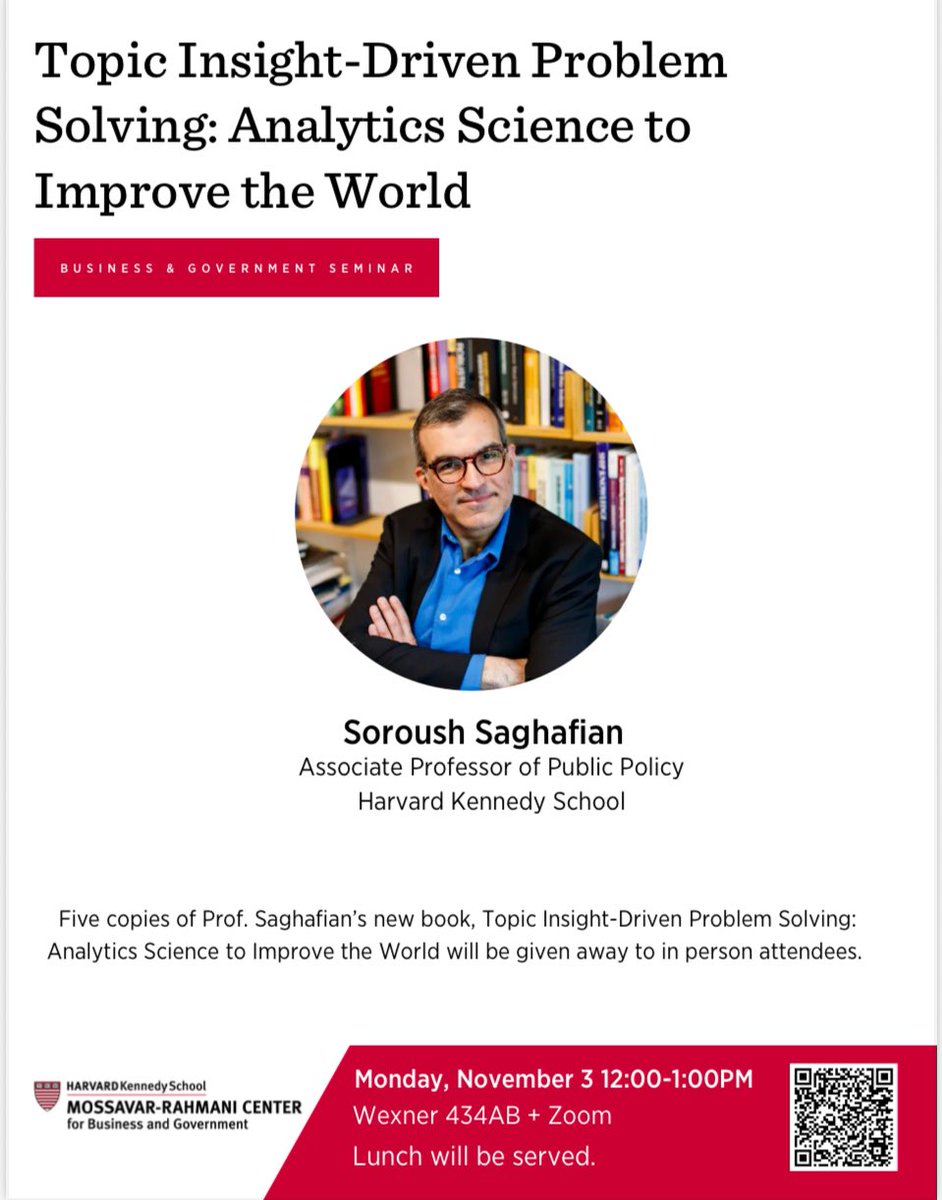

.@PIASLab director, @Soroush_Saghaf, recently lead a workshop on artificial intelligence, machine learning, and their implications for public policy
Thank you to everyone who participated!
33
PIAS Lab retweeted

May 12
🚨 New research: Can LLMs be used for 𝐬𝐞𝐪𝐮𝐞𝐧𝐭𝐢𝐚𝐥 𝐝𝐞𝐜𝐢𝐬𝐢𝐨𝐧-𝐦𝐚𝐤𝐢𝐧𝐠 in complex, ambiguous environments?
Our new paper — Large Language Models for Sequential Decision-Making: Improving In-Context Learning via Supervised Fine-Tuning — shows the answer is yes, and the gains are substantial.
Most AI decision-making research assumes the world is fully observable and unambiguous. Real-world problems — especially in domains such as healthcare — are neither. Our framework fine-tunes a pretrained LLM (Llama-2-7B) on offline, oracle-labeled trajectories so it can tackle MDPs, POMDPs, and Ambiguous POMDPS (APOMDPs): settings with partial observability and model ambiguity.
💡 Key findings:
→ SFT slashes the optimality gap from 43% → 15% vs. random baselines in long-horizon MDPs
→ In partially observed and ambiguous environments, fine-tuned LLMs outperform ICL-only baselines and DPT by up to 15 percentage points
→ On the Darkroom navigation task, our model achieves ~95% of oracle performance
→ Robust to out-of-distribution conditions — strong generalization without retraining
📐 On the theory side, we interpret the fine-tuned attention mechanism as implicitly estimating optimal Q-functions, and derive an end-to-end suboptimality bound that cleanly separates in-context estimation error from training-length bias.
This matters deeply for use in areas such as healthcare, where experimentation is costly or unethical and offline observational data are abundant. Our goal: give clinicians AI systems that reason under genuine uncertainty — not just clean textbook settings.
Huge congratulations to my current and former lab members Minmin Zhang and @aghaei_sina on this work!
📄 Read the paper: arxiv.org/abs/2605.09009
#ArtificialIntelligence #MachineLearning #LLM #ReinforcementLearning #Healthcare #DecisionMaking #Research #Sequential
4
5
302
PIAS Lab retweeted
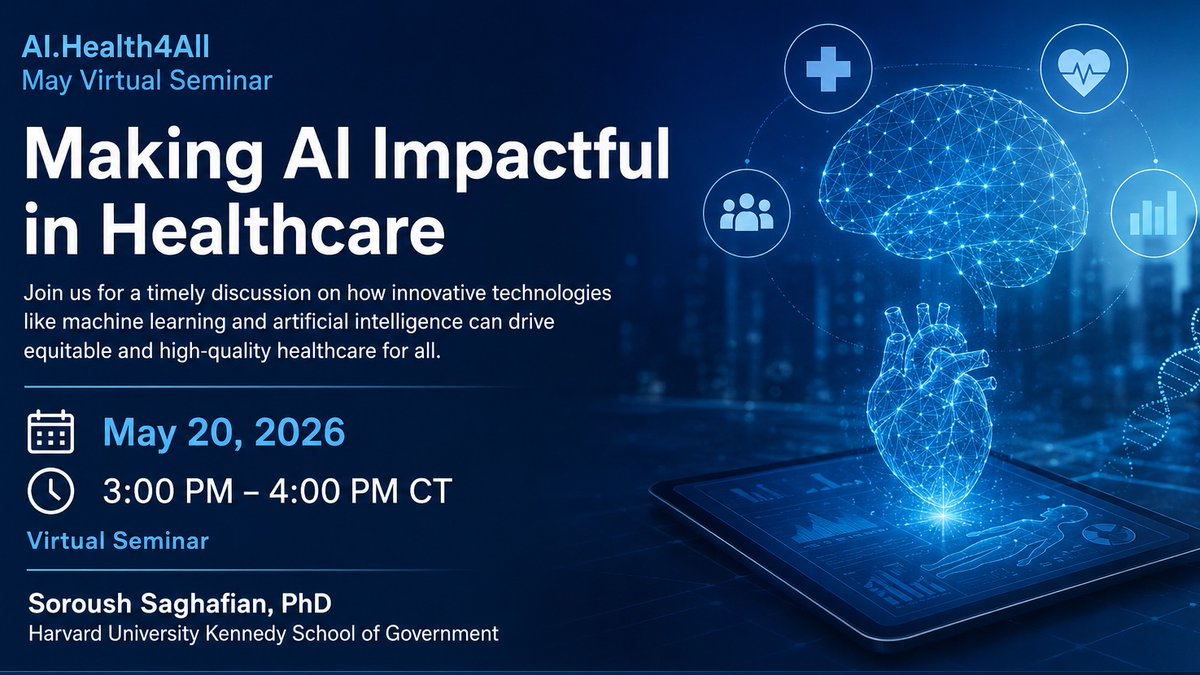
How can we make #AI impactful in #healthcare? Looking forward to this event hosted by @UICmedicine where I will be sharing some thoughts and answers.

Join @PIASLab director, @Soroush_Saghaf, for the May Virtual Seminar hosted by @UICmedicine AI.Health4All
Making Al Impactful in Healthcare
📅 May 20, 2026
🕒 3–4 PM ET
medicine.uic.edu/events/ai-h…
1
3
169
Will you be at the Annual @POM_Society Conference?
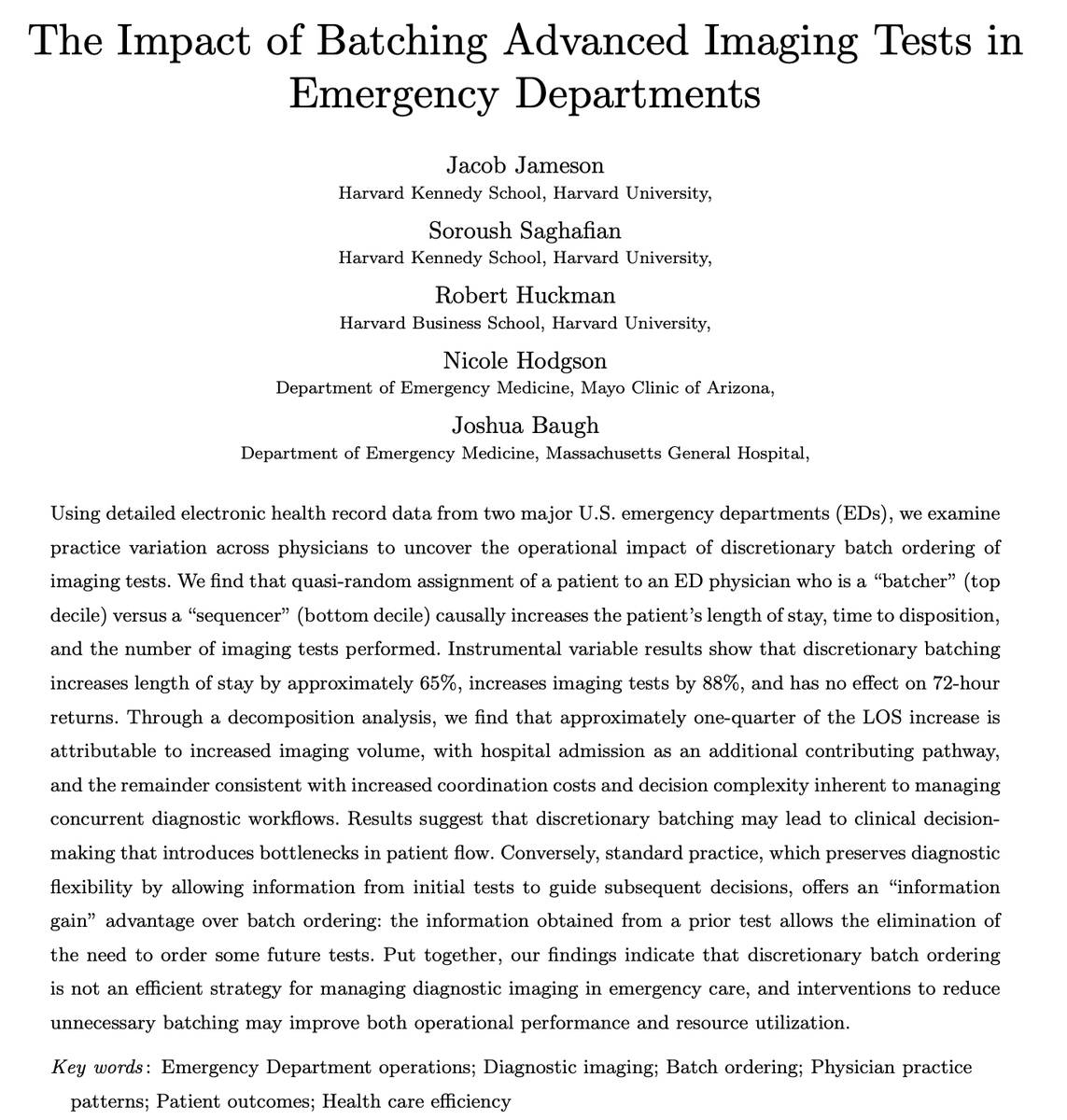
@PIASLab member @JacobCJameson will be presenting his JMP with @Soroush_Saghaf on image batching in EDs 🩻🏥

Excited to present my *job market paper* at the Annual @POM_Society Conference 2026 this Sunday morning!
“The Impact of Batching Advanced Imaging Tests in Emergency Departments”
Joint work w/ @Soroush_Saghaf, @robert_huckman, @nhodgsonem, and Joshua Baugh. 1/n🧵
1
67
Join @PIASLab director, @Soroush_Saghaf, for the May Virtual Seminar hosted by @UICmedicine AI.Health4All
Making Al Impactful in Healthcare
📅 May 20, 2026
🕒 3–4 PM ET
medicine.uic.edu/events/ai-h…
1
197
Work by @Mohammad_Zhale & @Soroush_Saghaf (@PIASLab) will be at @nberpubs AI in Healthcare conference (May 7–8, Cambridge)
"Harmonizing Safety & Speed: A Human-Algorithm Approach to FDA Device Clearance"
nber.org/conferences/applica…
1
1
2
154
PIAS Lab retweeted
Apr 15
“Let’s talk about data”📊
#Analytics #Sience (including #AI as one of its many branches) can help you improve the world and solve real-world problems. If you are interested, check out this short video and the book (Amazon: a.co/d/01AGVvdZ).
📺📺: youtube.com/shorts/MU9MS-WSO…
1
4
179
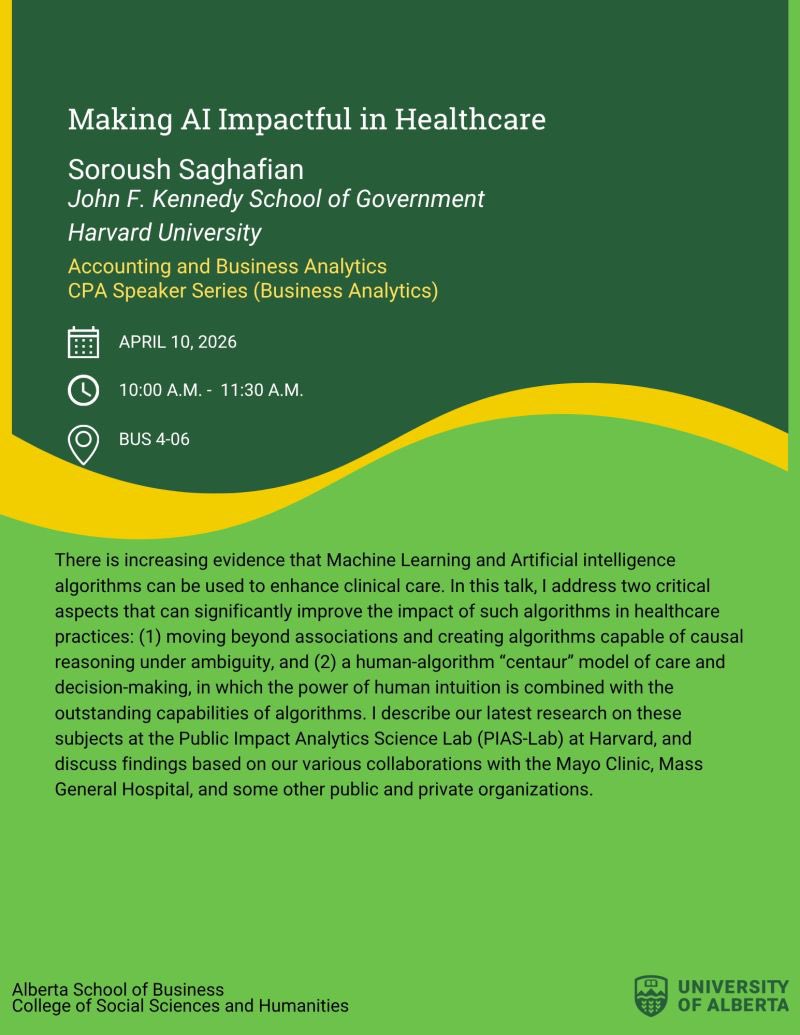
AI in healthcare needs to move beyond prediction → decision-making.
@Soroush_Saghaf will share how causal AI “centaur” models (human algorithm) can improve clinical care at the CPA Speaker Series @UAlbertaBiz.
📅 Apr 10, 2026
🕙 10–11:30 AM
📍 BUS 4-06
2
2
162
PIAS Lab retweeted
Mar 31
I’m very proud of my fantastic PhD student @JacobCJameson! Congratulations!
Congratulations to lab member @JacobCJameson for winning the People's Choice Award🏅for poster presentation at the IOE-ISyE-MS&E Rising Stars Workshop! 👏
@umichioe @GeorgiaTechISyE @StanfordEng
2
4
380
Congratulations to lab member @JacobCJameson for winning the People's Choice Award🏅for poster presentation at the IOE-ISyE-MS&E Rising Stars Workshop! 👏
@umichioe @GeorgiaTechISyE @StanfordEng
2
3
577
PIAS Lab retweeted
Mar 26
I’m grateful for this exciting collaboration with @awscloud and @DanaFarber.
@HarvardBizGov @harvard_data
🎥 New from @PIASLab & @harvard_data
Designing a Multi-Modal LLM for Personalized Patient Care (@Soroush_Saghaf)
This work explores how AI can move beyond prediction to support causal reasoning in clinical decision-making
youtu.be/yutzdT6WtTQ?si=nryp…
2
2
205
🎥 New from @PIASLab & @harvard_data
Designing a Multi-Modal LLM for Personalized Patient Care (@Soroush_Saghaf)
This work explores how AI can move beyond prediction to support causal reasoning in clinical decision-making
youtu.be/yutzdT6WtTQ?si=nryp…
237
PIAS Lab retweeted

Coming up on Friday, get ready for the student-led AI Symposium at Harvard Kennedy School. Leaders from government, industry, and academia will gather to explore the future of #AI policy, governance, and innovation. Discover more here - hks-ai-symposium.com/#home
1
1
75
PIAS Lab retweeted

Mar 22
Did you know that @Arnold_Ventures has a standing RFP for causal research proposals related to crime and the criminal justice system? Send us your ideas! We aim to get you an answer fast (within 3 months).
All we need from you is a 3-page LOI that describes the intervention you're testing and the research design you're using.
(Link below.)
1
32
108
17,476
PIAS Lab retweeted
Mar 13
My thoughts on enhancing the impact of #healthcare #AI 👇

@HarvardBizGov affiliate @Soroush_Saghaf (@PIASLab) is a part of this recent SAN article that explores how #AI is revolutionizing health care in the U.S., but also asks can regulations keep pace to ensure better patient outcomes?
Read more here - san.com/cc/move-fast-and-hea…
1
2
169
PIAS Lab retweeted
Mar 12
Glad to see our research being used in a U.S. Supreme Court filing in U.S. Food and Drug Administration v. Alliance for Hippocratic Medicine. 👇
@HarvardBizGov
Research from the @PIASLab is cited in @USSupremeCourt brief in @US_FDA v. Alliance for Hippocratic Medicine.
The filing references work by @Soroush_Saghaf et al. (2022) on hospital closures and health system capacity.
reproductiverights.org/wp-co…
Paper:
link.springer.com/article/10…
2
2
200
PIAS Lab retweeted
@HarvardBizGov affiliate @Soroush_Saghaf (@PIASLab) is a part of this recent SAN article that explores how #AI is revolutionizing health care in the U.S., but also asks can regulations keep pace to ensure better patient outcomes?
Read more here - san.com/cc/move-fast-and-hea…
1
3
240
Research from the @PIASLab is cited in @USSupremeCourt brief in @US_FDA v. Alliance for Hippocratic Medicine.
The filing references work by @Soroush_Saghaf et al. (2022) on hospital closures and health system capacity.
reproductiverights.org/wp-co…
Paper:
link.springer.com/article/10…
1
252
PIAS Lab retweeted
New research from @alexgazmararian, @NateMJensen & @HarvardBizGov Affiliate @DustinTingley shows that while people near new clean energy projects notice the investments, they tend to credit state governors over the White House.
Learn more about how political messaging shapes public perception of federal #climate actions: pubmed.ncbi.nlm.nih.gov/4174…
2
2
121