12th Generation Shit-Poster | GenX | Former US Army MP (95B) | Drug War Veteran | "The older I get, the heller the no." -Facebook proverb
Joined August 2022
- Tweets 14,455
- Following 932
- Followers 758
- Likes 45,668
5,071 Photos and videos














The Ruckus retweeted

Keep Making America Great in ‘28

9
82
503
3,333

11h
🧐


1
38
The Ruckus retweeted

24 Feb 2022
1) HOLY SHIT! I think I may be onto something about #Ukraine.
Zelensky said the Russians are firing at “military installations”. How broad is that term?
I am seeing speculation that could include US installed biolabs.
At first I was like no way.
Then I started digging.

1,464
10,825
17,831
The Ruckus retweeted

Jun 11
This is Covid level science

Taylor Swift single handedly brought the vibes back after Donald Trump and his band of Epstein pedophiles left their vile stank all over Madison square garden
30
44
1,031
35,793
Jun 11
Already thinking about my next colonoscopy and have had 1.5gal of water today, thanks.
Jun 11
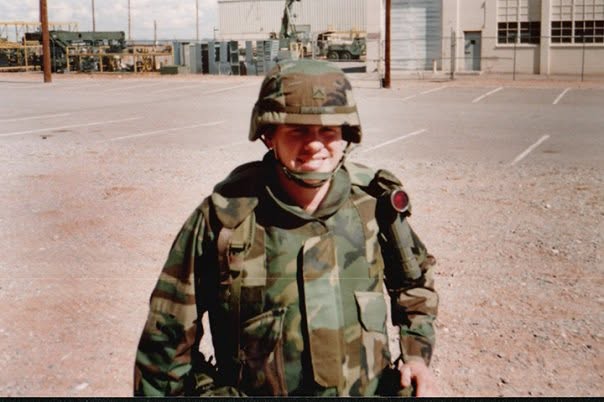
1998 McGregor Range/Ft Bliss. My flak vest smelled like Vietnam. What are plates? 😂
3
42
The Ruckus retweeted

Jun 10
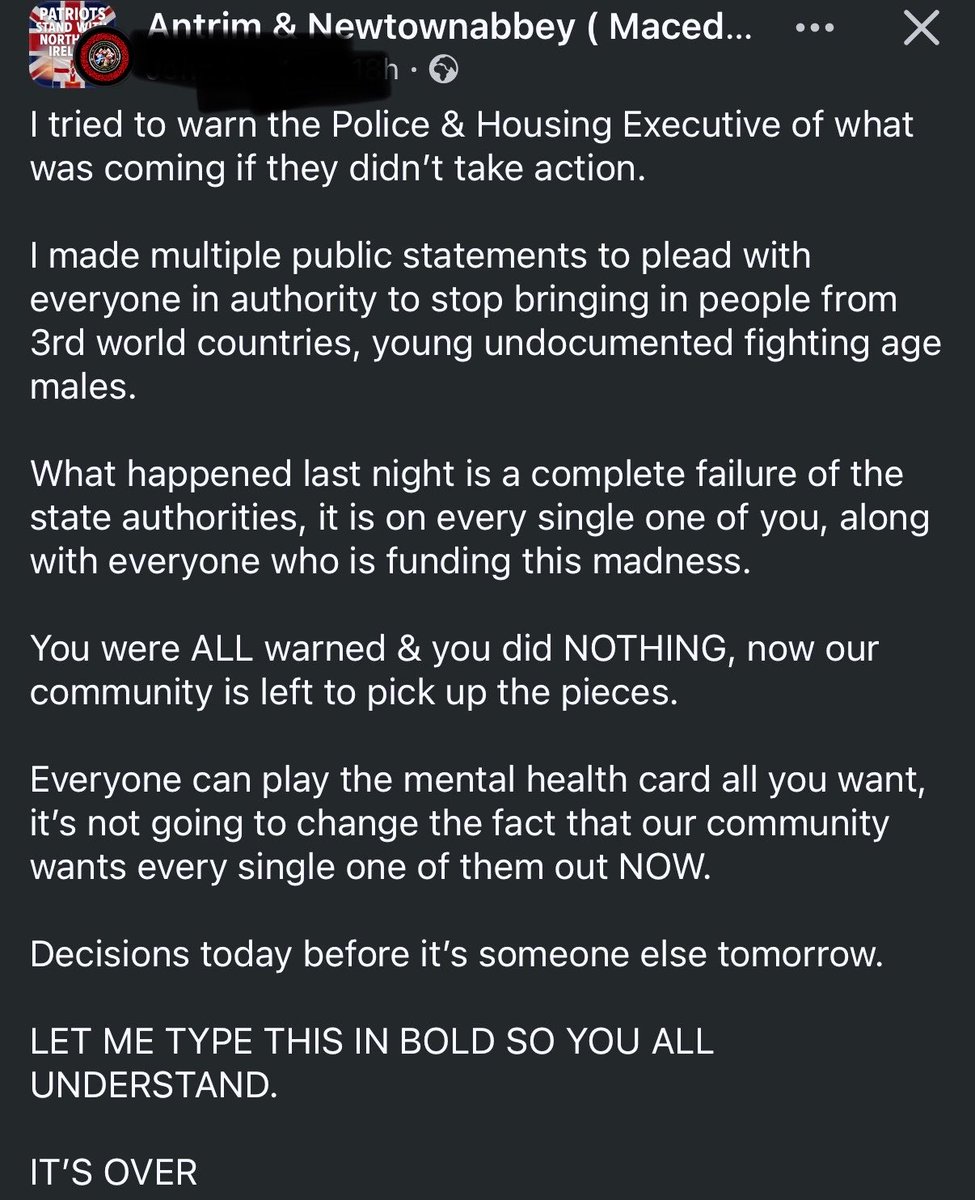
They got warned.
So don’t believe the media spin…
26
507
2,443
30,839
The Ruckus retweeted

Jun 10
How a 24-Foot Robot Boat Just Rewrote the Book on Combat Search and Rescue
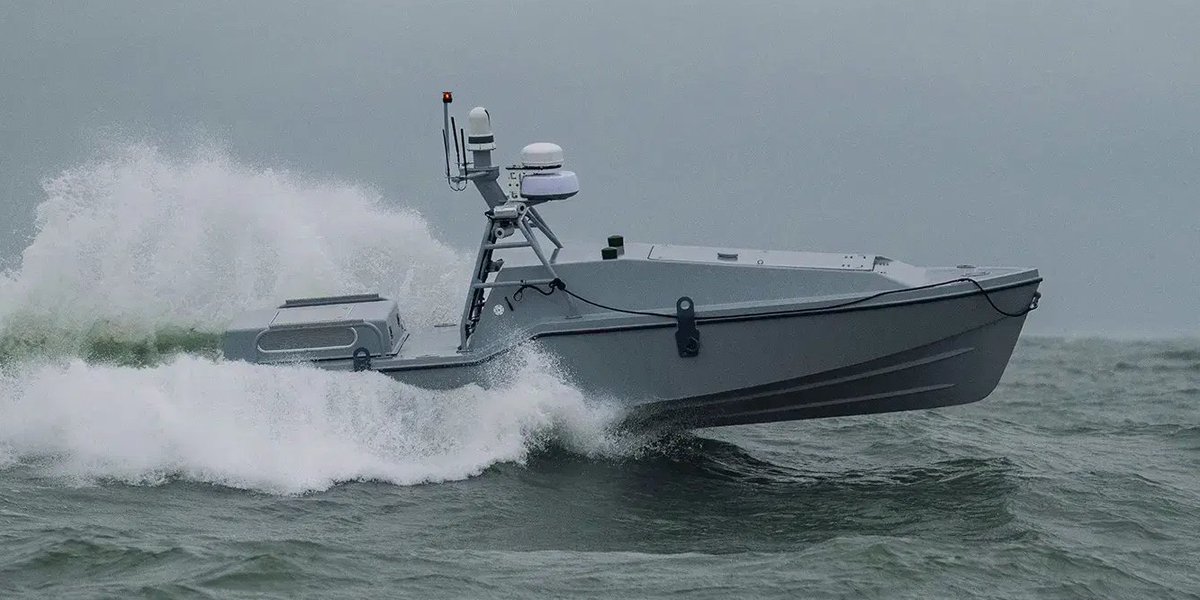
Yesterday, in the tense waters off Oman near the Strait of Hormuz, two U.S. Army aviators were pulled from the sea—not by a rescue crew risking their lives in a traditional Combat Search and Rescue (CSAR) mission, but by a fully autonomous 24-foot drone boat.
It was the first documented real-world use of an unmanned surface vessel (USV) to execute a personnel recovery at sea. And it happened under fire, in one of the world's most contested maritime chokepoints.
Here's the story—and why this moment may prove to be a genuine turning point in military technology.
What Actually Happened
Early Tuesday local time (around 3 a.m. Oman time / late Monday U.S. time), an Army AH-64 Apache attack helicopter went down while patrolling international waters near the Strait of Hormuz. U.S. officials, including President Trump, confirmed it was shot down by Iranian forces—specifically struck by an Iranian Shahed-series drone, likely a Shahed-139 variant. The two crew members ejected or ditched safely and spent roughly two hours in the water.
Overhead, U.S. MQ-9 Reapers and fighter jets provided top cover. But instead of immediately vectoring in a manned rescue package—standard procedure that would have put more helicopters, aircrew, and rescue swimmers directly into a high-threat zone—the Navy's Task Force 59 dispatched something different: a Saronic Corsair autonomous surface vessel.
The Corsair, already operating in the region as part of the Fifth Fleet's unmanned experimentation unit, located the pilots, let them climb aboard, and motored them to safer waters. From the deck of the drone boat, they were then hoisted by a conventional rescue helicopter.
No additional manned assets had to rush into the immediate danger zone for the initial pickup. The entire recovery was completed without further U.S. casualties.
The Corsair
Built by Texas-based Saronic Technologies, the Corsair is no toy. It is a 24-foot AI-driven USV capable of:
• Speeds around 35–40 knots (roughly 40–46 mph)
• Ranges exceeding 1,000 nautical miles
• Payloads exceeding 1,000 pounds—easily enough for two pilots and their gear
• Fully autonomous navigation, obstacle avoidance, and multi-mission capability, including surveillance, escort, logistics, and now personnel recovery
Task Force 59—the Navy's dedicated unmanned and AI maritime task force, established in 2021—began deploying these specific Corsairs in the Middle East only in late March 2026. They were already proving themselves during operations in and around the Strait of Hormuz.
Yesterday they demonstrated something far more significant: some missions that traditionally required humans in the danger zone can now be performed by autonomous systems.
Why Traditional CSAR Is So Brutal (and Why This Changes Everything)
Combat Search and Rescue has always been one of the riskiest and most asset-intensive missions in the U.S. military playbook.
• You lose an aircraft and crew in hostile territory.
• To get them back, you launch dedicated CSAR helicopters, often carrying special operations personnel committed to recovering the downed crew.
• You need fighter escort, electronic warfare support, tankers, and sometimes ground teams.
• Every asset committed to a rescue becomes another potential target. A mission that begins with one downed aircraft can quickly require multiple helicopters, escorts, tankers, electronic warfare platforms, and recovery personnel. The rescue force itself becomes part of the battle.
• In a place like the Strait of Hormuz—where Iranian drones, missiles, and fast attack craft remain persistent threats—you risk turning a single incident into a much larger engagement.
• It consumes enormous fuel, flight hours, and manpower while disrupting ongoing operations.
And it can take hours—or even days.
This Corsair recovery flipped the script.
The drone boat was already on station, expendable, and posed no additional risk to human life. It handled the "last-mile" pickup autonomously while manned assets remained at safer standoff distances until final extraction was required.
That is a fundamentally different approach to personnel recovery in a contested environment.
The Bigger Picture: Unmanned Systems Are No Longer "Future"
Task Force 59 has been quietly pioneering this concept for years, using low-cost, attritable unmanned vessels for persistent surveillance, mine countermeasures, and maritime security missions. Saronic's boats were designed to operate independently or in coordinated groups within some of the world's most challenging operating environments.
This was not a demonstration this time. It was an operational recovery executed during an active U.S.-Iran confrontation that prompted immediate retaliatory U.S. strikes later that same day.
For the pilots in the water, it meant rescue without waiting for a manned helicopter to run the gauntlet. For the Navy, it validated years of investment in autonomous maritime systems.
What Comes Next?
Expect this capability to scale quickly. More Corsairs—and competing systems—will appear in more theaters. Autonomous personnel recovery packages will likely combine unmanned surface vessels, aerial drones, and manned aircraft into integrated rescue networks. Similar concepts could eventually support casualty evacuation, logistics resupply, and other high-risk missions under fire. The building blocks are already visible.
In short, two pilots made it home because an autonomous vessel reached them first.
For decades, personnel recovery has depended on putting more people into danger to save those already at risk. This incident suggests that assumption may no longer hold.
If this operation proves to be a preview rather than an exception, historians may look back on June 9, 2026, as one of the first moments when autonomous systems moved beyond supporting combat operations and began directly saving lives within them.
Huge credit to the Saronic team, Task Force 59, and everyone who has spent the last five years advancing unmanned maritime capability. Events like this suggest the technology is rapidly moving from experimentation to operational utility.
*Credit to WSJ's Dave Brown for breaking the initial details, and to CENTCOM for the subsequent confirmation.
18
44
165
5,974

The Ruckus retweeted
Jun 9
Is the Pentagon religious classification code list sufficient now? Everyone's tears dry? There were some pretty epic liberal-like meltdowns the last couple days over a PSYOP.
Now hit the power button, go outside, and get your hands in some dirt.
And drink water, because you know you haven't had enough.
1
1
2
56
The Ruckus retweeted

POV: You’re an NBC Meet The Press microphone 😭

211
1,149
8,737
126,774
The Ruckus retweeted
President Trumps interview with Kristen Welker on NBC meet the press goes left 😂
134
344
1,663
68,735
Jun 6
If you don't watch the whole video (why wouldn't you?), at least watch from 17:30. @VeitchAeternis speaks truth that's even applicable to Americans.
The global color revolution is in full swing and it's time to do something about it.
youtu.be/OmxSCrnfqI4?si=KmnF…
37