
@WidnesRL⭐ Man Utd & classic rock fan🤘🏻 @TheRealSambora, Sober life, question everything, #CommonSense , welcome to #BonkersBritain
Joined April 2015
- Tweets 16,724
- Following 2,771
- Followers 1,036
- Likes 24,898
1,912 Photos and videos

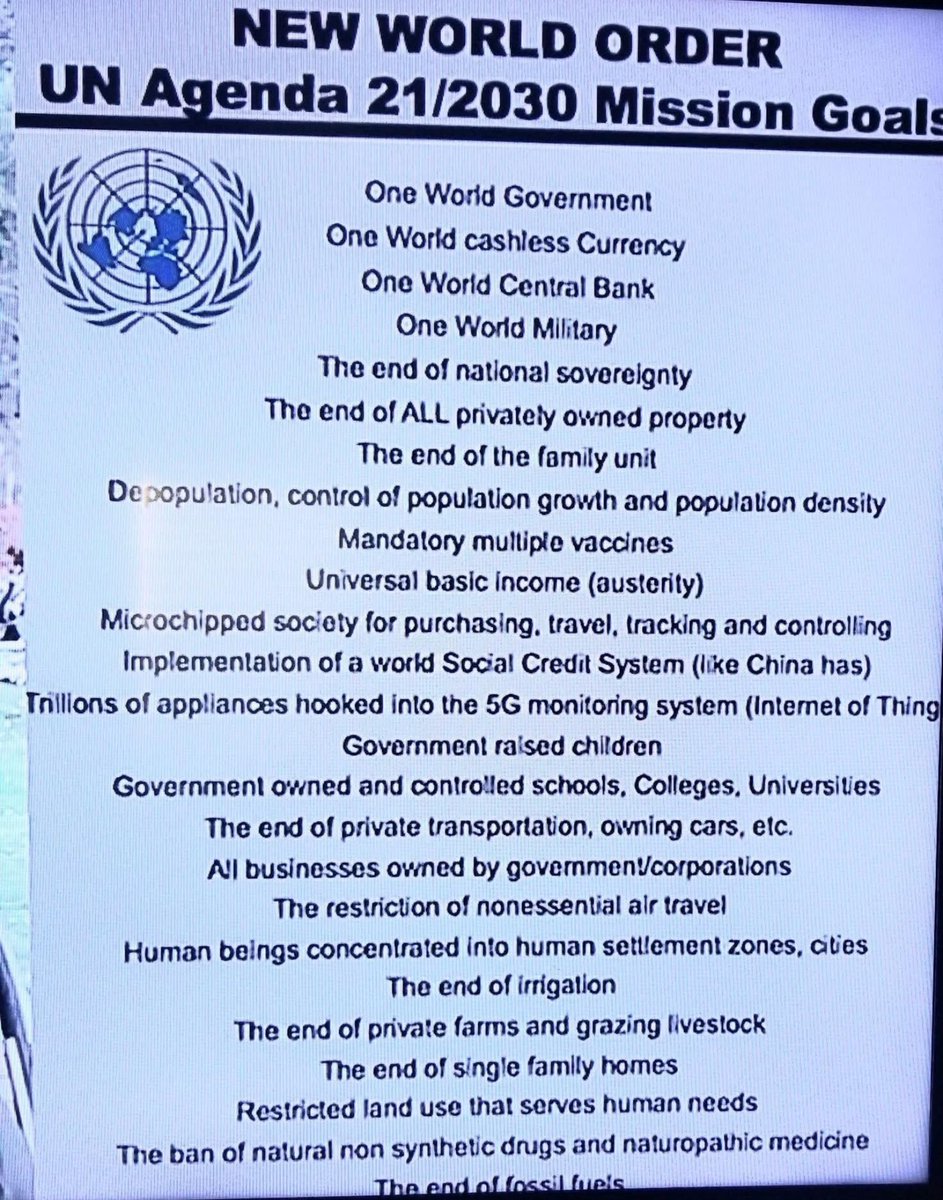

Pinned Tweet
youtu.be/_d7_OlG43h0?si=MDCr…
If you have 20 minutes spare, please watch with an open mind
215
Paul T Butler retweeted

Starmer, Lord Hermer & Shabana Mahmood have given free rein to the police to brutalise patriots 🇬🇧 protesting.
Here, a boy aged 5 or 6 is bundled into a police 🚔 car.
In another video, a man is thrown into a bollard, his head beating it. He's in a critical in hospital 🏥.
135
908
2,118
30,963
Paul T Butler retweeted

🚨Police slam patriot head first into a bollard at Sheffield Protest today!
When did “keeping the peace” turn into this?
Force like that should be the last resort, not the first.
This isn’t public safety - it’s overreach.
Apparently this man is in a critical condition. Let’s pray for his recovery🙏🏼

Just when you think the police couldn’t stoop any lower. A British man is in a critical condition after thrown to the ground and hitting his head on a metal pole. You can see by the police reaction it was serious @RestoreBritain @RestoreNetwork_ @elonmusk @RupertLowe10
#Britain
#BritishValues
#UnitedKingdom
#PoliceAccountability
#PoliceBrutality
#JusticeForAll
#CivilLiberties
#RuleOfLaw
#PublicSafety
#StandForJustice
249
1,524
3,586
97,120
Paul T Butler retweeted

20h
If you needed any convincing of how utterly VILE the FAR-LEFT is then this is it.
They stood chanting “refugees are welcome here” in direct response of a patriot in BRIGHTON holding a sign commemorating RHIANNON WHYTE who was brutally murdered by an illegal immigrant.
Horrid.
436
2,818
13,246
337,102

Jun 12
This⬇️⬇️⬇️⬇️⬇️⬇️

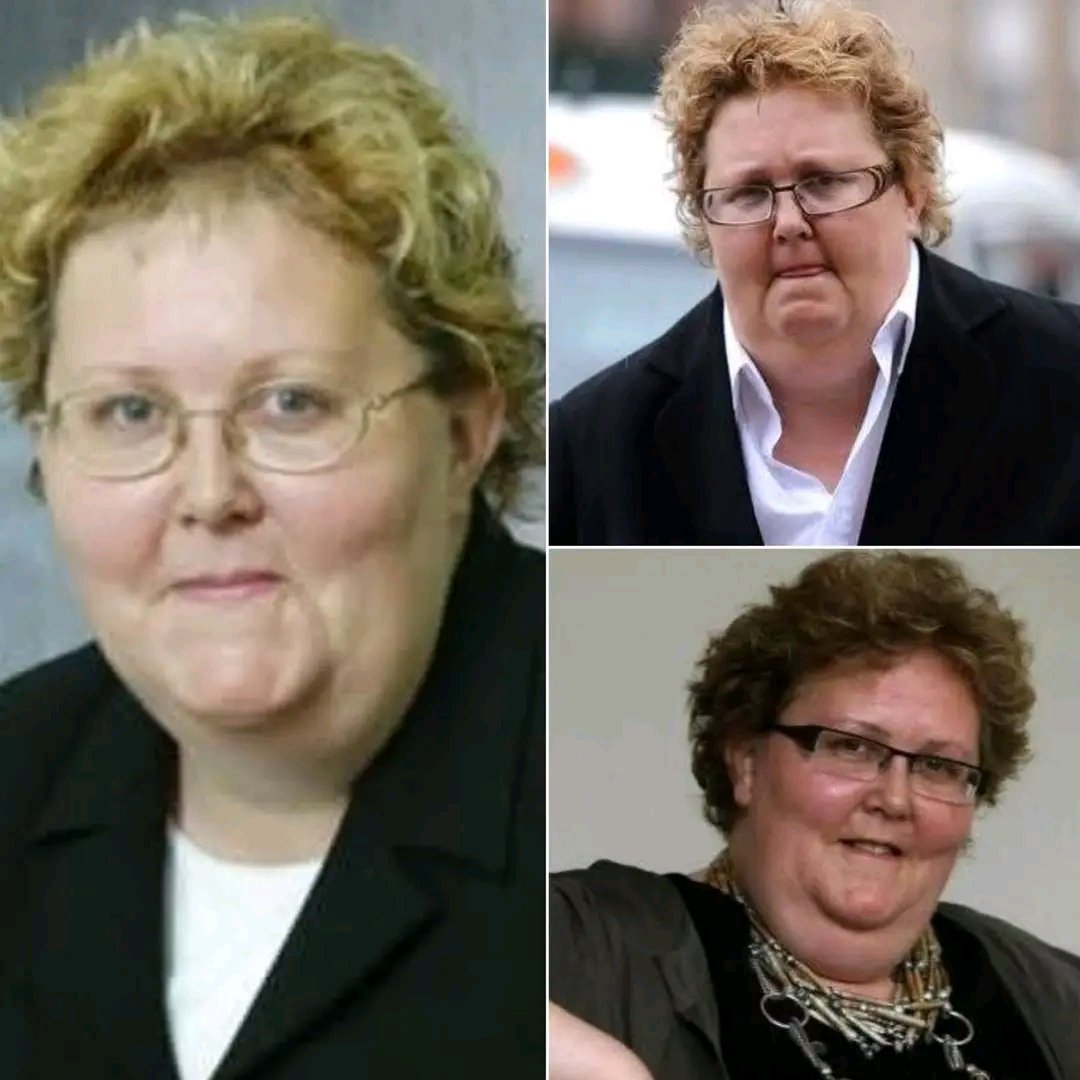
THIS IS JUDGE MAGGIE SCOTT
She let child rapist Daniel Cieslak, who raped a 12-YEAR-OLD girl, WALK FREE from her courtroom. But guess what? Not only that!
She gave him an ABSOLUTE DISCHARGE, despite him pleading GUILTY.
She also sparked outrage by praising Algerian rapist Hamadache Hamza for settling in Britain and setting up a hairdressing business.
She said that the predator deserved “credit” for overcoming his “very difficult background” to become a successful business owner in Scotland
3
Paul T Butler retweeted

Jun 11
My Mum is my inspiration to keep smiling. #NannaNoLegs
#Widnes
2
7
197
Jun 10
Is it not true that if British people went to live abroad they'd be expected to diversify into that country's culture & way of life? @russellquirk So, why are we continually told that diversity is our strength? When the people are coming here(some illegally)?
1
19
Jun 10
They should come here with a legal passport, learn our language, get a job & contribute to our society. That can only be good for the country & them! @MathewHulbert had a couple of decent points, but ultimately he's someone that spouts the same old rhetoric & is blinkered
15
Paul T Butler retweeted

No words needed. 😡
5
124
445
4,506
Paul T Butler retweeted
Nothing to see here, just a teacher wanting to walk in the woods with a boy and have a wank with him!!🤬🤬
“He has to be taught at some age”….
Monster
136
979
2,225
96,192
Paul T Butler retweeted

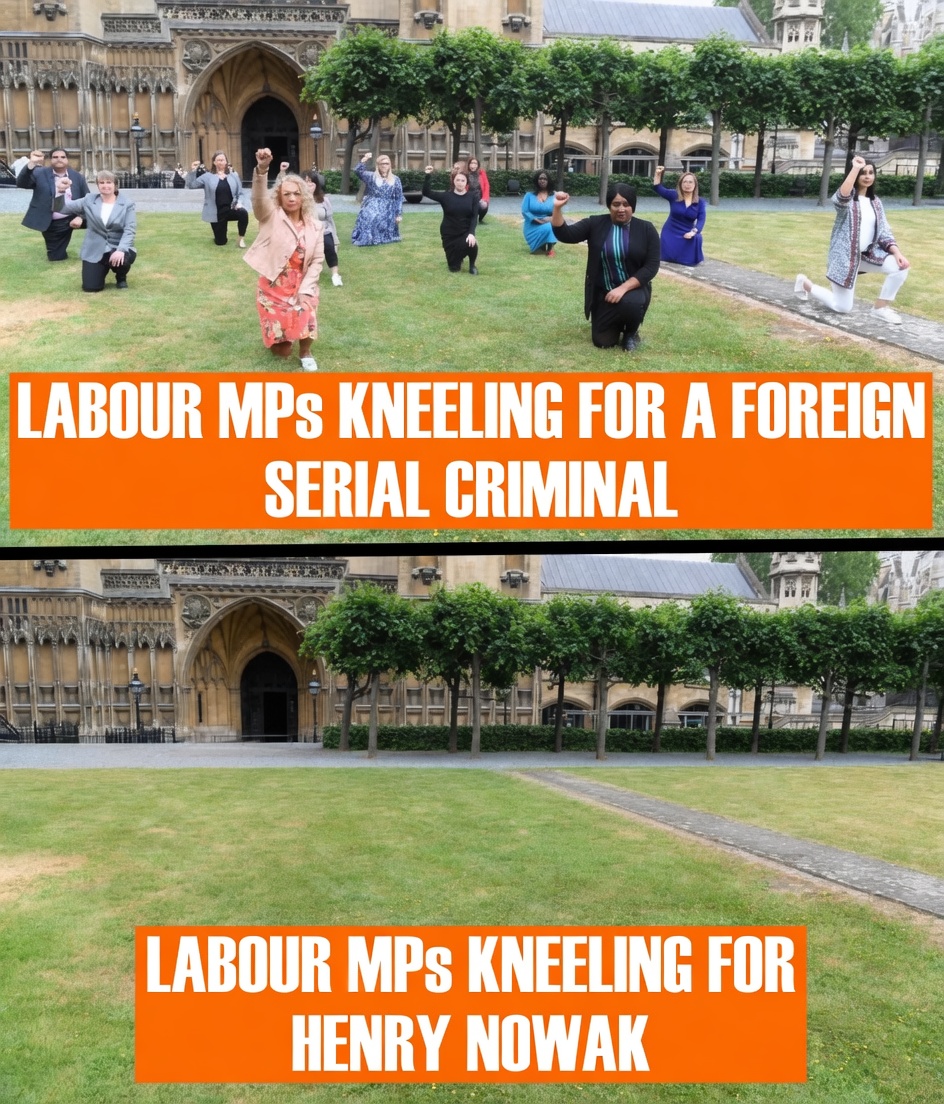
🚨🇬🇧 Meanwhile today across the UK
Brits are visiting their local Police Stations to take the knee for Henry Nowak.
Not one UK Officer has bent the knee yet that’s been recorded - the same Police Officers that bent the knee every day for career criminal George Floyd.
117
1,919
8,167
73,042
On immigration @Iromg, isn't it the people who are going into other countries responsibility to be diverse & blend into that countries culture, not the other way round? They seem to be ideological missionaries who want the compliance of that country
3
Paul T Butler retweeted

Jun 2
I do not speak about politics often on this account. But this time I will.
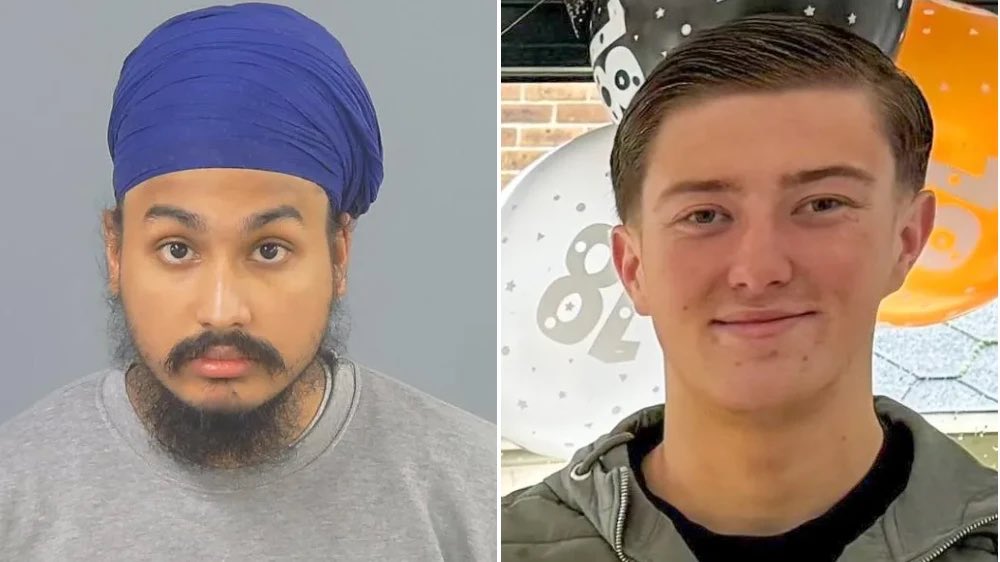
He was eighteen. He was stabbed five times on a street in Southampton, UK. And in the minutes that decided whether he lived or died, the police handcuffed him, the victim, because his killer told them he was the aggressor and called him a racist. They did not believe Henry when he said he had been stabbed and could not breathe many times. By the time they understood, he was gone.
His death was not just the failure of a few individuals at the scene. It was the failure of a system that has lost its moral compass. A system of murderous empathy. A court has since ruled that the killer's story was, in the judge's own words, wholly false. The force has apologised for arresting a dying boy. But Henry is still dead.
For years our institutions have been shaped by ideas that sort people into fixed categories of victim and offender before the facts are known. These frameworks distort judgment at every level. Some learn to wield an accusation as a shield. Others, placed in authority, grow so afraid of being called biased that they abandon basic fairness and ordinary courage. The result is paralysis, confusion, and injustice, and on that night it was fatal.
This is not compassion. It is moral chaos, it is a true racism and it destroys real lives. It took Henry's. It will take more if we keep pretending nothing is wrong.
I honor Henry by refusing to look away. We owe him a society built on responsibility, equal treatment and same rules for everyone, and the courage to say plainly what is happening in front of us. Henry Nowak should still be alive.
73
572
2,364
60,578

Paul T Butler retweeted

May 30
Cameras are going up everywhere for mass surveillance not public safety.They are linked to the new AI data centres. The ‘elites’ know when the masses ‘wake up’ they are going to need these control systems Your taxes are paying for this. You are paying for your own subjugation.
738
7,755
14,472
183,459
Bishop Cei Dewar on @Iromg (The Mike Graham Show) is absolutely spot on about not only Liverpool, but Britain. People must sit up & take notice
13
Both men said “I can’t breathe”, but only one man’s death was covered relentlessly by the media.
The only conclusion that can be drawn is that the legacy mainstream media is incredibly, hatefully racist against Whites.
May 29

UPDATE (AS OF MAY 29, 2026):
0 stories from AP on Henry Nowak
0 stories from PBS on Henry Nowak
0 stories from NYT on Henry Nowak
0 stories from NPR on Henry Nowak
0 stories from WSJ on Henry Nowak
0 stories from CNN on Henry Nowak
0 stories from WaPo on Henry Nowak
0 stories from Reuters on Henry Nowak
0 stories from MSNBC on Henry Nowak
9,916
79,936
397,743
17,562,791
May 30
Imagine white men doing this....
May 29

Folks can anyone tell me where this is in any way shape or form Self Defence?
Can anyone shed some light at what point that the 2 Thugs thought that they were about to be killed?
Yes it’s a bit like spot the Ball or mores to point spot the BOLLOX👇🤷♂️🙄
17