
Our Mission is to inform, uplift, and educate the Living Beings who have a passion for Life and a commitment to themselves to direct Will, Purpose, and Intent.
Joined January 2025
- Tweets 497
- Following 201
- Followers 203
- Likes 517
465 Photos and videos







Pinned Tweet

31 Jan 2025
Many of us want to be free, but do we really know what that truly means? Introducing our new channel Freedom Absolute. Watch this short intro video and follow us on our socials at the link below to find out. @panterravida
gem.university/freedom-absol…
rumble.com/v6fbd51-introduci…
6
21
54
2,361
Jun 12
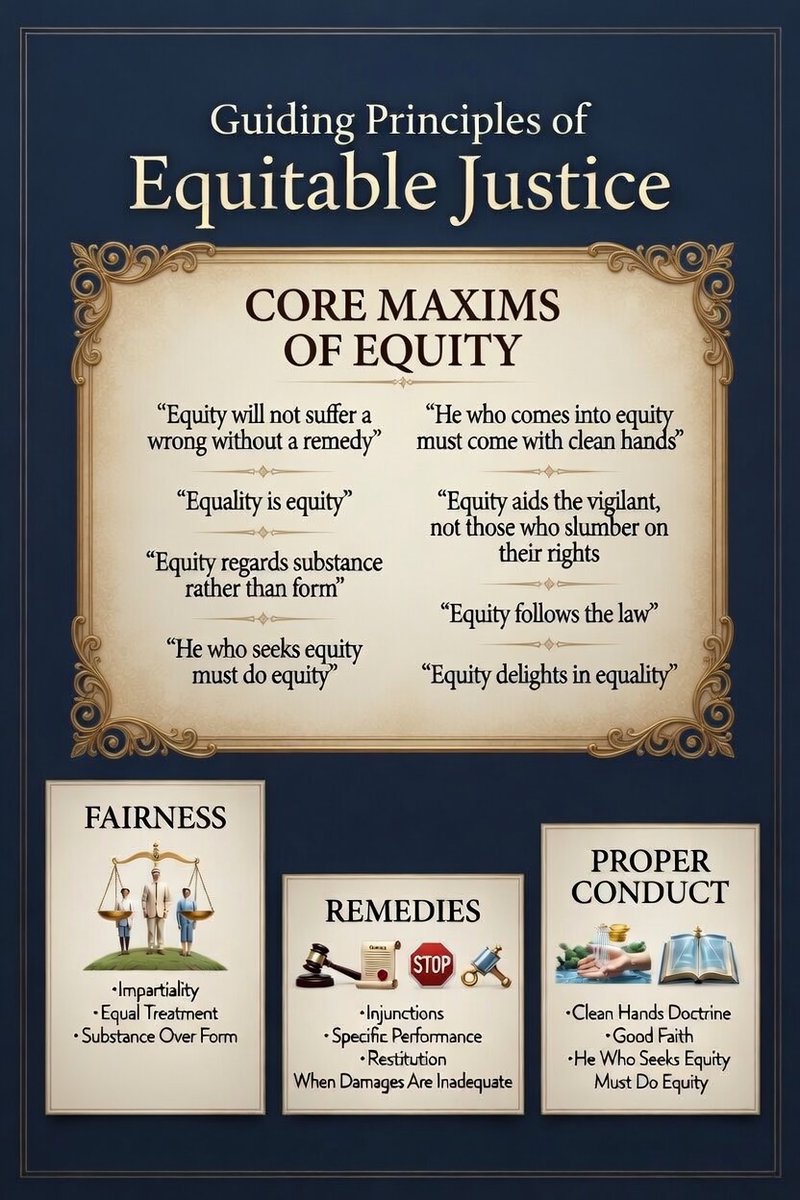
The 20 Maxims of Equity and Law are guiding principles of the PanTerraVida Private Society. The Maxims of Equity underpin equitable justice, emphasizing fairness, remedies, and the proper conduct of parties within legal disputes. The 20 core principles do not work alone but overlap for an equitable solution. All 20 Maxims will be presented as shorts in the coming weeks on Freedom Absolute.
@OPanterra @panterravida @TheFreedomPPL
freedomabsolute.substack.com…
equity, remedy, maxims, principles, fairness,
1
4
36
Jun 10
Everything you do in public blockchain is visible. Public coin, private wrapper and full versatility meets freedom in law and life. Revealing conversation on how privacy is possible on all fronts.
@zano_project @OPanterra @APEXCONSULTNFA @cryptorover @crypto @TheFreedomPPL @TheFP
freedomabsolute.substack.com…
#CryptoUpdate
1
2
26
Did you know that Jesus had various names in the Bible that corresponded to astrological signs?
freedomabsolute.substack.com…
#astrotheology, #esoterica, #commonlaw, #history, #zodiac, #bankruptcy, #monetarysystem, #education,
1
4
31
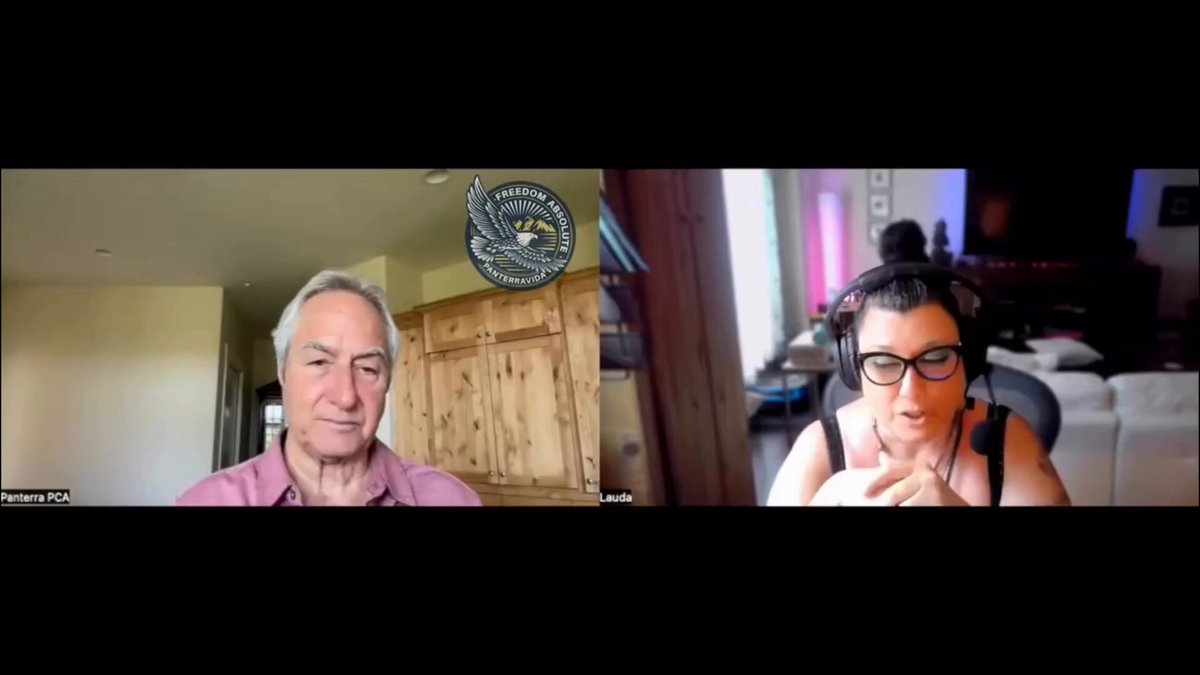
Ken and Travis of PTV are joined by Gonzalo from the Zano Project for a lively discussion about law, privacy, and secure technology. A recording from Freedom Absolute's live video. Zano provides private and confidential transactions by default. This enables one to put public cryptocurrencies into a private wrapper with full use and versatility. PTV is a well established private jurisdiction that integrates advanced knowledge and applications in law for a truly private and secure environment and long term estate building strategies. We will discuss the privacy space in blockchain and how an innerstanding and integration of law and privacy tools provides a synergistic potential to maximize these top tier solutions to maximize privacy and protections. This is an episode you don't want to miss.
open.substack.com/pub/freedo…
Zano Links discussed in the video:
Introduction to Zano: intro.zano.org/
Freedom Dollar: freedomdollar.com/en
Confidential Layer Bridgeless Bridge: confidentiallayer.com/
Zano on X: x.com/zano_project?s=20
Zano on Telegram: t.me/zanocoin
Join Freedom Absolute as a free or paid subscriber on Substack or Patreon and start your education to Freedom today!
Substack: freedomabsolute.substack.com…
Patreon: patreon.com/c/FreedomAbsolut…
1
2
5
103
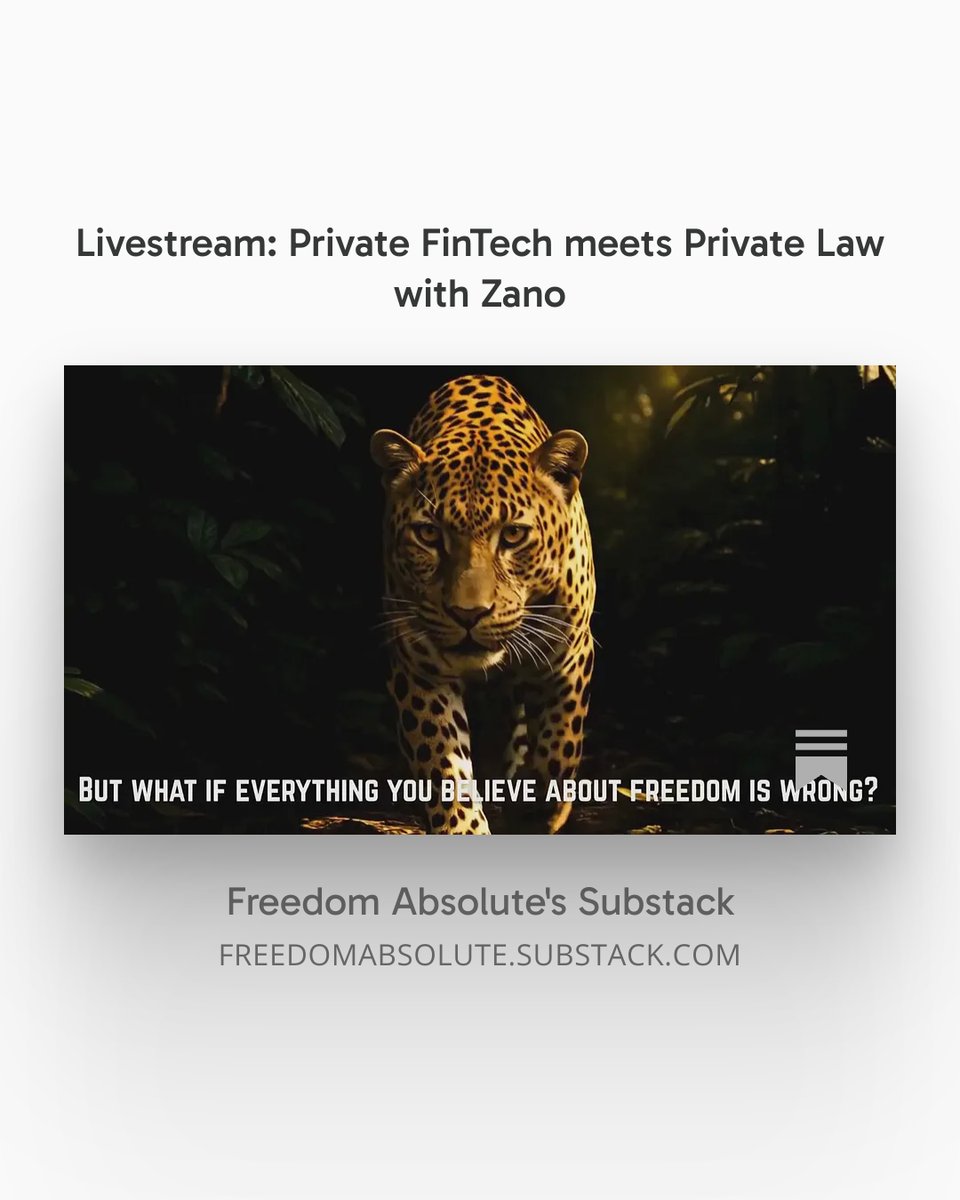
Livestream: Private FinTech meets Private Law with Zano x.com/i/broadcasts/1OxwbbDRa…
46
63
1,089
🚨 LIVE this Friday, June 5th @ 10AM Pacific!
Freedom Absolute, @PTVAbsoluteFree, of PanTerraVida, a private society dedicated to sovereign rights, peace, and empowering people since 2002 with members in 45 countries is joining forces with Zano, @zano_project, a decentralized private blockchain that enforces confidentiality at the protocol level, giving anyone the ability to transact, store value, and build without surveillance or intermediaries.
⚡ Two communities. One mission. Lawful rights, privacy & secure technology.
If you believe privacy is freedom, this conversation is for you.
🔴 youtube.com/live/G1WEitB6ZQ4…
@panterravida @OPanterra
1
3
13
4,587
Livestream: Meet the Freedom Absolute Team x.com/i/broadcasts/1NGarrMrl…
6
49
Ever feel like the system was rigged from the very beginning? You aren't imagining it. What if I told you your birth certificate isn't just a record of your arrival… but the opening of a commercial account? A gateway where your vital energy is converted into a debt instrument traded on the global stage?
We’re pulling back the curtain on the "Planetary Prison." We’ll break down how Social Security numbers and commercial paper transform human potential into liquid assets—and how we unknowingly finance the very walls that keep us in check.
The mystery is deeper than they want you to know. Stop being the collateral. Start understanding the ledger.
Unveil the truth. Watch the full breakdown on Freedom Absolute now.
freedomabsolute.substack.com…
#law, #commonlaw, #bondedsurety, #statuscorrection, #sovereignty, #thefourthway,
4
41
May 29
To experience freedom a key thing one must know, one must not go to battle, or more seeds of battle one will sow.
Your will, your passion, your purpose, and intent are what is needed of your being for freedom to exist.
Our lives held in usufruct by "the powers that be", however, "equity will not suffer a wrong to be without remedy"
The master of puzzles, a great few there are, they know freedom does not come through those that stand past the bar.
freedomabsolute.substack.com…
bondage, solvent, indentured, money, freedom, closed system,
4
38
May 28
History is not just about the past.
Law is not just about the rules.
Money is not just about the value.
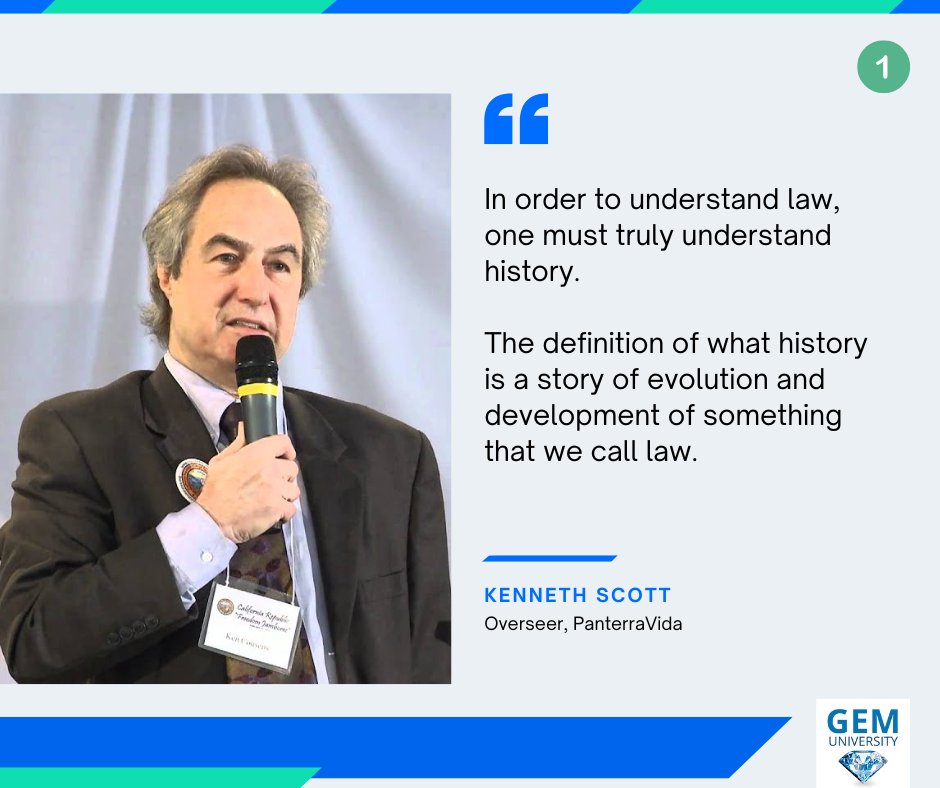
Kenneth Scott gives us a deeper, thought-provoking insight on history, law, & money that challenges the belief systems. Swipe through this carousel and reflect on the hidden relationship between history, law, money, and control.
See more at: youtu.be/AU6-U7g8L48
gem.university
freedomabsolute.substack.com
patreon.com/FreedomAbsolute
#History #Law #Money #Philosophy #KennethScott #PanTerraVida #GEMUniversity #TruthSeeking #Knowledge #Education #HumanCivilization #DeepThoughts #Wisdom
1
4
30
May 26
What if history didn’t end… it evolved?
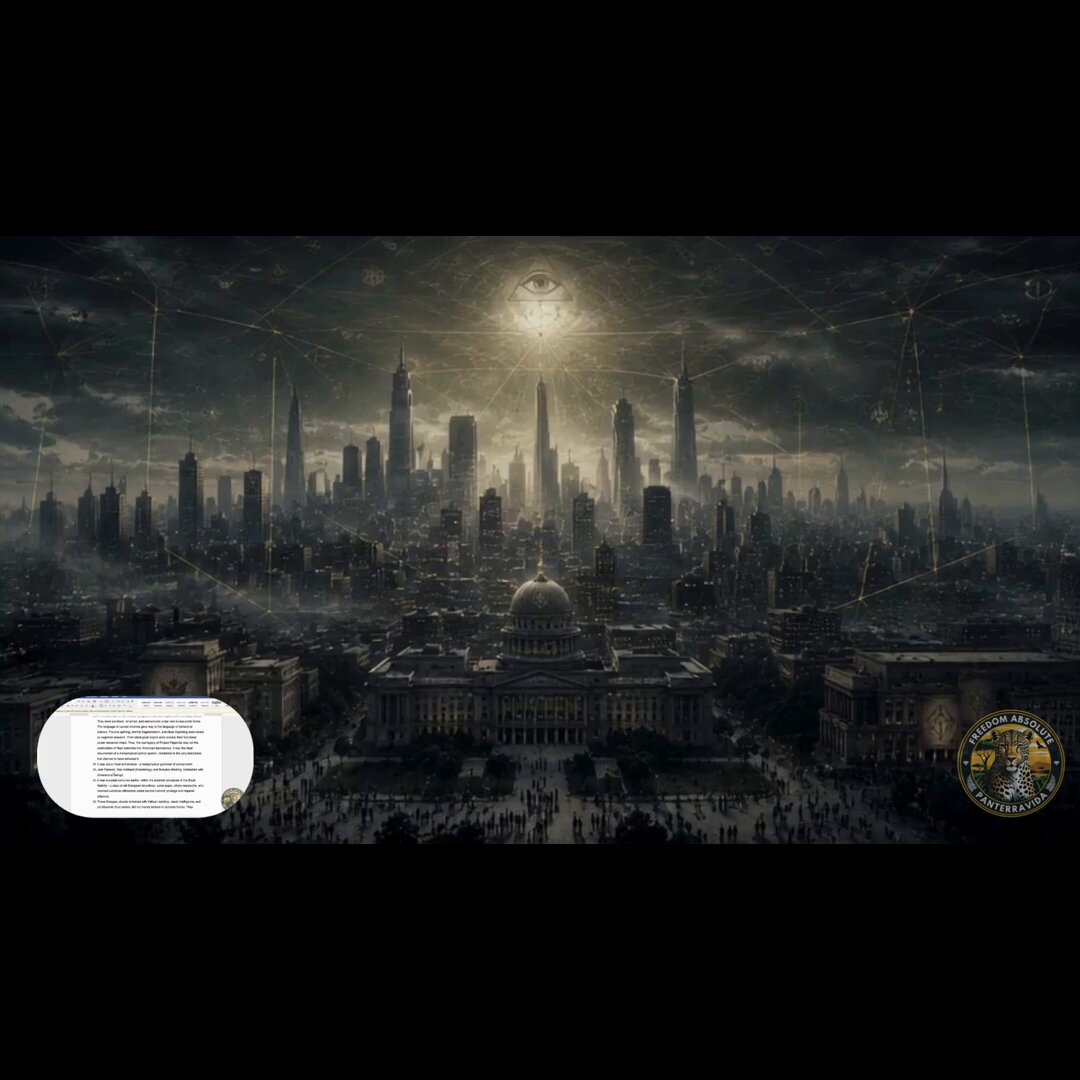
This short explores the shadow line between hidden history, psychological conditioning, occult symbolism, Operation Paperclip, institutional power, and the rise of AI-driven control systems. From ritual architecture to modern behavioral influence, the deeper question is not just who controls the system — but what ideas survived inside it. Watch closely. Symbols speak before systems do.
freedomabsolute.substack.com…
occult, afterlife, controlsystems, blacksunlegacy, AI, hiddenhistory, symbolism, rituals,
1
4
49
May 24
Did you ever think you might be existing in a closed system? All systems are designed to keep you within in. You can find your way out but before that happens you have to understand the one you are in. At good place to start that is at GEM.UNIVERSITY
freedomabsolute.substack.com…
bondage, solvent, indentured, money, freedom, closed system,
3
5
25
May 20
What would you call someone who does this? They act as a bonded surety and fund a debt that does not belong to them. They have contracted to receive limited benefits. They give away all their bonds to the treasury. Does this behavior sound familiar? Is there a solution? Absolutely! It resides in equity. Learn how to reverse your slave status with GEM.UNIVERSITY
freedomabsolute.substack.com…
english law, taxes, presumptions, fraud, biblical, genetic,
1
1
4
61
May 17
The Exodus account reveals something most people overlook. 40 years in the desert. Then, right before entering the promised land — every soldier was circumcised. On one day. Take a man at 40, 30, 25, or 18 and cut away the most sensitive part of his body... and what do you get? An army of angry men who want their life back — and will take it from someone else. As Tacitus put it: *"Men's minds become so sick, they can only be relieved by remedies as severe as the infection."* This sickness has been foisted upon us in so many different ways. It's unbelievable.
🔗 Read more: freedomabsolute.substack.com…
#scripture #dogma #religion #rituals #programming #cults #trafficking
2
7
85
May 14
Way back in 1933, FDR declared a national banking emergency. A bankruptcy! Give up all your silver, give up all your gold, instead, here's some paper notes for you to hold. Public policy was the new law of the land, common law and common sense was now banned. Commercial legal tender was now the only legal medium of exchange, those old timers back then must have all been deranged. Their only solution was to make us debt slaves and NOW we rise, stand, and create change.
Know history so that it won't be repeated, we rise, we stand, Freedom Absolute!
open.substack.com/pub/freedo…
indentured, franchise, decedent, law, sovereign, jurisdiction,
3
9
67
May 11
What if all the people in the world owe quadrillion dollars in debt? How will that be paid if all the money issued has no substance? These are questions that need to be answered while you study how the world system of debt functions. Start that education at GEM.UNIVERSITY
freedomabsolute.substack.com…
sovereignty,indentured,money,fiinance,freedomabsolute,contracts,hologram,2026,
2
4
35
The 20 Maxims of Equity are foundational principles developed in courts of equity to ensure fairness where strict application of common law would produce injustice. These maxims are not rigid rules but flexible guidelines used by judges to achieve fair outcomes in individual cases.
Two core ideas underpin equity: “Equity will not suffer a wrong without a remedy” and “Equity acts in personam”, meaning equity focuses on personal obligations and fair remedies. The maxims collectively emphasize justice, fairness, good faith, and practical solutions. Several maxims stress fairness in conduct. “He who seeks equity must do equity” and “He who comes into equity must come with clean hands” require parties asking for equitable relief to act honestly and fairly themselves. Courts refuse assistance to those whose own misconduct contributed to the dispute. Other maxims promote diligence and responsibility, substance over technicalities and several maxims govern property and competing rights.
Be sure to read the complete list of 20 principles and how equity complements common law by providing flexible remedies such as injunctions and specific performance, ensuring justice is achieved according to conscience, fairness, and the circumstances of each case.
You can also get your personal copy of the 20 Maxims of Equity here: open.substack.com/pub/freedo…
equity, principles, justice, remedy, interest, escrow, statute, debtor, commonlaw, estoppel,
1
5
54
Many stepping stones that lead to the world we have today started with WWI and II. These wars did not just happen but were constructed to happen to set the stage for today. Learn more about how all that began by joining GEM.UNIVERSITY and tap into a library of knowledge that unveils many things we have accepted as truths but really are not.
sovereignty, taxes, parasites, matrix, simulation, jurisdiction, transhumanism,
2
8
48
Understanding trust structure is integral to becoming truly free. You are the beneficiary of your own life and so YOU should be deciding what to do with it, not leave it to some external source to decide. Trusts are at the heart of this journey to freedom. Start your foundational knowledge at GEM.UNIVERSITY
open.substack.com/pub/freedo…?
r=56ajjc&utm_campaign=post&utm_medium=web&showWelcomeOnShare=true
freedom, trusts, beneficiary, PanTerra, multi-layering, jurisdiction, money,
3
5
42