
Joined October 2012
- Tweets 9,583
- Following 287
- Followers 2,994
- Likes 11,490
539 Photos and videos


Pinned Tweet

11 Apr 2023
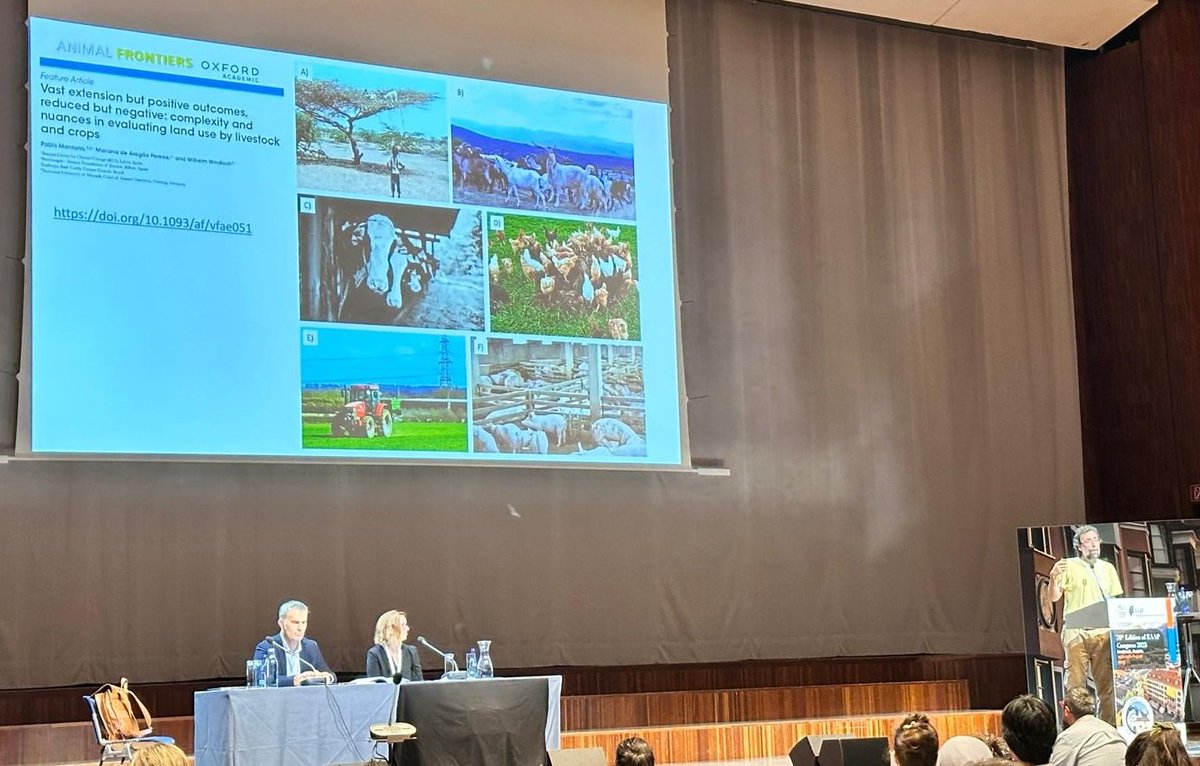
Some of our recent research at @BC3Research & @GCCGtweet is shedding light on the role of livestock and herbivores in global change, and I think it is worth organizing it in a thread of threads for whoever visits my profile. I will be adding new papers in the future.
(1/n)
4
21
59
24,520
Documento de debate. Sale en un momento adecuado, a principios de la temporada de incendios

Habrá que leerlo. Aportaciones positivas siempre serán bienvenidas. ecologistasenaccion.org/3706…
2
160
Publishing an op-ed today at @BD_Africa explaining why climate mitigation policies should not target pastoralists:
businessdailyafrica.com/bd/o…
(1/3)
1
6
10
1,441
The reason for writing this article is the ongoing discussion taking place at the Kenyan parliament, reported by the @NationAfrica
nation.africa/kenya/climate/…
(2/3)
1
4
281
The science it is based on to say that livestock and wild migratory herbivores trigger very similar emissions in East African sabanas is explained in this thread:
x.com/i/status/1642840385796…
(and 3/3)
3 Apr 2023

📢 It's out! The paper by @AgusBC3 @gpardoBC3 and me (@BC3Research & @GCCGtweet) at #npjClimAtmosSci @Nature_NPJ on emissions in two savannas in northern Tanzania, one dominated by wild herbivores and the other dominated by ruminant livestock.
🧵
(1/9)
nature.com/articles/s41612-0…
5
234
Why does it seem so difficult to disentangle whether grazing is good or bad for biodiversity and ecosystem function?
repairproject.org/blog-archi…
In this blog post for the project REPAiR, and in the context of #IYRP, I explain cultural and ecological issues that add complexity.
7
11
515
Pablo Manzano 🦋 & 🦣 retweeted

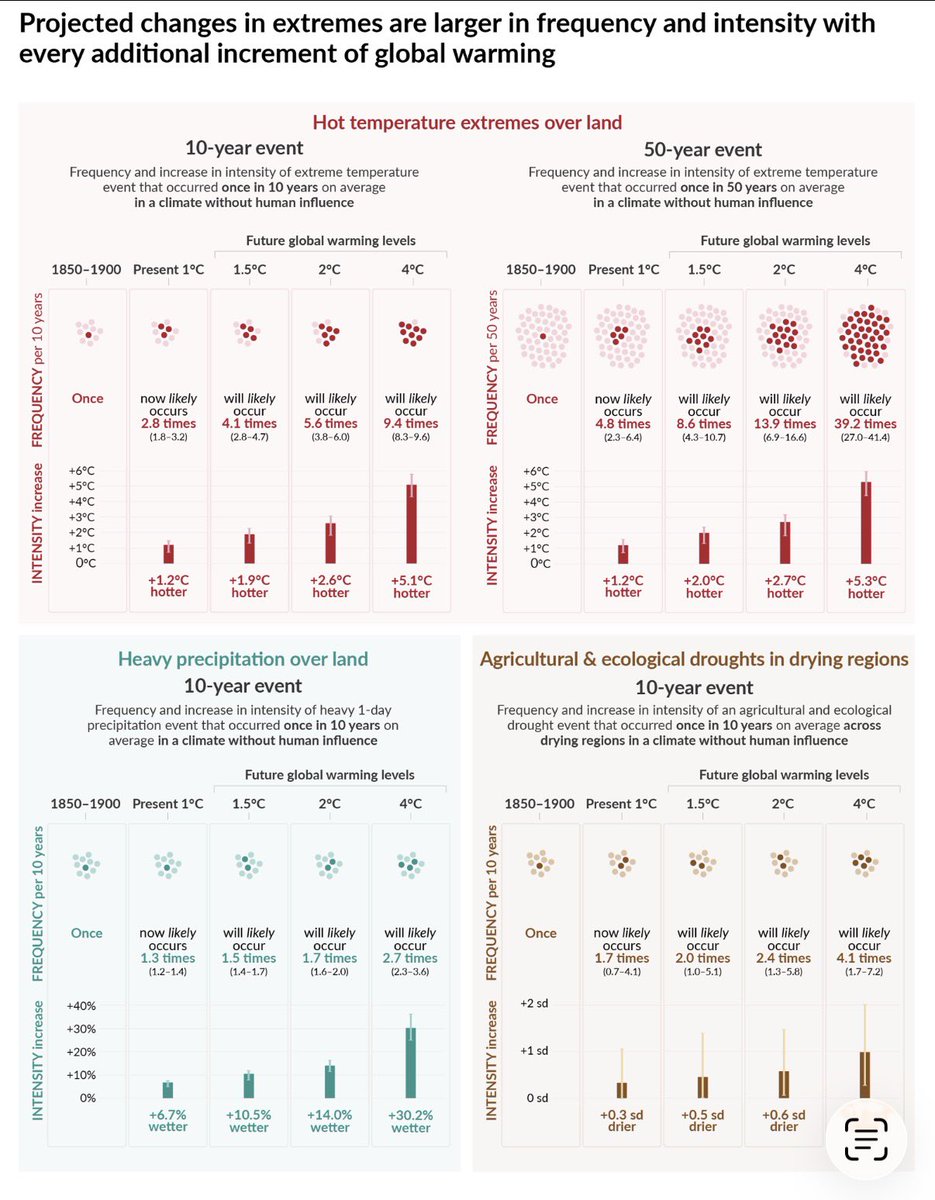
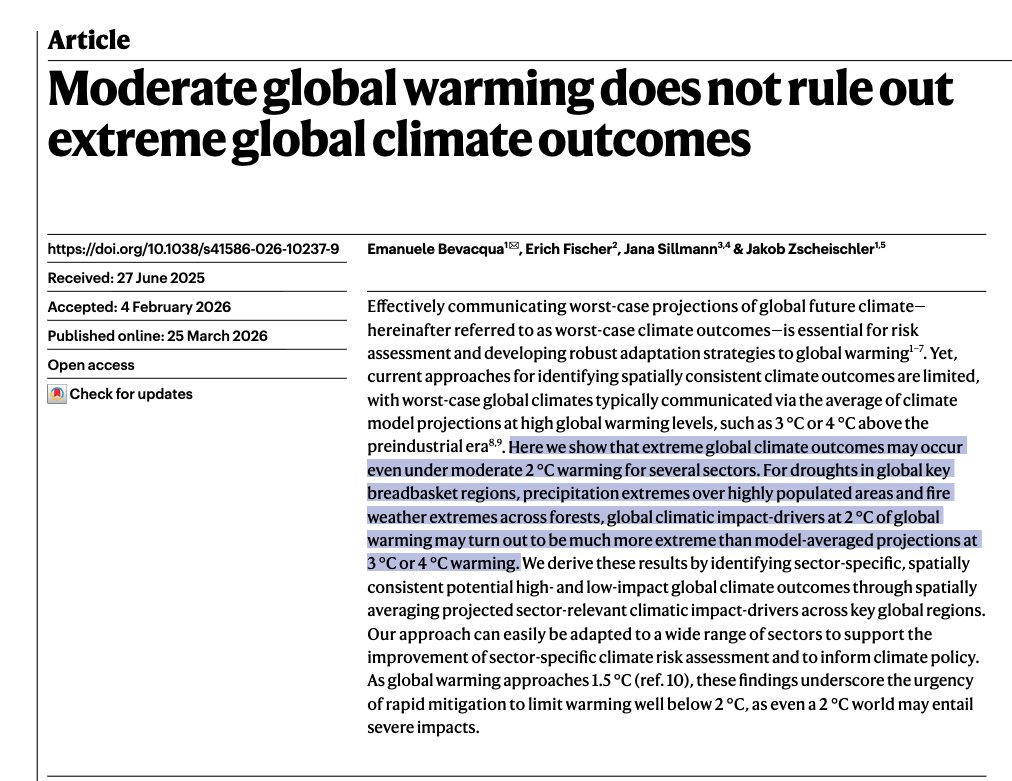
Once again, global warming means warmer weather is statistically more likely. It doesn’t mean cold weather won’t happen again (though it will be less likely); it doesn’t mean there hasn’t been extreme warmth before… not that complicated!
May 25

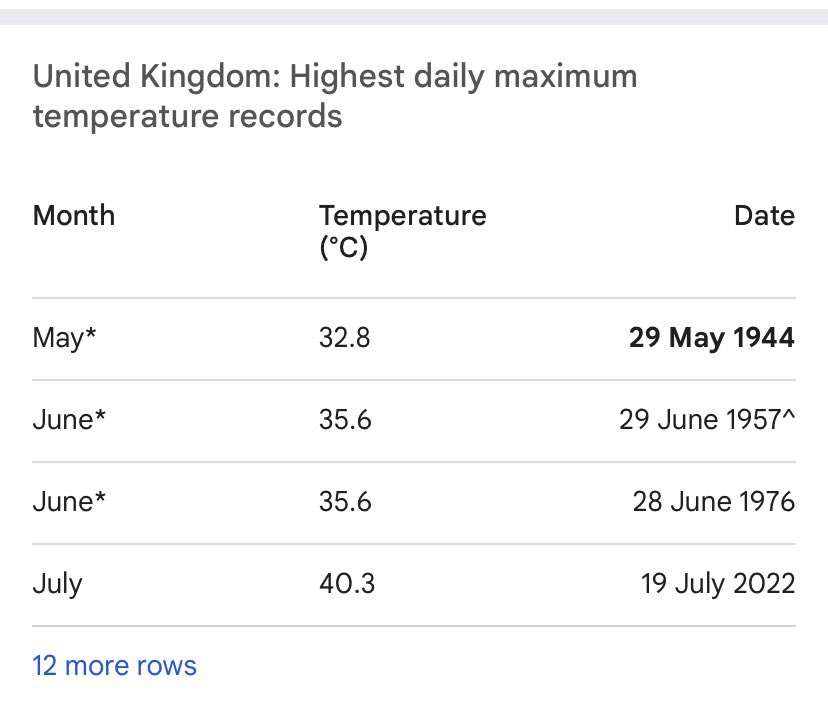
Today was the hottest May day in the UK since 1944.
So if today’s temperature is due to global warming, what was the deal in 1944?
5
5
40
1,650
Pablo Manzano 🦋 & 🦣 retweeted

May 25
If you want to know how X works now and how it's got even worse than ever, read this 👇
May 24

So I spent some time studying the new Twitter/X algorithm today since the latest version was published about a week ago on Github (github.com/xai-org/x-algorit…).
My goal was to answer why so many people have seemingly seen such a dramatic drop in their posts' reach.
The first answer, which is actually somewhat unrelated to the ranking algorithm on Github, is the auto-translate feature, rolled out worldwide on April 7, 2026 (x.com/nikitabier/status/2041…).
Before that date, if you wrote in English about, say, the Trump-Xi Beijing summit, you were competing for attention with maybe 5,000 other English-language accounts writing on geopolitics.
After that date, your post is competing for attention with other posts on the same topic IN EVERY LANGUAGE ON EARTH. For some topics that do command global attention like geopolitics, that's a very brutal multiplier: you used to be one of 5,000, you're suddenly one of 50,000 (something of that order): MUCH more difficult to stand out.
Secondly, the number of followers you have matters far less than it used to: each post now has to earn its audience reader by reader, on the predicted engagement of the post, and how its topic matches what each reader has recently been engaging with.
Here is how the algorithm works, in simple terms: when you, as a reader, open your feed, the algorithm doesn't load "posts from accounts you follow." Instead it runs a 2-stage prediction of what posts you're likely to engage with in that very moment.
The first stage is the retrieval stage. The system narrows billions of posts on X/Twitter that day down to roughly 1,500 candidates by matching the semantic content of each post - what it's about - against what you as a reader have recently engaged with. Some candidate posts come from accounts you follow; others are pulled from across the platform by pure topic similarity to your recent interests.
You can test this retrieval stage easily: start disproportionally engaging with - say - Brad Pitt videos and you'll bit by bit see your timeline flooded with Brad Pitt content, most of it from accounts you've never followed and never heard of.
Then there's the ranking stage. Each of these candidate posts for your feed is fed through a Grok-based model that tries to understand if you'll engage with the post.
It looks at 15 engagement metrics:
1) P(favorite) — the reader likes the post
2) P(reply) — the reader replies to it
3) P(repost) — the reader reposts it
4) P(quote) — the reader quote-tweets it
5) P(click) — the reader clicks a link in it
6) P(profile_click) — the reader taps through to your profile
7) P(video_view) — the reader watches the video
8) P(photo_expand) — the reader expands an image
9) P(share) — the reader shares it (DM, off-platform, etc.)
10) P(dwell) — the reader stops scrolling and lingers on the post
11) P(follow_author) — the reader follows you after seeing it
12) P(not_interested) — the reader marks "not interested"
13) P(block_author) — the reader blocks you
14) P(mute_author) — the reader mutes you
15) P(report) — the reader reports the post
Fifteen predicted actions, each multiplied by a weight, summed: that sum is the score that determines in which priority a post will be seen among other candidates.
Please note that posting something with a video or an image can give your post an advantage as 2 actions are specifically for these: video_view and photo_expand. No video or photo and you don't get a score for these. Also, naturally, having a video maximizes the chance that a user will "dwell" on your post to watch it.
Also note that 4 of these actions carry negative weights (not_interested, block_author, mute_author and report): meaning that if the model expects a post to generate a lot of negativity, it'll get de-boosted quite dramatically.
But note, first and foremost, what's NOT in there: none of the things that, naively, one might think a serious information platform would weigh. There is no P(this post is true and well-sourced). No P(the author actually knows what they're talking about). No P(this person has spent a decade building a body of work that has held up). No P(this account has earned the right to be taken seriously on this topic). No P(the author has a large following from credible people). The model does not seem to care - at all - about any of that.
Every post starts from zero. You could have ten years of rigorous, well-sourced analysis behind you - or you could be just an uneducated rando who registered yesterday. To this algorithm, you're both just a bag of engagement probabilities.
Now, sure, to be fair, there is a "brand" effect that's not covered by the algorithm: someone who has in fact built a brand will naturally have better engagement metrics because people recognize their account. But that's an indirect, second-order effect. And crucially, it's legacy: those "brands" were built under earlier versions of the algorithm that gave followers and reputation more weight.
Lastly, several other features of the new algorithm compound the dilution, none of them visible from outside but all consequential.
The May 15 update added an "impression bloom filter," tightening the rule that once a reader has been served a post, the system won't serve it to them again. Before, a strong post could marinate in someone's feed across multiple refreshes and accumulate engagement on the second or third pass. Now it basically gets one shot.
Also, your own posts compete with each other. An "Author Diversity Scorer" inside the ranking stage attenuates the score of every subsequent post of yours that ends up in a reader's candidate pool. In plain terms: if multiple of your posts land in a reader's candidate pool, the system shows one at full strength and dampens the others. So don't post several times consecutively on the same topic.
And, last but not least, another huge impact on reach is that, in the old algorithm, when someone reposted or quote-tweeted you, your post was broadcast to their followers' timelines - a repost from an account with 100,000 followers was a huge boost.
In the new algorithm, that mechanism is vastly demoted: reposts - like every post - need to go through the retrieval and ranking stage mentioned above, so a repost from a big account is a long way from the boost it used to be.
This is especially brutal for low-effort quote tweets, which used to function as cheap amplification: now they often can't even clear the retrieval stage - they simply don't contain enough novel semantic content for the system to match them to anyone's interests.
So, putting it all together, the reach collapse comes from many forces stacking at once:
- Auto-translate makes your posts compete for attention against an order of magnitude more content
- The retrieval stage matches posts by topic, not by who follows you
- The ranking stage scores purely on predicted engagement with no weight for credibility, expertise, or track record
- The bloom filter narrows every post's window to one strong shot
- The diversity scorer penalizes prolific posting
- Reposts no longer carry much distribution power
Each of these alone would dent your reach. Combined, they amount to a complete reset: your audience that you built painstakingly over years basically doesn't matter much anymore, and it's much - much - harder to stand out even if you're a big account.
People structurally rewarded by this algorithm are folks who:
- Post visually (videos/images)
- Post on globally popular topics because they clear the retrieval stage easily
- Provoke strong emotional reactions - likes, replies, reposts
- Don't care about accuracy or seriousness because the algorithm doesn't measure it
- Don't care about their existing audience because every post is judged in isolation anyway
In short this new algorithm, like so many on social media, is all about maximizing whether people will engage with something - not about whether they should.
3
2
491
Pablo Manzano 🦋 & 🦣 retweeted

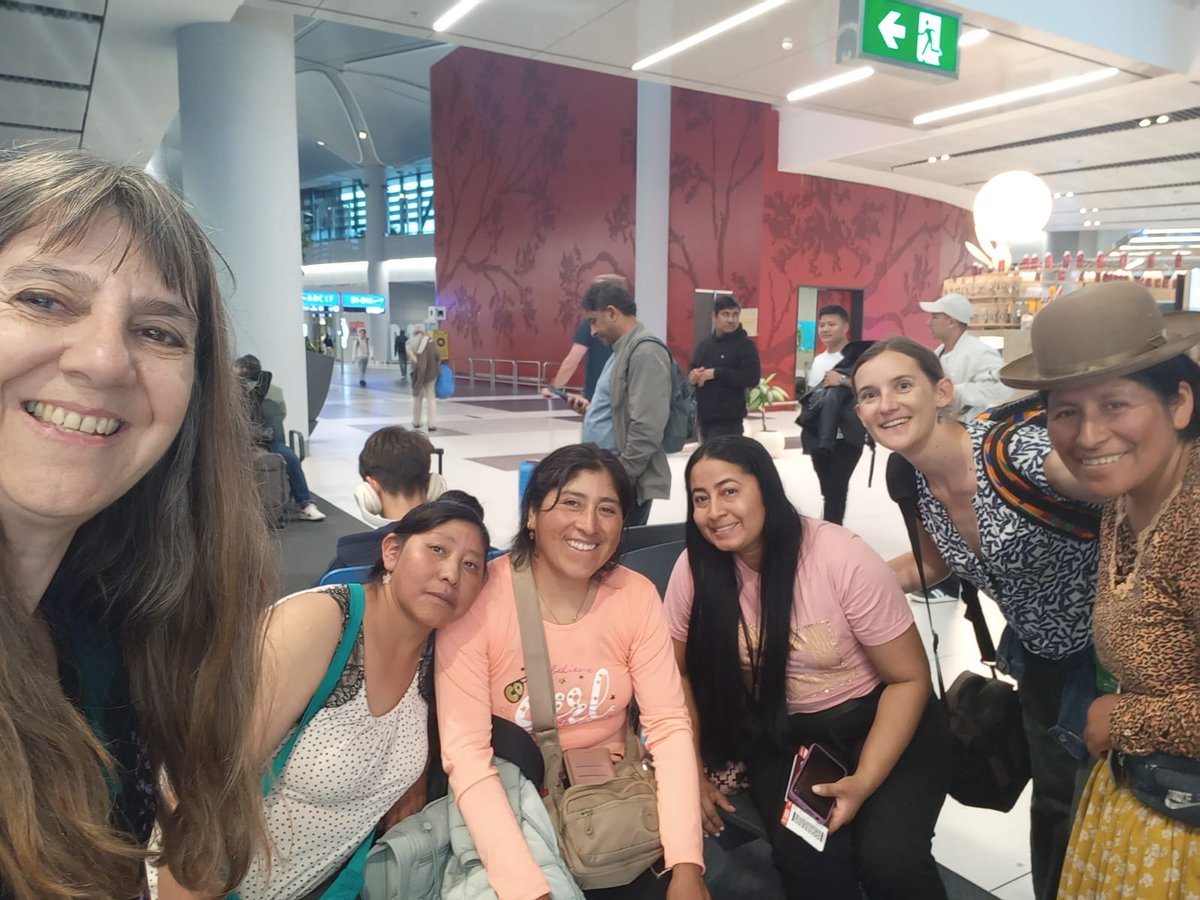
Nuestras embajadoras pastoras encontrandose con otras embajadoras en el camino en Estambul, al Encuentro mundial de pastoras en Nepal, Pastoras Filomena y Martina - Perú 🇵🇪, Mayra- Colombia 🇨🇴- Sonia - Bolivia 🇧🇴
Coordinadoras Mariana - Argentina 🇦🇷 Brittany - Sudáfrica 🇿🇦
1
2
238
Pablo Manzano 🦋 & 🦣 retweeted

“Comencé a reivindicar las vías pecuarias en 1974. Ni los abogados sabían qué eran las veredas, pero yo sí. Y ganamos todos los juicios, que fueron muchos."
Muere El Cabrero
elsaltodiario.com/obituario/… a través de @elsaltodiario
25
66
1,153
Pablo Manzano 🦋 & 🦣 retweeted

May 16
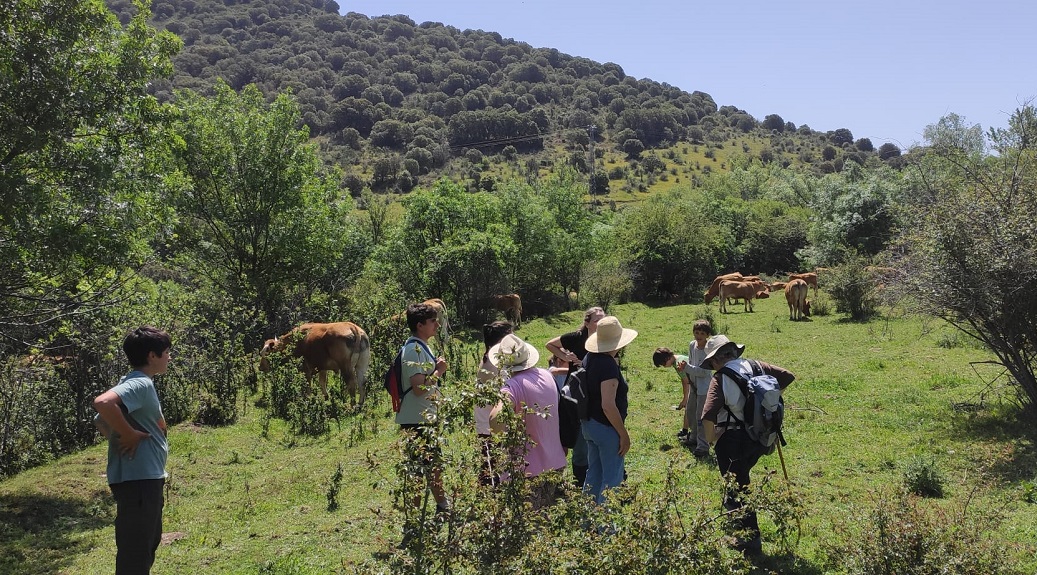
Purujosa acoge las Jornadas sobre ganadería extensiva, biodiversidad y cultura pastoril en el Parque Natural del Moncayo
👉 Las actividades, organizadas por Sentir Rural, Acobija Conservación y Rodrigo Muñoz (TuVaka Tribu), se celebrarán los días 23 y 31 de mayo y permitirán conocer sobre el terreno el papel del pastoreo en la conservación de la biodiversidad, el paisaje y el patrimonio rural: arainfo.org/?p=326775
3
4
195
Esta vez sí, Juan, suscribo tu hilo al 100%.
Gracias por hacerte eco de estos argumentos que estudiamos en BC3.
May 17

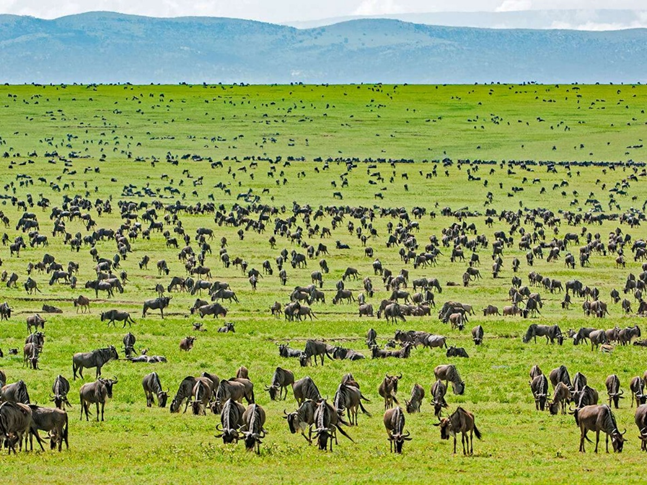
1/ “Las vacas calientan el planeta”
“Los rumiantes son el problema”
“El metano del ganado es incompatible con la sostenibilidad”
Curioso.
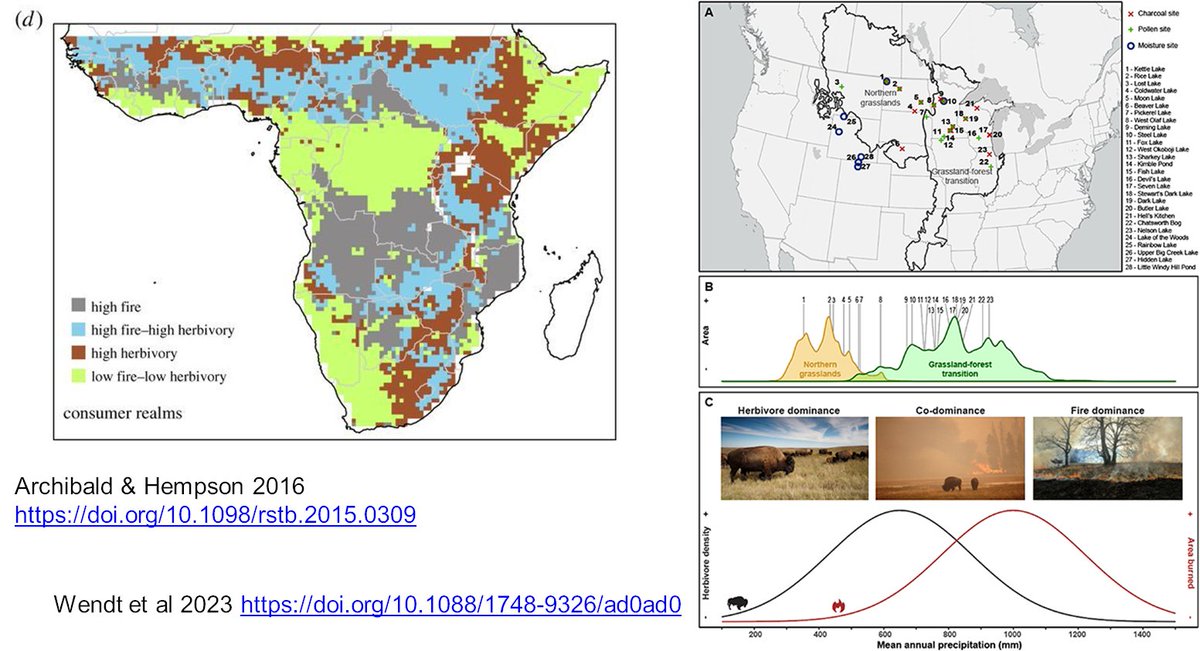
Porque el ecosistema terrestre con mayor concentración de grandes herbívoros del planeta funciona, precisamente, gracias a millones de rumiantes productores de metano. 🧵
1
3
15
682
Pablo Manzano 🦋 & 🦣 retweeted
Wrong again Ridley
7
10
99
10,864
Pablo Manzano 🦋 & 🦣 retweeted

May 16
"En voi kuvitella, että planeetalla on yhtään ihmistä jäljellä 10 vuoden kuluttua (2026)."
Joo. 🤡
Ihmiskunta lämmittää maapalloa. Check. Ilmastonmuutos on paha juttu ja valtava riski. Check.
Mutta tällainen hauraiden ihmisten ajaminen ahdistusneuroosiin ei ole hyvää tiedettä.
May 15

2016. Guy McPherson (a climate change expert, scientist, and professor from the University of Arizona) says that there will not be any humans on the planet by 2026 due to the effects of climate change.
Trust the scientists. 😜🤣
106
60
1,114
41,823
Pablo Manzano 🦋 & 🦣 retweeted

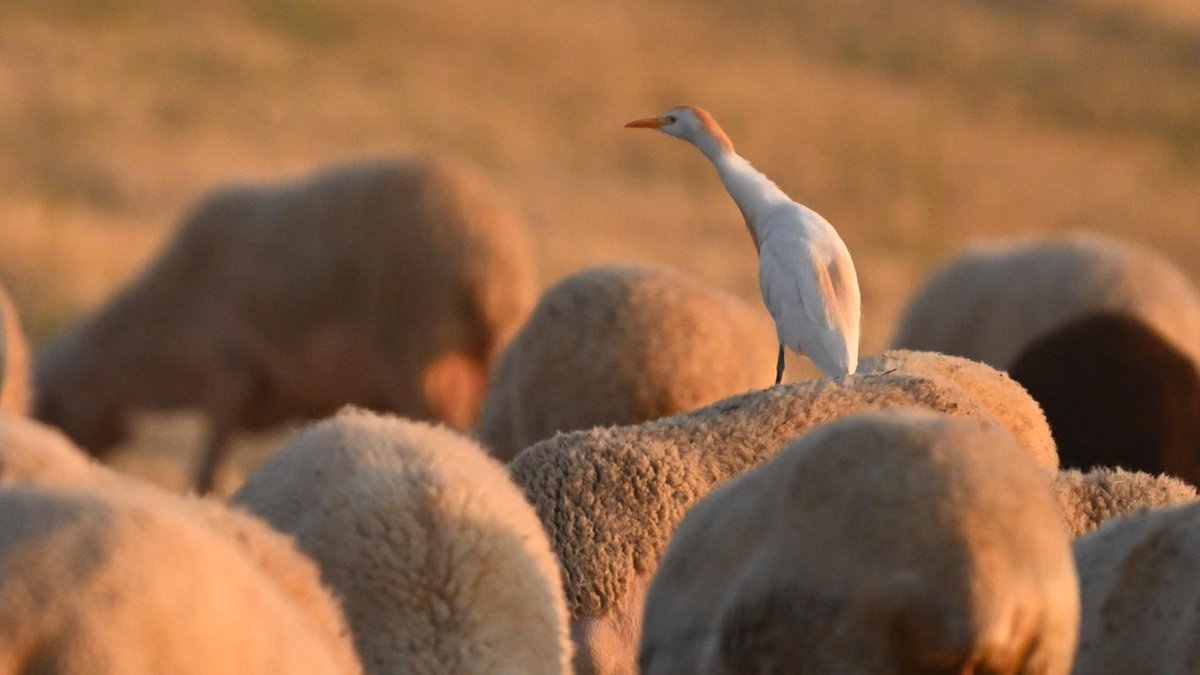
Los sistemas ganaderos tradicionales contribuyen salud ambiental al fomentar la biodiversidad y mitigar el riesgo de enfermedades. Los rumiantes en extensivo reducen las oportunidades de transmisión de patógenos en la interfaz entre la fauna, el ganado y las personas.
1
23
44
5,768
Que quien fue históricamente el primer Miembro del Parlamento Europeo de #LosVerdes por España no tenga ni idea de ecología terrestre ni de ciencias ambientales dice mucho del ínfimo nivel de conocimientos y preparación de la casta política en general. En todos los países.
...el ganado puede ser negativo en carbono, favorecer a la biodiversidad y frenar incendios forestales.
Que te parecerá anatema, pero somos legión los que mostramos que es así para las buenas prácticas ganaderas.
2
10
909
Pablo Manzano 🦋 & 🦣 retweeted

May 13
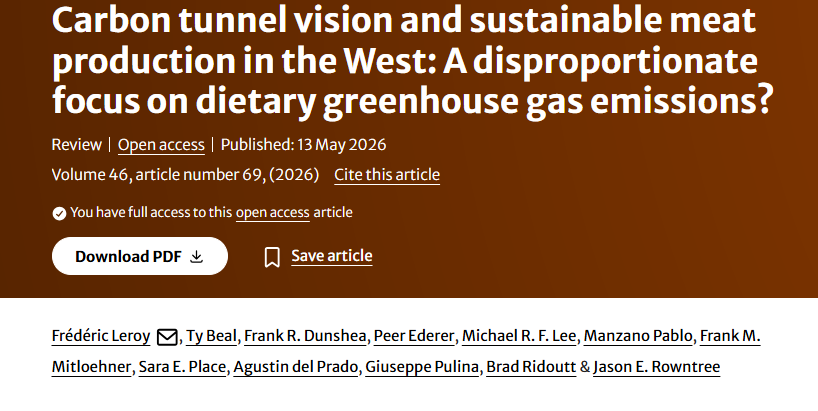
Just published
"Arguments in support of [interventionist climate] policies tend to oversimplify the issue, ignoring regional variations, mitigation potential, and broader ecological and nutritional contexts" - here's why 👇
link.springer.com/article/10…
4
34
70
9,646
Pablo Manzano 🦋 & 🦣 retweeted
May 13
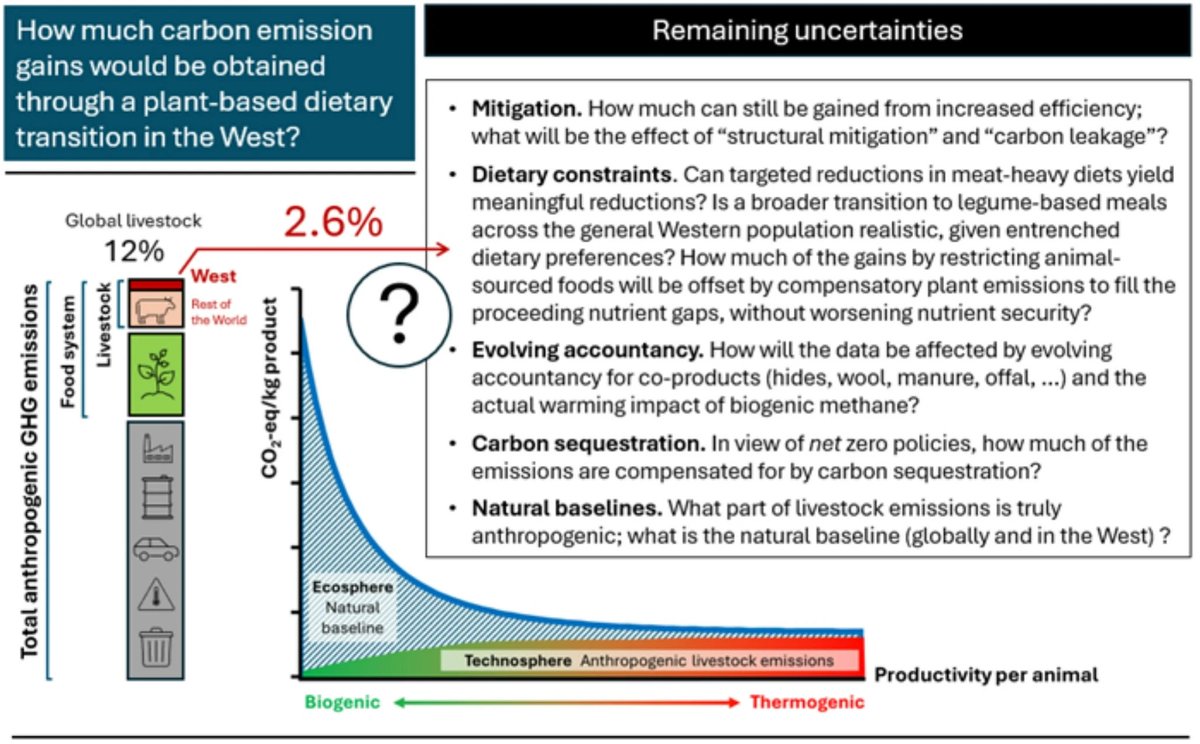
How much does all livestock production in the West contribute to total man-made emissions globally?
Forget the exaggerated numbers of 50% or more, the real impact is 2.6% (while still ignoring various ecological, nutritional & other system complexities).
link.springer.com/article/10…
May 13

Just published
"Arguments in support of [interventionist climate] policies tend to oversimplify the issue, ignoring regional variations, mitigation potential, and broader ecological and nutritional contexts" - here's why 👇
link.springer.com/article/10…
3
24
49
3,132
Pablo Manzano 🦋 & 🦣 retweeted

May 13
We have a carbon tunnel vision problem in food policy. New paper out today.
The short version: when GHG emissions become the only lens for evaluating food systems, we end up with policies that look climate-smart on a spreadsheet and fail in the real world.
A few of the things that get lost when CO₂e/kg is the only metric:
Nutrition. A large recent intervention trial found participants on the low-emission diet had greater inadequacies in B2, B6, B12, iodine, calcium, zinc, and selenium. Pregnant and lactating women are especially exposed on iron. Any policy that trades modest emissions cuts for worse nutrition in vulnerable groups isn't a sustainability policy—it's a sustainability failure.
Scale. Livestock in the West contributes 2.6% of global anthropogenic GHGs. A meat-reducing Westerner saves 1–6% on their total footprint. Diet is not the dominant climate lever in high-income countries. Housing, transport, and digital infrastructure are.
Carbon accounting. Biogenic methane from ruminants behaves differently in the atmosphere than fossil CO₂. Treating them as interchangeable under GWP100 misallocates mitigation effort. Stable ruminant herds don't add warming the way new fossil emissions do.
Land. Grasslands store 10–30% of global terrestrial soil organic carbon, often deeper and more fire-resilient than forest stocks. Well-managed grazing can sequester carbon while producing food. Tree-centric afforestation, when ill-conceived, can backfire—biodiversity loss, wildfire risk, even net warming from albedo effects in some contexts.
The path forward isn't defending the status quo of industrial livestock—the paper is explicit that reform is urgent and desirable. It's building policy on metrics that actually map to climate goals, account for nutrition, and respect regional context.
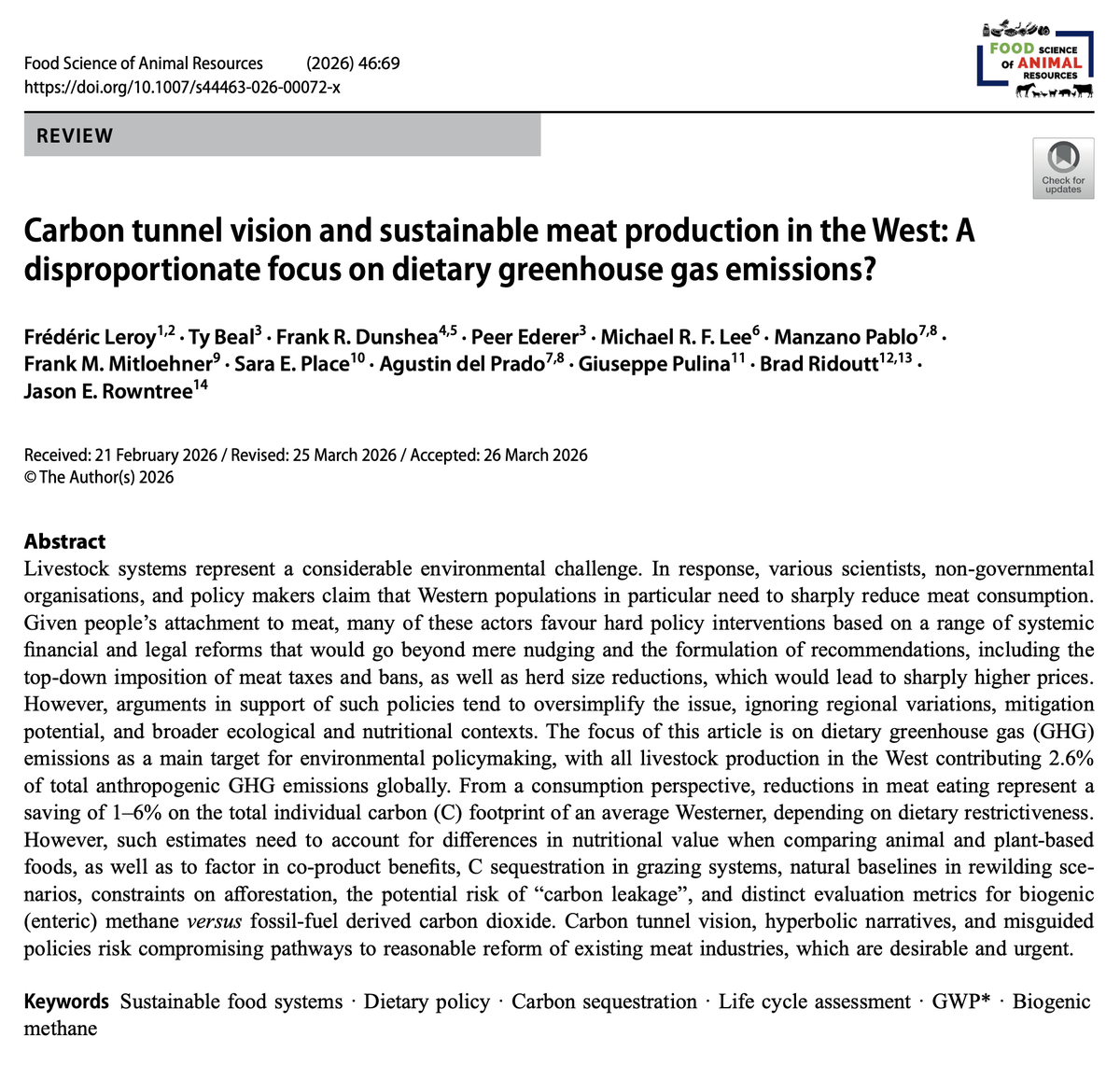
ALT Screenshot of the title page of a 2026 scientific review paper titled "Carbon tunnel vision and sustainable meat production in the West: A disproportionate focus on dietary greenhouse gas emissions?" published in the journal Food Science of Animal Resources.
13
32
86
10,352
Pablo Manzano 🦋 & 🦣 retweeted

May 11
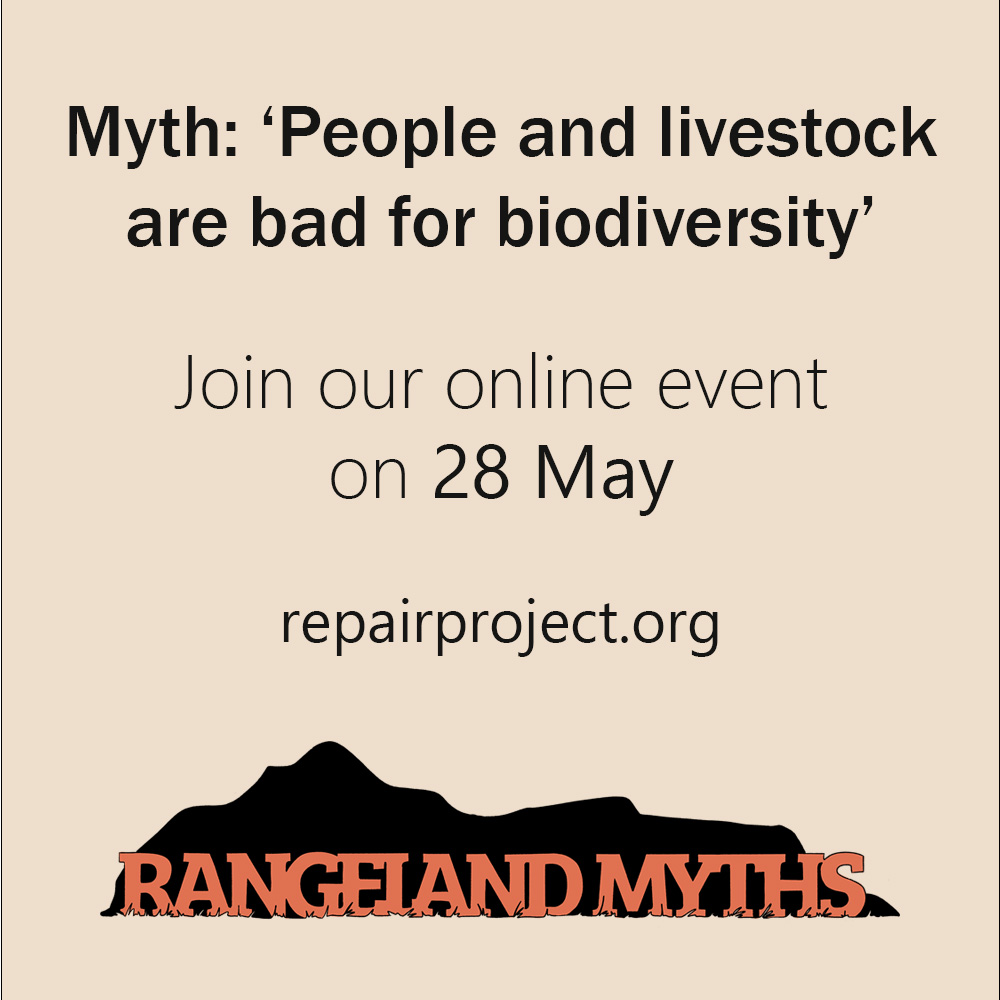
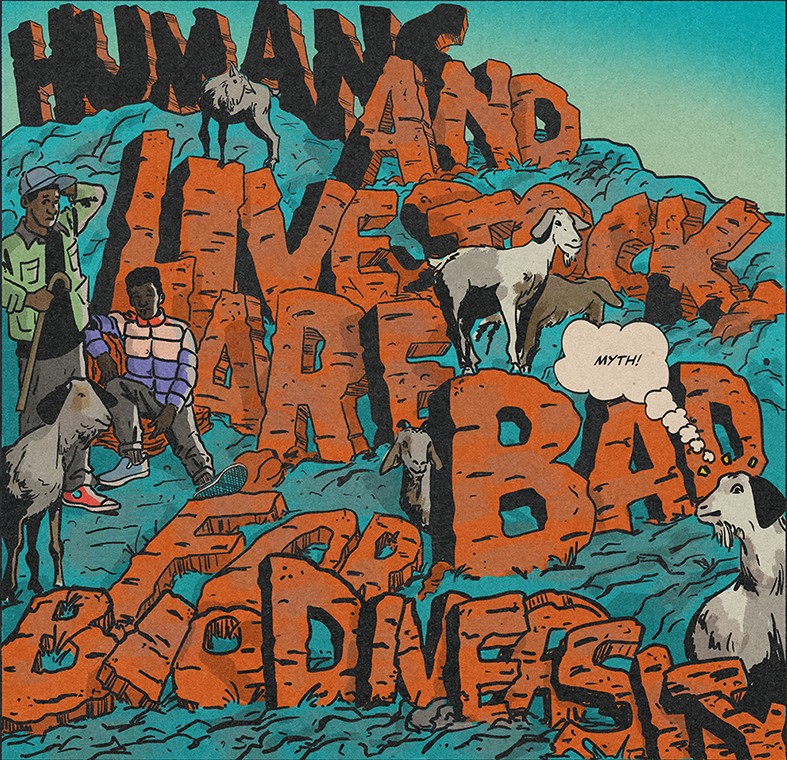
For this month of May, we're exploring myths about people, livestock and biodiversity in rangelands.
Join our event on the 28th with @PabloPastos, @KhanyariMunib, John Harold, @rashmi89singh and Francis Masse, and visit our blog to read about the myths.
biodiversity-myths.eventbrit…
3
3
434
Pablo Manzano 🦋 & 🦣 retweeted
Publicamos hoy en @el_pais sobre cómo la crisis de la peste porcina y los incendios comparten causa: el abandono del pastoreo y el aumento en importancia de consumidores alternativos de biomasa. Un homenaje a William Bond y reconocimiento a Juli Gª Pausas
elpais.com/clima-y-medio-amb…
3
21
30
2,103