Ed Consult/Thinker.Ed Research(DCU).Self eval/School Imp/cluster develop. Sch networking/ improvement.Ed Assoc. NICIE/CSSC. President ASE(NI)Ex NI Inspectorate
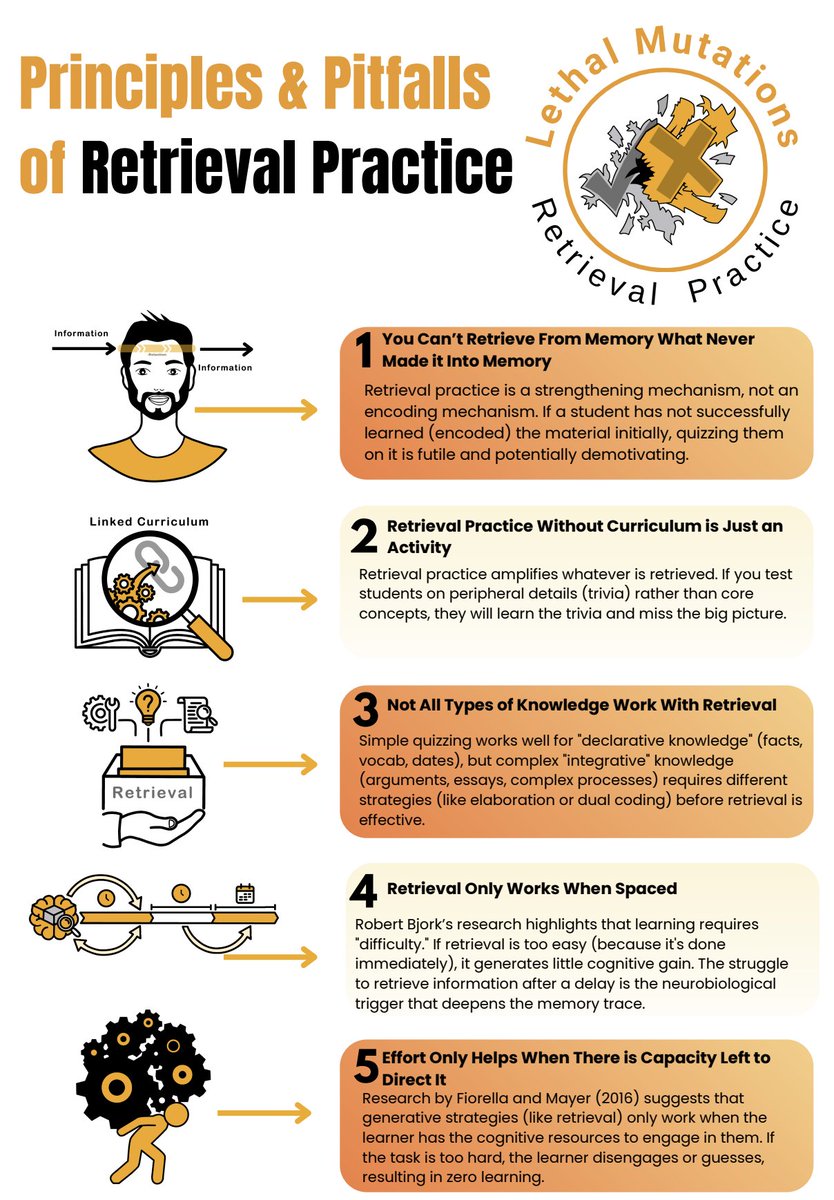
Retrieval practice might be common practice in secondary education in the UK now but is it really used effectively? Common mistakes and weak application of retrieval leads to the term being aplied to all forns of questioning. An infographic explaining some of these key issues
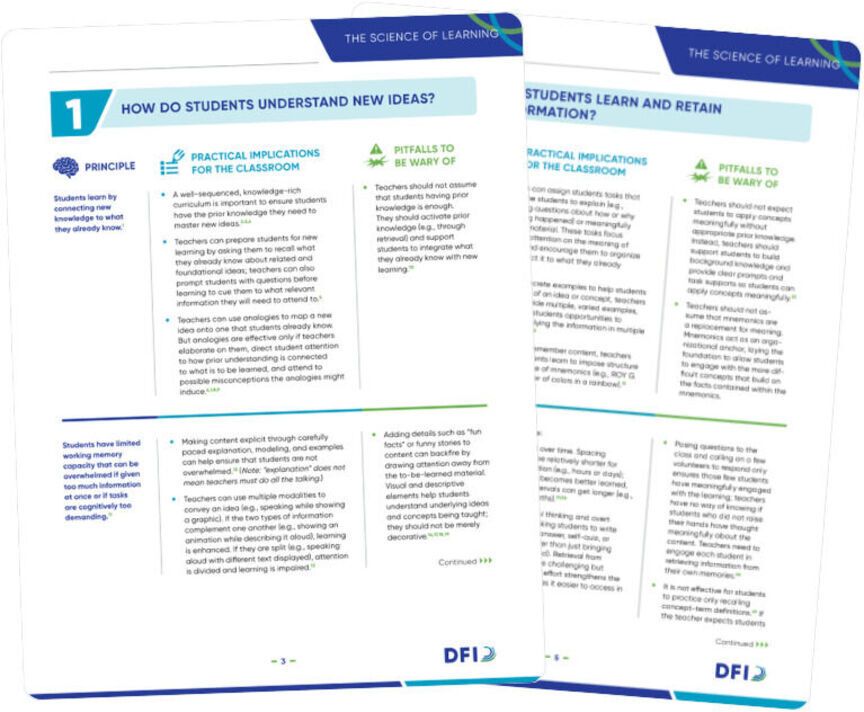
The Science of Learning, Second Edition, is here! Get the latest research and practical guidance to help teachers and teacher-prep leaders ground instruction in #cogsci. Endorsed by 100 education experts and organizations. Download here: deansforimpact.org/tools-and…
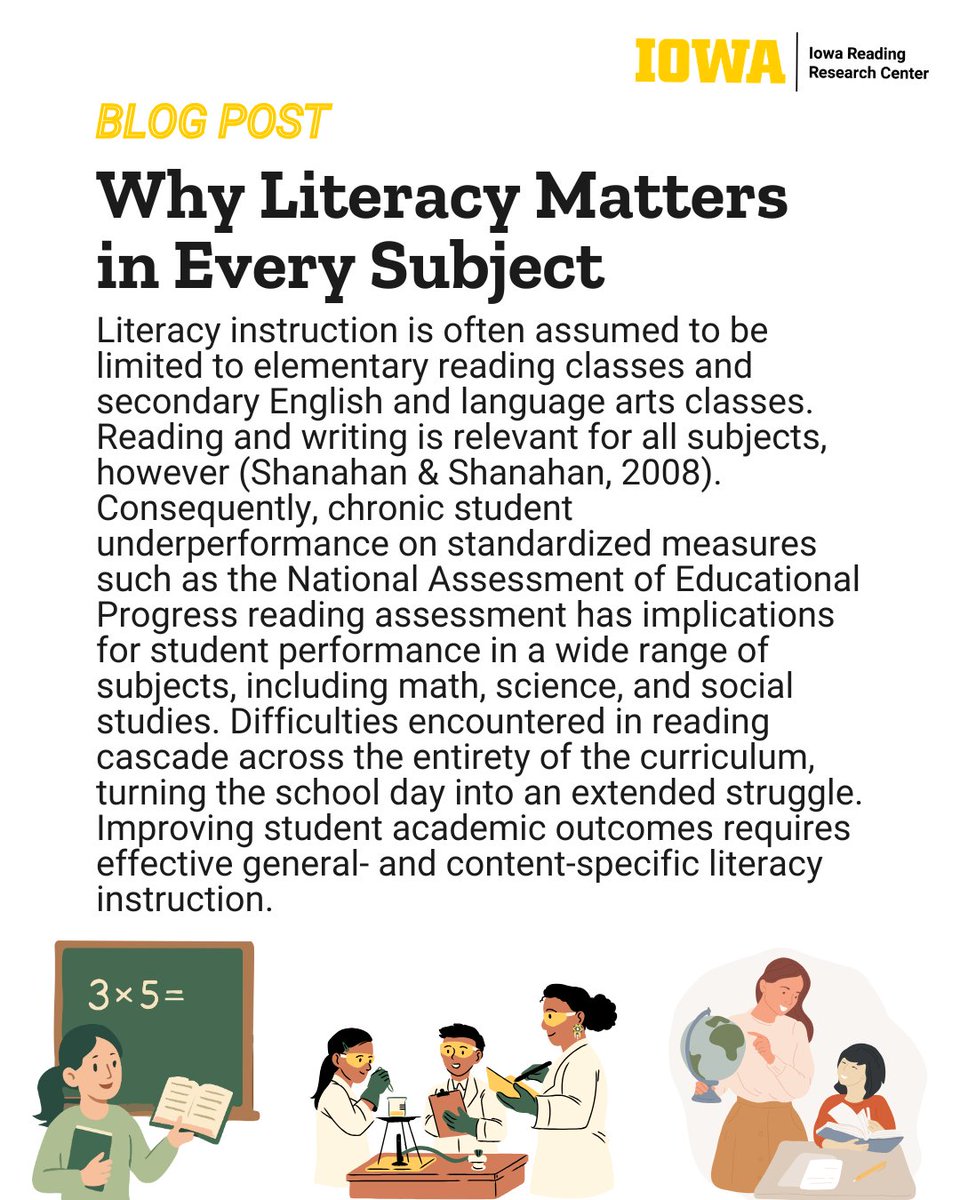
Literacy skills–such as reading comprehension, vocabulary knowledge, and knowledge of text structures–are critical for students’ success in every academic subject. Check out our series of five blog posts to learn how to support literacy in every classroom: irrc.education.uiowa.edu/blo…
ALT Blog Post
Why Literacy Matters in Every Subject
Literacy instruction is often assumed to be limited to elementary reading classes and secondary English and language arts classes. Reading and writing is relevant for all subjects, however (Shanahan & Shanahan, 2008). Consequently, chronic student underperformance on standardized measures such as the National Assessment of Educational Progress reading assessment has implications for student performance in a wide range of subjects, including math, science, and social studies. Difficulties encountered in reading cascade across the entirety of the curriculum, turning the school day into an extended struggle. Improving student academic outcomes requires effective general- and content-specific literacy instruction.
ALT Why Literacy Matters in Math Class
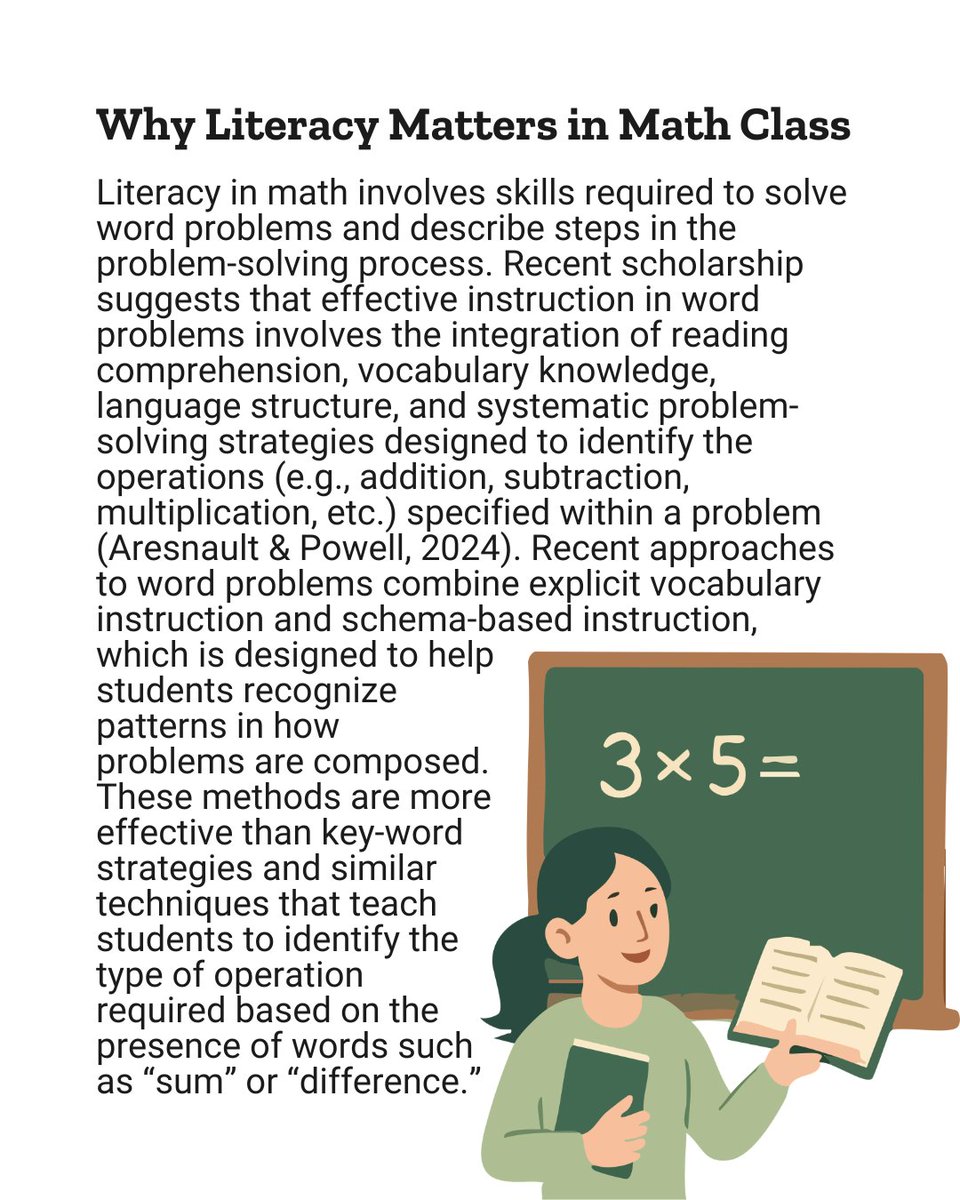
Literacy in math involves skills required to solve word problems and describe steps in the problem-solving process. Recent scholarship suggests that effective instruction in word problems involves the integration of reading comprehension, vocabulary knowledge, language structure, and systematic problem-solving strategies designed to identify the operations (e.g., addition, subtraction, multiplication, etc.) specified within a problem (Aresnault & Powell, 2024). Recent approaches to word problems combine explicit vocabulary instruction and schema-based instruction,
which is designed to help students recognize patterns in how problems are composed. These methods are more effective than key-word strategies and similar techniques that teach students to identify the type of operation required based on the presence of words such as “sum” or “difference.”
ALT Why Literacy Matters in Science Class
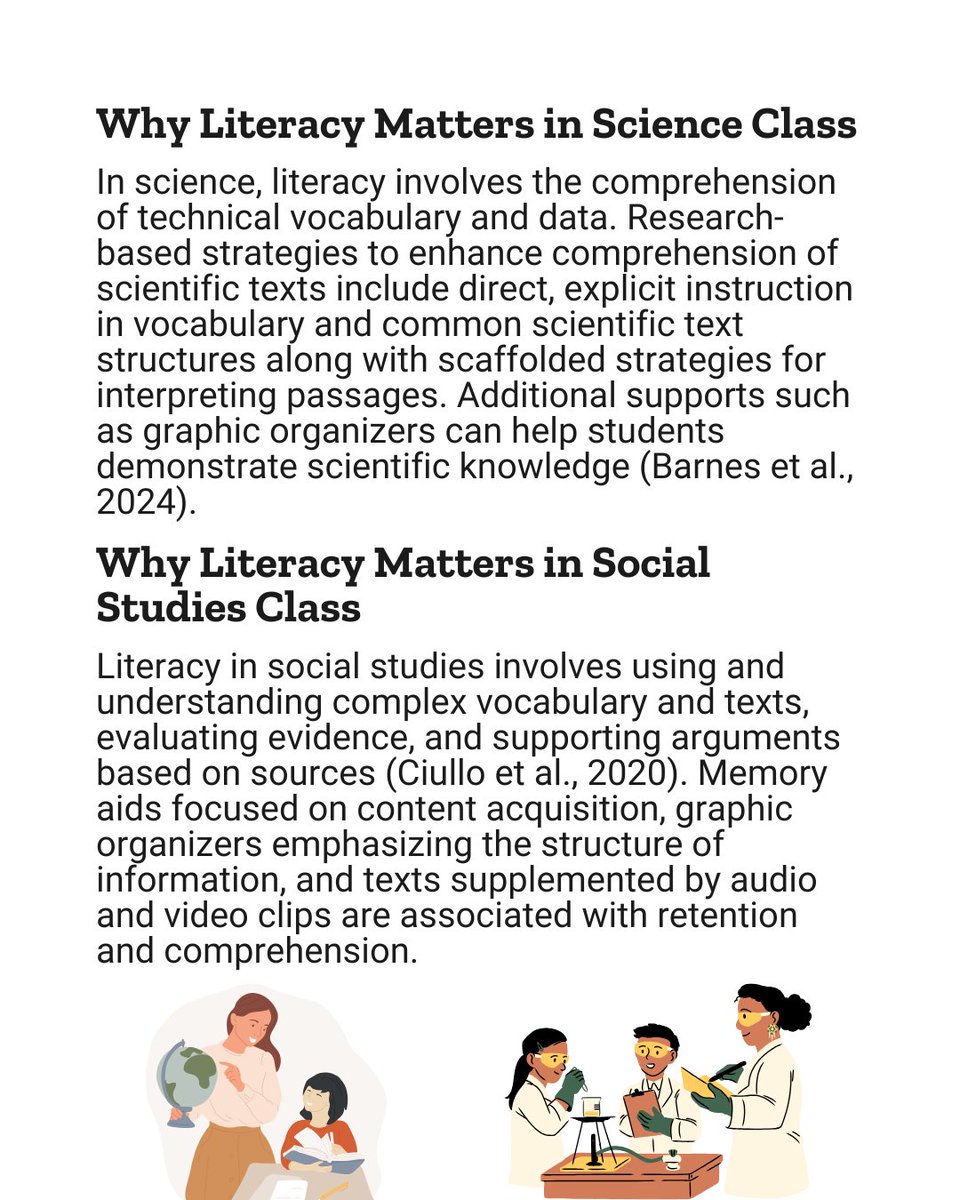
In science, literacy involves the comprehension of technical vocabulary and data. Research-based strategies to enhance comprehension of scientific texts include direct, explicit instruction in vocabulary and common scientific text structures along with scaffolded strategies for interpreting passages. Additional supports such as graphic organizers can help students demonstrate scientific knowledge (Barnes et al., 2024).
Why Literacy Matters in Social Studies Class
Literacy in social studies involves using and understanding complex vocabulary and texts, evaluating evidence, and supporting arguments based on sources (Ciullo et al., 2020). Memory aids focused on content acquisition, graphic organizers emphasizing the structure of information, and texts supplemented by audio and video clips are associated with retention and comprehension.
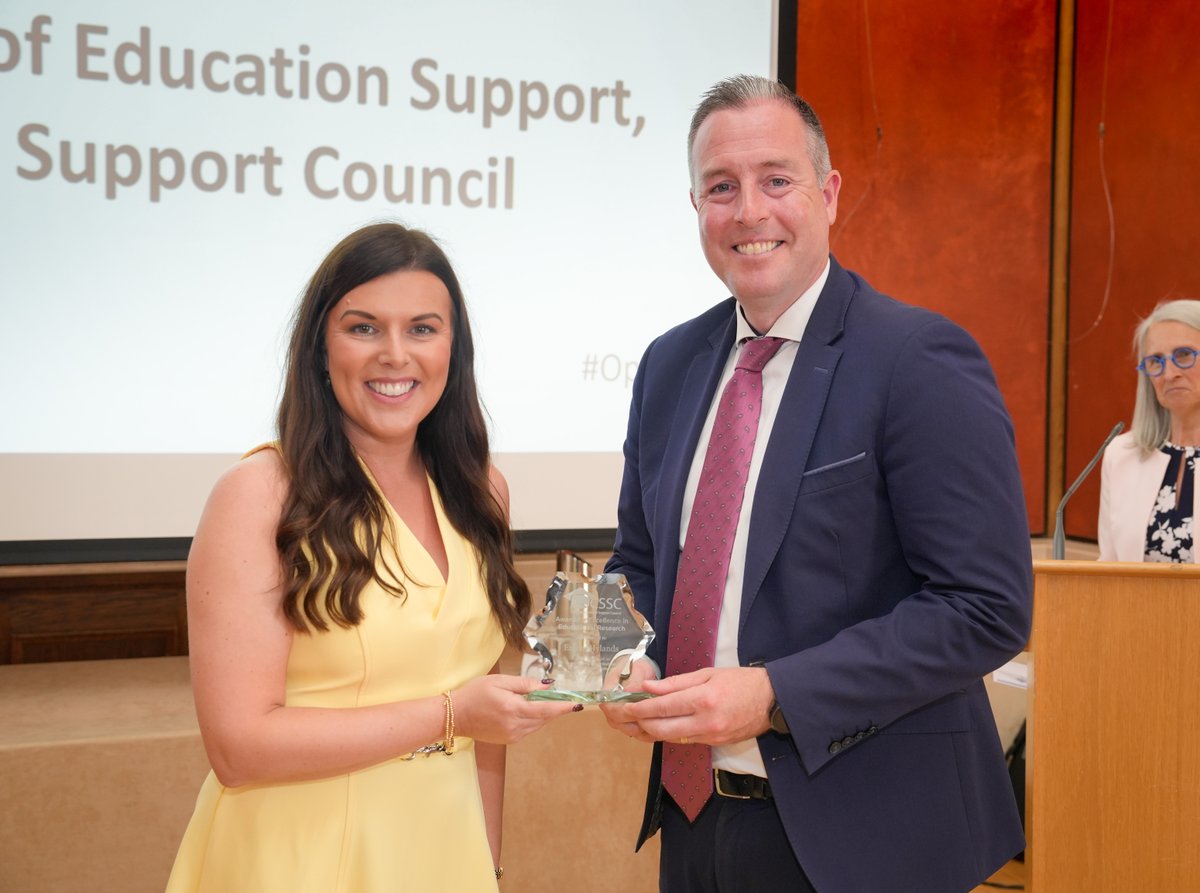
Education Minister Paul Givan recently attended the @CSSC_NI Schools' Support Council excellence in leadership event where he presented the CSSC Excellence in Educational Research Award to Emma Hylands, Principal, Clare Primary School.
The Minister also enjoyed a performance from Thornfield House School choir at the celebration event.
ALT Emma Hylands, Principal, Clare Primary School and Paul Givan, Education Minister.
ALT Paul Givan, Education Minister; Thornfield House School choir and Mark Baker, Chief Executive, CSSC.
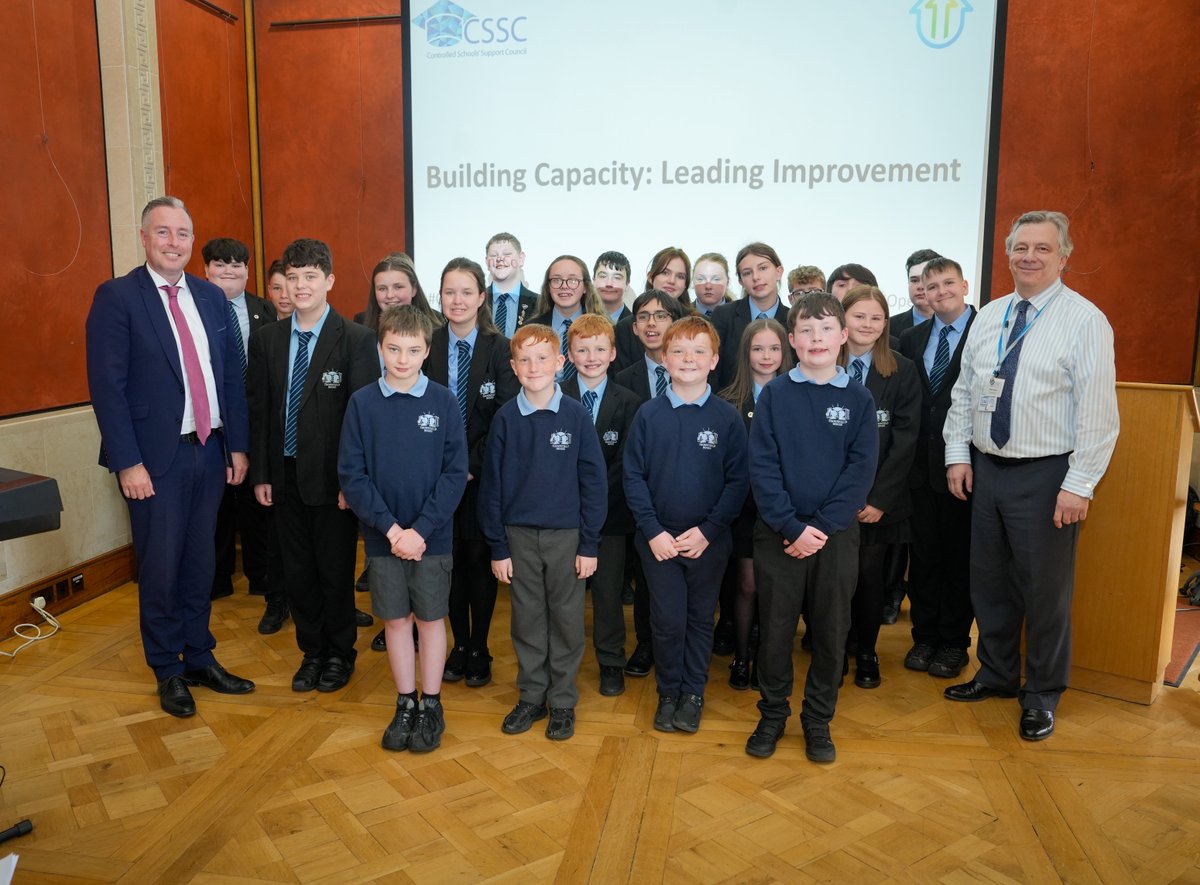
Controlled school leaders joined Education Minister @paulgivan MLA at Stormont to celebrate the launch of Building Capacity: Leading Improvement, 23 case studies showing what evidence informed school improvement looks like in practice. Download➡️bit.ly/4f9jSxY#OpenToAll
ALT Left to right
Photo (1) Paul Givan, Education Minister; Thornfield House Special School and Mark Baker, Chief Executive, CSSC.
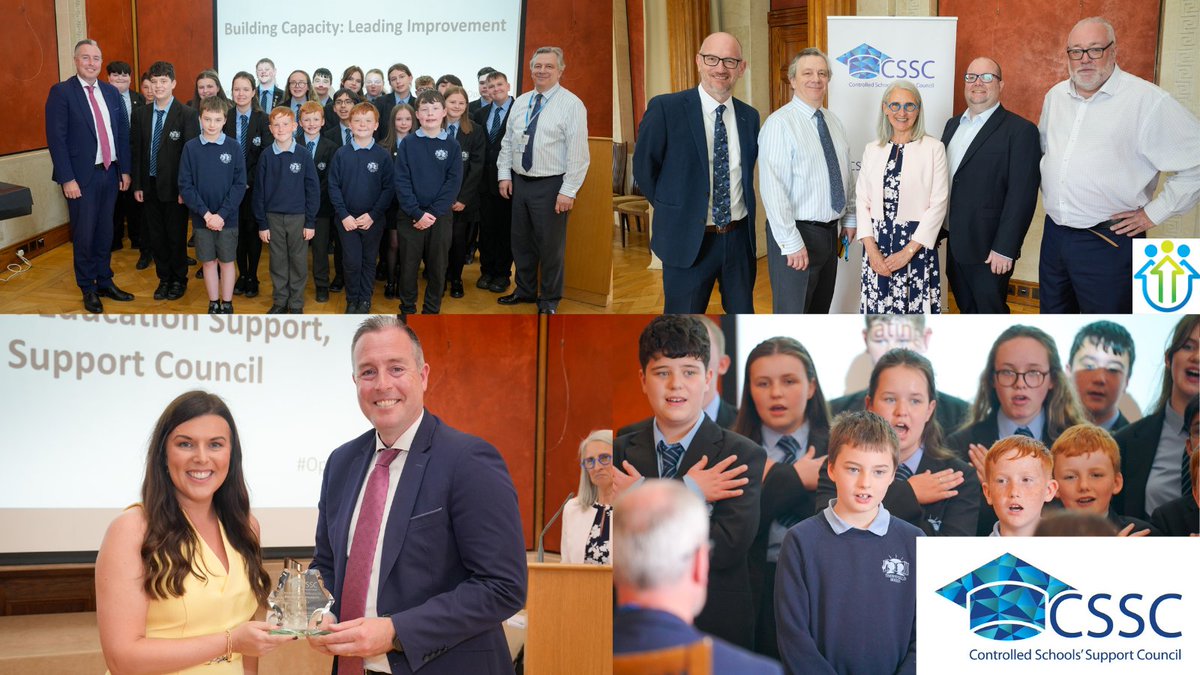
Photo (2) Peter Martin MLA; Mark Baker, Chief Executive, CSSC; Jayne Millar, Head of Education Support, CSSC; David Brooks MLA and David Malcom, Permanent Secretary, Department of Education.
Photo (3)
Emma Hylands, Principal, Clare Primary School being presented an award by Paul Givan, Education Minister.
Photo (4)
Close up of pupils from Thornfield House Special School choir.
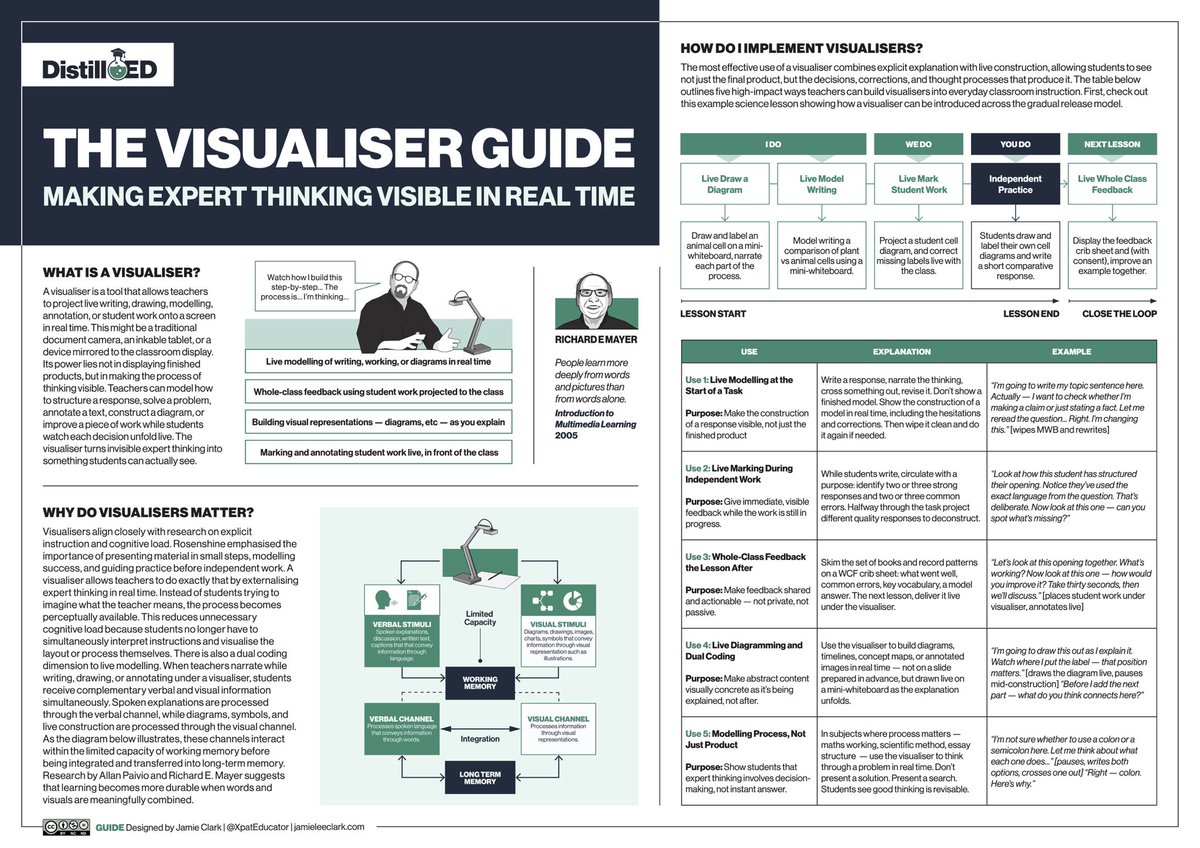
The visualiser is one of the most powerful instructional tools in the classroom. From live modelling expert thinking to whole-class feedback and dual coding, it helps make thinking visible for every student.
This FREE one-page guide breaks down the WHAT, WHY, and HOW of using visualisers effectively.
💡NEW POST 💡
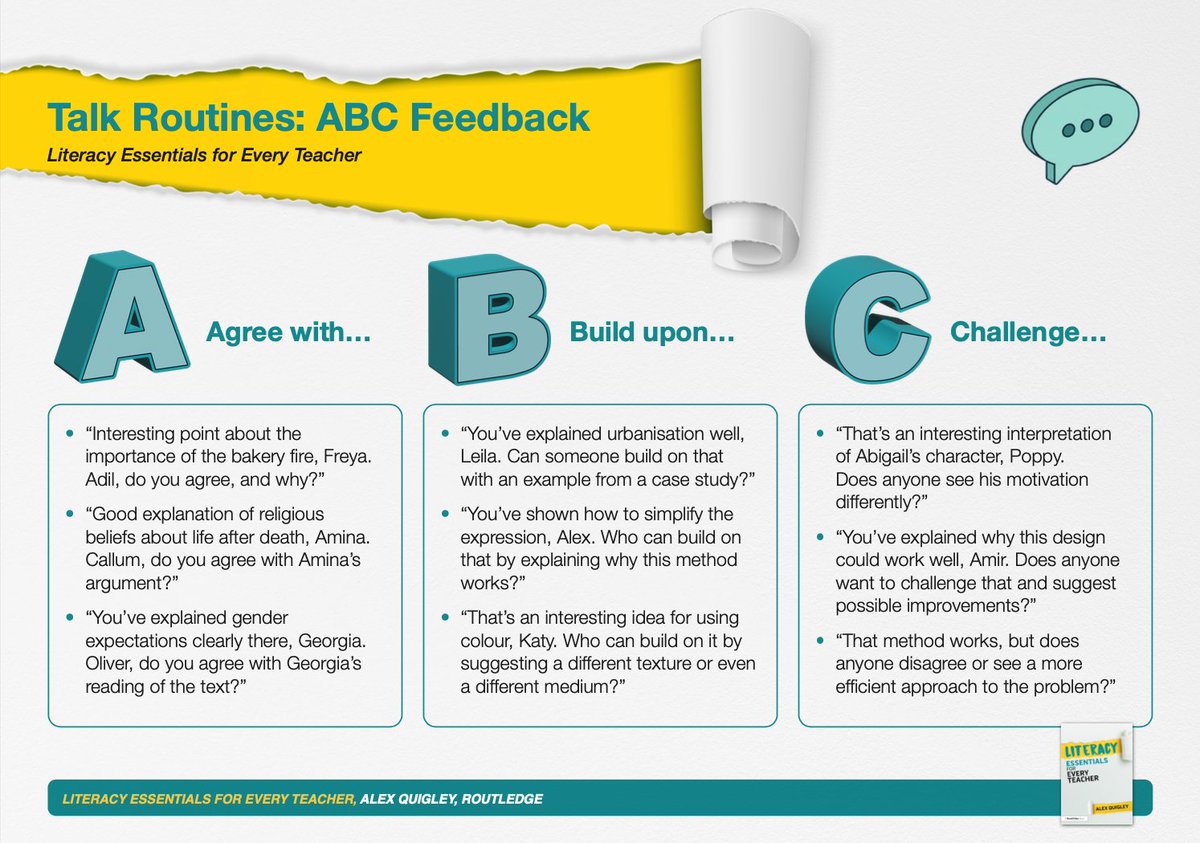
'Talk routines: ABC Feedback'
"Done well, this approach promotes more active listening, more focus and attention on task, and therefore more learning."
alexquigley.co.uk/talk-routi…
PS SDP Point 19
VISION
If you adjusting/reinforcing/writing SCHOOL VISION
Does 1 sentence vision make clear CONNECTED overall VALUES , ACTION, OUTCOMES, expected throughout school
Is this VISION obvious in practice throughout school?
Your continuous SE will say if true
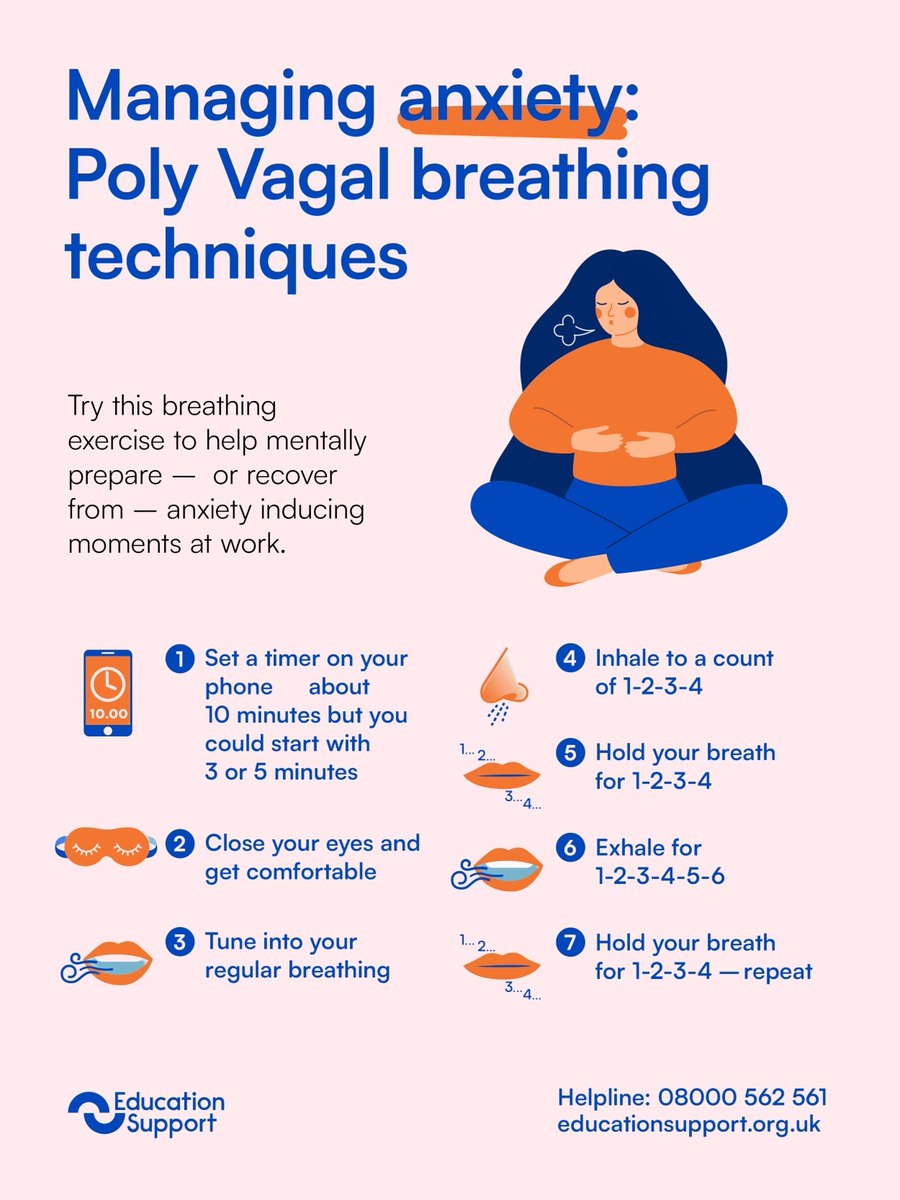
It's normal to feel anxious sometimes but it can be a problem if anxious feelings last for a long time or make it harder to do everyday things.
Here are some strategies to help school leaders, teachers, and education staff ⬇️
Find out more: ow.ly/tRYv50Z273V
Homework is one of the most debated areas in education 📚
How much should students do?
What type works best?
And does it actually improve learning? 🤔
teachercpdacademy.com/homewo…
School improvement is complex. Professional learning shouldn’t add to that complexity, it should bring clarity.
But too often, even the most well-intentioned professional learning can leave teachers asking:
“Where do I even start?”
“How will I know it’s working?”
“What’s the best focus for me?”
That uncertainty costs time and impact.
That's why we made a major update to the Great Teaching Toolkit learning platform to include:
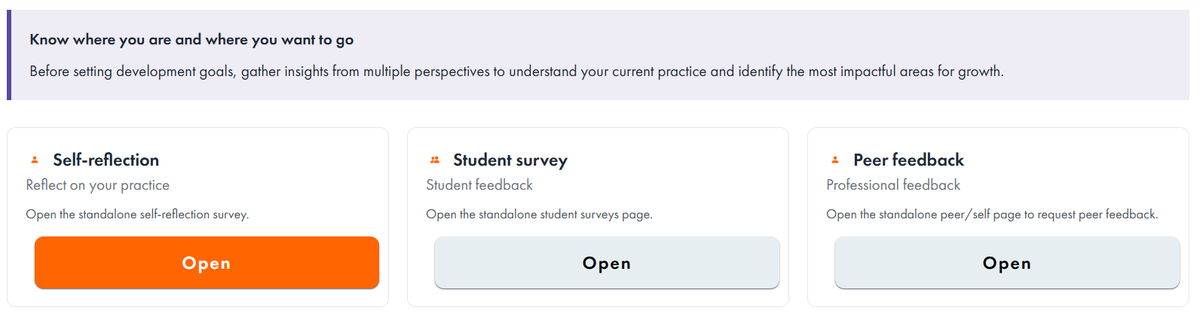
🗣️ 360° feedback: student, self-reflection and peer surveys, all providing feedback aligned to the Model for Great Teaching
✍️ Recommended techniques based on your chosen goal.
🏫 Step-by-step guides to implementation.
📝 Guides for adapting techniques to develop adaptive expertise.
Speak to one of the team for a demo hubs.la/Q04fQ0z_0
Using the 'SMILE' acronym, this resource enables students to put thoughts into sentences with top tips at the bottom too - perfect for #poetry, quotations or language. stan.store/secondaryenglish/…
Schemas are a bit like mental filing systems 🗂️
The stronger and more connected they become, the easier it is to organise and retrieve knowledge later on.
teachercpdacademy.com/schema…