
V holder #958….. You will never walk alone ❤️
Joined March 2023
- Tweets 783
- Following 466
- Followers 18
- Likes 746
37 Photos and videos










Mar 3
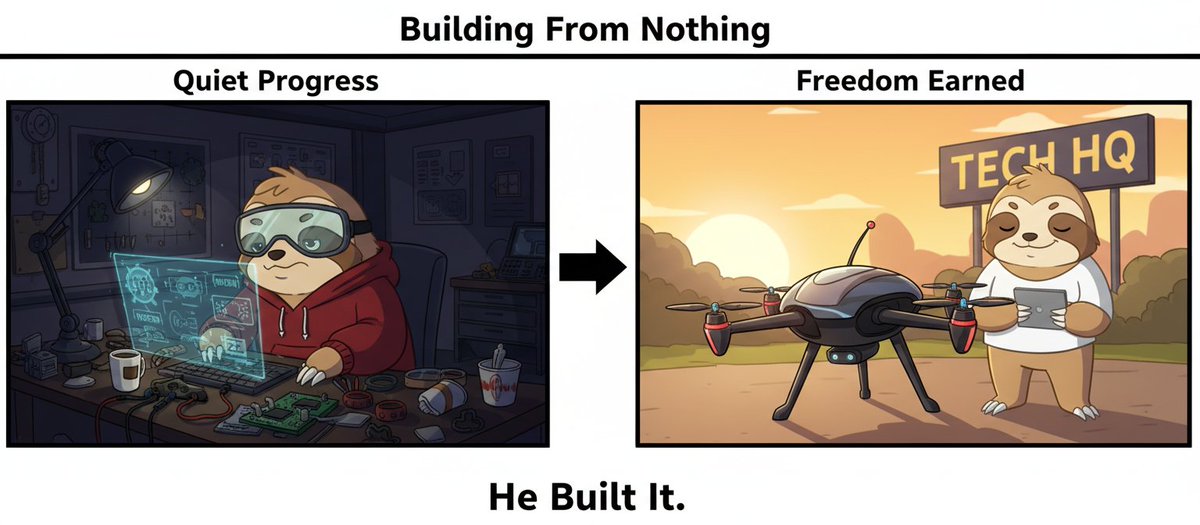
I dream of building from nothing.
Late nights. Quiet work. Real progress.
No shortcuts. No noise.
I want freedom I earned, not given.
One day it may look easy.
But I’ll remember every silent step that made it real.
@degentokenbase
1
16
Trez retweeted

Feb 26
A creature unlike any other.
A dreamer, a disruptor … a … DEGEN.
777 supply. Free mint.
Q1 2026
Enter the dream → dream.degen.tips
100,364
52,789
63,919
1,403,616
Trez retweeted

Jan 15
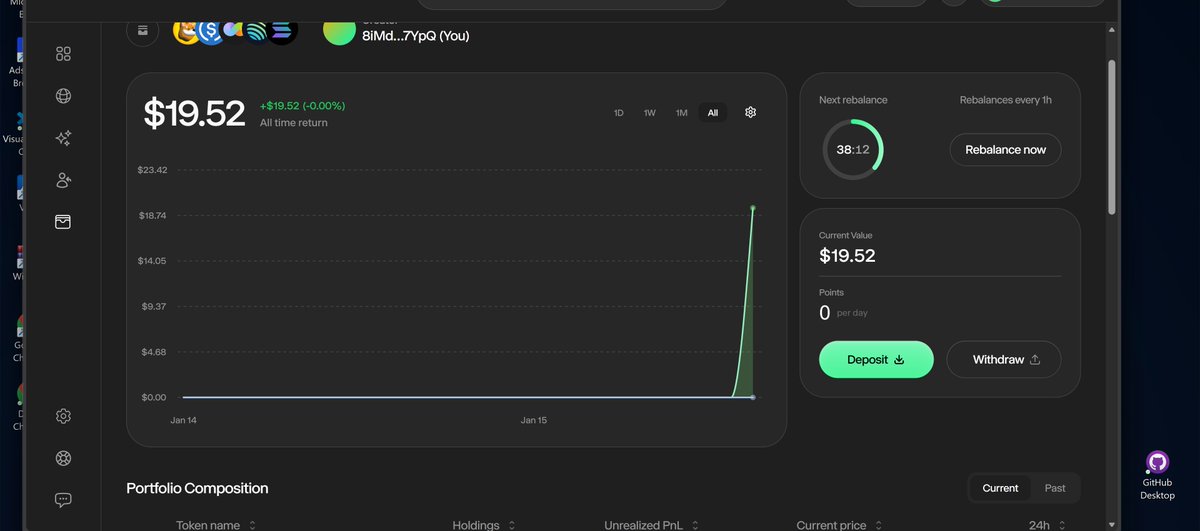
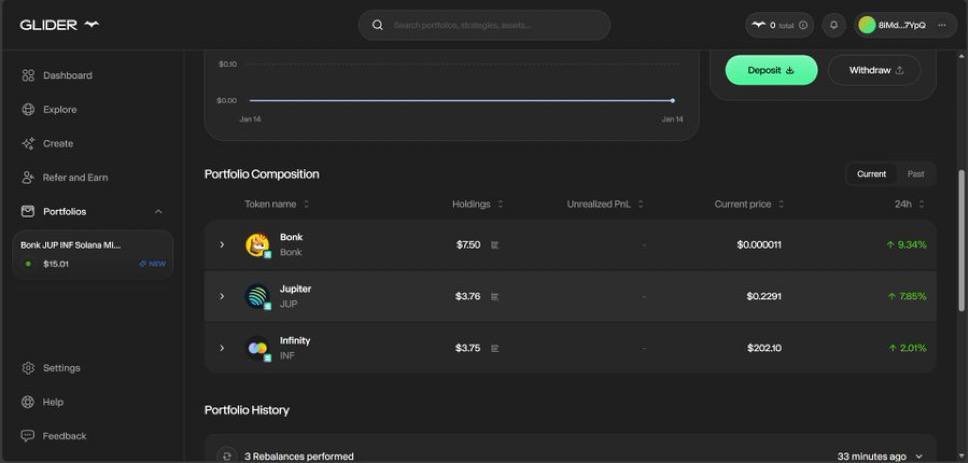
my sol portfolio on @glider__ is doing pretty well and I decided to add more capital to my portfolio.
That's the goal of every trader to see his portfolio doing good and thanks to glider I don't have to monitor the charts every time 🤪
2
1
10
279
Trez retweeted
4 Oct 2025
Gas Costs & Performance in fhEVM
If everything is encrypted, won’t it be too slow and expensive? It’s a fair concern. Running computations on ciphertexts is fundamentally heavier than running them on plaintext. But @zama_fhe has been actively working on performance to make fully homomorphic smart contracts practical.
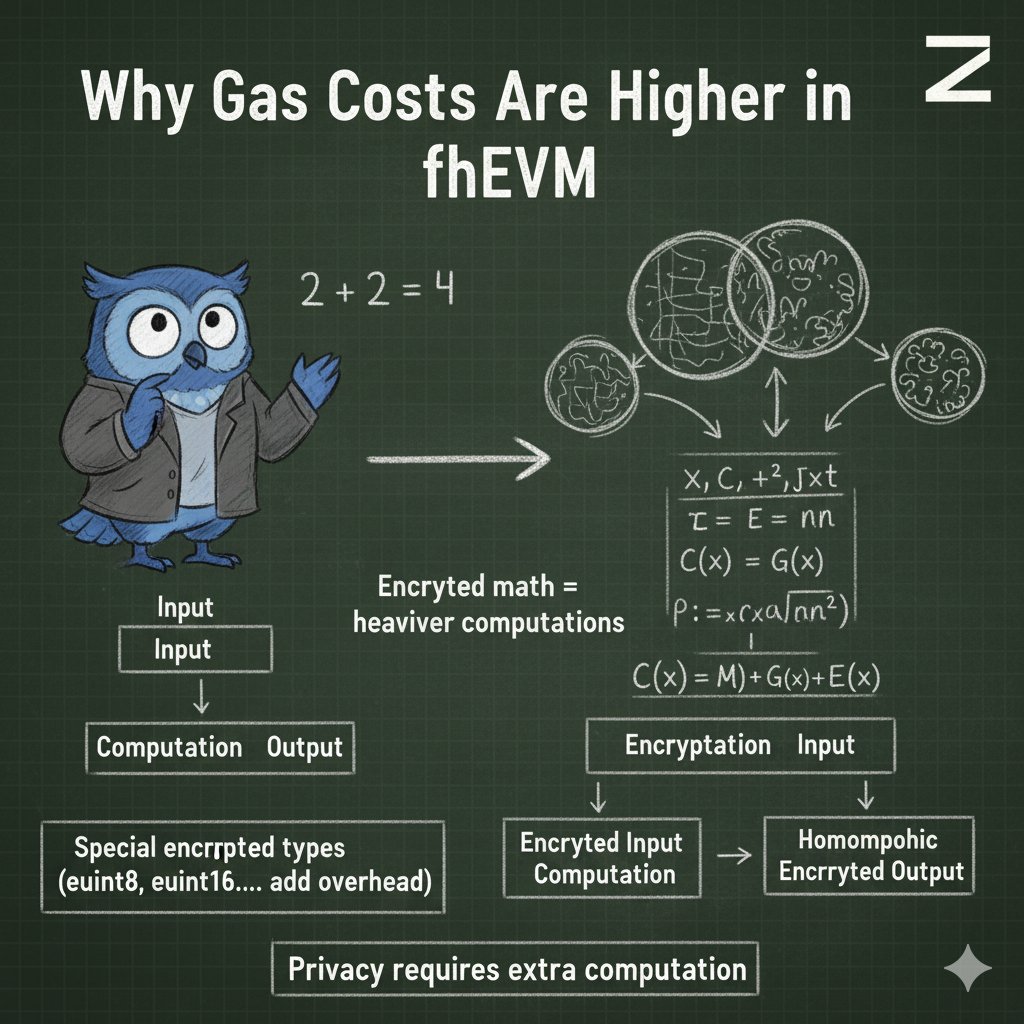
Why Gas Costs Are Higher
Every encrypted operation is more complex than its plaintext version. For example, adding two encrypted numbers isn’t just 2 2 rather it involves large polynomial computations under encryption. This means higher gas fees and latency compared to a normal EVM contract. Developers also need to use special encrypted types (euint8, euint16, etc.), which carry more computational weight.
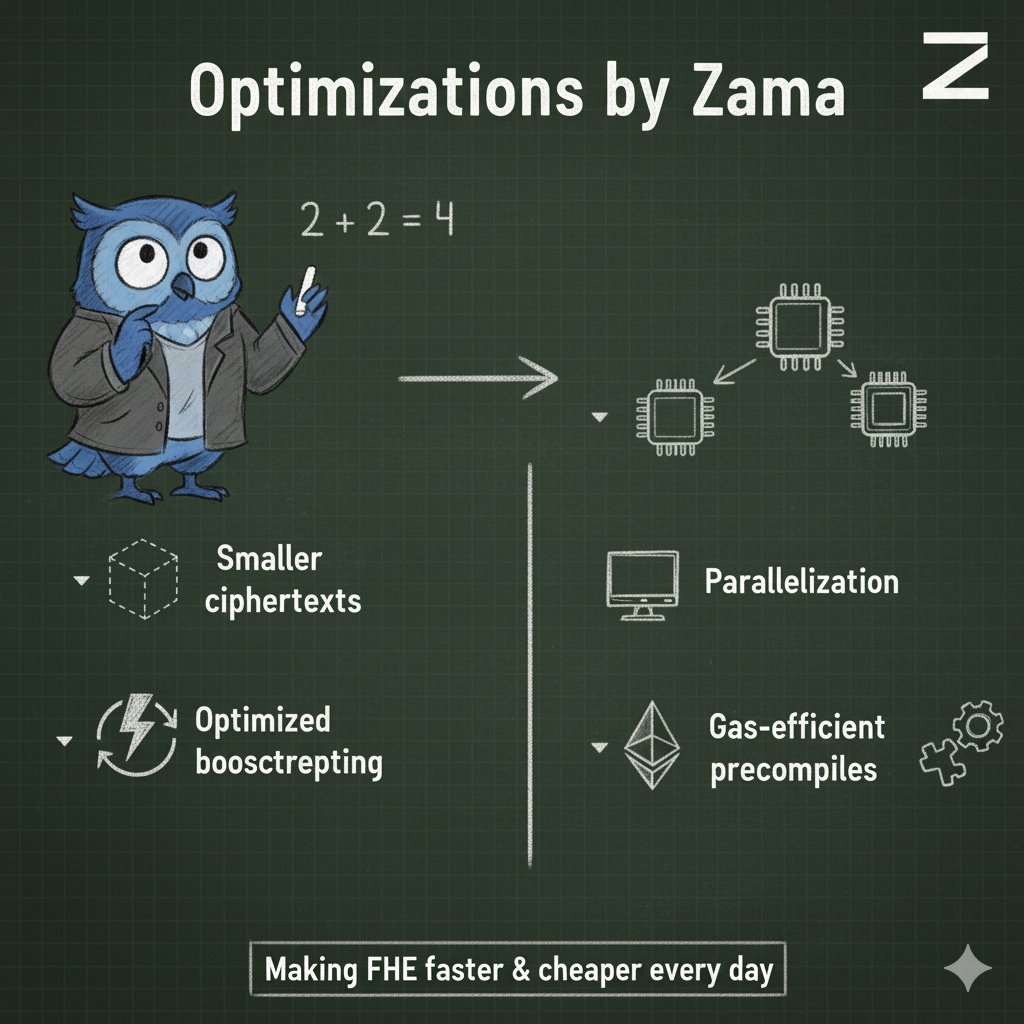
Optimizations by Zama
Zama isn’t ignoring this challenge. They’re:
1.Reducing ciphertext size → smaller data means faster execution.
2.Optimizing bootstrapping → the process of refreshing ciphertexts (a bottleneck in FHE).
3.Parallelization → making operations run in parallel on modern hardware.
4.Gas-efficient precompiles → integrating specialized cryptographic functions into the EVM for faster, cheaper execution.
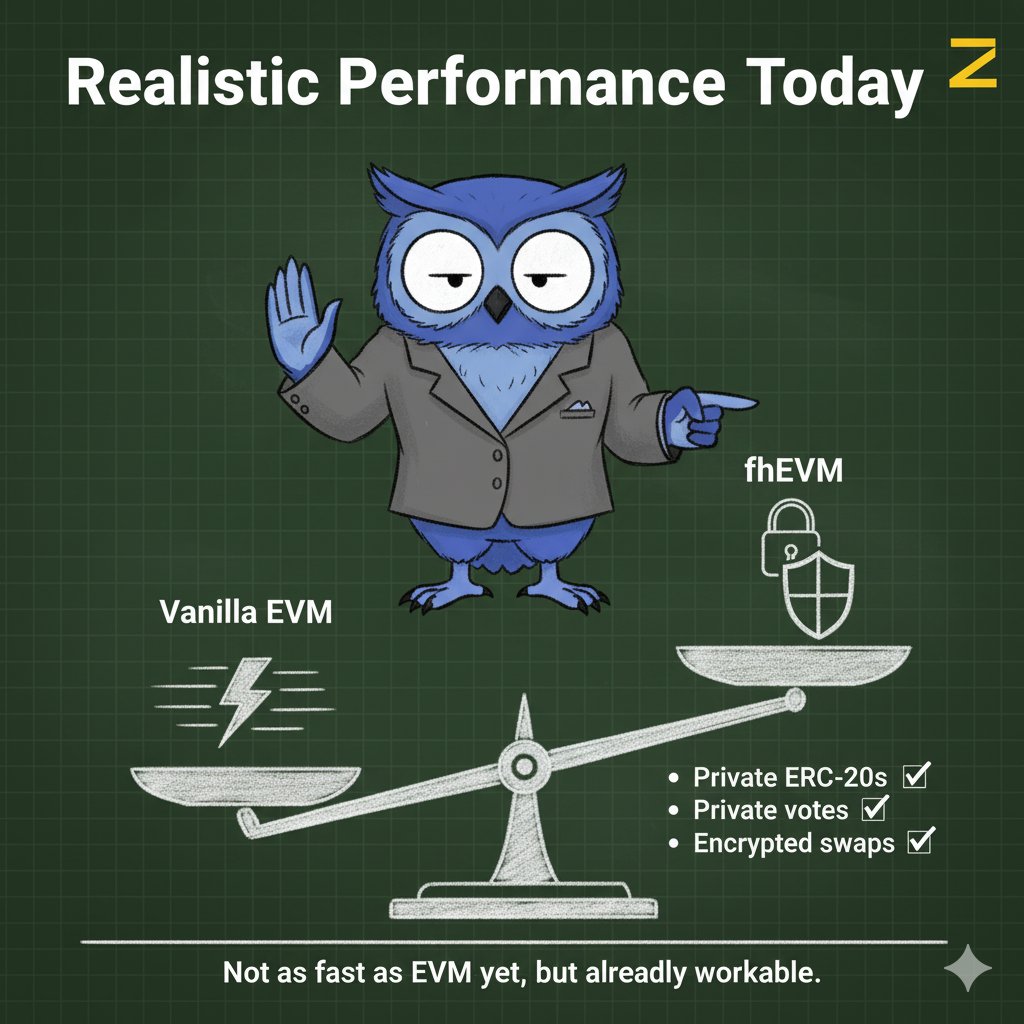
Realistic Performance
Today, fhEVM isn’t as cheap or fast as a vanilla EVM. Running large DeFi protocols with thousands of encrypted operations per block isn’t feasible yet. But early benchmarks show that basic confidential ERC20s, private votes, and encrypted swaps are already workable, especially as Zama continues to optimize.
Why It’s Still Worth It
Privacy has a cost, but the value it unlocks is bigger:
1. No front-running in DeFi.
2. Truly private governance.
3. Encrypted balances & positions for safety.
Gas efficiency improves over time, but privacy is a long-term bet and Zama is making it a reality now. #ZamaCreatorProgram
60
2
55
2,655
30 Aug 2025

My cousin isn’t eligible for $U and he’s been moody since. Don’t even know what to say to motivate him he even reached Level 7 on testnet.
He tried to yap the kaito too
Hopefully team fixes everything fast..
zkgm
78
29 Aug 2025
This bro gated his tg for memecoin drops I dm’ed him and he said 2 sol
I said okay and I stopped messaging him and since then nigga has been dming me his calls and reducing the price to 0.5 sol
2
44
27 Aug 2025
Why are you asking a woman all this questions??
Ydc sha
27 Aug 2025

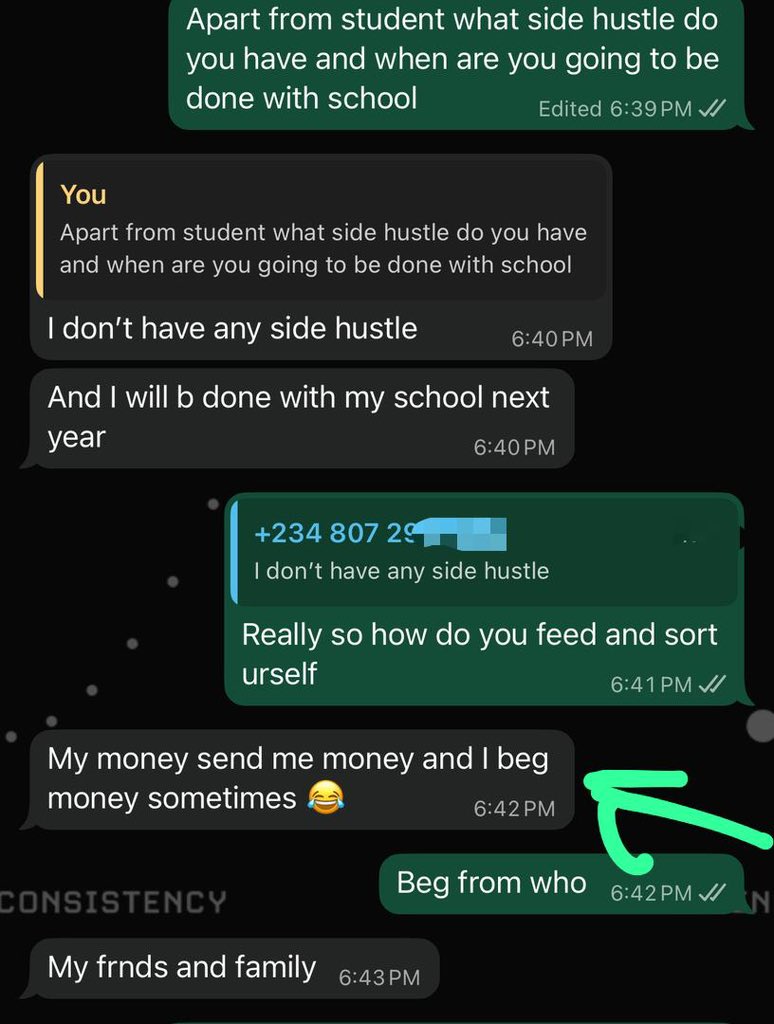
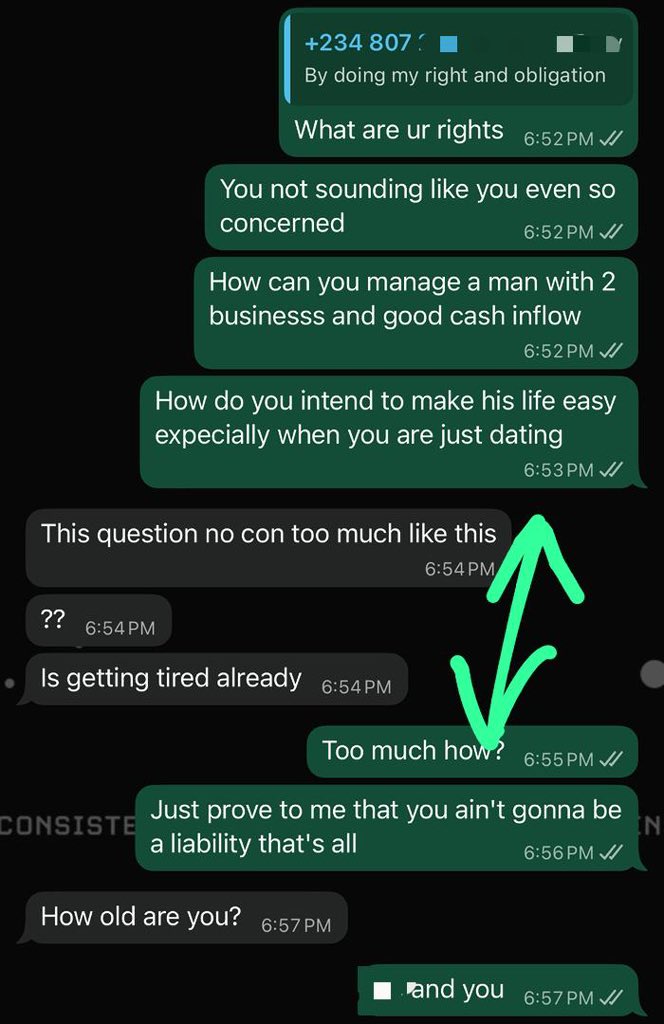
Alright, so I had a conversation with a random lady today and these are the response.
Even tho I wasn't gonna date her I actually loved how it played because my instinct told me it wasn't gonna end well even from the first text.
If I was in my prime I would have probably played along and let her enjoy the cruise to get her laid and dump her buh right now I really do not have time for games. Girls like this ain't hard to get on there skirt because they are moved by greed and arrogance.
More ss on second thread, tell me what you think about the conversation and if it was you, what would you have done?
And for my ladies that are students, do you guys always beg for money?


164
27 Aug 2025
Avoid friends that think you have sense.
27 Aug 2025

Avoid friends that think $1million is a lot of money.
46
15 Aug 2025
34
Trez retweeted

8 Aug 2025
The third week of Season 1 is over.
500,000 Points have been deployed.
Next drop hits Friday at 6 AM UTC.

1 Aug 2025

The second week of Season 1 is over.
500,000 Points have been distributed across the ranks.
Next drop hits Friday at 6 AM UTC. Stay sharp.

26
17
55
3,957
Trez retweeted

3 Mar 2025
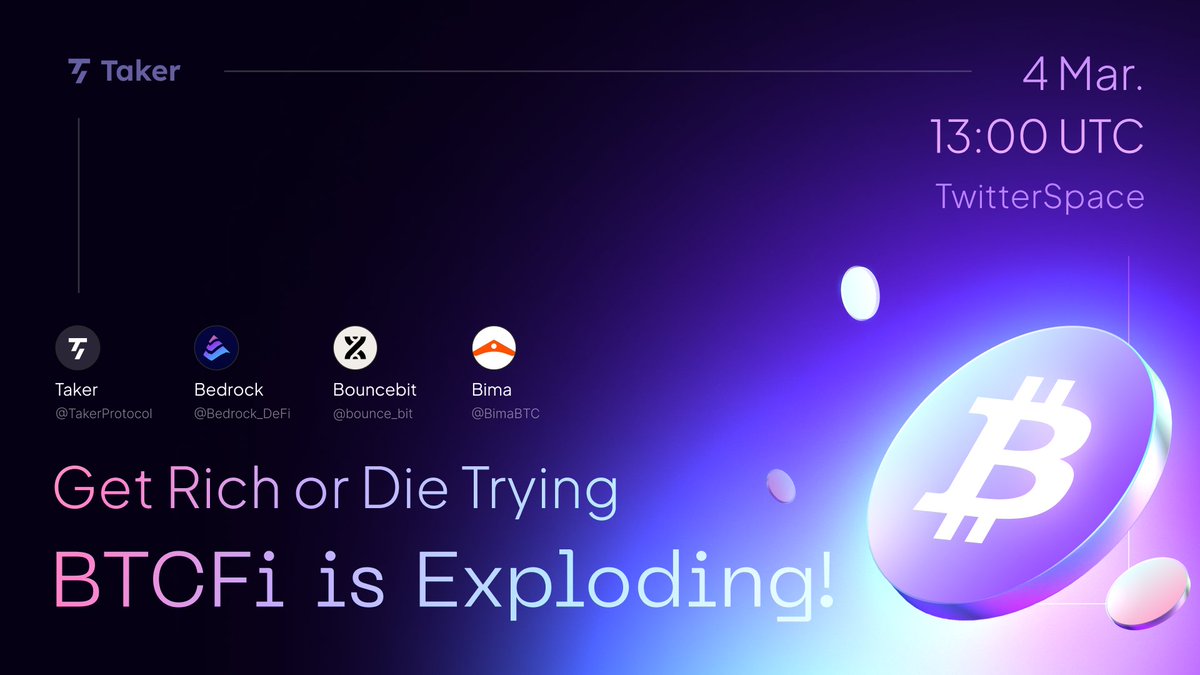
Get rich or get rekt, BTCFi is exploding!
Let's chat w/ @Bedrock_DeFi, @bouncebit, @BimaBTC about the lastest development on BTC DeFi, Stablecoins, and arbitrage opportunity.
Time: 4⃣ March 1PM UTC hosted by Taker.
There's news during the space. Come join!
19,772
14,261
18,082
317,727

Trez retweeted
28 Feb 2025
Wanna know why I was banned in @StargazeZone discord ?
Didn’t do anything wrong
Claimed faucet some days ago
Decided to claim the next day and saw it was every 5 days and boom j wasn’t in the server anymore
4
1
1
60



Trez retweeted

5 Sep 2024
Step into Valannia: One hero, a universe of games.
Are you brave enough to rise to the challenge? ⚔️
🔗 premint.xyz/valannia/
3,474
9,862
11,466
182,669


Built for Community ⚡️
Based on @assisterr
Multi-Chain | AI-Powered Code Generation | Instant Deployment | Seamless Integrations
CA: 8MhHH7nBxmukybUx3xqovgLDTetVzj3sogBXPueTpump
dexscreener.com/solana/akcir…

15,680
11,582
23,453
303,323
12 Feb 2025
Locked in my application for a @kintsu Beta Access Pass NFT!
Kintsu's sMON is creating a new paradigm in liquid staking, fully decentralized and community driven. Ready to launch on Day 1 of @monad_xyz Testnet.
Are you ready?
Get yours now! kintsu.xyz/beta?ref=Papi_dre…
9