
Mainly posting about the British Particular/Reformed Baptists | Sovereign grace over sin abounding | Second London Baptist Confession of Faith
Joined March 2024
- Tweets 11,853
- Following 979
- Followers 1,387
- Likes 16,887
1,629 Photos and videos

Pinned Tweet

4 Apr 2025
The distinction between "absolute certainty" and "moral certainty" is an important one to remember in conversations regarding the subjects of baptism.
4 Apr 2025

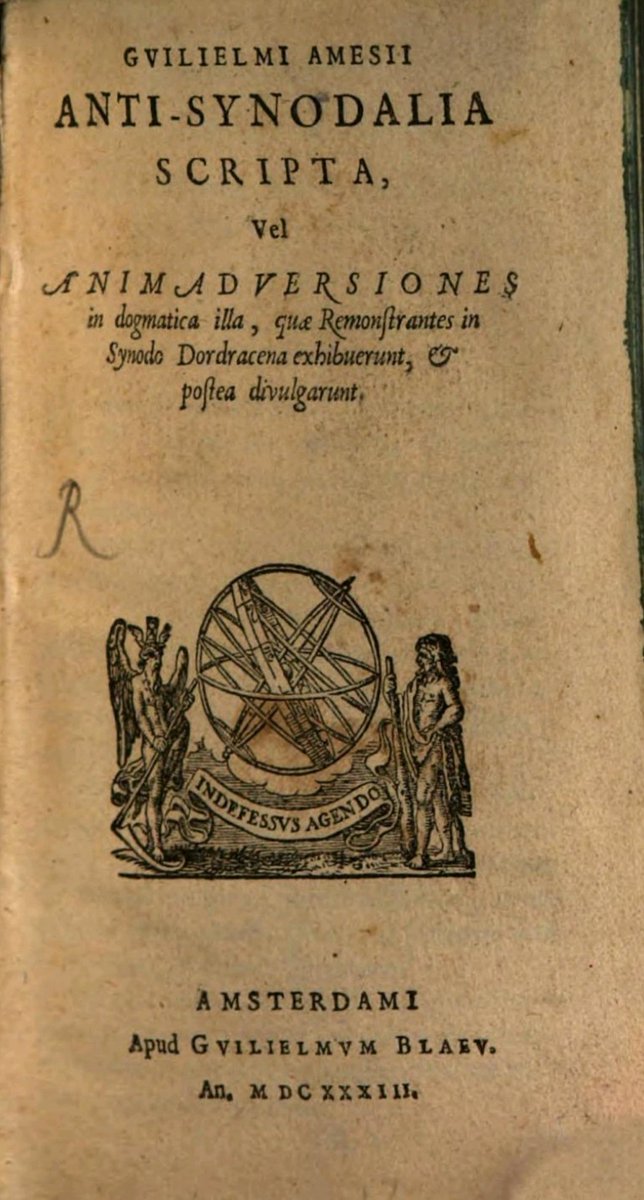
'If absolute certainty were required that the remission of sins properly pertains to all who are baptized, then Philip did wrong in baptizing Simon Magus (Acts 8), as did all who baptize hidden hypocrites - which nevertheless is often done, and rightly so, by God's command.
3
5
32
12,387
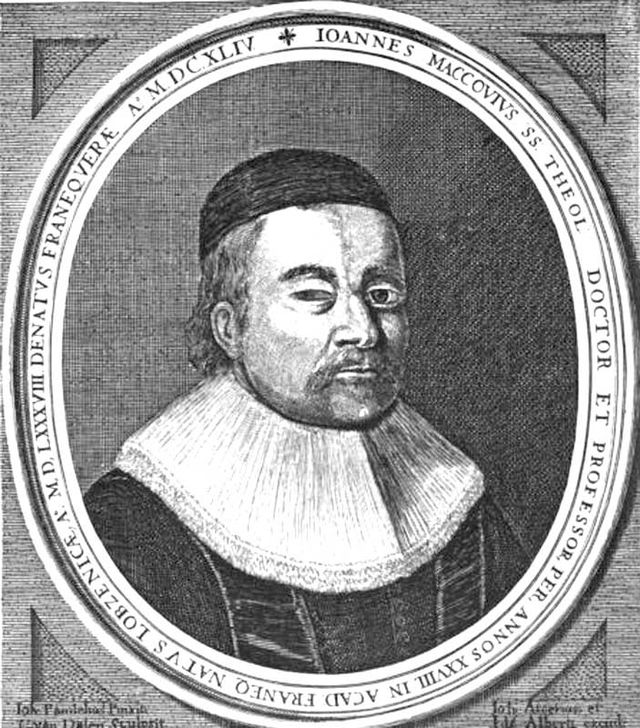
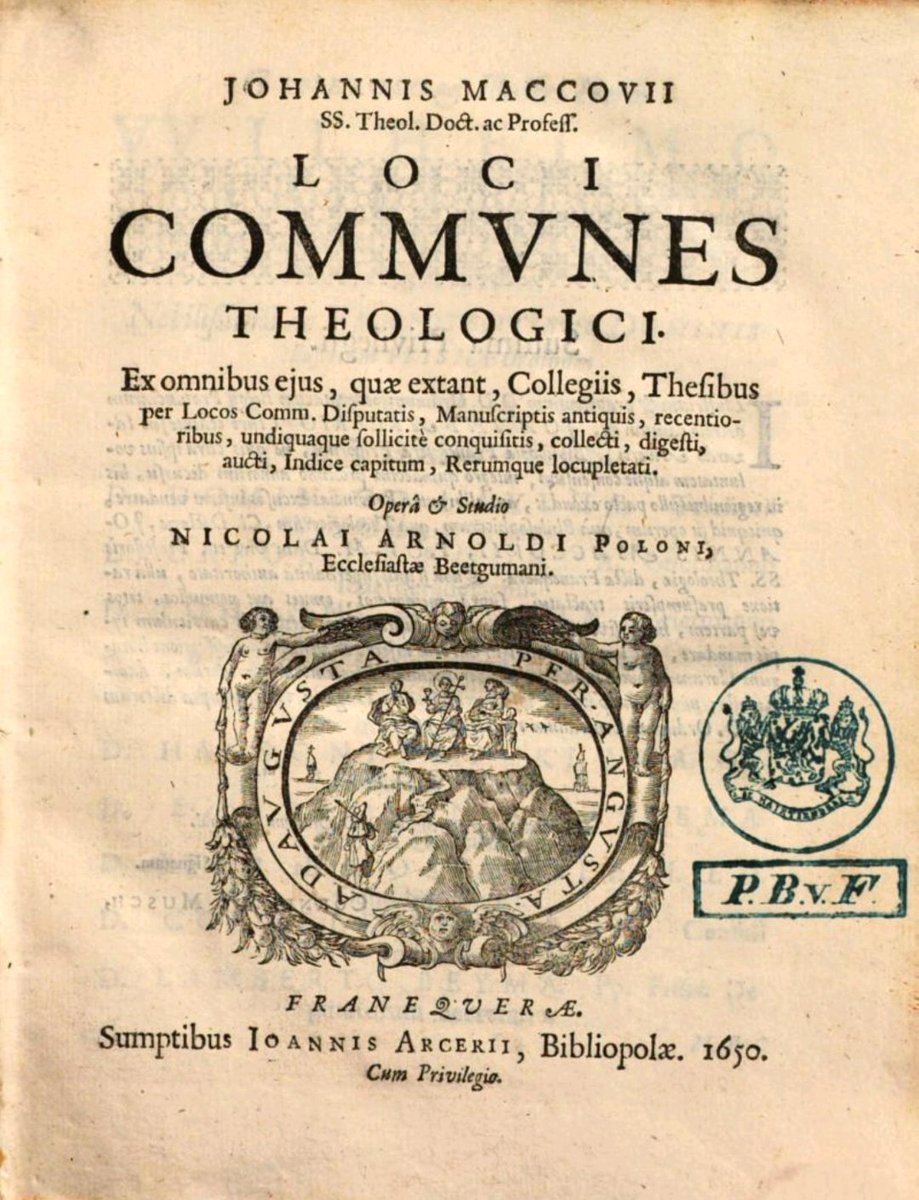
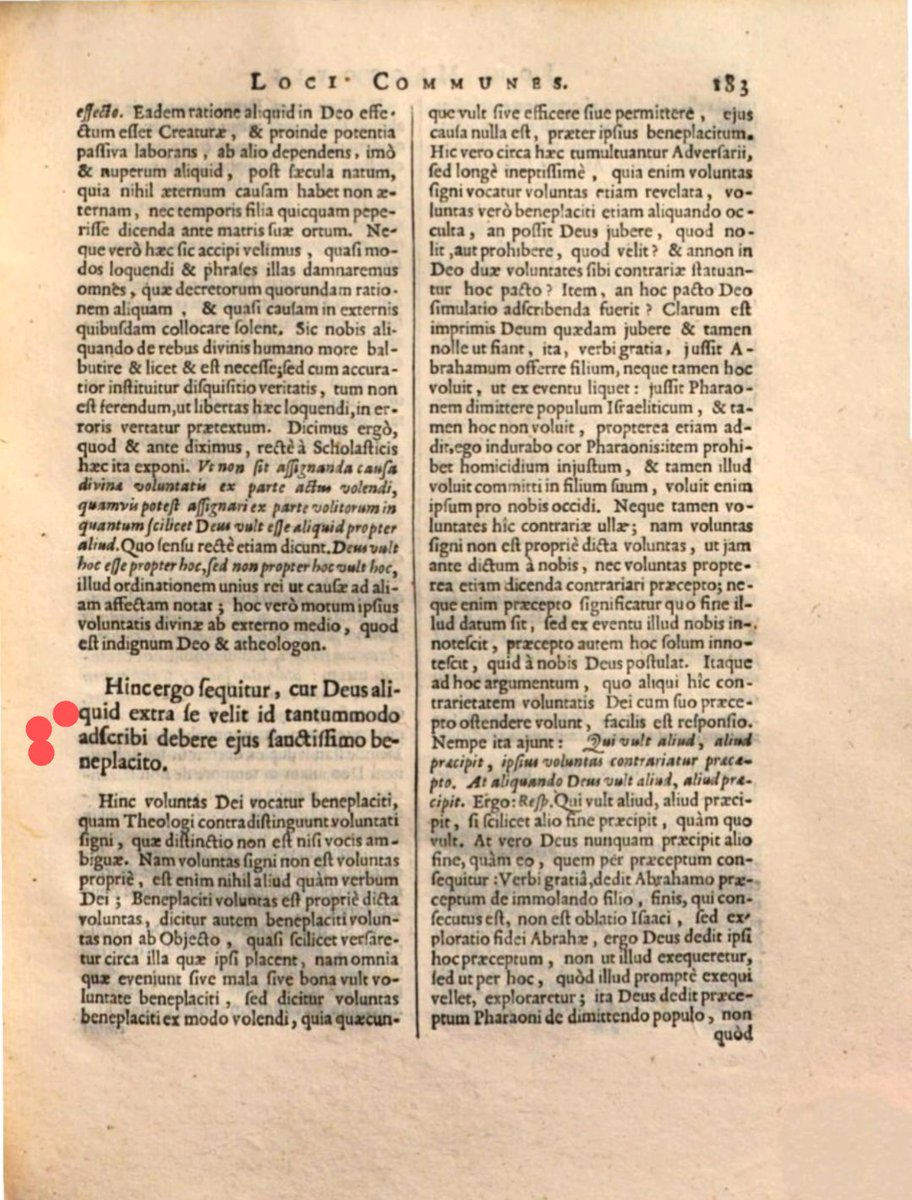
Johannes Maccovius' treatment of the distinction between the will of God properly speaking, and the will of sign:
'The will of God is called the will of good pleasure, which the theologians set in contrast to the will of sign; a distinction that arises only from the ambiguity of the term. For the will of sign is not properly a will at all, it is nothing other than the word of God. The will of good pleasure, however, is properly called will. 𝙄𝙩 𝙞𝙨 𝙘𝙖𝙡𝙡𝙚𝙙 𝙩𝙝𝙚 𝙬𝙞𝙡𝙡 𝙤𝙛 𝙜𝙤𝙤𝙙 𝙥𝙡𝙚𝙖𝙨𝙪𝙧𝙚 𝙣𝙤𝙩 𝙛𝙧𝙤𝙢 𝙞𝙩𝙨 𝙤𝙗𝙟𝙚𝙘𝙩, 𝙖𝙨 𝙩𝙝𝙤𝙪𝙜𝙝 𝙞𝙩 𝙬𝙚𝙧𝙚 𝙘𝙤𝙣𝙘𝙚𝙧𝙣𝙚𝙙 𝙤𝙣𝙡𝙮 𝙬𝙞𝙩𝙝 𝙩𝙝𝙤𝙨𝙚 𝙩𝙝𝙞𝙣𝙜𝙨 𝙩𝙝𝙖𝙩 𝙥𝙡𝙚𝙖𝙨𝙚 𝙃𝙞𝙢, 𝙛𝙤𝙧 𝙖𝙡𝙡 𝙩𝙝𝙞𝙣𝙜𝙨 𝙩𝙝𝙖𝙩 𝙤𝙘𝙘𝙪𝙧, 𝙬𝙝𝙚𝙩𝙝𝙚𝙧 𝙚𝙫𝙞𝙡 𝙤𝙧 𝙜𝙤𝙤𝙙, 𝙃𝙚 𝙬𝙞𝙡𝙡𝙨 𝙗𝙮 𝙃𝙞𝙨 𝙬𝙞𝙡𝙡 𝙤𝙛 𝙜𝙤𝙤𝙙 𝙥𝙡𝙚𝙖𝙨𝙪𝙧𝙚, 𝙗𝙪𝙩 𝙞𝙩 𝙞𝙨 𝙘𝙖𝙡𝙡𝙚𝙙 𝙩𝙝𝙚 𝙬𝙞𝙡𝙡 𝙤𝙛 𝙜𝙤𝙤𝙙 𝙥𝙡𝙚𝙖𝙨𝙪𝙧𝙚 𝙛𝙧𝙤𝙢 𝙩𝙝𝙚 𝙢𝙖𝙣𝙣𝙚𝙧 𝙤𝙛 𝙬𝙞𝙡𝙡𝙞𝙣𝙜, 𝙗𝙚𝙘𝙖𝙪𝙨𝙚 𝙬𝙝𝙖𝙩𝙚𝙫𝙚𝙧 𝙃𝙚 𝙬𝙞𝙡𝙡𝙨, 𝙬𝙝𝙚𝙩𝙝𝙚𝙧 𝙩𝙤 𝙚𝙛𝙛𝙚𝙘𝙩 𝙤𝙧 𝙩𝙤 𝙥𝙚𝙧𝙢𝙞𝙩, 𝙝𝙖𝙨 𝙣𝙤 𝙘𝙖𝙪𝙨𝙚 𝙚𝙭𝙘𝙚𝙥𝙩 𝙃𝙞𝙨 𝙤𝙬𝙣 𝙜𝙤𝙤𝙙 𝙥𝙡𝙚𝙖𝙨𝙪𝙧𝙚. Here, however, the Adversaries raise a tumult, and most ineptly. For since the will of sign is also called the revealed will, and the will of good pleasure is sometimes hidden, they ask whether God can command what He does not will, or forbid what He wills; and whether, in this way, two contrary wills are established in God. Likewise, whether by this reasoning dissimulation must be attributed to God. It is clear, first of all, that God commands certain things and yet does not will them to be done. Thus, for example, He commanded Abraham to offer his son, and yet He did not will this to be done, as the outcome shows. He commanded Pharaoh to let the Israelite people go, and yet He did not will this, for He adds, “I will harden Pharaoh’s heart.” Likewise, He forbids unjust homicide, and yet He willed that it should be committed upon His own Son, for He willed Him to be slain for us. Yet no contrary wills are present here. For the will of sign is not properly called will, as we have already said; nor is the will of good pleasure to be said to contradict the precept. 𝙁𝙤𝙧 𝙩𝙝𝙚 𝙥𝙧𝙚𝙘𝙚𝙥𝙩 𝙙𝙤𝙚𝙨 𝙣𝙤𝙩 𝙨𝙞𝙜𝙣𝙞𝙛𝙮 𝙩𝙝𝙚 𝙚𝙣𝙙 𝙛𝙤𝙧 𝙬𝙝𝙞𝙘𝙝 𝙞𝙩 𝙞𝙨 𝙜𝙞𝙫𝙚𝙣; 𝙩𝙝𝙖𝙩 𝙞𝙨 𝙠𝙣𝙤𝙬𝙣 𝙩𝙤 𝙪𝙨 𝙤𝙣𝙡𝙮 𝙛𝙧𝙤𝙢 𝙩𝙝𝙚 𝙚𝙫𝙚𝙣𝙩. 𝙏𝙝𝙚 𝙥𝙧𝙚𝙘𝙚𝙥𝙩 𝙞𝙩𝙨𝙚𝙡𝙛 𝙤𝙣𝙡𝙮 𝙢𝙖𝙠𝙚𝙨 𝙠𝙣𝙤𝙬𝙣 𝙬𝙝𝙖𝙩 𝙂𝙤𝙙 𝙧𝙚𝙦𝙪𝙞𝙧𝙚𝙨 𝙤𝙛 𝙪𝙨. Thus, to the argument by which some here attempt to show a contradiction between the will of God and His precept, the reply is easy.
They argue thus: “He who wills one thing and commands another has a will contrary to His command. But God sometimes wills one thing and commands another. Therefore…”
Response: He who wills one thing and commands another does so if he commands with an end different from that which he wills. But God never commands with an end other than that which He attains through the command. For example, He gave Abraham the command to sacrifice his son; the end attained was not the offering of Isaac, but the testing of Abraham’s faith. Therefore God gave him this command not that he should perform it, but that, by his readiness to perform it, he might be proved. Likewise, God gave Pharaoh the command to release the people, not because He willed it to be done, otherwise He would not have hardened him, had He willed him to obey, but that, by his disobedience, Pharaoh might be convicted of his own malice.
You will say: “But in this way God will be justly accused of dissimulation, whereas every vice must be excluded from His most holy nature, and therefore also dissimulation.”
Response: First, this is false. For by commanding this or that, He does not feign that He wills what He commands; nor can this in any way be inferred from the nature of a precept.
1
2
131
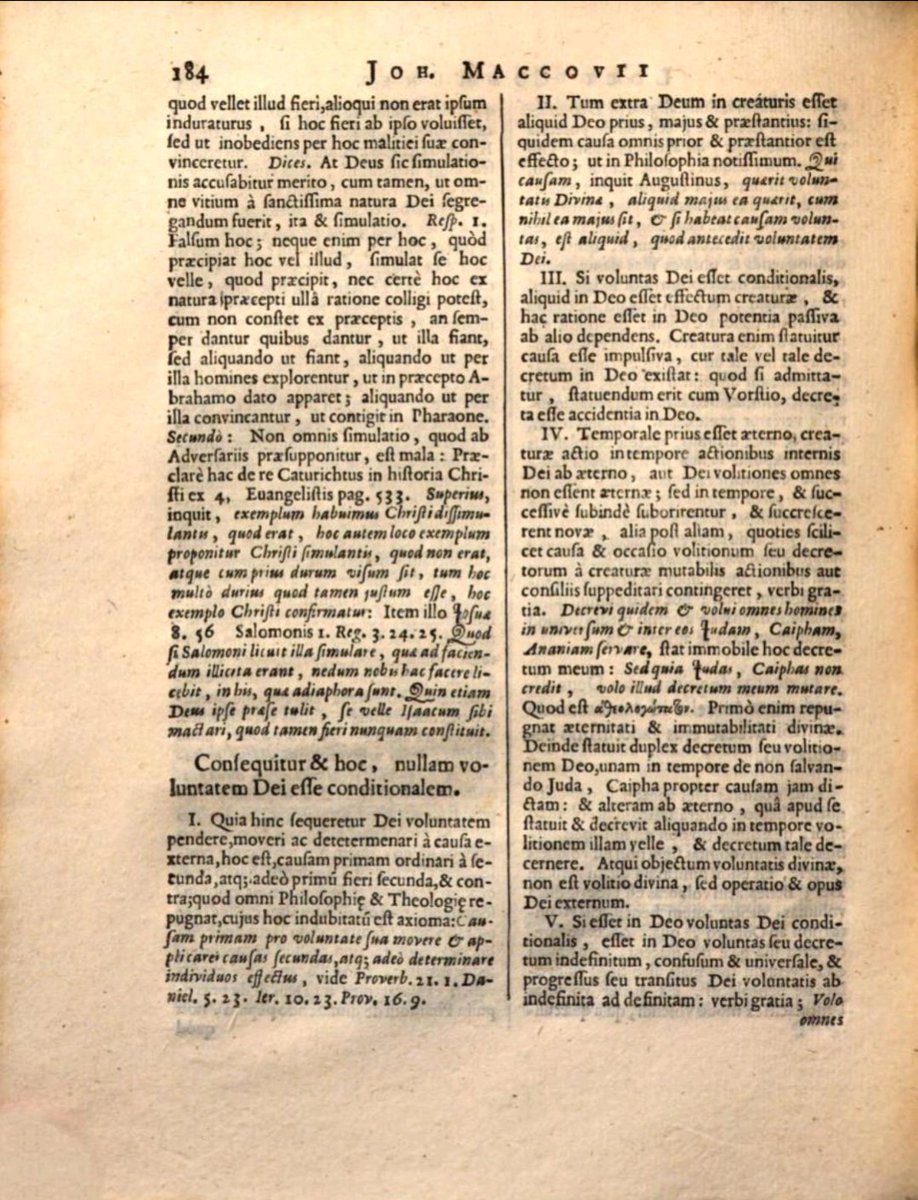
For it does not follow from precepts whether they are always given that they may be done; sometimes they are given that they may be done, sometimes that men may be tested by them, as appears in the command given to Abraham, and sometimes that men may be convicted by them, as happened with Pharaoh. Secondly, not every form of dissimulation, as the Adversaries assume, is evil. Caturichtus speaks excellently on this matter in his History of Christ from the Four Evangelists, p. 533. “Above,” he says, “we had an example of Christ dissembling what was, but here an example of Christ dissembling what was not; and although the former seemed hard, this seems much harder, yet that it is just is confirmed by this example of Christ.” Likewise in Joshua 8, and in Solomon, 1 Kings 3:24–25. If it was permitted to Solomon to simulate those things which, if actually done, would have been unlawful, how much more may we do this in matters that are indifferent. Indeed, God Himself presented Himself as willing Isaac to be slain for Him, though He had never decreed that it should be done.'
play.google.com/store/books/…
1
88
RT @AaJ1532082: 'From Crumlin to Cape Verde' RTE Special - the story of Roberto 'Pico' Lopes. From dodging bullets on the mean streets of C…
131
That Particular Baptist retweeted

Jun 14
Christian scholars using “BCE” and “CE” in their published work is embarrassing.
163
144
4,737
80,753
That Particular Baptist retweeted

Jun 12
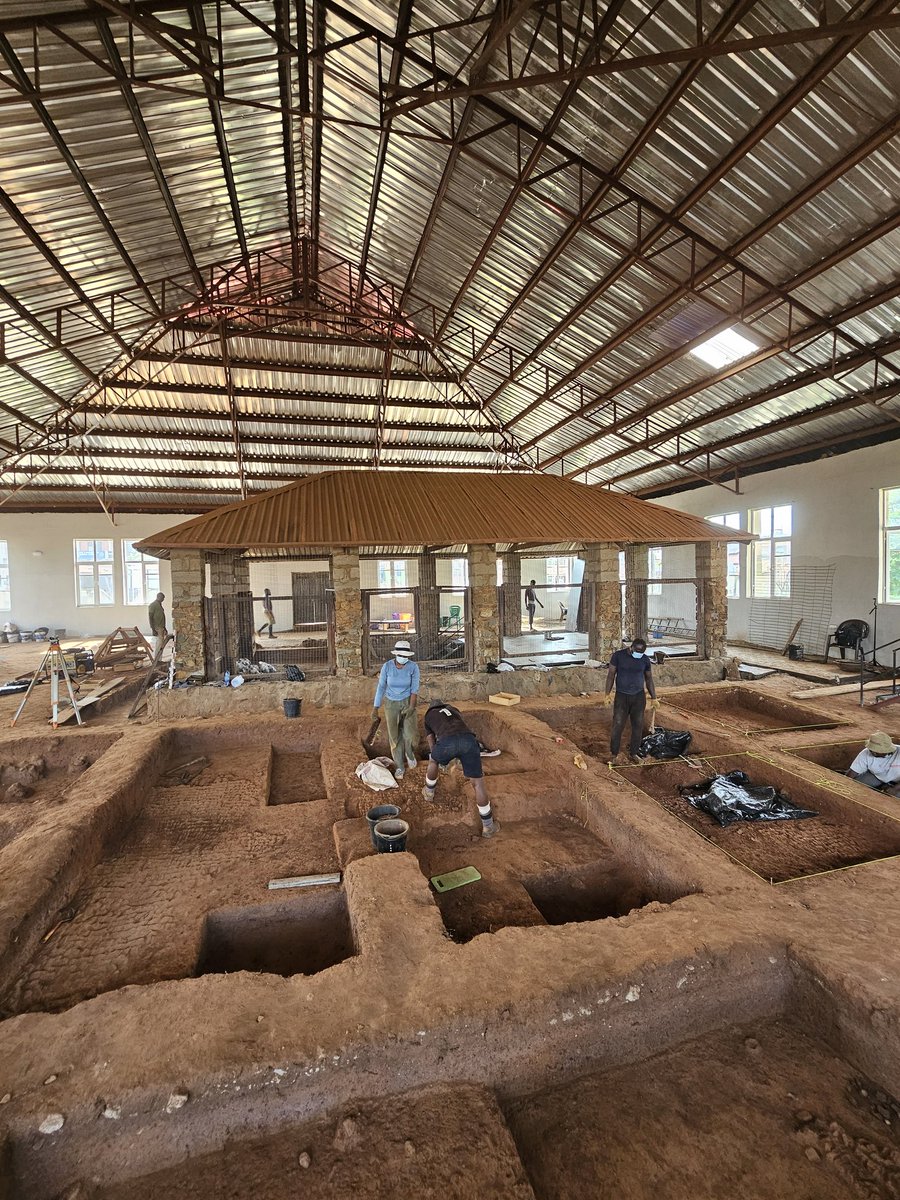
Ita Yemoo reimagined
5
72
290
9,170
That Particular Baptist retweeted
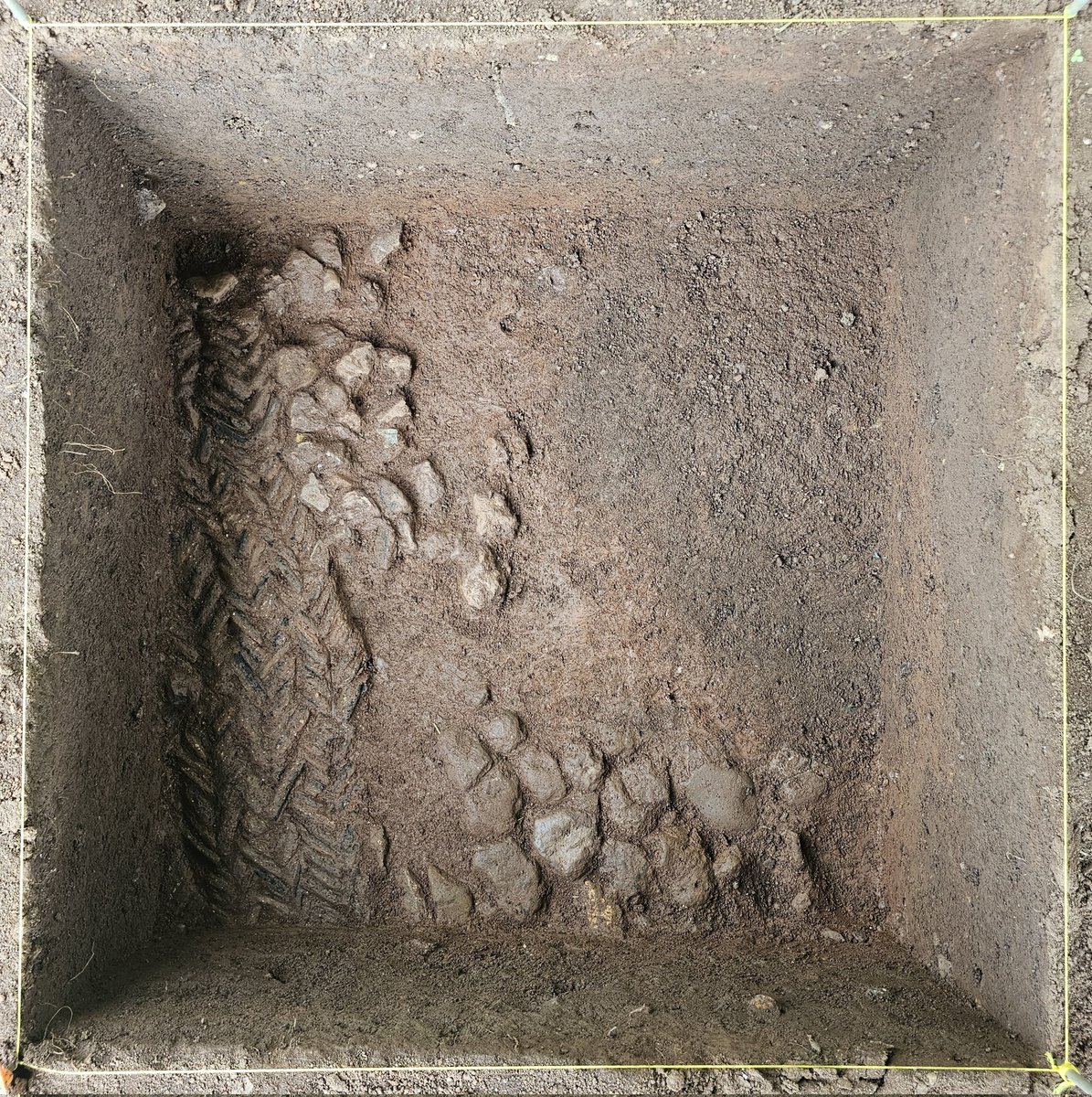
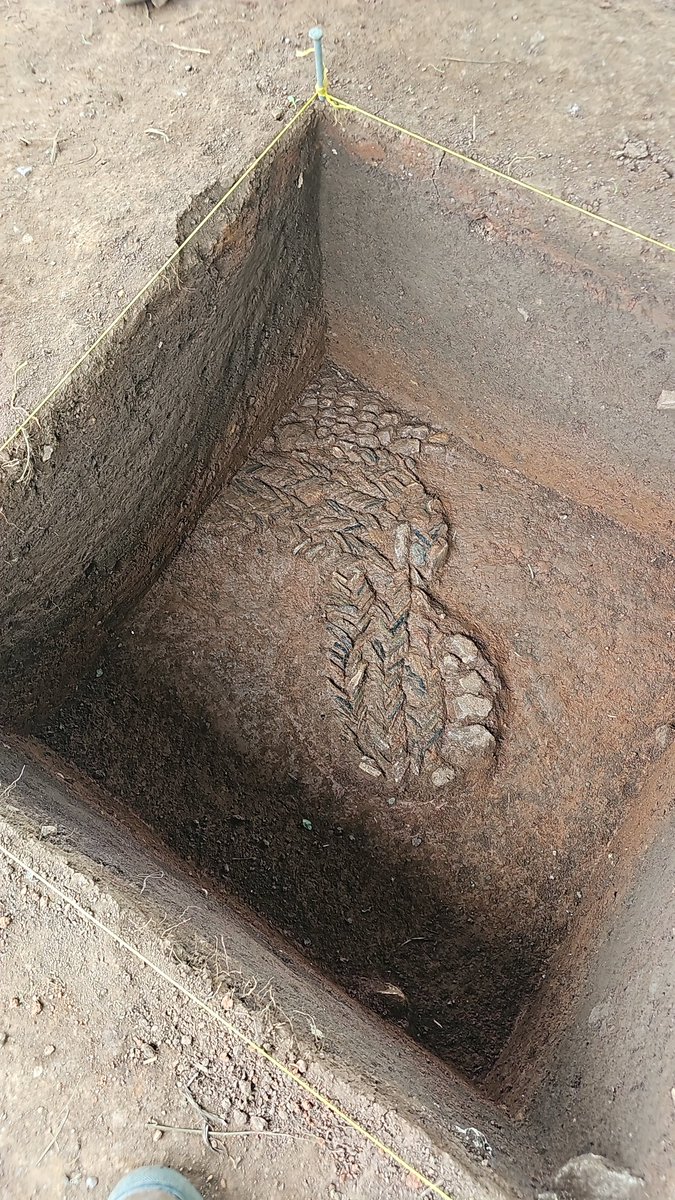
3rd 1x1 unit, north of the previous one, displayed a fairly disturbed stone pavement south of a classic potshed pavement of the fishbone type. Note the dark spot that indicates the presence of a pit. Exploration continues.
14
87
290
6,047
That Particular Baptist retweeted

Dark days for our land and nation. We are heaping up coals of judgement. May the Lord have mercy. Come Lord Jesus
Jun 14

As Malthouse has clarified, the bill promises—among other things—to defund hospices if they decline to provide assisted deaths:
“Should they still be able to deny what is a legal service, if they are in receipt of public funds?”
1
3
119
That Particular Baptist retweeted

Pico Lopez keeps a clean sheet against Spain. ❤️

In 2013 I won the All Ireland with Roberto Lopez (Pico) of Cape Verde, now he’s playing at the World Cup with Lamine Yamal and Balon D’Or winner Rodri.


1
1
10
753
That Particular Baptist retweeted
When you were only trying to open a 1x1 m test pit to verify an hypothesis, and you find a pavement that looks like nothing documented to date... Ile-Ife for you! Always calling for more!
71
652
1,789
222,205
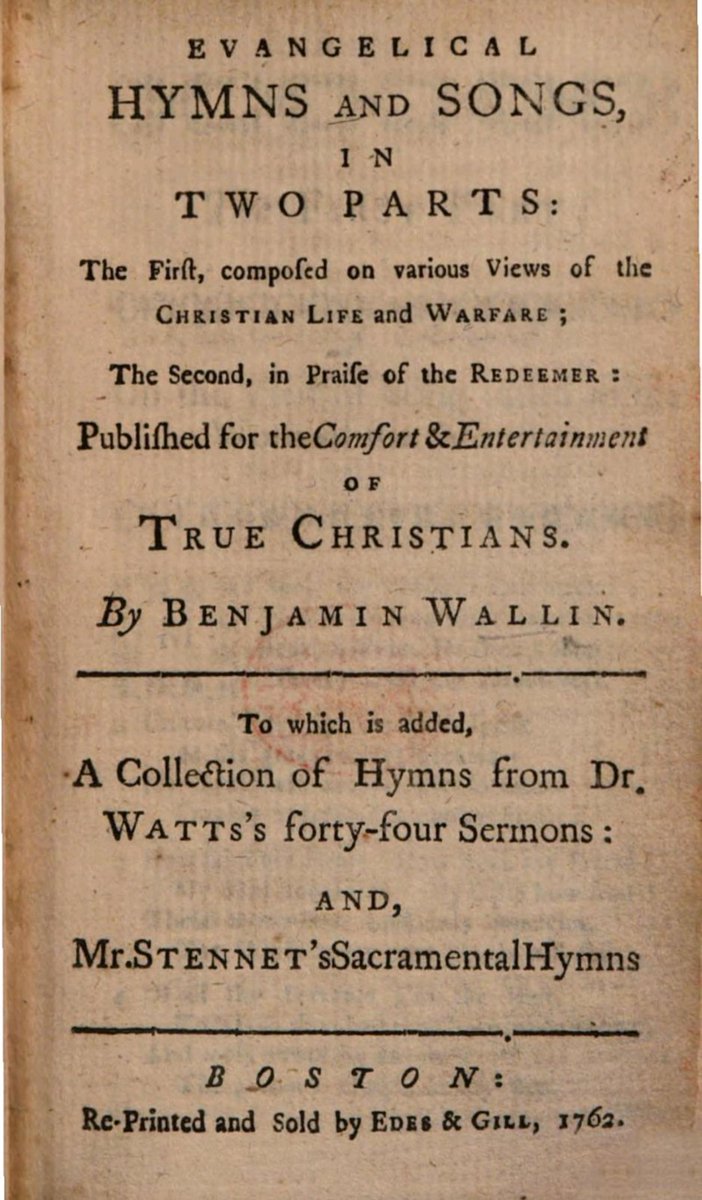
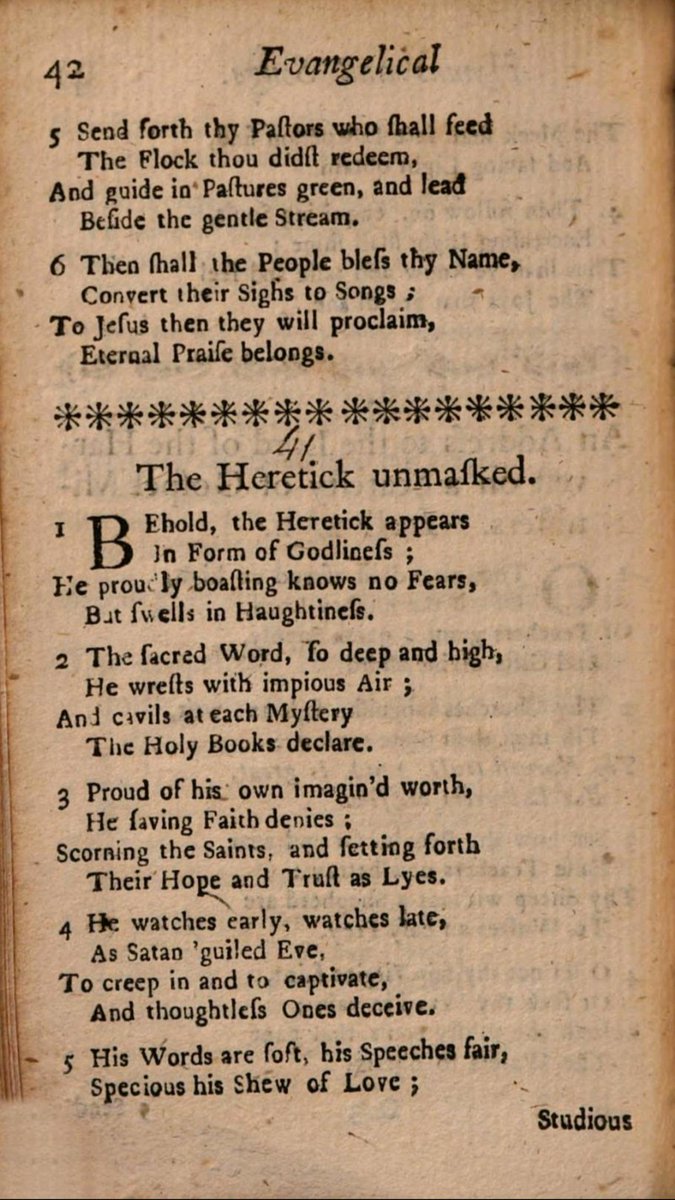
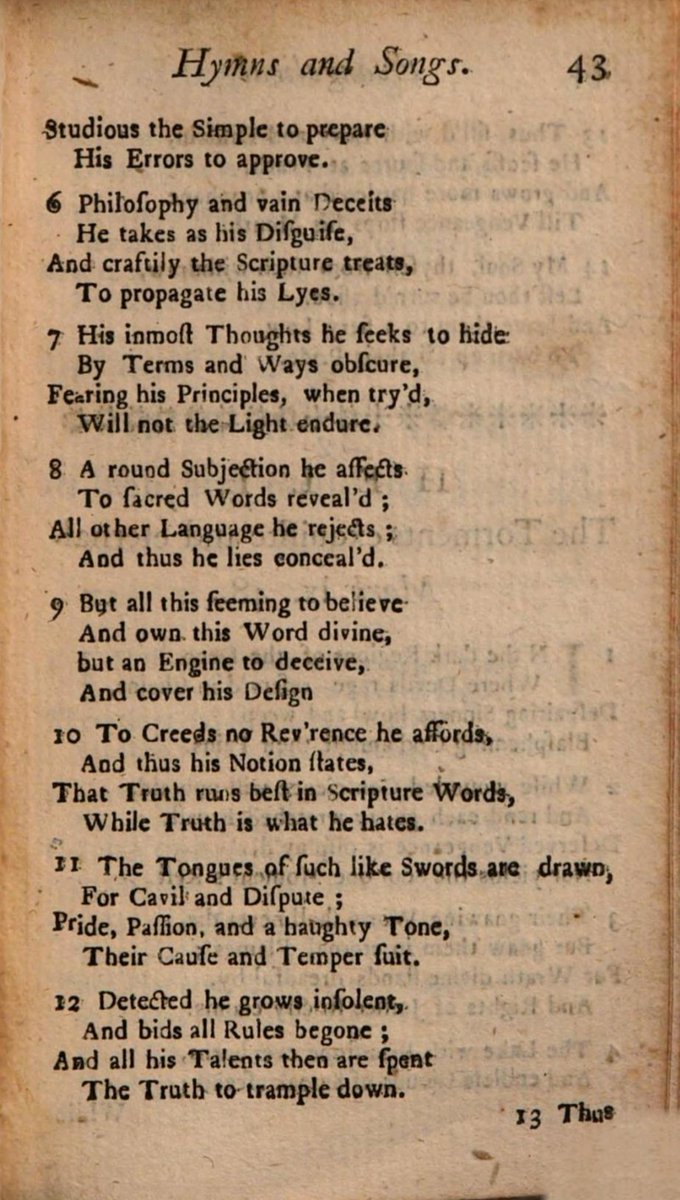
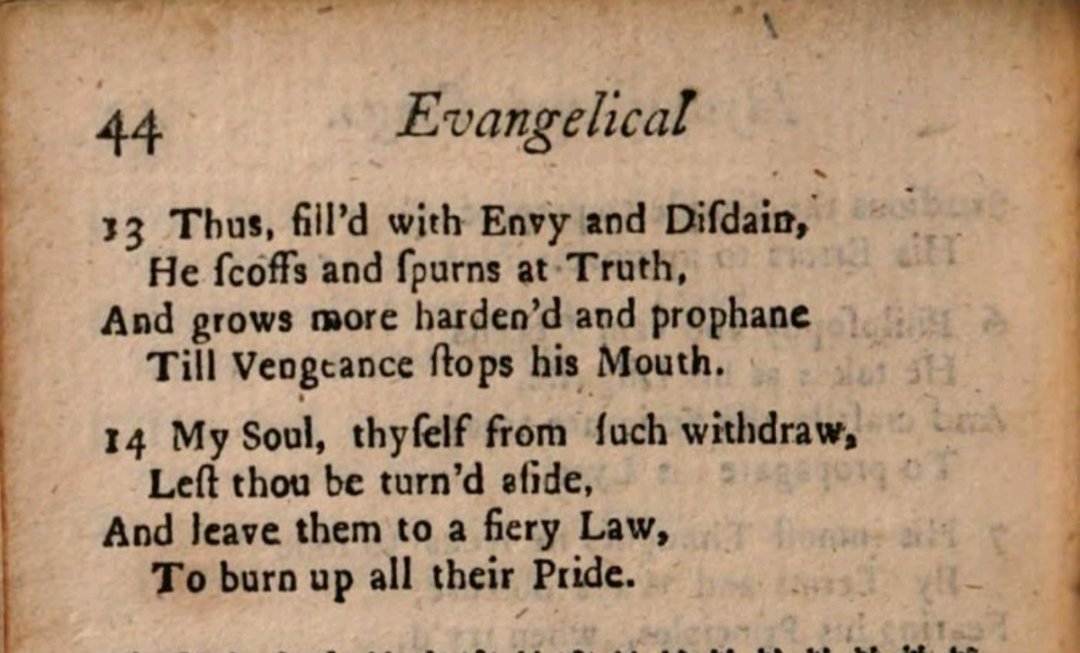
A few stanzas from Particular Baptist minister, Benjamin Wallin's (1711-1782) hymn titled "The Heretick Unmasked":
'A round subjection he affects
to sacred words reveal'd;
All other language he rejects;
And thus he lies conceal'd.
But all this seeming to believe
And own this word divine,
but an engine to deceive,
And cover his design
To creeds no rev'rence he affords,
And thus his notion states,
That truth runs best in Scripture words,
While truth is what he hates.'
1
4
260
176
That Particular Baptist retweeted

Books which had an impact on the first Welsh Revival (1735):
—The Whole Duty of Man
—Duppa’s Holy Rules
—Bayly’s Practice of Piety
—Pearson on the Creed
—Bunyan’s Doctrine of Law & Grace Unfolded & Jerusalem Sinner
—Life of V. Powell
—Cotton’s Treatise of the Covenant of Grace
1
3
12
841
That Particular Baptist retweeted

13 June 1910. Mary Whitehouse was born in Nuneaton. She was a staunch campaigner in the 1960s and 1970s against sex and violence being shown on TV or broadcast on radio via her National Viewers’ and Listeners’ Association.

5
5
29
2,352
'We should know that confirming ordinances, sacraments, or seals properly does not give us any right unto God, his Christ, and promises, but only seal up and confirm that right and interest which we already have in God's covenant of grace. God promised to Adam by giving him life, and then he gave him the Tree of Life to be a pledge of his promise. Now, it was not the Tree of Life that gave Adam life but rather life was according to the promise. Adam might have lived by fainting upon God's promise without the tree, for the tree could do him no good without the promise.
Thus, God promised Christ and his benefits to the believing generation, and then he gave baptism to seal these promises. So then, it is not baptism that saves us, but the promise. It is not water that purged our sins but the blood of the covenant.'
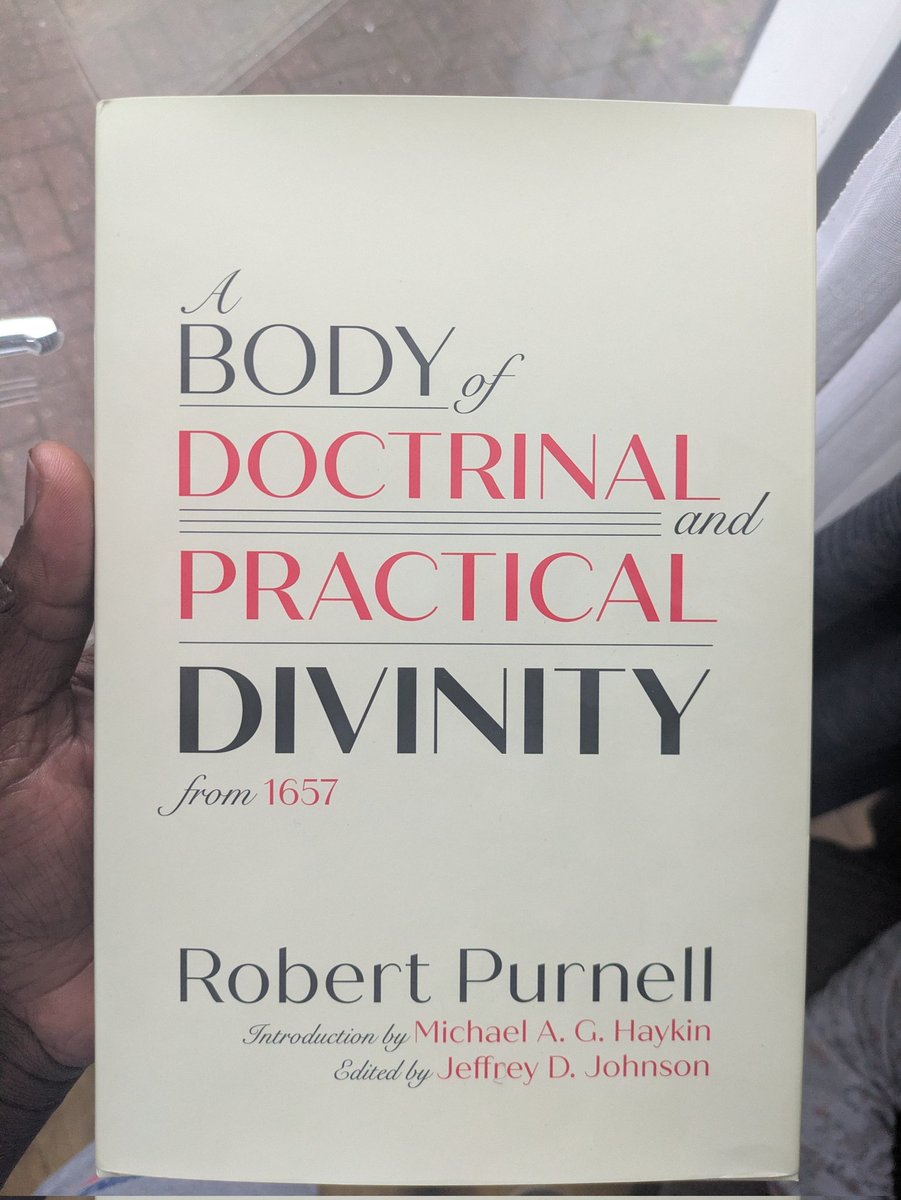
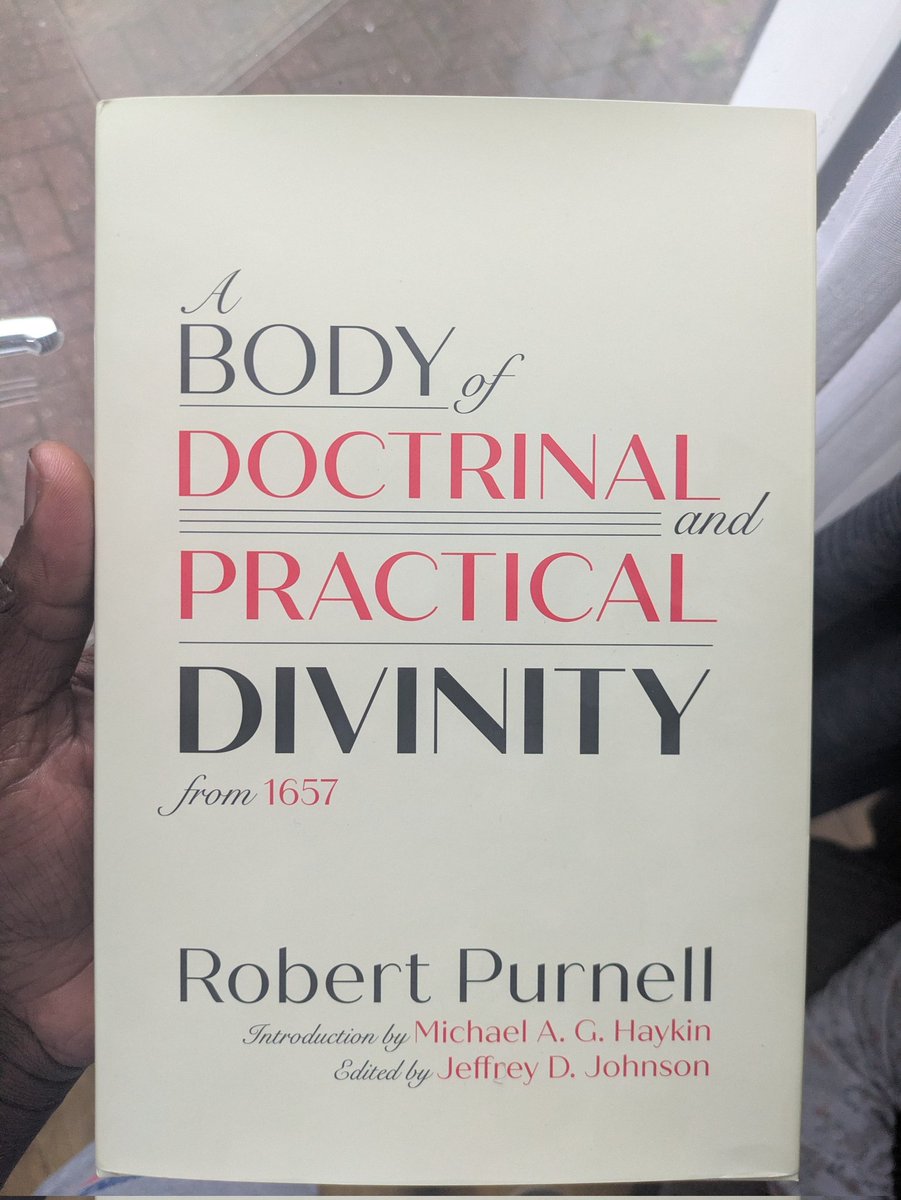
- Robert Purnell, "A Body of Doctrinal and Practical Divinity from 1657", 5.50, Pg. 263 [Originally titled "A Little Cabinet Richly Stored ..."]
1
3
7
362
That Particular Baptist retweeted

People only recoil at the idea of Christ saving us *from God* because their ultimate assumption is that they're the good guys—so they take "We're saved from God's wrath" as a statement that God is the bad guy. It never occurs to sinners that God opposing them means they're bad.
27
44
301
8,335
'Objection: Some say that the covenant of grace is conditional, at least in respect of God's order and method in bestowing its blessings upon us.
Answer: In this sense, it may be granted (it is so). Yet, still keeping close to this, that not in a proper, but in an improper sense, the covenant may be said to be conditional; for as has been said before, the covenant of grace and life by Christ is every way free, and unconditionally on man's part, else how does it differ from a covenant of works? And if by grace, then it is by gift, for grace and gift you must understand are all one: grace is nothing but the favour of God, freely given, and of his own accord communicated; and if by grace, then it is no more of works.
Otherwise, grace is no more grace (Rom. 11:6). If you bring grace unto works or works unto grace, either the one or the other, or both, are made void; as much as to say, these two things are inconsistent, they cannot stand together; that we should partake of Christ through grace and works both; they will not stand together.
Grace must stand alone, or works alone, for one directly stands in opposition to the other; and the Scripture is plain and clear, that the Father expects nothing of men, no qualification, or spiritual disposition, before or upon the communicating of his Son. The condition on our part is to receive it and to improve it, and walk worthy of it, and when we come short herein, we are said to break covenant on our part (Ps. 44:17; Isa. 24:5; Deut. 29:25).'
- Robert Purnell, "A Body of Doctrinal and Practical Divinity from 1657", 3.13, Pg. 67-68 [Originally titled "A Little Cabinet Richly Stored ..."]
'Faith and repentance are indeed means by which we can enjoy the comforts of the covenant. But this does not mean they are the conditions. We are not justified by faith as the condition of the covenant, but we are justified by faith as an organic and instrumental means of the covenant. So, all the blessings of the new covenant are called gifts, not conditions (Rom. 5:17-18; 6:23). These gifts are given freely (1 Cor. 2:12). We chose him because he first chose us. We love him because he first loved us. We cannot say God is our God until he first says, you are my people. We cannot say we will run after him until he draws us. We cannot bring forth fruit unless we abide in the vine, nor purify ourselves as he is pure unless we have this hope in us. And we may not expect the effects before the cause, nor the light before the sun, or heat before the fire.'
- Robert Purnell, "A Body of Doctrinal and Practical Divinity from 1657", 3.13, Pg. 66 [Originally titled "A Little Cabinet Richly Stored ..."]
1
8
513
'Faith and repentance are indeed means by which we can enjoy the comforts of the covenant. But this does not mean they are the conditions. We are not justified by faith as the condition of the covenant, but we are justified by faith as an organic and instrumental means of the covenant. So, all the blessings of the new covenant are called gifts, not conditions (Rom. 5:17-18; 6:23). These gifts are given freely (1 Cor. 2:12). We chose him because he first chose us. We love him because he first loved us. We cannot say God is our God until he first says, you are my people. We cannot say we will run after him until he draws us. We cannot bring forth fruit unless we abide in the vine, nor purify ourselves as he is pure unless we have this hope in us. And we may not expect the effects before the cause, nor the light before the sun, or heat before the fire.'
- Robert Purnell, "A Body of Doctrinal and Practical Divinity from 1657", 3.13, Pg. 66 [Originally titled "A Little Cabinet Richly Stored ..."]
2
3
18
816
That Particular Baptist retweeted

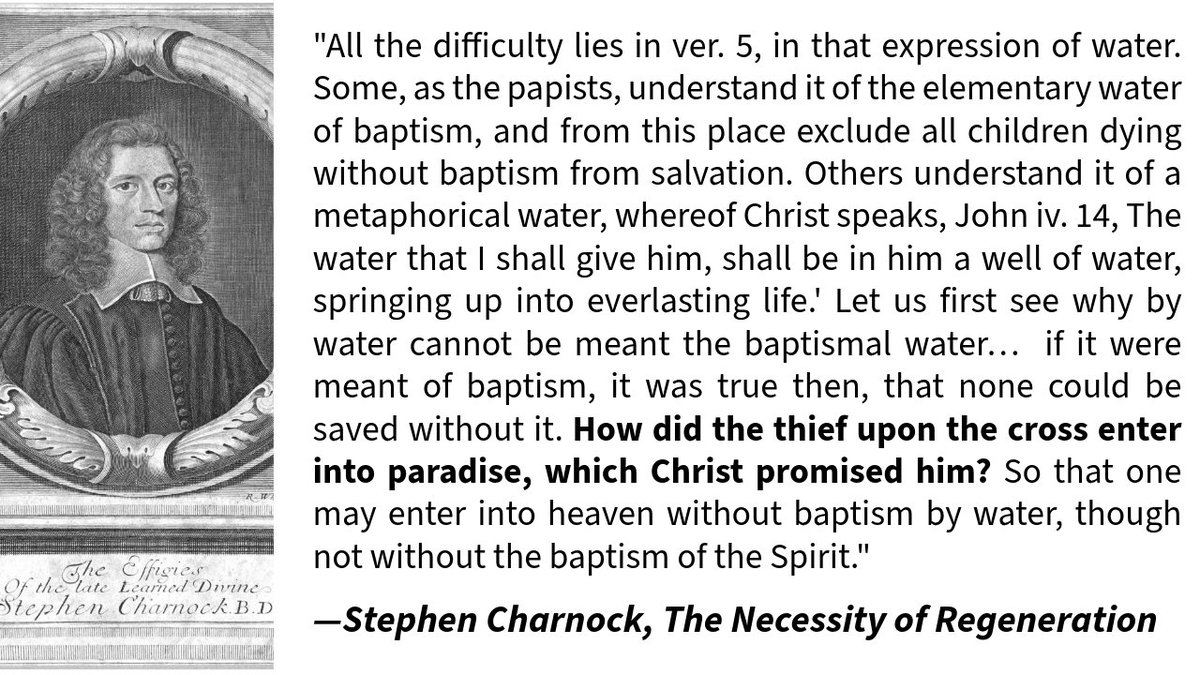
Noted Evangelical, slop apologist, Stephen Charnock, pulling a "muh thief on the cross" on John 3:5
7
6
59
4,136
That Particular Baptist retweeted

Jun 10
Looking forward to giving this paper at ETS this November in Denver:
“A New Covenant of Works? Responses to Richard Baxter’s Doctrine of Justification”
(The topic was given to me)
2
1
11
455