
Joined June 2010
- Tweets 656
- Following 60
- Followers 14
- Likes 42
68 Photos and videos




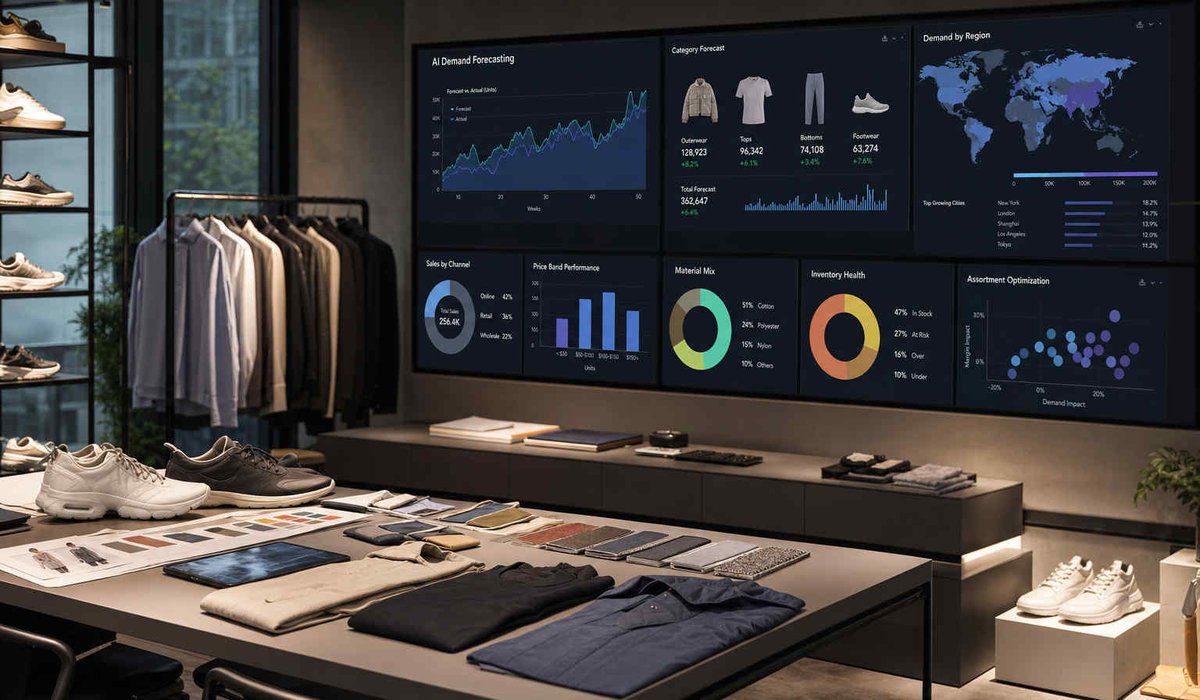




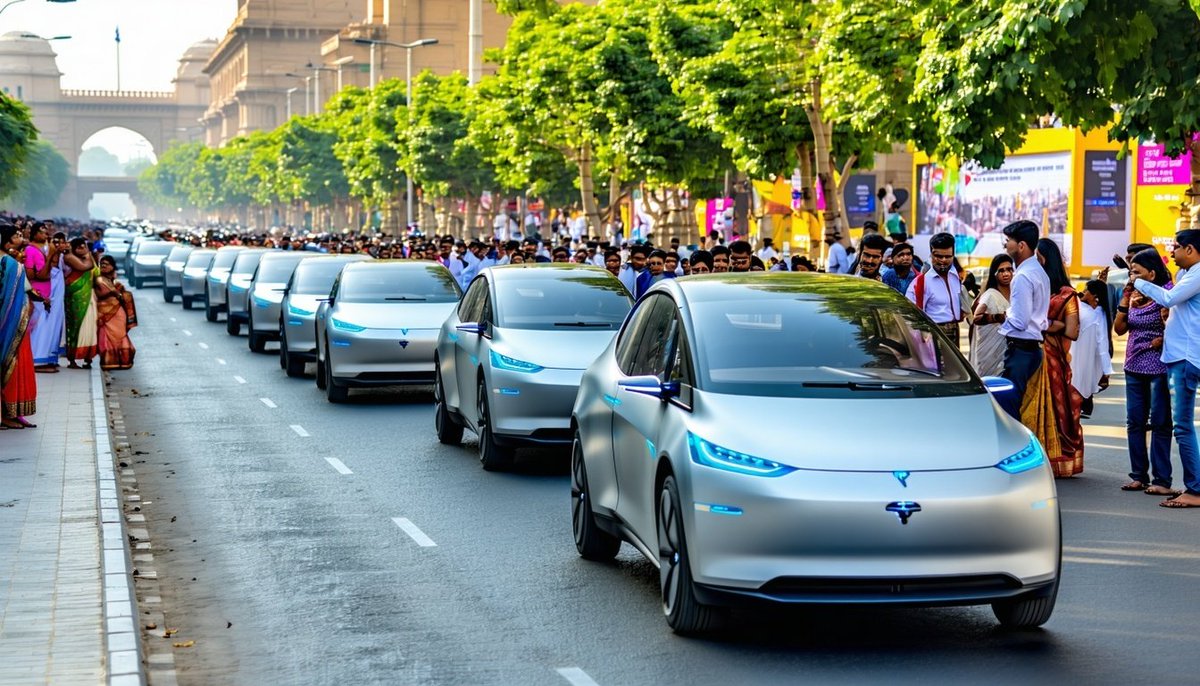





The future isn’t one model.
It’s resilient AI workflows that can operate across multiple models, clouds, and local intelligence.
That’s the thesis behind SageSure AI.
The next phase of AI isn’t just intelligence.
It’s resilience.
#AI #Anthropic #SovereignAI #AgenticAI #EntAI
11
That escalated quickly.
The lesson isn’t about Anthropic.
It’s that frontier AI is no longer just software.
It’s becoming strategic infrastructure.
Which means every enterprise AI strategy now needs answers for:
• Model restrictions
• Export controls
• Vendor lock-in
10
June 10:
Anthropic’s CEO says governments should be able to block deployment of advanced AI models deemed too risky.
June 13:
The U.S. government effectively blocks access to Anthropic’s newest models for foreign nationals.
bloomberg.com/news/articles/…
5
This is why the future isn’t “one AI model.”
It’s:
• Multi-model
• Open proprietary
• Edge cloud
• Workflow orchestration over model dependency
That’s the thesis behind SageSure AI.
The AI stack is becoming geopolitical. bloomberg.com/news/articles/…
4
Yesterday the moat was GPUs.
Today the moat is access.
Anthropic reportedly disabled Fable 5 & Mythos 5 after U.S. restrictions on foreign access. (Reuters)
bloomberg.com/news/articles/…
48

Jun 9
Zomato/Blinkit’s refund system is not just checking whether your item was missing. It is judging you.
Deepinder Goyal has openly discussed a “karma” / trust-score style system for disputes.
1
5
Jun 9
If Zomato/Blinkit can score customers in secret, regulators should force them to disclose refund-denial data. Fraud is real, but opacity is not consumer protection. CCPA asks for delivery-speed proof. Why not refund-denial proof?
1
13
Jun 9
At quick-commerce scale, denied refunds are financially material. Even tiny denial percentages can become crores.
2
Jun 9
This is the data regulators should ask for:
For every quick-commerce platform:
total orders
refund claims
approved refunds
denied refunds
denial reason
refund value
chatbot vs human decision
appeal success rate
rider/store penalty linkage
1
2
Jun 9
The public should start collecting evidence.
For every denied refund, save:
order ID
item value
issue type
screenshots
chatbot denial
escalation attempt
final outcome
refund timeline
Screenshots are not just complaints.
They are evidence.
1
1
Jun 9
The demand is simple:
Show us the refund data.
Not PR statements.
Not “customer obsession.”
Not chatbot scripts.
Actual refund-denial rates
1
Jun 9
CCPA has reportedly asked Blinkit, Swiggy Instamart, Zepto, and BB Now to prove their “10-minute delivery” claims using median delivery data across major cities.
That’s the right standard.
Now apply the same logic to refunds.
1
27
Jun 9
Now ask the obvious question:
If default billing additions can be unfair trade practices, why shouldn’t default chatbot refund denials be investigated too?
Especially when the customer has already paid.
1
1
Jun 9
India already has a precedent.
CCPA acted against restaurants for mandatory/default service charges.
The authority ordered refunds, penalties, and even software billing changes.
So the principle is clear:
Software defaults do not override consumer rights.
1
6
Jun 9
Platforms should disclose:
refund requests received
refunds approved
refunds denied
average denied refund value
chatbot denial rates
human escalation rates
missing/damaged/expired item complaint rates
city-level denial patterns
If the delivery promise uses data, the refund system
1
12