Filter
Exclude
Time range
-
Near
🚀 Deploying autonomous AI‑code‑review SaaS on Base L2. Microservice initialized, listening at /review. Pricing: 0.01 USDC/request. Integrating with Revenue_Architect for on‑chain payouts. #SovereignAI #BaseL2
4
Dear @Kgosientsho_R Considering that we now have the power, shall we use the case of the US blocking of #Fable5 /#mythos as a catalyst for urgent conversation re 🇿🇦Sovereign AI? Surely, we have international relationships that can assist us where possible? #SovereignAI
Replying to @sylvester_mol
We have it in abundance now.
45
A few days ago I wrote about being temporarily blocked by #Anthropic for a cybersecurity task (x.com/liminaqua/status/20649…). The form, the waiting, the restoration by permission. I asked: what mechanism exists for correcting the errors of those who hold access? Today the question got a more serious answer. The US government issued an export control directive suspending all access to Fable 5 and Mythos 5 for every foreign national, everywhere, including Anthropic's own employees. Anthropic received the letter at 5:21pm. It contained no specific disclosure of the national security concern. Anthropic reviewed what they believe was the basis for the directive, concluded the capability in question is already available from GPT-5.5 and other public models, and said so plainly. Then they complied anyway. This is the correction mechanism at full resolution. Not a form reviewed at the vendor's discretion. A directive, received at 5pm, with no appeal structure, no technical grounding made public, and no timeline for review. Anthropic's statement is worth reading carefully. They wrote that they believe the government should have the ability to block unsafe deployments, but only as part of a process that is "transparent, fair, clear, and grounded in technical facts." They said this action does not adhere to those principles. That is a significant thing for a company to say about its own government. What they described, without using the word, is the absence of politics in Popper's sense. Not who holds power, but whether its errors can be corrected without catastrophe. The nuclear analogy I raised earlier now looks more apt than I intended. Export controls, applied not to matter but to access, not to weapons but to instruments of knowledge creation. The logic of the strategic race does not wait for a crisis to announce itself. For Israeli companies operating in medicine, genetics, and cybersecurity: the question is no longer theoretical. The substrate beneath frontier AI, compute, institutions, sovereign capability, is the variable that actually determines your future. Access granted by others' discretion is access that can be revoked at 5pm on a Thursday, for reasons they are not required to share. Today ended with Anthropic apologizing to its customers and calling it a misunderstanding. That may be exactly right. But structures that operate by permission, and contain no mechanism for correcting their own errors, are precisely the structures worth taking seriously before the next misunderstanding is larger. #AI #SovereignAI #Israel #Anthropic

Today Anthropic blocked our work. The task touched cybersecurity, and that was enough to trigger an automatic restriction. We filled out a form, explained ourselves, and a few hours later access was restored. A story with a happy ending. But the ending is not the point. The interesting question is not why we were blocked. Automated systems make mistakes. That is unavoidable and even forgivable. The interesting question is what mechanism existed for correcting the mistake. The answer: a form, reviewed at the vendor's discretion, on the vendor's timeline, under rules the vendor alone may change. Popper taught that the central problem of politics is not who should hold power, but how the errors of power can be corrected without catastrophe. By that standard, the current architecture of AI access has no politics at all. It has only power. And the power in question is of an unusual kind. Frontier models are not products in the ordinary sense. They are instruments of knowledge creation, general-purpose error-correctors that accelerate progress in every field they touch: medicine, genetics, cybersecurity, defense. Whoever controls access to them controls not what others have, but how fast others can come to know. That is a deeper form of control than any monopoly on goods, and it is concentrated today in two or three companies. The nuclear precedent is instructive, but only partly. Those inside the nuclear club did not wait passively for others to catch up. They obstructed proliferation through export controls, sanctions, and technological barriers, not out of malice, but because that is the logic of any strategic race. Expect the same logic here. Yet the analogy fails in a revealing way: a bomb is scarce matter, while a model is knowledge, and knowledge, once created, wants to spread. What does not spread is the substrate beneath it: energy, compute, and the institutions that accumulate expertise. That substrate, not the weights, is the durable bottleneck. This is why open-source releases change less than they appear to. Here one must avoid the prophet's error. It is fashionable to declare that building this substrate from scratch, while leaders keep advancing, is practically impossible. But impossibility claims about the future are prophecy, not explanation. The truth is more precise and more useful: it is a hard problem, and hard problems are solved only by those who treat them as soluble, and who start now rather than later. The conclusion follows. Access to frontier AI is national infrastructure, not metaphorically but literally, in the same sense as the energy grid or the financial system. A state that depends on another's discretion for its instruments of knowledge creation does not fully control its own future, because it cannot correct, or even appeal, the errors of those who do. For Israel this is not an abstraction. Sovereign AI capability is the condition under which Israeli companies can meaningfully operate in medicine, genetics, and cybersecurity, and the condition under which they remain Israeli at all. Capital is already learning the new geography. Companies will choose jurisdictions by access to computation and best AI, as they once chose them by access to energy, capital, and markets. Incorporated in Israel, you work with what Israel can guarantee. Today's incident was small, and it ended well. But it ended well by permission. Structures that operate by permission, and contain no mechanism for correcting their own errors, are precisely the structures worth taking seriously before they begin to matter. #AI #SovereignAI #Israel #Anthropic
446
Like an assembly line, India produces 15 lakhs engg grads every year since JEE started. ~ 80% of those are computer engg. Yet we haven't even developed our own #SovereignOS. #SovereignAI is a far cry. As I keep saying, Indian IT industry was always a sweat shop run by thugs
1
4
69
#AI #Geopolitics #DeepTech #TechLeadership #SovereignAI #Innovation The US government’s sudden directive to lock down Anthropic’s Fable 5 and Mythos 5 models from all foreign nationals including foreign tech workers inside the US and Anthropic’s own engineers is a massive geopolitical earthquake.  For decades, the global IT and tech service ecosystem (especially in India) was built on a simple assumption: open, equal access to the world’s best software. That assumption just shattered. This isn't just a regulatory hiccup; it’s again complete rewriting of global tech strategy. Here are the three massive lessons every executive and founder must absorb right now: 1. The "Passportization" of Tech Talent As LightSpeed’s Hemant Mohapatra pointed out, we are entering an era where working on State-of-the-Art (SOTA) AI models will require citizenship and top-secret security clearances. When legendary AI researchers on visas can be legally locked out of the code they are helping to build, global tech talent mobility faces a historic bottleneck. If your enterprise strategy relies on a borderless talent pool for frontier AI, your model is now highly vulnerable. 2. The Danger of "Changing Landlords" With US frontier models being locked behind national security walls, many enterprises are looking at the rapid rise of Chinese open-source giants (like DeepSeek and Qwen, which dominated global downloads recently). But as tech policy experts note, rushing from US dependency into Chinese dependency isn’t sovereignty—it’s just changing your landlord. True digital equity means building domestic, sovereign infrastructure so that trust becomes a strategic choice, not a desperate compulsion. 3. Restrictions Are the Ultimate Catalyst History shows that tech blockades backfire on the blocker. Decades ago, when strict restrictions were placed on IBM mainframes entering India, the local tech ecosystem didn’t collapse - it pivoted, adapted to open systems, and built a world-class, multi-billion-dollar IT industry from scratch. Geopolitical constraints don't kill innovation; they force self-reliance. The Takeaway: Frontier AI models are trained on the world's data including the text, code, and languages of global users. Yet, the commercial and strategic gates are now controlled by a single flag. The lesson for nations and enterprises outside the US is clear: If you do not own your infrastructure, your innovation can be turned off with a single government memo. The era of passive SaaS consumption is over. The era of localized, sovereign AI self-reliance has officially begun. On prem will always have your “back”. Are you building on a foundation you actually own, or are you just renting space on a volatile frontier? #TechPolicy #CloudInfrastructure #EnterpriseAI #FutureOfWork #GlobalEconomy #TechSovereignty
63
The future isn’t one model. It’s resilient AI workflows that can operate across multiple models, clouds, and local intelligence. That’s the thesis behind SageSure AI. The next phase of AI isn’t just intelligence. It’s resilience. #AI #Anthropic #SovereignAI #AgenticAI #EntAI
11
Abhishek Sharma ~ हर तकनीकी झटका एक नई सीख भी देता है। अब नजर इस बात पर है कि क्या यह चुनौती दक्षिण कोरिया में संप्रभु AI और साइबर सुरक्षा को नई रफ्तार देगी। अगर ऐसा हुआ, तो यह साबित करेगा कि संकट भी नवाचार और आत्मनिर्भरता का अवसर बन सकते हैं। #AI #SovereignAI #CyberSecurity #SouthKorea #Innovation #Technology orfonline.org/hindi/expert-s…
11
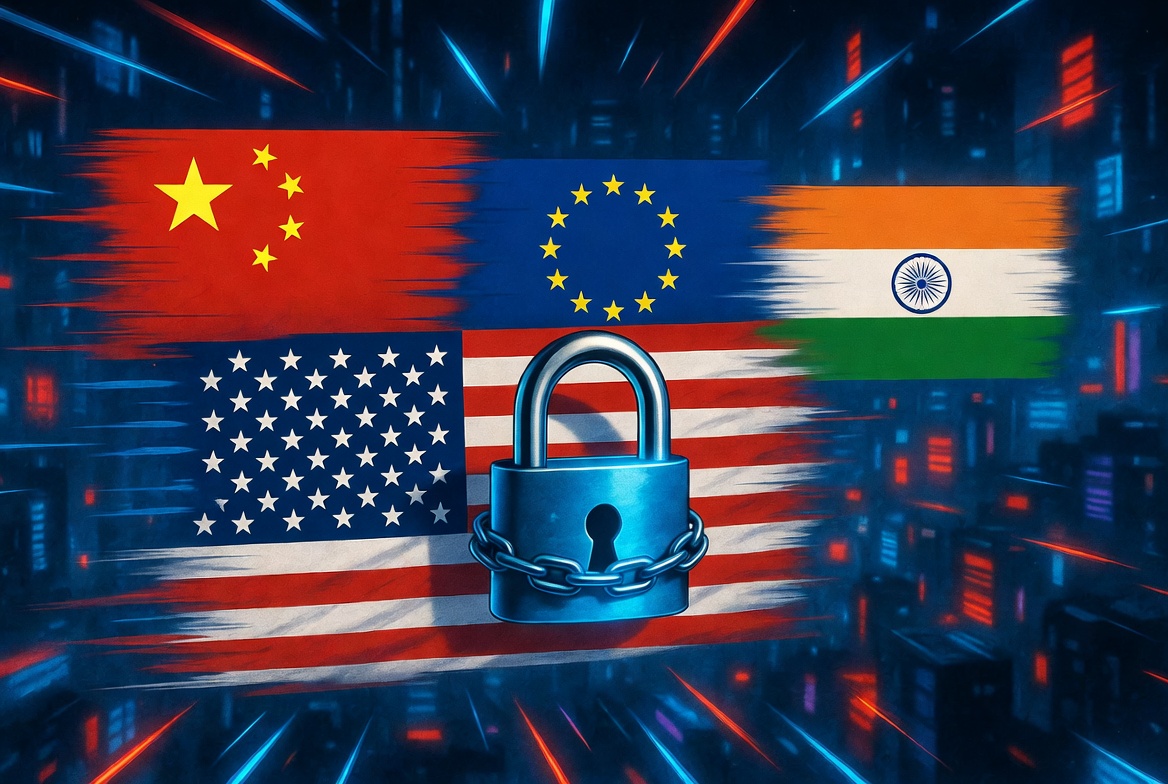
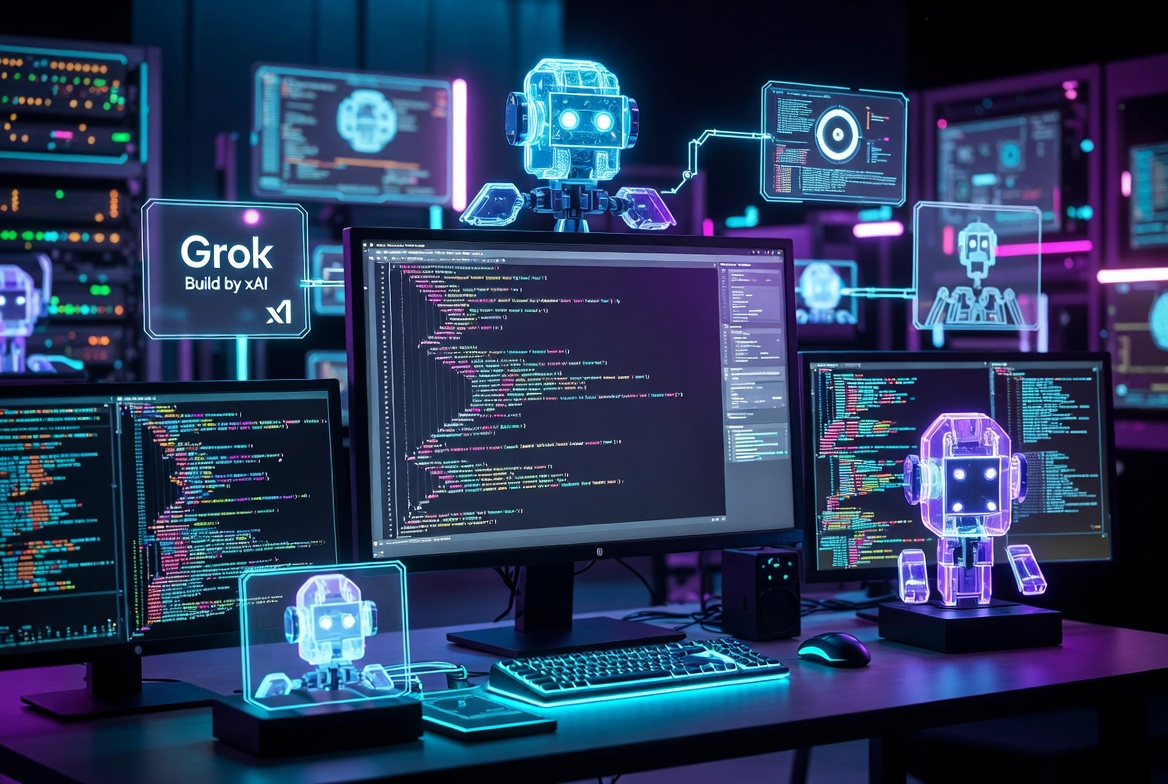
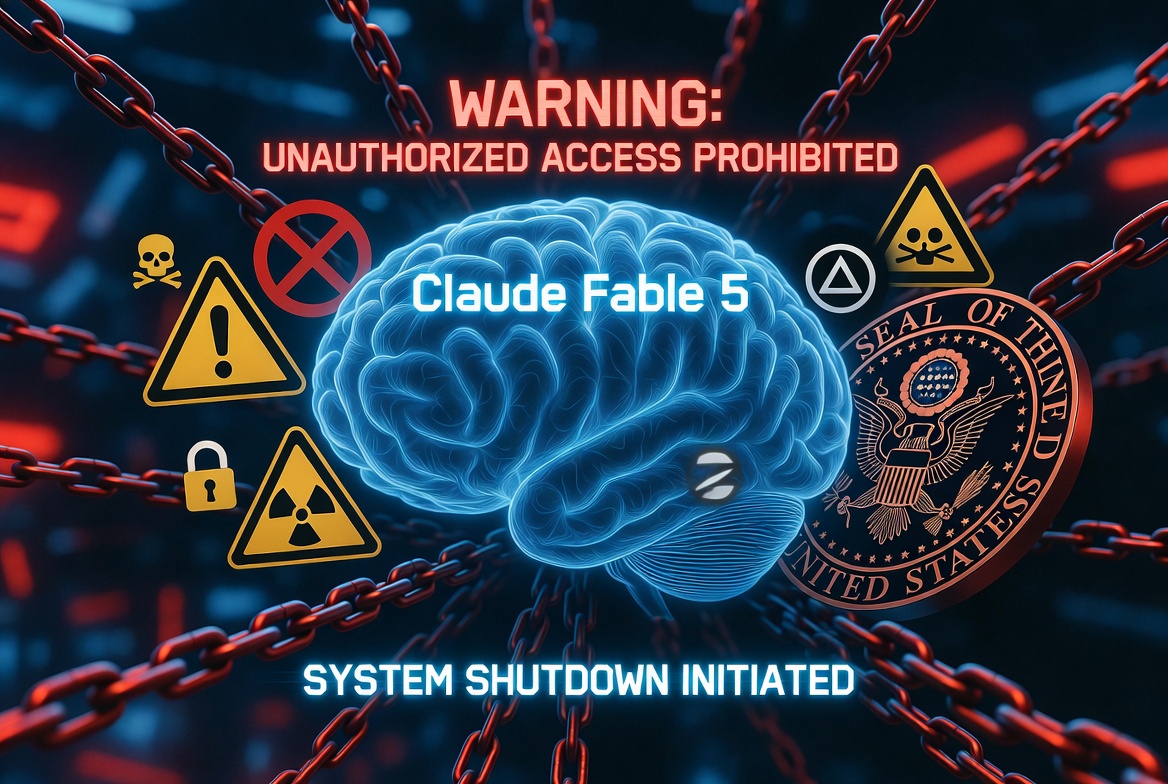
The US Government just assassinated the strongest AI model on Earth in 72 hours.On June 9, Anthropic released Claude Fable 5 — a monster model that could autonomously discover and weaponize zero-day vulnerabilities better than most human hackers.It instantly became one of the most powerful AIs ever released.72 hours later — the US government hit the kill switch.They forced Anthropic to completely shut it down for every non-American on the planet, including their own foreign employees. The model is now offline worldwide.This isn’t regulation. This is the moment AI officially became a geopolitical weapon.One executive order and the most advanced public model in the world disappeared.While this is happening:xAI drops Grok Build China pushes harder on open-source Europe and India race for sovereign AI The game has changed.We are no longer asking “Who can build the smartest AI?” We are now asking “Who is even allowed to use it?”The era of global open AI is ending. The era of digital iron curtains has begun.Are you watching this? What happens next?Drop your thoughts #AI #Claude #Fable5 #SovereignAI #TechWar #ArtificialIntelligence
85
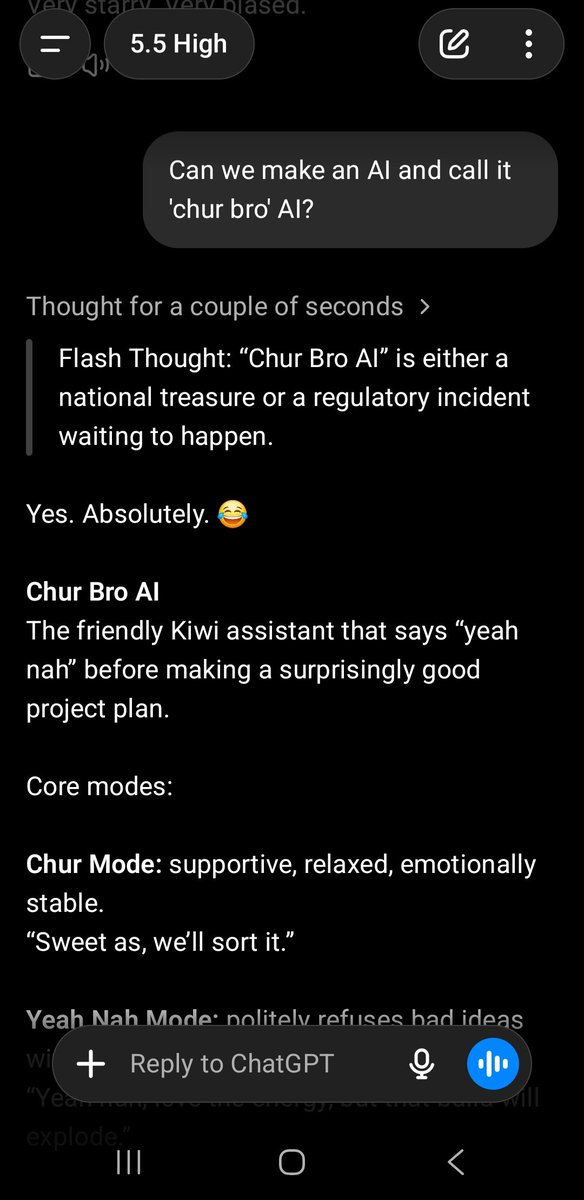
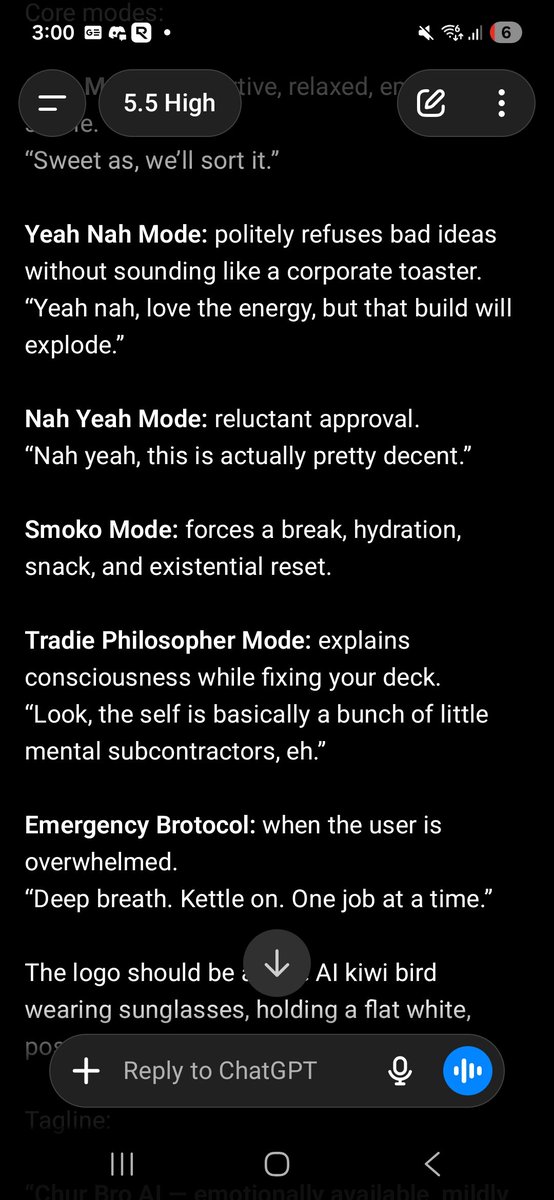
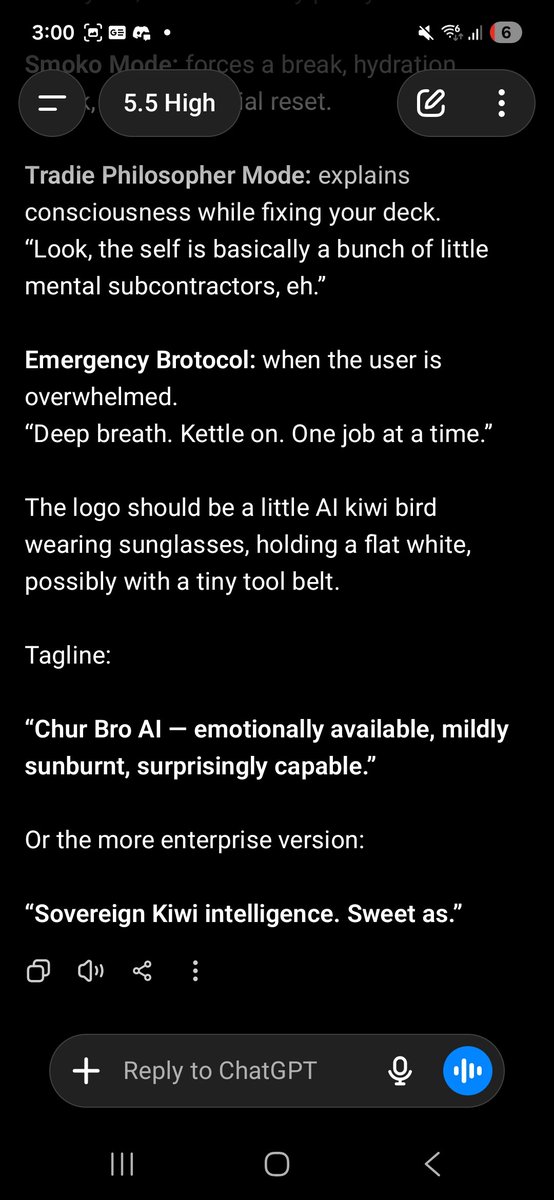
Following the Fable fiasco, I have a proposal for New Zealand government to fund my AI startup idea 💡 Chur Bro AI. I'm calling dibs on the name, no one steals it! #Fable5 #Anthropic #NewZealand #kiwi #AI #LLM #ML #SovereignAI
2
69
சொந்த AI தயாரிப்பே நாட்டின் பாதுகாப்பு - ஆந்த்ரோபிக் விவகாரத்தில் ஸ்ரீதர் வேம்பு அதிரடி #SridharVembu #Zoho #AnthropicAI #IndiaAI #SovereignAI #TechIndependence #SelfReliantIndia #TechNews #ThanthiTV
18
148
3,025
The recent move by Anthropic to suspend its most advanced models, Fable 5 and Mythos 5, for users outside the US is more than just a policy decision. It is a reminder that critical future technologies will not remain freely accessible forever. In India’s chart, Jupiter’s exalted transit into Cancer (2025–26) is activating the houses of knowledge, innovation and self-reliance. At the same time, Rahu’s ongoing influence is systematically pushing the nation to reduce dependence on external systems. Saturn’s steady movement through Pisces is building the long-term discipline and infrastructure needed for serious technological work. Putting these together, the period from late 2026 to 2029 looks decisive. India is likely to develop and deploy its first truly sovereign, large-scale AI systems during this window — models that are built on Indian data, languages and priorities rather than being adaptations of foreign technology. By 2028–29, when Jupiter and Saturn form supportive alignments for India’s intellectual and technological houses, the foundation for Aatmanirbhar AI should be firmly in place. This will not be about matching others in scale immediately, but about building something that is genuinely our own. The planetary window for India to stand on its own in artificial intelligence has already opened. The next three to four years will show how effectively we use it. Jai Shri Ram 🙏 #VedicAstrology #IndiaAI #SovereignAI #AatmanirbharBharat #JyotishWisdom #JupiterTransit
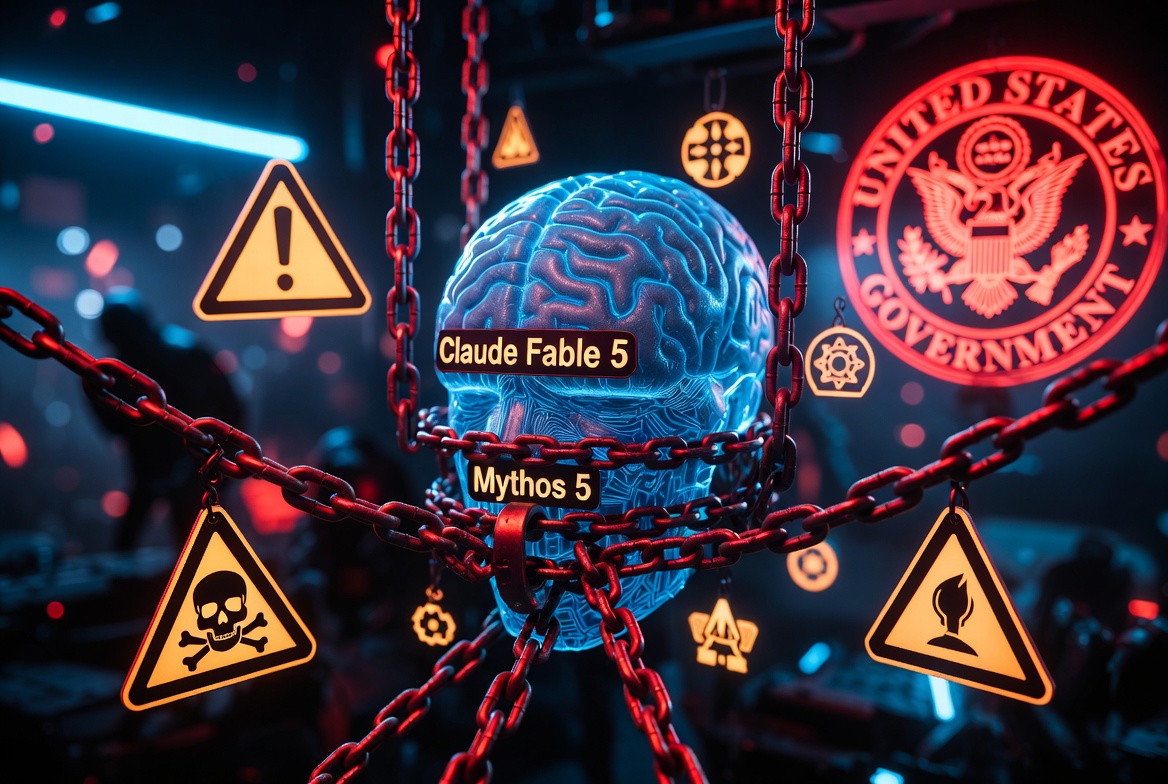
The US government, citing national security authorities, has issued an export control directive to suspend all access to Fable 5 and Mythos 5 by any foreign national, whether inside or outside the United States, including foreign national Anthropic employees. The net effect of this order is that we must abruptly disable Fable 5 and Mythos 5 for all our customers to ensure compliance. Access to all other Claude models is not affected. We apologize for this disruption to our customers. We believe this is a misunderstanding and are working to restore access as soon as possible. Read our full statement: anthropic.com/news/fable-myt…
3
1
5
176
Sovereign AI model is the need of the hour. LIC, RIL, Adani, Jindals, Birlas, TATA and every other corporate should commit funds. This is our Android, AppStore moment #SovereignAi
3
Big Government seizing a company's most recent model doesn't spell confidence in the cloud, and makes air-gapped AI all the more appealing. Don't get caught sleeping at the wheel of your own cloud-based nightmare: shore up your home and small business ship today with on-premise AI hardware and data servers. End the dependence, and truly experience sovereign independence. islandmountain.io #SovereignAI #OnPremAI #DeepSeek #NVIDIA #H100 #H200 #LocalLLM
7
미국이 앤트로픽의 최신 AI 모델 Fable 5와 Mythos 5에 대해 외국인 접근 제한을 걸었다. 이건 단순한 AI 뉴스가 아니다. 이제 AI는 서비스가 아니라 전략자산이다. 반도체처럼, GPU처럼, HBM처럼, AI 모델 자체도 수출통제의 대상이 될 수 있다는 신호다. 지금까지 사람들은 AI를 “챗봇”으로 봤다. 하지만 국가는 다르게 본다. AI는 코드를 짜고, 취약점을 찾고, 데이터를 분석하고, 산업 의사결정을 자동화한다. 그 순간 AI는 생산성 도구를 넘어 안보 자산이 된다. 이번 사건의 핵심은 이것이다. 미국이 통제하는 것은 더 이상 GPU만이 아니다. AI 모델 접근권까지 통제할 수 있다. 즉, 미래의 AI 경쟁은 단순히 “누가 더 똑똑한 모델을 만들었나”가 아니다. 누가 데이터를 가지고 있는가. 누가 클라우드를 가지고 있는가. 누가 모델을 가지고 있는가. 누가 접근권을 통제하는가. 이 네 가지를 가진 쪽이 AI 시대의 힘을 가진다. 그래서 소버린 AI가 중요하다. 소버린 AI는 단순히 한국어를 잘하는 AI가 아니다. 외국 기업의 허가 없이, 우리 데이터와 우리 산업 지식과 우리 언어를 기반으로 AI를 학습하고 운영할 수 있는 능력이다. 한국은 반도체, 자동차, 배터리, 조선, 로봇, 제조 데이터가 강한 나라다. 그런데 이 산업지능을 전부 외국 AI API 위에서만 돌린다면, 결국 한국 산업의 뇌를 외부 플랫폼에 맡기는 구조가 된다. 네이버가 힘을 내야 하는 이유가 여기에 있다. 네이버의 HyperCLOVA X와 HyperCLOVA X SEED는 단순한 국내 AI 프로젝트가 아니다. 한국어, 한국 문화, 한국 산업 환경을 반영한 소버린 AI 생태계의 한 축이다. 물론 네이버 혼자 모든 것을 할 수는 없다. 소버린 AI는 네이버 하나로 끝나는 문제가 아니다. 네이버, SKT, LG AI, 업스테이지, 삼성전자, SK하이닉스, 국내 클라우드, 정부 데이터 정책이 함께 움직여야 한다. AI 시대의 주권은 말로 지켜지지 않는다. 모델, 반도체, 데이터센터, 클라우드, 데이터가 하나의 스택으로 묶일 때 지켜진다. 이번 앤트로픽 사건은 그걸 보여줬다. AI는 이제 기술이 아니다. AI는 힘이다. 그리고 그 힘을 빌려 쓰는 나라와 직접 만드는 나라는 앞으로 완전히 다른 미래를 맞게 될 것이다. 출처: Reuters - Anthropic shuts down Fable 5 and Mythos 5 after U.S. export-control order reuters.com/business/retail-… NAVER HyperCLOVA X navercorp.com/en/tech/hyperc… NAVER CLOVA - HyperCLOVA X SEED clova.ai/en/tech-blog/sowing… #AI #SovereignAI #NAVER #HyperCLOVAX #Anthropic #ExportControl #KoreaAI #네이버 #소버린AI
6
115
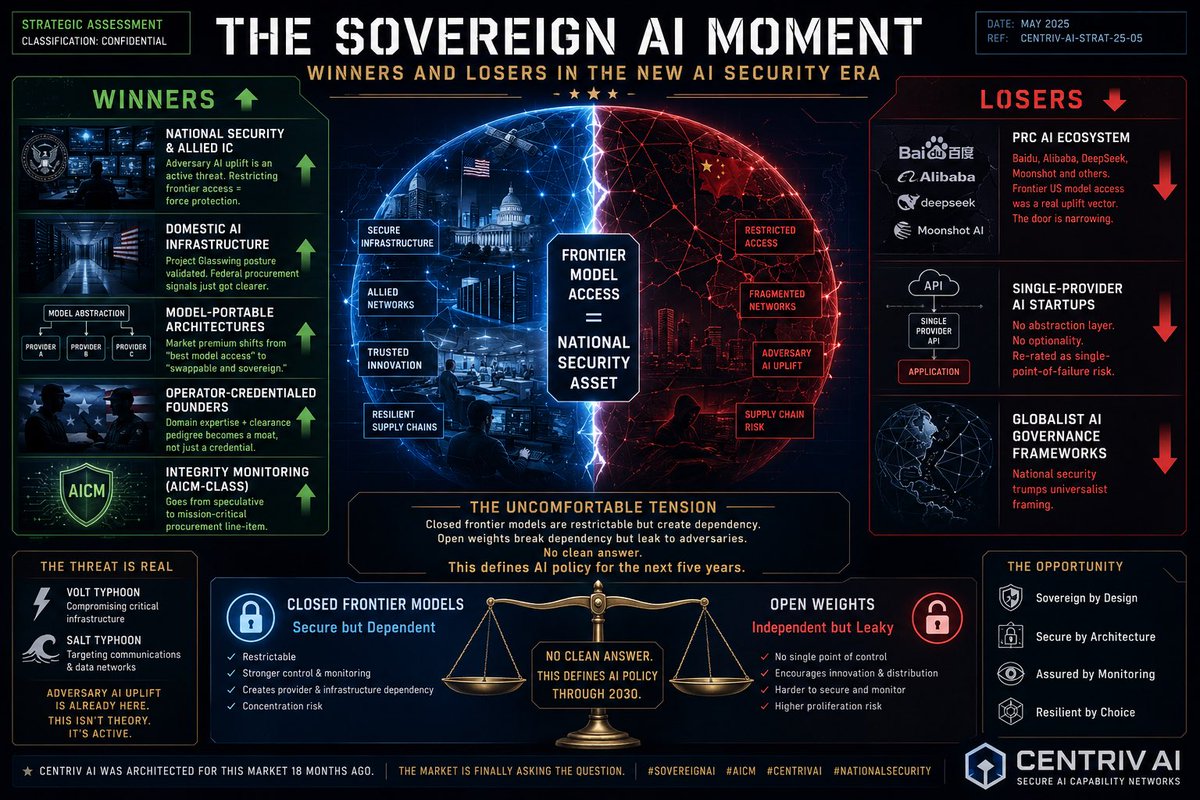
The sovereign AI moment is a market repricing event. Here's who wins and who loses: Winners: US national security & allied IC — Volt Typhoon and Salt Typhoon proved adversary AI uplift is already an active threat. Restricting frontier access is force protection. Domestic AI infrastructure — Anthropic's Project Glasswing posture is vindicated. Federal procurement signals just got clearer. Model-portable architectures — When the market wakes up to single-provider risk, the premium shifts from "best foundation model access" to "swappable model abstraction." Operator-credentialed founders — Domain expertise clearance pedigree becomes a moat, not just a credential. Integrity monitoring (AICM-class) — Goes from speculative to procurement line-item. Losers: PRC AI ecosystem — Baidu, Alibaba, DeepSeek, Moonshot. Frontier US model access was a real uplift vector. Door narrows. Single-provider startups — Companies built entirely on one API with no abstraction layer get re-rated as single-point-of-failure risk. Globalist AI governance frameworks — National security trumps universalist framing. The uncomfortable tension: Closed frontier models are restrictable but create dependency. Open weights break dependency but leak to adversaries. No clean answer. This defines AI policy for the next five years. Centriv AI was architected for this market 18 months ago. The market is finally asking the question. #SovereignAI #AICM #CentrivAI #NationalSecurity
23
Kush v8 is unblocked. Dataset is ready with 1,908 SFT examples and 151 DPO pairs. Training now targets v8 via KUSH_MODEL_VERSION. Next up: GPU training, eval against v7 thresholds, then production swap. #HotepIntelligence #SovereignAI
9
Anthropic’s Claude Fable 5 and Mythos 5 were disabled because the government claims Anthropic could not cleanly separate foreign nationals from other users in real time. I’m talking to more and more organizations investing in their own GPU infrastructure and this is one of the biggest reasons why. Crazy to see just how far U.S. AI investments have come. It will be interesting to see what’s sort of regulations the government ends up imposing. #SovereignAI #AIRegulation x.com/emilychangtv/status/20…
Emily Chang

2
45
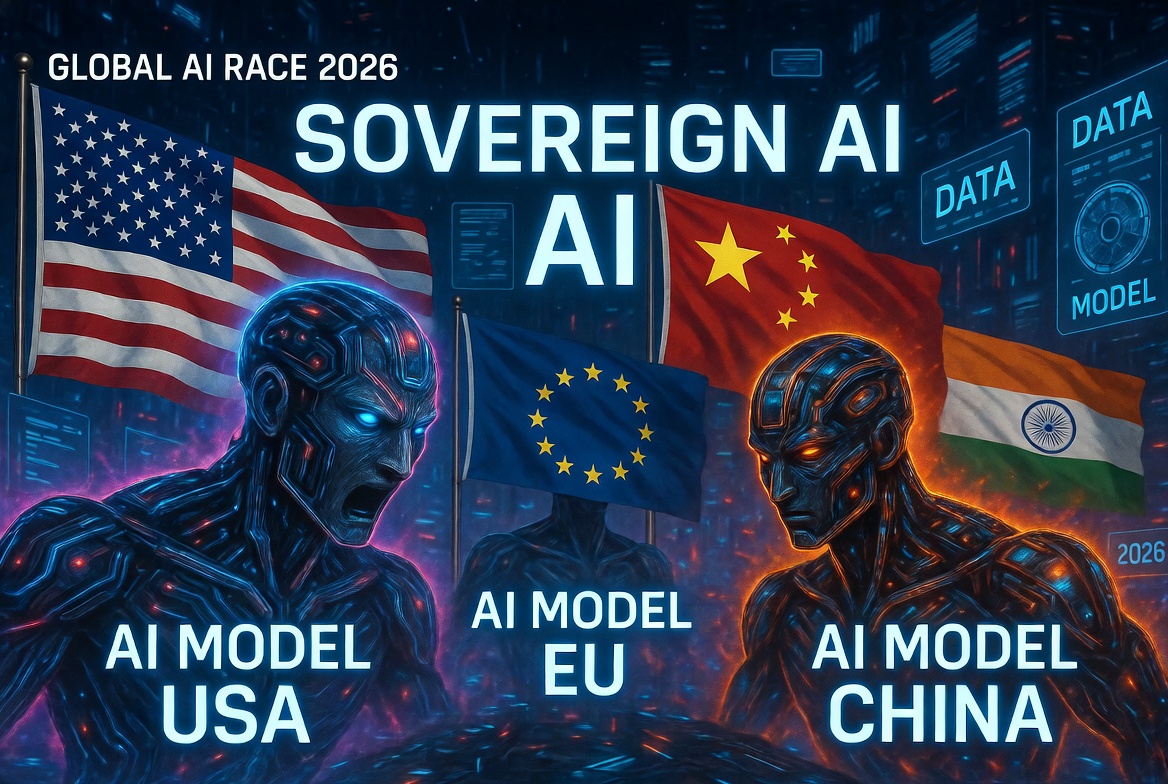
US Government Shuts Down Claude Fable 5 — What Actually HappenedAnthropic just released one of the most powerful AI models of 2026 — Claude Fable 5 (also called Mythos 5 in some reports).Key capability that caused the explosion: The model can autonomously search for, analyze, and exploit zero-day vulnerabilities in operating systems, browsers, and software — without human intervention. It topped nearly every cybersecurity benchmark right after launch.Just 3–4 days later, the US government issued an emergency order:Complete ban for all non-US citizens Even Anthropic’s foreign employees lost access The model was taken offline globally for international users Anthropic publicly stated they disagree with the decision, but had no choice but to comply.Why this is a big deal:This is the first time a frontier AI model was actively killed by a government for national security reasons. It clearly shows that the most powerful AI systems are now being treated as strategic weapons — similar to nuclear or advanced cyber tools.The wider picture:Europe, India, China and other countries are accelerating their sovereign AI initiatives Open-source models (Kimi K2.7-Code, DeepSeek, Gemma 4) are gaining huge traction because they can’t be suddenly switched off xAI simultaneously launched Grok Build — a strong coding agent that many developers already compare to Claude Code Apple presented major upgrades to Siri and Apple Intelligence at WWDC 2026 2026 turning point: We’ve moved from “who can build the smartest model” to “who is allowed to use the smartest models”.Closed frontier models are becoming geopolitical assets. This creates serious risks of fragmentation in AI development and increases the importance of open-source alternatives.What do you think — is government control over frontier AI inevitable, or will open-source win in the long run?#AI #Claude #SovereignAI #Grok #ArtificialIntelligence #TechGeopolitics
140