
Tarikh-i-Pakhtunkhwa
Joined September 2014
- Tweets 10,278
- Following 876
- Followers 23,420
- Likes 8,671
3,770 Photos and videos

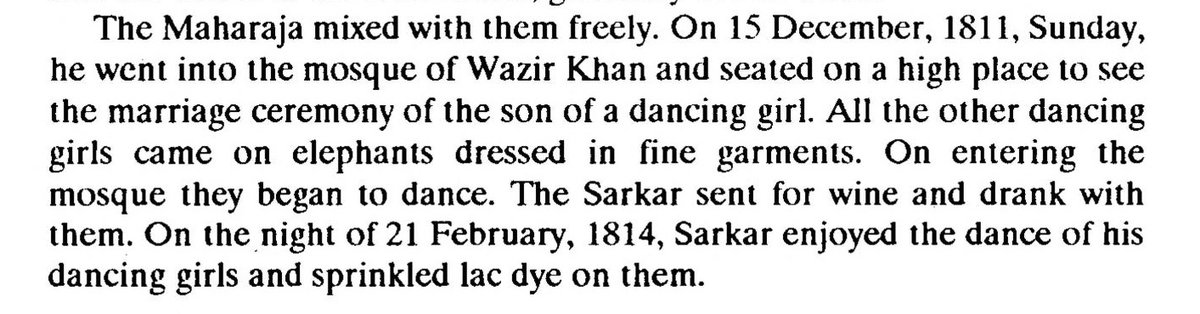


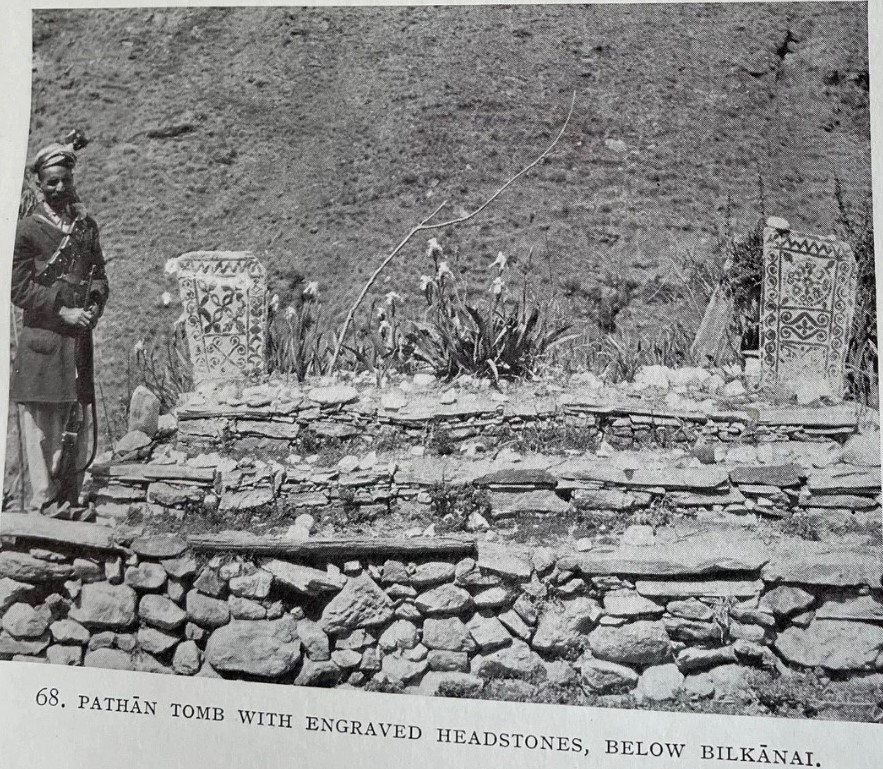

Abdali was actually very sensitive about the sanctity of mosques, & he punished Sikhs for desecrating mosques in Punjab. S. M. Latif, in his History of the Punjab, writes that it was the desecration of mosques by the Sikhs which provoked him to destroy Chak Guru in retaliation.

گھوڑے تو ابدالی نے بھی باندھے تھے،جنگوں کے دوران تھوڑا دیکھتے تھے
6
21
124
13,848
It was not that the soldiers of Ranjit Singh used mosques temporarily for a few days during emergency situations. They were used as stables and ammunition stores for years and decades. E.g, the Sher Shahi Mosque of Bhera in Khushab was used as a stable by the Sikhs for decades.
2
1
18
516
Barmazid retweeted

Jun 14
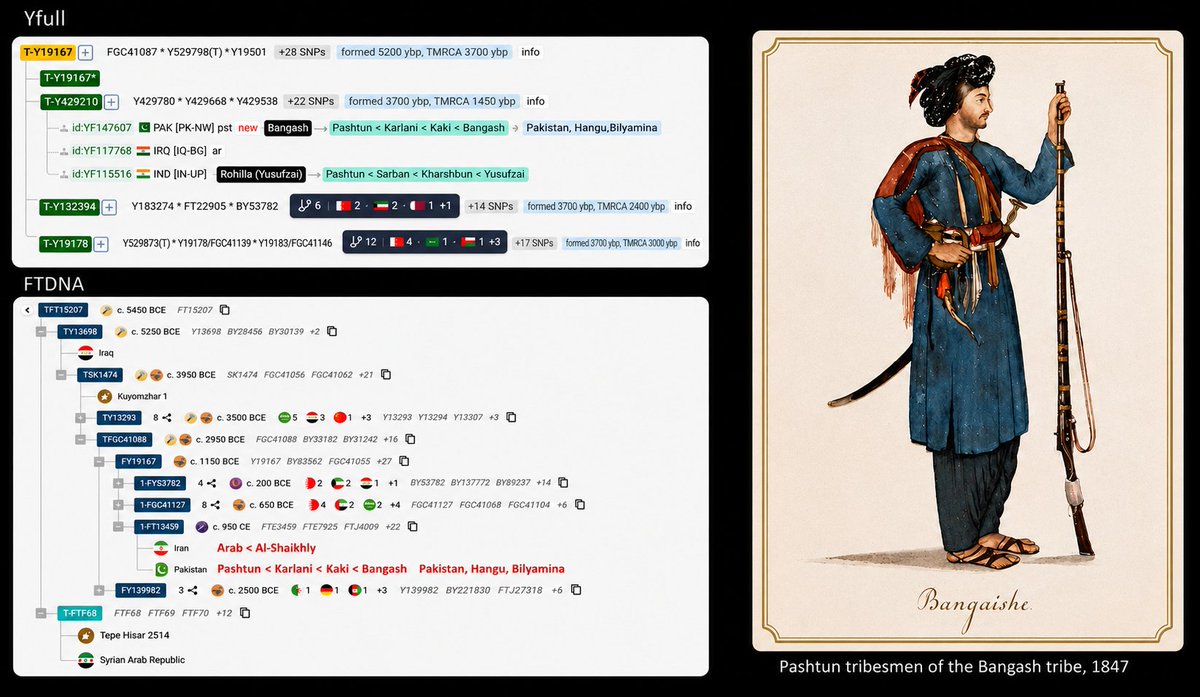
Big Y-700 results of a Bangash Pashtun from Pakistan, Hangu, Bilyamina.
Y-DNA: T1a3b2a1 - T-FTE3459
FTDNA: discover.familytreedna.com/y…
Yfull: yfull.com/tree/T-Y429210/
This is the first known Big Y-700 result for a T1a Pashtun from Pakistan. Although T1a represents only a small but notable paternal lineage among Pashtuns overall, it is most frequently observed among Karlani tribes, especially the Bangash. Related T1a subclades have also been identified among Yusufzai and Mohmand Pashtuns.
The lineage exhibits a strong Iranic association and may ultimately derive from Persid or other West Iranic populations. At a deeper level, this branch traces back to Chalcolithic populations of the central and eastern Iranian Plateau. The upstream clade T-Y13309, with an estimated TMRCA of approximately 5500 BCE, has been identified in ancient individuals from Tepe Hissar and Shah Tepe, two Late Neolithic sites in north(eastern) Iran.
T-Y13309 was also detected in later Kangju-associated remains from Kazakhstan, indicating that related T1a lineages were present in Central Asia during the Iron Age and historical periods. However, these ancient Central Asian samples do not appear to be directly ancestral to the Pashtun branch.
Most Pashtun, and particularly Karlani, T1a lineages belong to T-Y19167, which has a YFull-estimated TMRCA of approximately 1700 BCE. Outside of Pashtun populations, this clade appears to be most common in southwestern Iran and adjacent Arab regions. The Pashtun T1a lineage shares a common ancestor with an Iranian Arab from the Al-Shaikhly tribe roughly 1,000 years ago, indicating a quite recent connection. While it is possible that the Arab lineage ultimately is Afghan-derived, the broader phylogenetic structure of T-Y19167 and its upstream branches suggests an ultimate origin in either southwestern Iran or Central Asia.
Consequently, this lineage may represent either a legacy of Iranic migrations from Central Asia during the Iron Age or the incorporation of Persid/West Iranian paternal ancestry into Pashtun populations. Additional high-resolution samples from both Pashtun and Iranian populations will be necessary to clarify the precise historical pathway of this lineage.
4
7
43
4,345
Dhirkot has nothing to do with the Dir district of Pakhtunkhwa. It had the same name, Dhirkot, long before 1947.
For example, check this mention of Dhirkot in the 'Report on the Sanitary Administration of the Punjab,' published in 1877 AD.

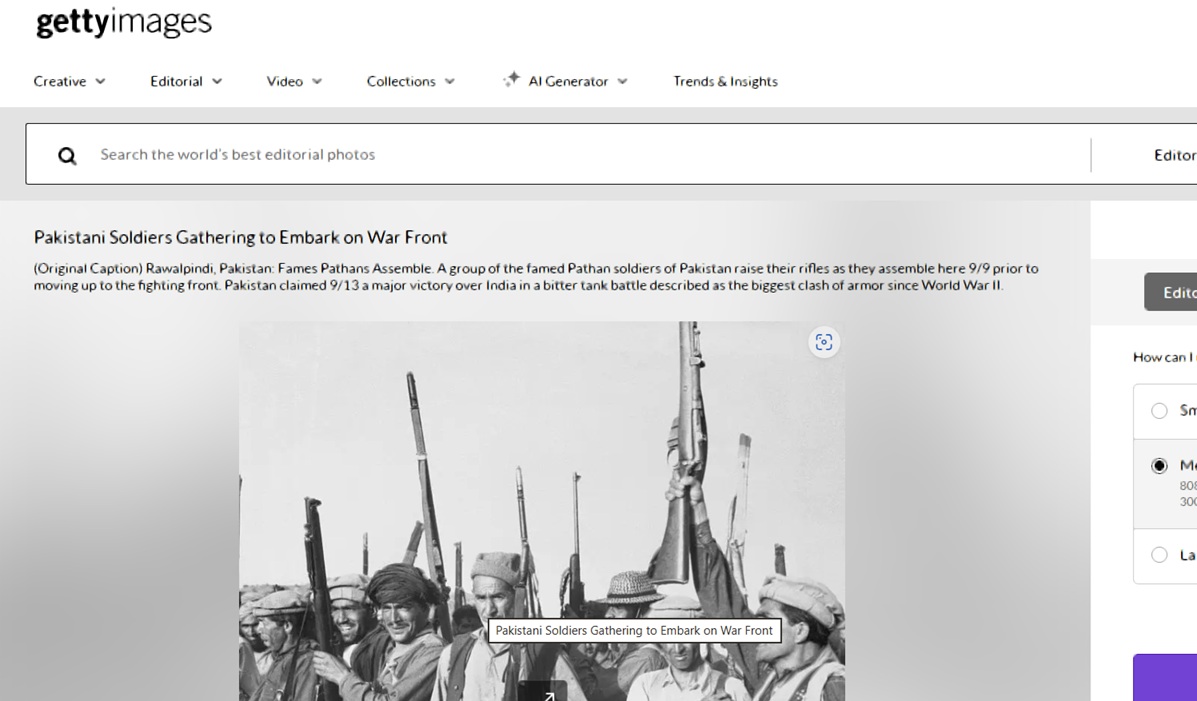
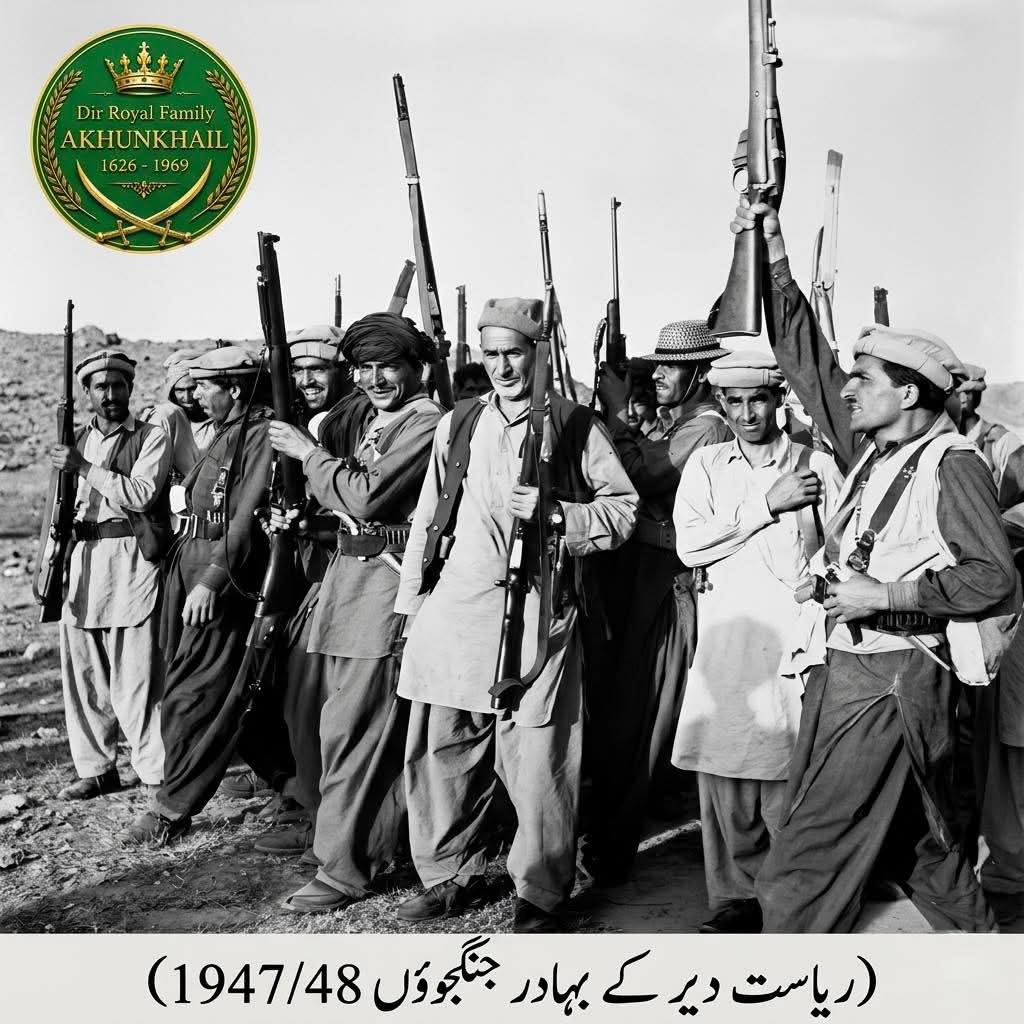
زیر نظر تصویر میں دیر کے شہدا اور غازیوں کیساتھ دوسرے قبائل اور پاک آرمی کے نوجوان نظر آرہے ہے یہ تصویر 1948 کشمیر جہاد کی ہے جس میں دیر کے غیور اور بہادر عوام نے نواب دیر کے حکم پر پاک آرمی کیساتھ ملکر آزاد کشمیر دیر کوٹ کے مقام پر ھندو ستانی افواج کیساتھ جنگ لڑی اور لاتعداد جانوں کا نظرانہ پیش کرکے کشمیر کو آزاد کروایا جانوں کی کثیر ضیاع کی وجہ سے شہدا کی تدفین آزاد کشمیر کے مقام دیر کوٹ میں کی گئی اسلیے اس مقام کا نام بھی دیر کوٹ پڑھ گیا آج بھی ہمارے بھادر بزرگوں کے مزارات اس مقام پر موجود ہیں ہر درہ اور گاوں سے لوگ شھید ہوئے سب سے زیادہ شہدا کی تعداد براول بانڈی کی ہے جس کے بعد آج بھی یہ نغمہ زبان عام ہے
( دہ دیر نوابہ غزا جوڑیگی براول مہ لیگہ غر کیگی )
1
3
22
2,464
This is a falsehood. There is not a shred of evidence that Ranjit reprimanded Hari Singh Nalwa or any other governor for being bigoted or hateful towards Kashmiri Muslims. The only issue Ranjit Singh had with Nalwa on a few occasions was the embezzlement of money by the latter.
Jun 12
حامد میر تاریخ کے طالبعلم نہیں ہے ورنہ آج لاہور، امرتسر اور جالندھر میں بسنے والے کشمیریوں کا کوئ ہیرو ہے تو وہ رنجیت سنگھ ہے جس نے ہری سنگھ کو کشمیریوں سے برے سلوک پر سخت سرزنش کی اور کشمیری خاندانوں کو ان علاقوں میں بسنے کی اجازت دی، کشمیر اور پنجاب لازم و ملزوم ہے!
1
9
35
2,013
To the best of my knowledge, there were no volunteers from Chitral for the difficult war which went on in present-day Azad Kashmir from October 1947 to December 1948. The name of Bajaur also does not come up, although a few men might have volunteered from there. It was
1/2

“Azad” Kashmir is called “Azad” because men from Dir, Bajaur, and Chitral took it from India.
The audacity of people acting like Pakistan exists because of them is peak comedy. Wake up.
You exist, safe and prosperous, only because Pakistan allows it. Remember that.
4
8
27
6,659
Barmazid retweeted

Jun 10
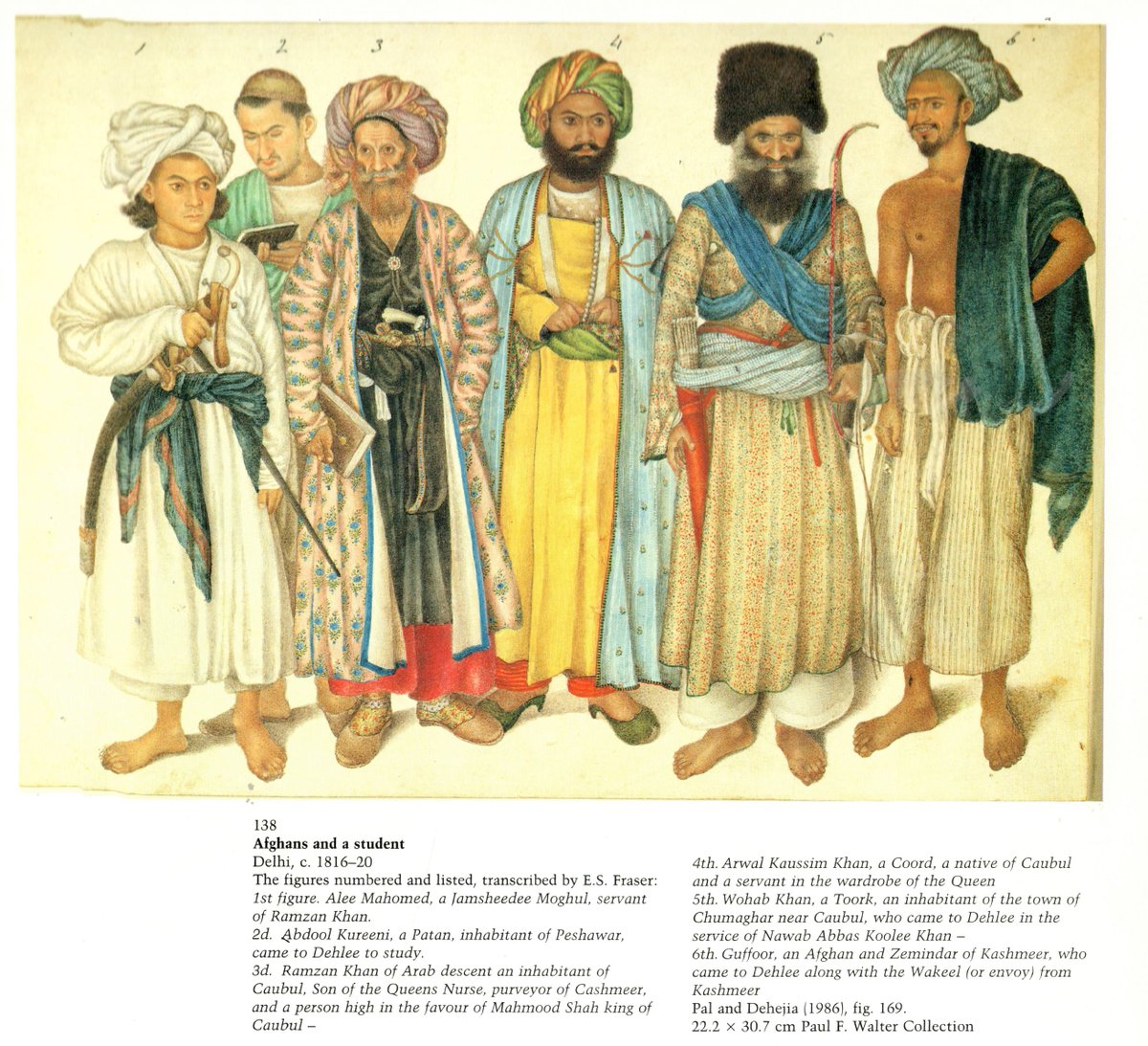
A few of the remaining paintings from the Fraser Album that depict Pashtuns in Delhi, including individuals from Kandahar and Kabul.
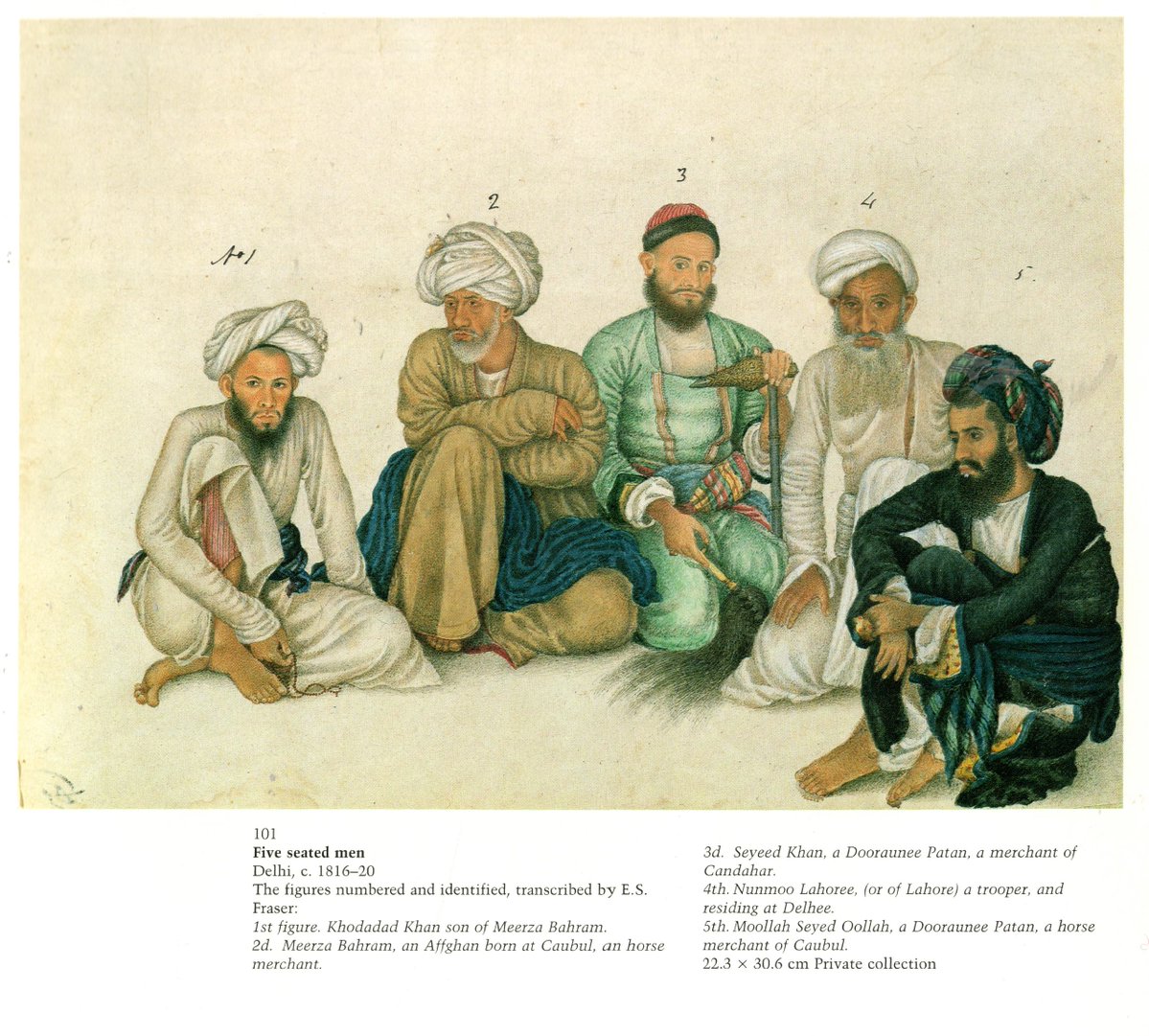
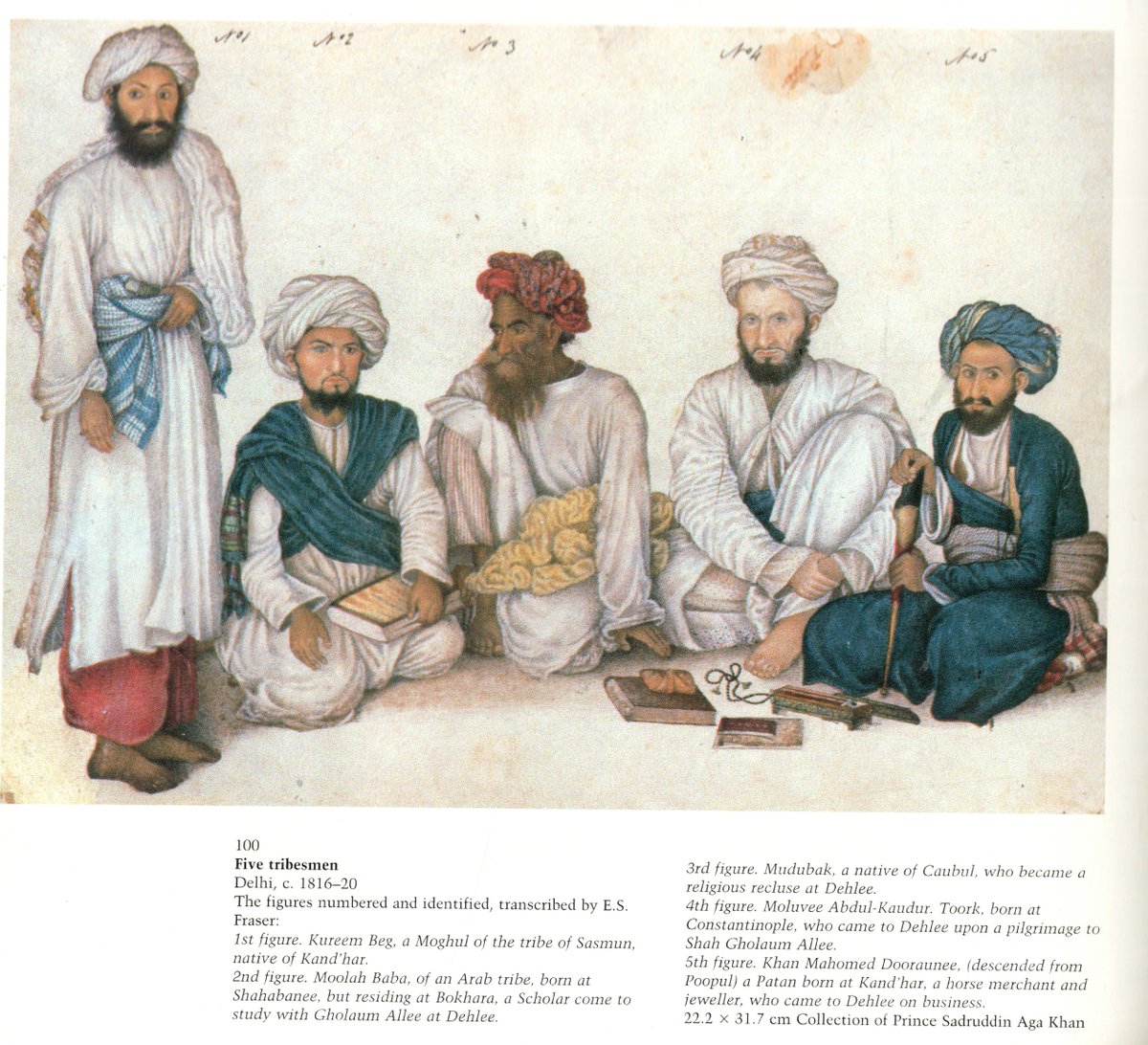
2
24
1,015
Barmazid retweeted
Jun 10
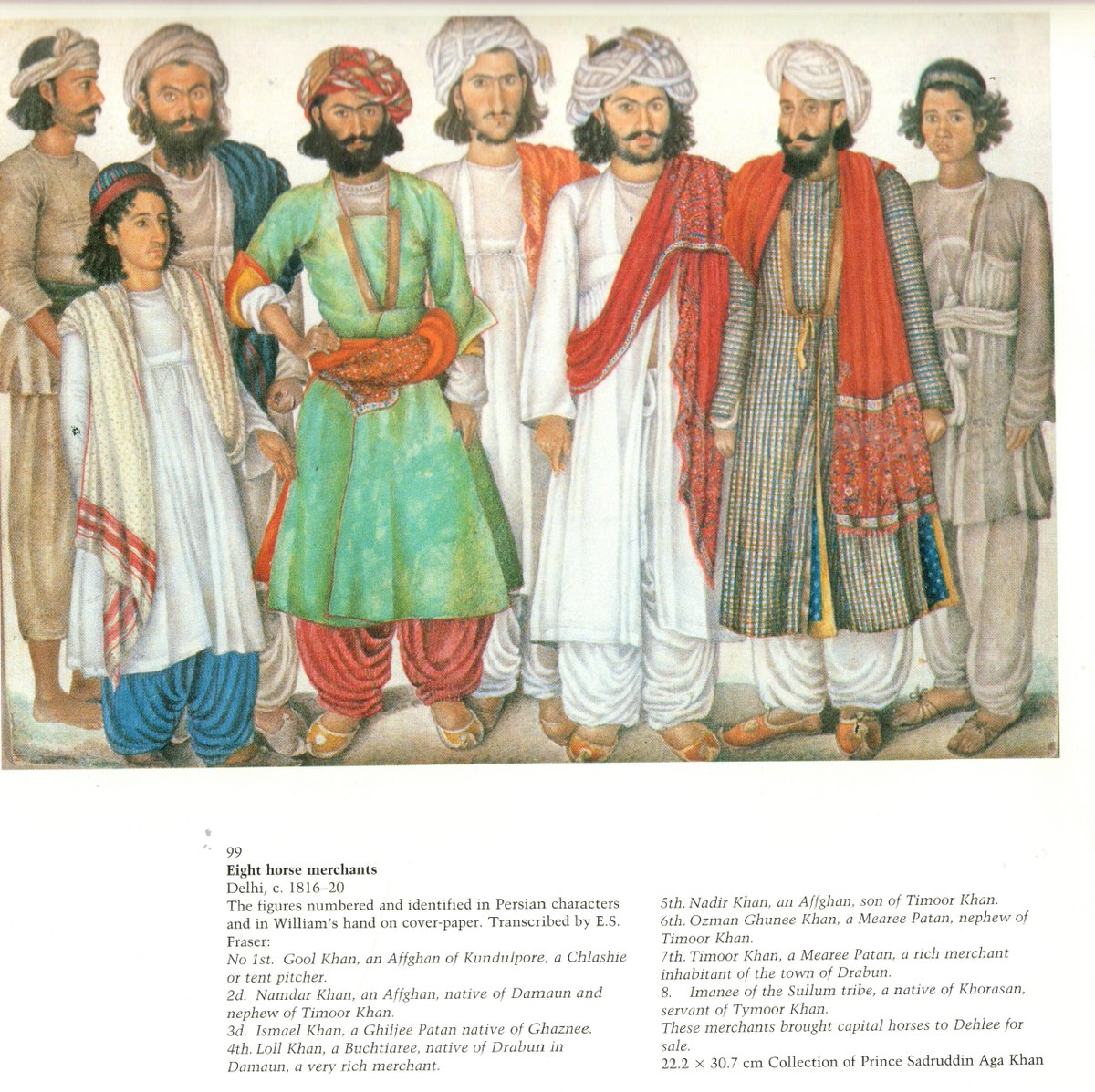
Eight horse merchants from Delhi (1816-1820).
Some of these are also listed as Pashtuns; one from Ghazni, one from Kundulpore and the others from Daraban in Dera Ismail Khan.
2
3
18
1,787
Barmazid retweeted
Jun 10
This painting is from the Fraser Album, from which I was able to acquire some other works as well.
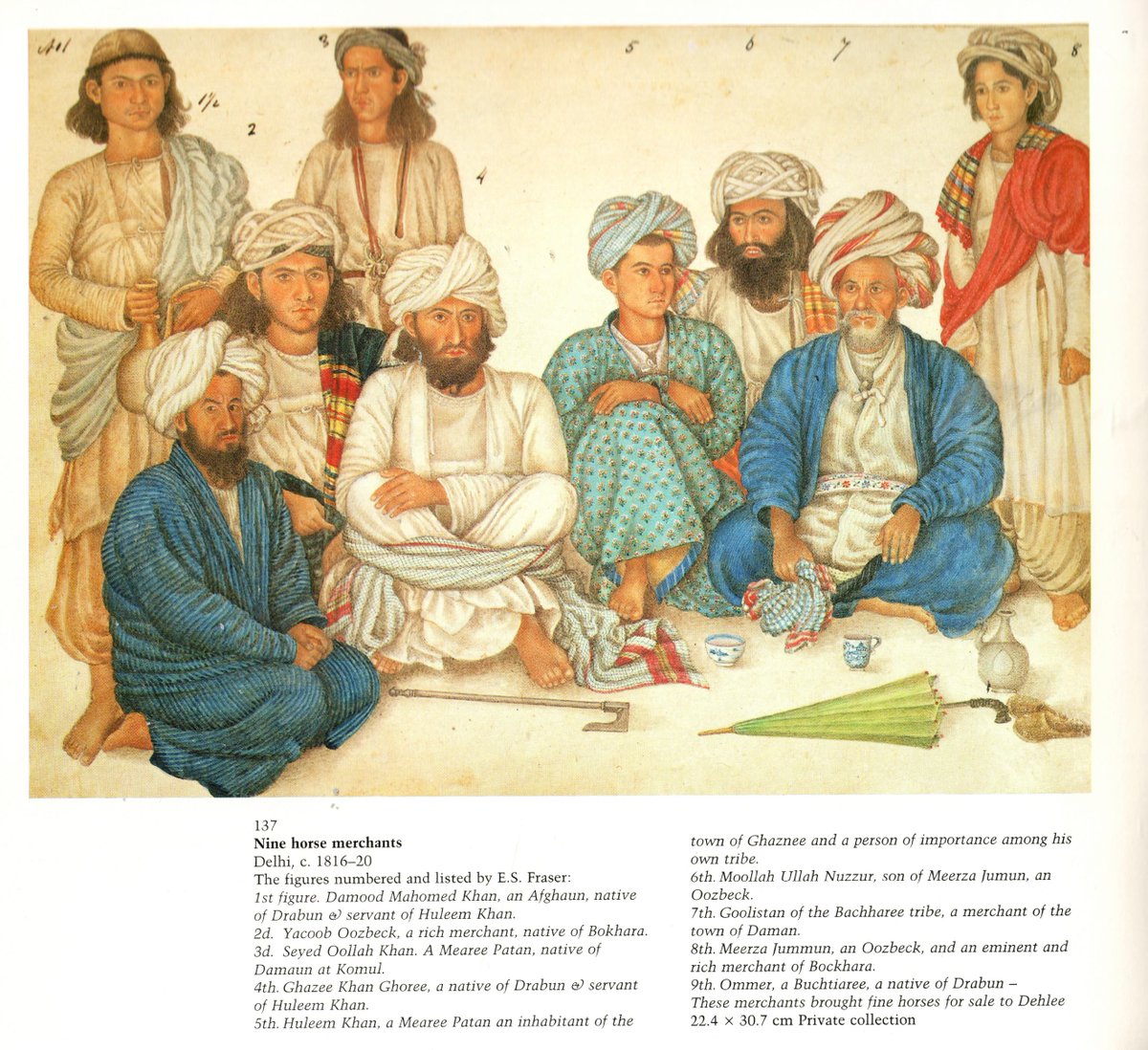
Nine horse merchants from Delhi (1816-1820).
Some of these are listed as Pashtuns, one is from Ghazni and others are from Dera Ismail Khan (Daraban, Daman, Gomal).
The Pashtun tribes listed are Mearee and Bachharee. I believe Mearee refers to the Miani, and Bachharee to the Baktiari.
It is remarkable that we have actual depictions of the Pashtun horse-trading tradition, in which the ancestors of Bahlol Lodi and Farid Khan were also engaged in. Even more remarkable is that these depictions include individuals from Dera Ismail Khan, where their ancestors were also based.

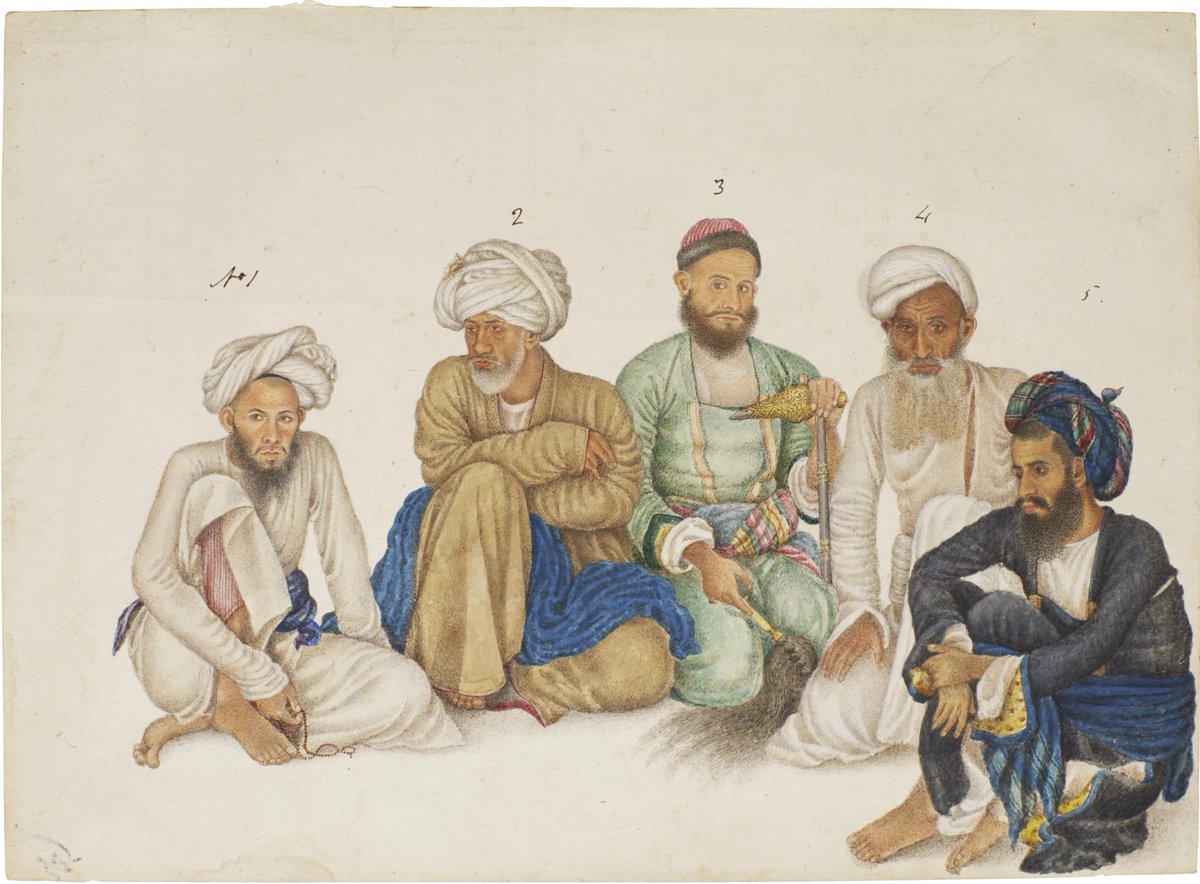
Pashtun horse merchants and a Lahori, 1816 (c).
From Fraser Album.
All the men in the painting are Afghans except the white-bearded man in plain white clothes.
The figures in the painting are named as follows:
1st figure. Khodadad Khan son of Meerza Bahram.
1/3
1
2
17
1,830
Video showing Pashtuns and Azad Kashmiris operating together against Indian army in Kashmir,1947 (the ones wearing shalwar qamees are Pashtuns and ones in uniform are Azad Kashmiris).
Azad Kashmiris and Pashtuns fought together against Indian army from Oct. 1947 to Nov. 1948.
29
136
506
51,757
Barmazid retweeted

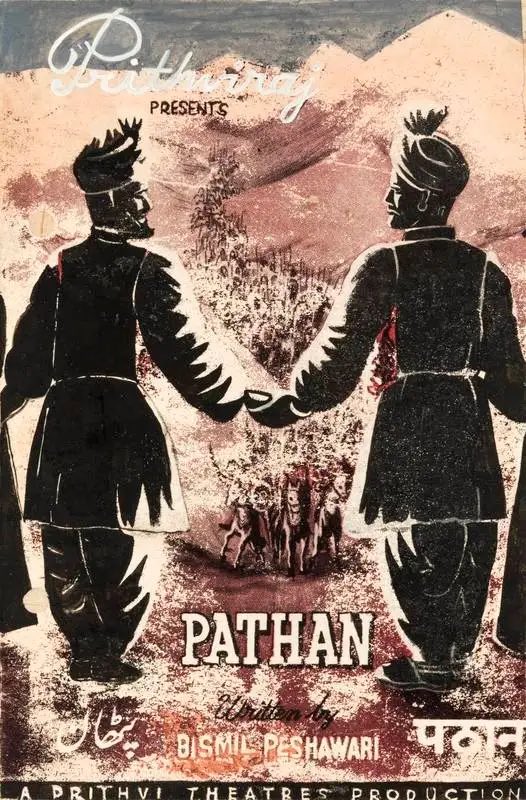
Prithviraj Kapoor and Pandit Bismal Peshawari, both proud sons of Peshawar, attempted to counter the vilification of Pashtuns in India with their theater play the "Pathan".
Following in the footsteps of Rabindranath Tagore’s iconic The Kabuliwala, they also used art to try to change the misperceptions of Indians about Pashtuns.
Photo sourced from the issue of The Bombay Chronicle published #OTD in 1947, and has been colorized using Gemini.
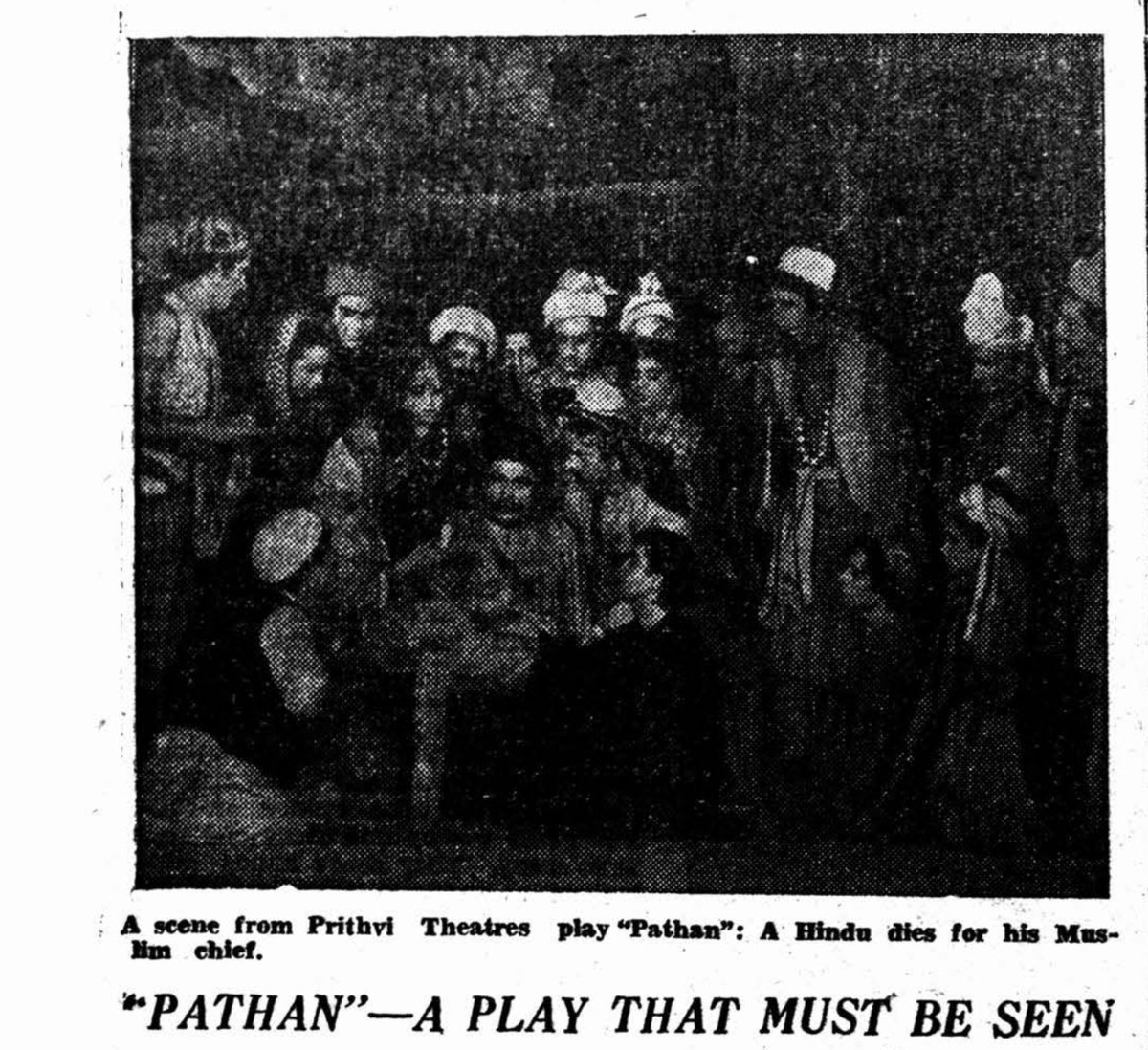
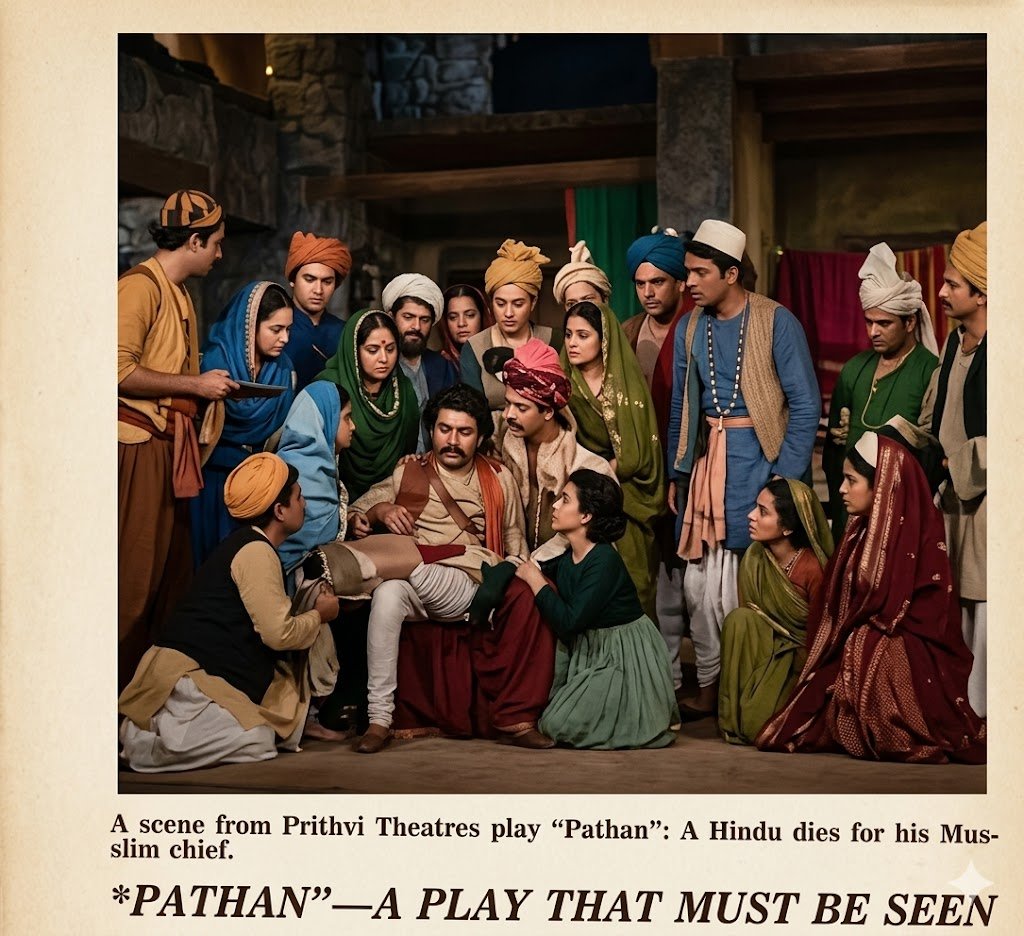

Pathan (1947) —A stage play by Prithviraj Kapoor
In 1947, Bismil Peshawari (Lai Chand Bismil), a friend of Prithviraj’s from Peshawar, wrote a play called Pathan (The Frontier Man). The play was ‘about breaking of the misconception of the Pathans as loan sharks) or darwans’.
🧵
1
13
47
5,060
Barmazid retweeted

May 27
Jonathan Lee is quoting Ganda Singh here. Ganda Singh sourced this to Imam al Din Hussaini’s Tarikh-i-Husain Shahi.
Here are the errors:
1. Ganda Singh mistranslated Hussaini. ‘dar kenar-ash khabideh’ means ‘by his side’; not ‘in his lap’
27 Dec 2025

Our Qissa-Khwani historian gets it wrong again.
According to Jonathan L. Lee, Sabir Shah ( Real name Reza Shah) was born in Lahore, was Punjabi by origin, and was not Tajik or Pashtun. Lee also describes an unusually intimate and controversial relationship between Sabir Shah and Ahmad Shah Abdali, one that later nationalist Pashtuns narratives tried to sanitize or mythologize.
British scholar Jonathan L. Lee writes the following about Sabir Shah:
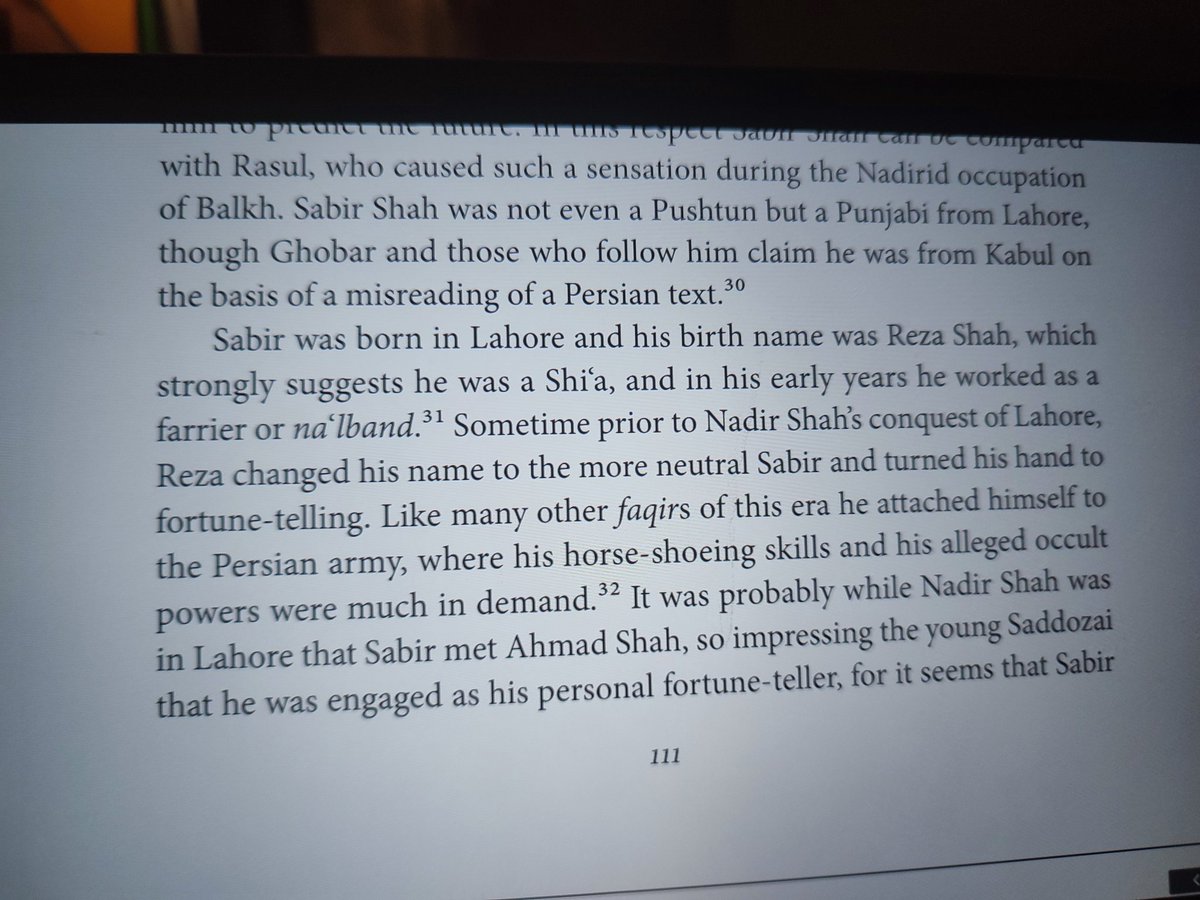
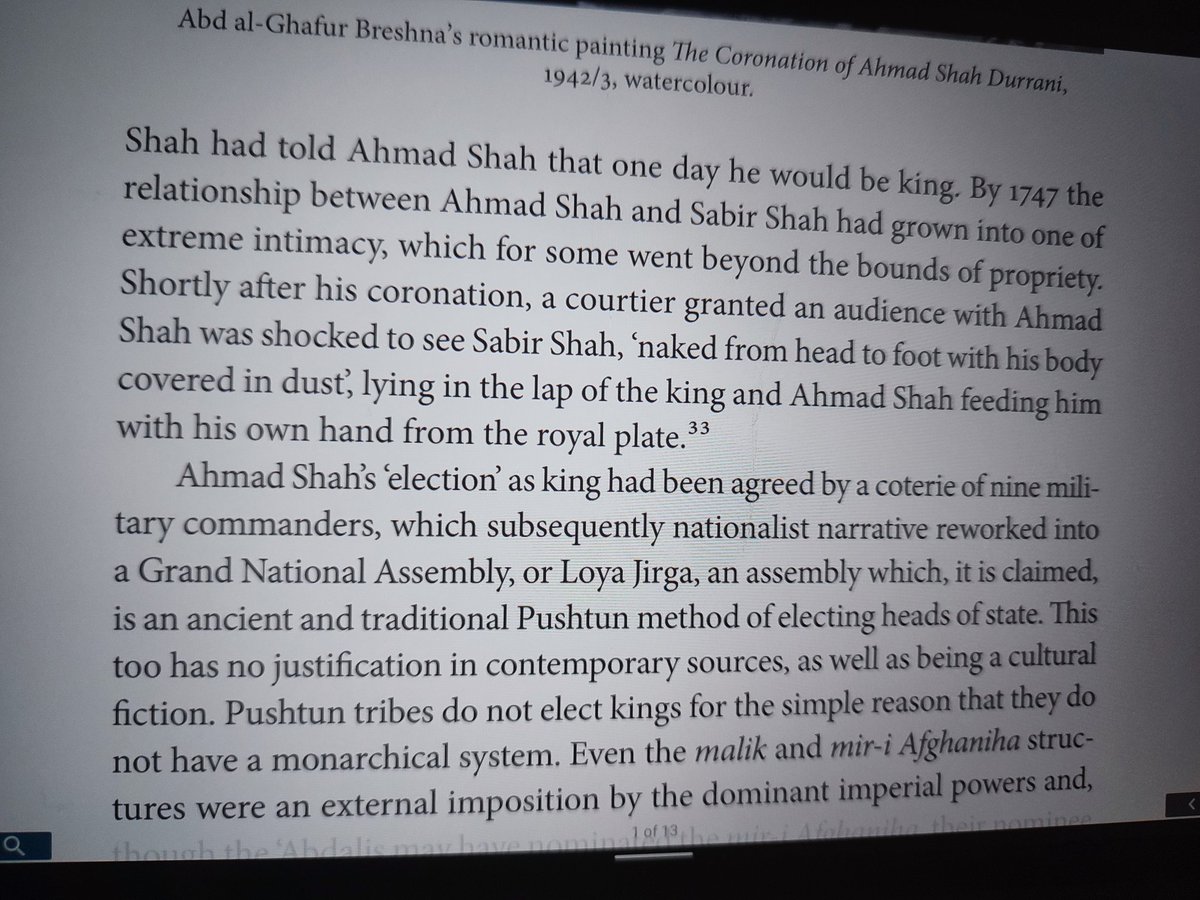
1
3
8
1,337
Barmazid retweeted
Feb 28
That's is extremely unlikely for various reasons. First Medieval Khalaj were not seen as Afghans and Khalaj rulers bragged about killing Afghans in the mountains. Second neither Pashtun genealogy links Ghilzai to Khalaj their paternal ancestor is said to be a Prince from Ghor (that's obviously a myth) and not a Turk. Also the presence of R1a-S23592 in Ghizali which quite possible is of Khalaj origin is too small for now to indicate it was a core lineage of Ghilzai at any point in history. Most Ghilzai are under R1a-Y47, R1a-YP1123, H1a and R1a-L657 which all don't have a Turkic association at all. Also the tribal name Ghilzai is probably not derived from Khalaj at all and it is a modern nationalist folk etymology that derives them from Khalaj.
7
2
35
3,103
Fun fact: The Sikhs agreed to return Hazara to the Afghan ruler of Kabul in 1848 in exchange for an alliance against the British. This region behaved very differently from present-day Punjab; its people (excluding the Gujjars and Awans) fought against your hero, Ranjit Singh.
May 26
Hazara are not Pashtun they are Punjabi
7
8
76
7,094
That's not true. Humayun did march to Rohtas in 1554, but the fort was abandoned by its commander without a fight. The fort changed hands several times during the 2nd half of the 18th century, but no serious fighting or siege ever took place there. Its strength was never tested.

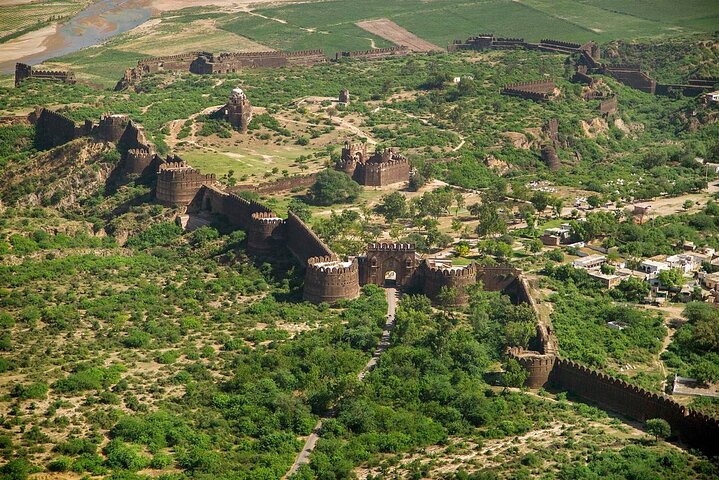
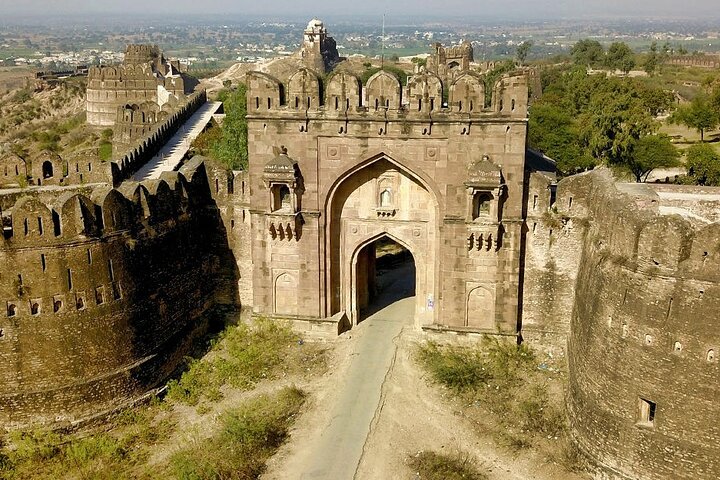
Pakistan has a fort that has never been conquered.
Not once. In 500 years.
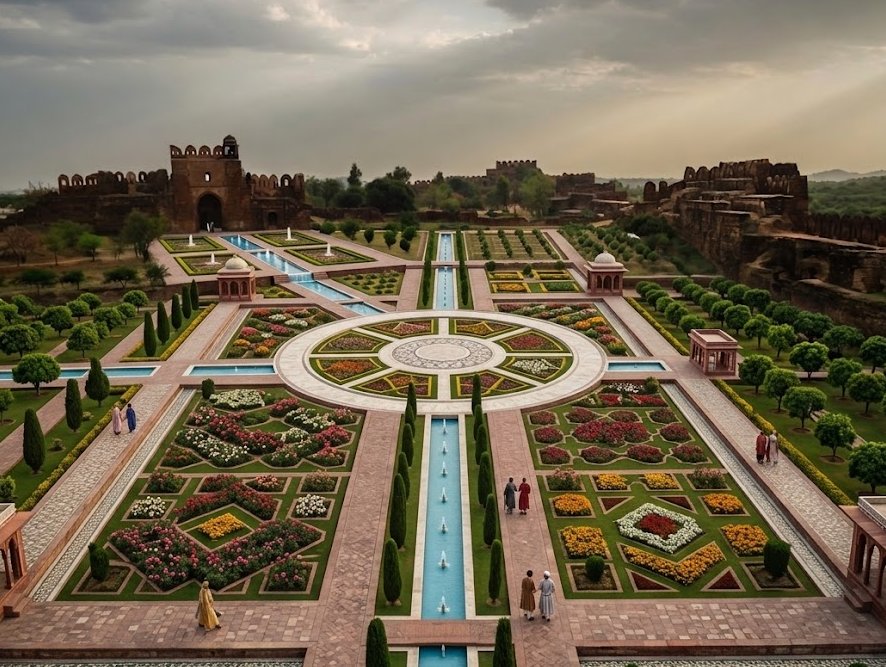
Rohtas Fort. Near Jhelum, Punjab. Built in 1541 by Sher Shah Suri after he defeated Mughal Emperor Humayun and sent him into exile.
He built it for one reason. To make sure Humayun never came back.
4 kilometres of walls. 68 bastions. 12 monumental gates. 1,900 battlements. 9,500 stairs. Built on a hillock 300 feet above its surroundings where the Kahan River meets the old invasion route from Afghanistan into Punjab.
Every army that looked at it turned away.
Humayun came back eventually. But not through Rohtas. No one ever breached those walls.
Sher Shah Suri spent the equivalent of millions in the currency of the time building it. Then died before it was completed. His greatest fortress. Built to stop one man. Never once breached by anyone.
UNESCO inscribed it as a World Heritage Site in 1997. Called it an exceptional example of early Muslim military architecture in Central and South Asia. A milestone in the history of fort construction.
And the man who built it did something else while he was at it.
Sher Shah Suri also built the Grand Trunk Road. 1,500 miles from Calcutta to Peshawar. Inns every 12 miles. Shady trees the entire way. Built in the 16th century.
It still exists today.
You know it as the GT Road.
A fort that was never conquered. A road that still carries traffic 500 years later. Both built by the same king in Pakistan.
The world has barely noticed.
Pakistan has always inspired extraordinary things. 🇵🇰
📍XH7F X5V, Rohtas, fort, Dina, 49400, Pakistan
tripadvisor.com/AttractionPr…
@Tripadvisor
@PearlTours
@TourPakistan786
@UNESCOarabic
@UNESCO
@GovtofPunjabPK
@PakistanJannatt

2
19
1,683

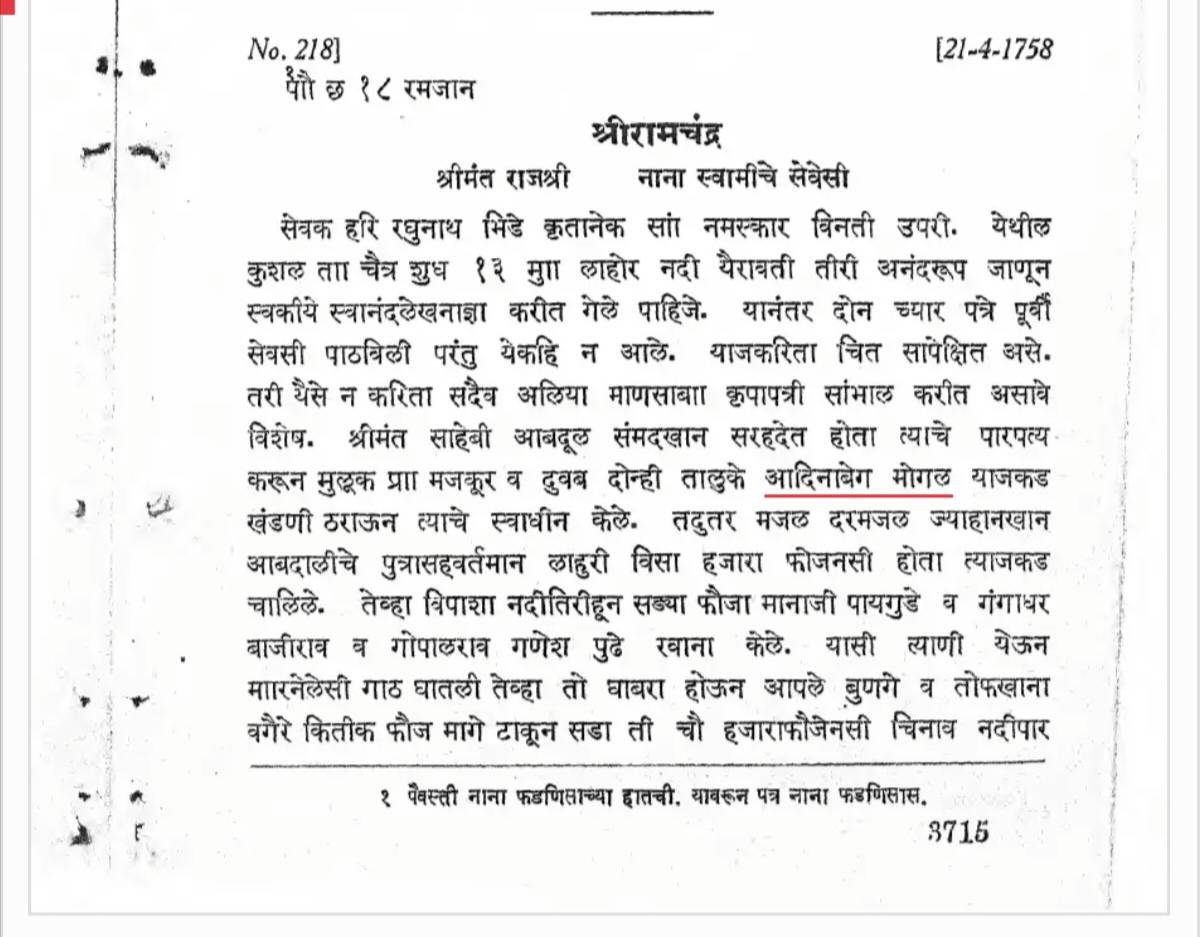
'Imād al-Sa'ādat by Ghulām 'Alī (completed in 1807) also mentions Ādīnah Bēg as a Mughalī and a Tūrānī.
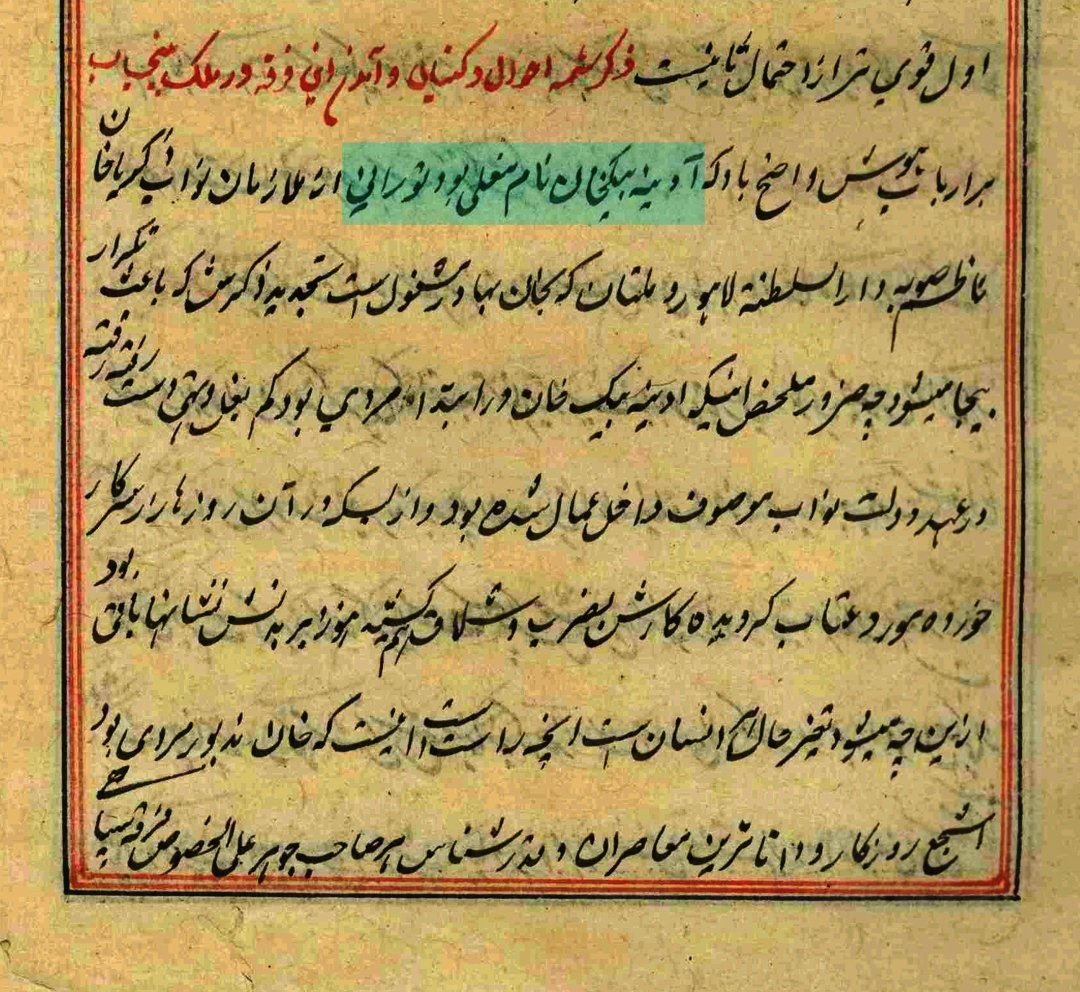

Ādīnah Bēg Khān, the Nawwāb of Panjāb, was a Mughal and not a Panjābī Ārā'īn, according to contemporary documents. In fact, he was first mentioned as an Ārā'īn in Ahwāl-i Dīnā Bēg Khān, a dubious source written nearly 50 years after his death.
6
9
30
6,024
Barmazid retweeted

May 22
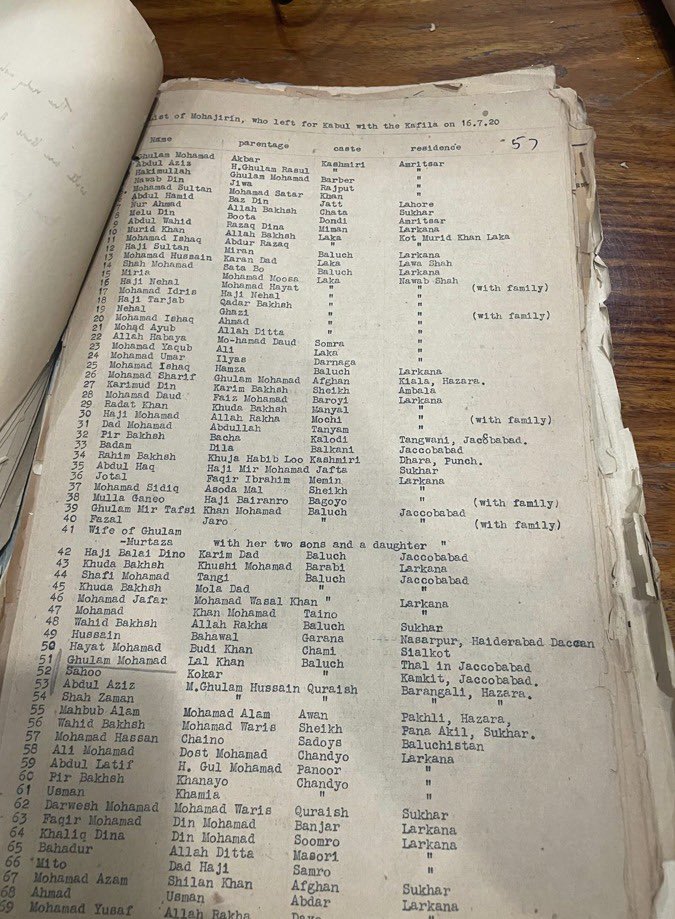
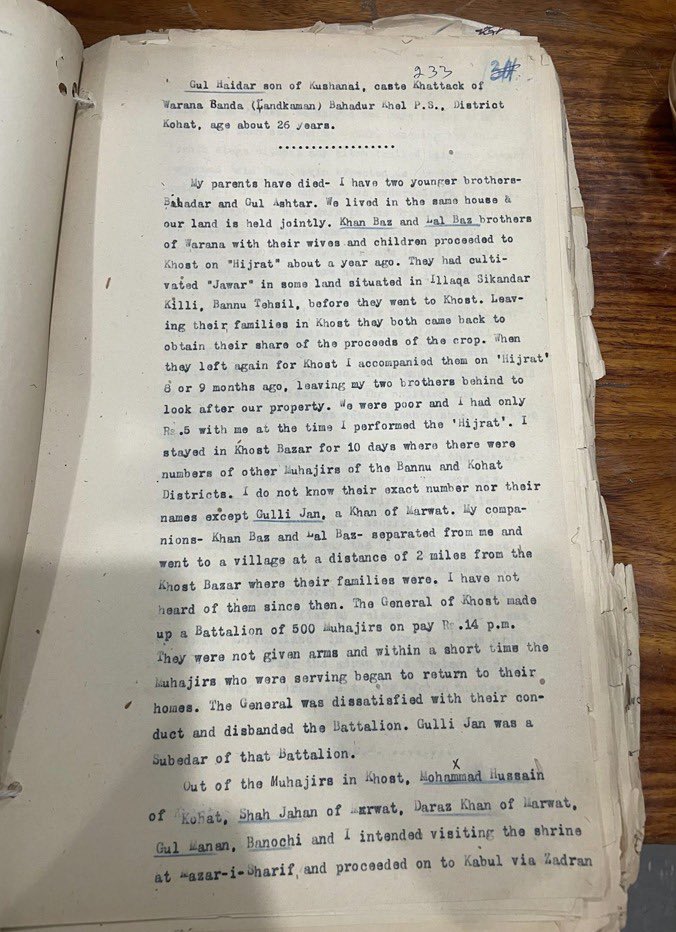
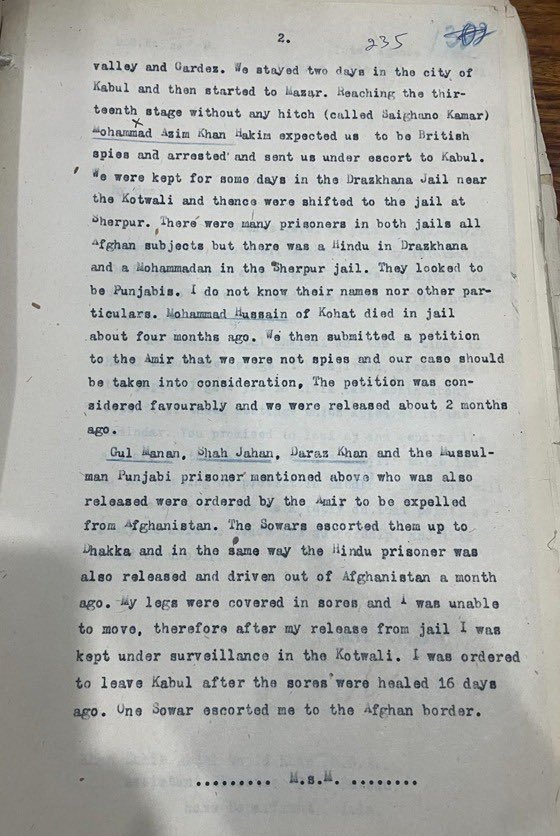
I recently had the opportunity to visit Hijrat movement files at KP Achieves.Those who left,it was not all that rosy in Afghanistan and Central Asia. Most returned and they were interrogated (context: Russia vs Britain) their records were kept. I am attaching one story.
2
14
809