Politics and people!!
Joined December 2024
- Tweets 2,089
- Following 726
- Followers 2,012
- Likes 4,099
1,470 Photos and videos


Jun 9


Jun 9

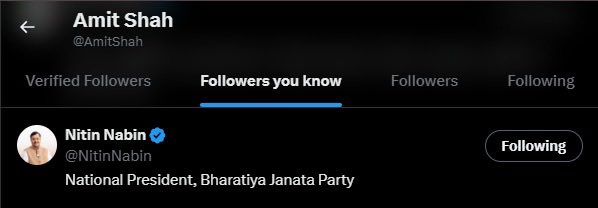
भारतीय जनता पार्टी के राष्ट्रीय अध्यक्ष नितिन नवीन सोशल मीडिया एक्स पर 213 लोगों को फॉलों करते है। मजेदार बात यह है कि भाजपा के राष्ट्रीय अध्यक्ष तेजिदंर बग्गा को तो फॉलों करते है,लेकिन प्रधानमंत्री मोदी और गृह मंत्री अमित शाह को एक्स पर फॉलों नहीं करते है।
मुख्यमंत्रियों की बात करे तो बीजेपी के राष्ट्रीय अध्यक्ष छत्तीसगढ़,दिल्ली,मध्यप्रदेश,राजस्थान,गोवा,उत्तराखंड,असम और बंगाल के मुख्यमंत्रीयों को तो फॉलों करते है लेकिन यूपी के सीएम योगी आदित्यनाथ और महाराष्ट्र के सीएम देवेन्द्र फड़नवीस को फॉलों नहीं करते हैं।
भाजपा के राष्ट्रीय अध्यक्ष बीजेपी के नेशनल एक्स अकाउंट को फॉलों नहीं करते।
भाजपा अध्यक्ष संघ प्रमुख मोहन भागवत को तो फॉलो करते है,लेकिन संघ के एक्स अकाउंट से दूरी बनाकर रखी हैं।
भारतीय जनता पार्टी के राष्ट्रीय अध्यक्ष का प्रधानमंत्री मोदी और गृहमंत्री अमित शाह को फॉलो ना करना समझ से परे है।
अगर पार्टी के राष्ट्रीय अध्यक्ष ही पीएम मोदी और शाह को एक्स पर फॉलो नहीं करेंगे तो पार्टी के कार्यकर्ताओं में अच्छा संदेश नहीं जाएगा।
1
125
Jun 9
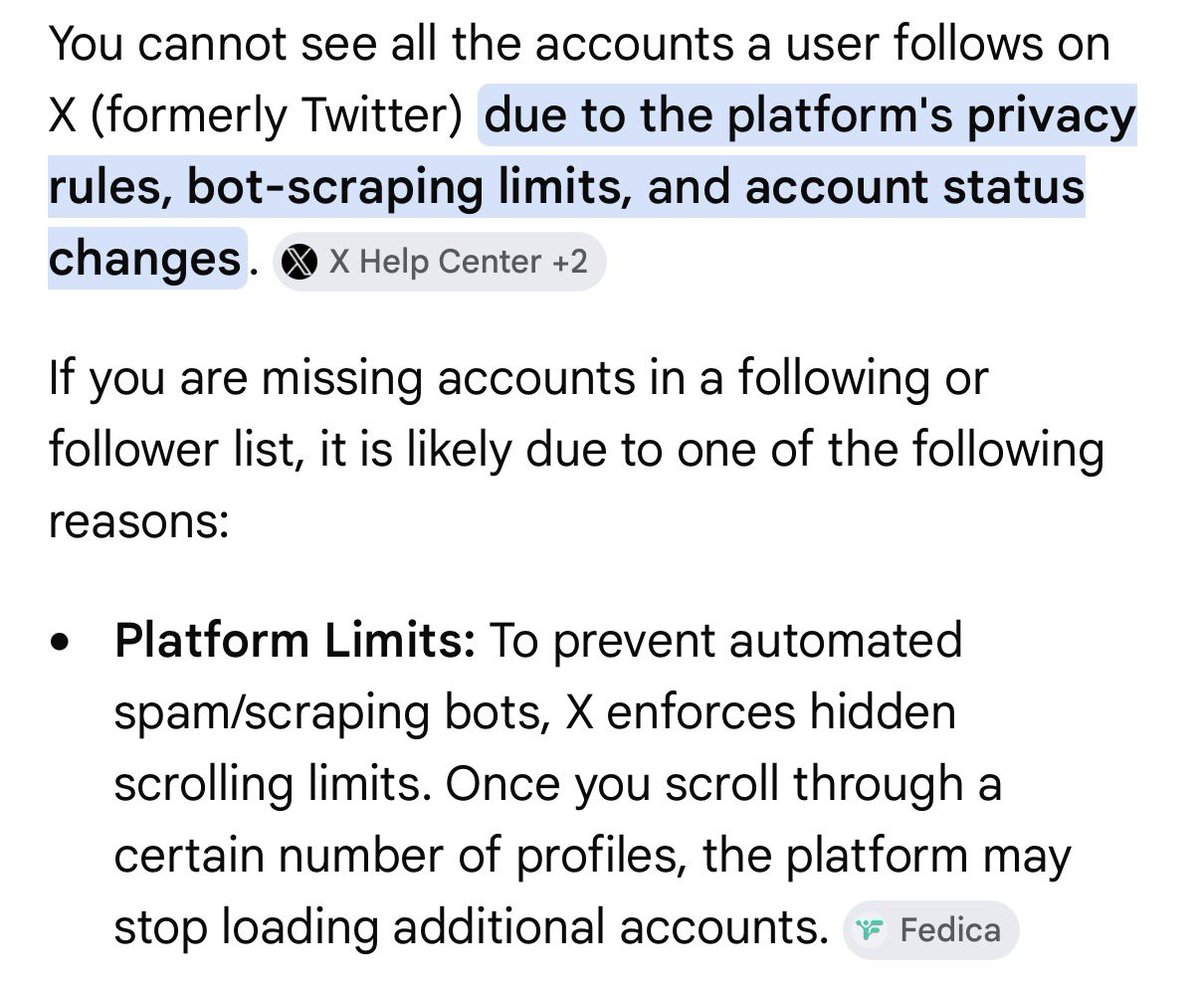
आप 552 लोगों को फॉलो करते हैं, लेकिन मुझे बस 50 नाम दिख रहे हैं ।
उम्र और टेक्निकल चैलेंज समझा जा सकता है।
लेकिन अगर इसको नहीं सुधरा तो गैरज़िम्मेदार पत्रकार कहे जाएँगे ।
Jun 9
भारतीय जनता पार्टी के राष्ट्रीय अध्यक्ष नितिन नवीन सोशल मीडिया एक्स पर 213 लोगों को फॉलों करते है। मजेदार बात यह है कि भाजपा के राष्ट्रीय अध्यक्ष तेजिदंर बग्गा को तो फॉलों करते है,लेकिन प्रधानमंत्री मोदी और गृह मंत्री अमित शाह को एक्स पर फॉलों नहीं करते है।
मुख्यमंत्रियों की बात करे तो बीजेपी के राष्ट्रीय अध्यक्ष छत्तीसगढ़,दिल्ली,मध्यप्रदेश,राजस्थान,गोवा,उत्तराखंड,असम और बंगाल के मुख्यमंत्रीयों को तो फॉलों करते है लेकिन यूपी के सीएम योगी आदित्यनाथ और महाराष्ट्र के सीएम देवेन्द्र फड़नवीस को फॉलों नहीं करते हैं।
भाजपा के राष्ट्रीय अध्यक्ष बीजेपी के नेशनल एक्स अकाउंट को फॉलों नहीं करते।
भाजपा अध्यक्ष संघ प्रमुख मोहन भागवत को तो फॉलो करते है,लेकिन संघ के एक्स अकाउंट से दूरी बनाकर रखी हैं।
भारतीय जनता पार्टी के राष्ट्रीय अध्यक्ष का प्रधानमंत्री मोदी और गृहमंत्री अमित शाह को फॉलो ना करना समझ से परे है।
अगर पार्टी के राष्ट्रीय अध्यक्ष ही पीएम मोदी और शाह को एक्स पर फॉलो नहीं करेंगे तो पार्टी के कार्यकर्ताओं में अच्छा संदेश नहीं जाएगा।
111
Jun 6
The actual GenZ movement can be seen in Bihar.
Young figures like Maithili Thakur, Vaibhav Suryavanshi, and Ishan Kishan are shattering the 'Lalten Yug' stereotype and replacing it with the image of a culturally rich, developing Bihar.
2
3
9
245
Jun 5
Remember, once something that appeals to only a tiny fraction of people becomes cool, it is followed by millions in no time.
With social media, and most importantly, in India, it will be a wave.
38
Jun 4
Anybody living in Patna would tell you that these spots actually exist in Patna, and nothing looks AI, except the beautification around lights.
Pls do visit Patna and see it for real.

Ladies and gentlemen,
Presenting to you the current MP from Patna Sahib spreading fake news via an AI video 🤦♀️🤦♀️🤦♀️
1
2
115
May 29
He can have his own lifestyle and might not like being papped all the time.
And that should be fine by you and everybody else, without raising concerns over Sachin’s parenting.
Let him live his life man!!
May 29

I can't understand how Sachin Tendulkar has raised Arjun Tendulkar.
He's so innocent-he hid behind the man next to him when he saw the paparazzi. Looks like Sachin sir didn't exactly raise him to be fearless.
1
1
585
May 21
Iykyk
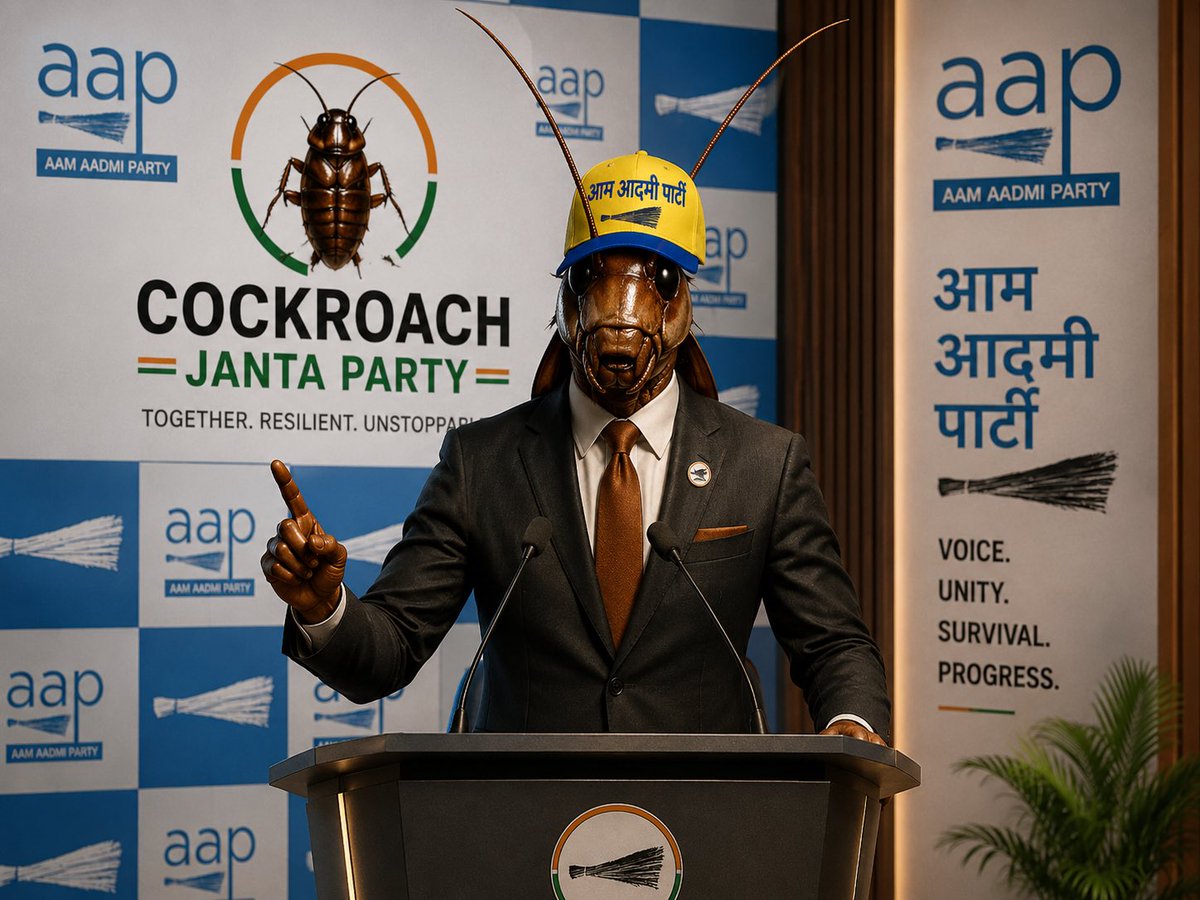
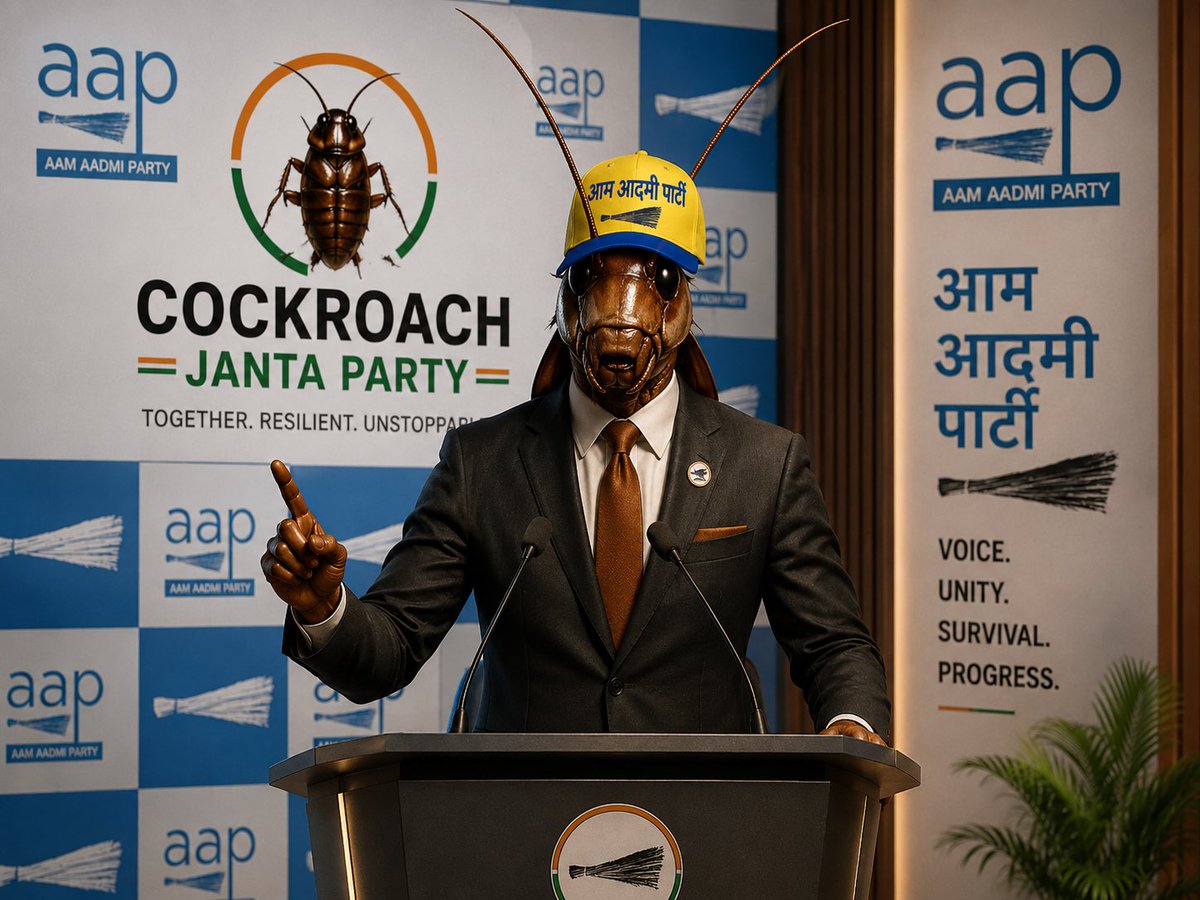
But anyways, credits to @aap for such a creative idea.
People almost thought it was organic. This kind of cleverness got AAP 10 years in Delhi.
64
May 20
For a moment, let’s assume that the prices of diesel, petrol are going to rise.
Still, who the hell repeats it with so much happiness on his face. Do you really care for the people?
Shouldn’t you be suggesting ways to deal with it?
1
87
May 20
I also understand why you did what you did to Pawan Peda.
May 20
I understand at the age of 75, Prime Minister Modi feels fatherly love towards most 49 year olds - including Italian Prime Minister Meloni.
So he carried toffees for her.
But this isn’t appropriate gift from a head of state.
It’s Cringe Pro Max!
1
105
May 15
Hon’ble CM of Keralam!!
May 15

Welcome to Amrit Kaal, mitron!
When global crude oil prices plummeted, the Modi Government pocketed billions in profits, and now - 3 months after a completely predictable crisis - the public is being forced to absorb the pain.
This government’s crisis management is only to save Adani from prosecution, not to save the common public from economic shocks.
Instead of giving a plan on how the poor will be shielded from shocks, they are suffocating the people day by day.
The people are completely fed up with this regime and its mismanagement.
39
May 13
The sheer passion that Prime Minister Modi has for governance and for the people of Bharat is truly remarkable.
1
2
72
Patna Pulse retweeted

May 4
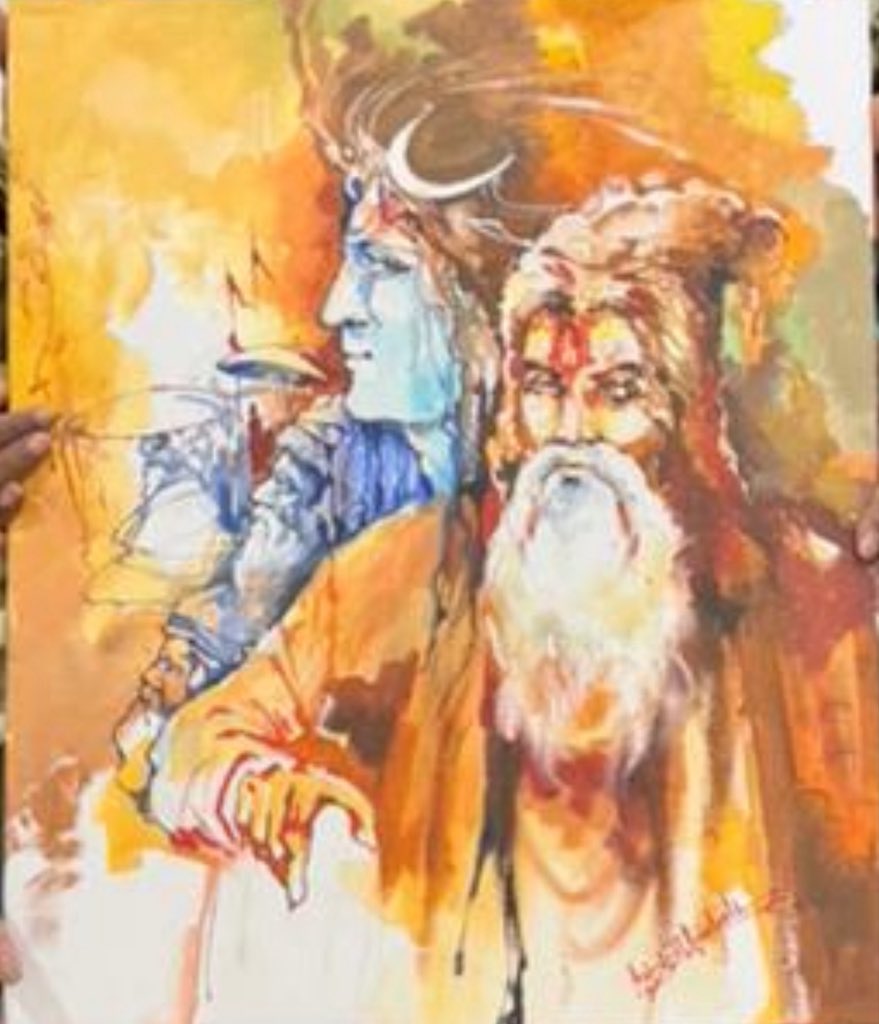
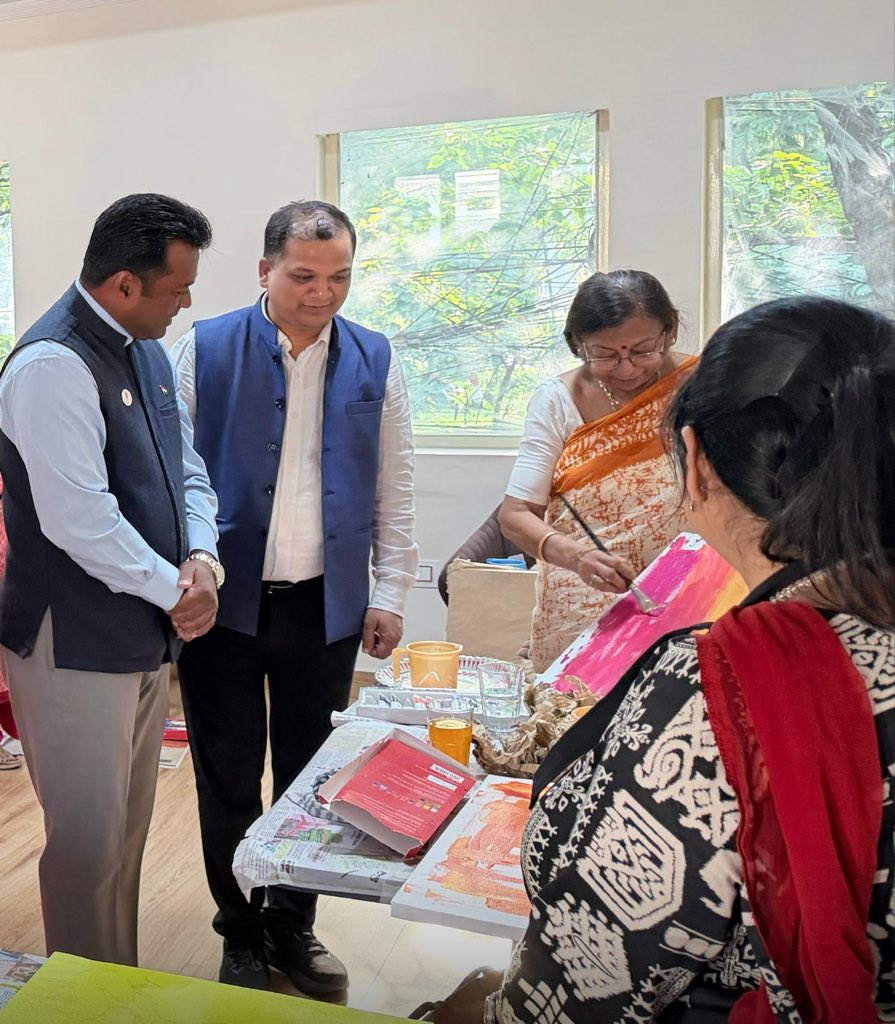
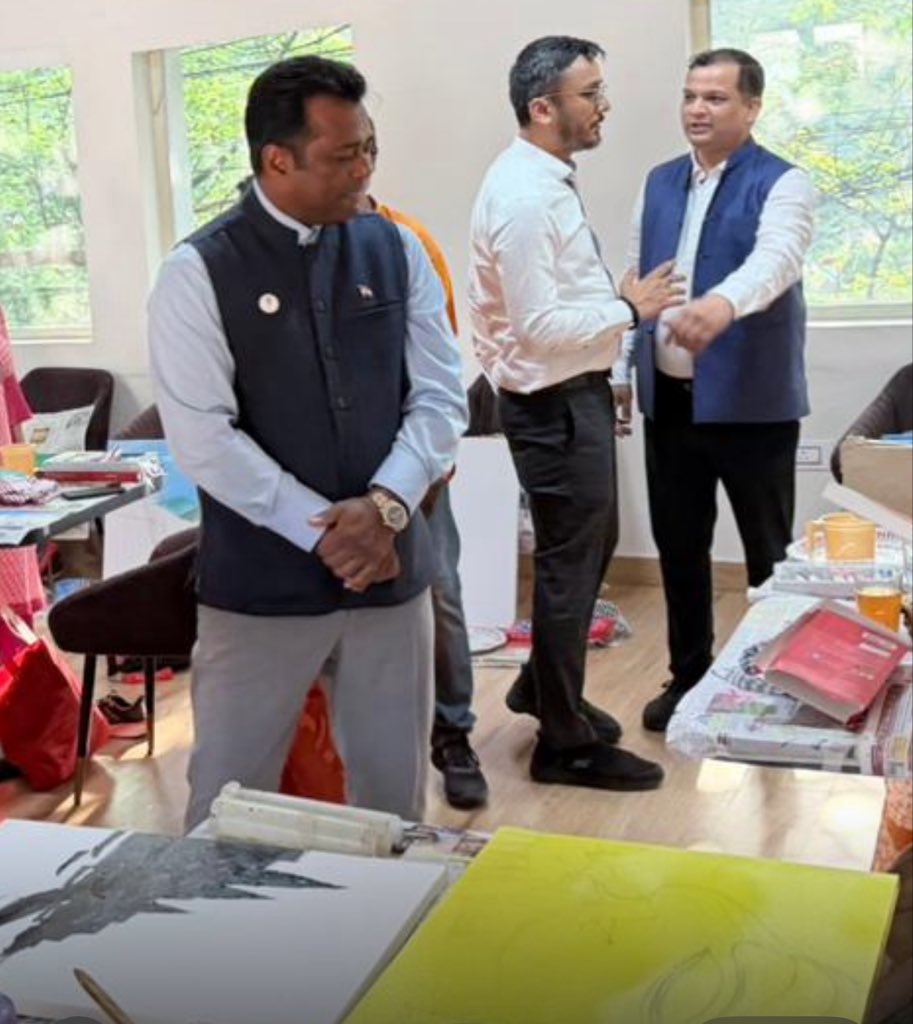
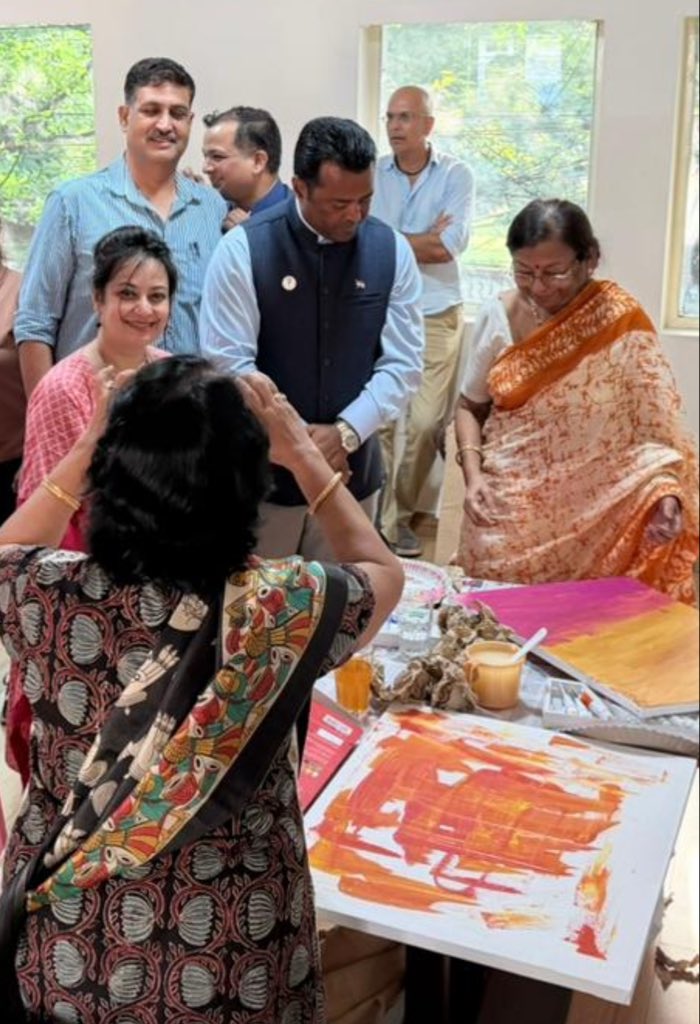
A real revolution is when women take charge with ideas, courage, and the colour brush in their hands.
That’s what we were building in Bengal, @MahuaMoitra.
Apr 23

What exactly are @swadesh171 Professor Satyavati College & @saurabhsinghcg doing in Bengal? Calling up people for vasooli & distributing cash in the name of BJP Rastriya Adhyaksh @NitinNabin
We’re watching - you will not escape.
6
67
173
12,744
Patna Pulse retweeted

Apr 29
The very conditions that led to elections in Bihar and UP in the 1970s–90s being labelled as “jungle raj”, intimidation, political violence, and coercion, continue to persist in Bengal today.
Senior leaders from TMC have openly issued threats. Statements like “4 May ke baad koi bachane nahi aayega” or even “gala kaat denge” are part of mainstream political messaging. The scale of unrest is such that around 2.5 lakh central forces have had to be deployed for just elections, a figure that approaches nearly 70% of the total counter-terrorism forces stationed in Kashmir.
What makes this situation intellectually inconsistent is the selective moral framing. States once dismissed as “backward" have eliminated electoral violence over time. Meanwhile, a state projected as “progressive” has become a persistent centre of political intimidation. Yet, instead of being critiqued, this is frequently rationalized, dismissed as “resistance,” romanticized as political culture, or normalized with a casual “aise hi hota hai yahan.”
No comedian, no web series, and no film dares to touch this contradiction.
77
1,468
5,741
93,633
Apr 17
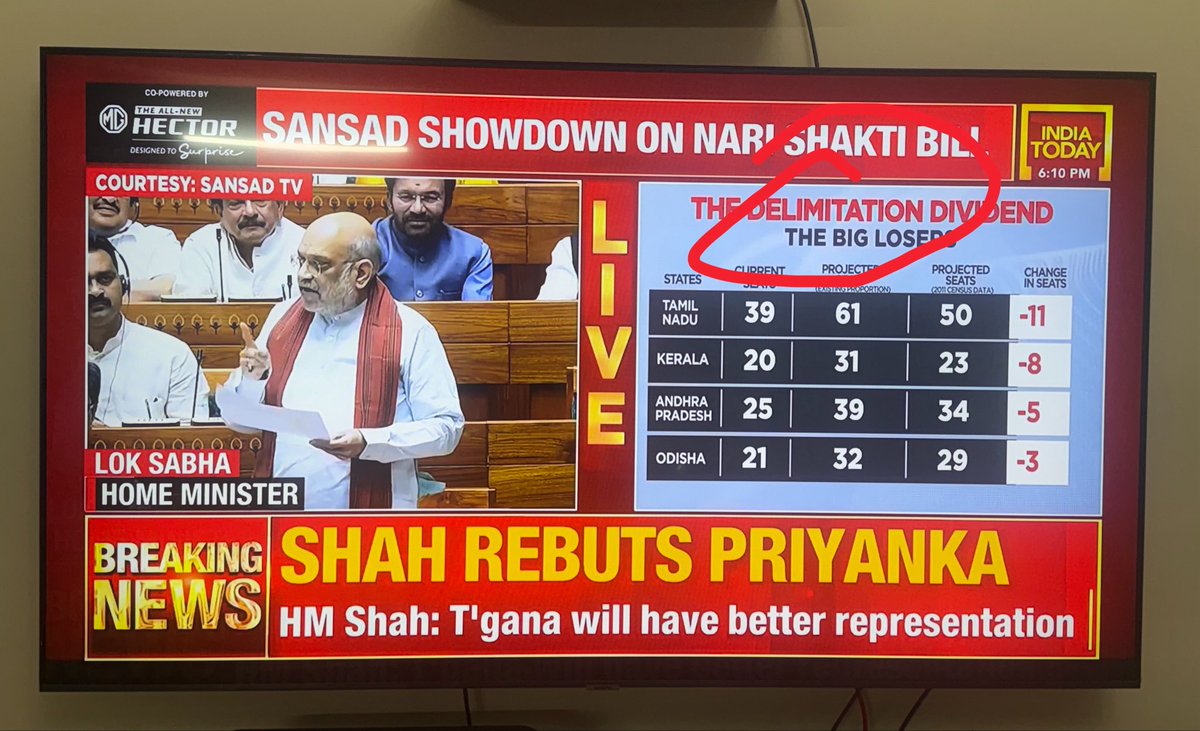
Sad to see @IndiaToday pushing propaganda like this.
Credit to @BJP4India for calling it out and setting the record straight.
Apr 16

𝐅𝐚𝐜𝐭𝐬 𝐨𝐯𝐞𝐫 𝐦𝐢𝐬𝐢𝐧𝐟𝐨𝐫𝐦𝐚𝐭𝐢𝐨𝐧.
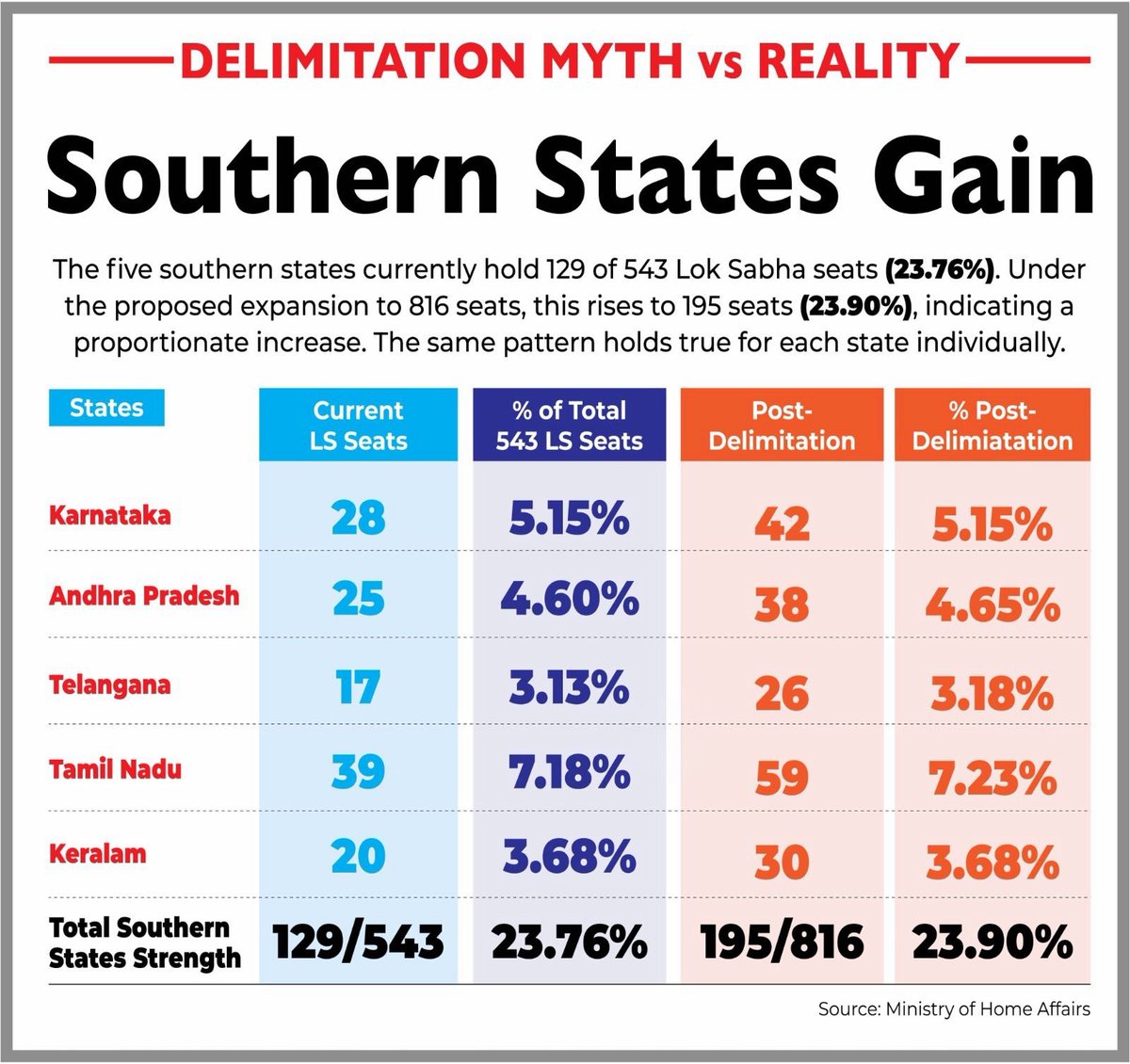
HM Shri @AmitShah made it clear in the Parliament that there will be no injustice to southern states in delimitation. Their representation will increase from 23.76% (129 out of 543 seats) to 23.90% (195 out of 816 seats).
This is a proportionate rise, not a reduction. The same principle applies to every state.
𝐓𝐡𝐞 𝐟𝐚𝐜𝐭𝐬 𝐚𝐫𝐞 𝐬𝐢𝐦𝐩𝐥𝐞. 𝐓𝐡𝐞 𝐧𝐚𝐫𝐫𝐚𝐭𝐢𝐯𝐞 𝐛𝐞𝐢𝐧𝐠 𝐩𝐮𝐬𝐡𝐞𝐝 𝐢𝐬 𝐧𝐨𝐭.
1
119
Apr 9
Concerning how technology is being used to spread propaganda.
There is no such news from any reputed source. x.com/hammehaiindia62/status…
1
2
137
12 Dec 2025
तेज प्रताप यादव ने प्रेस कॉन्फ़्रेंस कर घोषणा की है कि JJD 2026 में पश्चिम बंगाल और 2027 में उत्तर प्रदेश विधानसभा चुनाव में उतरने जा रही है।
#biharpolitics#Tejpartapyadav
2
8
273