
Computer technology enthusiast, student of the financial world and father. Truth seeker and critical thinker who usually swims upstream.
Joined February 2012
- Tweets 27,565
- Following 1,239
- Followers 911
- Likes 44,881
850 Photos and videos
Pinned Tweet

25 May 2024
With EU's upcoming client-side #SCAM scanning I advise to try these privacy minded communication apps. Chat anonymously without registering phone number or email address;
@BriarApp
@session_app
@SimpleXChat
@skred
@jami_social
@ThreemaApp
securemessagingapps.com
2
4
44
3,122
Patrick Kalinowski retweeted
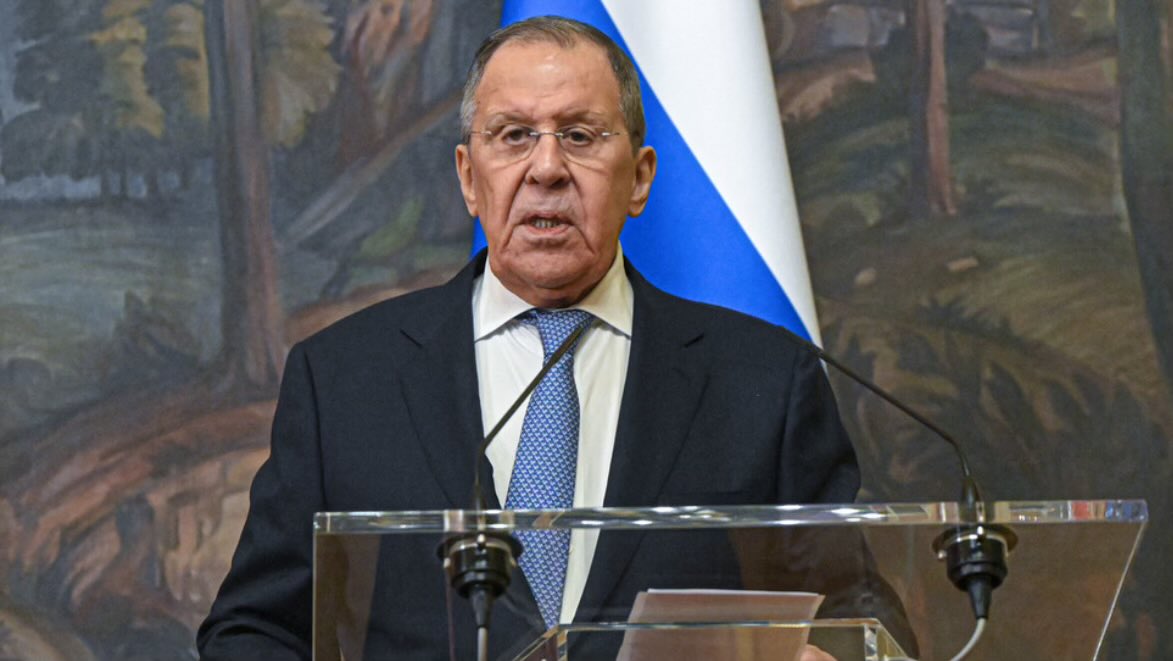
EU ditching prosperity to become anti-Russian military bloc – Lavrov
Lavrov commented on the EU’s enlargement and the prospect of Ukraine eventually joining. He argued that the organization has “radically changed” from the original economic project which was created to improve the welfare of its citizens.
Today, the EU is throwing away prosperity and exchange it with poverty, based on shifting funds from welfare to warfare.
6
23
65
1,439
Patrick Kalinowski retweeted

Jun 14
Noch immer ist nicht geklärt, wer die Nordstream-Pipeline gesprengt hat.
Nicht nur hat der amerikanische Präsident Joe Biden gesagt: "Wir [die USA] werden Nordstream ein Ende machen", auch die amerikanische Diplomatin Viktoria Nuland freute sich nach der Sprengung: "Die Regierung ist sehr erfreut darüber, dass Nordstream 2 nun, wie man so schön sagt, ein Schrotthaufen auf dem Meeresgrund ist."
Der neue Dokumentarfilm "Nordstream - Die Sprengung" liefert eine dringend nötige Recherche über die Hintergründe, mögliche Täter und die bis heute andauernde, massive Propaganda um den Vorfall.
Es war mir eine Ehre und eine große Freude, gemeinsam mit Ray McGovern, Dirk Pohlmann, Prof. Theodore Postol, Dr. Werner Rügemer, Prof. Ola Tunander, Erik Andersson und Harald Kujat an der Aufklärung mitwirken zu dürfen.
Die Premiere ist am 2. Juli um 19.30 Uhr im Babylon in Berlin.
Nähere Informationen gibt es hier: nordstreamfilm.de
Folgen Sie mir auf Telegram: t.me/drjonastoegel
Jun 11

Die Sprengung der Nordstream-Pipeline hat die Haupt-Schlagader für günstige Energie zerstört und die deutsche Wirtschaft massiv geschädigt.
Der Erfolgs-Regisseur Moritz Enders ("Toxic NATO") untersucht in seinem neuen Dokumentarfilm "Nordstream - Die Sprengung" die Hintergründe, mögliche Täter und die bis heute andauernde, massive Propaganda um den Vorfall.
Es war mir eine Ehre und eine große Freude, gemeinsam mit Ray McGovern, Dirk Pohlmann, Prof. Theodore Postol, Dr. Werner Rügemer, Prof. Ola Tunander, Erik Andersson und Harald Kujat an der Aufklärung mitwirken zu dürfen.
Die Premiere ist am 2. Juli um 19.30 Uhr im Babylon in Berlin.
Nähere Informationen gibt es hier: nordstreamfilm.de/
Folgen Sie mir auf Telegram: t.me/drjonastoegel
39
286
757
14,883
Patrick Kalinowski retweeted

Jun 14
Biolabs in Oekraïne waren Russische complottheorie volgens alle 'experts' die de MSM opvoerden. DNI @DNIGabbard publiceert nu het bewijs voor hun bestaan. Ze doet dit kort voor haar vertrek als DNI. Ben benieuwd of ze meer spectaculairs prijsgeeft voor het einde van deze maand.
Jun 12

Today, I’m releasing never before seen intelligence revealing new evidence of past US government funding for more than 120 biolabs in over 30 countries, including Ukraine.
In support of President Trump‘s Executive Order to end federal funding of dangerous gain of function research around the world, and increase transparency and accountability, ODNI will continue working with partners across the Administration to identify where these labs are, what pathogens they contain, and what “research” is being conducted.
odni.gov/index.php/newsroom/…
22
227
488
5,473
Patrick Kalinowski retweeted

Jun 13
“Ukraine has dangerous bio-labs” - Putin in 2022
When Putin said that deadly biolabs were experimenting on people around the world, Western media was up in arms and calling it "unsubstantiated claims".
173
2,416
6,454
80,344
Patrick Kalinowski retweeted
Jun 15
Russia destroyed a drone making factory, hidden inside a film studio.
The snag is that the Ukrainian video, accusing Russia of savagery, unveiled an unfinished drone wing under the rubble.
Laughing!
90
1,464
5,641
103,022
Patrick Kalinowski retweeted

BREAKING: 🛢️💥 OIL HAS FALLEN BELOW $75 FOR THE FIRST TIME SINCE EARLY MARCH.
WTI Crude is now down nearly 38% from its March intraday high above $118.
89
92
557
79,588
Patrick Kalinowski retweeted

Jun 16
I have just finished reading The Rape Gang Inquiry Report.
It is, without a doubt, the most horrifying document I've ever read in my life.
There is no close second... and it's worse than you could ever imagine.
Here's everything you need to know 🧵
1,171
14,405
46,710
1,076,371
Available on X. Censored on YouTube.
Says enough I guess. 😉
11
Patrick Kalinowski retweeted

Jun 17
Fascinating argument by Bloomberg's top energy analyst Javier Blas 👇: he argues that China effectively saved the world economy during the Iran war by absorbing the brunt of the global oil supply shock on its own, without visible economic damage.
According to his calculations, China "cut its average daily waterborne oil imports by the same amount as the combined oil consumption of Germany, France and the UK."
And, still according to Blas, they "did so without suffering economic harm" because they could rely on many levers: their huge strategic petroleum reserve, a massive surge in EV usage, their remaining coal-fired electricity capacity, and coal-to-chemicals replacing lost feedstocks.
Had China not been ready to absorb that blow, a good argument can be made that the economic damage to the West, and the world at large, would have spiraled far beyond what we saw.
Effectively, China's energy strategy at all levels (petroleum reserves, EVs, etc.) and its ability to withstand huge supply shocks paid off for everyone, not just for them.
It sounds awfully familiar: in 2008 too it was China's stimulus package and continuous buying of US Treasuries that averted a complete breakdown of the global financial system.
So twice in 20 years the country the West loves to present as a "threat" to the global economy effectively saved it from a US-made global economic disaster 🤷
Jun 16

COLUMN: The Chinese 'oil weapon.'
The Strait of Hormuz crisis shows Beijing is now a stabilizing force for oil prices. This potentially reshapes the energy risk premia — and Asian geopolitics if conflict breaks out over Taiwan.
@Opinion bloomberg.com/opinion/articl…
129
2,108
7,153
380,327
Patrick Kalinowski retweeted

Jun 16
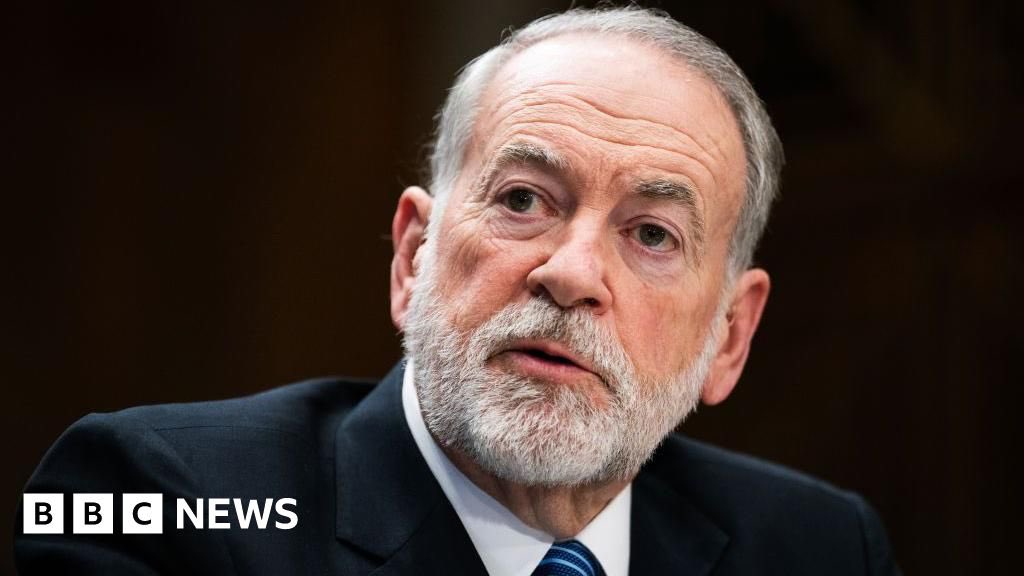
JUST IN: 🇺🇲🇮🇱 U.S. Ambassador to Israel Mike Huckabee angry at Trump’s deal with Iran:
"Without Israel, there would not be an America. We owe our very existence to what happened in this land."
1,949
594
2,580
309,200
Patrick Kalinowski retweeted

Jun 15
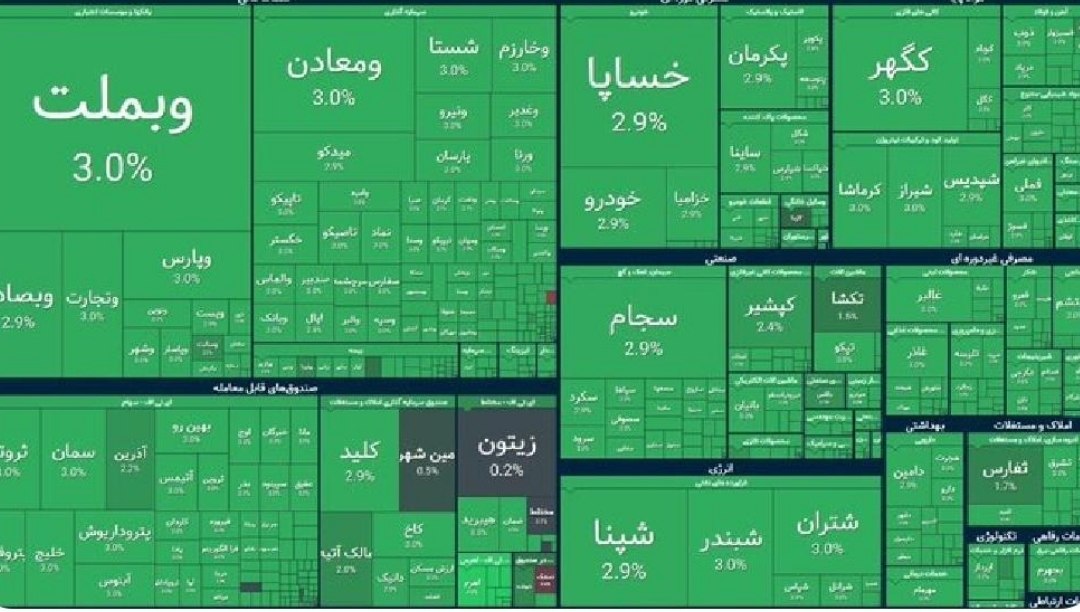
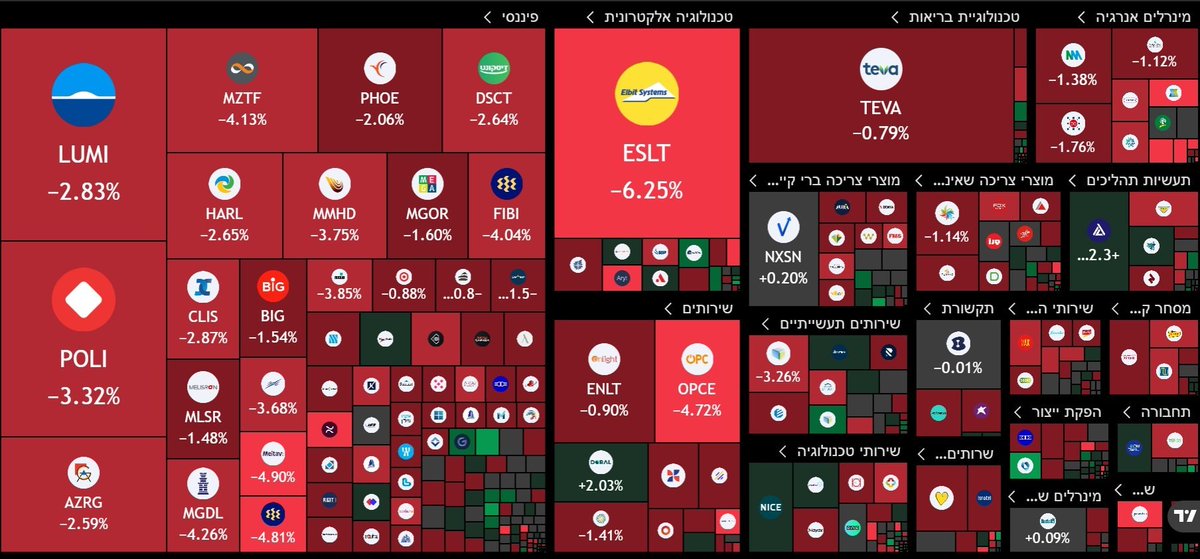
After the U.S.–Iran deal, Tel Aviv turns red while Tehran turns green.
55
886
8,514
1,127,312
Patrick Kalinowski retweeted

Jun 16
President Trump calls out Benjamin Netanyahu and Israel for intentionally targeting civilians in Lebanon.
Trump says Israel is blowing up civilian homes under the pretext of searching for "terrorists."
"Too many people are being killed."
469
2,416
10,231
276,757
Patrick Kalinowski retweeted

Jun 13
As recently as 2023, the FBI tracked down a child s*x offender specifically because of his extensive use of the code word “pizza”.
Jun 12

There are still some who do not believe in Pizzagate, despite the mountain of evidence proving it's real.
9
53
235
6,365
Patrick Kalinowski retweeted

⚡️ Former US Ambassador to Tel Aviv: This war was a mistake and must end.
• The President thought the Iranian regime would fall quickly, but it did not.
• In fact, Iran was strategically strengthened by withstanding fierce American and Israeli attacks, and launching several effective counter-attacks.
• Many countries in the region are now looking to Iran, and want de-escalation and a rebuilding of relations. This shows which way the wind is blowing.
• The most important achievement of this understanding is the opening of the Strait of Hormuz. Of course, the Strait of Hormuz was open before the war. And now we are paying the price for opening it by lifting sanctions.
• Iran transformed a theoretical point of leverage into a real and powerful pressure tool that is costing the global economy huge losses, and it shook Trump.
15
283
1,358
73,206
RT @wmiddelkoop: It’s Official
Gold Price Discovery Mechanism moved East
55
Patrick Kalinowski retweeted

Jun 15
Iran deal presents political nightmare for Netanyahu bbc.in/4eJYgYg
231
464
2,581
193,077
Patrick Kalinowski retweeted

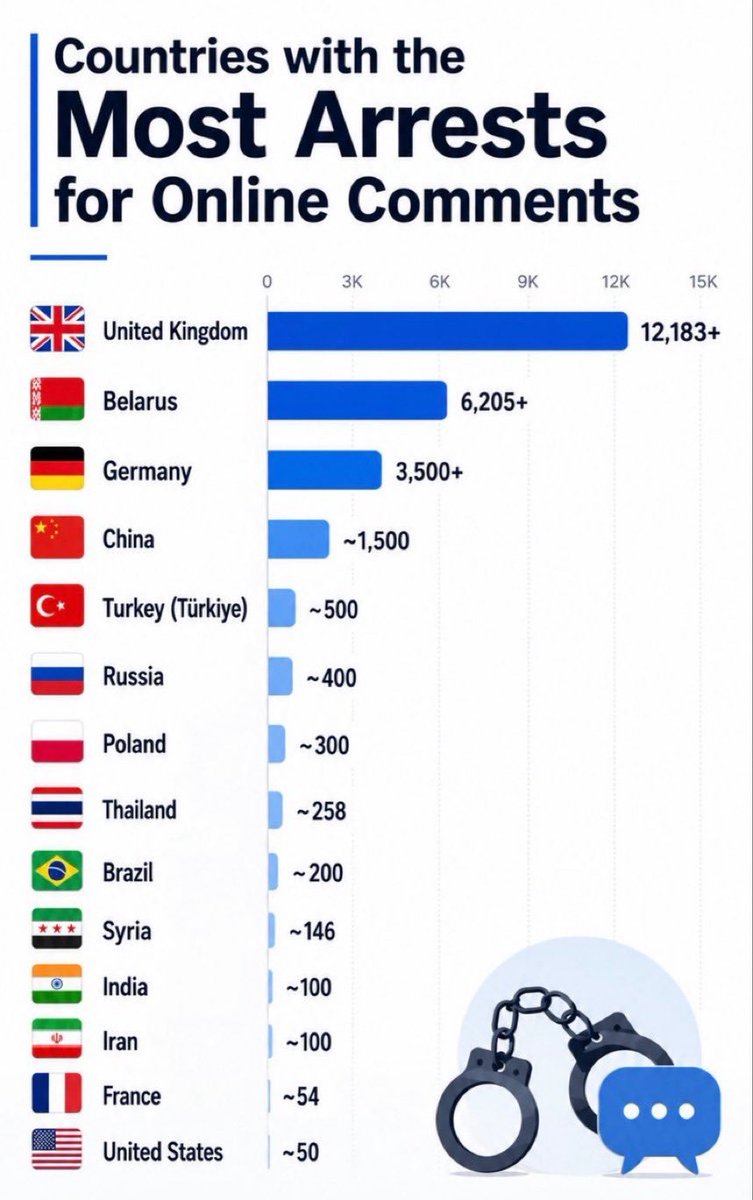
Governments in decline always become more concerned with controlling what people say than solving the problems people are complaining about. Britain appears to be following that historical pattern.
Reports showing roughly 12,000 arrests annually linked to online communications have ignited a growing backlash against Starmer.
Jun 5

UK Debate Intensifies Over Free Speech and Hate Crime Enforcement Rules
Discussions in the United Kingdom continue over how police handle alleged racist abuse and hate incidents, with critics arguing that enforcement can risk criminalizing speech based on perceptions, while authorities maintain that investigations require evidence and legal standards
#WashingtonEye
8
66
232
7,278