Labour & Co-operative Party Member of the Scottish Parliament for Glasgow.
Joined October 2009
- Tweets 93,989
- Following 10,321
- Followers 36,263
- Likes 221,619
7,338 Photos and videos
Pinned Tweet

25 May 2022
Every 6 hours in Scotland, someone dies of a preventable drug related death. We have the worst drug death rate in Europe & without action it will only get worse.
That's why I have launched my Bill consultation in @ScotParl to establish Overdose Prevention Centres.
Watch 👇👇
163
403
1,433
Paul Sweeney MSP retweeted
We need to get out of this mindset that wars are won by soldiers alone. They're won by supply chains, factories and the country behind them.
That's the conversation we need to have.
282
307
2,388
106,518
Paul Sweeney MSP retweeted

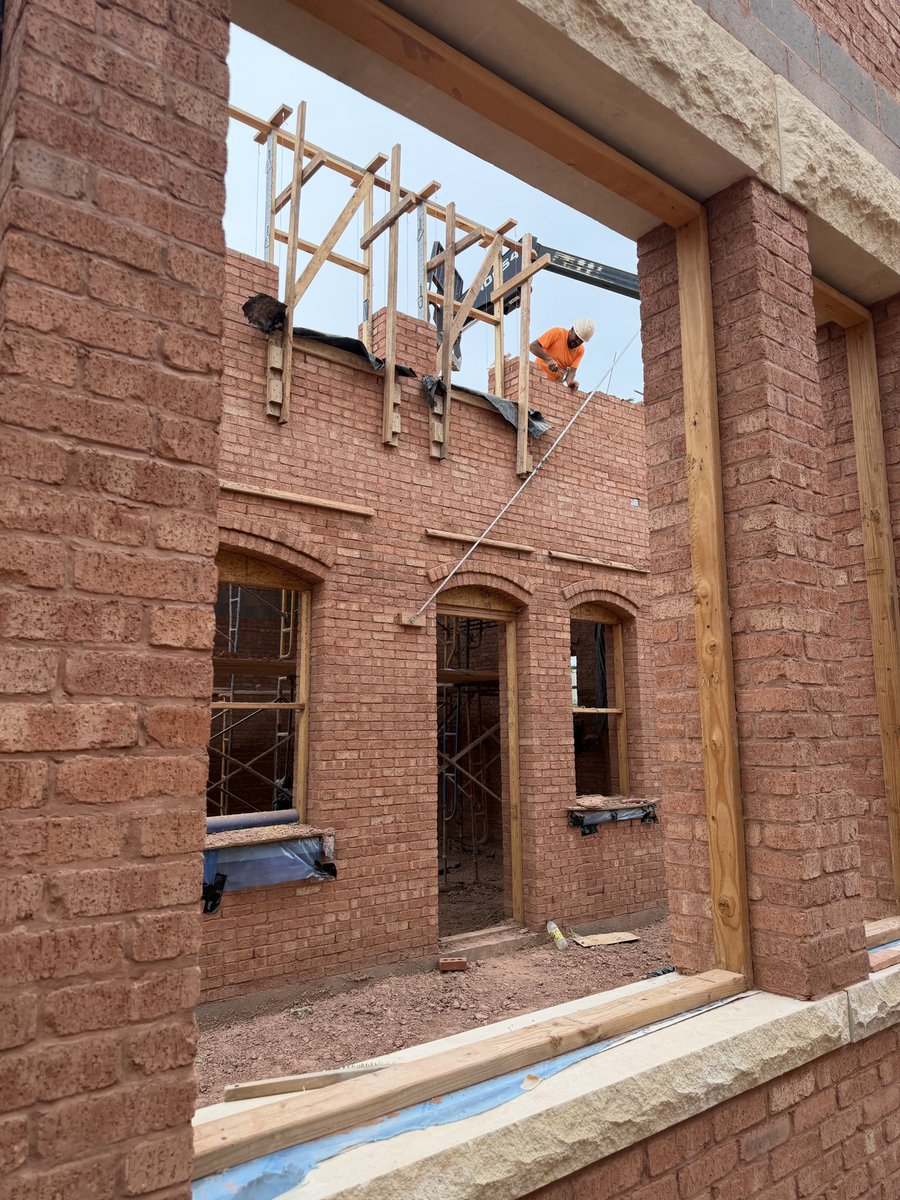
Getting close to topping out second building.
It’s been tough. First month me and our Dir of Arch and Cons were on site daily 7:30am - 7:30pm with masons. 4 weeks straight.
Had to lay stones for them, correct small details, put up leads—had to act as lead mason, essentially.
Now our Superintendent and Field Tech know how to do these things which has freed me back up.
But we are having to hold masons hands the whole way.
We were supposed to be going faster with 2 simultaneous crews going, but 2nd crew got scared of trying. Along with 10 other crews.
We’ve rearranged schedule to make up some time elsewhere, but ultimately it’ll just be 6 weeks slower than we’d planned.
On development side we’re okay; still going through equity, no bank debt yet so no unplanned interest. We’re in budget. And it’s looking freaking amazing—and word is getting out on lease up.
But, this isn’t for the faint of heart. I get asked all the time “how to do this”. I tell most people don’t try. Unless you are really, really committed, and are willing to blow up your schedule and work 80 hour weeks just to keep it on track.
Thankfully I have an amazing team and we are that committed.
My goal is to make it easier over time. Train more masons, clear documented systems, etc. But when innovating, it is hard—and you have to make up for a lot with sheer effort.
It’ll make the final product all the sweeter, knowing what went into it.
21
7
171
6,202
Paul Sweeney MSP retweeted

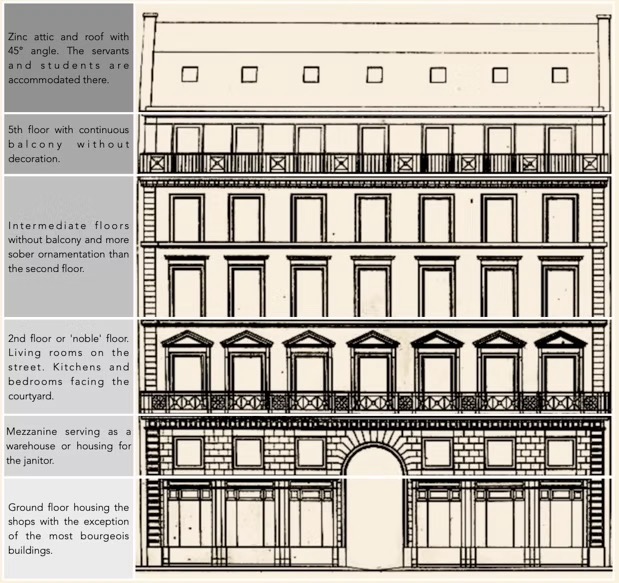
"The Haussmann block mixed incomes vertically, by floor, so no single district rose or fell as one."
yes, and importantly, it did not achieve that diversity by requiring developers to sell 20 percent of units at prices affordable to households earning 60–80% of AMI.
Mixed income was partly a natural consequence of the building type itself. The same building contained larger and smaller apartments, premium and secondary floors, and units serving households with different incomes and needs. Crucially, it provided apartments attractive enough to retain upper- and middle-income households in the city, rather than pushing them to single family mansion neighborhoods.
Contemporary cities could recover some of that diversity by incentivizing a similar fine-grained apartment type: roughly 65 feet wide, 40 feet deep, and six stories, producing about 15,600 gross square feet and perhaps 14 apartments averaging around 1,000 square feet.
Rather than forcing a small building to absorb deeply discounted units, a city could incentivize ~20 percent of its apartments to accept housing vouchers.
23h

Typology sets the grain of the mix. The Haussmann block mixed incomes vertically, by floor, so no single district rose or fell as one. US zoning sorts horizontally instead. Paris's smoother gradient is the building doing what the zoning code won't.
5
20
179
8,280
Paul Sweeney MSP retweeted

Jun 13
Malcolm was a government Minister when Grangemouth announced it would close - what did he do about it?
Not a thing.
He wouldn’t even fund a study into supporting future industries on the site.
Jun 13

High energy costs and net zero policies are killing off our industry.
26
26
85
7,537
Paul Sweeney MSP retweeted

Jun 13
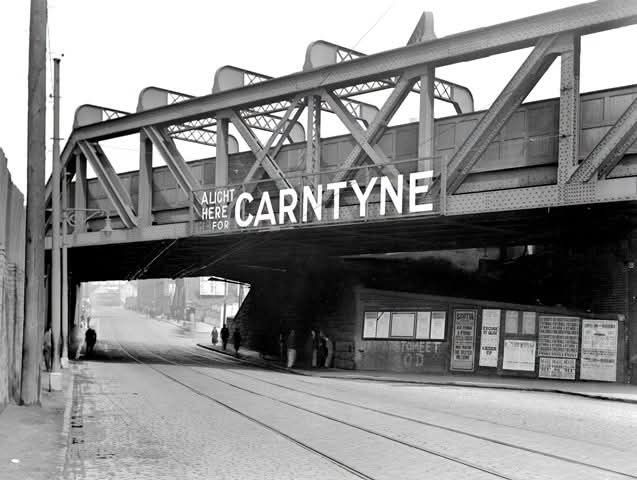
A fantastic 1936 shot of the Pratt truss railway bridge that crosses the Shettleston Rd end of Duke St to this day. The signage is for the benefit of tram passengers on their way to the Carntyne stadium, popular at the time as a greyhound track
📷 Glasgow City Archives
#glasgow
2
9
89
3,049
Paul Sweeney MSP retweeted

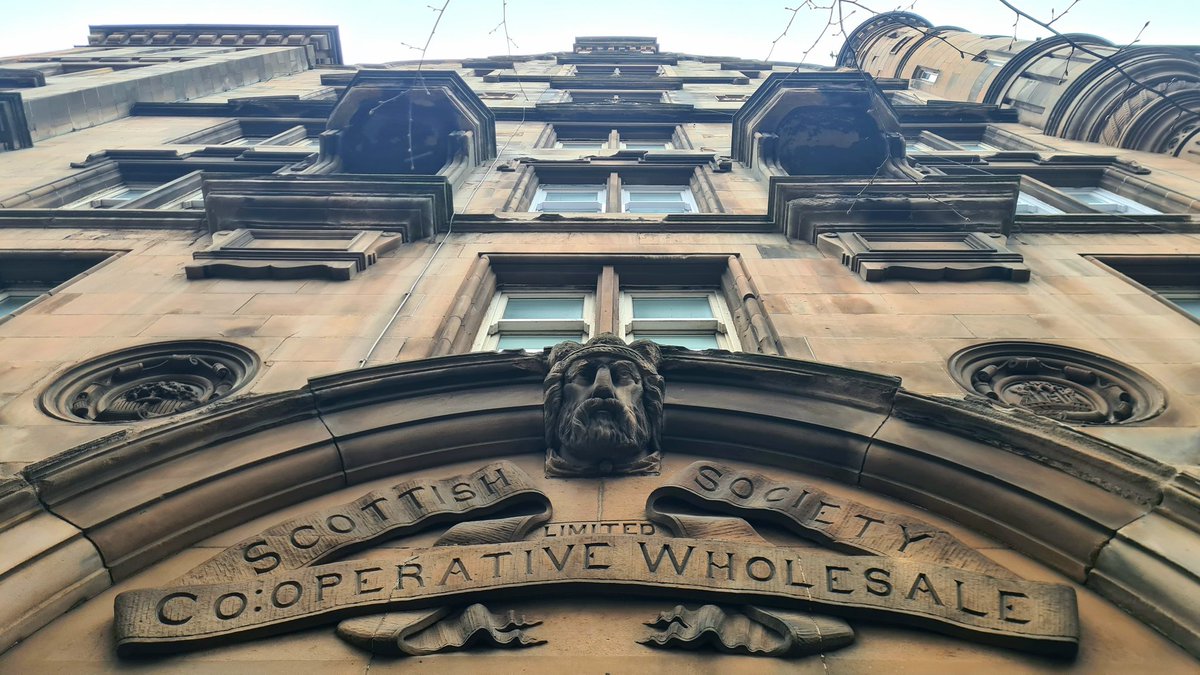
Looking up at the facade of the former Cooperative Hall on Dalintober Street on the Southside of Glasgow. Built in the 1890s, it's part of Cooperative House, the former headquarters of the Scottish Cooperative Wholesale Society.
#glasgow #architecture #architecturephotography
2
10
78
1,776
Paul Sweeney MSP retweeted

Jun 12
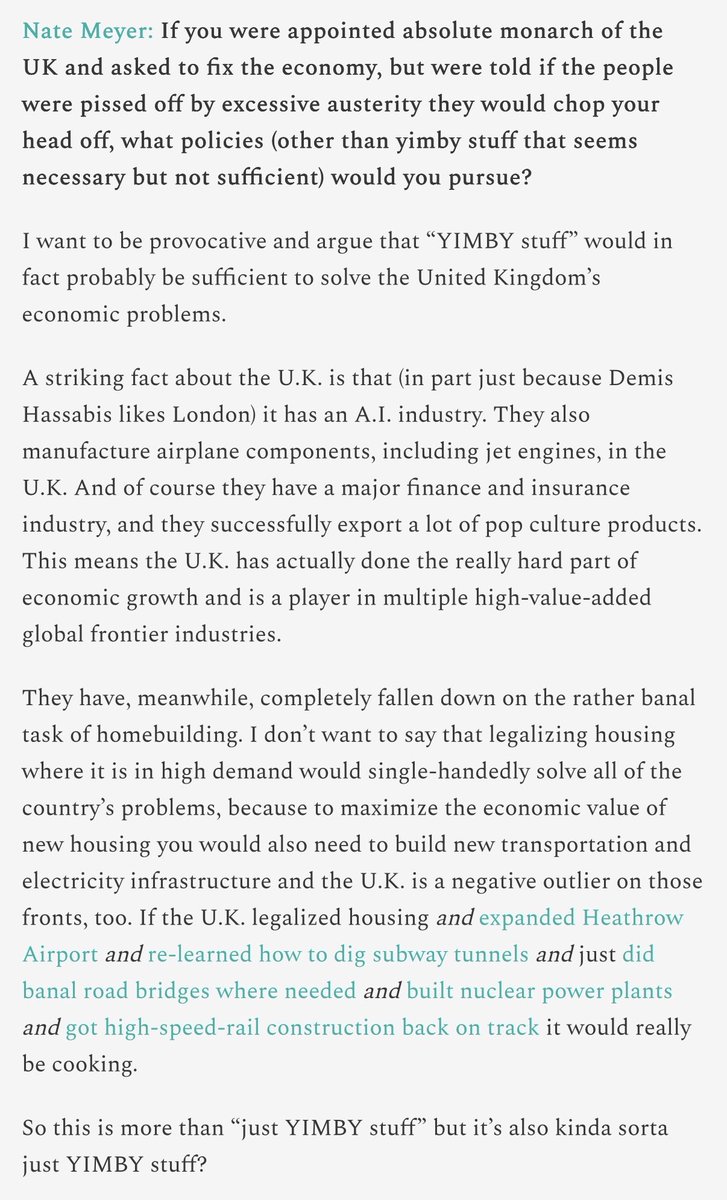
The UK actually has a ton of frontier or near-frontier global companies for a country of its size and I think its economic problems could basically all be solved with “YIMBY stuff” in a way that isn’t true elsewhere.
slowboring.com/p/hard-work-i…
28
82
635
48,515
Paul Sweeney MSP retweeted

Jun 12
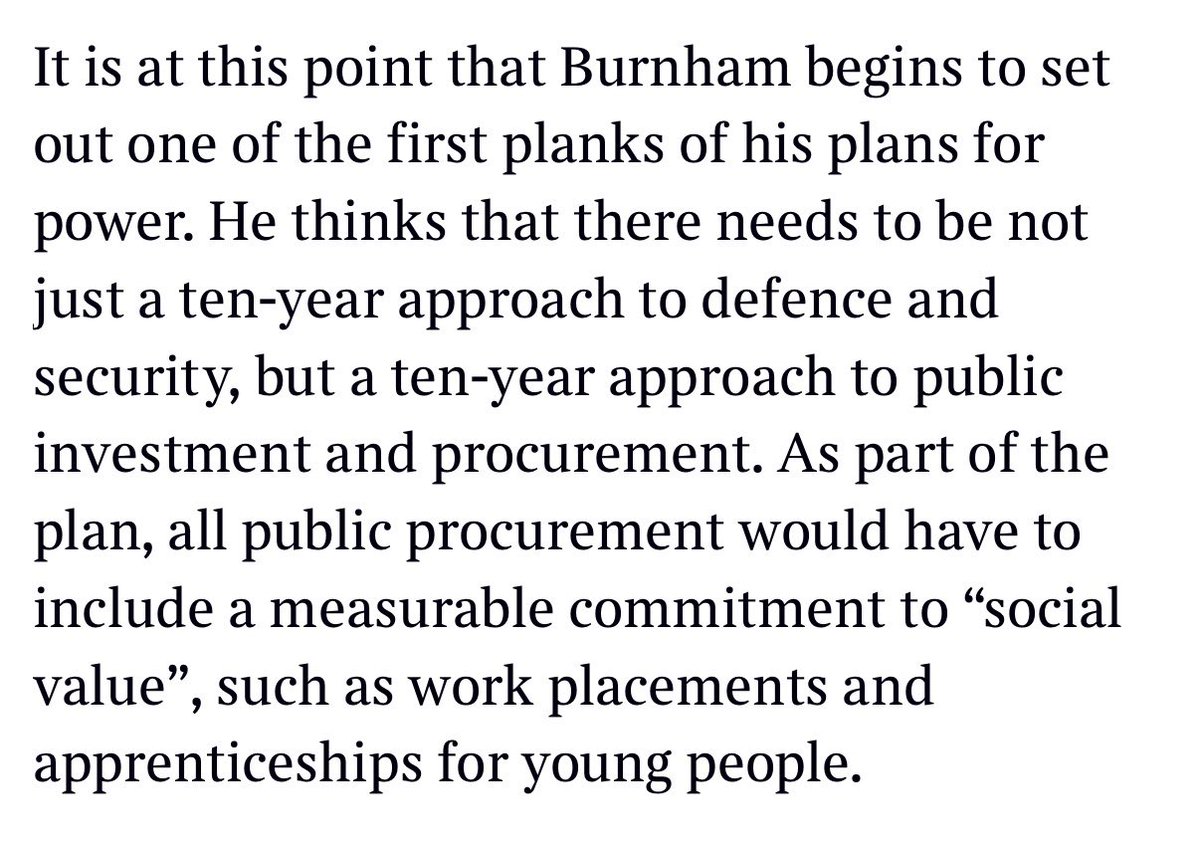
Misrepresented in headline by Times but this, from Burnham, is eminently sensible.
So sensible, in fact, that I doubt it survives impact with the Ministry of Defence and the civil service.
32
17
153
17,553
Paul Sweeney MSP retweeted
Jun 12
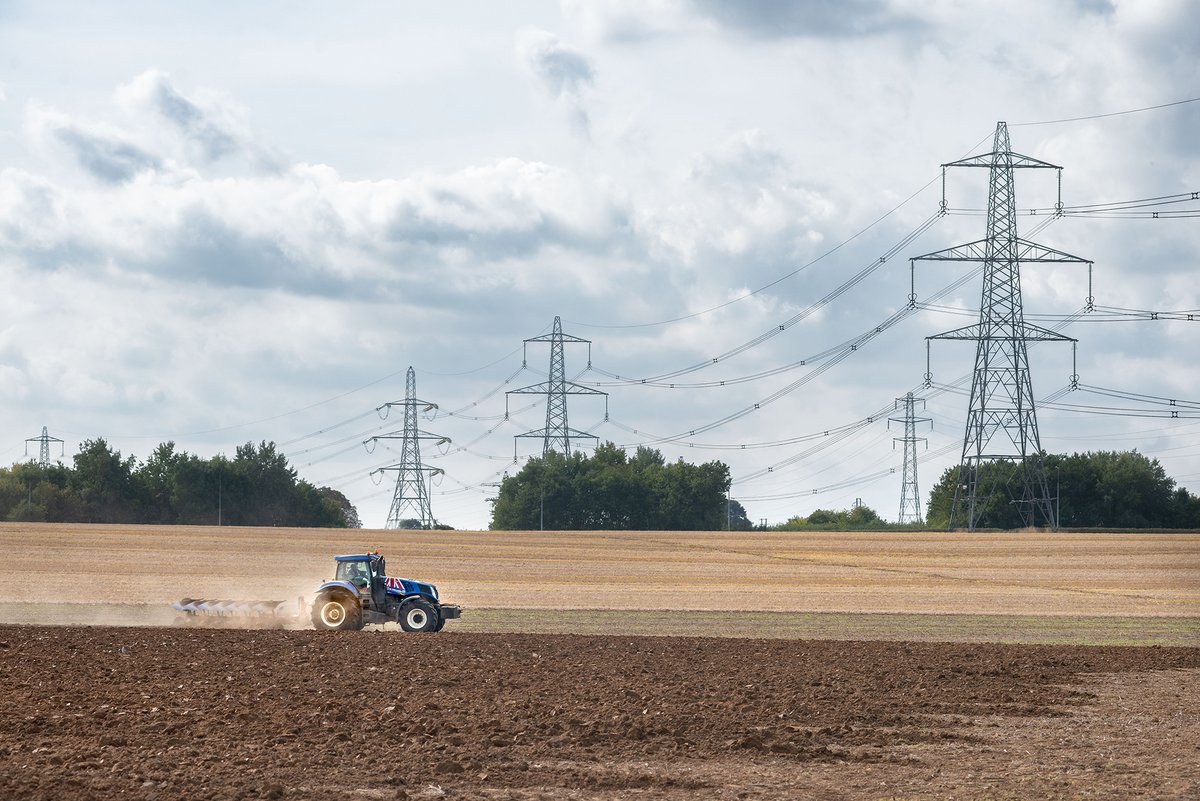
Britain needs a bigger, stronger electricity grid after years of underinvestment.
New independent research published today shows overheard lines and pylons are still the most cost effective way to get the electricity transmission network built.
43
8
51
17,194
Jun 12
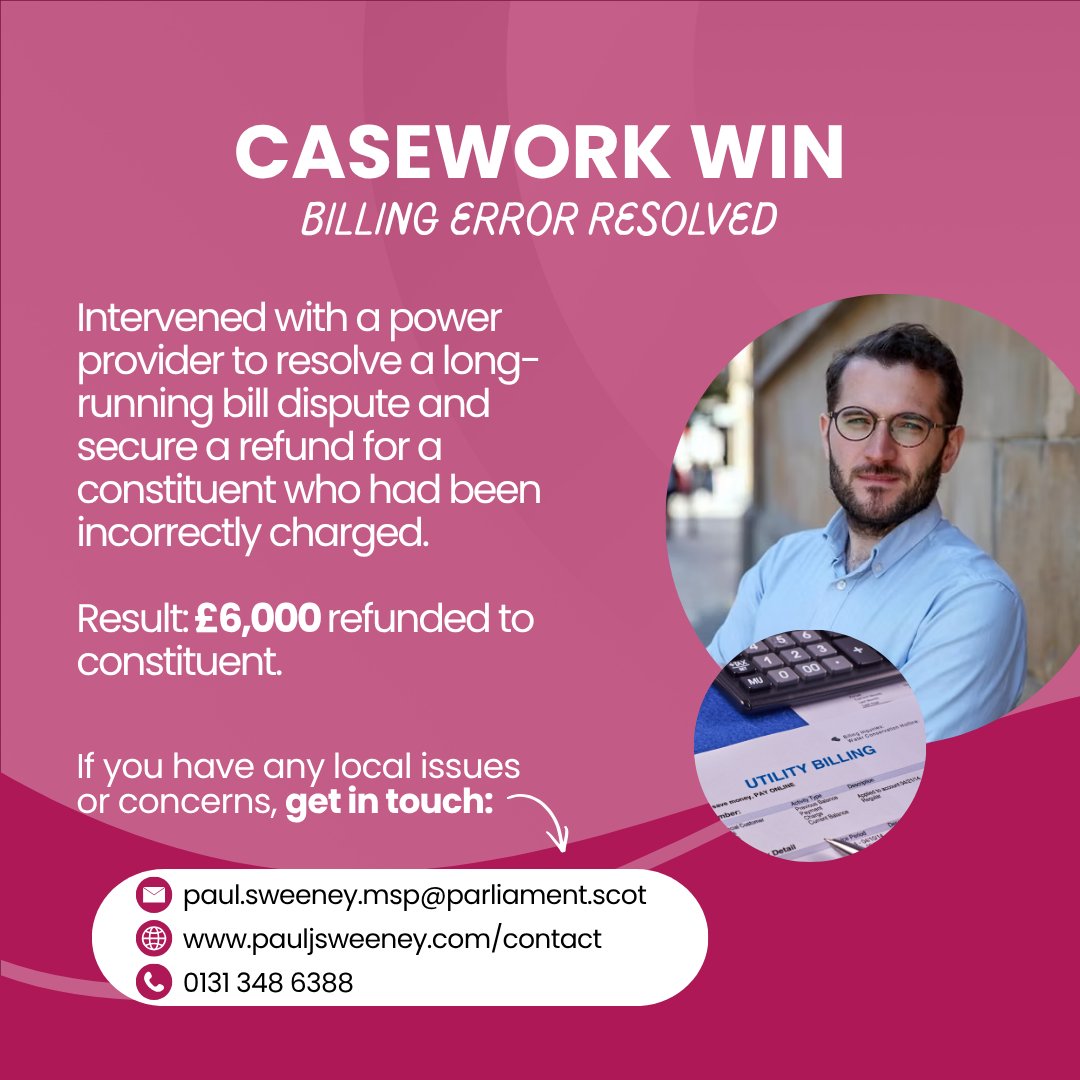
Casework win 👏
A constituent got in touch with concerns about a long-running bill dispute with their power provider.
After intervention from my office, the constituent received a £6,000 refund.
If you have any local issues or concerns, please get in touch:
📧 paul.sweeney.msp@parliament.scot
💻 pauljsweeney.com/contact
📱0131 348 6388
1
2
29
1,401
Paul Sweeney MSP retweeted

👀If you'd set aside some time today to read the Defence Investment Plan and are now wondering what to do with yourself, how about having a read of my paper on the MOD’s perpetual procurement crisis and what should be done about it: 😀
policybrief.org/briefs/the-m… #ICYMI #DIP
4
5
27
16,214
Jun 12
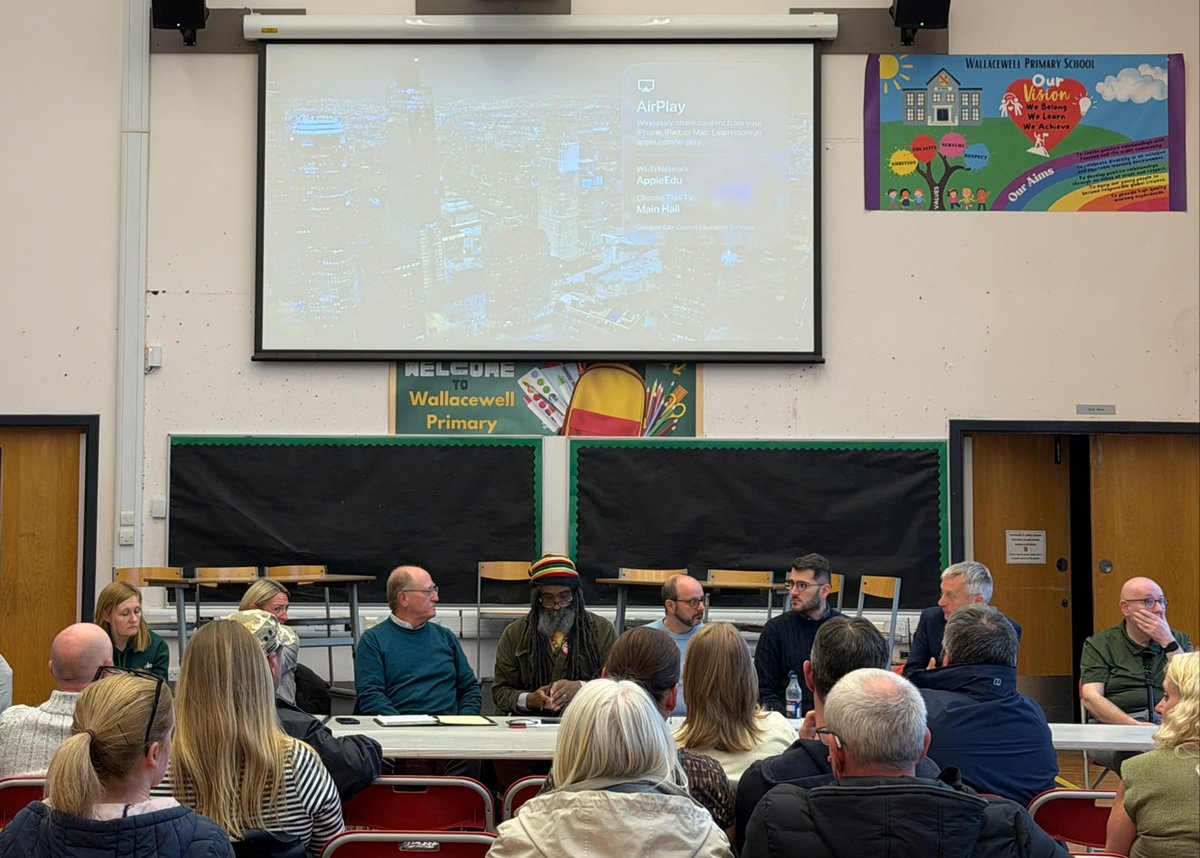
Last night I attended a community meeting at Wallacewell Primary to discuss concerns around school provisions.
Many families have been left feeling frustrated and overlooked by the lack of capacity and ability to place children in local a nursery or school.
A reminder that if you're a Robroyston resident, you can take my survey to share your experience with local schools 👇
pauljsweeney.com/robroystons…
4
1
16
1,034
Paul Sweeney MSP retweeted

Jun 12
'the “fifth largest defence budget in the world” bought nowhere near the fifth most capable armed forces' - a must read with more zingers from @edwardstrngr65 .newstatesman.com/politics/uk…
8
37
149
20,184
Paul Sweeney MSP retweeted

Jun 11
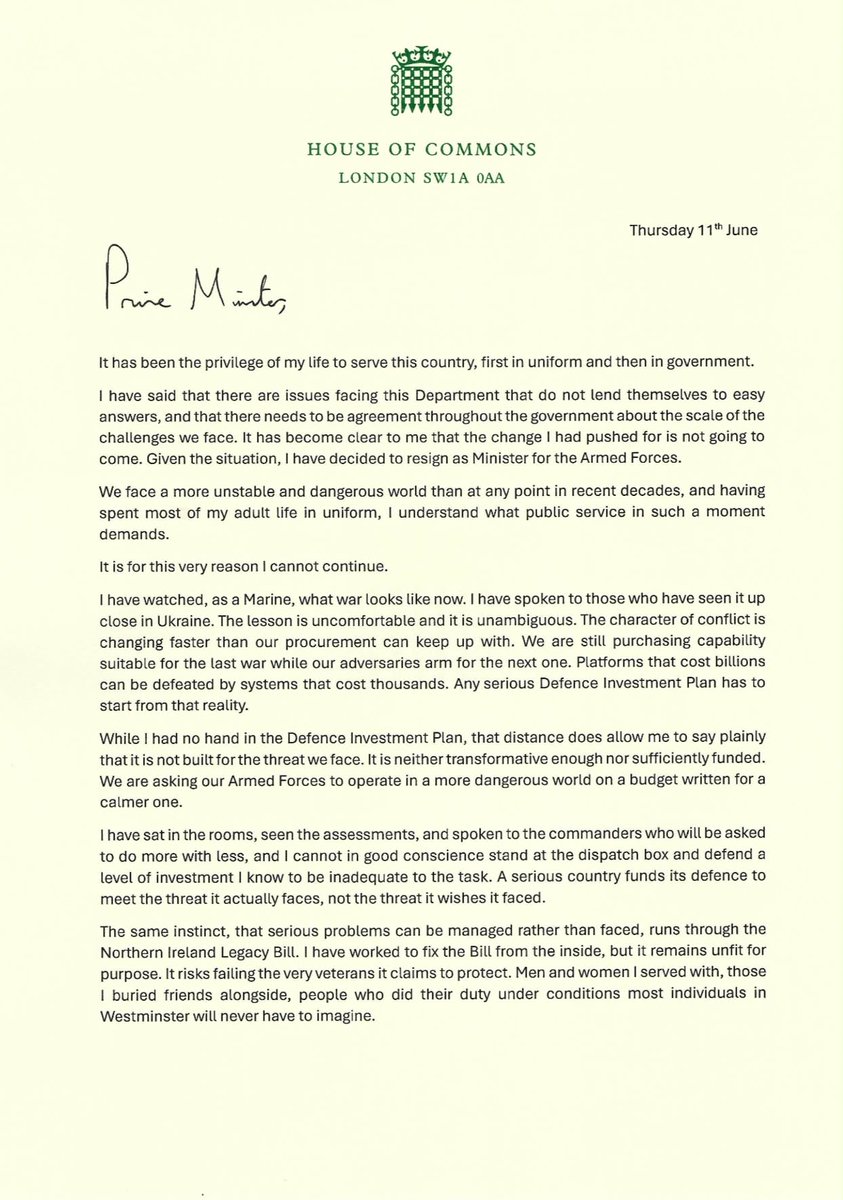
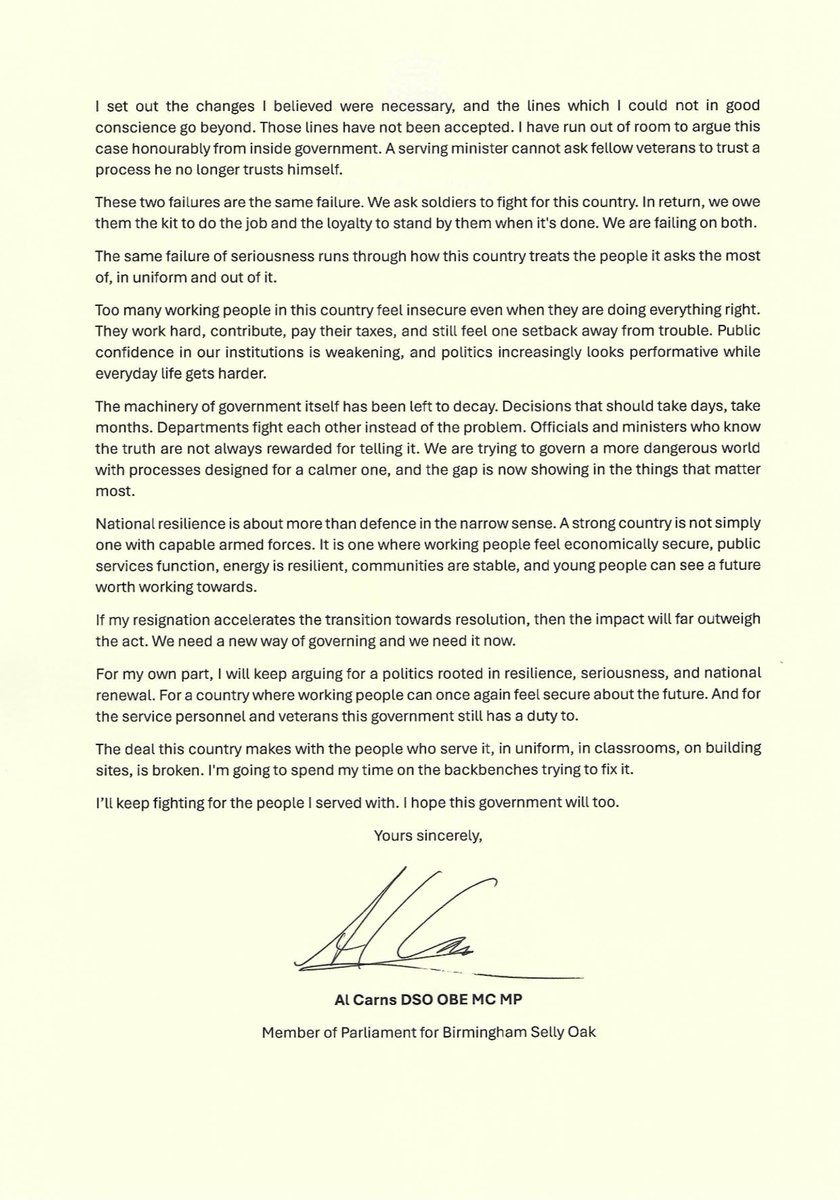
We owe those who serve the UK the kit to do the job and the loyalty to stand by them when it's done. We are failing on both.
I’ve spent my whole time in government making that case. Number 10 will not listen, so I am resigning as Minister for the Armed Forces.
Letter to the PM below.🫡🫡🫡⬇️⬇️
1,726
3,995
19,745
2,283,312
Paul Sweeney MSP retweeted
Jun 11
John Healey has given this country serious service in a serious time.
He took on the Ministry of Defence at a moment when the world was getting more dangerous, not less, and he carried that weight with the discipline and decency that the job demands.
I worked alongside him closely. I saw the hours, the care, and the seriousness he brought to every brief, including the hardest ones. There are issues facing this Department that do not lend themselves to easy answers. The work on funding, on veterans, on Legacy, on the welfare of those who serve.
The threats facing this country have not paused for a change of Secretary of State. Our Armed Forces remain on operations around the world, standing with our allies, protecting our interests, and keeping the British people safe. They deserve a Ministry of Defence that matches their seriousness with our own.
That is the job. It continues today.

329
259
1,752
217,479
Jun 11
Had a great time visiting Big Noise Govanhill earlier this week.
It was fantastic to hear some of the young musicians rehearsing ahead of their concert and to chat about my role as an MSP and how our Parliament works.
Big Noise and @sistemascotland do incredible work improving lives and strengthening community through music, and it is always inspiring seeing them in action.
Wishing everyone the best for the concert!🎻
14
980
Paul Sweeney MSP retweeted

Jun 11
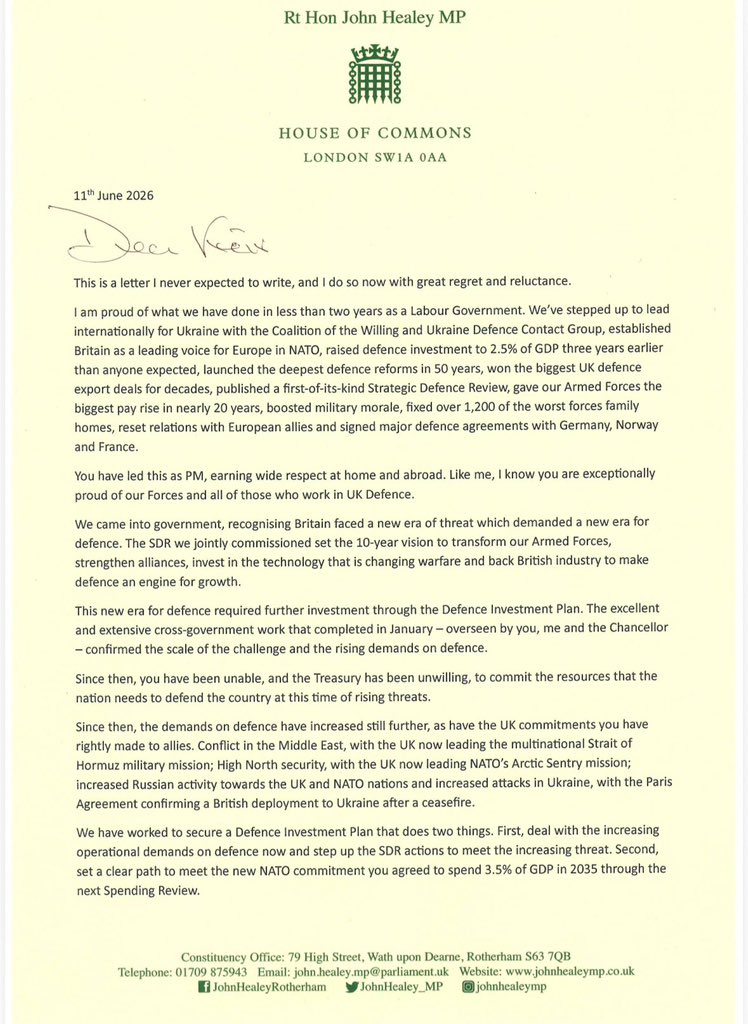
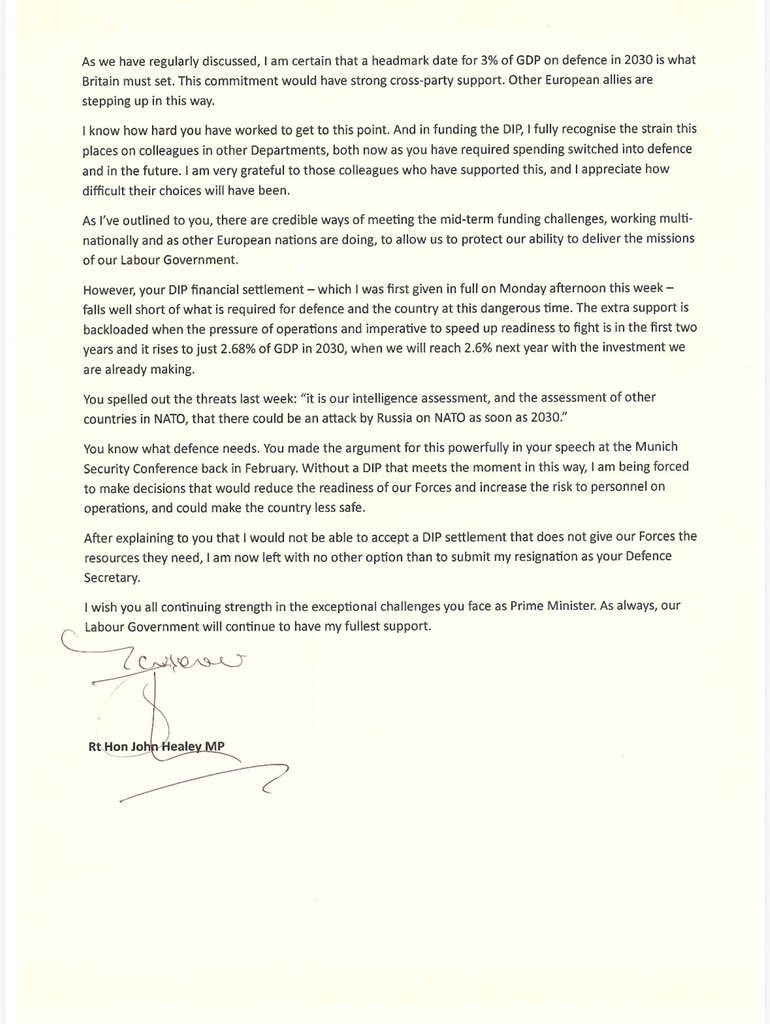
My letter to the Prime Minister
1,955
2,029
10,293
4,645,117
Paul Sweeney MSP retweeted
Jun 10
No one in Scotland should live in fear due to the colour of their skin of their religious belief.
The displays of hate witnessed in the city are the antithesis of the compassionate and welcoming spirit of Glasgow, and will not be tolerated.
148
32
133
11,968
Paul Sweeney MSP retweeted
Jun 10
We have seen the darkness of barbarism and the light of civilisation in the last 24 hours

We see the tower of Jesus Christ illuminated for the first time!
The light show, starting from the base up to the illumination of the cross, culminated with a composition of lights guided by drones that traced the figure of Gaudí and the phrase “first love, then technique”.
4
65
5,000
Paul Sweeney MSP retweeted
Jun 10
The Gloria from the Missa de Angelis (Mass of the Angels). It is one of the most magnificent, uplifting Gregorian chants in the Roman Catholic liturgy
Jun 10

The choir in the Sagrada Família is putting on the performance of a lifetime.
The vocals perfectly complement the stunning visuals of Gaudí’s cathedral!
4
3
46
3,074