Joined July 2009
- Tweets 47,492
- Following 726
- Followers 719
- Likes 25,087
1,271 Photos and videos






Pinned Tweet

BEST GROUP EVER RETURNS FROM MANDATORY MILITARY SERVICE
💜💜💜💜💜💜💜

Let the countdown begin 🎤 BTS THE COMEBACK LIVE | ARIRANG. March 21 8pm KST / 4am PT. LIVE worldwide exclusively on Netflix.
#BTSLiveonNetflix #BTS_ARIRANG
30
12
4,667
💜STREAM BTS’ Come Over💜 retweeted

Jun 14
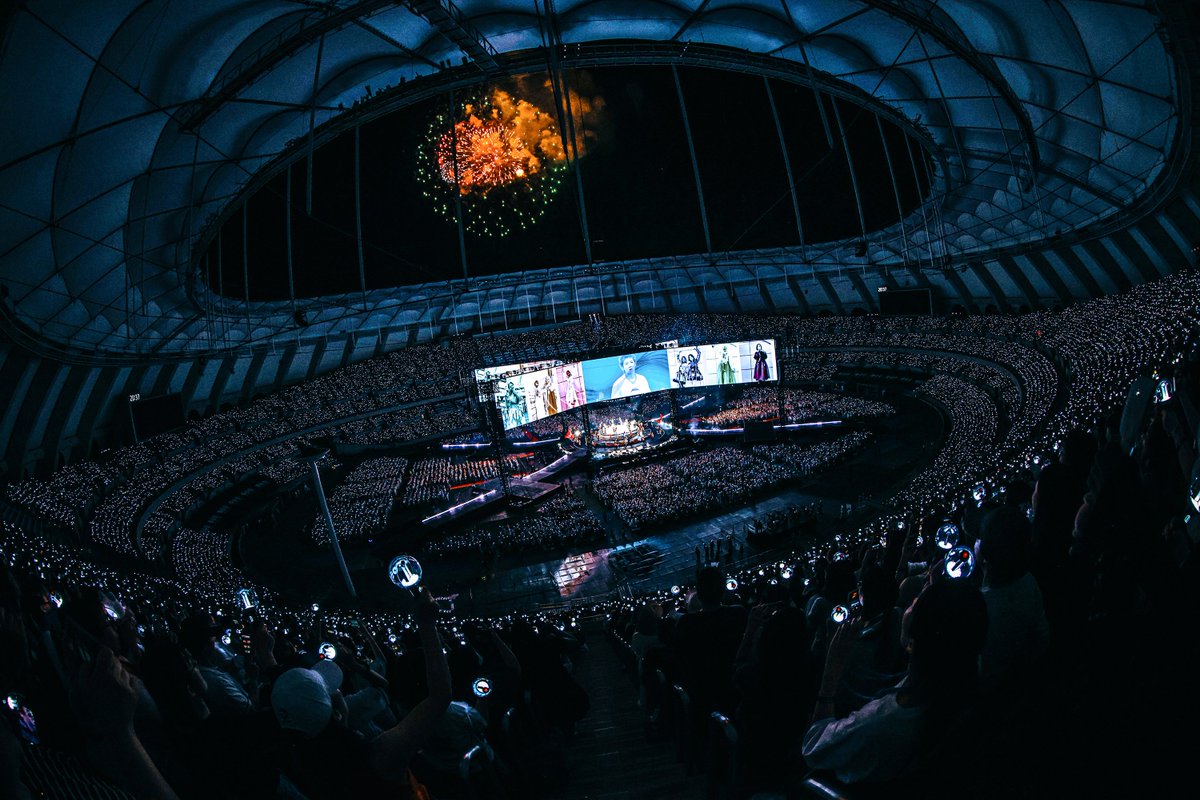
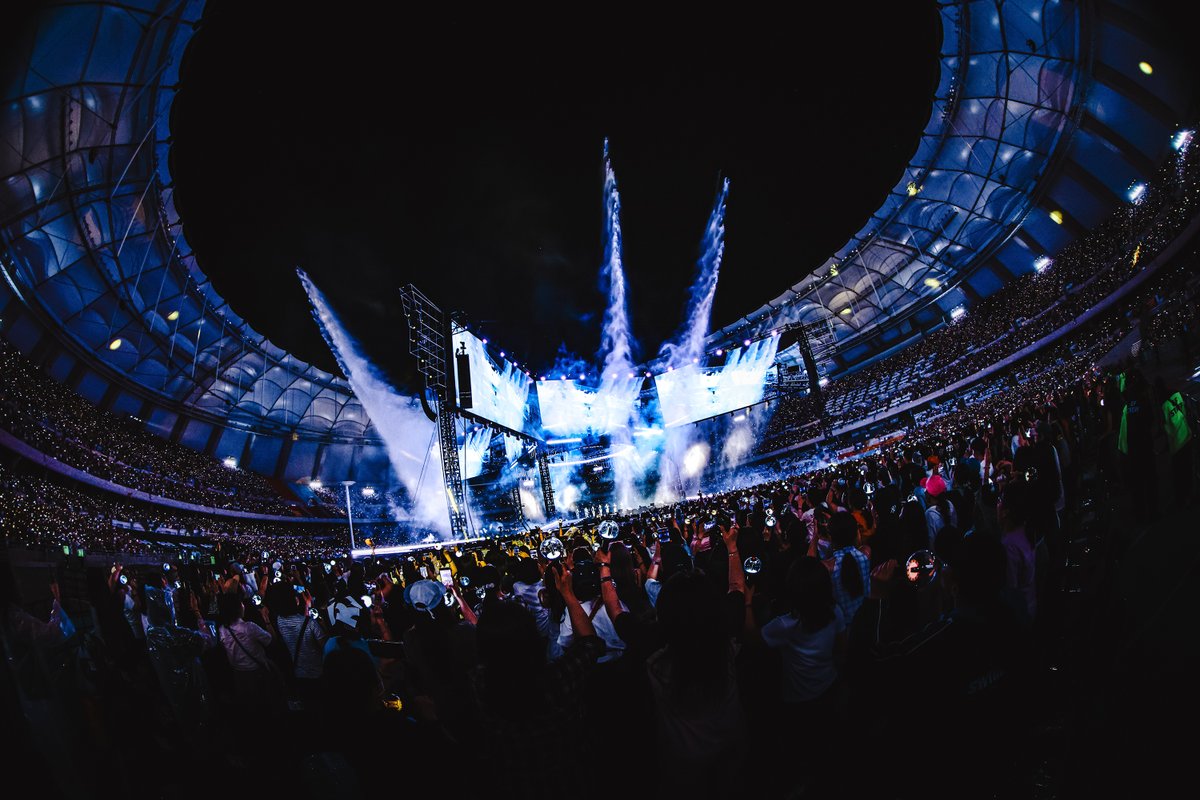
Three years of mandatory military service punched a $3.6 billion annual hole in South Korea's economy. Last night, in the same Busan stadium where they said goodbye before enlisting, on their 13th debut anniversary, BTS started filling it back in.
The $3.6 billion figure came from the Hyundai Research Institute. This wasn't from album sales. It came from 1 in every 13 foreign tourists visiting Korea because of the group, the hotels those tourists filled, the cosmetics they shipped home, the restaurants that stayed packed for days around every show. The Hyundai estimate put their annual economic output in the same range as Korean Air. South Korea's government spent years debating whether to grant military exemptions to all seven members.
In October 2022, before enlisting, BTS played their final group concert in Busan. Free. 50,000 in-person at Busan Asiad Main Stadium, 49 million streaming online. Korea's Culture and Tourism Institute estimated that single free show generated $660 million in economic activity for the city. Two members, Jimin and Jungkook, grew up there. The city lit Gwangan Bridge purple, the group's signature color, and kept it lit for weeks.
Then everyone went quiet. Jin enlisted first, December 2022. By late 2023, all seven were in uniform. HYBE, the entertainment company that manages BTS, watched its stock nearly halve over the following year. Concert revenue, merch sales, and fan events all fell.
Suga was last, discharged June 21, 2025.
Through its first two months on the road, the ARIRANG World Tour has grossed $124 million from 660,000 tickets. Tampa alone pulled $40.7 million over three nights, more than the Seoul and Tokyo legs combined. South Korean analysts expect the full tour to bring in between $1.3 billion and $1.87 billion by March 2027. The Love Yourself Tour in 2018 and 2019 made $187 million total across 38 shows. ARIRANG has cleared two-thirds of that, and it's June.
The name they chose for all of this: Arirang. Korea's unofficial national anthem, a folk song over 600 years old with 3,600 regional variations, UNESCO-listed since 2012. Banned during Japan's 35-year occupation of Korea. Sung in both North and South Korea, one of the few things crossing that political border. Korea's National Folk Museum calls it the cultural DNA of the Korean people. BTS named their comeback after a song about separation, endurance, and return.
Last night in Busan, same stadium, Gwangan Bridge lit purple again. 55,000 paid tickets instead of zero. Less than a year back from service, NH Financial Group now projects BTS fan spending hitting $6.58 billion a year in South Korea by 2040. Nearly double what they generated before enlisting.
Jun 13

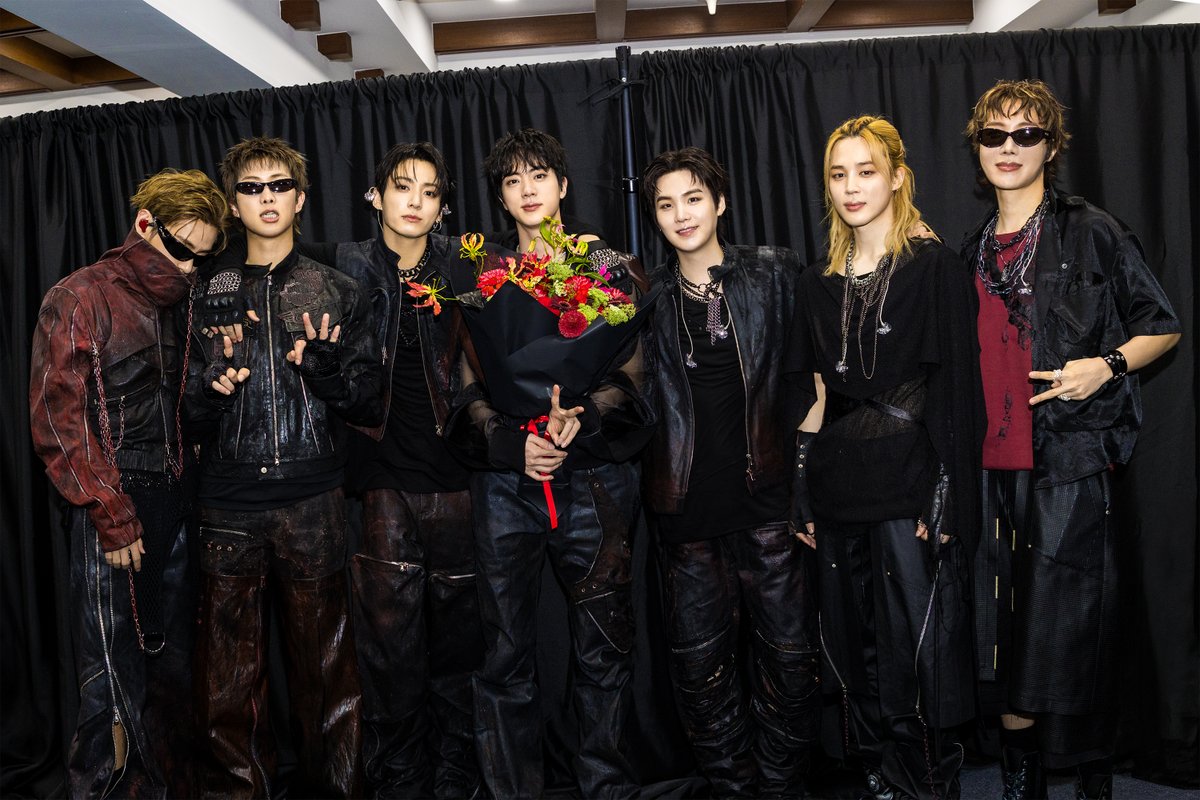
[#오늘의방탄]
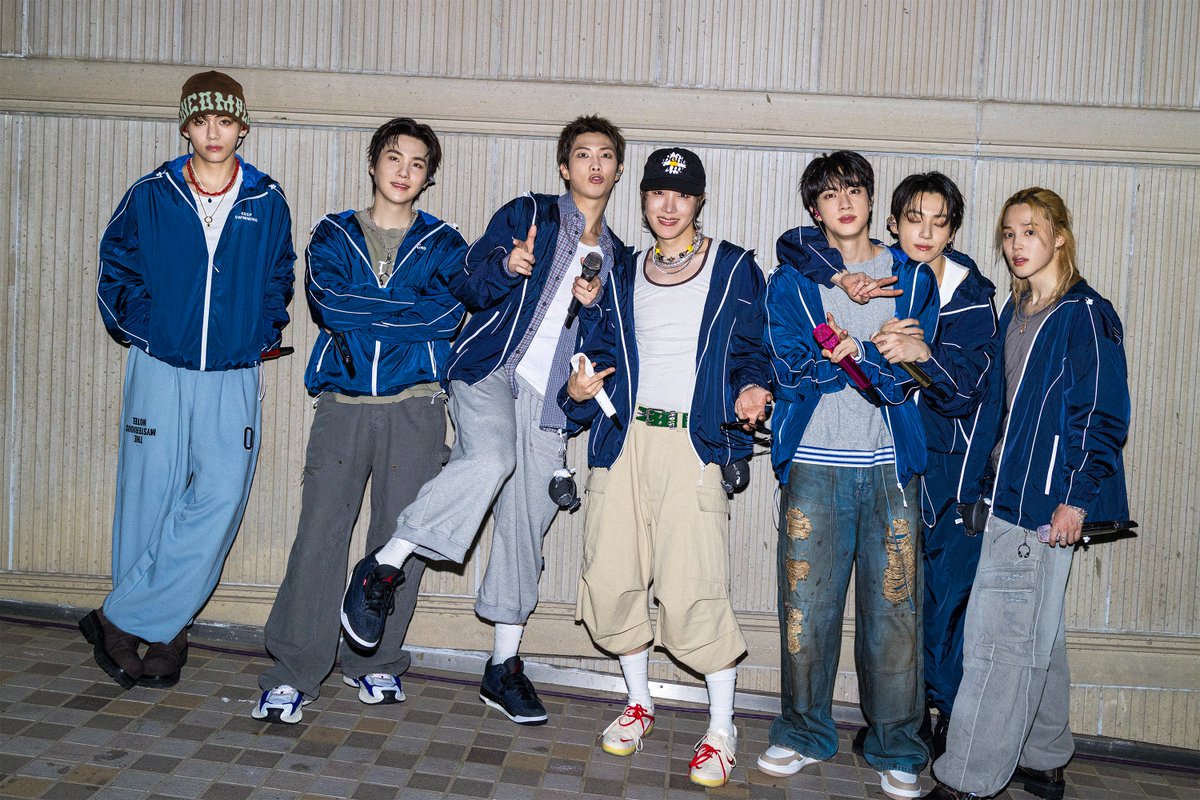
260613 BTS WORLD TOUR 'ARIRANG' IN BUSAN
#방탄소년단 #BTS #BTS_WORLDTOUR_ARIRANG
#BTS_WORLDTOUR_ARIRANG_BUSAN
36
1,330
4,330
132,725

💜STREAM BTS’ Come Over💜 retweeted

11h
I’m embarrassed to be an American.
We have become the trashiest part of the trailer park. Fucking sleazy.

The official broadcast for Trump's UFC fight announces that fighters will be paid in crypto from the Trump family's crypto company
143
54
462
7,935
💜STREAM BTS’ Come Over💜 retweeted

One of the fighters at this tacky event just won his fight and then got on the mic and yelled, "Michelle Obama is a man! Am I right America?" And this garbage audience cheered him. MAGAs are just disgusting people. Straight up trash.
1,120
1,716
14,803
148,090
💜STREAM BTS’ Come Over💜 retweeted

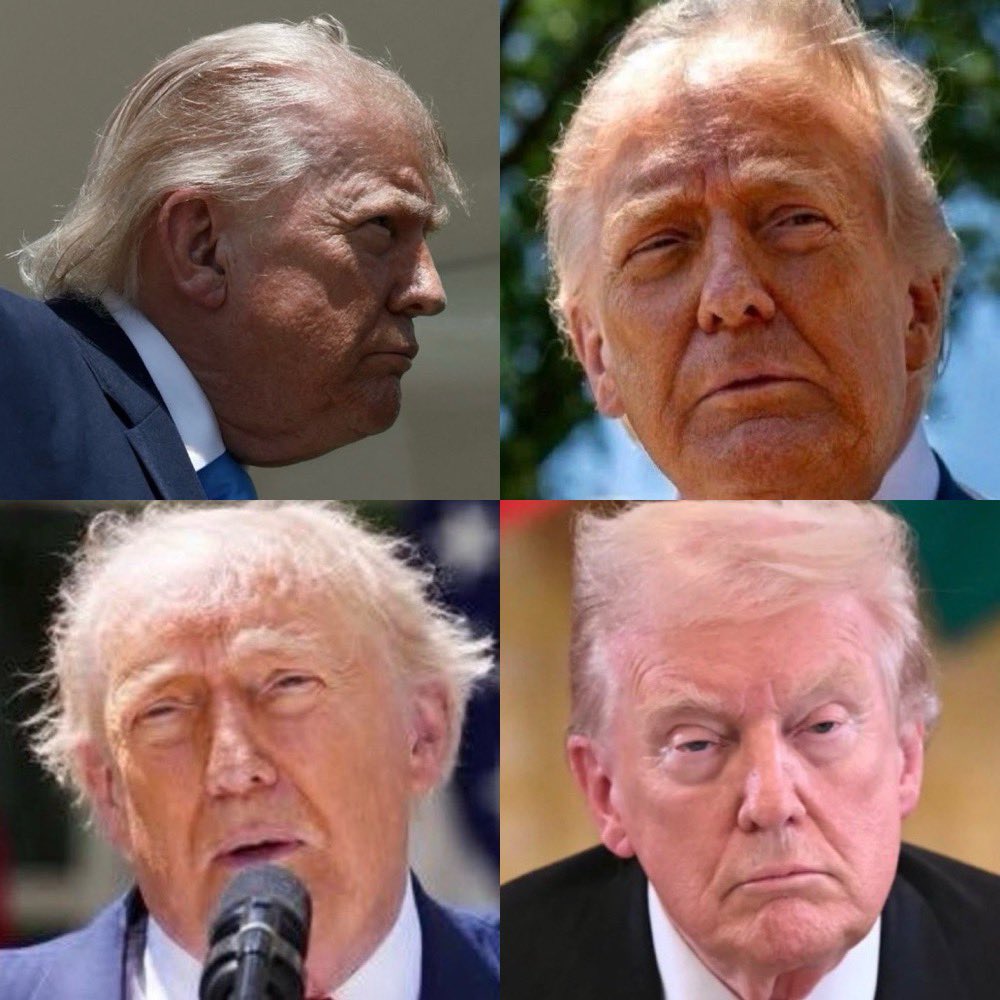
80 is the new 105. May your day be filled with algae, dark clouds and severe thunderstorms, you miserable fat fuck.
667
5,436
25,800
220,861
💜STREAM BTS’ Come Over💜 retweeted

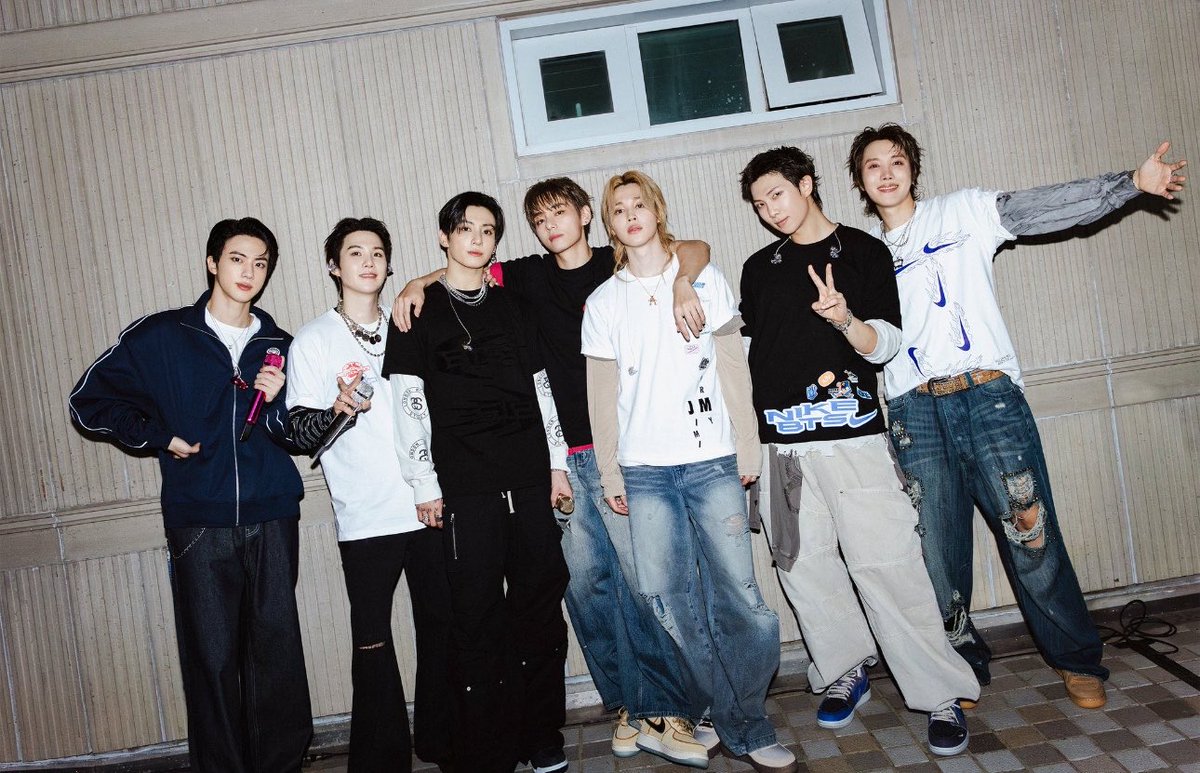
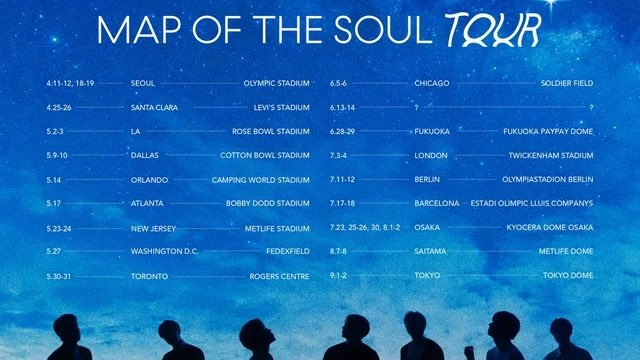
BTS will perform at Estadio Riyadh Air Metropolitano on June 26 & 27. Madrid will serve as the first stop of the European leg of ARIRANG WORLD TOUR.
This will be the first time BTS performs in Spain, doing so in front of an estimated crowd of 60K each night in Madrid. They were scheduled to perform with Map of the Soul World Tour at ‘Estadi Olímpic Lluís Companys’ in Barcelona in 2020, but the tour was cancelled due to COVID-19.
Forbes Spain writes:
“…BTS, the most successful Korean group in the history of K-pop, will land in Madrid. They will also perform at the Metropolitano on June 26 and 27, with more than 120,000 tickets sold. A new mass phenomenon with a positive effect in numerous sectors, from hospitality to beauty.”
SPANISH ARMYS LET’S GIVE THEM A WARM WELCOME AND SHOW THEM HOW LONG YOU’VE BEEN WAITING FOR THIS!!!💜🔥
#BTS_WORLDTOUR #BTS #BTS_WORLDTOUR_MADRID #BTS_WORLDTOUR_EUROPE

15
681
2,954
55,446
💜STREAM BTS’ Come Over💜 retweeted

The NEXT time MAGA tries to clutch pearls over something the left did, remind them that at trump's UFC event, which was supposedly to promote unity (but is really just for trump's birthday) a UFC fighter said “Michelle Obama is a man.”
Does the President support that?
HOW is that UNIFYING?
It is DISGUSTING, and that's why I didn't post the video, and glad I didn't pay Paramount to watch that trash.
768
547
3,451
78,237
💜STREAM BTS’ Come Over💜 retweeted
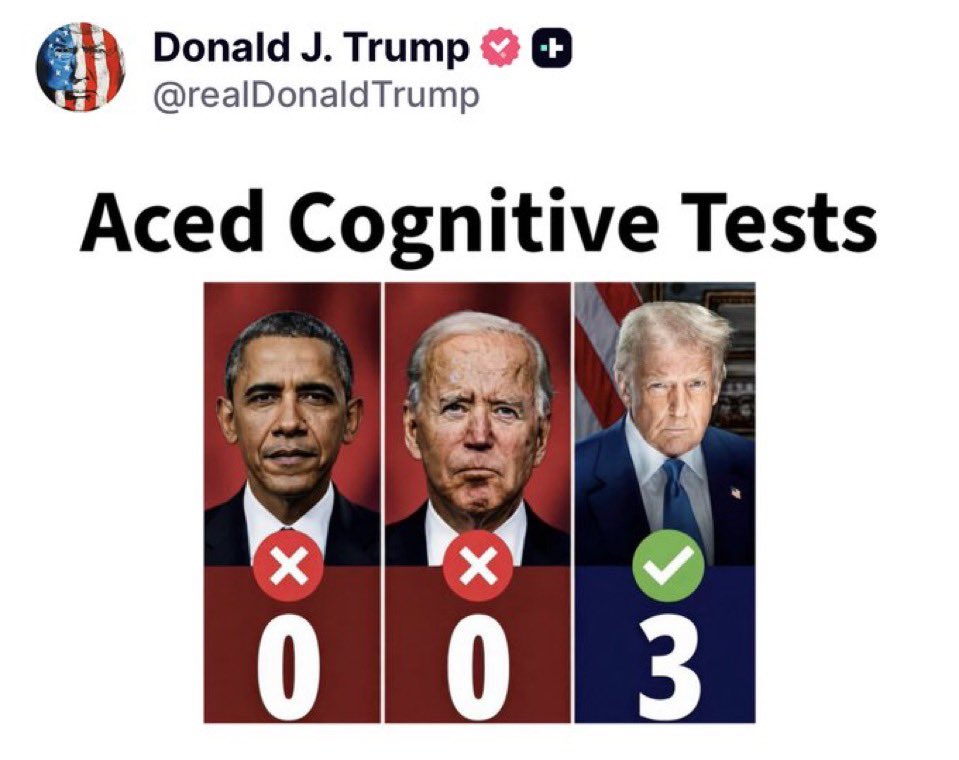
Listen up Fuckface: If you think dementia tests are cognitive tests, you didn’t pass anything. You failed the cognitive tests, failed the dementia tests and somehow turned your medical evaluation into a victory lap. That’s not a flex - that’s the diagnosis, you village idiot.
137
819
3,756
36,866
💜STREAM BTS’ Come Over💜 retweeted

21
1,359
5,105
32,064

💜STREAM BTS’ Come Over💜 retweeted

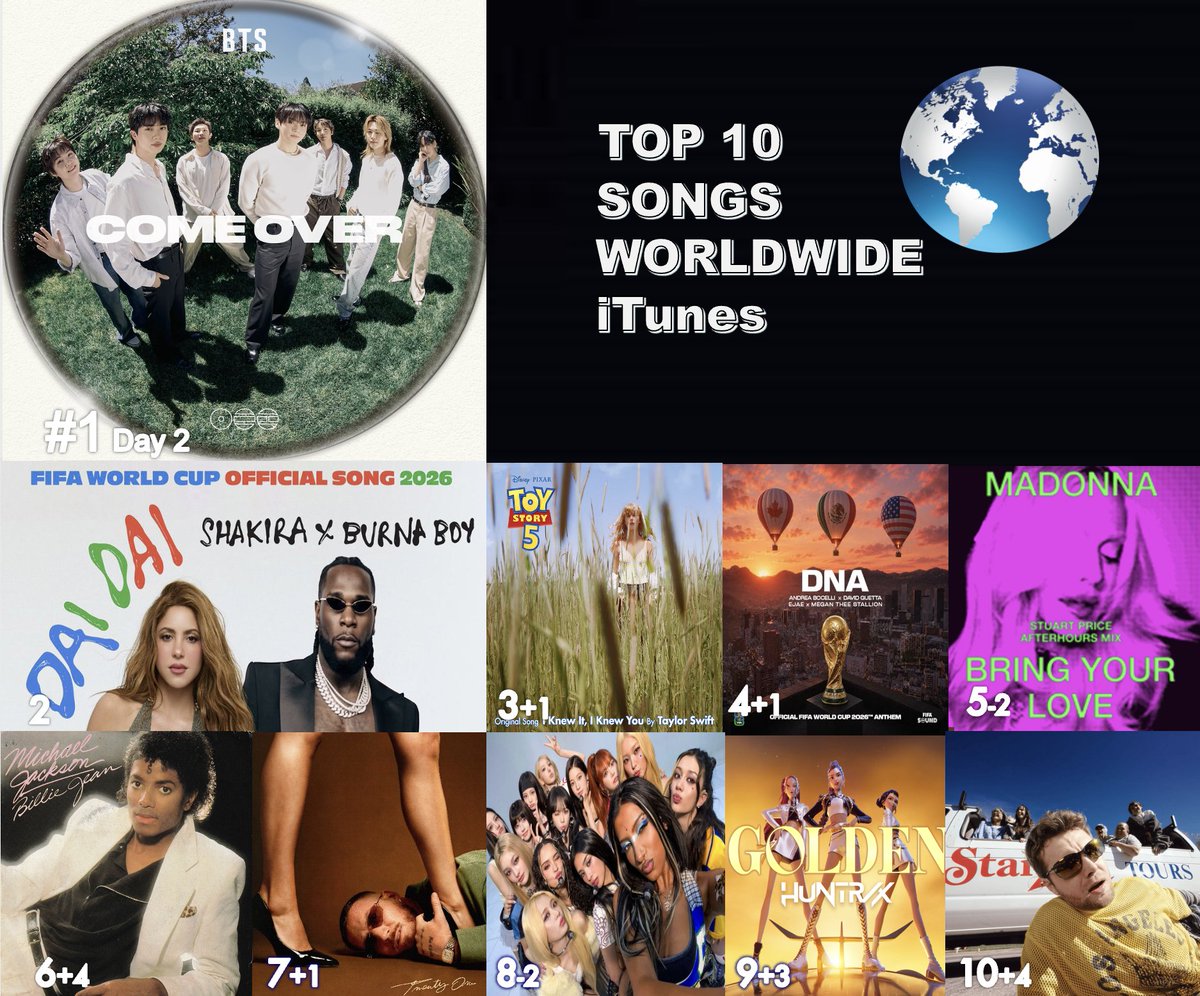
🔝🔟 SONGS ON WORLDWIDE ITUNES
1⃣Come Over - #BTS (#방탄소년단)
2⃣Dai Dai - #Shakira & #BurnaBoy
3⃣I Knew It, I Knew You - #TaylorSwift
4⃣DNA - #AndreaBocelli, #DavidGuetta, #EJAE & #MeganTheeStallion
5⃣Bring Your Love -@Madonna
6⃣Billie Jean - #MichaelJackson
7⃣Movin To The Sun - #HUGEL, #ImaelAngel & #UltraNaté
8⃣ICONIC BY MISTAKE - #LESSERAFIM, #ILLIT & #KATSEYE
9⃣ Golden - #HUNTRX, #Ejae, #AudreyNuna, #REIAMI
🔟FEVER DREAM - #AlexWarren
10
545
1,866
13,889
💜STREAM BTS’ Come Over💜 retweeted
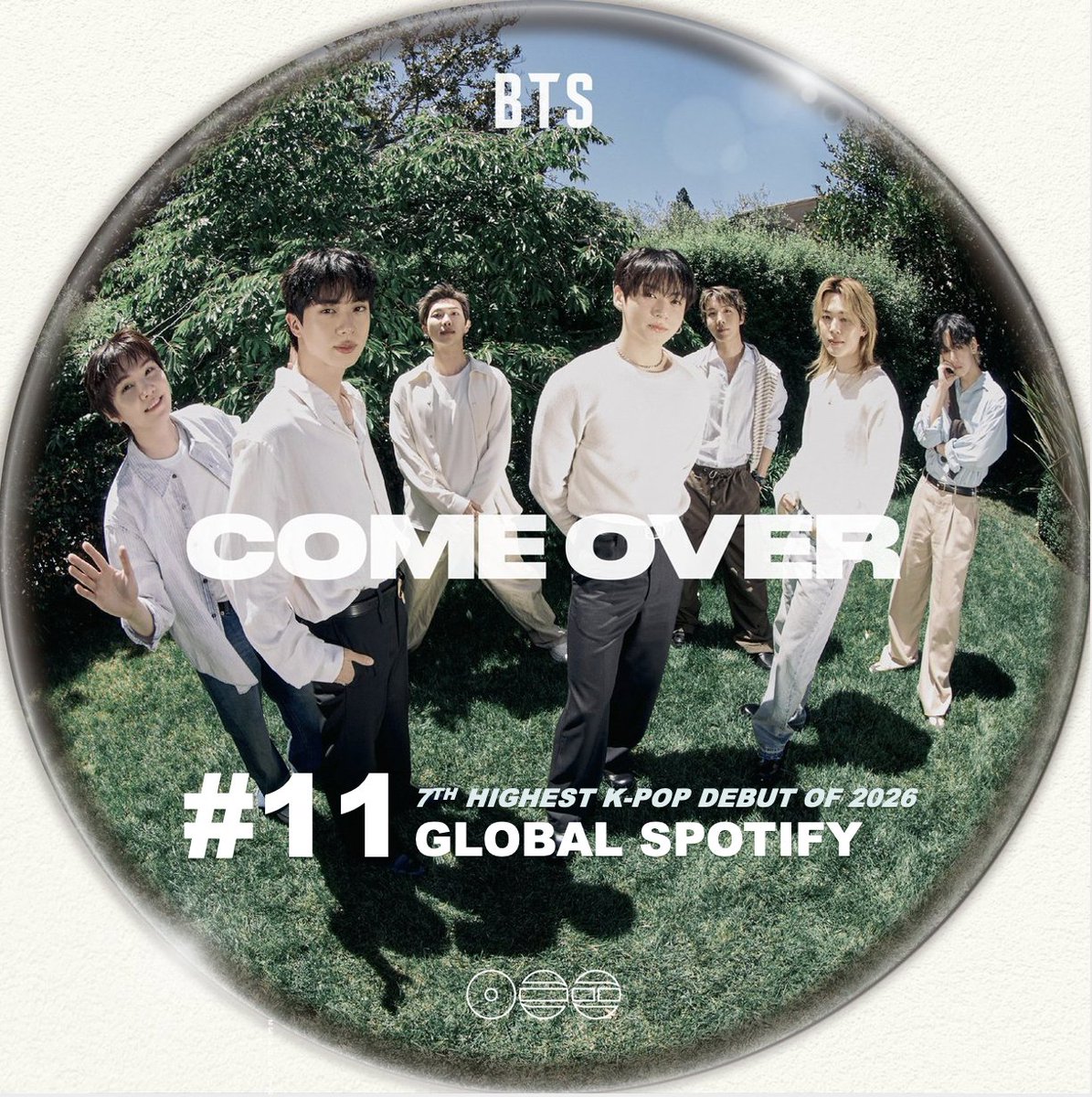
#BTS' latest masterpiece "Come Over" debuts at #11 on the Global Spotify chart with 5,315,119 streams, scoring the 7th highest K-Pop Debut this year! The first 6 are all BTS songs from ARIRANG... 💪🆕🎶💥1⃣1⃣🌎ᯤ ✖️7⃣🔝🇰🇷💥2⃣6⃣🔥👑👑👑👑👑👑👑💜
1⃣ SWIM - 14.64M
2⃣ Body To Body - 11.18M
3⃣ Hooligan - 8.73M
4⃣ FYA - 8.07M
5⃣ Aliens - 7.75M
6⃣ 2.0 - 7.38
7⃣ Come Over - 5.31M🆕
4
529
1,756
11,554
💜STREAM BTS’ Come Over💜 retweeted

Jun 13
[#오늘의방탄]
260613 BTS WORLD TOUR 'ARIRANG' IN BUSAN
#방탄소년단 #BTS #BTS_WORLDTOUR_ARIRANG
#BTS_WORLDTOUR_ARIRANG_BUSAN
2,800
104,365
228,260
1,950,195
💜STREAM BTS’ Come Over💜 retweeted
The movie "Idiocracy" is happening in real life, 500 years early. 🫤
737
1,156
6,697
200,656
💜STREAM BTS’ Come Over💜 retweeted

Jun 13
137
15,204
42,980
263,826
💜STREAM BTS’ Come Over💜 retweeted

Jun 13
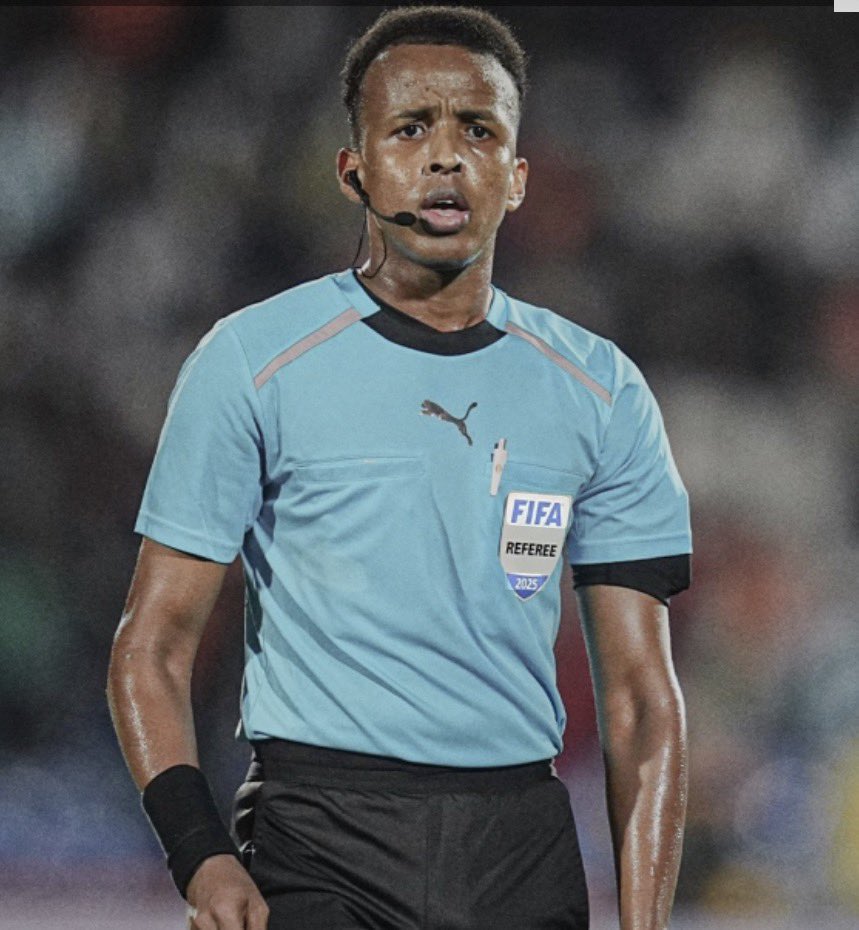
A FIFA World Cup host country must guarantee two fundamental principles: the safety of the country — and the unrestricted entry of all qualified teams, officials and referees. The case of referee Omar Artan from Somalia is against one of these obligations. FIFA must never compromise the universality of football. #Fifa #Somalia #GianniInfantino #CAF #OmarAtan #DonaldTrump
985
5,168
16,654
1,171,433
💜STREAM BTS’ Come Over💜 retweeted
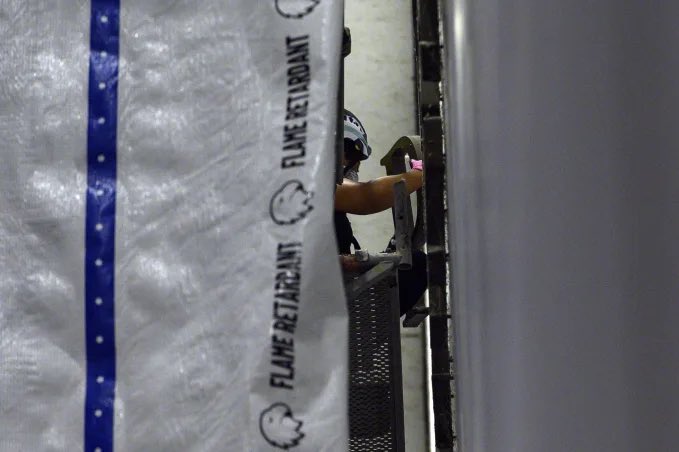
If thousands of people gather to cheer your name being ripped off a building at 4:00 am, even though you ordered the work hidden behind a tarp, just imagine how long the lineup will be to piss on your grave. Try to put a tarp around that motherfucker!
483
4,790
21,301
152,463
💜STREAM BTS’ Come Over💜 retweeted

Jun 13
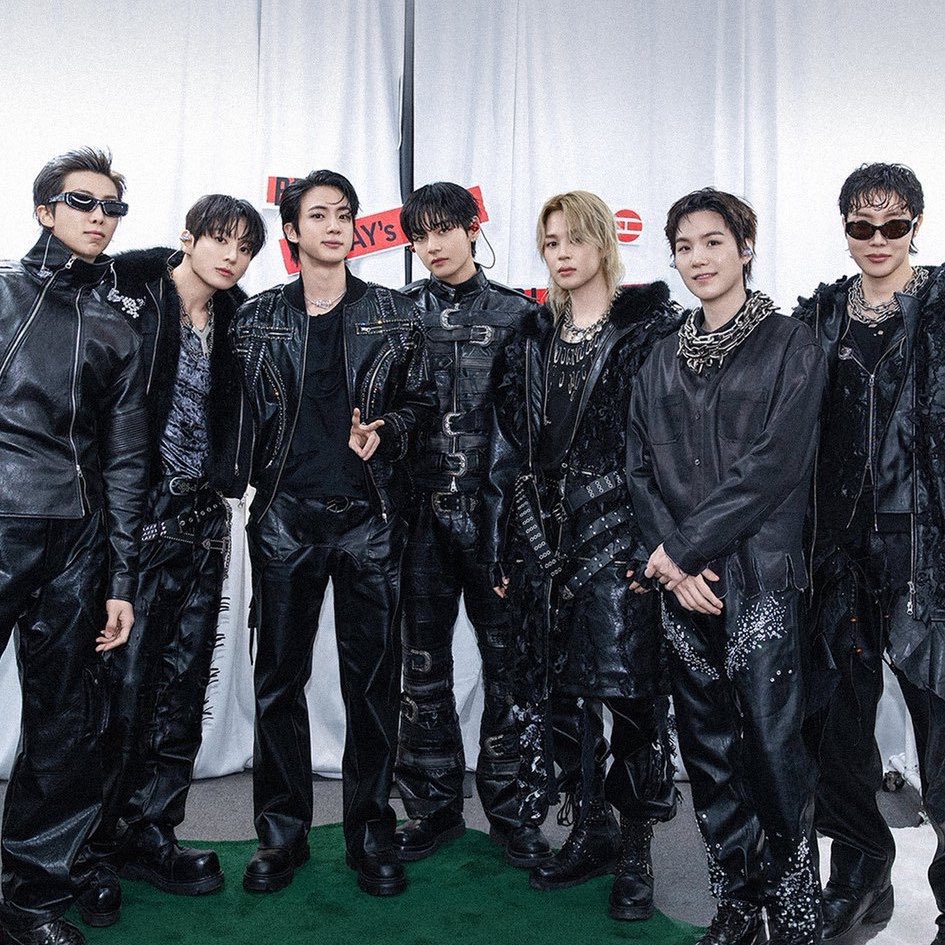
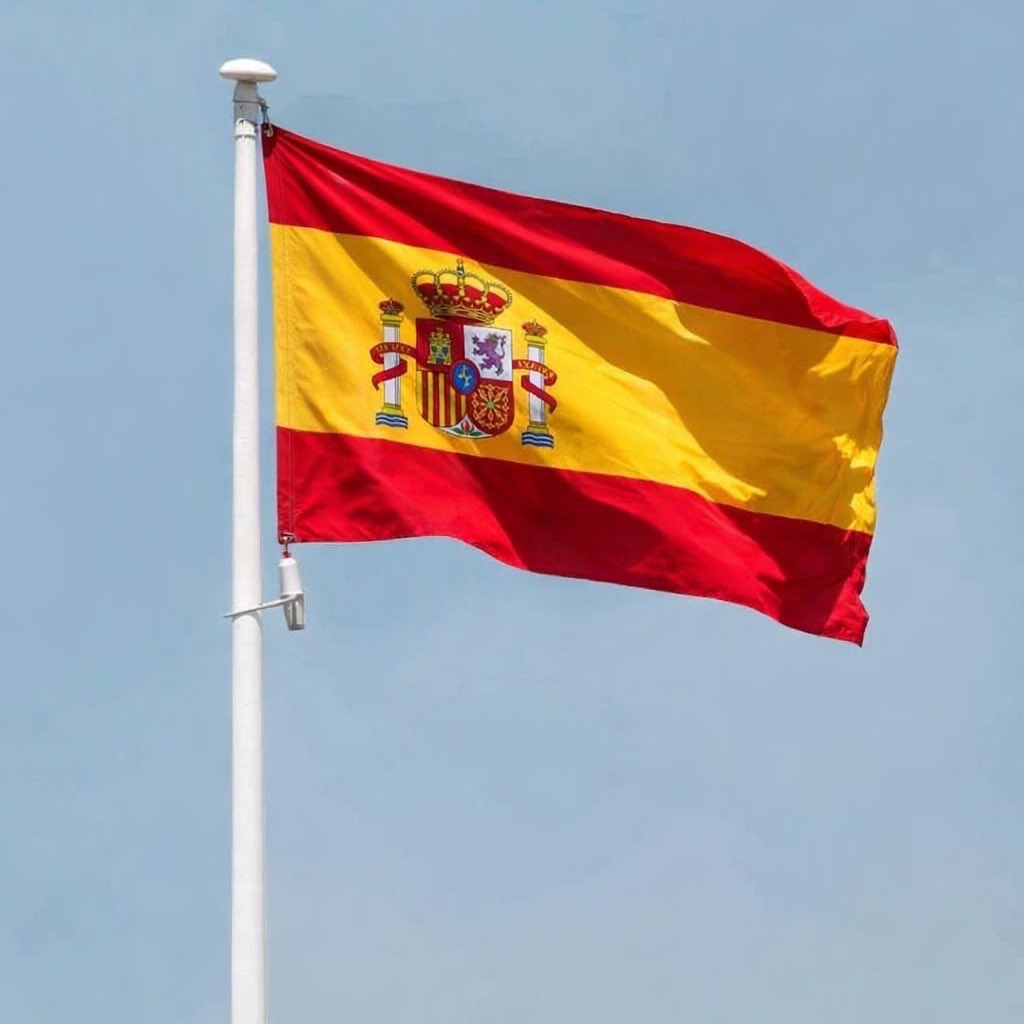
[NEWS] #BTS’ next concerts will take place in Spain, Madrid, marking BTS’ FIRST concerts in the country! 🇪🇸
— Both concerts in June 26 and 27, have officially SOLD OUT!
#BTS_WORLDTOUR_ARIRANG
#BTS_WORLDTOUR_ARIRANG_SPAIN
#BTS_WORLDTOUR_ARIRANG_ESPAÑA
90
3,699
14,310
709,945
RT @AntiTrumpCanada: Just to clarify: During the World Cup opening ceremony in Toronto, Canadians booed the American flag, not because they…
3,250
💜STREAM BTS’ Come Over💜 retweeted

Jun 13
Happy Festa! Celebrating the 13th anniversary of @bts_bighit with a performance of “Butter”! 🫰 #FallonFlashback #BTS13thAnniversary #BTSonFallon
Original Air Date: July 14, 2021
77
9,821
30,959
230,815