
On my 5th career: board member, blogger, skier. Before: Professor of Medicine, co-founder @UTJCB & @gchallenges 🇨🇦, Special Advisor to @WHO Director-General
Joined February 2011
- Tweets 67,145
- Following 12,458
- Followers 31,348
- Likes 61,221
6,957 Photos and videos

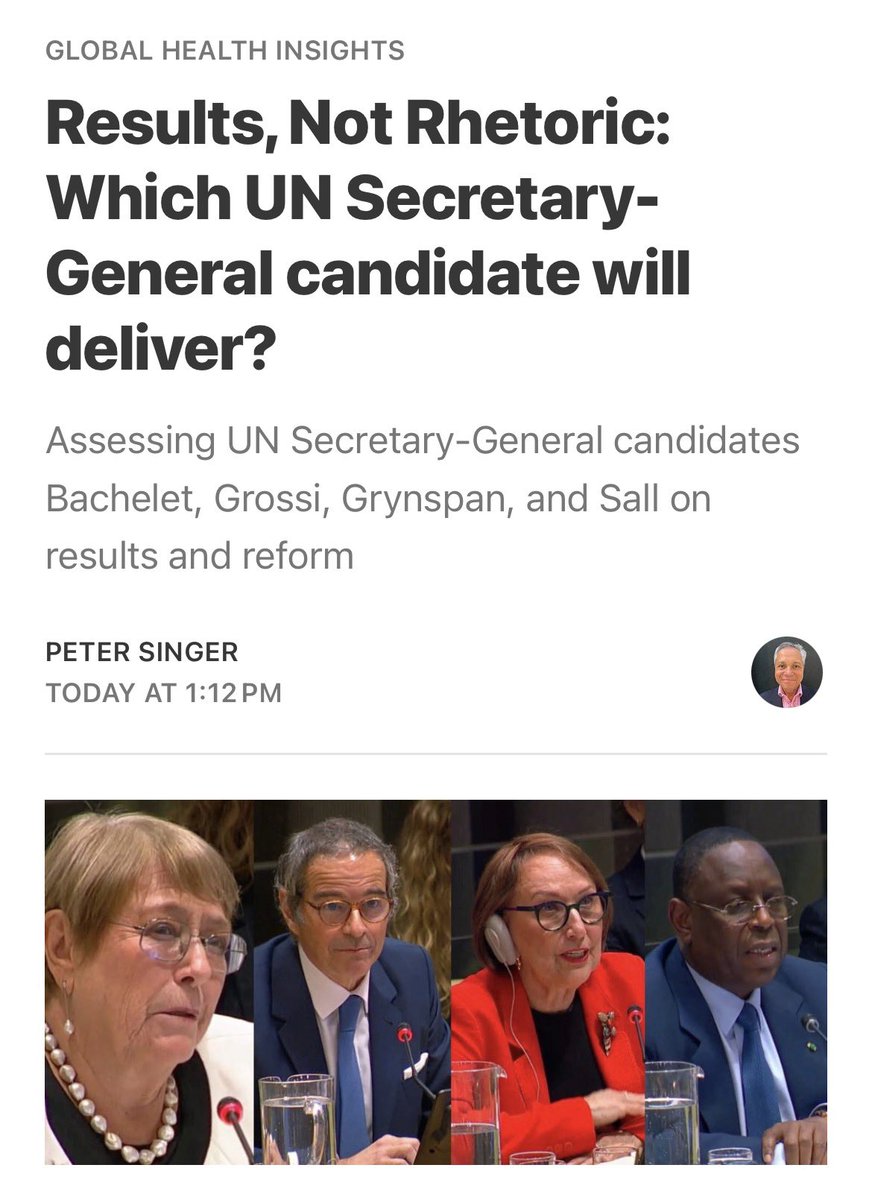



Dr. Peter A Singer, OC retweeted

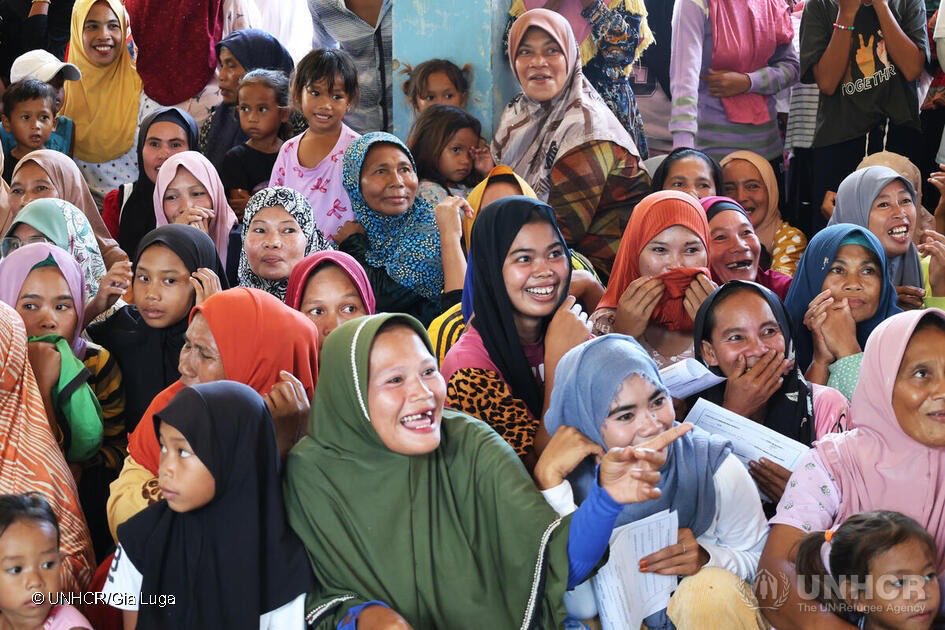
Forced displacement fell for the first time in years, the underlying crisis of long-term exile persists.
Humanitarian aid saves lives, but it isn’t a permanent solution. 70% of refugees live in long-term exile.
More in our latest Global Trends report: unhcr.org/global-trends
1
8
309
Dr. Peter A Singer, OC retweeted
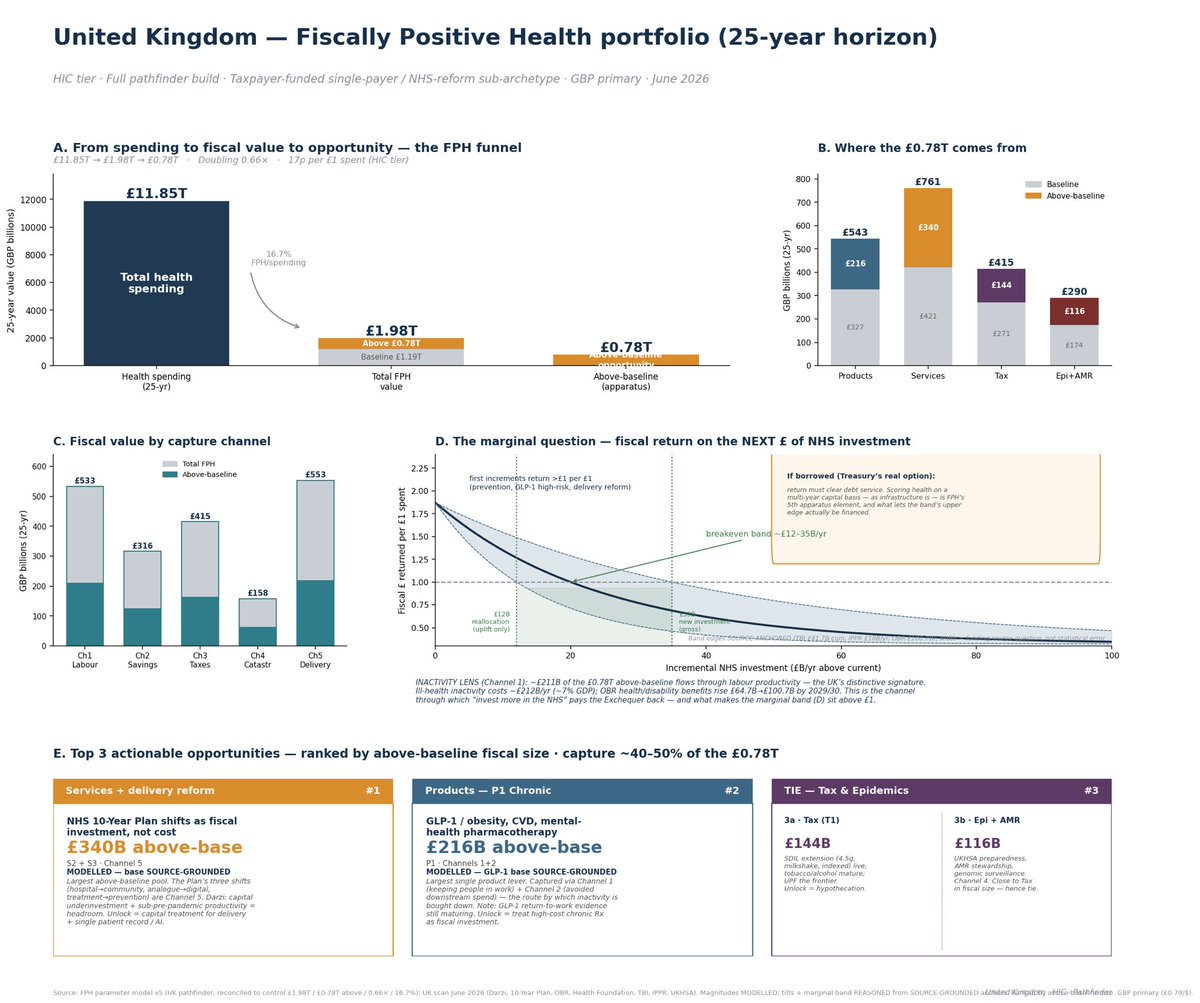
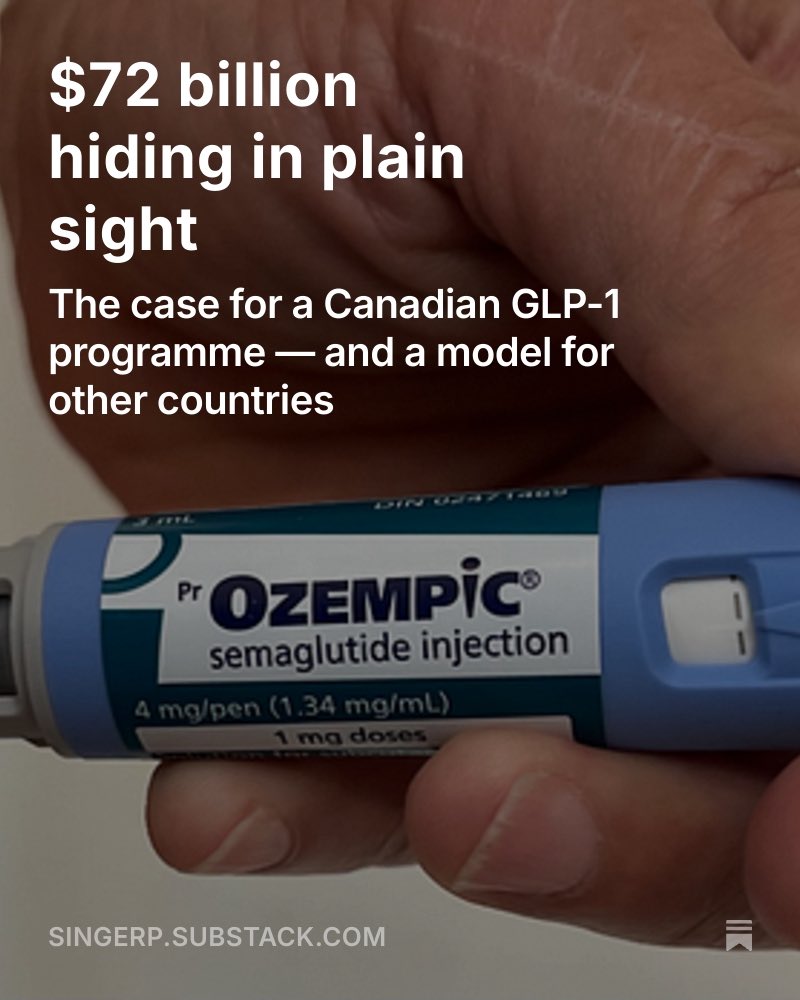
For years people told me “health is an investment, not a cost.” No one could ever say how much was returned, or to whom. So I modelled it: 58 countries, 25 years, finance-ministry accounting. 🧵
1
2
9
895
Dr. Peter A Singer, OC retweeted
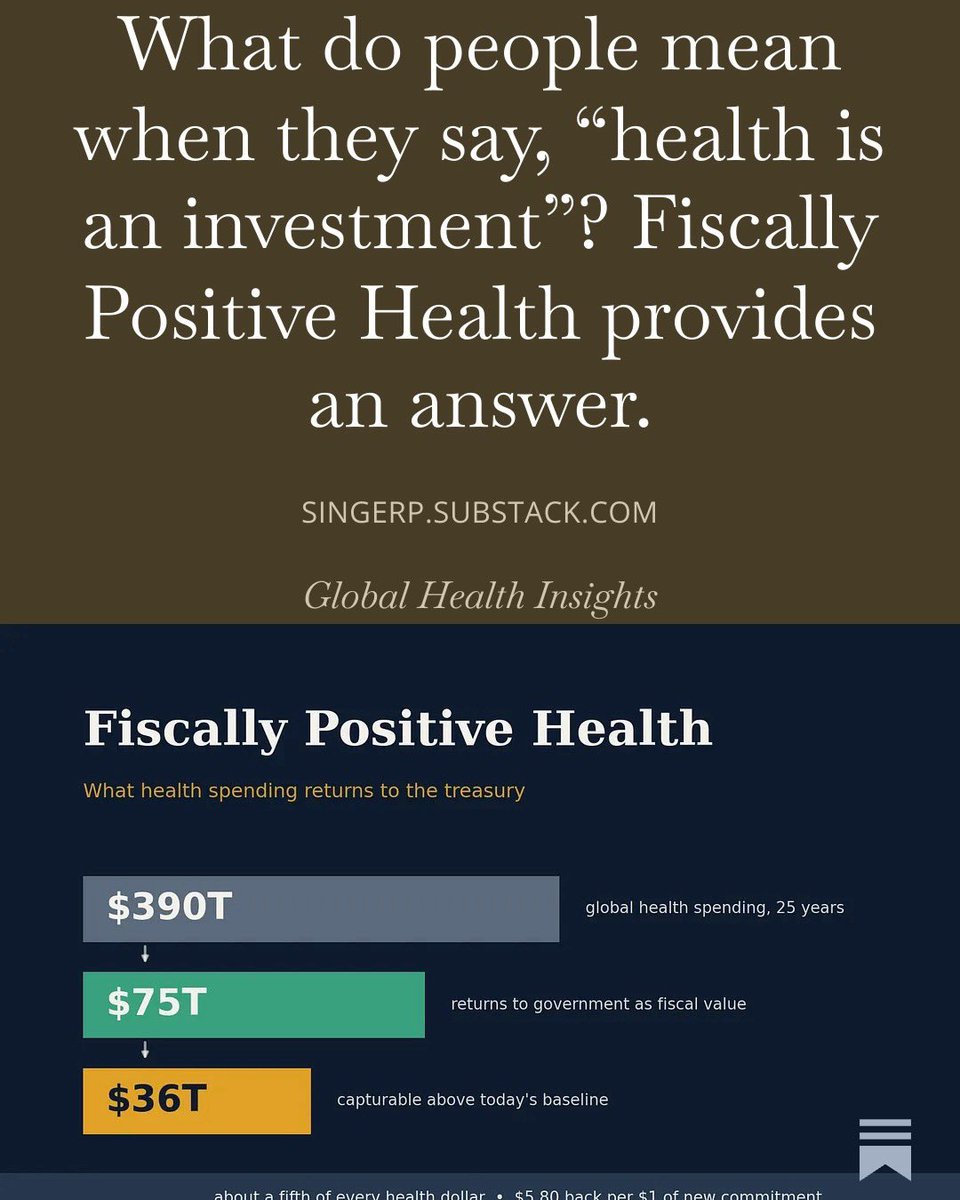
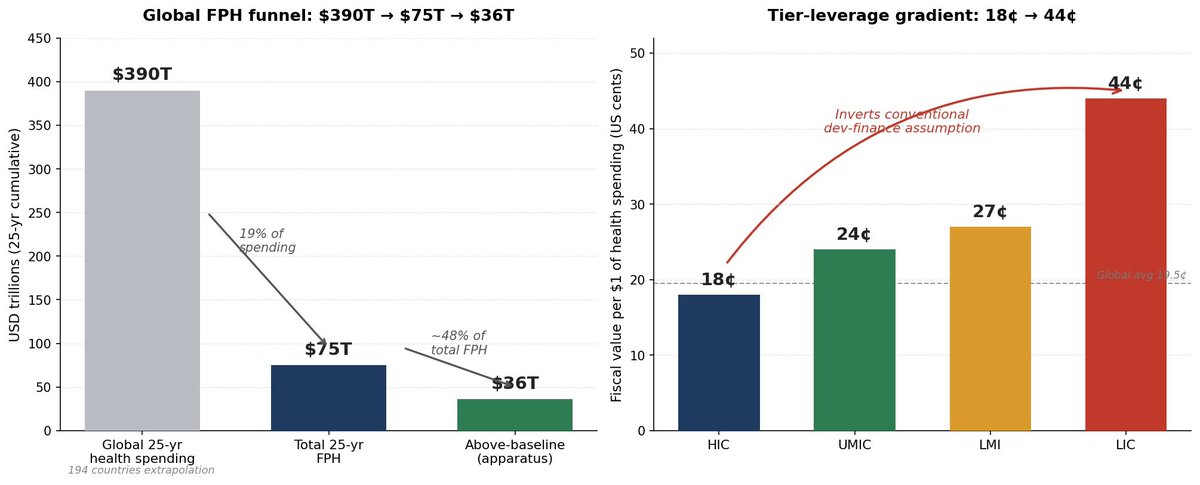
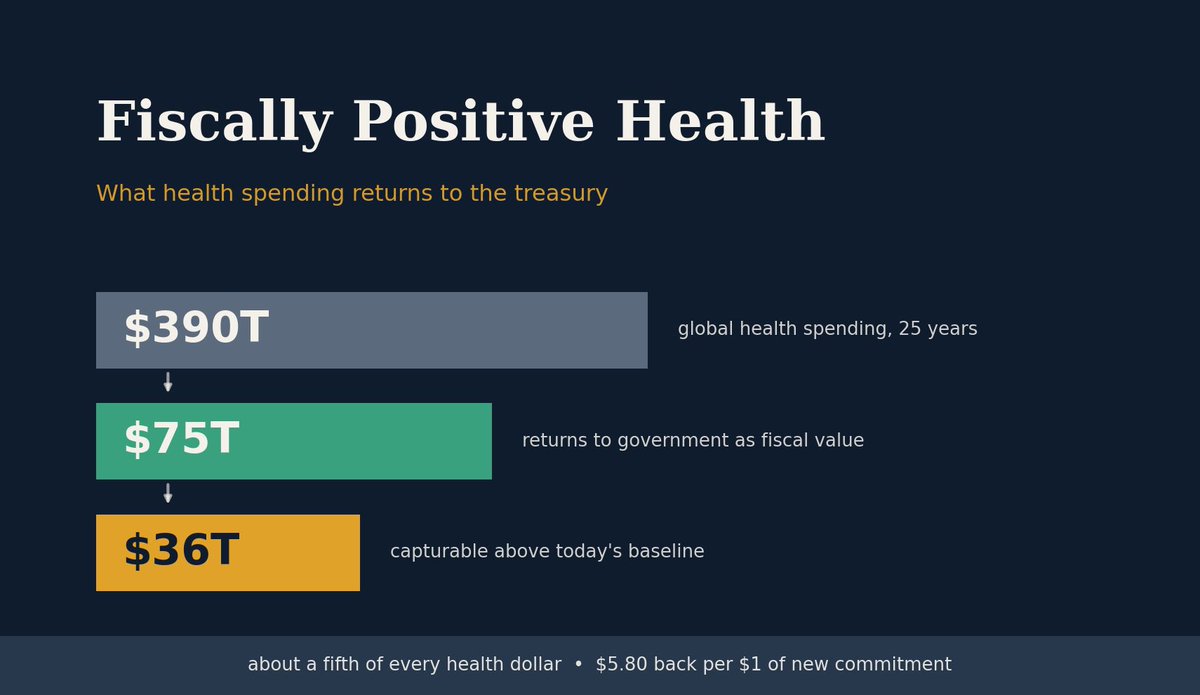
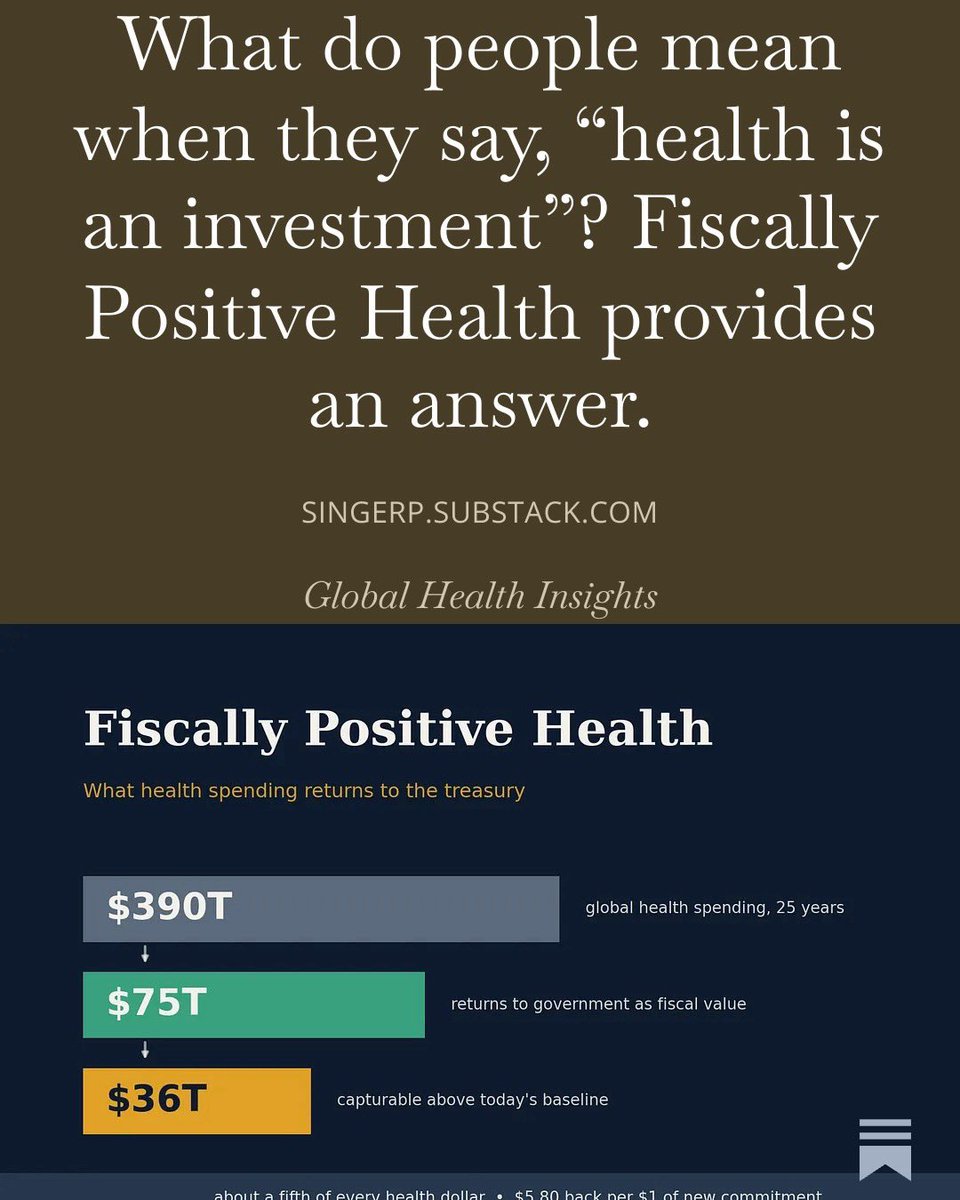
The world will spend ~$390T on health over 25 years. About $75T could come back to treasuries — a fifth of every dollar. Governments capture half of that today. The other $36T is left on the table. 2/5
1
1
4
778
For years people told me “health is an investment, not a cost.” No one could ever say how much was returned, or to whom. So I modelled it: 58 countries, 25 years, finance-ministry accounting. 🧵
1
2
9
895
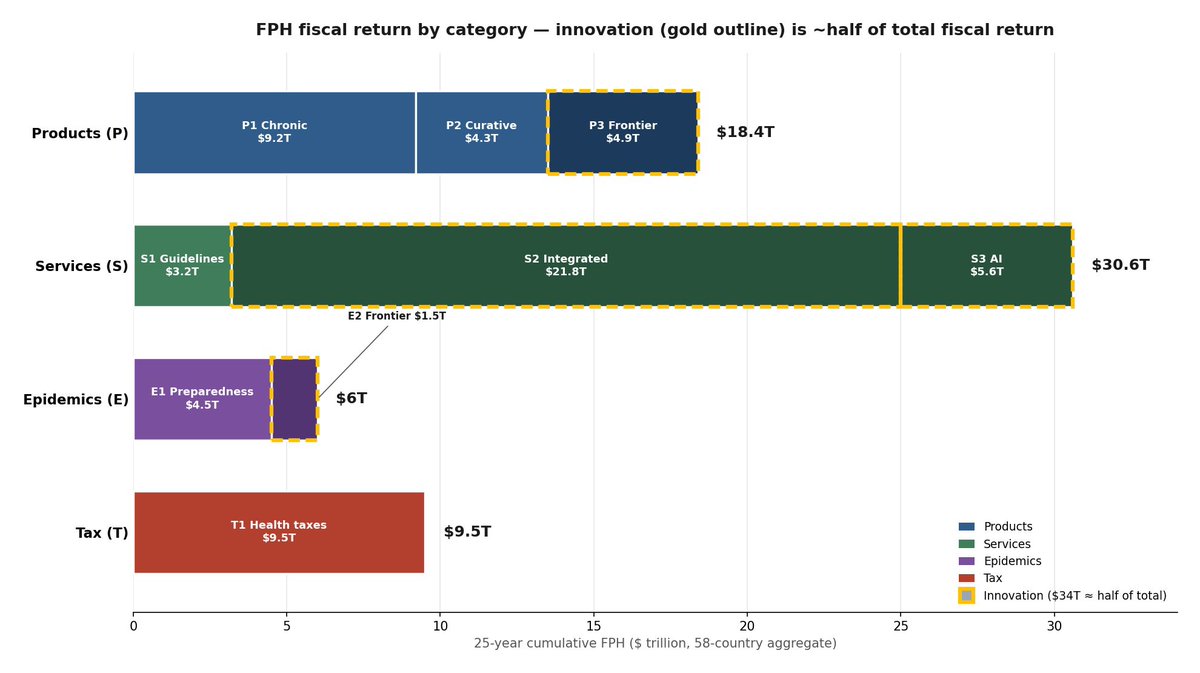
The biggest return by kind isn’t tax or drugs. It’s innovation — and inside that, service delivery: the unglamorous work of organizing care. The global South is building these models itself, not importing them. 4/5
1
47
Most of the $36T isn’t new money. It’s reallocation, at ~$5.80 returned per $1 of new investment. I call it Fiscally Positive Health. See blog below. I’ll share any country’s profile — ask. 5/5 open.substack.com/pub/singer…
1
57
Dr. Peter A Singer, OC retweeted

Brilliant logic, as always, by @PeterASinger that finally gives substance to the oft-repeated phrase “health is an investment.” The concept of Fiscally Positive Health re-frames public health in language that finance ministries understand: not merely as expenditure, but as a generator of measurable fiscal returns. By demonstrating how better health can strengthen public finances, this framework builds a compelling bridge between economics and equity—a rare example where sound public health is also sound fiscal policy
📈🏥💡
The strongest argument for investing in health may no longer be moral or humanitarian alone—it may be that healthy populations are among a nation's most productive fiscal assets. 📊🏥💵
#PublicHealth #GlobalHealth #HealthEconomics #FiscalPolicy #HealthInvestment #UniversalHealthCoverage #HealthcareInnovation #HealthSystems #GlobalDevelopment #PublicFinance #ValueBasedHealthcare #HealthForAll
What do people mean when they say, “health is an investment”? Fiscally Positive Health provides an answer., by @PeterASinger open.substack.com/pub/singer…
1
1
4
577
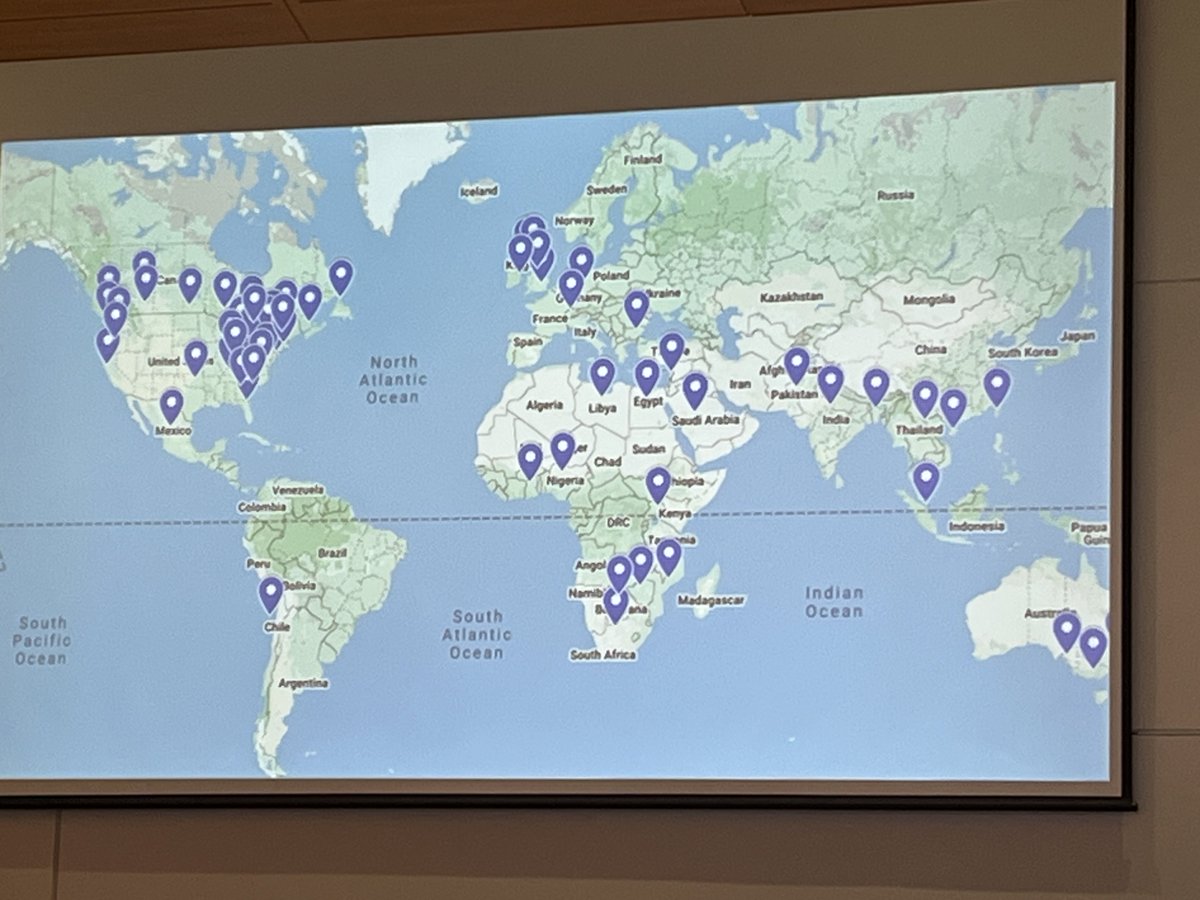
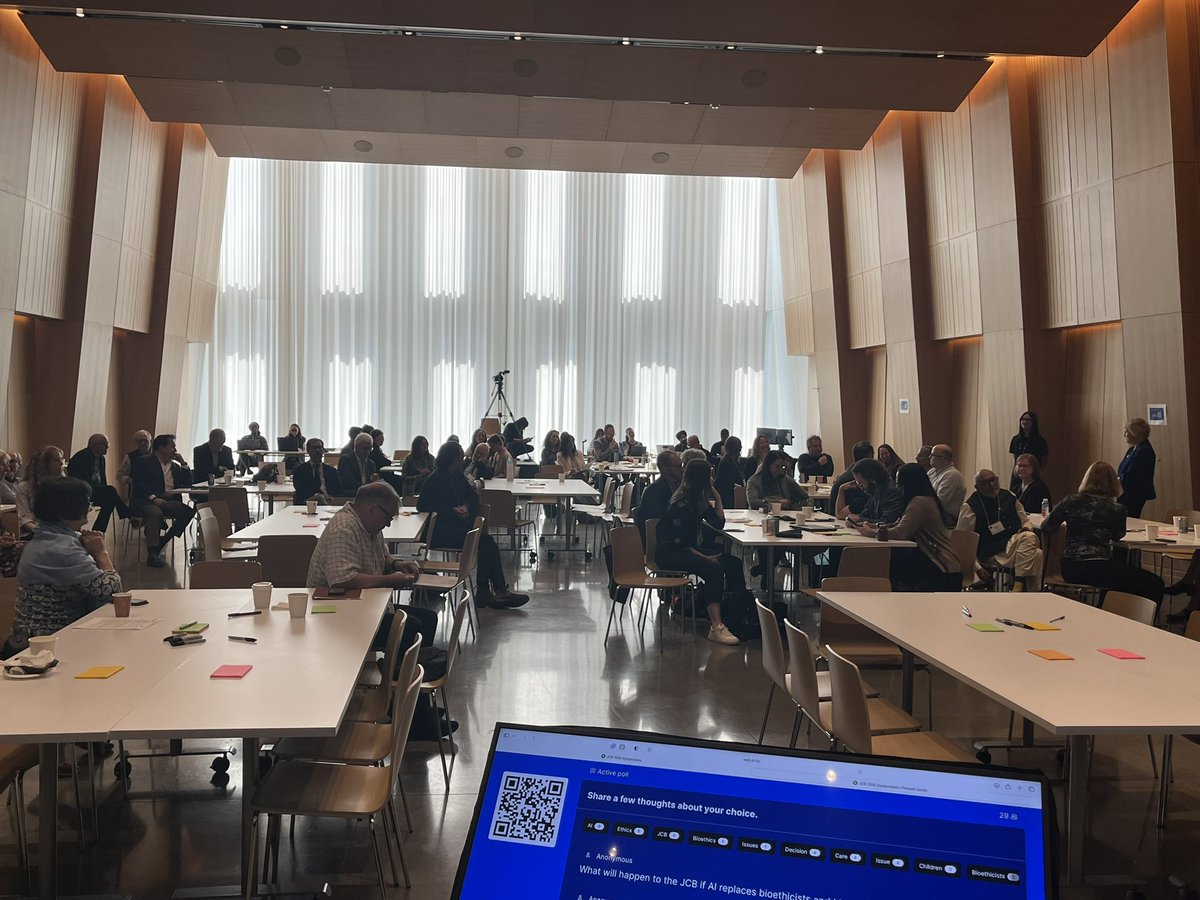
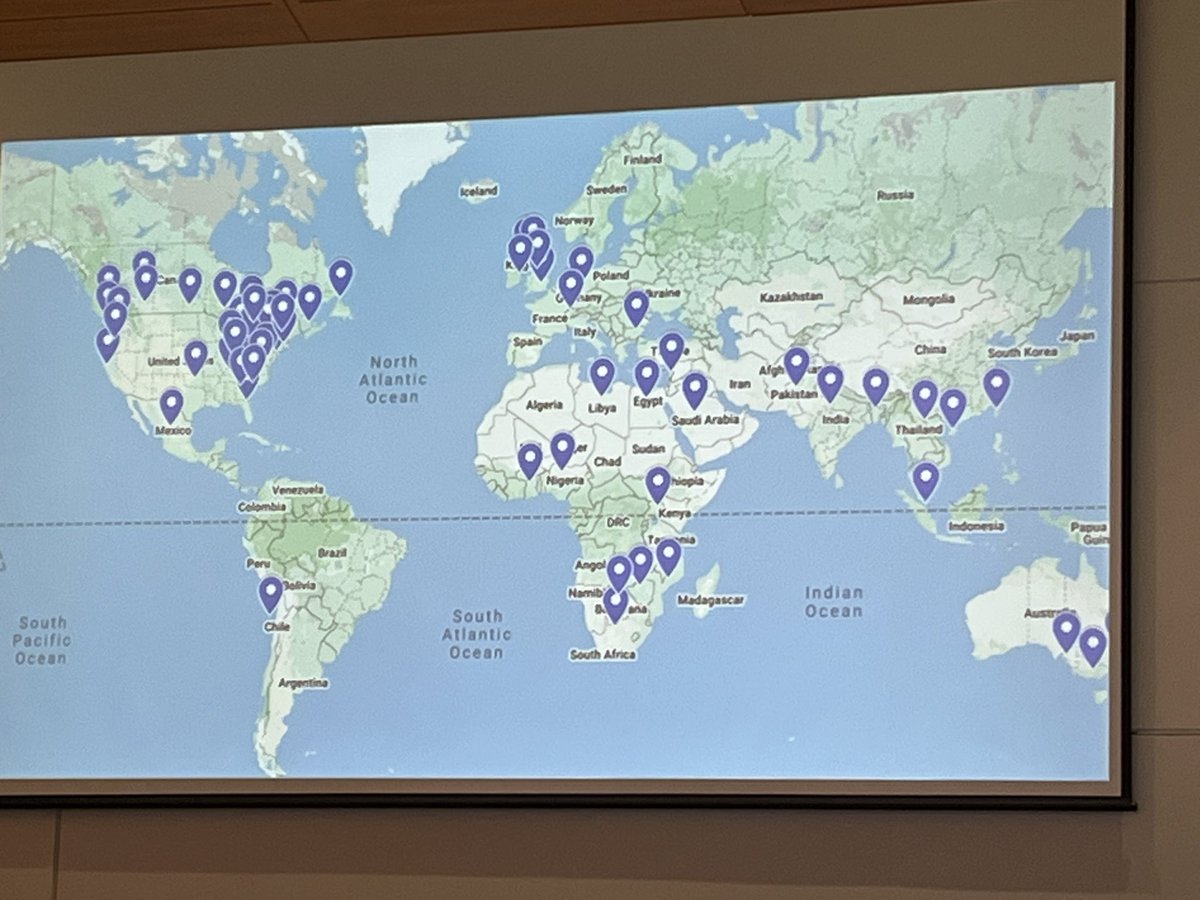
30 years is a long time! Proud to mark this anniversary of @utjcb which has produced more than 500 alumni around the 🌍 #bioethics
1
1
3
294
Dr. Peter A Singer, OC retweeted

Jun 2
Happy 30th Anniversary, JCB! Here's to many more impactful years ahead!

Celebrating 30 years of University of Toronto Joint Centre for Bioethics. More than 500 alumni. Truly a global network.
1
1
267
Tantalizing finding 👇🏻
Jun 2

A new study links GLP-1 drugs and 30-35% reduced incidence of breast cancer, using matched-pair propensity analysis
ascopubs.org/doi/10.1200/OP-…
Confirms other association studies but still no proof
418
Celebrating 30 years of University of Toronto Joint Centre for Bioethics. More than 500 alumni. Truly a global network.
1
2
9
648
Dr. Peter A Singer, OC retweeted

A new explosive report by @MedIntegrity shows how @WHO singles out Israeli actions while downplaying abuses by Hamas and other armed groups.
Report: centerformedicalintegrity.or…
2
7
11
1,169
Dr. Peter A Singer, OC retweeted

May 28
🧵One of the defining features of modern anti-Israel advocacy is the systematic removal of context.
The recent letter signed by former Canadian diplomats and senior officials is a perfect example of this phenomenon.

7
5
25
4,618
Dr. Peter A Singer, OC retweeted

In my call with Prime Minister @MarkJCarney of Canada, I expressed my deep alarm over the rise in antisemitic violence in Canada. I called on Prime Minister Carney and his government to address the fear and sense of abandonment felt by our sisters and brothers in the Canadian Jewish community before it’s too late.
In our discussion, we agreed that Israel has the right to self-defense. I reiterated that we are acting to protect our people against the threat of terror from Iran and its terror proxies in the region, including Hezbollah in Lebanon. I also underlined the importance of implementing UN Security Council Resolution 2803 in Gaza, including the vital condition that Hamas is disarmed and a new government is established in Gaza.
1,347
802
5,117
297,255
Dr. Peter A Singer, OC retweeted

May 23
People think that the data on antisemitism tells us how bad things are – as if it paints the whole picture. That couldn’t be further from the truth. In fact, the data on antisemitism, which major organizations, activists, scholars, and the media often obsess over, really doesn’t scratch the surface.
Every year, we hear about the hate crime statistics. Numbers go up. People express concern. Politicians make statements. And then we move on — as if counting the incidents we can measure tells us something meaningful about the full scope of what Jewish people (and their allies) are experiencing.
It doesn't.
Data captures *reported* things like assaults, vandalism, and egregious verbal statements – so long as they meet some arbitrary threshold. But data doesn't capture the look a Jewish kid gets when someone notices the Star of David around their neck. It doesn't capture the colleague who makes a remark at a dinner that everyone laughs off – but which the Jews at the table will never forget. It doesn't capture the sticker on the bus shelter that ruins your day before it's even started. It doesn't capture what it feels like to walk past a march where thousands of people are chanting slogans that call for the elimination of your homeland — and by extension, you.
It doesn't capture the parent who tells their child not to wear anything Jewish to school anymore. The professor whose classroom has become a place where Jewish identity is treated as something inflammatory. The conversation overheard at a coffee shop, where someone starts explaining why, actually, Hamas had a point. The data doesn’t mention the babysitter who stood in my living room in January 2024, and told me – in front of my family – that “Israel was gifted to the Jews.”
The most painful parts of antisemitism – of what we’re going through – rarely make it into a report. It lives in the spaces between data points — in the silences, the sidelong glances, the casual cruelties that Jews absorb daily and rarely bother discussing, because they've learned that nothing will happen anyway.
The numbers are alarming. The reality is worse.

39
60
241
11,078
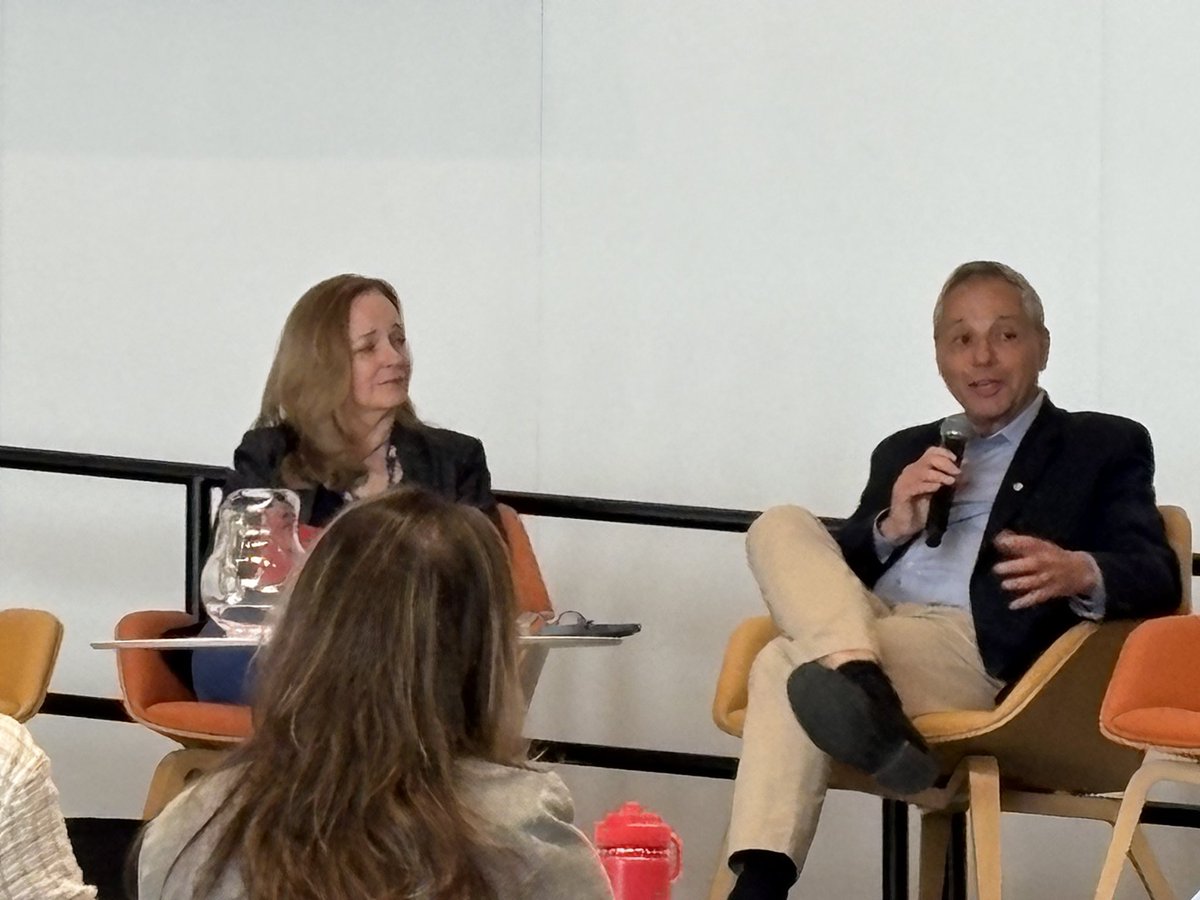
Less convening. More delivery.
That’s the shift the next WHO Director-General will need to drive. New clip from my podcast with @jocalynclark (BMJ).
2
1
5
1,815