immigrant, scientist, enophile, husband, dad, professor, molecular imaging at Massachusetts General Hospital and Harvard Medical School
Joined May 2014
- Tweets 1,464
- Following 574
- Followers 1,363
- Likes 3,332
323 Photos and videos


12 Jan 2024
Great opportunities opening up here!
11 Jan 2024

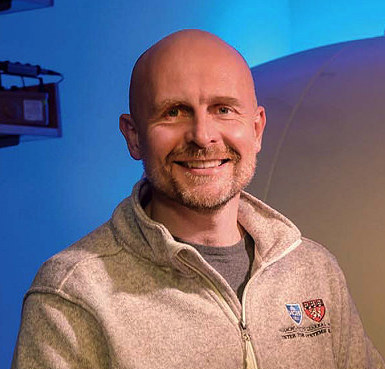
The Gordon center started the new year with a new biological emphasis under new leadership: @MatthiasNahrend is our new director. Umar Mahmood will lead a technology-focussed sibling, the Center for Nuclear Medicine & Theranostic Sciences.
8
2,191
🇺🇦Peter Caravan🇺🇦 retweeted

9 Jan 2024
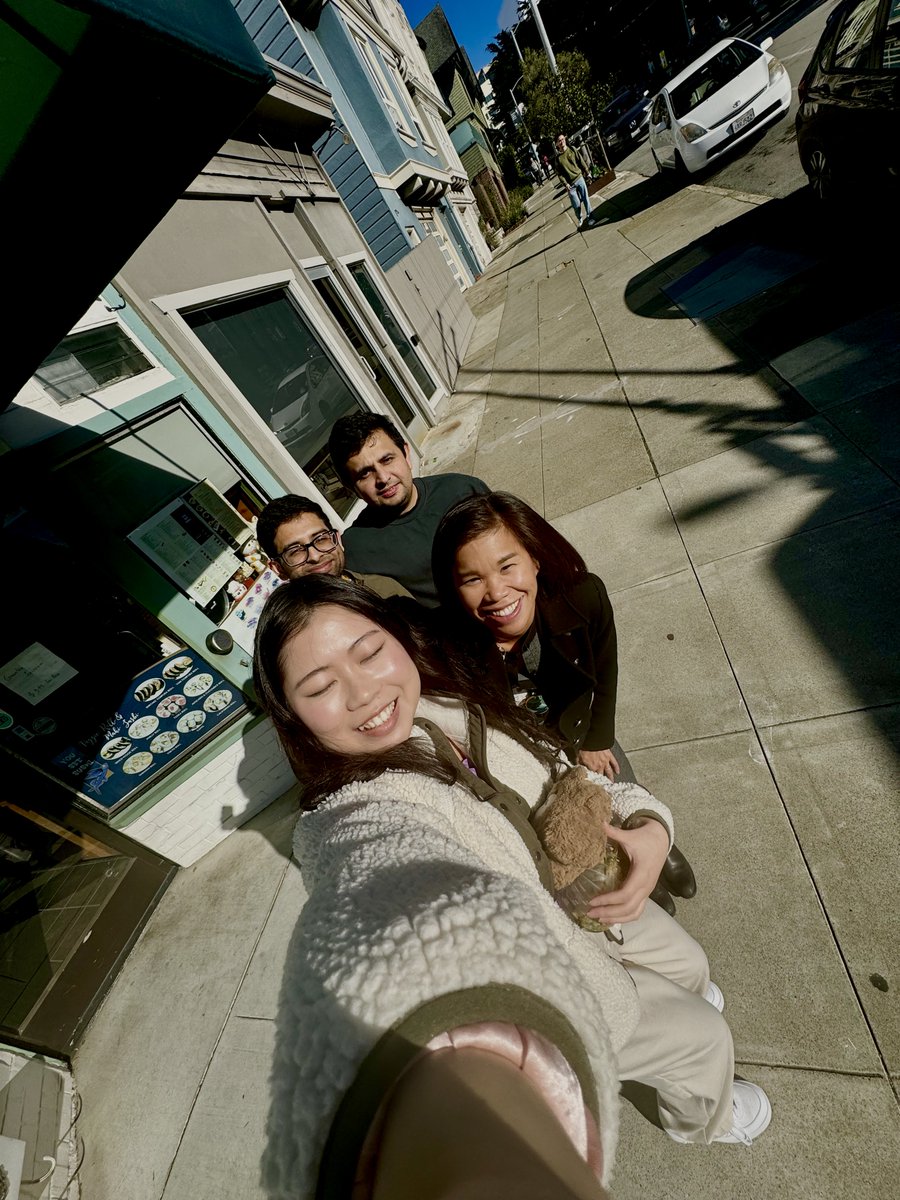
Excited to share that our group received another R01! A postdoc opportunity is available to develop new diagnostic and therapeutic approaches for liver fibrosis. Join us! chenlab.ucsf.edu bit.ly/3tLqc9u
#livertwitter #ScienceJobs #PhD #postdocjobs #postdocposition
3
6
21
2,723
15 Dec 2023
Noninvasive Quantification of Radiation-Induced Lung Injury using a Ta... sciencedirect.com/science/ar…. Great collaboration with Eric Abston and @MGHSurgery on using #MolecularImaging for early detection of radiation induced #fibrosis and monitoring treatment response
1
1
10
957
29 Nov 2023
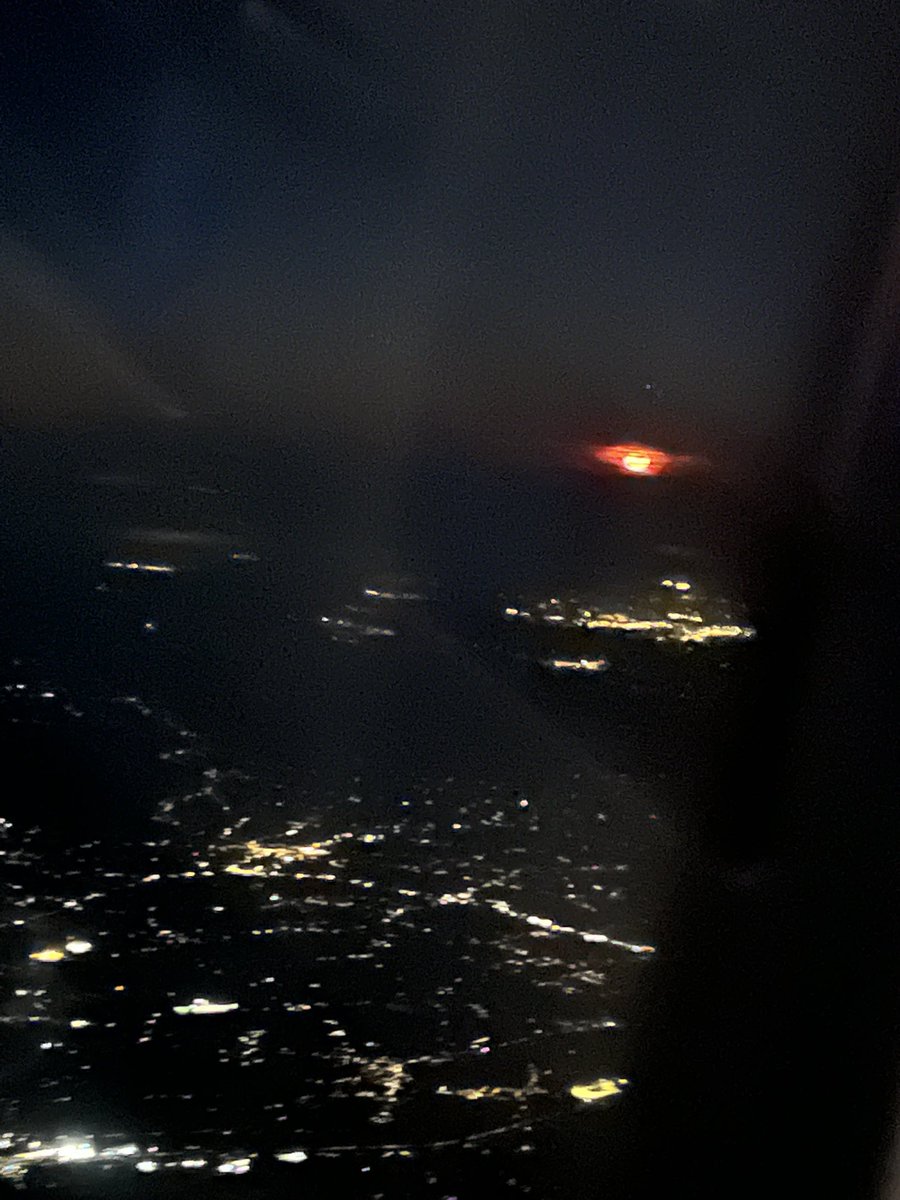
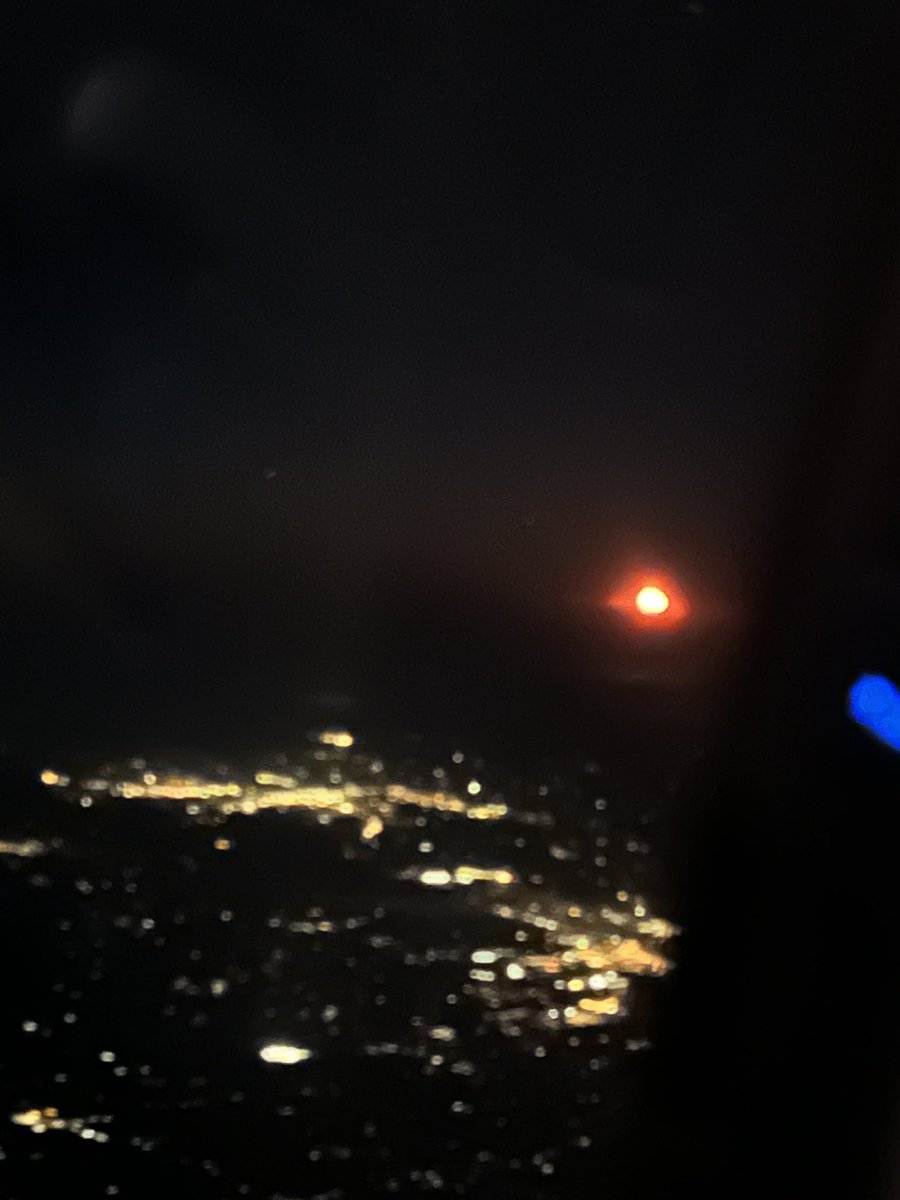
Returning from a great #RSNA2023 and treated to this amazing moonrise while crossing the NY - Massachusetts border.
1
15
1,010
10 Nov 2023
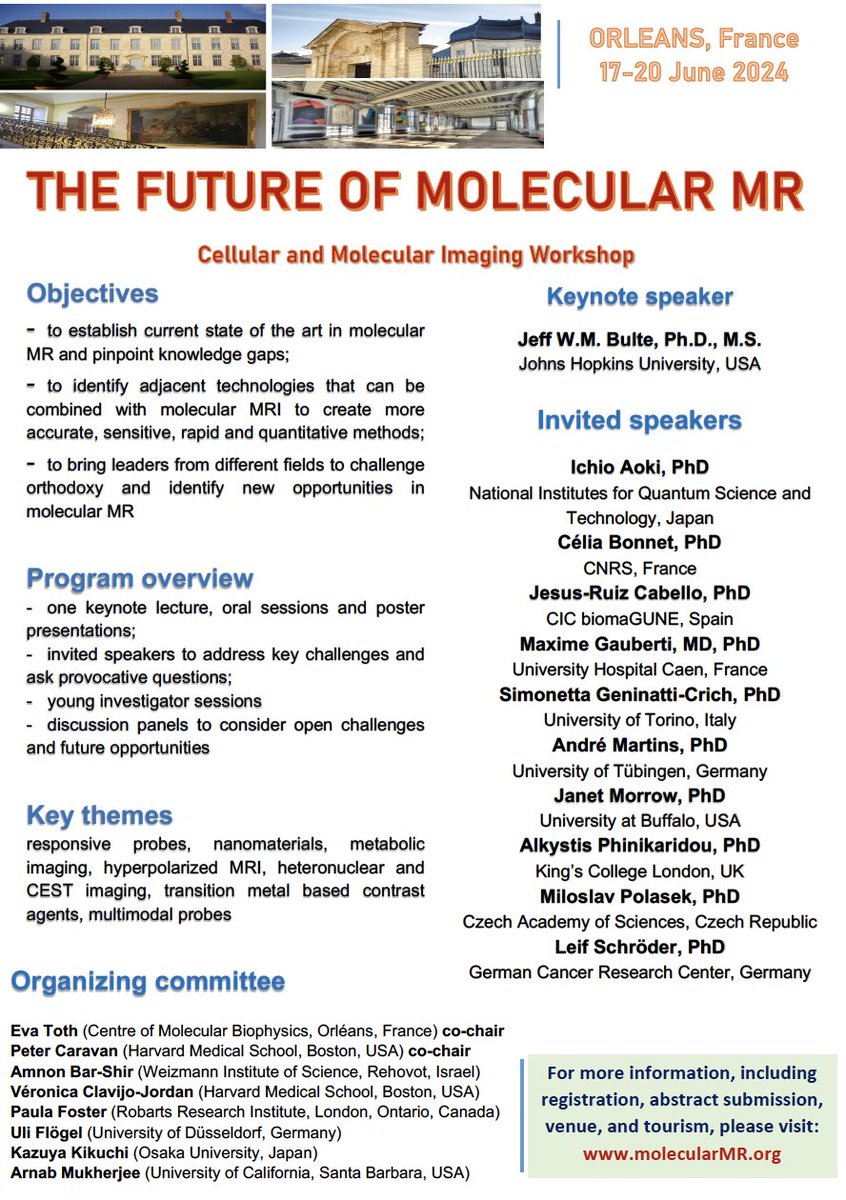
💯 come to Orleans next June for #MolecularMR, #HyperpolarizedMR, #CEST, #contrastAgents, #Multimodal, imaging metabolism and drug action

2
18
1,903
30 Oct 2023
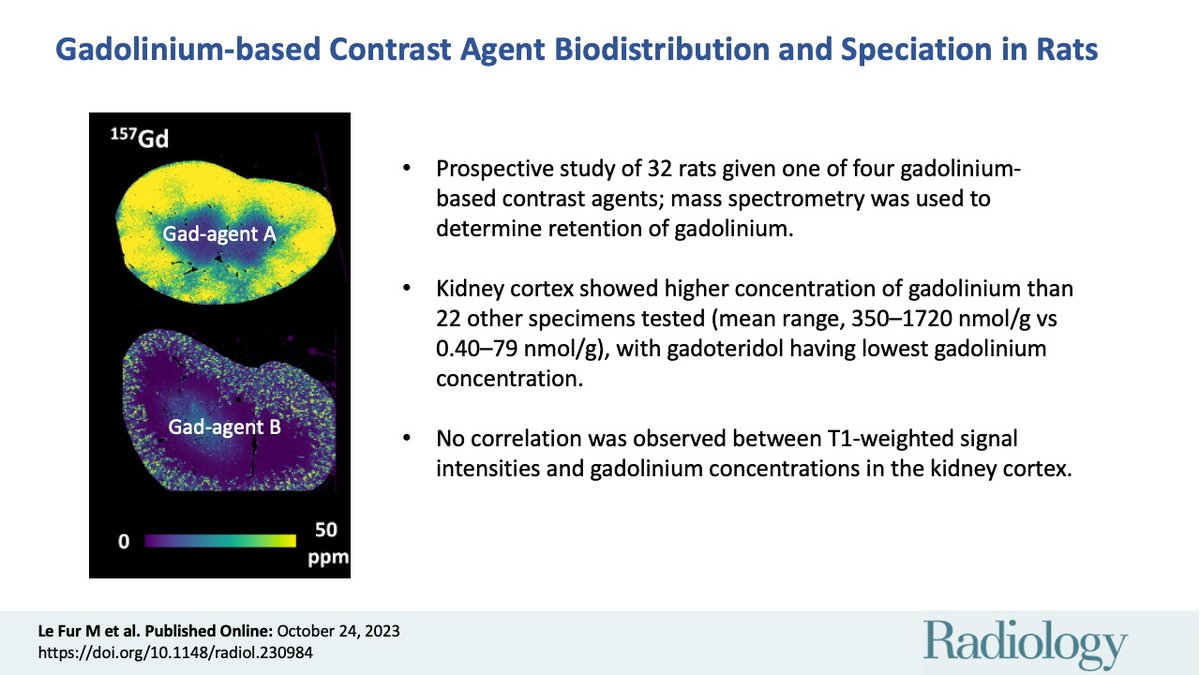
This paper from @Mariane_LeFur had 3 provocative findings. 1. Gadolinium retained in kidneys is invisible to T1w MRI until it is present at high 100s of micromolar. Gd is retained in kidneys at several orders of magnitude more than in brain. #Kidney 1/6
27 Oct 2023

Following administration of four different gadolinium contrast agents to healthy rats, mass spectrometry showed the highest concentration in the kidney cortex at day 17. @PeterCaravan @Mariane_LeFur @MGHMartinos @MGH_RI @i3MGH bit.ly/3FsC8ze
1
4
21
3,517
30 Oct 2023
3. At 7-8 weeks after dosing the gadolinium retained in the rat kidneys was intact chelate. This was true of all 4 compounds tested including the linear chelate gadobenate. 5/6
1
354
30 Oct 2023
Despite all that Gd, there were no histological signs of kidney damage. Would be worth testing if this is true in older rats or those with prior kidney injury. End
1
339
19 Aug 2023
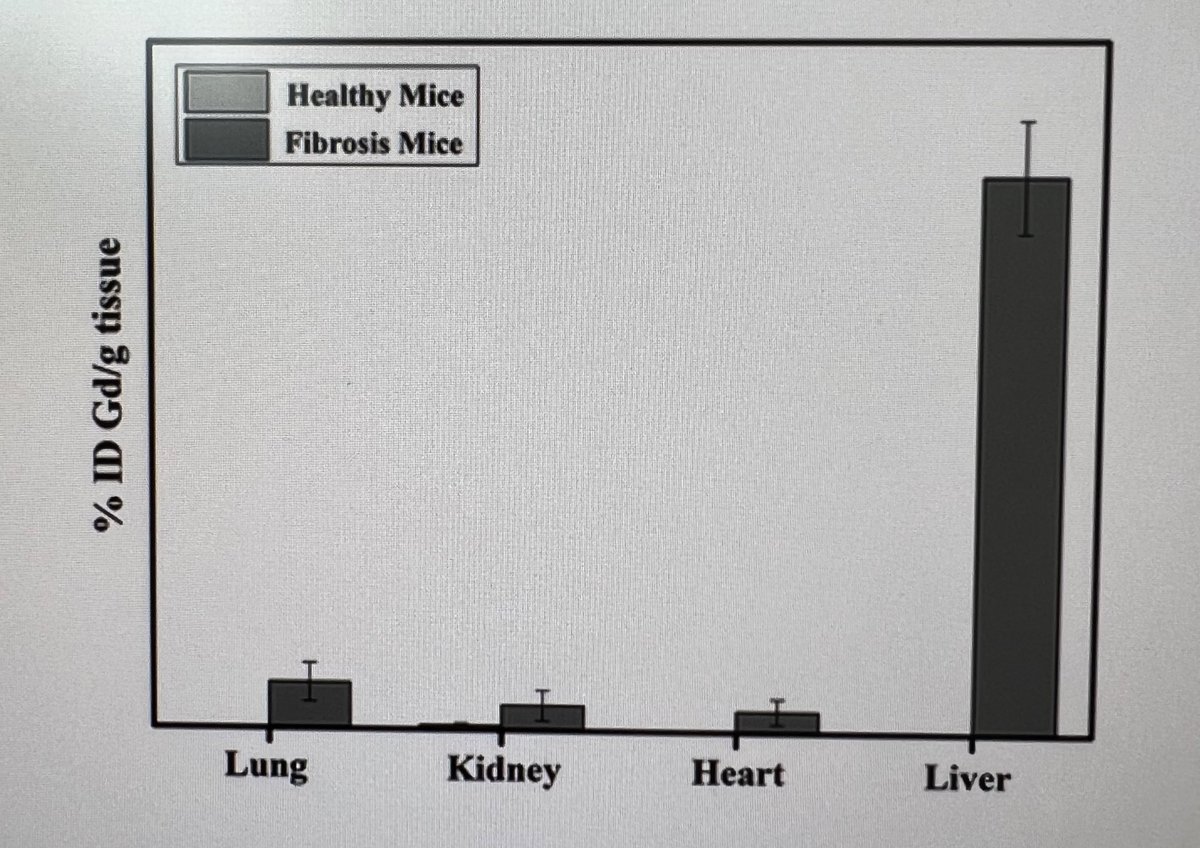
Dr Hua Ma’s latest on imaging aldehydes in chronic #liver #lung #kidney #fibrosis @MGH_RI @MGHMartinos @i3MGH
18 Aug 2023

Tailored Chemical Reactivity Probes for Systemic Imaging of Aldehydes in Fibroproliferative Diseases | Journal of the American Chemical Society @PeterCaravan @MGHCSB #Aldehyde #Imaging #Fibroproliferative #Disease @NYTScience @sciam @BostonGlobe
@MGH_RI pubs.acs.org/doi/10.1021/jac…
2
3
18
2,585
🇺🇦Peter Caravan🇺🇦 retweeted

26 Jul 2023
We're thrilled to present our latest work on #ovariancancer detection through the analysis of #extracellularvesicles . We delved into the fallopian tube to identify early lesions. @MGHCSB @MGH_RI doi.org/10.1002/advs.2023019…
2
9
31
2,847
21 Jul 2023
New from @VeronicaClavij8 @sojoodi_mozhdeh and Eric Gale: Molecular Magnetic Resonance Imaging of Liver Inflammation Using an Ox... sciencedirect.com/science/ar…. #liver #NAFLD #DILI @MGHMartinos @MGH_RI @MghNafld
1
6
16
1,548
10 Jul 2023
Nice work from Phil and Iris and a great collaboration with Bryan Fuchs, Bob Colvin @MGHKidneys and @pfizer colleagues to image fibrotic disease activity in the kidneys
6 Jul 2023

In most CKDs, lysyl oxidase oxidation of collagen forms allysine side chains, which then form stable crosslinks. This study shows MRI using Gd-OA is potentially a valuable tool for detecting and staging renal fibrogenesis bit.ly/JASN0148
@PeterCaravan @i3MGH
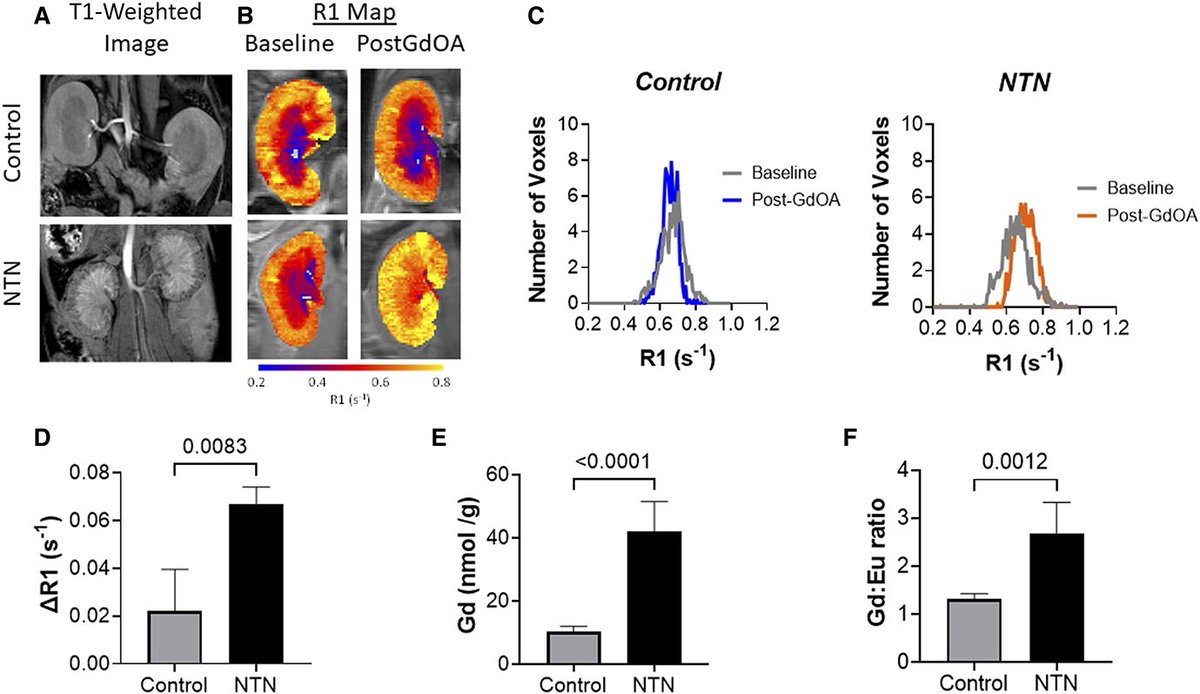
ALT Gd-OA detects fibrogenesis in the NTN mouse model.
13
1,464

20 Jun 2023
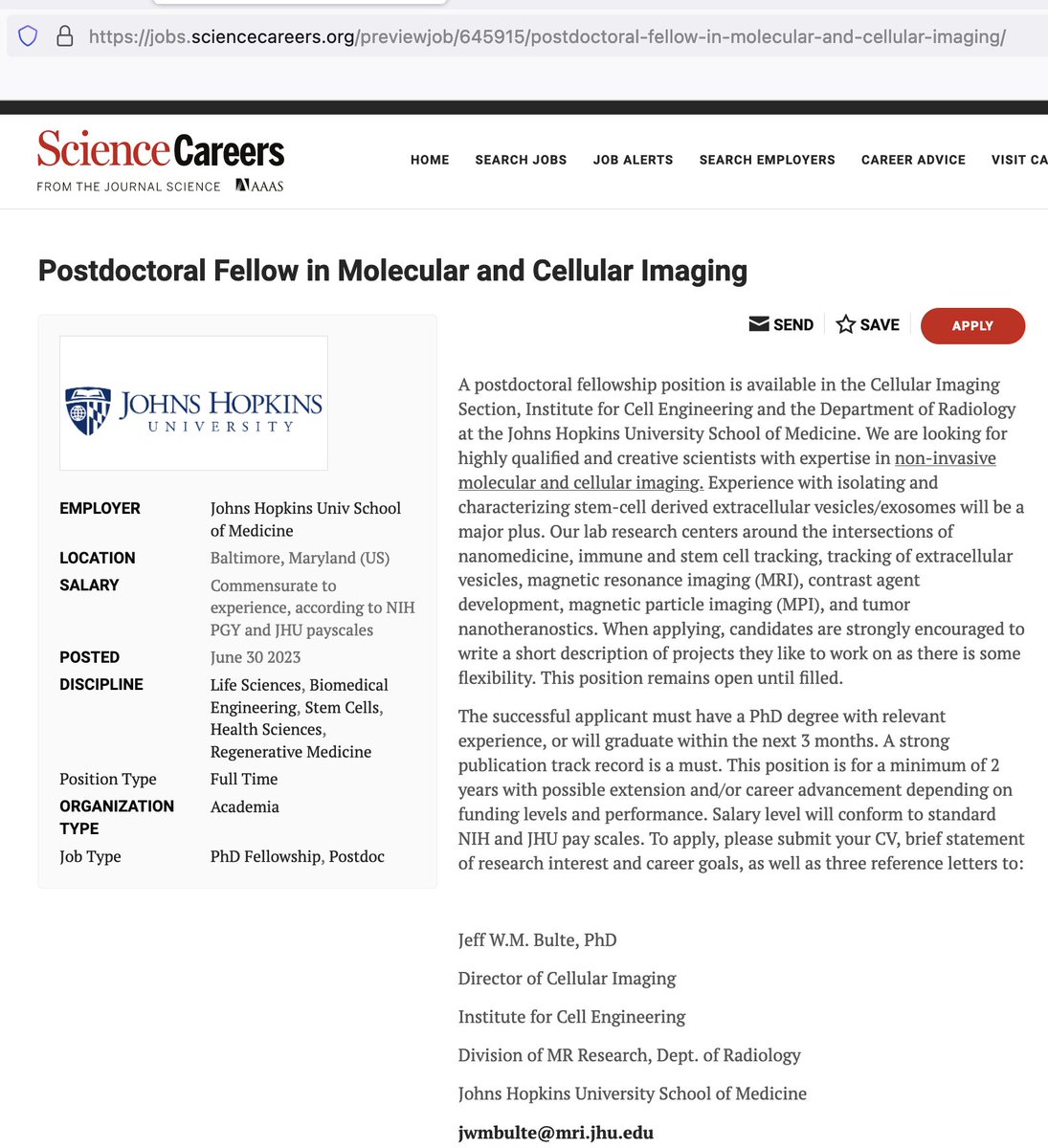
Congratulations to my @MGHMartinos colleague Eric Gale for receiving a Blavatnik award from @harvardmed to develop a therapy to treat anemia of chronic disease. #MedicinalInorganicChemistry martinos.org/the-centers-eri…
2
2
21
2,315
16 Jun 2023
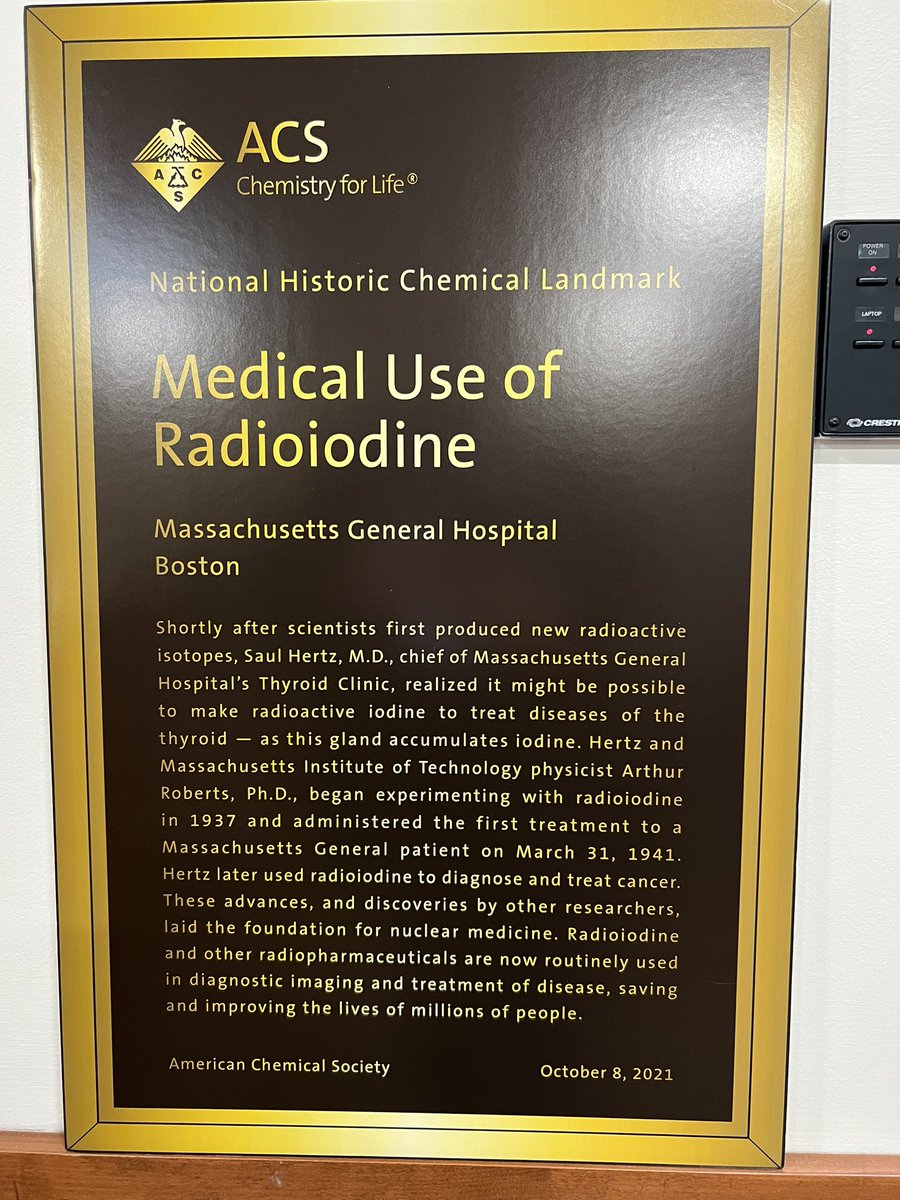
Great symposium today at #NERM2023 honoring the legacy of Saul Hertz. Remarkable man. The speed of translating innovations in particle physics to clinical practice was inspiring. @MGH_RI Great to hear my mgh colleagues @jmhooker @AileenO_Shea AnnaLiisa Brownell.
9
761
13 Jun 2023

This week's MIB Paper of the Week focuses on receptor tyrosine kinase inhibitors, their role in tumorigenesis, and using HER3 PET imaging in gastric cancer models. Great work by @ShadiEsfahani et al.! ow.ly/VE5p50OMjY2 @MGHImaging
7
949