Founder & Managing Partner @Growth_Inc_ | The best is yet to come... | co-author of "Belgium 2040 - Van Stilstand naar Strategie"
Joined January 2012
- Tweets 14,984
- Following 2,969
- Followers 15,868
- Likes 30,975
1,238 Photos and videos
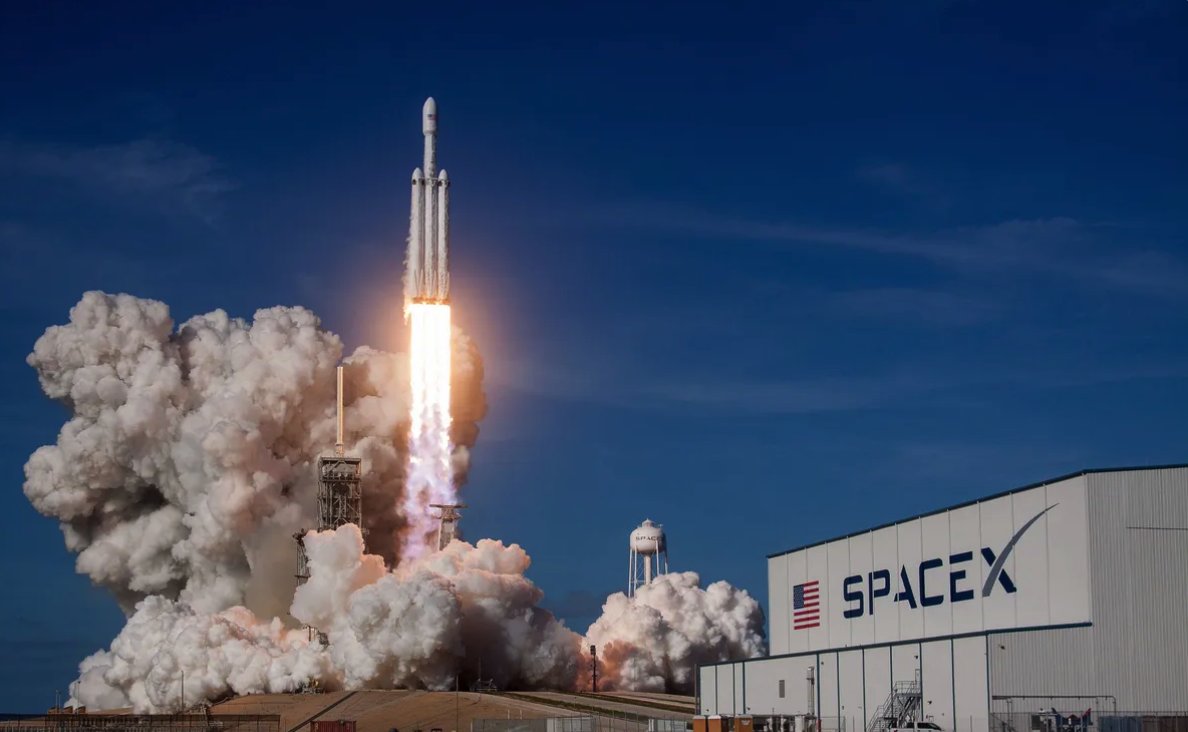

Vorige donderdag schreef Elon Musk geschiedenis. SpaceX ging naar de beurs en haalde in één klap 75 miljard dollar op — de grootste beursgang ooit in de geschiedenis van de financiële markten. Wie intekende op de SpaceX-IPO, kocht geen aandeel in een winstgevende onderneming. Hij of zij kocht een geloof. In menselijk vernuft, in technologische vooruitgang, in de kracht van ambitie en talent. Je koopt geen aandeel. Je belijdt je geloof uit in de kracht van het individu.
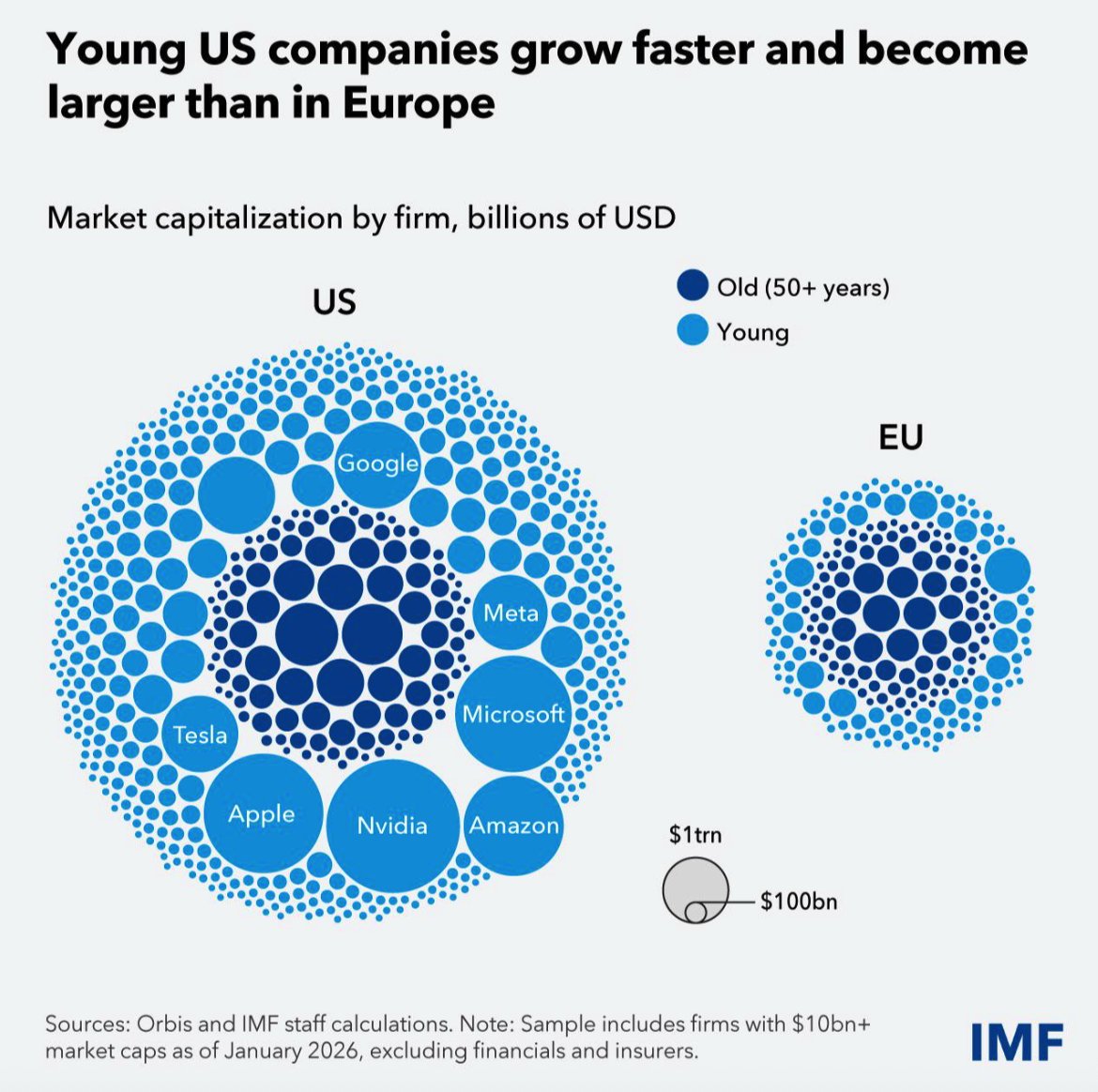
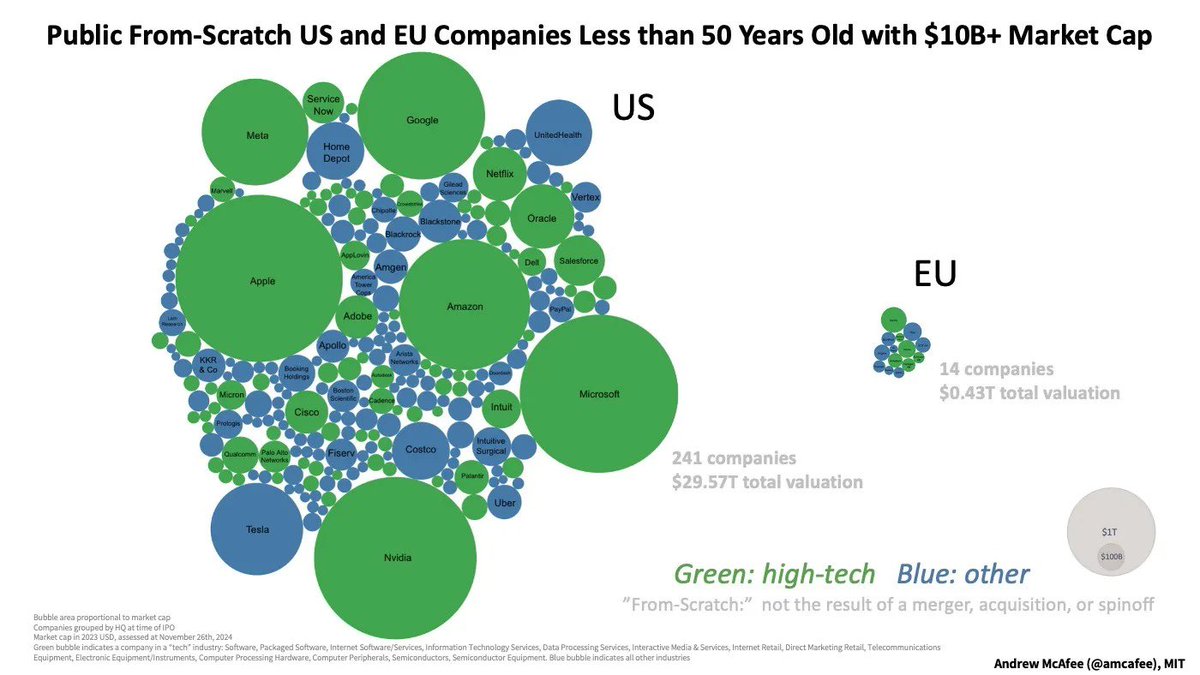
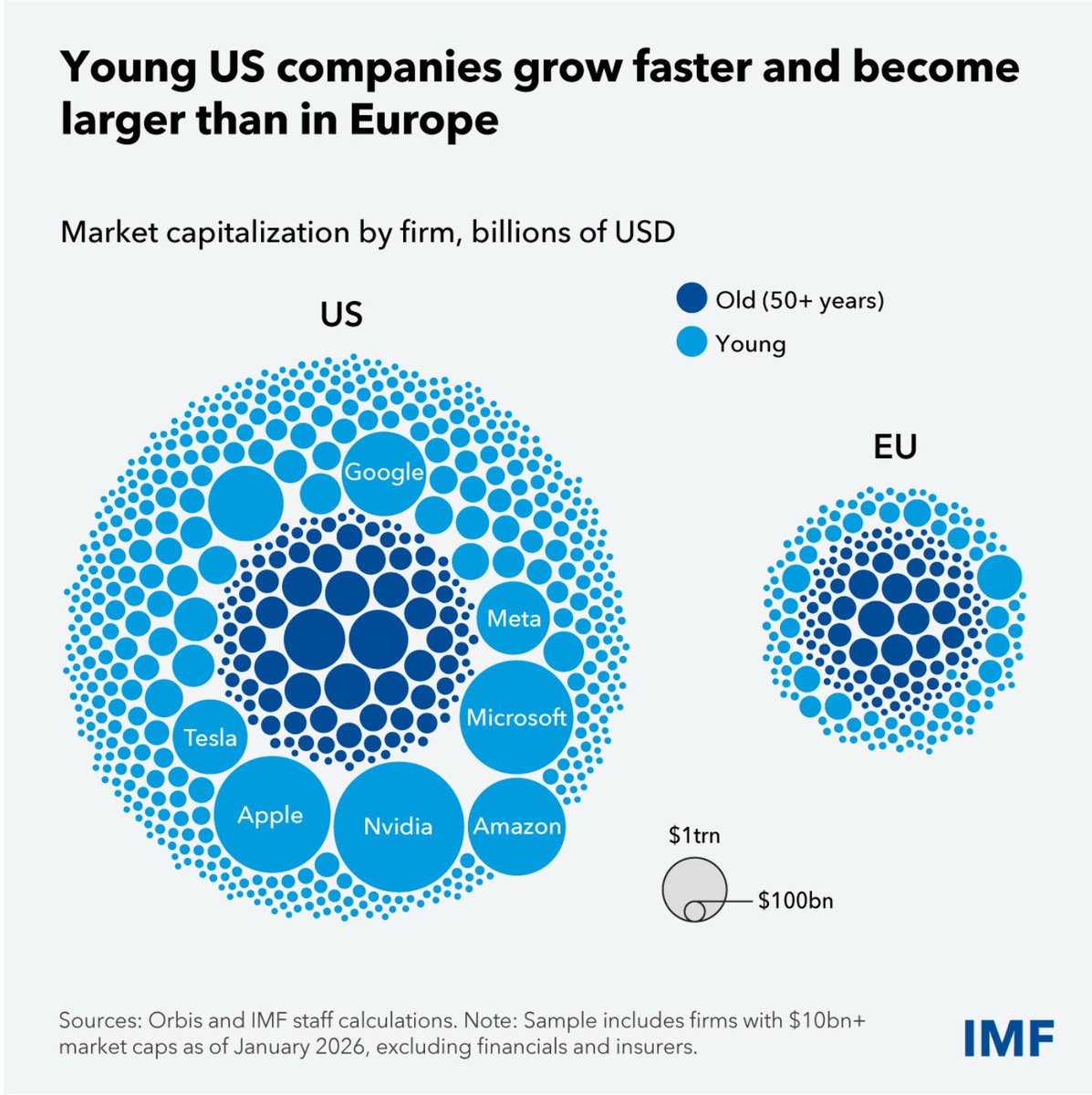
In Europa zijn we dat helaas verleerd. MIT professor Andrew McAfee maakte daarover recent een scherp punt. Volgens hem waren Europese regelgevers de beste bondgenoten van de Amerikaanse techgiganten. Dankzij GDPR, de AI Act, de Digital Markets Act en een eindeloze stroom regels konden Europese concurrenten namelijk nooit de schaalgrootte bereiken om te concurreren. Google, Meta en Apple hoefden niemand te sturen om Europese rivalen klein te houden — Brussel deed het gratis. Europese regelgeving leidt dus wél voor economisch succes: alleen niet in Europa.
Dat brengt ons bij de filosofische keuze die hierachter zit. Europa hanteert het voorzorgsprincipe. Het idee dat een technologie of product bewezen veilig moet zijn vóór het de markt mag betreden. Het zegt: mensen zijn onbetrouwbaar en ze nemen slechte beslissingen. Het is dan ook aan een klasse van experts - onverkozen, niet ondernemend en zonder skin in the game - om te bepalen wat goed is voor de samenleving.
Neem de ondertussen beruchte plastic dop op een fles water. In de VS staat daarop gedrukt: please recycle me with the bottle. Een vriendelijke oproep tot individuele verantwoordelijkheid. In Europa dwingen we fabrikanten om de dop vast te maken aan de fles. Mensen zijn namelijk onbetrouwbaar en ze moeten gestuurd worden. Zoals de communistische leider Lenin ooit zei: vertrouwen is goed, controle is beter.
De kosten van die Europese visie worden zelden eerlijk benoemd. Door alle risico's uit te willen bannen, bannen we ook de welvaart uit. Elke innovatie draagt risico. De stoommachine was gevaarlijk. Het vliegtuig was gevaarlijk. Het internet was gevaarlijk. Met de huidige regulering was geen enkele van die innovaties ooit in Europa ontwikkeld of uitgerold.
Regelgevers zullen dit nooit toegeven. Dat Europese AI-bedrijven niet bestaan. Dat er geen Europese zoekmachine is, geen Europees sociaal platform, geen Europese cloudreus. Niet omdat Europeanen minder slim zijn, maar omdat het systeem hen klein houdt.
De beleggers die vorige week intekenden op SpaceX, stemden voor een wereld waar iemand met een grote droom de kans krijgt om die droom waar te maken. Ze stemden voor de kracht van het individu, voor vooruitgang, voor ambitie.
Europa heeft die droom niet afgeschaft. Maar we hebben hem diep begraven onder formulieren, richtlijnen en impact assessments. Hoog tijd om hem terug op te graven.
5
8
26
577
Peter De Keyzer retweeted

Jun 10
"De link tussen eigen inspanning en wat je er zelf aan overhoudt, hebben we in België bijna volledig doorgeknipt.
We verkiezen hier veel te vaak gelijkheid boven ambitie."
@DoorbraakBE
Jun 10

“In België hebben we liever gelijkheid dan ambitie.”
Econoom Peter De Keyzer fileert het Belgische status quo. ‘Er is geen enkel land dat meer te winnen heeft bij hervormingen dan België.’ doorbraak.be/peter-de-keyzer…
5
29
141
4,916
Peter De Keyzer retweeted
“Zij die vinden dat de belastingen te hoog zijn, zijn de eersten om aan te schuiven voor subsidies.”
Econoom Peter De Keyzer fileert het Belgische status quo. ‘Er is geen enkel land dat meer te winnen heeft bij hervormingen dan België.’ doorbraak.be/peter-de-keyzer…
3
9
50
2,594
Peter De Keyzer retweeted
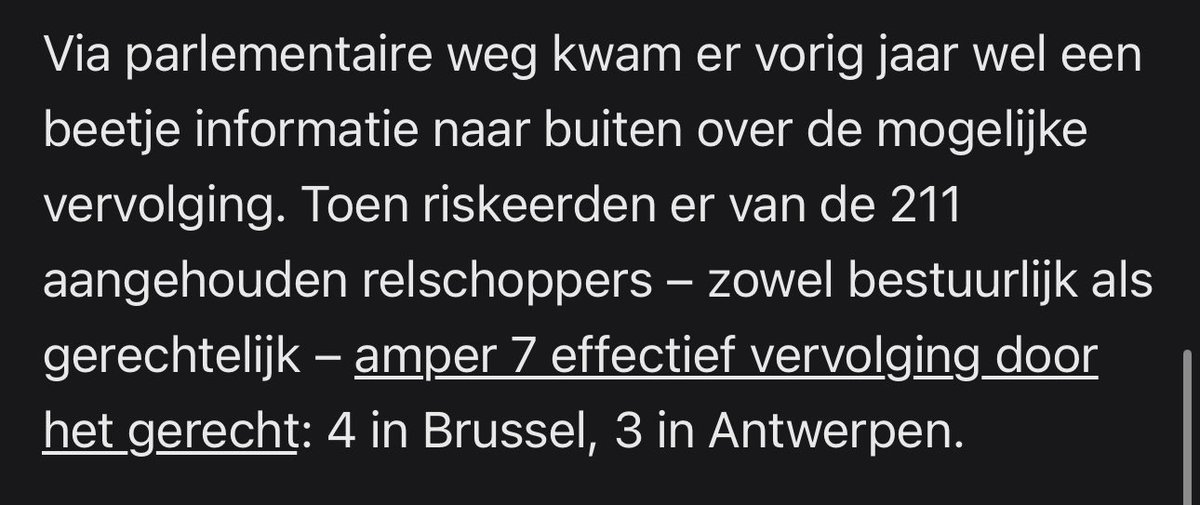
Wie zijn vuilzak een dag te vroeg buiten zet, krijgt een GASboete. Wie vuilzakken op een kruispunt in brand steekt, gaat vrijuit.
Het gedrag dat je vandaag tolereert, wordt morgen je cultuur.
Graag dan ook wat minder begrip en wat meer repressie.
👇
20
230
1,144
13,783
Peter De Keyzer retweeted

Jun 10
Philippe Aghion & Simon Johnson examine how the continent went from scientific powerhouse to cautious follower—and what to do about it. project-syndicate.org/onpoin…
2
15
38
25,235
Peter De Keyzer retweeted

Jun 10
Aanrader: schitterend interview van Simon Johnson met Philippe Aghion. Het zal niemand verwonderen dat ik het bijna met alles eens ben wat Aghion zegt…
En voor de pers: als u nog eens een Franse econoom zoekt, misschien niet altijd naar Piketty en Zucman grijpen…
Jun 10

Philippe Aghion & Simon Johnson examine how the continent went from scientific powerhouse to cautious follower—and what to do about it. project-syndicate.org/onpoin…
1
9
1,714
Jun 10
Wie echt begaan is met Vlaamse welvaart op langere termijn, deelt geen subsidies uit.
Wat dan wel?
=> Garandeer elke grote nieuwe investeerder een vergunning binnen 6 maanden.
=> Garandeer elke grote nieuwe investeerder vrijstelling van winstbelasting de eerste 3 jaar.
11
22
179
5,228
Peter De Keyzer retweeted

Jun 10
20 years ago, An Inconvenient Truth put climate change at the center of global debate, shaping politics, influencing leaders, and inspiring a generation of activists.
Two decades later, we can assess not just its impact, but its accuracy. Many of the film’s most alarming predictions did not materialize, while many of the policies it inspired have proven costly and ineffective.
The lesson? Panic is a poor guide for public policy. Focusing on innovation, adaptation, and economic development can do far more to help both people and the climate—at a fraction of the cost.
financialpost.com/opinion/bj…
486
3,161
10,840
327,926
Peter De Keyzer retweeted
Uitstekende @HLN_BE reportage. Vlaanderen subsidieert Vlaamse films, liefst van ex-ambtenaren. Er is geen publiek voor, dus Vlaanderen subsidieert ook zalen die die films draaien… Kijk, ik ben bereid om ernaar te kijken, maar dan wil ik ook subsidies!
hln.be/binnenland/exclusief-…
15
48
304
9,876
75 nieuwe Volvo-fabrieken. Gratis en voor niks.
De Vlaamse regering heeft zichzelf een applaus gegund. 119 miljoen euro subsidie voor Volvo Cars Gent. Jobs gered. Industrie beschermd. Helaas kennen we dit verhaal. Renault Vilvoorde. Opel Antwerpen. Ford Genk. Audi Vorst. Telkens staatssteun en actieplannen allerhande. Telkens hetzelfde resultaat. Waarom zou het deze keer anders zijn?
Uiteraard is het begrijpelijk dat politici kiezen voor subsidies. Een sluiting is telkens een regionaal of nationaal trauma. Een subsidie lijkt dan ook goed. “Wij hebben gevochten voor uw jobs.” Klinkt heel goed, klopt helaas niet.
Er zit bovendien ook een bittere ironie in dit verhaal. Europa en Vlaanderen maken zich druk over “de oneerlijke Chinese subsidies die onze markt kapot maken". Hoe geloofwaardig is dat argument wanneer je zelf subsidies goedkeurt voor Volvo - eigendom van het Chinese Geely? Wij noemen het misschien “slimme steun” of “industriebeleid”. De logica is identiek.
Laat ons nu even de oversteek maken naar Denemarken. Ook een open kleine economie. Maar het beleid is radicaal anders. Striktere werkloosheidsuitkeringen: genereus in het begin, maar na twee jaar is het voorbij. Een wettelijke pensioenleeftijd die recent werd verhoogd tot 70 jaar - in lijn met de stijging van de levensverwachting. Ook een streng migratiebeleid - expliciet gericht op arbeidsmarktintegratie. Zo is in Denemarken de activiteitsgraad van niet-EU migranten tussen de 20 en 64 jaar oud zowat even hoog als de activiteitsgraad voor de hele Belgische arbeidsmarkt.
Het Deense beleid werkt. Letterlijk. De activiteitsgraad in Denemarken ligt rond de 80%. Vertaald naar België zou dat gaan om in totaal zowat 475.000 extra mensen aan de slag. Of anders gezegd: de tewerkstelling van 75 nieuwe Volvo fabrieken.
Eén fabriek (tijdelijk) redden met subsidies levert krantenkoppen en applaus op. Tot 75 nieuwe fabrieken aan nieuwe tewerkstelling creëren helaas niet. Dat is de ironie. Enkele duizenden die hun baan verliezen, zijn een nationaal drama. 475.000 mensen die niet werken, zijn een statistiek.
Meer mensen aan de slag heeft nog een bijkomend groot voordeel. Het betekent lagere belastingen voor wie werkt. Een strenger beleid is dan ook het meest sociale en het meest rechtvaardige beleid. Het zorgt ervoor dat mensen meer overhouden van hun eigen arbeid en hun eigen inspanningen.
Subsidies zijn altijd gemakkelijk en dankbaar. Hervormingen moeilijk en ondankbaar. Voor wie op de korte termijn denkt, is de keuze snel gemaakt.
België heeft een keuze. We kunnen blijven doen wat we altijd deden: subsidies uitdelen aan de luidst roepende slachtoffers van hoge belastingen en loonkosten. Tot die uiteindelijk toch wegtrekken. Of we kunnen opschuiven naar het Deense model. Een werkend arbeidsmarktbeleid. Een werkend pensioenbeleid. Een werkend migratiebeleid. En zo 475.000 mensen aan het werk krijgen.
75 nieuwe Volvo-fabrieken vereisen dan ook geen subsidies. Wel politieke moed.
26
96
385
20,814

The car that used to be in my garage is currently in an Earth-Mars elliptical orbit and will be there for at least 10 million years
Jun 6

Elon Musk sending a Tesla into space remains one of the most iconic and entertaining moments in SpaceX history. 🚀😂
14,941
22,239
245,998
28,461,293
Subsidies voor een autobouwer. Waar hebben we dat nog gehoord?
Renault Vilvoorde. Opel Antwerpen. Ford Genk. Audi Vorst. Kregen allemaal subsidies, sloten uiteindelijk allemaal.
Subsidies kopen tijd maar lossen geen enkel onderliggend probleem op.
tijd.be/ondernemen/auto/vlaa…
59
103
584
12,744
Peter De Keyzer retweeted

This plan is incompatible with freedom- a global class of planners telling us how long to work, how much we can grow, what we can eat. It is also completely wrong. All advances for climate (including the huge drop in battery and solar and wind costs) have come (and will come) from more innovation, more competition, firms that grow and invent and innovate and produce energy solutions that replace fossil fuels. If you enforce degrowth in the West you will kill for ever the climate agenda.
Jun 4

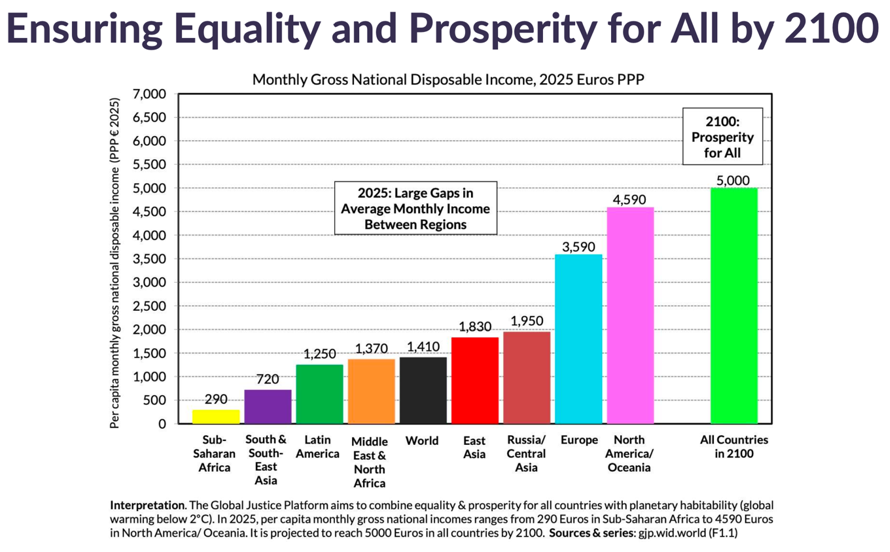
The world today is characterized by large-scale inequalities. And a climate crisis is looming over us.
We urgently need a new vision for global progress in the 21st Century. One that grounds human development and equality in planetary habitability.
What would it take to achieve high prosperity and equality while remaining within planetary boundaries?
The World Inequality Lab is very excited to launch the #GlobalJusticeReport.
[1/7]
40
288
1,262
114,527
Peter De Keyzer retweeted

Jun 5
DWARSLIGGERS. Econoom Peter De Keyzer fileert het Belgische status quo. ‘Er is geen enkel land dat meer te winnen heeft bij hervormingen dan België.’
doorbraak.be/peter-de-keyzer…

1
5
15
2,152
Peter De Keyzer retweeted

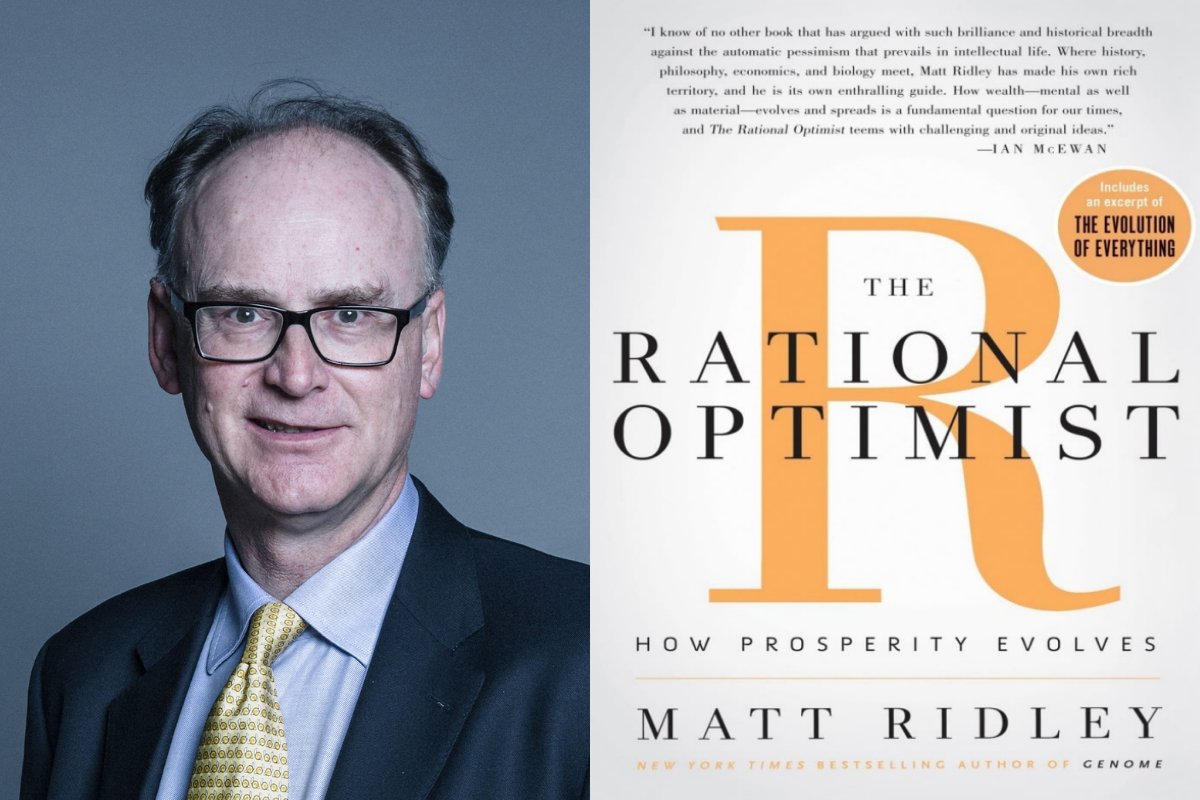
A British biologist looked at 200,000 years of human history and found that the entire reason humans broke out of poverty was not intelligence, not language, not even agriculture, but one mechanism so simple a 6-year-old could explain it.
His name is Matt Ridley.
He is a zoologist by training, an evolutionary biologist by career, and in 2010 he wrote a book called The Rational Optimist that quietly argued the most important fact about human progress had been hiding in plain sight for the entire history of economics.
Naval Ravikant has been telling people to read everything Ridley has ever written for the last 15 years. The reason is the argument inside this one book.
For 200,000 years, anatomically modern humans walked around with the same brain you have right now. Same skull size. Same neural architecture. Same raw capacity for language, planning, and abstract thought.
For roughly 190,000 of those years, almost nothing happened. Generation after generation lived and died inside the same Stone Age toolkit their great-great-grandparents had used. Then somewhere around 50,000 years ago, the line on the chart of human progress started to tick upward. Then it bent. Then it exploded.
The question Ridley spent years on was the only question that mattered. What changed.
It was not the brain. The brain had been the same for 190,000 years. It was not language, which had existed long before the takeoff. It was not even agriculture, which arrived only 10,000 years ago and was actually preceded by the upward bend, not the cause of it.
What changed was that humans started trading with strangers.
This sounds too small to be the answer. Ridley argues that it is the answer to almost everything. The moment one human exchanged a useful object with another human from a different group, something happened that no other species on earth had ever done.
Two ideas that had developed in isolation came into contact. The flint knapper learned what the spear maker had figured out. The fisherman from the coast learned what the hunter from the forest had figured out. The two pieces of knowledge fused into something neither side could have produced alone.
Ridley calls this ideas having sex. The phrase sounds frivolous and it is meant to. The point is that ideas, like genes, get better when they combine with other ideas from different lineages.
An idea sitting inside one head, no matter how brilliant the head, eventually hits a ceiling. The same idea exposed to ten thousand other ideas does something genes do under sexual reproduction. It mixes. It recombines. It produces offspring nobody planned.
The cleanest proof of this argument is the most uncomfortable case study in the book. Tasmania.
Around 10,000 years ago, rising sea levels cut Tasmania off from mainland Australia. A population of roughly 4,000 humans was now isolated on an island, with no possibility of contact with the rest of humanity. They had the same brains. The same language. The same starting toolkit as their cousins 150 kilometers north. The natural experiment was now running.
What happened next is something no economist or geneticist had ever predicted.
The mainland Australians kept inventing. Boomerangs. Spear-throwers. Fishing nets. Bone needles for sewing fitted clothes. Watercraft with paddles. Their technology compounded slowly across the centuries.
The Tasmanians went the other way. They did not just fail to invent the new tools their cousins were developing. They started losing the tools they already had. Fishing was abandoned within a few thousand years. Bone tools disappeared. Fitted clothing disappeared. They forgot how to make fire from scratch and started carrying lit firebrands from camp to camp instead, relighting their fires from a neighbor's whenever their own went out.
By the time European explorers arrived in the 17th century, the Tasmanians had the simplest toolkit of any human society ever recorded. Their material culture had gone backward for 8,000 years.
The archaeologist Rhys Jones called it a slow strangulation of the mind.
Joseph Henrich at Harvard later proved with formal mathematical models that there was nothing wrong with Tasmanian brains. There was something wrong with their network. A toolkit requires a critical mass of people exchanging skills to maintain itself.
The act of teaching a skill is imperfect. Every generation loses a small percentage of what the last generation knew. If your population is large enough and trading widely enough, those losses get caught and corrected by someone else who still remembers.
If your population shrinks below a certain threshold and stops mixing with outsiders, the small losses compound until entire technologies disappear.
This is the part that should haunt anyone reading this in 2026.
Intelligence is not a property of the individual brain. Intelligence is a property of the network the brain is connected to. A genius in isolation will produce less than a mediocre thinker inside a dense exchange of other mediocre thinkers.
The thing your ancestors needed in order to break out of 190,000 years of stagnation was not better brains. It was better connections between brains they already had.
The implication for any individual is direct and uncomfortable. If you are smart and isolated, you will be outproduced by people half as smart who are connected.
The most successful people in any field are almost never the smartest people in it. They are the ones positioned at the intersection of the most idea flows. They are reading more authors than their competitors. They are talking to more people from more disciplines. They are in the rooms where ideas from different lineages bump into each other.
Ridley ends the book on the line that sounds optimistic but is actually a warning its this "The future will be invented by people who connect ideas, not by people who guard them."
267
2,033
7,496
848,267
Peter De Keyzer retweeted

May 26
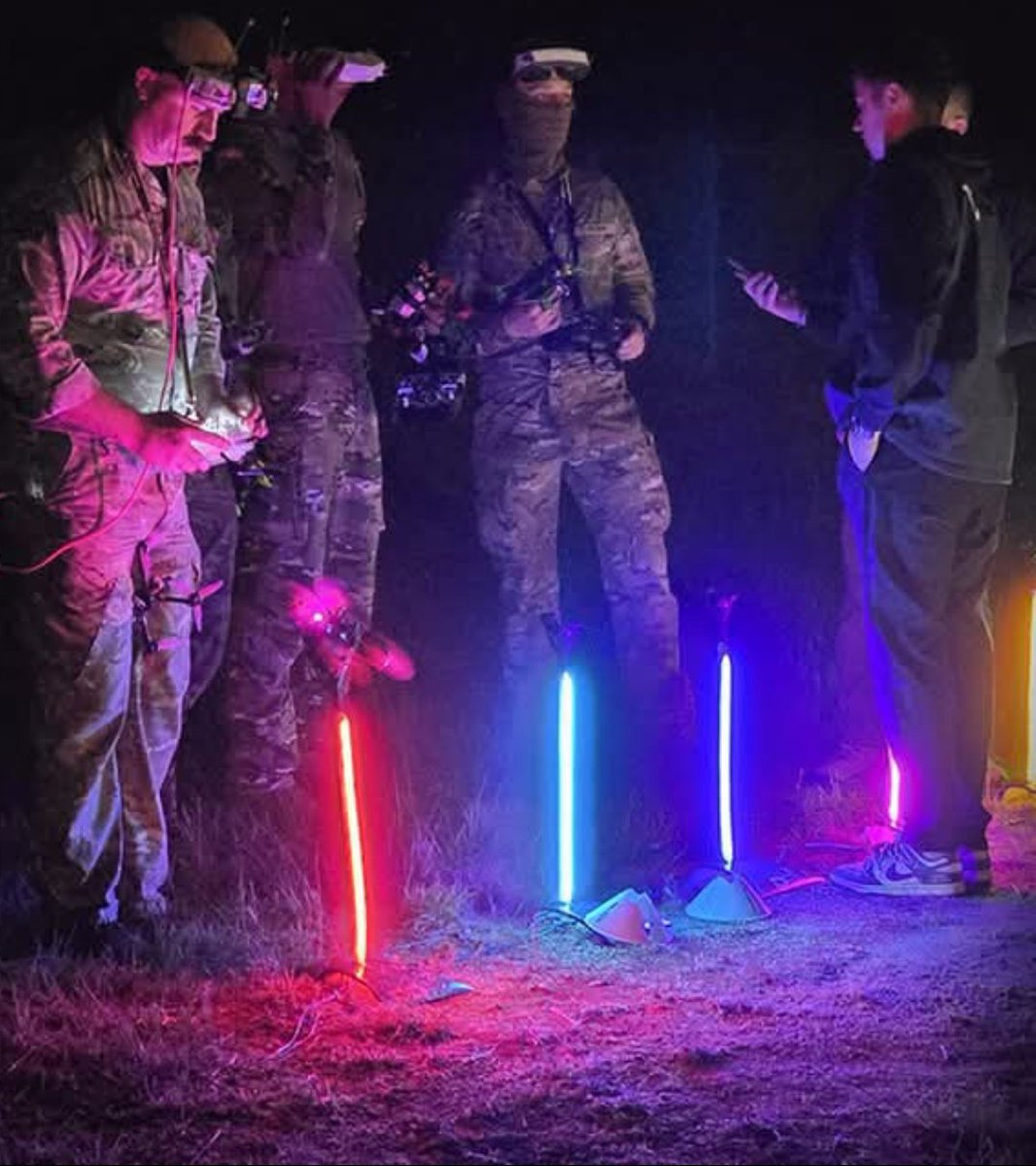
🇧🇪 Goud voor België op de International Drone Challenge!
Tijdens de allereerste editie streden 48 teams in realistische militaire scenario's—van indoor races tot tactische strikes.
Het 🇧🇪 team kroonde zich tot kampioen in de FPV Grand Prix! 🏆
Bron; FB van @Belgian_Army


10
24
208
12,712
May 27
“Als België Denemarken was, zouden hier 475.000 meer mensen aan de slag zijn.”
Dankzij een strenger arbeidsmarkt-, pensioen- en migratiebeleid heeft Denemarken een begrotingsoverschot van 2,7%. België? Een tekort van 5,2%.
tijd.be/politiek-economie/be…
31
66
291
12,145