Whatever...
Joined March 2012
- Tweets 880
- Following 202
- Followers 126
- Likes 4,090
237 Photos and videos
Peter Julyan 🐝 retweeted

7 Oct 2024
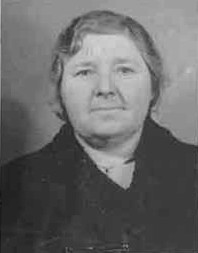
Woman of the Day shopkeeper Louisa Gould born OTD in 1891 in Jersey, who defied the Nazi Occupation of the Channel Islands to shelter a young Russian man escaping slavery. She paid with her life.
After the evacuation of Dunkirk concluded on 4 June 1940, Winston Churchill decided that the Channel Islands had little strategic value to the defence of the UK and declared them neutral. Germany, ever respectful of neutrality, invaded just weeks later - 30 June 1940. The Islands remained under Nazi Occupation until they were liberated on 9 May 1945. Some islanders became collaborators. Many more engaged in acts of resistance, large and small. If caught, they paid a terrible price.
In 1942, Feodor Burriy, a Russian pilot in his early twenties whose plane was brought down by German fire, was transported to Immelman, the prison camp established on Jersey. Starved, emaciated, worked almost to the point of death as a slave, his great stroke of luck came when a sympathetic islander brought him to Louisa’s door for help.
Louisa, a widow, had already lost one son the year before when his ship was torpedoed off Alexandria. Her other son was in the RAF. She didn’t hesitate.
She opened her home to him, altered her son’s clothes to fit, changed his name to Bill, obtained a forged ID card for him via the local insurance broker who arranged for another islander to conveniently “lose” his. With the help of her sister Ivy Forster, her brother Harold le Druillenec, and her friends, Louisa helped Bill learn to speak English with a French accent so that the Germans would never suspect he was Russian. She hid him for nearly two years in defiance against the Occupation.
“I have to do something to help another mother’s son.”
Her great-niece Jenny Lecoat, said, “Initially, she must have been terrified of every knock at the door but time went by and everything seemed fine. She didn’t want to keep him cooped up in the house. He’d already gone through so much and was probably mentally quite damaged. Presumably, it started with getting a breath of fresh air. Then she became a little braver. It snowballed. By the end, there are reports of her taking him to church and going into town on the bus together.”
As the number of German troops ballooned to 11,500, the islanders were subjected to ever-stricter rationing. They developed ersatz food: evaporating seawater to make salt; roasting and grinding acorns or parsnips to make coffee; using nettles, bramble leaves or pea pods to make tea. Toothpaste was made from cuttlefish and ivy. Tensions rose and twenty months after Louisa took in Bill, someone cracked.
It is thought that neighbours of Louisa sent a damning letter to the Germans about islanders visiting Louisa to listen to the BBC broadcasts on her illegal radio. It was addressed to ‘Victoria College’ rather than ‘Victoria College House’ where the administration was based. The Vice Principal of the College steamed the letter open, read the contents and re-addressed it, thus creating a 24-hour delay so he could despatch someone to warn Louisa about the impending raid.
Louisa, her brother Harold, three of her friends - and the following week, her sister Ivy - were arrested and tried. Even as the trial concluded on 22 June 1944, the courtroom could hear the noises of battle in nearby Normandy as the D-Day forces advanced towards the liberation of France. They were all found guilty.
Ivy survived. She escaped deportation because a doctor at the Jersey General Hospital forged papers saying she was not well enough to leave the Island. Harold survived Belsen. The friends were imprisoned but they too survived.
Louisa was sentenced to two years’ imprisonment for failing to surrender a wireless radio, prohibited reception of a wireless transmission and for sheltering Bill. She was taken by cattle truck to Ravensbrück concentration camp where initially she gave English lessons to her companions.
Ravensbrück was liberated by the Russians on 30 April 1945. On 8 May 1945 - VE Day - the Germans in Europe surrendered. The following day, on 9 May 1945, British troops liberated the Channel Islands.
Louisa did not live to see it. She was taken to the gas chambers and murdered on 13 February 1945, aged 53.
Bill was never recaptured. He returned to Russia after the war, sent a letter to the local paper twenty years after the war to thank the islanders for their kindness, and in 1995, he visited Jersey once more to unveil a plaque dedicated to Louisa. He said his heart was “wrung with pain” at the prospect of never being able to shake hands with his “second mother” again.
In 2010, Louisa was posthumously named a British Hero of the Holocaust.
59
365
1,088
29,303
Peter Julyan 🐝 retweeted

16 Jul 2024
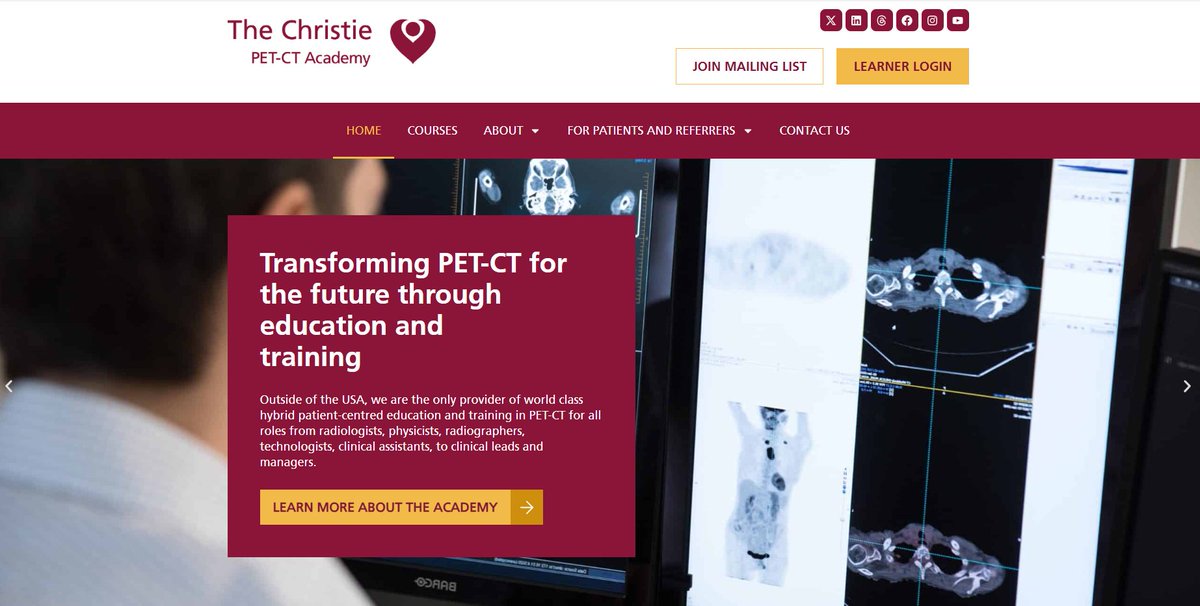
🎉 We're excited to announce the launch of our brand new website! Registering for courses is now a breeze with our streamlined, user-friendly interface.
Check it out 👉 petct-academy.com/
#PETCT #NHS #nucmed @alliancemedica1
2
2
123
Peter Julyan 🐝 retweeted

3 Jul 2024
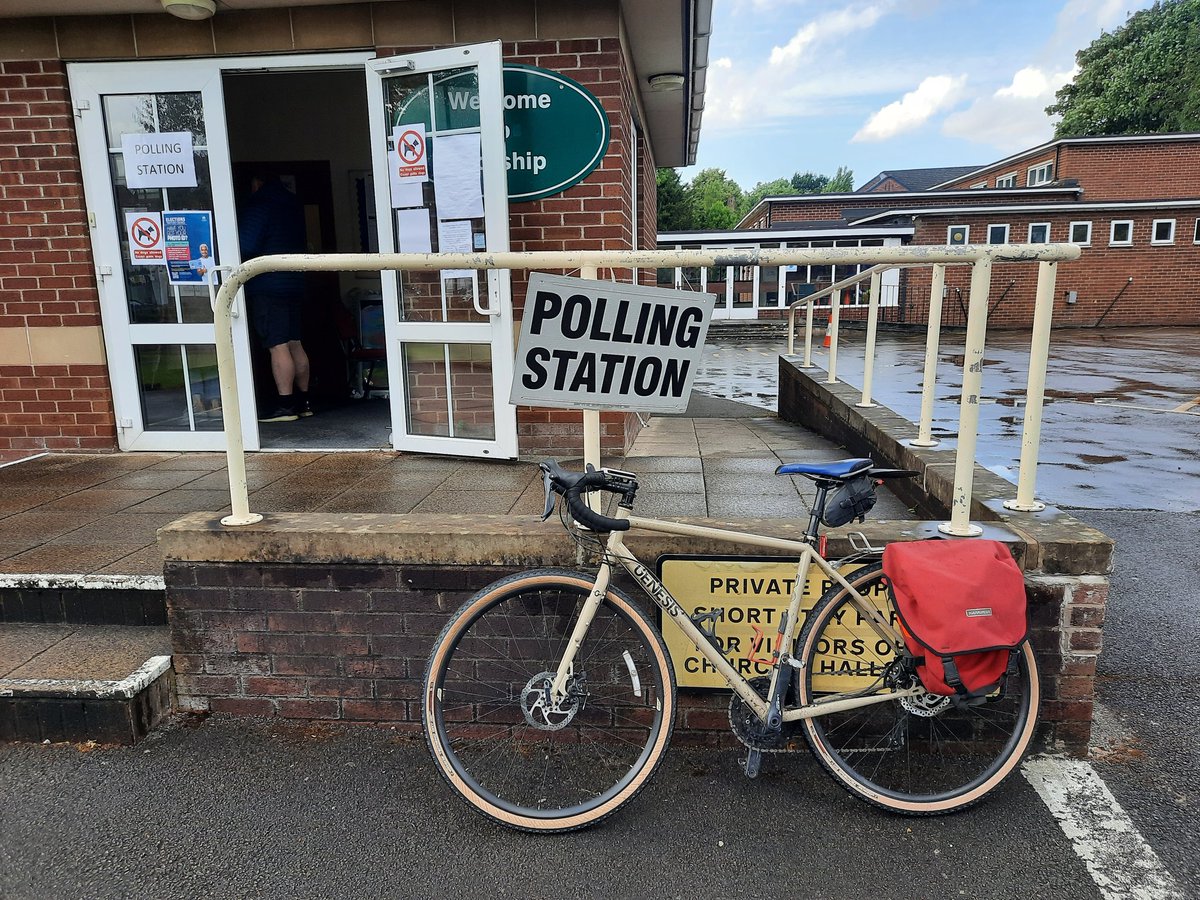
Everyone knows Labour are going to win the election, but if you’re feeling like there’s no point in voting as the outcome is a foregone conclusion, I’d like to draw your attention to something really radical that is on offer tomorrow: 1/8
491
7,830
28,523
4,961,577

1 Jul 2024
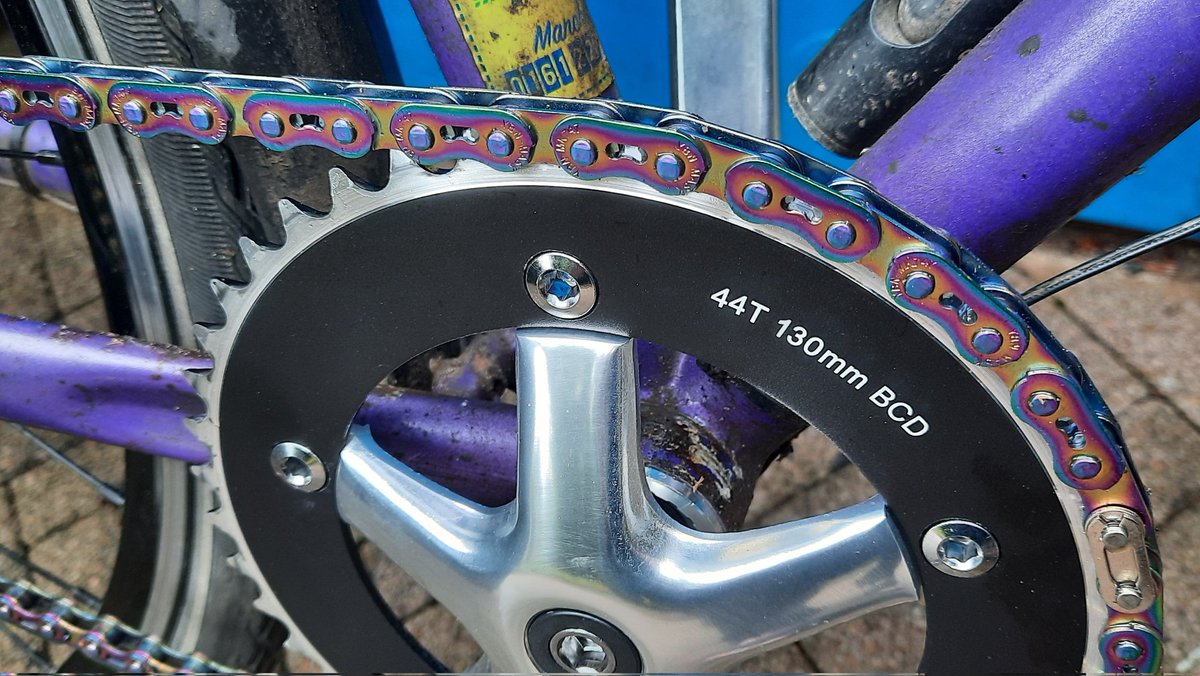
Hmmm, oil-slick chain. Definitely the key reason the new drive-chain feels lovely. Thank you @BikeDocMCR ! 🐈
1
1
3
116
25 Apr 2024
Very pretty!
24 Apr 2024

This is how I make my star trails. Sequences of still images assembled until the beauty of Earth from @Space_Station reshapes into a new form by the forces of time, nature, and physics.
Thanks to Christopher Malin for making this video clip from my Expedition 30 photographs.
1
35
3 Apr 2024
Dear Mandatory Training... no, dear God, just let it be over...
2
36
13 Dec 2023
Definitely worth a look, and a listen to the podcast. Great people in a great group. Did you see it @alrightPET & @petctacademy ?
5 Dec 2023

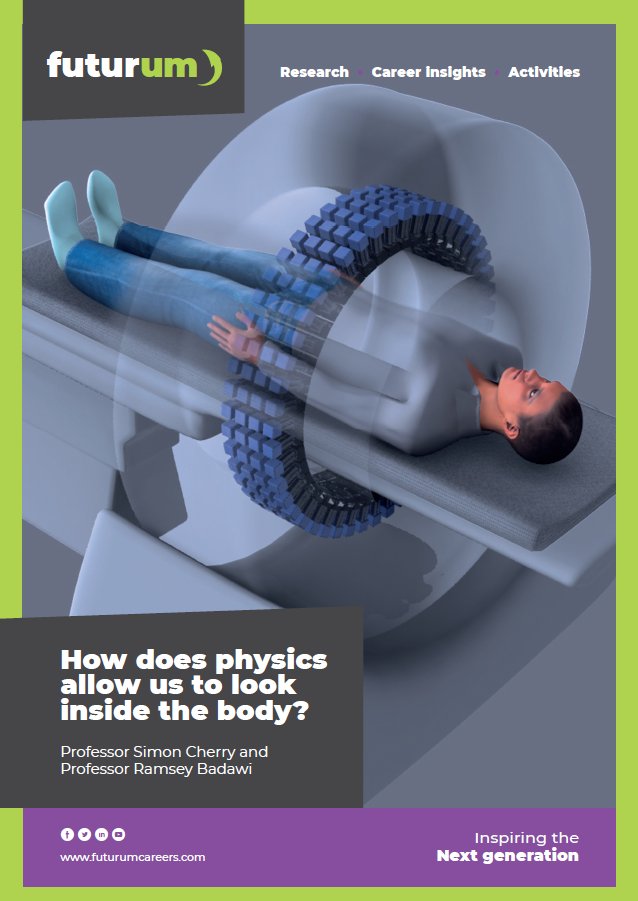
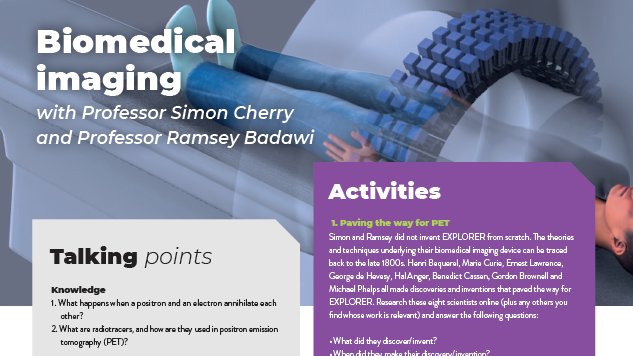
Our latest collection of #teacher #resources explores #biomedical #imaging with @SimonRCherry and @rdbadawi at @UCDavisBME. Learn how they built a full-body scanner, discover how #physics impacts #medicine and explore the range of #careers in the field: futurumcareers.com/how-does-…
1
1
3
347
8 Nov 2023
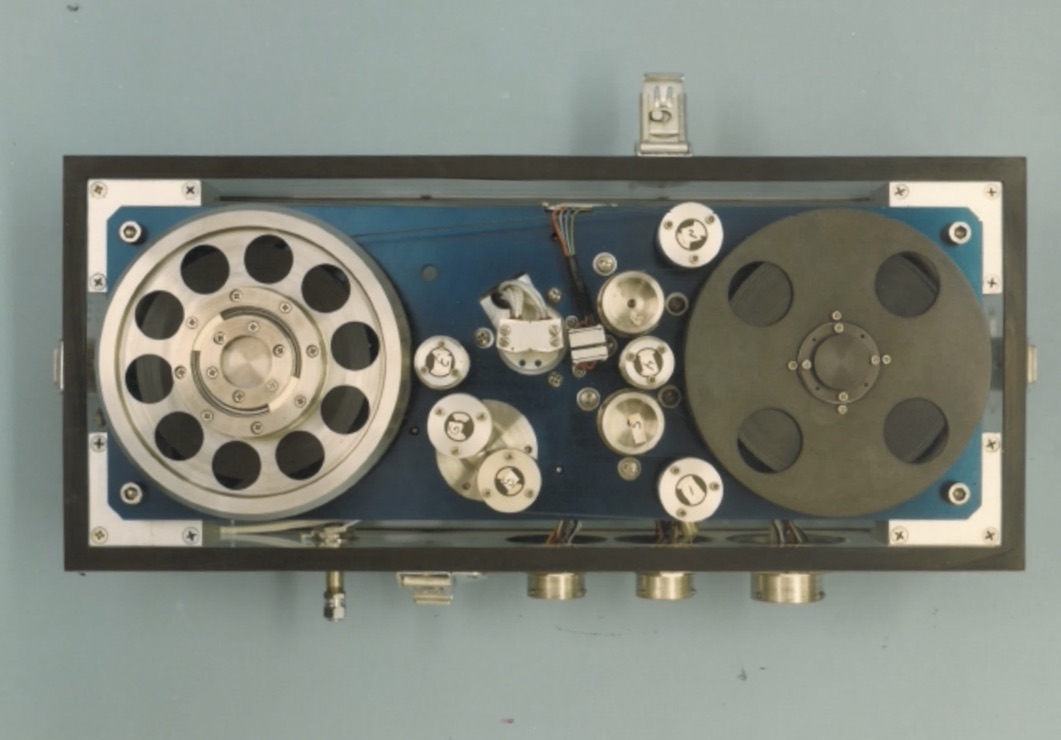
Wow, @NASAVoyager1 has a reel-to-reel - respect!
8 Nov 2023

Sister @NASAVoyager 1 has sent a ~6-1/2 hour playback from her 8-track reel-to-reel (pictured) of data from interstellar space. Earth will try to capture this data with 5 arrayed antennas at the @MadridDSN facility in Robledo de Chavela, Spain.
1
78
Peter Julyan 🐝 retweeted

22 Sep 2023
Hireth is released today. Limited edition ‘ice blue’ vinyl will be sold at live gigs, there a few signed copies on Bandcamp.
This marks my first foray into non film music the result is a reconnecting with my personal musical voice, a journey I hope you will enjoy sharing with me.
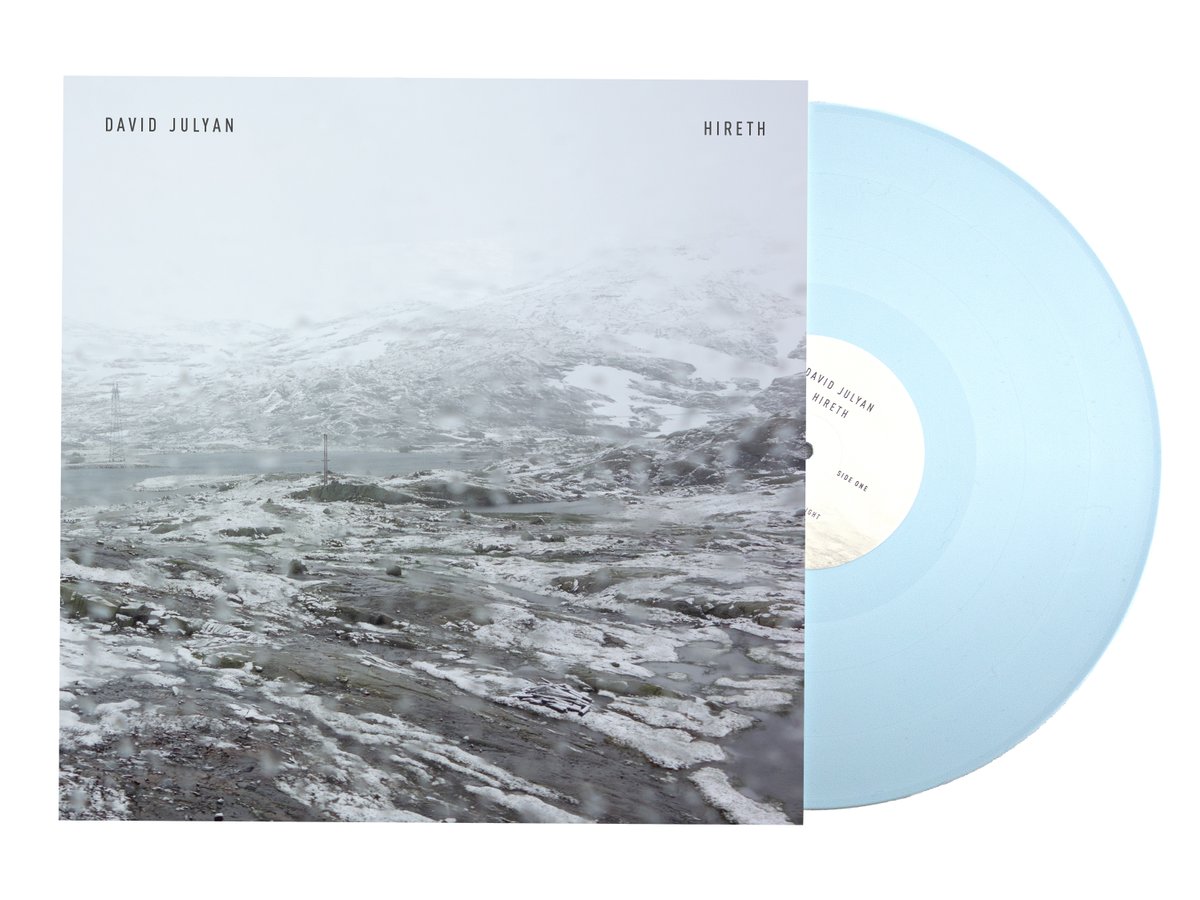
ALT Record cover showing a snow covered landscape with a blue vinyl record half out of the sleeve.
3
4
16
2,094
12 Jul 2023
Good to see this out, not least as it means I've probably got a job for a while yet...
11 Jul 2023

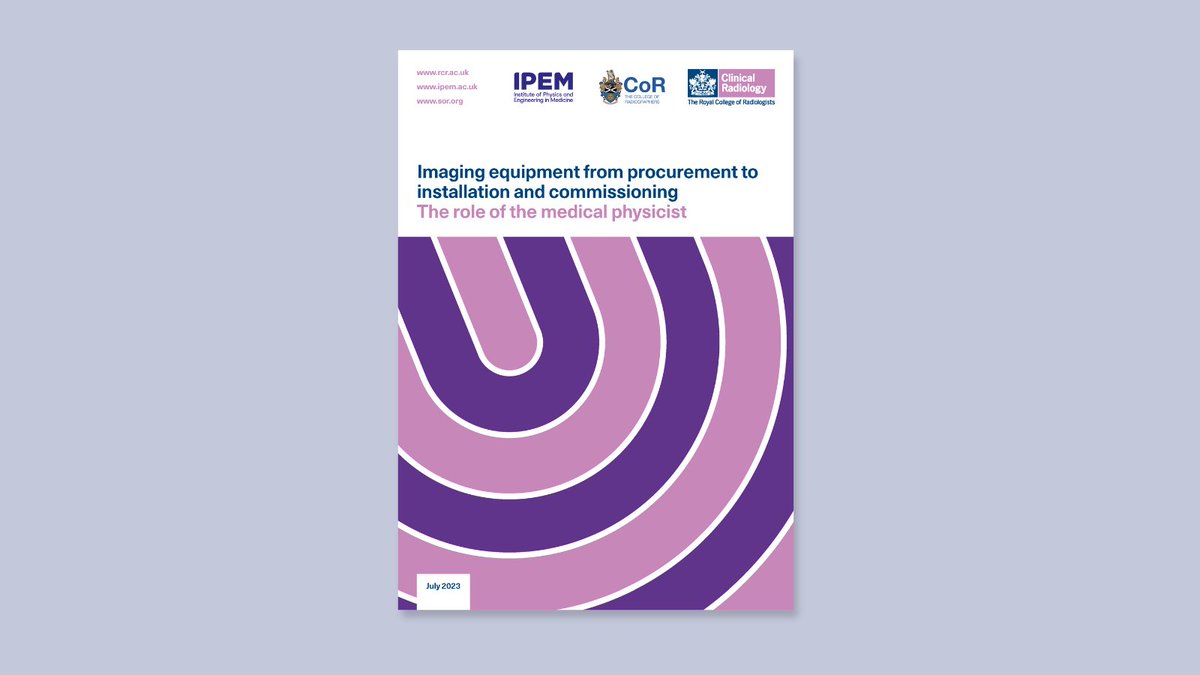
The procurement, installation and commissioning of imaging equipment is a lengthy process requiring a MDT approach.
This guidance is written by @ipemnews experts in medical imaging physics on behalf of the Clinical Imaging Board.
Read more: rcr.ac.uk/sites/default/file…
1
139
30 Jun 2023
Okay, I'm impressed. Wow!
30 Jun 2023

My favourite fact about the BIG gravitational wave news, is that it was only made possible because we finally know the precise position of Jupiter! 🤯
Thanks to @chrislintott for flagging this cool fact
#pulsartimingarray #nanograv #GravitationalWaves @NASAJuno
50
22 May 2023
2
297
Peter Julyan 🐝 retweeted

22 May 2023
Anyone fancy doing a #postdoc with the Medical Physics team within Nuclear Medicine at @TheChristieNHS? More details here, applications close 2nd June 2023.
gbr01.safelinks.protection.o…
8
13
3,051

1 Feb 2023
EVERY day is #AntiMatterDay around here but why not! Enjoy...

Happy #AntimatterDay!⚪⚫
#OnThisDay in 1928, Paul Dirac published a paper, which was key to proving the existence of #antimatter. He received the @NobelPrize in 1933.
🔗home.cern/science/physics/an…

ALT Source: http://www-history.mcs.st-andrews.ac.uk/PictDisplay/Dirac.html
3
255

Happy #AntimatterDay!⚪⚫
#OnThisDay in 1928, Paul Dirac published a paper, which was key to proving the existence of #antimatter. He received the @NobelPrize in 1933.
🔗home.cern/science/physics/an…
ALT Source: http://www-history.mcs.st-andrews.ac.uk/PictDisplay/Dirac.html
25
641
3,293
374,293