
Joined February 2009
- Tweets 567
- Following 182
- Followers 9,073
- Likes 22
101 Photos and videos


Pinned Tweet

2026 is shaping up to be one of the most exciting years in medicine. From game-changing weight-loss pills to first-ever gene therapies for rare diseases, this year’s drug pipeline is packed with treatments that could reshape how we manage obesity, cancer, neurological diseases, and more.
Here’s your go-to list of the most exciting FDA-approved launches and expected approvals — curated for innovation, impact, and buzz.
💉 Recently Approved & Ready to Launch
🌿 Orforglipron (Eli Lilly) — First non-peptide oral GLP-1 receptor agonist. A daily pill — no injections — with strong weight-loss potential. Novo’s oral Wegovy (semaglutide) hit the market first, but Orforglipron may offer a new kind of access and scalability.
🌪️ Exdensur (GSK) — Twice-a-year asthma biologic. Same IL-5 targeting as current drugs, but with 2x-a-year dosing. Game-changer for adherence.
💊 Inlexzo (J&J) — Bladder cancer implant. A gemcitabine-releasing device inserted into the bladder for patients who don’t respond to standard therapy. Early results show an 82% complete response rate.
🩸 VOYXACT (Otsuka) — First APRIL inhibitor for IgA nephropathy. Monthly injection with dramatic proteinuria reduction.
🚀 RGX-121 (Regenxbio) — One-time gene therapy for Hunter syndrome. FDA decision expected in early 2026. Could become a model for other rare CNS diseases.
🔹 Likely FDA Approvals to Watch
🏋️♂️ Oveporexton (Takeda) — First therapy to address narcolepsy’s root cause. An oral orexin agonist that improves wakefulness and reduces cataplexy.
🌱 Enlicitide (Merck) — Oral PCSK9 inhibitor. Pill-based LDL lowering with 60% efficacy. No needles. Could shake up heart disease prevention.
👉 Icotrokinra (J&J) — First oral IL-23 inhibitor for psoriasis. Biologic-level skin clearance in a once-daily pill. Yes, really.
🎡 Ivonescimab (Summit/Akeso) — Bispecific PD-1/VEGF antibody. A potential new lifeline for lung cancer patients resistant to existing immunotherapy.
👩💼 Relacorilant (Corcept) — First new option for platinum-resistant ovarian cancer. Adds survival benefit with no new safety risks.
🌟 Gedatolisib (Celcuity) — Dual PI3K/mTOR inhibitor. Extends survival in breast cancer patients who’ve failed CDK4/6 inhibitors.
🌟 Bitopertin (Disc Medicine) — For EPP, a rare sunlight-triggered condition. Lowers toxic protoporphyrin, allowing patients to enjoy daylight.
🍂 TransCon CNP (Ascendis) — Weekly injection for achondroplasia. Promotes bone growth with less frequent dosing than current options.
🌿 CagriSema (Novo Nordisk) — GLP-1 amylin combo for obesity. May offer even greater weight loss than semaglutide alone.
🧪 Zilganersen (Ionis) — First-ever treatment for Alexander disease. Antisense therapy shows motor function stabilization in a fatal neuro disorder.
❤️ Pelacarsen (Novartis) — Antisense therapy for elevated Lipoprotein(a). Aiming to be the first-ever drug approved to lower genetically high Lp(a) — a major risk factor for heart attack and stroke. Phase 3 results expected in 2026. If positive, it could reshape preventive cardiology.
✨ What It All Means
2026 isn’t just more of the same. We’re seeing:
🍌 Weight-loss drugs become more powerful and more accessible (thanks to orals like orforglipron and triple agonists like retatrutide).
🦠 Gene therapies go mainstream with one-time treatments for rare diseases.
🏥 New oral drugs challenging long-dominant injectables in autoimmune care.
🪀 Cancer therapies hitting harder with bispecifics, hormone modulators, and smarter combos.
❤️ Cardiovascular breakthroughs targeting hard-to-treat genetic risk factors like Lp(a)
4
398
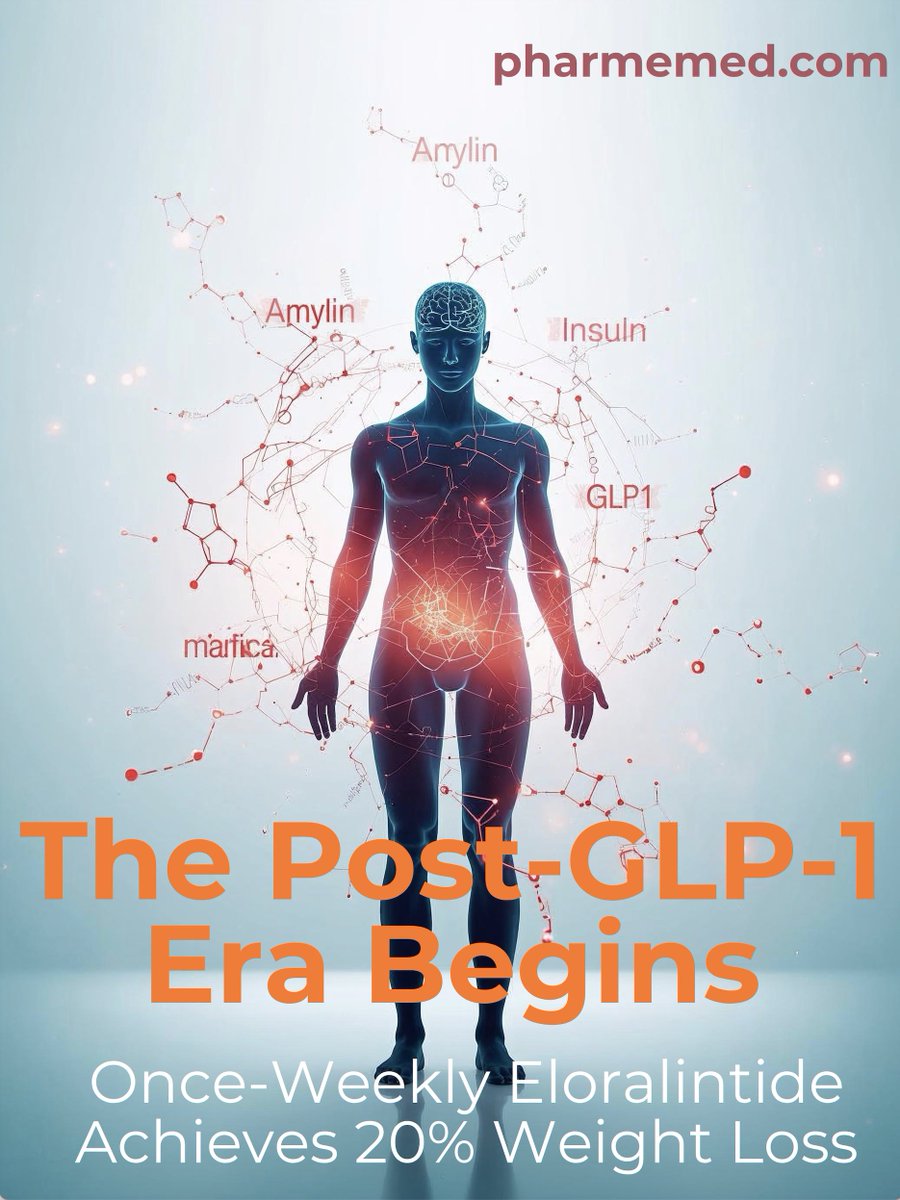
💉 Big news in obesity research — and it’s not another GLP-1.
Eli Lilly’s once-weekly eloralintide has just delivered striking results in a Phase II trial, helping participants lose around 20% of their body weight in under a year.
Unlike the well-known GLP-1 drugs (like semaglutide and tirzepatide), eloralintide works by mimicking amylin — a hormone naturally released with insulin that helps regulate appetite, satiety, and the speed of digestion.
Researchers have been interested in amylin for decades, but the molecule proved unstable and difficult to deliver effectively. Lilly’s scientists may have cracked that challenge with this new long-acting analog.
📊 In the 48-week, multicentre U.S. study, adults with obesity who received the highest dose of eloralintide lost nearly one-fifth of their body weight, compared with just 0.4% in the placebo group. Participants also experienced fewer gastrointestinal side effects than those typically reported with GLP-1 drugs.
Why this could be significant:
🔹 Signals a potential “post-GLP-1” era of metabolic innovation.
🔹 Opens the door for multi-hormone therapies (amylin GLP-1 GIP).
🔹 Could improve long-term tolerability and adherence.
As obesity care races toward a $100 billion market, this result highlights how rapidly the field is evolving — not just in how much weight people can lose, but in how that biology is controlled.
2
3
567
🧠 The Disease That Starts Long Before the Diagnosis:
What if the countdown to multiple sclerosis doesn’t begin with symptoms — but years before?
New evidence suggests the brain is under attack long before the first sign of trouble appears.
Patients may feel perfectly fine while microscopic damage is already spreading — neuron by neuron, signal by signal.
Researchers are now identifying biological footprints of MS that predate diagnosis:
• 🧬 Subtle immune activity detectable in spinal fluid
• 🧠 Early MRI changes showing silent inflammation
•🩸 Blood biomarkers hinting at neurodegeneration long before symptoms emerge
For clinicians, this shifts the paradigm from reactive treatment to pre-symptomatic interception — a radical change in how we think about neurological disease.
It also raises a profound question:
How many other conditions might begin their work in silence — rewriting the brain’s circuitry before we even notice?
The future of MS research may not be about slowing the disease after diagnosis, but stopping it before the attack begins.
Because by the time the body speaks, the brain may have been whispering for years.
Read more on Nature: nature.com/articles/s41591-0…
1
1
343
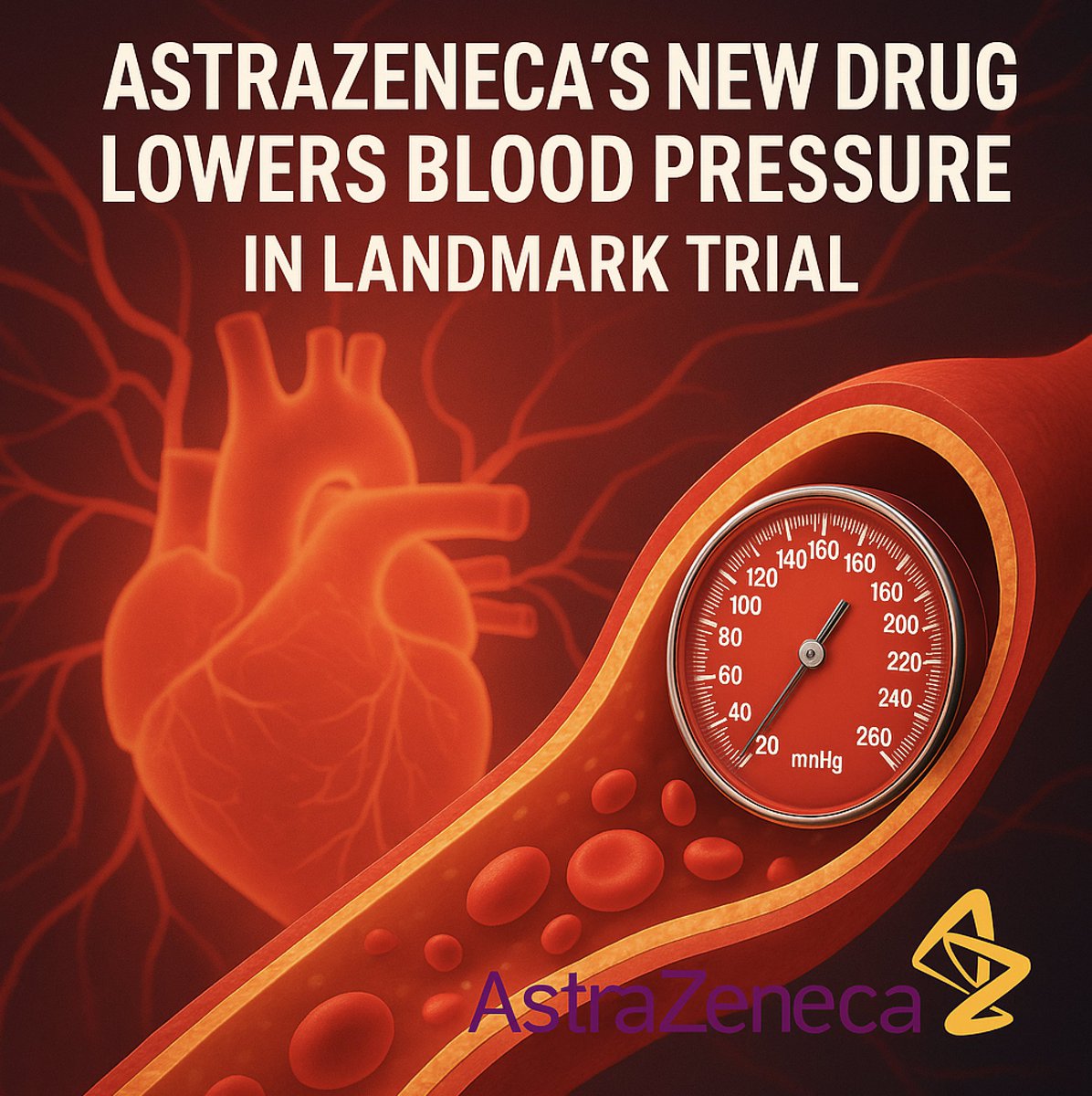
💥 AstraZeneca’s New Drug Lowers Blood Pressure in Landmark Trial 💊
Big news in cardiovascular medicine — AstraZeneca’s experimental drug Baxdrostat has successfully cut blood pressurein a major Phase III trial, showing real promise for patients whose hypertension remains uncontrolled despite multiple medications.
Nearly 800 participants with treatment-resistant high blood pressure took part in the 12-week study. Those receiving Baxdrostat saw an average drop of around 9–10 mmHg in systolic blood pressure compared to placebo — a difference large enough to significantly reduce risks of stroke, heart attack, and kidney disease.
Even more striking, about 40% of patients on the drug reached healthy blood pressure levels — double that of the control group.
🔬 How it works:
Baxdrostat targets aldosterone synthase, an enzyme that helps produce the hormone aldosterone, which regulates salt and water retention. By blocking this process, it tackles one of the root biological causes of high blood pressure rather than just managing symptoms.
🌍 Why it's significant:
Hypertension affects over a billion people worldwide.
Millions still can’t achieve safe blood pressure levels even with three or more drugs.
A therapy that works on top of existing treatments could transform care for this group.
AstraZeneca plans to seek regulatory approval later this year — and is already exploring Baxdrostat for chronic kidney disease and heart failure.
311
🧬Big deal in biotech today: Novartis is doubling down on the next wave of precision immunology — they just inked a licensing deal with Monte Rosa Therapeutics valued at up to $5.7 billion.
🔍 What’s going on:
➤ The collaboration is focused on immune-mediated diseases — conditions where the immune system mistakenly attacks healthy tissue.
➤ Monte Rosa will bring its AI/ML-powered QuEEN™ product engine to discover molecular glue degraders designed to destroy disease-causing proteins.
Novartis will take over clinical development and commercialization.
➤ Financials: $120 million upfront for Monte Rosa, with the rest tied to option fees, milestone payments, and royalties — bringing the total potential to $5.7B.
➤ This builds on their existing relationship, including a molecular glue program (VAV1 degrader, MRT-6160) launched last year.
🌐 Why this is exciting:
➤ Undruggable targets: Molecular glues offer a way to tackle proteins that previously couldn’t be targeted — unlocking new therapies for difficult diseases.
➤ Speed & scale: Monte Rosa’s AI-driven discovery platform accelerates candidate generation, while Novartis provides global infrastructure to bring drugs to patients faster.
➤ Risk & reward: A strategic partnership that shares the discovery risk but delivers massive upside if programs succeed.
🧠 Takeaway:
It’s a statement about the future of biopharma - not just another licensing agreement: AI targeted protein degradation immunology.
If successful, this deal could reshape treatment options for patients and set the tone for the next wave of biotech innovation.
What do you think — are molecular glue degraders about to go mainstream?
1
1
2
348
🚀 Big news from North Carolina’s growing life sciences hub!
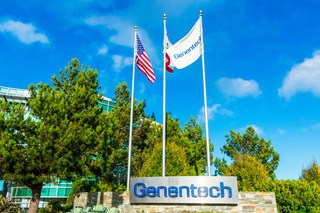
Genentech, part of the Roche Group, has broken ground on its first East Coast manufacturing site in Holly Springs. The $700m investment will create 1,900 jobs and power the production of Genentech’s future metabolic medicines – including next-generation obesity treatments.
This 65,000 m² state-of-the-art facility is part of Roche’s $50bn commitment to expand US manufacturing and R&D. Equipped with advanced automation, digital capabilities, and designed with sustainability in mind, the site sits on a 400,000 m² lot with room for future growth.
🌎 Why it matters:
Expands Roche’s global manufacturing network, complementing sites in Europe & Switzerland
Strengthens US supply chain resilience and capacity for high-volume production
Anchors Holly Springs as a biopharma innovation hub, supported by local talent and leading academic institutions
The facility is expected to be operational by 2029, bringing life-changing medicines to patients worldwide while boosting the regional economy.
💡 A major milestone for Genentech, Roche, and the North Carolina life sciences ecosystem.
1
2
269
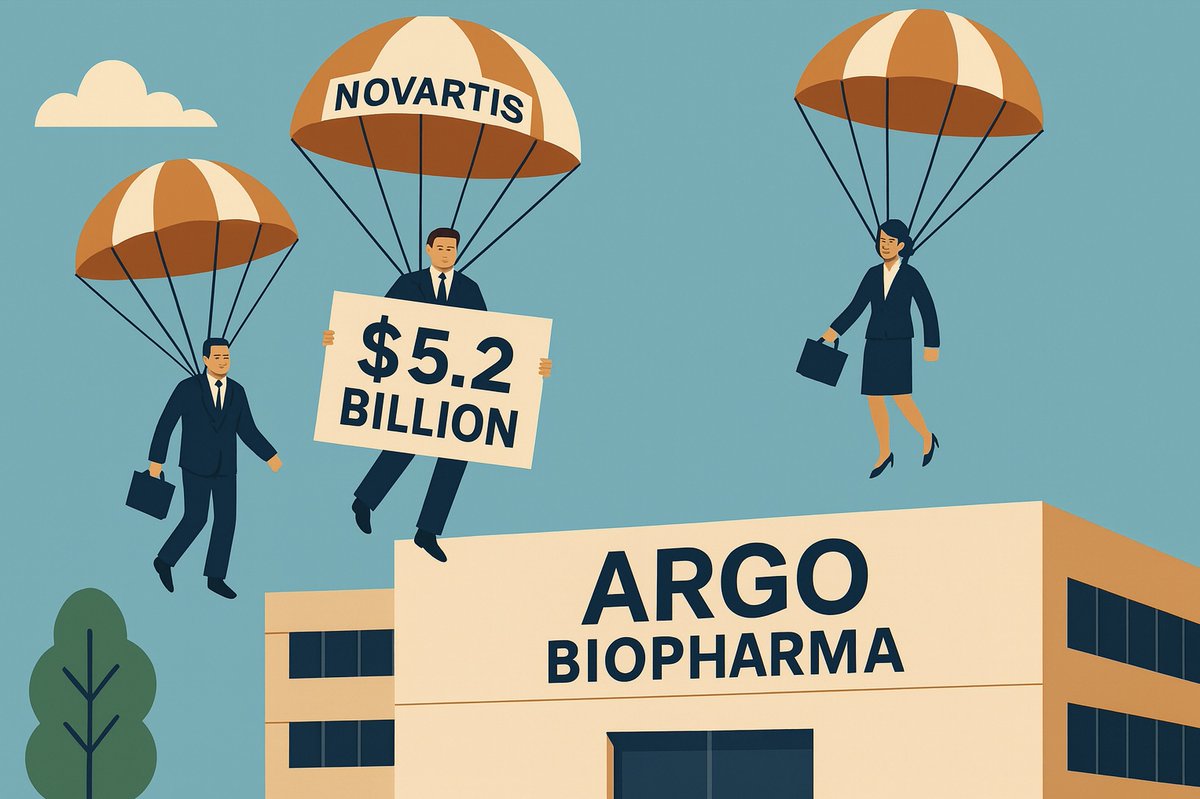
Big Pharma Deal Alert: Novartis has struck a potential $5.2 billion licensing agreement with China’s Argo Biopharmaceutical, one of the largest cross-border deals in the cardiovascular space.
The deal grants Novartis global rights (ex-China) to Argo’s portfolio of
small-molecule heart drugs targeting cardiometabolic diseases, a market
projected to grow rapidly as global rates of obesity, diabetes, and heart
failure continue to rise.
🌍 Why it's significant:
✔️ Strengthens Novartis’ cardiometabolic
pipeline alongside Entresto & Leqvio
✔️ Highlights the growing influence of Chinese
biopharma on the global stage
✔️ Reflects continued investor appetite for
breakthrough therapies in heart health
As cardiometabolic disease emerges as a top health and economic burden,
collaborations like this could shape the next wave of global treatments.
#pharma #cardiovascular #novartis #biotech
2
1
3
243
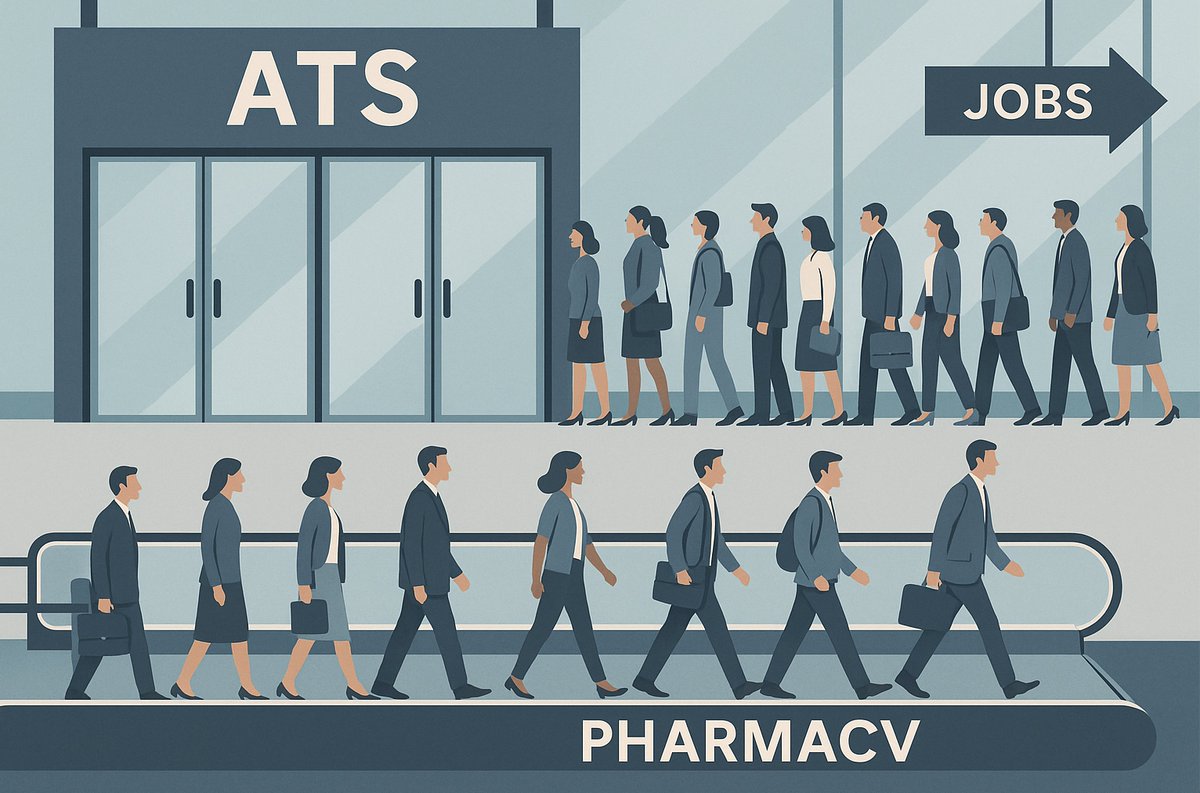
In pharma hiring today, your first challenge isn’t impressing a recruiter – it’s getting past Applicant Tracking Systems (ATS). Nearly 99% of Fortune 500 firms use ATS, and around 75% of resumes are filtered out before they’re ever seen by a human.
Why? Missing keywords, complex formatting, or generic CVs. In pharma and biotech, this can mean being rejected simply for using “gene editing” instead of “CRISPR-Cas9.”
That’s where pharmaCV comes in. Our free AI-powered CV builder is tailored for life sciences professionals. It:
✔️ Optimizes your CV with the exact keywords recruiters search for
✔️ Uses clean ATS-friendly templates
✔️ Provides industry-specific guidance for R&D, regulatory, medical, and commercial roles
Don’t let your CV get lost in the digital black hole—make it ATS-smart and recruiter-ready with pharmaCV.
Read full article here: pharmacv.com/post/how-pharma…
3
4
1,058
Big news in breast cancer research:
Eli Lilly has reported that its therapy Verzenio (abemaciclib), when combined with standard endocrine therapy, significantly improves overall survival in patients with high-risk, early-stage HR / HER2- breast cancer – the most common subtype, representing ~70% of cases.
📊 Findings come from the phase 3 monarchE trial (5,600 patients, 38 countries). At the 7-year analysis, two years of Verzenio plus endocrine therapy not only cut the risk of recurrence but also extended survival compared to endocrine therapy alone.
This is especially important for patients with higher relapse risks (lymph node involvement, large tumours, or high tumour grade), where recurrence often means metastatic disease.
💬 Jacob Van Naarden, President of Lilly Oncology:
“Preventing relapse and helping patients live longer is the ultimate goal. Achieving a significant OS benefit with just two years of Verzenio therapy reinforces its differentiated profile.”
Verzenio is taken orally twice daily, with no new safety concerns identified. Full results will be presented at an upcoming medical meeting and submitted for publication.
A major milestone in the adjuvant treatment of breast cancer.
Read more: pmlive.com/pharma_news/lilly…
🚀 Turbocharge your next move in Pharma & Life Science with pharmaCV.com
6
1
3
259
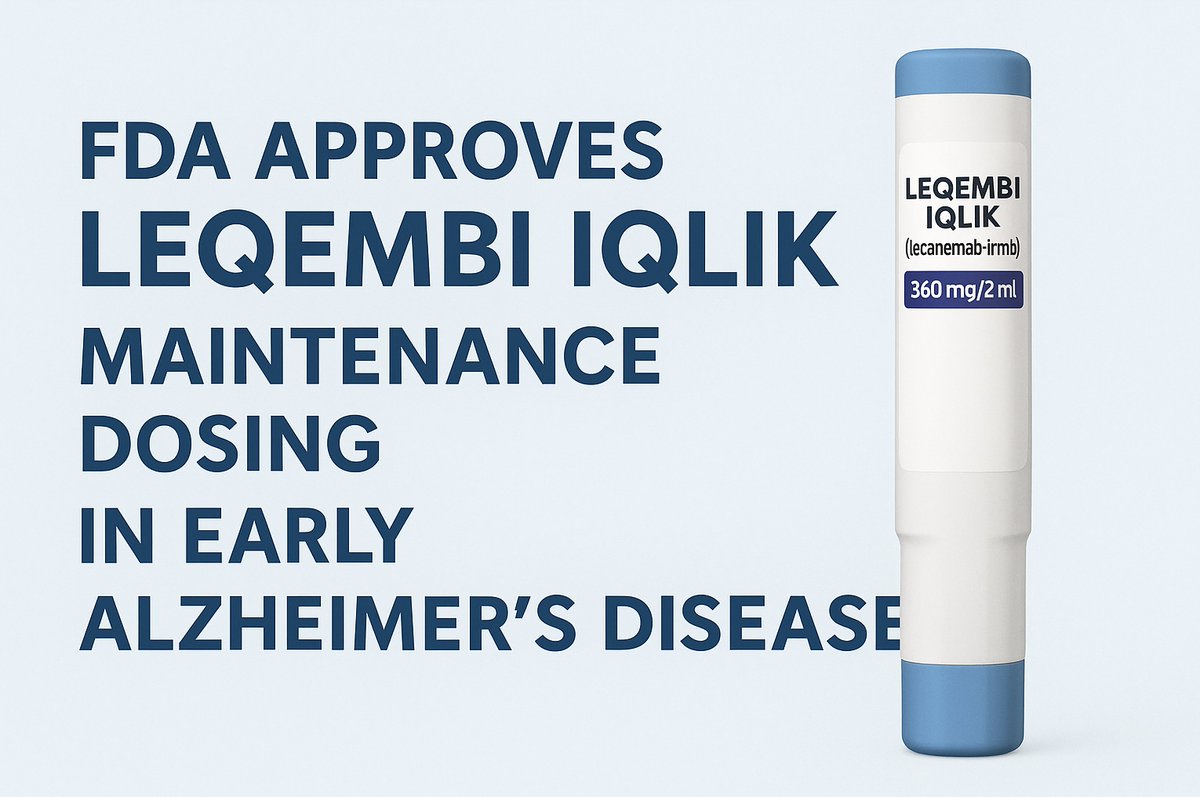
💊 FDA Approves LEQEMBI IQLIK for Maintenance Dosing in Early Alzheimer’s Disease
Eisai and Biogen have announced FDA approval of LEQEMBI IQLIK (lecanemab-irmb), a subcutaneous autoinjector designed for maintenance dosing in patients with early Alzheimer’s disease.
🔹 Launch date (US): 6 October 2025
🔹 Dose: 360 mg, delivered in ~15 seconds via weekly autoinjector
🔹 Indication: Patients with mild cognitive impairment or mild dementia due to Alzheimer’s disease, after 18 months of initial IV treatment
🔹 Flexibility: Patients may continue with monthly IV infusions or switch to the weekly injection
📊 Key findings from Clarity AD open-label extension trial:
Weekly SC dosing maintained clinical and biomarker benefits seen with IV infusions
Safety assessed in >600 patients
No local or systemic injection-related adverse events reported
Systemic reactions: <1% with SC vs ~26% with IV
Eisai noted: “Transitioning to the weekly LEQEMBI IQLIK autoinjector after 18 months of IV initiation dosing maintains clinical and biomarker benefits comparable to continued IV dosing.”
This represents a significant advance in treatment convenience for Alzheimer’s patients and their caregivers.
1
2
3
276
🚀 Now Live: pharmaCV.com 🚀
I’m excited to announce the launch of pharmaCV.com
– a free AI-powered CV and résumé builder created specifically for professionals in the pharmaceutical, biotech, and life sciences sector.
🔹 Optimised for Job Applications
Powered by Rezi AI technology, pharmaCV.com creates CVs that are fully optimised for today’s hiring processes, including Applicant Tracking Systems (ATS). This ensures your CV doesn’t just look great but is also formatted to pass screening filters and reach hiring managers.
🔹 Focused on Pharma & Life Sciences
Every feature is tailored for scientists, researchers, regulatory experts, clinical specialists, and all professionals across the life sciences.
🔹 Confidential Career Opportunities
By building your CV with pharmaCV.com, you’ll also be connected to the wider PHARMeMED network – the largest pharma & life sciences community on LinkedIn. If a suitable opportunity arises, our team may reach out confidentially with roles that match your profile — always with your privacy protected.
💡 Whether you’re actively seeking your next role or simply want a future-proof CV, pharmaCV.com is free to use and here to give you the edge.
1
1
3
363
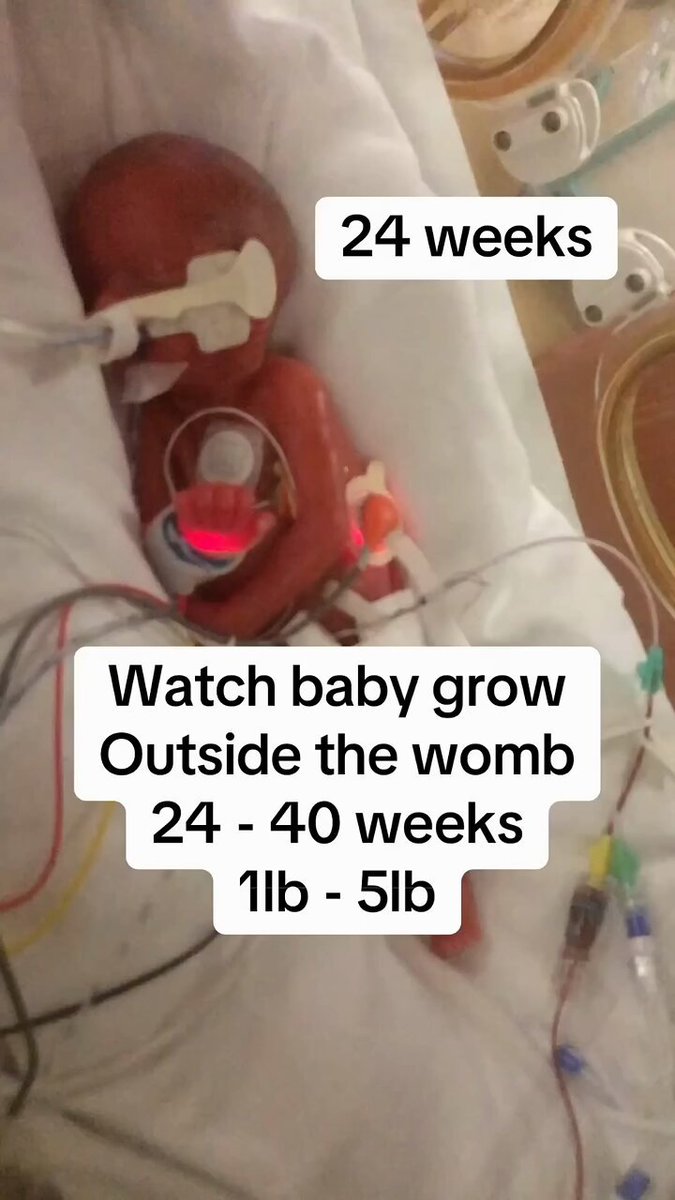
Born at 24 weeks. Survived to 40. A story of quiet strength.
Each year, around 13 to 15 million babies are born prematurely, before 37 weeks of pregnancy. That’s about 1 in every 10 births worldwide.
While the odds can be daunting, survival rates are steadily improving:
➤ At 24 weeks, more than half of babies now survive in high-resource settings.
➤ By 28 weeks, that figure rises above 90%.
➤ At 32 weeks, most preterm babies go on to thrive without major complications.
The video shows just how far neonatal care has come. But it also reflects something deeper, what’s possible when dedicated care teams, families, and a fragile human life fight together for every hour, every breath, every milestone.
Premature birth is still the leading cause of death in children under five globally. Yet with the right support, many of these lives can be saved.
This story isn't just about medicine. It's about resilience, teamwork, and progress.
📽️ Video credit: Cheryl Guile
#prematurebaby #neonatalcare #preterm #NICU #globalhealth #pediatrics #medicalinnovation #childhealth #lifesavingcare #publichealth #maternalhealth #healthcareheroes
1
3
285
This Week in the Pharmaceutical, Biotech & Medical World: Big Bets, Bold Moves, and Global Shifts:
Merck has announced a $10 billion acquisition of Verona Pharma, one of the biggest biotech deals of 2025. At the centre of the move is Ohtuvayre, a first-in-class COPD therapy as Merck looks to diversify beyond Keytruda’s upcoming patent expiry.
But that’s just one of many major developments this week:
• A universal, off-the-shelf stem cell therapy offers hope for severe autoimmune disease
• AstraZeneca secures EU approval for its new bladder cancer regimen
• Gilead and the Global Fund finalise a landmark agreement to deliver HIV prevention drugs to lower-income countries
• The FDA approves a safer dosing option for Eli Lilly’s Alzheimer’s drug, Kisunla
• Vertex’s next-generation cystic fibrosis therapy gets the green light in Europe
• Novo Nordisk commits over €2.3 billion to expand manufacturing in Italy
• China imposes new restrictions on EU-made medical devices in response to recent trade tensions
• Monash University researchers uncover a potential link between estrogen and heart protection in women
• A new precision medicine strategy shows promise in tackling genetically diverse ovarian cancers
• The EU launches a €10 billion-per-year plan to become a global hub for life science innovation
• Regeneron earns FDA approval for its latest multiple myeloma treatment
Biospring announces a major €150 million investment and 1,500 new biotech jobs in Germany
This week’s headlines highlight a dynamic mix of science, strategy, and global shifts — from landmark approvals to new funding models and emerging therapies.
Read the latest updates: lnkd.in/gGBxhhfw
#PharmaNews #BiotechNews #LifeSciences #DrugDevelopment #PharmaMergers #BiotechDeals
1
4
519
This week in pharma & biotech 🧬💥
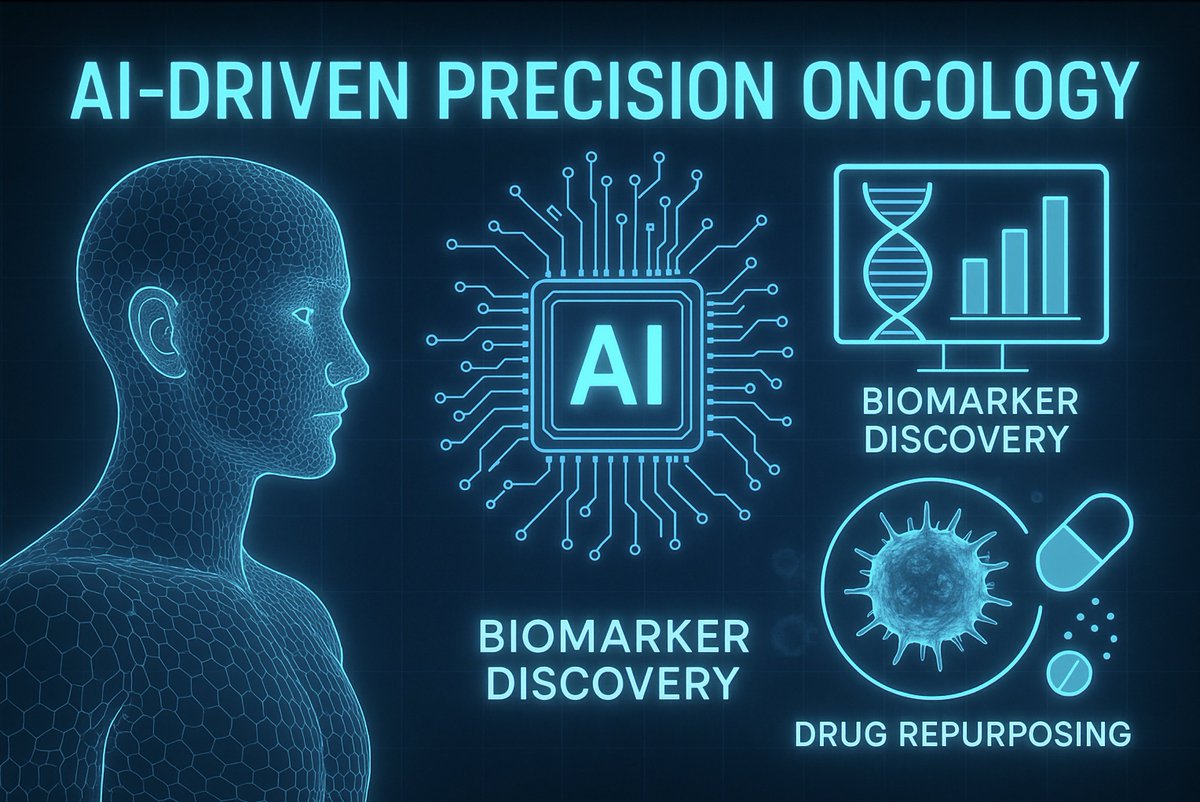
🔹 Predictive Oncology expands AI to biomarkers & repurposing
🔹 GSK’s Nucala gets FDA nod for COPD
🔹 BioNTech to invest £1B in UK R&D
🔹 UCLA: Serotonin tied to immune suppression in cancer
🔹 Vitamin D linked to slower aging
🔹 Y chromosome's role in height revealed
🔹 AI blood test for pancreatic cancer
🔹 Positive Airsupra data (AZ)
🔹 FDA clears Merck’s Welireg & Amneal’s Brekiya
📖 Dive deeper: linkedin.com/pulse/revolutio…
1
1
470
Why are men taller than women? It’s not just hormones.
New research reveals the Y chromosome plays a key role in human height — independent of testosterone.
📊 In a study of nearly 1 million people, those with an extra Y chromosome were significantly taller than those with an extra X.
🧬 The reason? A gene called SHOX, located in the PAR1 region shared by X and Y chromosomes, boosts growth. And because SHOX is more active on the Y, men typically express it more — especially in musculoskeletal tissues.
This breakthrough helps explain the 13 cm (5 in) average height gap between sexes.
Full article ➤ medicalxpress.com/news/2025-…
4
3
407
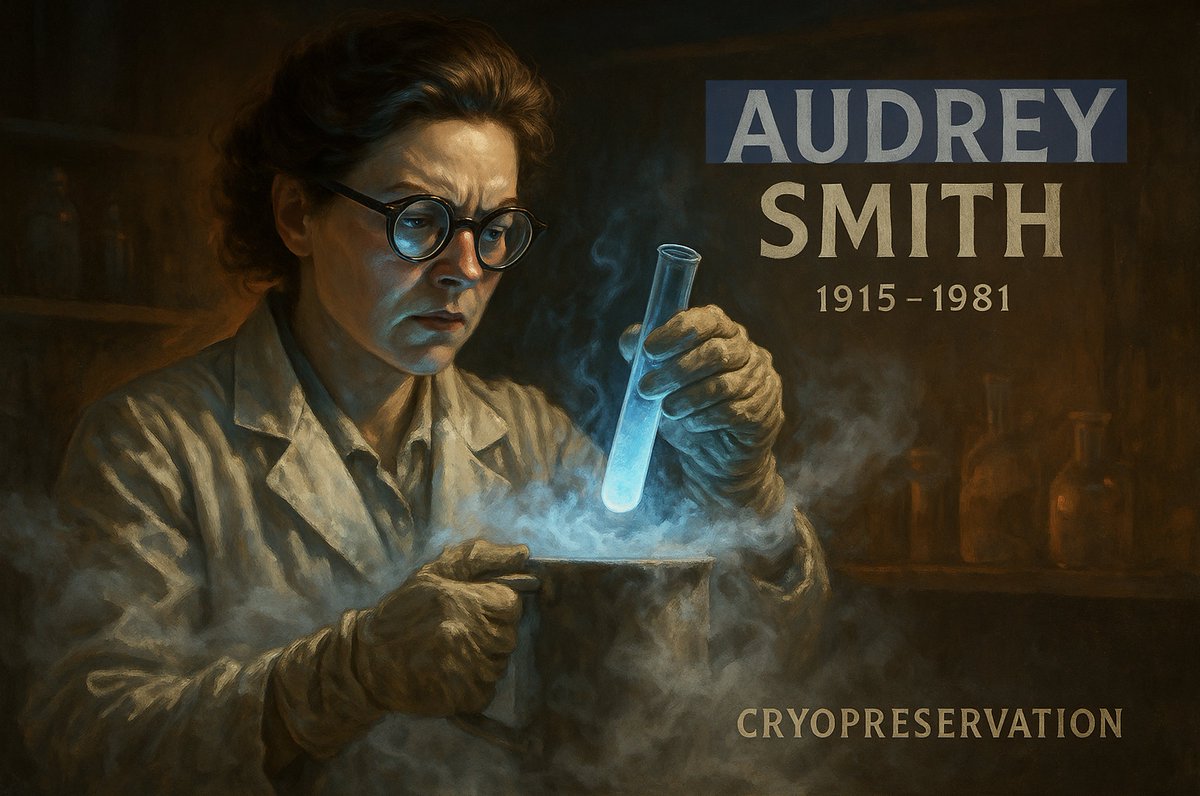
On this day in 1915, Audrey Smith was born — a quiet revolutionary in science whose work changed medicine forever. A British biologist, she discovered that glycerol could protect blood cells from freezing. This breakthrough launched the entire field of cryopreservation.
Her legacy?
— Blood storage
— IVF and fertility preservation
— Organ transplants
— Stem cell therapy
— Biobanking
— Conservation of endangered species
She likely faced the same barriers many women in science still confront: lack of recognition, exclusion from the spotlight, and limited funding.
Few know her name. Yet millions benefit from her discovery every day.
🧊 Without Audrey Smith, we wouldn’t be freezing the future to save lives today.
#WomenInSTEM #Cryobiology #Biotech #MedicalHistory #STEM #OnThisDay #IVF #HealthcareInnovation #ScienceMatters
3
3
311
Pharma & Medical News | Healthcare, Biotech | Jobs retweeted

19 May 2025
Making a difference for patients across the world is an everyday reality for our employees. Making that impact possible calls for leaders like Jorge—pushing the boundaries of innovation and unlocking the potential of biology.
Your skills and perspective can make a difference at Amgen. Learn more about how you can join our team: bit.ly/3GYzpOX
3
1
375
🔬 This week in pharmaceutical and medical news:
From cancer breakthroughs to AI-powered drug reviews, we cover the most impactful developments shaping the industry.
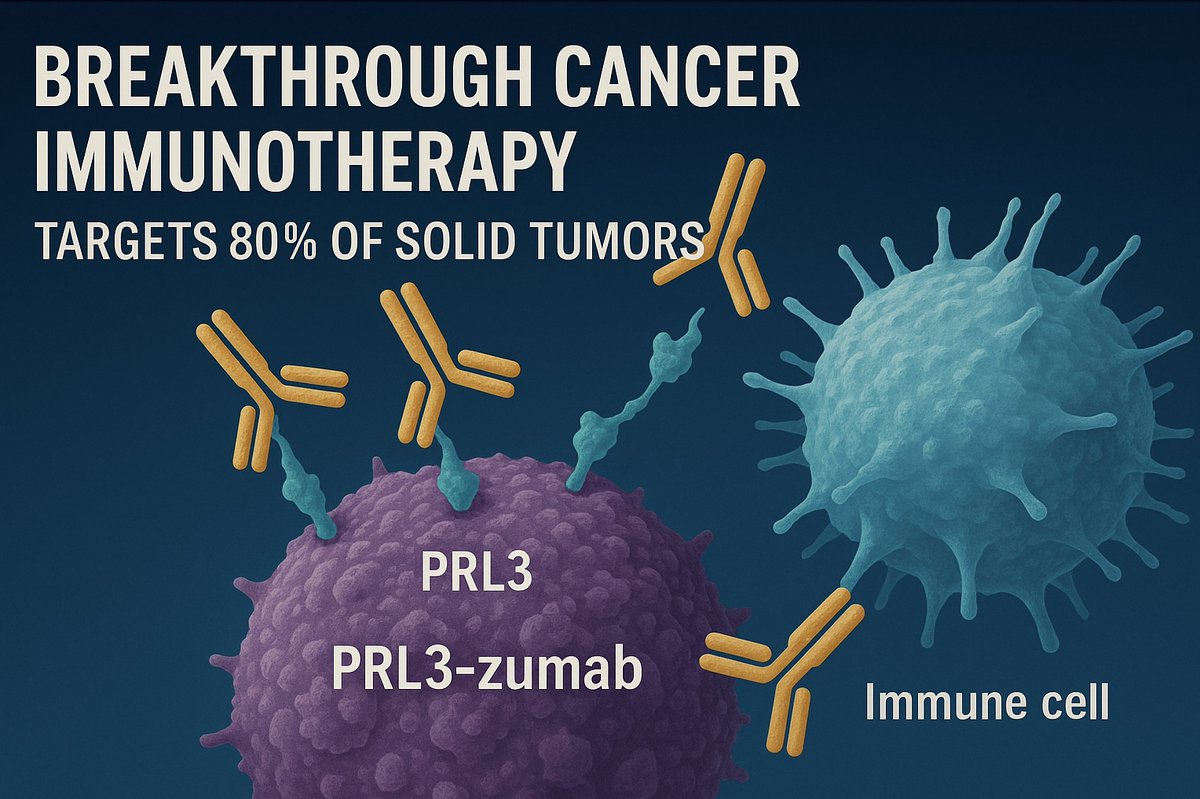
💡 A groundbreaking immunotherapy from Singapore targets 80% of solid tumors using a novel intracellular antibody — offering new hope for late-stage patients.
⚡ The FDA is accelerating AI adoption across all centers to streamline drug review processes.
💊 J&J’s oral psoriasis treatment shows biologic-level results.
💰 Bristol Myers commits $40B to boost U.S. innovation.
📈 Also in this issue:
• Game-changing lymphoma therapies
• AstraZeneca’s breast cancer trial success
• A new oral obesity drug filing
• A major biotech collaboration comes to an end
👉 Read the full update: lnkd.in/eYN3XAQb
#Pharma #Biotech #MedicalNews #LifeSciences #DrugDevelopment #Innovation #HealthcareAI #PharmaceuticalNews #Oncology
2
1
289