
Lo sviluppo dei farmaci entra in una fase più integrata: dati condivisi, GMP, FDA ed EMA diventano decisivi per ridurre ritardi e rischi clinici. @US_FDA @EMA_News #DrugDevelopment #GMP #Pharma #RegulatoryAffairs #Ricerca
aiopenmind.it/ArtificialInte…
18

Traditionally thought to be the result of a suite of issues, the world's most common type of arthritis – osteoarthritis (OA) – actually has a single core driver. These findings, in… dlvr.it/TT1mz9 #Osteoarthritis #ChronicPain #KneeHealth #DrugDevelopment #ClinicalTrials
11

🧠🔬 DDC-02 Data at WODC USA 2026
JW Pharmaceutical highlights DDC-02 potential across multiple rare neurodevelopmental disorders.
👉 cgxpwire.com/biopharma/jw-ph…
#RareDisease #Neuroscience #DrugDevelopment #Biopharma
4

Very pleased to share that I will deliver the workshop:
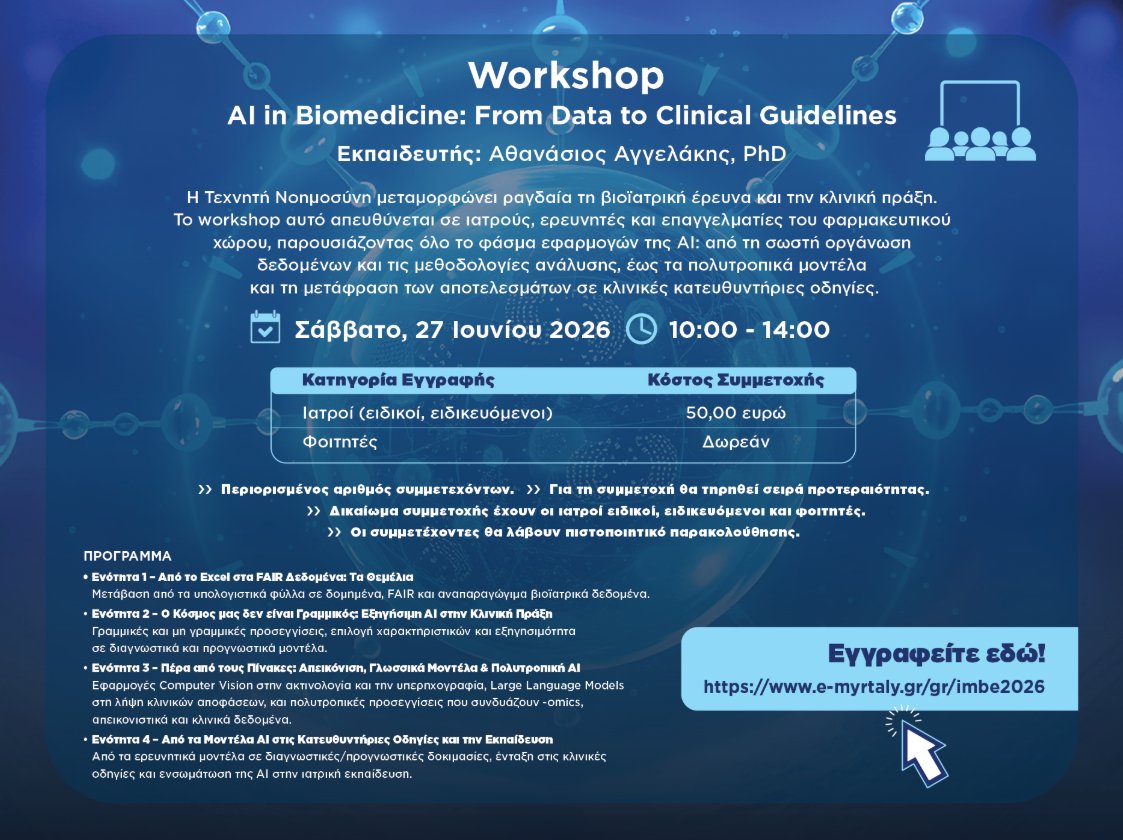
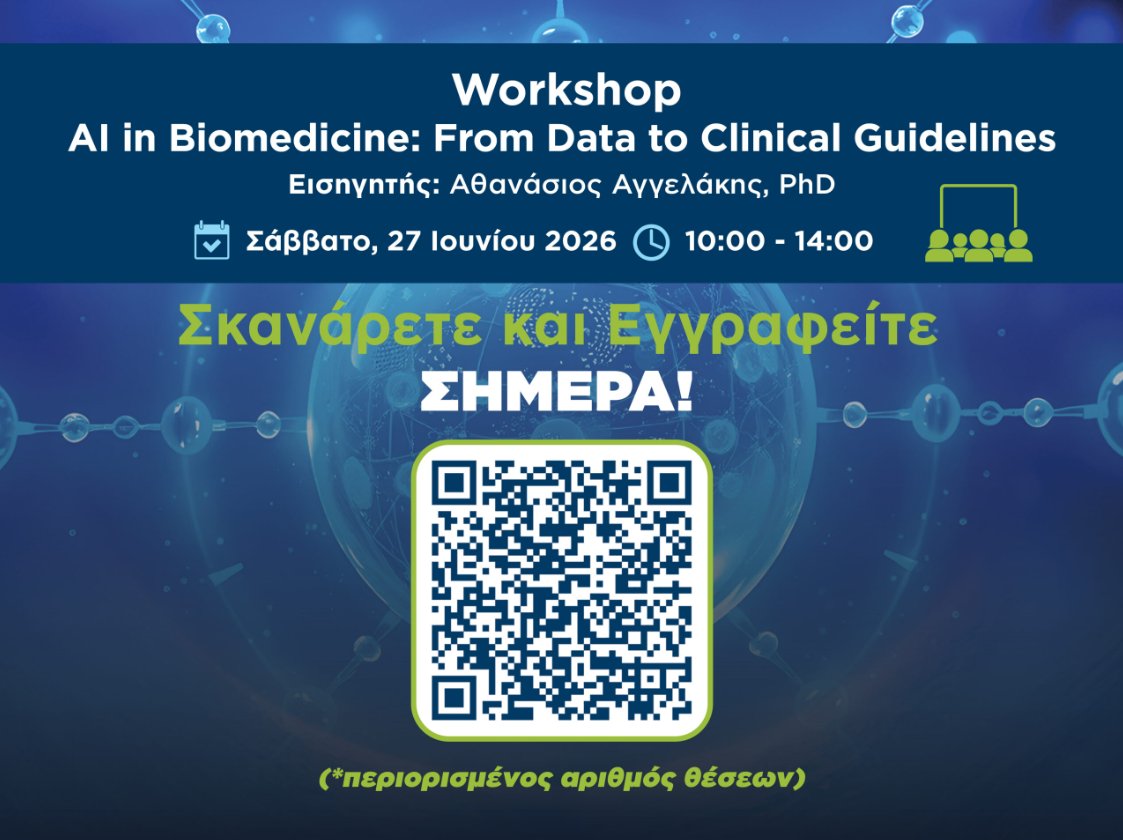
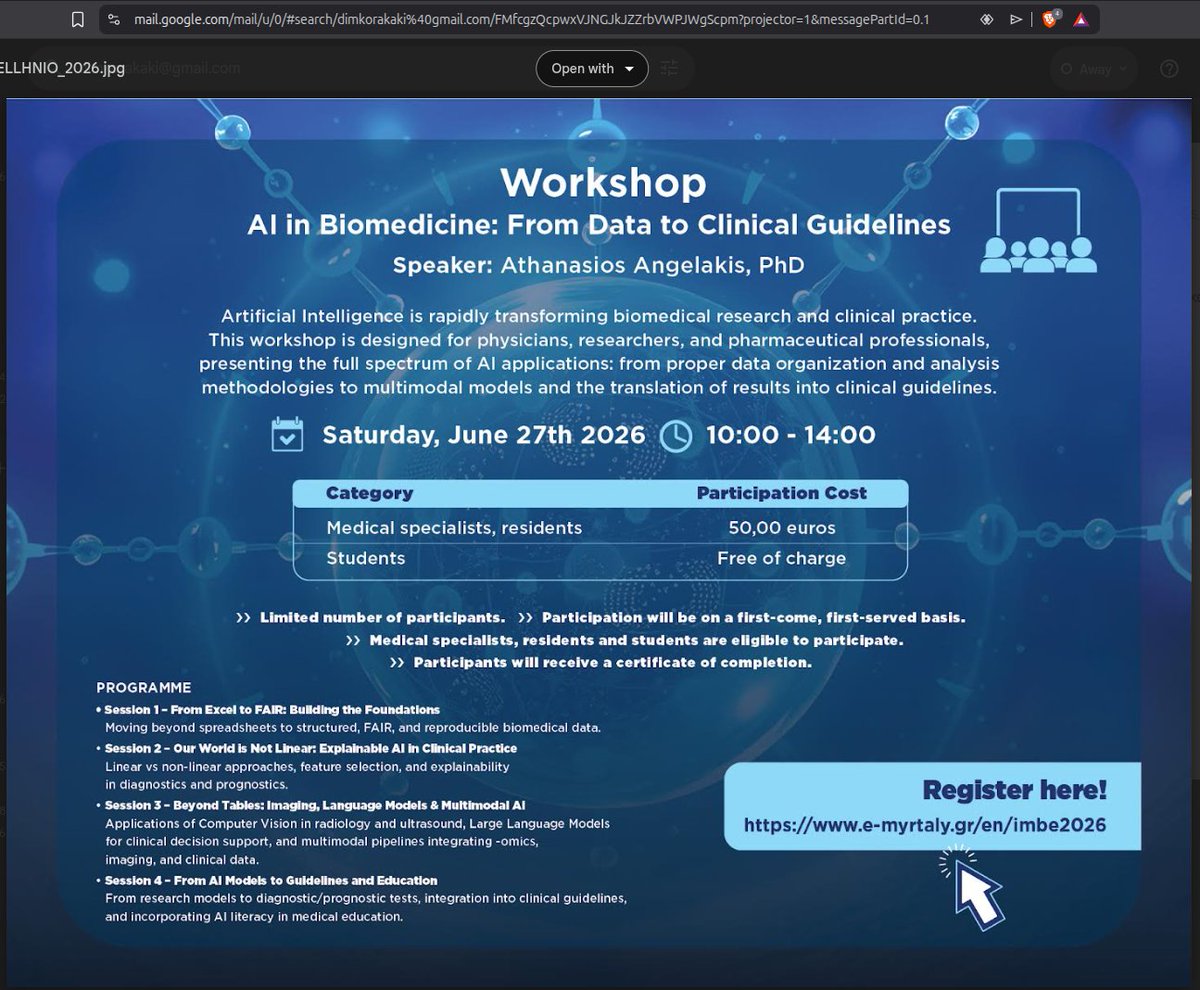
“AI in Biomedicine: From Data to Clinical Guidelines”
at the 10th Panhellenic Conference of Molecular Medicine & Biomedical Research, Athens, 25–27 June 2026, Greece.
The workshop will focus on FAIR/reproducible biomedical data analysis, explainable AI, multimodal models, computer vision, language models, and the translation of AI outputs into diagnostic/prognostic tools, clinical guidelines, and education.
I would be very happy to welcome oncologists, pharma professionals, translational researchers, clinical trial teams, medical affairs colleagues, and anyone interested in clinically meaningful AI applications.
Special thanks to Prof. Michalis V. Karamouzis for the kind invitation.
Workshop: myrtalycongress.gr/workshop-…
Conference: e-myrtaly.gr/gr/imbe2026
Website: bluesman79.github.io/
#AIinMedicine #ClinicalAI #MedicalAI #Oncology #CancerResearch #PrecisionOncology #Pharma #DrugDevelopment #ClinicalTrials #TranslationalMedicine #BiomarkerDiscovery #MedicalAffairs #MachineLearning #ExplainableAI #DigitalHealth #IMBE2026 #Athens
11

Jun 13
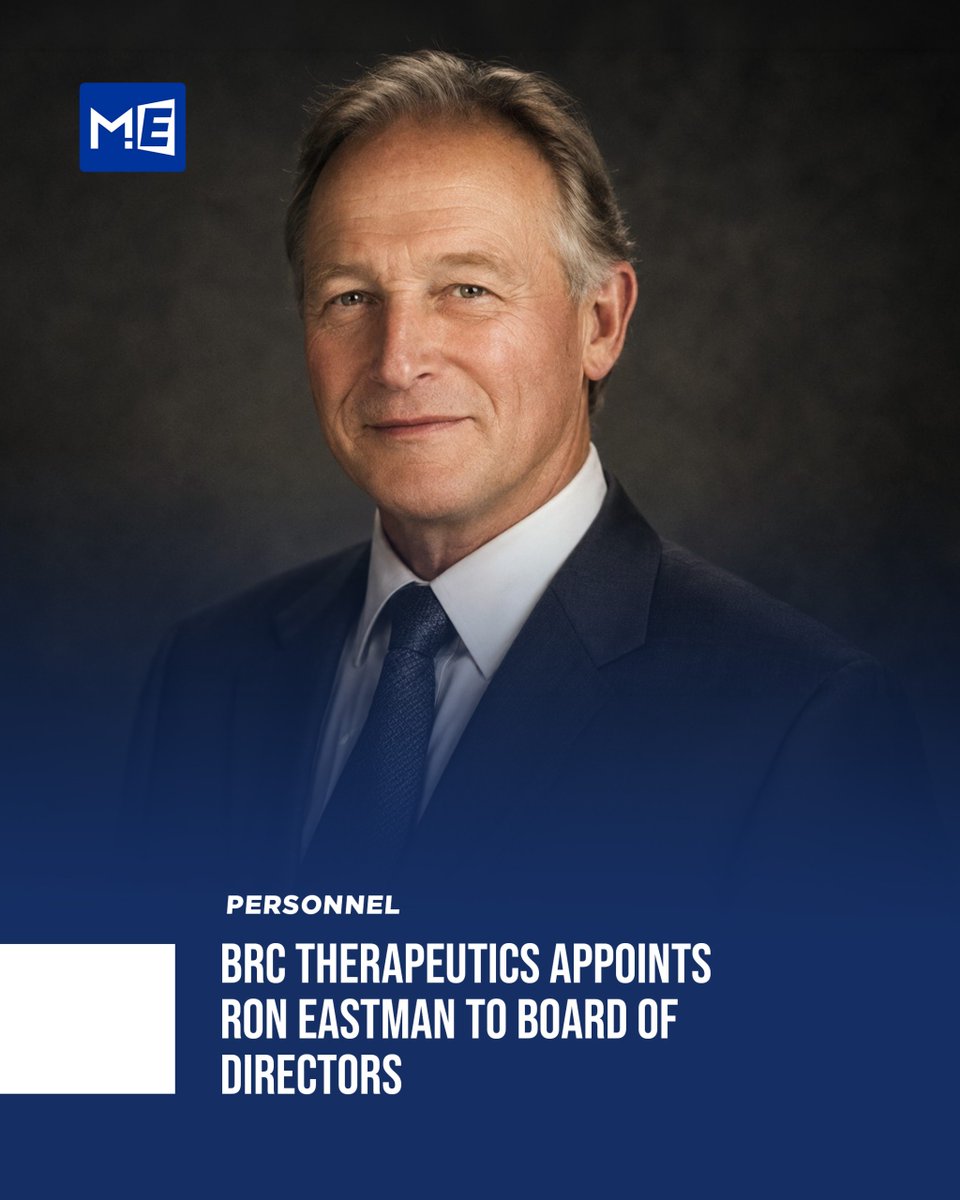
BRC Therapeutics has appointed Ron Eastman to its Board of Directors, bringing over 40 years of experience in pharmaceuticals, biotech, and life sciences investing.
#BRCTherapeutics #RonEastman #BoardOfDirectors #Biotechnology #DrugDevelopment #MedEdgeMEA
8
Traditionally thought to be the result of a suite of issues, the world's most common type of arthritis – osteoarthritis (OA) – actually has a single core driver. These findings, in… dlvr.it/TT1TRm #Osteoarthritis #ChronicPain #KneeHealth #DrugDevelopment #ClinicalTrials
9

Jun 12
Topline results from the phase 3 LAGOON trial showed that lurbinectedin, alone or in combination with irinotecan, missed the primary OS end point in patients with relapsed small cell lung cancer. 📊
Read more ➡️ hubs.li/Q04lh0l80
#LungCancer #SCLC #ThoracicOncology #ClinicalTrials #DrugDevelopment #Oncology #MedTwitter
352

Jun 12
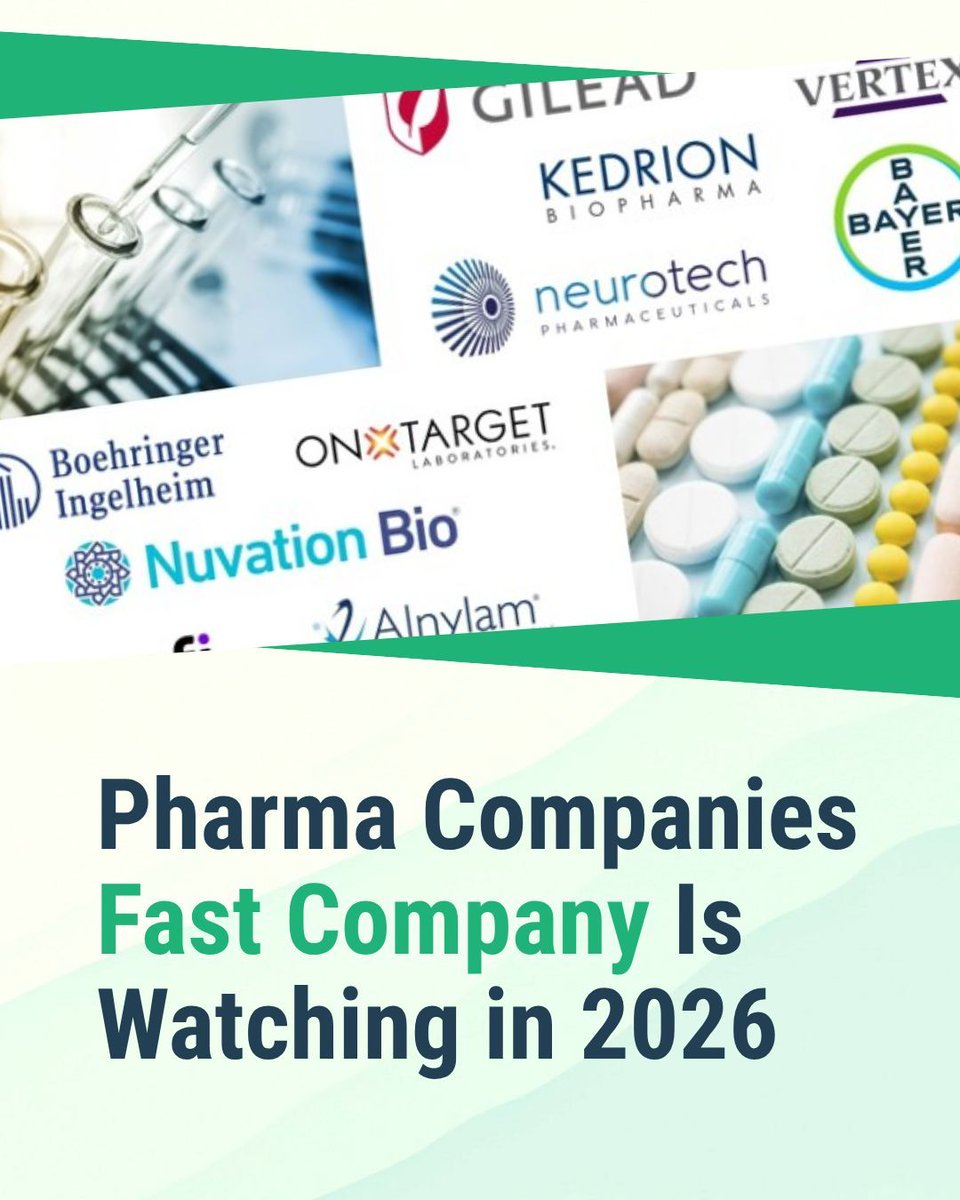
Which pharma companies are shaping the next phase of biopharma? Fast Company’s 2026 list spotlights innovators across HIV prevention, non-opioid pain, RNAi, vaccines, cancer and women’s health. See Xtalks’ breakdown of the top 10 most innovative pharma companies of 2026: buff.ly/zj1ChpY
#Pharma #Biopharma #LifeSciences #DrugDevelopment #PharmaInnovation
33

Chickens without eggs? De-extinction company creates artificial egg. - Ars Technica
arstechnica.com/science/2026…
#biotech #geneediting #genomeengineering #lifesciences #drugdevelopment #biomedical

5

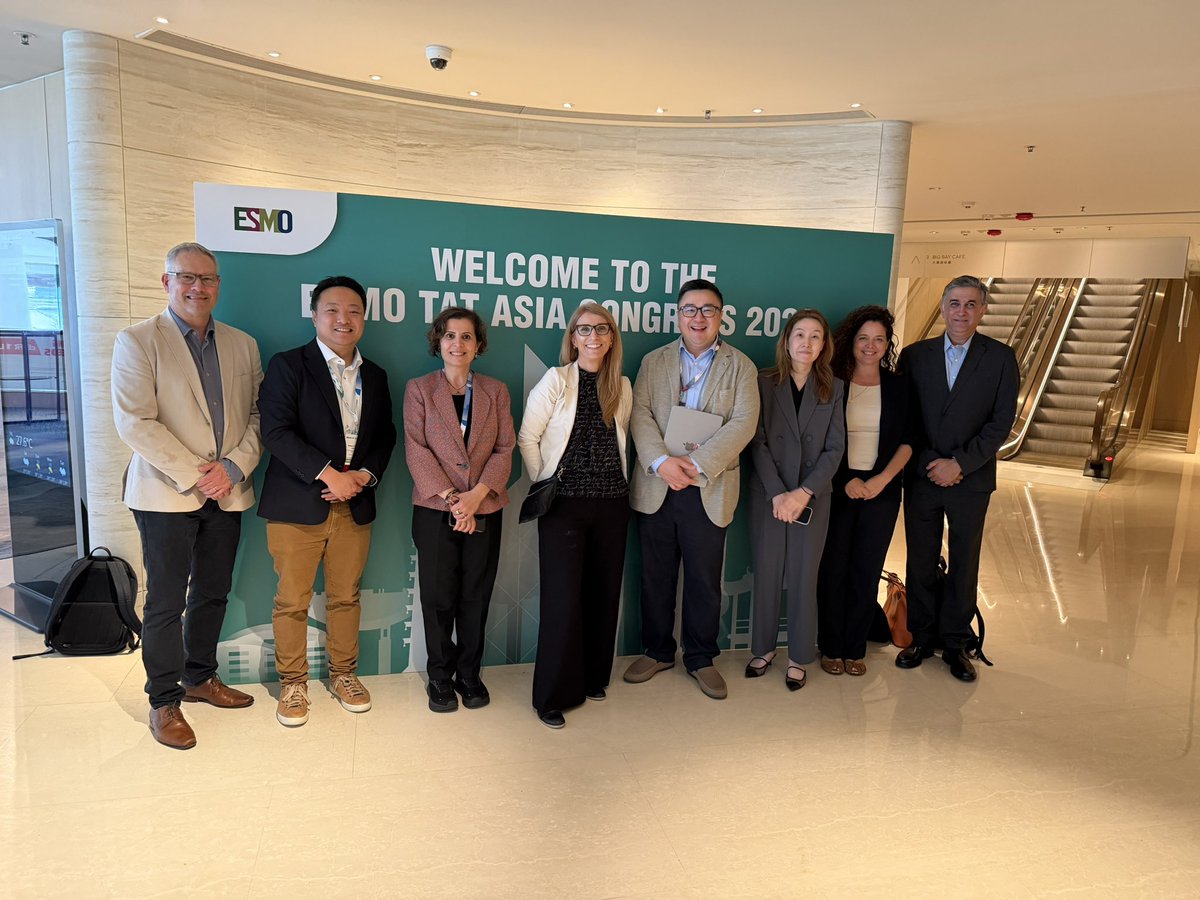
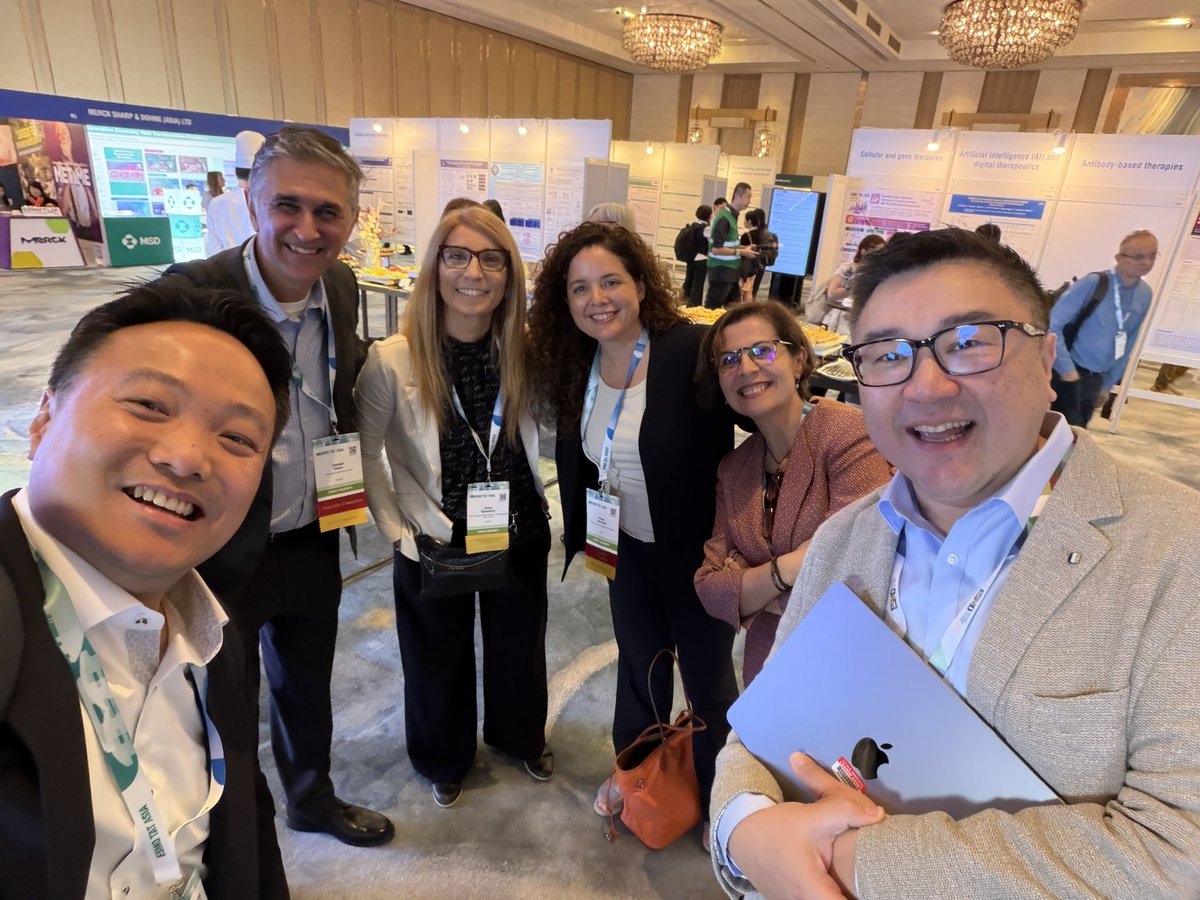
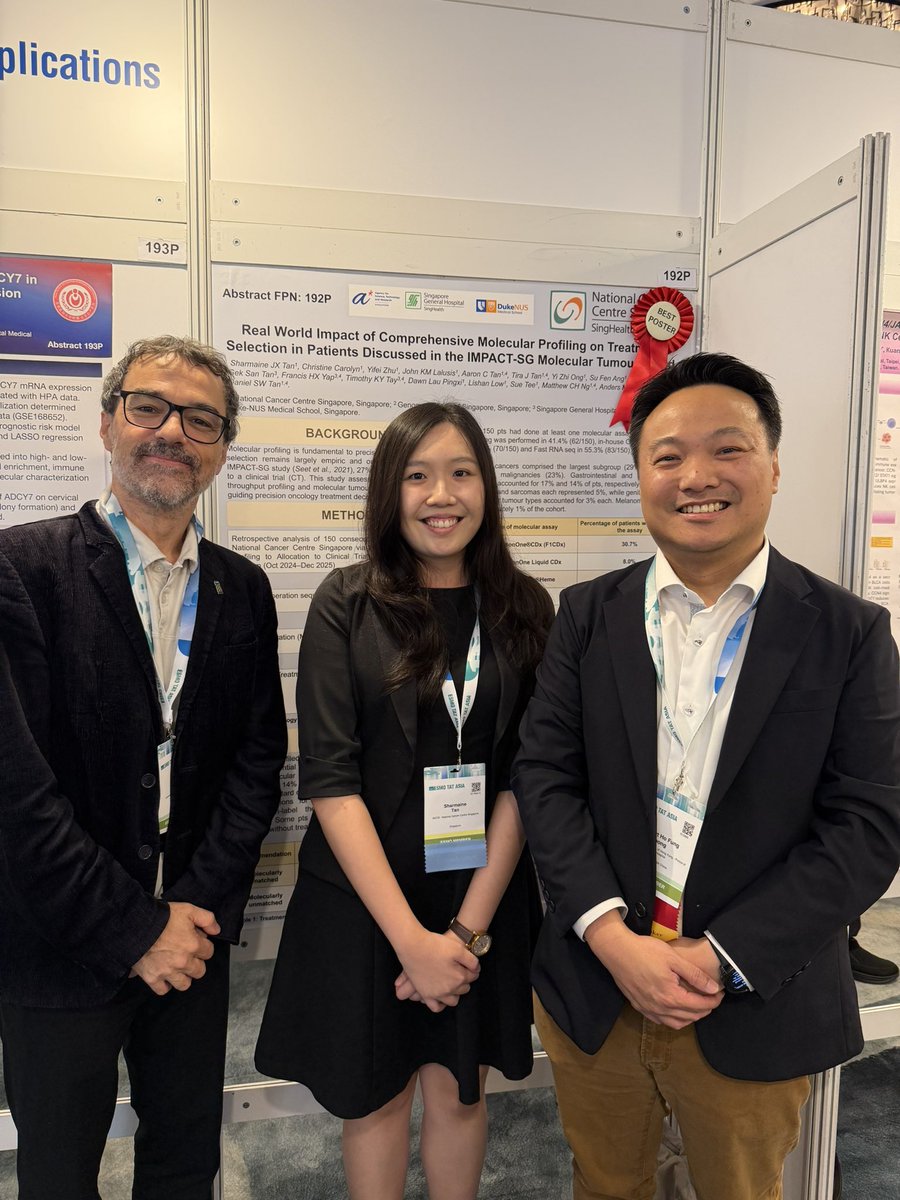
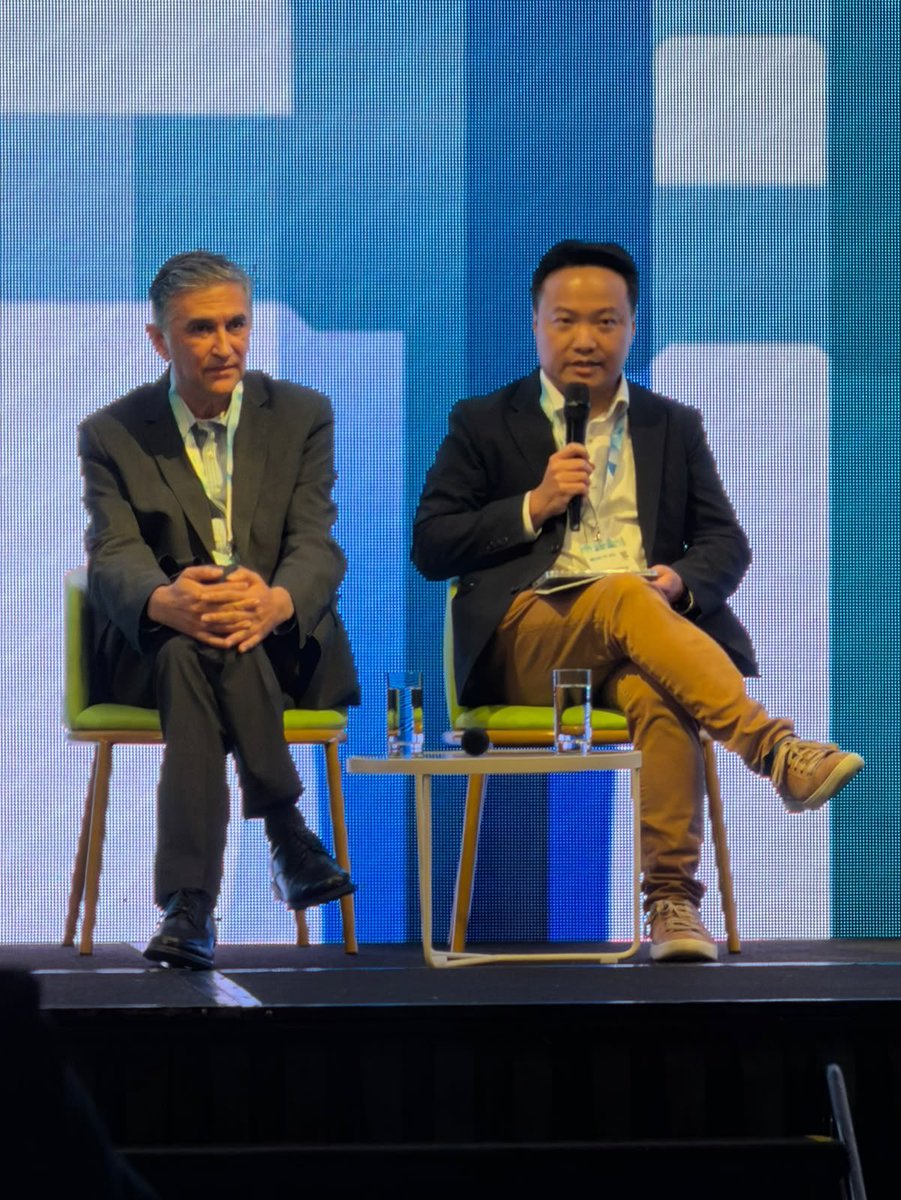
@myESMO #ESMOTATAsia26 is in full swing! A pleasure welcoming over 600 delegates to our home #HongKong.
@CUHKofficial @CUHKMedicine @apoddc @APCLC_2023 #drugdevelopment
2
6
27
1,377

Modular medicines scale more effectively when paired with platformized manufacturing. Holder, Vadas and Siebert explain in their new Executive Insights: bit.ly/4wqFdcq
#Biopharma #DrugDevelopment #Pharma #ModularMedicine #Innovation
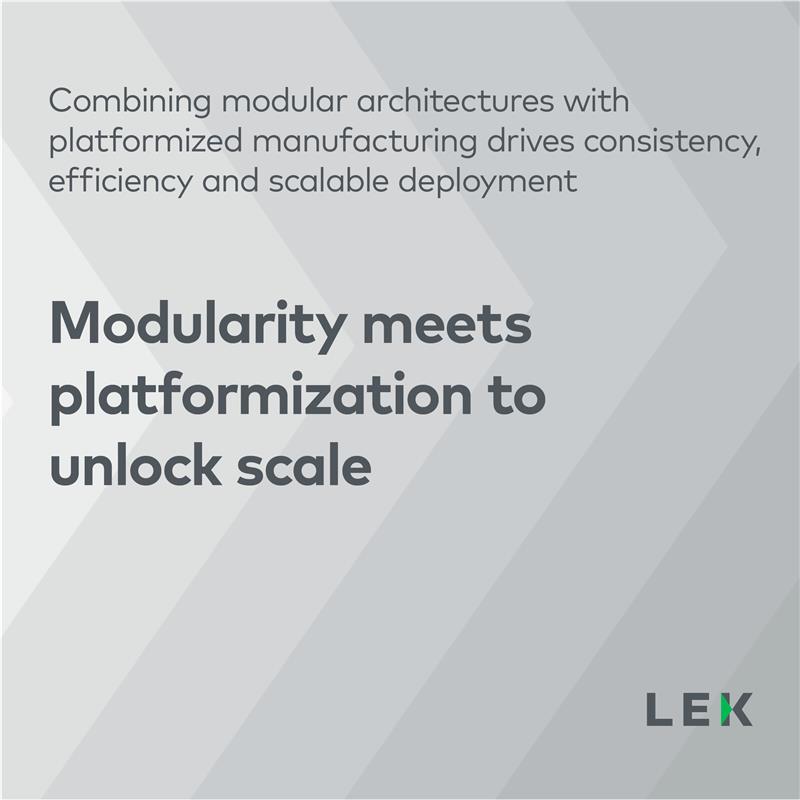
ALT This is an image featuring text on a geometric, gradient background. It reads: “Combining modular architectures with platformized manufacturing drives consistency, efficiency and scalable deployment. Modularity meets platformization to unlock scale.” The bottom right corner shows the logo for L.E.K.
66

Jun 12

99

Jun 12
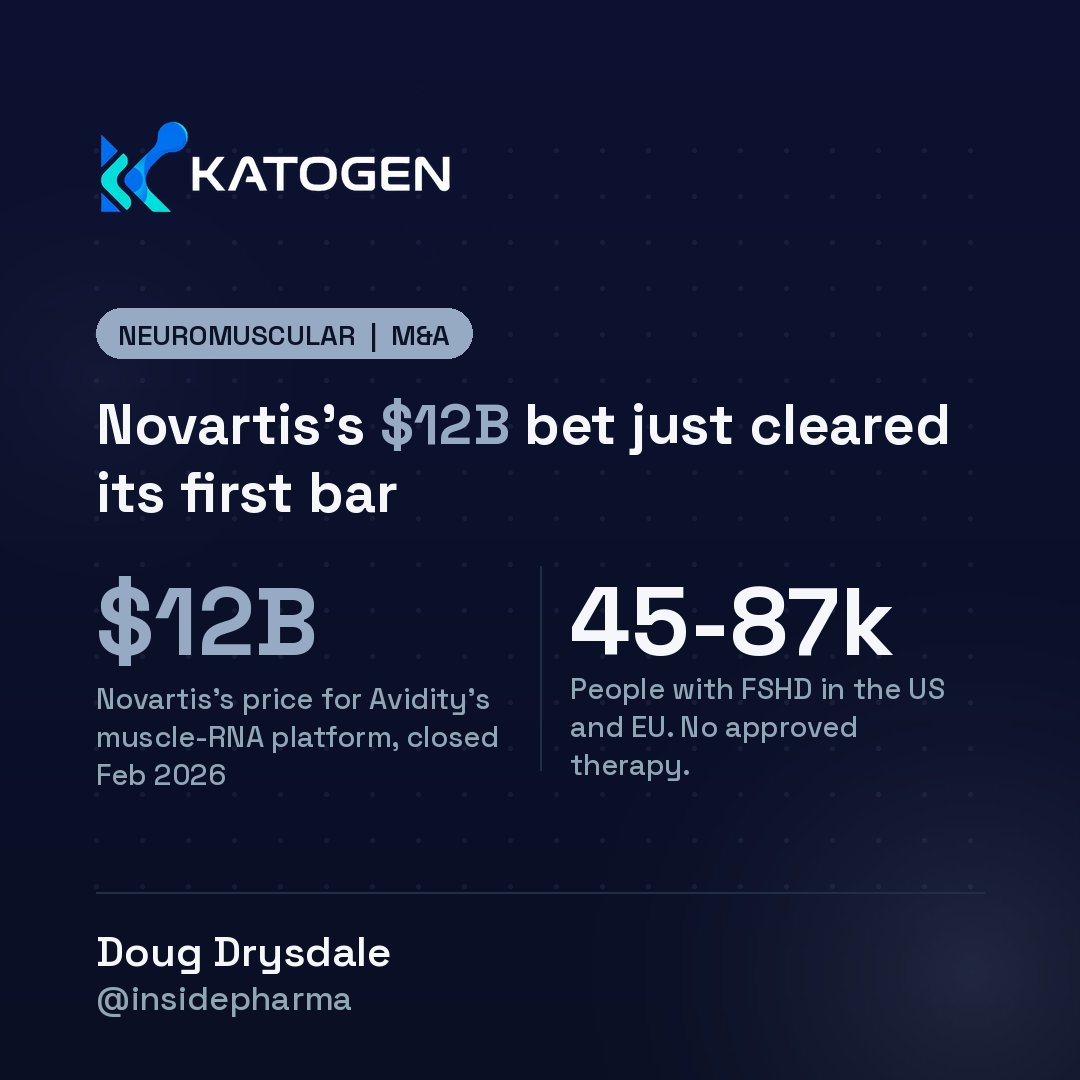
Novartis just got its first data point on a $12 billion bet. Worth reading closely, because the number that matters is not the one in the headline.
On June 11 Novartis said the biomarker cohort of the FORTITUDE Phase 1/2 study of del-brax hit its primary and key secondary endpoints in facioscapulohumeral muscular dystrophy, or FSHD. In 51 patients dosed at 2 mg/kg every six weeks for a year, the drug lowered KHDC1L, a circulating marker driven by the disease-causing DUX4 gene, and creatine kinase, a sign of less muscle damage. Del-brax is an antibody oligonucleotide conjugate: an antibody that ferries silencing RNA into muscle to switch off the gene behind the disease. FSHD has no approved treatment and affects 45,000 to 87,000 people across the US and EU. One in five end up in a wheelchair.
Here is what I'd actually focus on. Novartis paid $72 a share, a 46% premium, about $12B, to buy Avidity in February. What they bought was not del-brax. It was the platform, the ability to deliver RNA into muscle, a tissue the oligonucleotide world has struggled to reach for two decades. FSHD is the lead proof point. Behind it sit del-desiran in myotonic dystrophy and del-zota in Duchenne, plus whatever muscle target comes next. So this readout matters less as an FSHD result and more as a platform de-risking event. That is the asset on the books.
Now the discipline. This was a biomarker cohort. Target engagement moved and a muscle-damage marker fell. That is not the same as a patient walking farther or staying out of a wheelchair. That answer comes from the Phase 3, FORTITUDE-3, on quantitative muscle testing and a timed walk, and it is years away. Biomarker wins reprice the deal. They do not close the clinical risk.
If you're underwriting a platform acquisition, which readout truly de-risks the thesis: the lead drug, or the delivery mechanism everything else rides on?
#RNATherapeutics #Neuromuscular #BiopharmaDealmaking #FSHD #DrugDevelopment
107

Jun 12
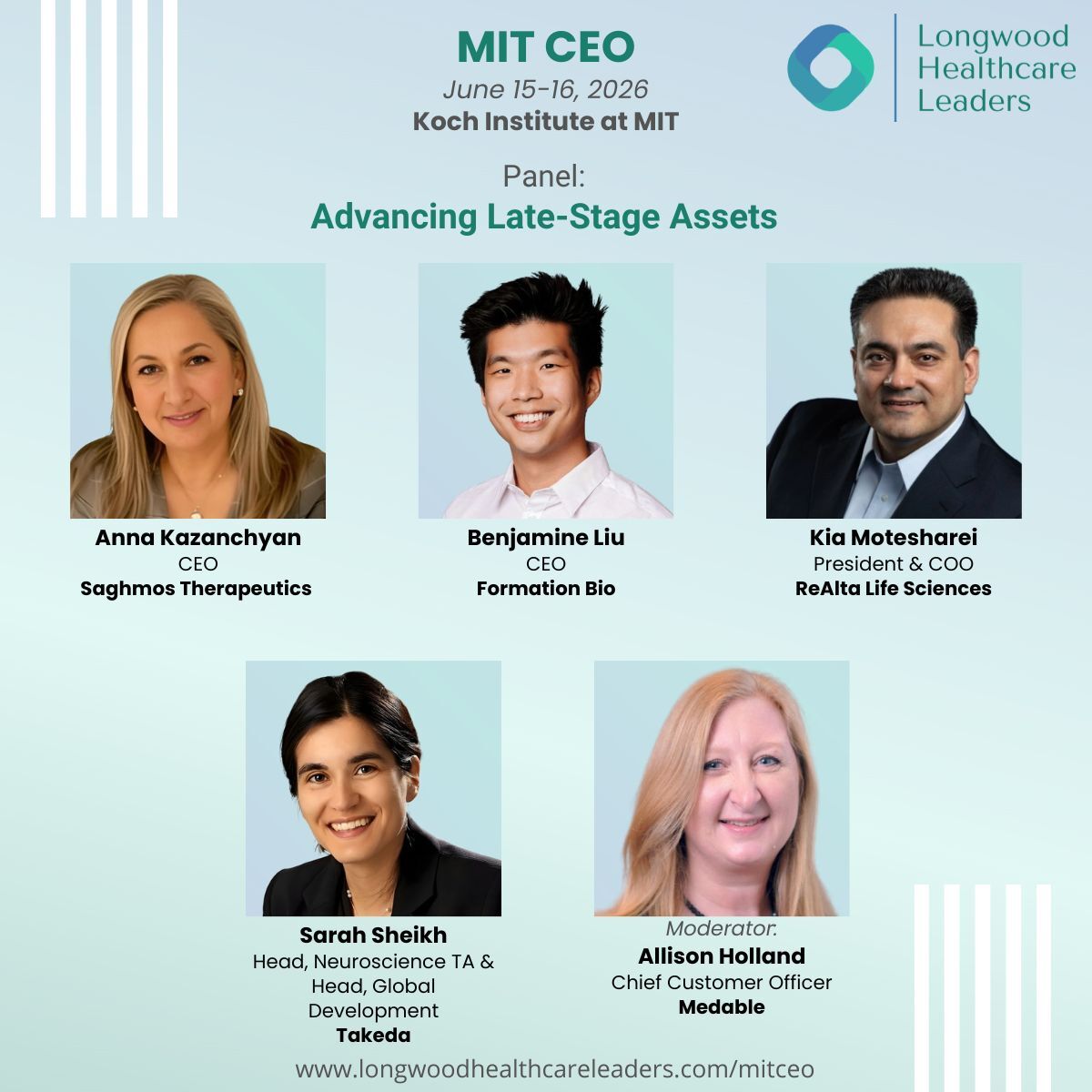
Billions of dollars, years of development, and patient outcomes can hinge on the decisions made in the final stages of a program.
Next week in Cambridge, MA, our CCO Alison Holland sits down with the CEOs of Formation Bio and Saghmos Therapeutics, the president of ReAlta Life Sciences, and Takeda's head of neuroscience to discuss "Advancing Late-Stage Assets."
If you're at the Koch Institute on June 15-16 for MIT CEO, this is a conversation worth catching.
Add the session to your calendar here: longwoodhealthcareleaders.co…
________
#clinicaltrials #clinicalresearch #healthcare #drugdevelopment
1
46
Jun 12
Navigate competing clinical development priorities with Cheryl Silva in this webinar hosted by Premier Research.
As trial complexity and budget pressure rise, sponsors are moving beyond one-size-fits-all outsourcing models to find the right balance of speed, cost control, internal capacity, and scope. This session explores how hybrid operating models can help clinical teams make smarter trade-offs, reshape the RFP process, and build CRO partnerships that are fit for purpose.
Register for this webinar to learn how to evaluate operating model options, sharpen your clinical trial RFP strategy, and apply hybrid approaches in real-world programs: buff.ly/DDmNjc0
#PremierResearch #LifeSciences #Biopharma #ClinicalDevelopment #ClinicalTrials #CRO #OutsourcingStrategy #HybridOperatingModel #FunctionalServiceProvider #ClinicalOperations #DrugDevelopment #RFPStrategy #Biotech #Pharma
55

Jun 12
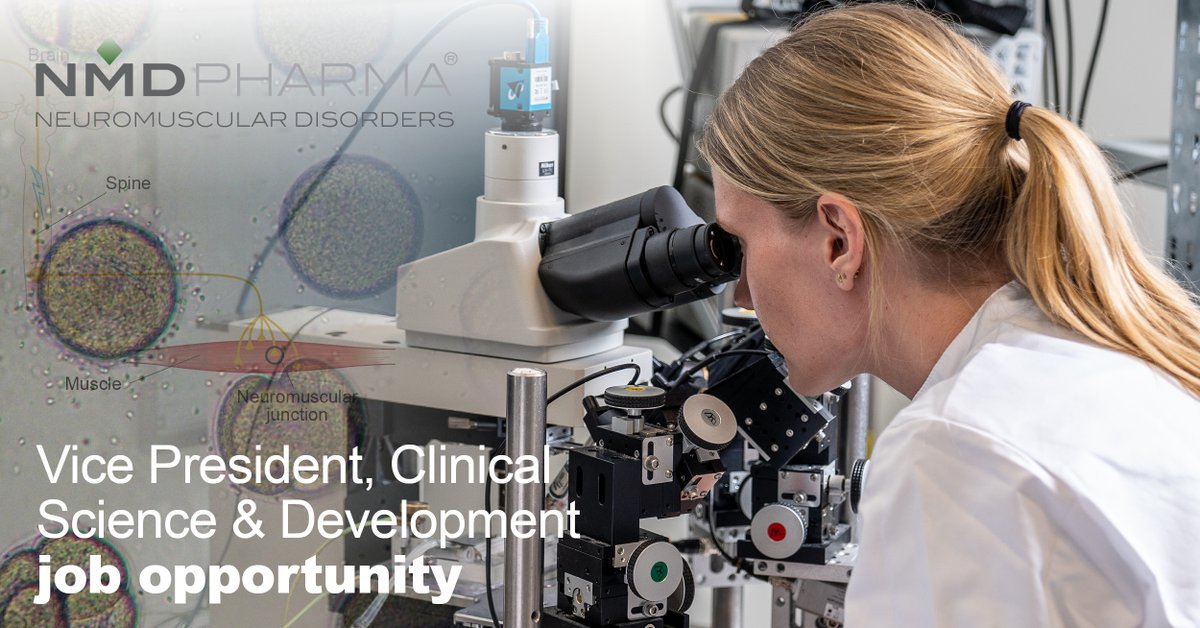
As we continue to advance our clinical pipeline into late-stage development, we’re looking to hire a Vice President, Clinical Science & Development who will play a central role in shaping our clinical strategy and driving the next phase of growth at NMD Pharma.
In this role, based in Aarhus or Copenhagen, Denmark, with flexibility for broader Europe or the United States, you will:
· Lead the global clinical development strategy for our lead neuromuscular programme through pivotal development and registration
· Provide scientific and clinical leadership across study design, endpoint strategy, biomarker development, and programme execution
· Partner closely with Regulatory Affairs, Clinical Operations, Data Sciences, Safety, and CMC to ensure a robust and regulator-ready development plan
· Build and lead a high-performing Clinical Development team while engaging with regulators, investigators, key opinion leaders, and patient communities
This is a unique opportunity to join NMD Pharma at a pivotal stage in our journey and help advance innovative therapies with the potential to improve muscle function and quality of life for people living with neuromuscular diseases.
If you're excited to work with a dynamic, collaborative team and contribute to our mission, we'd love to hear from you.
Apply here: jobindex.dk/vis-job/h1672869
#ClinicalDevelopment #NeuromuscularDisease #Biotech #Hiring #Jobs #JoinUs #ClinicalScience #DrugDevelopment #RareDisease #LifeSciences
28
Jun 12
NMD Pharma is #hiring!
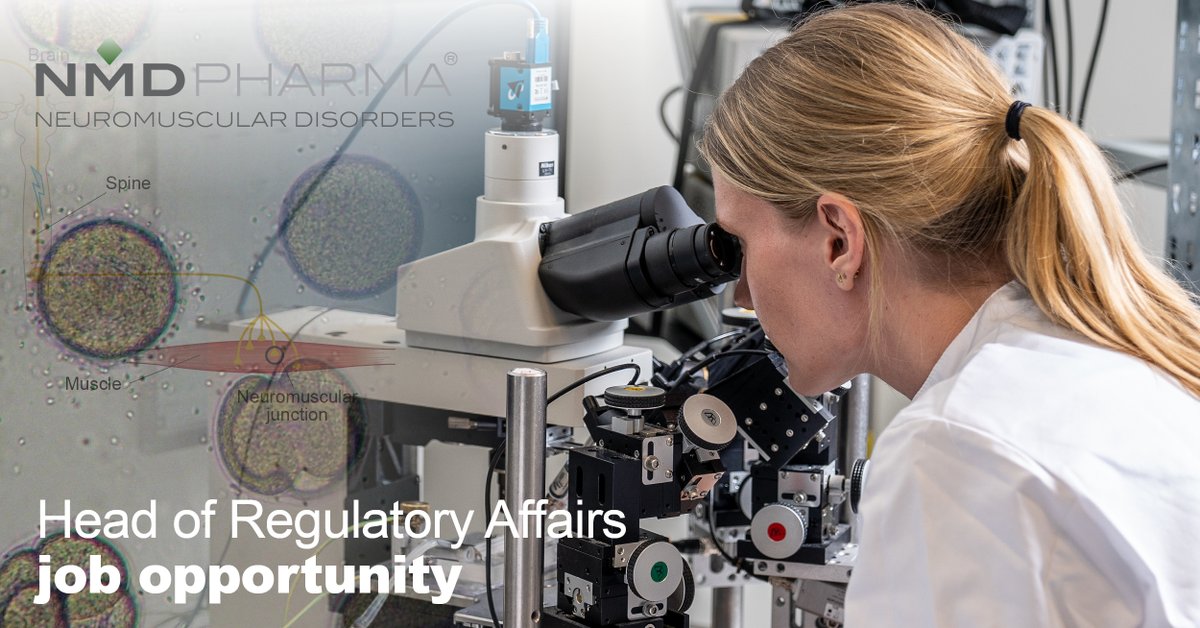
As a clinical-stage #biotech with multiple #ClinicalTrials underway for our lead small molecule inhibitor of skeletal muscle-specific ClC-1 ion channels, we are looking for a Head of Regulatory Affairs based in Aarhus, Copenhagen, or broader Europe to lead and further strengthen our global regulatory capabilities.
Key responsibilities for this role include:
· Leading and executing global regulatory strategy for late-stage development and registration activities
· Driving interactions with the FDA and EMA, including key milestone meetings and submission planning
· Partnering cross-functionally to ensure clinical, safety, statistical, and CMC plans support registration objectives
· Building and leading a high-performing Regulatory Affairs function in a dynamic biotech environment
This is a unique opportunity to play a pivotal role in advancing innovative therapies for people living with neuromuscular diseases, while shaping regulatory strategy for a late-stage clinical programme with global ambitions.
If you would like to learn more about the position and join our dynamic #biotech company, dedicated to developing life-transforming therapies for people living with neuromuscular diseases: jobindex.dk/vis-job/h1672898
#Recruitment #Innovation #Research #NeuromuscularDisease #RareDisease #RegulatoryAffairs #DrugDevelopment #ClinicalDevelopment #BiotechJobs
27
💊🔄 Strategic Realignment to Advance Pipeline
@ZYUSLifeSciences is realigning operations to accelerate development of its non-opioid drug pipeline.
👉 cgxpwire.com/clinical-trial-…
#Biotech #DrugDevelopment #NonOpioid #Healthcare
7

📷 Looking for Reliable Clinical & Preclinical Research Services?
Struggling to find a trusted partner for new drug development, preclinical trials, or clinical research support? Your search ends here.
Accelerate your #drugdevelopment journey with expert support.

3

Jun 12
Top Biotech Gainers: VRXA Begins A New Chapter, ADIL Opens Wallet, PGEN, PCSA On Watch... dlvr.it/TT0YFs #Biotech #Pharmaceuticals #Investing #HealthTech #DrugDevelopment

25