
In the end there was only one.
Joined July 2015
- Tweets 1,142
- Following 106
- Followers 4,218
- Likes 47,239
723 Photos and videos








phazed retweeted

Jun 13
literally nobody:
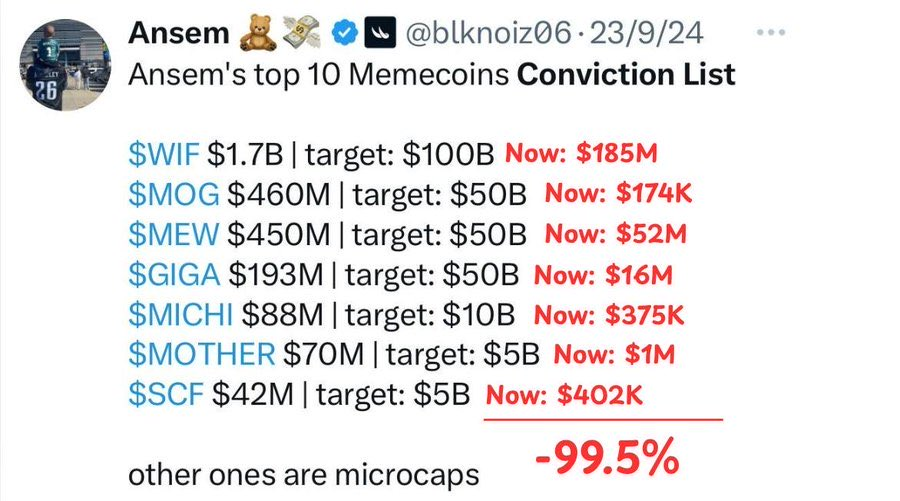
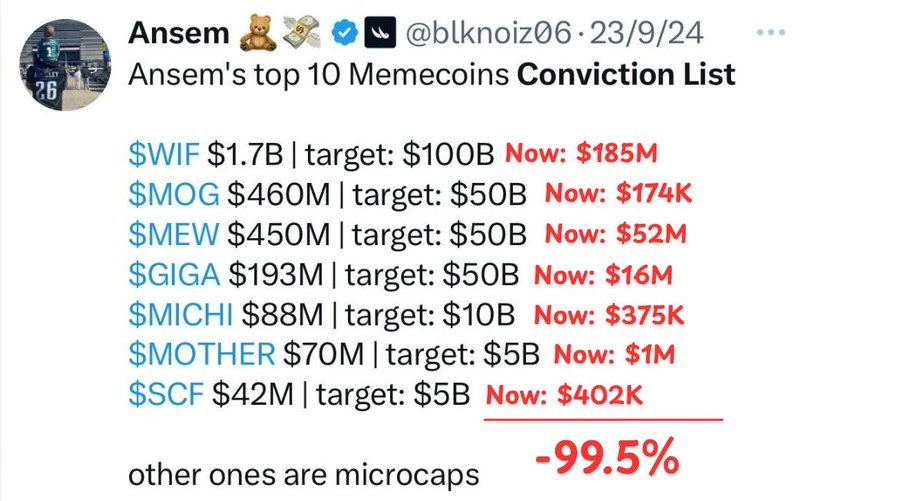
ansem at least once a month: ‘solana looks good’
*sol proceeds to dump 13% shortly after*
20
6
234
40,818
phazed retweeted
Jun 2
many people here have no idea this guy is an ethereum researcher who is doing serious work on post-quantum for ethereum
eth to $10,000
Jun 2

Today a crazy quantum story just got wilder.
On March 31, the Google Quantum AI team published a landmark result on Shor's algorithm for elliptic curve cryptography. Technically, the paper was a bombshell: a dramatic 10x improvement over the state-of-the-art. As a stunt and wakeup call to the blockchain space, those optimisations were illustrated on secp256k1, the elliptic curve underlying Bitcoin and Ethereum signatures.
But perhaps the most striking part of the paper was sociological, not technical. Instead of following standard academic process, the optimisations were kept secret, hidden behind a zero-knowledge (ZK) proof. Google's accompanying blog post mentions they "engaged with the U.S. government". The ZK proof demonstrates the existence of algorithmic improvements without leaking details. Academic censorship with ZK, a historic first!
As a co-author of the Google paper I witnessed some of the context surrounding this censorship. To be honest, multiple aspects of that context don't sit well with me. As much as I believe the general public ought to know more, I am limited in my ability to whistleblow. Though let me be clear about one thing: the Google team's professionalism has been absolutely exemplary, and they deserve nothing but praise.
Censorship has a way of backfiring. The Streisand effect, where an attempt to bury something only draws more attention to it, is exactly what's unfolding today. First, Google's key optimisation has been rediscovered by the French. And in a thrilling turn of events, a collaborative Shor-at-home challenge just launched. The initiative, available at ecdsa[.]fail, breached a new Shor world record in a matter of hours.
Let's start with the rediscovery. Just two months after Google's paper, French quantum expert André Schrottenloher cracks the main secret optimisation. His paper, titled "Optimized Point Addition Circuits for Elliptic Curve Discrete Logarithms", landed on the arXiv today. Big congrats to André, who beat several other nerdsnipped experts to it. In a blog post also published today, Craig Gidney, the world expert on Shor optimisations, revealed that he'd been sitting on this very optimisation for a whole year under censorship pressure.
Interestingly, André missed a handful of minor optimisations, both from Google's original publication and from improvements found since. It's plausible there's still plenty of juice left to squeeze out of Shor, and this is exactly what the ecdsa[.]fail challenge is about. The verifier program developed for the ZK proof does double duty, automatically filtering for valid submissions. Dozens of compounding small and micro improvements are rolling in. As of the time of writing there's an 8.4% improvement to Google's circuit, as measured by the product of logical qubit count and Toffoli gate count. Nice!
The nerdsnipping ran deeper than anyone expected. Over the last few weeks it became clear it extended well beyond André and other quantum experts. Behind the scenes, a small army of amateurs quietly got to work. Inspired by Karpathy-style autoresearch, they turned AI on Shor. Ironically, the verifier program for the ZK proof makes an ideal reward function for AIs. The barrier to entry for this modern style of research is refreshingly low, with several non-experts, even a teenager, finding nice optimisations. Get in touch if you'd like to join a Telegram group with fellow autoresearchers :)
Part 2: neutral atoms and qday
The story doesn't end with Google. On the same day Google went public, a stealthy startup called Oratomic published its own Shor paper in a coordinated release. It made a splash, ultimately becoming the most upvoted paper on scirate[.]com, a website ranking arXiv papers.
Oratomic's claim was wild. By building on Google's logical optimisations and applying custom physical optimisations for neutral atoms, they claimed just 10K physical qubits were sufficient to run Shor's algorithm on secp256k1. That number is mind-bogglingly low.
Knowing essentially nothing about neutral atoms when Oratomic's paper landed, I was intrigued and decided to learn more about the tech. I fell straight down the rabbit hole and spent a couple hundred hours on the topic. I got a little obsessed and watched every YouTube video I could find and spoke to a bunch of experts.
My conclusion? The tech is real, very real. Even Google recently decided to start a neutral atom lab, a notable pivot from their sole focus on superconducting qubits. If you care about qday, i.e. the day a quantum computer will break the first piece of cryptography in production, neutral atoms demand your attention. I shared some of my learnings on Shor and neutral atoms in a 30min talk at the ZKProof cryptography conference. You can find it on YouTube by searching "zkproof neutral atom".
Here's an interesting observation about this duo of breakthrough papers: neither Google nor Oratomic say a word about what their results mean for qday. No timelines. Zero. Nada. That is especially baffling given that the whole point of whitehat quantum cryptanalysis is to inform qday estimations and help the general public make good decisions.
So let me attempt to partially fill the silence, similarly to what Scott Aaronson did in his April 29 post. Given everything I know, including scary non-public information, I now put the odds of qday by 2032 at 50%. 10% by 2030.
Anecdotally, the US government has its own date: 2035. Originating at the NSA and later adopted by NIST, it's when branches of the US government will be disallowed from using quantum-vulnerable cryptography. In plain language: with hindsight, that date is a joke and should be discounted entirely. I don't see how NIST avoids being forced to pull it forward by years.
Part 3: post-quantum cryptography
There are good reasons to sound the alarm today, but please do not panic. Rushing carelessly towards immature post-quantum cryptography is a recipe for disaster. IMO a good target date for migration is 2029, roughly 3.5 years out. 2029 happens to be the date selected by Google, Cloudflare, and the Ethereum Foundation.
These days most of my time goes to safely migrating Ethereum towards post-quantum cryptography as part of the broader lean Ethereum effort. There's a lot to do. We need to rip out and replace BLS signatures at the consensus layer, KZG commitments at the data layer, and ECDSA signatures at the execution layer.
The plan to get there is compelling, and is based on hash-based cryptography. Within the Ethereum Foundation we've developed a Swiss army knife called leanVM (github[.]com/leanEthereum/leanVM) powered by the magic of hash-based SNARKs. Thanks to truly exceptional work by Emile, Thomas, and others, its performance is derisked. Regarding security, leanVM is a jewel, a minimal zkVM crafted for end-to-end formal verification and maximum security.
Want to help? There are two $1M initiatives. First, the Proximity Prize (proximityprize[.]org). Solve a long-standing mathematical conjecture in coding theory, improve hash-based SNARKs, and go home a millionaire. Second, the Poseidon Initiative (poseidon-initiative[.]info), offers $1M for breaking Poseidon, the SNARK-friendly hash function.
16
38
561
50,217

phazed retweeted

Bit Digital recognized ETH as a core strategic balance sheet asset years before institutional consensus embraced it as the settlement infrastructure rails for crypto.
The thesis is straightforward: ETH usage and adoption are expanding, while the price remains compressed. Stablecoin settlement, tokenization, and onchain finance continue to scale, regardless of where ETH trades.
When the infrastructure you've been accumulating becomes cheaper, and its utility grows, the capital allocation decision is clearer. Our stack has been diligently built through multiple cycles, and our recent ETH purchase continues to build on that strategic asset framework.
We were early to the view that ETH belongs on a public company's balance sheet. Our recent purchase is a continuation of that thesis at a price the market made available.

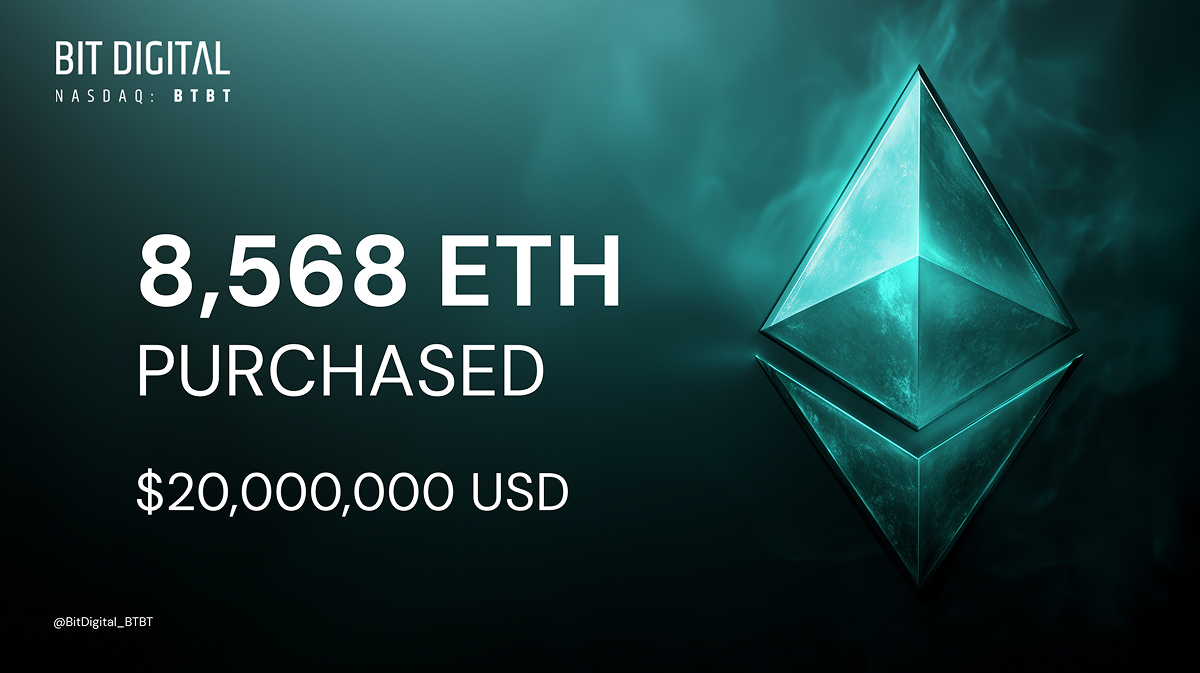
Bit Digital has purchased 8,568 ETH for $20 million USD, bringing its total holdings to 158,461.75 ETH.
As a Strategic Asset Company, we execute when market conditions align with our thesis, deploying capital with discipline across Ethereum ecosystem strategies, AI infrastructure, and strategic acquisitions.
This purchase strengthens our ETH treasury, lowers our average acquisition cost basis, and supports our focus on long-term value creation.
Full details here: bit-digital.com/press-releas…
13
36
240
14,004

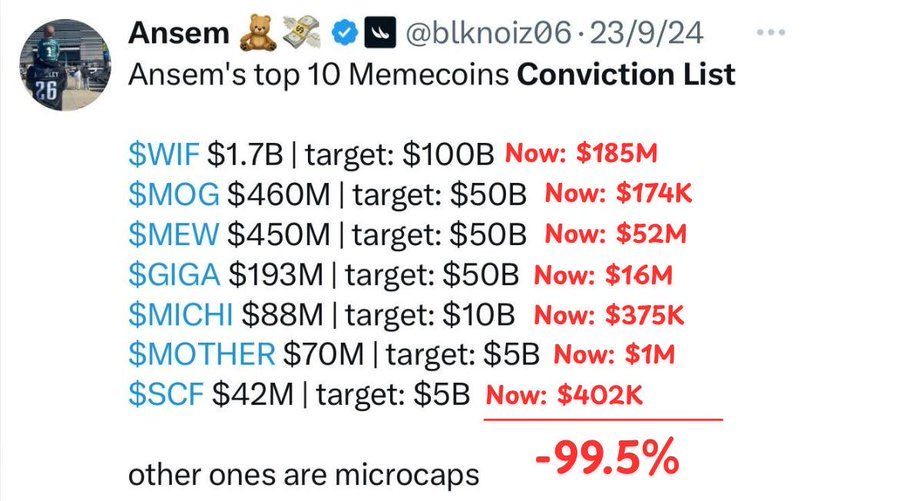
CT asking for BD teams for ETH.
When we already have them with Etherealize, Fundstrat, Blackrock, Consensys, Sharplink etc.
It's not that ETH has a problem.
It's rather that 99% of CT still thinks in memecoin dimensions.
Short CT. Long ETH.
May 28

Joseph Chalom on why the biggest ETH holders need to stop waiting for the EF to market Ethereum to institutions:
"The EF's job is to think in decades, decentralize everything, future-proof the chain."
"The private sector's job is to tell institutions the most important thing, no one can change the rules of the game."
"Banks, asset managers, clearing houses building on Ethereum need that certainty. It is not the EF's role to be the marketing arm for institutional adoption. It's ours. The largest stakeholders step up. Period."
12
12
144
5,727
phazed retweeted
May 30
just pull the plug on this network already
May 30

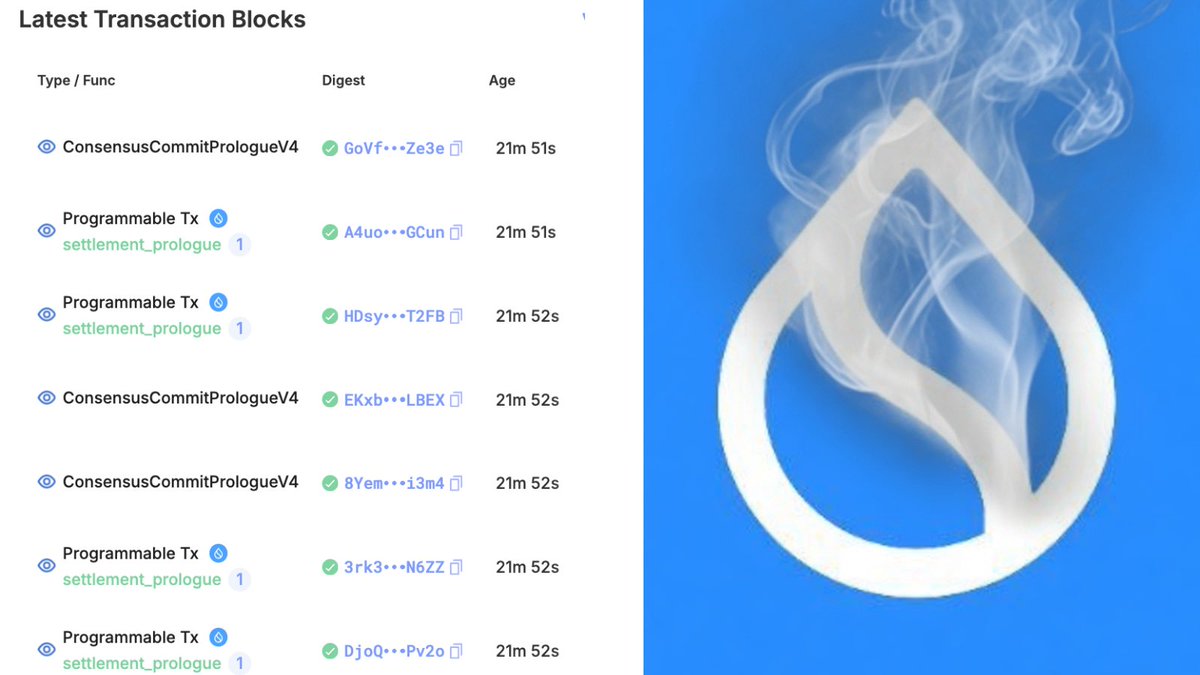
BREAKING: SUI NETWORK DOWN FOR 4TH TIME IN THE PAST 48 HOURS
ONGOING DOWNTIME SURPASSES 20 MINUTES
SOURCE: suiscan.xyz/mainnet/home
14
6
125
10,670
phazed retweeted

Go away
May 29

Tom Lee is down eight billion dollars on $ETH and Vitalik decides to write a sci fi novel
8
10
314
19,043

phazed retweeted

May 30
Ethereum is not a company. It is global infrastructure controlled by no entity or consortium — like the Internet
That’s why institutions bring the most assets onto Ethereum
ETH is not a stock or valued on fees
ETH is productive money — and that’s the exponential case for ETH

47
140
1,033
68,362
phazed retweeted

BREAKING NEWS🚨
@BitMNR (BMNR) will be added to the Russell 1000 Index the 26th of June 2026.
@Sharplink (SBET) will be added to the Russell 2000 Index the same day.
The floodgates to passive inflows are moving!
Are people in Ethereum ready for their ETH going to the moon?🚀

33
108
626
176,733
phazed retweeted

May 21
Reality is @Bankless guys don't seem to realize that their entire brand was built early on because the ethereum:native community rallied around them and consciously championed them.
As the years went on and the undermining of Ethereum grew, the community felt rugged by the social contract (imo justifiably).
People are free to hold whatever assets they want and shouldn't be judged by any of that, but the public shitting on ethereum:native is just adding insult to injury to an audience that is the literal reason for where you are today.
You want to sell, trade, etc? Great, by all means, do your thing, but why make a spectacle of it?
Don't like where the EF is going? Great, do something about it, get loud, use your platform to push for change, etc.
The hilarious part is there isn't a Plan B here unfortunately for the world. @ethereum, for better and for worse is still the best hedge to all this insanity.
If I'm wrong here, prove it.
The Titanic is sinking, and running around grabbing $$$ is a fool's errand.
Believe in somETHing.
ethereum:native

From Bankless, to ETHless
@TrustlessState speaks on the Weekly Rollup tomorrow...
74
26
566
65,211
phazed retweeted

Apr 11
$ETH is the settlement layer of the future

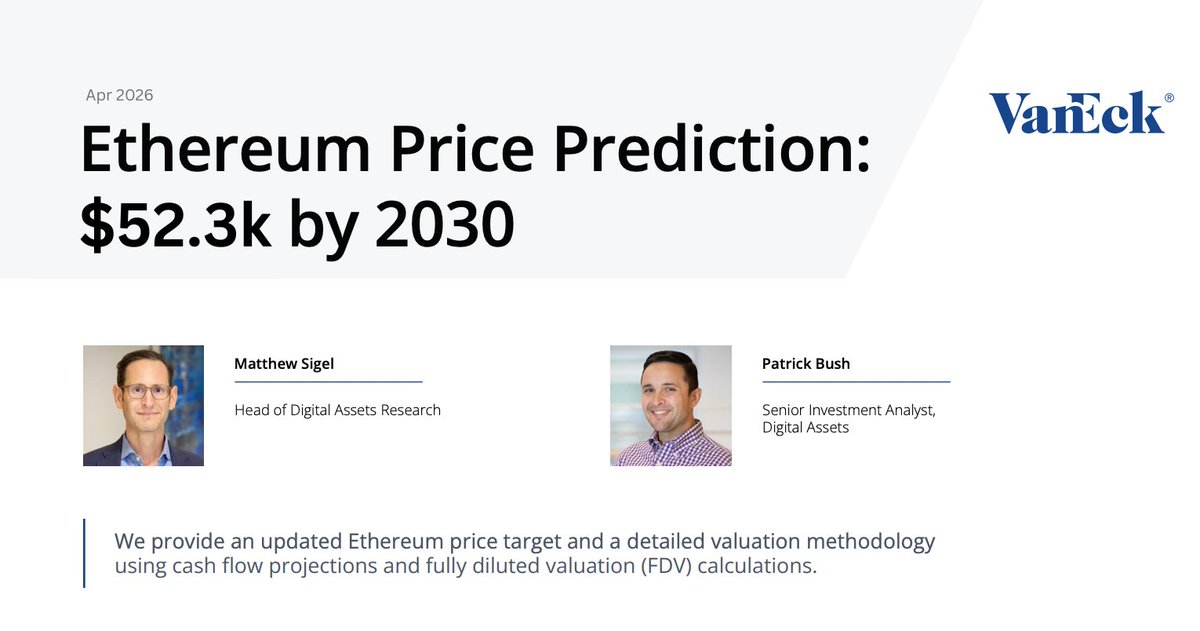
Full porting ETH at $2,000 because VanEck told us it’ll trade at $52,000 by 2030.
19
66
661
49,811
phazed retweeted

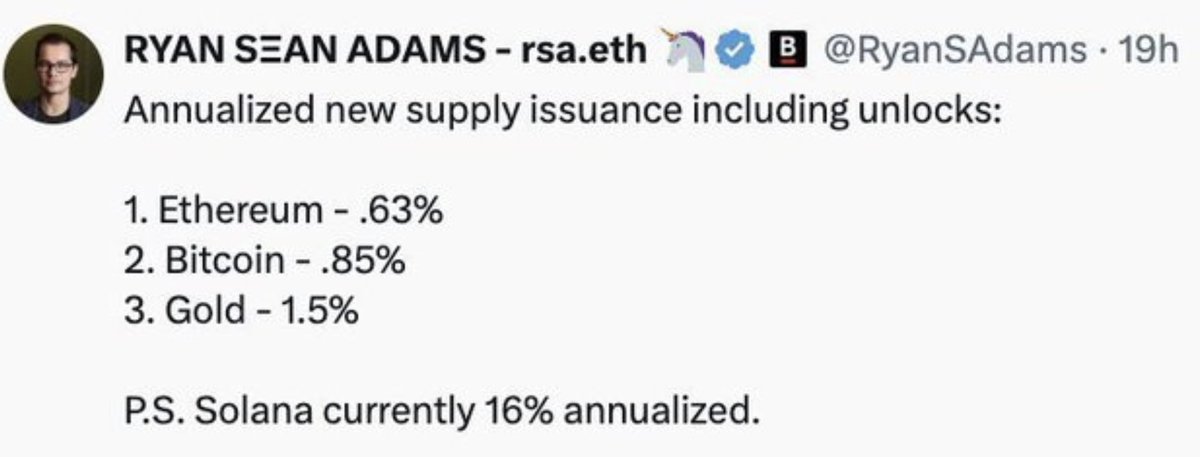
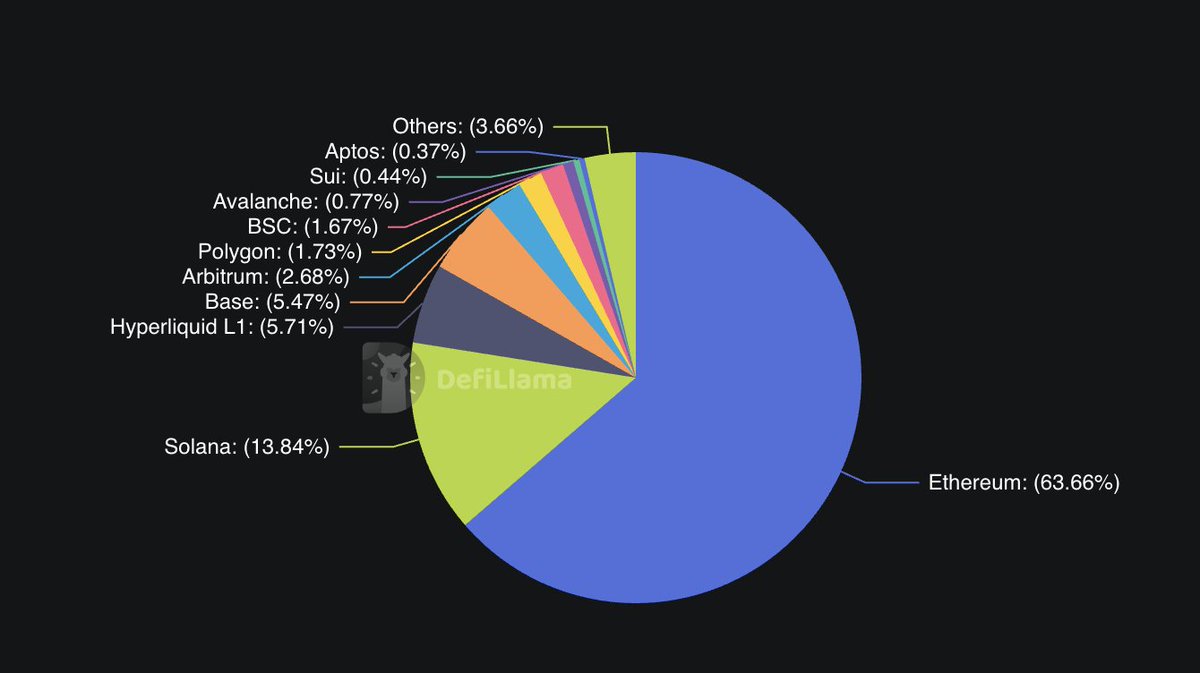
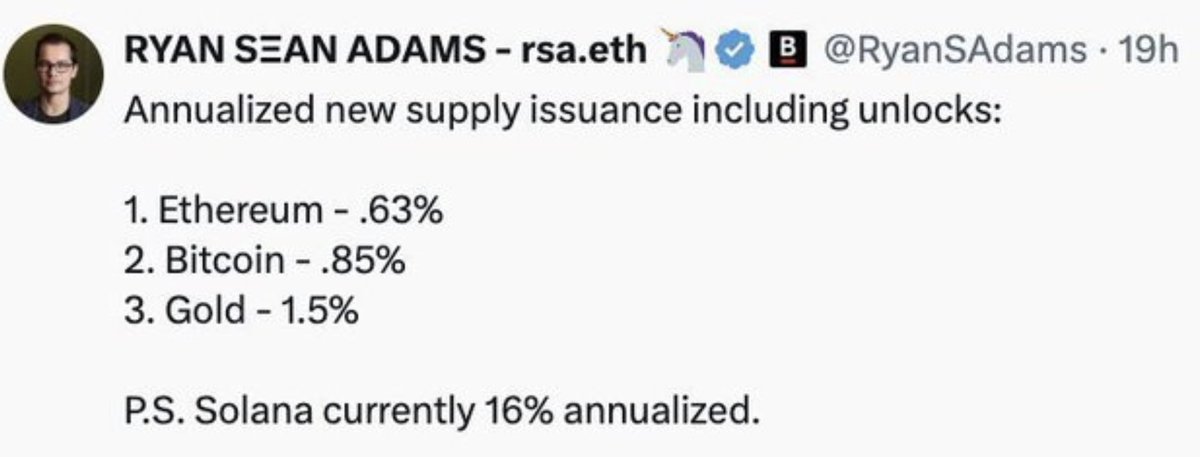
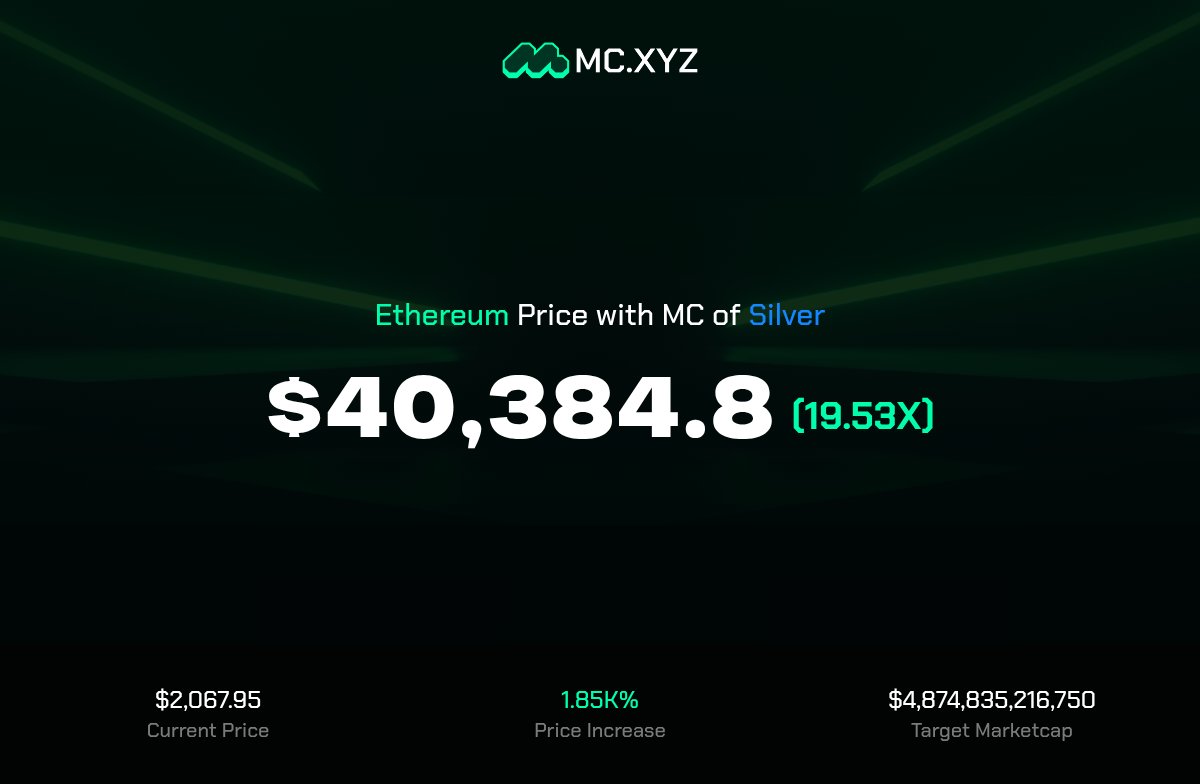
Ethereum is growing more than 10 times faster than Solana.
Over the past year, while influencers and VCs were busy declaring ETH dead, Ethereum added more than $40B in stablecoin supply. In that same period, Solana added just $2.8B.
There’s a wide gap between narrative and reality. The reality is that Ethereum continues to strengthen its position as the clear leader in global finance and institutional adoption.
46
27
381
23,671

phazed retweeted

Feb 4
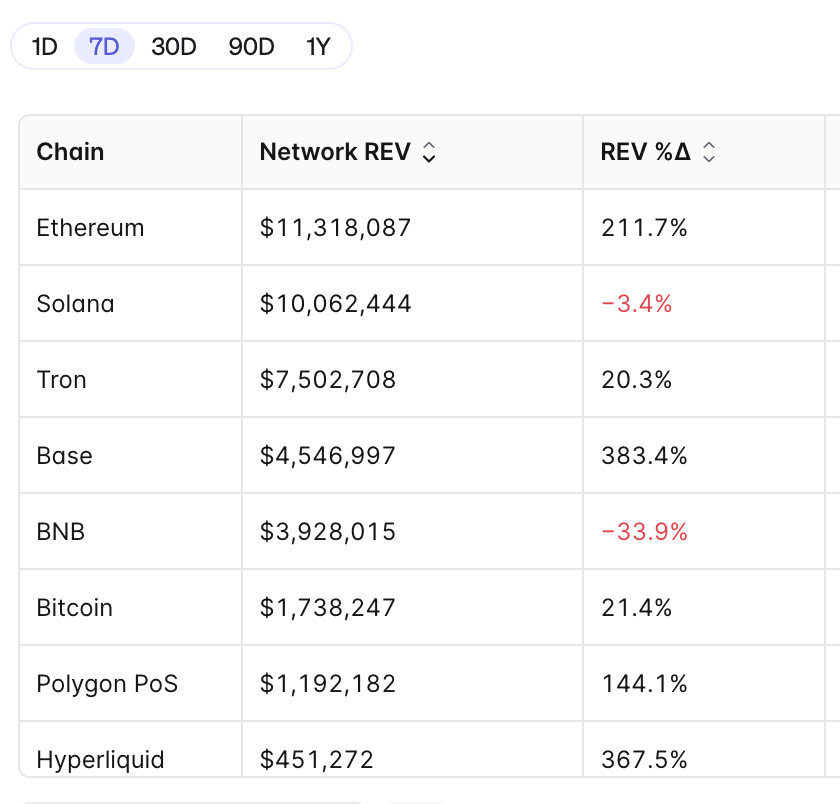
So, Ethereum has > revenue in the last 7 days than Solana
Monitoring
12
10
165
21,464
phazed retweeted

Feb 3
it’s great to see ethereum scaling L1 - this is a win for the entire ecosystem.
going forward, L2s can’t just be “ethereum but cheaper.” that's why from the beginning of base we've shown up everyday to onboard new users, developers, and apps, push the technology forward, and do it all in a symbiotic way that grows the entire ecosystem.
we’ve benefited deeply from building with ethereum - by leveraging its security and infrastructure, we've been able to focus: on building the best products and unlocking new real use cases across trading, social, gaming, creators, predictions, and so much more. We reached stage 1 last year and are accelerating towards solving the technical complexities of safely reaching stage 2.
base is going to keep driving hard towards our mission: building a global economy that increases innovation, creativity, and freedom. to do that, we're already leaning into the kind of differentiation vitalik is talking about here, and have been supported by the EF in doing so: building the best apps, native account abstraction, privacy, scaling, and more.
excited to work with ethereum to build the onchain future we all believe in.
Feb 3

There have recently been some discussions on the ongoing role of L2s in the Ethereum ecosystem, especially in the face of two facts:
* L2s' progress to stage 2 (and, secondarily, on interop) has been far slower and more difficult than originally expected
* L1 itself is scaling, fees are very low, and gaslimits are projected to increase greatly in 2026
Both of these facts, for their own separate reasons, mean that the original vision of L2s and their role in Ethereum no longer makes sense, and we need a new path.
First, let us recap the original vision. Ethereum needs to scale. The definition of "Ethereum scaling" is the existence of large quantities of block space that is backed by the full faith and credit of Ethereum - that is, block space where, if you do things (including with ETH) inside that block space, your activities are guaranteed to be valid, uncensored, unreverted, untouched, as long as Ethereum itself functions. If you create a 10000 TPS EVM where its connection to L1 is mediated by a multisig bridge, then you are not scaling Ethereum.
This vision no longer makes sense. L1 does not need L2s to be "branded shards", because L1 is itself scaling. And L2s are not able or willing to satisfy the properties that a true "branded shard" would require. I've even seen at least one explicitly saying that they may never want to go beyond stage 1, not just for technical reasons around ZK-EVM safety, but also because their customers' regulatory needs require them to have ultimate control. This may be doing the right thing for your customers. But it should be obvious that if you are doing this, then you are not "scaling Ethereum" in the sense meant by the rollup-centric roadmap. But that's fine! it's fine because Ethereum itself is now scaling directly on L1, with large planned increases to its gas limit this year and the years ahead.
We should stop thinking about L2s as literally being "branded shards" of Ethereum, with the social status and responsibilities that this entails. Instead, we can think of L2s as being a full spectrum, which includes both chains backed by the full faith and credit of Ethereum with various unique properties (eg. not just EVM), as well as a whole array of options at different levels of connection to Ethereum, that each person (or bot) is free to care about or not care about depending on their needs.
What would I do today if I were an L2?
* Identify a value add other than "scaling". Examples: (i) non-EVM specialized features/VMs around privacy, (ii) efficiency specialized around a particular application, (iii) truly extreme levels of scaling that even a greatly expanded L1 will not do, (iv) a totally different design for non-financial applications, eg. social, identity, AI, (v) ultra-low-latency and other sequencing properties, (vi) maybe built-in oracles or decentralized dispute resolution or other "non-computationally-verifiable" features
* Be stage 1 at the minimum (otherwise you really are just a separate L1 with a bridge, and you should just call yourself that) if you're doing things with ETH or other ethereum-issued assets
* Support maximum interoperability with Ethereum, though this will differ for each one (eg. what if you're not EVM, or even not financial?)
From Ethereum's side, over the past few months I've become more convinced of the value of the native rollup precompile, particuarly once we have enshrined ZK-EVM proofs that we need anyway to scale L1. This is a precompile that verifies a ZK-EVM proof, and it's "part of Ethereum", so (i) it auto-upgrades along with Ethereum, and (ii) if the precompile has a bug, Ethereum will hard-fork to fix the bug.
The native rollup precompile would make full, security-council-free, EVM verification accessible. We should spend much more time working out how to design it in such a way that if your L2 is "EVM plus other stuff", then the native rollup precompile would verify the EVM, and you only have to bring your own prover for the "other stuff" (eg. Stylus). This might involve a canonical way of exposing a lookup table between contract call inputs and outputs, and letting you provide your own values to the lookup table (that you would prove separately).
This would make it easy to have safe, strong, trustless interoperability with Ethereum. It also enables synchronous composability (see: ethresear.ch/t/combining-pre… and ethresear.ch/t/synchronous-c… ). And from there, it's each L2's choice exactly what they want to build. Don't just "extend L1", figure out something new to add.
This of course means that some will add things that are trust-dependent, or backdoored, or otherwise insecure; this is unavoidable in a permissionless ecosystem where developers have freedom. Our job should make to make it clear to users what guarantees they have, and to build up the strongest Ethereum that we can.
281
196
1,785
192,341

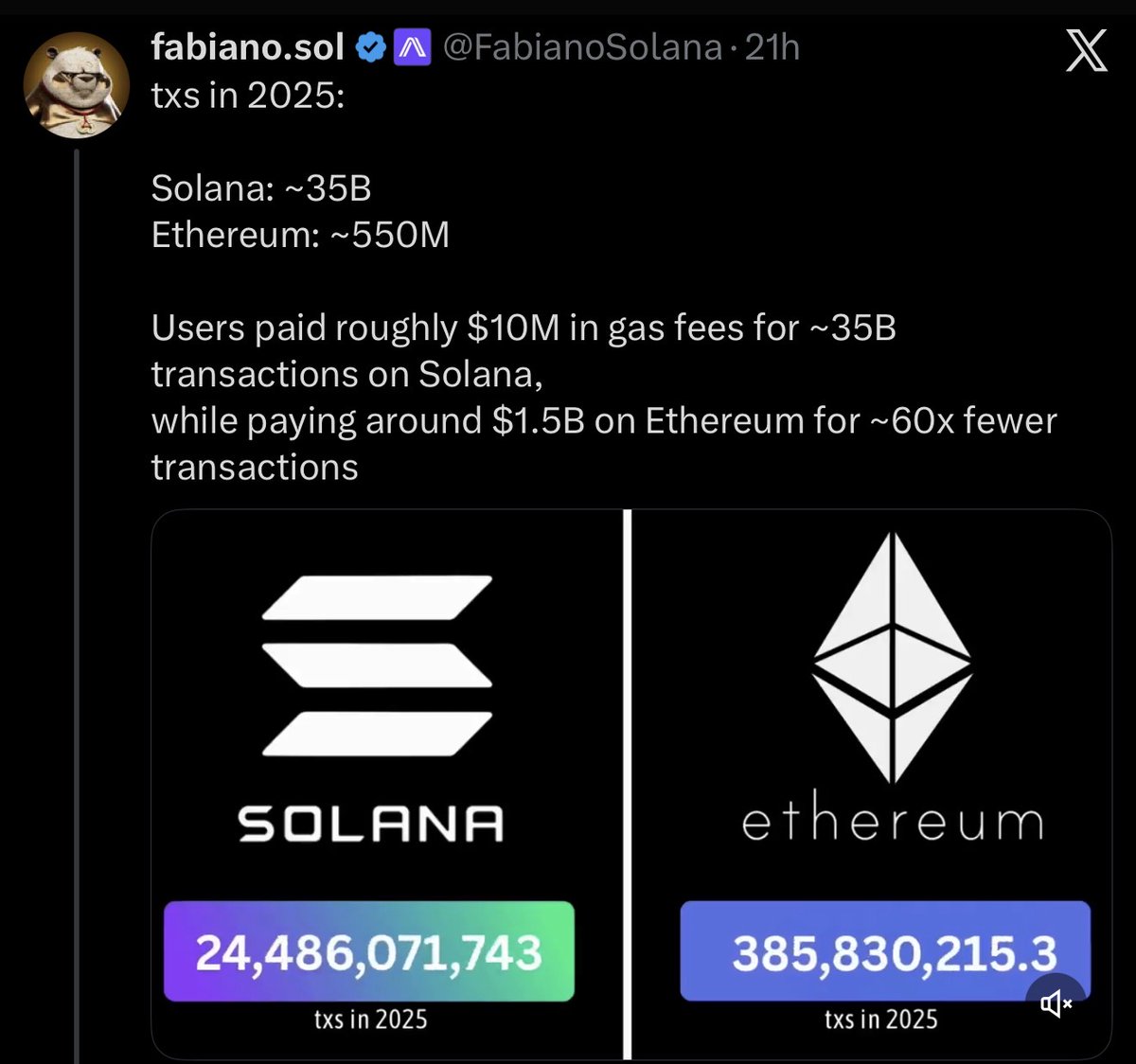
If you compare tx count in 2025, you are a moron
Over 98% of transactions on Solana can be linked to consensus messages, MEV, or straight manipulation
Oh, and those fees?
That’s a tax on users from all the MEV
People like this should be blocked/muted
41
31
277
12,511