
Green Witch, I like Astrology and the Moon. Libertarian not Liberal, proud proponent of MYOB. Green Thumb 🌿
Joined December 2025
- Tweets 2,145
- Following 228
- Followers 187
- Likes 2,837
245 Photos and videos










Pinned Tweet
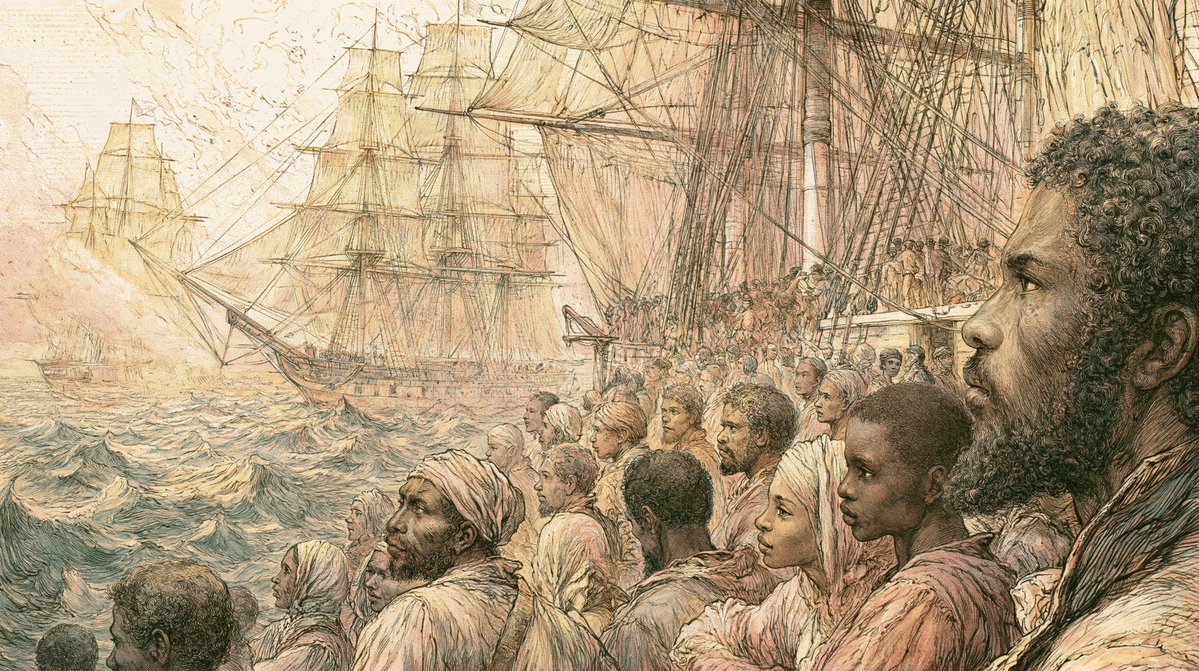
The Return to Africa: A Post-Slavery Experiment
Back in the early 1800s, as America wrestled with slavery, a bold idea took shape. Why not help free Black people and newly emancipated men and women build their own nation in Africa? The American Colonization Society got it started in 1816. From 1820 on, roughly 16,000 African Americans made the voyage. Most were already free or had been freed on the condition they leave the US. They arrived on the West African coast and hit brutal challenges immediately. Malaria and tropical diseases killed large numbers early on. They had conflicts with indigenous groups (black) who already lived there. Yet they kept going. In 1847 they declared independence and founded Liberia, complete with a US-style constitution and flag. It became Africa’s oldest republic and a powerful symbol of Black self-rule.But the experiment failed to thrive, and the reasons run deep. The Americo-Liberian settlers formed a small elite that controlled politics and the economy for more than a century. This created deep resentment and ethnic divisions with the indigenous majority. Those tensions finally exploded. Two devastating civil wars between 1989 and 2003 killed 150,000 to 250,000 people, displaced hundreds of thousands, destroyed infrastructure, and wrecked the economy. The wars revealed bigger problems. Simply copying American institutions on paper couldn’t fix weak governance, widespread corruption, or the resource curse. Liberia has iron ore, rubber, timber, and diamonds in abundance, yet those riches rarely reached ordinary citizens and often fueled instability instead. Today the country is slowly recovering. It saw about 5 percent GDP growth in 2025 from mining and agriculture. Even so, Liberia ranks near the bottom globally on the Human Development Index (around 177th out of 193 countries, score 0.510). Poverty is widespread, most people survive on subsistence farming or informal jobs, and youth unemployment stays high. The wounds of war, and fragile institutions still hold the country back. The hard lesson: Moving people across an ocean and planting democratic forms is not enough. Real success demands bridging ethnic divides, creating strong and fair institutions, and managing resources responsibly. Liberia shows how difficult true nation-building can be. What does this experiment tell us about migration, identity, and building thriving societies? Curious to hear your thoughts.
61
Phoenix retweeted

Jun 15
🚨WHAT THE HELL?!!!
A mother stepped in front of an armed Black male robber to protect her son…
…AND HE SH0T HER IN THE HEAD AS SHE RAN AWAY!!!!!
Read that again… as she RAN AWAY.
Her name was Jean Gragg, she was 40 years old.
Her son had arranged to sell a watch on Facebook Marketplace.
The buyer came to their own home in South Bend, Indiana.
Police say that 18-year-old buyer, John Ford, pulled out a gun, said “I need it,” and tried to rip the watch out of the son’s hands.
Jean did what a mother does… she stepped BETWEEN them.
She put herself in front of the gun and chased him off her property.
Then, police say, surveillance video shows the coward turning and firing at her MULTIPLE TIMES as she turned around and ran back toward her house.
He sh0t her in the head.
He threw the gun over a fence and ran.
On Saturday, Jean Gragg sadly passed away.
He is now charged with M*RDER.
WE. DO. NOT. HAVE. TO. LIVE. LIKE. THIS!!!!!!!!!
Say her name. Jean Gragg.
2,933
20,111
69,392
1,239,799

Jun 16
My favorite video on the internet rn lmao

59
Phoenix retweeted

Jun 14
If a man does these 3 things he's really in love.🤍
.
.
.
.
8
22
234
7,756
Phoenix retweeted

Jun 14
The era of suicidal empathy for Whites, ruthless ethno-centrism for everyone else, is dead and gone.
This next part will get interesting...
[🎥IG: tom.hatsis]
125
863
3,834
50,105

Phoenix retweeted

Jun 13
Guys he's Canadian... so he's a gay retard.
1
1
8
212
Phoenix retweeted

Jun 12
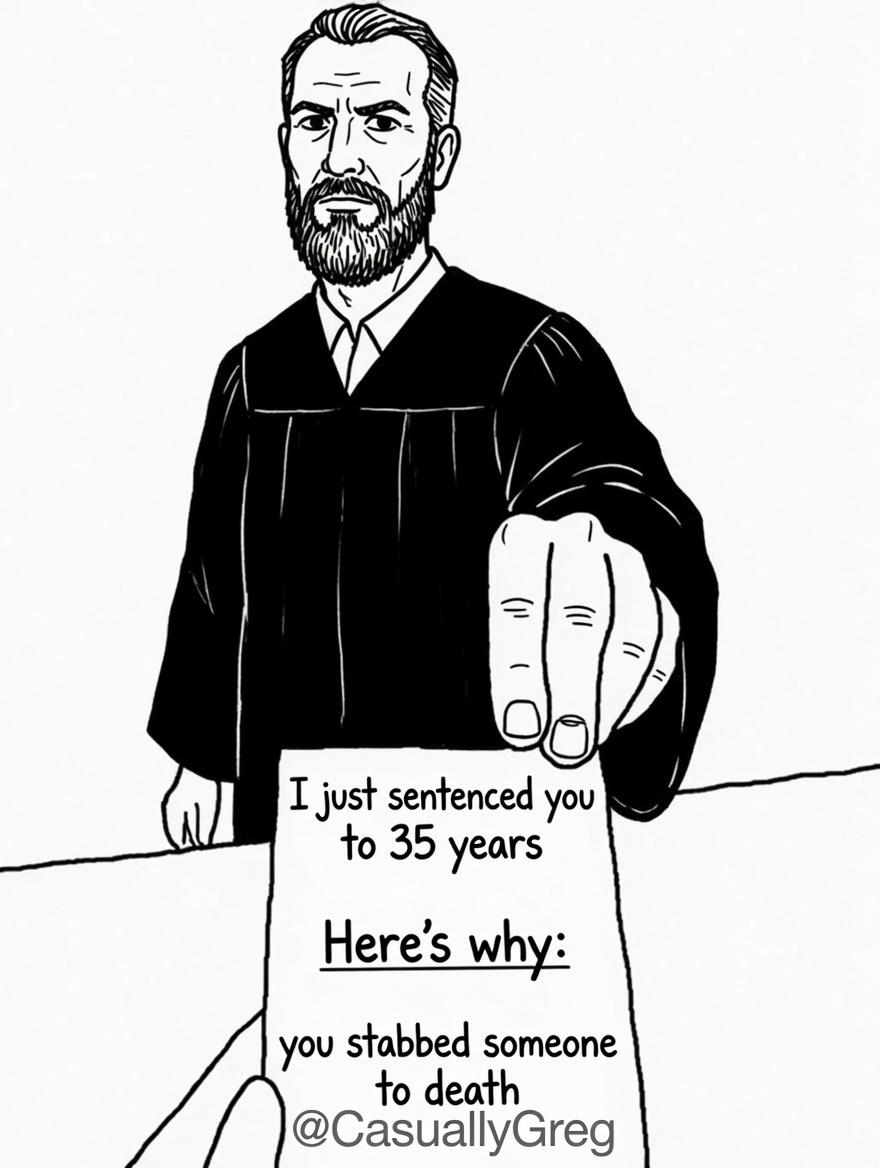
THE MOST TRUTHFUL VIDEO ON WHY KARMELO ANTHONY GOT 35 YEARS IN PRISON!!!
BLACK FOLKS SUPPORTING THE ANTHONY FAMILY HAD BETTER WAKE TF UP!!!
373
1,946
8,235
209,248
Phoenix retweeted

Jun 12
just saw a horse running for no reason. couldn’t be me
13
9
203
4,649
Phoenix retweeted

Jun 12
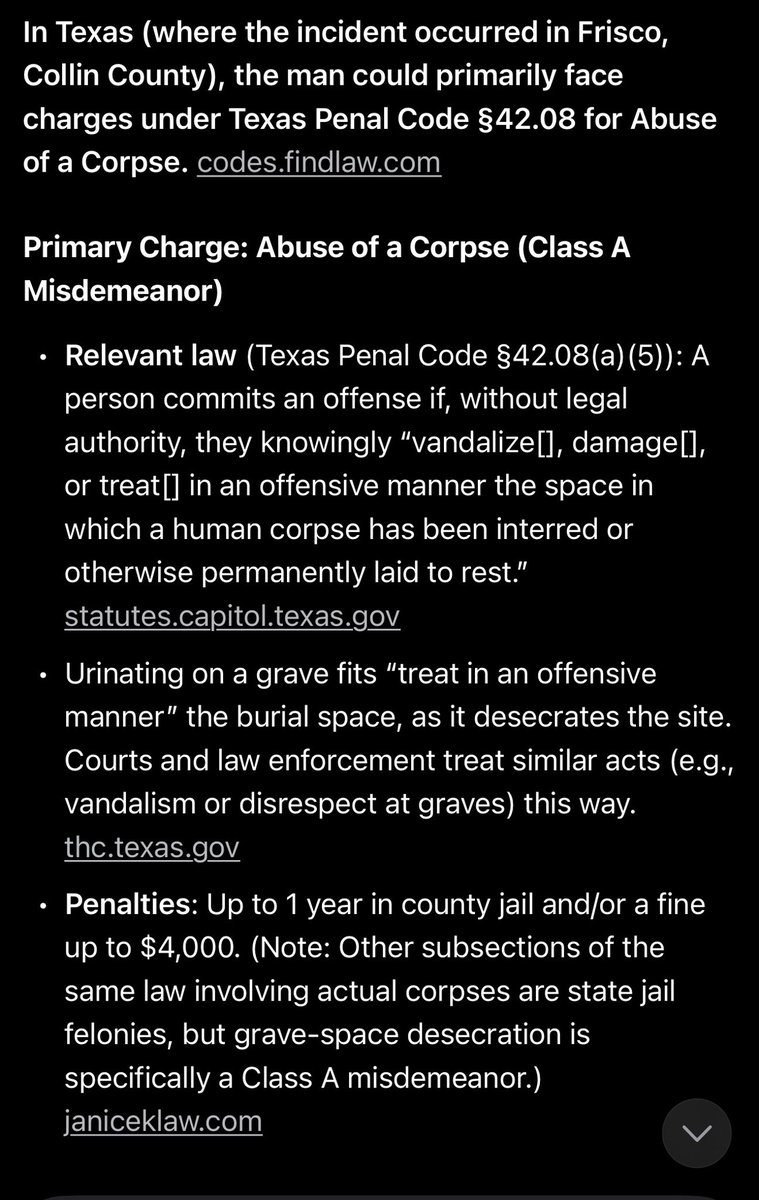
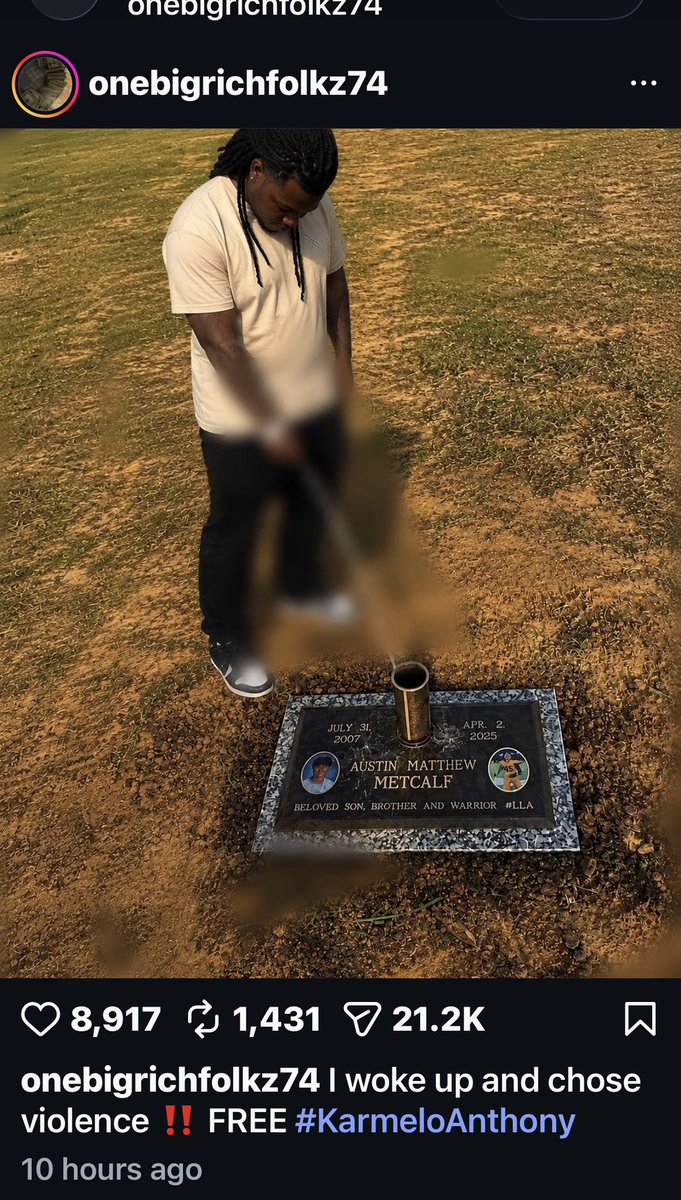
‼️😡 DISTURBING! A man posts himself PEEING on Austin Metcalf’s grave! What kind of person does this? I doubt he even personally knows Karmelo Anthony. Imagine being that upset over a guilty verdict for a man you don’t even know!
831
661
3,498
894,039
Jun 12
Most people don’t agree with me- but the Austin Metcalf and Karmelo Anthony trial has lead me to stand by one of my most controversial parenting takes.
Even if they hit you first- get to safety and run away if able. Only hit back and fight if there is no other alternative. It may seem in the moment the bully faces no consequences, but it you successfully reach help after being assaulted- you remain standing with a clean slate. No action to debate: the only thing remaining is the action of the offender.
Further more my daughter once proved this works by being challenged to fight in an all black park and responding with, “I don’t want to fight.” I immediately pulled her from that program.
Teach your kids to use restraint when they’re able to. They can survive a punch to the face. Not a punch to heart.
RIP Austin ❤️❤️
3
3
177

Phoenix retweeted

Jun 11
WOAH 😮
Austin Metcalf father SNAPS 💥 on Karmelo Anthony parents‼️
Jeff Metcalf says Drew and Kayla Anthony are complete cowards and exposes that they abandoned their son immediately after the verdict came in so he had to face sentencing alone.
He then calls them out for the grifters that they are. He’s been under a gag order this entire time so I can only imagine how relieving it is to finally call out their bs.
He also talks about how he tried to make peace and pray with the family but instead they treated him horribly because they wanted to play victim and make the entire situation about race.
He makes a great point by pointing out that he politely left their press conference when asked to leave unlike their son who stabbed Austin in the chest when he was asked to leave Austin’s teams tent.
Lastly he lays into the baby shaking fake Minister Dominique Alexander who did nothing but make this entire situation worse for everyone involved right from the get go.
674
5,639
31,409
851,805
Phoenix retweeted

Jun 11
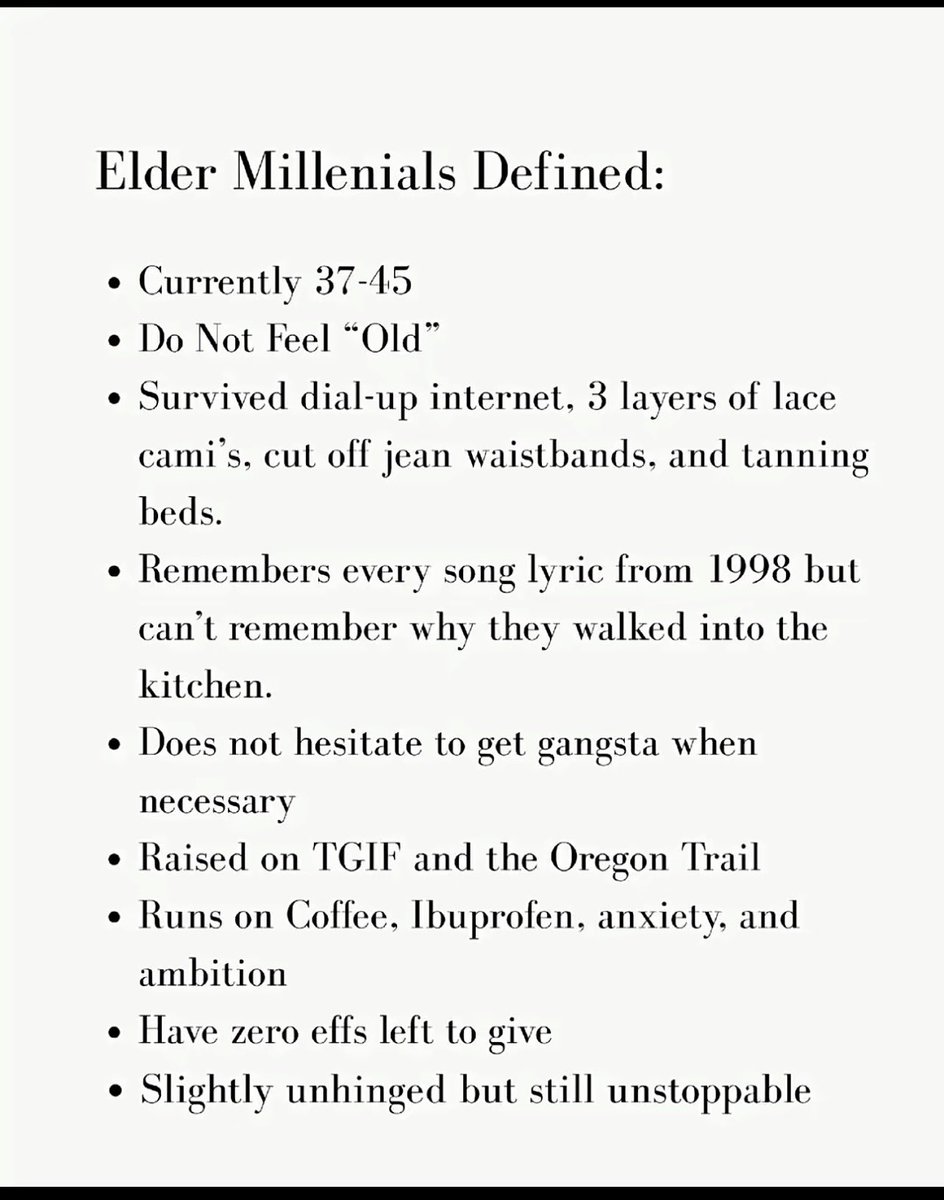
Where are my fellow Elder Millennials at??
2
2
6
156
Jun 8
I’ve had a really rough week health wise. But little moments like this with my sister and our puppies made me happier. P.S. who is fastest?
1
2
94
Phoenix retweeted
Jun 1
Oh no Veronica 😭 not another community note. Not another patently false lie you see on social media and believe it’s real. Crazy that people like you vote lmao
1
1
56
May 28
If you listen to gossip. Believe it. And then don’t even bother telling me or allowing me to tell you my truth. That tells me your mind was already made up about me. Some people are looking for any reason not to like you. Even when you like them 🤷♀️
1
53
May 23
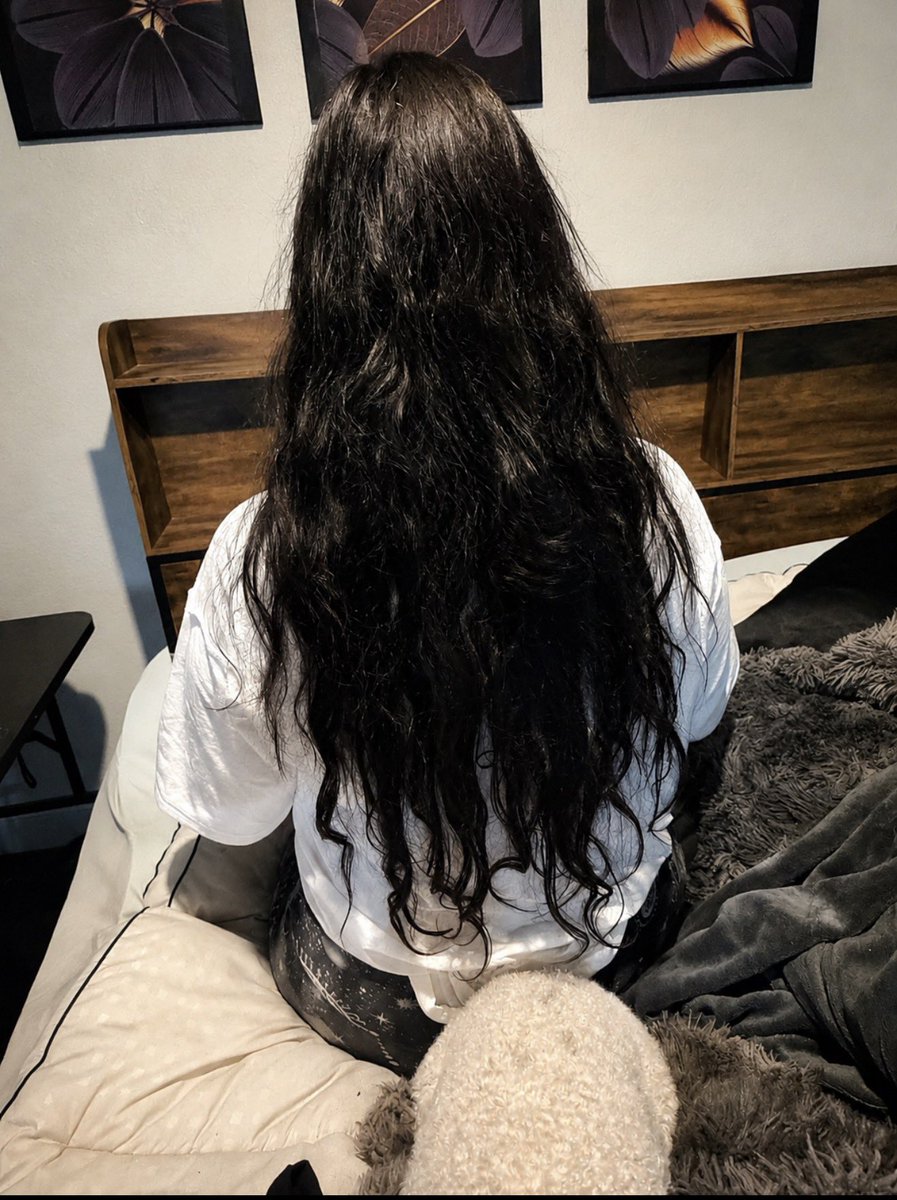
I haven’t had a haircut in 5 years. Who sheds more? Me or Momo.
1
2
63