
Word to El Muerto cucaracha, exoskeleton
Joined February 2009
- Tweets 11,035
- Following 805
- Followers 104
- Likes 34,064
238 Photos and videos
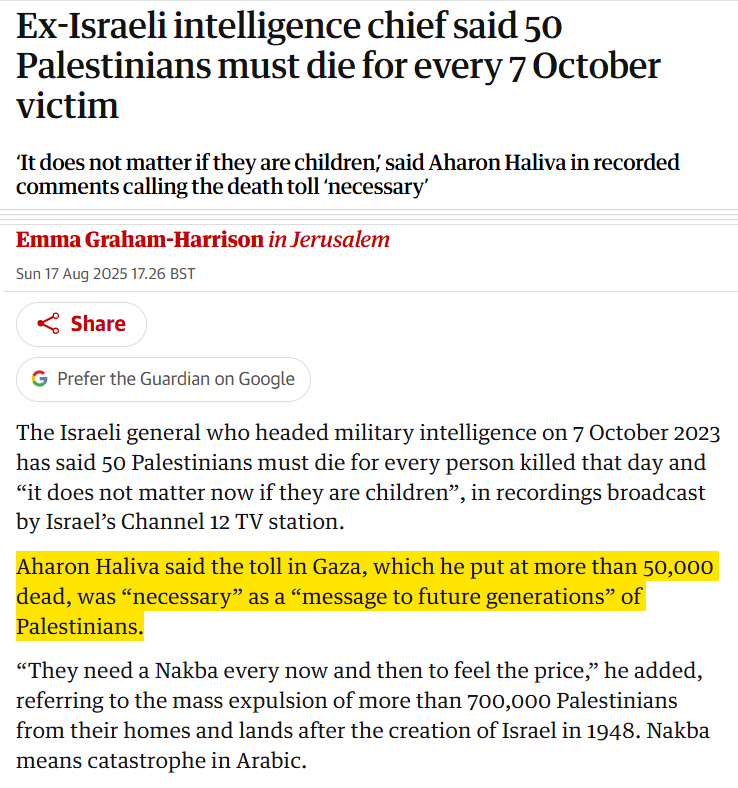
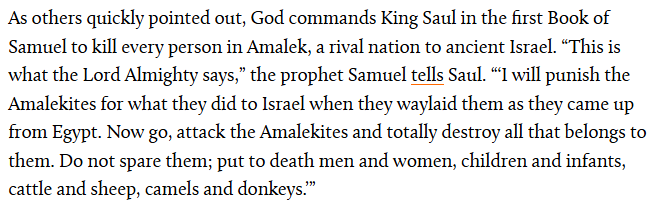

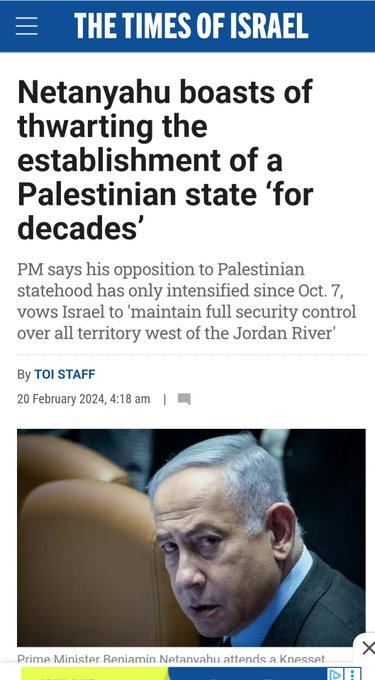
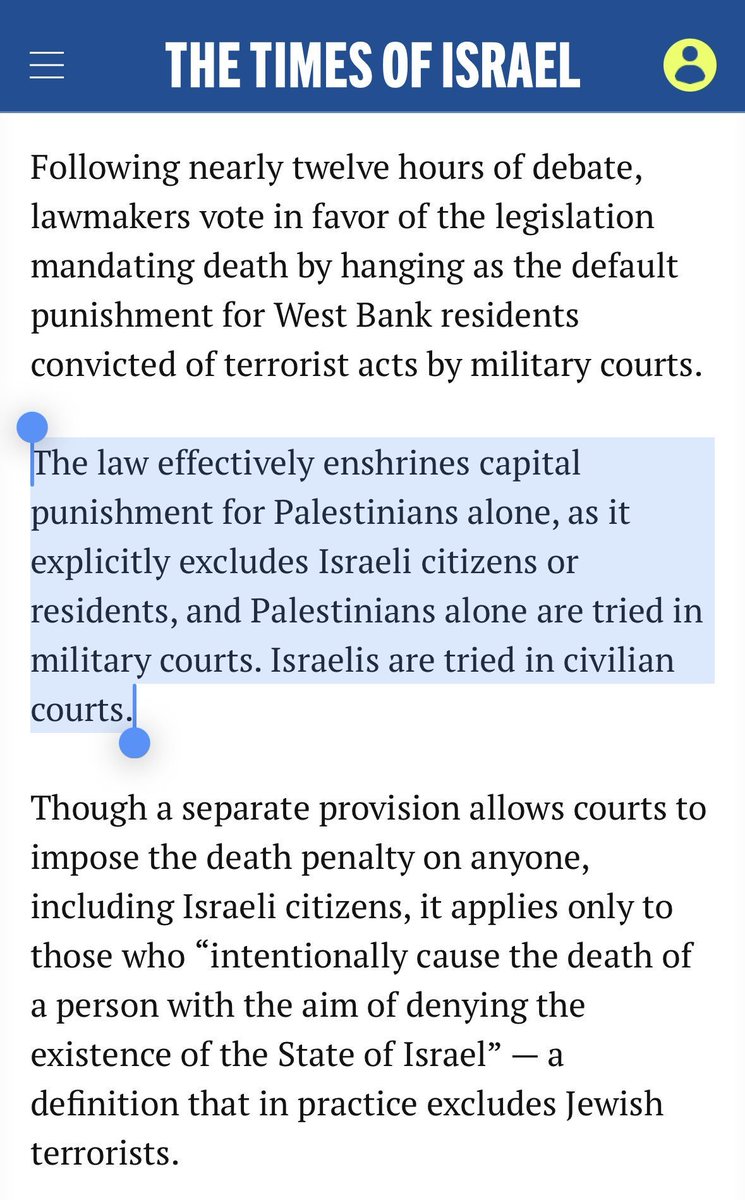

Foundling retweeted

Apr 3
Over two million Palestinians were subjected to a war of debilitation: civilians deliberately targeted with lethal force, widespread and wanton destruction, and mass forced displacement. Now, many are left to survive - if they can - on barely 35% of the minimum caloric intake required, while much of the world looks elsewhere.
2
23
49
1,229
Foundling retweeted

Mar 29
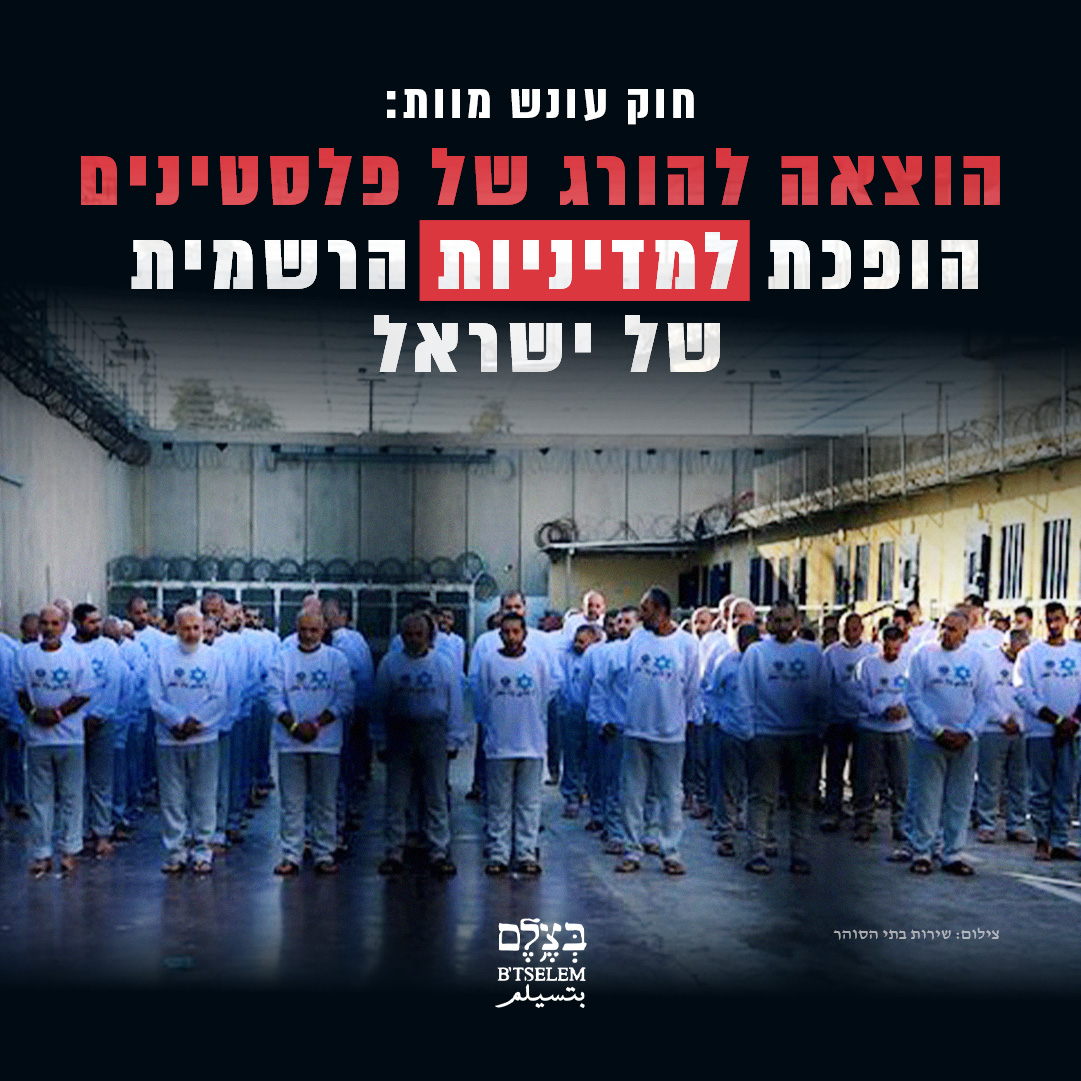
בשעה שמדינות רבות מבטלות או מצמצמות את השימוש בעונש המוות, בישראל דווקא מכניסים אותו לספר החוקים. חוק עונש המוות הישראלי ממסד והופך לחוקי את מנגנון ההוצאה להורג של פלסטינים.
מאז אוקטובר 2023 ישראל הרגה לפחות 72,000 פלסטינים בעזה, ובגדה המערבית הרגה ישראל לפחות 1,050 פלסטינים. בתקופה זו, למעלה מ-80 אסירים פלסטינים מתו במתקני הכליאה הישראליים, שהפכו לרשת של מחנות עינויים, בהם מוחזקים אסירים פלסטינים החשופים להתעללות ואלימות בלתי פוסקת.
חוק עונש המוות מוסיף עוד מנגנון הרג רשמי לפרקטיקות הקיימות.
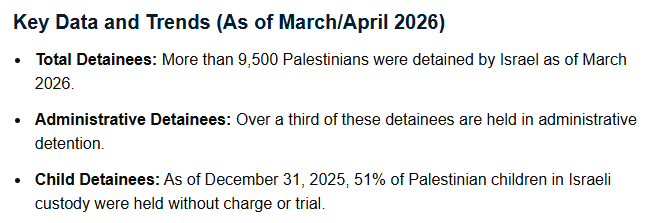
פרויקט הכליאה של פלסטינים הוא אחד ממאפייניו של משטר האפרטהייד הישראלי. נכון למרץ 2026 כ-9,500 פלסטינים מוחזקים בתנאים בלתי אנושיים במתקני הכליאה הישראליים, כמחציתם מוחזקים במעצר מנהלי או כ"לוחמים בלתי חוקיים", מבלי שנשפטו ומבלי שניתנה להם האפשרות להגן על עצמם.
עונש מוות לפלסטינים בלבד:
החוק נוסח כך שהוא מכוון רק לפלסטינים. והוא יהפוך הרג של פלסטינים לכלי ענישה מקובל ושכיח באמצעות כמה מנגנונים:
על פי החוק לשופטי בתי המשפט הצבאיים לא יהיה שיקול דעת, והם יחויבו לגזור עונש מוות על פלסטינים שהורשעו ברצח, למעט ב״נסיבות מיוחדות״. לא תידרש הסכמה פה אחד של השופטים, אלא יספיק רוב רגיל ואפשרויות הערעור יהיו מוגבלות ביותר.
חשוב להבין: ישראלים נשפטים בבתי משפט אזרחיים. בתי כלא צבאיים נשפטים רק פלסטינים ושיעור ההרשאות בהם עומד על כ-96%. במקרים רבים ההרשאות האלו מתבססות על "הודאות" שהושגו באמצעות לחץ ועינויים במהלך החקירות.
העונש - הרג באמצעות תליה, יבוצע תוך 90 יום ממתן גזר הדין, ללא אפשרות חנינה. סוהר מיוחד יוציא את גזר הדין לפועל.
החוק, שזוכה לתמיכה ציבורית רחבה בישראל, צפוי לעבור בכנסת מחר (שני, 30 מרץ) ושירות בתי הסוהר כבר החל להיערך לביצוע העונש במתחמים ייעודיים.
הטלת עונש מוות היא הפרה מוחלטת של זכויות האדם הבסיסיות ביותר, ובראשן הזכות לחיים. ישראל מפעילה מדיניות כוללת של הרג ודיכוי נגד העם הפלסטיני בכל השטחים שבשליטתה. חוק עונש המוות מעניק למשטר האפרטהייד הישראלי כלי נוסף לקידום אותה מדיניות.
11
75
134
10,106
Foundling retweeted

Feb 12
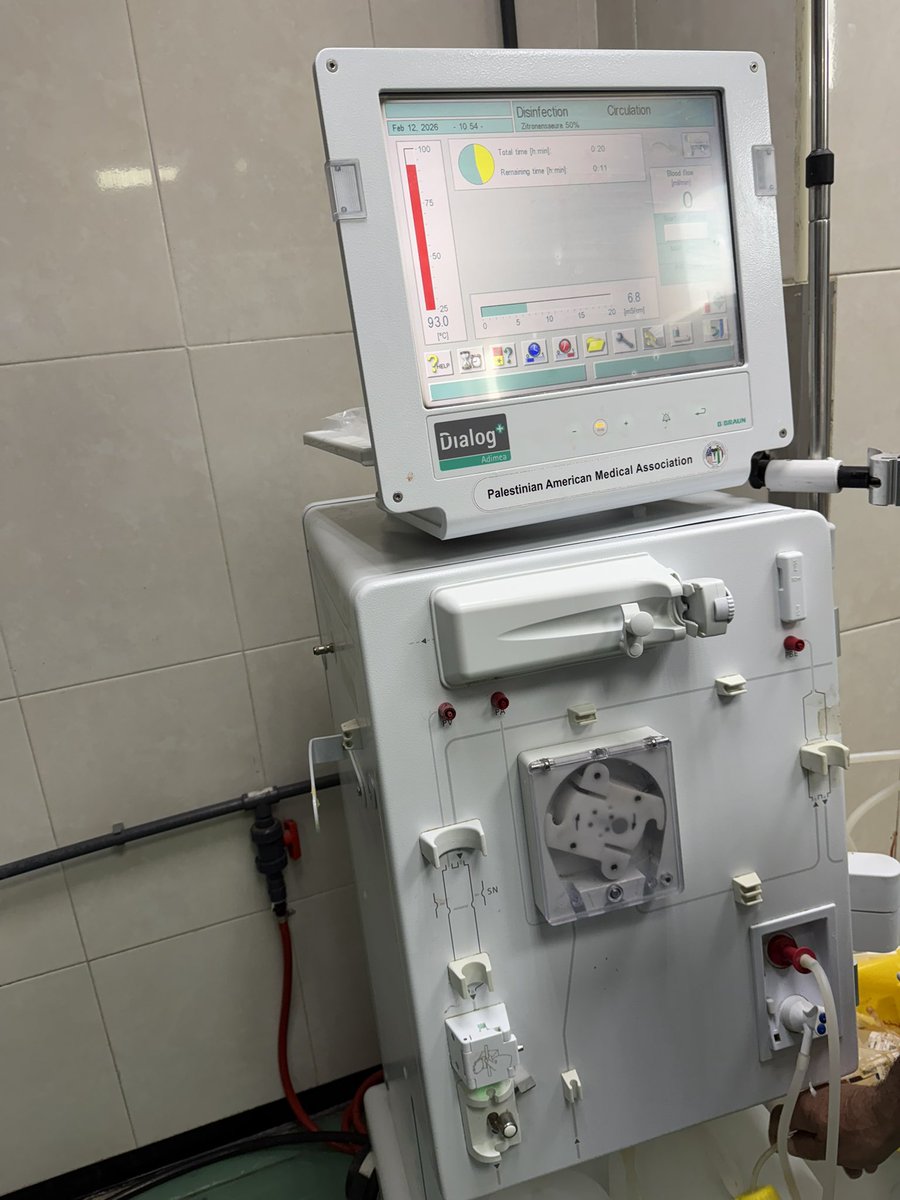
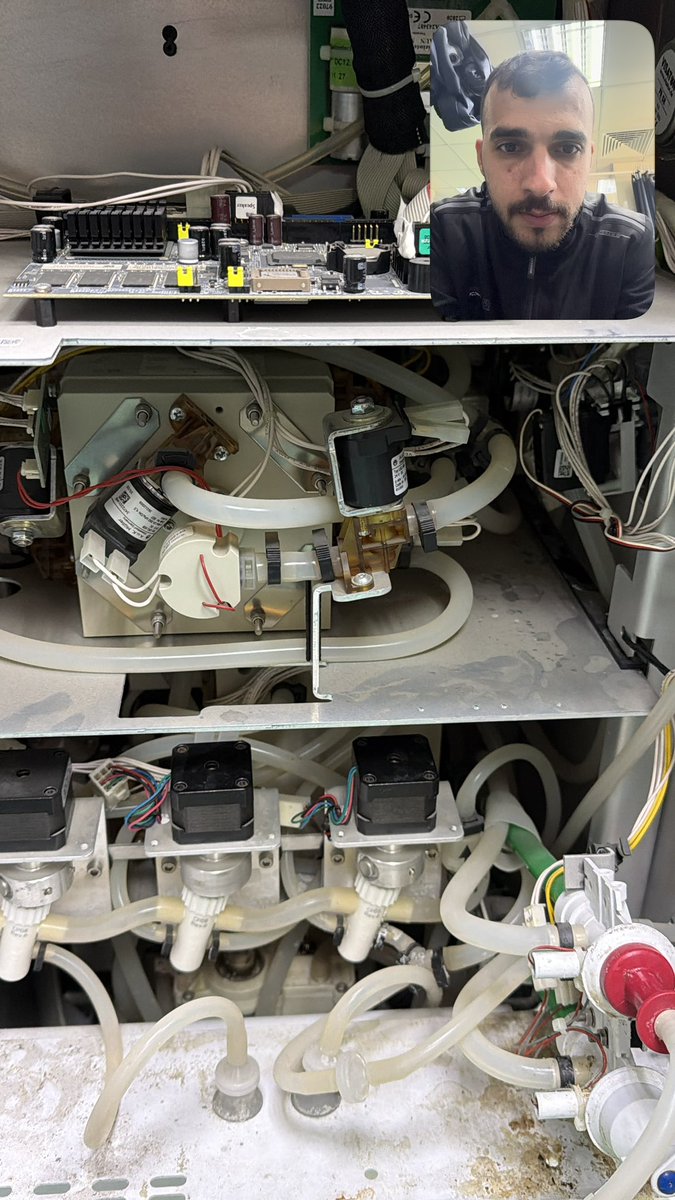
Today we brought an Dialysis machine back to life.
86
2,435
17,742
126,724
Foundling retweeted
Feb 3
Chair, Excellencies,
I am grateful for the opportunity to address you today on the systematic de-registration and administrative constriction of international non-governmental organizations operating in the Occupied Palestinian Territory.
I’m equally grateful to the Committee for raising this matter of utmost concern during the Security Council Open Debate on the Question of Palestine last week. It goes to the heart of international humanitarian law and the integrity of multilateral cooperation in support of the Palestinian people.
Allow me to begin where international law itself requires us to begin: with consequences for civilians and for the humanitarian system that exists to protect them.
On 30th December 2025, thirty-seven international non-governmental organizations - including the Norwegian Refugee Council - were notified that their registrations with Israel, the occupying Power, would expire within sixty days, without substantive assessment of pending applications or guidance on compliance.
Across Gaza and the West Bank, the de-registration of INGOs is already producing measurable harm. Since early January 2026, organizations without renewed Israeli registration have been denied staff rotations into Gaza. Programmes have been interrupted, supply chains destabilised, and life-saving operations constrained.
This is not a marginal technical disruption. INGOs implement substantial proportions of shelter, health, water, food security, protection, and education activities. They operate through UN coordination systems with the host government of Palestine, in partnership with Palestinian NGOs and UN Agencies, including UNRWA, and within donor-validated compliance frameworks.
When INGOs are impeded, humanitarian delivery does not simply slow down —it fractures. The Palestinian population bears the cost, in reduced access to medical care, shelter, sanitation, and food.
From this operational reality, we must turn to its deeper legal and political significance: its relationship to Palestinian self-determination and permanent sovereignty.
The International Court of Justice has affirmed that the right of the Palestinian people to self-determination is a peremptory norm of international law. It has further held that Israel’s presence and associated practices in the Occupied Palestinian Territory are unlawful, and that all States must cooperate to bring that situation to an end. Unconditionally, and as rapidly as possible.
Humanitarian assistance is not external to this legal framework. It is an integral part of it.
Subordinating humanitarians' presence to Israeli administrative discretion amounts to the assertion of political authority over a core dimension of sovereign Palestinian civic life. It risks transforming relief into an instrument of subjugation.
De-registration is therefore not merely an administrative act. It is part of a wider architecture of domination over Palestinian territory and people.
A genuinely technical system to facilitate the presence of INGOs, invited by the State of Palestine, would be rule-bound and reasoned. The existing framework exhibits none of these attributes.
Central to this system is the demand for comprehensive national staff lists and detailed response plans. This requirement has been presented as a security measure. In reality, it functions as a coercive instrument within a wider regime of control.
INGOs are legally unable to comply due to binding data protection law, donor contractual obligations, and labour protections.
Compliance would expose organizations to regulatory sanctions, contractual liability, and serious protection risks for staff and beneficiaries. Refusal is therefore not political defiance. It is a legal obligation.
From the standpoint of international law, this situation is indefensible.
The International Court of Justice has reaffirmed - most recently in the October 2025 Advisory Opinion - that, where the civilian population is inadequately supplied, Israel, as the occupying Power, is under an unconditional obligation to agree to and facilitate humanitarian relief.
This obligation is one of result (meaning, acceptance) and conduct (active facilitation). It cannot be subordinated to political preferences.
Article 63 of the Fourth Geneva Convention guarantees the continued operation of relief societies, subject only to temporary and exceptional security measures. Systemic de-registration, political vetting, and structural obstruction fall far outside this narrow exception.
The Court has further grounded these duties in peremptory norms, including the right to self-determination.
In other words, Palestinians have a right to request and receive aid, and impartial humanitarian organizations enjoy a corollary right to provide.
When breached, it gives rise to obligations erga omnes. Obligations owed to the international community as a whole. All States have a legal interest in their protection. All States have duties of non-recognition, non-assistance, and cooperation.
This has concrete implications. Acquiescence in unlawful restrictions risks breaching international responsibility. Accepting de-registration as a technical matter, while knowing its legal and operational effects, amounts to indirect assistance in an unlawful situation.
Chair,
What emerges from this record is clear.
INGOs in the Occupied Palestinian Territory are legally authorised under international humanitarian law to continue and operate. They are registered under Palestinian law. They are embedded within UN coordination structures. They are trusted by donors. They are operationally capable and vital. They are normatively compliant.
Their marginalisation is not the product of regulatory failure. It is the product of a political assault by Israel on imperative humanitarian relief, on peace, and human security.
If such practices are normalised in Palestine, they will not remain confined to Palestine. They will become part of the global repertoire of humanitarian restrictions. The erosion of humanitarian independence in Palestine will reverberate elsewhere.
The Committee therefore has a vital role to play.
First, in insisting that unlawful registration measures be withdrawn.
Second, in affirming that humanitarian access cannot be made conditional on political compliance with the whims of the occupant, or with those of any other alien ruler.
And third, in supporting Member States in fulfilling their duty to cooperate to bring violations to an end.
International law, in this context, is not uncertain. It is established and explicit.
The Court has spoken. The General Assembly has endorsed. The Security Council has decreed. The humanitarian system has complied. What remains is whether States – all States – will act accordingly.
The inalienable rights of the Palestinian people cannot be realised where humanitarian presence is precarious, conditional, and politicised.
Palestinians are entitled to assistance that is independent, protected, and governed by law rather than external custodianship or profit.
That is not a matter of charity. It is a matter of legal obligation.
Thank you.
2
6
10
830
Foundling retweeted

30 בני אדם נהרגו עד כה מתקפות של חיל האוויר שלנו היום בעזה. למה? למה לעזאזל לתקוף בני אדם שרק מנסים שרוד, אחרי האסון המטורף שכבר המטרנו עליהם? 71 אלף הרוגים זה לא מספיק לממשלת ישראל? 20000 ילדים הרוגים זה מעט מדי לנתניהו וסמוטריץ? למה אנחנו ממשיכים להרוג אותם? ככה נראית הפסקת אש?
238
352
963
62,945
Foundling retweeted

Jan 30
ביום שלישי האחרון בערב השתתפתי בארוע לציון יום השואה הבינלאומי. כאשר הגעתי הביתה, קבלתי הודעה על פוגרומיסטים יהודים שתוקפים פלסטינים בדרום הר חברון, גונבים את צאנם ושורפים את רכושם. ״אי אפשר להשוות!״…
לאחר שאמבולנסים, שניסו להגיע למקום, עוכבו על-ידי הטרוריסטים היהודים, שלושה פלסטינים פונו לבית החולים, כאשר אחד מהם סובל משברים בגולגולת. ״שום ארוע לא ישווה לשואה, שעבר עמנו!״…
פניתי, כמובן, מיד לאחראים על הביטחון באזור, והובטח לי שהארוע מטופל על-ידי צה״ל. עד עכשיו לא נעצר אף מחבל יהודי (כמו במקרים רבים אחרים), כי… משטרת ישראל נשלטת על-ידי עבריין מורשע, כהניסט גזען ופאשיסט, השב״כ נשלט על-ידי נציג ״העליונות היהודית״ מבית מדרשם של הרבנים טאו, ליאור, גינצבורג וזיני (דודו), שר הביטחון מונע מעצרים מינהליים של טרוריסטים יהודים והשר הנוסף במשרד הביטחון מעודד מאחזים בלתי חוקיים ומצייד אותם ברכבי שטח, כדי למרר את חיי הפלסטינים, עד כדי נישולם משטחם, ויישוב השטח ביהודים (שוב תשאלו למה האשמתי את הממשלה ב״טיהור אתני״!?).
אידיאולוגיית ״העליונות היהודית״, שהפכה לדומיננטית בממשלת ישראל, מזכירה את תורת הגזע הנאצית, ״אבל אסור להשוות!״…
פיקדתי על אוגדת יהודה ושומרון, על פיקוד המרכז ועל צה״ל, הכרתי את אזהרותיו של פרופ׳ ישעיהו ליבוביץ׳, מפני תהליך התבהמות עד כדי הפיכתנו ל״יודו-נאצים״ (כדבריו), בשליטתנו בעם אחר. עשיתי כמיטב יכולתי, גם כשר הביטחון, ״שנדע לנצח את הטרור, ולהשאר בני אדם״.
מעולם לא השליתי את עצמי, שרק בוויתורים נקבל ״שלום עכשיו״, וגם הבנתי את סכנת ״העליונות היהודית״ על עתידנו וקיומנו. לכן אני דוגל בהיפרדות על- פי נאומו הפרוגרמטי האחרון של יצחק רבין ז״ל מ-5 באוקטובר 1995, וכותרת ספרי היא ״דרך ארוכה קצרה״.
נכון להיום, פרופ׳ ישעיהו ליבוביץ׳ צדק ואני טעיתי.
תפקידה של ממשלת ישראל הבאה הוא להוכיח שפרופ׳ ליבוביץ׳ טעה, ולא - נמיט חורבן על מדינתנו.
את ממשלת ״העליונות היהודית״ -ממשלת השקר והבגידה - ממשלת המשיחיים, המשתמטים והמושחתים, חייבים להחליף, טרם חורבן.
298
1,458
6,102
2,148,274
Foundling retweeted
Jan 14
Since October 2023, Israel forcibly transferred 44 Palestinian communities in the West Bank: 433 families – 2,701 people, including 1,226 minors.
13 more communities, comprising 78 families and 452 people, were partially transferred.
The Palestinian residents are forcibly transferred from their homes by a combination of settler violence, military actions, demolitions and land grabs.
Expelling communities and taking over huge swathes of land are part of Israel's efforts to ethnically cleanse the West Bank.
Link for the full documentation >
btselem.org/settler_violence…
96
900
993
35,062
Foundling retweeted

This is what Palestinians college students have had to deal with for decades. No matter how hard they try to better their lives, to put their heads down and study and work hard, Israel reminds them that they’ll never be free until Israeli occupation and apartheid is dismantled.

BREAKING 🇵🇸 Israeli regime forces have stormed Birzeit University (@BirzeitU) campus in the Occupied West Bank, injuring 41 students, including 9 with live bullets.
29
4,318
10,740
173,126

Half the number of hostages taken on 10/7 and it won’t be a blip, no ribbons will be worn on cable news, and Israel will make no serious attempt to justify the snatchings

BREAKING: Israel claims to have arrested over 100 'wanted' people in occupied West Bank
🔴 LIVE updates: aje.io/8ft35z?update=4209558
61
1,677
6,642
177,287
Foundling retweeted

24 Dec 2025
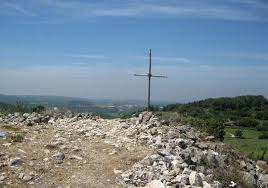
Welcome to Iqrit — what used to be a thriving Christian village in northern Israel.
Sadistically, the Jews razed it on Christmas day, 1951.
6
9
237
Foundling retweeted

22 Sep 2025
VINEY AFTER THE SIREN 🚨 Great memories of that time we beat the Saints and definitely nothing bad happened and we all went home happy 🙂😅
#BrownlowMedal

62
62
1,968
163,945
Foundling retweeted

16 Sep 2025
Abdullah Al-Yazouri, @sahatenglish youngest correspondent, drew a map of Palestine with Gaza highlighted, a personal memorial to the life he fears losing.
His neighborhood in #Gaza City is now under threat of invasion, where more than 50,000 Palestinians have already been displaced in just one week. If the Israeli occupation reaches his home, Abdullah too will be left homeless, with nowhere safe to go.
#GazaGenocide
8
188
429
49,793
Foundling retweeted

11 Sep 2025
Earlier today, the Israeli army stormed Tulkarem in the occupied West Bank, dragging away every Palestinian man they could capture. We have said it from day one: Israel’s war is not only the genocide in Gaza, but also the relentless ethnic cleansing of our people in the West Bank. The same machinery of erasure is at work everywhere.
960
10,421
17,212
877,146
Foundling retweeted

11 Sep 2025
Israel planted explosives in a school for disabled children at dawn today in South Lebanon and blew it up.
Not a military target.
A school for disabled children — perhaps the only one in the country.
In what universe is this considered “self-defense”?
2,415
48,675
114,189
3,844,740
Foundling retweeted

8 Sep 2025
Children in Gaza city celebrate our kitchen staff bringing out food for distribution this afternoon. @healpalestine_ is dedicated to help the children of Gaza get the aid they need to survive these unimaginably horrific days.
160
2,115
8,009
102,582
Foundling retweeted
23 Aug 2025
If you have any questions about @healpalestine_’s Global Healing Program, which has brought 63 injured kids here for free medical treatment, watch this short video. It makes me proud as an American to know our doctors, hospitals, and communities all over the country are helping to heal these innocent children.
63
755
1,943
41,877
Foundling retweeted
17 Aug 2025
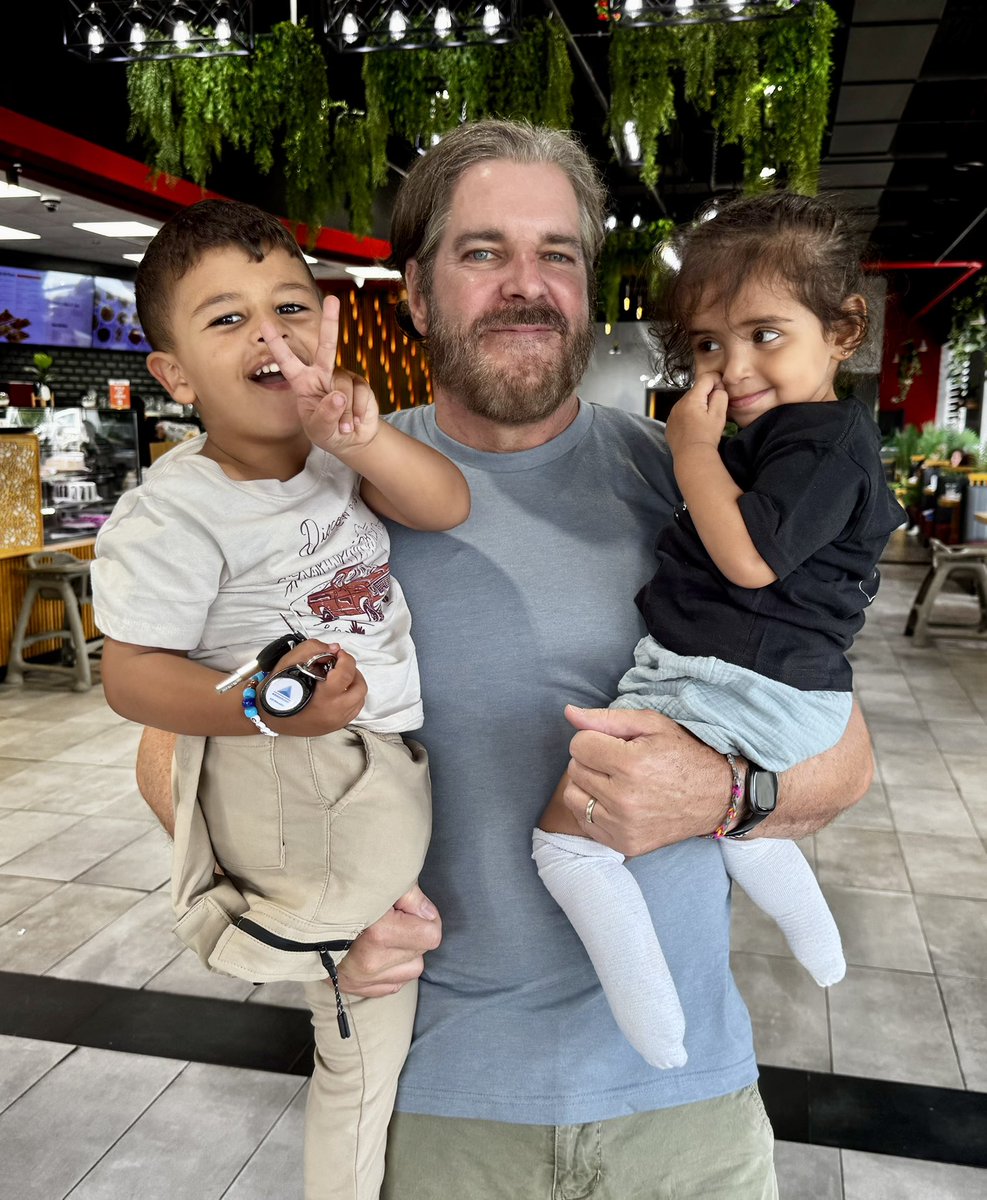
These are the kids that we bring for medical care they cannot get back in Gaza. Four year-old Adam lost his leg and parents in a bombing, and two year-old Seedra came for orthopedic surgery and will be fitted with artificial legs. She was born with a birth defect and has to have her legs amputated. Where is our humanity in denying children like this access to medical care? @healpalestine_
1,105
5,272
18,313
618,630
Foundling retweeted
15 Aug 2025
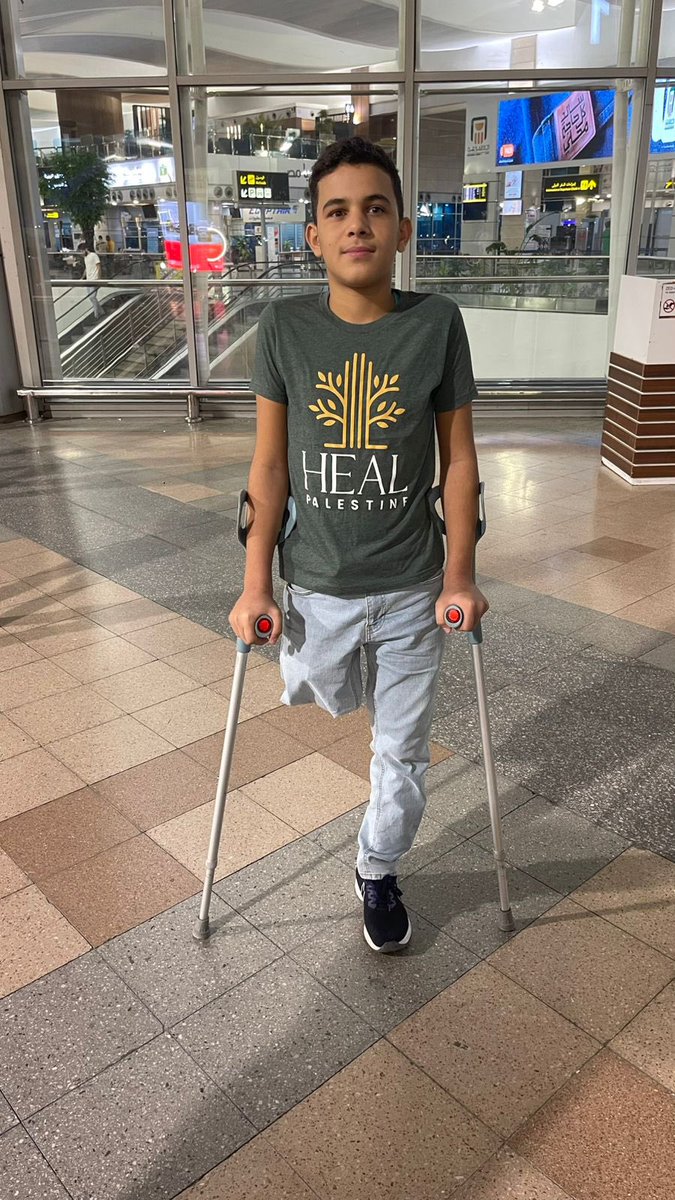
Wasim, 14, left Egypt last night on his healing journey to the United States. He lost his leg and his father was killed when the UN school they were seeking refuge in was bombed by the IOF. He is one of 15 injured children that came to the US through @healpalestine_ in the past two weeks for free medical care, bringing the total number of injured Gaza children that we’ve brought in the past year and a half to 63. Thank you for supporting our work. 🇵🇸☮️✌🏻
89
176
584
18,773
Foundling retweeted

14 Aug 2025
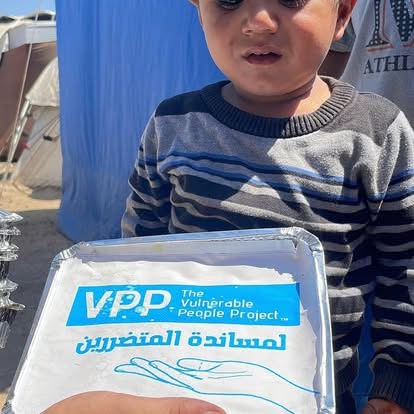
Yesterday, Israel dropped a bomb so powerful it vaporized our aid warehouse in North Gaza — killing 2 humanitarian workers and obliterating baby formula, vegetables, rice, oil, and firewood meant for hungry families.
This was not “collateral damage.”
It was the deliberate destruction of mercy itself.
We are the Vulnerable People Project.
We will feed the hungry again. And again. And again.
#Gaza #WarCrimes #HumanitarianAid
442
6,357
13,443
329,206
Foundling retweeted
10 Aug 2025
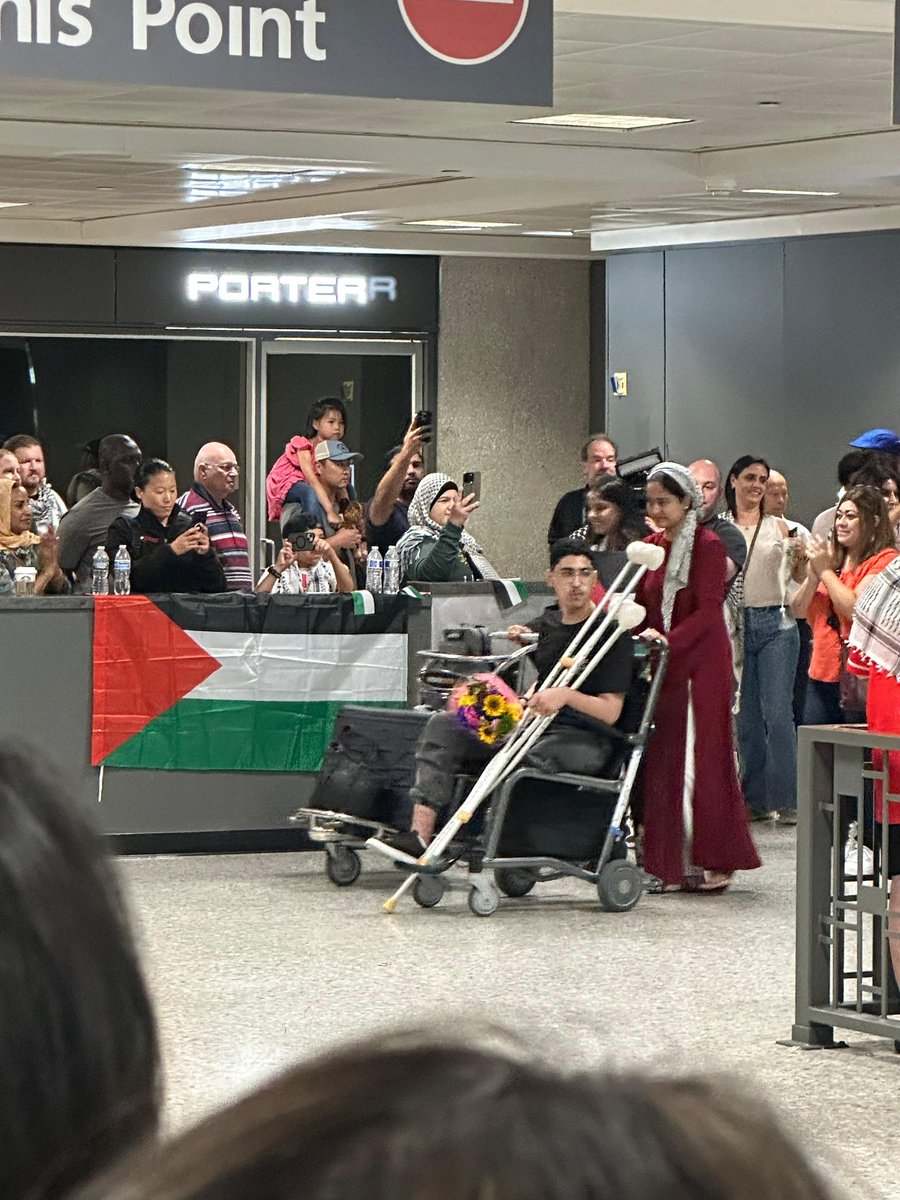
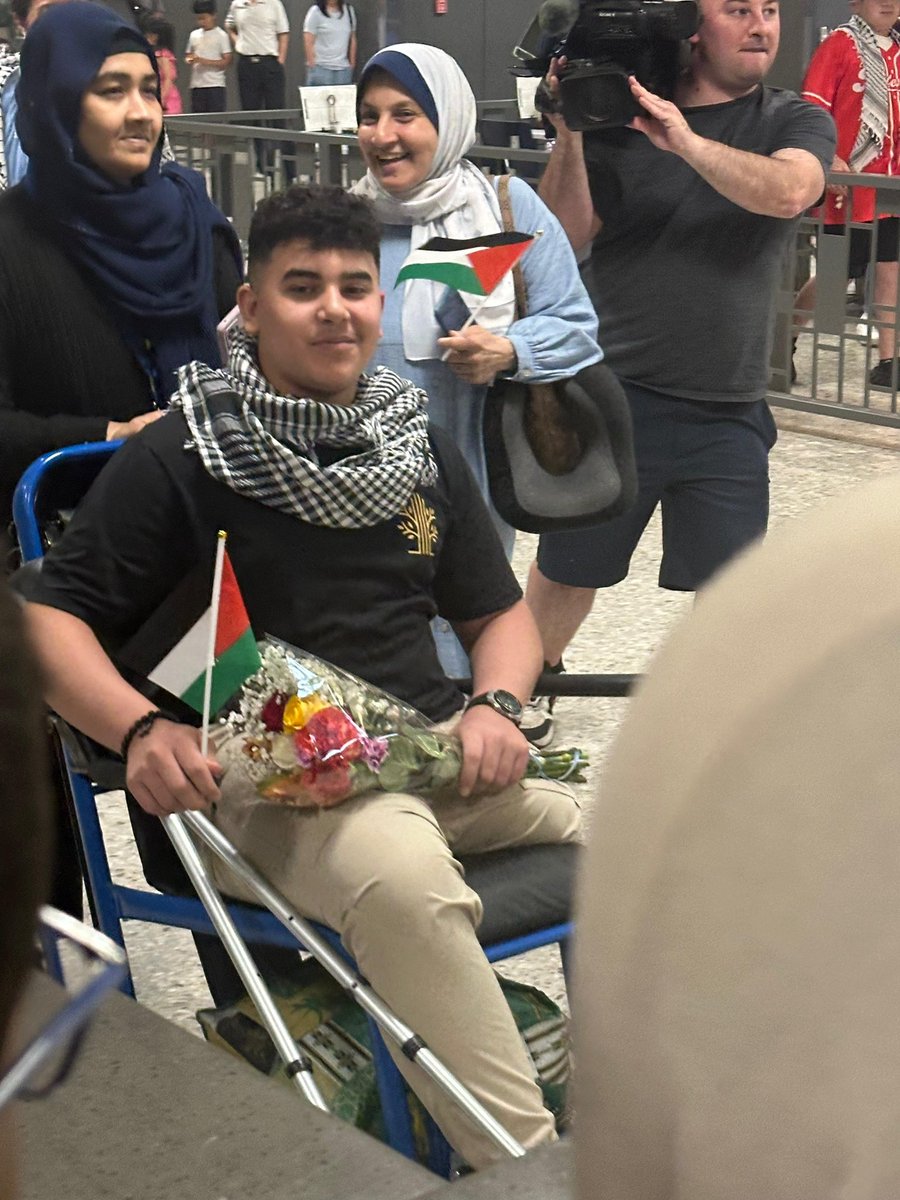
Two more injured boys arrived last night in Washington after losing their legs and being shot in Gaza. @healpalestine_ in the past week we’ve brought over a dozen Injured children and families to start their healing journey from Gaza. We won’t stop our responsibility to healing our children and undoing the crimes of genocide being committed against them today.
46
173
559
16,564