Joined August 2025
- Tweets 557
- Following 52
- Followers 52
- Likes 18
127 Photos and videos


The Bibi Enigma: Commando, King, and the Gamble of a Lifetime 🇮🇱🧵
From the elite trenches of Sayeret Matkal to the "Roaring Lion" of 2026. Whether you call him a protector or a polarizing force, Benjamin Netanyahu remains the most dominant figure in Israeli history. Here’s the journey of the man who refuses to exit the stage. 👇
The Warrior: Before the suits, there was the beret. Bibi was a Captain in Israel’s top special forces. He bled for the state during the Sabena hijacking and lost his brother, Yoni, at Entebbe. This isn't just politics for him; it's a family legacy of "Never Again."
The Great Communicator: In the 80s, he conquered American TV. With a deep baritone and Harvard-level English, he became the face of Israel at the UN. He didn't just explain Israel to the world—he marketed it as a "Startup Nation" powerhouse.
The Disruptor: He broke the record as the longest-serving PM for a reason. He pivoted Israel away from the Oslo Accords, focused on the "Red Line" regarding Iran, and reshaped the Middle East with the Abraham Accords. He plays the long game while others play for the next cycle.
The Survivalist: Indictments? Protests? Five elections in four years? Most leaders would have folded. Bibi leaned in. He built a base so loyal they’re known as "Bibists," turning every trial into a referendum on the "Deep State." 🏛️⚖️
2026: The Ultimate Gamble: Today, Netanyahu is at the center of Operation Roaring Lion. Allied with President Trump, he’s pushing for a "Total Victory" that extends all the way to Tehran. The stakes? Either a New Middle East or a never-ending war. 🦁🔥
The Legend vs. The Rumors: Despite the wild "six fingers" AI rumors and reports of his demise this month, Bibi remains operational. His latest presser was clear: "The moment for freedom is approaching." Love him or hate him, you can't look away. 📺. One thing is certain: the history books of the 21st century will be written in his shadow.
What’s your take on the Bibi Legacy? 🇮🇱👇
#Netanyahu #Israel #RoaringLion #MiddleEast #Bibi
402
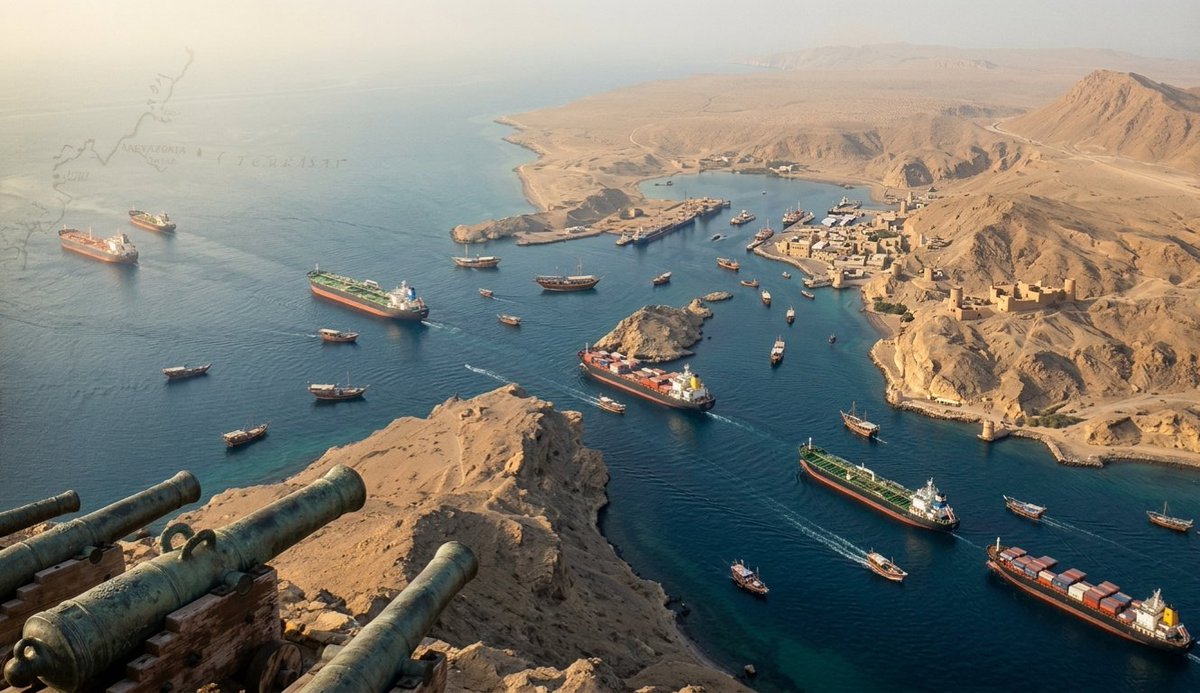
History isn’t just made by men; it’s made by geography. The Strait of Hormuz, a 21-mile wide "chokepoint," has been the world’s strategic jugular for 2,000 years. To control the Strait was to control the pulse of global wealth. 🧵👇
The Kingdom of Ormus (The Golden Age) ✨
In the Middle Ages, the Kingdom of Ormus rose as a legendary trade hub. It was said that "if the world were a ring, Hormuz would be the jewel." It connected the Silk Road to the sea, making local kings wealthier than many European monarchs. 💎🚢
Portugal: The First Global Superpower 🇵🇹
In 1507, Afonso de Albuquerque realized that a small fleet at Hormuz could hold the entire East hostage. Portugal seized the Strait, built a massive stone fortress, and redirected the world’s spice flow. For a century, Lisbon’s empire lived or died by this water.
The Fall of an Empire, The Rise of a Shah 🏹
The tide turned in 1622. Shah Abbas the Great of Persia, allied with the English East India Company, ousted the Portuguese. This marked the decline of Portuguese naval dominance and the rise of the Safavid Empire’s influence over the Gulf. ⚔️🇬🇧
The British "Lake" & The Oil Pivot 🛢️
By the 1800s, the British Royal Navy turned the Gulf into a "British Lake." But the stakes shifted from spices to Black Gold in the 20th century. Empires no longer fought for pepper; they fought for the fuel that powered the World Wars and the Industrial Revolution.
The Modern Standoff ⚖️
Empires like Rome, Portugal, and Britain have come and gone, but the Strait remains. Today, with 20% of the world’s oil passing through, it is the ultimate geopolitical chessboard. Geography is destiny, and Hormuz remains the ultimate prize. 🌏⚓️
90
CHAMPIONS OF THE WORLD! 🏆🏆🏆
India becomes the first team to win three T20 World Cup titles! 🇮🇳 History made in Ahmedabad as the Men in Blue defend their crown on home soil. A clinical performance to seal a legendary victory!
#T20WorldCup #INDvNZ #Champions #BleedBlue
149
Heritage Hunt | Ancient India 🏺 retweeted

Mar 6
Ambassador’s message to the Indian community in view of the current situation.
45
179
831
68,819
Heritage Hunt | Ancient India 🏺 retweeted

सभी नागरिकों के लिए महत्वपूर्ण सूचना
कुछ स्थानों पर पेट्रोल और डीज़ल की कमी को लेकर भ्रामक संदेश फैलाए जा रहे हैं, जो पूर्णतः असत्य हैं।
देशभर में ईंधन की आपूर्ति सामान्य रूप से जारी है। पेट्रोल, डीज़ल और एलपीजी के पर्याप्त भंडार उपलब्ध हैं तथा आपूर्ति व्यवस्था सुचारु रूप से संचालित हो रही है।
एचपीसीएल अपने पूरे रिटेल नेटवर्क के माध्यम से सभी उपभोक्ताओं को निर्बाध ईंधन आपूर्ति सुनिश्चित करने के लिए प्रतिबद्ध है।
सभी नागरिकों से अनुरोध है कि घबराहट में पेट्रोल पंपों पर अनावश्यक भीड़ न लगाएं और केवल आधिकारिक स्रोतों से प्राप्त जानकारी पर ही भरोसा करें।
Important Advisory for Citizens
Some misleading messages regarding shortage of petrol and diesel are circulating in certain areas. These claims are completely unfounded.
Fuel supplies across Bharat remain normal. Adequate stocks of petrol, diesel, and LPG are available, and supply operations continue smoothly across the country.
HPCL remains fully operational and is committed to ensuring uninterrupted fuel availability for all customers through its nationwide retail network.
Citizens are requested not to panic or rush to fuel stations and to rely only on official sources for accurate information.
#HPCL #EnergySupply #EnergySecurity #FuelAvailability #FuelSupply
@PetroleumMin
@HardeepSPuri
@neerajmittalias
59
478
1,254
36,431
Thank you @BPCLimited
for the clear update.
Mar 6

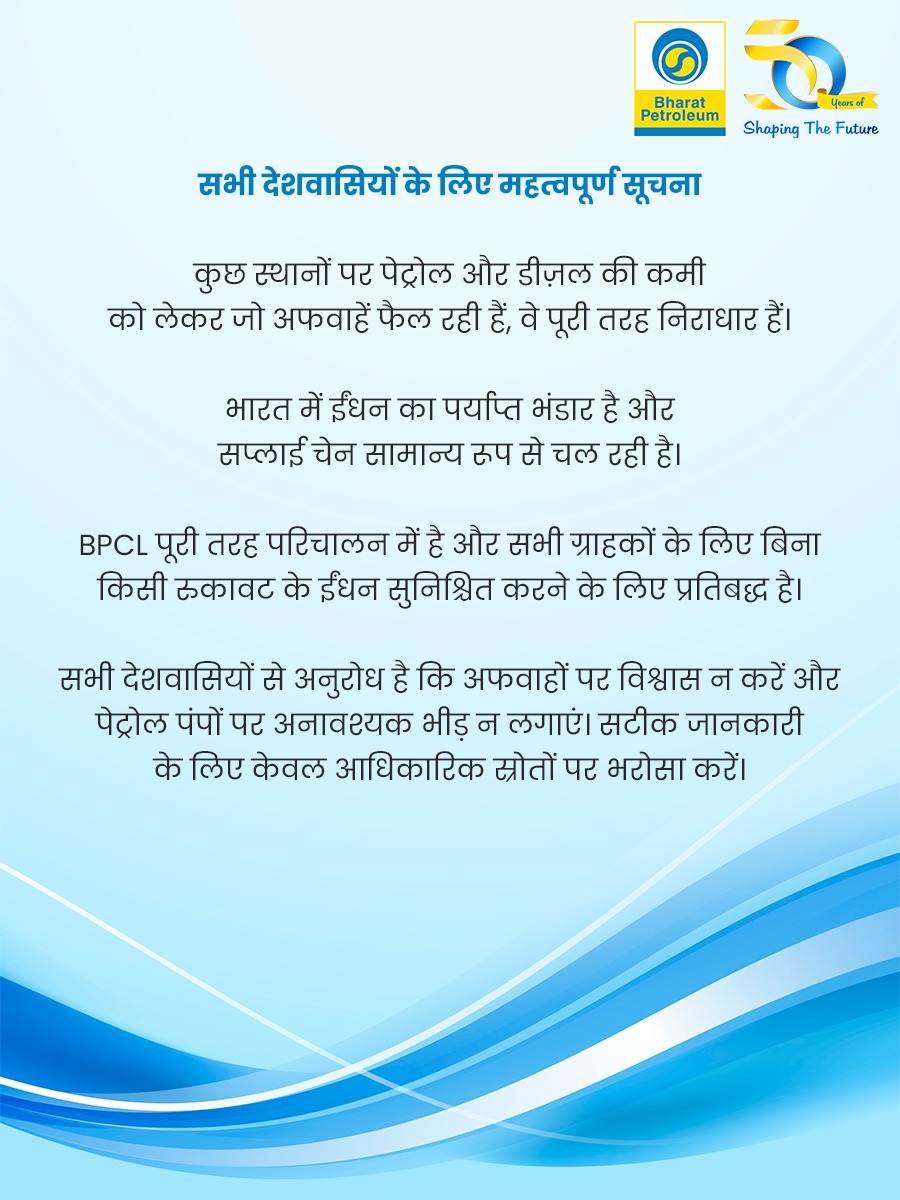
सभी देशवासियों के लिए महत्वपूर्ण सूचना
कुछ जगहों पर पेट्रोल और डीज़ल की कमी की अफवाहें पूरी तरह निराधार हैं। भारत में ईंधन का पर्याप्त भंडार है और आपूर्ति पूरी तरह सामान्य रूप से चल रही है।
BPCL पूरी तरह परिचालन में है और निर्बाध ईंधन आपूर्ति सुनिश्चित करने के लिए प्रतिबद्ध है। कृपया अफवाहों पर विश्वास न करें, पेट्रोल पंपों पर भीड़ न लगाएं और जानकारी के लिए केवल आधिकारिक स्रोतों पर ही भरोसा करें।
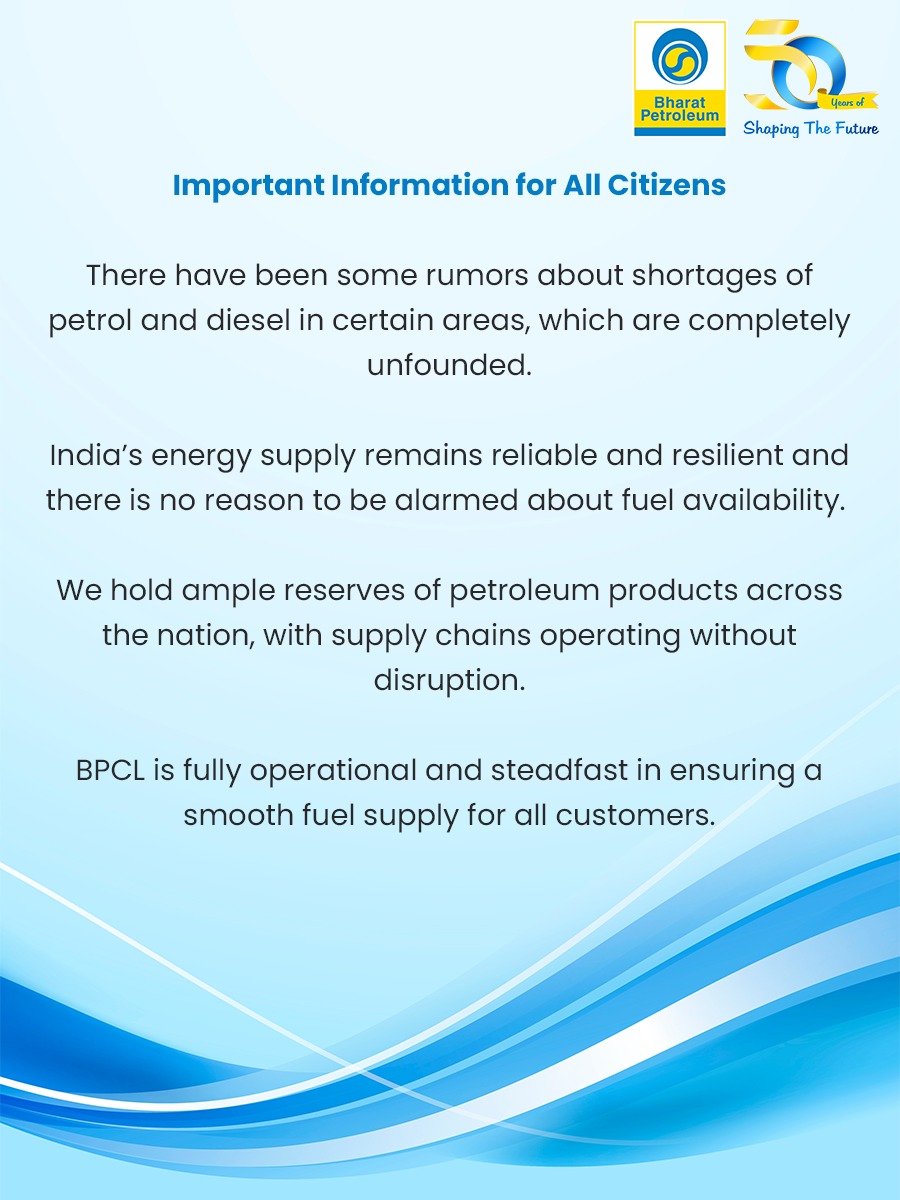
Important update for all citizens
Rumors of petrol and diesel shortages are completely unfounded. India has ample fuel reserves and supply chains are running normally.
BPCL is fully operational and committed to uninterrupted fuel supply. Please don’t rely on rumors or crowd fuel stations and only rely on official sources for further information.
#BPCL #EnergySupply #EnergySecurity #FuelAvailability #FuelSupply
@PetroleumMin @HardeepSPuri @neerajmittalias
1
2
210
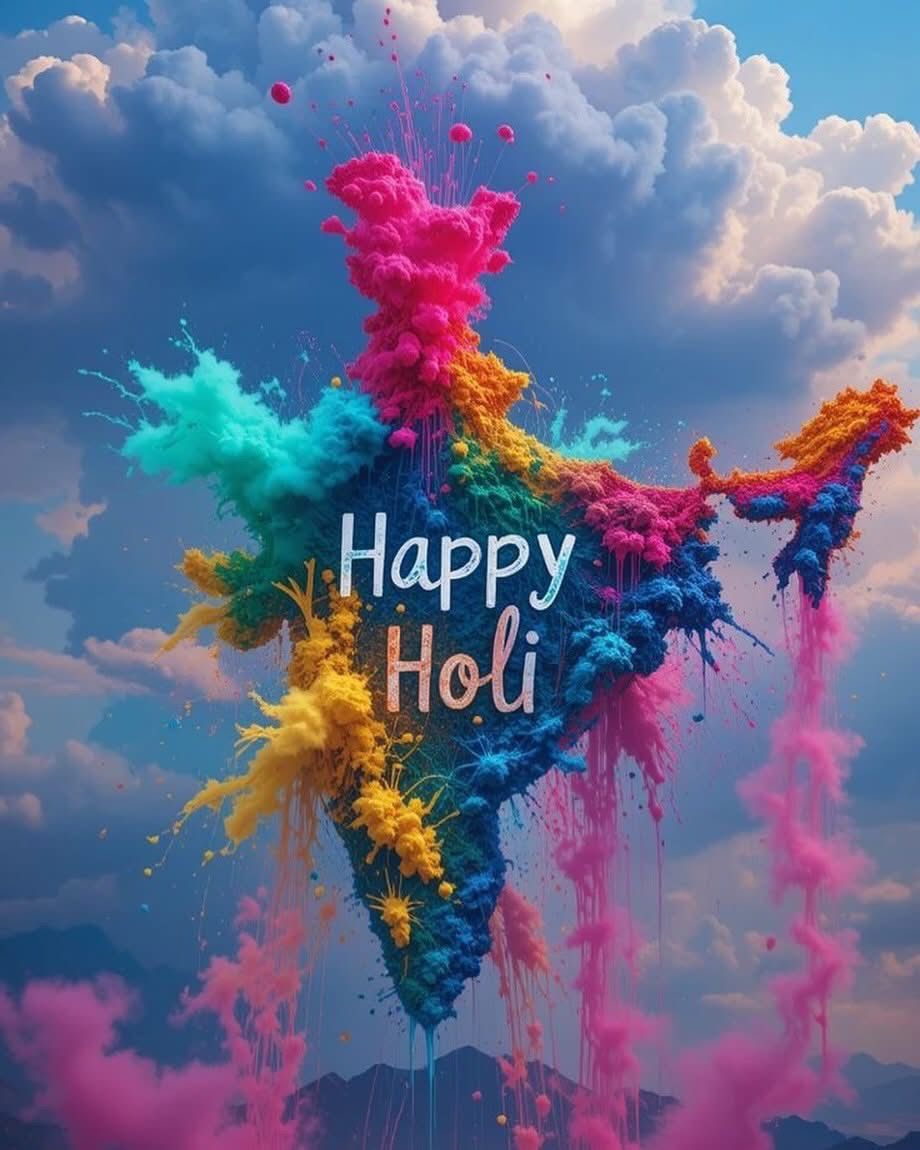
While the rest of the world is navigating complex global shifts, India is busy dissolving every barrier in a splash of Gulaal 🌈. There is something profoundly resilient about a culture that chooses to celebrate renewal and 'Satya' (Truth) even amidst a chaotic world. 🇮🇳
Happy Holi to everyone! May your day be as vibrant as our history. #Holi2026
52
Heritage Hunt | Ancient India 🏺 retweeted

Mar 3
32
213
1,183
65,432
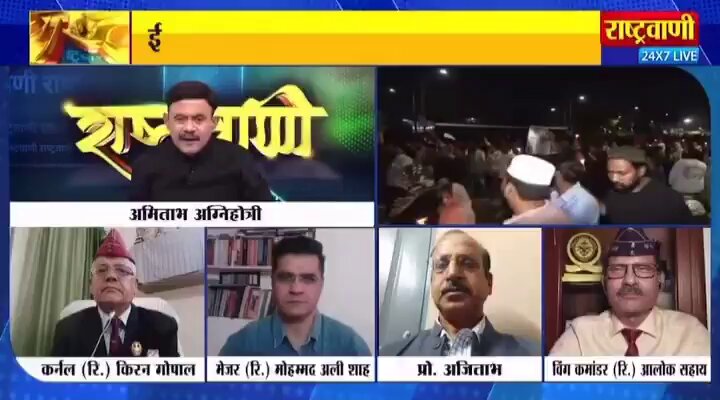
अग्निहोत्री जी ने इतना धोया कि पैनलिस्ट अब हेड एंड शोल्डर्स का ऐड करने लगेंगे... 😂😂
41
Mesmerizing! Jagannath Puri Blood Moon = pure magic in the sky tonight. Hare Krishna! 🙏🙏

The Mesmerising view of the partial Lunar eclipse
The beautiful visuals of the moon from Puri Jagannath mandir
106
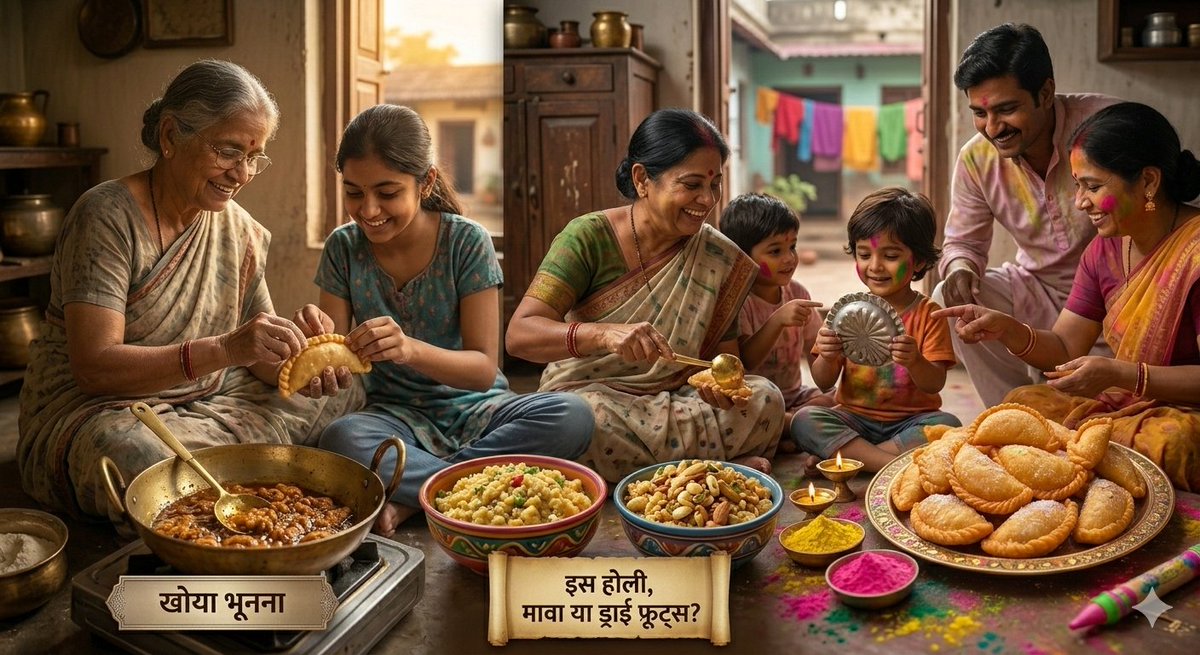
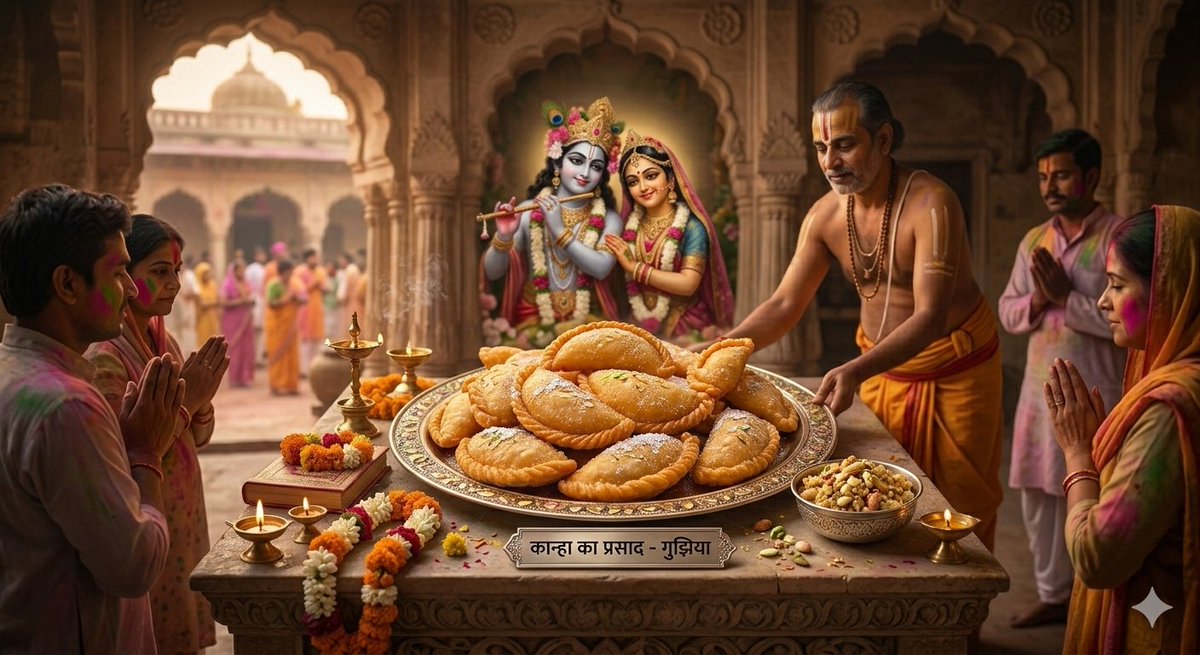
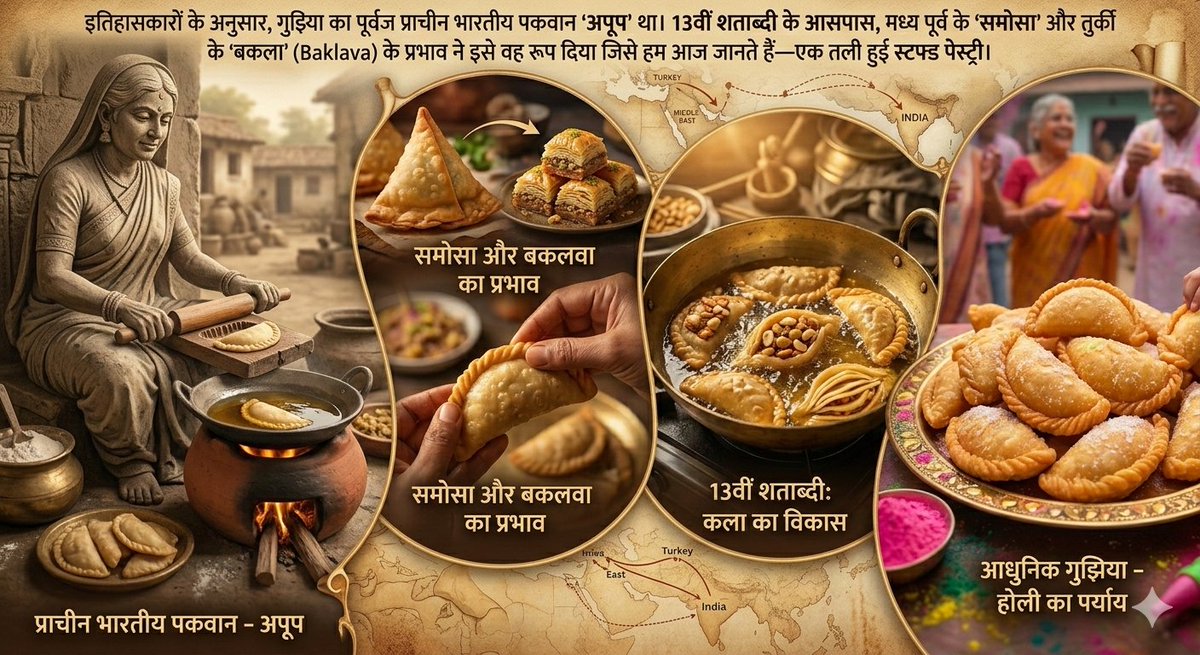
गुझिया - सिर्फ एक मिठाई नहीं, होली की आत्मा! 🥟✨
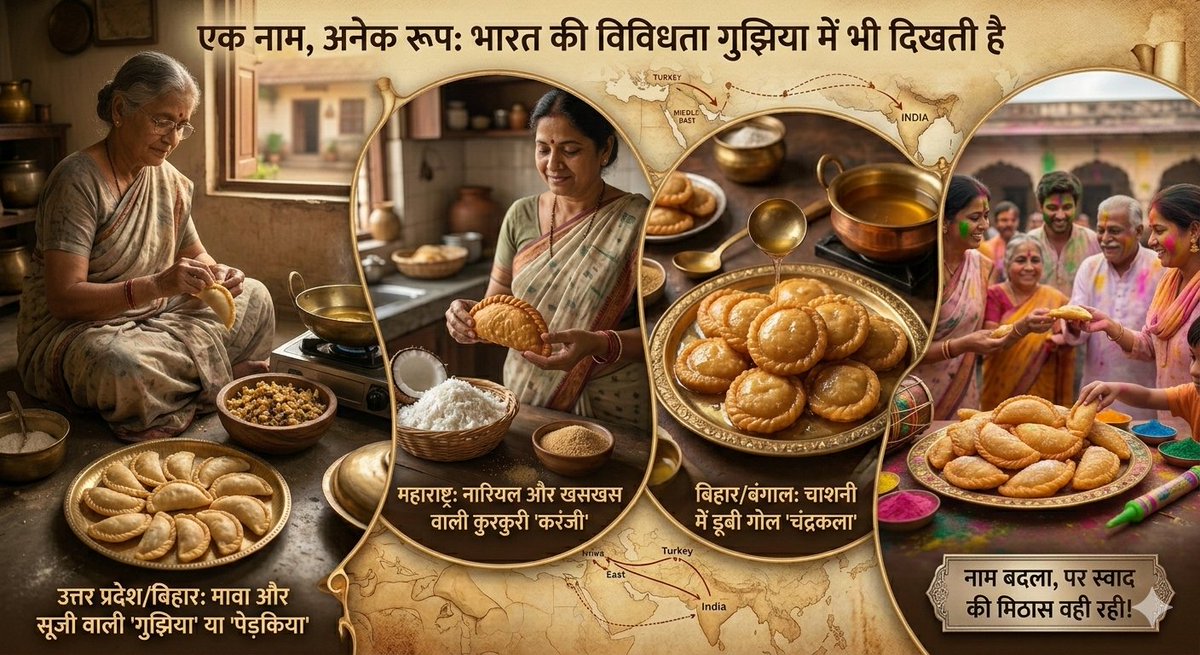
क्या आप जानते हैं कि आपकी पसंदीदा गुझिया का इतिहास सदियों पुराना है? यह उत्तर भारत के मैदानी इलाकों से लेकर तुर्की के महलों तक का सफर तय कर चुकी है। आइए जानते हैं इस 'होली स्पेशल' मिठाई की अनकही कहानी। 👇
#Holi2026 #HappyHoli
1
110
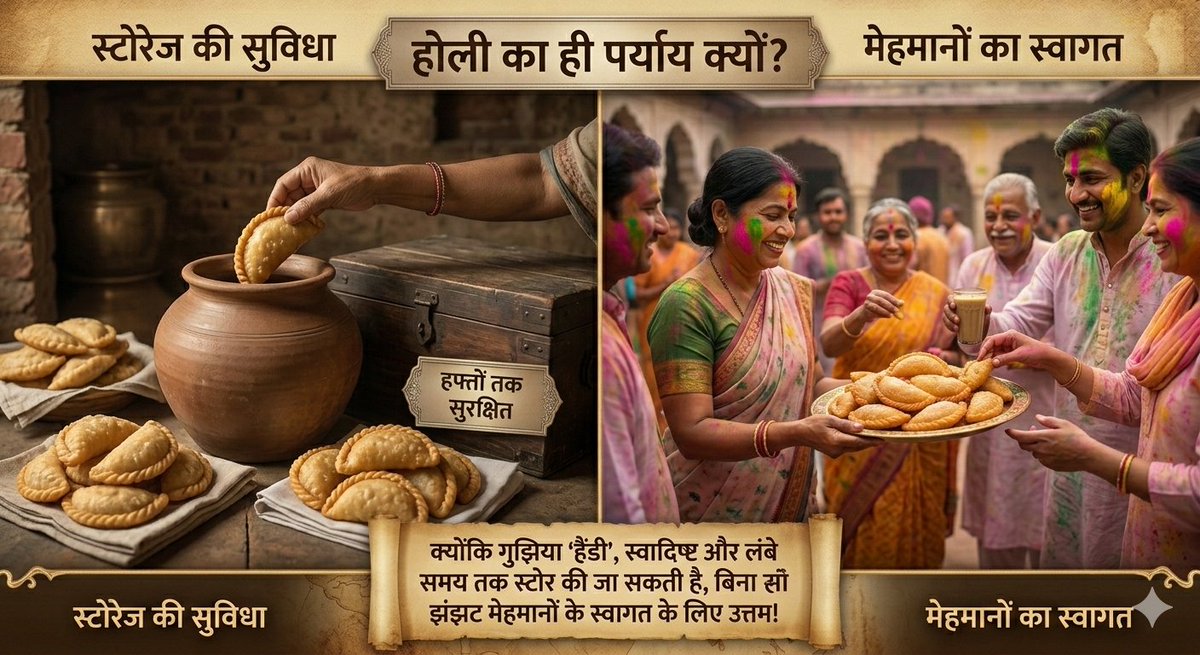
होली का ही पर्याय क्यों? 🤔
होली मिलन का त्यौहार है। पुराने समय में गुझिया को इसलिए चुना गया क्योंकि इसे हफ़्तों तक स्टोर किया जा सकता था। जब मेहमान रंग खेलने आते, तो बिना किसी झंझट के उन्हें यह 'हैंडी' और स्वादिष्ट मिठाई परोसी जा सकती थी।
#Holi2026 #HappyHoli
1
64
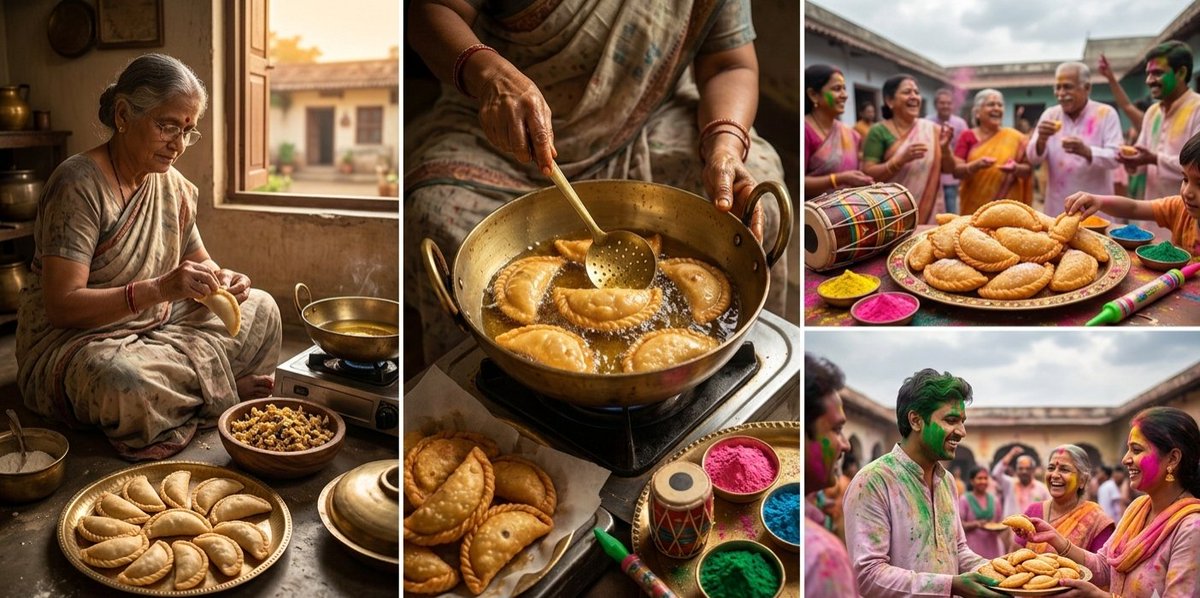
आज भी, गुझिया बनाना एक 'फैमिली प्रोजेक्ट' है। माँ का सांचा ढूँढना, खोया भूनना और मिलकर किनारे मोड़ना—यही तो होली की असली खुशी है।
इस होली, आप कौन सी गुझिया खा रहे हैं? मावा वाली या ड्राई फ्रूट्स वाली? कमेंट्स में बताएं! 🌈🥟
#Holi2026 #IndianFood #History #Gujiya
29
Heritage Hunt | Ancient India 🏺 retweeted

Mar 1
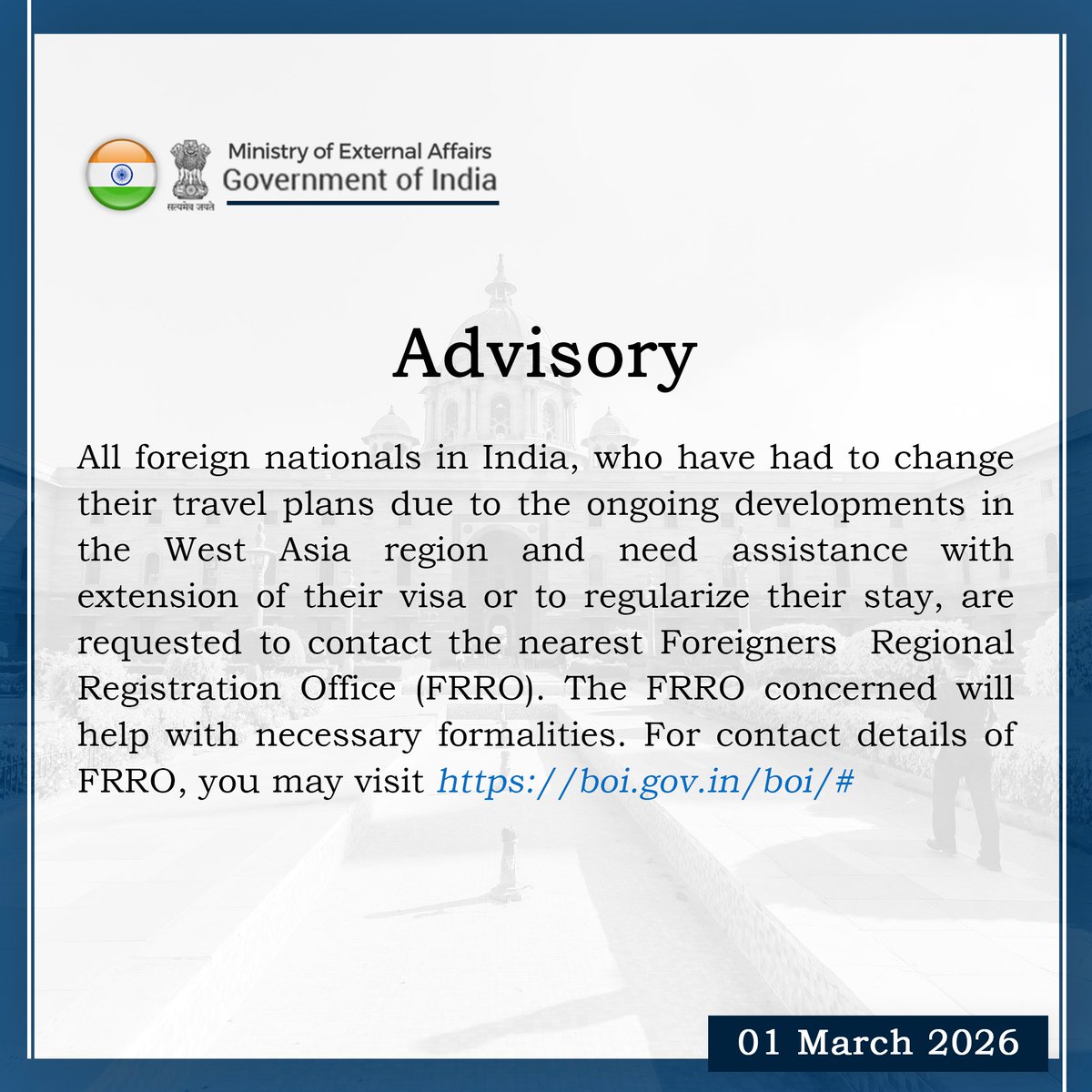
Advisory for foreign nationals in India ⬇️
🔗 bit.ly/47jzs5c
38
710
2,824
127,198
"Reading makes a full man." 📚
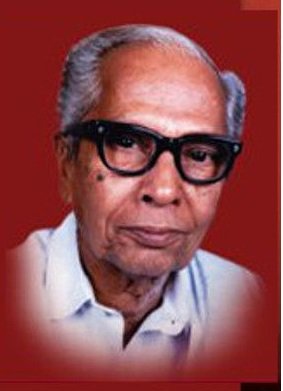
Today we honor the birth anniversary of P.N. Panicker (1909), the 'Father of the Library Movement' in India. He didn't just build libraries; he built a culture of curiosity that turned Kerala into a 100% literate state.
True heritage isn't just in monuments, but in the knowledge we pass down. 🙏🙏
#PNPanicker #LibraryMovement #EducationFirst
89
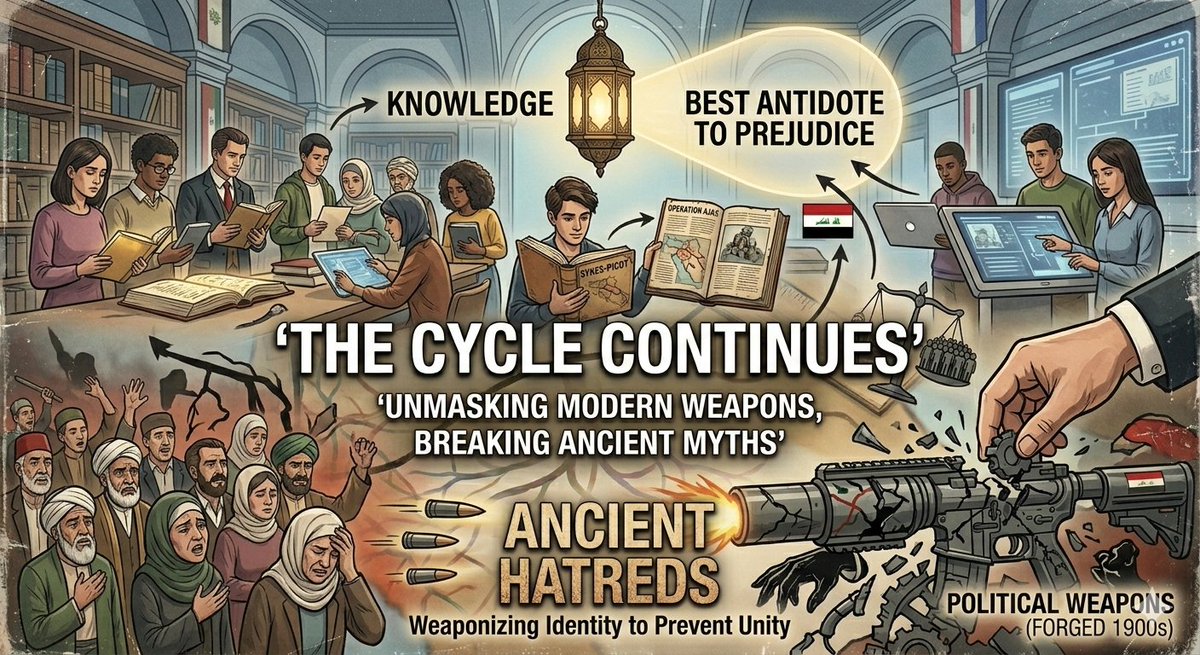
इतिहास खुद को दोहराता है, लेकिन इस बार भूगोल वही है और चुनौतियां नई। हजारों साल पहले फारस (ईरान) की धरती पर यहूदियों के अस्तित्व की रक्षा का पर्व 'पुरिम' शुरू हुआ था। आज 2026 में, जब ईरान और इजरायल के बीच संघर्ष अपने चरम पर है, पुरिम का त्योहार फिर से 'अस्तित्व और विजय' की उसी कहानी की याद दिला रहा है।
प्राचीन ग्रंथों की 'बुक ऑफ एस्तेर' से लेकर आज के 'ऑपरेशन लॉयन्स रोअर' तक—ईरान की धरती एक बार फिर इतिहास के बड़े बदलावों की गवाह बन रही है। क्या शांति का कोई 'पासा' (Pur) इस बार भी पलटेगा? 🇮🇱🇮🇷
#Purim2026 #IsraelIranWar #MiddleEastCrisis
42