Joined February 2010
- Tweets 58,854
- Following 208
- Followers 233,522
- Likes 81,412
26,540 Photos and videos
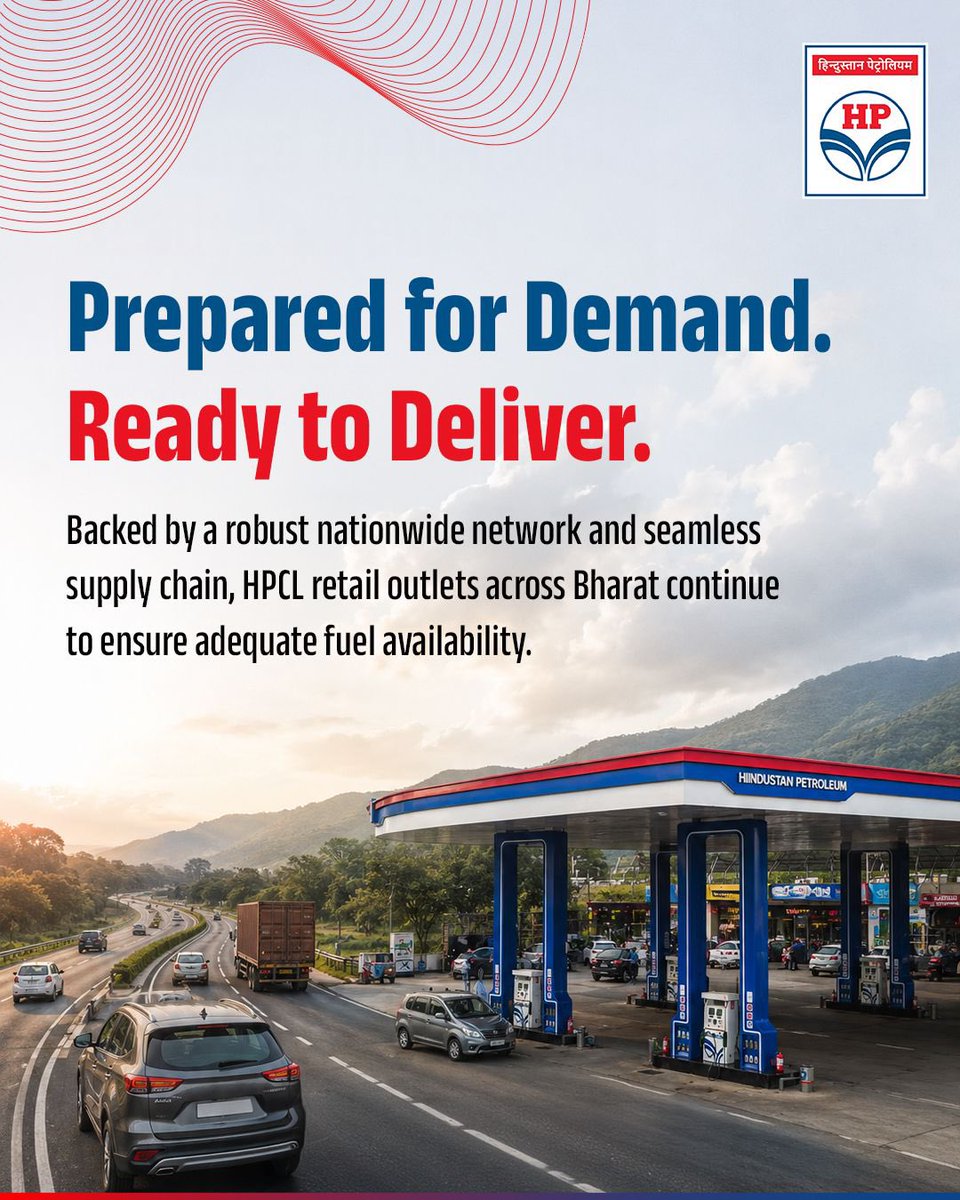

When India is on the move, HPCL is already ahead.
Backed by a robust nationwide network and a seamless supply chain, HPCL retail outlets across Bharat continue to ensure adequate fuel availability, so that every vehicle, every journey, and every ambition that depends on fuel finds exactly what it needs, exactly when it needs it.
Prepared for demand. Ready to deliver. Every single day.
@HardeepSPuri @PetroleumMin @TheSureshGopi @Secretary_MoPNG @neerajmittalias
#HPCL #FuelAvailable #PreparedToDeliver #HPCLRetail #FuelingIndia #IndiaOnTheMove
1
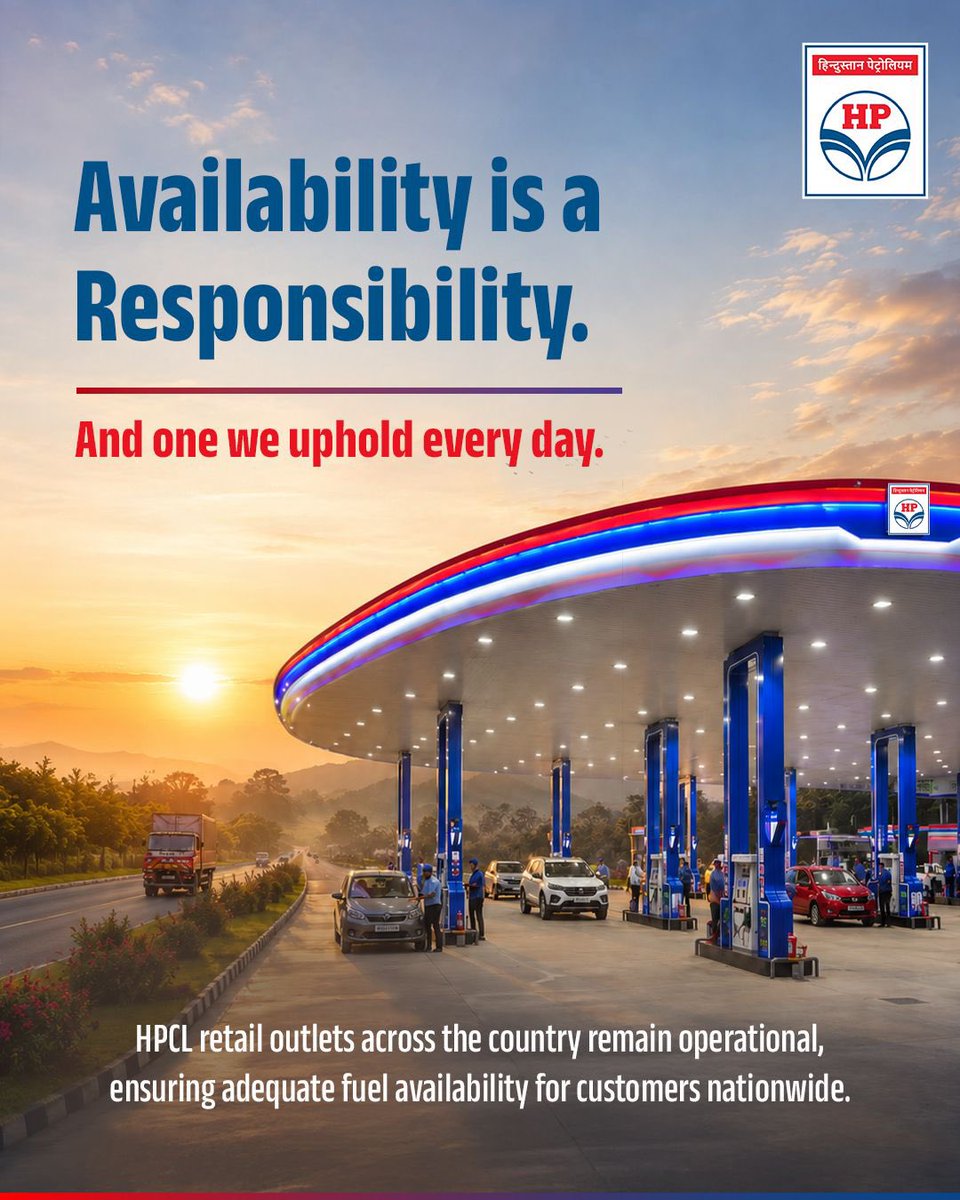
For a nation that never stops, fuel availability is not a feature, it is a responsibility.
HPCL retail outlets across the country remain operational, ensuring adequate fuel availability for every customer, every day, because millions of livelihoods, journeys, and ambitions depend on that one promise being kept without fail.
At HPCL, availability is not just what we offer. It is what we stand for.
@HardeepSPuri @PetroleumMin @TheSureshGopi @Secretary_MoPNG @neerajmittalias
#HPCL #FuelAvailable #AlwaysOperational #HPCLRetail #FuelingIndia #IndiaOnTheMove
1
7
213
Hindustan Petroleum Corporation Limited retweeted
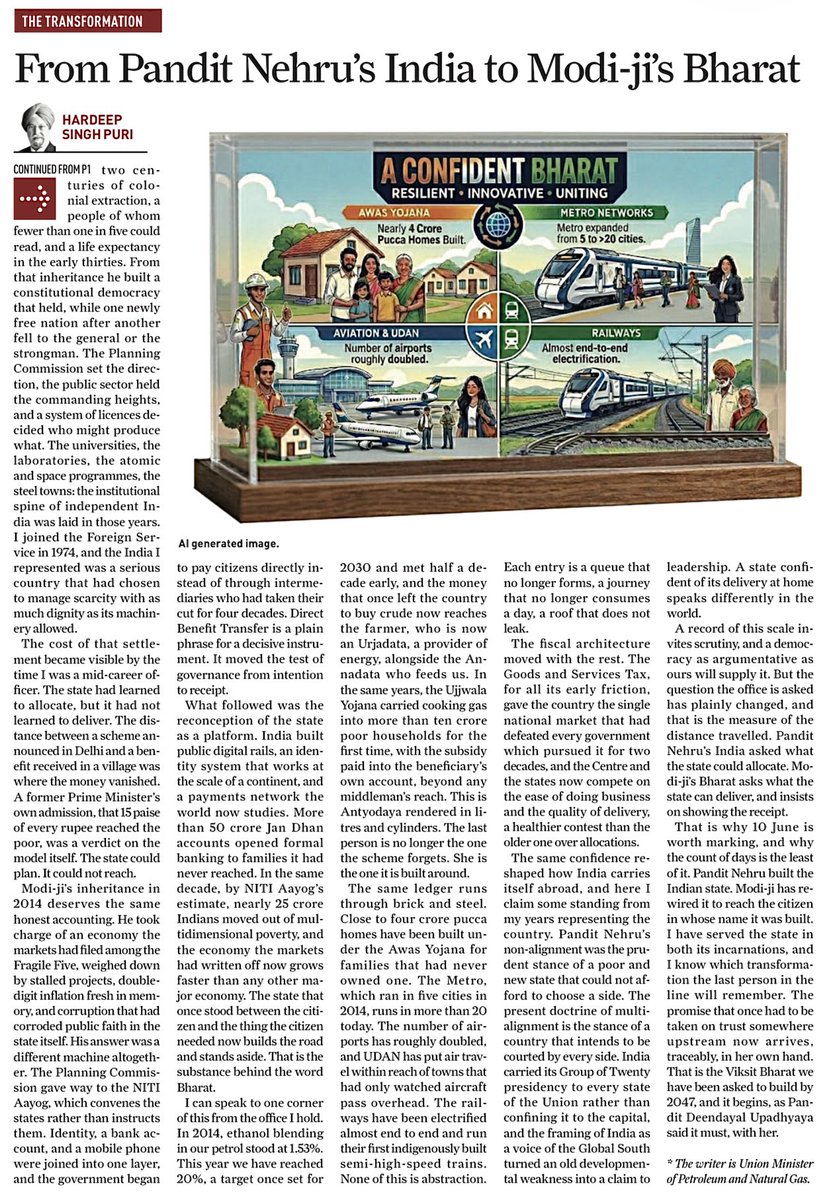
June 10th 2026, when PM Sh @narendramodi Ji became India’s longest serving elected PM, marked a watershed in the history of Independent India.
In 2014, Modi Ji inherited an India that was different from how we know it today, which was even more far removed from the one with Pandit Nehru at the helm and the one in which I served as an officer of IFS from 1974 onwards.
The India I represented was a serious country that had chosen to manage scarcity with as much dignity as its machinery allowed. The state had learned to allocate, but it had not learned to deliver. The distance between a scheme announced in Delhi and a benefit received in a village was where the money vanished. The state could plan, but it could not reach.
PM Modi Ji’s inheritance in 2014 deserves the same honest accounting which several of his predecessors were accorded.
He took charge of an economy the markets had filed among the Fragile Five, weighed down by stalled projects, double-digit inflation fresh in memory, and rampant corruption and scams. Modi Ji’s answer was a different machine altogether. The Planning Commission gave way to the NITI Aayog, which convenes the states rather than instructs them. Direct Benefit Transfer emerged as a decisive instrument to pay citizens directly instead of through intermediaries. It moved the test of governance from intention to receipt.
PM Modi Ji reconceptualised the state as a platform. India built public digital rails, an identity system, and a payments network the world now studies. More than 50 crore Jan Dhan accounts opened formal banking to families it had never reached. Nearly 25 crore Indians moved out of multidimensional poverty, and the economy now grows faster than any other major economy. The state that once stood between the citizen and the thing the citizen needed now builds the road and stands aside. That is the substance behind the word Bharat.
In 2014, ethanol blending in our petrol stood at 1.53%. This year we have reached 20%, a target once set for 2030 and met half a decade early, and the money that once left the country to buy crude now reaches the farmer, who is now an Urjadata, alongside the Annadata who feeds us. PM Ujjwala Yojana carried cooking gas into more than 10 crore poor households. This is Antyodaya rendered in litres and cylinders. The last person is no longer the one the scheme forgets. She is the one it is built around even as the government now focuses on women-led development instead of just being women-centric.
My piece in the @SundayGuardian today…
@PMOIndia @PIB_India @MIB_India @PetroleumMin @mygovindia @transformIndia
8
119
138
1,180
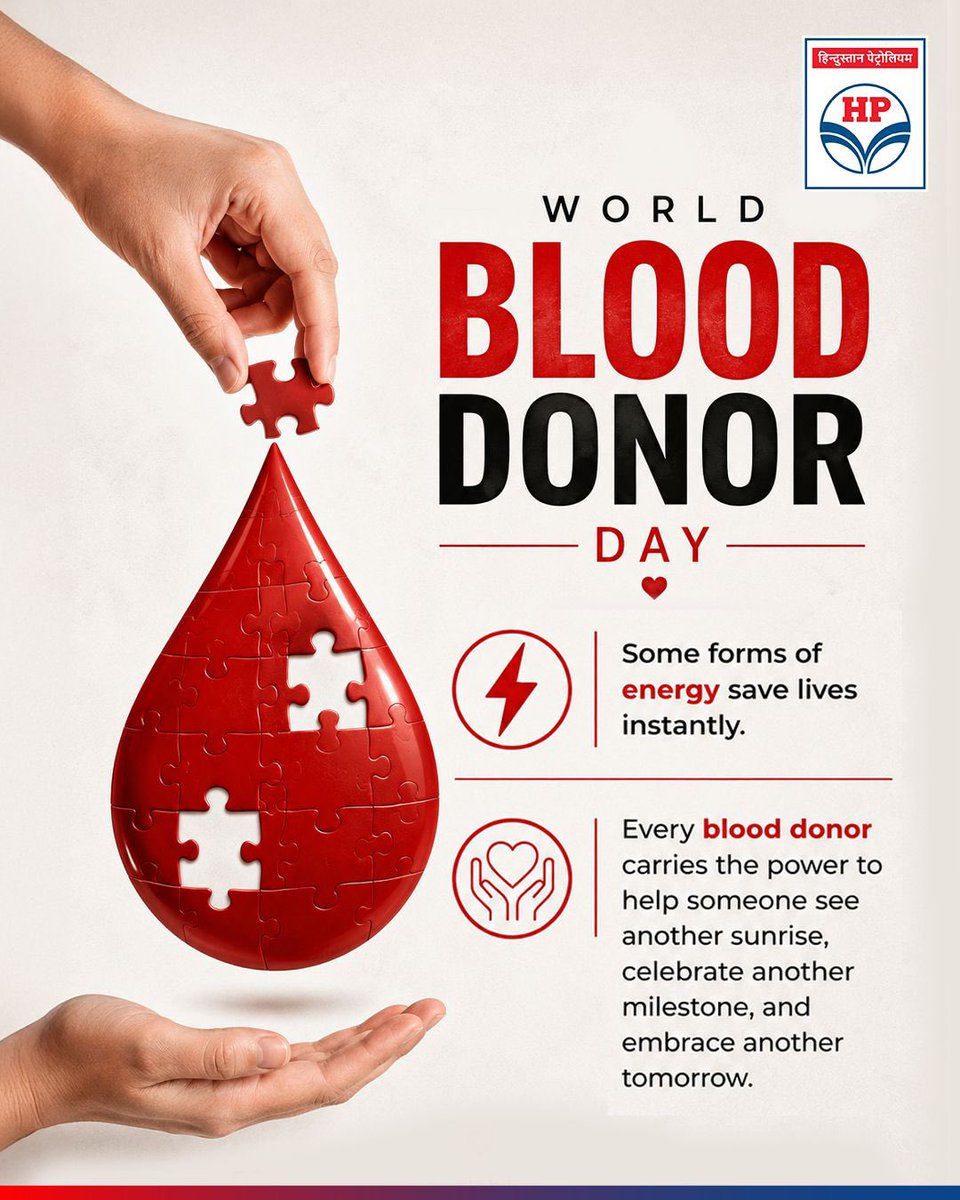
Some forms of energy don’t come from a pump, they come from the human heart.
On World Blood Donor Day, HPCL salutes every individual who has chosen to give the most precious gift one can offer, the chance for another person to see another sunrise, reach another milestone, and embrace another tomorrow. A single donation. A lifetime of difference.
Because the most powerful energy is the one that saves a life.
@HardeepSPuri @PetroleumMin @TheSureshGopi @Secretary_MoPNG @neerajmittalias
#HPCL #WorldBloodDonorDay #BloodDonation #DonateBlood
1
3
6
177
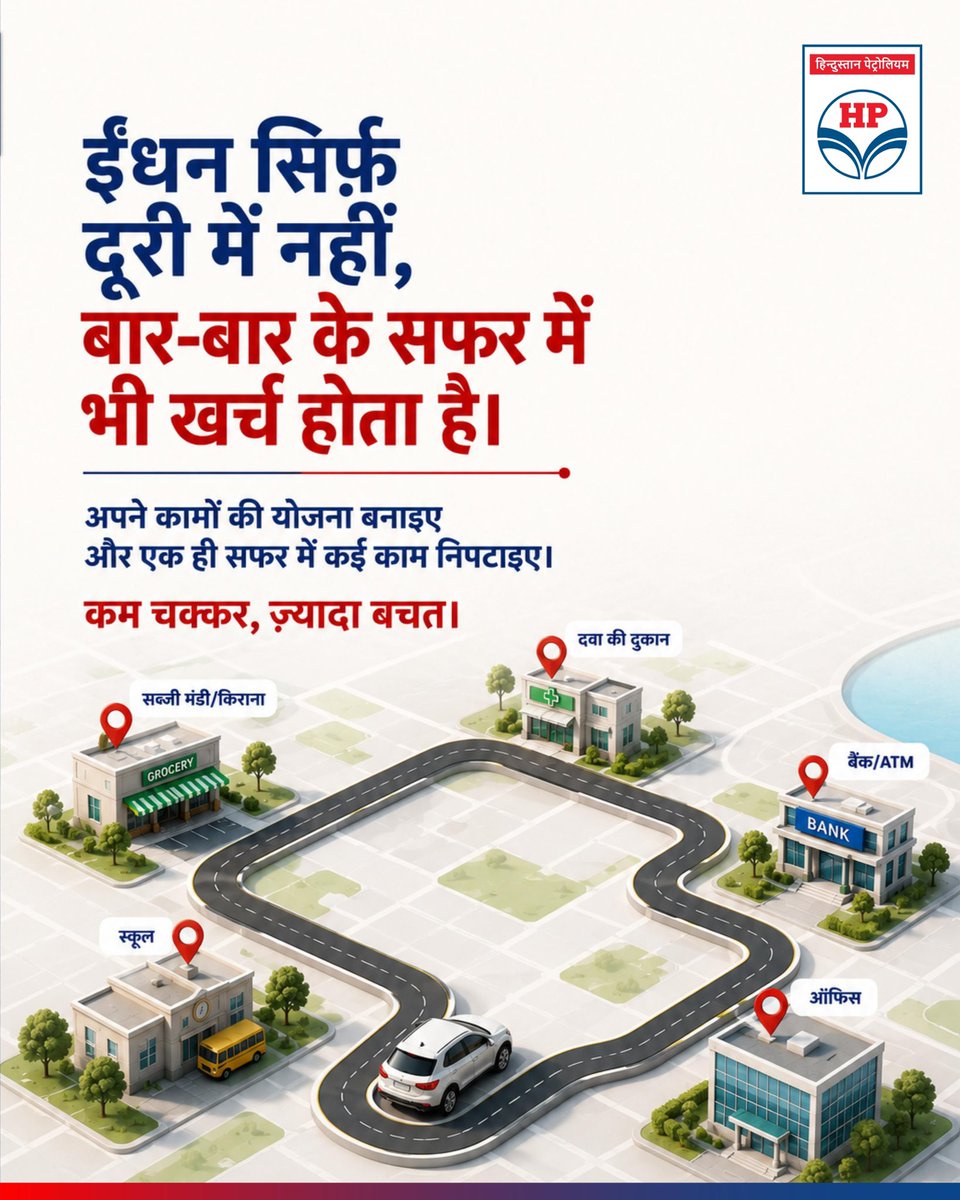
हर बार निकलने में ईंधन खर्च होता है, चाहे रास्ता छोटा हो या लंबा।
स्कूल, किराना, दवाई, बैंक, दफ्तर, अगर इन सभी कामों की पहले से योजना बना ली जाए और एक ही सफर में निपटा लिया जाए, तो न सिर्फ ईंधन की बचत होती है बल्कि समय भी बचता है। क्योंकि समझदार सफर वही है जो कम चक्करों में ज़्यादा काम कर दे।
कम चक्कर। ज़्यादा बचत। HPCL के साथ स्मार्ट सफर।
@HardeepSPuri @PetroleumMin @TheSureshGopi @Secretary_MoPNG @neerajmittalias
#HPCL #FuelSaving #EindhanBachao #SmartDriving #FuelingIndia #IndiaOnTheMove
3
7
767
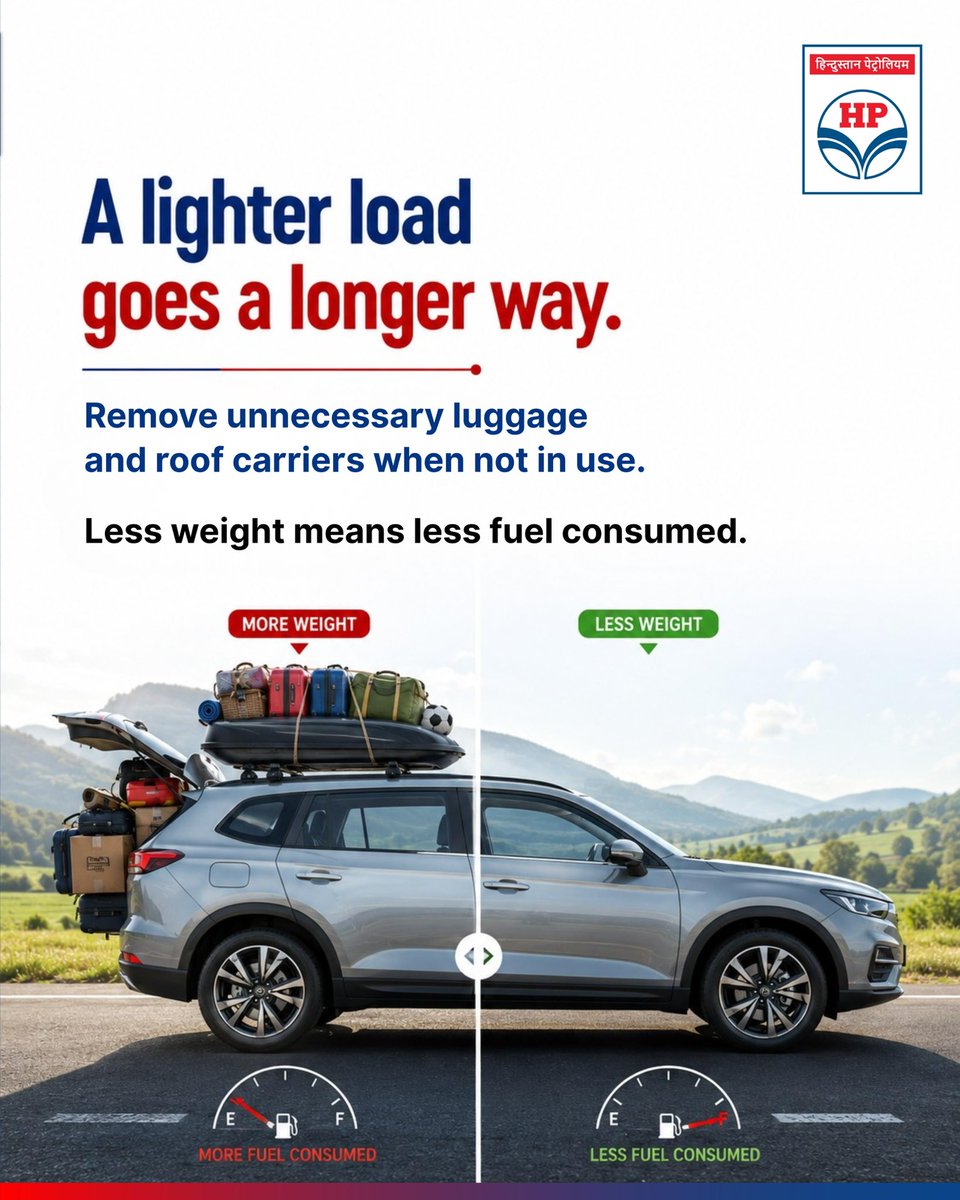
Your car carries what you load it with, and your fuel tank feels every extra kilogram.
Unnecessary luggage, unused roof carriers, and extra weight quietly increase your vehicle’s fuel consumption on every trip. Removing what you don’t need before you drive is one of the easiest fuel-saving habits you can build, no cost, no effort, just a lighter load and a longer run on every tank.
Travel light. Save more. Drive smarter with HPCL.
@HardeepSPuri @PetroleumMin @TheSureshGopi @Secretary_MoPNG @neerajmittalias
#HPCL #FuelSaving #FuelEfficiency #SmartDriving #DriveSmarter #FuelingIndia #IndiaOnTheMove
1
3
256
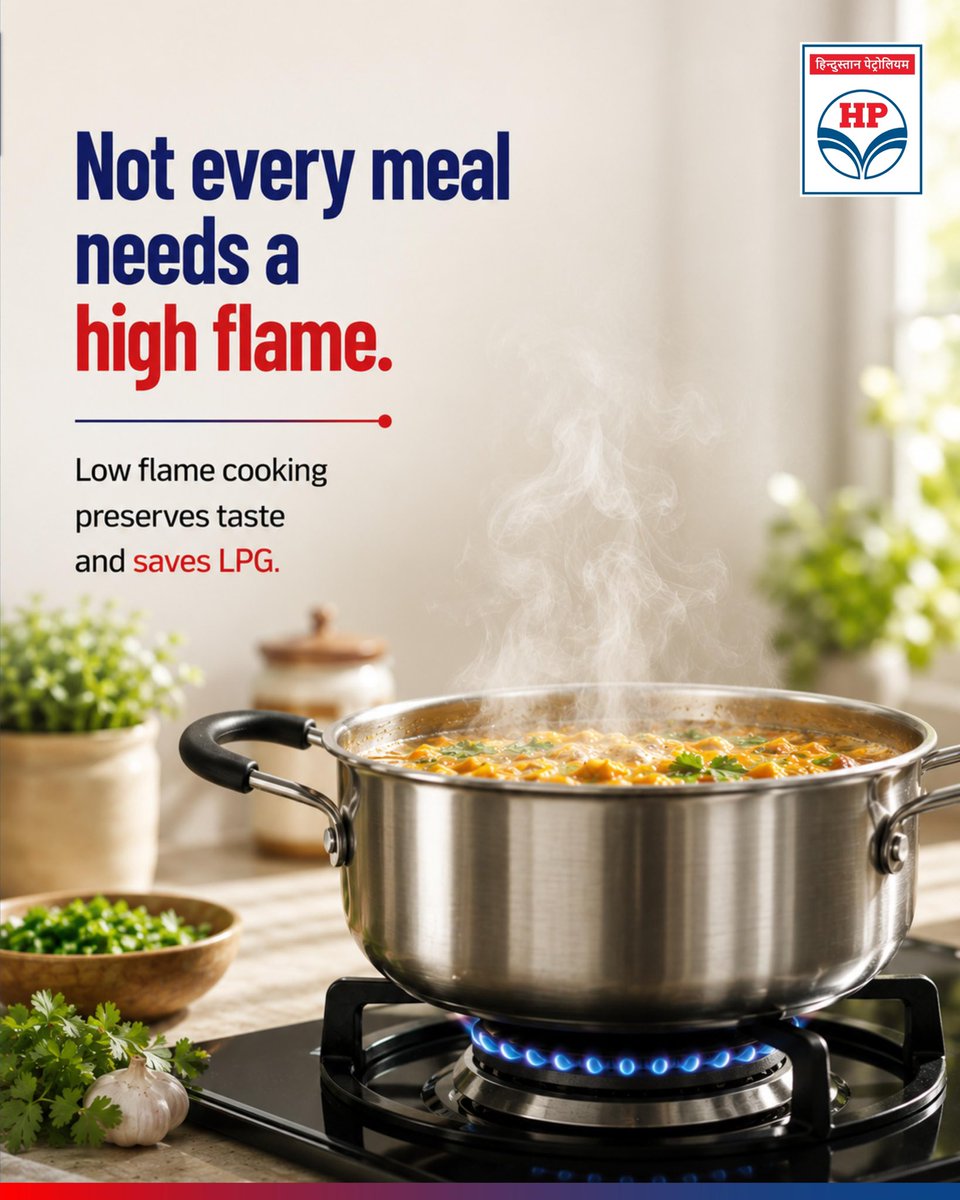
High flames aren’t always necessary. Cooking on low to medium heat helps retain flavour and nutrients while using LPG more efficiently.
A little patience in the kitchen can go a long way in saving fuel and reducing unnecessary energy consumption.
Cook smart. Save LPG.
@HardeepSPuri @PetroleumMin @TheSureshGopi @Secretary_MoPNG @neerajmittalias
#FuelSavingTips #SaveLPG #SmartCooking #EnergyEfficiency #HPCL
2
1
6
254
HPCL would like to clarify the facts regarding recent media reports concerning Parivar HP Gas Agency, Yadgir.
During June 2026 (up to June 12, 2026), the distributor delivered 8,238 refill cylinders against 8,670 refill bookings received. The current backlog stands at 1,742 bookings, equivalent to only 3.6 days of sales, with no booking pending beyond seven days. Adequate LPG stock is available with the distributorship to meet customer demand.
Further, the distributor has maintained over 95% OTP-based delivery authentication, ensuring transparency, accountability, and efficient delivery management.
The above figures clearly indicate stable LPG availability and smooth functioning of the distribution network.
HPCL remains committed to providing timely doorstep LPG deliveries, maintaining high standards of customer service, and addressing consumer concerns through established grievance redressal mechanisms.
@HardeepSPuri @PetroleumMin @TheSureshGopi @Secretary_MoPNG @neerajmittalias
#HPCL #HPGas #LPG #ReliableSupply #CustomerService #EnergySecurity #Yadgir #DeliveringHappiness
10
1
9
892
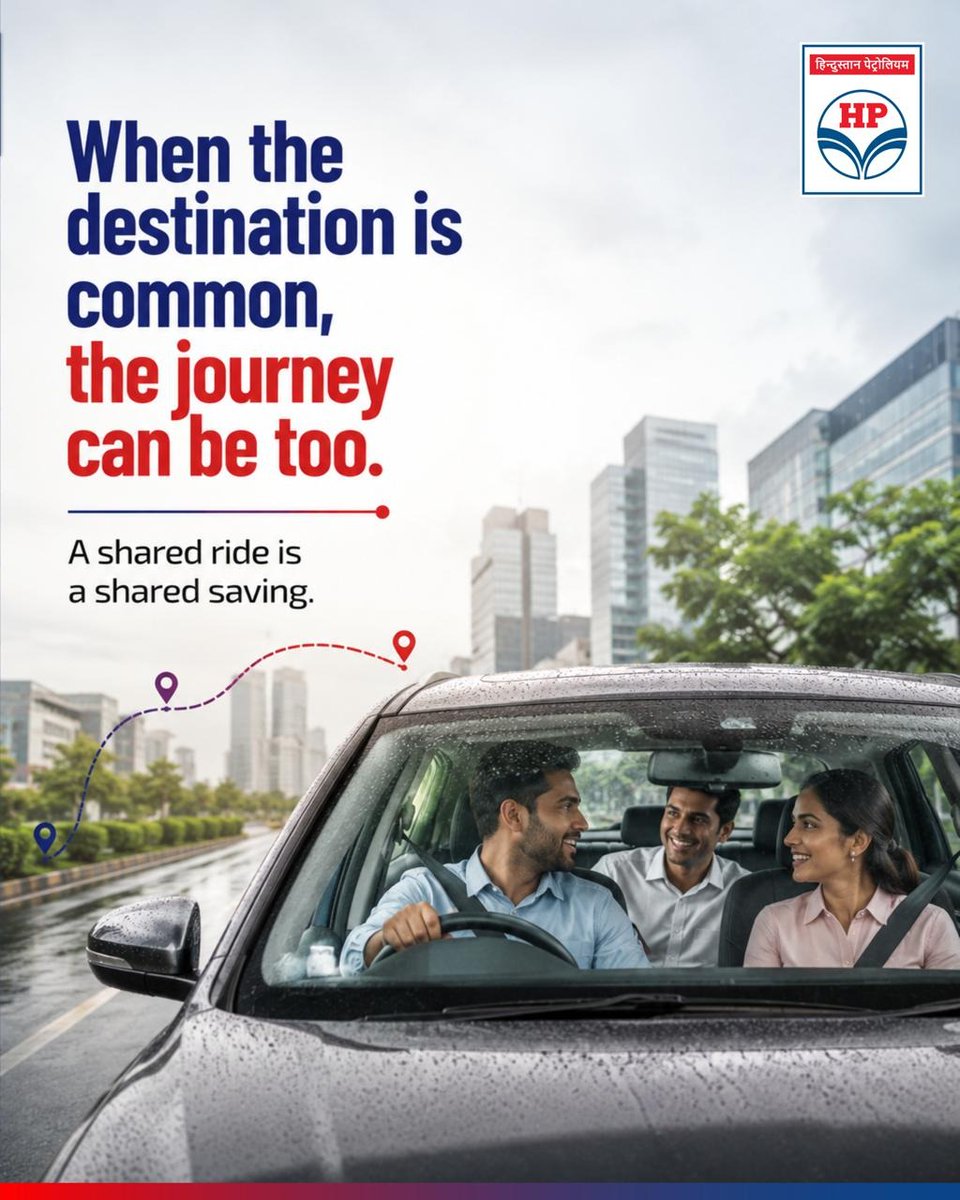
Every shared ride is a small step towards smarter fuel use. By carpooling with colleagues, friends, or neighbours, we can reduce fuel consumption, ease traffic congestion, and lower emissions making every journey more efficient for everyone.
Choose to share the ride. Choose to save.
@HardeepSPuri @PetroleumMin @TheSureshGopi @Secretary_MoPNG @neerajmittalias
#FuelSavingTips #Carpooling #DriveSmart #EnergyConservation #HPCL
1
2
12
471
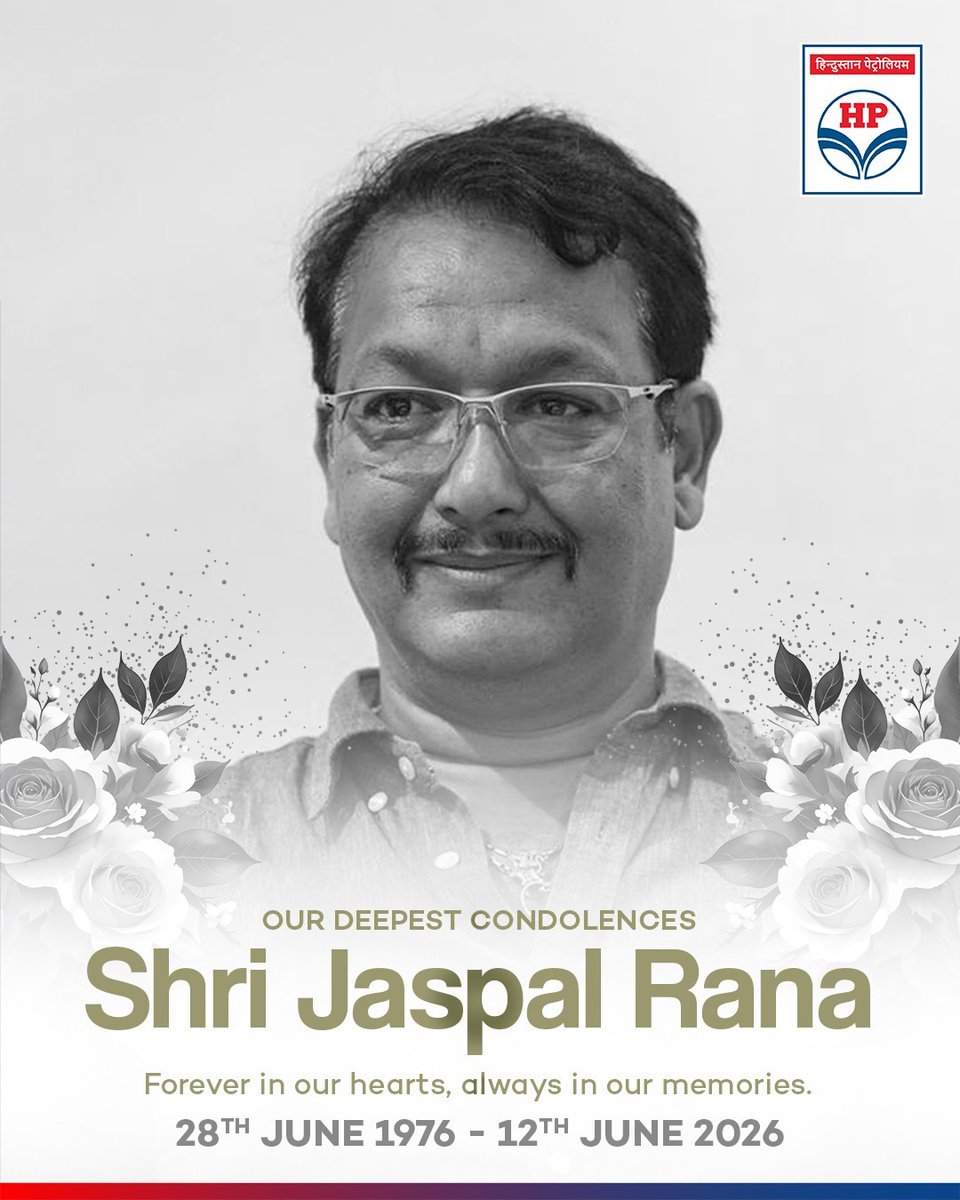
With profound sorrow, we mourn the passing of Shri Jaspal Rana, proprietor of M/s Jaspal Rana Bullseye Service Station, Nainbagh, Tehri Garhwal.
A legendary sportsperson and an inspiring mentor, Shri Rana’s contributions to Indian shooting earned him the nation’s highest honours, including the Padma Shri, Arjuna Award, and Dronacharya Award. His legacy of excellence and dedication will continue to inspire generations.
The HPCL family extends its heartfelt condolences to his family and loved ones during this difficult time. May his soul rest in peace.
@HardeepSPuri @PetroleumMin @TheSureshGopi @Secretary_MoPNG @neerajmittalias
#HPCL #JaspalRana #Tribute #RememberingALegend #OmShanti
1
6
15
736
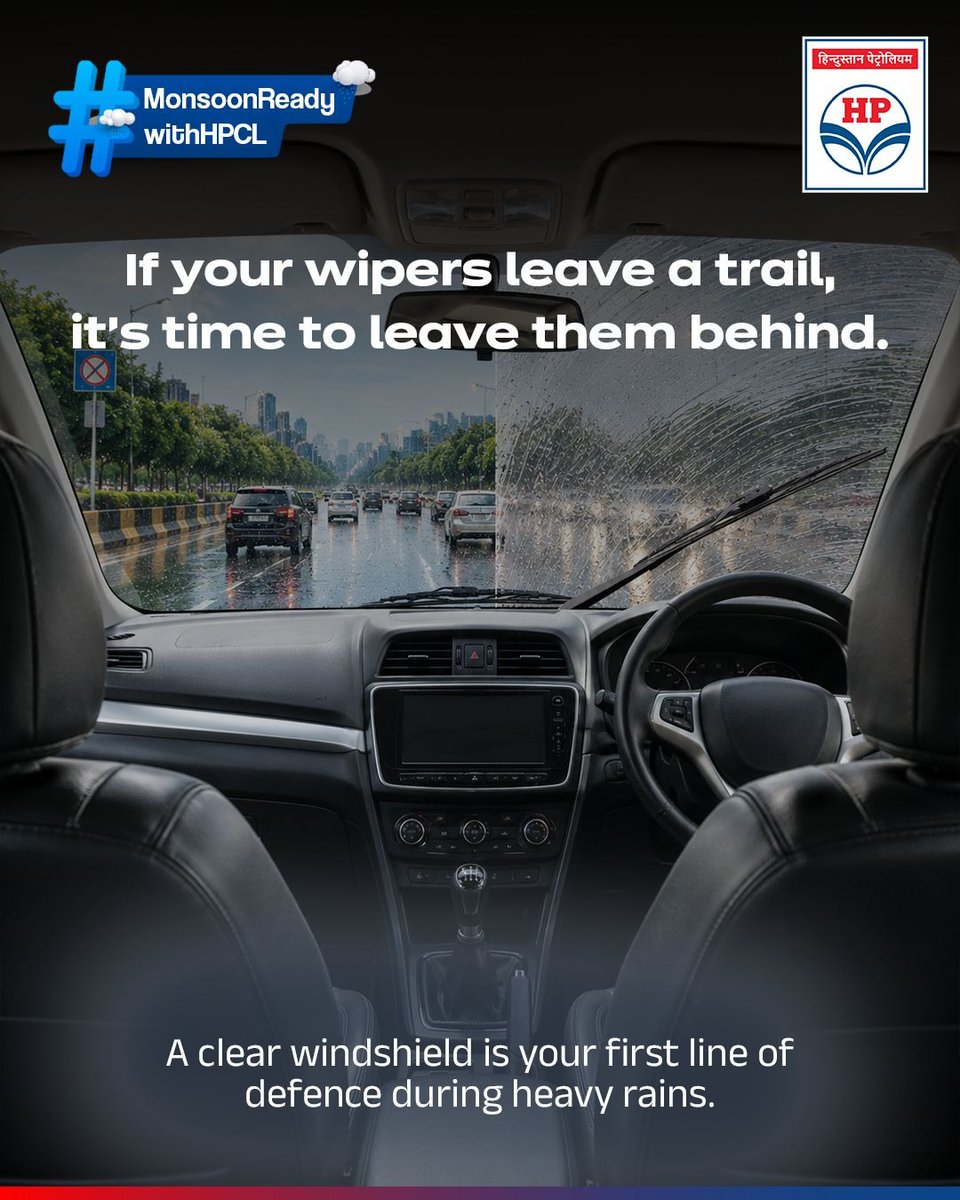
Clear visibility is your first step towards a safer monsoon drive.
As the rains arrive, worn-out wipers can leave streaks, reduce visibility and make every journey riskier. Get your windshield wipers checked and replaced if needed, so you can stay prepared for sudden showers, heavy rains and changing road conditions.
This monsoon, don’t let unclear vision come in the way of a safe drive.
@HardeepSPuri @PetroleumMin @TheSureshGopi @Secretary_MoPNG @neerajmittalias
#MonsoonReadyWithHPCL #MonsoonSafety #RoadSafety #SafeDriving #VehicleCare #HPCL
1
2
10
396
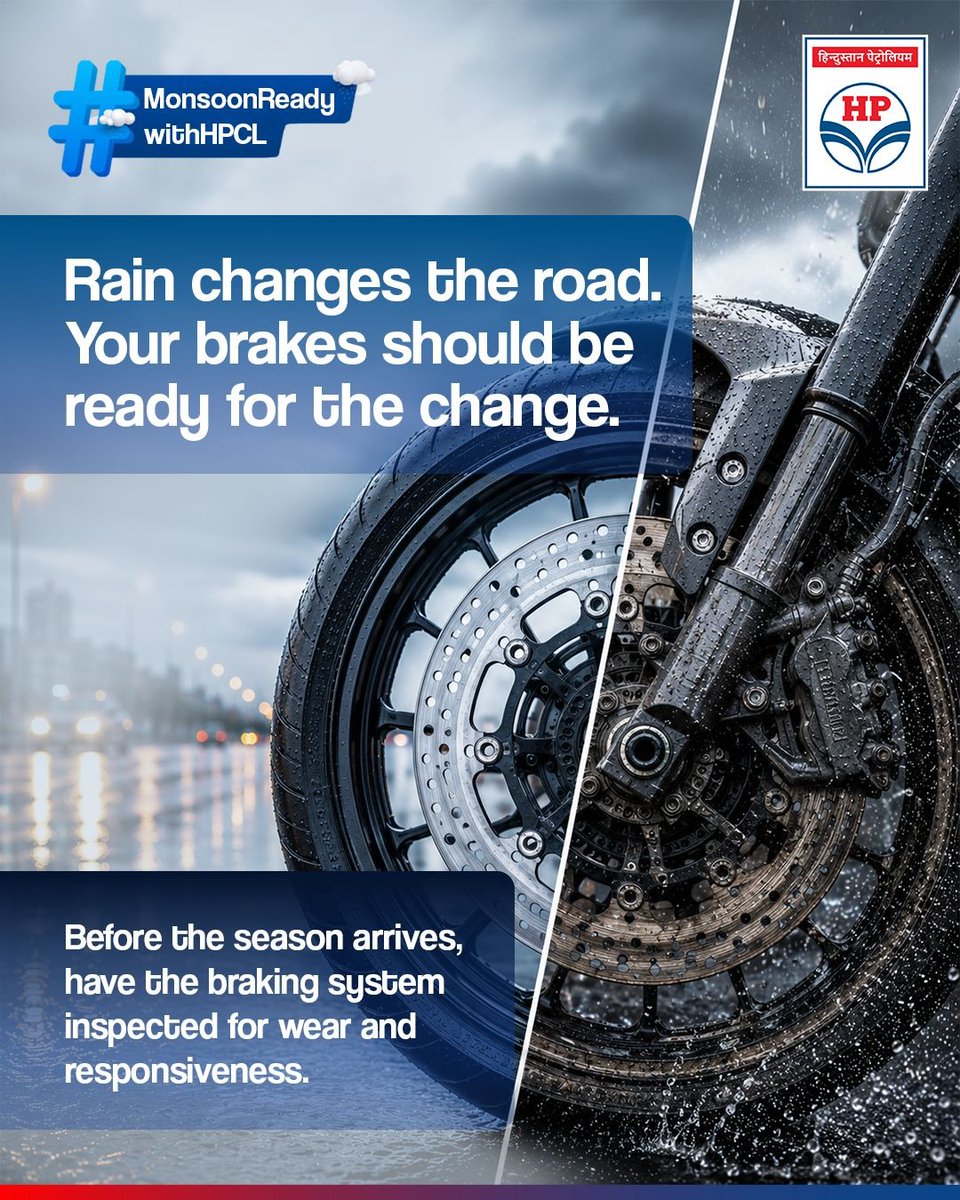
Monsoon roads can be unpredictable. Wet surfaces, reduced visibility and sudden braking situations can make every ride more challenging than usual.
Before the rainy season arrives, take a moment to ensure your vehicle is truly monsoon-ready. Get the braking system inspected for wear, responsiveness and overall performance, so you can ride with better control and confidence even when the roads change.
Because when the rain changes the road, your brakes should be ready for the change.
@HardeepSPuri @PetroleumMin @TheSureshGopi @Secretary_MoPNG @neerajmittalias
#MonsoonReadyWithHPCL #RoadSafety #MonsoonCare #SafeRide #BrakingSafety #HPCL
2
11
404
Hindustan Petroleum Corporation Limited retweeted

Jun 12
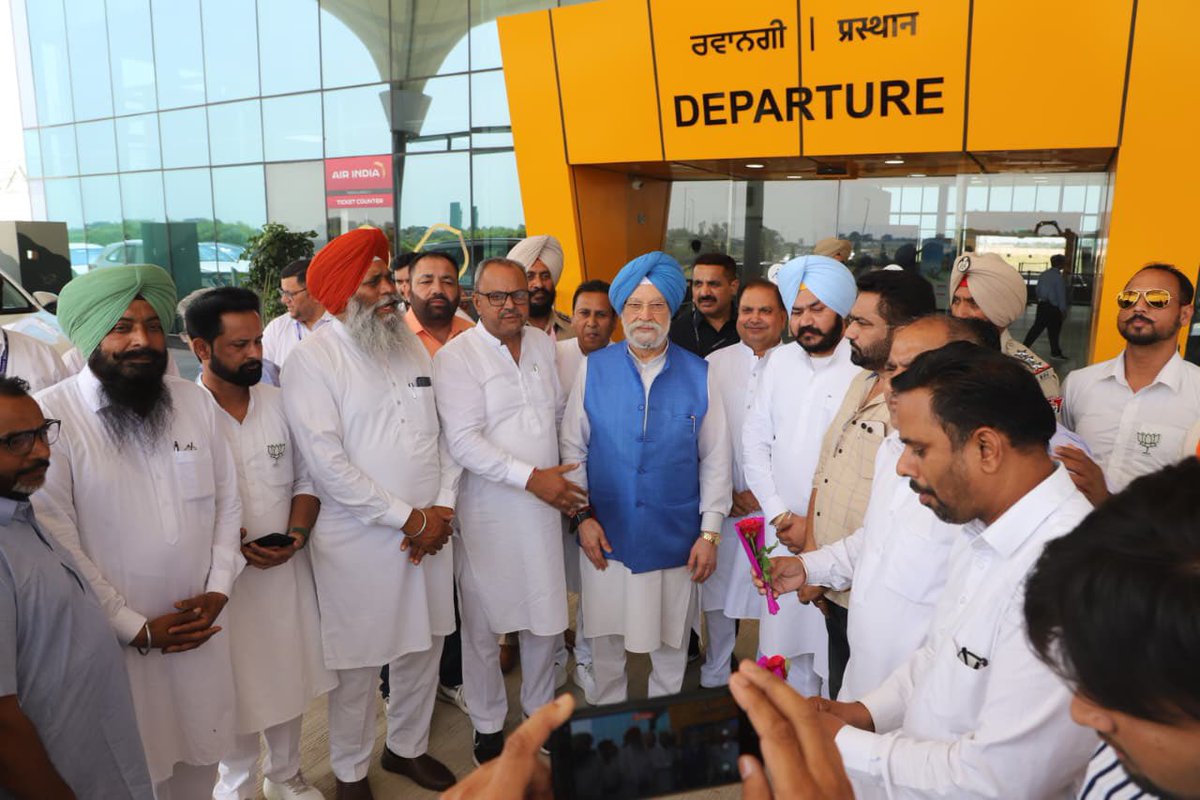
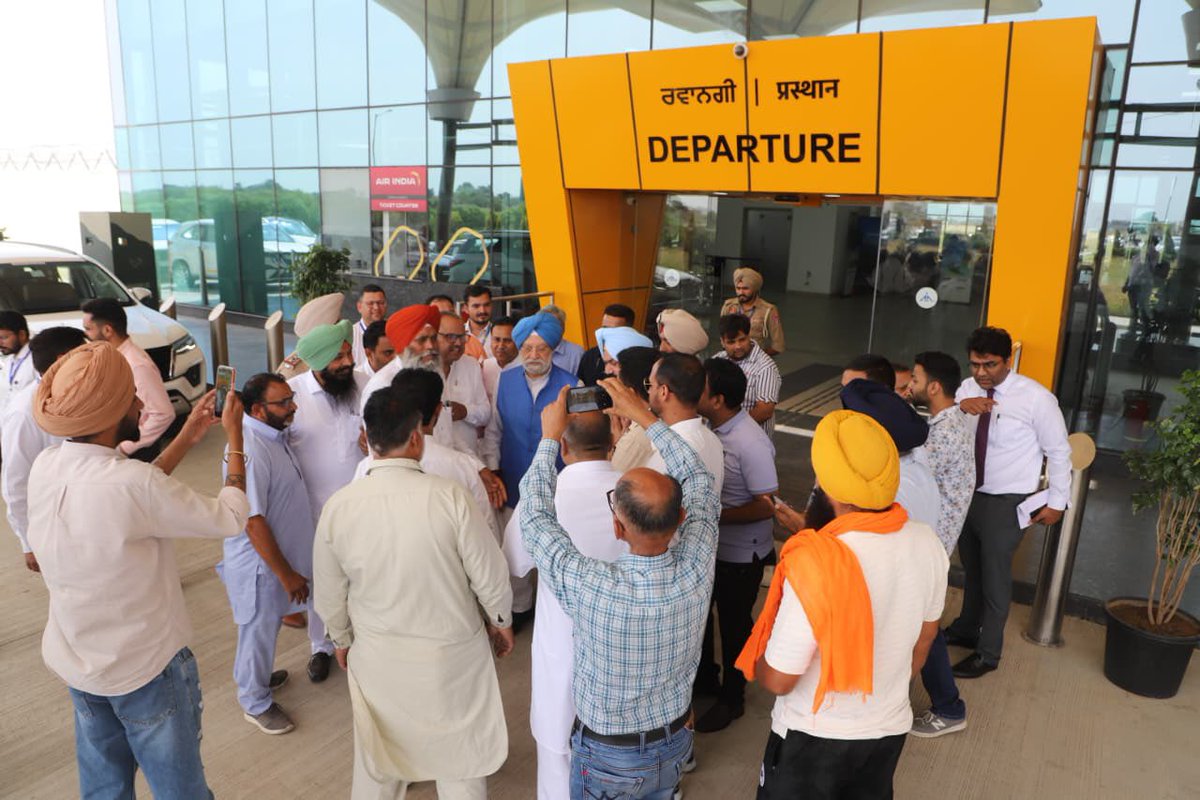
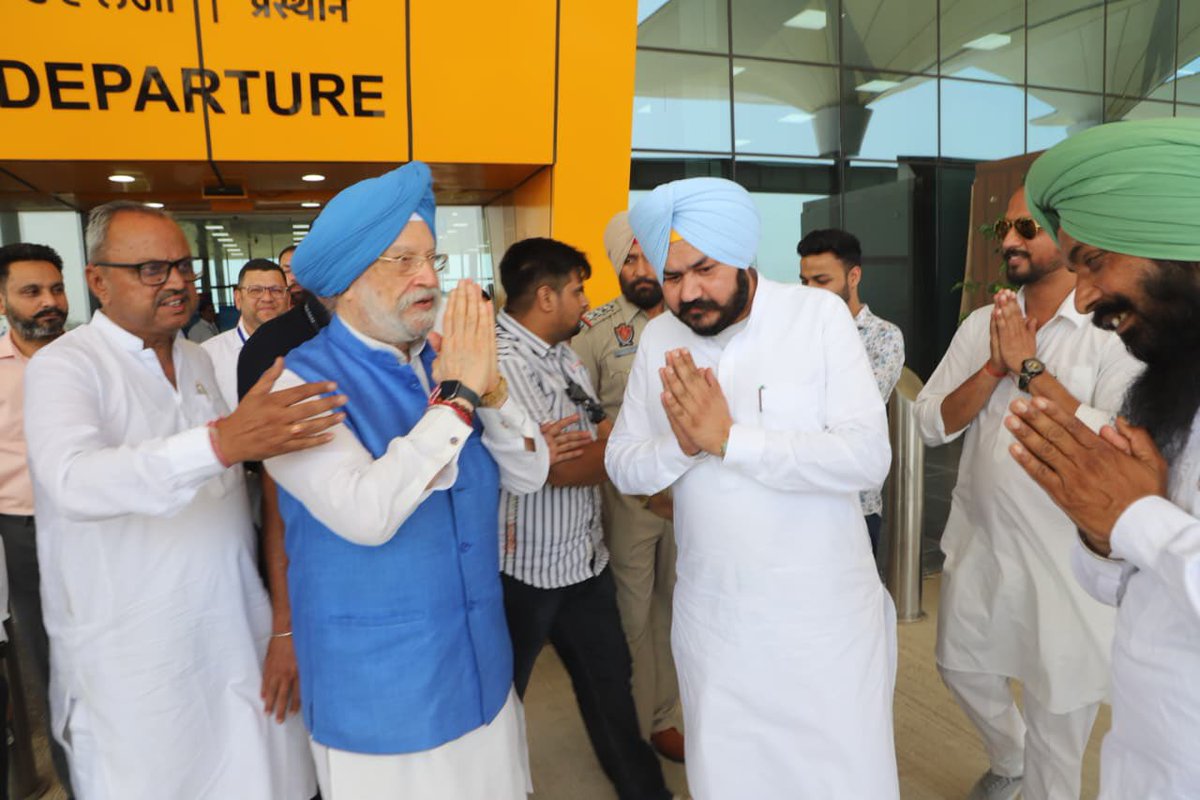
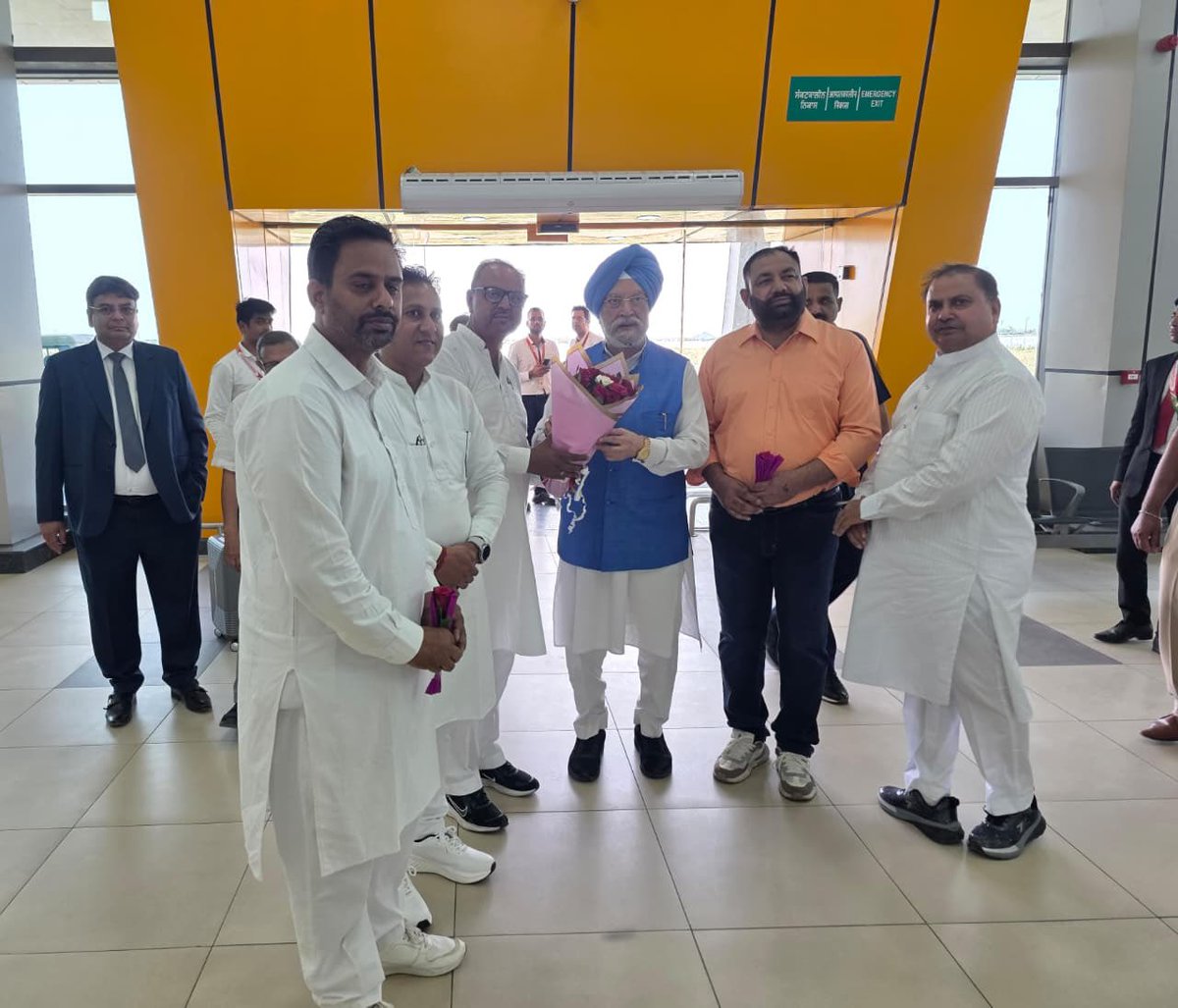
Received a warm welcome by enthusiastic party Karyakartas and the airport officials at Halwara International Airport in Ludhiana today.
@BJP4India @BJPLive @PIB_India @aaildhairport @AAI_Official
1
26
100
2,069
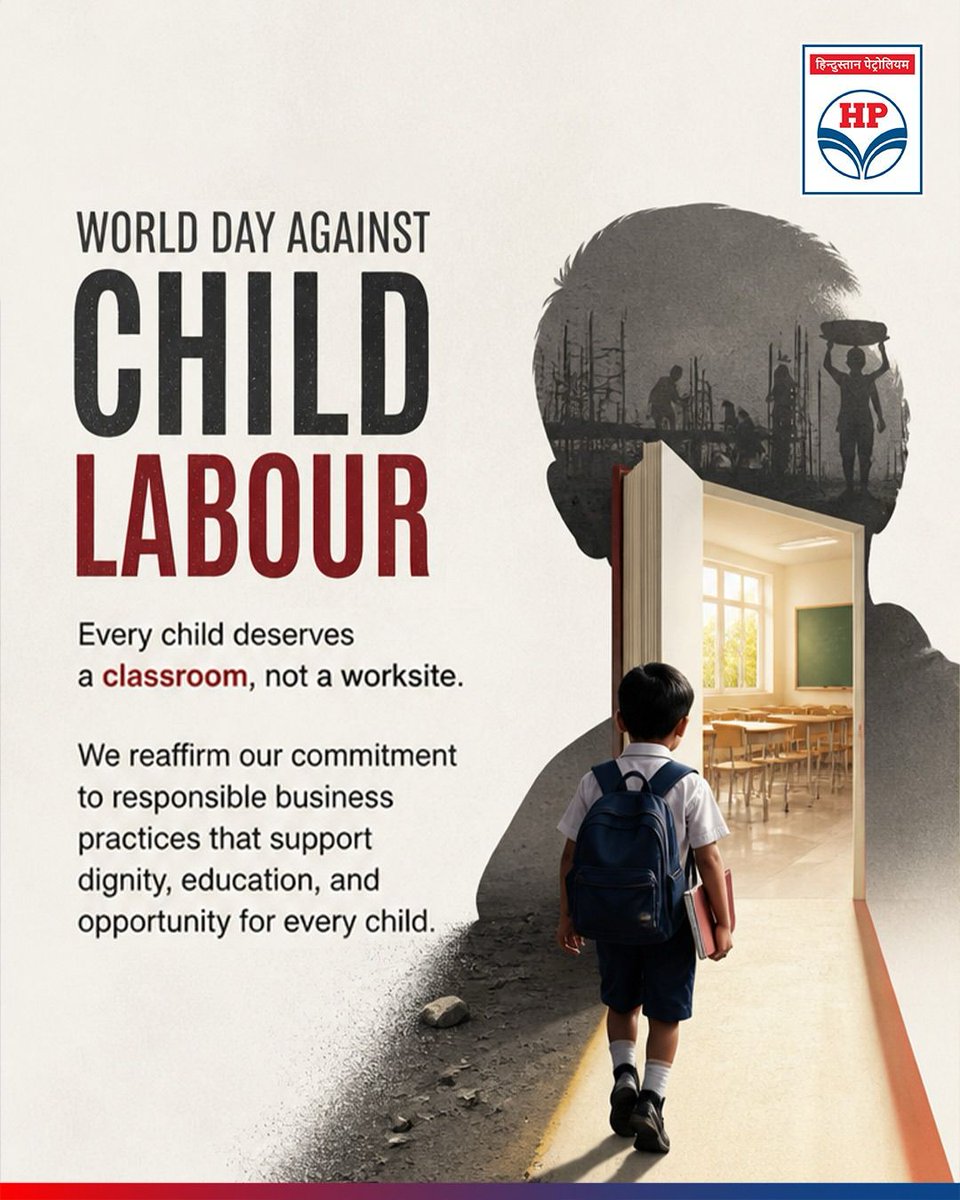
Every child deserves a childhood filled with learning, hope and opportunity, not labour. On World Day Against Child Labour, HPCL stands in solidarity with the global effort to eliminate child labour and ensure that every child has access to education, dignity and a brighter future.
We believe that children belong in classrooms, on playgrounds and among dreams that inspire them, not in workplaces that deprive them of their rights. Through responsible business practices and a commitment to ethical values, we reaffirm our support for creating a society where every child can grow, learn and thrive.
Together, let us work towards a future where no child is forced to choose work over education, and every young mind is empowered to realise its full potential.
@HardeepSPuri @PetroleumMin @TheSureshGopi @Secretary_MoPNG @neerajmittalias
#WorldDayAgainstChildLabour #EndChildLabour #ChildRights #EducationForAll #HPCL
3
8
246
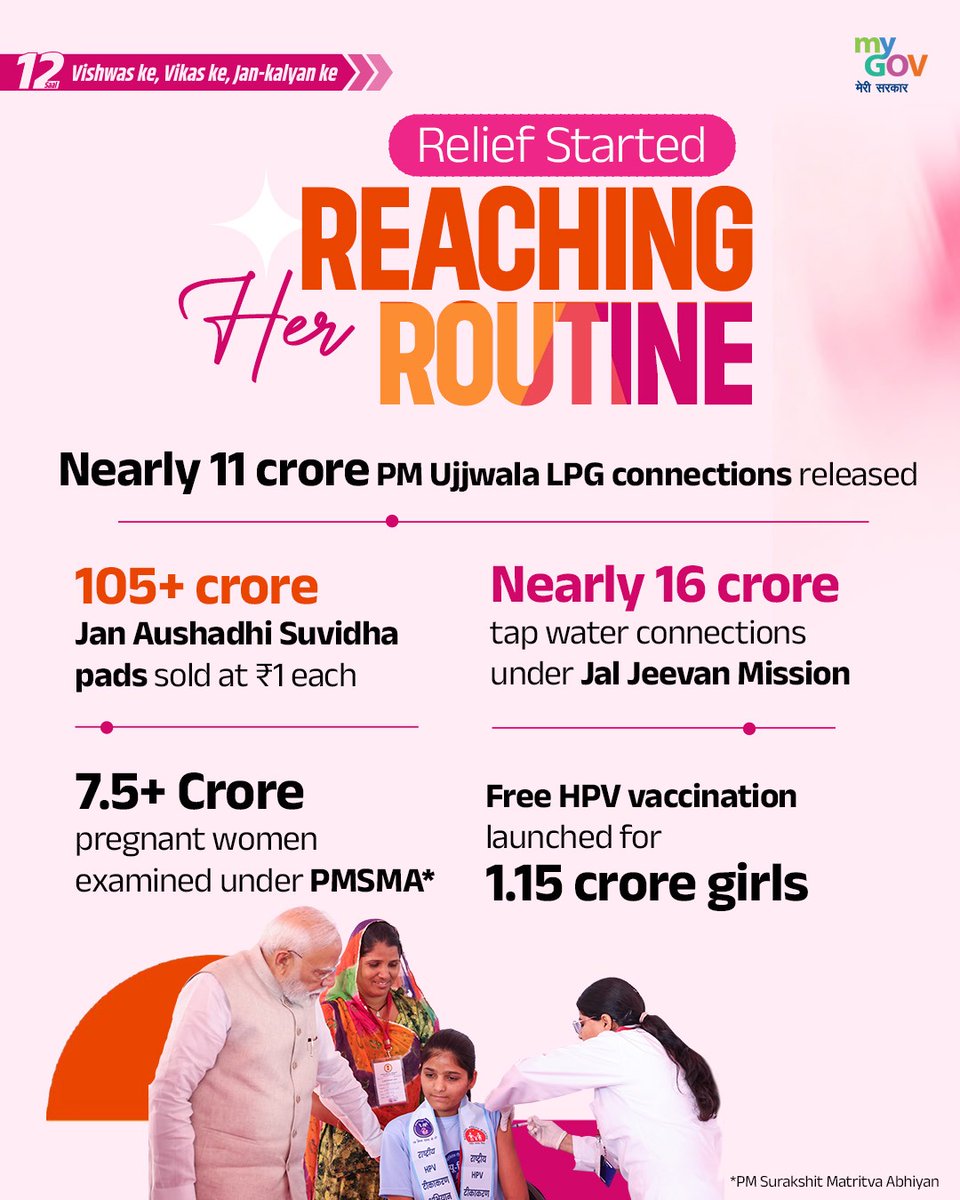
Over the last 12 years, targeted welfare initiatives have strengthened healthcare, hygiene, access to clean energy and basic amenities for millions of women across India.
From nearly 11 crore PM Ujjwala LPG connections and 16 crore tap water connections under Jal Jeevan Mission, to affordable sanitary pads, maternal healthcare support, and free HPV vaccination for girls, every step has been aimed at improving everyday lives and enabling healthier futures.
Driven by trust, development and people-centric governance, the journey towards a more inclusive India continues.
@HardeepSPuri @PetroleumMin @TheSureshGopi @Secretary_MoPNG @neerajmittalias
#PMUjjwalaYojana #JanKalyan #ViksitBharat #WomenEmpowerment #TransformingIndia
1
2
6
325
Hindustan Petroleum Corporation Limited retweeted
Jun 12
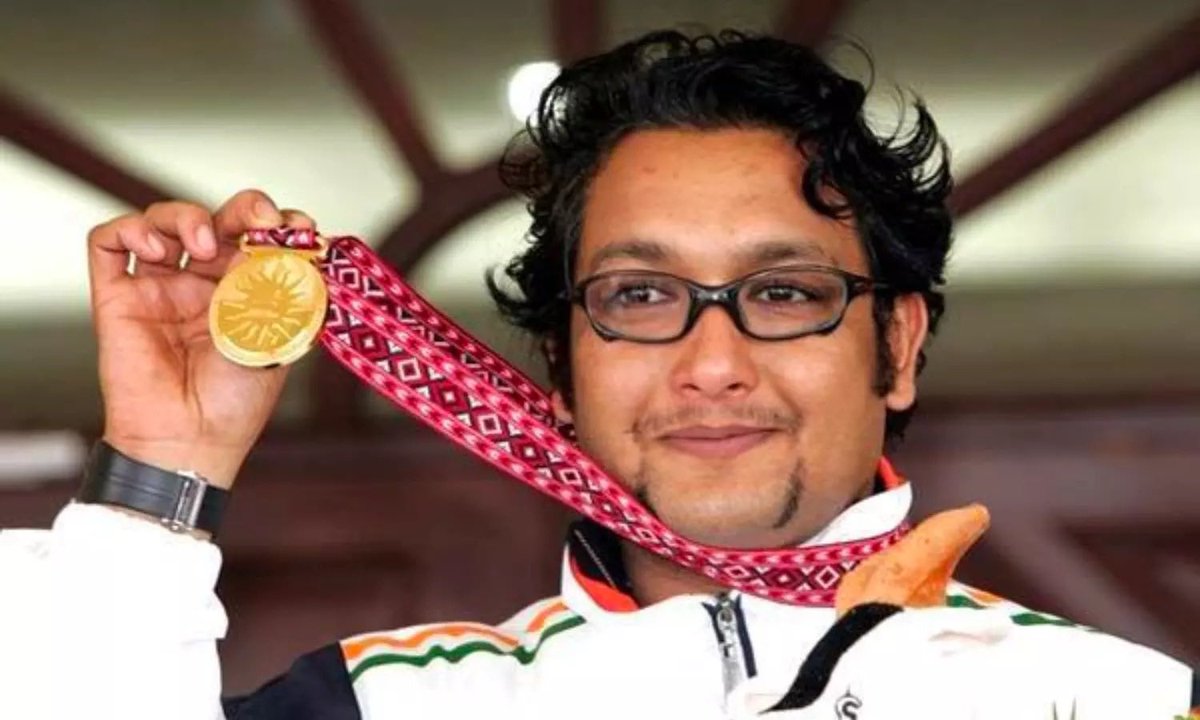
Deeply saddened by the shocking and untimely demise of the legendary shooter and coach Sh Jaspal Rana Ji.
A prodigal talent, he made his debut at the age of 12 and went on to win numerous Gold medals at CWG, Asian Games and other prestigious international events in his highly successful career. He will be remembered for his immense contribution to Indian sports as a player and a coach.
I offer heartfelt condolences to his family and friends.
Om Shanti.
12
28
122
4,177
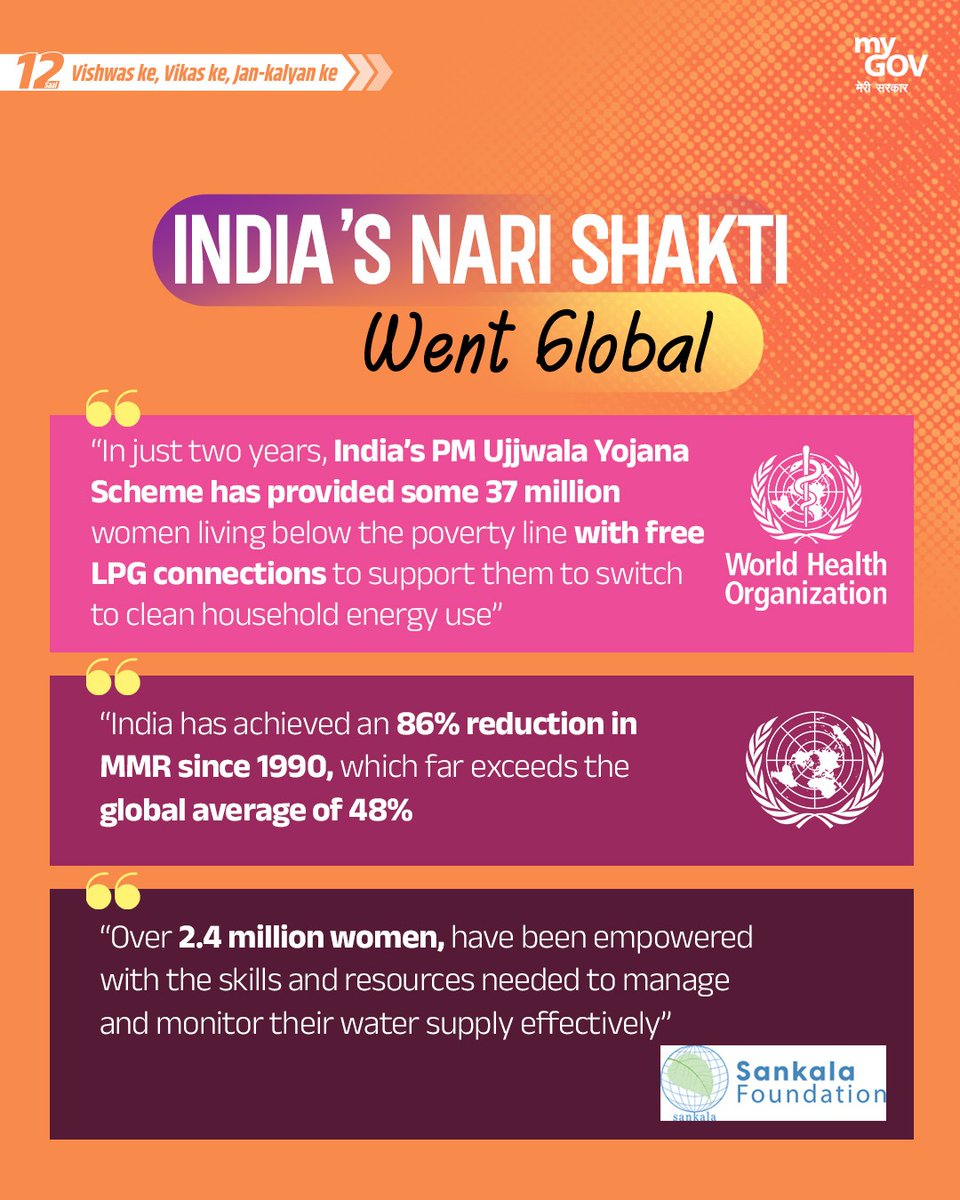
India’s women-led development initiatives are creating an impact that is being recognized across the world.
From expanding access to clean cooking fuel through PM Ujjwala Yojana, to remarkable improvements in maternal health and empowering women through community-led water management, India’s progress is a testament to the strength of its Nari Shakti.
Empowering women, transforming communities, and shaping a stronger future.
@HardeepSPuri @PetroleumMin @TheSureshGopi @Secretary_MoPNG @neerajmittalias
#NariShakti #PMUjjwalaYojana #WomenEmpowerment #ViksitBharat #JanKalyan
3
10
304
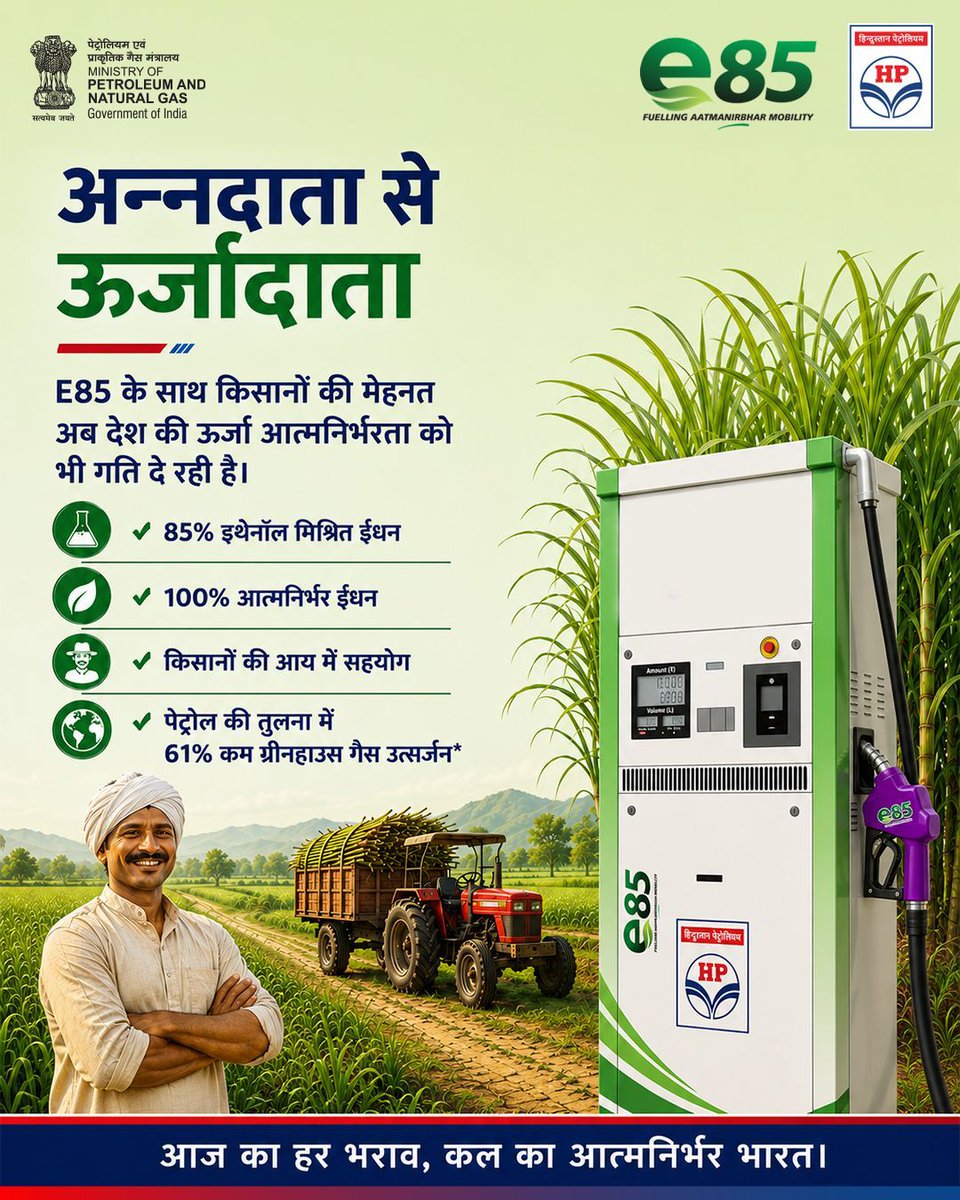
E85 के साथ किसानों की मेहनत अब केवल खेतों तक सीमित नहीं, बल्कि भारत की ऊर्जा आत्मनिर्भरता को भी नई गति दे रही है।
85% इथेनॉल मिश्रित ईंधन से बना E85 न केवल पेट्रोल के मुकाबले ग्रीनहाउस गैस उत्सर्जन को कम करने में सहायक है, बल्कि किसानों की आय बढ़ाने और आत्मनिर्भर भारत के संकल्प को सशक्त बनाने की दिशा में भी एक महत्वपूर्ण कदम है।
आज का हर भराव, कल का आत्मनिर्भर भारत।
#FillItGreen #FuelingAatmanirbharMobility
@HardeepSPuri @PetroleumMin @TheSureshGopi @Secretary_MoPNG @neerajmittalias
#E85 #AtmanirbharBharat #EnergyTransition #EthanolFuel
3
5
18
793
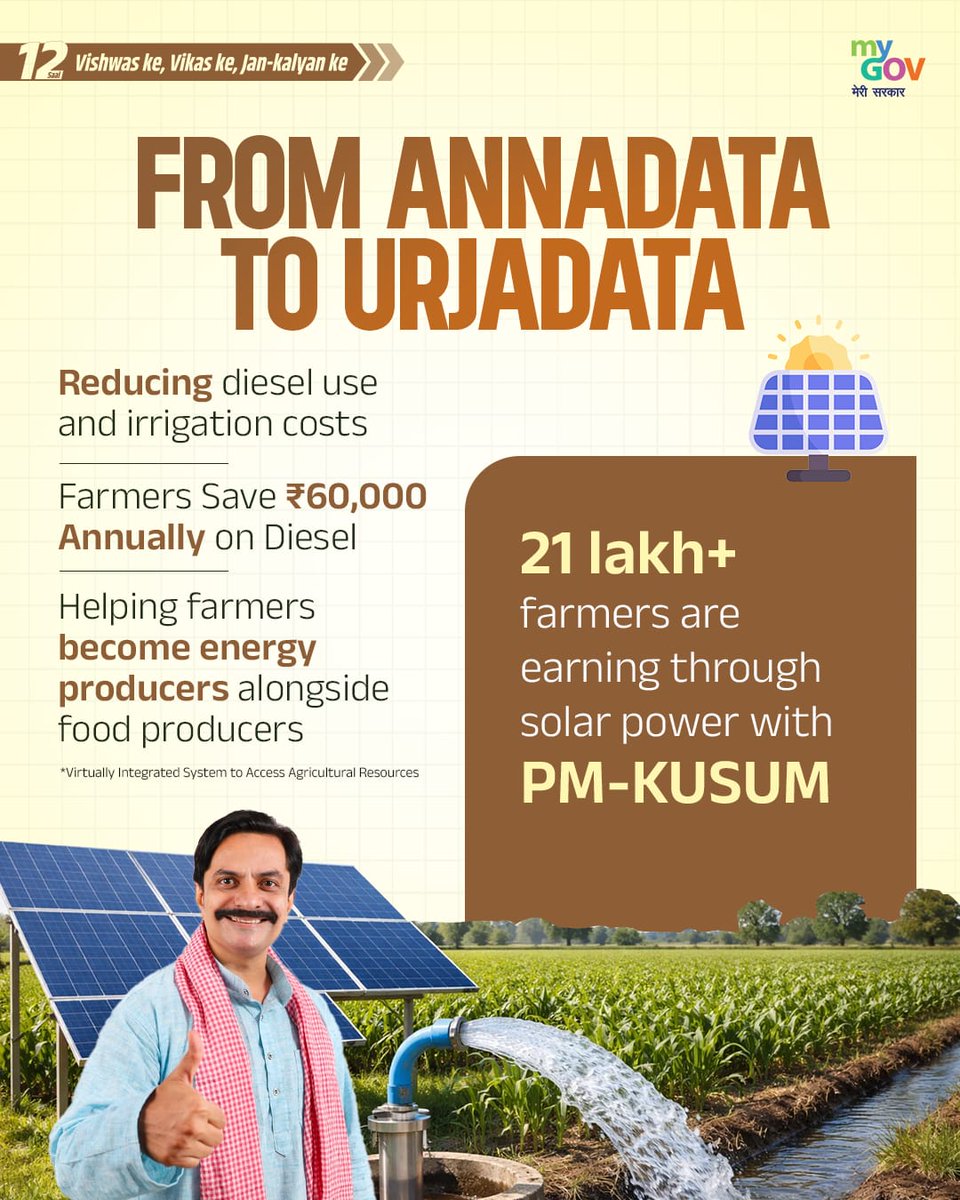
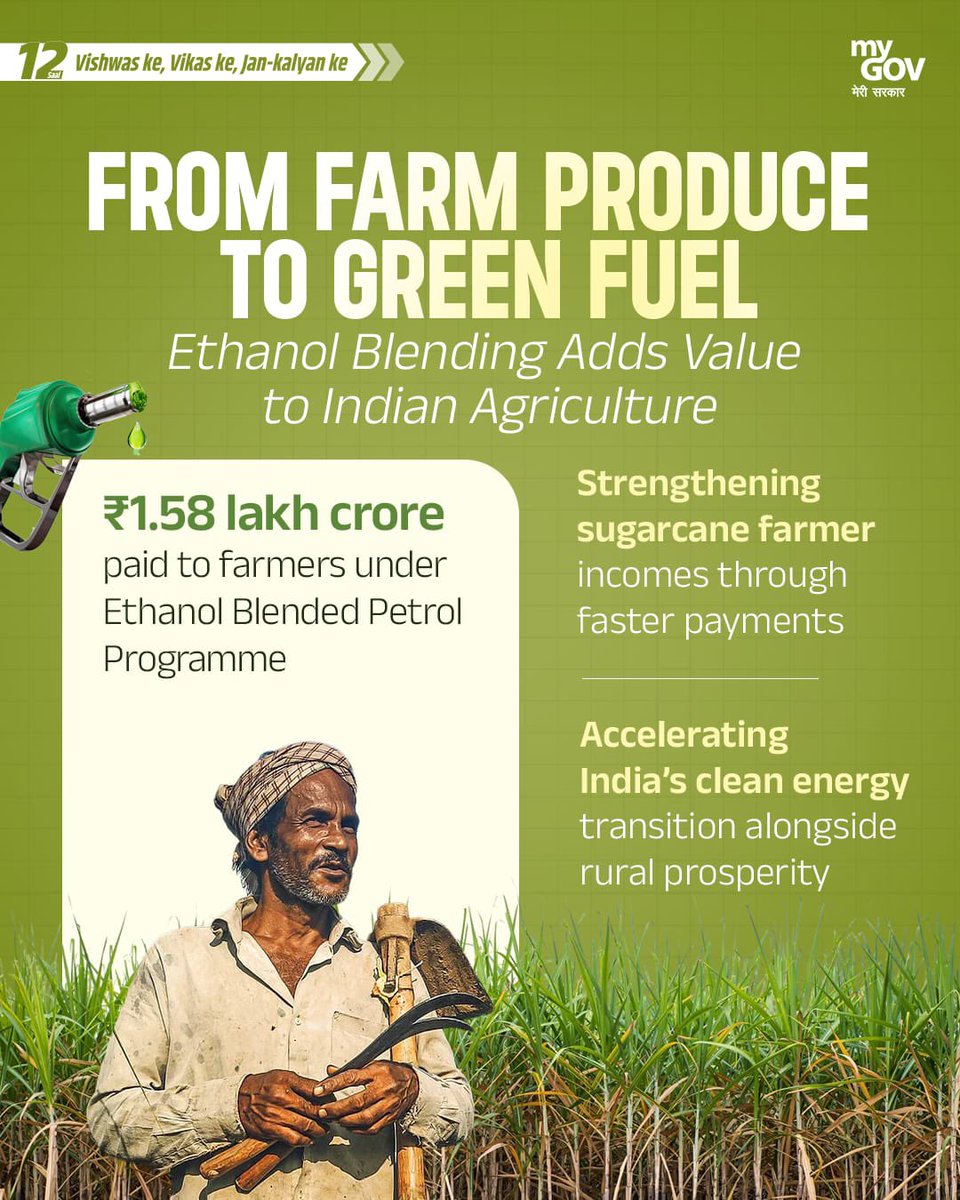
India’s farmer is no longer just the provider of food, he is now a producer of energy too.
Through PM-KUSUM, over 21 lakh farmers are harnessing the power of the sun to irrigate their fields, save up to ₹60,000 annually on diesel costs, and earn additional income by supplying surplus solar power to the grid. A vision that transforms the Annadata into an Urjadata, feeding the nation while fuelling its clean energy future.
From the field to the grid, India’s farmer is powering a greener tomorrow.
@HardeepSPuri @PetroleumMin @TheSureshGopi @Secretary_MoPNG @neerajmittalias
#HPCL #PMKUSUM #Annadata #Urjadata #SolarEnergy #CleanEnergy #GreenIndia #FuelingIndia
1
1
6
423