
YouTuber @ The Little Platoon/LostChord | Video game writer | Business Enquiries to Platoon.Inquiries@gmail.com
Joined October 2021
- Tweets 4,876
- Following 1,603
- Followers 23,082
- Likes 7,046
902 Photos and videos






Jun 12
Tonight we shall complete the Bond game. This has taken around 20 hours, of which about 3 (if we're being generous) are an actual videogame.
youtube.com/live/ITkwnJt8DPM…
7
5
114
4,514
Jun 12
I hope his evil scheme is launching tedious journalists into the sun.
Jun 12

Elon Musk is a real-life Bond villain ft.trib.al/zAOuVKk
25
58
1,256
16,973
Jun 11
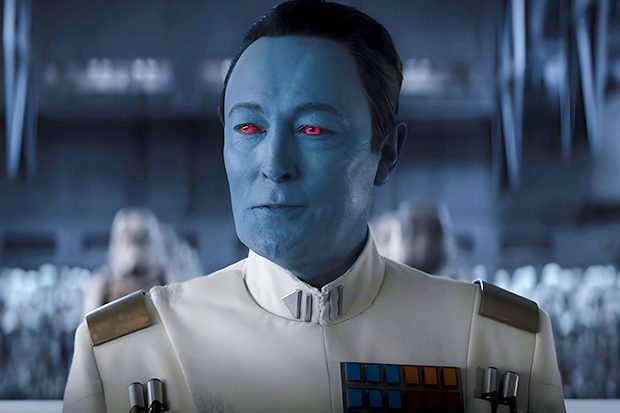
Solo is one of the most bafflingly dull movies ever made. It has Han, Lando, Chewie, the Millennium Falcon, the Kessel Run, Daenerys Targaryen, Vision, Freckle Jesus, the most annoying droid ever devised, and Darth Maul for some reason — and it makes all these things utterly tedious.

The Han Solo prequel Solo: A Star Wars Story, starring Alden Ehrenreich, is an underappreciated, thrilling entry in the sci-fi franchise. bit.ly/440gb6K
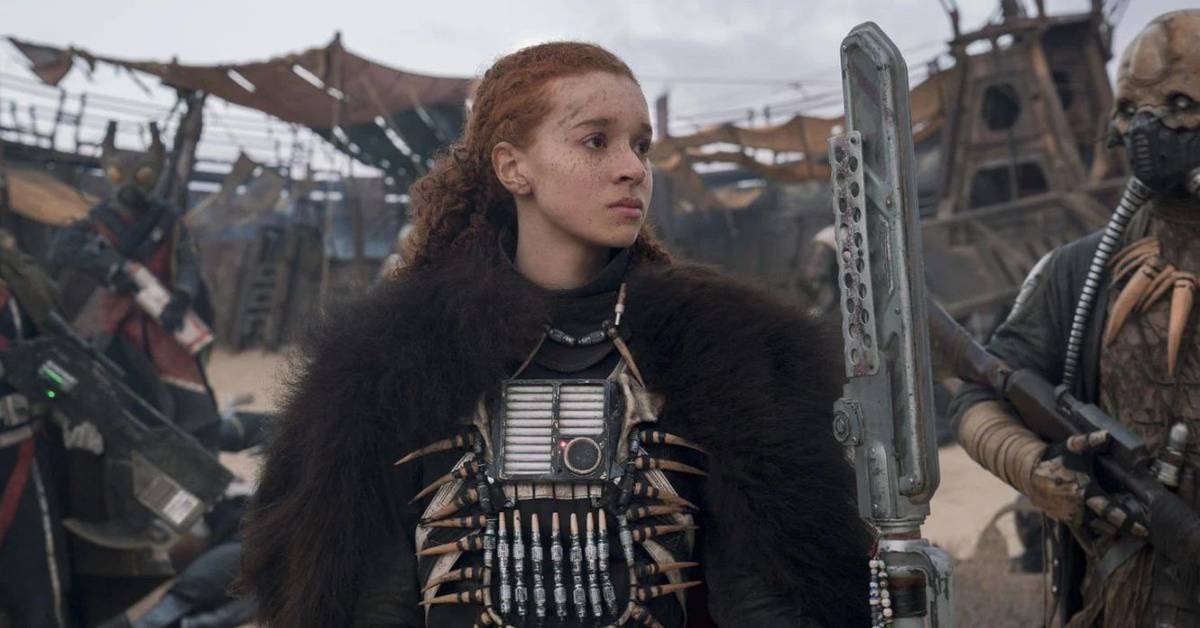
ALT Star Wars' Explosive Heist Thriller Is So Good, You Can Rewatch It Multiple Times
94
48
1,542
84,143
Jun 11
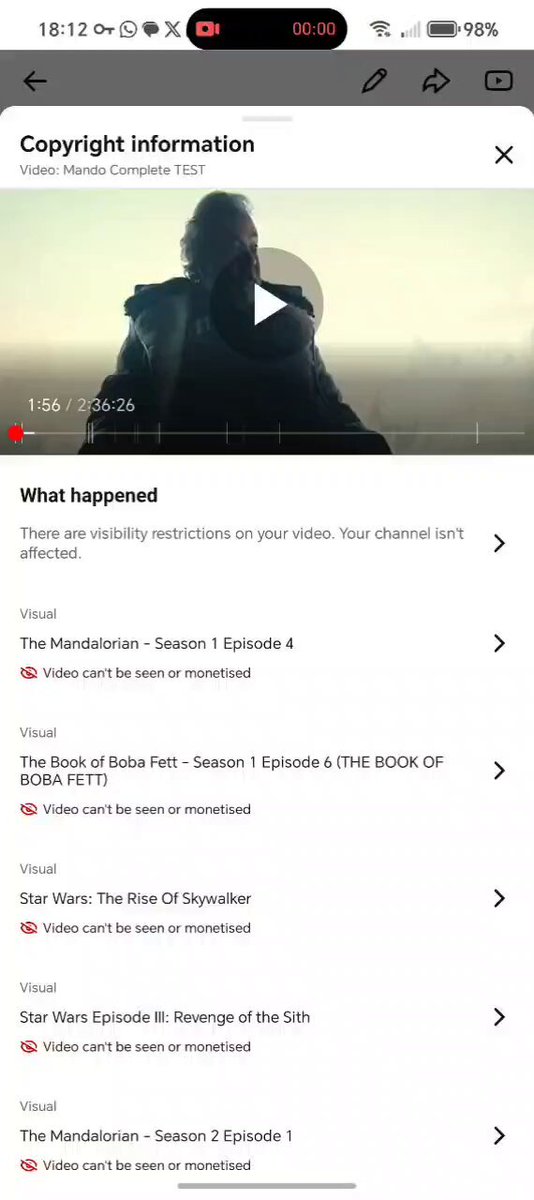
As is usually the case, most of these will actually be fine, but buried within one of them will be a single 5.1 second clip that breaks the rules, triggering all the other claims. YouTube being a multi-billion dollar company, it prefers to make life as difficult as possible.
1
4
214
3,517
Jun 10
The Pope has clearly tried playing Pro Clubs on FIFA as a centre mid and realised that the average FIFA player has a Satanic inability to pass the ball or stay in position. I fully support this fatwa.
Jun 10

The World Cup begins tomorrow, and many will watch the matches. Soccer reminds us of something we must not forget: life is not a race to show off on our own, but a path we learn to walk together. Anyone who does not know how to pass the ball, even if they have talent, has not yet understood the game. Anyone who does not know how to live with and for others has not yet understood life. #ApostolicJourney
9
10
223
8,778
If I hopped across the border and started kicking a ball around with the Miami Dolphins they might consider calling the cops.
Professional football is a very good example of strictly targeted, high-skilled immigration working quite well. If we selected immigrants like Barcelona selected its players we'd have fewer problems.
But I somehow managed to kick a ball around on the village field as a kid without ever encountering an immigrant, so I think the sport would exist either way.

Soccer would not exist without immigrants. Immigrants play and coach the game, work in the stadiums, fill the stands, and make celebrations like the World Cup possible. Six of the players on the US Men's National Team are immigrants.
We will not allow ICE or anyone else to sow fear in our communities — especially at this moment. As the world comes to our city, we will stand proudly with our immigrant neighbors and reject these attacks for what they are: an attempt to divide us.
9
20
473
14,746
Having streamed this for about 5 hours last night, I'm sure we're nearing the bit where the game actually starts. First Light Part 2 kicks off tonight at 9:30 UK/4:30 Eastern The Living Daylights Saving Time.
(This means no BSUP tonight, we'll return next week.)
youtube.com/live/vp68Ao8eLtE…
3
11
99
5,782
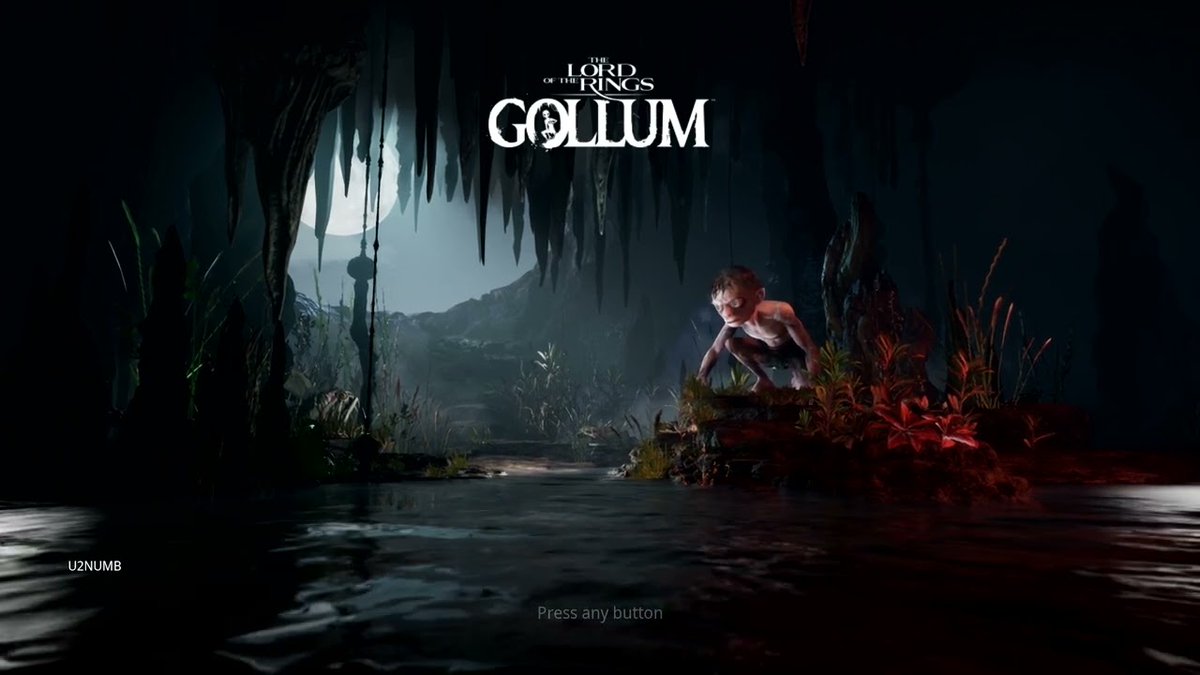
If I hadn't booted this up early to make sure it was set up, the first 30 minutes of the stream would've been me frantically googling why the menu was at 5fps, then going into Windows settings and manually telling it to use the correct graphics card, something fucking Gollum could figure out for itself.

Now that we've buried The Boys, I shall be streaming the Bond game this week, beginning tonight at 9:30pm UK / 4:30pm Eastern.
youtube.com/live/ByQSetwnLsI…
7
6
284
9,308
Now that we've buried The Boys, I shall be streaming the Bond game this week, beginning tonight at 9:30pm UK / 4:30pm Eastern.
youtube.com/live/ByQSetwnLsI…
7
9
93
16,386
I would really like a journalist to calmly and politely ask all these politicians why George Floyd merited the wholesale transformation of British society, while Henry Nowak doesn't.
Why does one justify riots, taking the knee, the toppling of statues, and the embedding of race quotas across every public institution, while the other does not?
Do they not view this as politicising Floyd's death? Do they not think it was at all divisive? Do they not think it odd that a man dying in America is more politically important than a boy dying in Britain?
You don't need to rant and rave at these politicians. It is not "MAGA" to notice the difference. You just need to ask them to try and explain their position.
Jun 5

We all need to resist attempts like this to politicise Henry Nowak’s death and divide our country - whether they come from MAGA politicians like Vance or their cronies here in the UK.
50
351
2,673
50,101
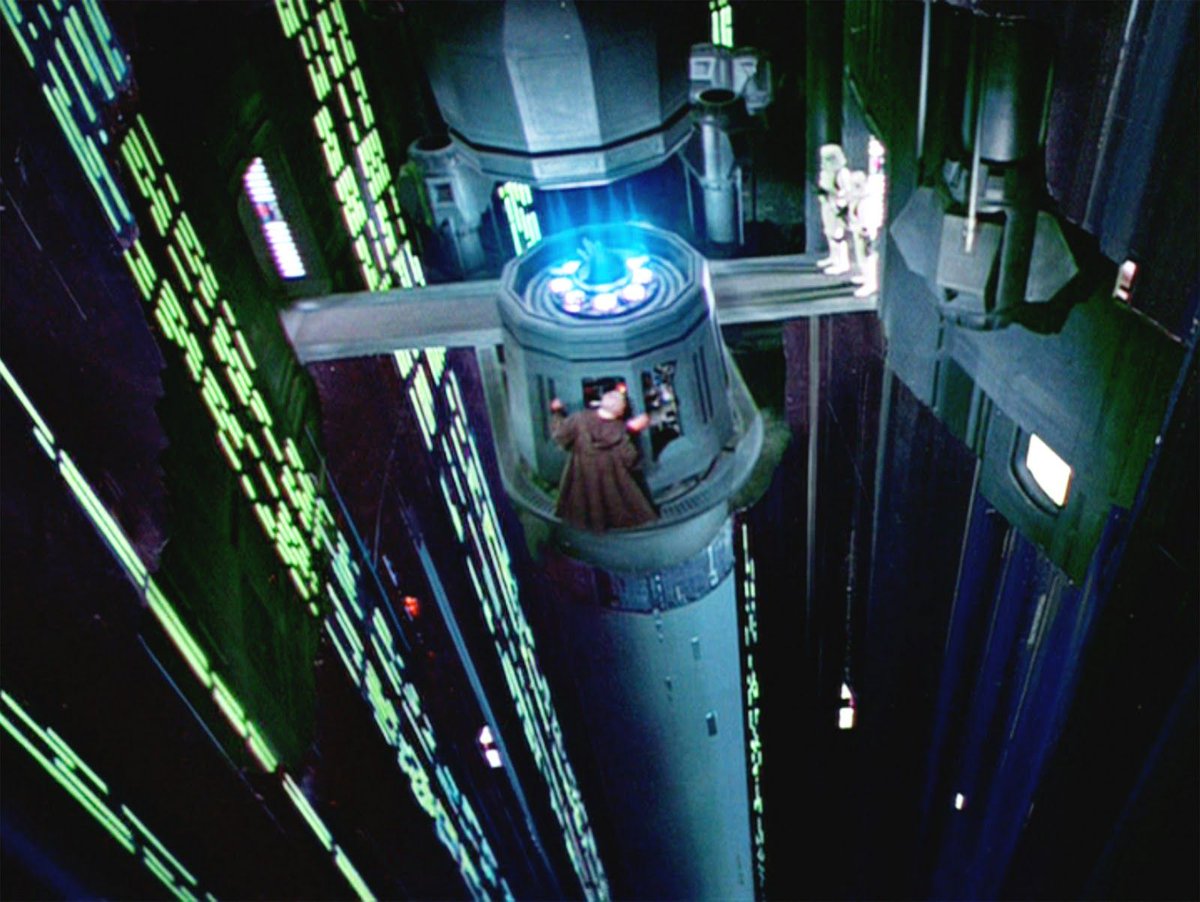
"Jyn, my stardust, I have placed a weakness deep within the system. A flaw so small and powerful, they will never find it. I have made the Death Star non-compliant under OSHA 29 CFR 1926.502, incurring a cost of $16,550 per day for failure to abate violations."

No civilizations with technology as advanced as that in Star Wars would have failed to invent something as basic as guard rails around yawning chasms.
42
1,443
19,569
430,930
May 29
"Your taxes are unfair."
"So you'll lower them, right?"
"No. What I'm going to do is introduce a new tax that every other country has abandoned because it doesn't work, but this one will work because I said so, and it'll fund Our NHS,and then we can tax investments too, except it's obviously going to put off investors, so on top of the new billionaire tax I'll create three new tax deductible reinvestment vehicles to offset the new tax, and then I'll—"
"So you're not cutting my taxes?"
"No."
May 28

Your tax isn’t fair. So here’s what I would do about it. A wealth tax that works👇
29
59
770
16,987
May 28
I haven't had time to touch First Light yet, but I keep seeing posts like this pop up that treat really basic things (like "pedestrians should not be made of concrete") as an unreasonable ask of a AAA game in 2026.
IIRC, Simpsons Hit & Run (2003) had them jump out of the way if you tried to hit them. Even Mixtape has them jump out of the way if you try to hit them.
If you didn't want to put in that effort, just stand the guy on the other side of the fence, since you cannot (I assume) drive through the fence.
It's not a game breaker itself, but it is revealing of design priorities, and (essentially) of a certain laziness. It's often a symptom of a broader problem. Laziness tends to compound.
May 28

GTA V and Red Dead Redemption 2 raped gamers’ brains so now designers apparently have to accommodate Muh Hidden Detail-brained idiots who pause chase scenes to see if NPCs can be run over in a fucking 007 game.
37
47
881
42,112
May 27
Under extreme duress and in violation of just about every human rights law, I am compelled to stream Mixtape. Cruel and unusual punishment commences from 8:30pm UK / 3:30pm You Did This Eastern.
youtube.com/live/Lh-2vbgvcuU
37
23
533
12,985
May 26
The Pope seems to believe that the current operating model of big tech companies is to secure their wealth and success by making their products available to as few people as possible.
He also seems to believe that patents are products, rather than the incentive mechanism to create and deliver new products. Patents cannot, by definition, be "goods that are universally intended for everyone" — patents guarantee that you, individually, are rewarded for inventing goods that lots of people want.
He seems, finally, to believe that God has decreed, in some broad and ineffable way, that all products are a) miracles, b) spontaneously occurring, c) preternaturally inclined to self-replicate and flow benevolently into the arms of the needy, and d) that the profit motive is an impediment to all this.
If you believe in God, then God, in his wisdom, made humans who make markets and carry out free exchange. The Catholic Church, somewhat less wisely, prefers vibe socialism.
May 26
Today, among the goods that are universally intended for everyone, we must also include new forms of property, such as patents, algorithms, digital platforms, technological infrastructure and data. In a context where the wealth of nations depends increasingly on knowledge and technology, when these goods remain concentrated in the hands of a few, without adequate forms of sharing and access, a new imbalance is created that contradicts the universal destination of goods. In turn, it widens the gap between the included and the excluded, between those who can participate in the digital revolution and those who remain on the margins. #MagnificaHumanitas
26
38
602
20,274
May 25
My computer is sitting there comfortably, with the expensive cooling system I bought for it, while I gradually melt into my chair. This is not an equal relationship.
60
43
1,364
29,609
May 23
It took me about 2 seconds to conclude that this was a bad idea.
May 23

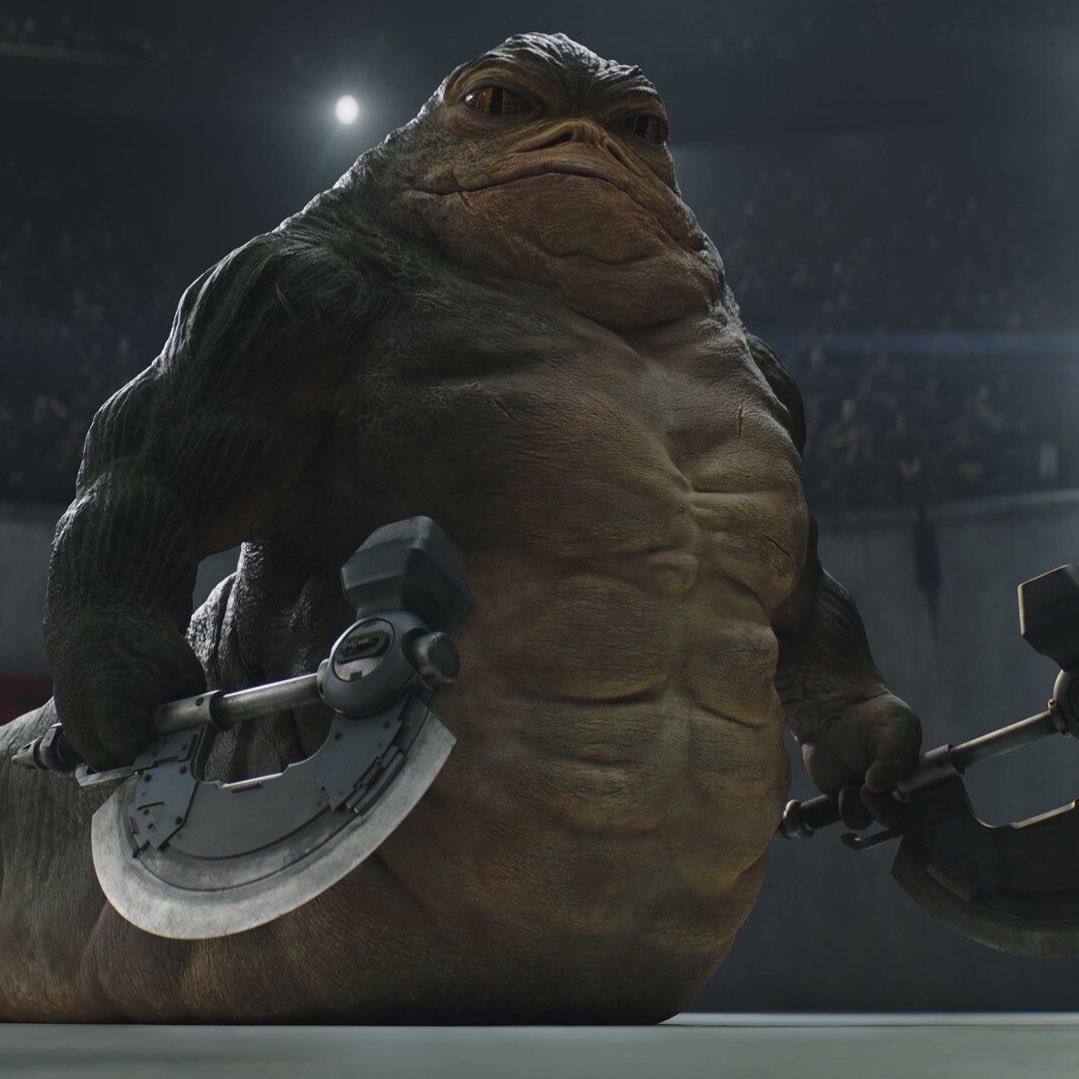
Jon Favreau says the movie-level budget for ‘THE MANDALORIAN & GROGU’ allowed them to bring creatures to life on a scale not seen in the series.
“We had almost 3 years to figure out what the physics of a Hutt would be in battle.”
40
52
1,316
28,681
May 22
I believe the objectively correct answer to this question is Mixtape.

31
44
931
18,611
May 21
Emblematic of the entire show. There were people on (and behind) The Boys with genuine talent. But they were kneecapped by the guy in charge, the sum total of whose personal and artistic ambition is pissing off some transient chud.
The Boys is, in the end, a satire of its creator.
May 21

OMG this is his review of what @TheBoysTV did to Homelander, I’ll never get a better review ever. #TheBoys
56
196
3,245
140,347