
The easiest way to play with your friends
Joined January 2026
- Tweets 61
- Following 17
- Followers 153
- Likes 85
25 Photos and videos




Pinned Tweet

Mar 17
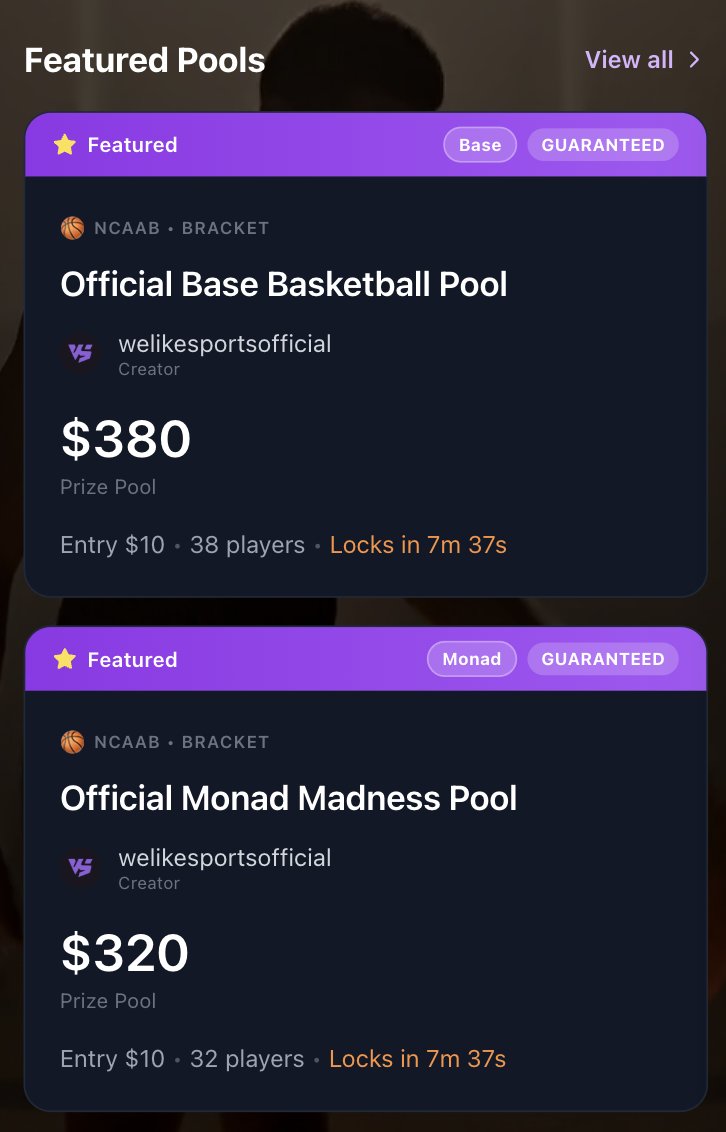
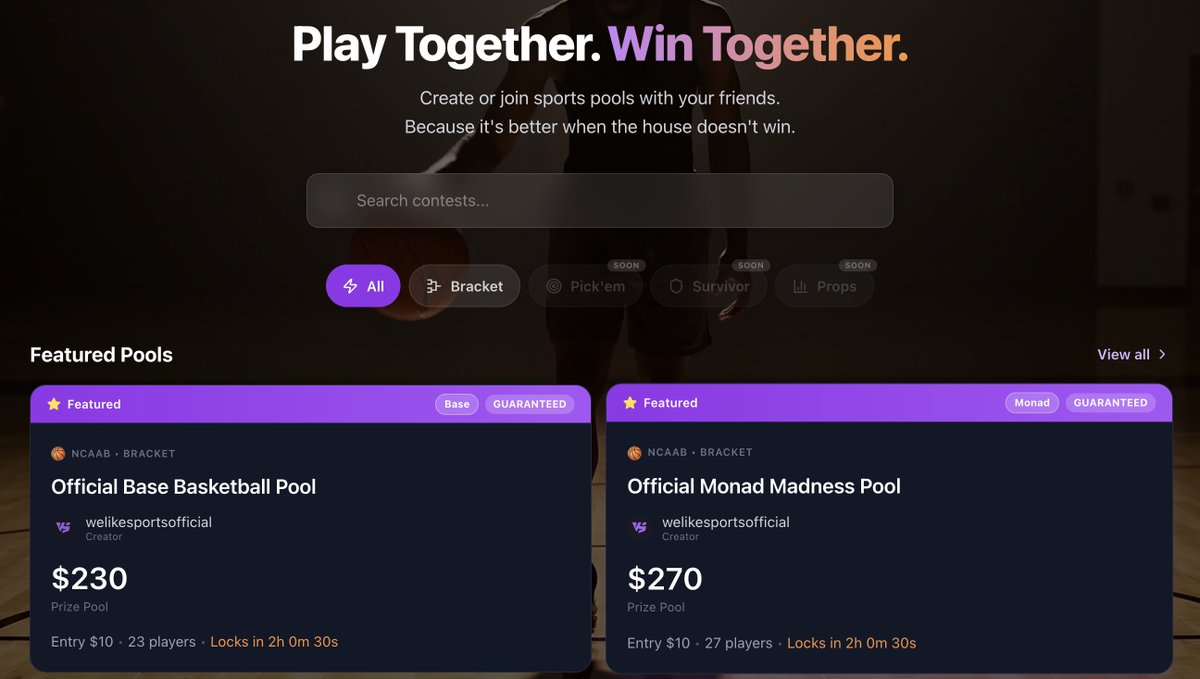
1/ Today we’re introducing WeLikeSports.com: a better way to run sports pools with friends.
No rake, no commissioner, no waiting for payouts.
Just set up a bracket, survivor, squares, or pick’em pool and you're ready to win.
1
4
45
17,100
Jun 12
The games have started! 24 hours left to get your brackets in, but remember… the real winners are made on daily picks!

1
203
WeLikeSports retweeted

Jun 11
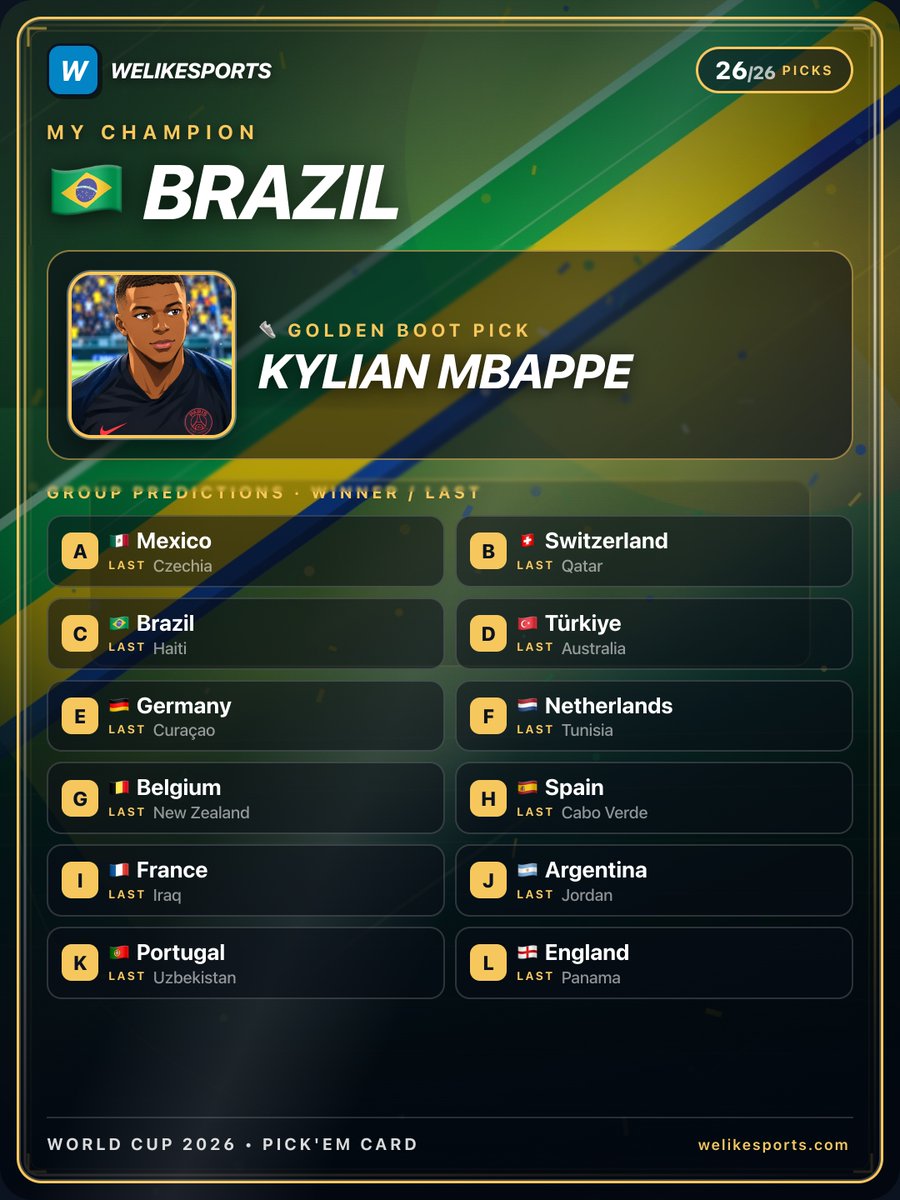
Get your picks in and get a card for the World Cup!
The tournament starts today!
Skin in the game makes the game better.

1
2
140
Jun 10
The World Cup is coming. Your bracket starts now.
WeLikeSports is launching a free-to-play World Cup bracket daily pick’em contest with up to $5K in prizes.
Make your picks for group winners, last place, champion, and Golden Boot.
Score points for correct picks and climb the leaderboard all World Cup long.
Free to enter. Built for football fans worldwide.
Get your bracket now: welikesports.com
6
6
49
8,935
Jun 5
WLS = WE [REDACTED] SOLANA
Jun 5
SOLANA [REDACTED] WORLD CUP
1
5
134
Jun 1
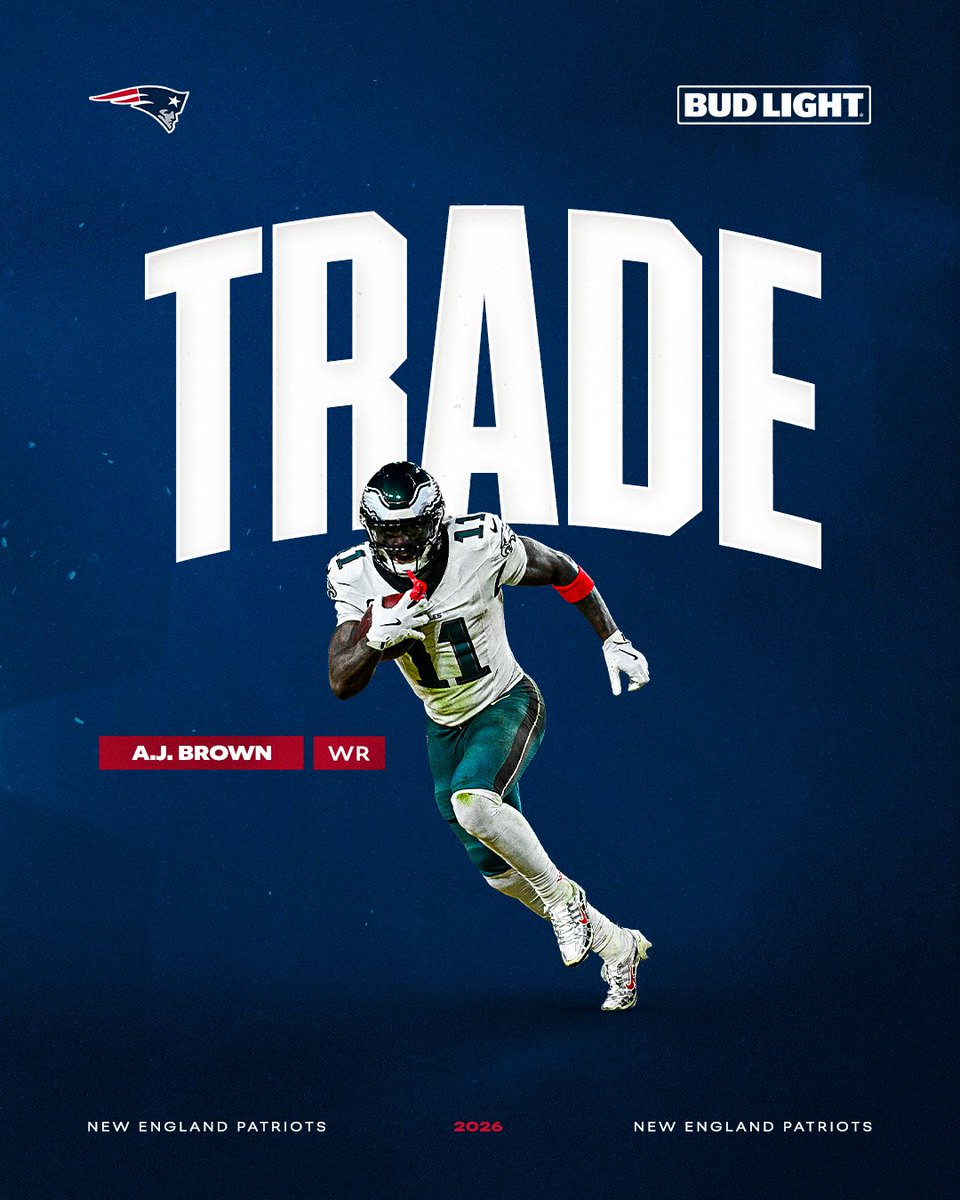
Nobody could have seen this coming

The New England Patriots have acquired WR A.J. Brown in a trade with the Philadelphia Eagles.
1
6
147
Jun 1
Every four years, soccer stops being a sport and becomes a global stress test.
The World Cup is where Mbappé, Messi, Ronaldo, Yamal, Haaland and Vinícius share the same stage as:
- guys with day jobs
- tiny-country heroes
- late bloomers
- impossible underdogs
- one-name legends playing their last hand
And in 2026, it’s happening here.
The U.S., Canada and Mexico are hosting the biggest World Cup ever: 48 teams, 104 matches, 16 cities, and a month where every casual fan suddenly has a bracket, a group chat, and an opinion on goal differential.
Kickoff is Thursday, June 11 at 3 PM ET: Mexico vs. South Africa at the Azteca.
The timing is perfect.
American soccer is no longer “the next big thing.” It’s already here.
The NFL drew a little over 18M fans in 2025. MLS drew 11.2M, with an average crowd of nearly 22,000 per match. Through May, MLS viewership is reportedly up more than 60% YoY.
Thirty years of slow compounding are starting to show up all at once: new clubs, new stadiums, regional leagues, local fanbases, and cities treating soccer like a real civic asset.
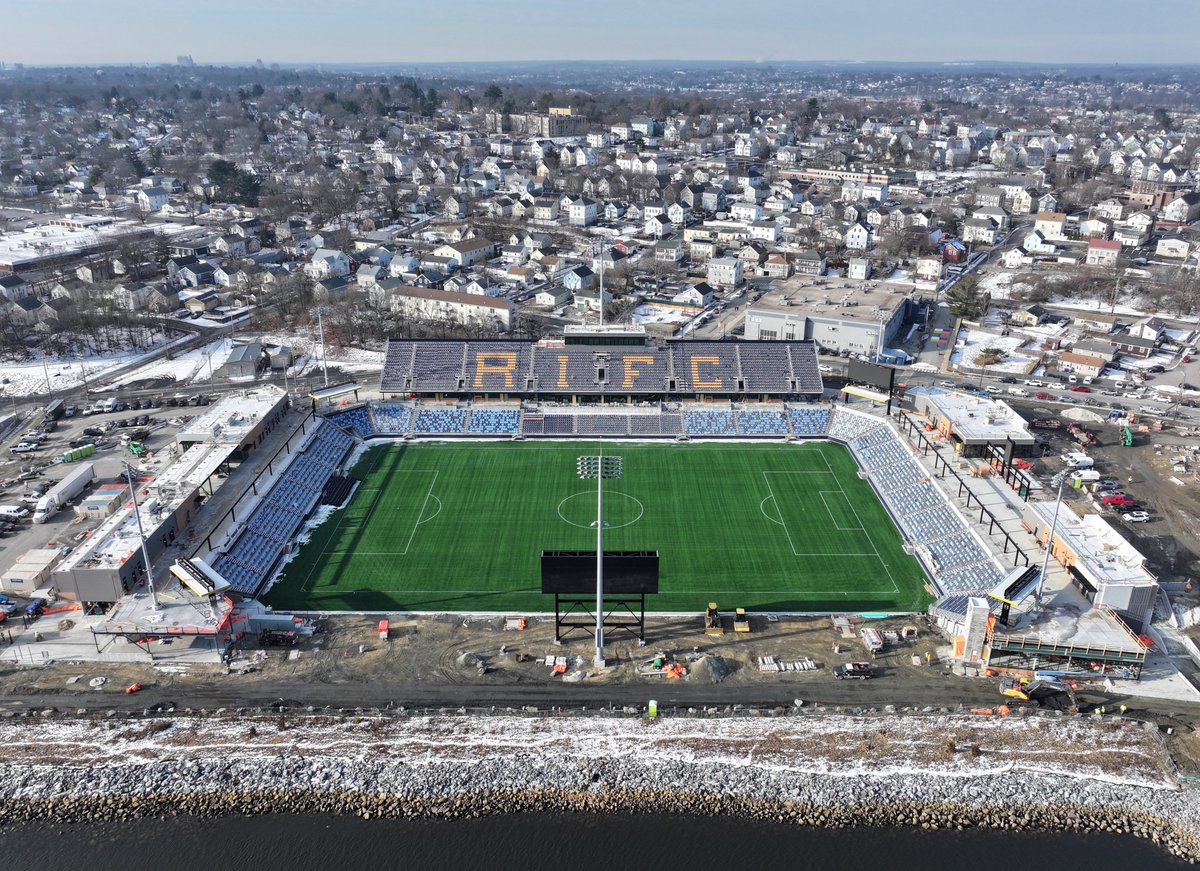
Rhode Island just spent $130M on a second-tier soccer stadium. That would have sounded insane ten years ago. Now it sounds early.
Global soccer is changing too.
No Kroos. No Giroud. No Di María. No Suárez. No Pepe. No Müller.
Four years is a lifetime in soccer.
Tomorrow: the 2026 stars, the last-ride legends, and the players who could own the tournament.
ALT Centerville Bank Stadium in Rhode Island
1
4
353
WeLikeSports retweeted
May 26
Sportsbooks are broken. Prediction markets are just sports books with lower margins and more toxic flow.
The return-to-player is too low.
The only solution is to change the business model.
Yield > Fees because yield aligns the platform with the players
We’re building @PlayWLS

DraftKings co-founder says every sportsbook in America is building a prediction market right now and Kalshi is about to get decimated by competition
"There's not a sportsbook in the US who's not building an exchange right now. DraftKings, FanDuel, Fanatics, MGM. DraftKings just acquired a company called Railbird, and it's basically the same exact thing as Kalshi. It'll all just going to be in house stuff built by real consumer product teams that have real instinct around the customer and know how to actually make a normal person happy."
"That's the whole reason I don't think Kalshi has anything durable here. You have a couple months where maybe you're a first mover. But once the competition is there it's going to decimate them."
1
5
1,548
WeLikeSports retweeted

Quinn Hughes is a SICKO
105
542
16,981
1,124,311
Apr 23
9 or 27, no in between
Apr 22

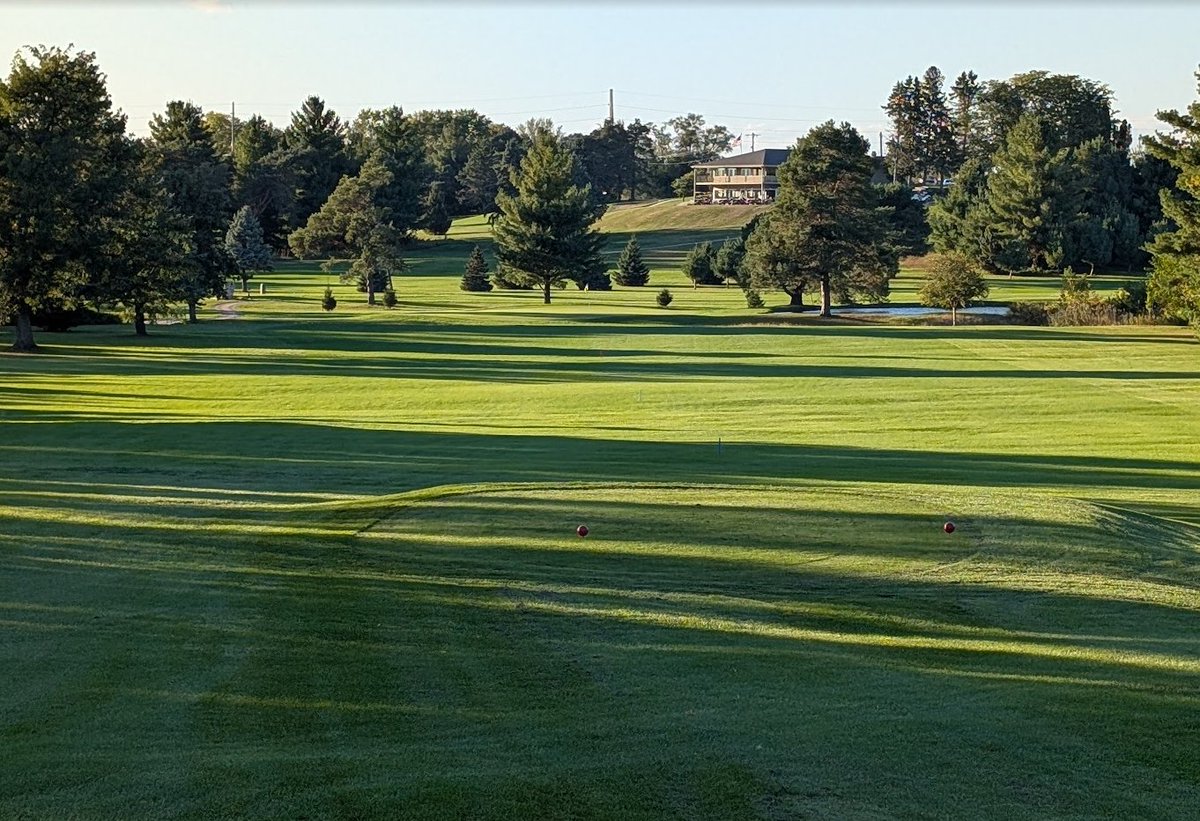
I have reached the age where 9 holes after a full work day is perfect.
Trying to cram in 18 holes between 5 pm and 8 pm is too much stress. A leisurely 9 hole walk with focus on each shot is so much better at this point.
Who's with me on 9 hole rounds?
2
259
Apr 19
Need
Apr 18

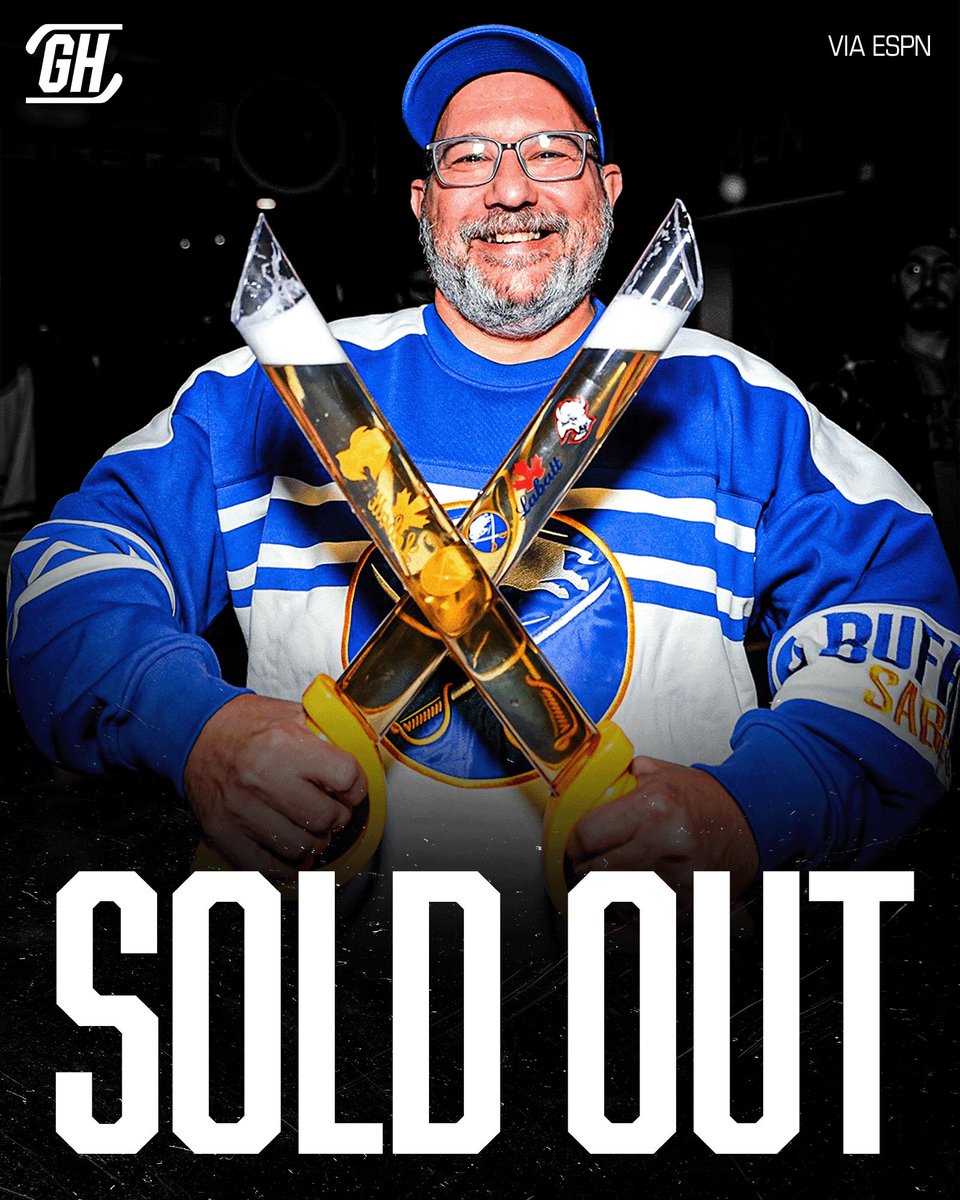
The Buffalo Sabres have reportedly SOLD OUT of their highly coveted "Beer Sabres" ahead of their first playoff game in 15 years 😭🍺
(via @ESPN)
2
189

Apr 6
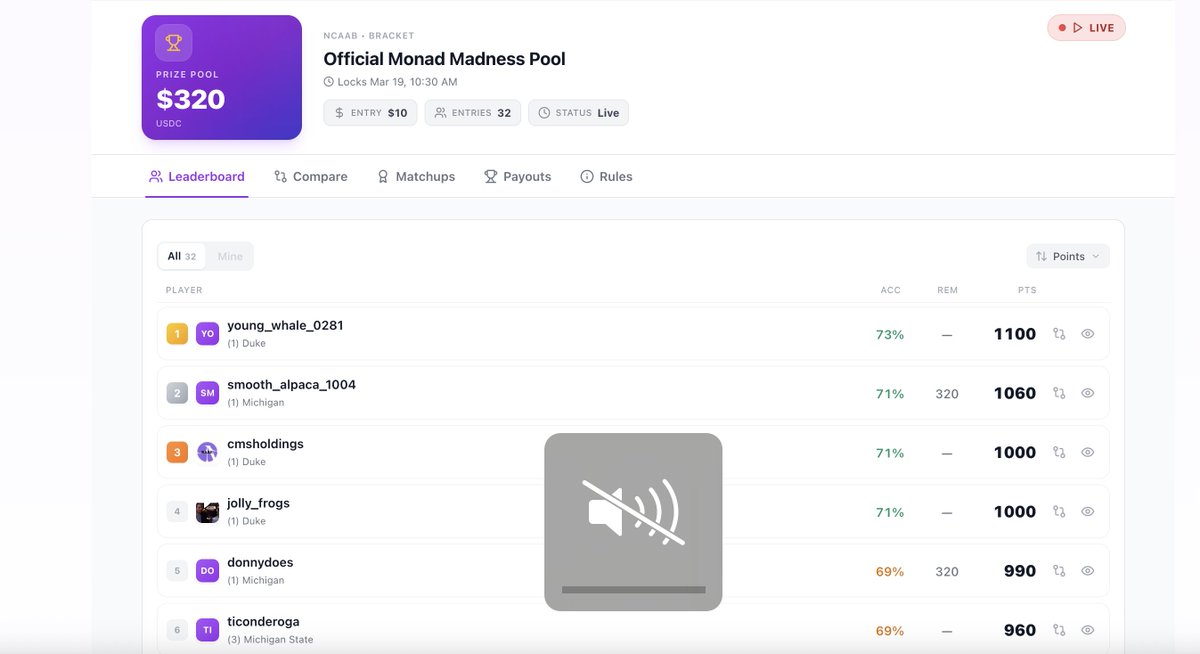
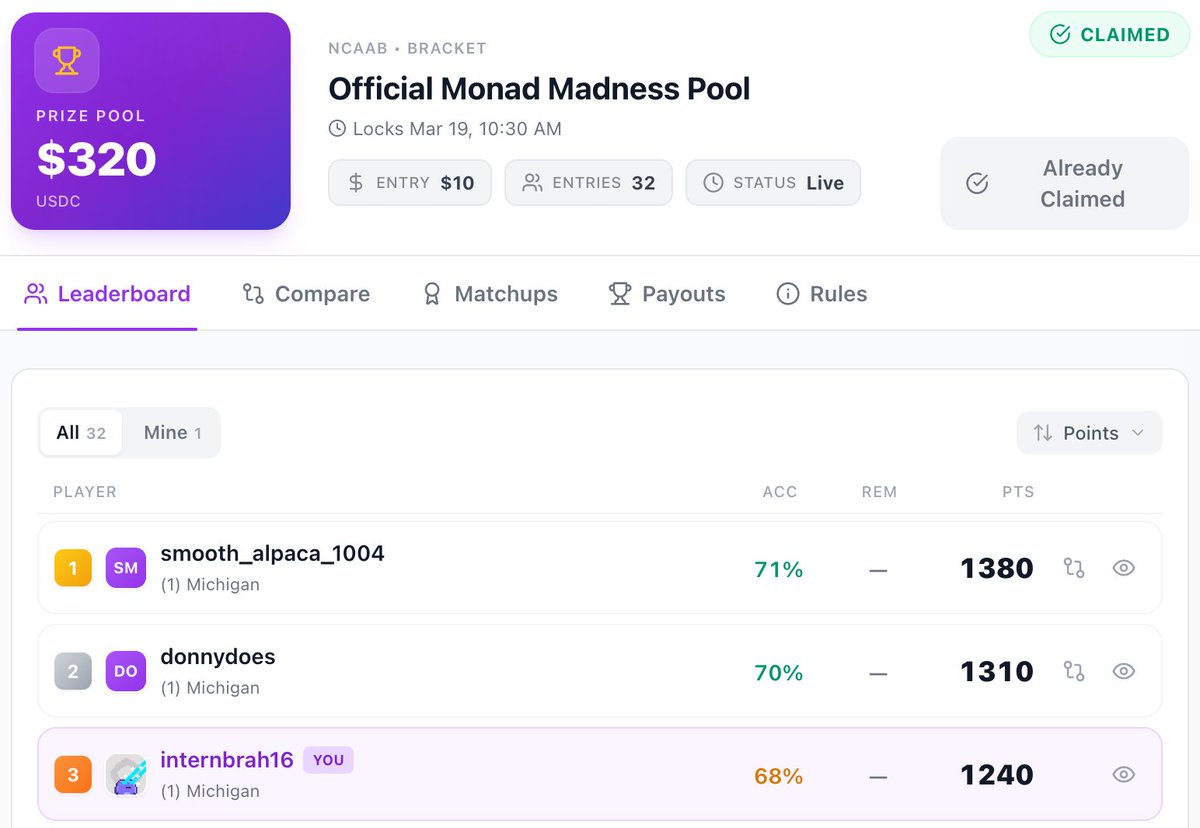
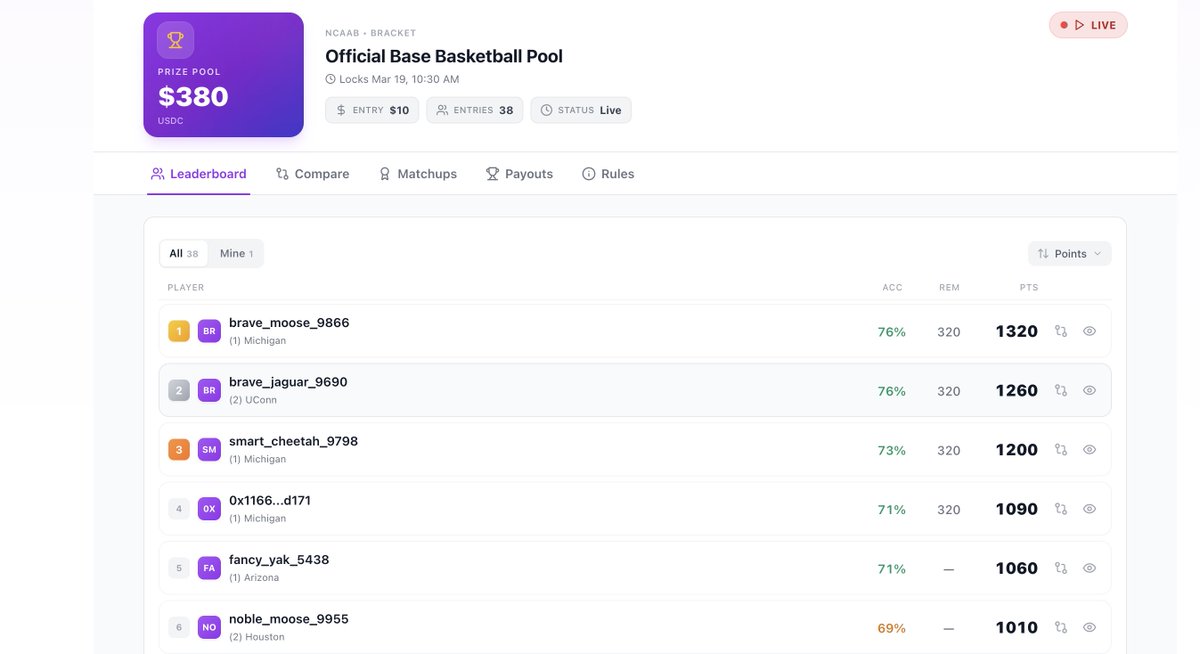
The Base and Monad pools are down to the wire.
Tonight will decide the winner as Michigan and UConn go 👤2👤
1
1
173

Apr 5
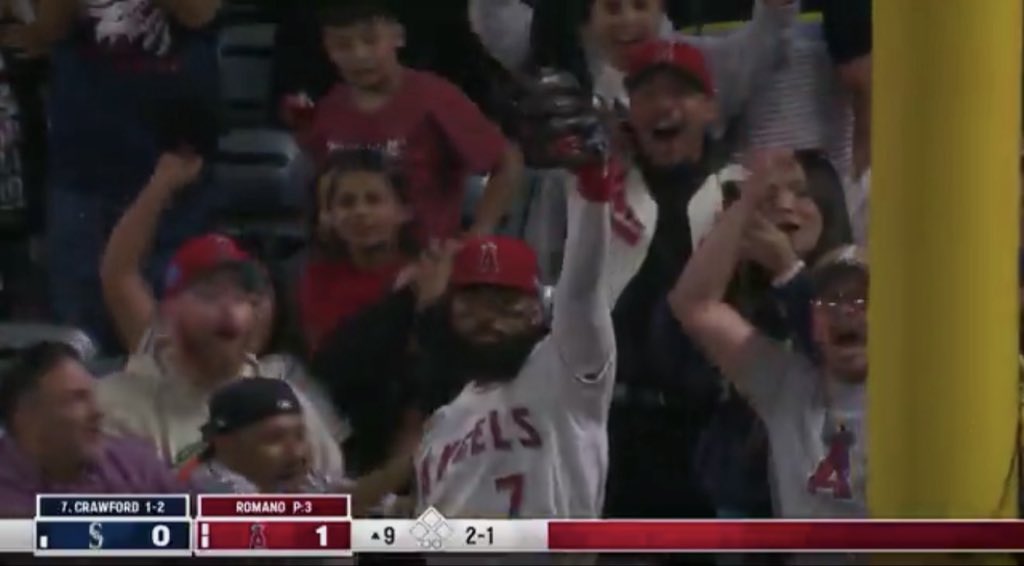
There’s a tweet for everything
22 Sep 2013

I have proof I called Connecticut over Michigan. #uconn that's all I am going to say
3
143
Apr 3
Incentives. Matter.

“The cat’s out of the bag. People like sports betting. It’s here to stay.”
Jake Lynch shares the vision behind We Like Sports.
Built to align with players, not drain them🤝
1
4
167

Mar 26
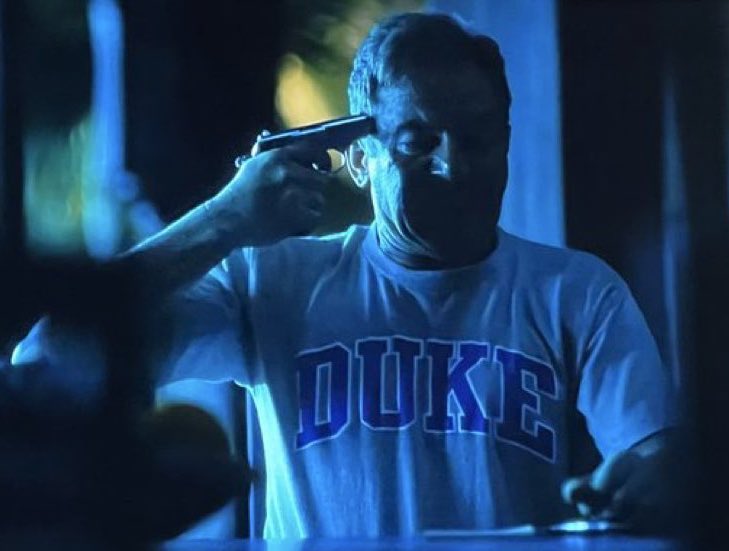
The math ain’t mathin
Mar 24

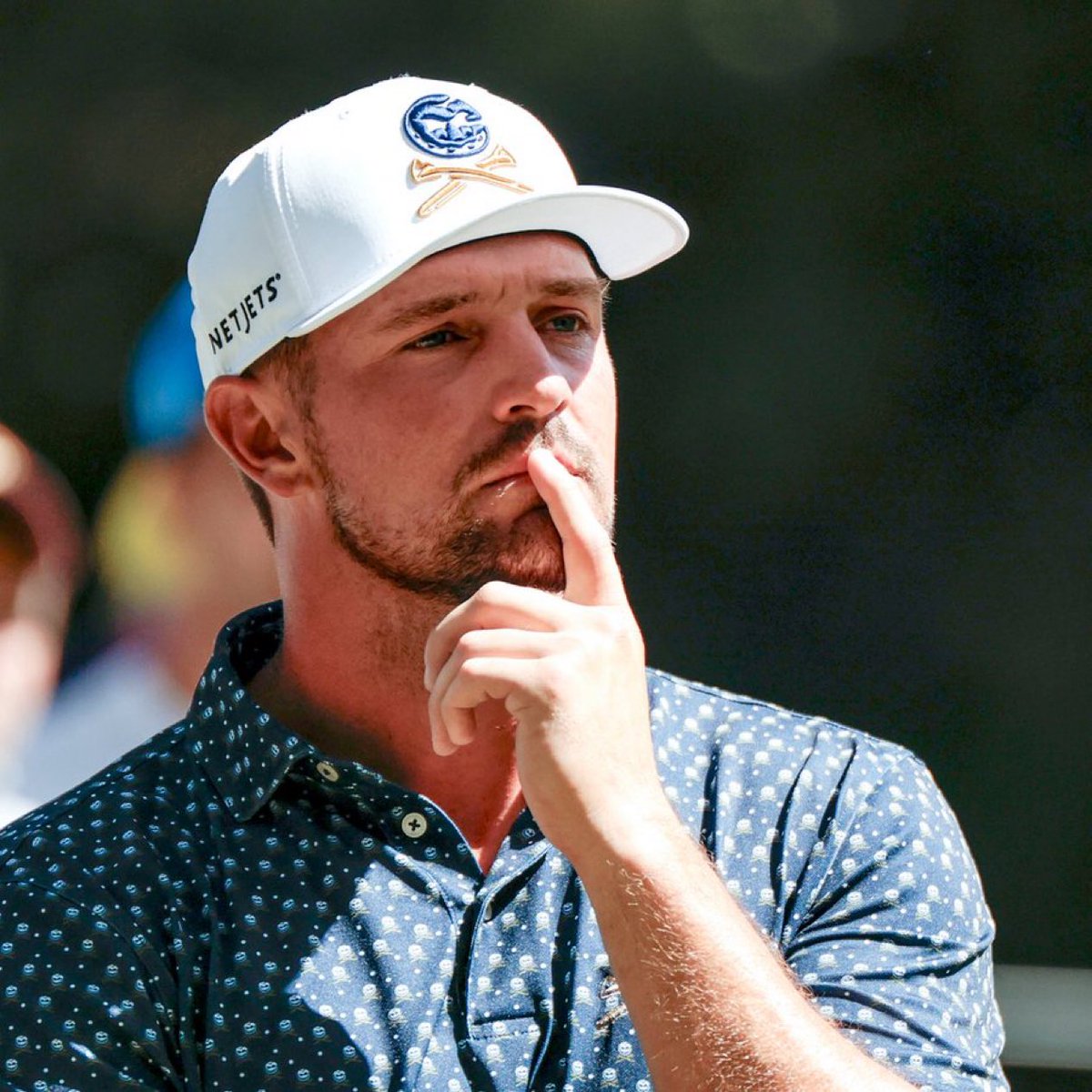
In the last 10 Masters... the average winner is 32 years old and ranked 9th in Data Golf rankings.
In the last 20 Masters... the average winner is 32 years old and ranked 9th in Data Golf rankings.
Bryson is currently 32 years old and ranked 9th in Data Golf rankings.
2
140
WeLikeSports retweeted

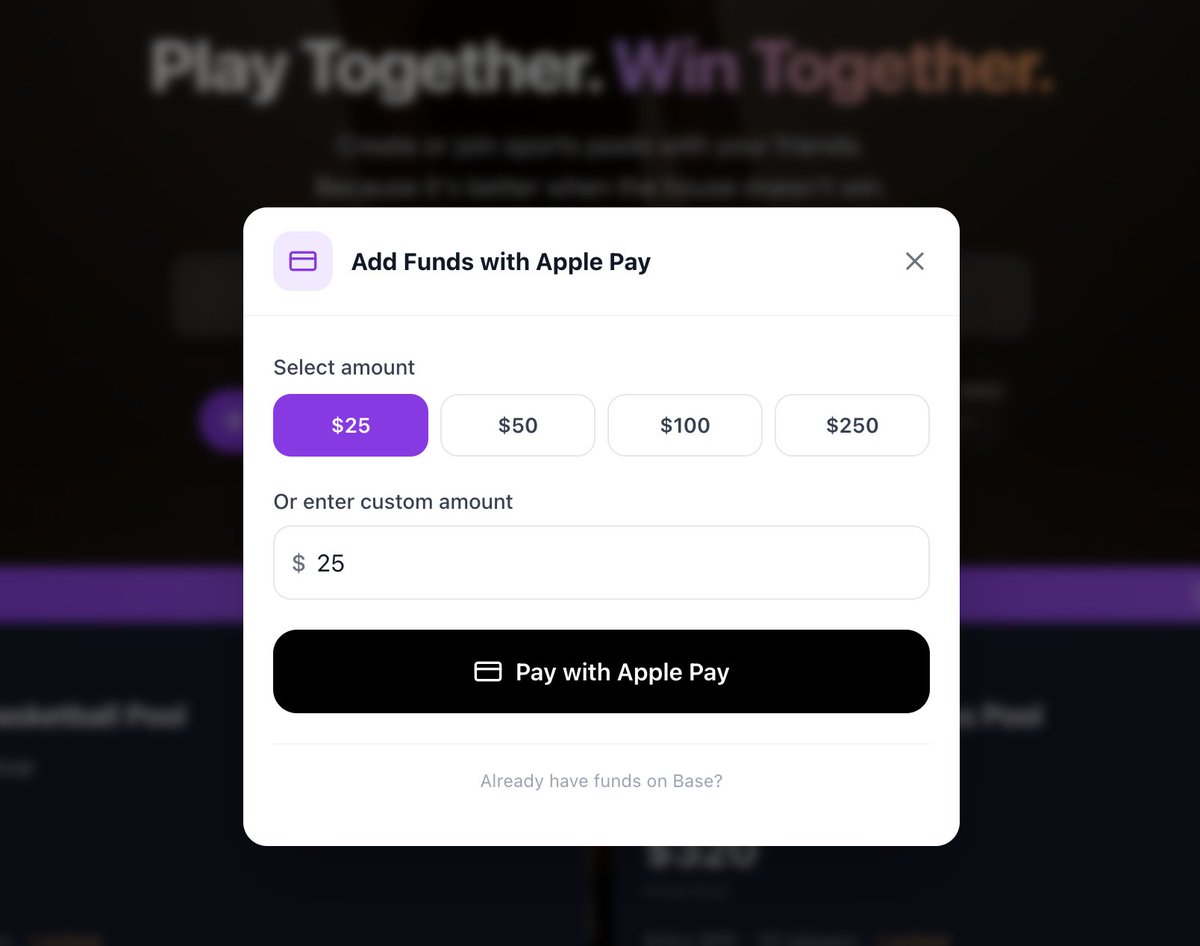
WeLikeSports is live with Coinbase Onramp.
@PlayWLS lets users run sports pools with friends. No rake, no middlemen, no waiting for payouts.
Coinbase Onramp powers their user funding seamlessly using Apple Pay, so users can hop into pools in a few taps, without leaving the app.
Mar 25

Crypto is ready for consumers.
You can now go from $ → joining a sports pool in seconds with just a phone number and an email, powered by @CoinbaseDev.
No waiting. No friction. Just play.
3
3
18
2,111
Mar 25
Crypto is ready for consumers.
You can now go from $ → joining a sports pool in seconds with just a phone number and an email, powered by @CoinbaseDev.
No waiting. No friction. Just play.
3
12
2,838