
Joined February 2010
- Tweets 6,351
- Following 1,188
- Followers 8,572
- Likes 16,486
322 Photos and videos













Jun 13
😱🔥🔥

241
Pocket Radar retweeted

Jun 3
93MPH on @PocketRadar 🔥🔥🔥
92.9mph on @StalkerSports
I couldn’t be more pumped for @SonnyBaker16, who marks his first @englandcricket test call up with a new personal speed record!
What makes this more impressive is that his average speed (91.7mph) for the entire over was faster than his previous single delivery personal best (91.5mph) 😱.
An incredible achievement for an incredible young man who is relentlessly chasing greatness and leaving no stone unturned in the process.
English cricket fans have a lot to be excited about. Sonny is in a great place with a great support network around him at @hantscricket and @englandcricket 🙏🏾
PS: I apologise to all the press that have recently used “92mph” in their headlines when speaking about Sonny Baker… it’s 93mph… for now 😬😉
#FastBowling #SonnyBaker #EnglandCricket #145kph #150kph
10
9
68
53,221
Pocket Radar retweeted

Jun 1
🔥💪 Speed 4 Summer!! 68 MPH!! 💪🔥
Getting Ready 4 Summer 🏖️ & Set A New @PocketRadar PR - 68 MPH (3rd Pitch ⬇️) !!
Stayed Consistent At 65-67!!
Next Stop Is 70!!
Hard Work Is Paying Off, Goals Are Closer, & Dreams Are Becoming Real!!
Can't Wait 2 Be Back On The Field This Week In Georgia!!
Come Check Us Out!!
#AlwaysGrinding #StackingDays #BuiltDifferent @IowaPremierFP @OliviaPazIPF @AmyJoHart @monicaabbott @ExtraInningSB @TGETalent @MidwestPremierS @CoastRecruitsSB @PrepSoftball @ConnectSports_ @DfwSho @SoftballHome @DirectRecruits @USASoftballREC @d1softball @justfactsmaam @LineDsoftball @gatorjack72 @los_stuff @SBRRetweets @TopPreps @IHartFastpitch @thealliancefp @LegacyLegendsS1 @tagupSoftball @SoftballRecruit @SportPrepX @AppStorms48176 @SoftballClips @scan1ansports @nextpitchsoftball
4
9
114
9,043
Pocket Radar retweeted

May 27
📏6'5" - 210lb - RHP - 2027
@BHSBaseball10 Sectional win! Total team effort. 7 more innings earned!
📈7IP/5H/1R/1ER/3BB/6K🥊
Mix: FB= 88-9⃣0⃣, 2FB, CB, SL, CH
@RoyalsScoutTeam @BigHittersMo @FlatgroundApp @PGMidwestBB @PrepBaseballMO @PB_Uncommitted @PG_Uncommitted @PocketRadar
2
13
44
6,784
Pocket Radar retweeted
May 21
District Champs🏆 @BHSBaseball10
6'5" 210lb RHP - 2027
LINE: 5IP / 0⃣H / 0⃣R / 1BB / 🔟K 🥊
MIX : 4FB / 2FB / CH / CB / SL
@RoyalsScoutTeam @FlatgroundApp @PocketRadar @BigHittersMo
1
15
41
4,875
Pocket Radar retweeted

May 14
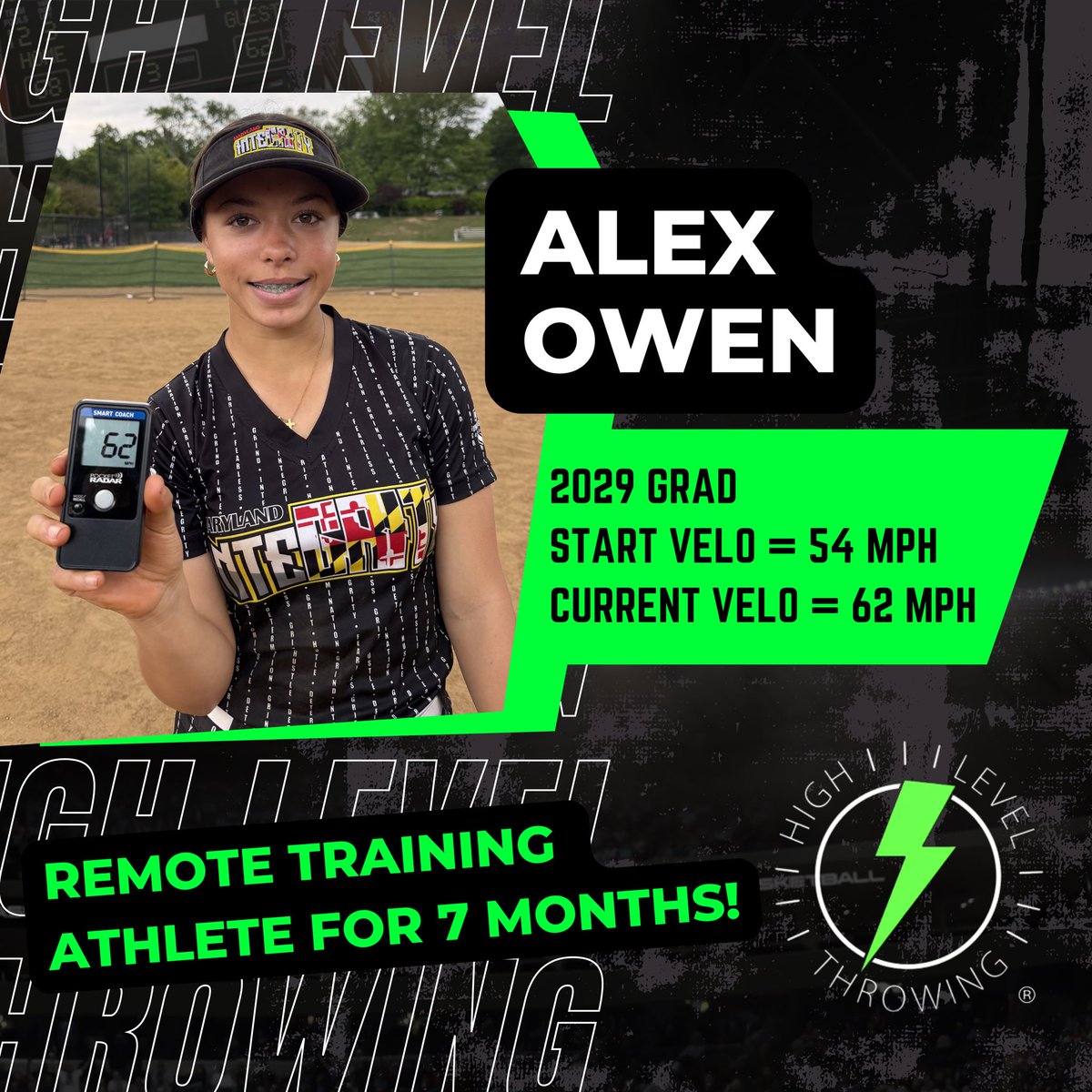
High Level Throwing®️ | Athlete Spotlight 🥎
54mph-->62mph! 💪🏻⚡️
With 7 months on the HLT program, Alex increased her velocity by 8MPH!
Started with an average arm and worked up to an arm that will play at the next level!
Keep up the great work!
highlevelthrowing.com
@PocketRadar
1
12
886
Pocket Radar retweeted

Big things coming from this 16-year-old, 160 pound junior @emerymarkwell27
@PocketRadar @BUncommitted
1
3
7
2,171
Pocket Radar retweeted

May 3
Training for Football --- Day 350 --- QB throwing ( May 2. 2026 -41 degrees @ Chardon, OH)
Baseline Velocity testing with @PocketRadar
Really Cold day but Observed "Sitting velo" today was at 44-45 mph w Wilson NFL ball from approx 10-12 yds distance.
1
2
346
Pocket Radar retweeted

Apr 25
The rookie silent treatment after Konnor Griffin’s first MLB home run — on his 20th birthday! 🥳🤣🤫
@SNPittsburgh #LetsGoBucs
71
734
18,935
1,939,018
Pocket Radar retweeted

Anaiyah Jimenez pulls the string and strikes out the side in the first. FB Top 62.
Velo from @PocketRadar
1
1
509
Pocket Radar retweeted

Apr 19
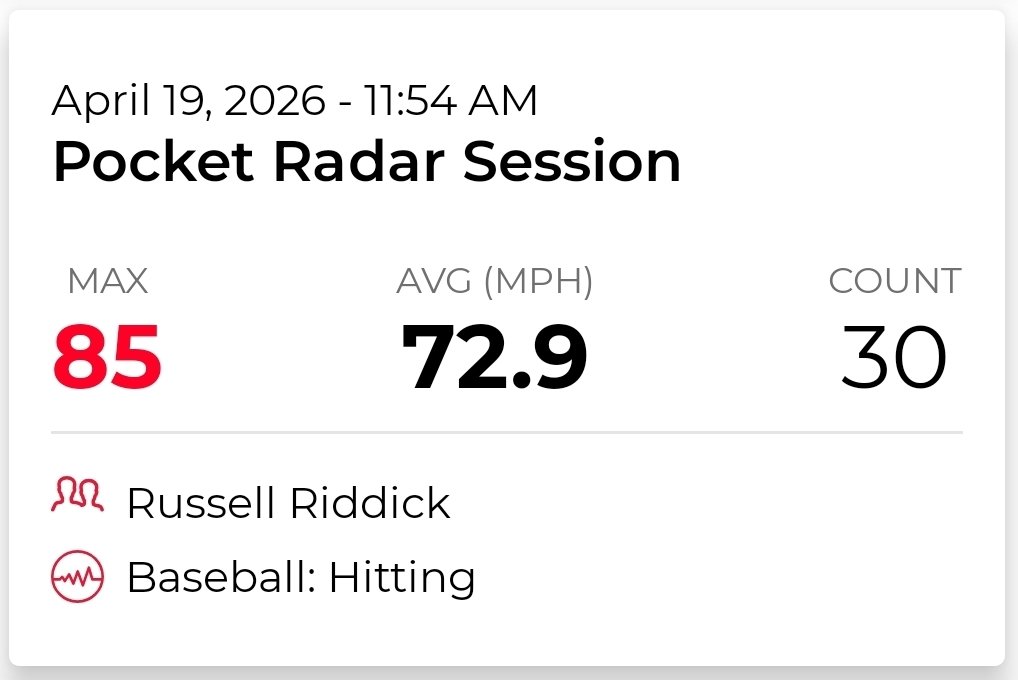
Working with our new @PocketRadar Smart Coach and app. While the max number isn't a PR, its right next to it, which I can take pride in as I'm still only swinging with 8 fingers as I continue to recover. #HarborHighBaseball #TeamAAG #Uncommitted2027 #ClassOf2027 #12doing12things
2
4
536
Pocket Radar retweeted
Easton Sarmiento gets out of a jam in B3. t4 Ayala 1, Mater Dei 1. @AyalaBaseball @LesLukach @hardy03bsbl
Velo @PocketRadar
2
5
645
Pocket Radar retweeted
Apr 8
8-10mph speed increase for this 17 year old🚀
From no training structure, no cricket team and a body that was struggling to cope…
To a supreme athlete and now a genuine fast bowling prospect.
Haroon is yet another successful case study of the SpeedCamp framework in action.
We broke his kinematic chain down to reveal the leaks in his action. This was followed by training to improve his efficiency and effectiveness. We bolstered this with a very specific S&C programme tailored to his individual strengths, weaknesses and bowling goals!
Credit to @tombrown1593 and SACA for bringing attention to his progress, which led to him being quickly picked up by @KentCricket (among many interested counties).
This is what happens when hard work, discipline and consistency align.
Keep going Haroon!
PS: Speeds in this video are from @PocketRadar, which is around 3-5mph slower than TV speeds.
#SpeedCamp #SpeedStartsHere #FastBowling #cricket
2
7
1,225
Pocket Radar retweeted
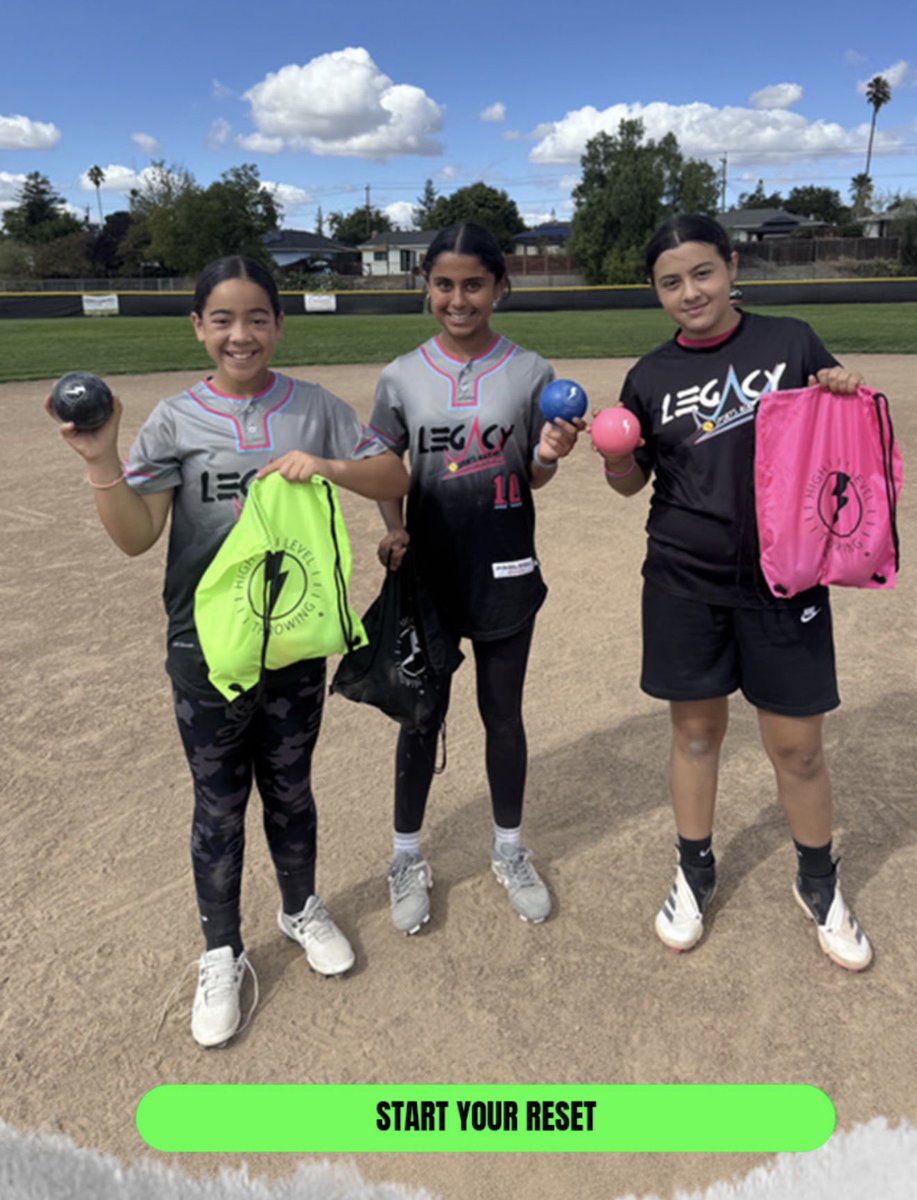
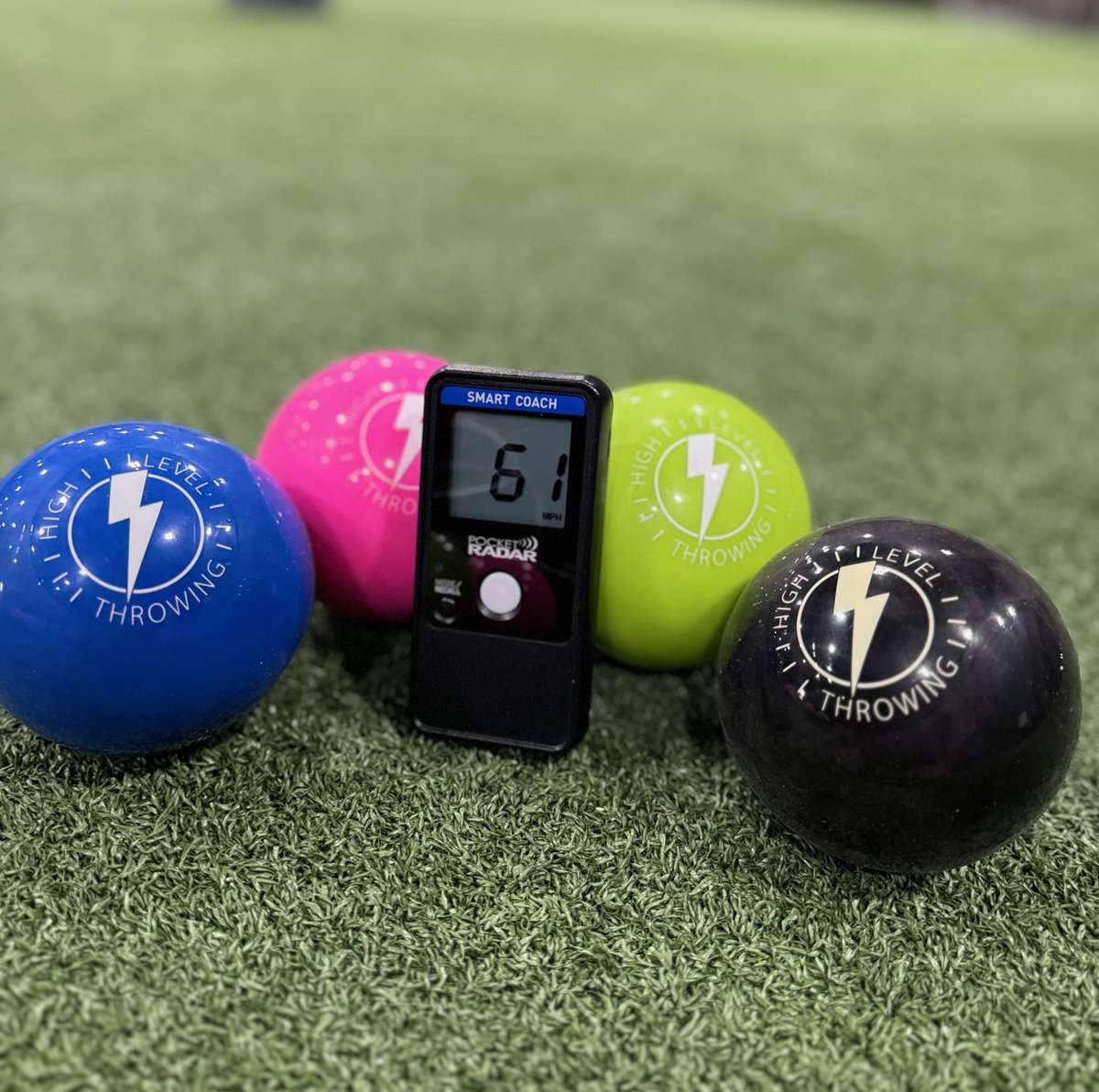
Make sure you check in on your mechanics this time in the spring season. 💪🏻
It’s a great opportunity to reset and focus on your throwing quality vs volume…as you get deeper into the season. ✅
Grab a set of our custom Lightning Ball Plyos for arm care & pattern development and start your reset! 🥎⚾️⚡️
highlevelthrowing.com/collec…
@PocketRadar
2
6
839
Pocket Radar retweeted

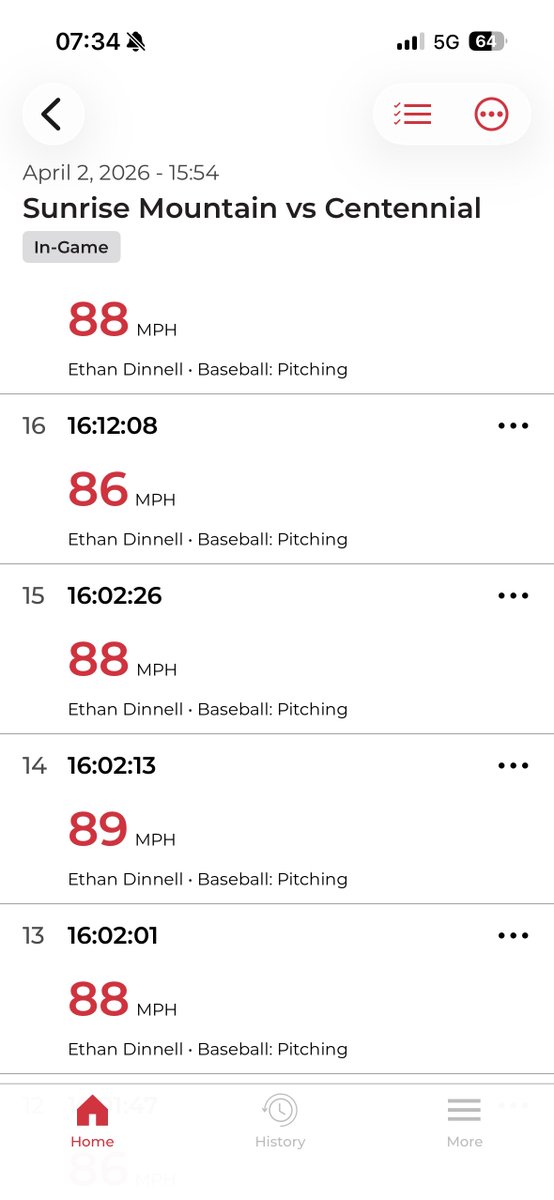
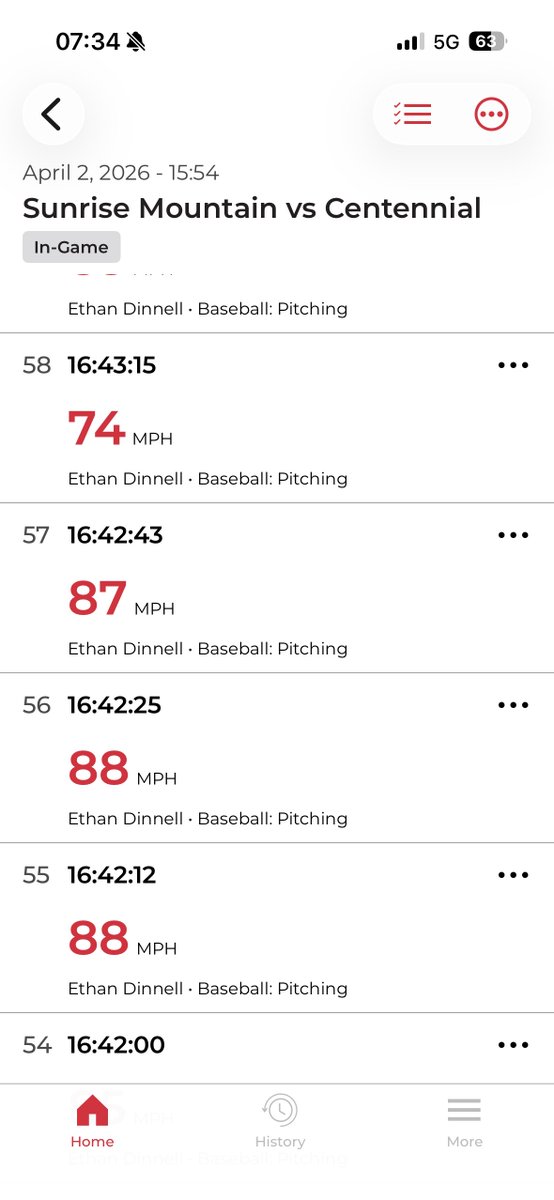
Good game against Centennial yesterday. Went 6.1 innings and allowed 2 hits, 1 run and struck out 6. @SMHSMustangBB got the 9-1 win. Lived 86-89mph with the FB. @PocketRadar verified.
3
21
1,728
Pocket Radar retweeted

Lots of hitting today to stay sharp! Had consistent power off the tee at the end of my workout that I am ready to bring into games 💪🐰🐣 #eastereggs #softball #Bunnyday @FPNE16UPeyton @CoachpeytonSB @FPNE18URoumelis
4
58
2,581

Pocket Radar retweeted

Mar 31
Daulton Jefferies comeback is one of the clearest examples of what happens when you fix the right problems in the right order.
After four surgeries, including three Tommy Johns, Daulton had already made it to the big leagues, but staying healthy had become the biggest obstacle in his career.
When Albertus first evaluated him, Daulton was still an elite athlete, throwing upper 80s and touching 92, but his mechanics were putting him in a dangerous position.
His arm was badly out of time, constantly playing catch up, and his pelvis was rotating upward, causing him to jump down the mound instead of moving through it efficiently.
That combination limited velocity and added unnecessary stress to the arm.
The first priority was not to chase velo.
It was to make his arm action more efficient.
Using lighter balls and specific cues, they rebuilt the loading pattern so his arm could get up on time by foot strike.
Only after that did they address how his pelvis worked down the mound, teaching him to ride the slope properly and rotate downward instead of upward.
That sequencing mattered, because fixing the pelvis first would have made the late arm even worse and increased injury risk.
In the weight room, the goal was not to force massive strength gains.
Daulton already had high level athleticism.
The focus was maintenance, unilateral strength, power work, and targeted recovery so his body could support the new movement patterns without taking away from throwing.
Just as important was the mental side.
After four surgeries, he had built protective guards around his arm.
Part of the process was helping him trust his body again, stop pitching scared, and attack each throw freely.
In only a few months, Daulton went from not looking ready for pro ball to being back up to 95 mph and earning real opportunities again.
1
2
15
3,522
Pocket Radar retweeted
6'5" 210lb RHP - 2027 - MO
Line from my latest start on 3/31.
6.1 IP/5H/1R/1ER/0BB/3K/76-59(77%)strikes
📈FB 87-90 / CB 77-78 / CH 82-83
@BHSBaseball10 @RoyalsScoutTeam @FlatgroundApp @PocketRadar @PB_Uncommitted @PG_Uncommitted
1
10
53
8,308