
By & for post-16 educators & activists. Ed.: Colin Waugh. New contributors welcome. Contact: post16educator@runbox.com.
Joined October 2015
- Tweets 3,117
- Following 1,690
- Followers 1,901
- Likes 3,373
435 Photos and videos





RT @peterjukes: “The truth is that the global far right have spent the past few years using a billionaire-owned social media platform to de…
783
Post-16 Educator retweeted

Jun 9
HISTORY LESSON
The Nazi Party branded itself the 'National Socialist German Workers' Party' to appeal to working-class men. After staging massive 'pro-worker' May Day rallies on May 1, 1933, the very next day Hitler banned independent trade unions, seized their assets, and arrested their leaders.
On May 2, 1933, the SA (Storm Troopers), SS, and police occupied trade union offices nationwide in a coordinated action. They seized assets, records, and funds while arresting union leaders and officials. Contemporary U.S. State Department reports and other sources noted around 50 prominent arrests in the initial wave, including key figures like Theodor Leipart (chairman of the General German Trade Union Federation, ADGB), Peter Grassmann, and former Labor Minister Rudolf Wissell.
Many more local and regional leaders faced arrests in the following days and weeks. Large numbers endured beatings, imprisonment, or transfer to early concentration camps such as Dachau (opened in March 1933 primarily for political opponents).
Some officials were maltreated immediately, and the action extended to union banks and press offices.
This crackdown dismantled independent German trade unions (with millions of members, many aligned with Social Democrats or leftists) and replaced them with the Nazi-controlled German Labour Front (DAF). It formed part of the broader Gleichschaltung (coordination) process to eliminate independent organizations.
Over the period 1933–1945, thousands of German trade unionists, including leaders, activists, and officials, were arrested and held in prisons or concentration camps. Many suffered torture, extended detention, or surveillance after release. While outright executions of union leaders were relatively fewer in the early phase compared to other groups, many died later from camp maltreatment, disease, execution, or involvement in resistance.
The overall scale of persecution against labour organisers aligns with the regime's aim to crush independent working-class organising rather than immediately exterminate every individual.
This fits the documented pattern of political repression: by the end of July 1933, nearly 27,000 people (mostly political prisoners including communists, socialists, Social Democrats, trade unionists and left-wing activists and intellectuals) were held in early camps and detention sites.
The Nazis moved swiftly after seizing power to neutralise potential opposition from organised labor through mass arrests, violence, and forced integration into a state-controlled structure.
#JustSayin
Jun 9

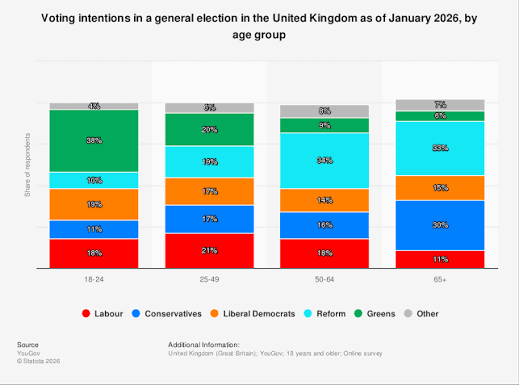
Reform is now the party of workers.
Today I am inviting trade unions to apply for affiliation with Reform UK.
We also welcome union leaders to attend our national conference in September and engage in discussions about the policies of a future Reform government.
118
1,473
2,962
77,354
A valuable piece for #FE tutorials and social studies classes on what #evidence tells us about violence and crime today. #furthereducation

It is not just the far right. It is the media themselves, including the so-called progressive ones.
Violence in Britain has fallen 83% since the mid-1990s. Burglary 86.6%. Vehicle theft 86.4%. ONS, Crime Survey for England and Wales, forty years of data.
89.5% of prisoners serving for violence against the person are British nationals. 89.4% for sexual offences. 73% of the prison population is white.
Convictions by ethnicity are 84% white, matching population share almost exactly. Violence is the largest arrest category at 47%, and the MOJ confirms this is "broadly consistent across ethnic groups".
The disproportionality is in drug offences and weapons possession, not violent crime.
The Oxford Migration Observatory found that controlling for age and sex, foreign nationals are underrepresented in prison: 3,193 fewer than demographics predict.
The LSE found "the increase over time in offending is much stronger among the British than the Foreigners. Indeed there is essentially no change in the violent incarceration rate of foreigners over the whole period in spite of the two large immigrant waves that occurred".
A study of 55 countries over three decades (Journal of Economic Perspectives) found no correlation between immigration and crime. Homicide fell by a third globally from 1990 to 2019 while the immigrant population grew by two thirds. A separate analysis of 216 regions across 23 European countries found "no significant link between immigration levels and crime rates".
Yet the public believes the opposite. A MORI survey found the British public believed 23% of the population was foreign born. At the time, the actual figure was around one in nine. The public perceives the most negative impact of immigration to be crime. The data says foreign nationals are underrepresented in violent crime. That gap is not an accident. It is a product.
Violent crime is over 60% of tabloid crime coverage despite being 20% of reported crime. An analysis of 402,819 articles found the immigration-crime link in public perception exists because of selective coverage and breaks when native criminality is given equivalent prominence.
Arendt (2010) found over-representation of "foreign crime" articles directly led to readers overestimating foreign offenders.
Blinder and Jeannet (2017, British Journal of Political Science) showed media depictions directly affect the accuracy of British public perceptions.
The Erasmus study found coverage "disproportionately focused on crimes involving immigrants, fueling misconceptions even when data showed no substantial increase". A CEPR study found this coverage directly increased populist voting by 5%.
And it is not just the tabloids. Conservative papers focus on immigrant crime. Liberal and progressive papers focus on "group-related problems". Both frame immigration through threat.
A study of 40,000 articles found systematic bias against Muslims across UK media. The BBC, Sky, ITV, the Times, the Guardian: they all amplify crime when the perpetrator is an immigrant or non-white, not because it is more common, but because it is more engaging.
A domestic murder in Sunderland does not get 3.4 million views. A white British man who commits one of the nine out of ten violent offences in this country does not trend.
The result: a population that believes crime is rising when it has collapsed, believes immigrants are dangerous when they are statistically less so, and believes the country was safer decades ago when every dataset says the opposite.
The far right did not build this machine. The media did. The far right just learned how to drive it.
25
Post-16 Educator retweeted

Reform today: We love trade unions!
Reform last year: We hate trade unions!
47
591
1,326
35,592

It seems the entire Reform Rob Kenyon election campaign is based on this carefully sculpted "working-class local lad" narrative.
Beyond the numerous red flags surrounding his past conduct, the real state of British politics is reflected in the fact that thousands of people will fall for this and simply vote for him.
No discussion of policies. No relevant experience. No meaningful credentials. Just someone who started a plumbing business on Checkatrade six months ago and now has the financial resources and propaganda machine of Reform behind him.
People are literally going to go out and vote for a stooge, and I think many secretly know it and simply don't care.
People are so desperate to find a scapegoat for the problems they face in life that they're delighted to blame the person delivering their Uber Eats or serving them coffee at Starbucks, rather than the tiny number of individuals who control a staggering share of the nation's wealth, leaving less resources for everyone.
It's far easier to look down on those with the least and blame them for your problems while wealthy elites and political grifters bankroll campaigns that will leave you poorer and even more desperate.
And by the time you realise what's happened, you'll already have handed them all the power.
37
236
732
32,686
Interesting exercise for #Post16 #citizenship and enrichment sessions. Lots of real-world maths and fruitful discussions about #wealth, need, power, greed, #inequality, and just getting by. Maybe map against the backers of the main political parties?

Die gleichen Bürger aus dem Video, die in UK die Trümmertruppe Reform von Nigel Farage wählen, wählen bei uns AfD. Die haben überhaupt keine Ahnung was Überreich bedeutet. Schön, dass jemand ihnen das mal vor Augen hält.
1
44
What 370,000 College Essays Tell Us About A.I.’s Effects on Creativity @RebeccaWinthrop nytimes.com/2026/05/27/opini…
#AI #HigherEducation #Post16Education
17
What 370,000 College Essays Tell Us About A.I.’s Effects on Creativity @RebeccaWinthrop nytimes.com/2026/05/27/opini…
23
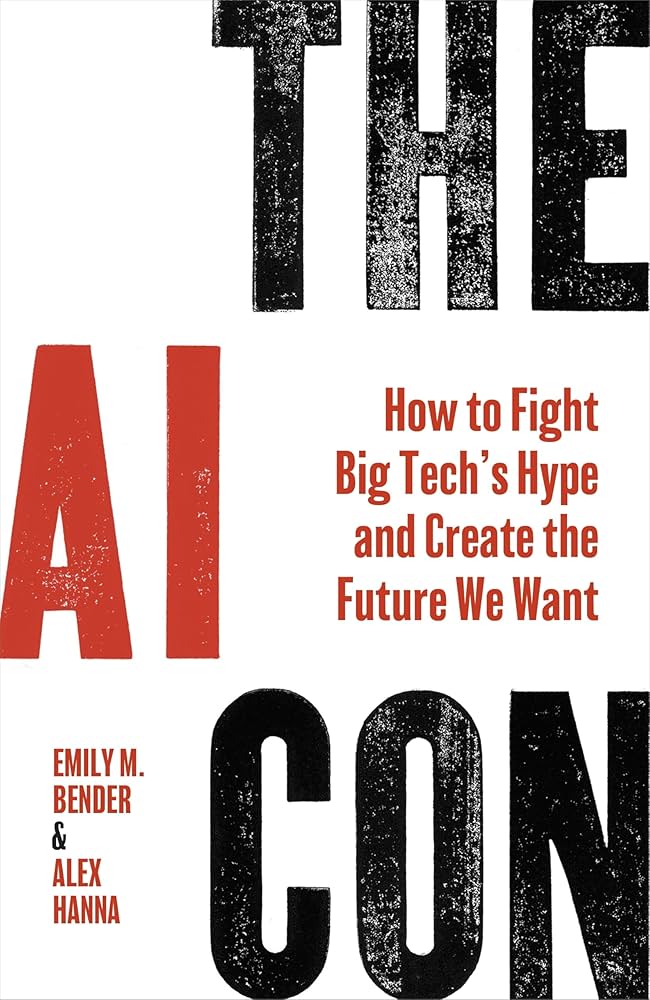
Post-16 educators are at forefront of the AI argument as researchers, tech developers, critics of corporate power, people simply trying to hold the line against the erasure of our democratic capacities for critical thinking.

"Everything that Tony Blair says about AI is not true!"
The former PM has said everyone needs to embrace AI, but @_KarenHao says it's a political project trying to strip agency from everyone, everywhere.
@lewis_goodall
1
2
70
Post-16 Educator retweeted

May 25
SAM ALTMAN: “WE SEE A FUTURE WHERE INTELLIGENCE IS A UTILITY, LIKE ELECTRICITY OR WATER, AND PEOPLE BUY IT FROM US ON A METER.”
3,929
2,123
7,845
16,809,985
Post-16 Educator retweeted

May 26
Let me trace the timeline here because nobody's connecting it.
Step 1: Scrape the entire internet. Every book, every article, every conversation, every piece of art, every forum post. Do it without asking. Do it without paying.
Step 2: Train a model on all of it. Call it "artificial intelligence."
Step 3: Go to BlackRock's Infrastructure Summit and announce: "We see a future where intelligence is a utility, like electricity or water, and people buy it from us on a meter."
Step 3 is where you sell people's own knowledge back to them. On a meter.
They took the collective output of human thought, compressed it into a model, and now they want to charge you by the token to access a version of what you and everyone you know already created.
One Reddit user put it perfectly: "They stole all this data from us, the people, our life's work, creativity, art, by devouring the internet and blowing through all copyright laws. Now they want to sell it back to us in the form of a utility."
Imagine if someone photocopied every book in the public library, burned the library down, and then opened a subscription service for the copies.
That's the metered intelligence business model.
And they're pitching it to infrastructure investors as though they invented water.
May 25

SAM ALTMAN: “WE SEE A FUTURE WHERE INTELLIGENCE IS A UTILITY, LIKE ELECTRICITY OR WATER, AND PEOPLE BUY IT FROM US ON A METER.”
3,276
46,857
137,001
5,666,596
Post-16 Educator retweeted

May 22
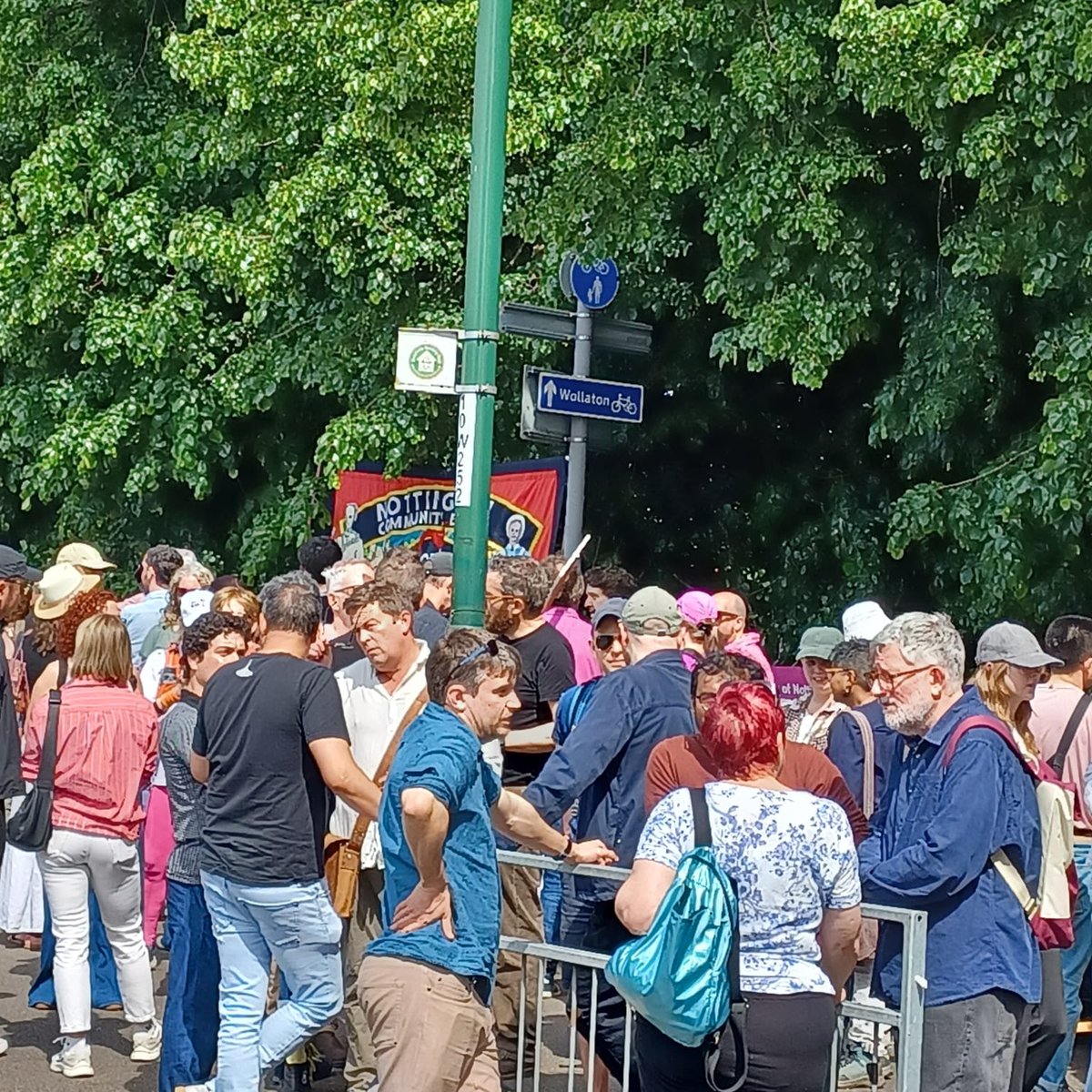
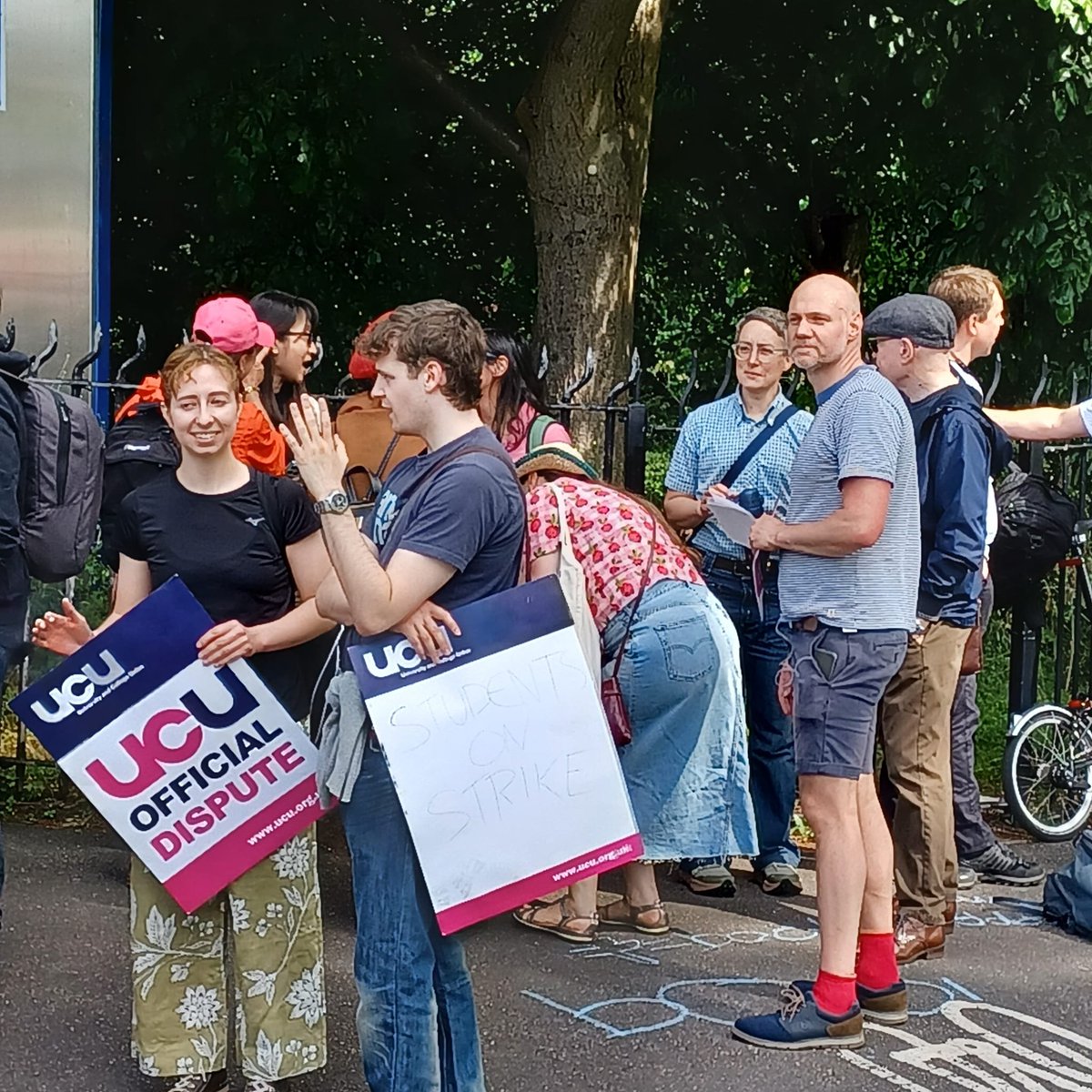
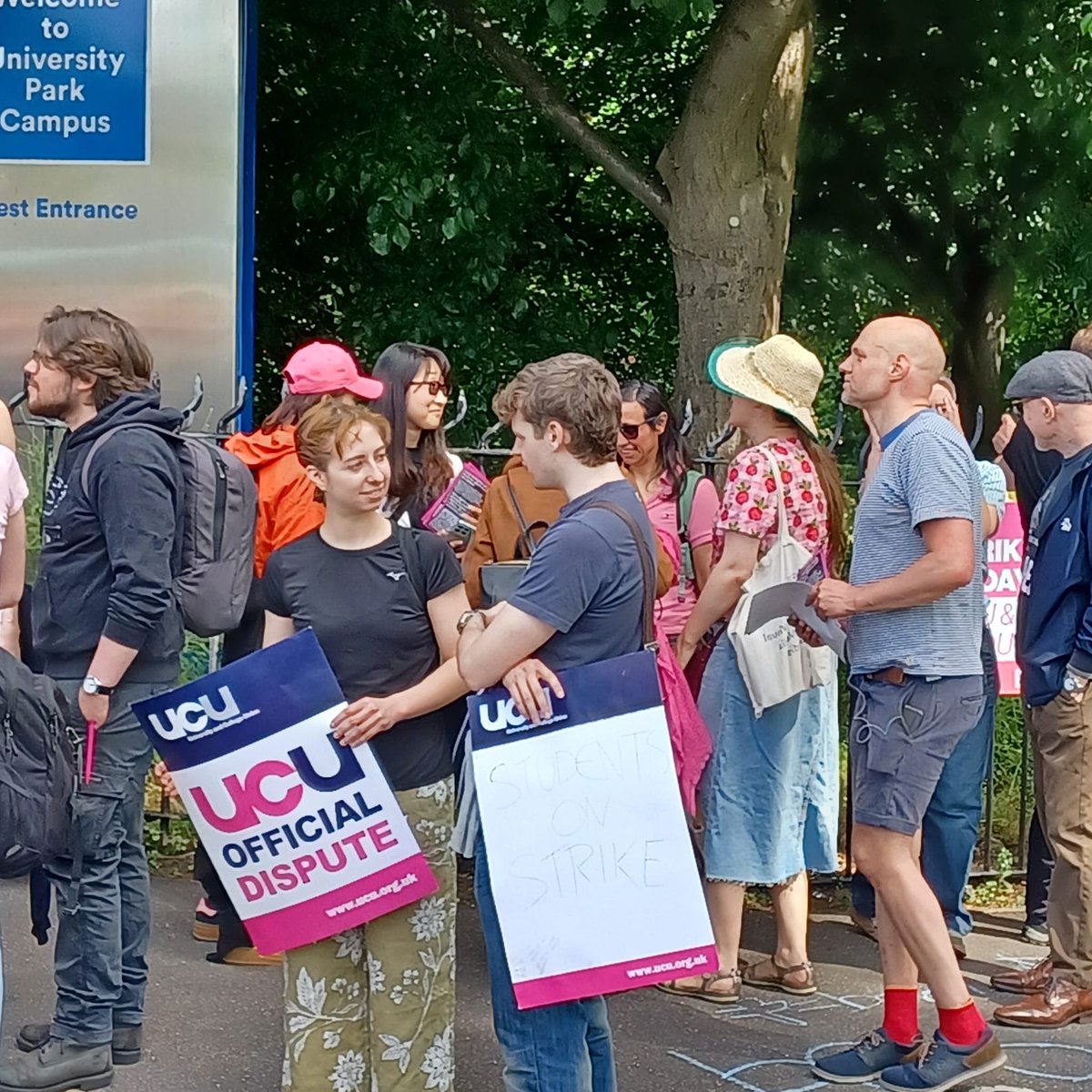
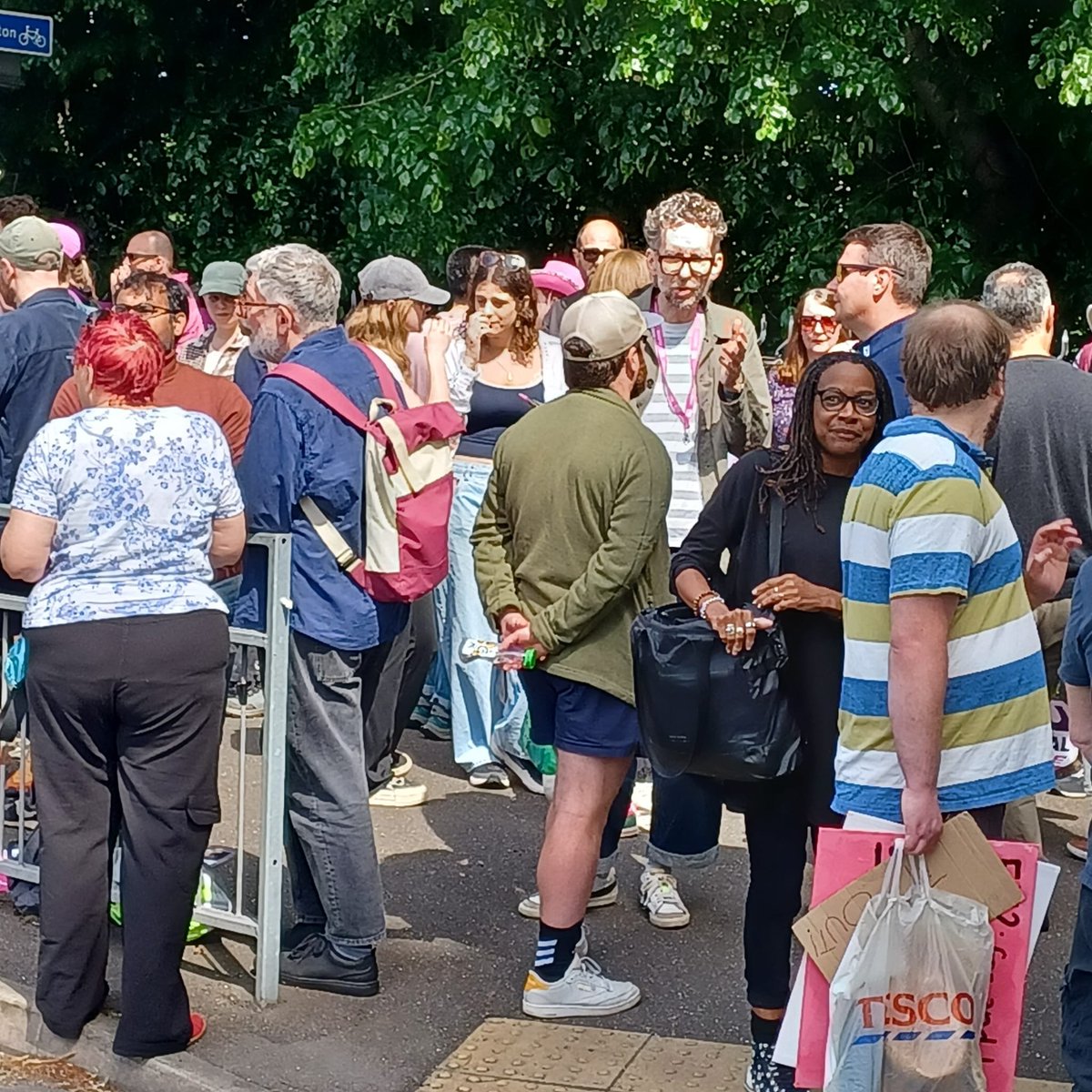
It was a great day today. Packed Picket lines followed by a rally at Trent Courtyard. The media was there, here are some of the pics I had time to take. West Entrance @UoNUCU
1
12
35
1,906
Colleges (#FE/#adulteducation) used to be part of their communities - community resources; places to meet, mix & learn. Now, far less so. Has the loss of community-based ed. contributed to the sense of lost community, and helped fuel #Reform's toxic interpretation of community?
2
5
142
Post-16 Educator retweeted

May 19
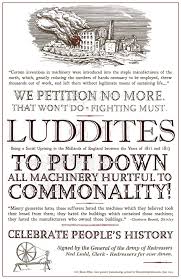
Peak luddite is exactly what we need! The young are rebelling against technology threatening to replace their jobs and their purpose in life. They've been raised on tech from birth and see, first hand, how tech enslaves us, capturing our attention and monetizing our creativity.
1
1
5
156
Post-16 Educator retweeted

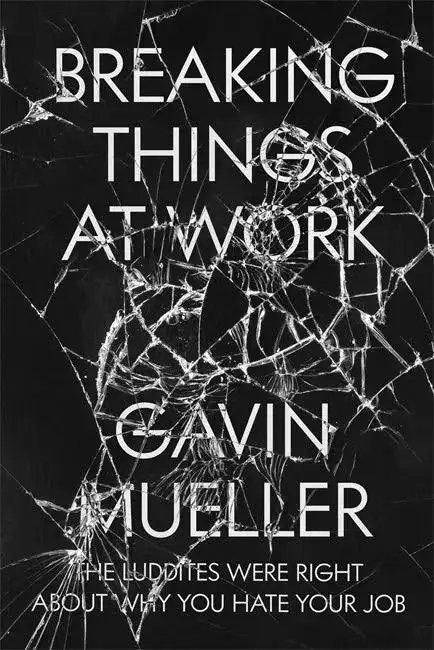
The Luddites were right!
They cherished high quality craftsmanship and fought for fair labor practices and ethical technological advancement that would not concentrate power in the hands of a few.
1
1
2
121
Post-16 Educator retweeted
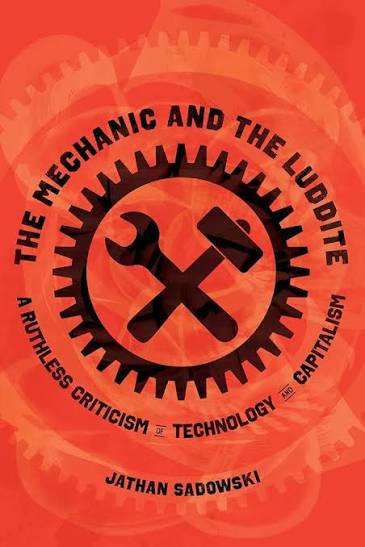
Who designs? Who benefits? Whose interests? Whose assumptions? Who gets excluded? Can we 'rescue ... the Luddite cropper, the “obsolete” hand-loom weaver, the “utopian” artisan ... from the enormous condescension of posterity'? E.P.Thompson
ucpress.edu/books/the-mechan…
1
3
70
Useful resource for #FE and Sixth Form College tutorials. What makes a source reliable or unreliable? Are we equipped to really evaluate sources like this? What effect does this kind of material have on public debate?
May 13

This what we’re up against:
AI videos being made in Sri Lanka, shared here in Britain to stoke fear and division.
The next time someone tells you something MUST be true because they’ve seen it on Facebook…send them this video.
1
1
104
Post-16 Educator retweeted

May 8
British Journalists take note - this is how you question Reform Mp's.
Watch and learn!
This young man annihilates Robert Jenrick
#bbcquestiontime
353
1,425
7,577
236,316
Post-16 Educator retweeted

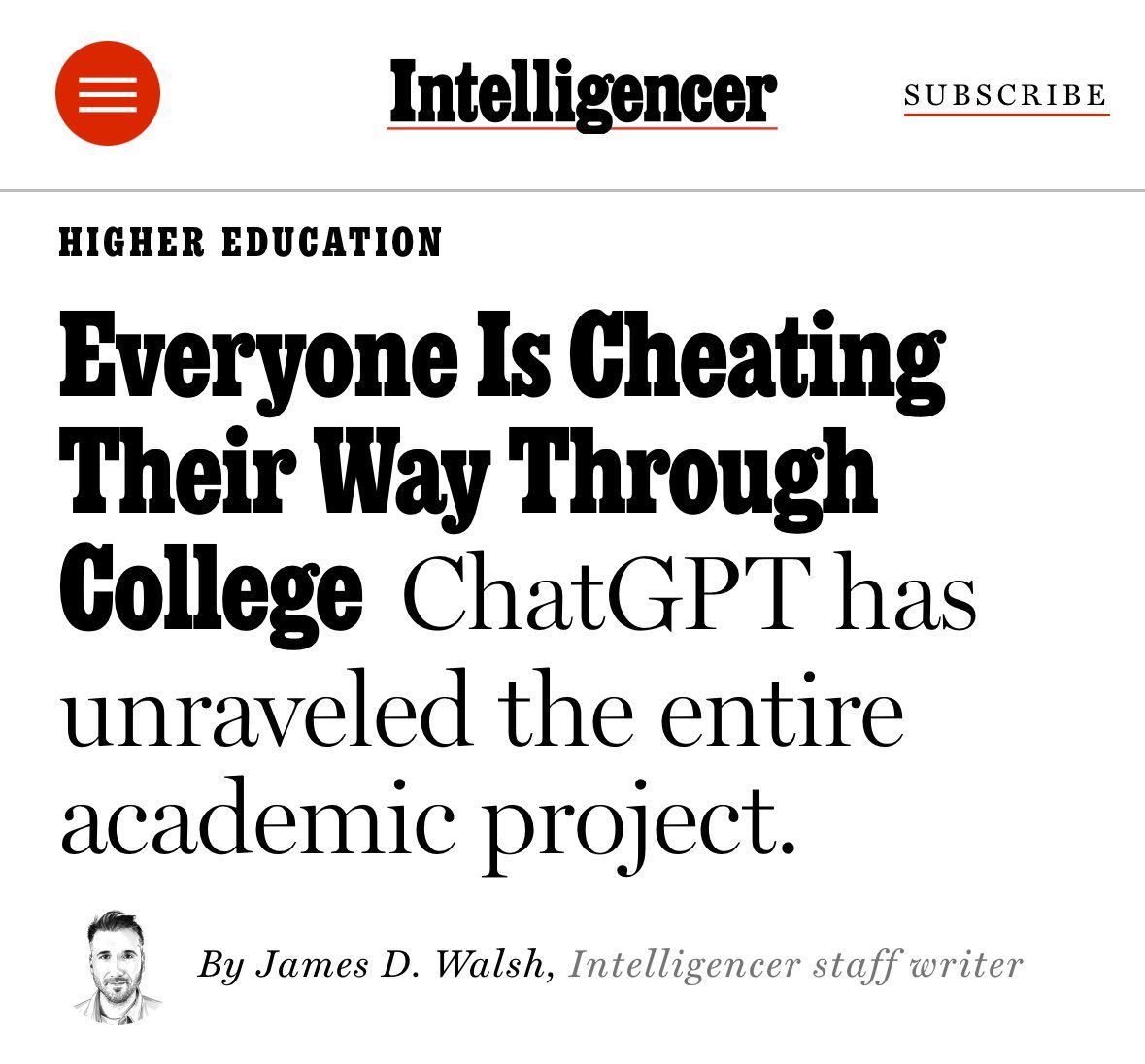
🚨 University professors have been saying AI is completely destroying learning and that we'll soon have an AI-powered, semi-illiterate workforce. Here's a glimpse into the educational apocalypse:
"Sarah, a freshman at Wilfrid Laurier University in Ontario, said she first used ChatGPT to cheat during the spring semester of her final year of high school. (...) After getting acquainted with the chatbot, Sarah used it for all her classes: Indigenous studies, law, English, and a “hippie farming class” called Green Industries. “My grades were amazing,” she said. “It changed my life.” Sarah continued to use AI when she started college this past fall. Why wouldn’t she? Rarely did she sit in class and not see other students’ laptops open to ChatGPT. Toward the end of the semester, she began to think she might be dependent on the website. She already considered herself addicted to TikTok, Instagram, Snapchat, and Reddit, where she writes under the username maybeimnotsmart. “I spend so much time on TikTok,” she said. “Hours and hours, until my eyes start hurting, which makes it hard to plan and do my schoolwork. With ChatGPT, I can write an essay in two hours that normally takes 12.”
-
"By November, Williams estimated that at least half of his students were using AI to write their papers. Attempts at accountability were pointless. Williams had no faith in AI detectors, and the professor teaching the class instructed him not to fail individual papers, even the clearly AI-smoothed ones. “Every time I brought it up with the professor, I got the sense he was underestimating the power of ChatGPT, and the departmental stance was, ‘Well, it’s a slippery slope, and we can’t really prove they’re using AI,’” Williams said. “I was told to grade based on what the essay would’ve gotten if it were a ‘true attempt at a paper.’ So I was grading people on their ability to use ChatGPT.”
-
AI in education is a serious topic, and many schools and universities are blindly jumping into the "AI-first" wave without considering short and long-term consequences.
It would be great to hear more from teachers and educators to understand potential solutions.
This might be a great opportunity for rethinking the education system and how students are assessed.
-
👉 Link to the full article below.
👉 To learn more about AI's legal and ethical challenges, join my newsletter's 94,700 subscribers (link below).
658
1,648
5,263
2,956,751
Post-16 Educator retweeted

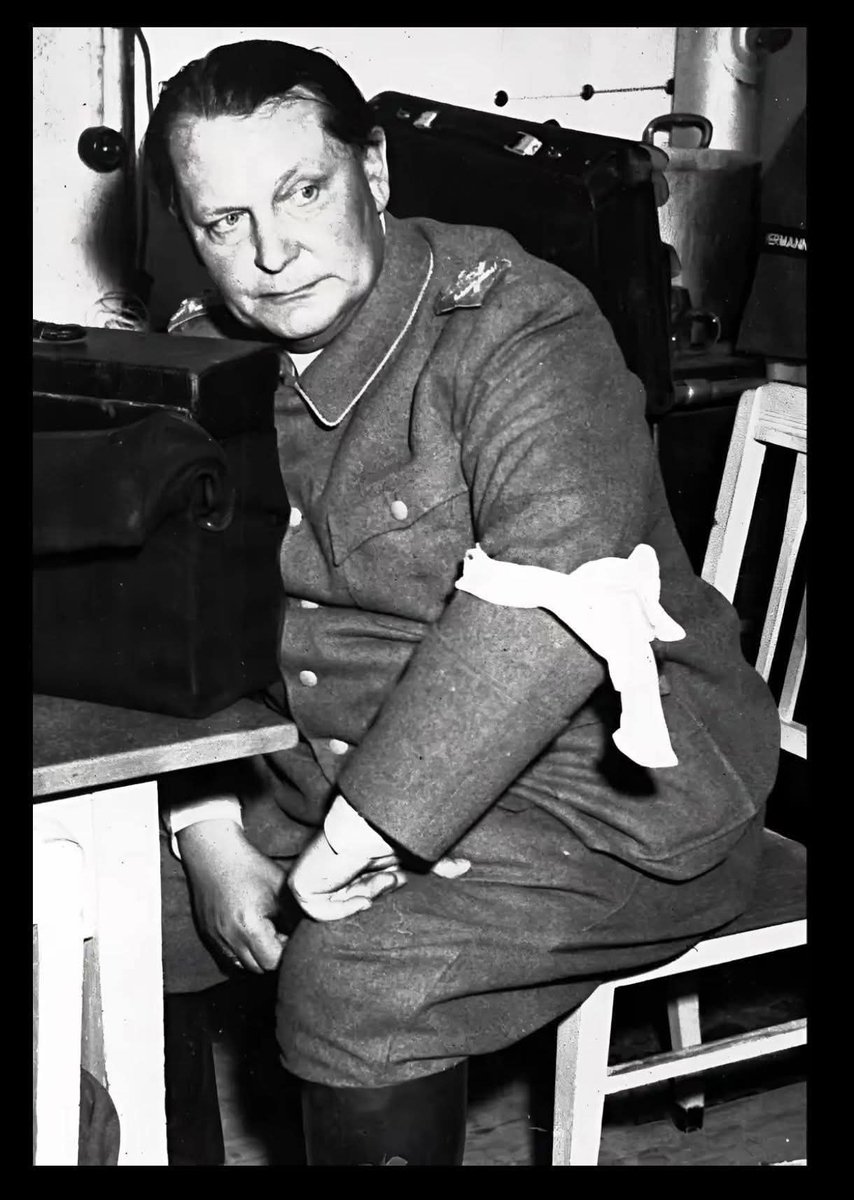
During the Nuremberg Trials, Hermann Göring gave an interview to psychologist Gustave Gilbert and said:
“Of course the people don’t want war. Why would some poor farmer want to risk his life in a war when the best he can hope for is to come back to his farm in one piece?
Naturally, people don’t want war. No one wants war in Russia, England, America — not even in Germany. That’s obvious.
But in the end, it’s the leaders of a country who determine policy. And it’s always a simple matter to drag the people along, whether it’s a democracy, a communist state, a parliament, or a fascist dictatorship.”
Gilbert objected:
“But there is one difference in a democracy — the people have a voice through their elected representatives.”
To which Göring replied:
“That’s all well and good, but whether the people have a voice or not, they can always be brought to the bidding of the leaders. That is easy. All you have to do is tell them they are being attacked, and denounce the pacifists for lack of patriotism and for exposing the country to danger. It works the same in any country.”
— Nuremberg Diary, April 18, 1946
Doesn’t it sound familiar?
547
12,599
36,623
2,119,046