Mechanical Engineer
Joined December 2009
- Tweets 12,310
- Following 101
- Followers 88
- Likes 45,160
58 Photos and videos
Pranay retweeted

Hi , I am Gulshan Pahuja
Fighting for Judicial Reforms for last 14 years
Delhi High Court has convicted me for contempt of Court and sentenced me to 6 months in Prison
My only mistake is to seek accountability, transparency, swift justice from Indian Judiciary
476
7,183
21,196
301,276
Pranay retweeted

🚨 SHOCKING! YouTuber Gulshan Pahuja has been sentenced to 6 months jail by Delhi HC for calling the judiciary "TAANASHAHI" & "MANMARZI" (Dictatorship & arbitrary rule) 🤯
He had openly said he expects "no justice" from the Indian judicial system.
He ran the channel “Fight 4 Judicial Reforms".
If even basic criticism of the judiciary lands you in jail, then let’s be honest, Rest in Peace, Free Speech in India.
399
4,852
12,842
376,139
Pranay retweeted

May 20
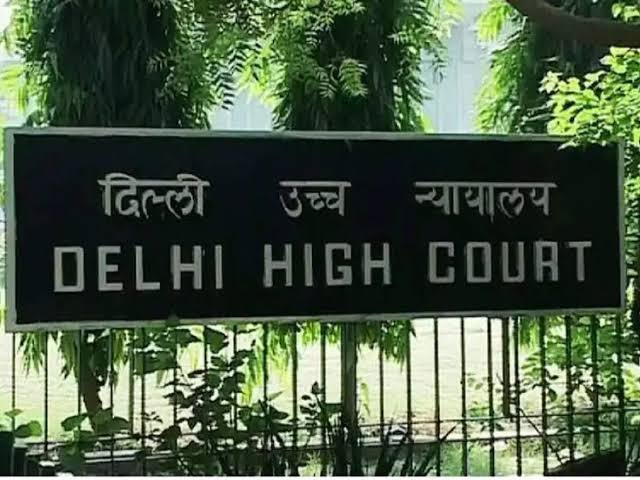
Delhi High Court sentences YouTuber to 6 months jail for calling judiciary 'taanashahi aur manmarzi'

344
892
7,159
690,900

May 18
The world is so coward that usa is fighting for some sillybthings n no one is urging for peace. While if India paksutan figthts all start asking India to stop war. So if we defend you ask us to calm down. If usa dumb ppl assume things all keep quite.
14
May 15
Amul knew petrol price was going to incease tht next day they increased milk prices. How cheap r these companies.
19
May 9
@TataPower @TataCompanies Light issue everyday in our building. Worse service of tata power. Issue of power supply from starting of building possession. Never experienced this in adani power. Mira Road Krishna prestige. If you cannot provide service then n get out of mumbai.
2
1
1
124
May 9
When called they come after 1 hour. While adani comea in 15 minutes. Our lift is always down due to bad phase issue.
33
Apr 10
People whos hometown outside Maharshtra shouldnt speak about development of Mumbai. You r here to nly earn money. We have some love towards our mothrland n for marathi not everything money. So shut up because you all will go to your place when issue happens n leave the mess here
39
Apr 2
timesnownews.com/mumbai/metr…
People mocked Nehruji, Indiraji, Manmohanji but looking at this its a disease. India is gone. We will be like pakistan one day where govt n army thinks they r above country. Maharaj we r sorry we r tued to no against these ppl.
181

Feb 17
Thankyou @EmmanuelMacron . Your visit to Mumbai showed that we can have traffic free conditions on weekdays in Mumbai which for decades @narendramodi ji cannot solve or didnt want to solve for burning more fuel in traffic n taking extra tax. Thankyou so much.
36
Pranay retweeted

This coliform conversation needs a little science and a little engineering clarity. Let’s break it down calmly.
1. What pasteurisation actually does
Pasteurisation is not “boiling.” It’s controlled heat treatment designed to destroy pathogens and drastically reduce microbial load without damaging nutrition or taste.
In most modern dairies, milk is pasteurised using HTST (High Temperature Short Time)
Typical HTST parameters:
•72°C
•15 seconds
•Rapid cooling to below 4°C
What this achieves:
•Kills disease-causing bacteria like Salmonella, E. coli, Listeria
•Reduces overall microbial load by >99%
•Extends shelf life
•Keeps proteins, calcium and most vitamins intact
Pasteurisation does not make milk sterile. It makes it safe and significantly cleaner microbiologically. That’s an important difference.
2. What happens when cold chain is broken (especially in India)
India is a subtropical country. Ambient temperatures can sit at 30–40°C for hours. That changes everything.
Even pasteurised milk still contains:
•A very small residual microbial population
•Heat-resistant spoilage organisms
At 4°C → bacterial growth is slow.
At 25–35°C → growth becomes exponential.
If milk:
•Sits outside for 2–3 hours
•Is transported without refrigeration
•Is kept in an auto or on a loading dock in peak afternoon heat
The bacterial load can multiply rapidly.
This doesn’t mean pasteurisation failed. It means temperature control failed after pasteurisation.
Milk is a near-perfect growth medium:
•Water
•Lactose (sugar)
•Proteins
•Neutral pH
Break the cold chain in India, and you are basically putting microbes in a warm incubator.
That’s why dairy safety is not just about processing. It is about:
•Chilling at collection
•Cold storage at plant
•Refrigerated transport
•Retail refrigeration
•Consumer refrigeration
Miss one step, and quality drops fast.
3. Now compare that to meat left outside for hours
Raw meat is microbiologically riskier than pasteurised milk to begin with.
It:
•Has higher initial bacterial load
•Contains blood and tissue fluids
•Has surface contamination from slaughter
If raw meat sits at 30–35°C for 3–4 hours:
•Bacterial growth becomes explosive
•Pathogens like Salmonella and Staph can multiply rapidly
•Toxin production may begin
Unlike milk, meat is not pasteurised before reaching the consumer.
So leaving meat outside in Indian temperatures is a far more serious food safety risk than a short lapse in milk refrigeration. Both are risky. But they are not equivalent starting points.
4. Engineering control: Flow Diversion Valve (FDV)
Now let’s talk engineering.
In modern pasteurisation systems, safety is not dependent on “operator attention.” It is automated.
A Flow Diversion Valve (FDV) is part of the HTST pasteuriser.
Here’s how it works:
1.Milk flows through heat exchanger
2.It enters a holding tube designed for a fixed 15-second residence time
3.A temperature sensor continuously monitors the outlet temperature
4.If temperature ≥ 72°C → valve allows milk to move forward to packaging
5.If temperature drops even slightly below set point → valve automatically diverts milk back to the raw milk tank
No debate. No manual override. It simply does not allow under-processed milk to move ahead.
This system is:
•Mandatory in many regulated dairy markets
•Time–temperature interlocked
•Recorded and logged
•Auditable
So when someone says “what if milk wasn’t properly heated?” — in a properly engineered plant, the system physically prevents that milk from entering the finished tank.
It’s not about claims. It’s about process design.
5. The bigger point
Food safety is not one test report. It is a chain:
Farm → Collection → Chilling → Transport → Pasteurisation → Packaging → Cold storage → Distribution → Retail → Consumer
Milk is safe when:
•It is properly pasteurised
•Cold chain is maintained
1/2
35
166
522
73,653

Pranay retweeted

6 Nov 2025
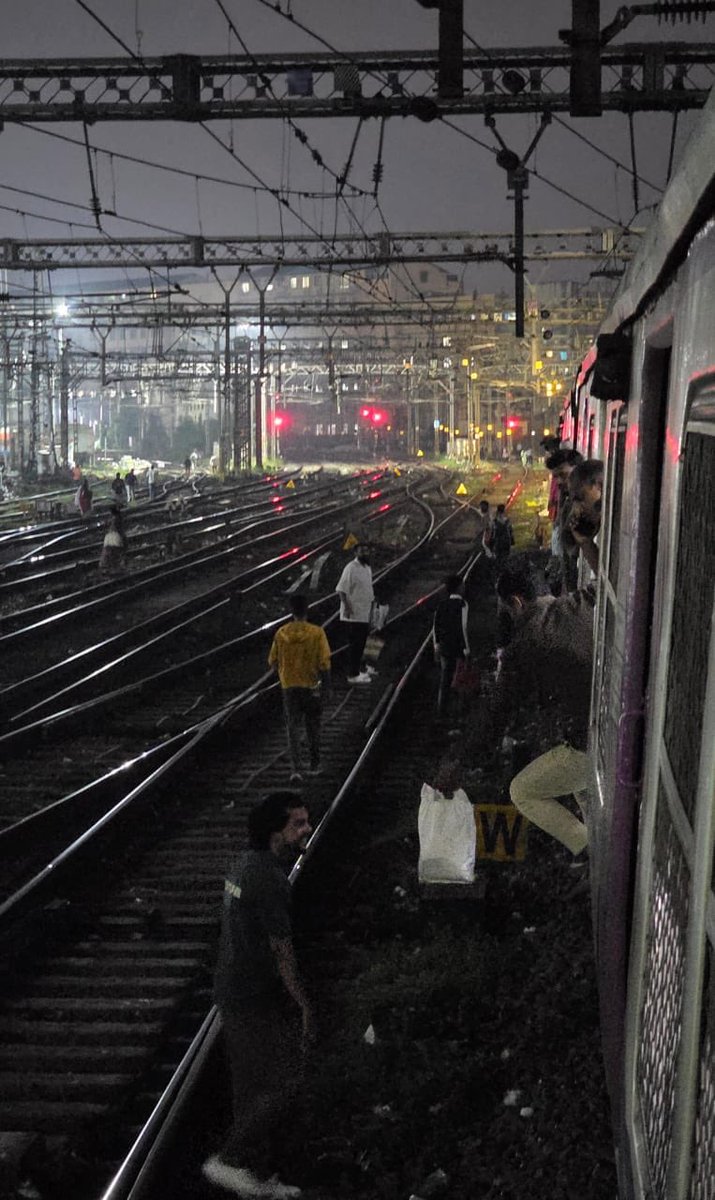
No Mumbai local trains moving from CSMT since 5.40 pm as railway unions have come out in protest. Some have even got down on tracks.
61
103
966
96,849
Pranay retweeted

3 Nov 2025
If this is implemented in India, we can fund a loan to the World Bank in return!
That is the amount of money that could be collected in fines.
3 Nov 2025

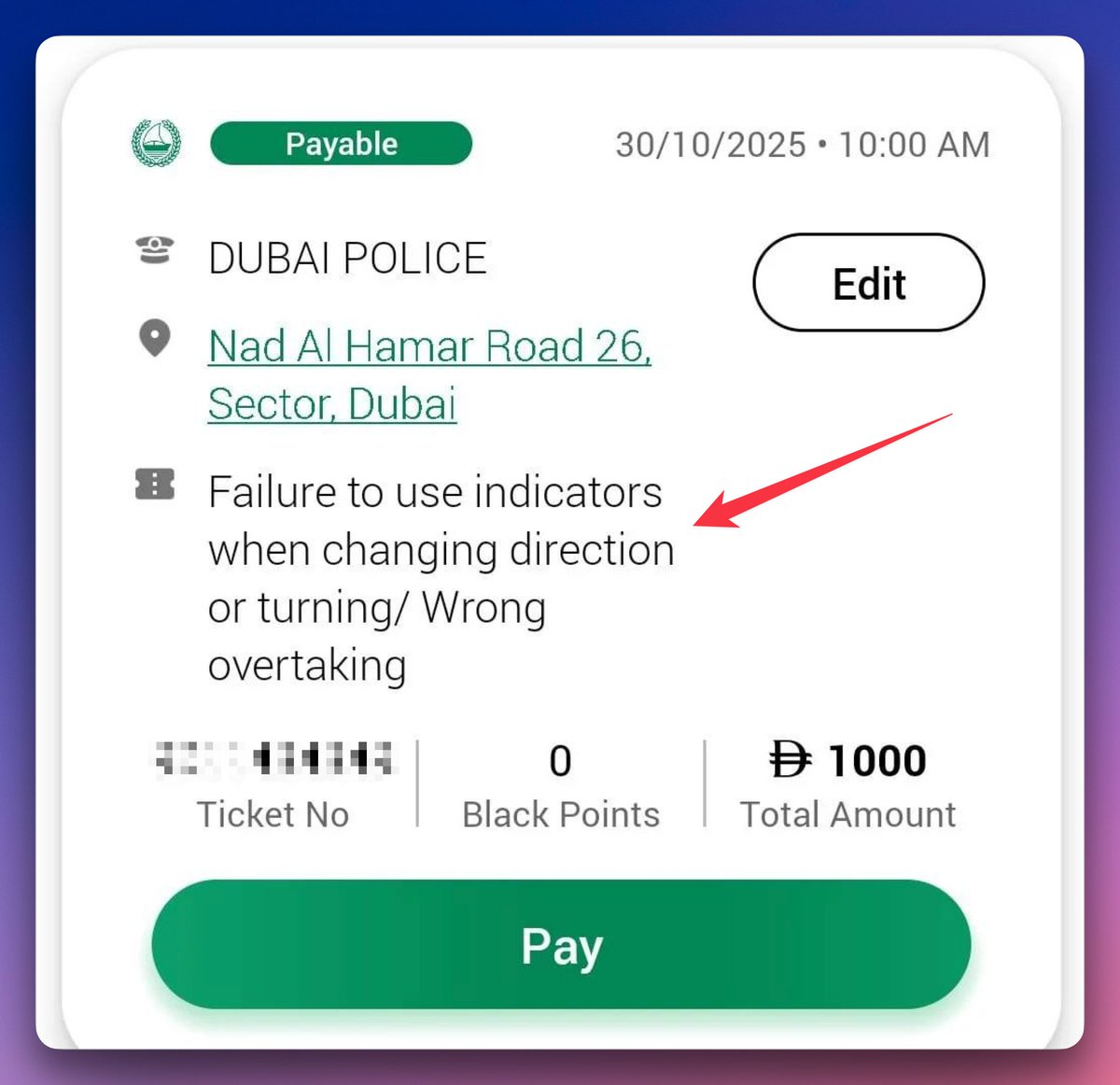
So a friend in Dubai just got 25,000 INR penalty for not using his indicator.
Imagine if this level of strict rules come to India ?
Would be game changer!
38
54
478
19,940
30 Oct 2025
Vasai Virara ppl r so coward n dumb that they dont care that their roads have potholes. Dont setup industry here bcoz there are shitty Marathi ppl in bmc who are afzal khan level sainik wantjng money all tine. Magaraj would have removed their hands to do so.
2
1
52
13 Oct 2025
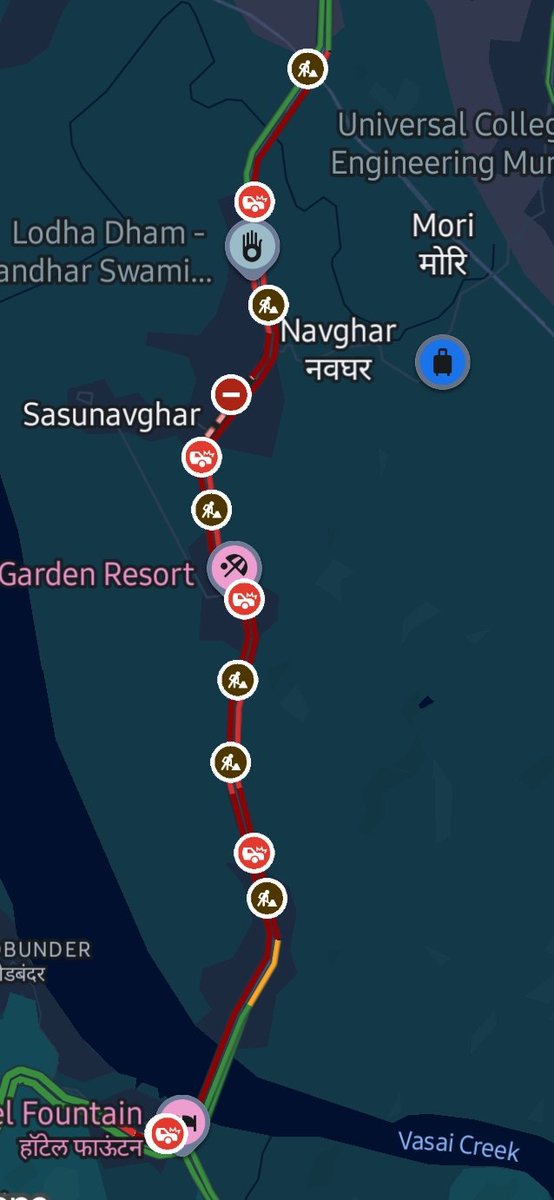
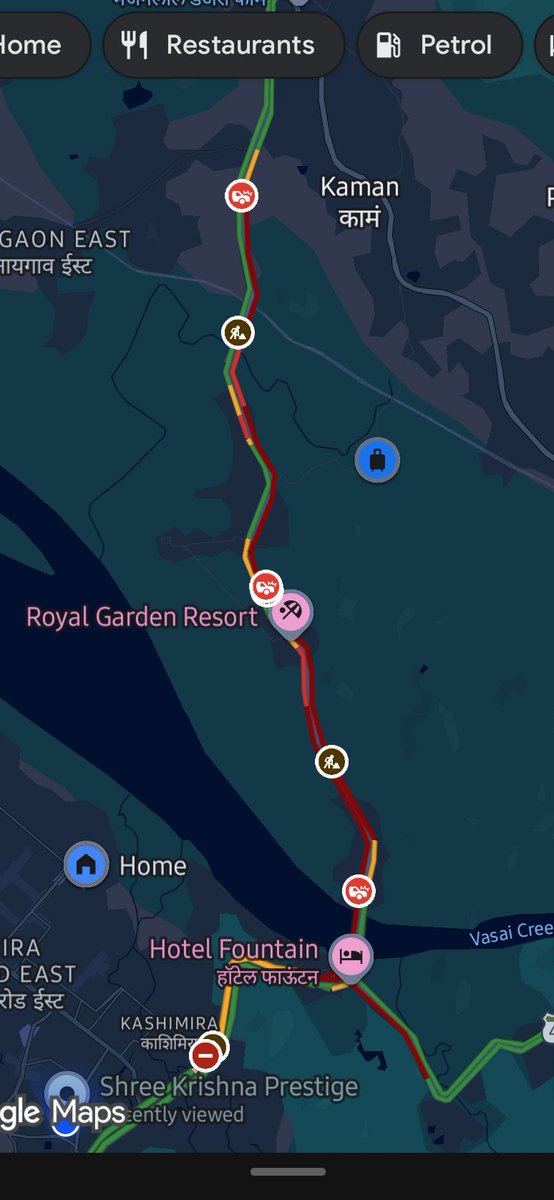
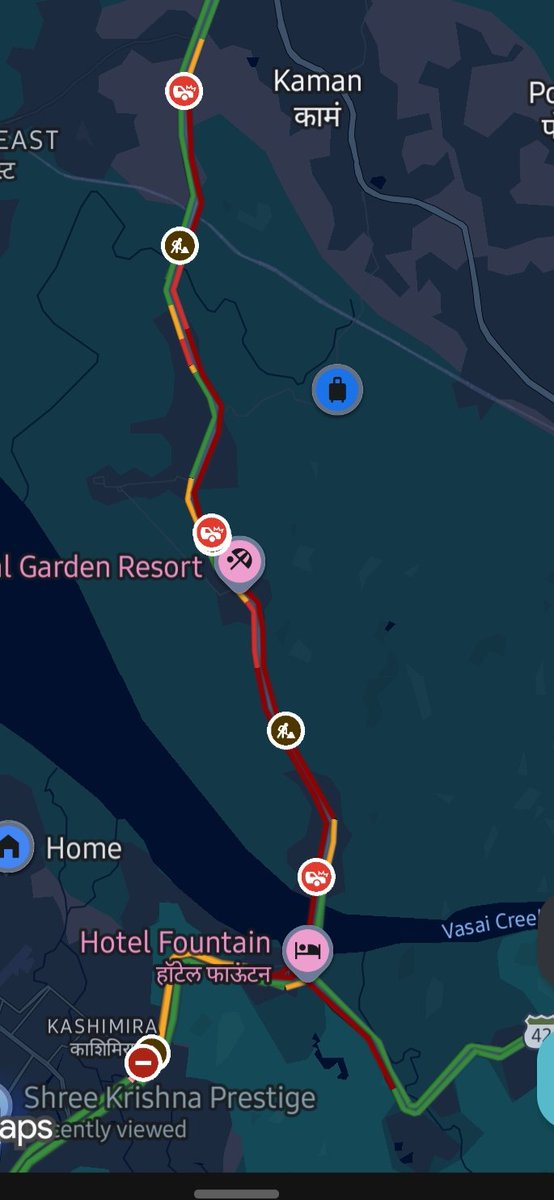
Here we go again shit made by @NHAI_Official. Traffuc jam due to repairs of road made 1 year earlier. Hope god make you rot here for 150 years on bed.
40
Pranay retweeted

11 Oct 2025
इतक्या कोवळ्या वयात सामान्य घरातली मुलं इतकी क्रुर, हिंसक कशी होऊ शकतात....
घटना कोल्हापूरातली आहे.
131
368
1,146
76,569
Pranay retweeted

11 Oct 2025
If you feel Road Rage is a UP and Gurgaon thing, Pune will surprise you.
Suraj Patil is nonchalantly breaking glass of another vehicle and taunting the driver to file a case. He is flaunting his connections and believes he is untouchable.
Where is Maharashtra heading?
199
759
2,108
166,455
Pranay retweeted

2 Oct 2025
The Government has taken cognizance of the matter raised by M/s Wintrack Inc (Chennai). (@wintrackinc).
The Department of Revenue (DoR) @FinMinIndia has been asked to undertake a fair, transparent, and fact-based inquiry into the present issue.
A Senior Officer from DoR has been deputed to conduct a detailed factual enquiry, hearing the parties concerned, officials and thoroughly examining all relevant documentary evidence.
In recent years, the Government has implemented a series of taxpayer-friendly initiatives such as the adoption of the Taxpayer Charter, the introduction of faceless customs procedures, and the establishment of appellate bodies for dispute resolution — with the objective of enhancing transparency and promoting ease of doing business.
The matter is being dealt with utmost seriousness, and the Government is committed to taking appropriate and expeditious action in accordance with the law. It is reiterated that the Government is committed to enhancing ease of doing business.
2,039
1,635
9,925
1,737,487