
$BTC 🟧 I trade your Emotions! Fear & Greed
Joined July 2015
- Tweets 17,012
- Following 578
- Followers 1,362
- Likes 29,189
753 Photos and videos






PRFCTN retweeted

Mar 12
I have 6 agents running now, two are doing ML research, one is cloning Claude code, two trade hyperliquid and one mines Bittensor.
All they need is compute from Bittensor (Lium, Basilica and Targon) and inference from Chutes and Openrouter.
The trading agents pay for the compute and inference by buying credits with proceeds.
I could literally die and this system wouldn’t turn off. Indeed it’s programmed to just get better.
142
224
2,208
188,229


PRFCTN retweeted

22 Dec 2025
New Bitcoin 4 Year Cycle video has been published to Youtube. With new action in the model portfolio.
The Turn in the Cycle youtu.be/FYxQXT8J7ek?si=A-SY…
Appreciate a share and retweet.
68
139
1,145
387,866
PRFCTN retweeted

20 Dec 2025
Netflix and chill.
8,289
45,536
395,226
17,013,996
PRFCTN retweeted

12 Dec 2025
Morning Subway ride in Milan, Italy. Like music, espresso.
392
1,767
12,291
406,519
PRFCTN retweeted

12 Dec 2025
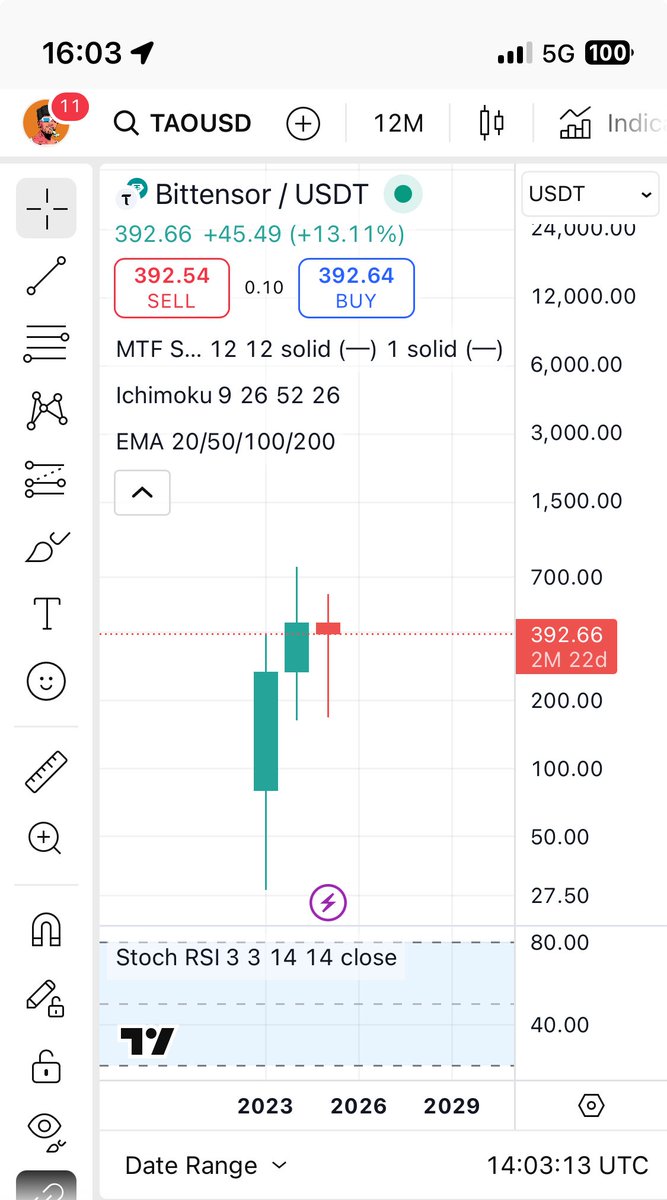
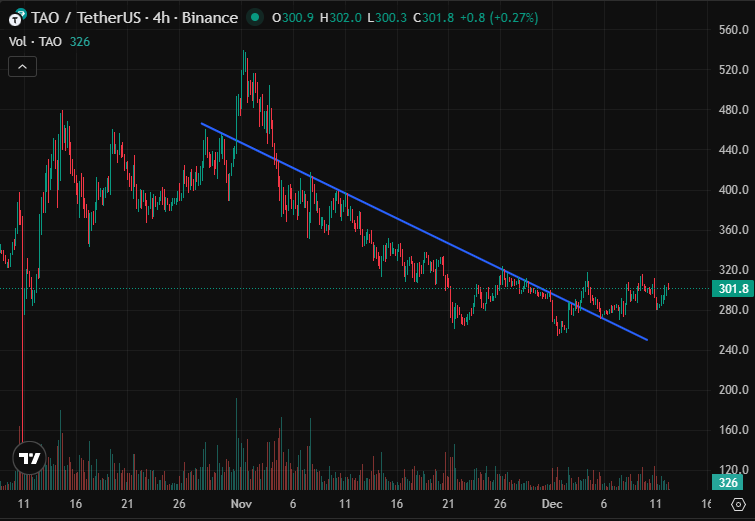
November saw a major fakeout for Bittensor $TAO that was stopped by Polychain selling pressure.
Now, on the eve of the halving, $TAO is coiling for a major move to the upside, $500 by EOY 🎯
🕵️Conspiracy opinion: Big players are waiting for the halving of $TAO to send it to the heavens so that less $TAO is available for future participants
6
6
54
1,799
PRFCTN retweeted

24 Aug 2025
Bro let his intrusive thoughts get the best of him
675
2,709
18,172
507,058
PRFCTN retweeted

6 Dec 2025
He should be an athlete 🏃♂️
4,041
10,195
116,478
4,388,411
PRFCTN retweeted
4 Dec 2025
A lot of people I hear from (some I know) seem to always live on the edge when it comes to their money, moving from one idea and opportunity to the next as attention shifts between big ideas. They’re chasing the big outcome with blinders on, looking for that one big leap into riches. You only need to see the bias that develops and grows on X around themes, until it’s too late. I certainly did a lot of this in my early years.
Sometimes they get close and sometimes they temporarily achieve far more than expected. Success creates a hero complex that consumes them and the network effect of reinforcement compounds it. But because everything is always in such hectic motion, always at risk, one forgets how to formalize their win. What’s gained in one season or theme, is often quickly handed back before the theme runs its course, as all sense of discipline and logic escapes them. Then the cycle repeats, they move on to the next idea looking for that escape level wealth, and again suddenly believing it’s their only chance to make it big or a way to get it all back.
What I’ve come to appreciate later in life is that risk alone is not a wealth strategy. It's more akin to an income source. You need a compounding strategy running alongside the speculation, something relatively predictable and structurally boring. People shy away from this because it seems (on the surface) that you can’t get rich or leverage it. But without that parallel system, there’s nowhere for winnings to go except right back into the same volatile arena they came from. And without a home, your risk is just amplified to scale at another level, but without any newfound level of risk appreciation and with a belief that the idea will just keep on giving. The problem isn’t risk itself, it’s the absence of a place to crystallize the outcome of that risk and therefore it often runs it's course, the full cycle.
I think real wealth is something that is not constantly at risk. Something stable and dependable. Something that emerges at the point where volatility is converted into something that can quietly grow on its own. A mechanism that allows temporary wins to turn into a permanent foundation. Risk then becomes something that feeds the foundation versus something that is never quite yours.
102
151
1,658
121,749
PRFCTN retweeted

3 Dec 2025
Why I keep talking about $TAO.
Real talk. 2021 did not shake out weak hands.
It robbed people blind and burned trust to the ground.
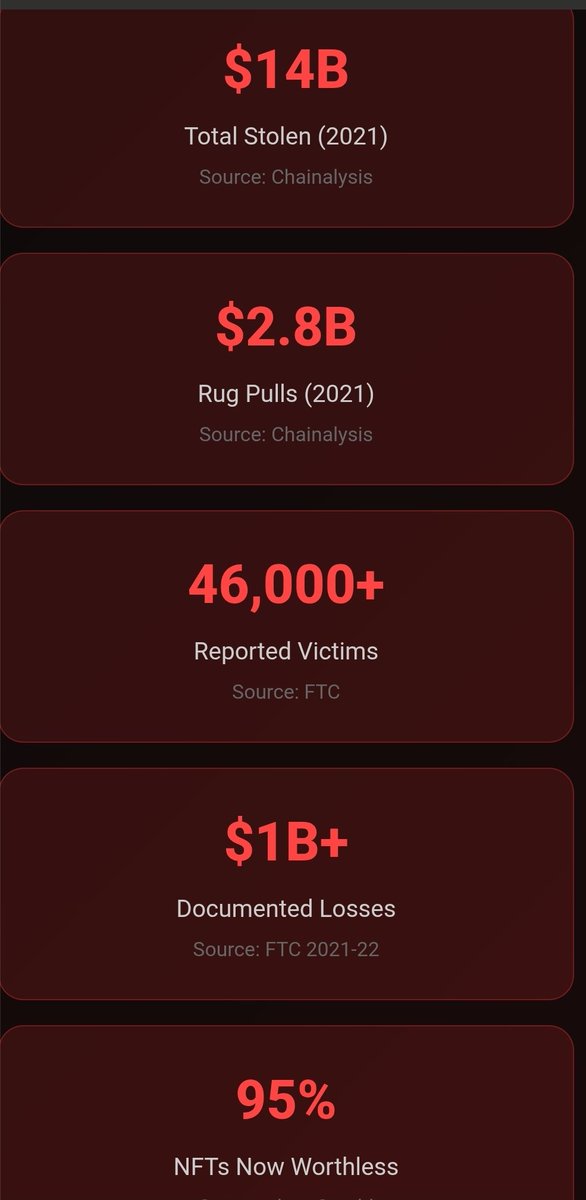
14 billion dollars stolen in 2021 alone.
2.8 billion of that was rug pulls.
46,000 plus reported victims to the FTC.
Over 1 billion in documented losses in 2021 to 2022.
And around 95 percent of NFTs are now effectively worthless.
That is not volatile markets.
That is extraction.
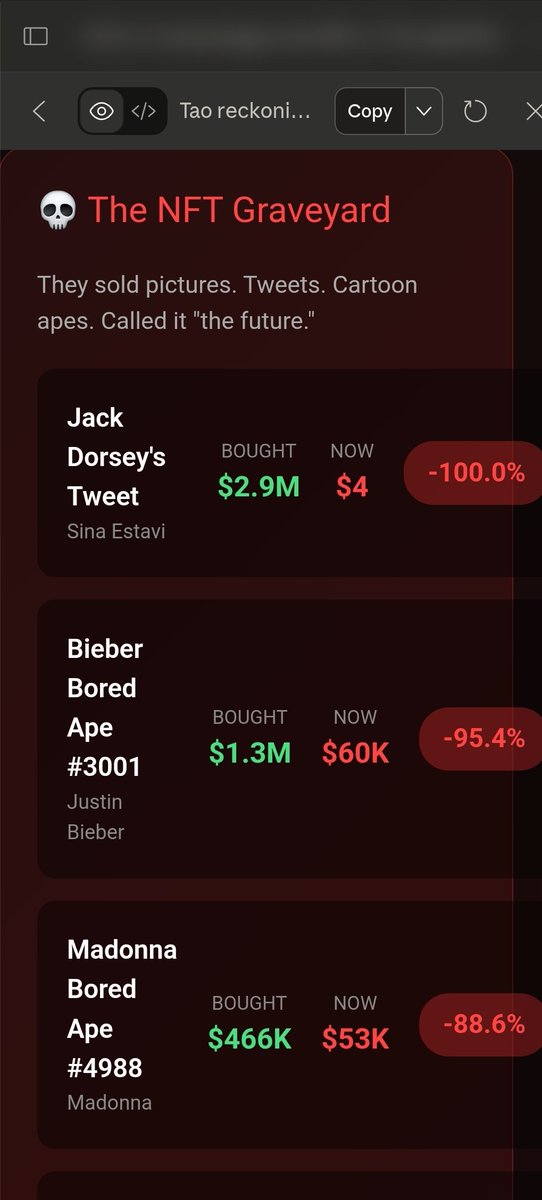
Look at the NFT graveyard.
Jack Dorsey’s first tweet sold for 2.9M
Today it struggles to fetch 4 dollars. Four.
Justin Bieber’s Bored Ape bought for 1.3M
Now worth around 60,000.
Madonna’s Ape bought for 466,000.
Now closer to 53,000.
These were not experiments in digital culture.
They were products designed to be dumped on the people who trusted them most.
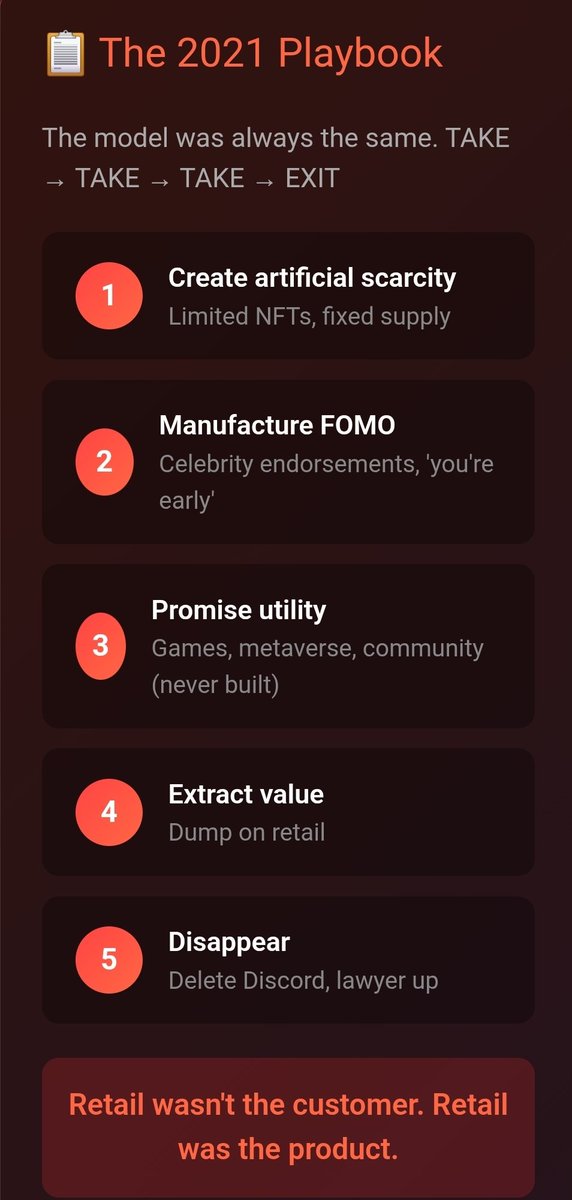
Behind it all was the same playbook.
1. Create artificial scarcity
Limited NFTs, hidden or unlimited token supply, make it sound rare.
2. Manufacture FOMO
Celebrity endorsements, you are still early, Discord hype, Telegram raids.
3. Promise utility
Games, metaverse, community, yield. Almost none of it ever shipped.
4. Extract value
Projects launched, insiders and founders dumped into retail FOMO.
Exchange supply was just a constant stream of sell orders.
5. Disappear
Discord goes quiet. Website not updated. Founders lawyer up and move on.
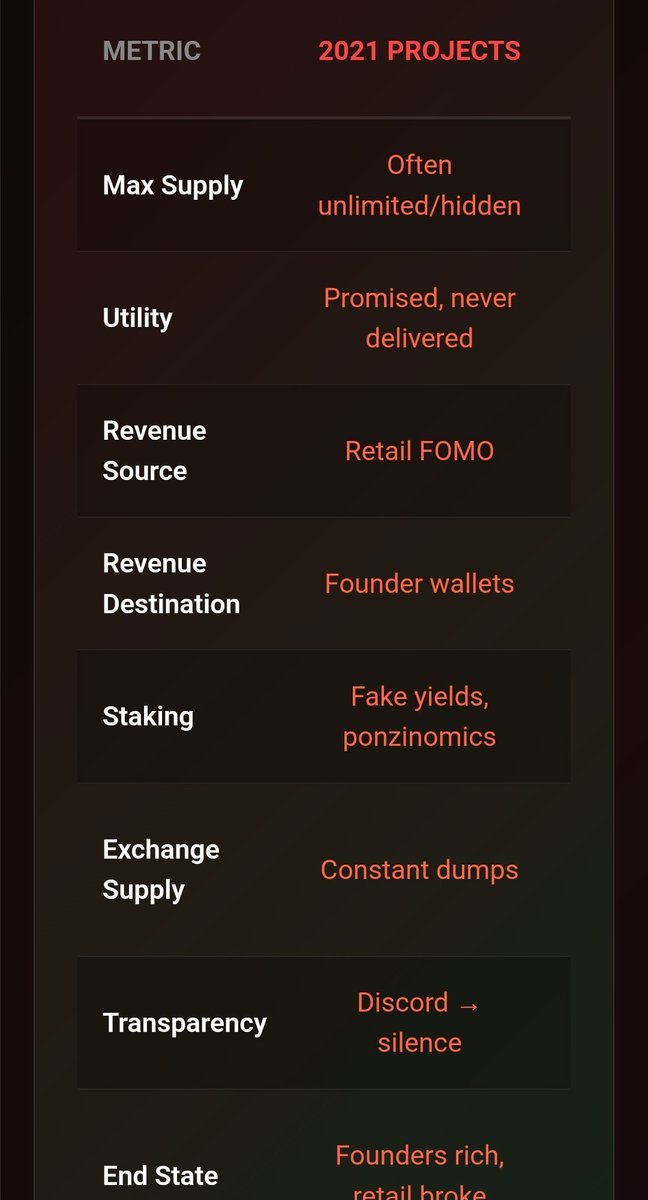
Max supply more like unlimited or hidden.
Utility was promised, never delivered.
Revenue source was retail FOMO.
Revenue destination right into founder wallets.
Staking fake yields and ponzinomics.
Transparency Discord announcements, then silence.
End state founders rich, retail broke AF.
So when people say retail abandoned crypto, I get it.
If you lost a few thousand dollars on something you genuinely believed in, you did not just lose money.
You lost confidence in your own judgment.
You felt stupid. Embarrassed. Used.
The reasonable conclusion was simple.
The game is rigged. I am exit liquidity. I am out.
And honestly, that conclusion was correct for 2021.
Now here is why I am still here.
And why I keep talking about Bittensor and $TAO.
Because structurally, it is the opposite of that playbook.
Where 2021 projects lived on retail FOMO, Bittensor lives on real demand for AI.
Money in and money out look completely different.
Money comes from enterprises and developers paying for AI services.
Money flows back into the network through subnet tokens and $TAO economics.
Look at actual revenue, not roadmaps.
Targon, Subnet 4, is not selling vibes. It is selling enterprise inference.
Tens of millions of dollars worth of Nvidia hardware behind it.
Over ten million dollars a year in revenue from customers using the system.
Chutes is building serverless AI compute that looks a lot more like an AWS competitor than a meme coin.
Celium did over a million in a handful of months.
Ridges is hitting coding accuracy close to frontier models.
Dippy has millions of users in production.
That is not we are going to build a metaverse someday.
That is already live product with paying customers.
Now overlay the token design.
Bittensor does not hide its supply.
There are 21 million $TAO. Full stop. Same hard cap as Bitcoin.
The model around $TAO looks more like this:
Subnets provide useful services.
Those services generate real revenue.
That revenue supports subnet tokens and demand for compute.
Scarce $TAO sits underneath the whole thing as the base asset.
They sold pictures of rocks and called it the future.
This time, we are building actual infrastructure for decentralized intelligence.
Retail is still stuck replaying the old trauma.
They hear new project and instantly think I am the bag holder again.
I do not blame them.
At some point, we are going to look past the scars and ask
Not what is the next meme, but what is actually being used, who is paying for it, and where does the money go.
Those two things should not be put in the same bucket.
Eventually the market will stop treating them as if they are.
29
60
247
17,397
PRFCTN retweeted

2 Dec 2025
Text to 3D.
Subnet 17, Bittensor.

Create your epic chase scene with 404.
Click the link in bio to try our latest 3D generator
1
8
82
5,204


11 Nov 2025
It’s amazing to see someone who is not creating fear or fomo but just calling out the trades publicly and wins 5 straight streaks in a row! Crystal clear and sharp! One of the best to follow @astronomer_zero 🙇🏽♂️🙇🏽♂️🙇🏽♂️🙇🏽♂️🙇🏽♂️
11 Nov 2025

Correct, thank you.
The title should be *102.7 k cleared, we can continue higher very soon and 112k is next*.
So indeed the 112.7 was a typo and should be 102.7.
155
31 Oct 2025
Wrong!
31 Oct 2025

Fyi there will be no altseason.
There is only bittensor and zcash season.
The rest of your coins are worthless.
Thank you.
1
1
518

PRFCTN retweeted

21 Oct 2025
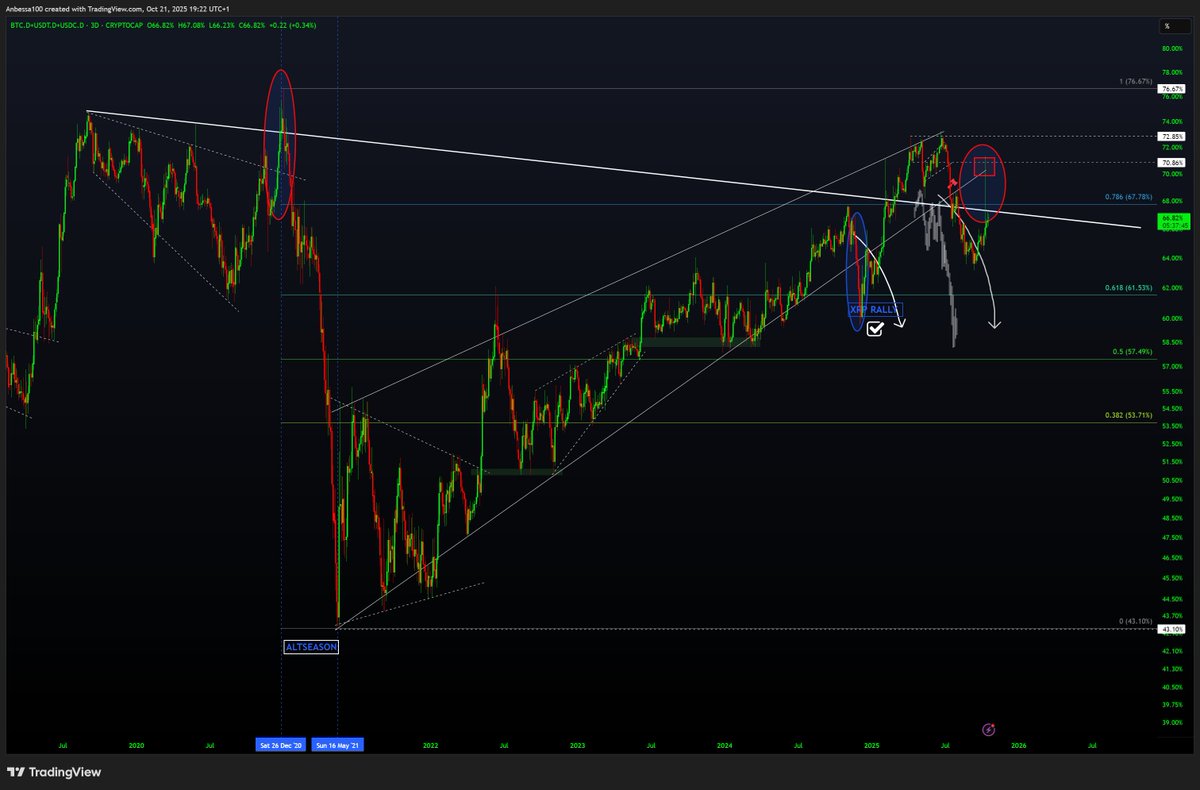
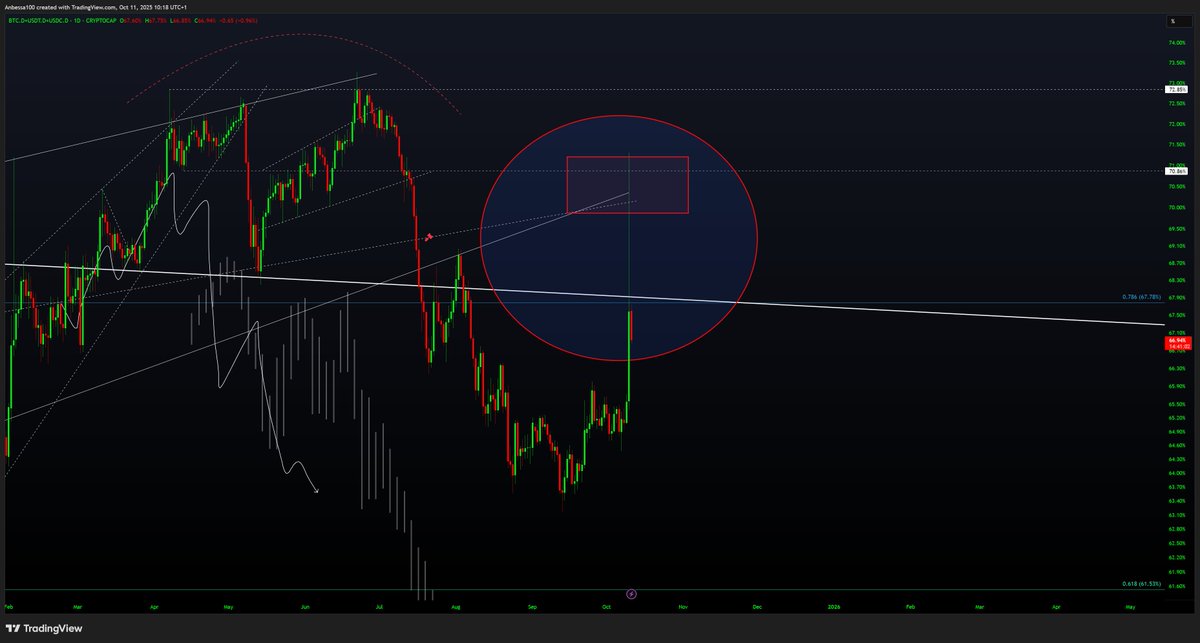
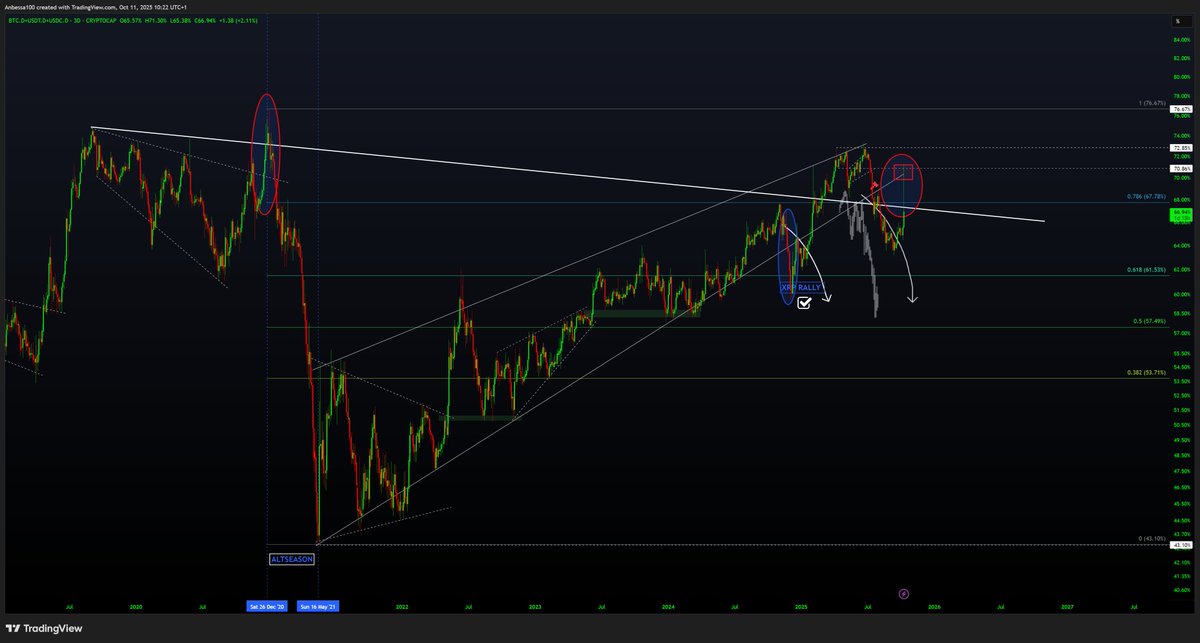
BTC Stables Dominance Update
Another HIM call hidden in the shadows. During alt liquidation day, during max fear, lion cold, unfazed, calling max opportunity for altcoins.
Aging well so far. Big red candles soon.
(Invalidation above fib 0,786)
Study this dumbmoney guru, I know u don't care cause dealflow duhh but this is what you actually want to see before calling for an alt szn.
11 Oct 2025

The algo dosn't like u to see this content, but you don’t even realize the kind of BTC Stables Dominance alpha I’m dropping here.
This type of wick and rejection at a key level usually marks the start of alt szn. We’ll find out soon enough.
Aging well so far, another rejection at fib 0,786 and potential Lower High.
24
22
245
64,101
PRFCTN retweeted

21 Oct 2025
JUST IN: @cobie has completed his first order of business.
73
38
1,410
67,349